Limited Time: 20% Off All Prints
Free worldwide shipping on orders over $69
Delivery 4-12 business days
Home / Art Print Collections / japandi wall art
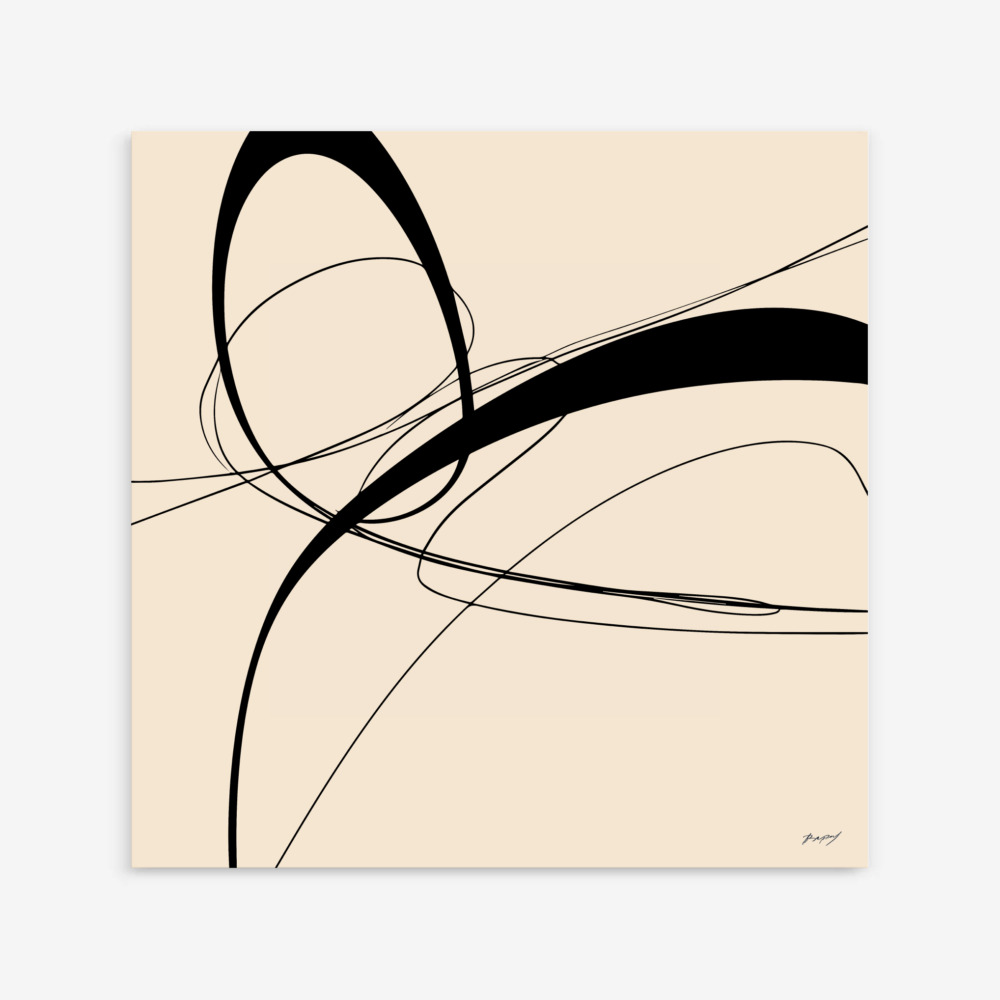
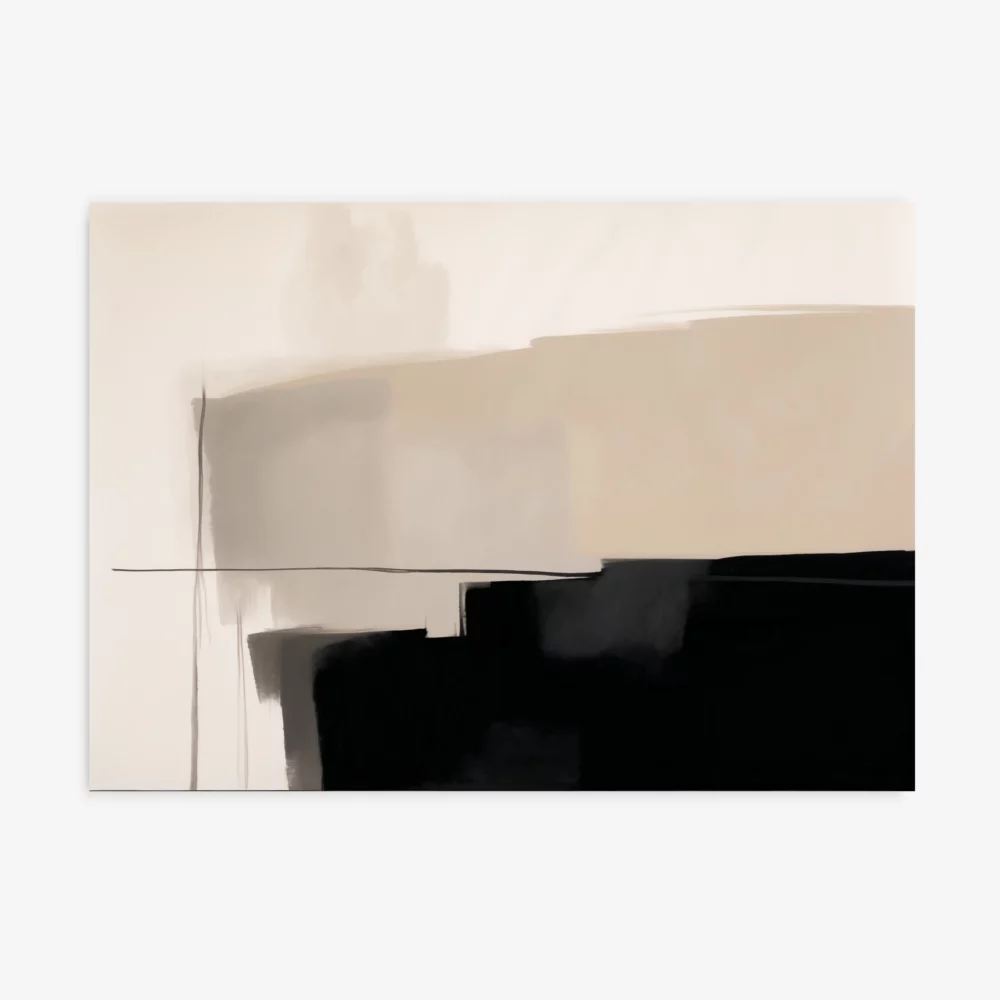
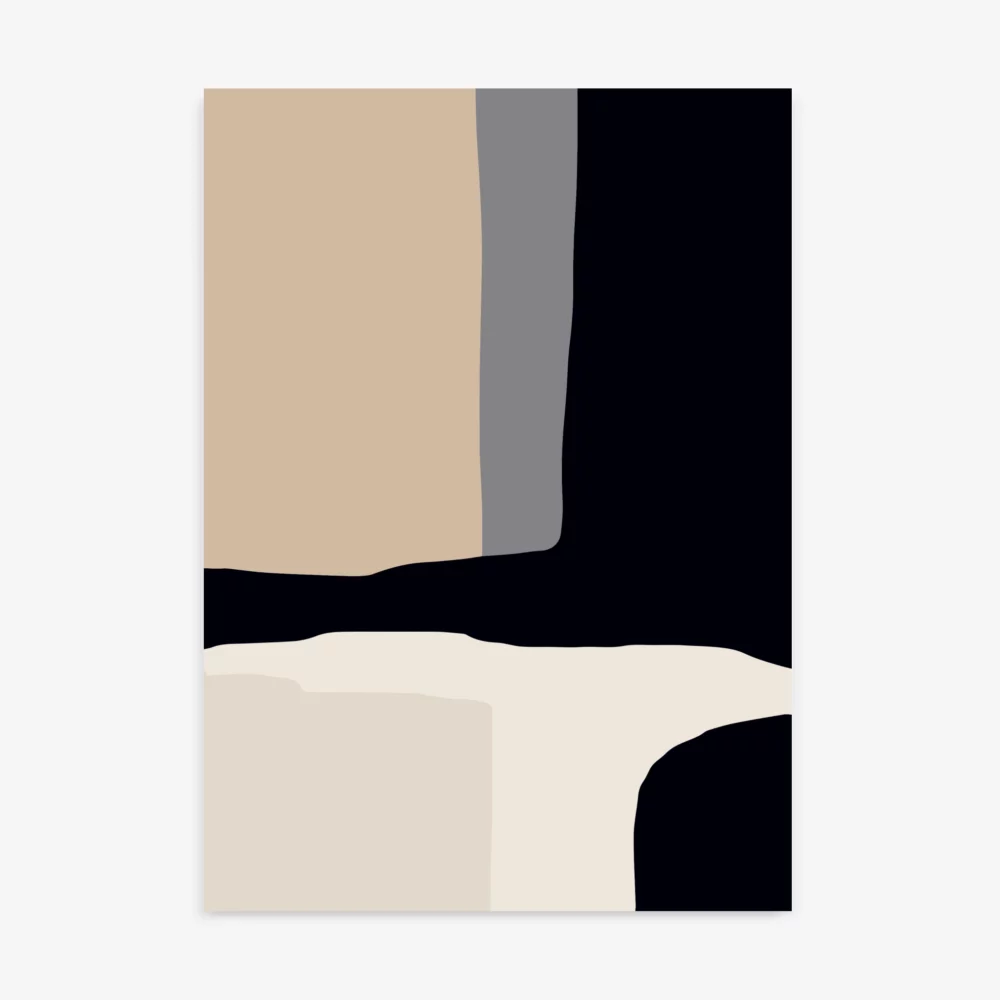
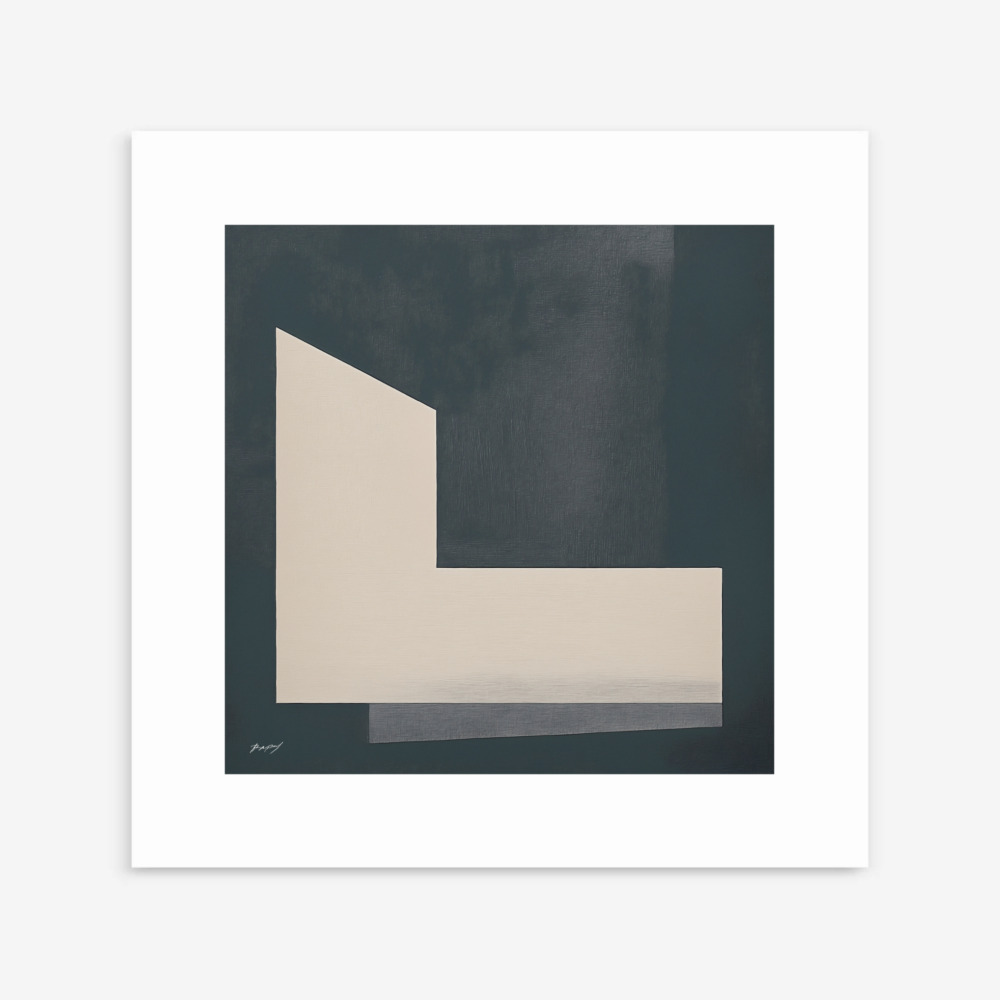
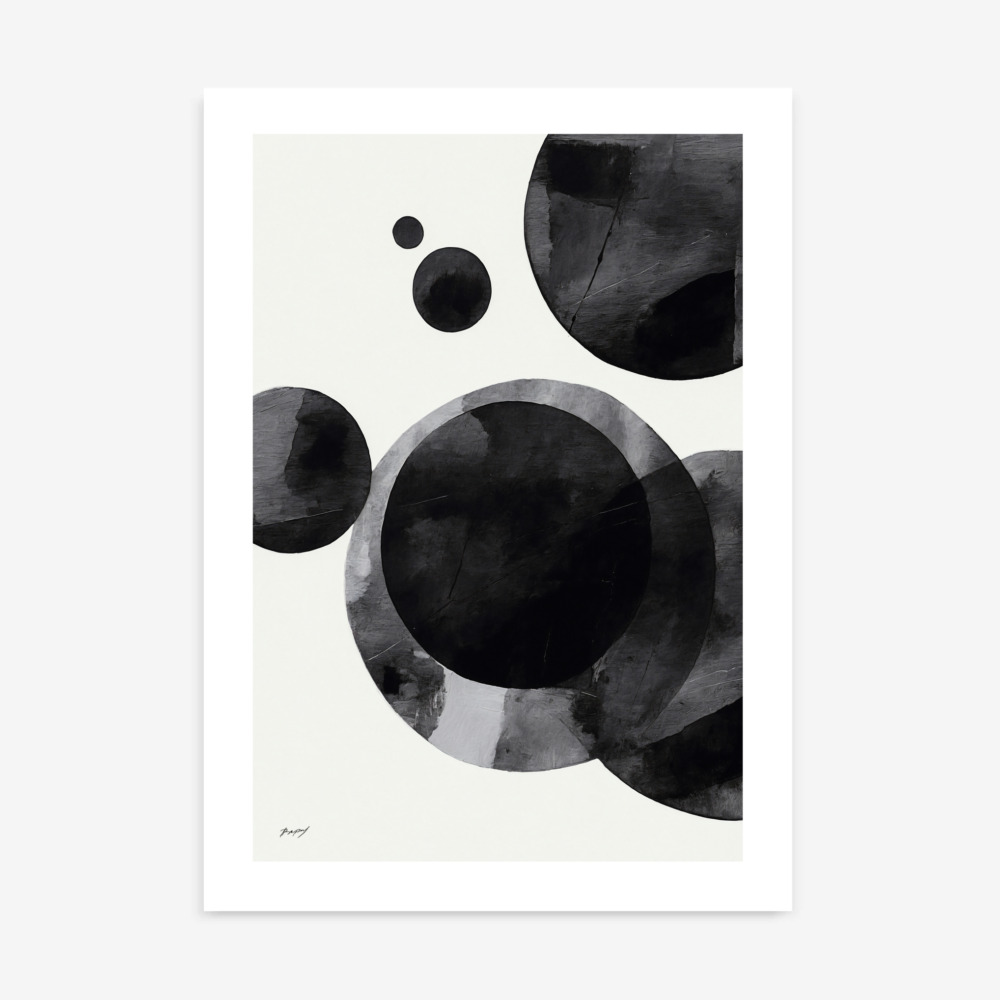
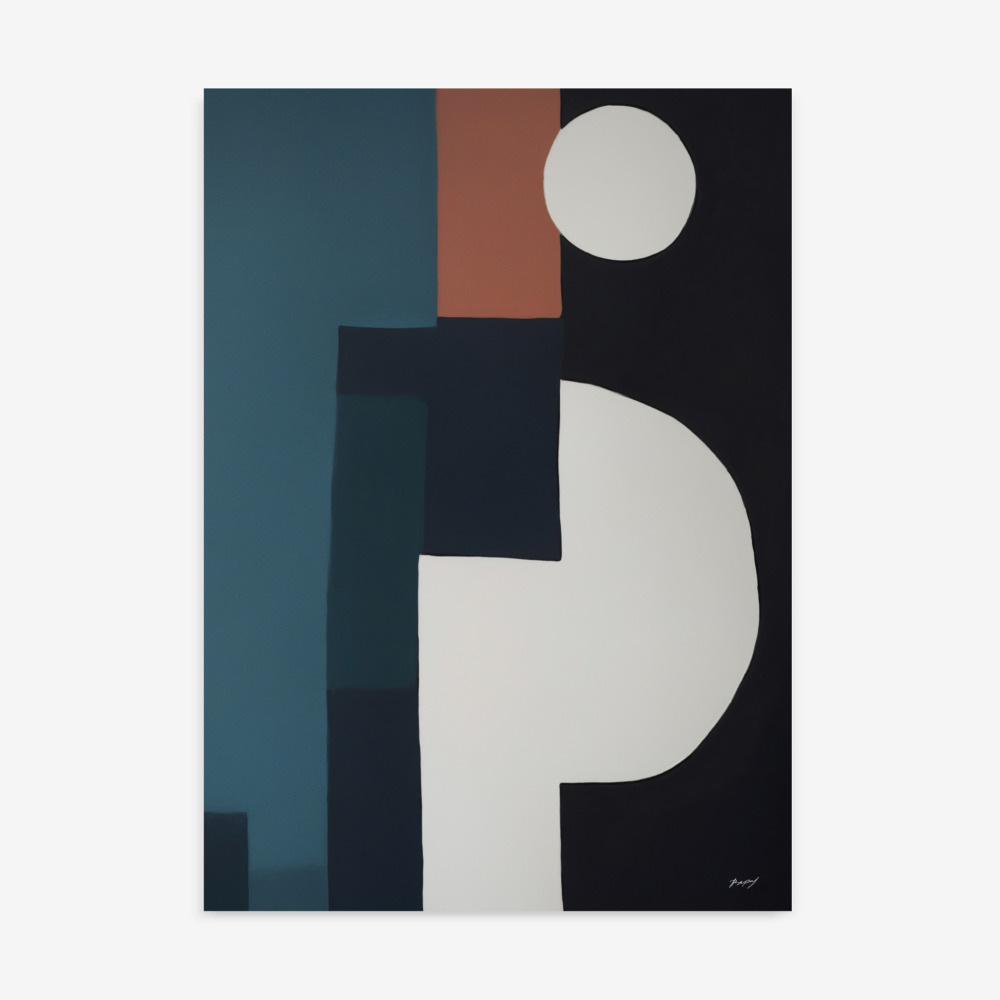
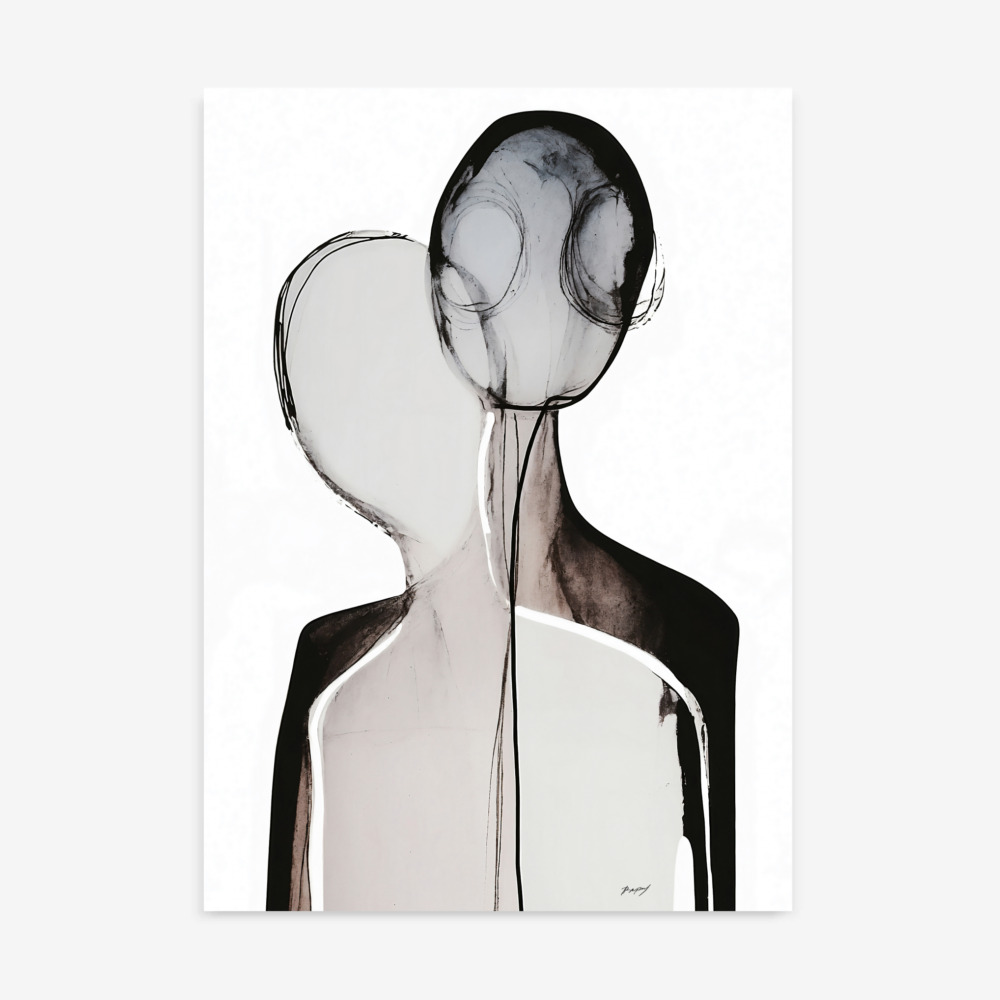
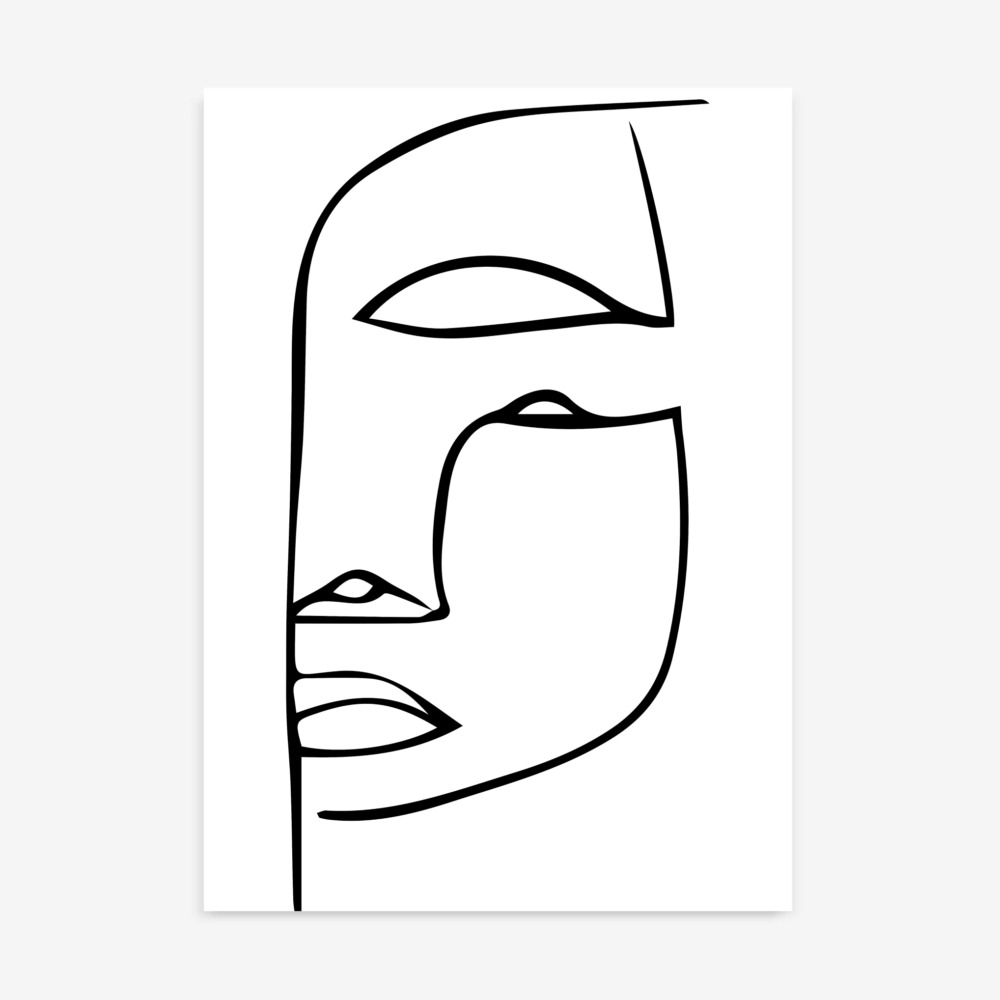
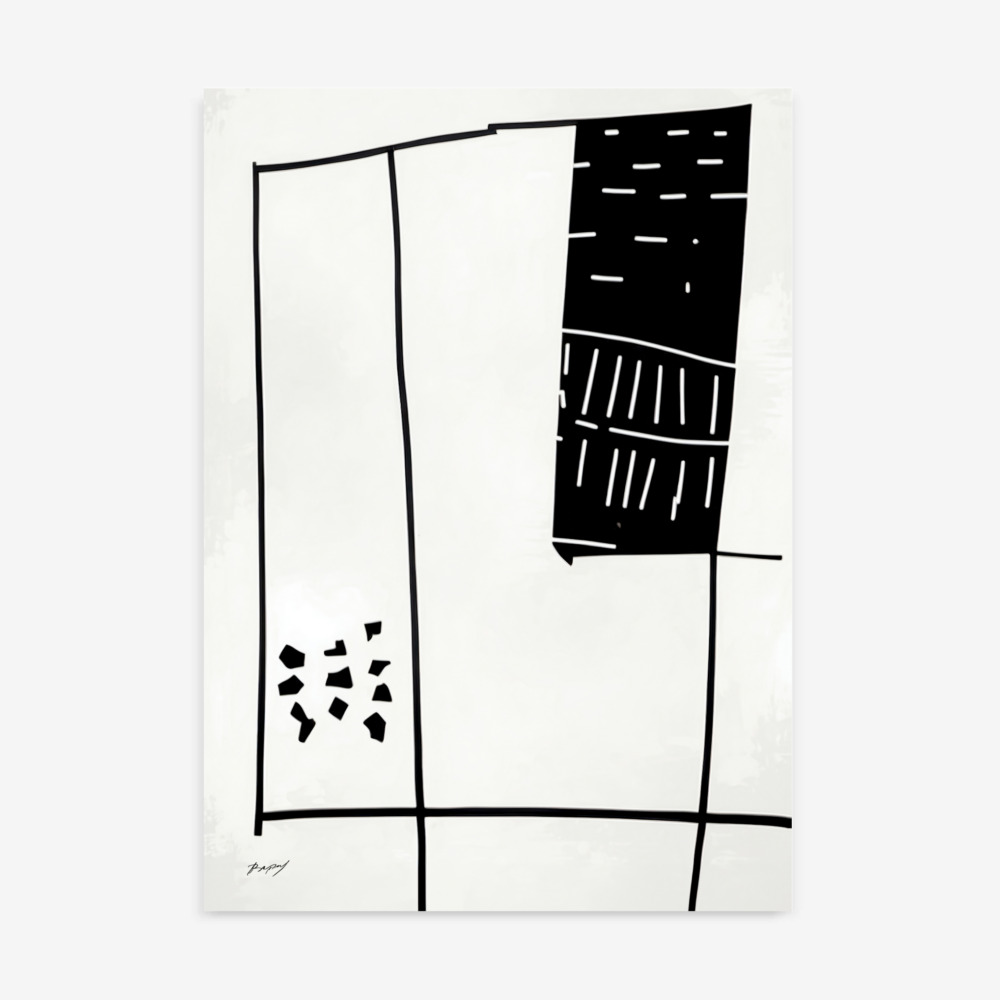
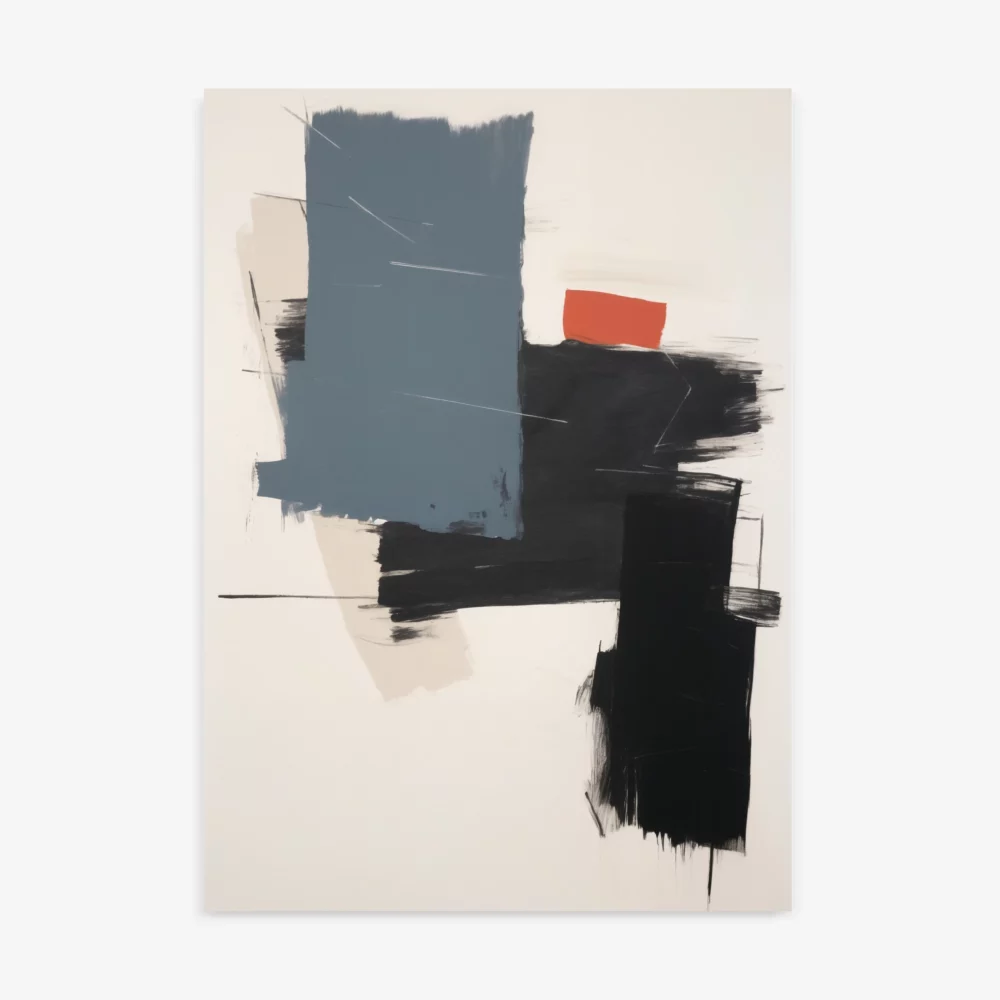
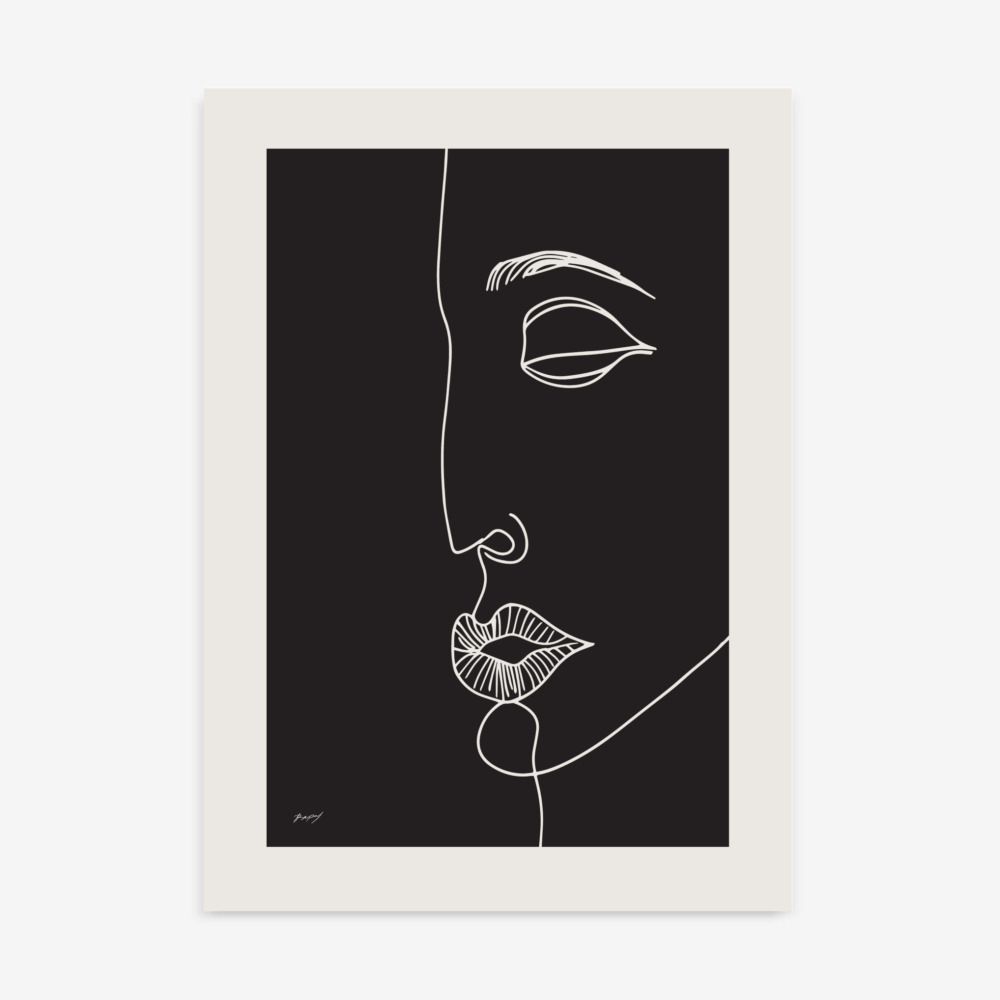
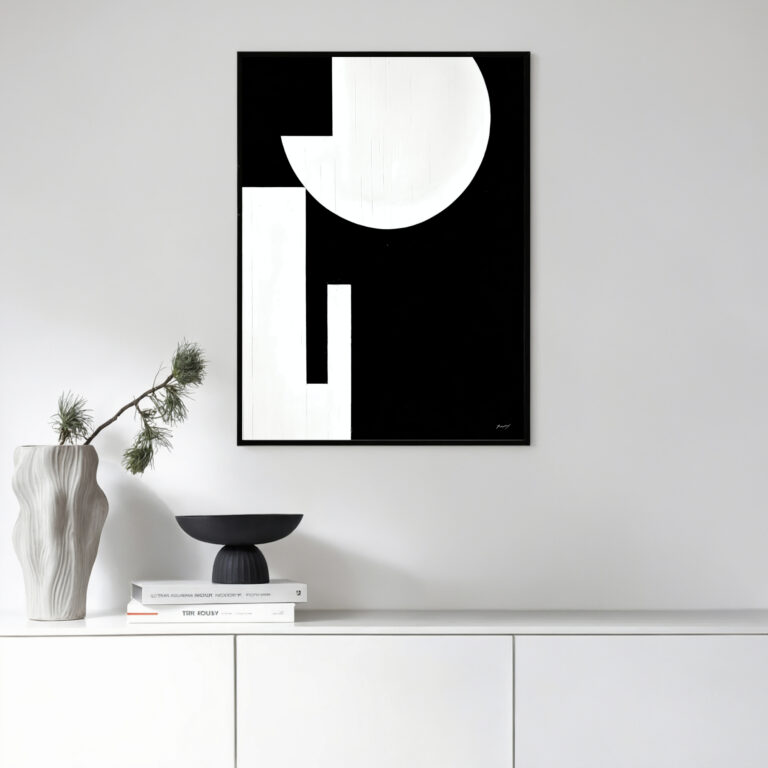
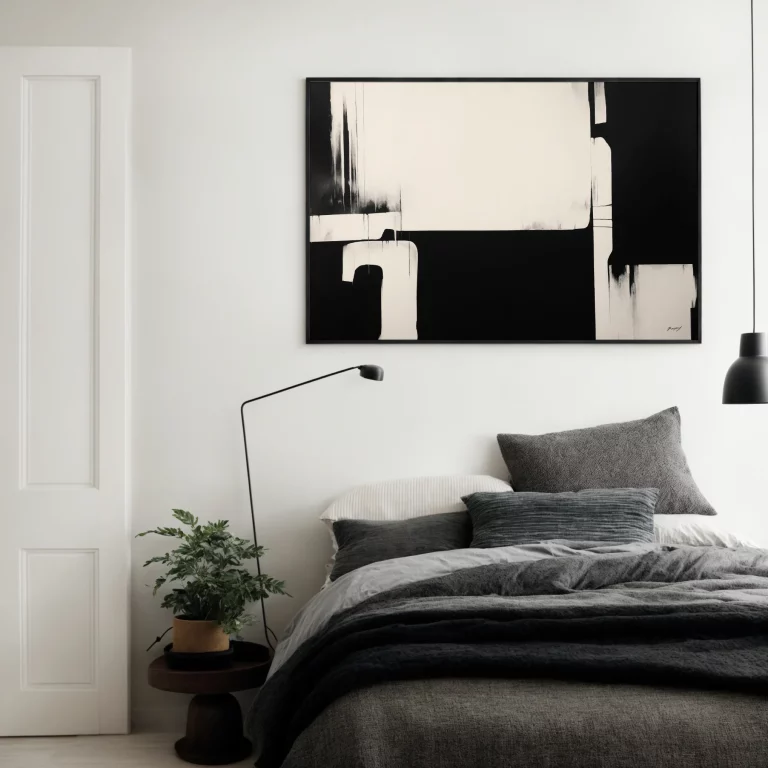
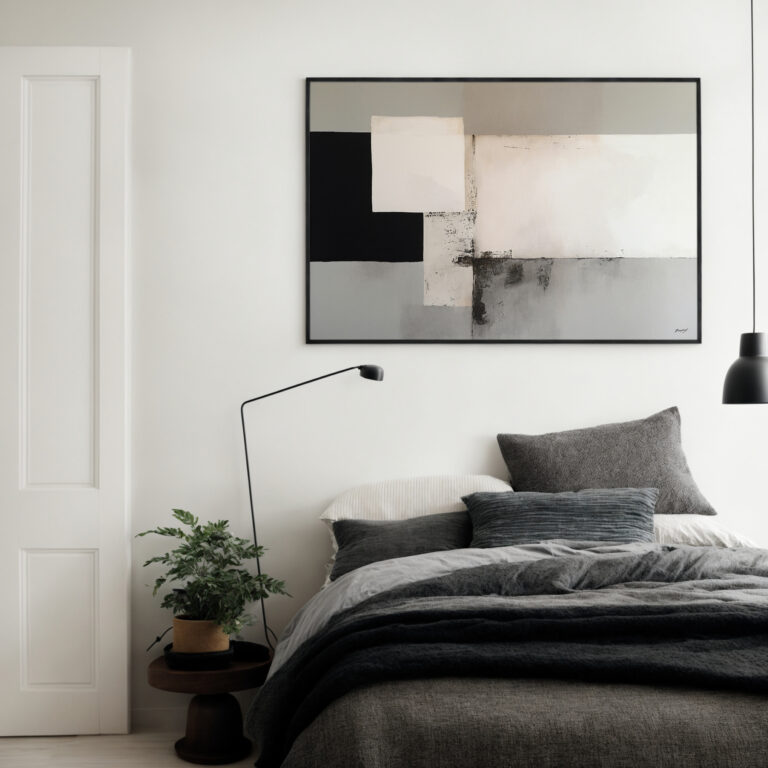
The intersection of Japanese intentionality and Scandinavian comfort creates a space that feels both disciplined and deeply welcoming. Incorporating minimalist art into your Japandi decor is about more than just filling a void on the wall; it is about choosing pieces that echo a “less is more” philosophy while adding a layer of organic warmth. By focusing on neutral palettes and natural forms, you can turn your living space into a serene sanctuary that celebrates functional beauty. We offer worldwide shipping on our entire collection, ensuring your curated sanctuary can be realized anywhere.
To explore the complete range of original works, browse the full Japandi art prints collection, featuring artist-created compositions available as museum-quality canvas prints in calming neutral tones. We offer worldwide shipping, ensuring your curated sanctuary can be realized anywhere.
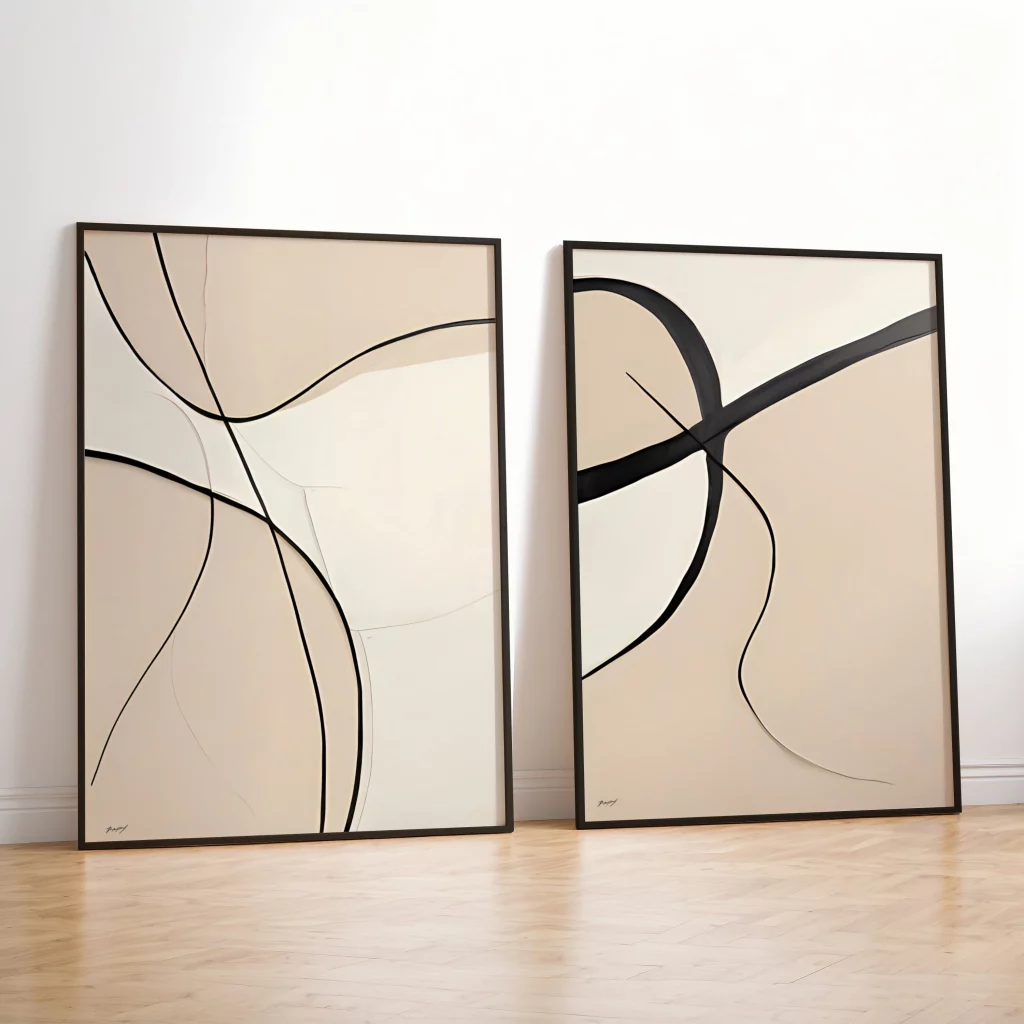
At its heart, the Japandi aesthetic is the perfect marriage of two distinct but similar worlds: the “Hygge” coziness of the North and the “Wabi Sabi” appreciation for imperfection from the East. This style relies on a curated selection of prints that prioritize quality over quantity. Instead of a crowded gallery wall, look for works that utilize negative space—the “empty” areas of a canvas that allow the room to breathe. This sense of openness is essential for creating a home that feels expansive and peaceful, rather than cluttered by visual noise.
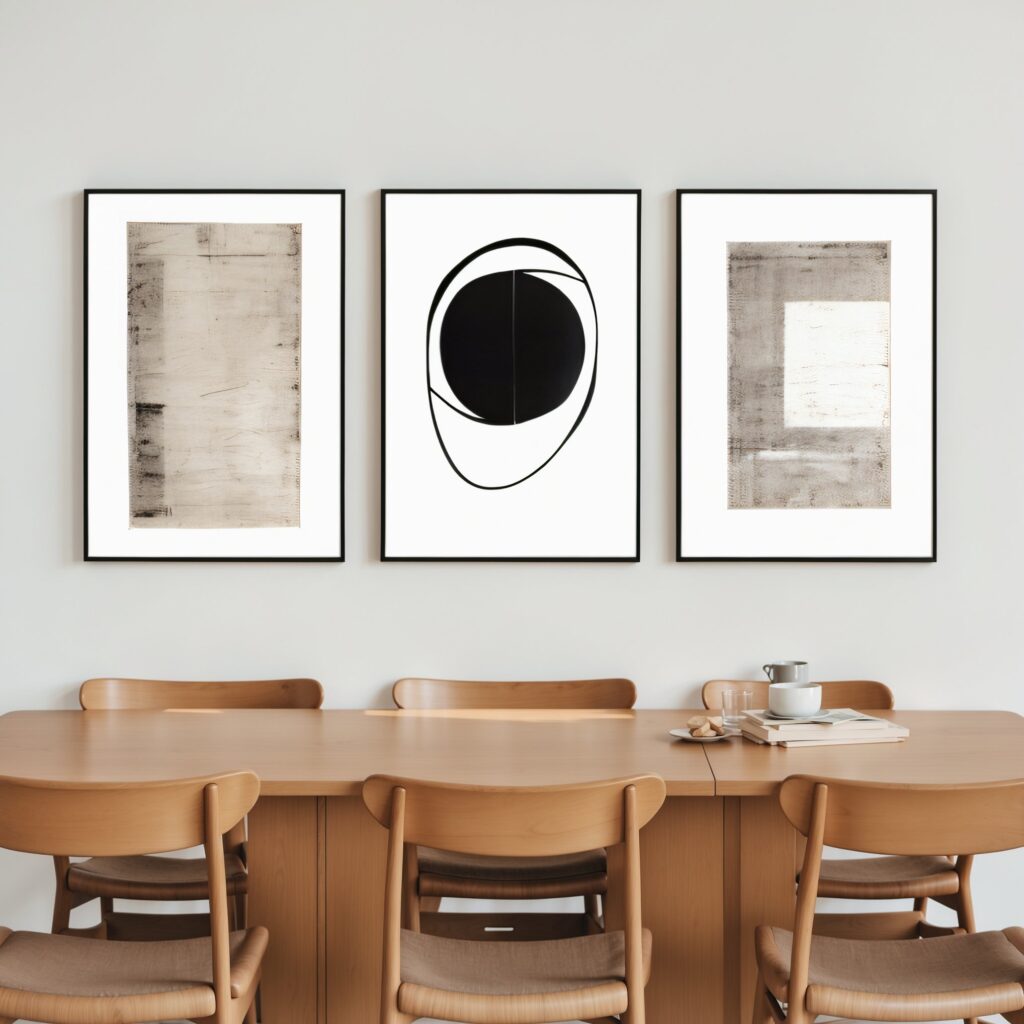
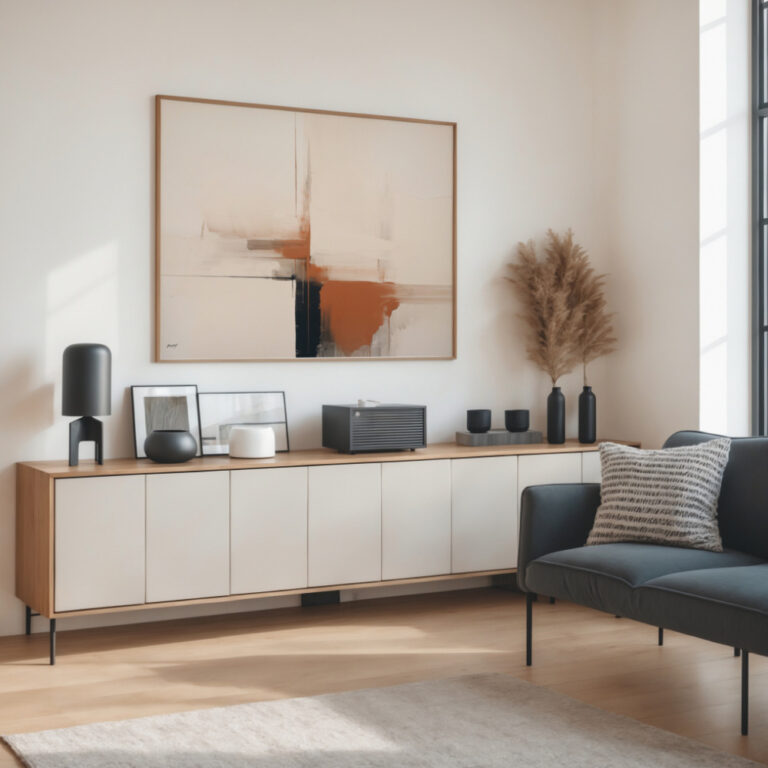
When styling your interior, the relationship between the art and your furniture is vital. A common rule in the Japandi world is to keep the “horizon line” of the room low to the ground. This makes choosing the right art a lesson in restraint; try hanging your pieces slightly lower than traditional eye level to create a grounded, intimate atmosphere. To maintain a cohesive look, pair your art with low-profile furniture, tactile textiles like linen or wool, and handmade ceramics that emphasize human craftsmanship.
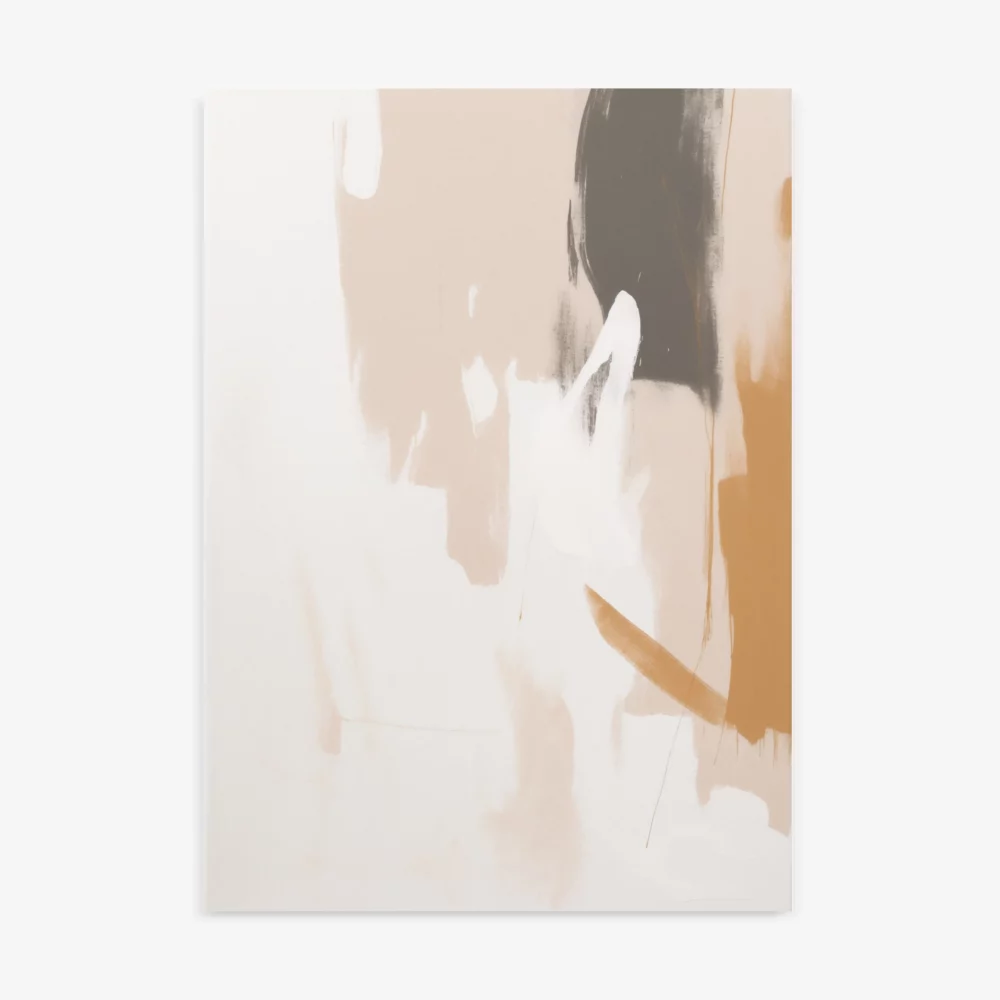
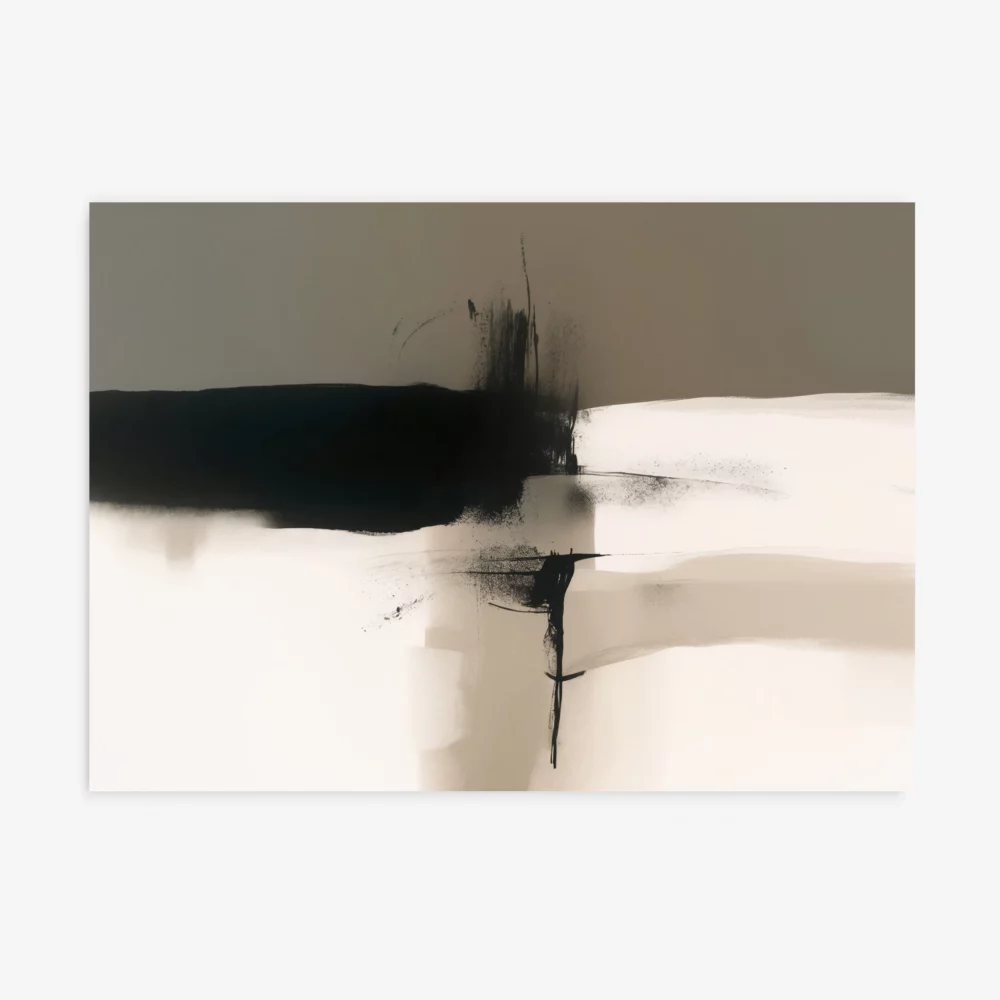
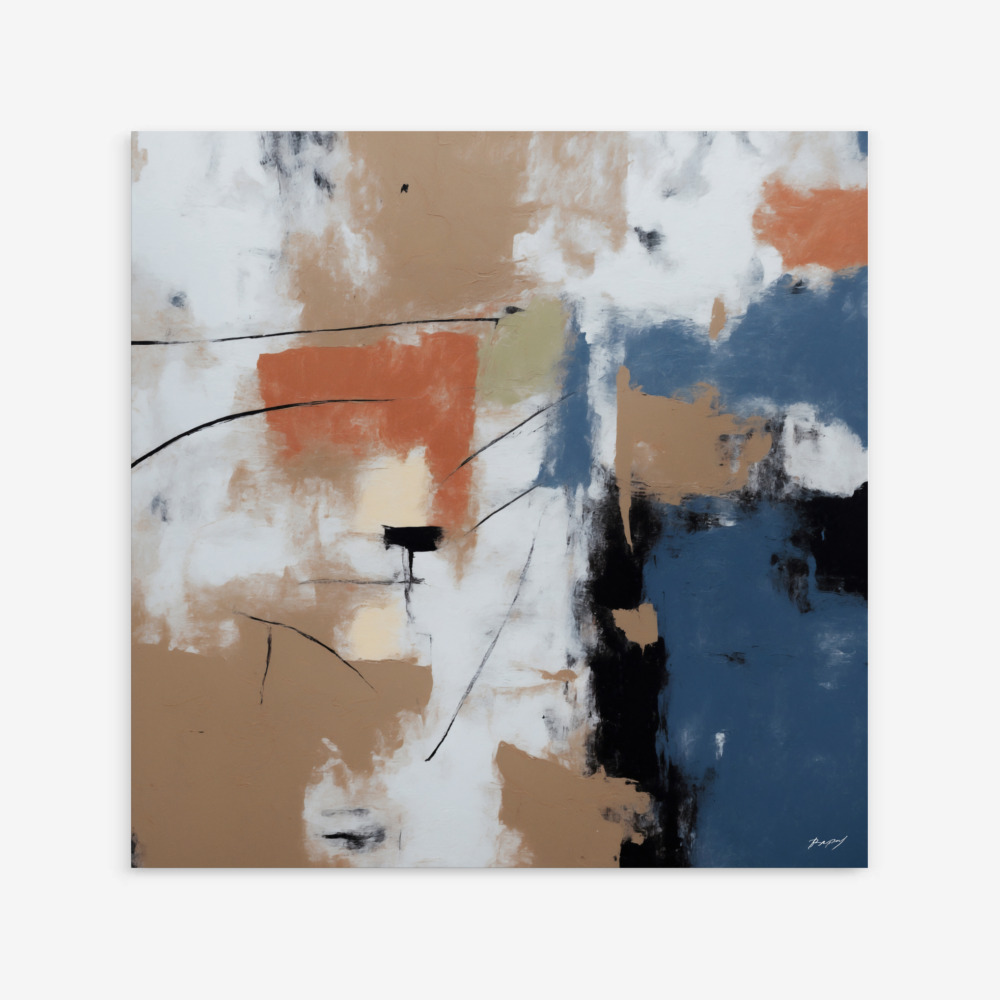
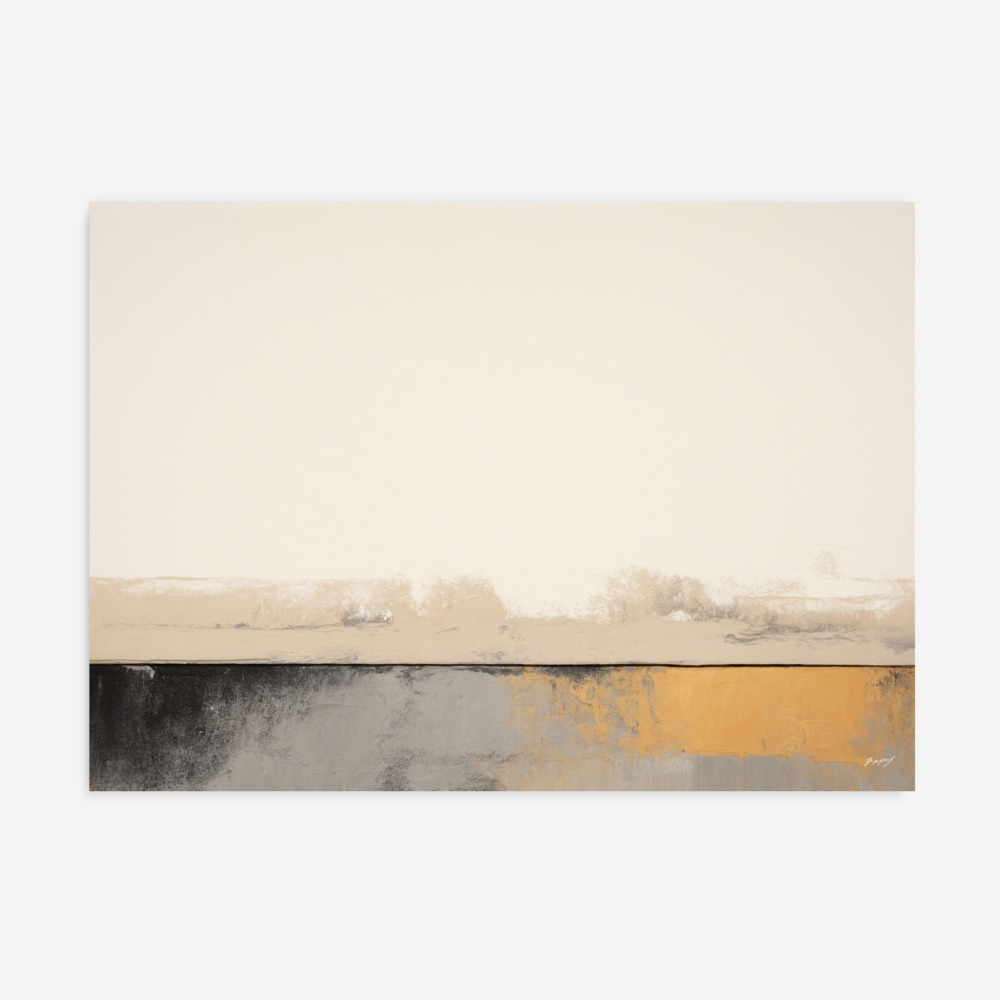
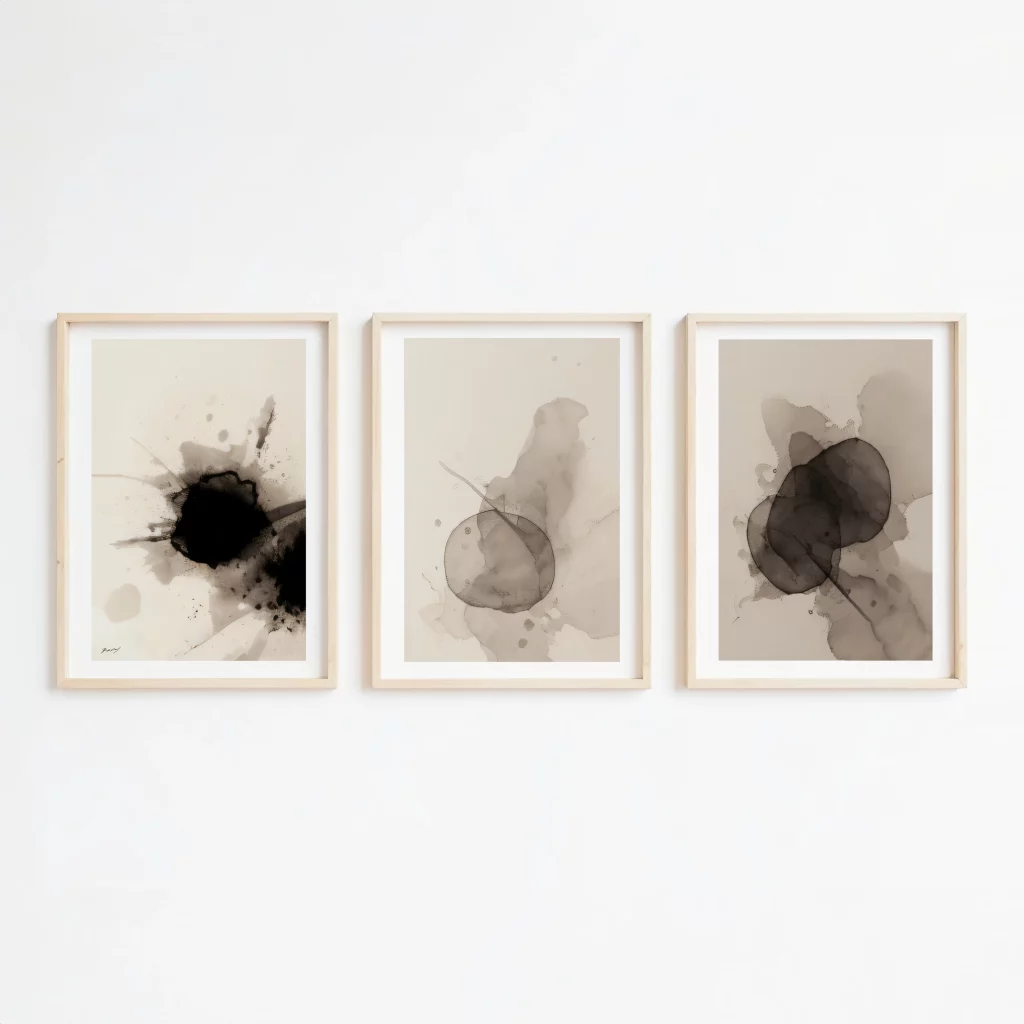
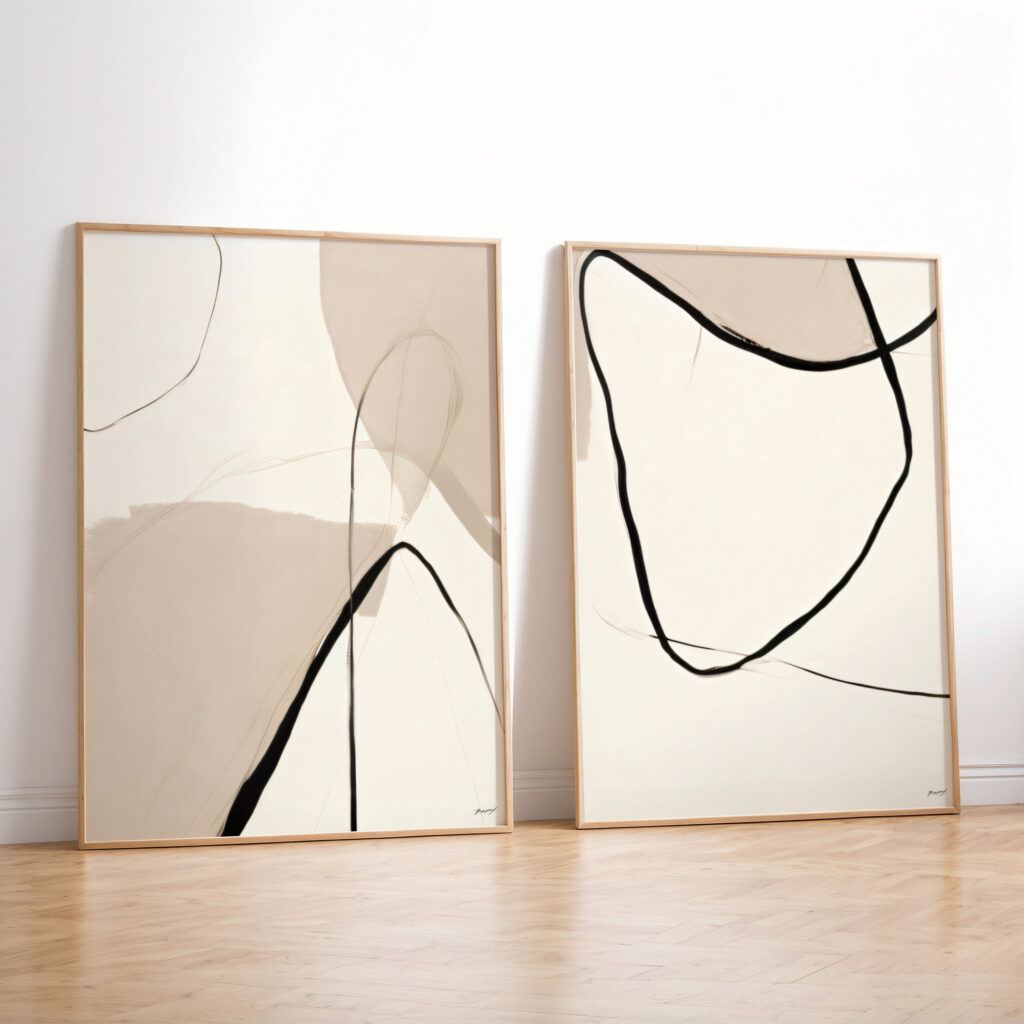
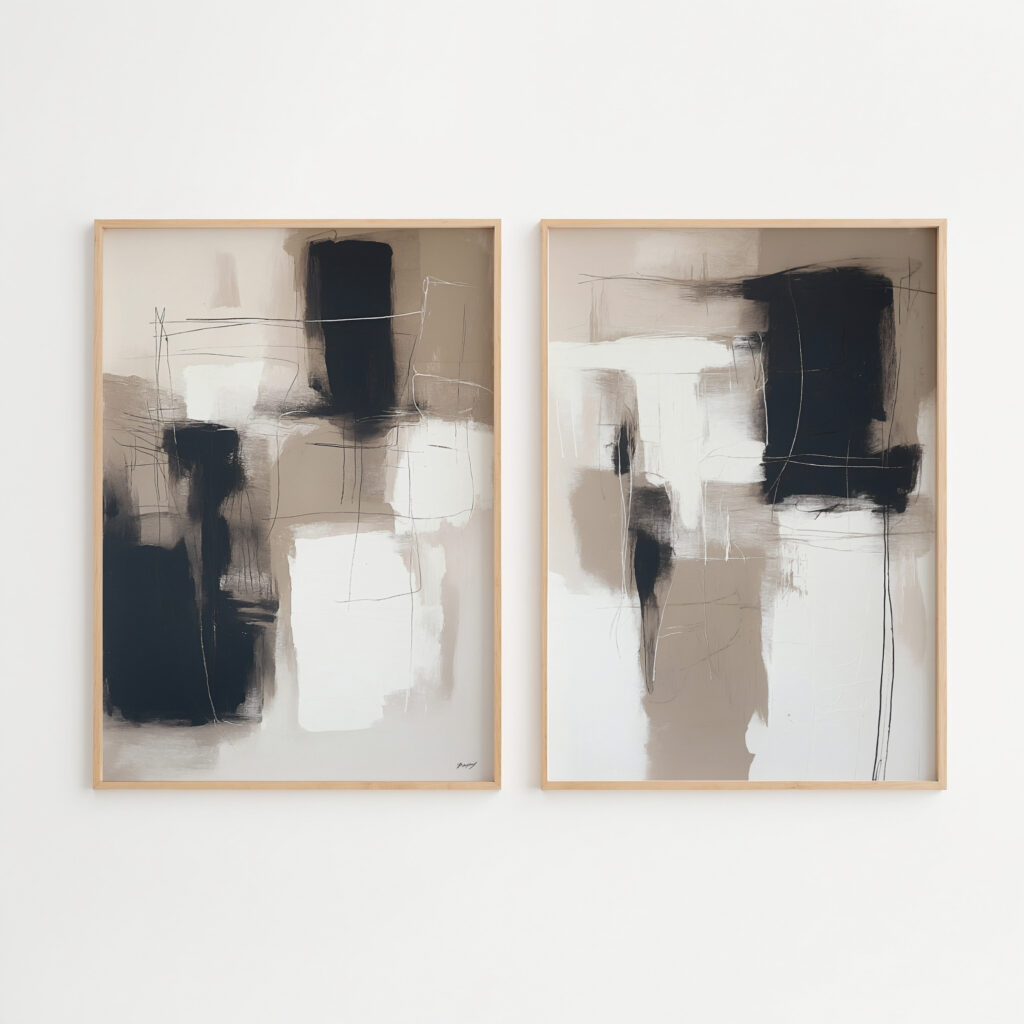
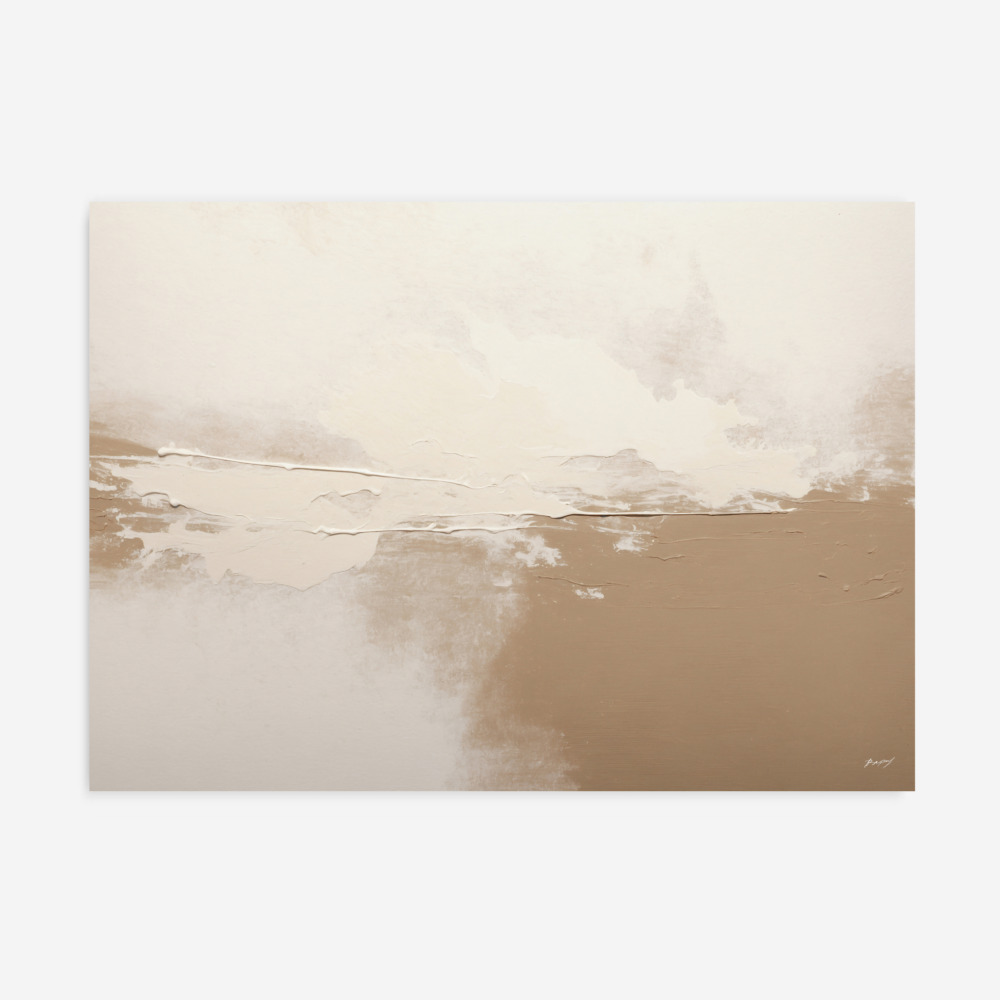
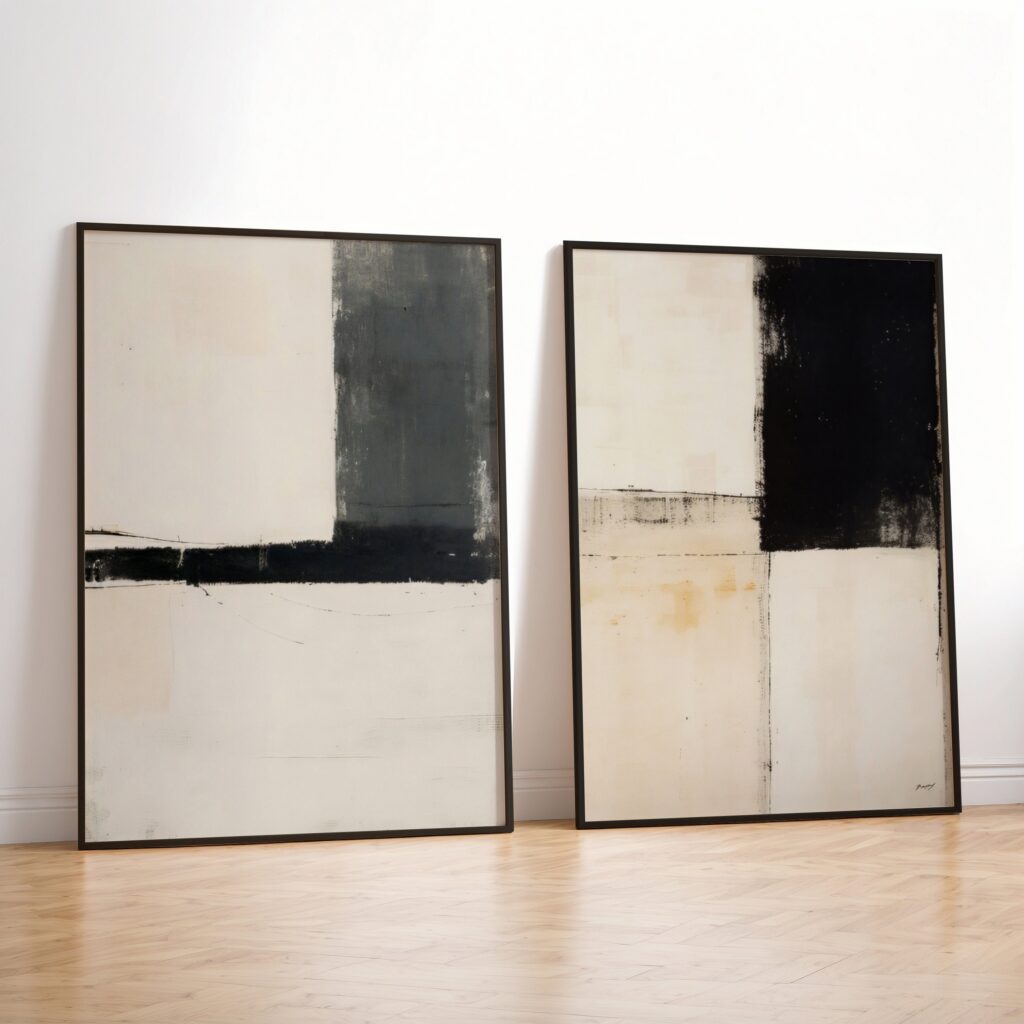
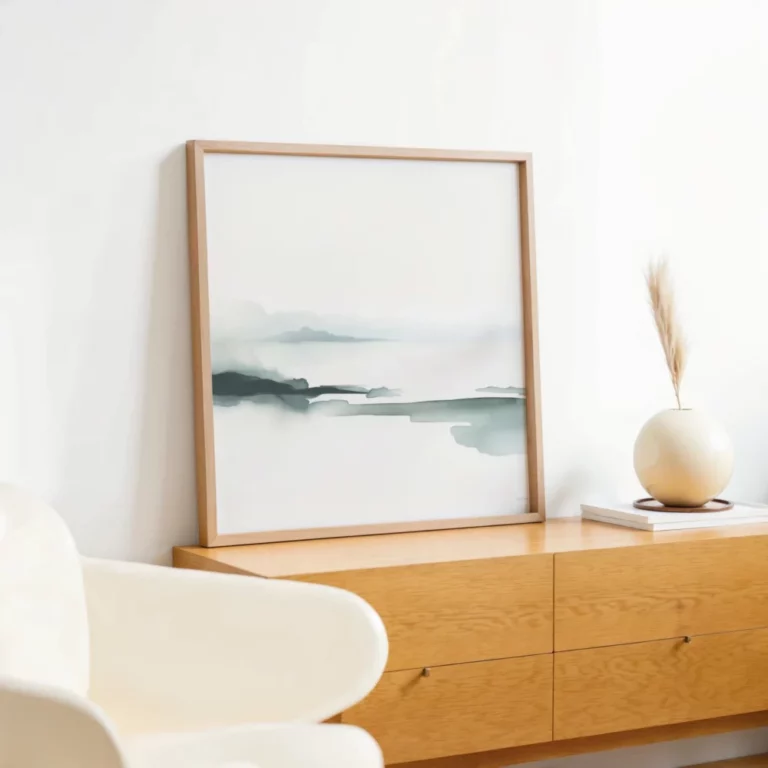
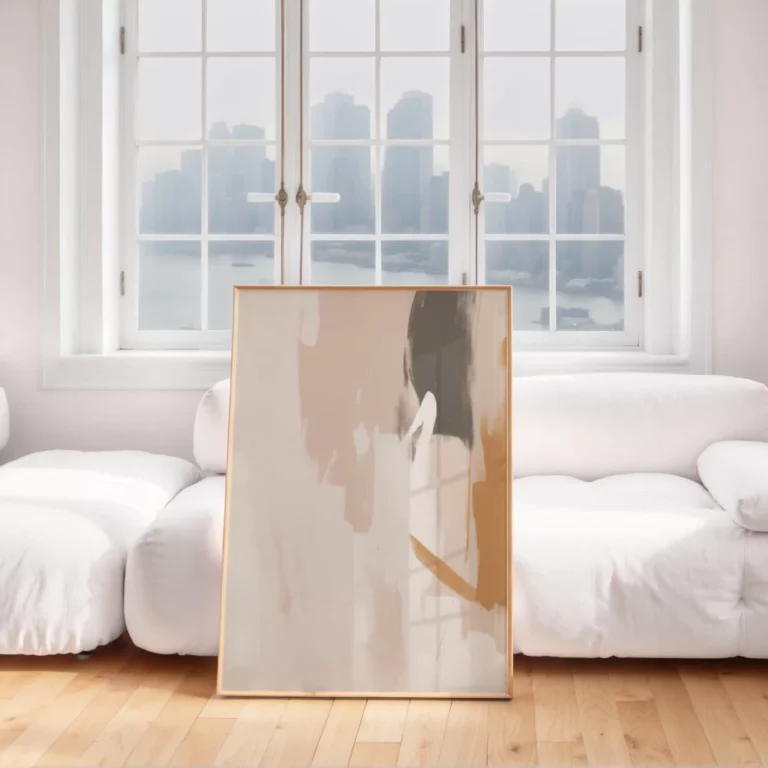
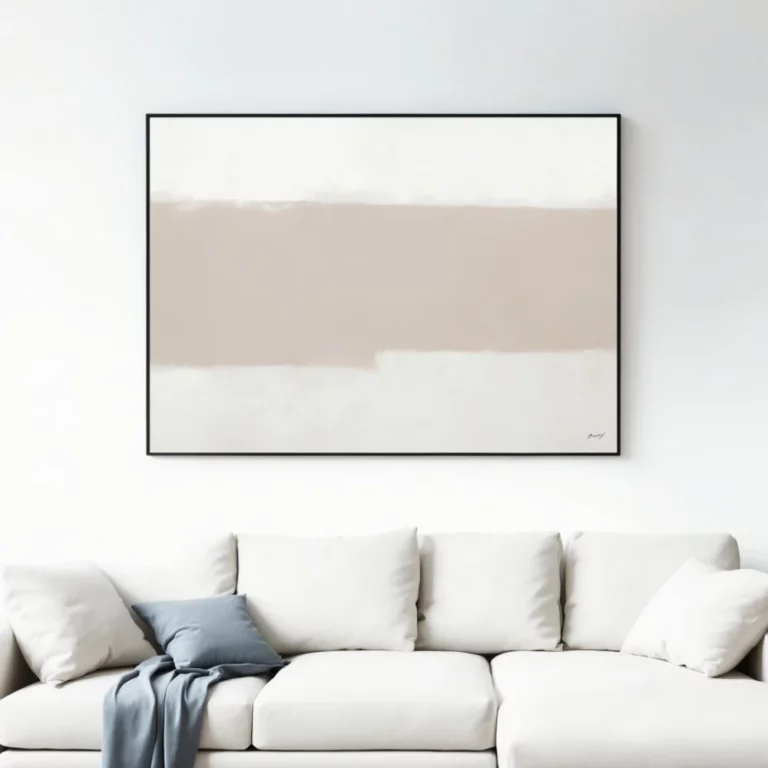
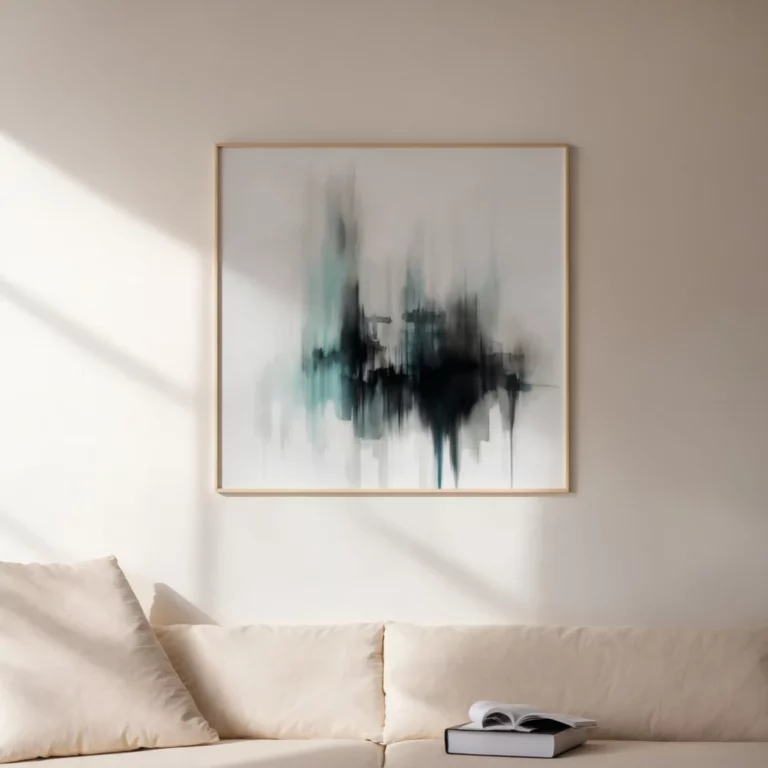
While a strictly minimalist approach often leans toward stark whites, the Japandi palette is much richer, incorporating “warm” neutrals like stone, oatmeal, and charcoal. If you want to introduce more depth, consider wabi sabi wall art, which embraces raw, organic textures and the beauty of natural aging. Abstract art prints featuring misty horizons or sun-bleached earth tones are also excellent choices, as they act as a silent window to the outdoors, reinforcing the connection between your home and nature.
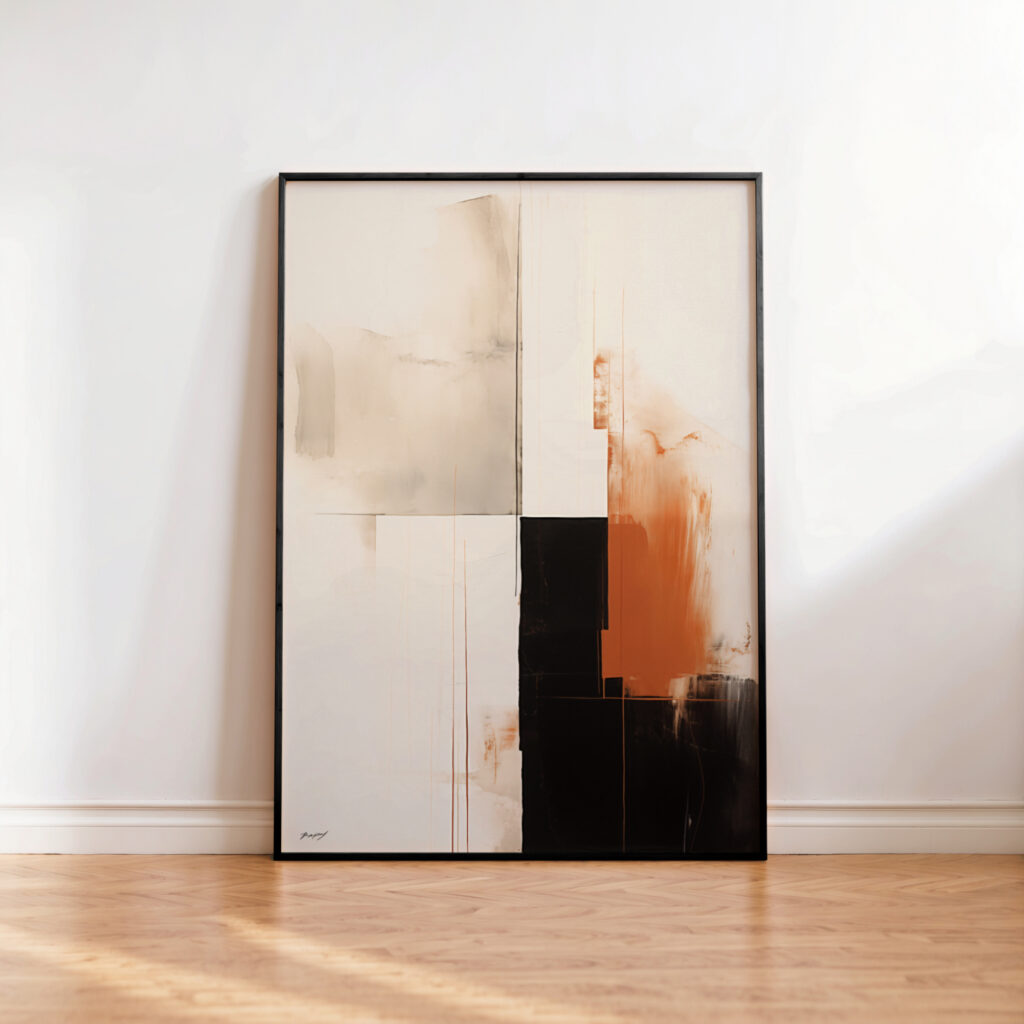
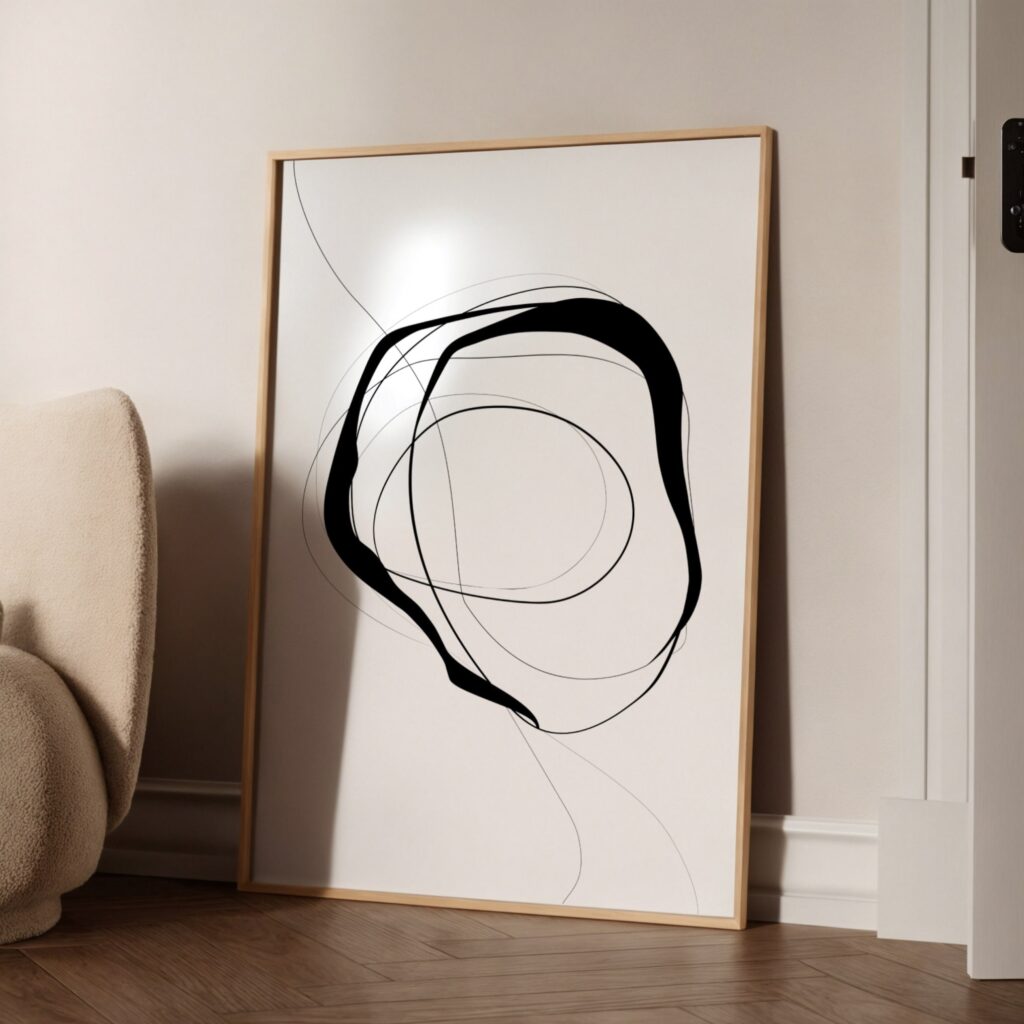
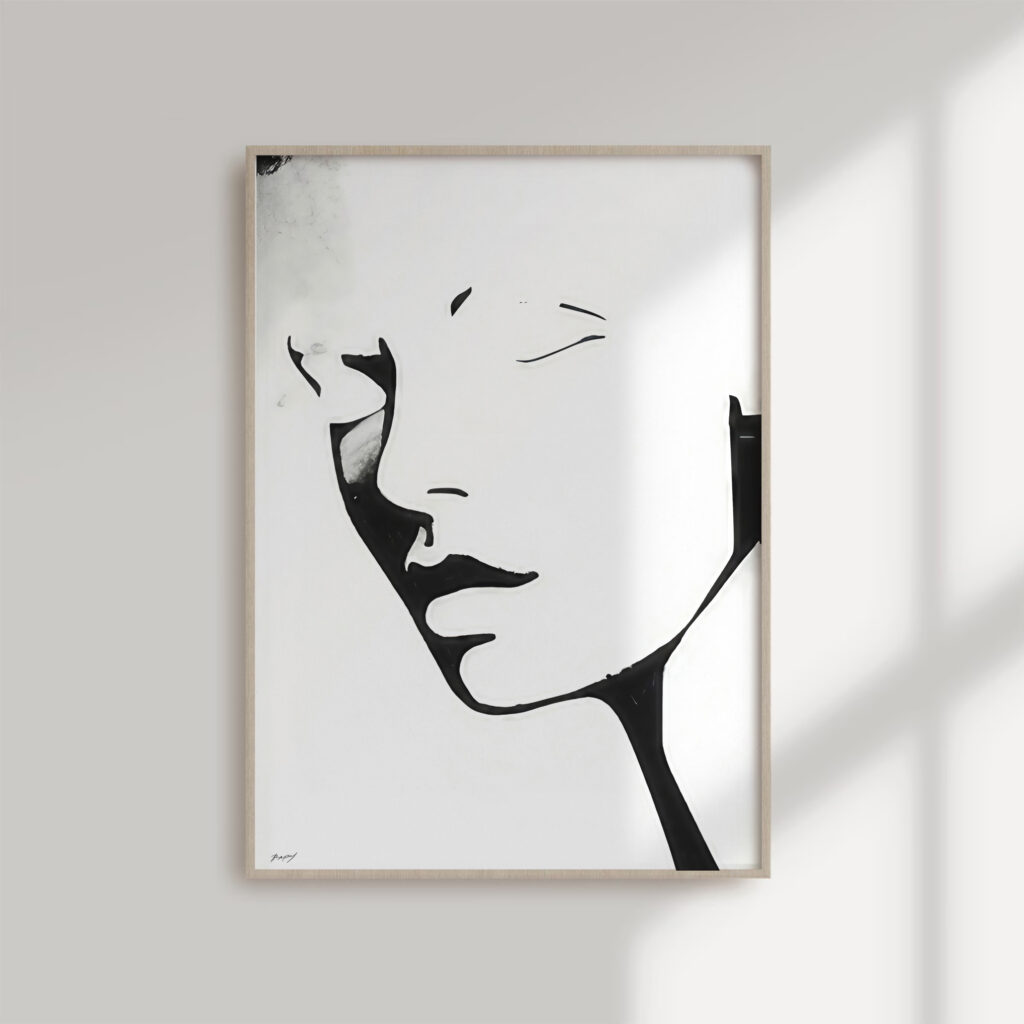
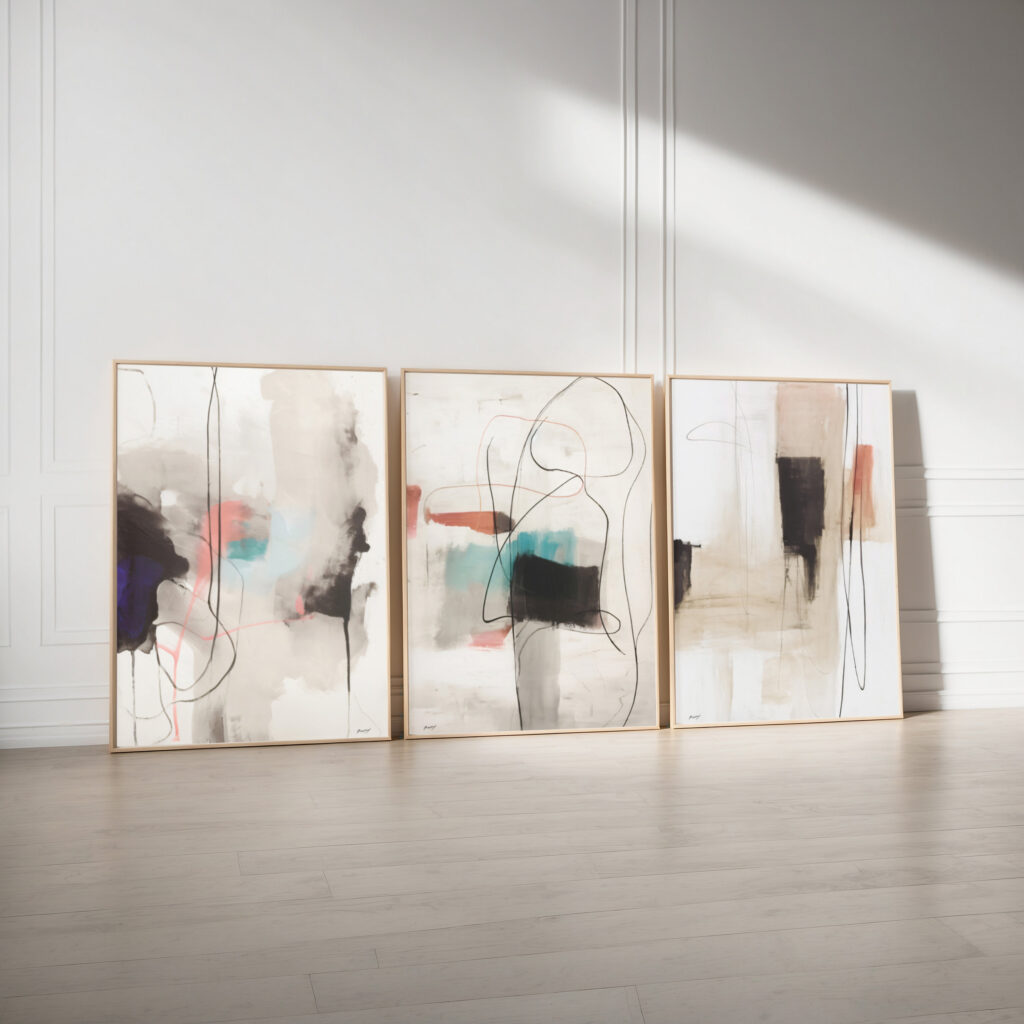
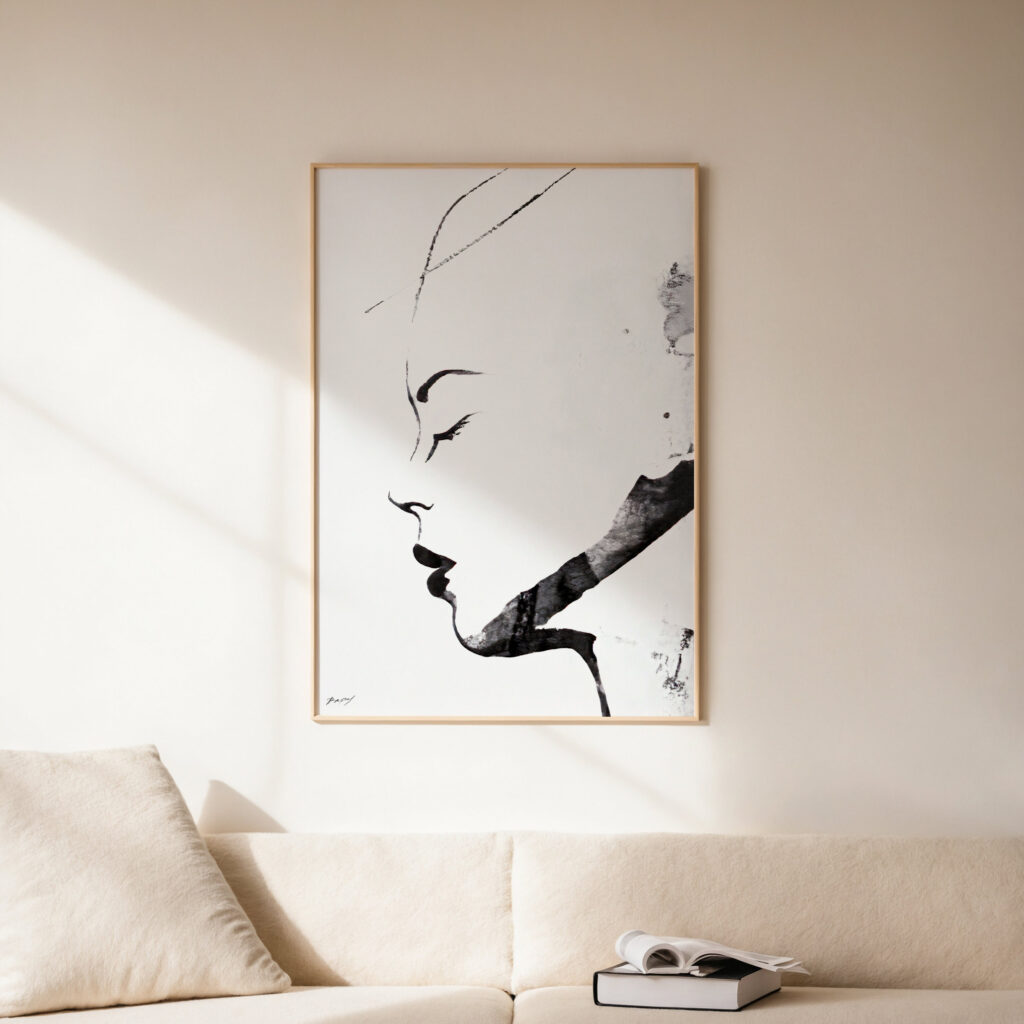
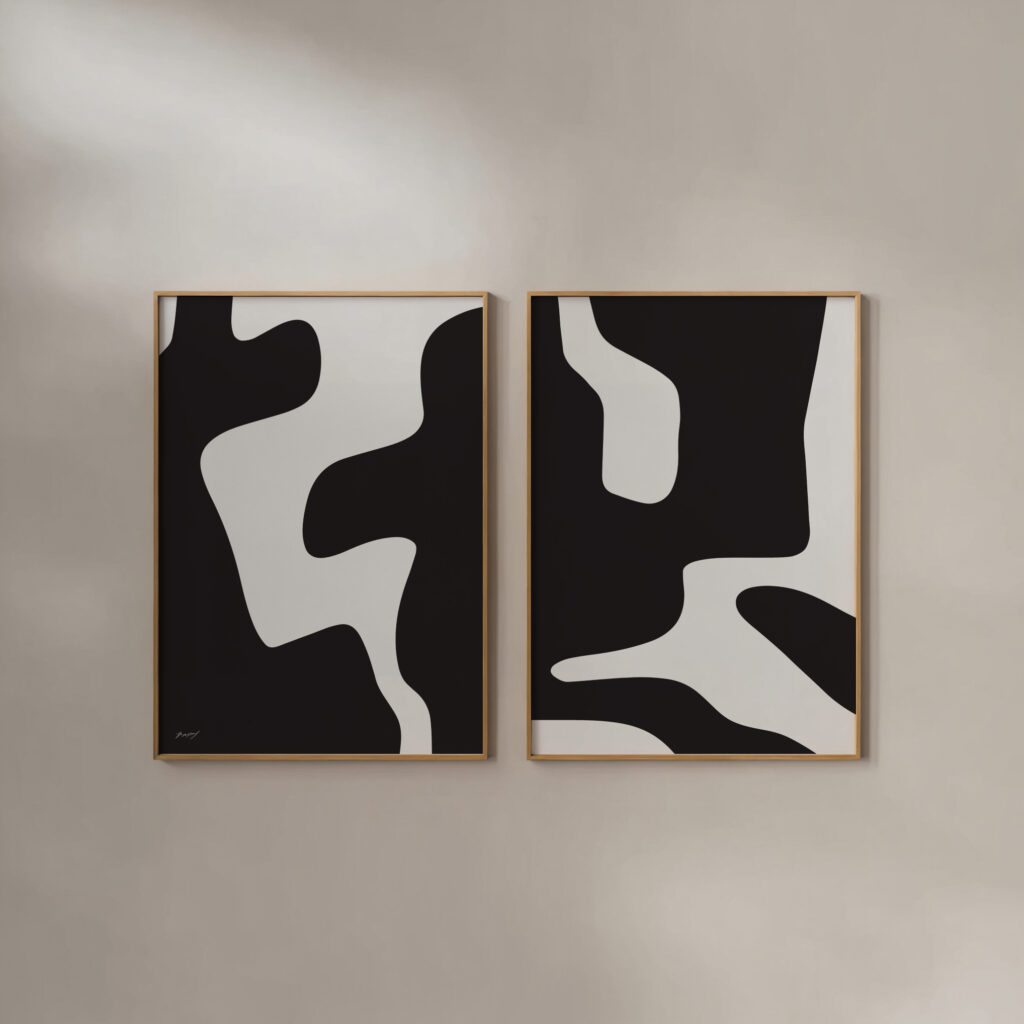
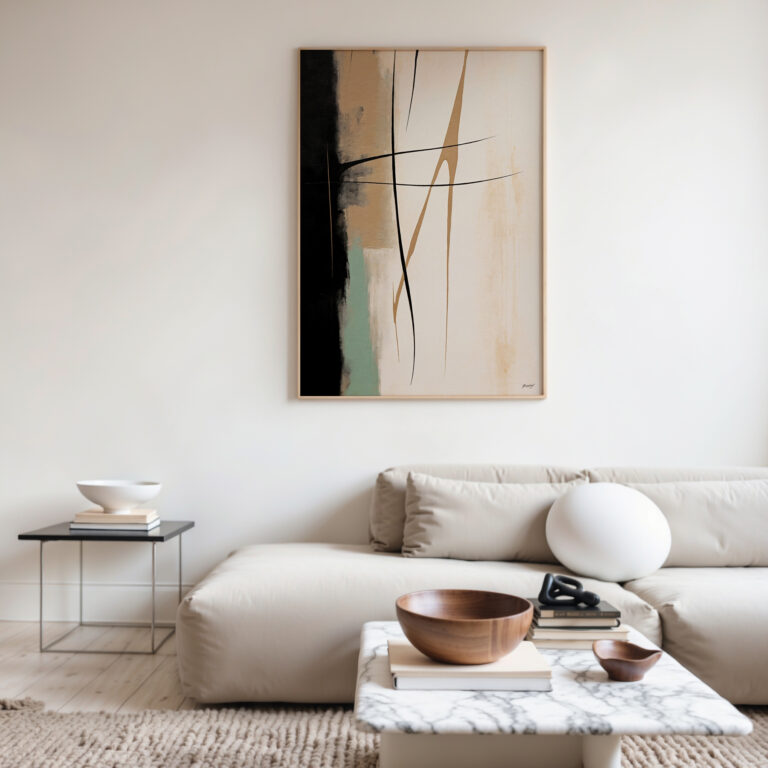
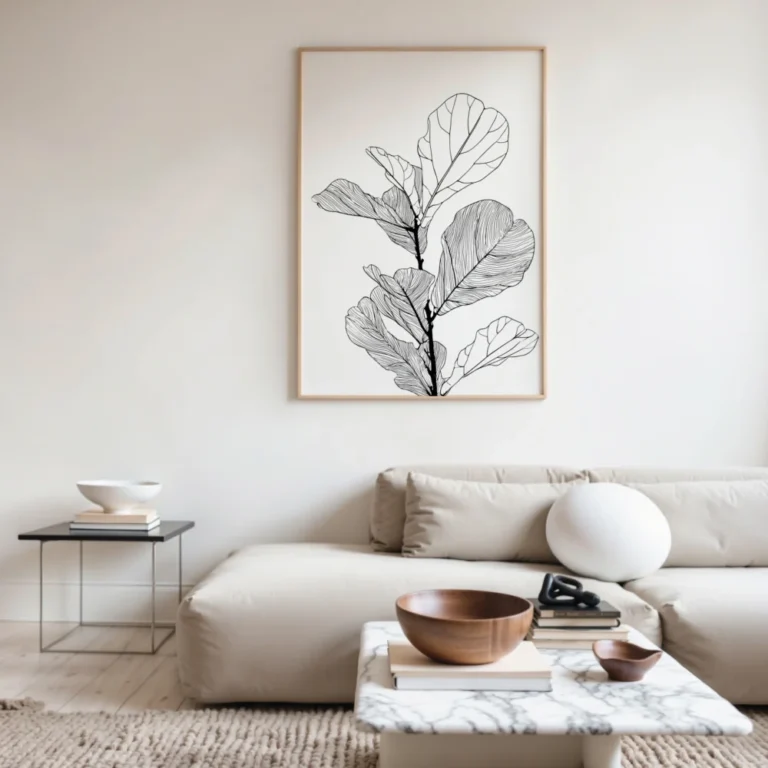
The frame is the final architectural element of your wall decor. To stay true to the aesthetic, opt for natural, light-toned wood frames like oak, ash, or bamboo. These materials mirror the flooring and furniture commonly found in modern interiors, creating a seamless flow from the wall to the rest of the room. Avoid high-shine metals or ornate mouldings; the goal is a frame that feels like an organic extension of the artwork, providing structure without distraction.
It is a style of art that blends Japanese minimalism and Scandinavian functionality. It typically features neutral colors, organic shapes, and a focus on nature to create a balanced, tranquil atmosphere in the home.
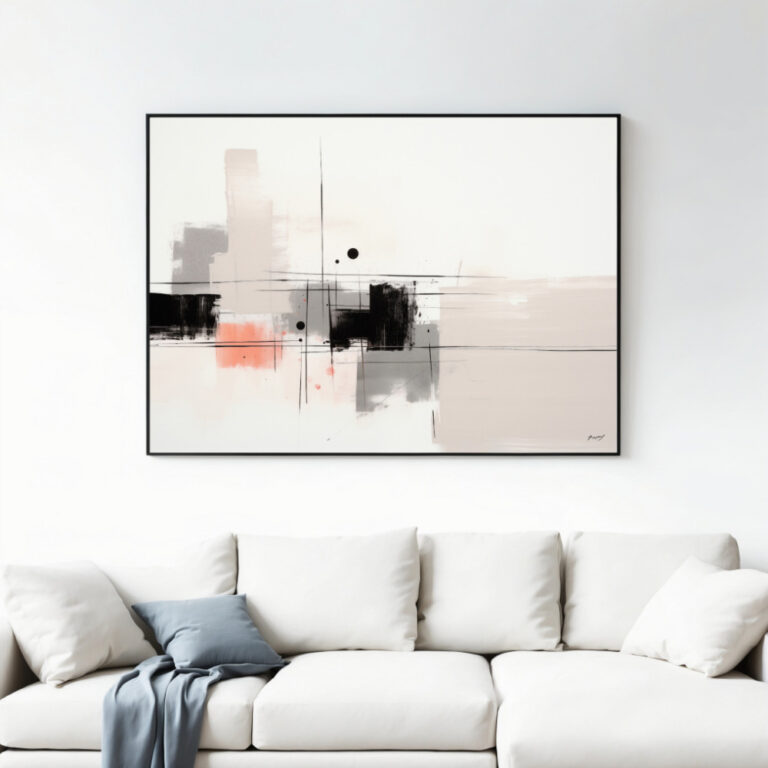
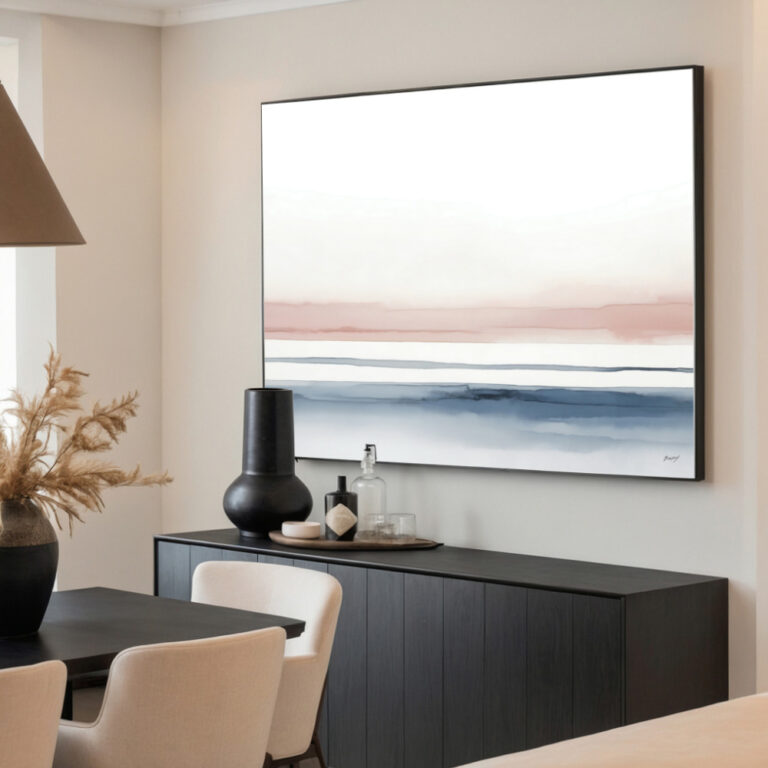
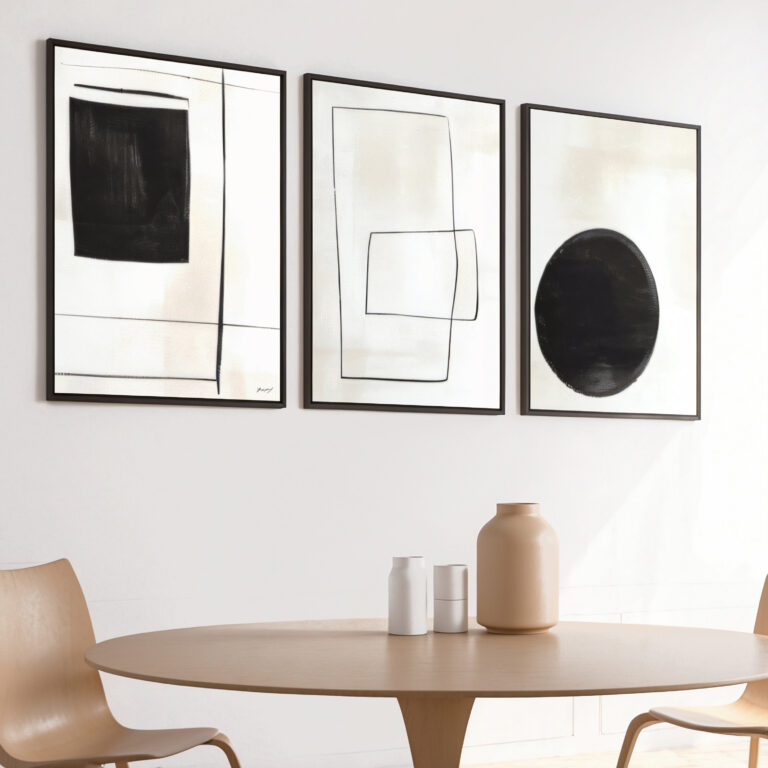
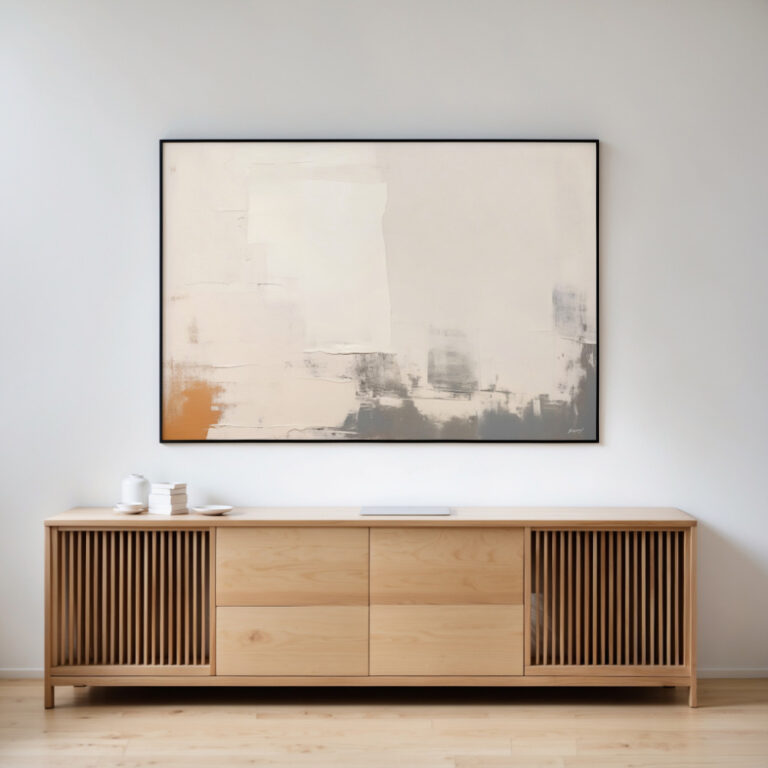
In this style, scale is important. Often, one large-scale piece with significant negative space works better than several small pieces. Aim for a size that covers about two-thirds of the width of the furniture below it.
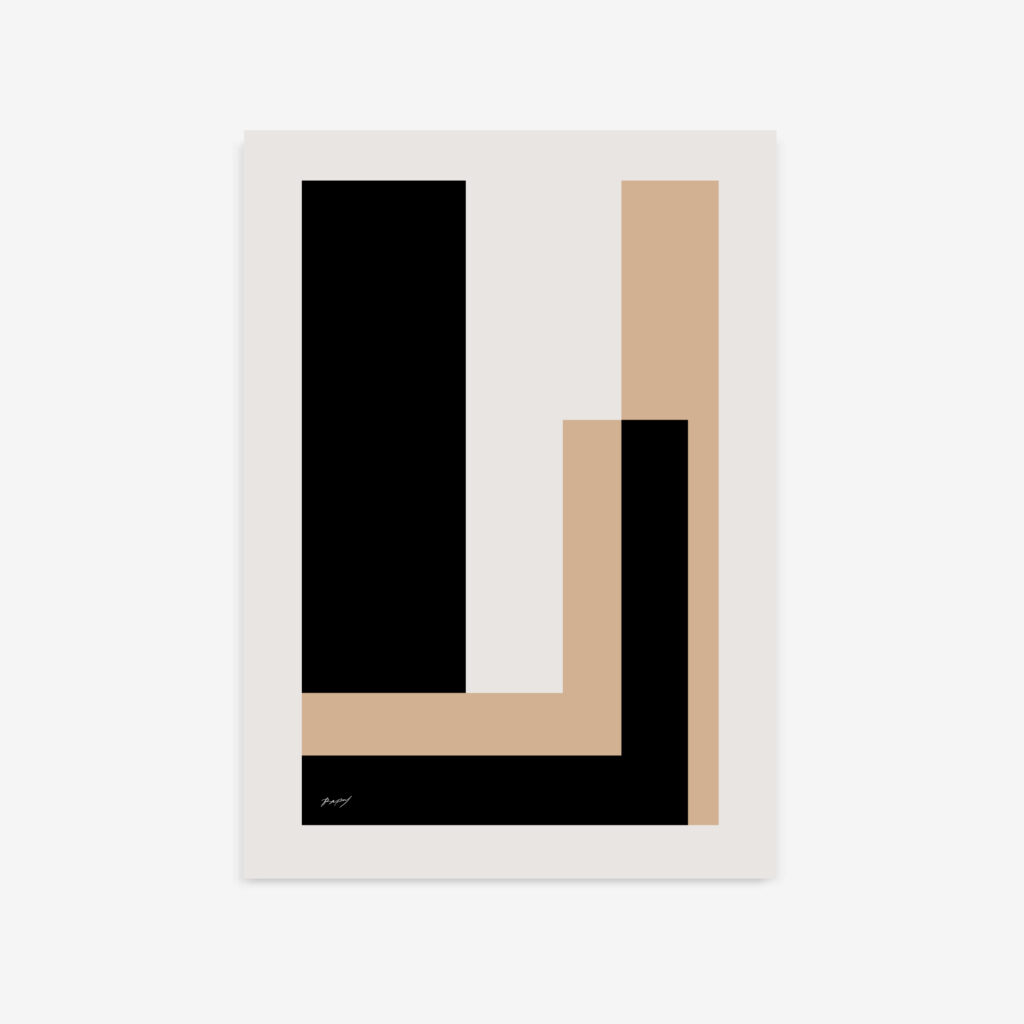
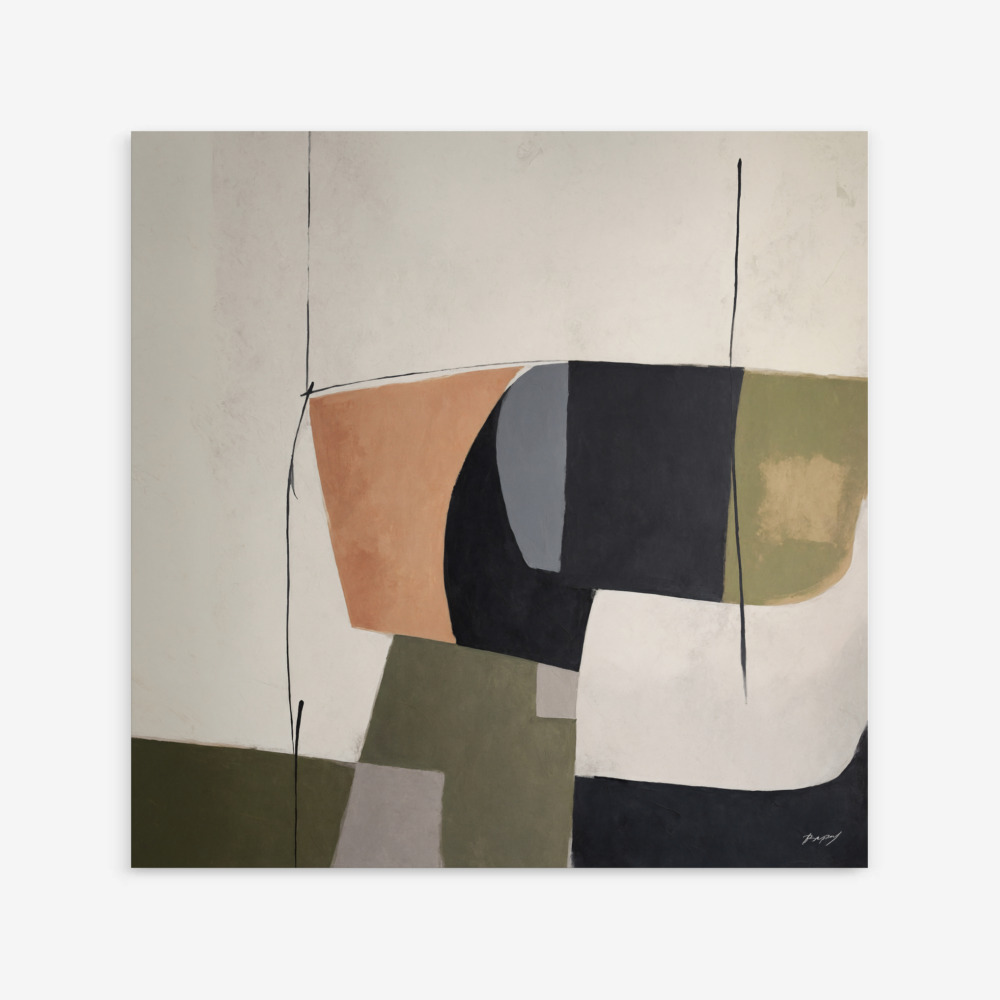
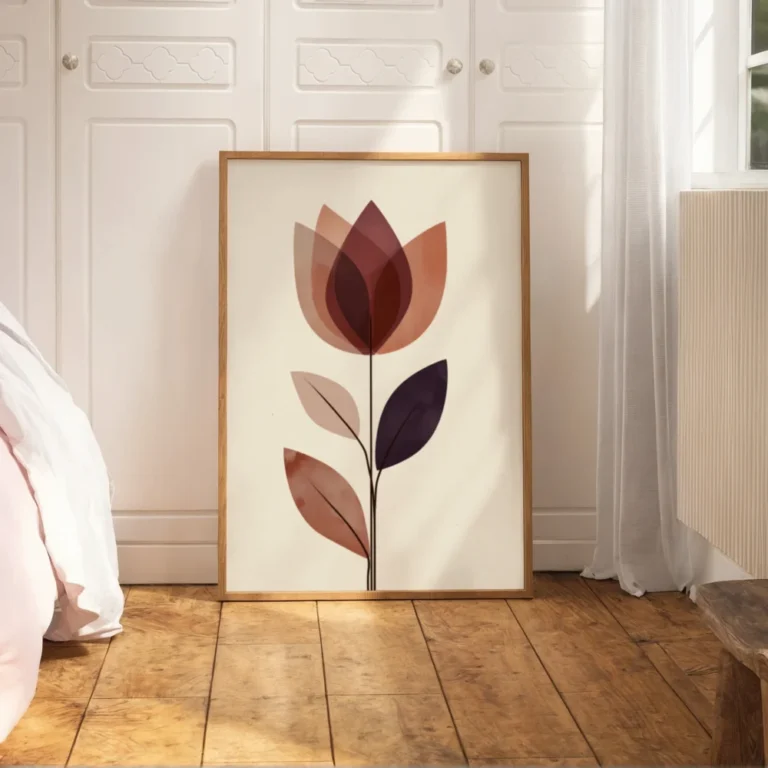
The palette is a mix of cool tones (whites and greys) and warm tones (beiges, browns, and muted greens). Earthy shades like terracotta and charcoal are also popular for adding depth without breaking the neutral theme.
It is most effective in areas meant for relaxation, such as above a bed, a living room sofa, or in a quiet reading nook. Hanging the art slightly lower than usual can help create a more grounded feeling.
Yes. Because it is so neutral and minimalist, it pairs beautifully with modern, mid-century, or even industrial decor. It acts as a “visual anchor” that brings a sense of calm to eclectic spaces.
Wabi Sabi is an ancient Japanese philosophy focused on the beauty of imperfection. Japandi is a modern interior design movement that incorporates Wabi Sabi principles along with Scandinavian minimalist functionality.
While “gallery wrap” canvases look modern and clean, thin natural wood frames are highly recommended. They add a necessary layer of organic texture and help the artwork feel like a deliberate part of the room’s architecture.
Art Collections