Limited Time: 20% Off All Prints
Free worldwide shipping on orders over $69
Delivery 4-12 business days
Home / Art Print Collections / Living Room Wall Art
The living room is the heart of your home—a place where style meets comfort. Choosing the right living room wall art is about more than just filling an empty space; it’s about setting a mood that reflects your personality. Whether you are looking for a bold statement piece to anchor a sofa or a subtle series of sketches to add a touch of warmth, the right artwork turns a house into a curated sanctuary.
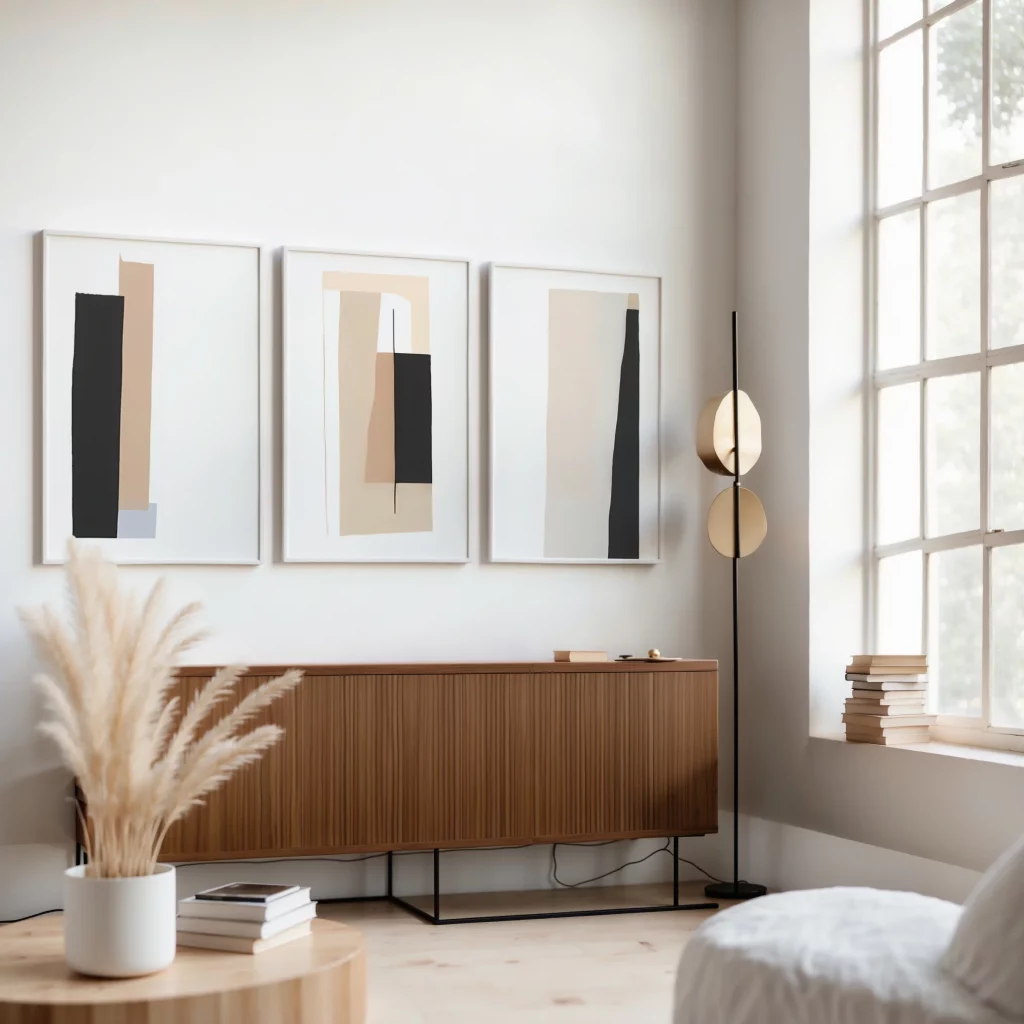
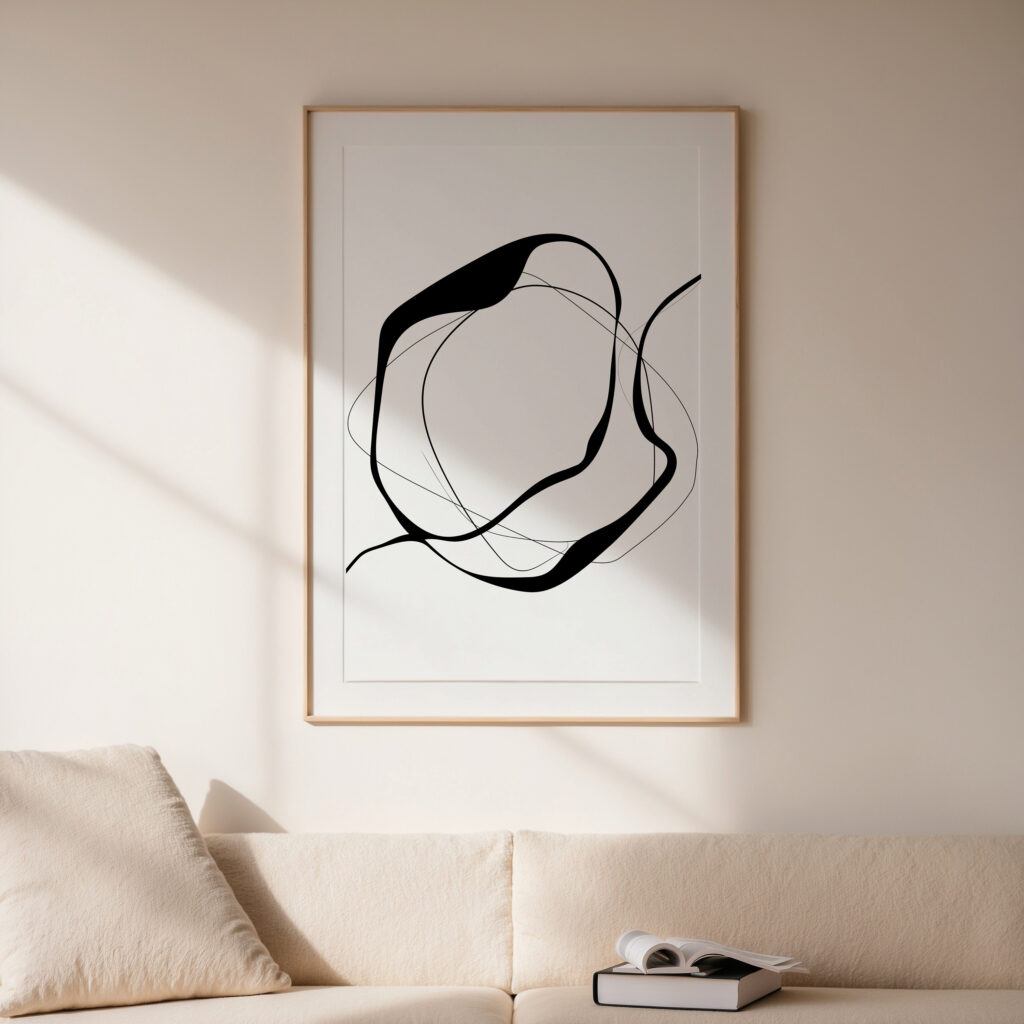
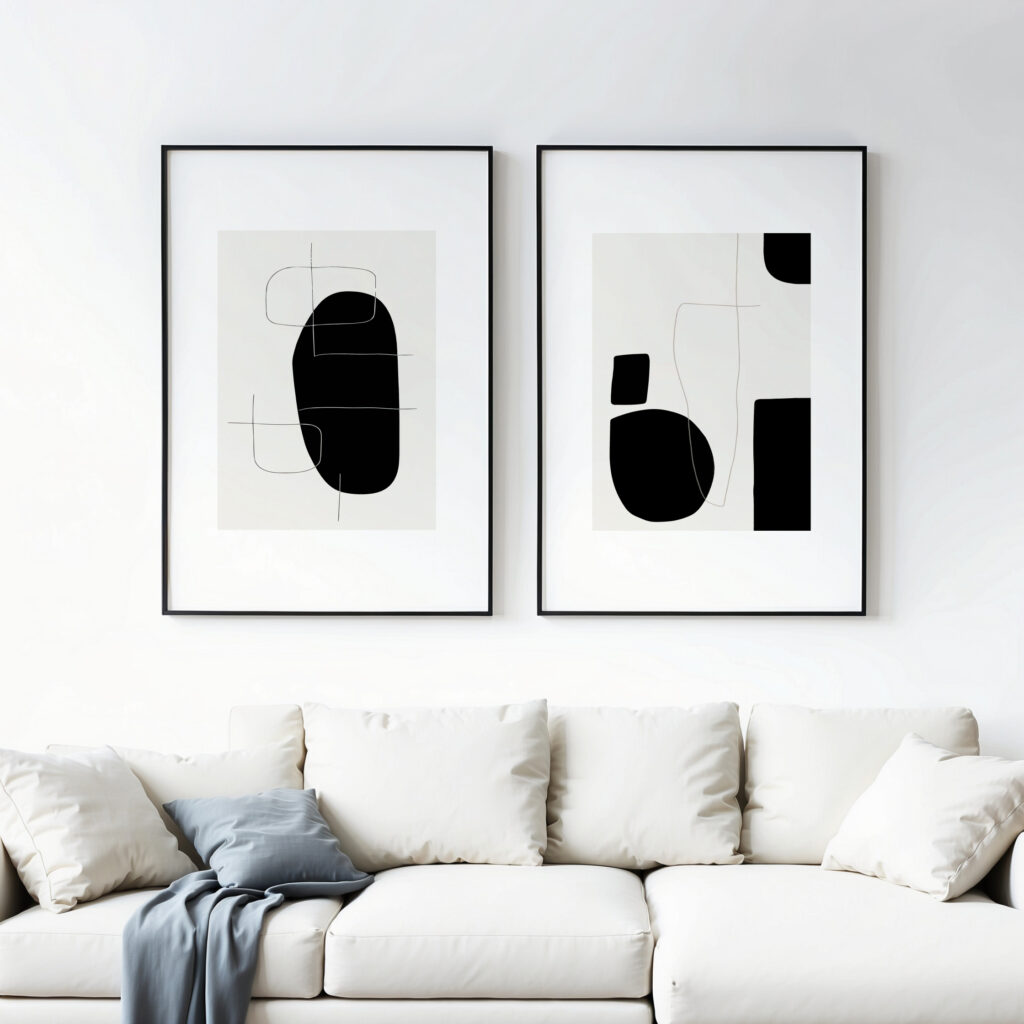
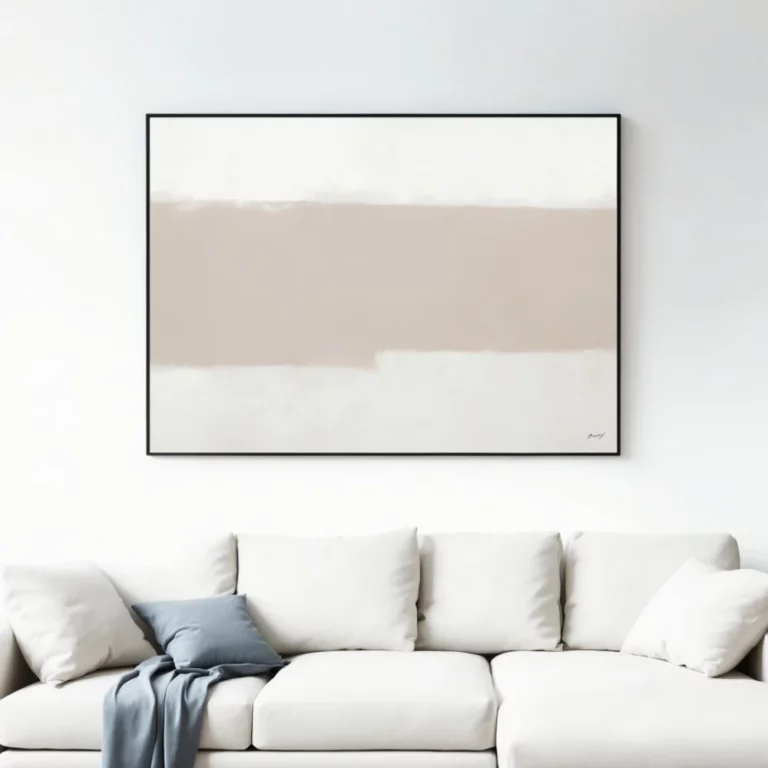
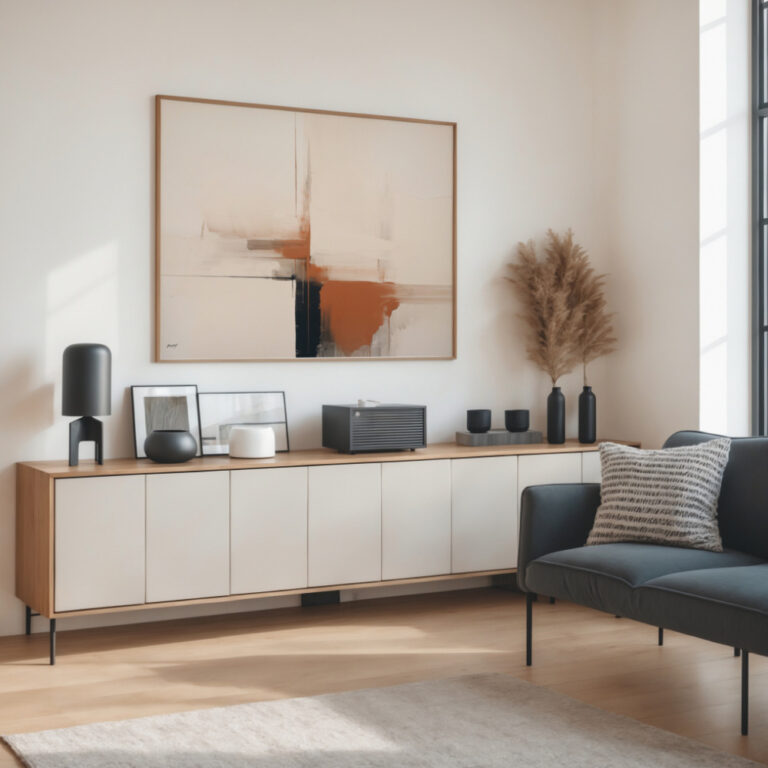
In interior design, scale is the most powerful tool for creating a sense of order. A common mistake is hanging a piece that is too small for the wall, which can make the room feel unfinished or sparse. If you are styling the area above a three-seater sofa or a large sideboard, aim for a piece (or a set) that spans roughly two-thirds to three-quarters of the furniture’s width. This creates a grounded, professional focal point that feels intentional rather than like an afterthought.
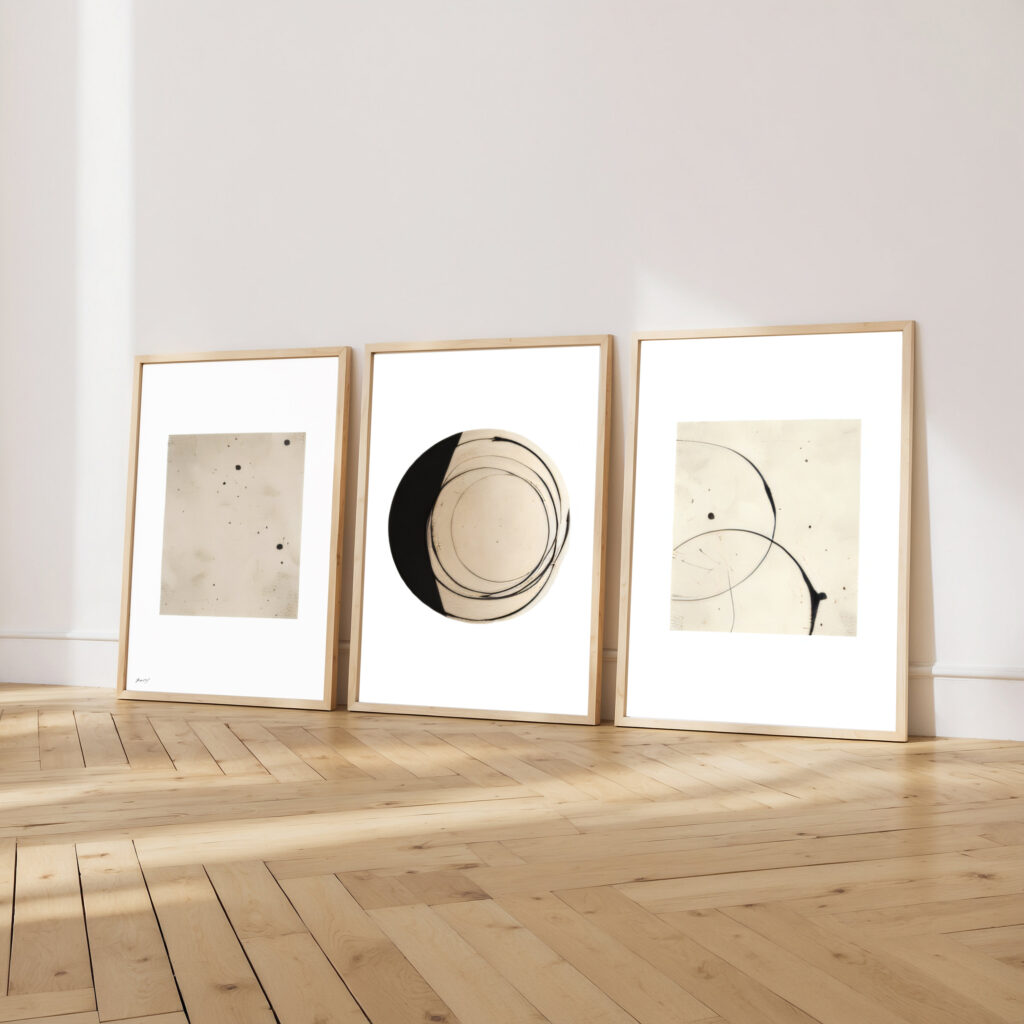
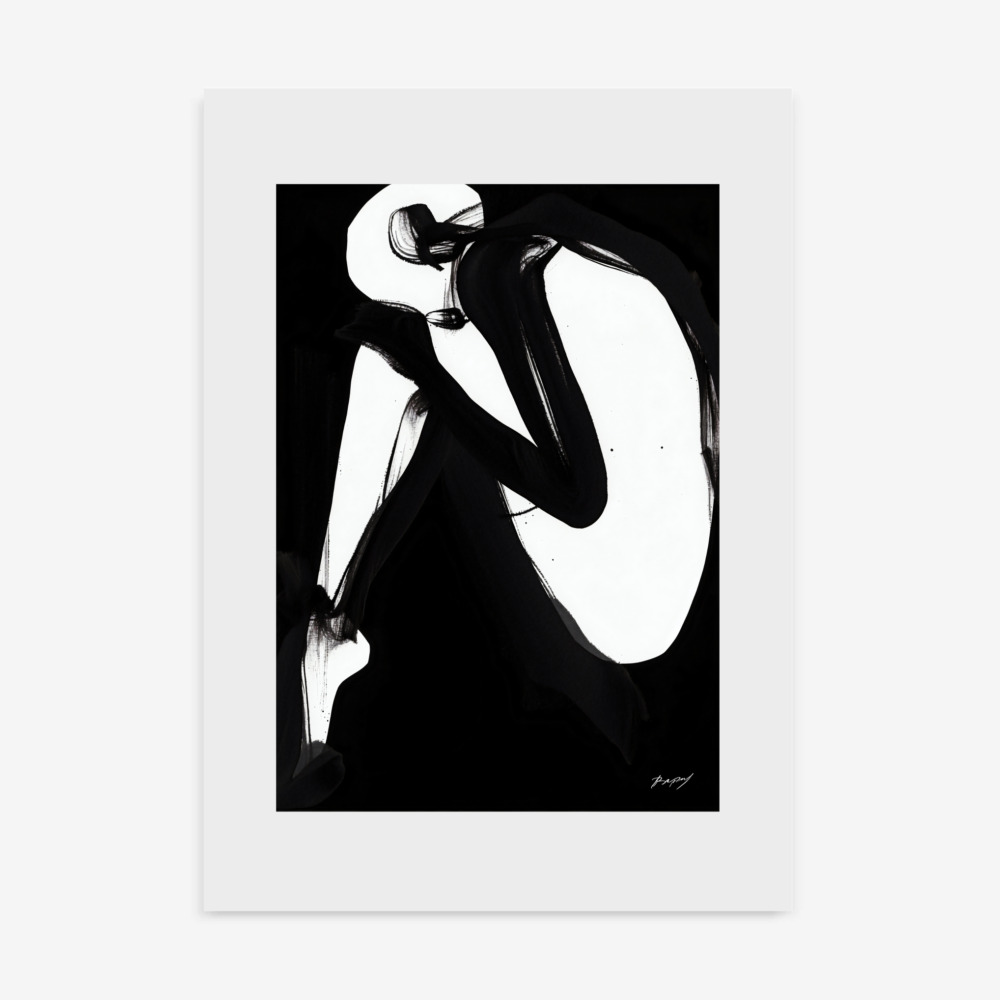
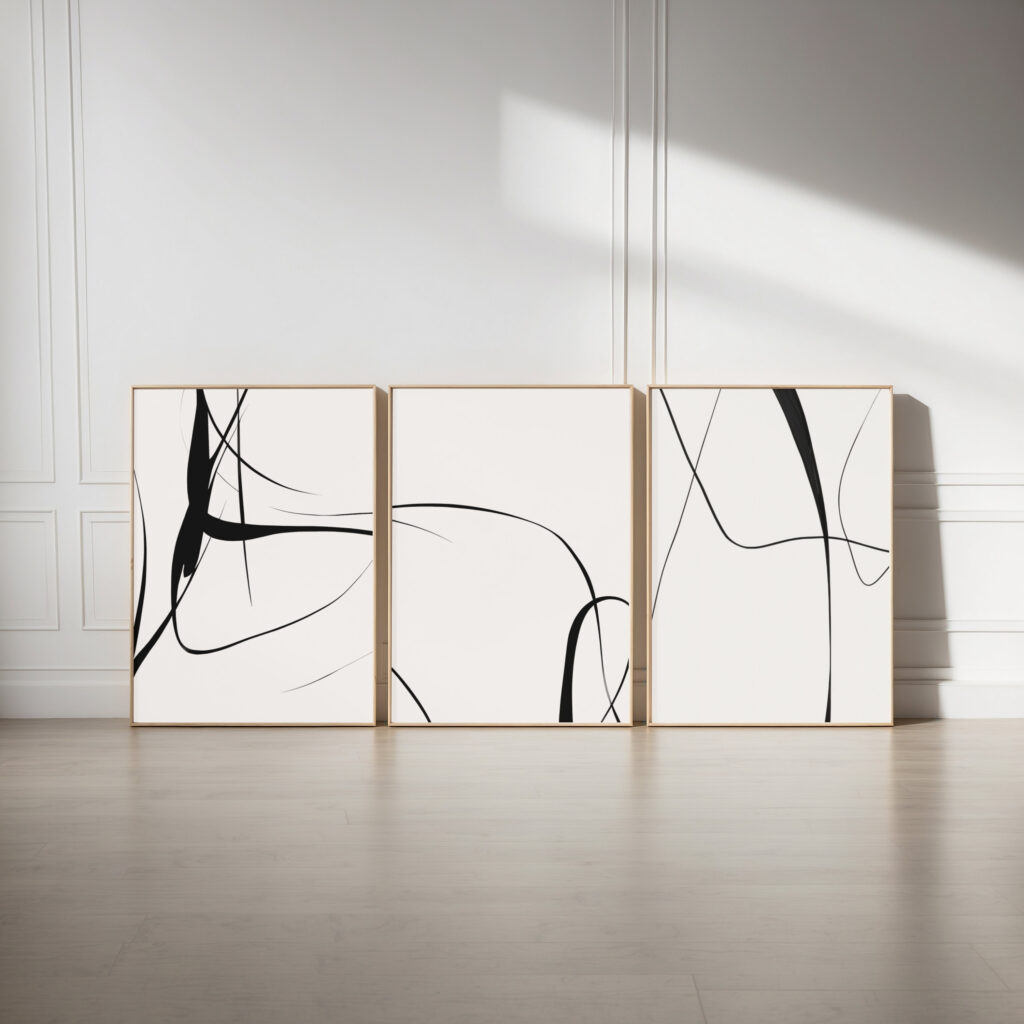
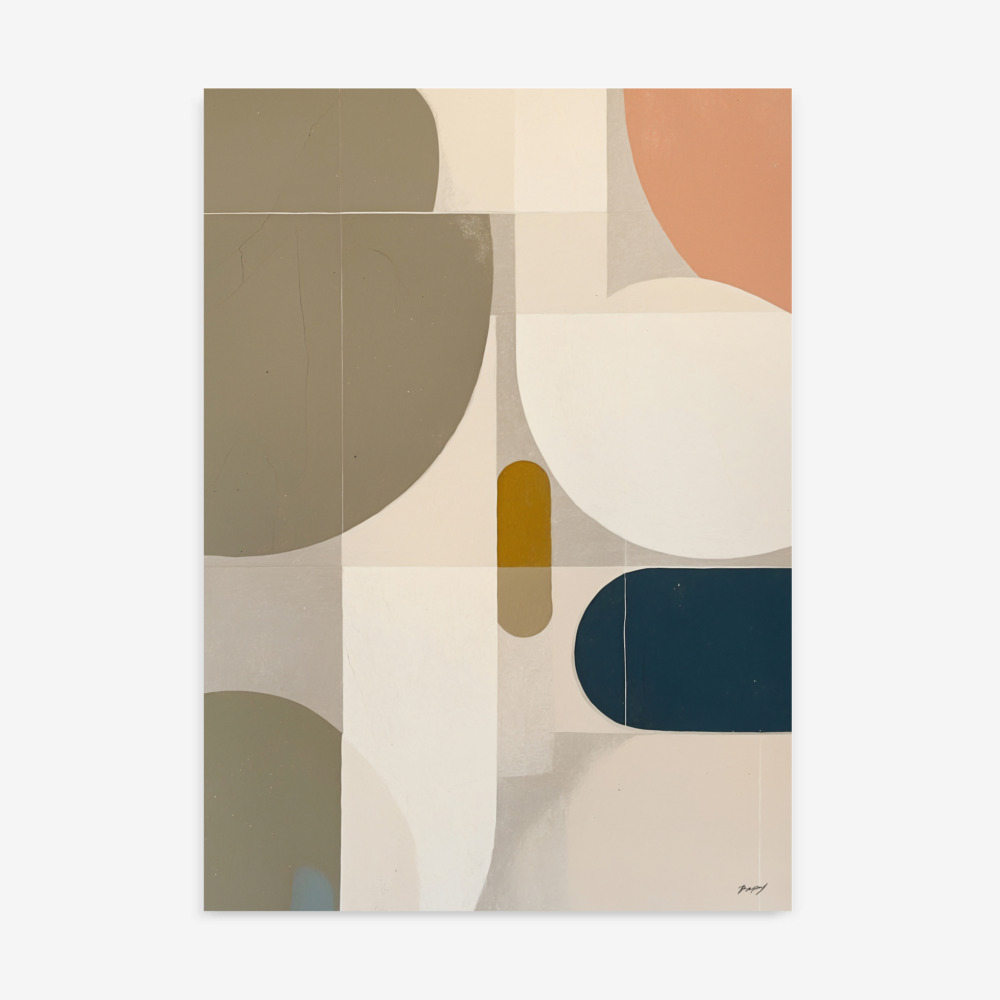
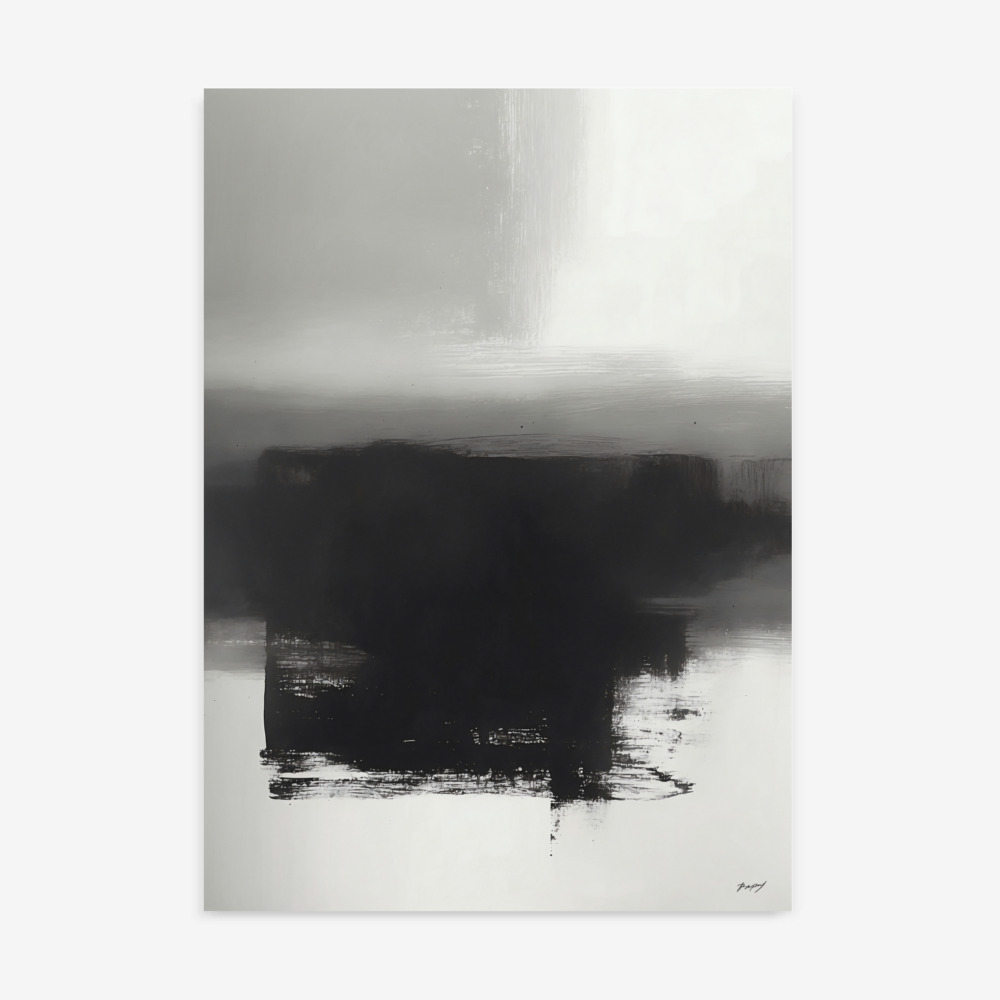
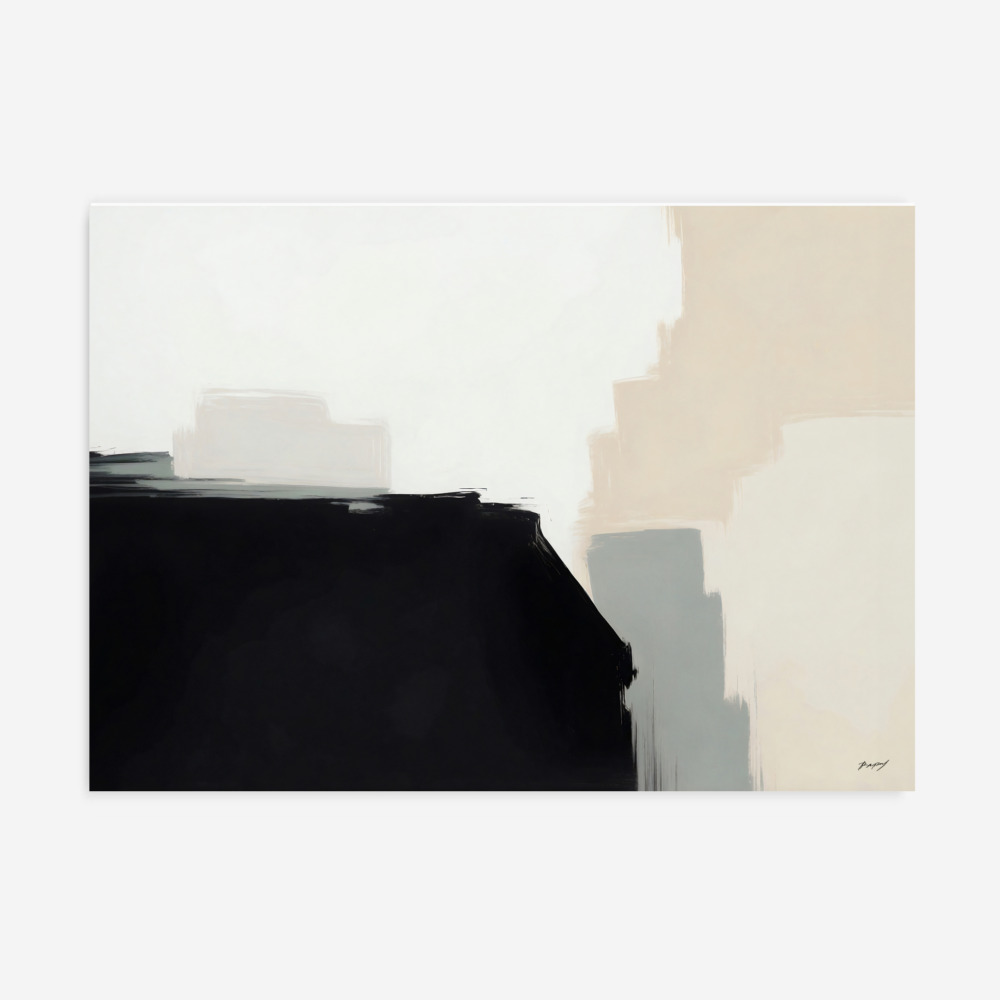
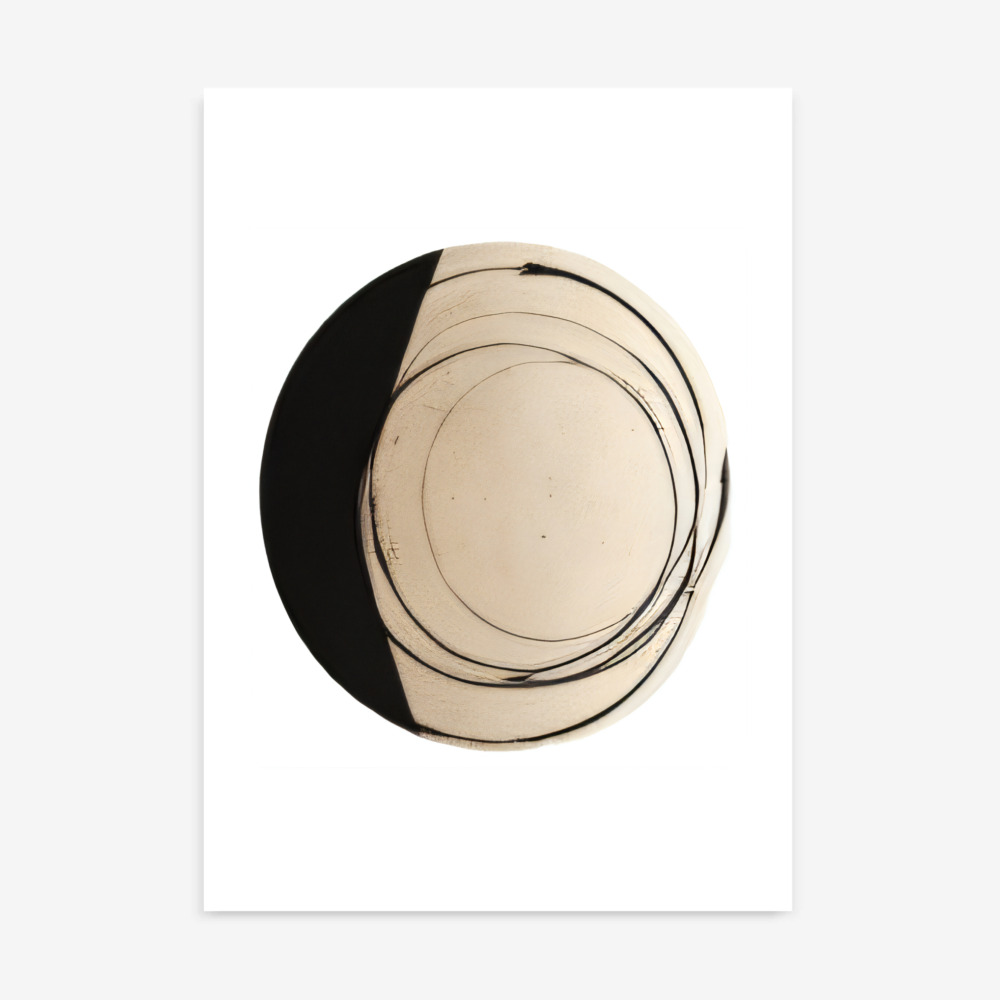
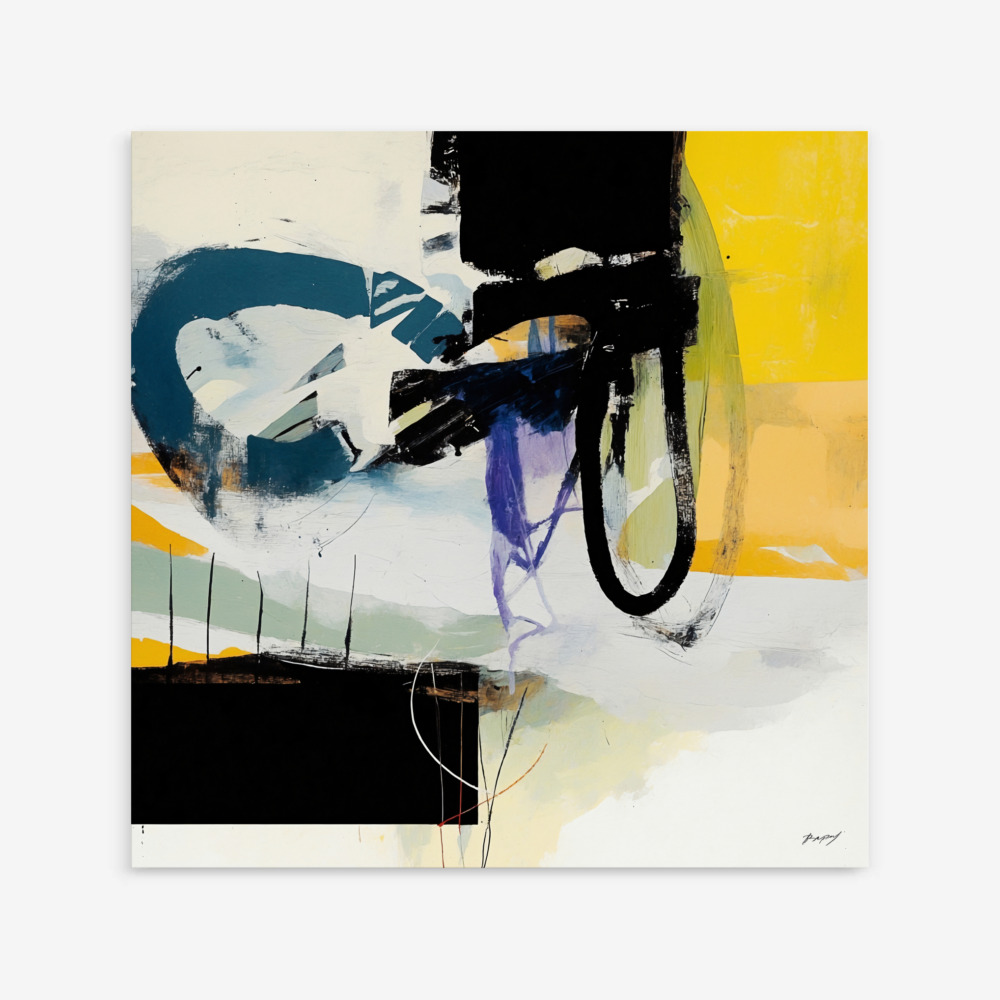
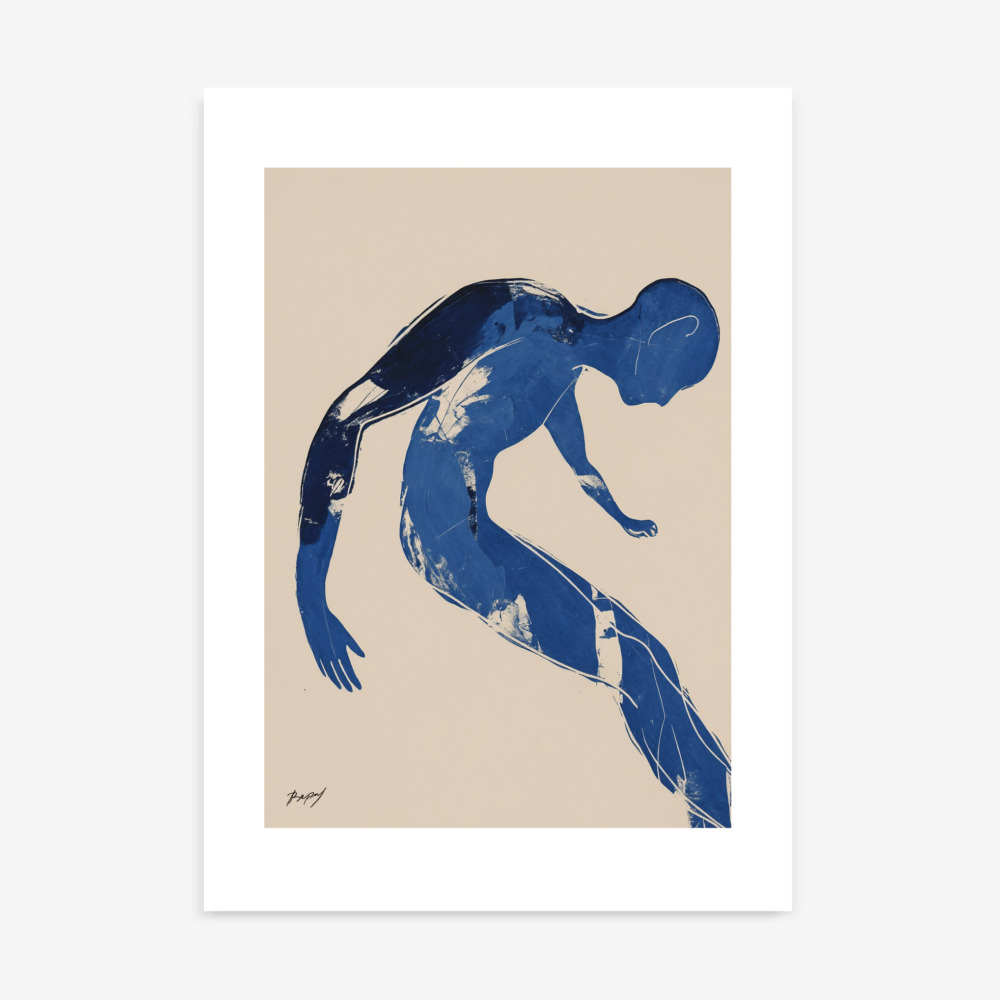
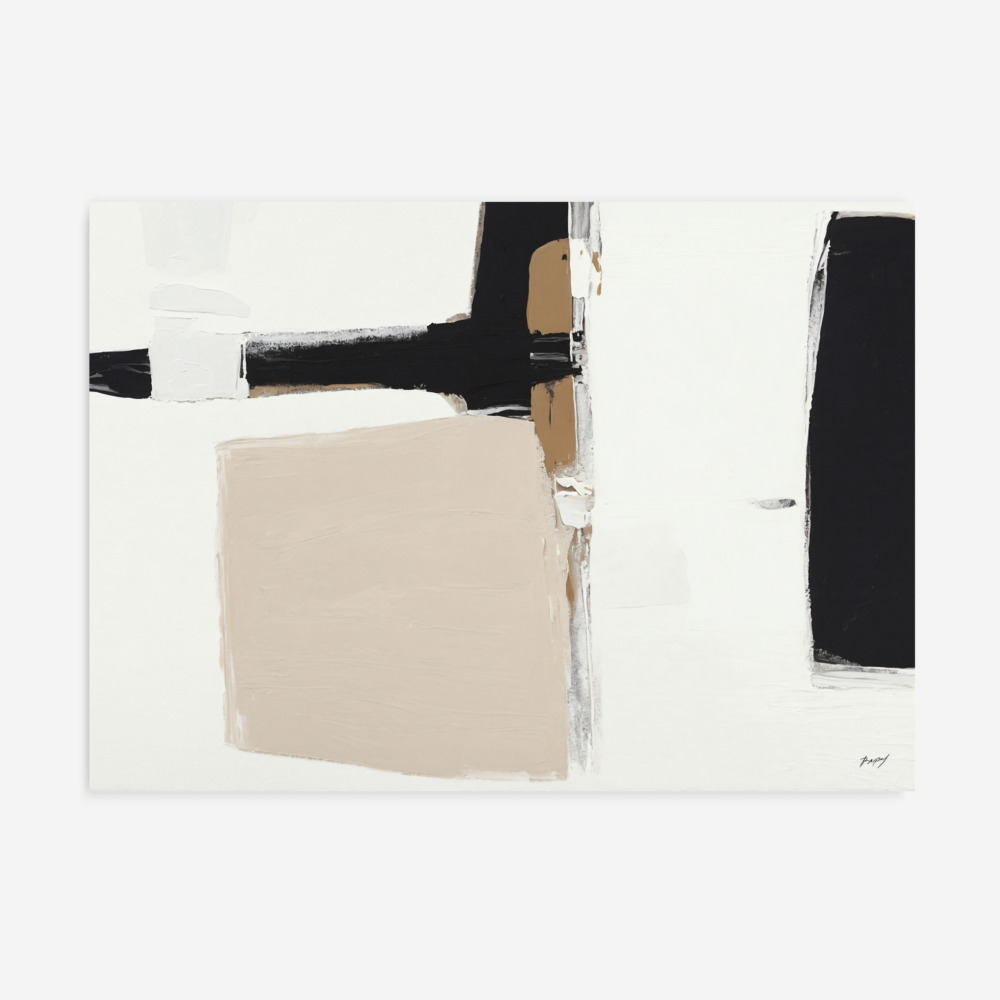
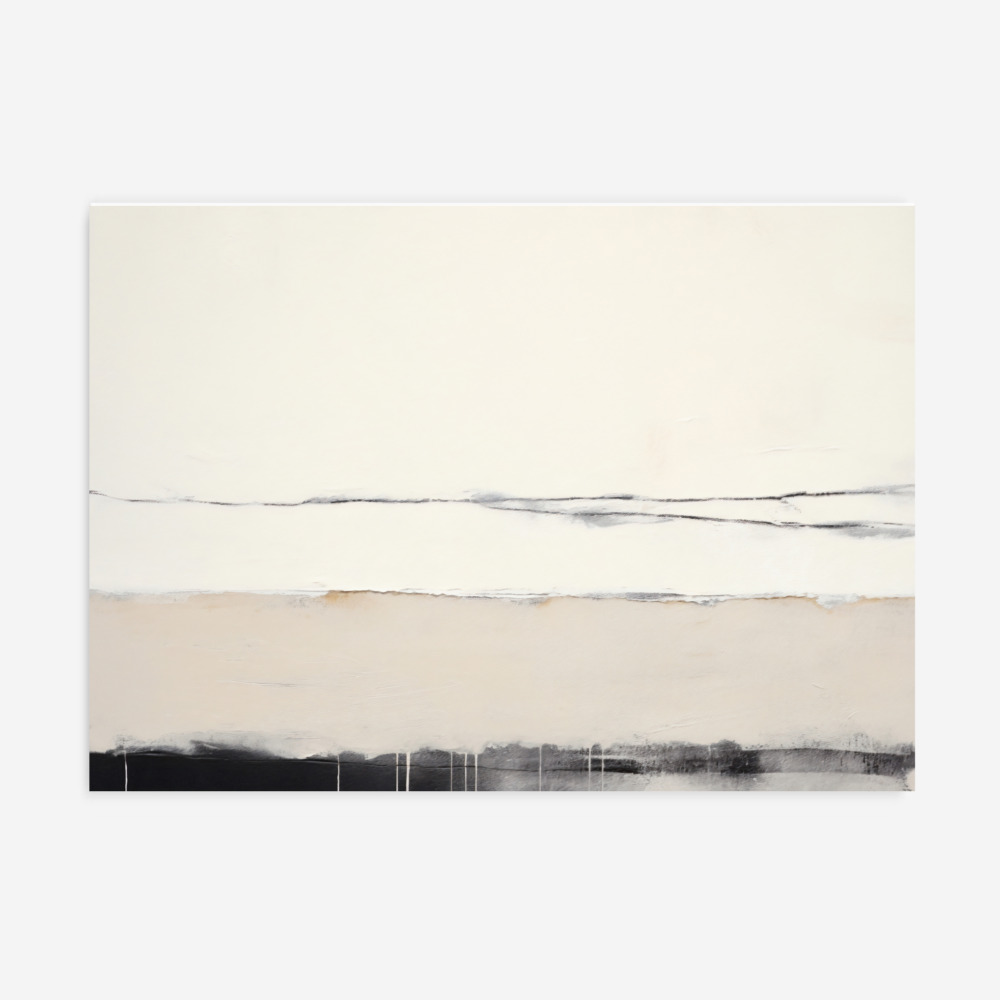
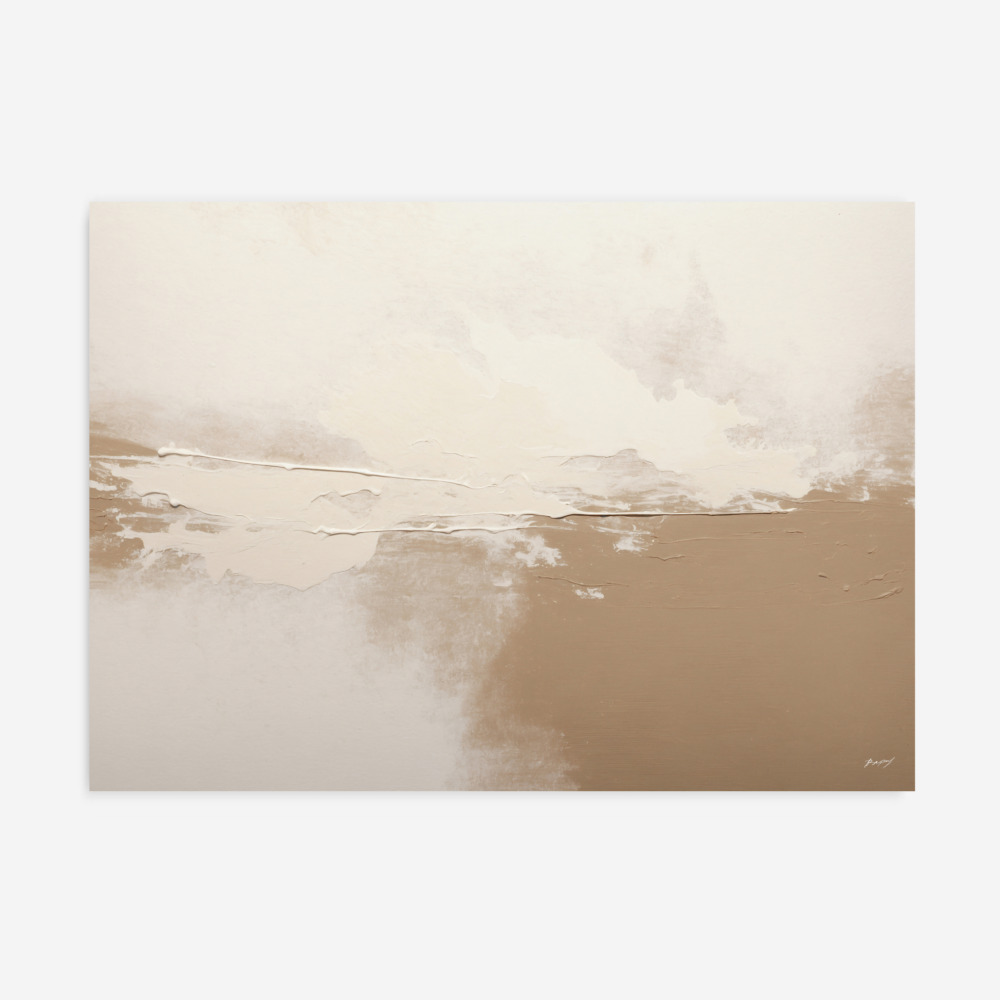
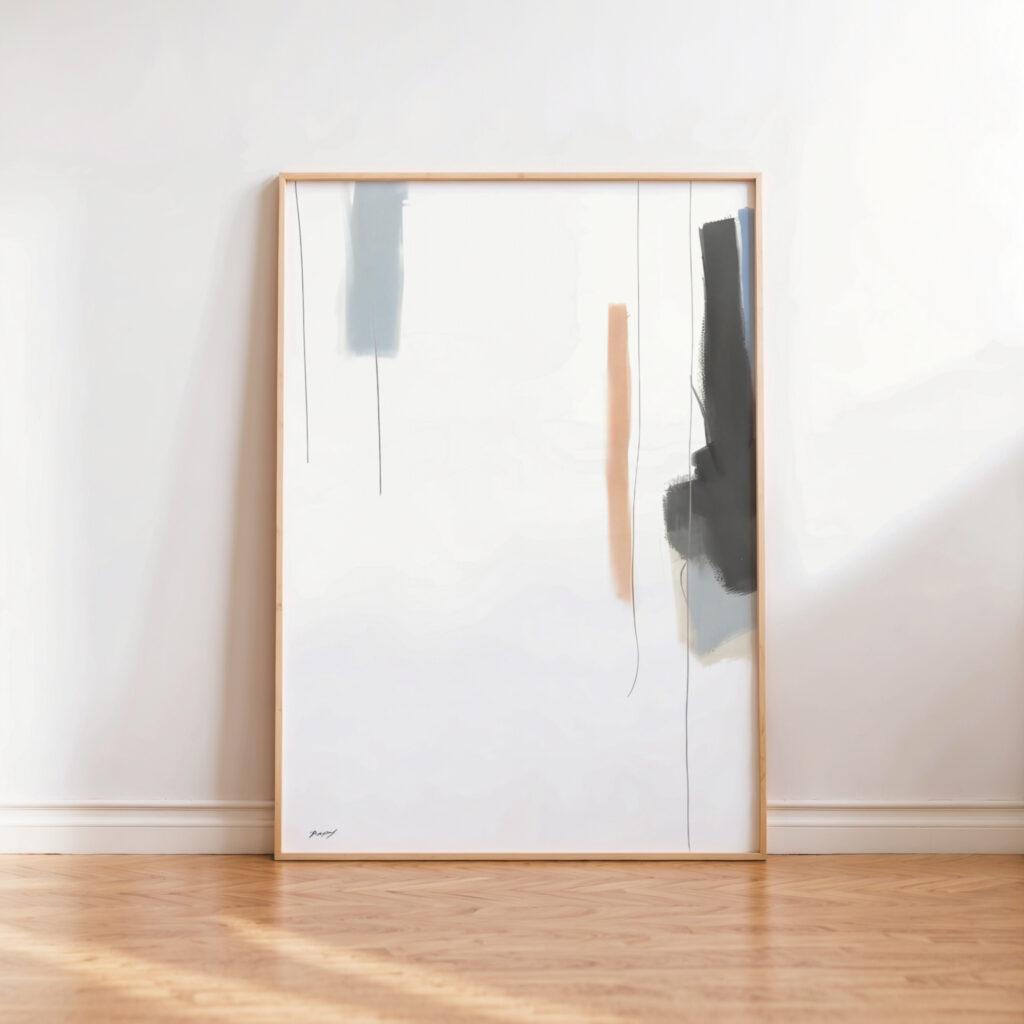
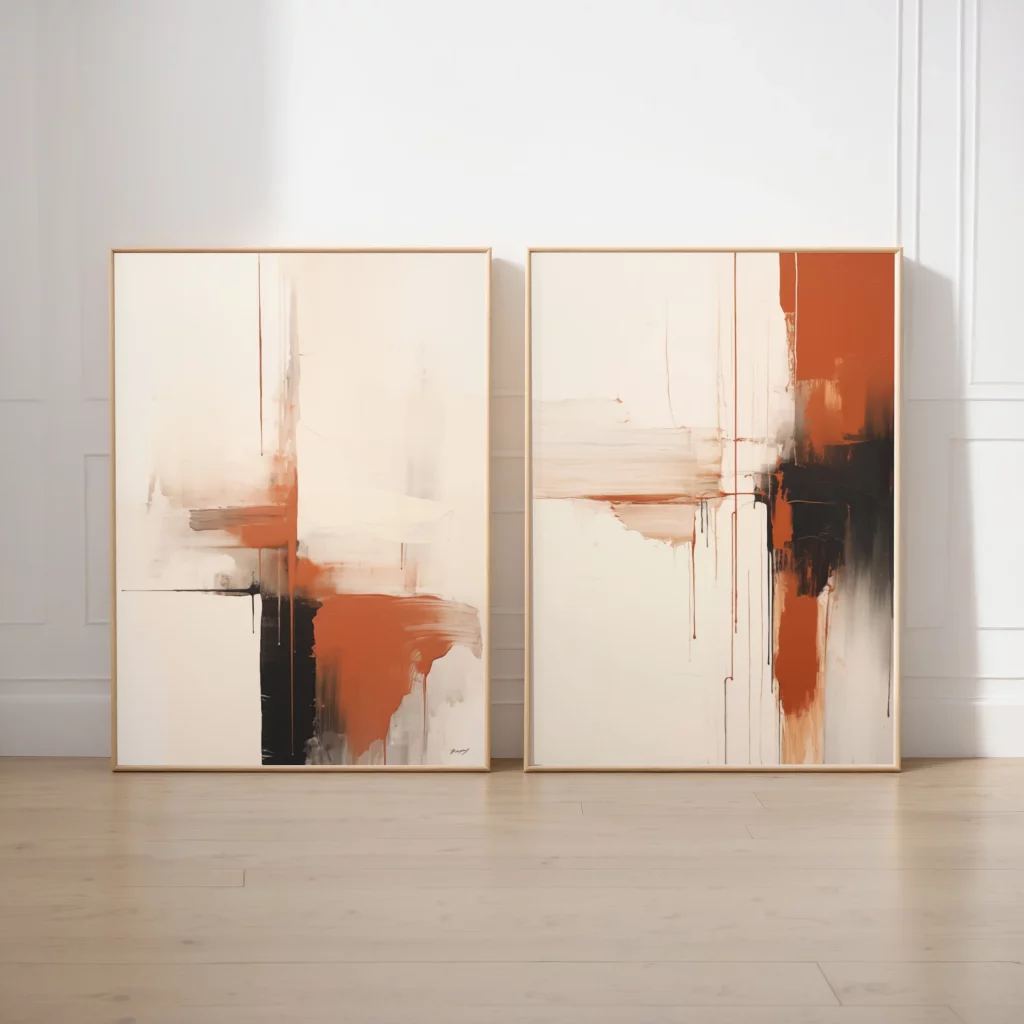
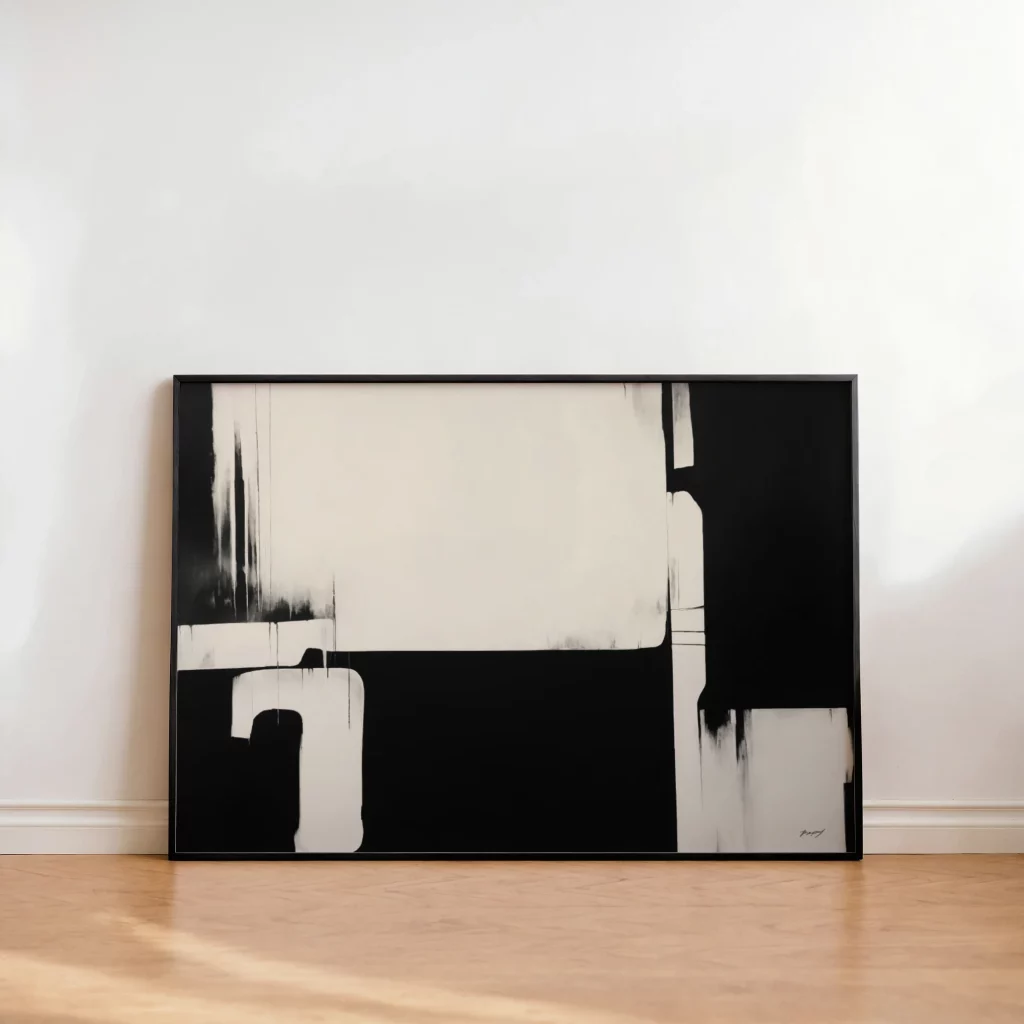
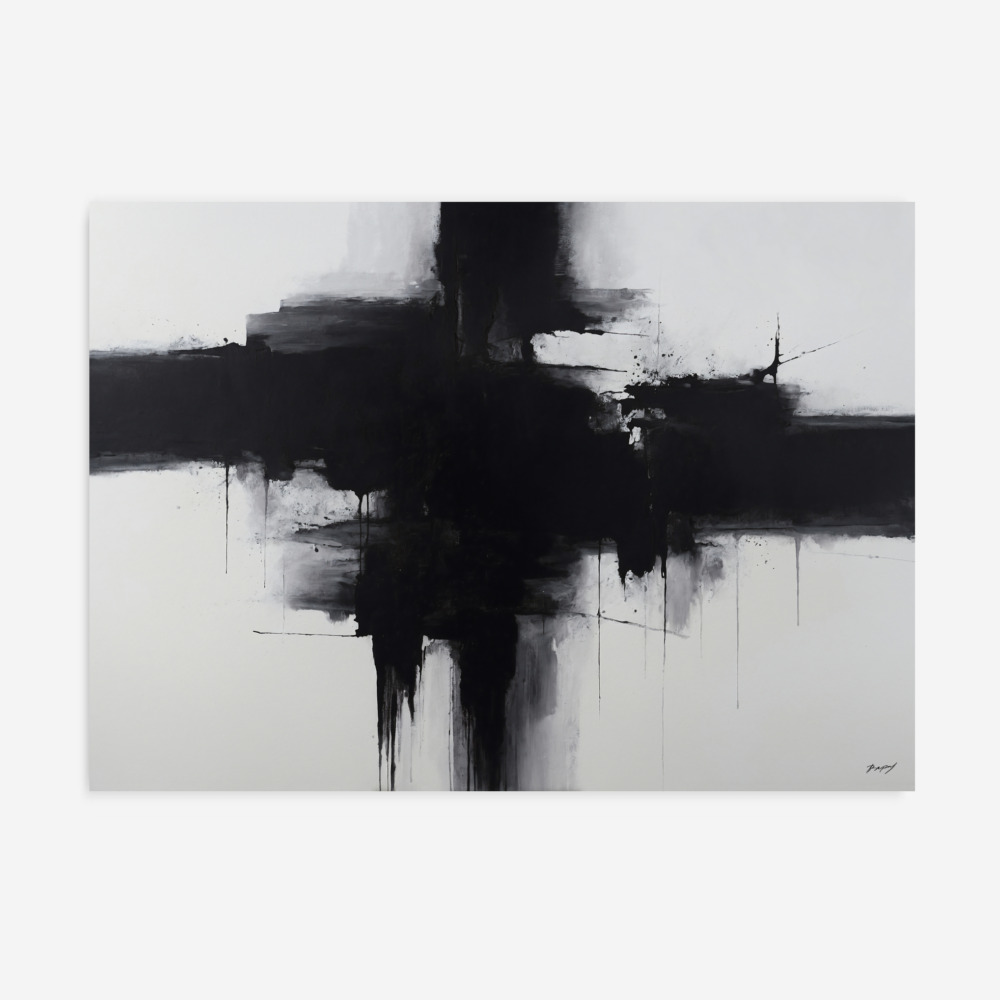
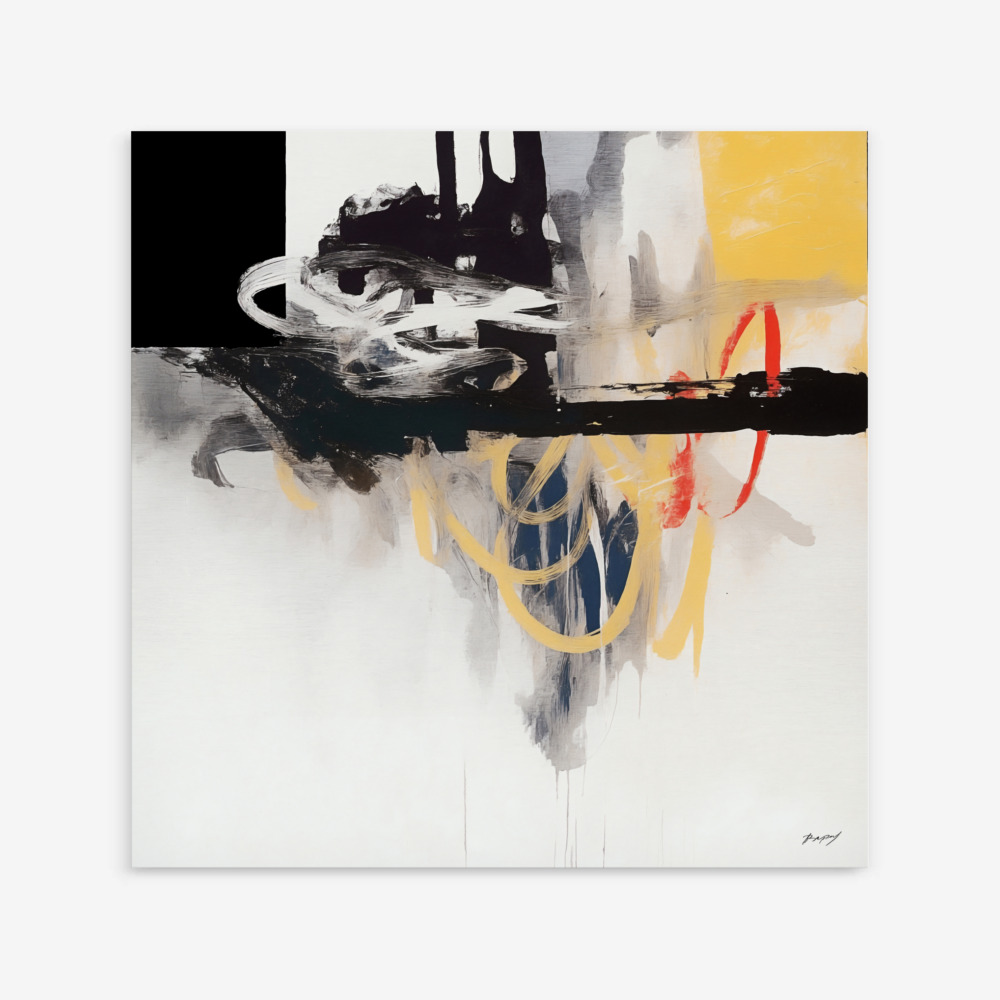
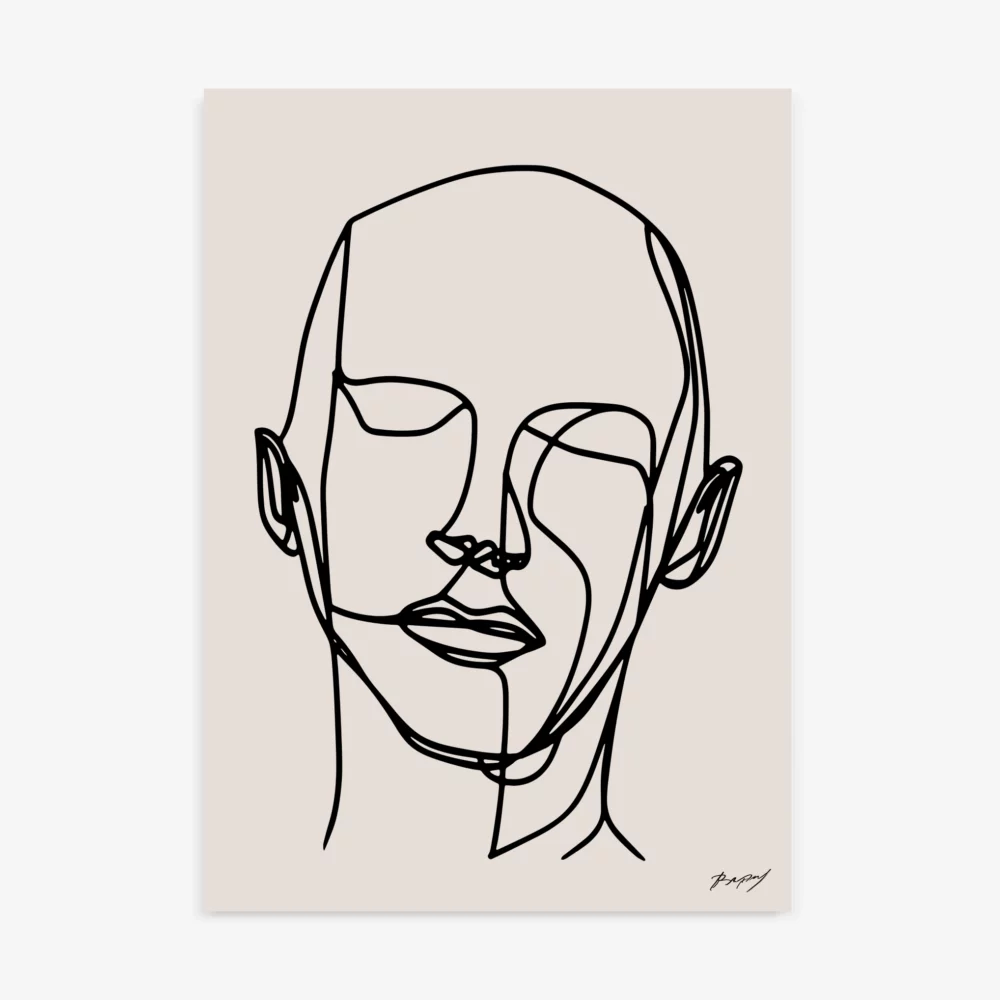
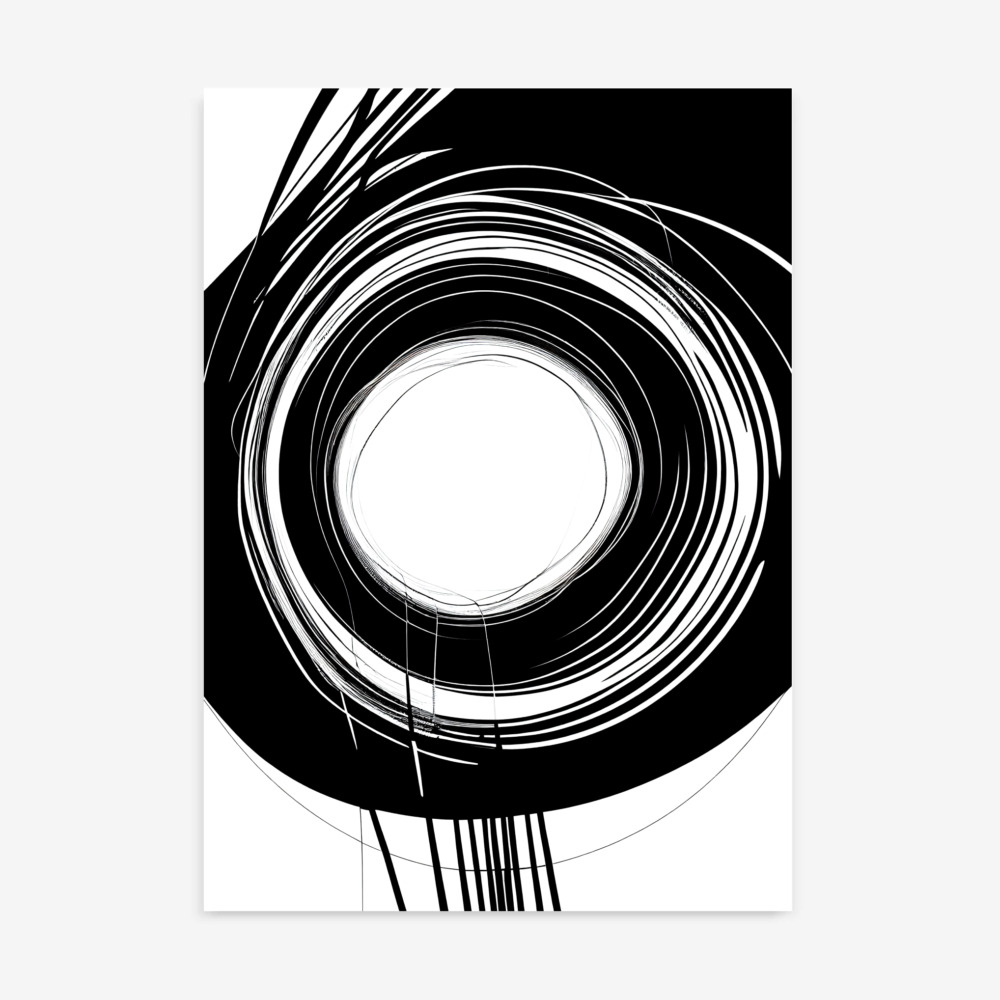
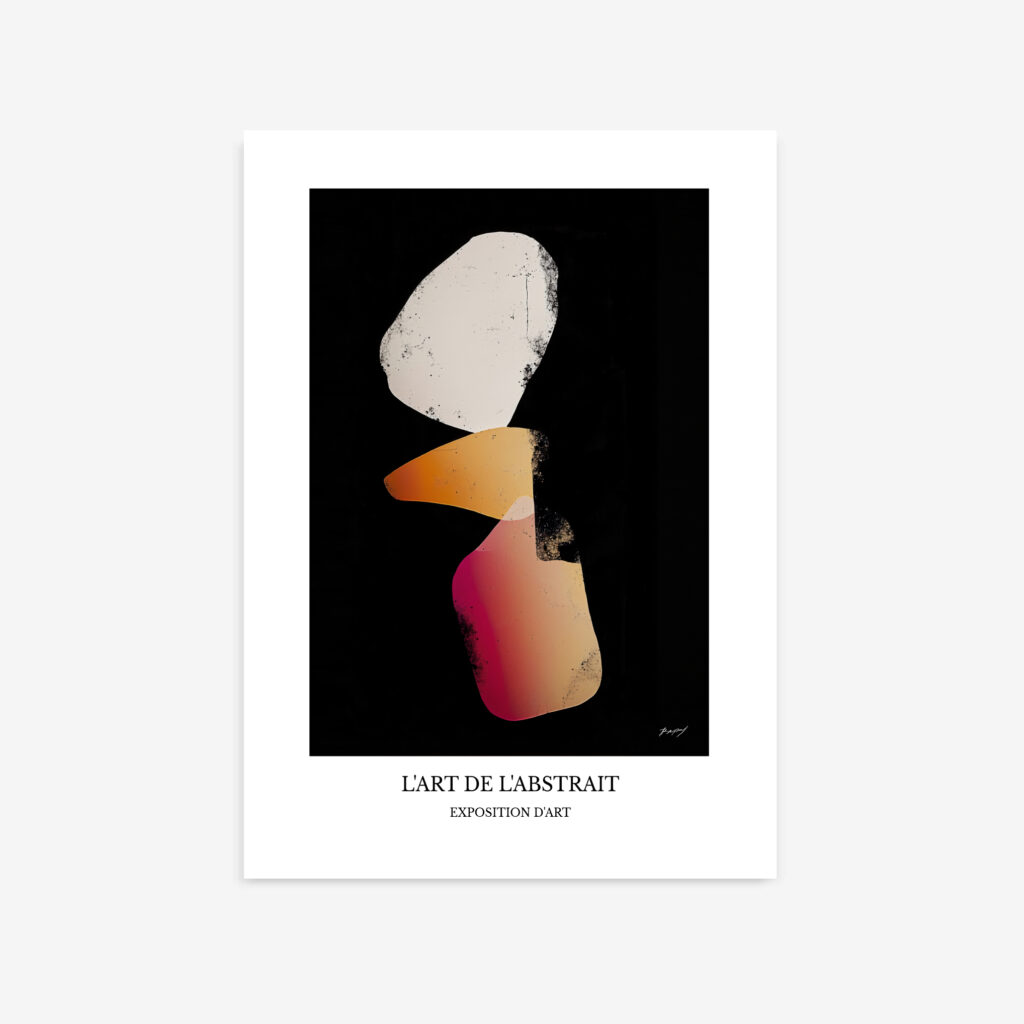
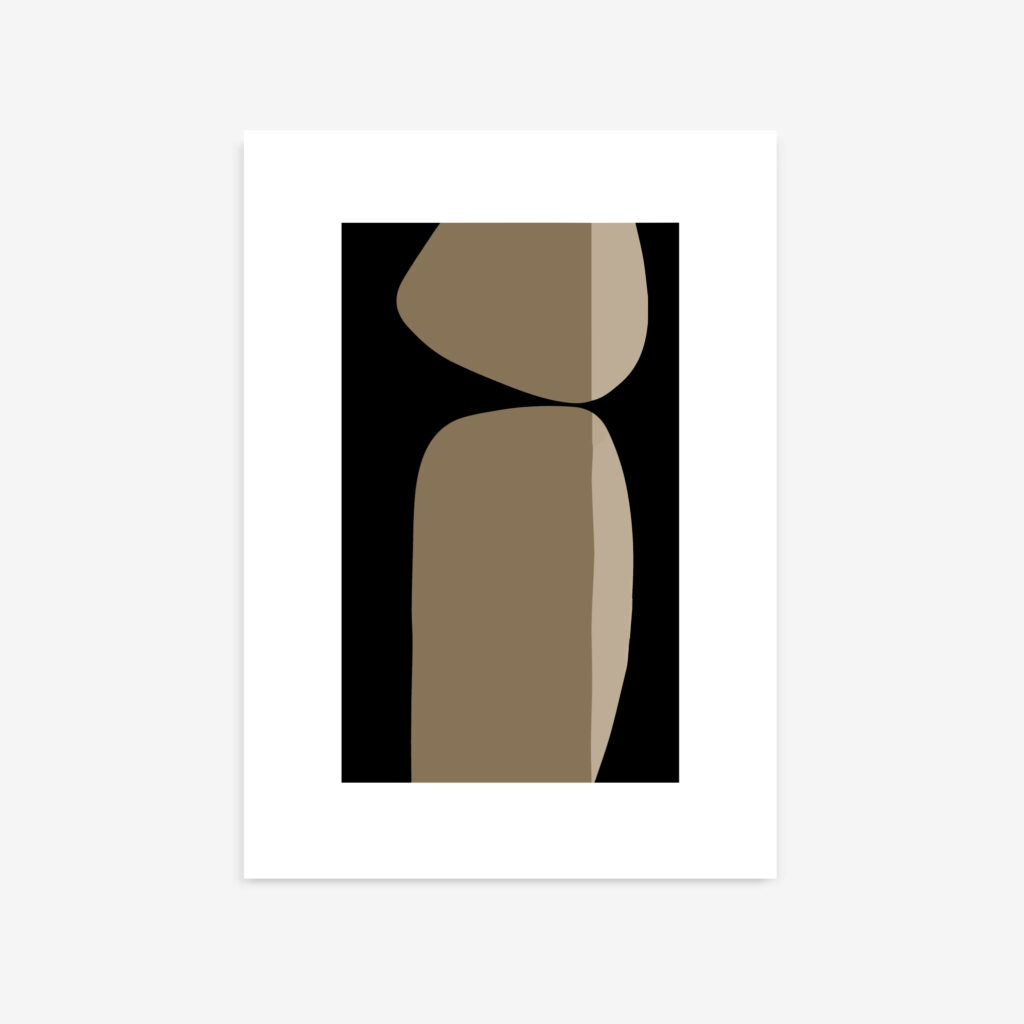
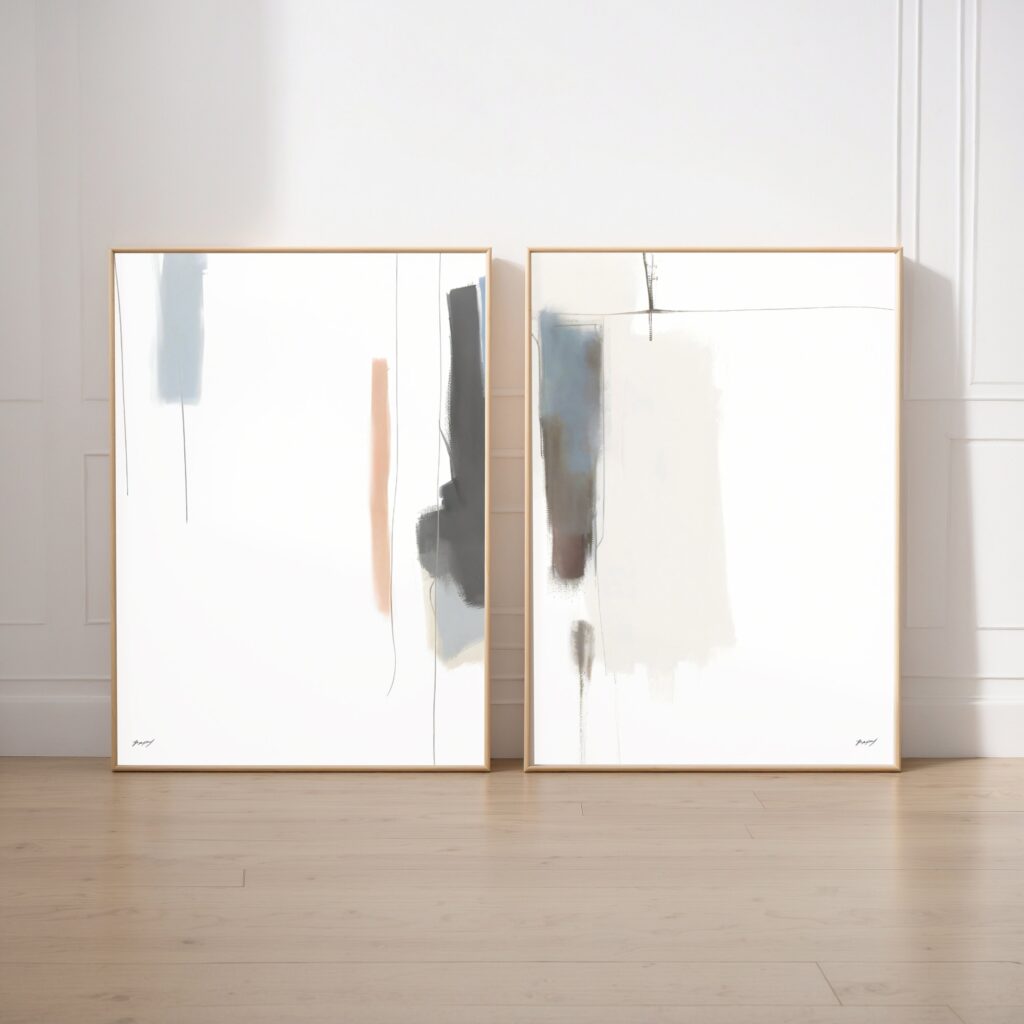
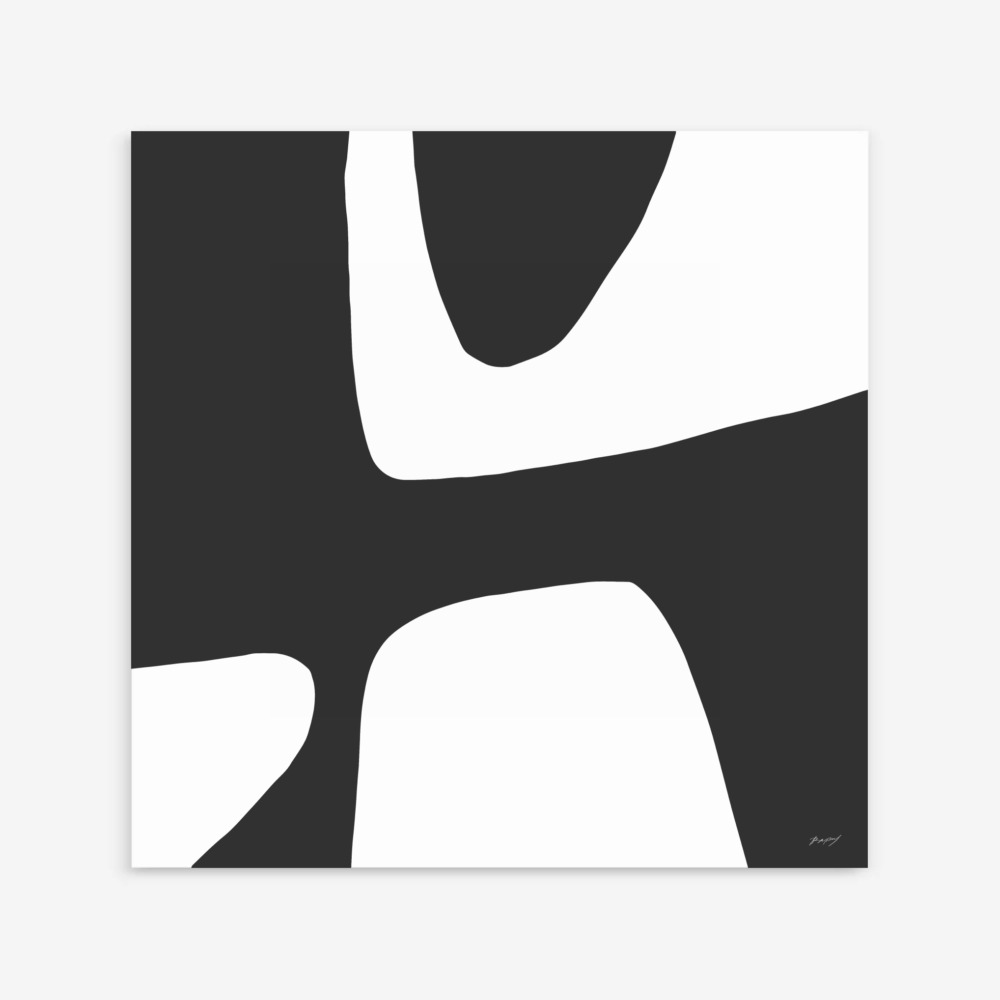
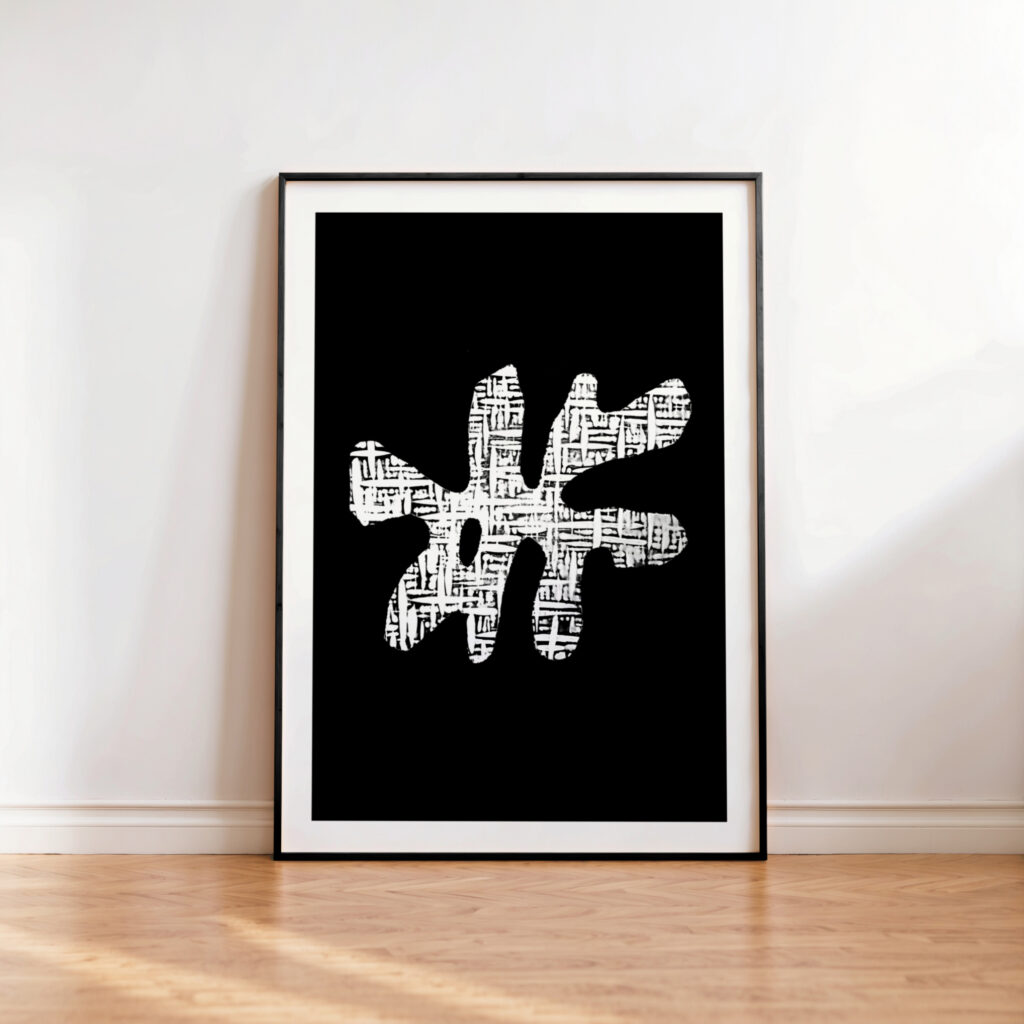
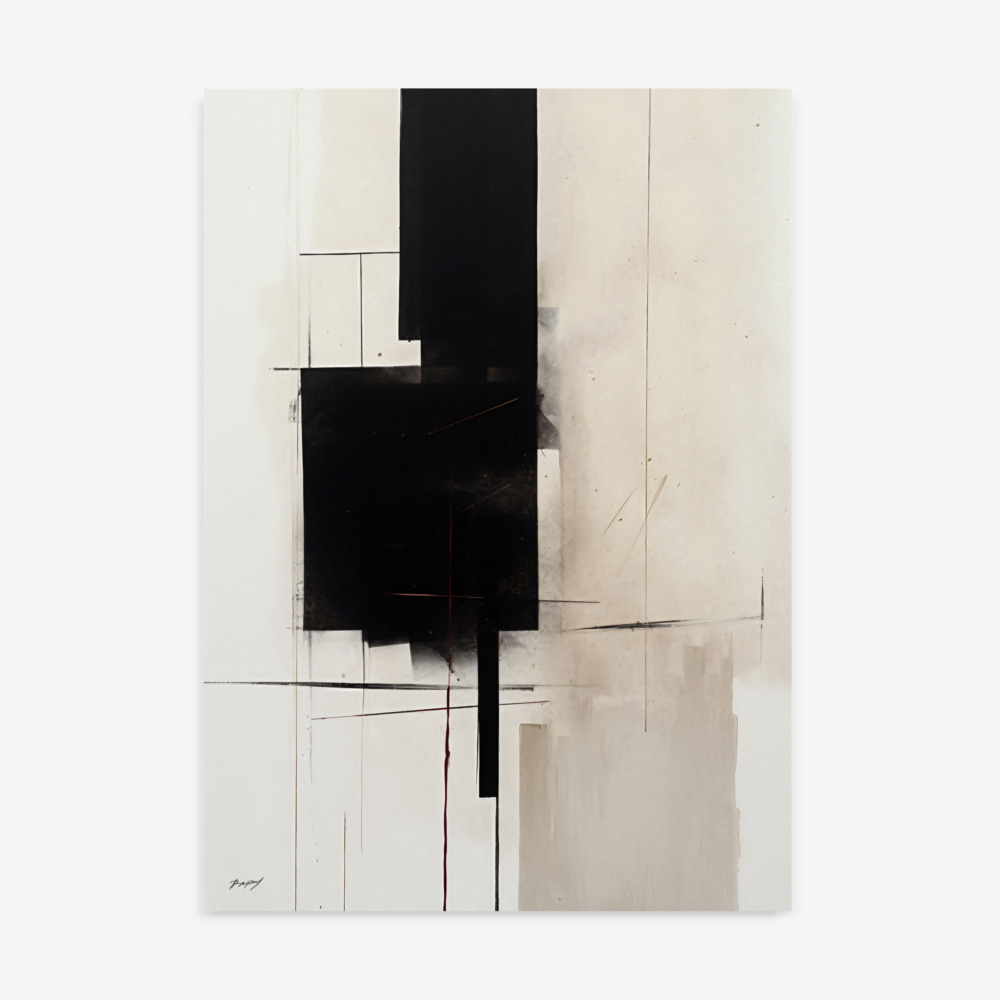
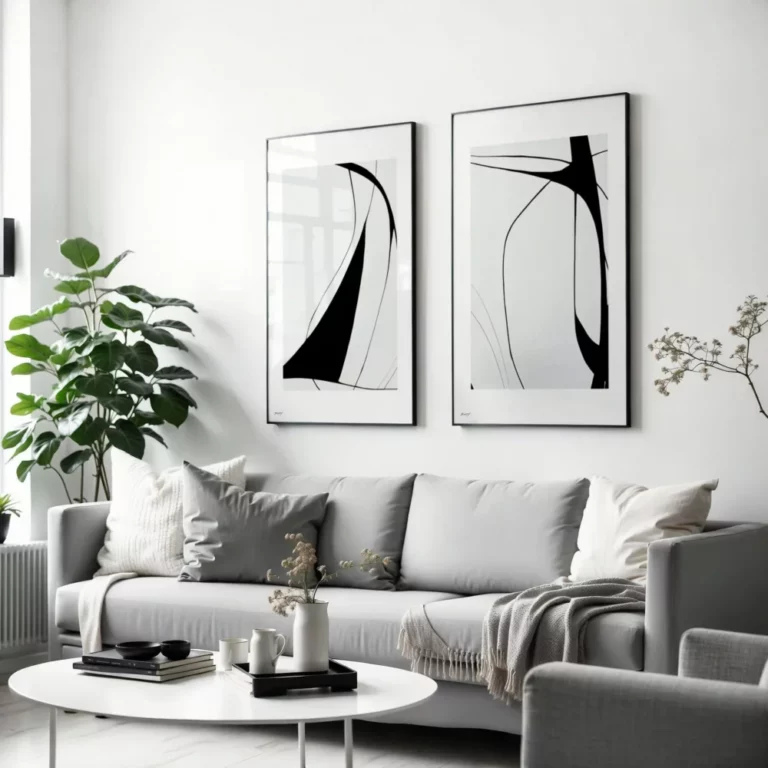
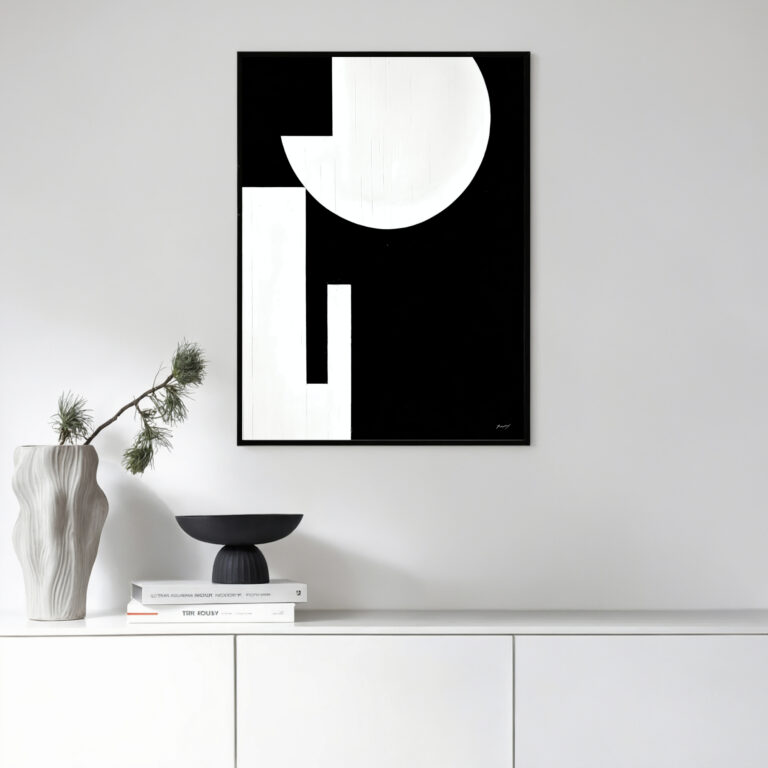
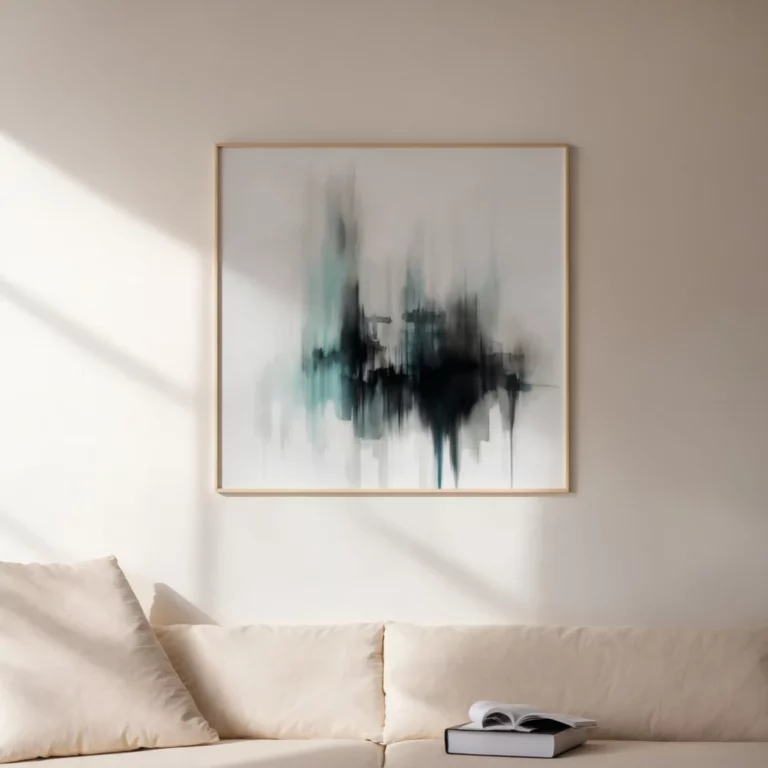
Modern interiors often thrive on the interplay of texture and negative space. If your furniture is very structured and linear, abstract art prints with fluid, organic shapes can provide a beautiful visual balance. For those seeking a more serene, “away from it all” vibe, landscape canvas prints act as a visual window, adding literal and metaphorical depth to your lounge. The key is to find a “voice” for your walls that complements the overall rhythm of your life.
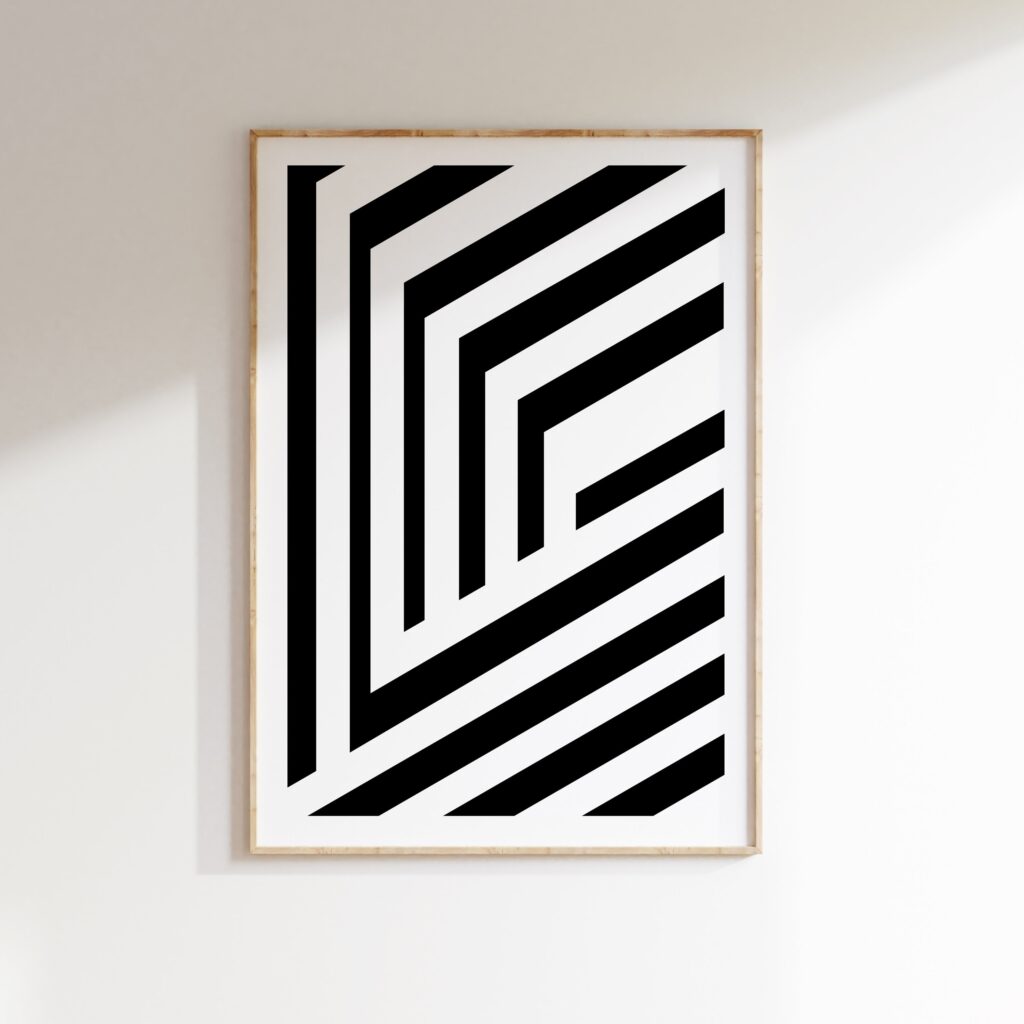
The medium you choose fundamentally changes the “temperature” of the room. A canvas piece offers a tactile, matte finish that is completely glare-free—making it the ideal choice for sun-drenched rooms where glass frames would act like mirrors. On the other hand, minimalist art prints on heavy-weight paper provide a crisp, gallery-style precision. This polished look is perfect for smaller, more formal spaces where you want to highlight the fine details of the ink and the pristine nature of the paper.
As a general rule, your art should occupy about 60% to 75% of the available wall space above a piece of furniture. If the wall is completely empty, the art should cover roughly 30% to 50% of the total wall area to look balanced and proportional.
Standard gallery height is to have the center of the piece at eye level—roughly 57 to 60 inches from the floor. If you are hanging it above a sofa, keep a gap of 6 to 10 inches between the bottom of the frame and the top of the cushions.
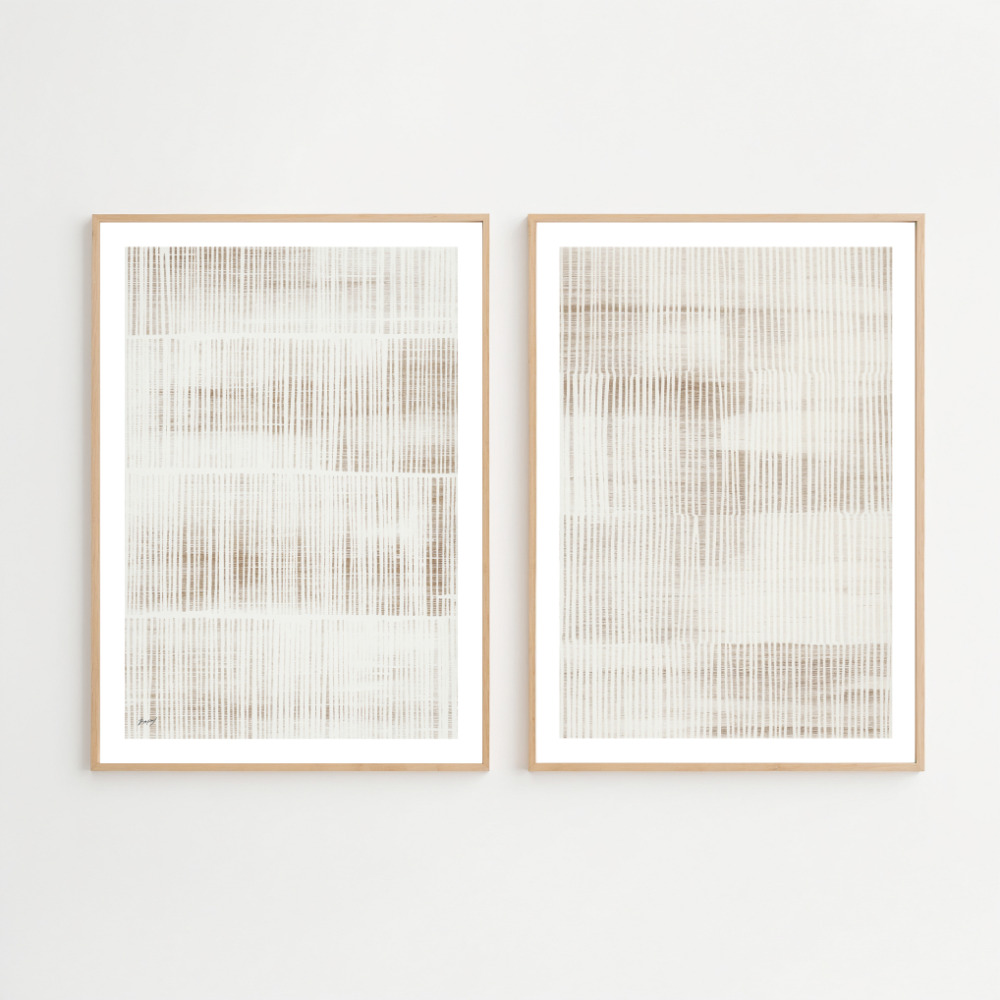
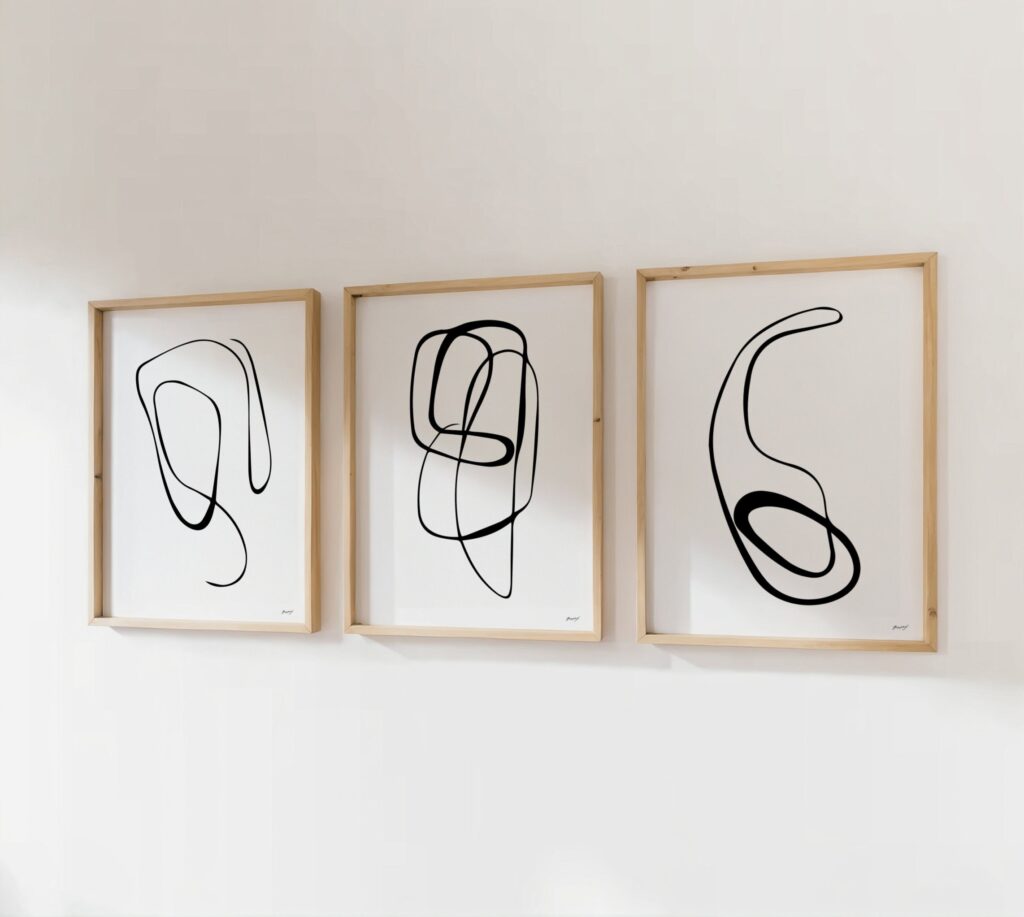
A single large piece offers a clean, bold, and modern look that makes a room feel more spacious. A gallery wall is more personal and eclectic. For a high-end, sophisticated feel, a single oversized statement or a symmetrical triptych is usually the preferred choice.
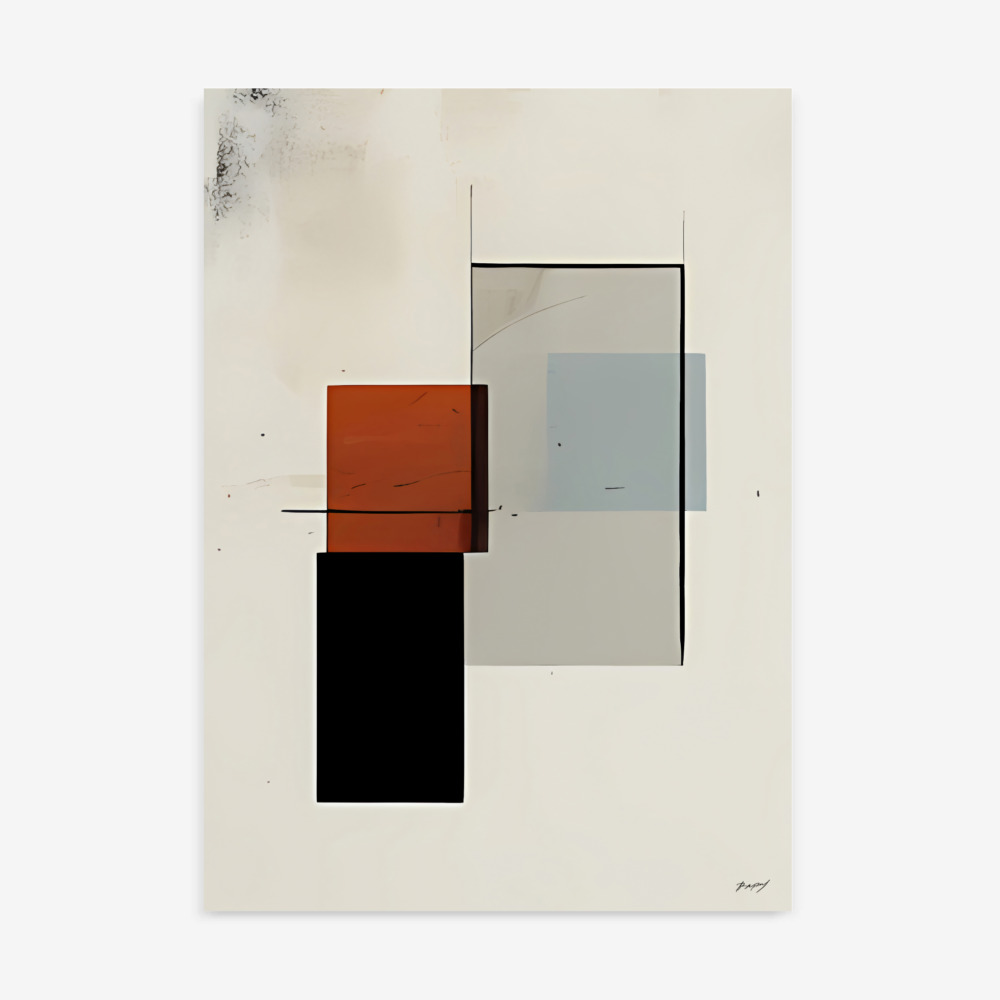
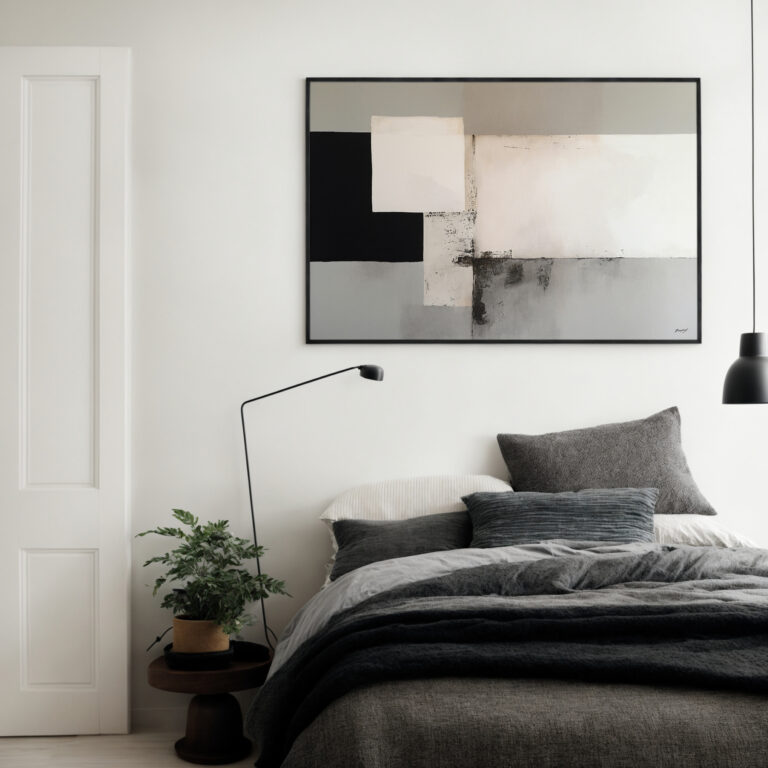
Coordination is better than an exact match. It doesn’t need to be identical, but it should stay in the same “tonal family.” For example, if you have a blue sofa, art with hints of slate, grey, or even a contrasting warm ochre will look more designer-led than a solid blue print.
Canvas prints is excellent for bright rooms because it doesn’t reflect light and adds a cozy, three-dimensional texture. Framed fine art prints are better if you want a more traditional, “high-end” gallery finish with sharp, clinical detail.
Yes, provided there is a unifying element. You can mix a landscape photograph with a geometric abstract as long as they share a similar color story or identical framing styles to keep the arrangement feeling intentional and curated.
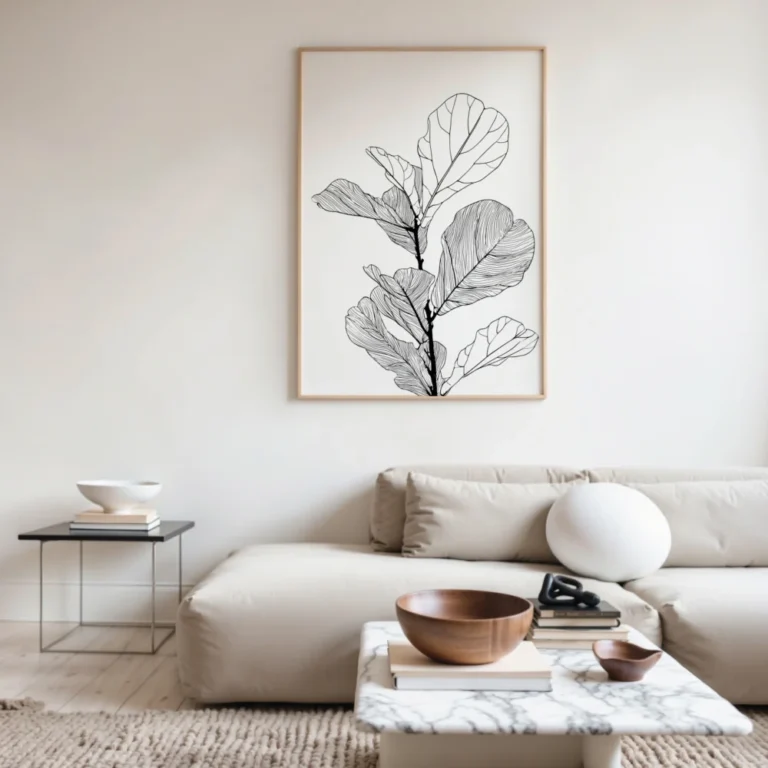
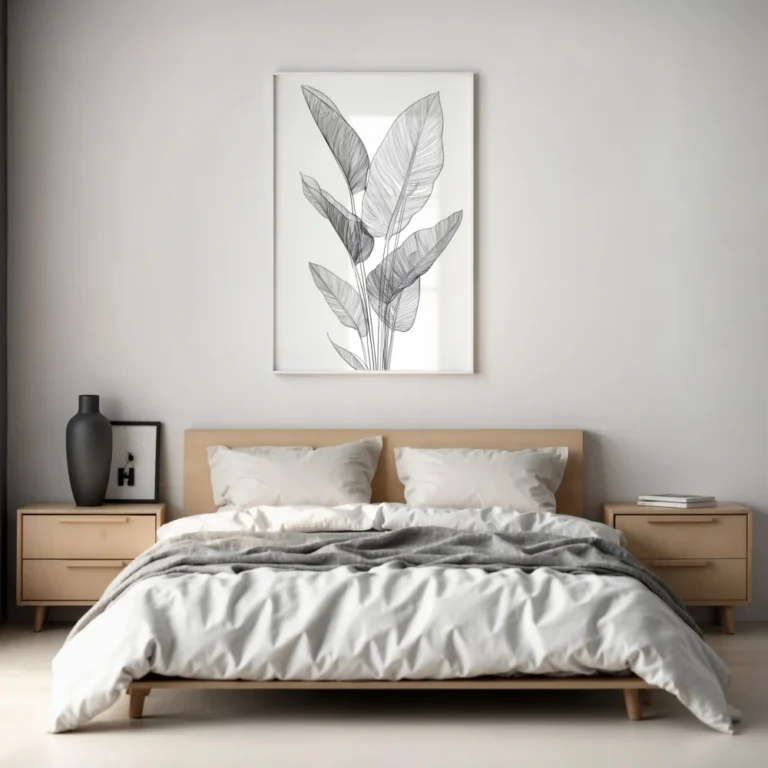
In open-plan homes, use living room wall art to define specific “zones.” A large abstract can define the lounge area, while a series of botanical prints can anchor the dining space. This helps create invisible boundaries that make the large space feel more organized and “human” in scale.
Art Collections