Limited Time: 20% Off All Prints
Free worldwide shipping on orders over $69
Delivery 4-12 business days
Home / Art Print Collections / Minimalist Wall Art for Living Room
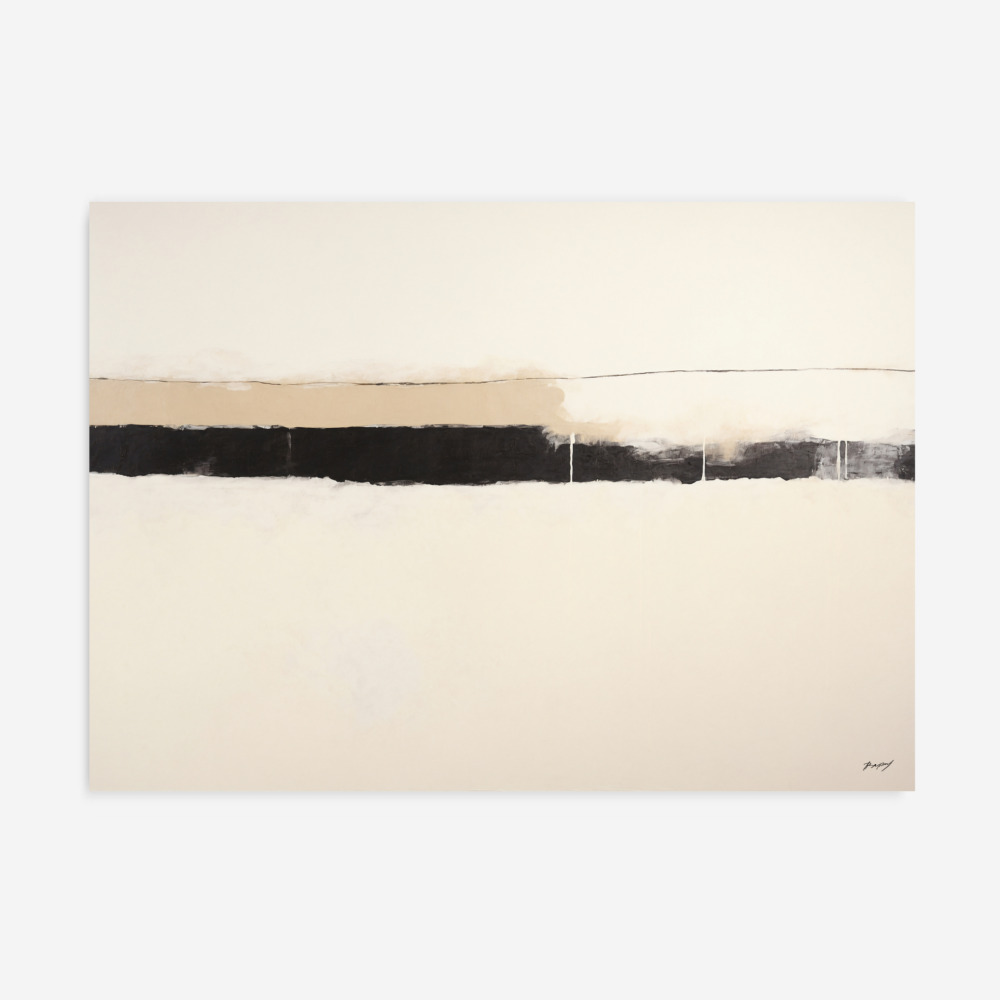
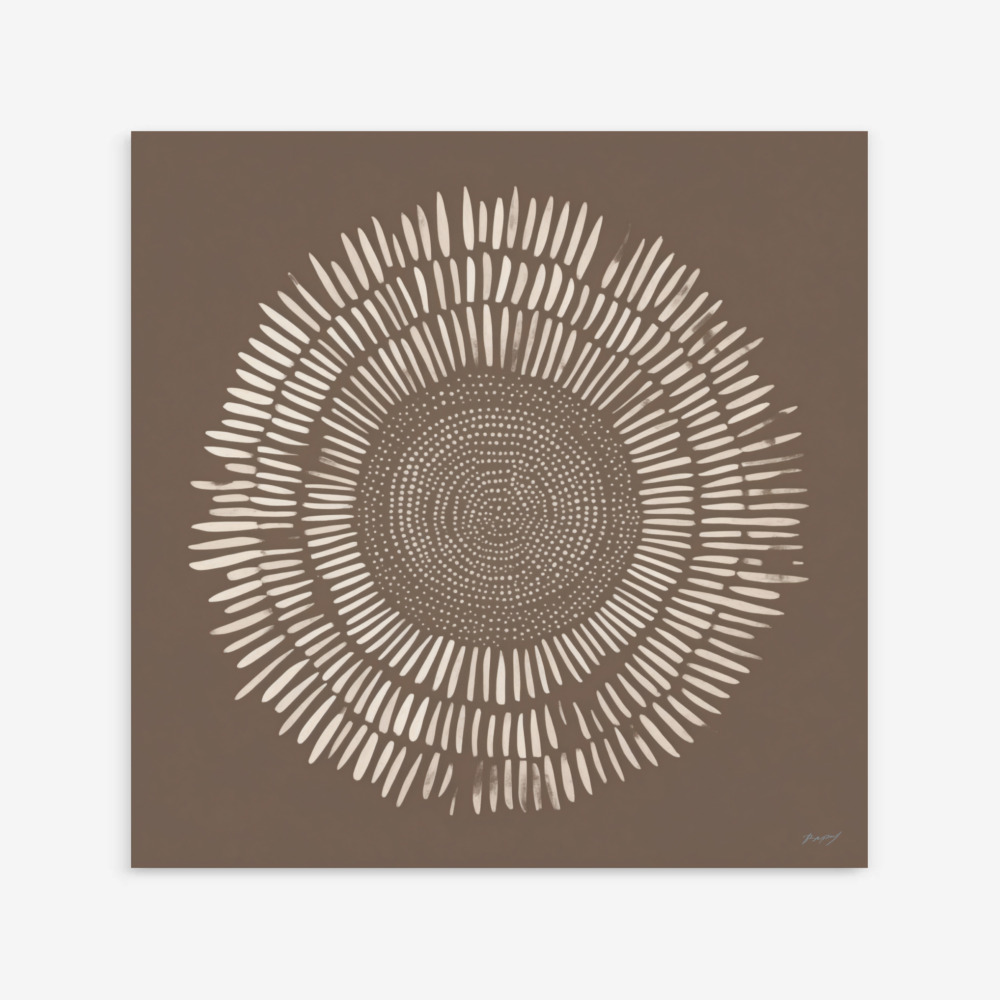
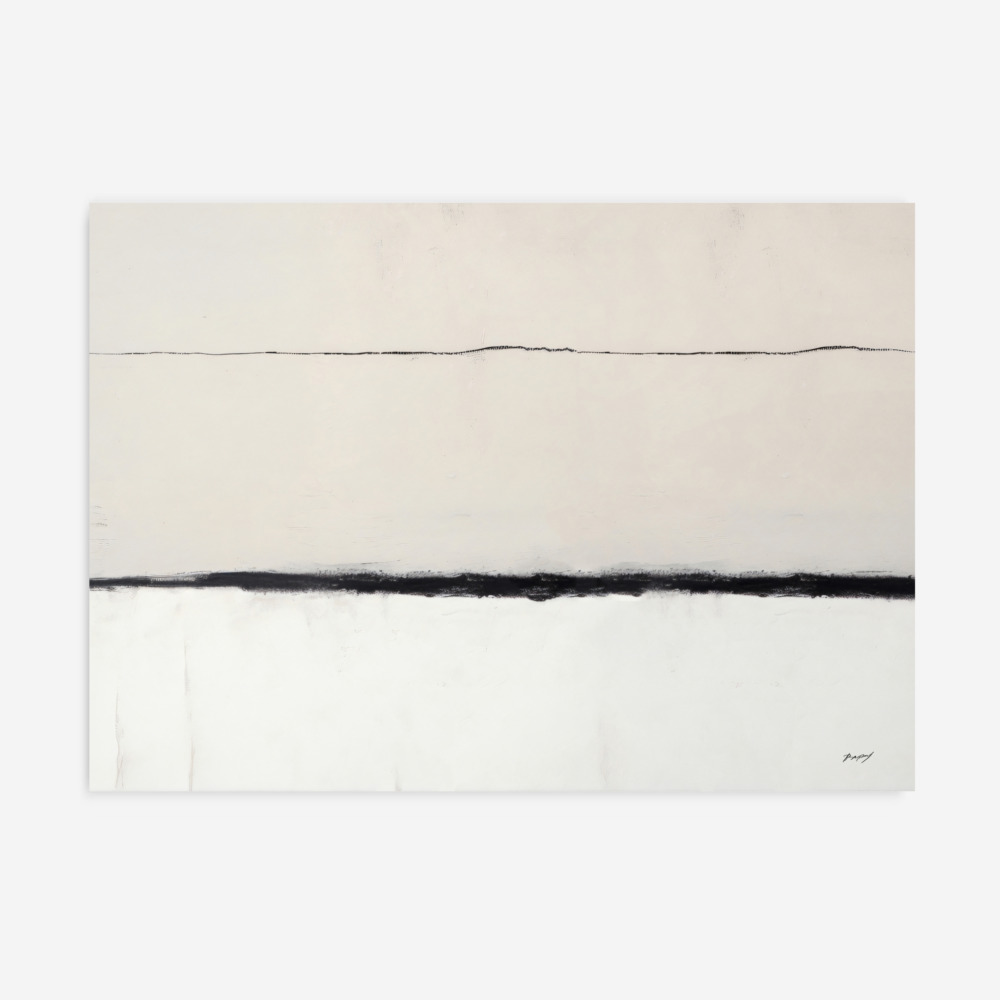
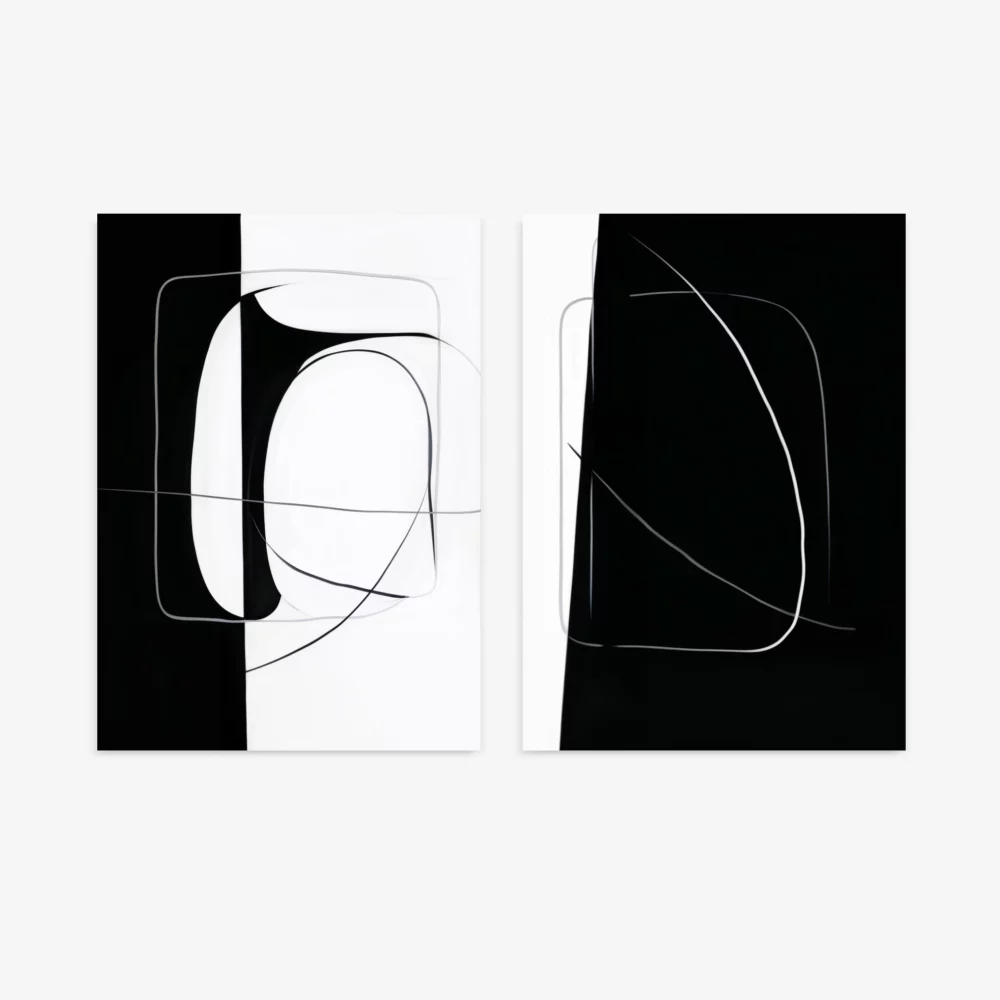
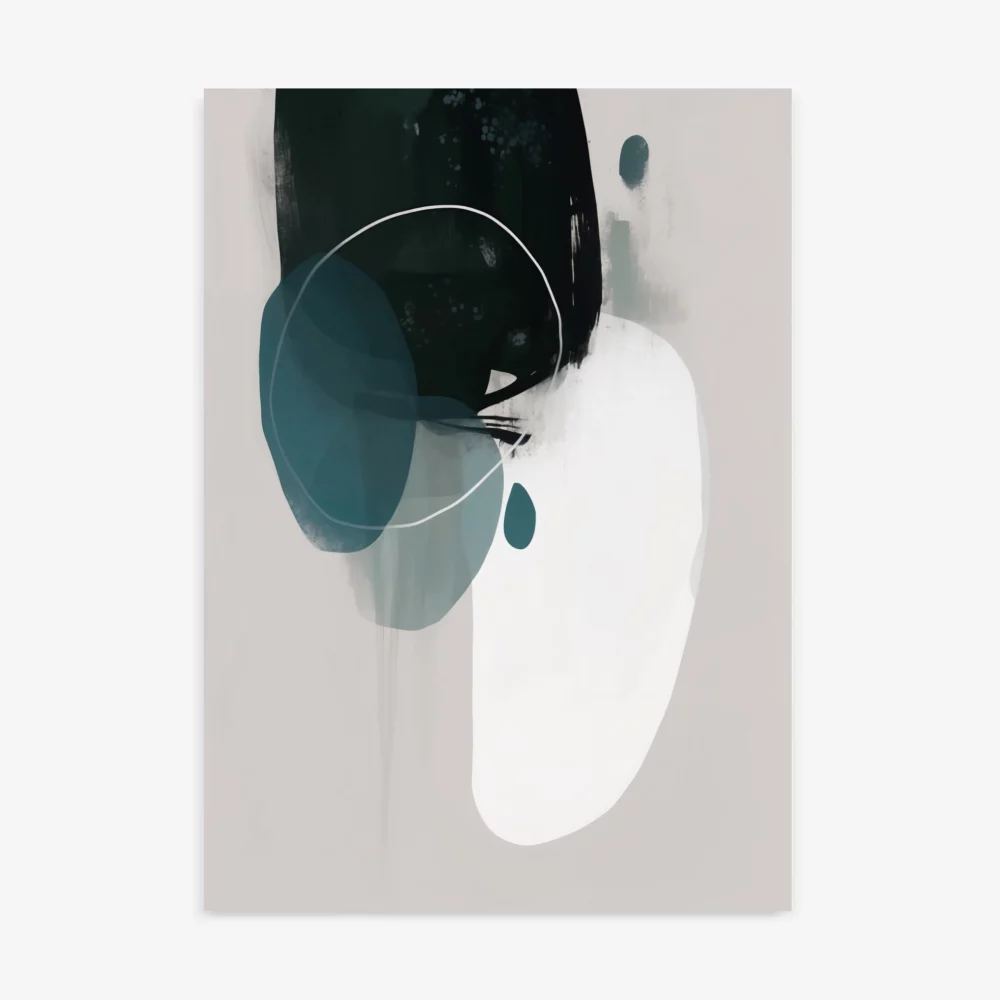
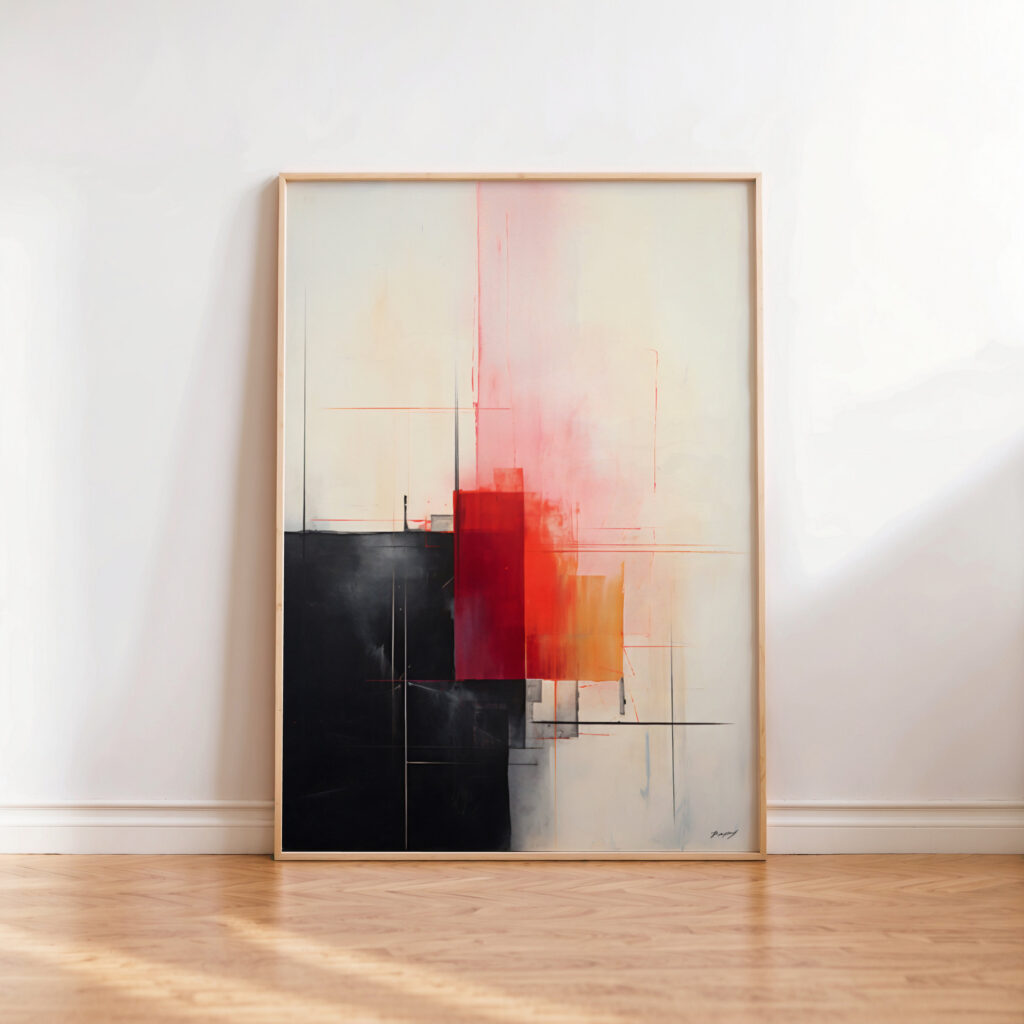
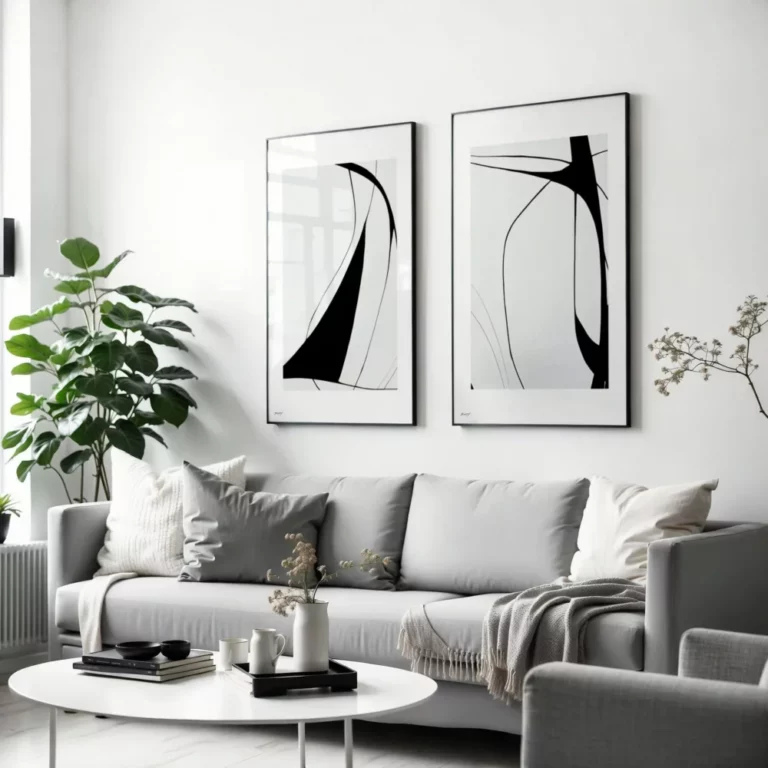
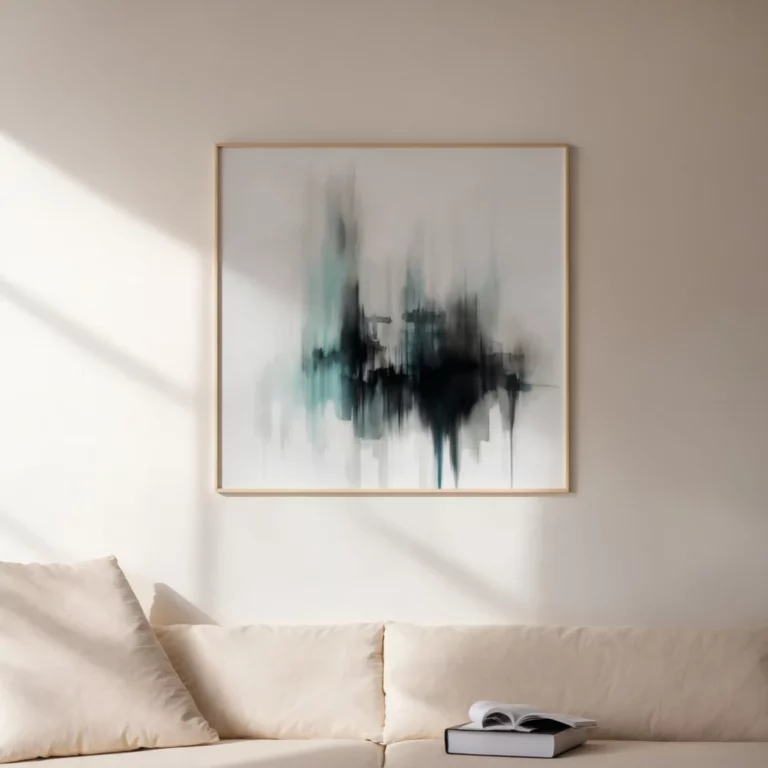
In a world of constant noise, your home should be a place of visual clarity. Choosing minimalist wall art for your space is about the beauty of what is left out as much as what is put in. By focusing on essential forms and a restrained palette, these pieces allow your furniture and architecture to breathe, creating an environment that feels balanced, calm, and intentionally curated.
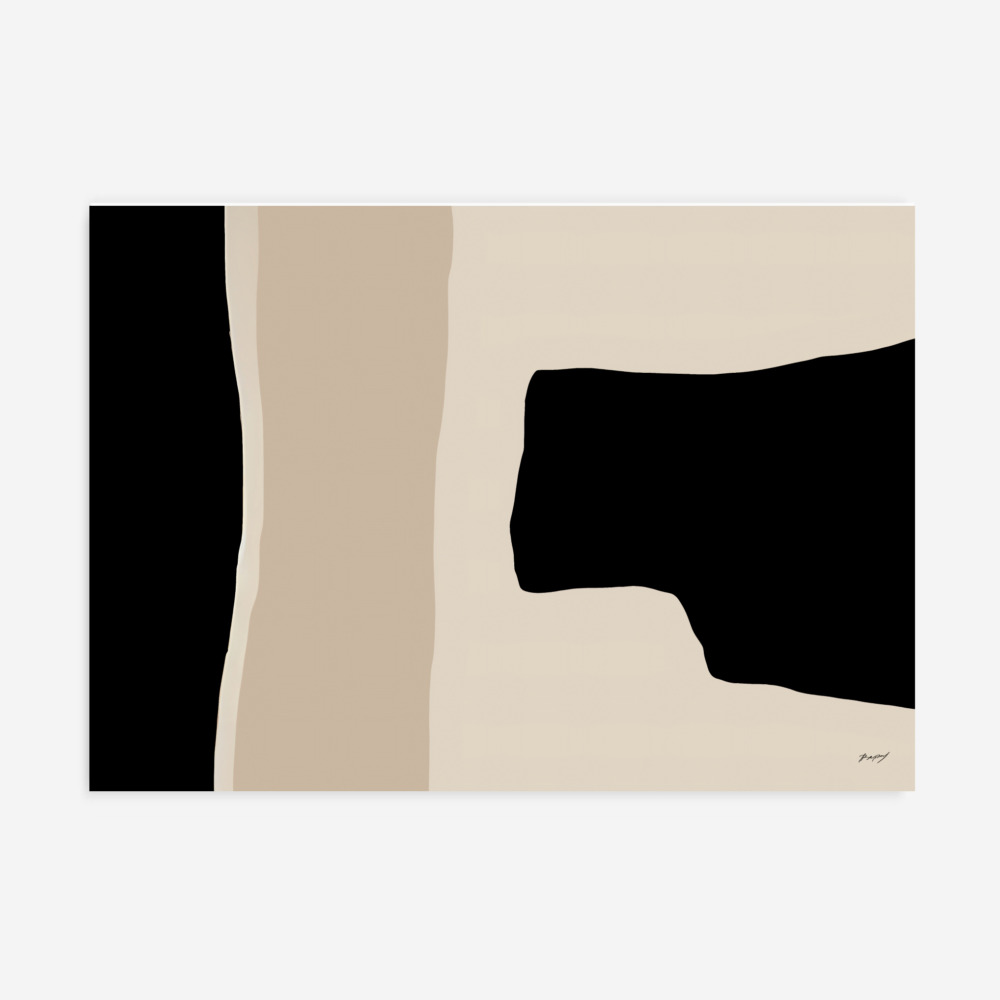
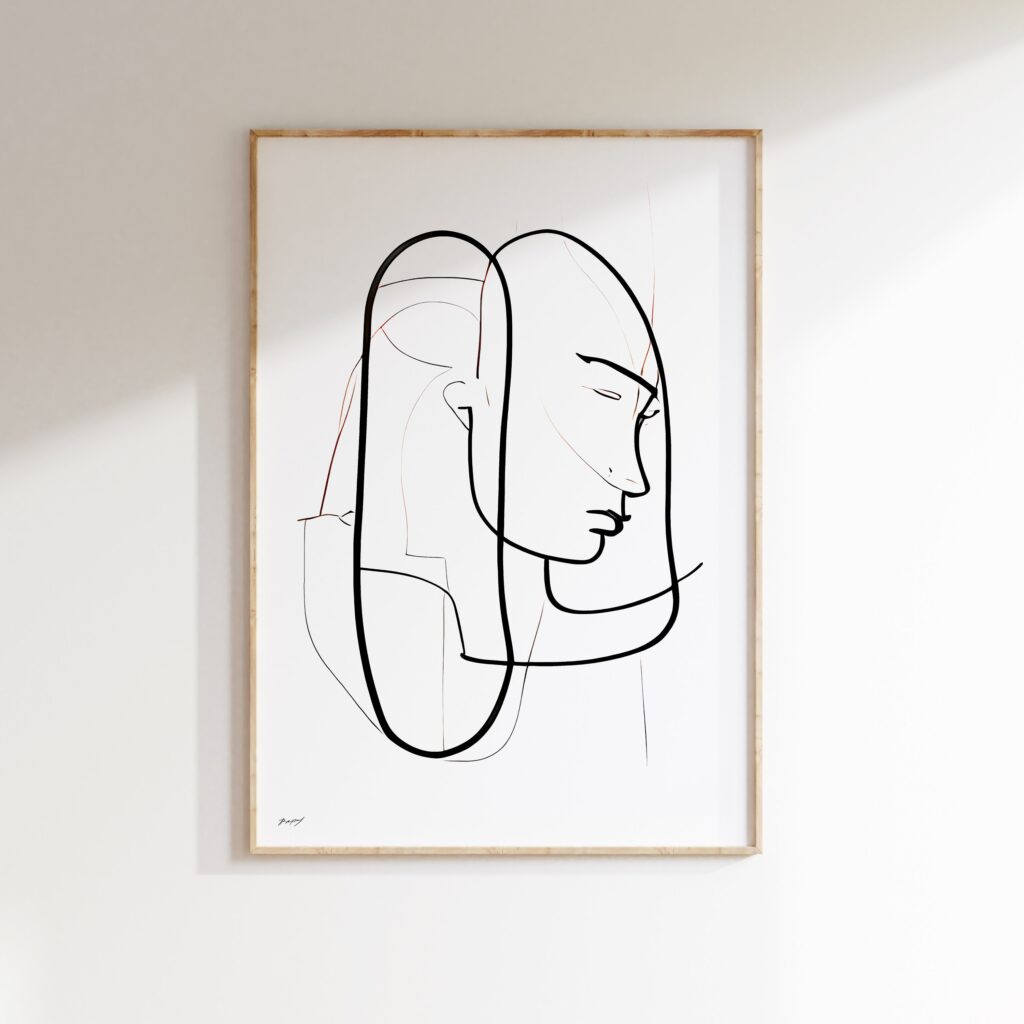
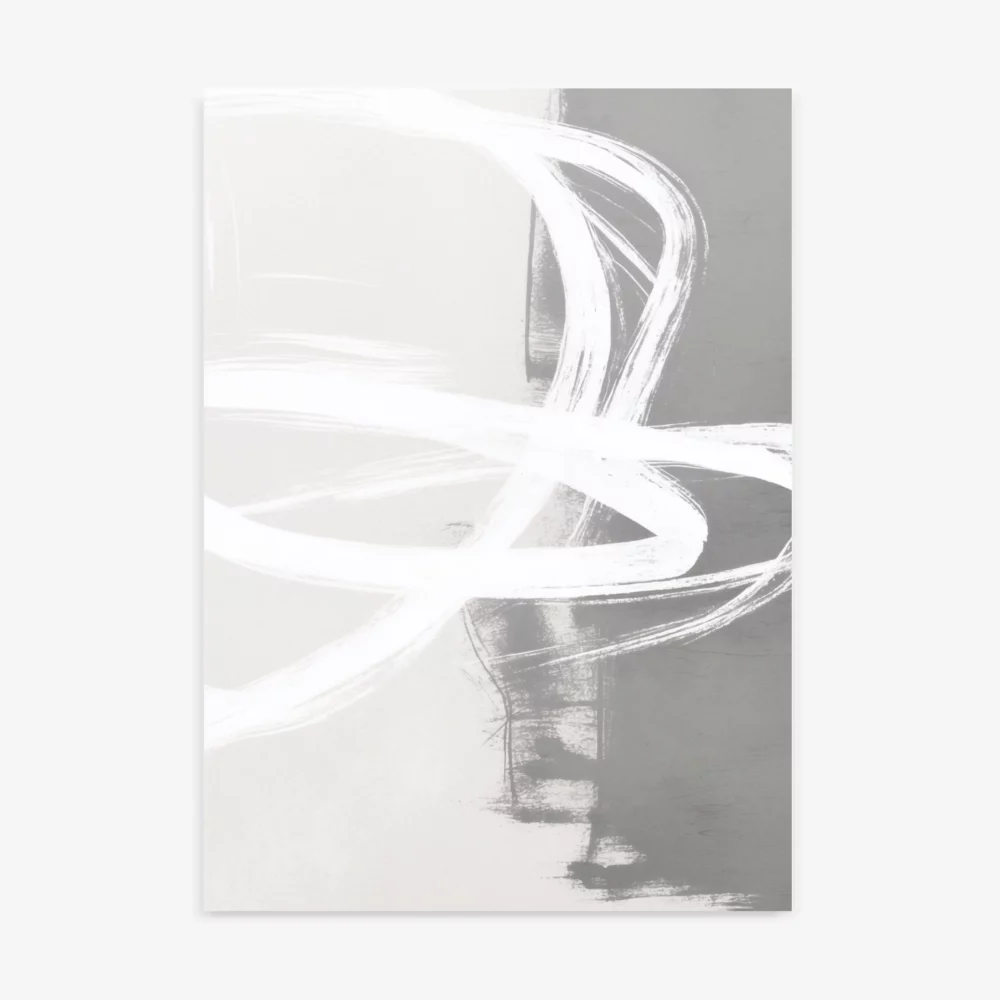
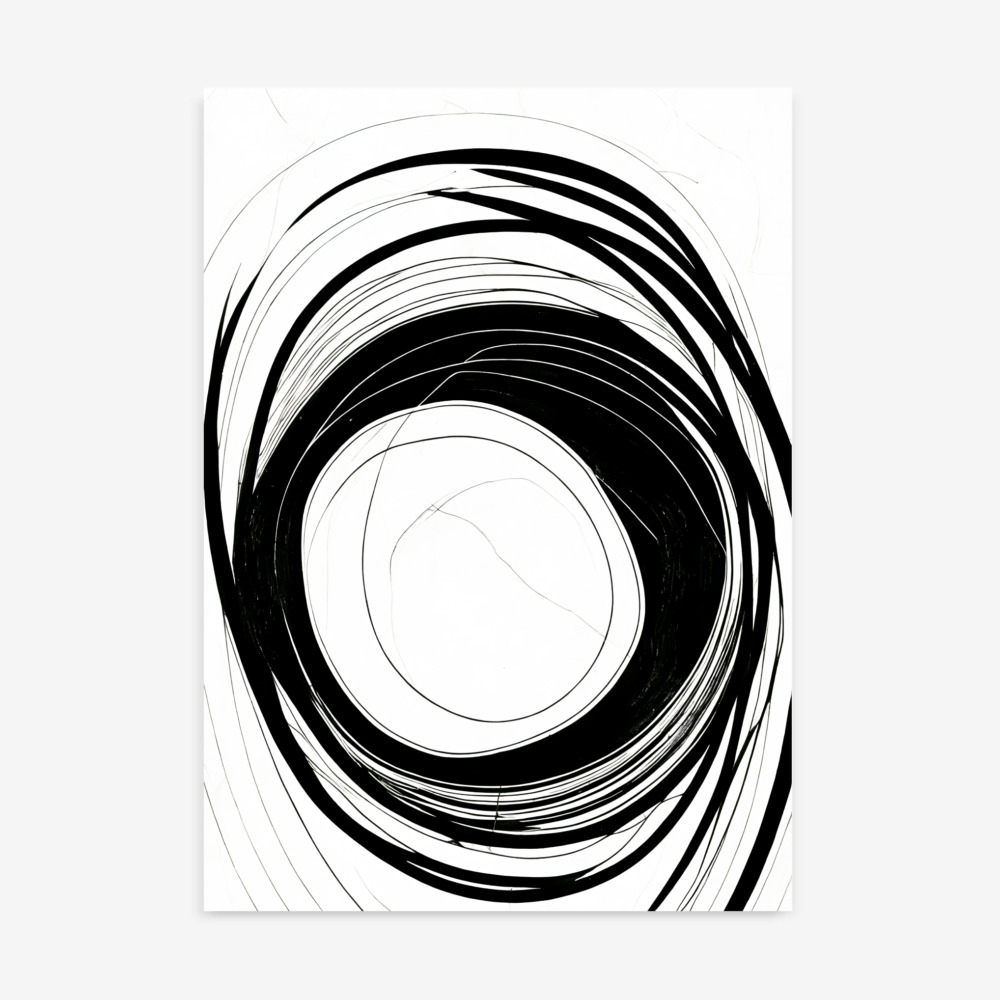
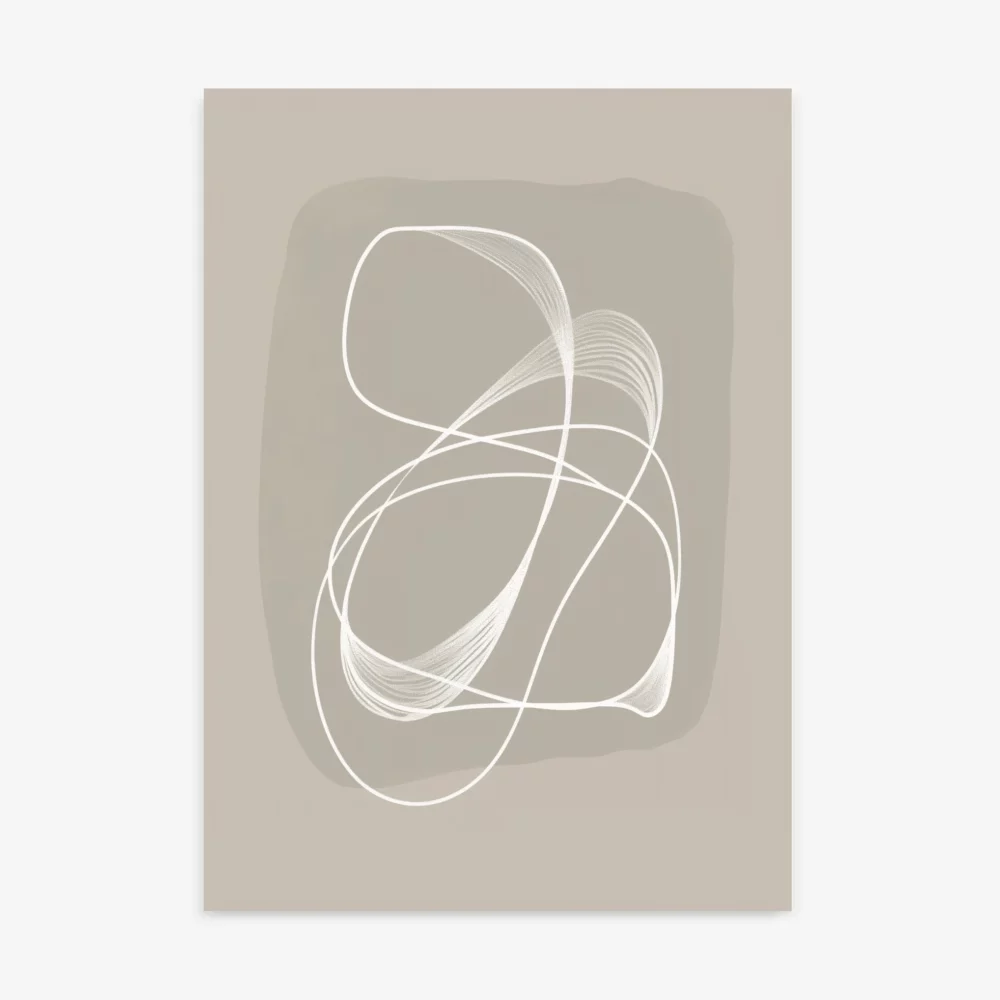
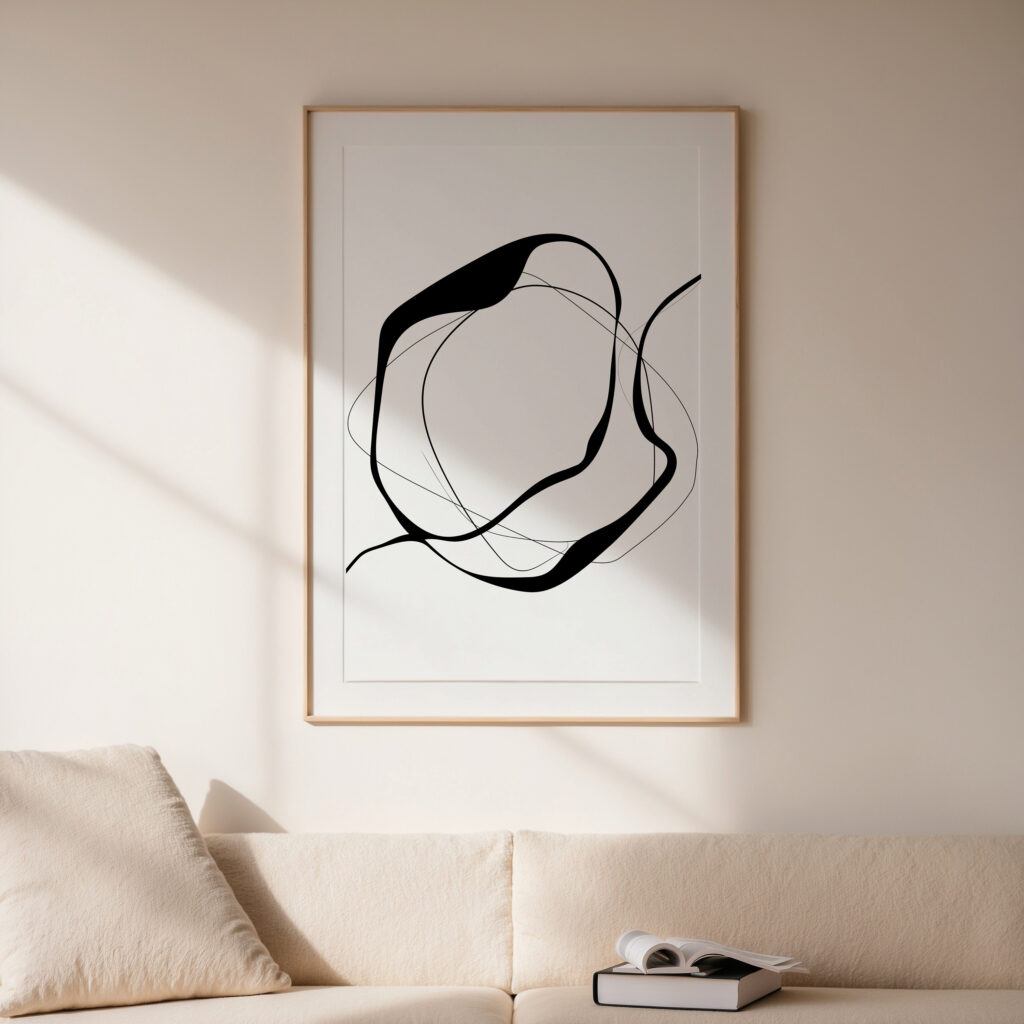
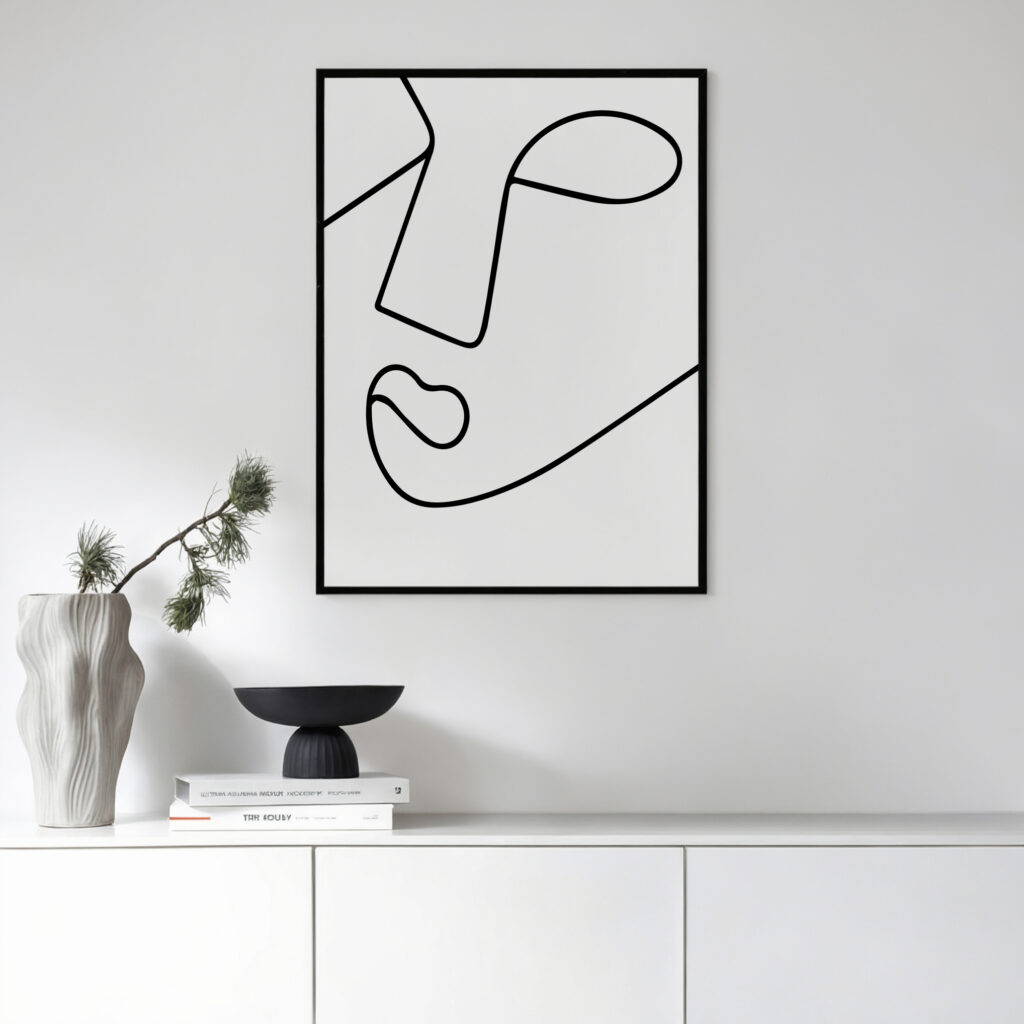
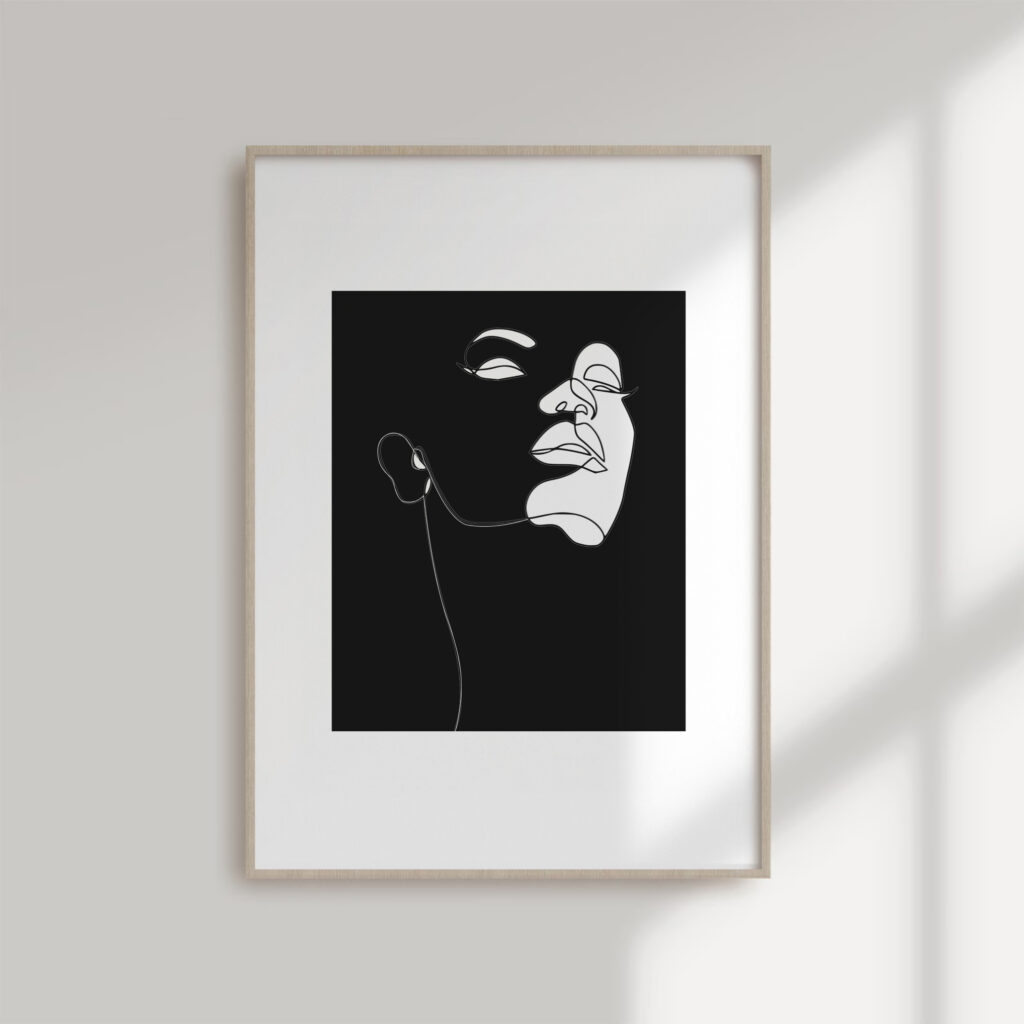
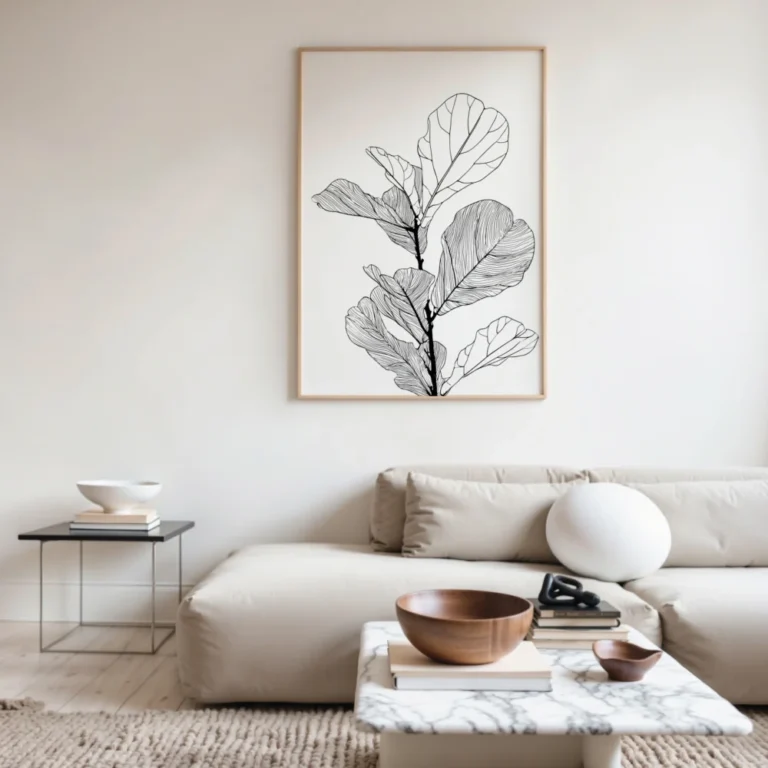
Minimalism isn’t just a style; it’s a way of reclaiming your focus. In the heart of the home, a minimalist wall art for living room selection acts as a palate cleanser for the eyes. Whether it’s a single continuous line drawing or a subtle exploration of shadow and light, these works bring a sense of order to your surroundings. They complement rather than compete with your daily life, making the room feel larger and more serene.
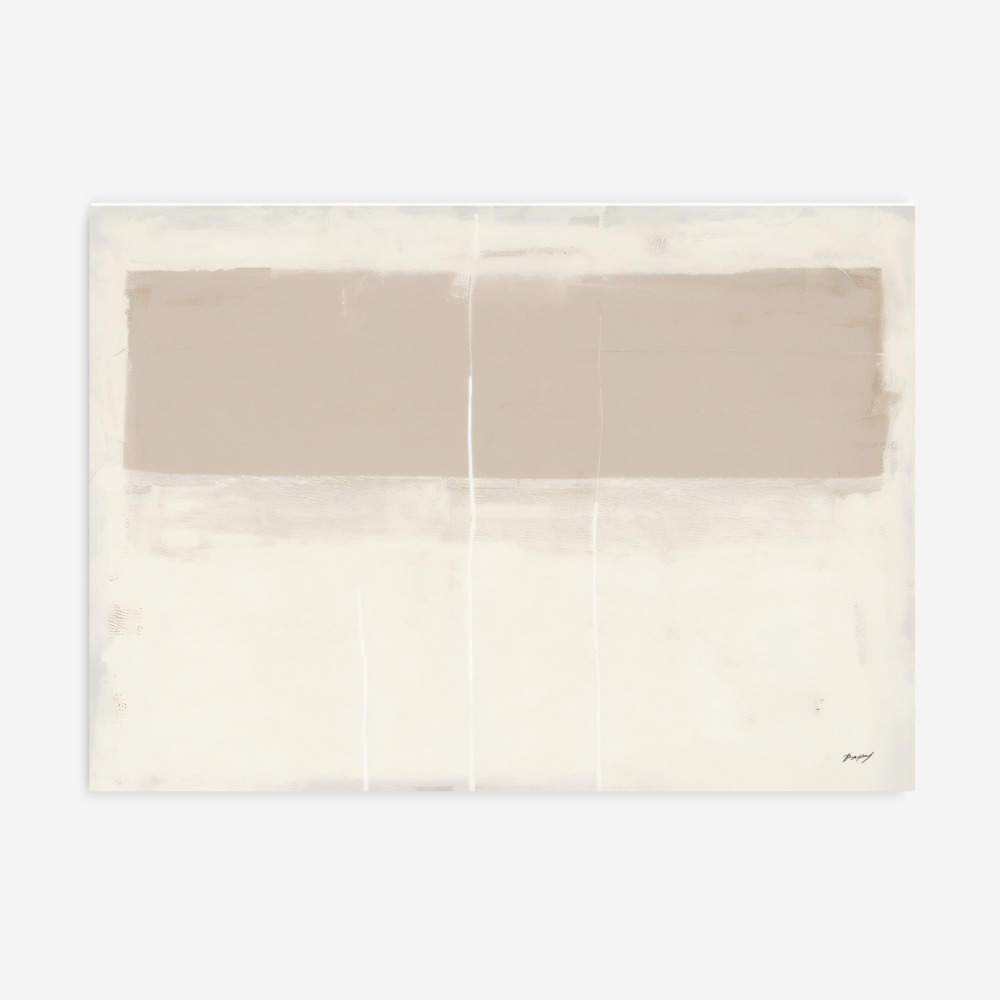
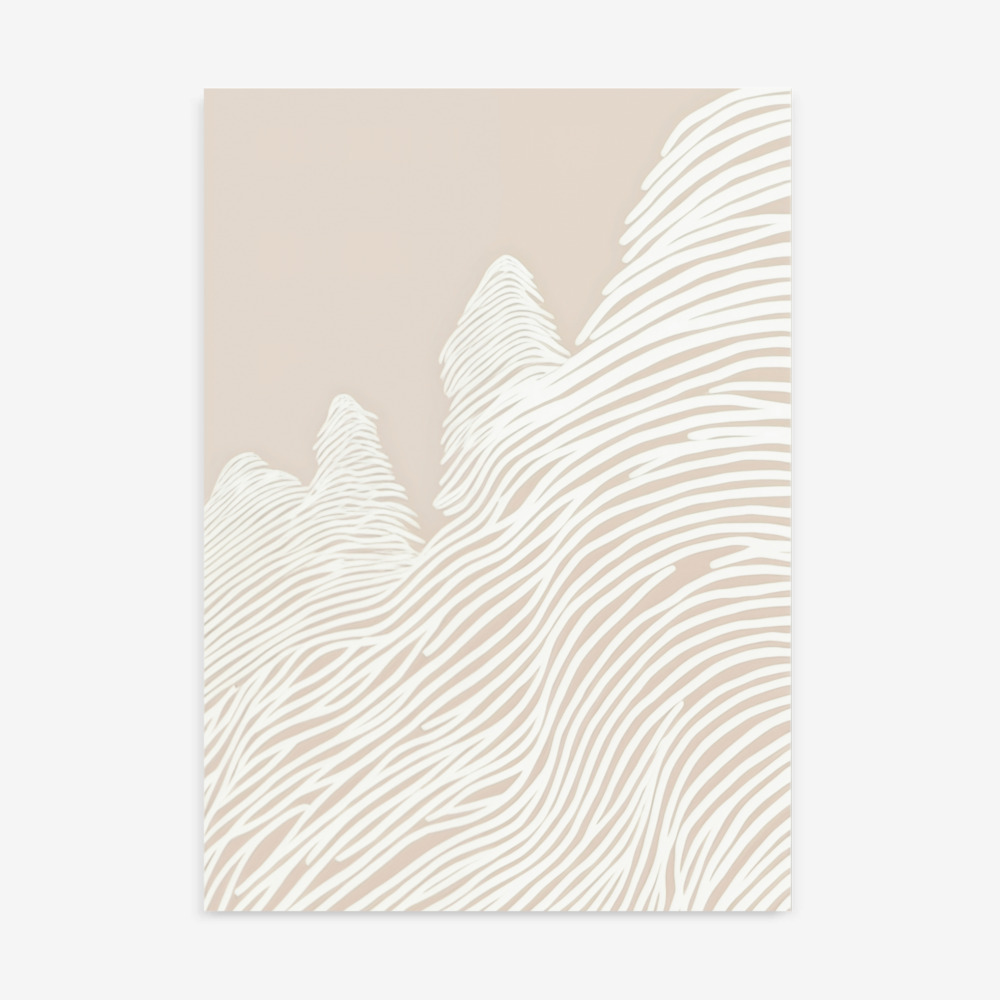
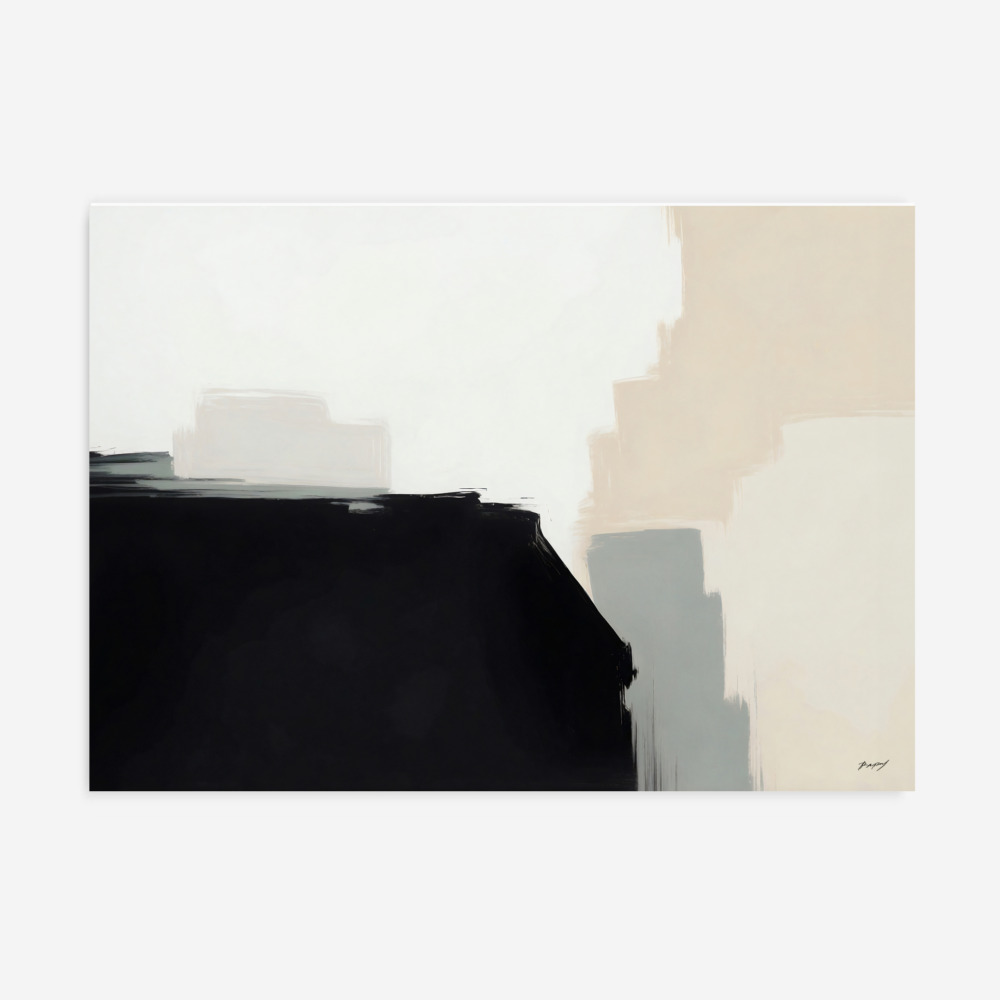
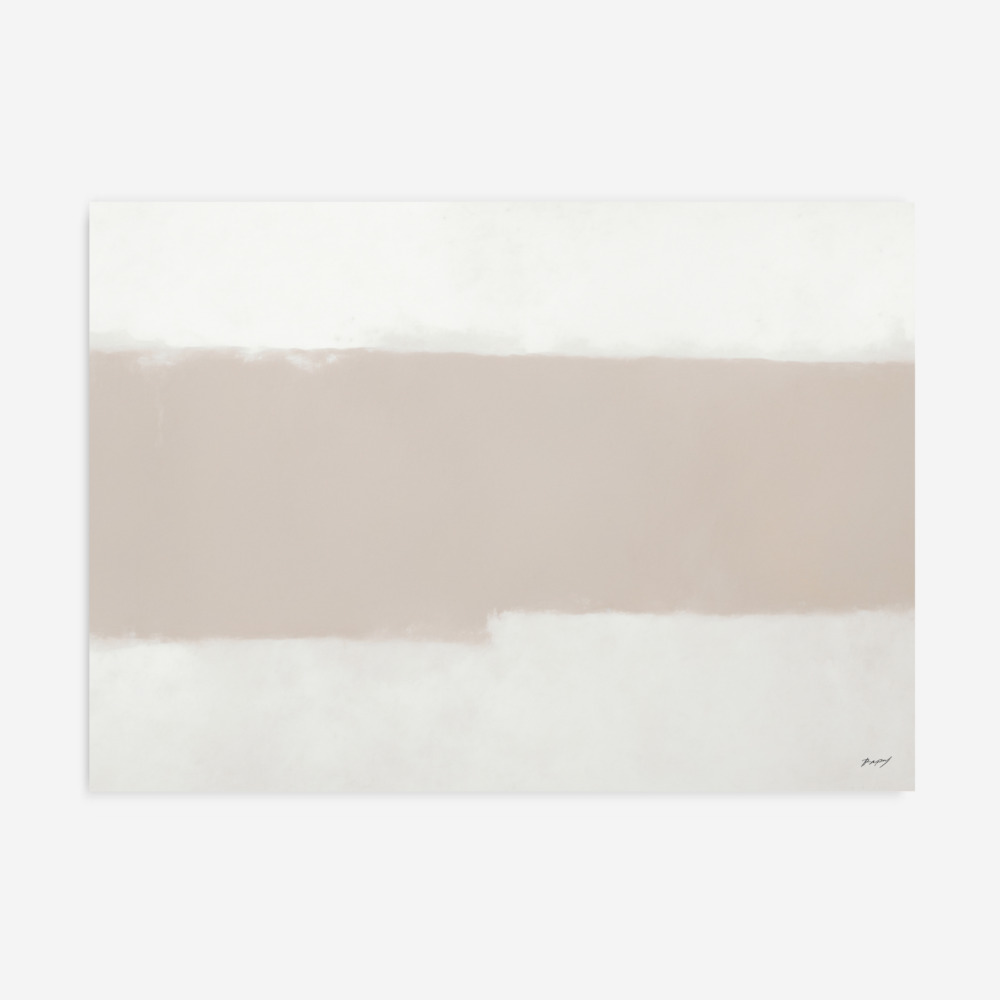
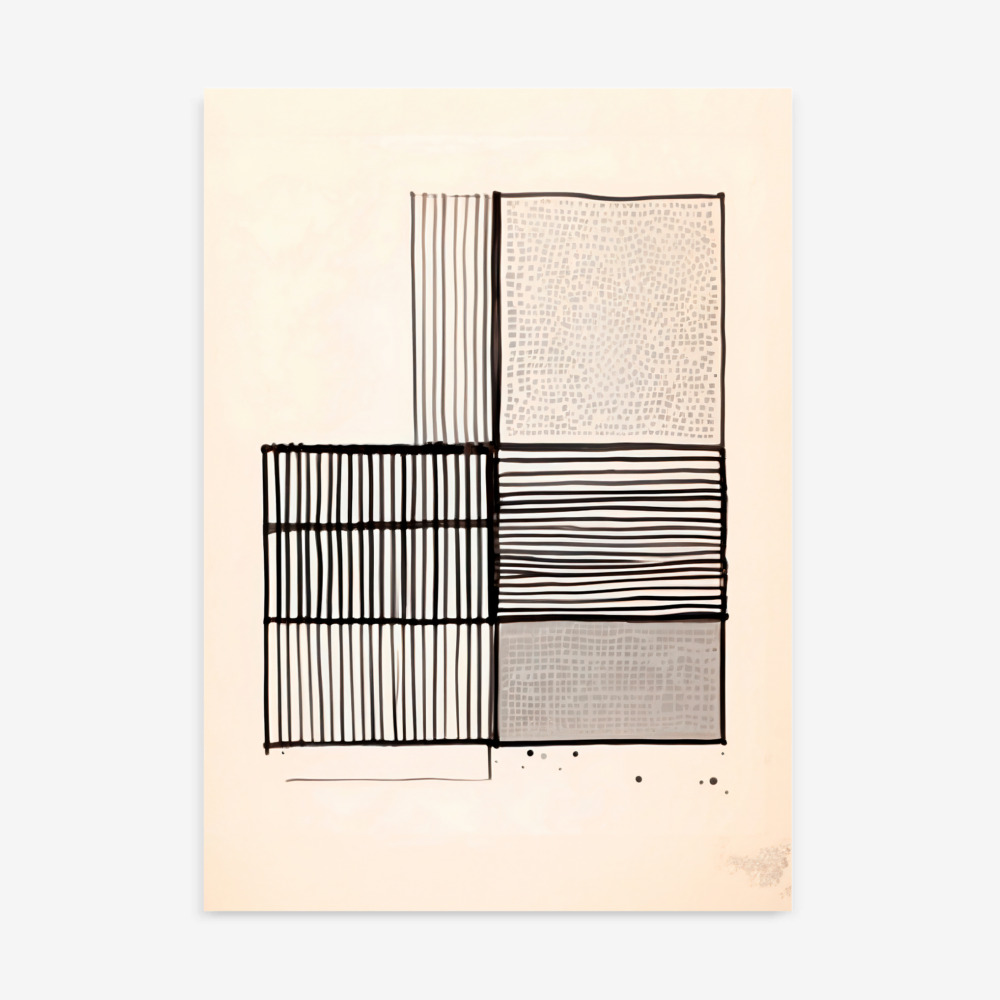
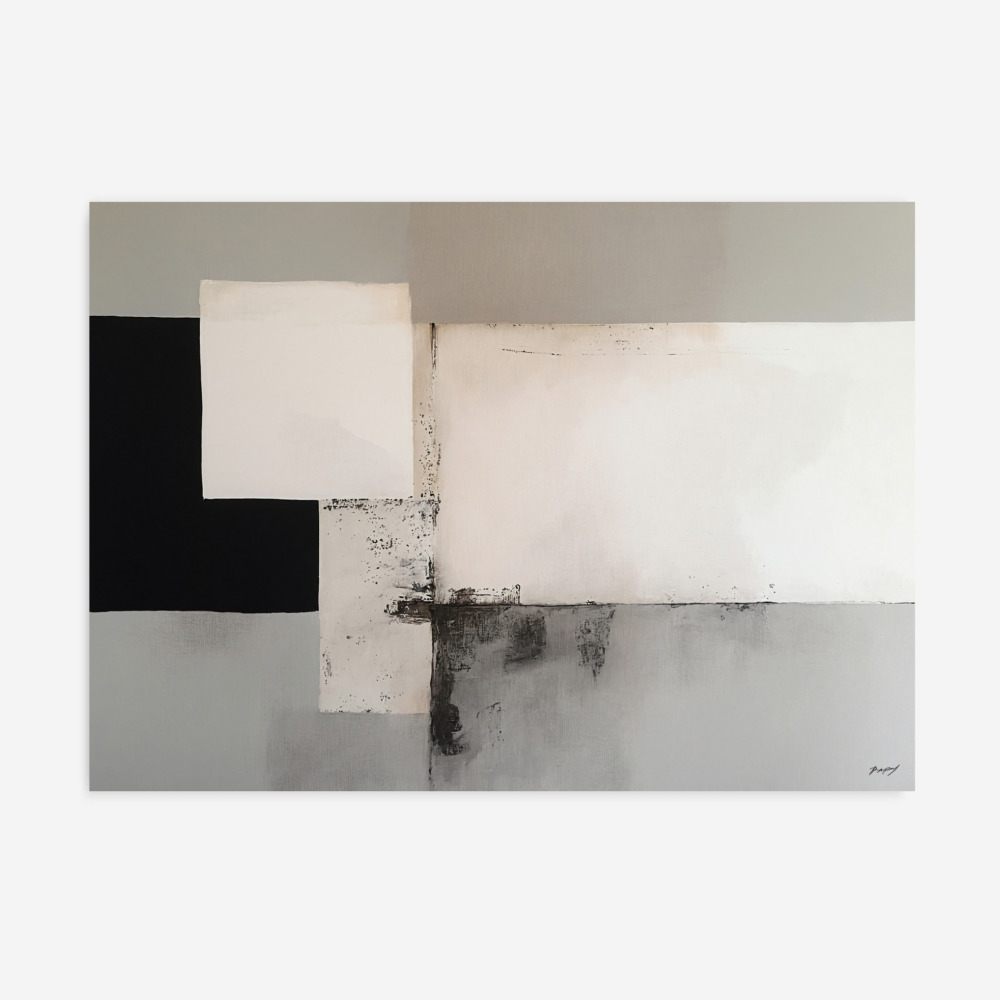
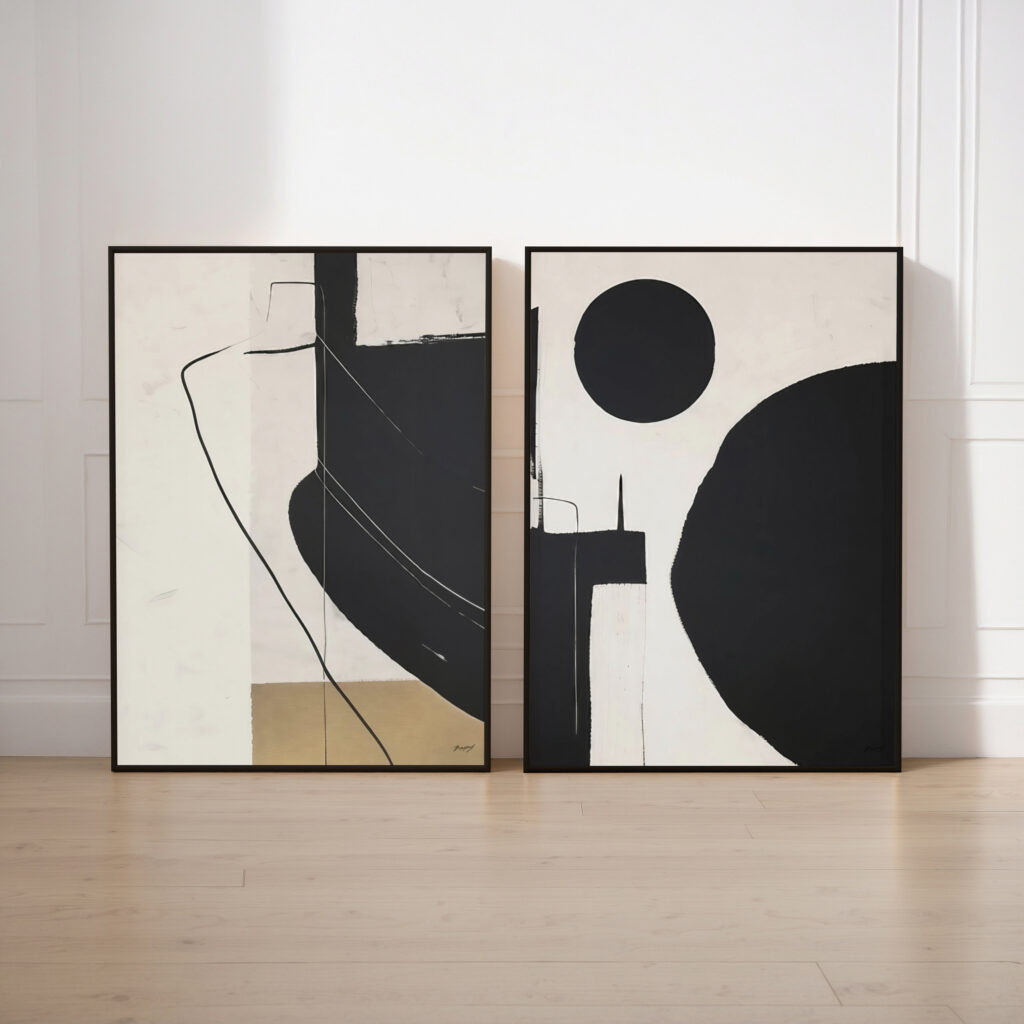
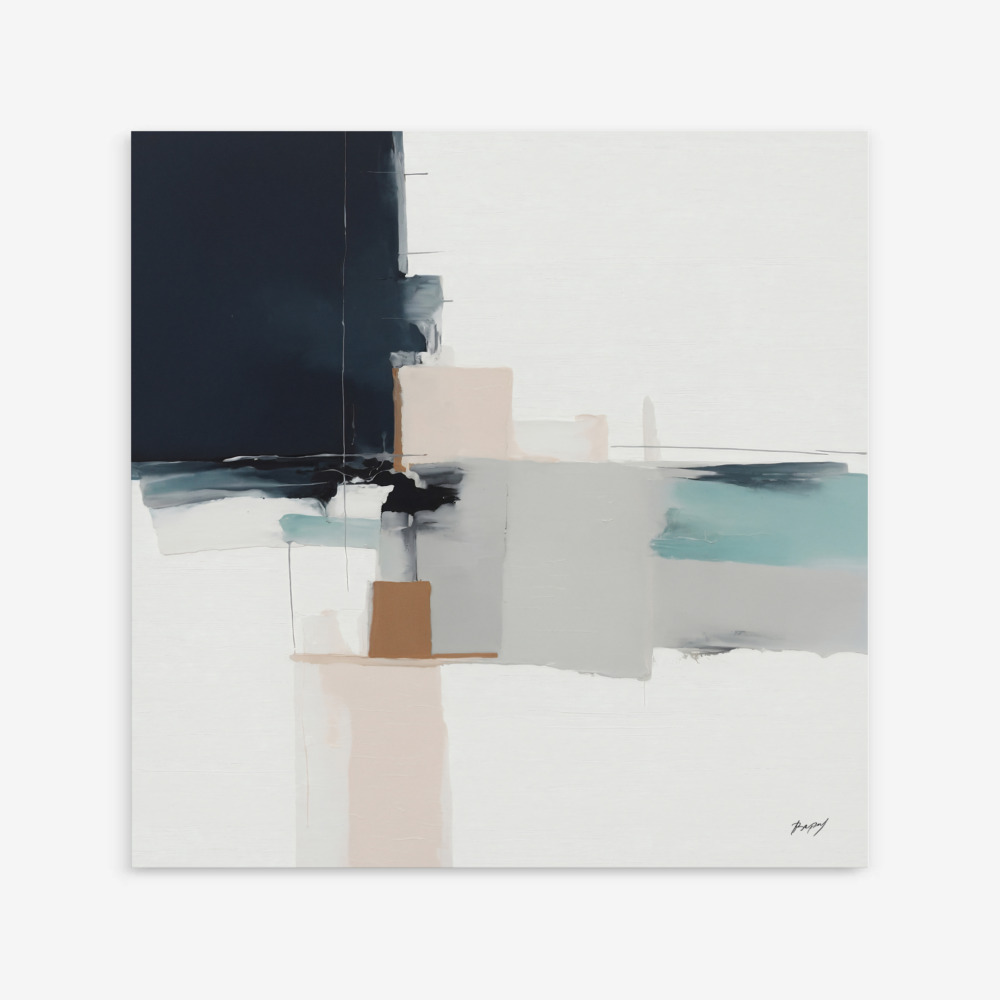
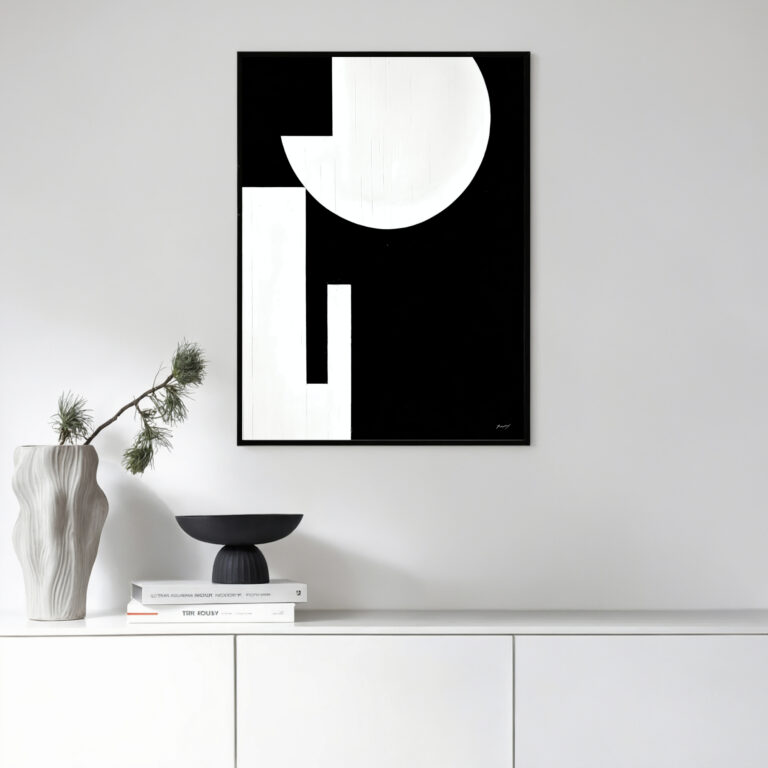
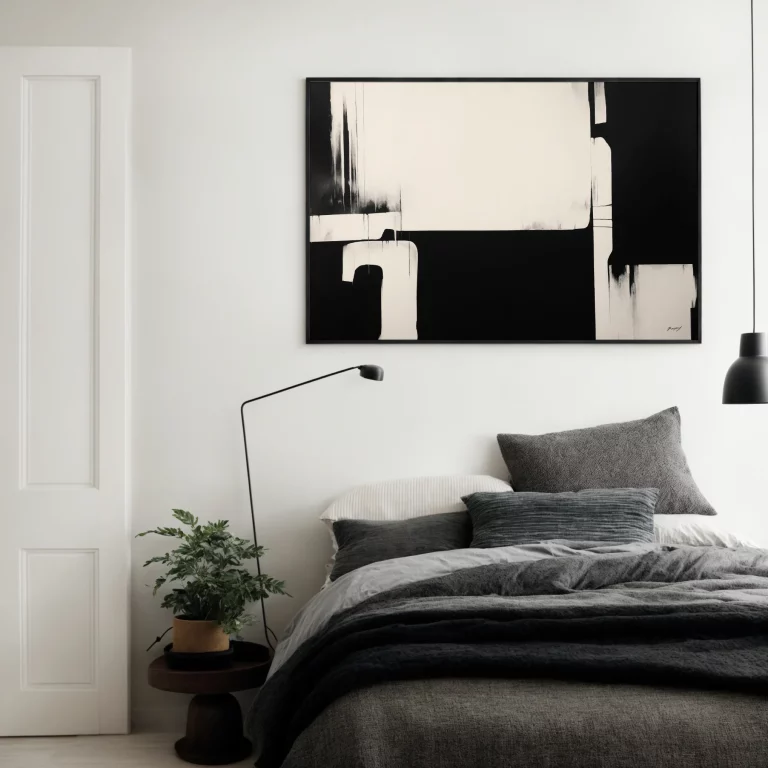
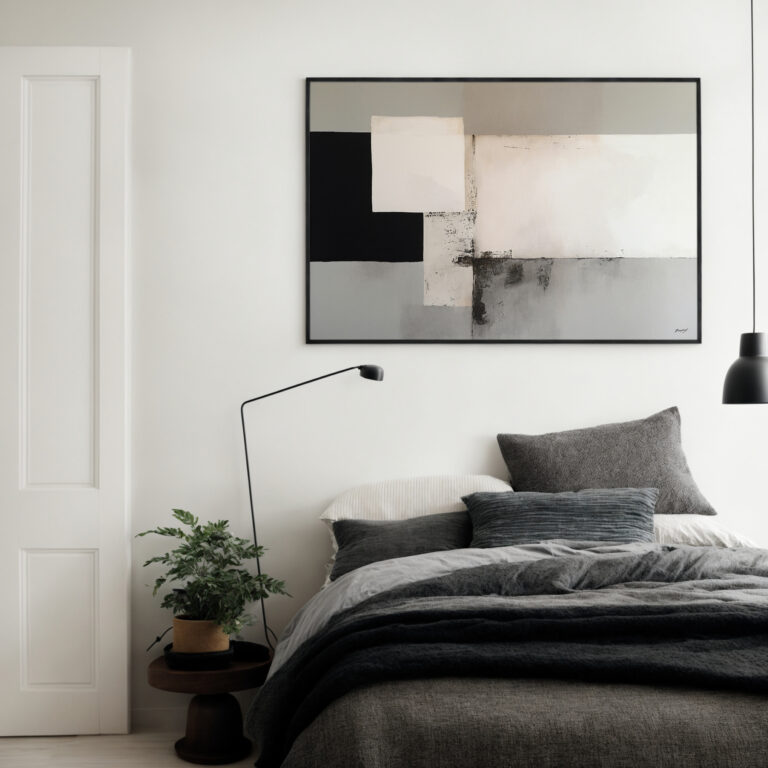
When color is dialed back, texture and composition take center stage. Look for pieces that highlight the weight of the ink or the organic grain of the paper. Abstract prints in monochromatic tones can add incredible depth to a wall without being “loud.” These compositions often use “negative space” as a primary design element, giving the viewer’s mind a quiet place to rest amidst the hustle of a shared living space.
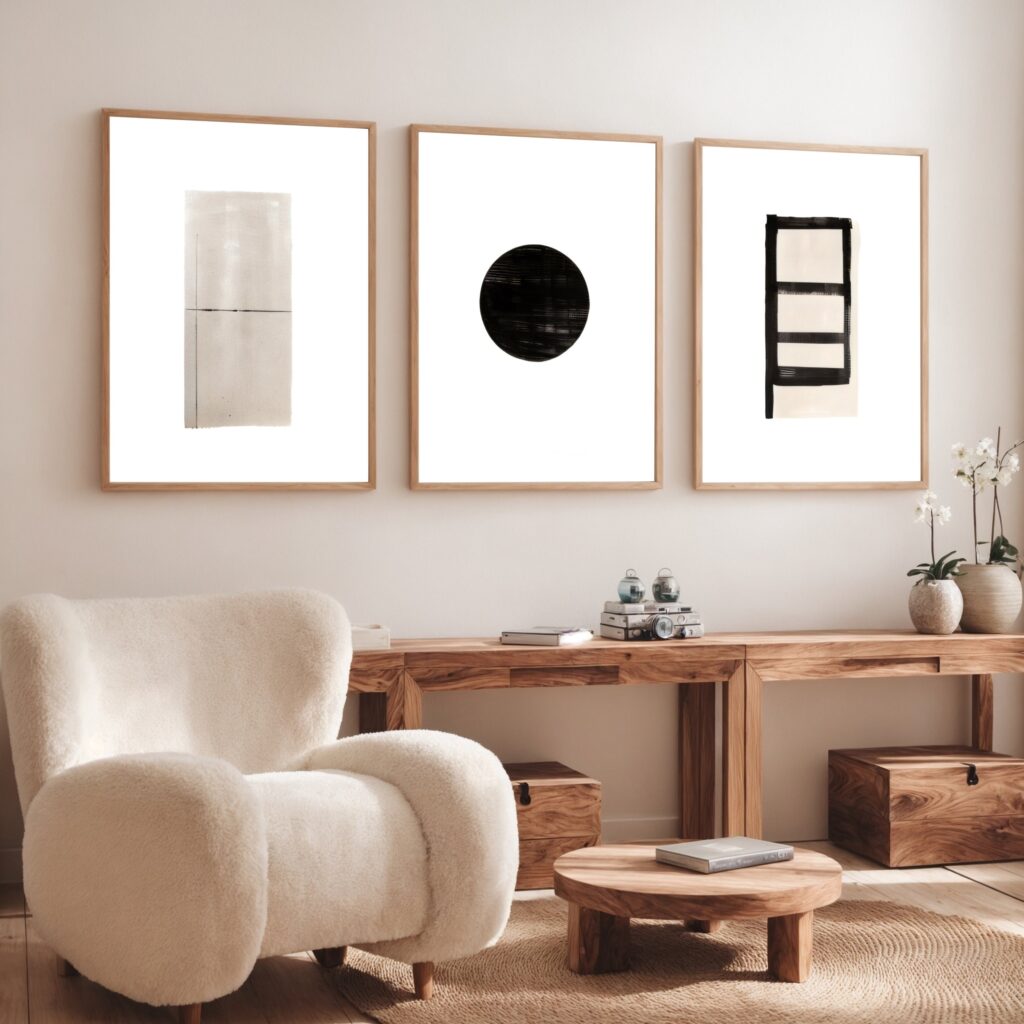
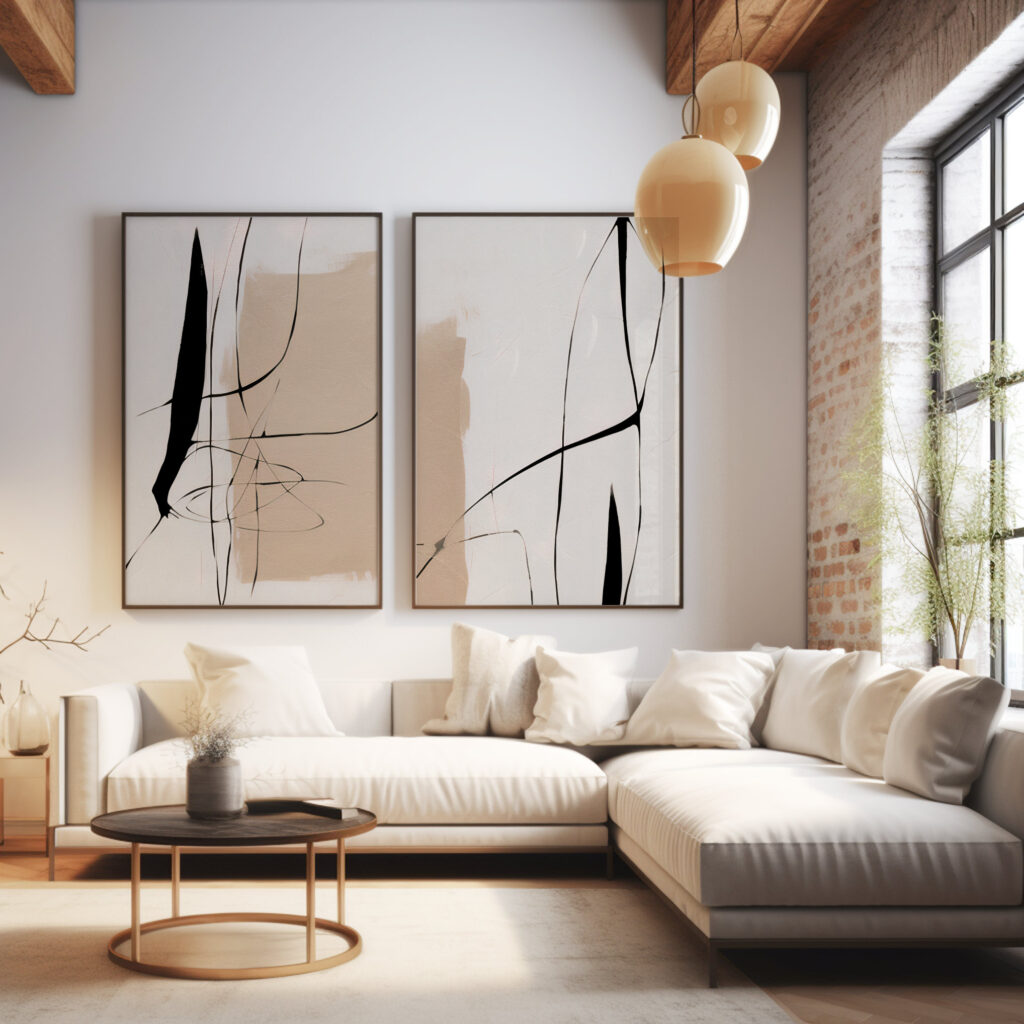
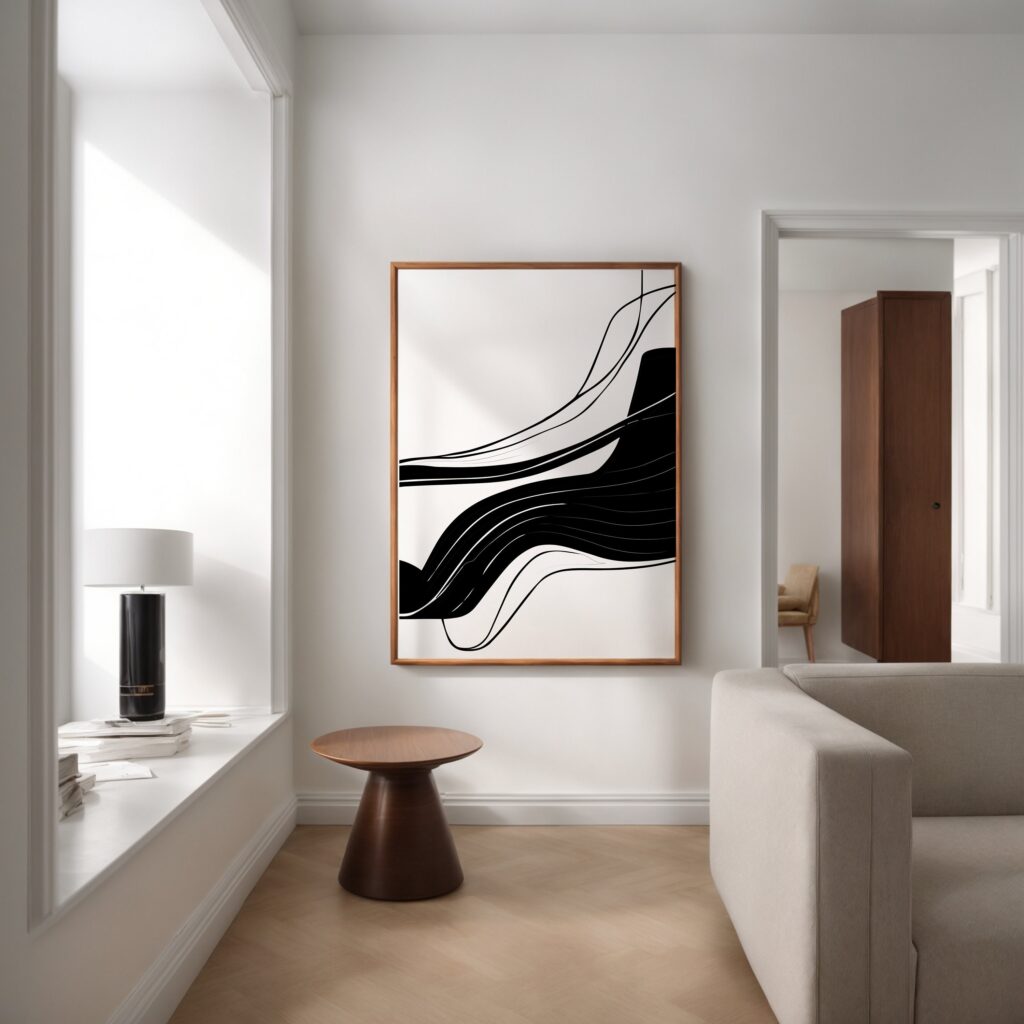
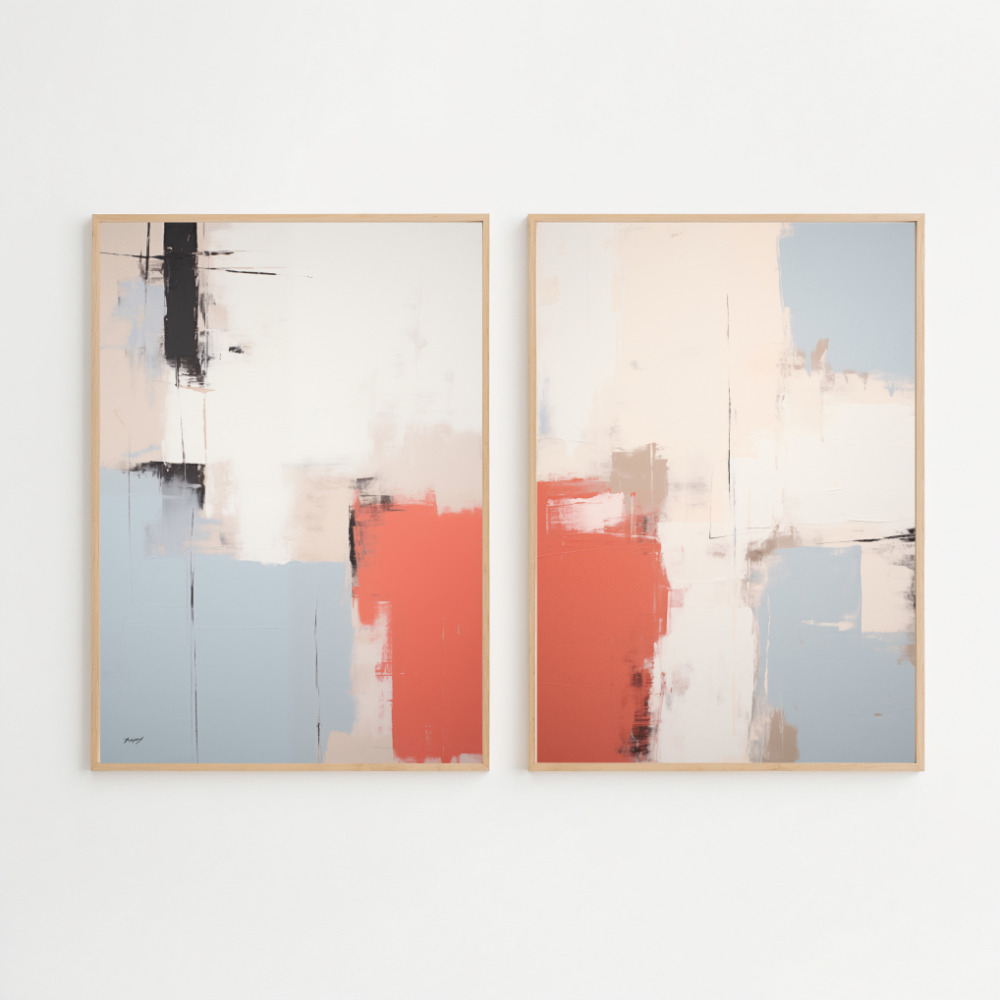
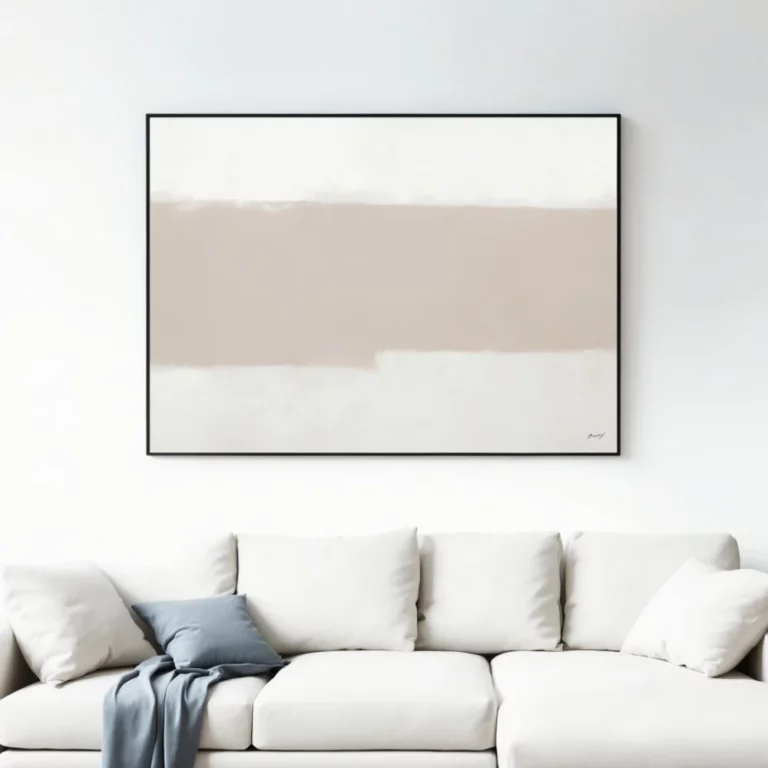
In a modern living area, scale is your most powerful tool. A large-scale piece can anchor a neutral sofa and define the entire room’s personality. Alternatively, a small series of black and white prints can create a rhythmic flow along a transition wall. When you choose minimalist wall art for living room display, remember that less is often more—one significant, well-placed piece usually has more emotional impact than a cluttered gallery of smaller items.
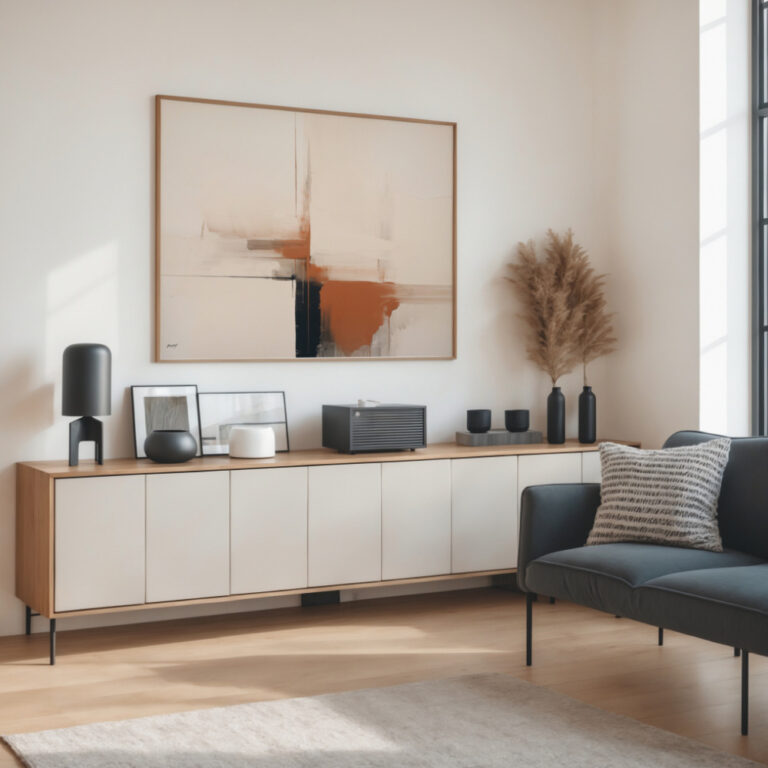
The frame is the boundary that defines the art and connects it to your home’s architecture. For a truly contemporary look, thin metal frames in black or white offer a crisp, architectural edge that disappears into the background. If your living room leans toward a “Japandi” or Scandinavian aesthetic, natural wood frames in oak or maple provide a touch of organic warmth, grounding the simplicity of the art with a necessary connection to nature.
Minimalist art is characterized by simplicity in form, color, and subject matter. It often features clean lines, geometric shapes, or plenty of “white space.” The goal is to strip away the unnecessary, leaving only the essential elements of the composition.
Absolutely. Because minimalist pieces are often neutral, they act as a “visual anchor” for rooms with vibrant sofas, rugs, or curtains. They help balance the energy of the room so it doesn’t feel overwhelming.
A good rule of thumb is that the art (or a set of prints) should occupy about two-thirds to three-quarters of the width of the sofa. For minimalist styles, leaning toward a slightly larger size with more white space often looks more intentional and high-end.
While “frameless” canvases can work, a thin, high-quality frame usually elevates minimalist art. It provides a clean border that helps the simple subject matter “pop” against your wall color.
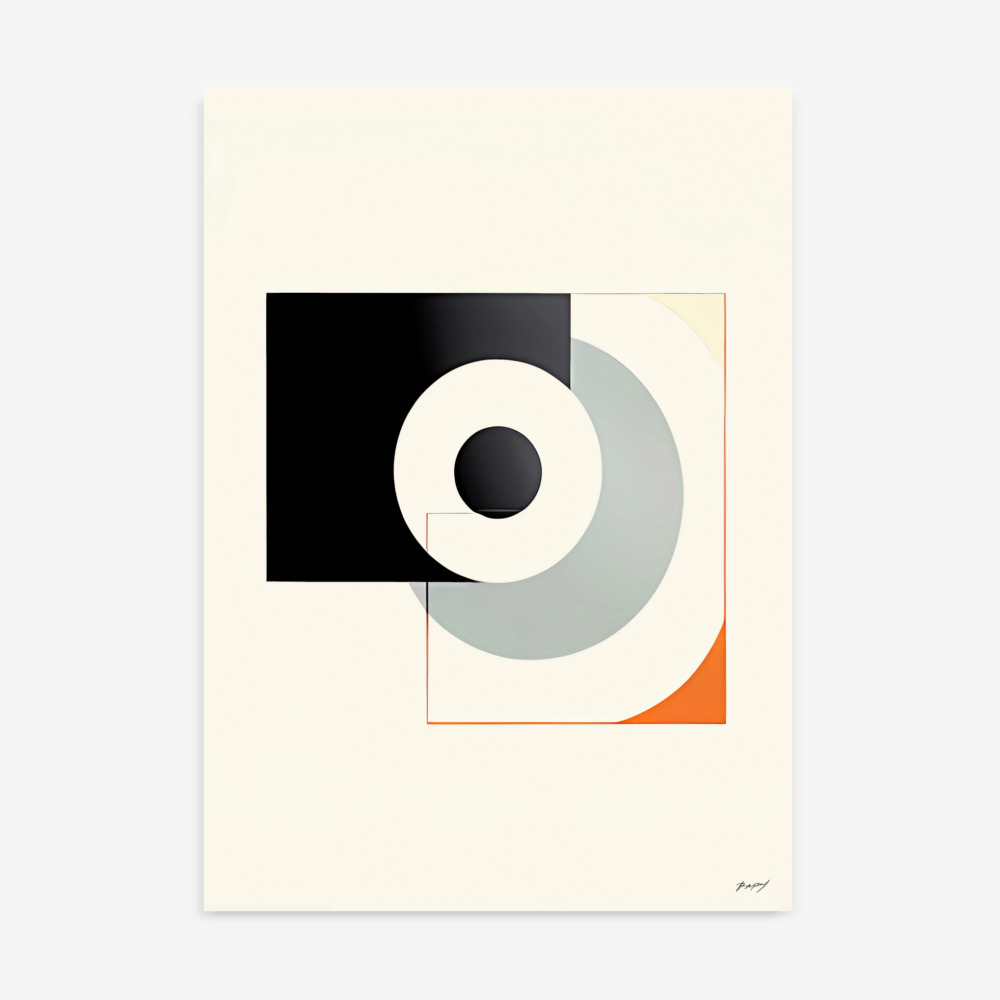
Yes, as long as you have a unifying element. You can mix a line drawing with a geometric abstract if they share the same frame color or a similar tonal palette (like charcoal and cream).
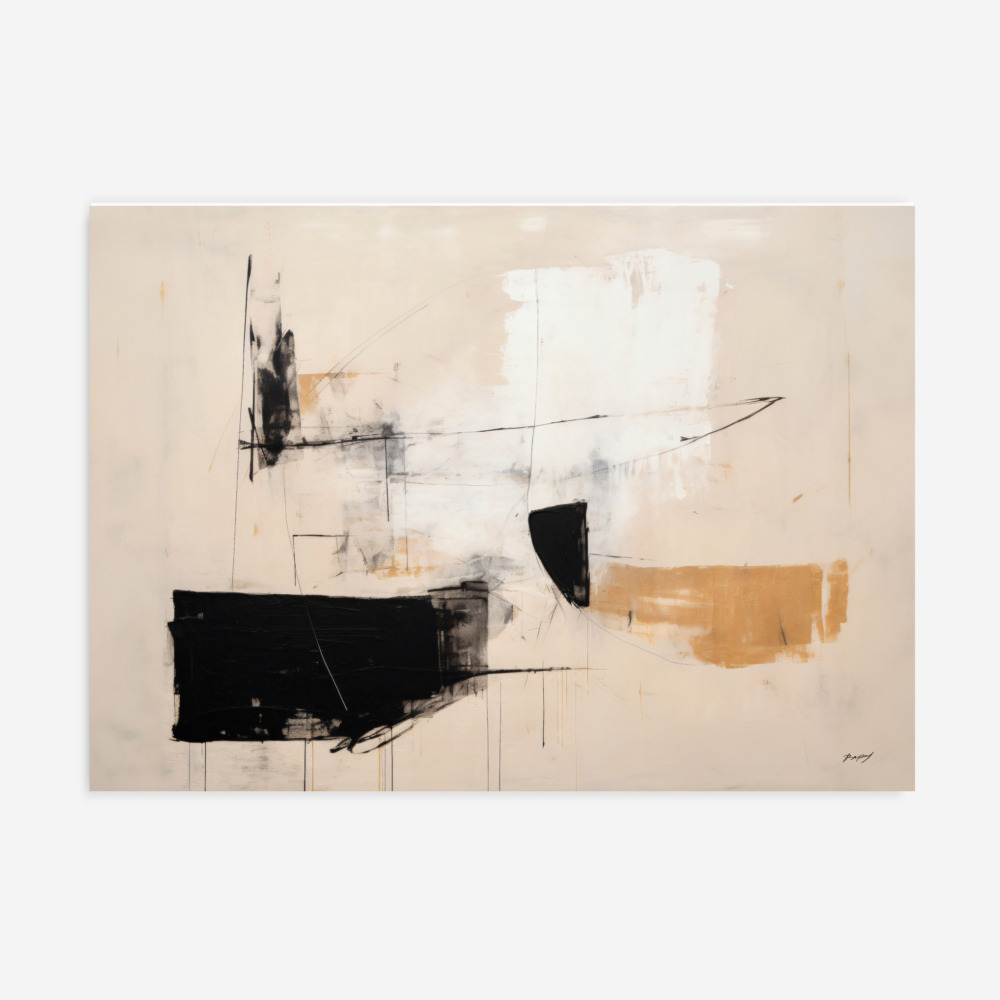
You will typically see a palette of “non-colors”—black, white, grey, and beige. However, modern minimalism also embraces “earthy neutrals” like terracotta, sage green, and muted ochre.
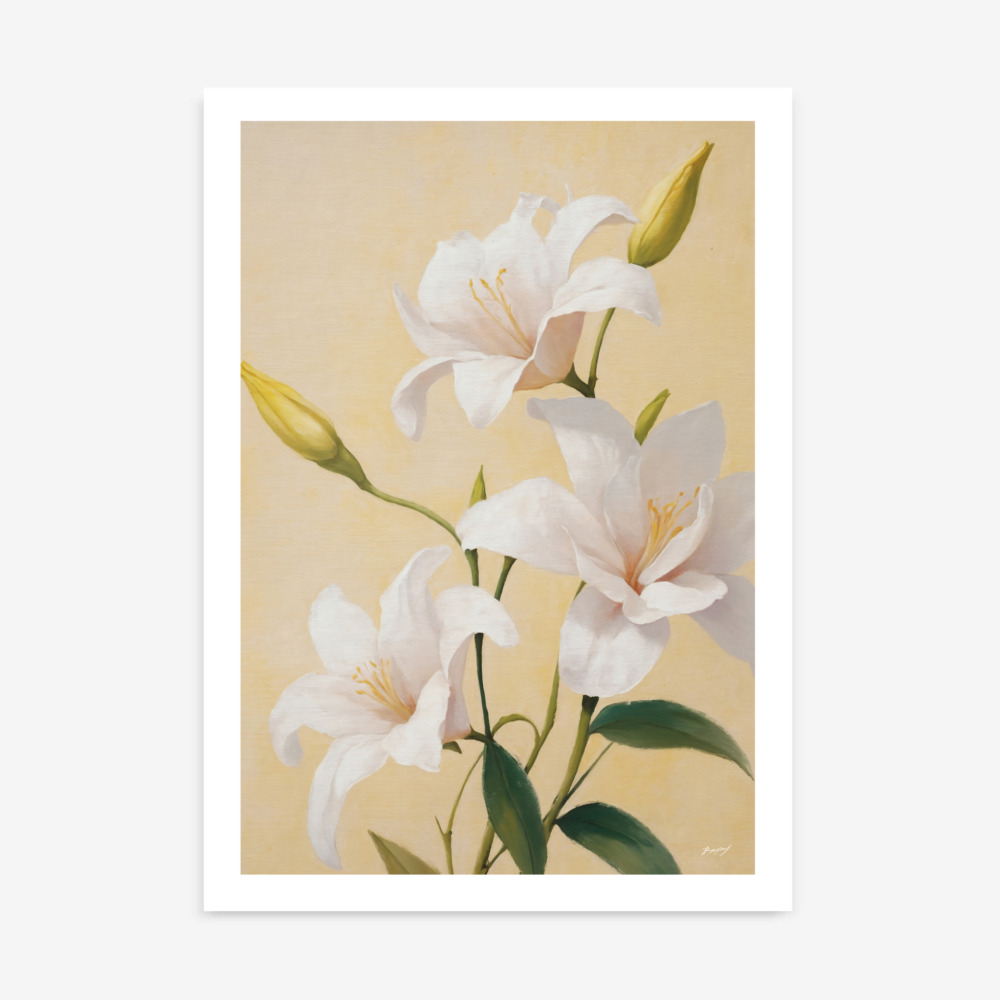
Focus on warmth in your materials. Use natural wood frames instead of metal, and choose art with organic shapes (like botanicals or fluid abstracts) rather than harsh, jagged lines. Pairing the art with soft textiles like wool throws or linen curtains also helps.
Art Collections