Limited Time: 20% Off All Prints
Free worldwide shipping on orders over $69
Delivery 4-12 business days

Home / Trending Art Styles / Why Botanical Prints in Black and White Never Go Out of Style
There’s something timelessly elegant about black and white botanical prints that makes them a designer favorite. While colorful artwork has its place, the stark simplicity of monochrome botanical art creates a visual impact that works in virtually any interior style. From minimalist Scandinavian spaces to traditional Victorian homes, these prints bridge the gap between nature and sophistication with effortless grace.
Black and white botanical prints strip away the distraction of color to reveal the pure form and structure of plants. This reduction allows you to appreciate the intricate details of leaves, stems, and petals in ways that colored versions often overshadow. The high contrast between black ink and white paper creates a dramatic focal point while maintaining a sense of calm and order that’s essential for thoughtful interior design.
Botanical illustration has a fascinating scientific heritage that dates back centuries. Before photography existed, botanists relied on skilled artists to document plant species with meticulous accuracy. These botanical drawings served as critical references for identifying plants, understanding their structures, and communicating discoveries across continents. The tradition of rendering plants in black and white ink was both practical and economical, as printing colored illustrations was prohibitively expensive.
The golden age of botanical art flourished during the 18th and 19th centuries when European explorers returned from voyages with exotic plant specimens. Artists like Pierre-Joseph Redouté and Maria Sibylla Merian created detailed illustrations that were as beautiful as they were scientifically valuable. Today, these historical botanical drawings inspire contemporary artists and remain highly sought after for their artistic merit and historical significance.
When you choose botanical art black and white pieces for your home, you’re connecting with this rich tradition. Modern interpretations honor the precision and detail of scientific illustration while adapting the aesthetic for contemporary interiors. Whether you prefer vintage-style engravings or minimalist line drawings, each piece carries the legacy of botanical documentation into your living space.
The power of black and white botanical prints lies in their versatility and staying power. Unlike trendy colored artwork that can date quickly or clash with changing decor, monochrome prints provide a neutral foundation that adapts to evolving tastes. This isn’t about playing it safe—it’s about making a strategic design choice that offers maximum flexibility without sacrificing visual interest.
Color can be emotionally overwhelming in the wrong context. A vibrant green fern print might energize a kitchen but feel too stimulating in a bedroom where you’re trying to create a restful atmosphere. Black and white botanical art delivers the organic beauty of nature without the psychological intensity of color. The result is artwork that feels fresh and calming, allowing other design elements in the room to shine.
Monochrome botanical prints also create cohesion when displayed as a gallery wall. Mixing different colored prints can quickly become chaotic, but black and white pieces naturally harmonize regardless of the specific plant species depicted. A collection featuring a delicate fern alongside a bold monstera leaf and a spiky succulent will feel intentional and curated rather than haphazard.
Not all botanical art black and white prints are created equal, and understanding the different styles helps you select pieces that align with your aesthetic preferences. Vintage botanical engravings feature dense cross-hatching and fine detail that gives them an antique, scholarly appearance. These work beautifully in traditional, transitional, or even eclectic spaces where you want to add intellectual gravitas.
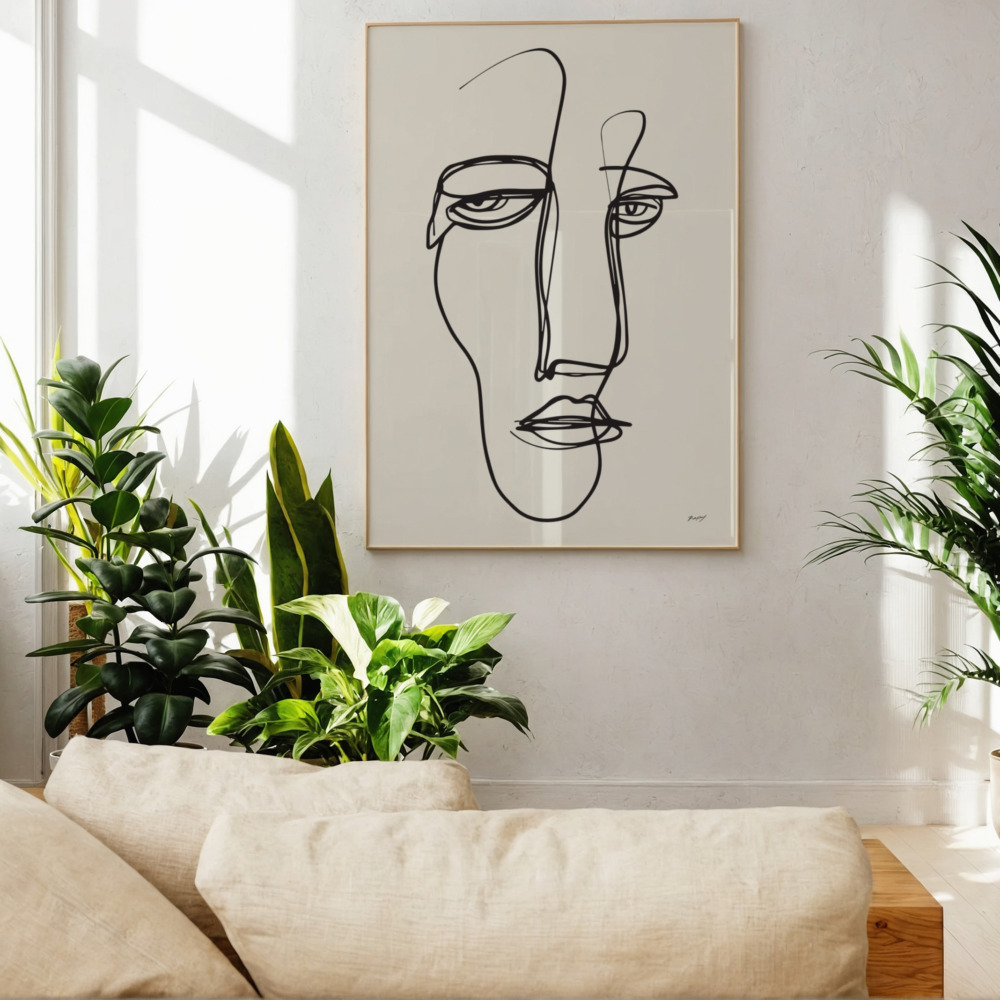
Line art botanical drawings take a minimalist approach, using simple continuous lines to outline plant forms without shading or texture. This modern style pairs perfectly with Scandinavian, contemporary, or Nordic-inspired interiors where simplicity reigns. The negative space in line art creates breathing room on your walls and prevents visual clutter.
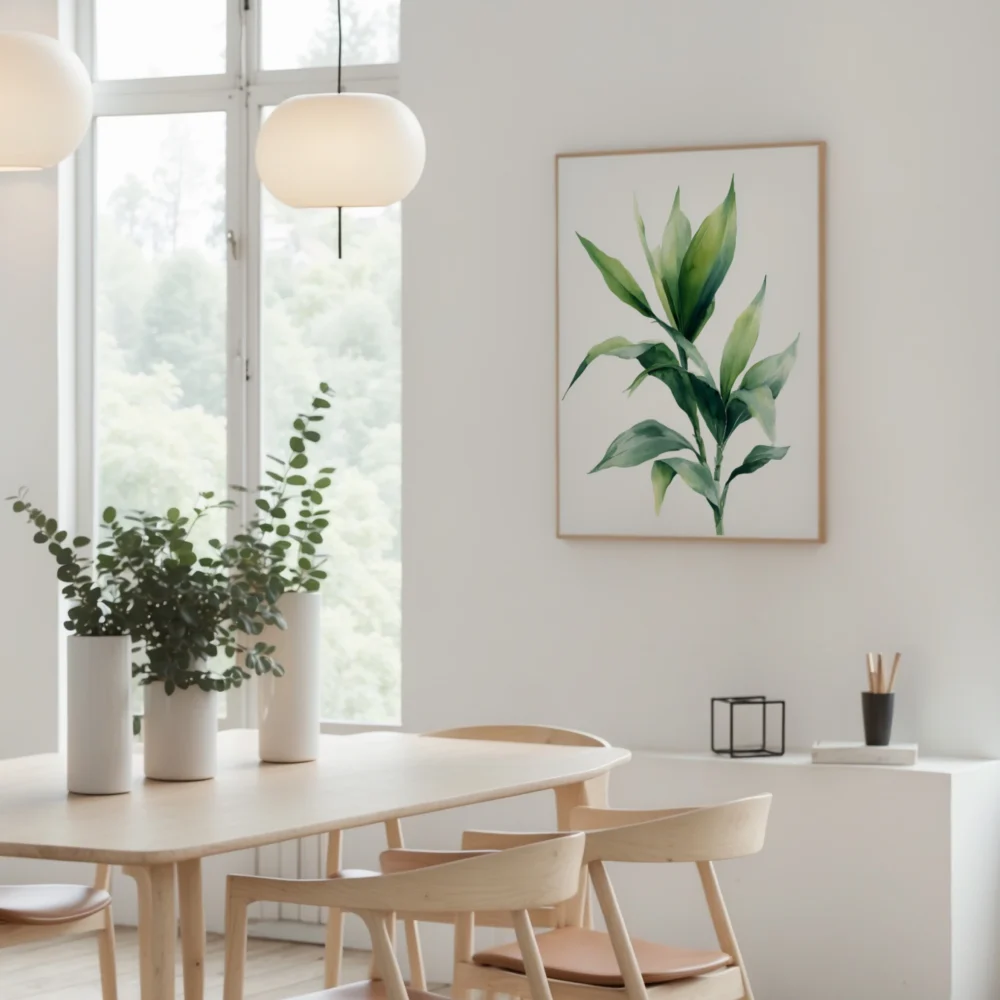
Ink wash or watercolor botanical prints in grayscale offer something between these extremes. They incorporate subtle tonal variations and organic textures that add depth and interest while maintaining monochrome restraint. These pieces work exceptionally well in spaces that need softness—think bedrooms, reading nooks, or meditation areas where you want gentle visual interest without stark contrast.
Where you place black and white botanical prints matters as much as which ones you choose. In entryways, a large-scale botanical drawing makes an immediate impression, setting a sophisticated tone for the entire home. The high contrast naturally draws the eye and creates a focal point in what’s often an overlooked transitional space.
Bedrooms benefit from the calming presence of botanical illustrations, particularly when placed above the bed or on the wall opposite where you wake up. Choose softer, more delicate specimens like ferns, grasses, or flowering branches rather than bold, spiky plants that might feel too energizing for a rest space. The monochrome palette prevents the artwork from disrupting the peaceful atmosphere essential for quality sleep.
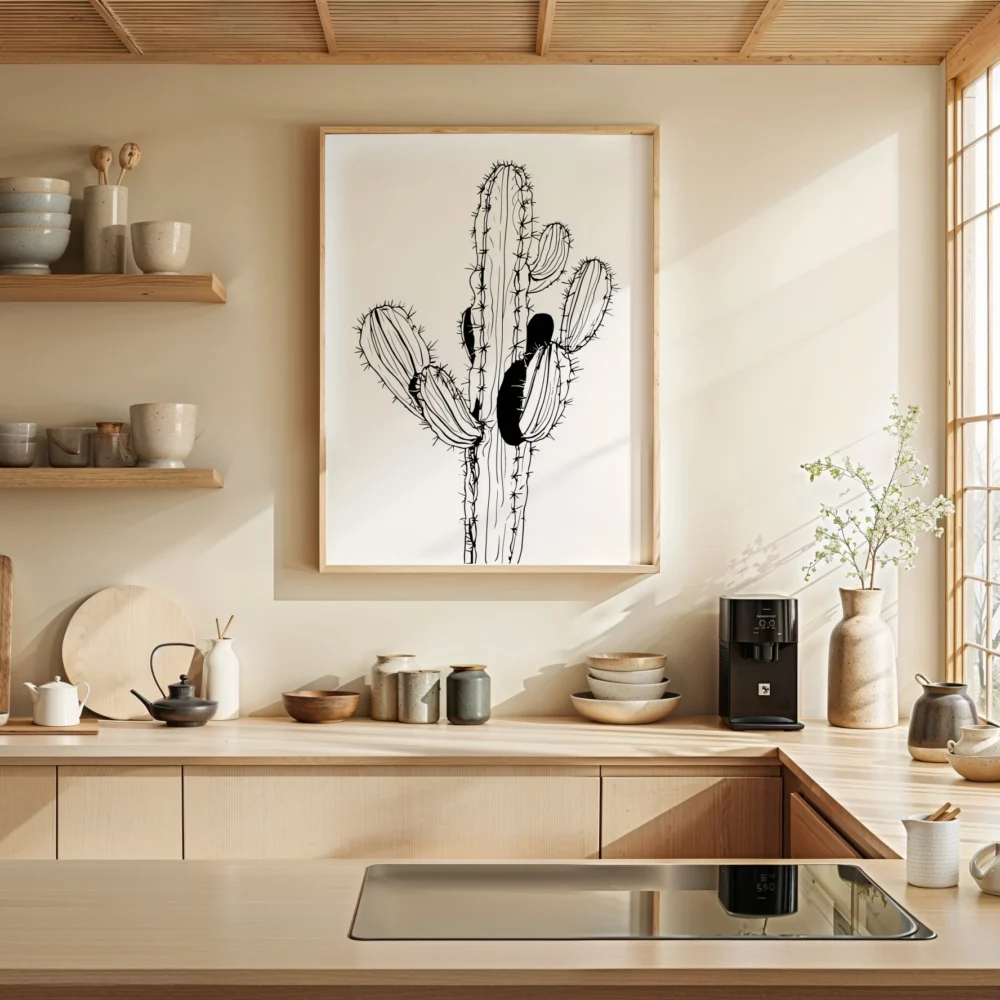
Dining rooms and kitchens are natural homes for botanical prints, creating a connection between the food we eat and the plants it comes from. Consider herb illustrations in a kitchen or vegetable botanical drawings in a dining area to reinforce this relationship. The formal quality of scientific botanical illustration also complements the ceremonial nature of gathering for meals.
Bathrooms, often neglected in terms of artwork, transform beautifully with black and white botanical prints. The moisture-resistant properties of properly framed prints make them practical, while the organic subject matter softens the hard surfaces typically found in bathrooms. Choose water-loving plants like water lilies, lotus flowers, or tropical palms to maintain thematic consistency.
The frame you choose can dramatically alter how black and white botanical prints appear in your space. Simple black frames create a classic, gallery-like presentation that emphasizes the artwork itself. This approach works universally well and allows you to mix different botanical subjects without the frames competing for attention.
White or natural wood frames offer a lighter, more casual feel that works beautifully in bright, airy spaces with Scandinavian or coastal influences. These frames prevent the high contrast of black and white prints from feeling too formal or severe. If your walls are white, a thin black frame creates definition, while a white frame allows the print to float more ethereally against the wall.
For vintage botanical engravings, consider traditional frames with subtle details or even antique frames from flea markets or estate sales. The aged patina of an old frame enhances the historical quality of the illustration. However, ensure the frame doesn’t overpower the artwork—the botanical drawing should remain the star.
Matting decisions also affect the final presentation. Wide white mats create breathing room around smaller prints and add formality, making even modest illustrations feel gallery-worthy. Without mats, prints have a more contemporary, streamlined appearance. For maximum impact with larger botanical drawings, consider edge-to-edge framing that eliminates both mat and border for a bold, modern statement.
Black and white botanical prints play well with others, making them excellent anchor pieces in mixed gallery walls. Their neutral palette and organic subject matter complement rather than compete with photography, abstract art, or typography prints. The key is maintaining some visual connection—whether through similar frame styles, consistent spacing, or a shared monochrome or neutral color palette.
When combining botanical illustrations with colored artwork, use the black and white pieces as visual rest stops that give the eye a place to pause. This prevents gallery walls from becoming overwhelming and helps organize the collection into a coherent whole. Position botanical prints strategically between more visually complex pieces to create rhythm and flow.
Botanical drawings also pair beautifully with mirrors, particularly in smaller spaces where the mirror expands the sense of space while the organic forms of the botanical art soften the reflective surface. This combination brings both light and life to narrow hallways, powder rooms, or any area that needs dimensional interest.
The reason black and white botanical prints have remained popular across centuries and changing design trends is their fundamental connection to nature. Humans have an innate attraction to natural forms—biophilic design research confirms that incorporating natural elements into our living spaces reduces stress and improves well-being. Botanical illustrations deliver these benefits while maintaining the clean lines and order that contemporary living demands.
Unlike literal representations of nature like landscape photography, botanical drawings abstract plants into their essential forms. This abstraction makes them feel both natural and designed, organic yet ordered. They bridge the gap between the wild unpredictability of nature and the controlled environment of our homes, bringing the outside in without the chaos.
As design trends continue to cycle between maximalism and minimalism, black and white botanical prints remain relevant because they satisfy both impulses. They’re detailed enough to reward close inspection for those who love visual complexity, yet simple enough in their monochrome palette to satisfy minimalist sensibilities. This dual nature makes them a safe investment for anyone building an art collection that will withstand changing tastes.
Whether you’re drawn to the scientific precision of vintage engravings or the modern simplicity of line art, botanical art in black and white offers endless possibilities for bringing sophisticated natural beauty into your home. These timeless pieces prove that sometimes the most powerful design choices are the ones that strip away everything unnecessary to reveal the essential beauty underneath.