Limited Time: 20% Off All Prints
Free worldwide shipping on orders over $69
Delivery 4-12 business days
Home / canvas prints / contemporary canvas prints
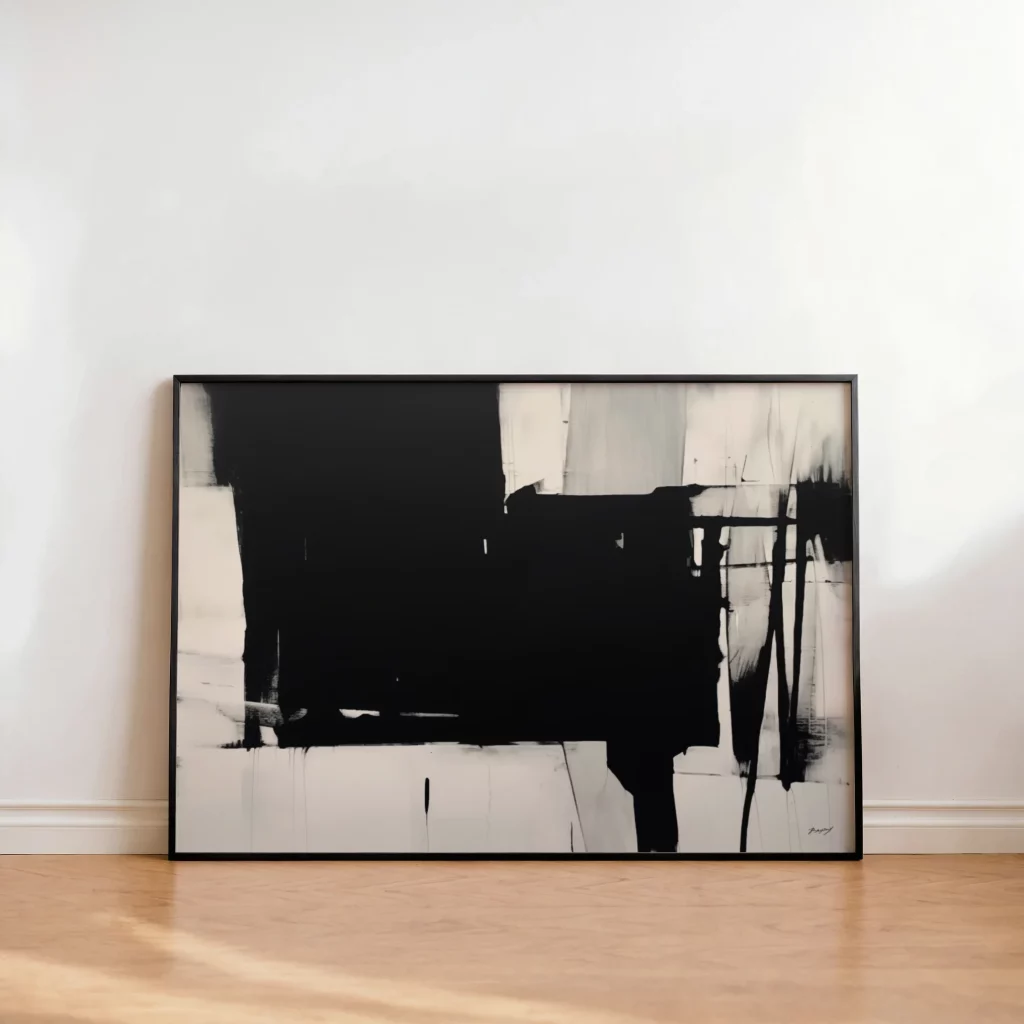
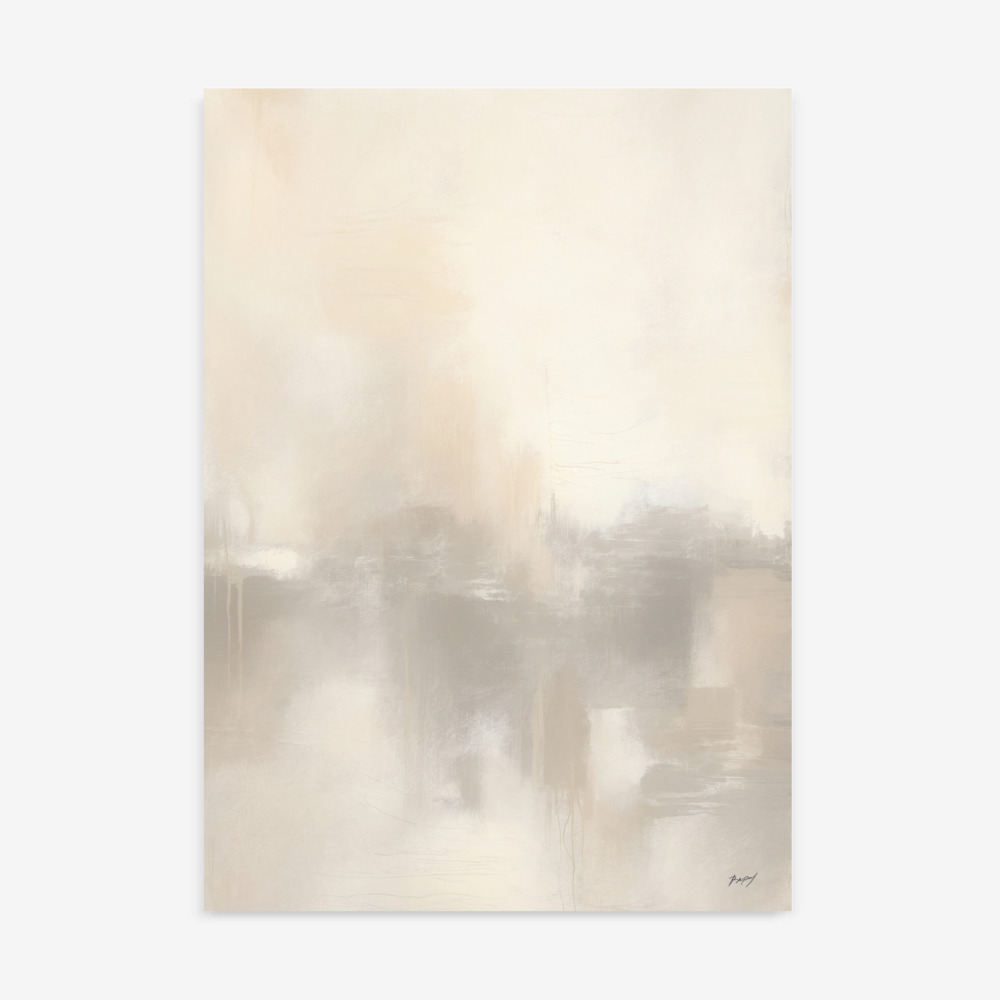
Contemporary art is fundamentally about how a piece makes you feel rather than a literal representation of a subject. Incorporating contemporary canvas prints into your interior allows you to bridge the gap between your architecture and your personal style, offering a tactile depth that paper prints often lack. These pieces act as a visual anchor, turning a static wall into a dynamic focal point that feels both substantial and sophisticated.
Unlike paper prints that sit behind glass, canvas offers a tactile warmth that makes a space feel lived-in and comfortable. The subtle weave of the fabric absorbs light rather than reflecting it, ensuring that your art remains the focus even in sun-drenched rooms. Whether you lean toward a large-scale horizontal vista or a vertical study, the matte finish of our museum-grade materials provides a depth of color that feels much closer to an original gallery painting.
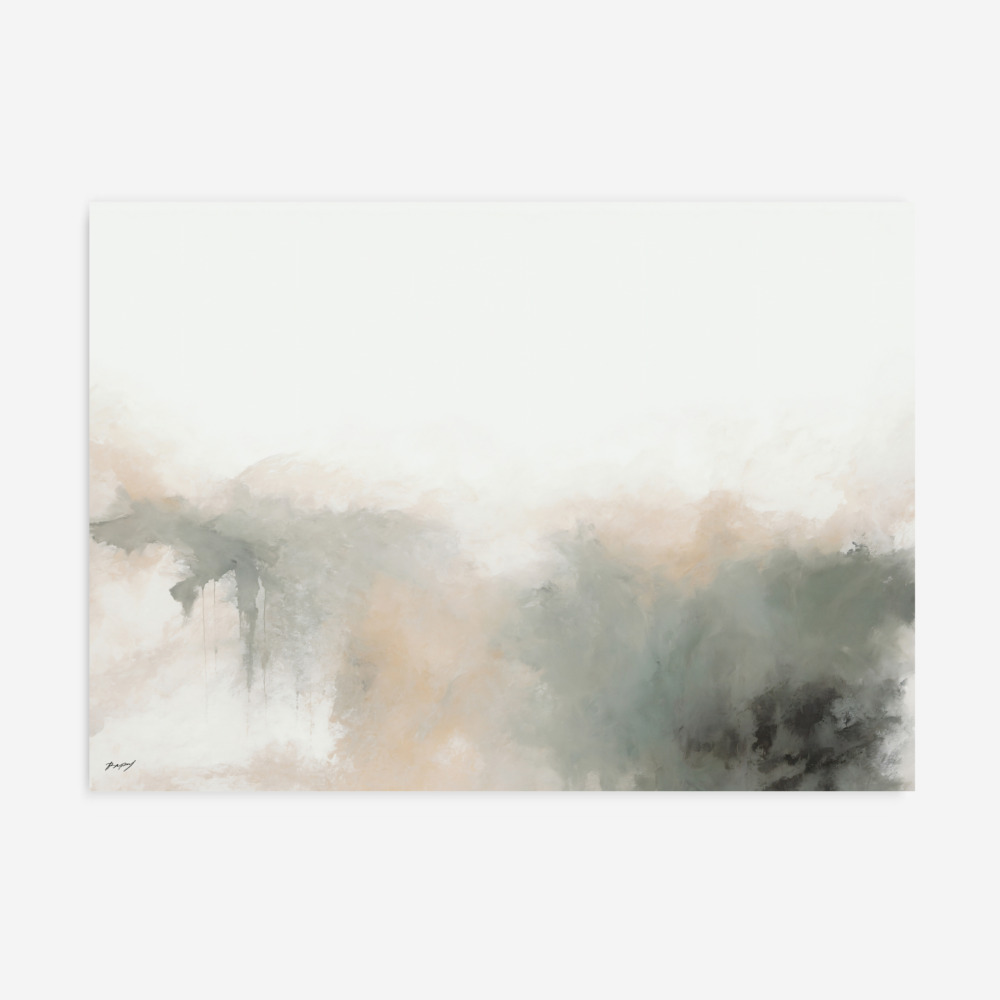
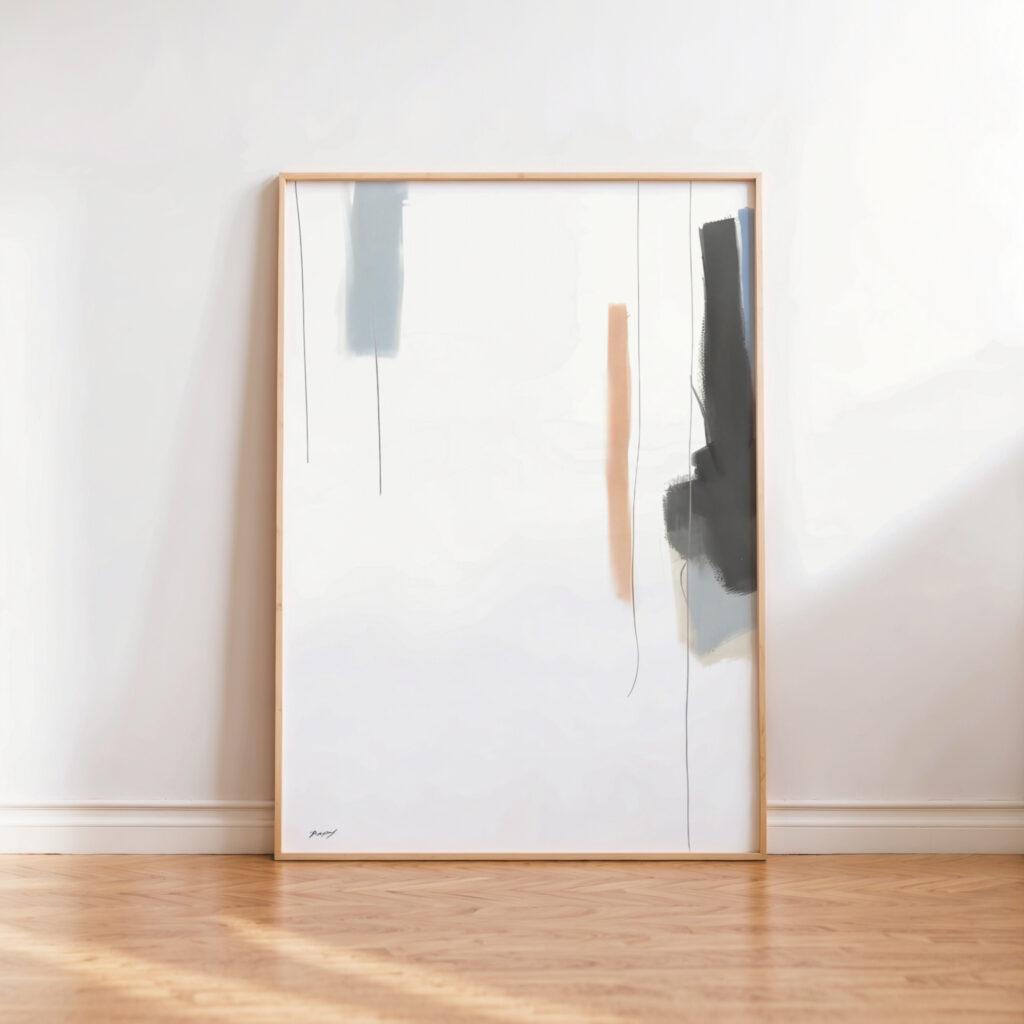
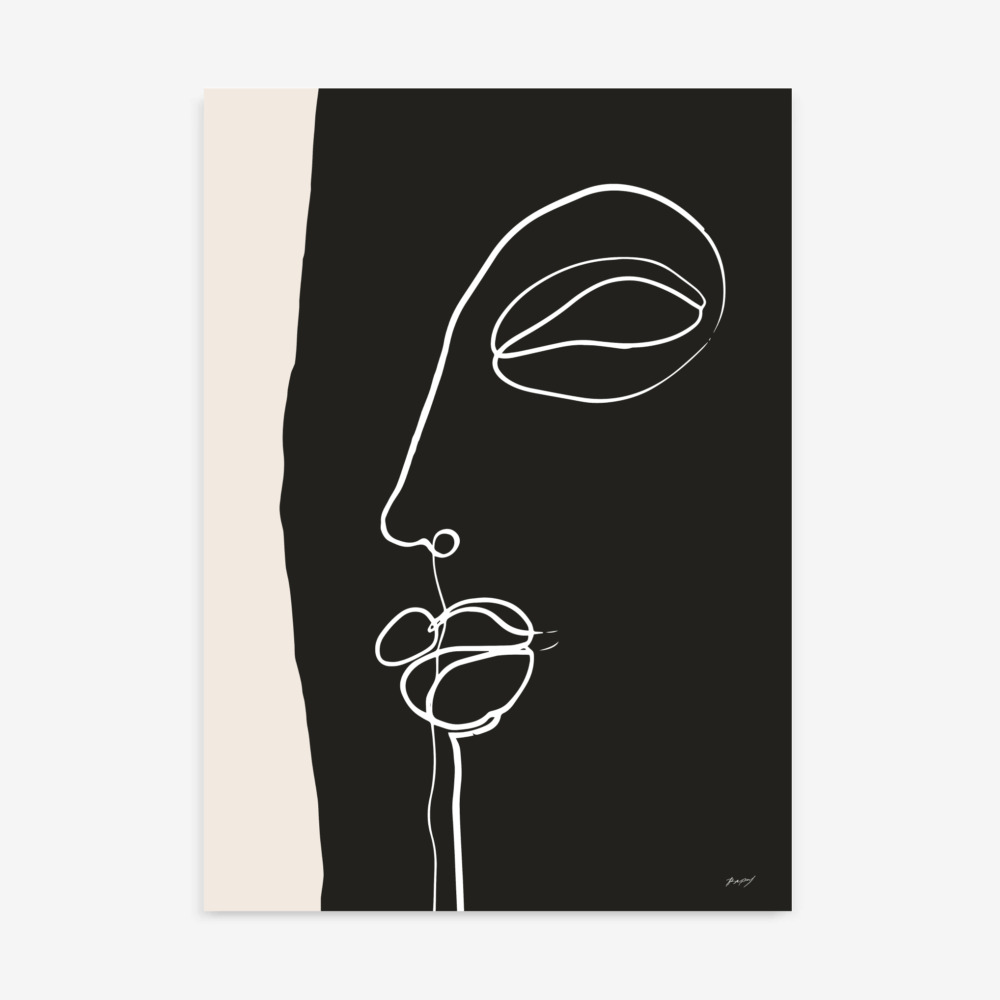
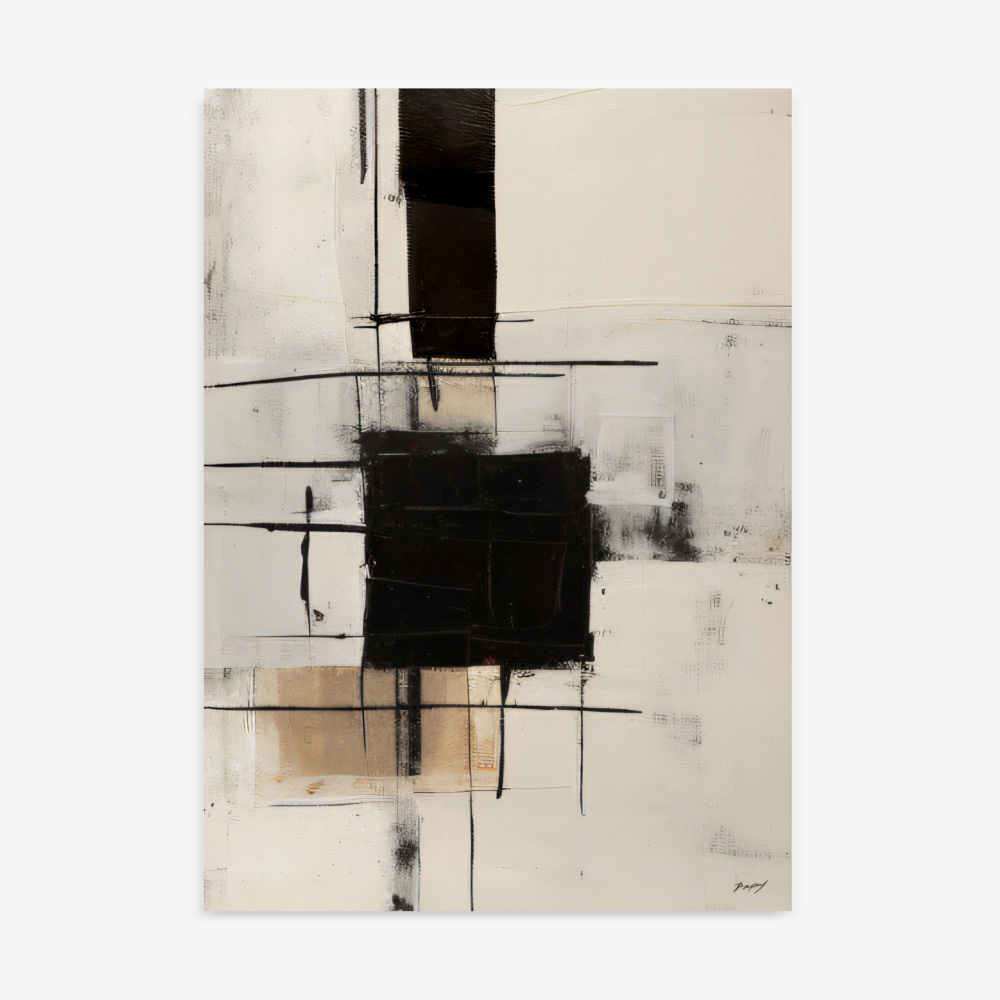
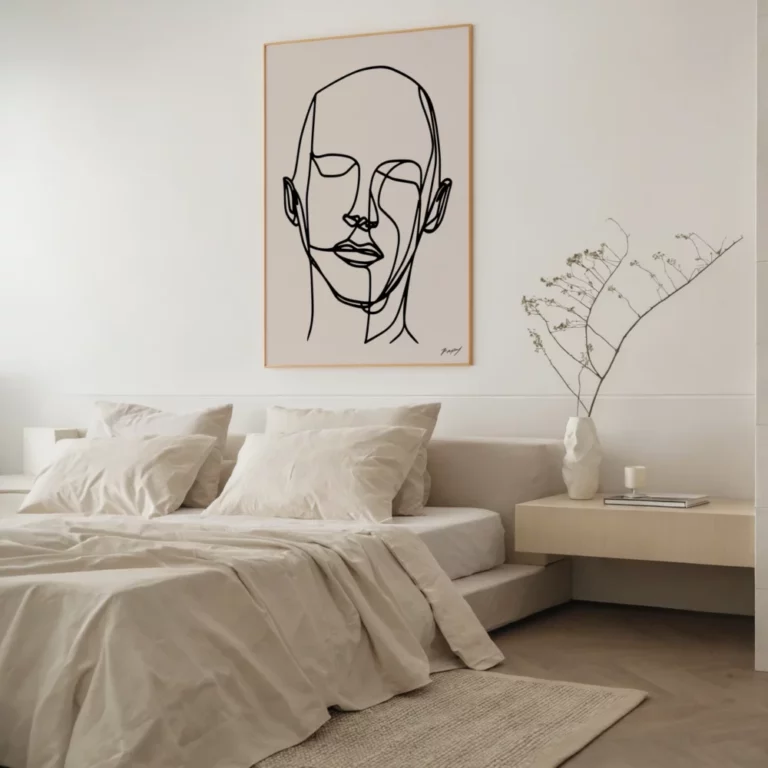
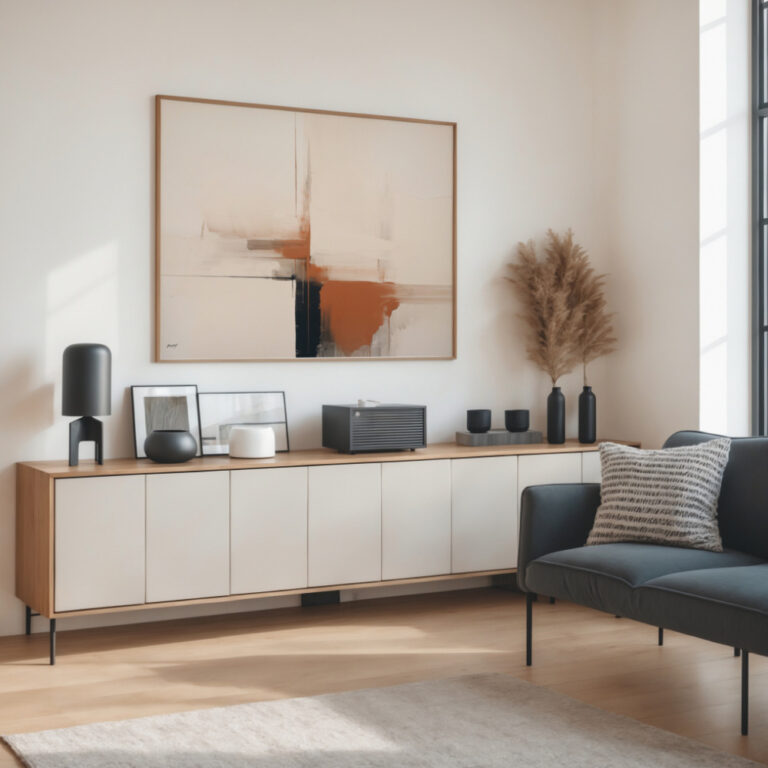
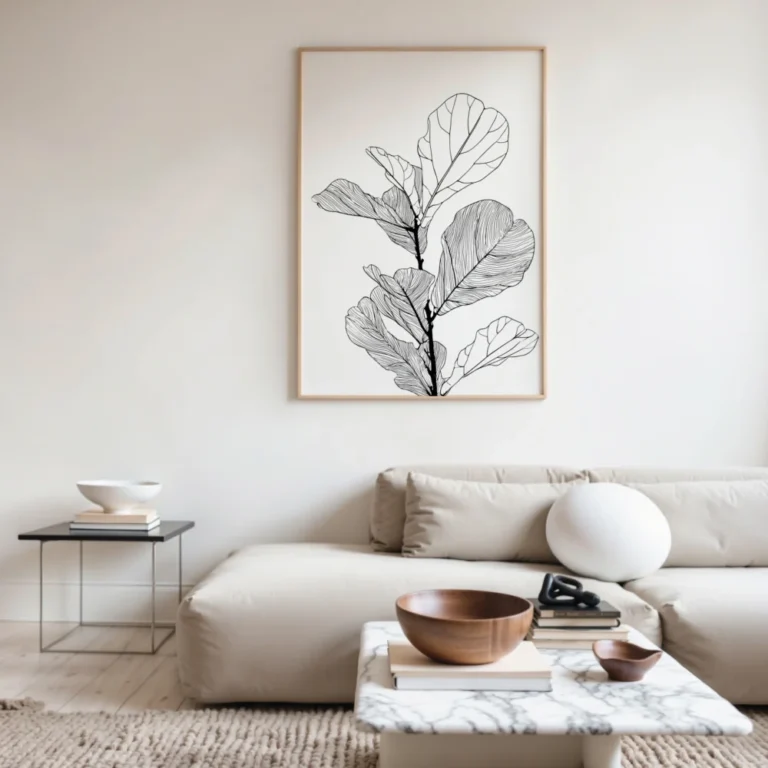
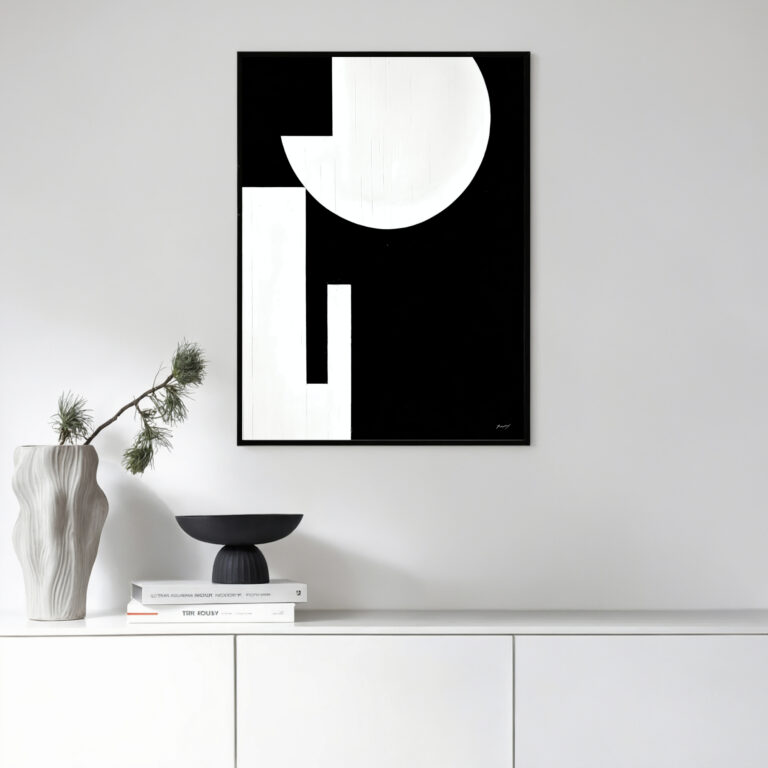
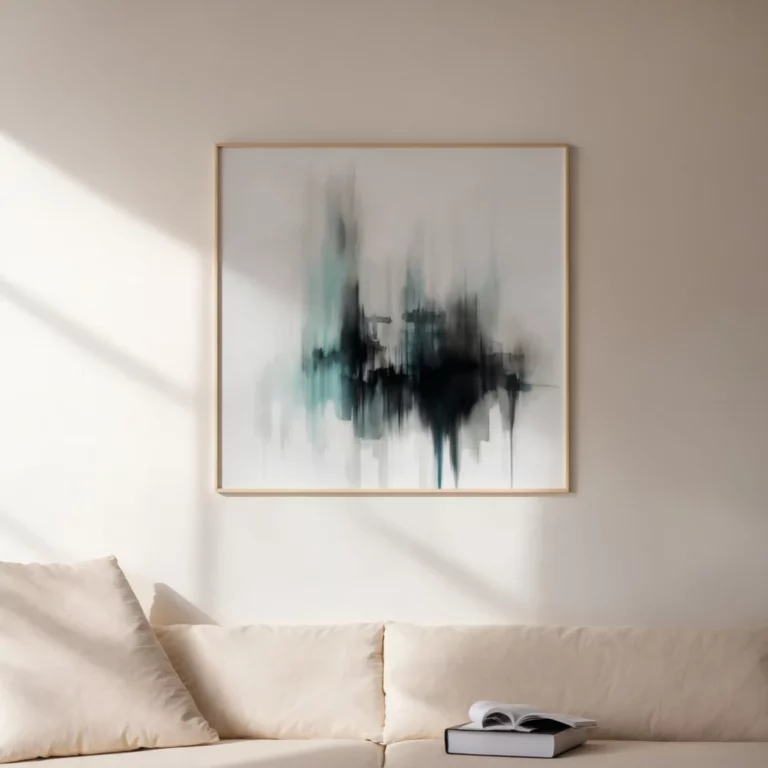
The versatility of modern expression means you can tailor the “energy” of your room through your choice of art. If your furniture is very structured and linear, abstract art prints with fluid, gestural brushstrokes can provide a much-needed organic balance. Conversely, if your space feels busy, minimalist wall art featuring clean silhouettes and plenty of “white space” can act as a visual palate cleanser. It’s not about matching colors perfectly; it’s about choosing a piece that complements the room’s overall rhythm.
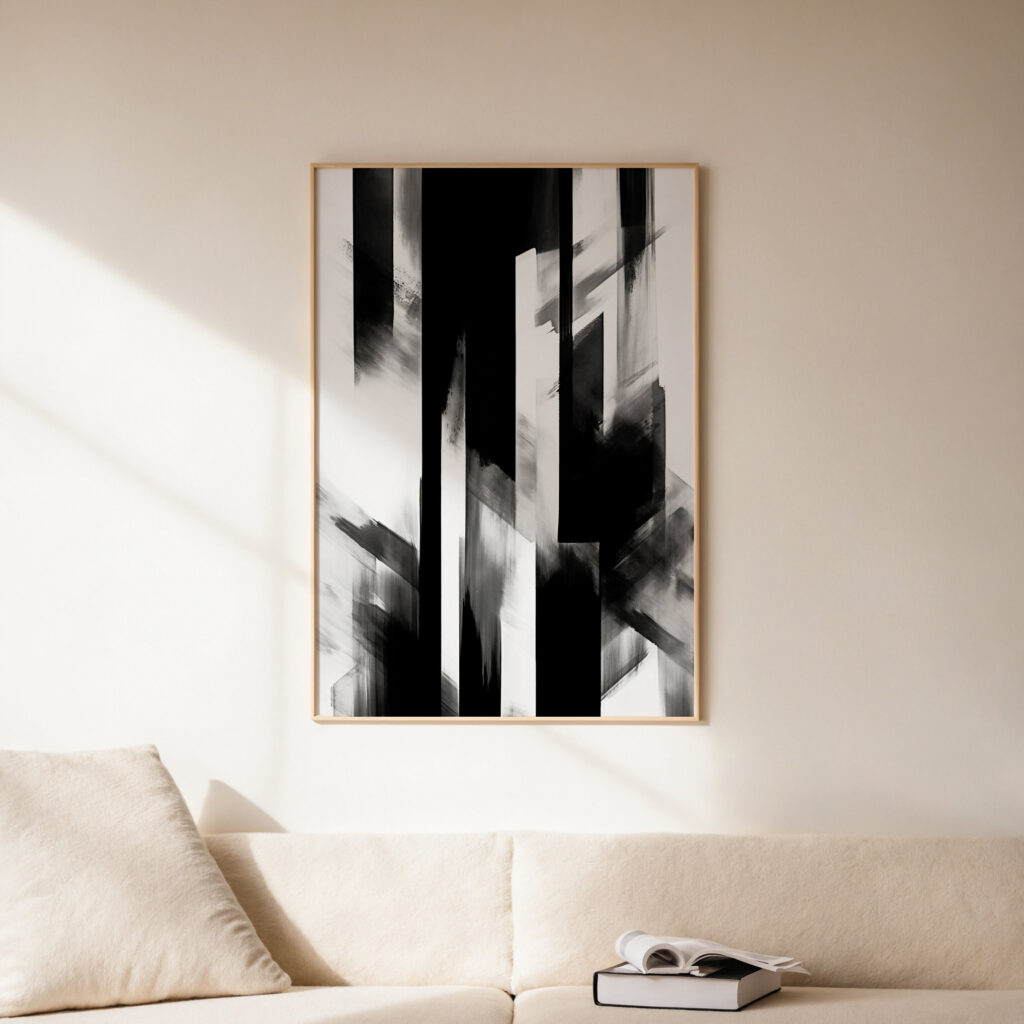
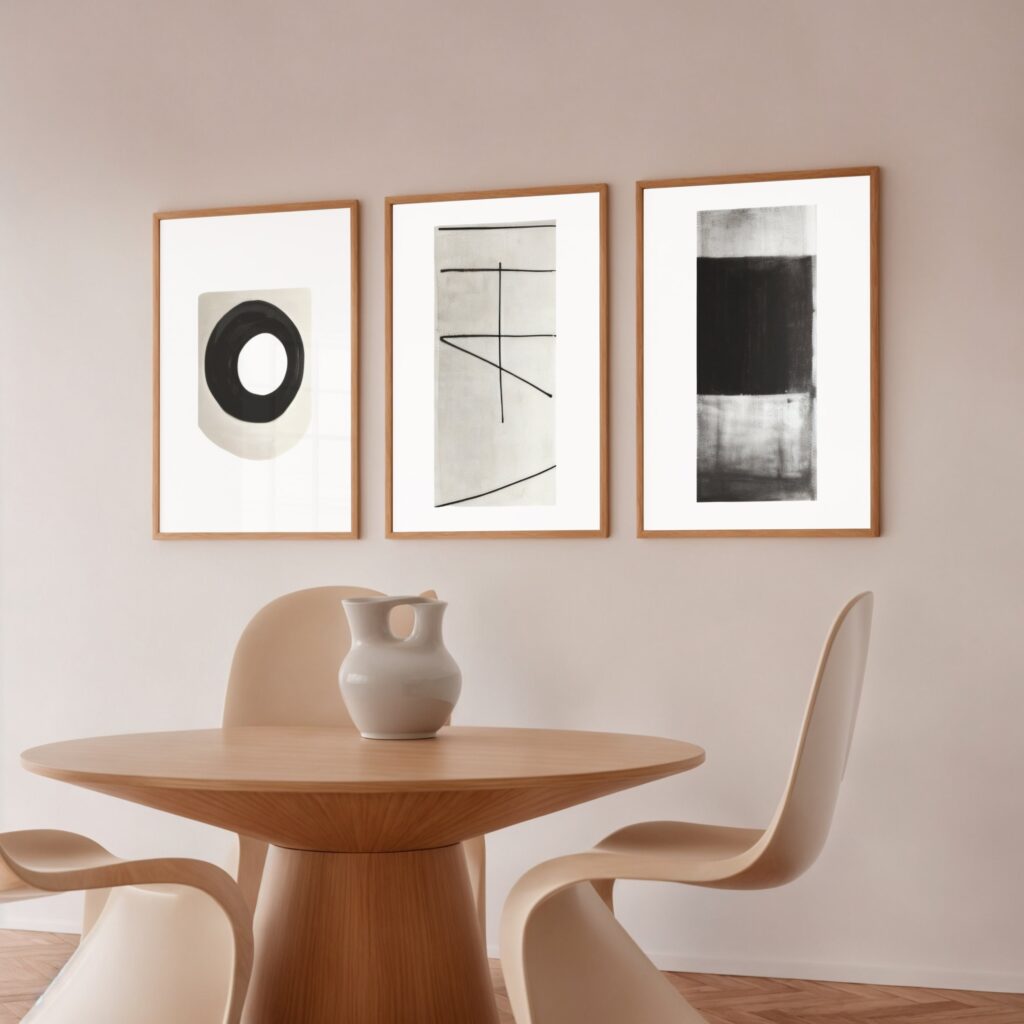
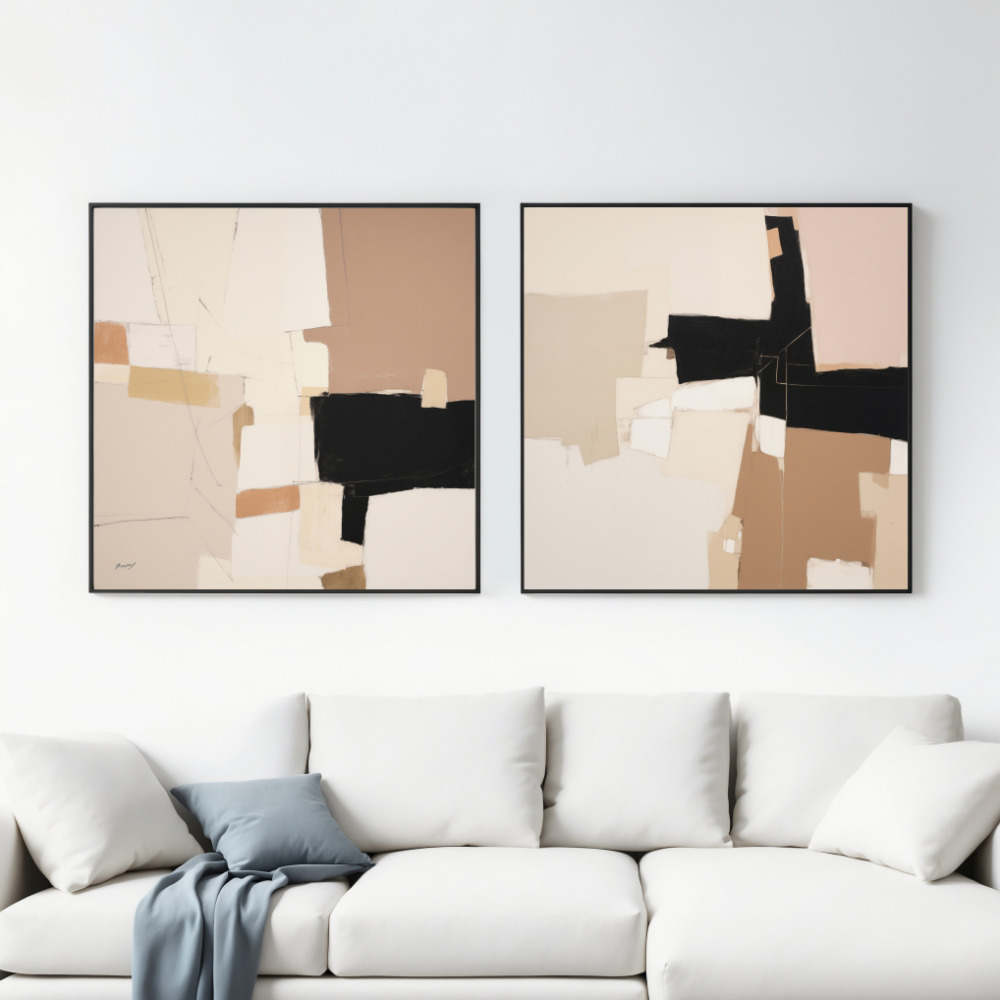
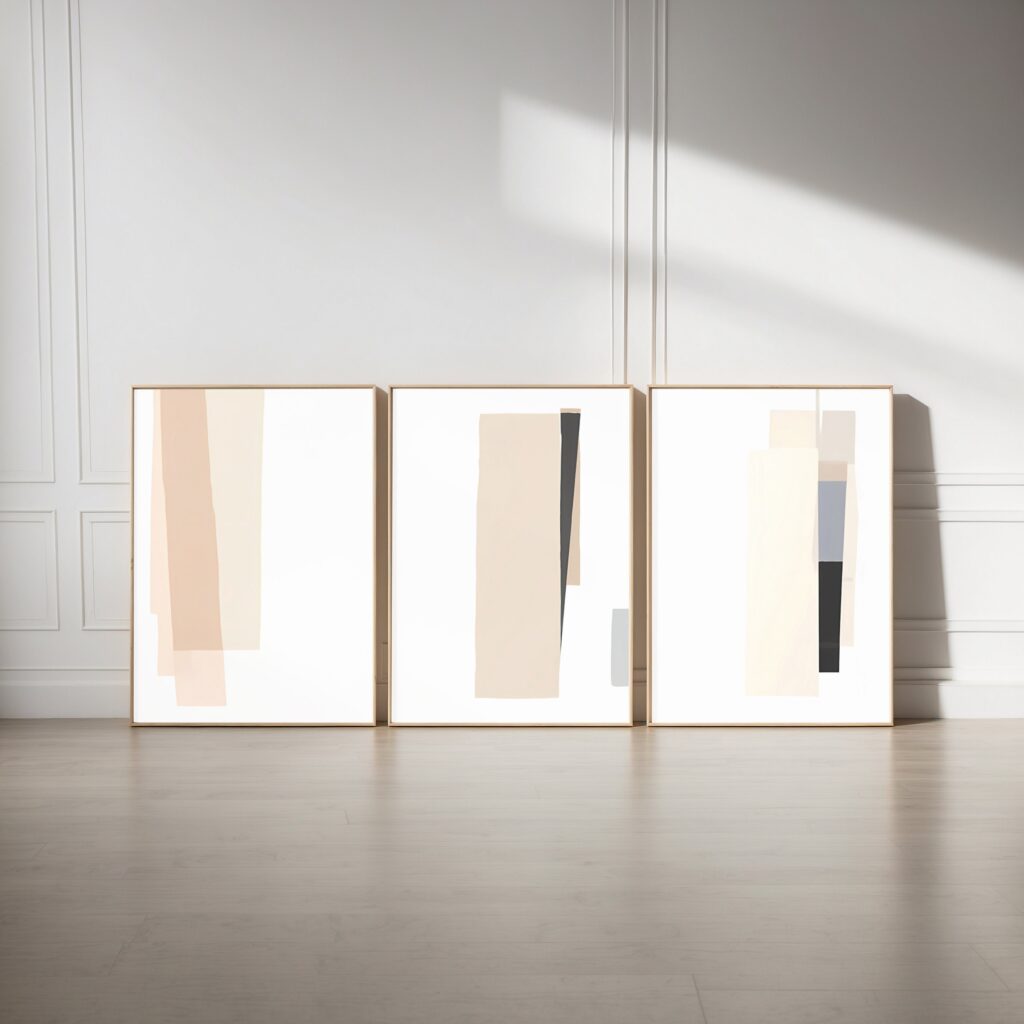
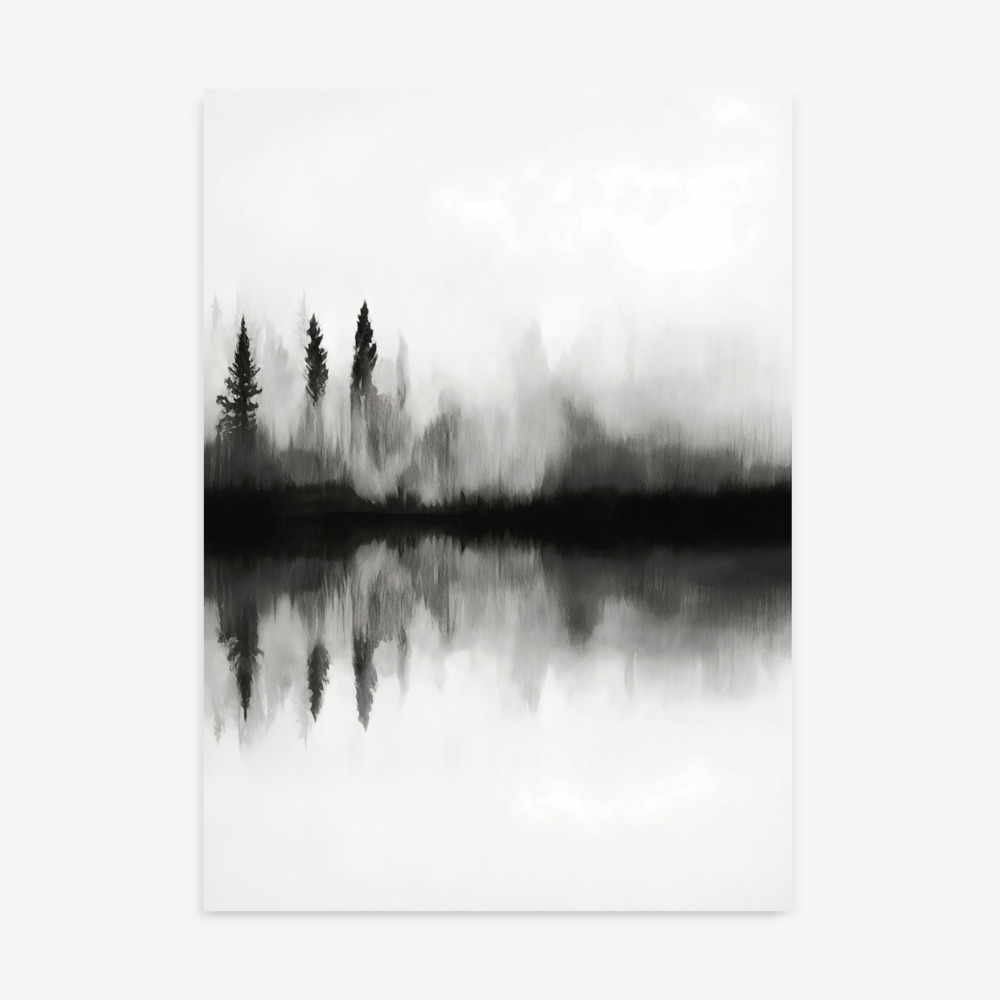
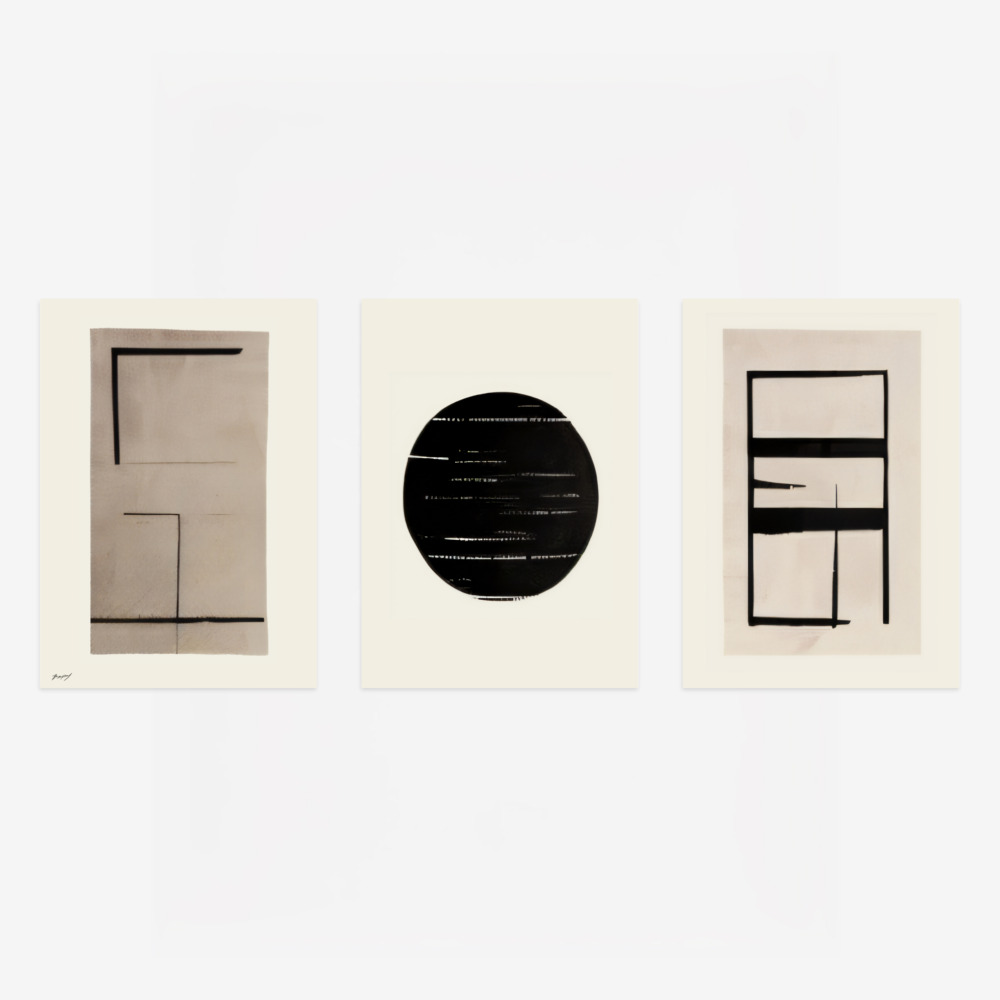
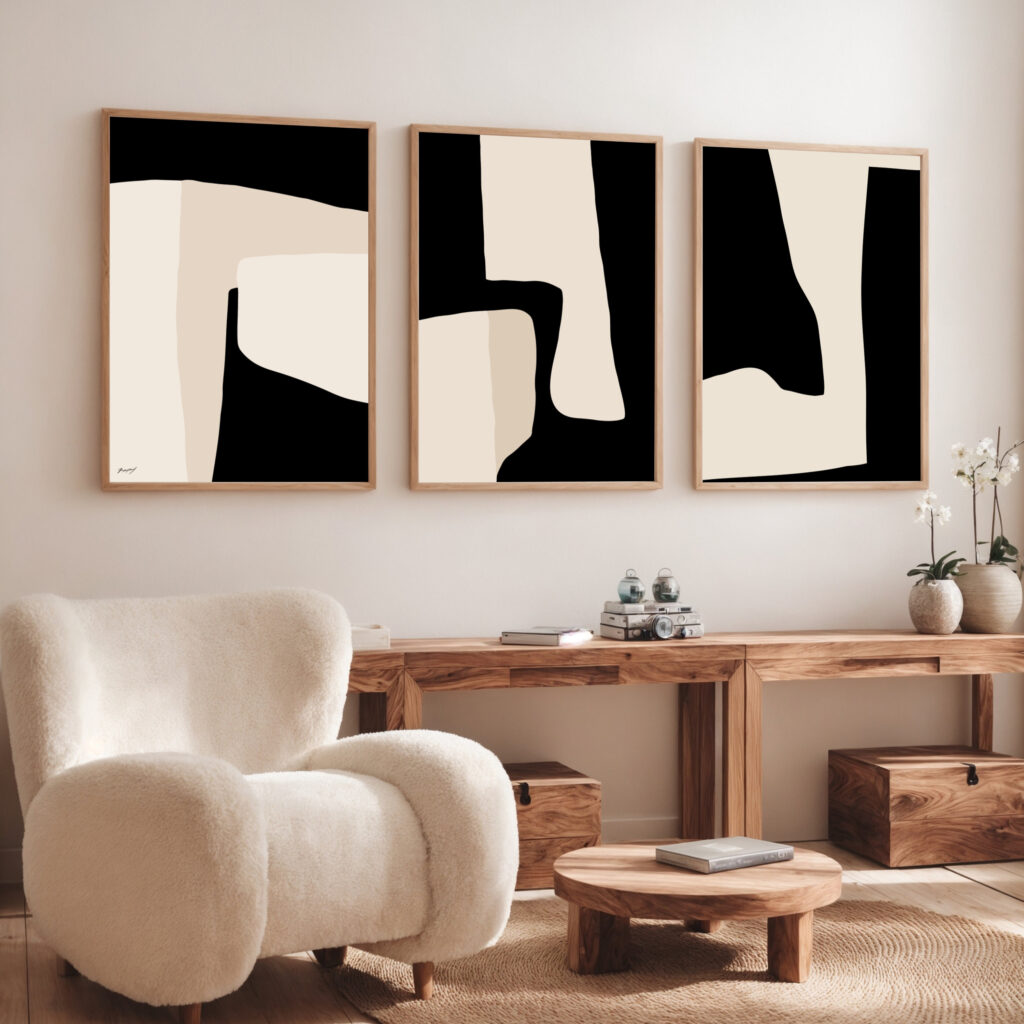
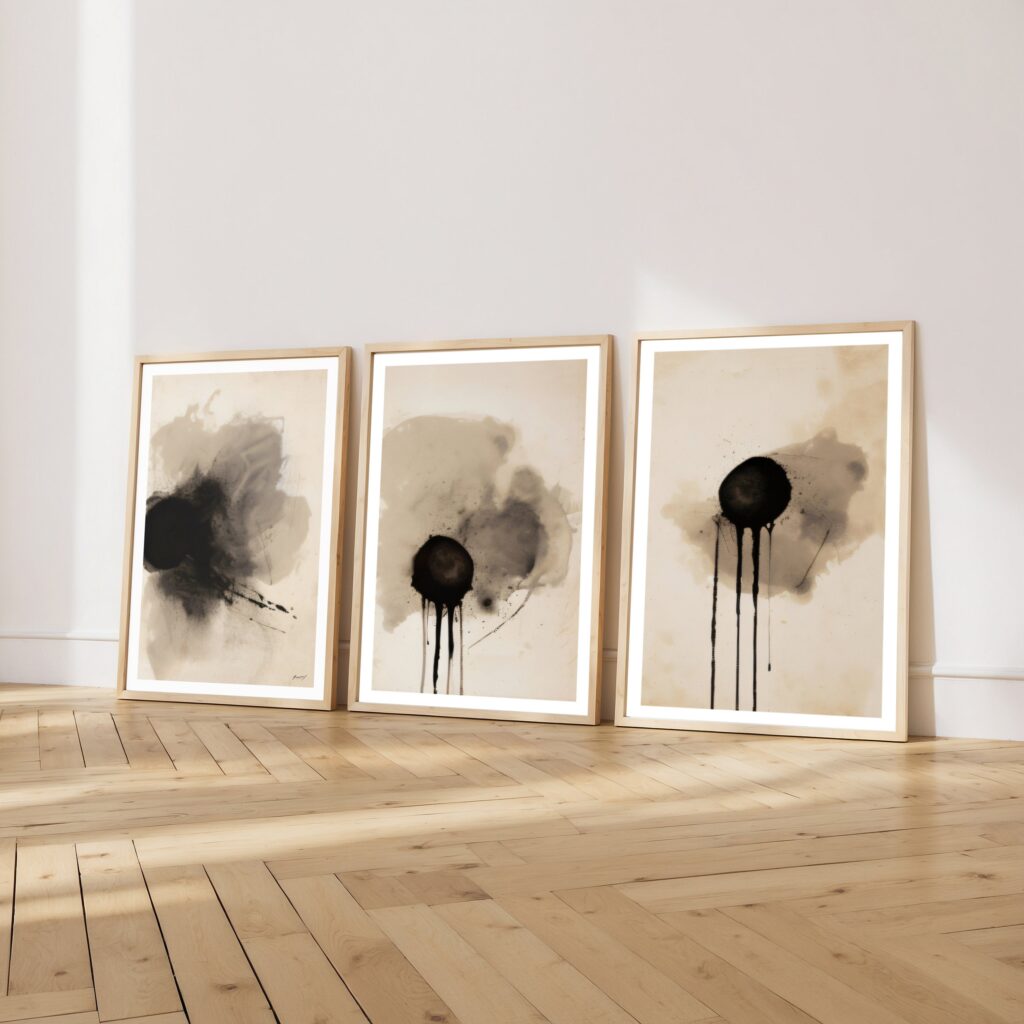
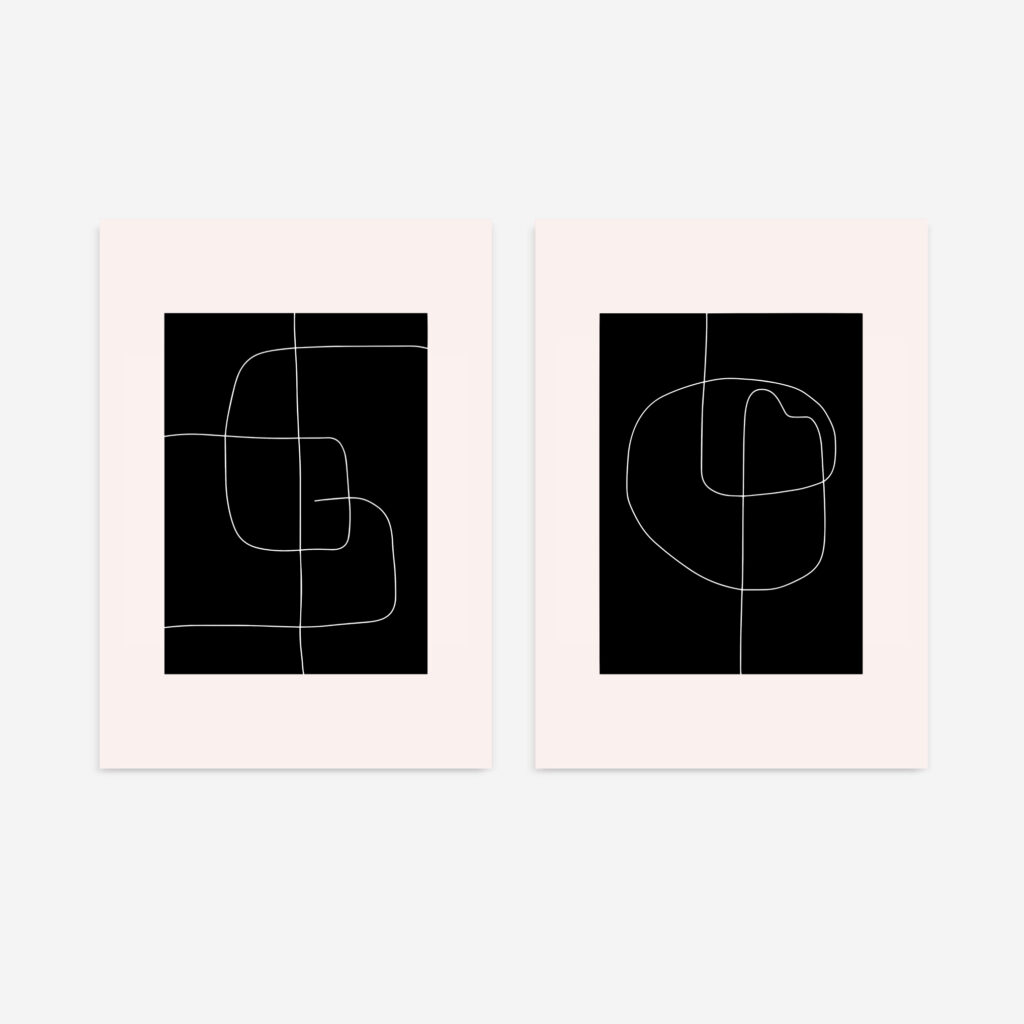
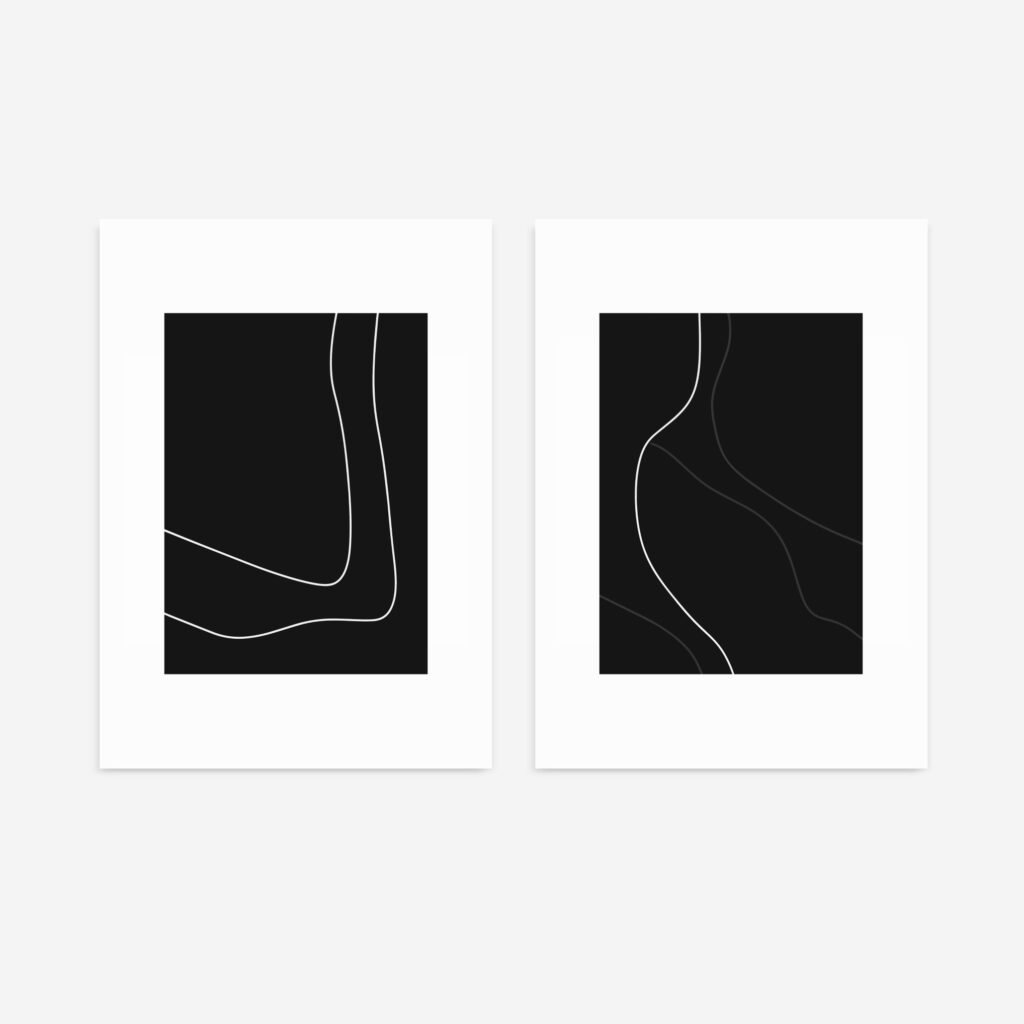
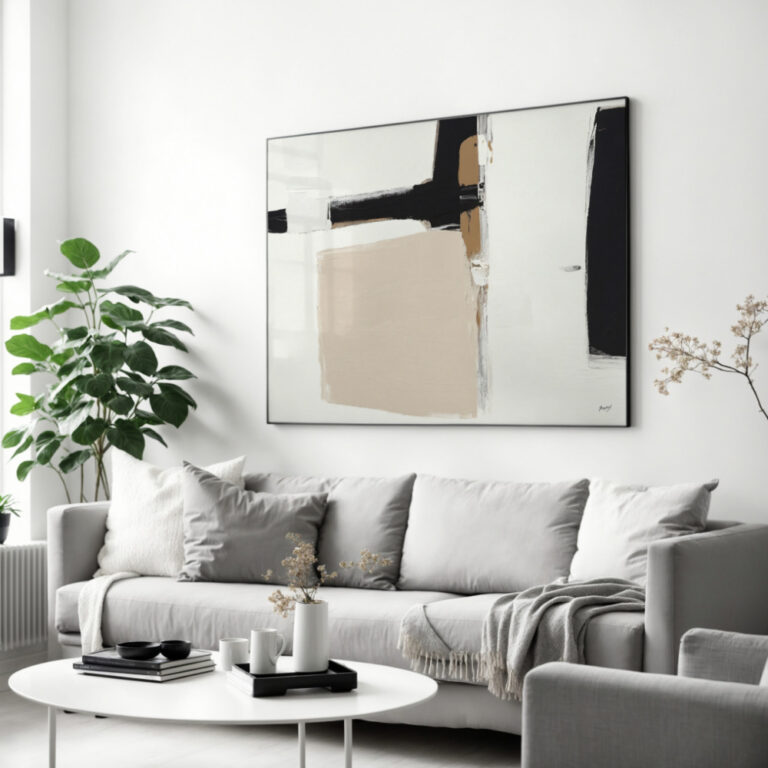
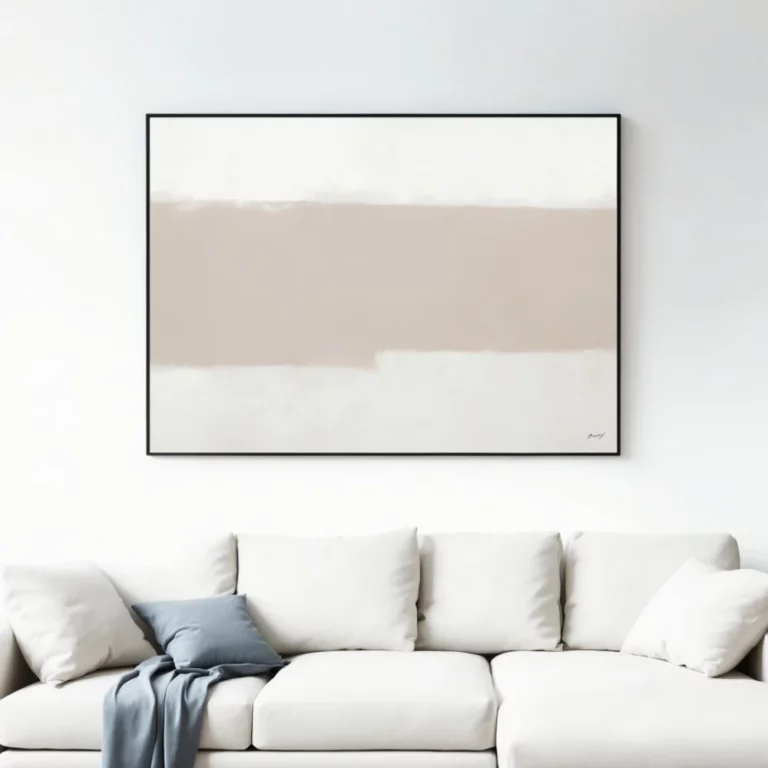
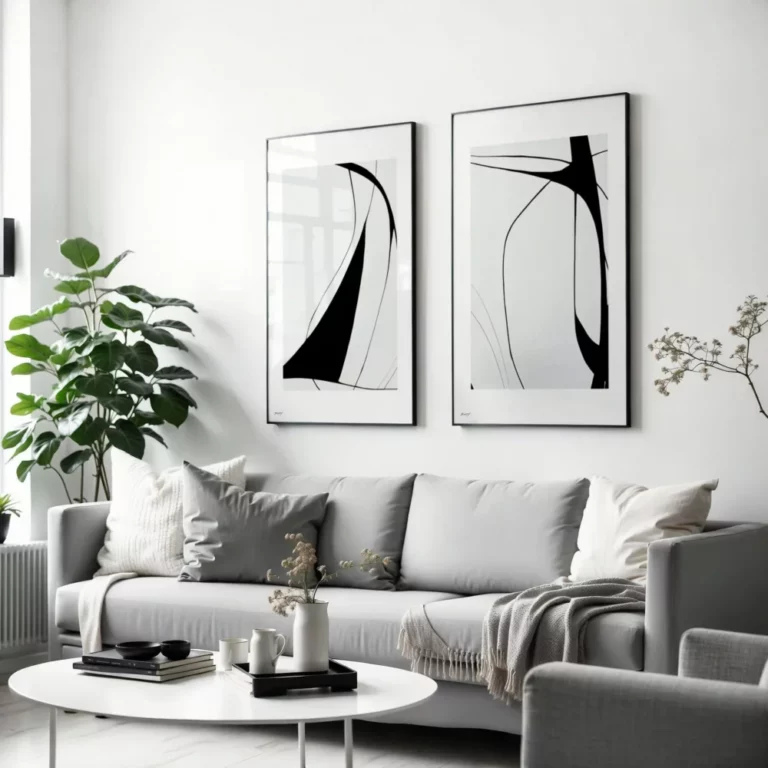
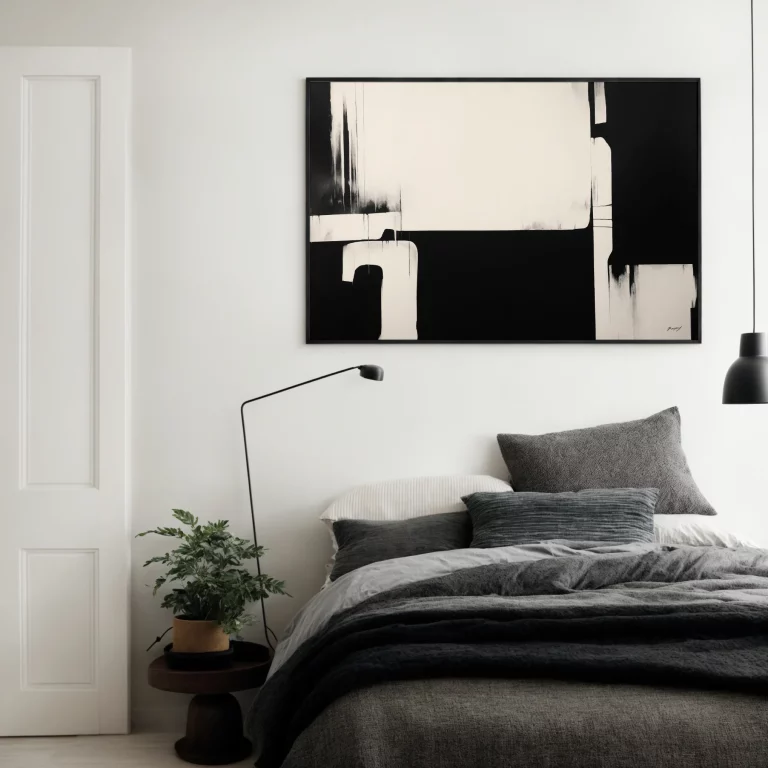
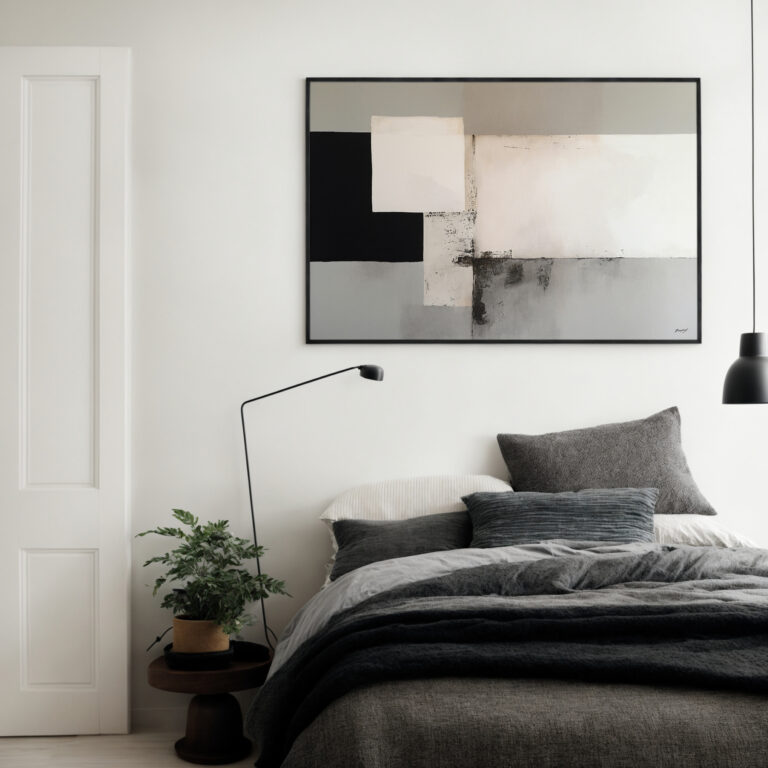
In a modern interior, scale is your most powerful tool. A small piece of art can easily get “lost” on a large wall, making the room feel unfinished. To create a designer-led look, consider large wall art that occupy roughly two-thirds of the width of your sofa or headboard. This establishes a “center of gravity” for the room, organizing your textiles and furniture around a singular, powerful vision. For exceptionally vast walls, exploring a series of black and white prints in a triptych format can create a rhythmic narrative that leads the eye across the space.
Contemporary style generally refers to art produced in the current era, focusing on non-representational forms, abstract textures, and modern color palettes. Unlike traditional landscapes or portraits, these pieces emphasize the interplay of color and space.
Canvas is often preferred for its modern, textured, and glare-free look. It offers a more three-dimensional presence on the wall. Framed paper prints are better if you want a more traditional, clinical level of detail and a polished gallery finish.
Aim for the artwork to cover about 60% to 75% of the available wall space. If hanging above a piece of furniture, the art should be roughly two-thirds to three-quarters the width of that furniture to ensure the proportions look balanced.
Museum-grade contemporary canvas prints are produced with archival, UV-resistant inks. While no art should be kept in constant, harsh sunlight, these materials are designed to resist fading for decades, far outperforming standard commercial prints.
A floater frame creates a small gap between the edge of the canvas and the wood, making the artwork appear as if it is levitating. While not strictly necessary, it adds a high-end, executive finish that helps the art stand out from the wall.
Yes, provided the room is well-ventilated. Canvas is more resilient to humidity than paper, but extreme steam can eventually warp the wooden stretcher bars. Ensure you have a working exhaust fan in these spaces.
Maintenance is very simple. Use a dry, soft microfiber cloth or a feather duster to gently wipe the surface. Never use water or chemicals, as these can break down the protective archival coating and damage the ink.
Art Collections