Limited Time: 20% Off All Prints
Free worldwide shipping on orders over $69
Delivery 4-12 business days
Home / canvas prints / large canvas prints
There is a distinct shift in the energy of a room when you introduce a piece that commands the entire wall. Choosing Canvas Prints in an expansive format is about more than just decoration; it is about establishing a focal point that organizes the rest of your furniture. Large canvas prints provide a window into a different atmosphere, allowing color, texture, and light to breathe on a scale that feels both intentional and permanent.
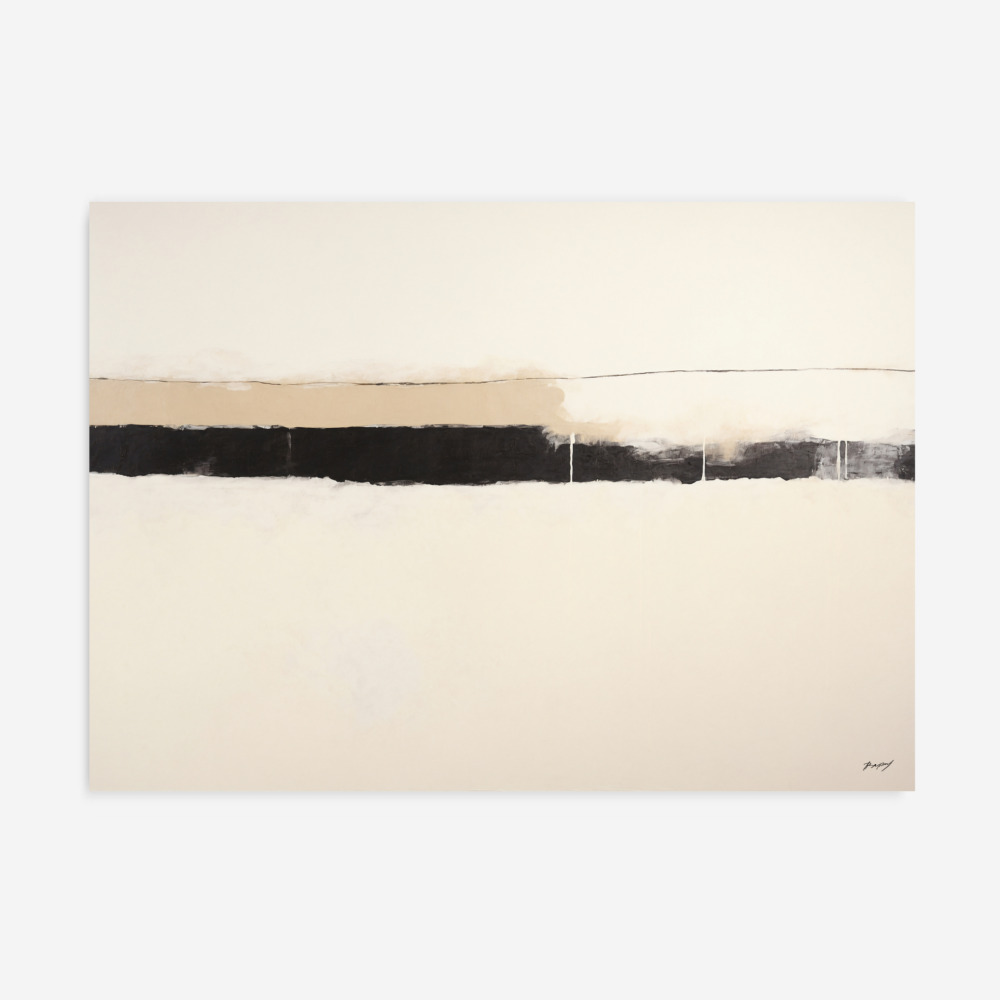
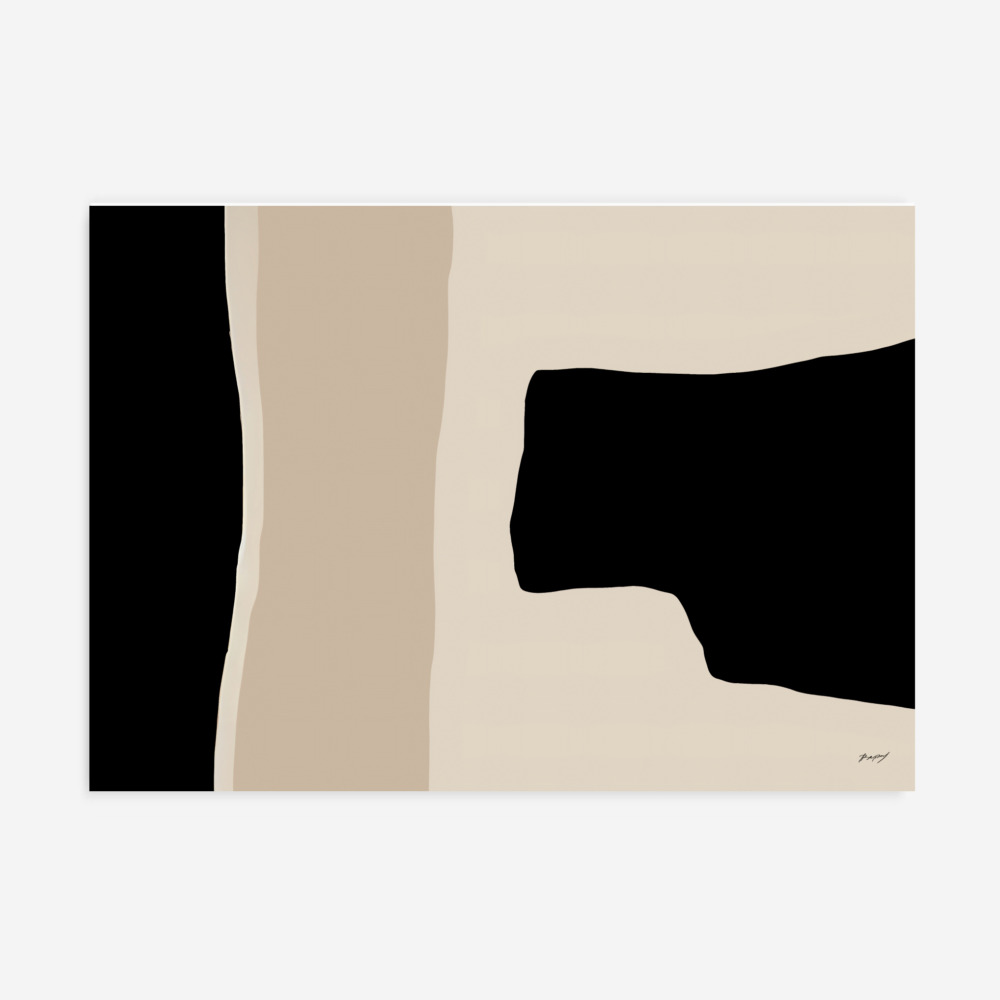
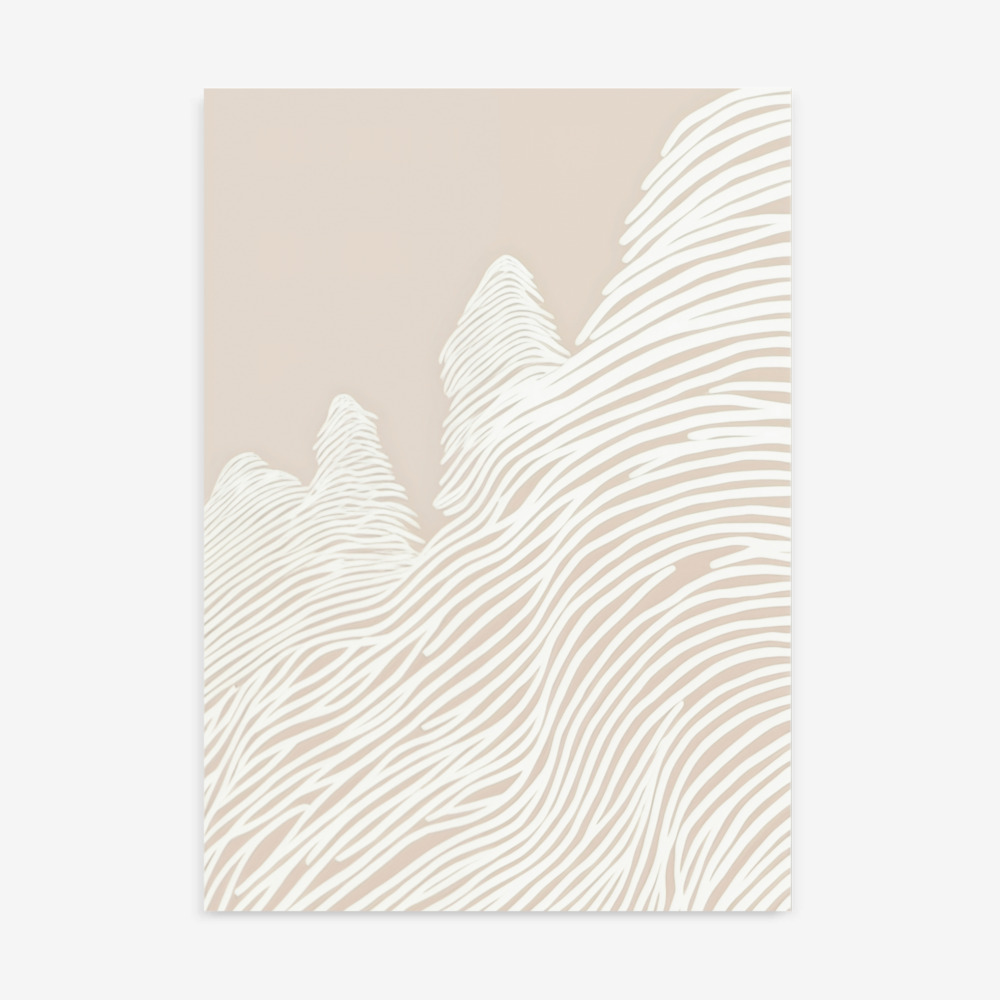
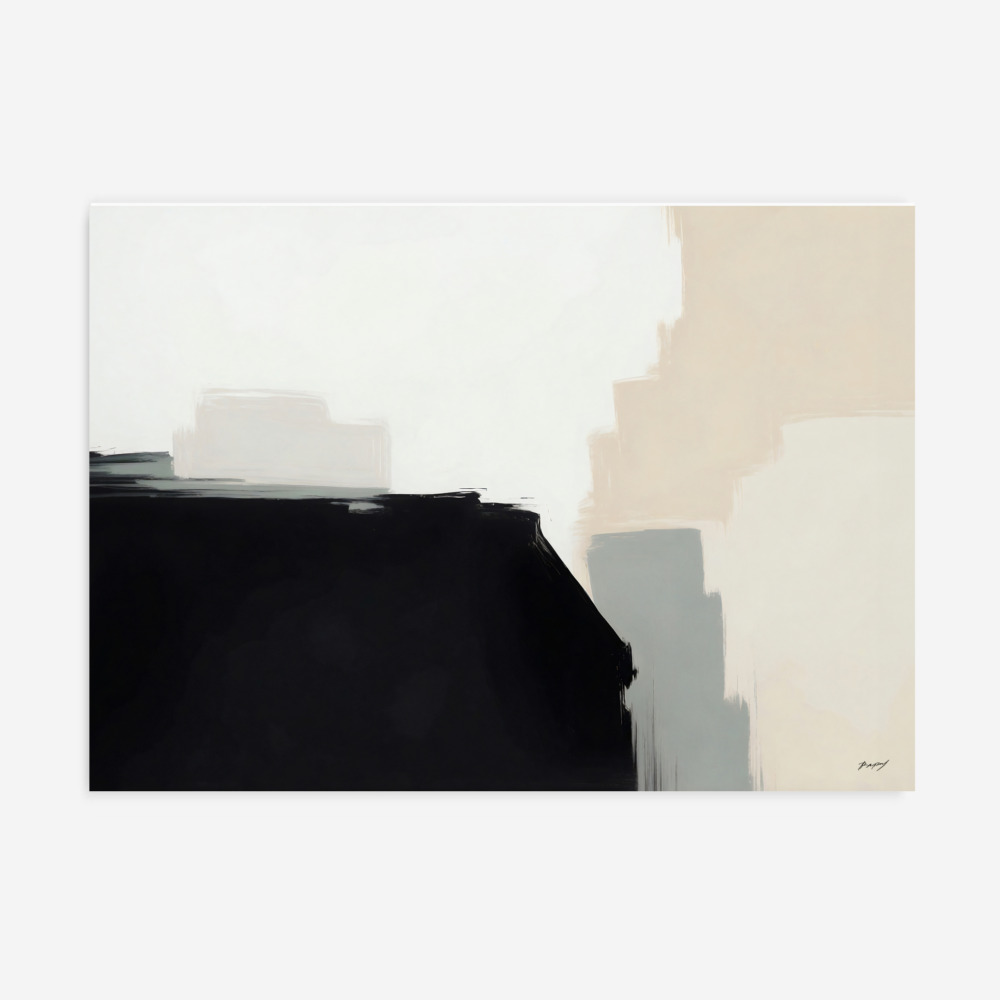
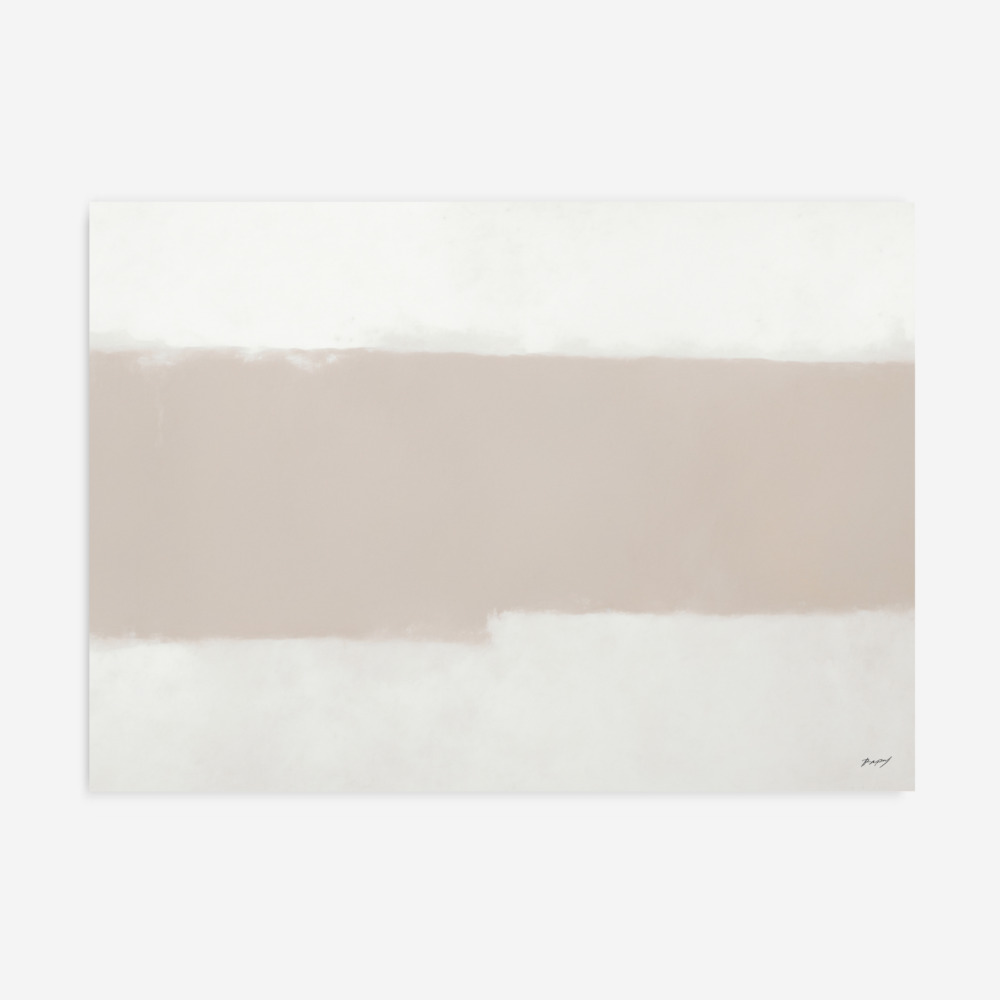
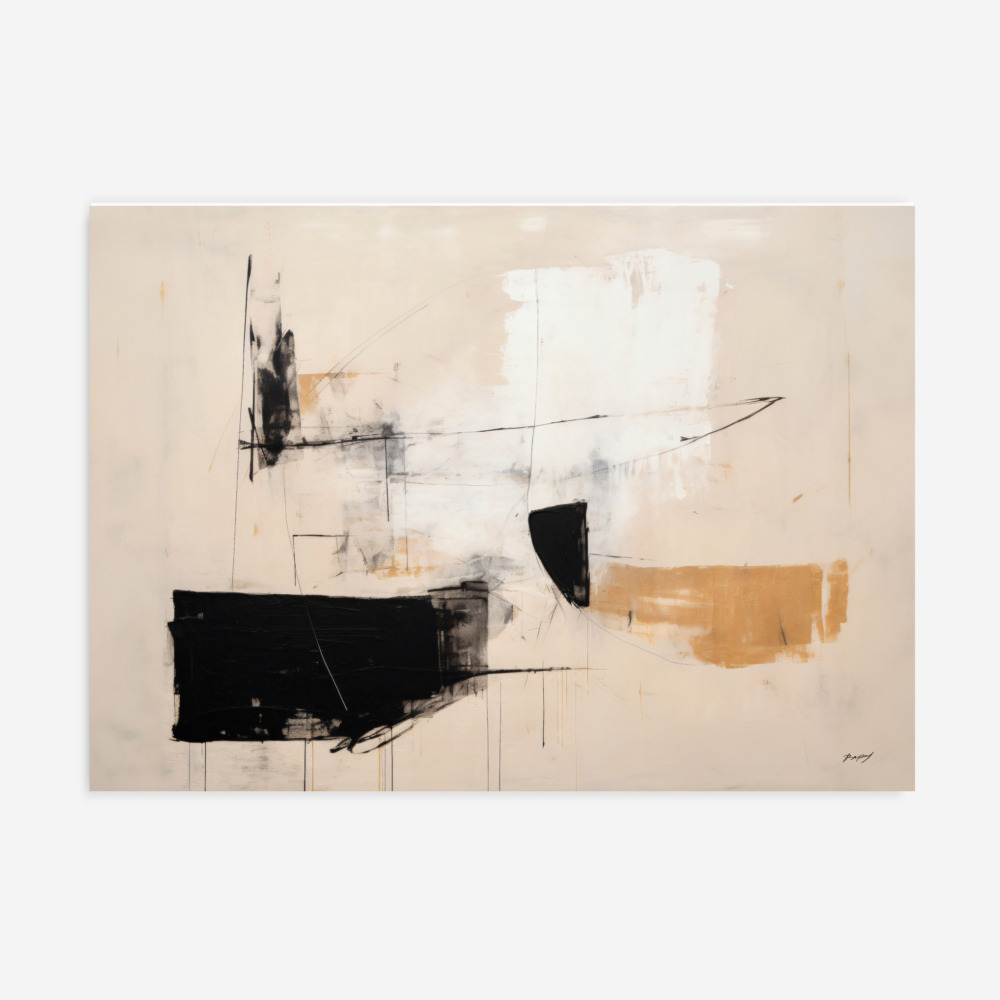
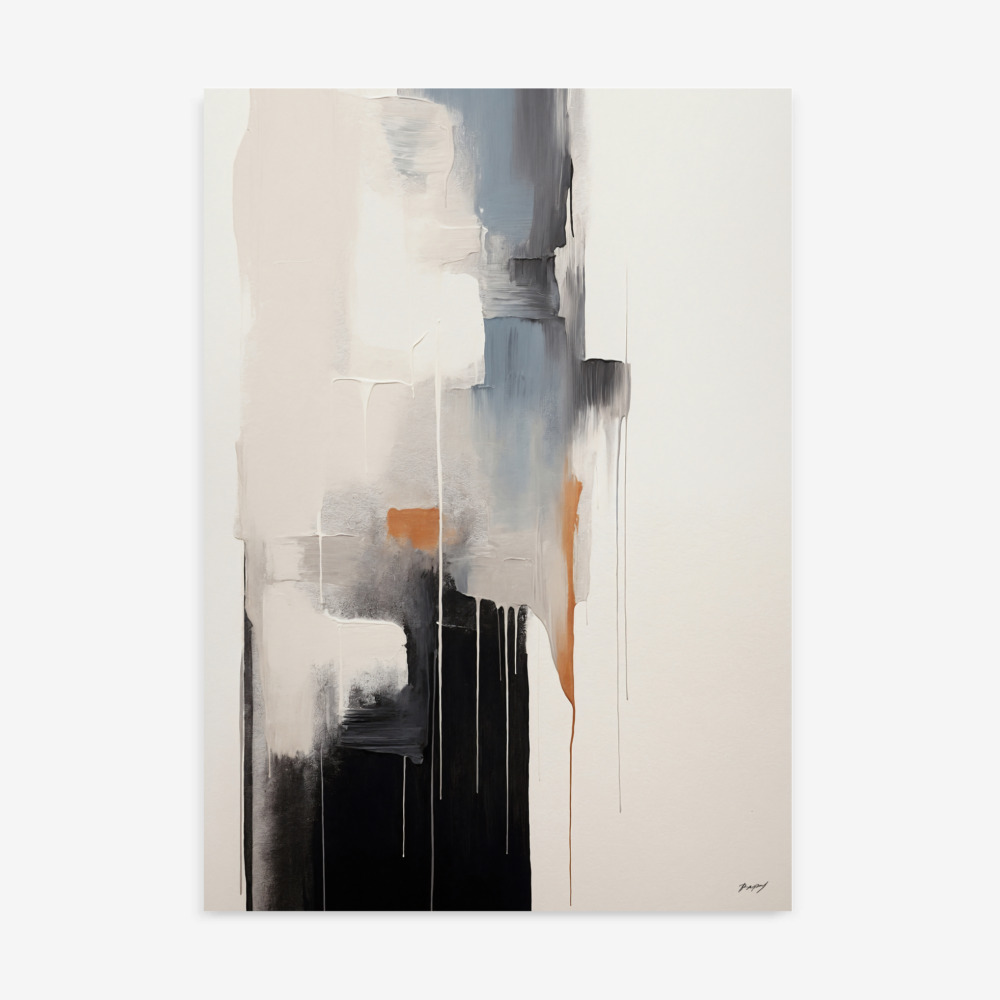
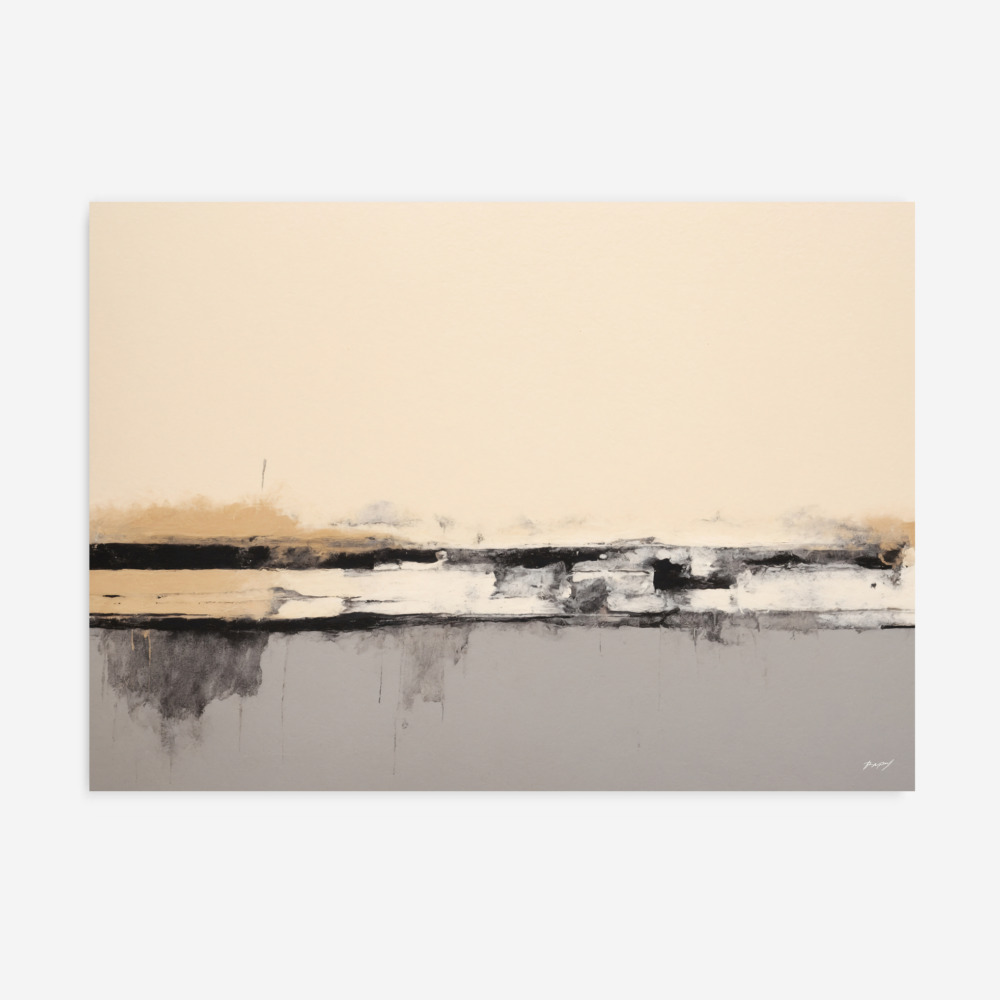
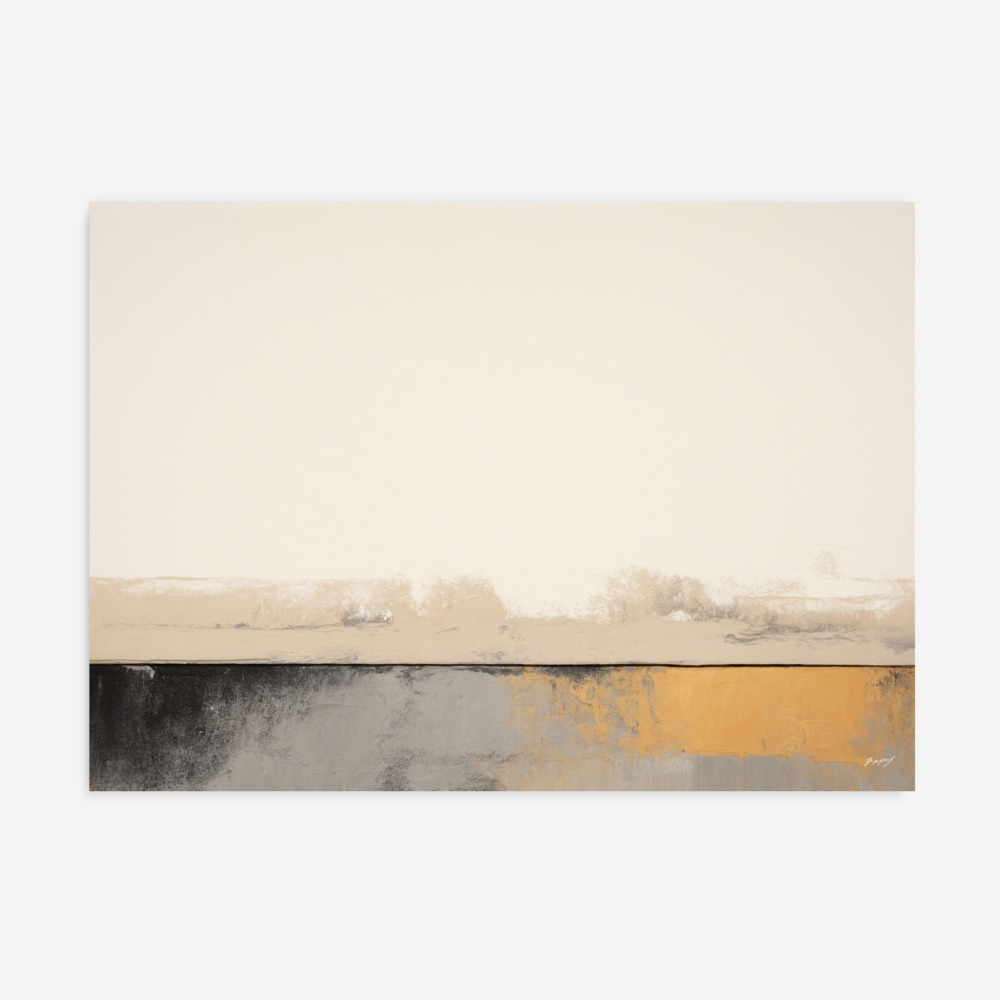
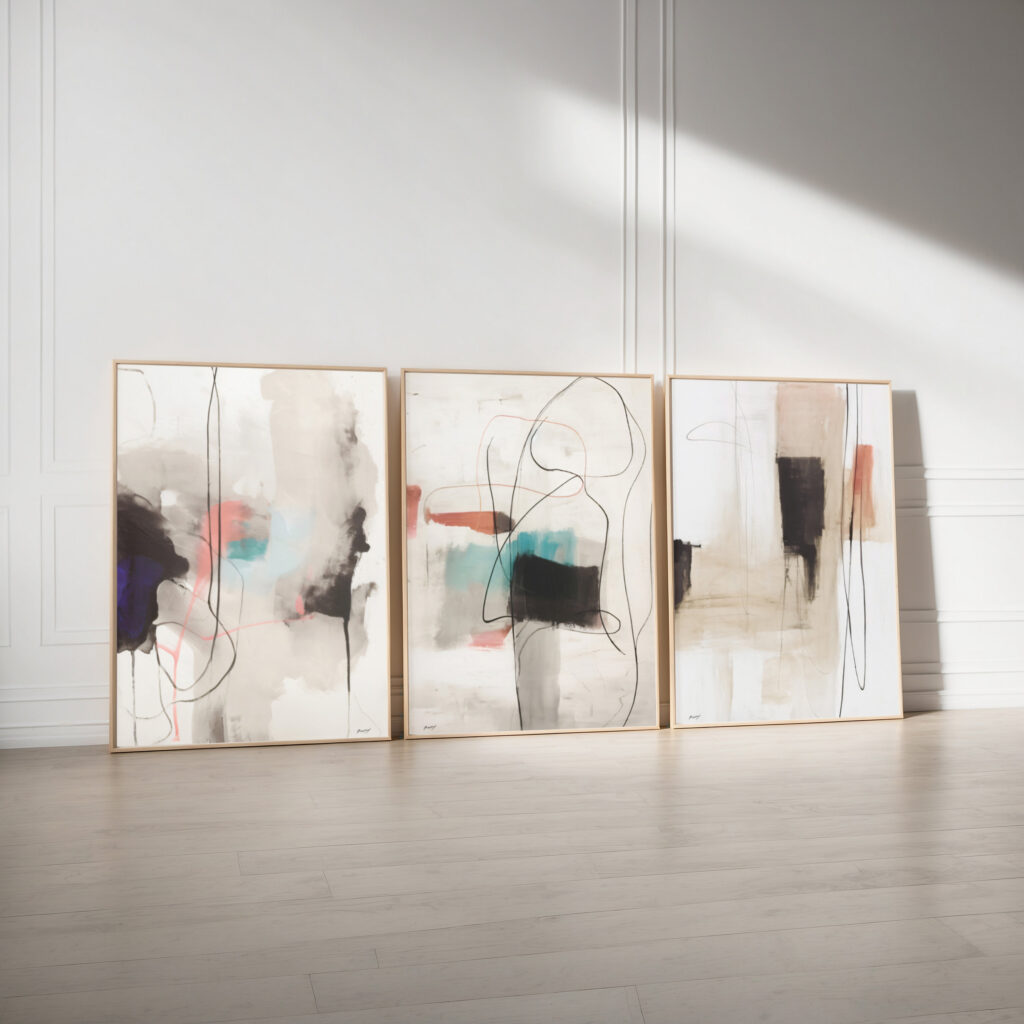
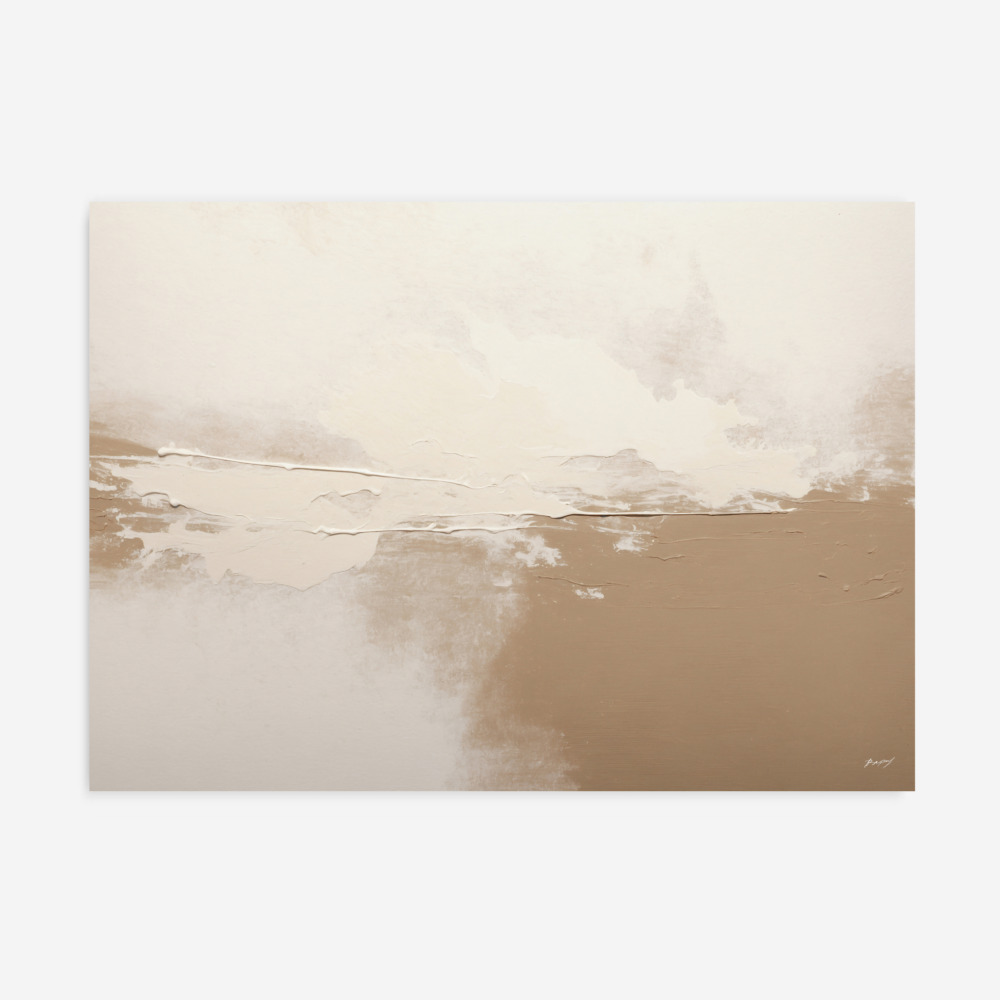
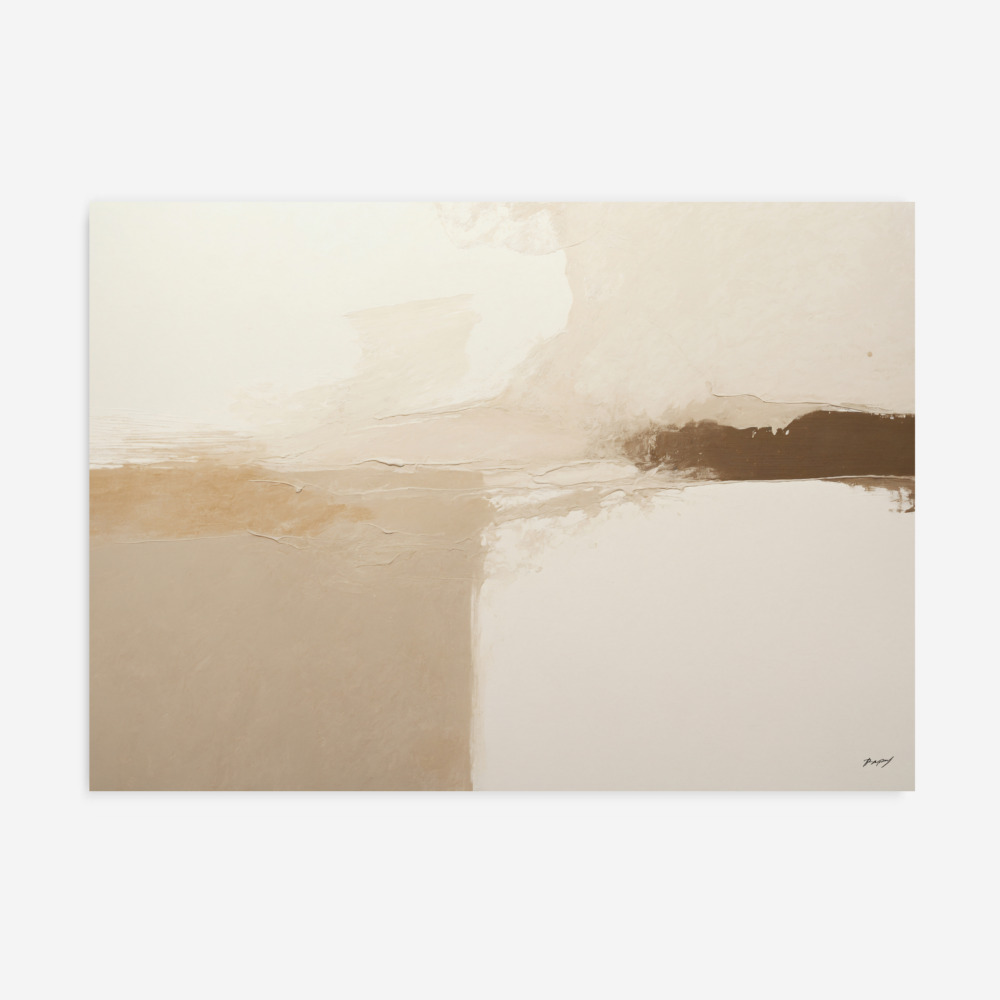
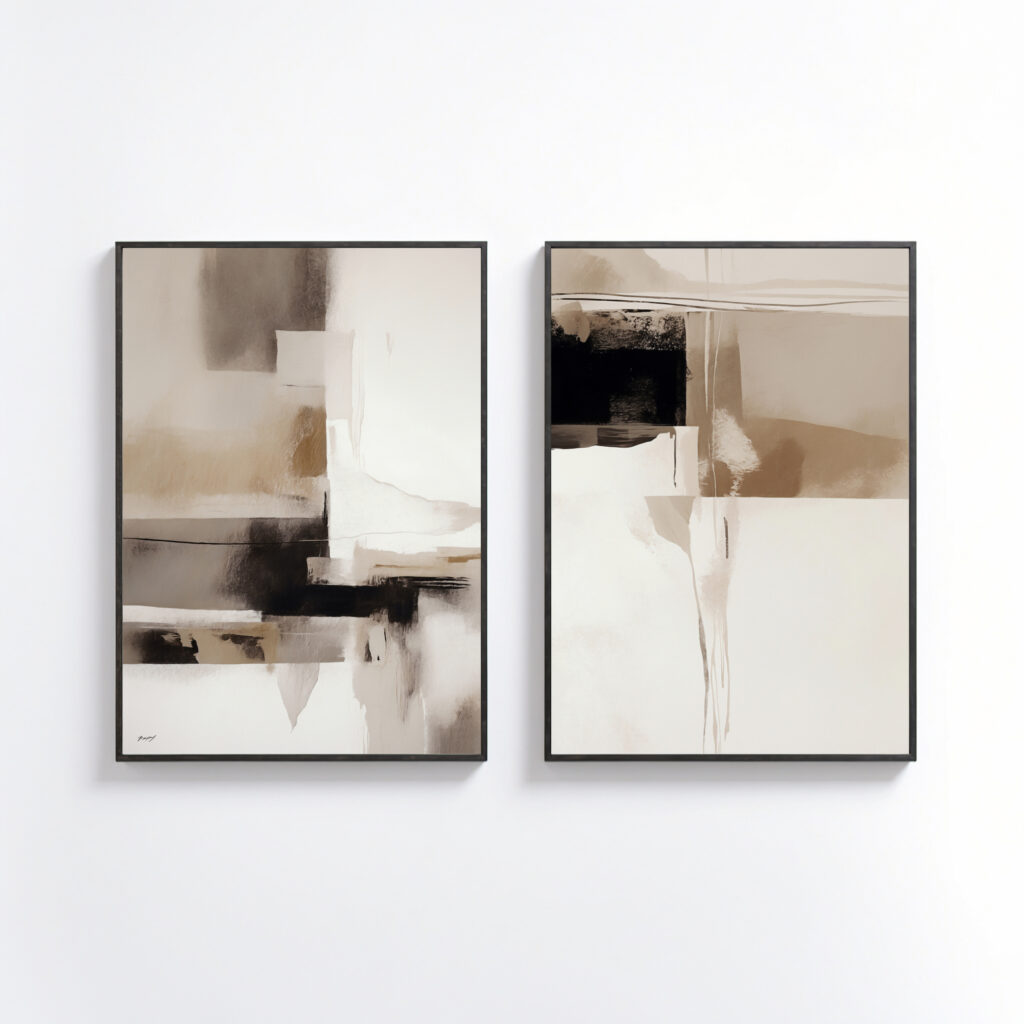
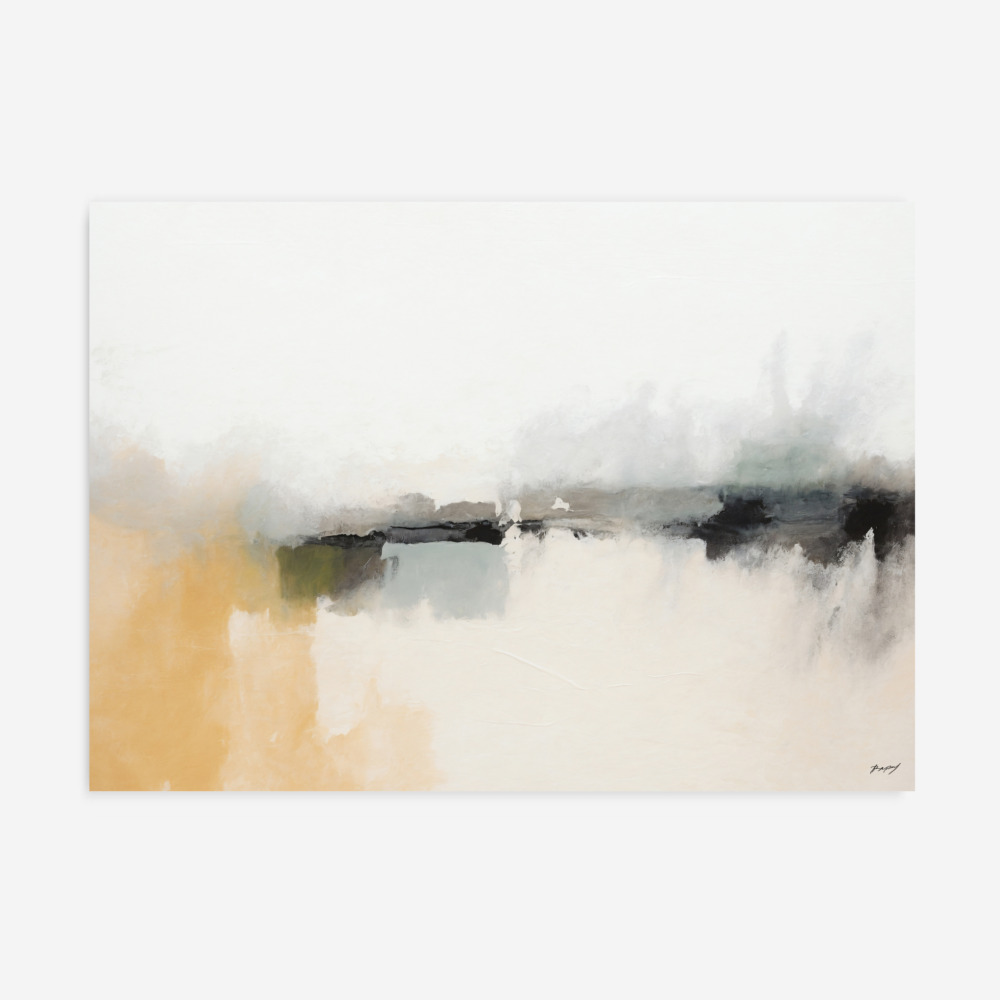
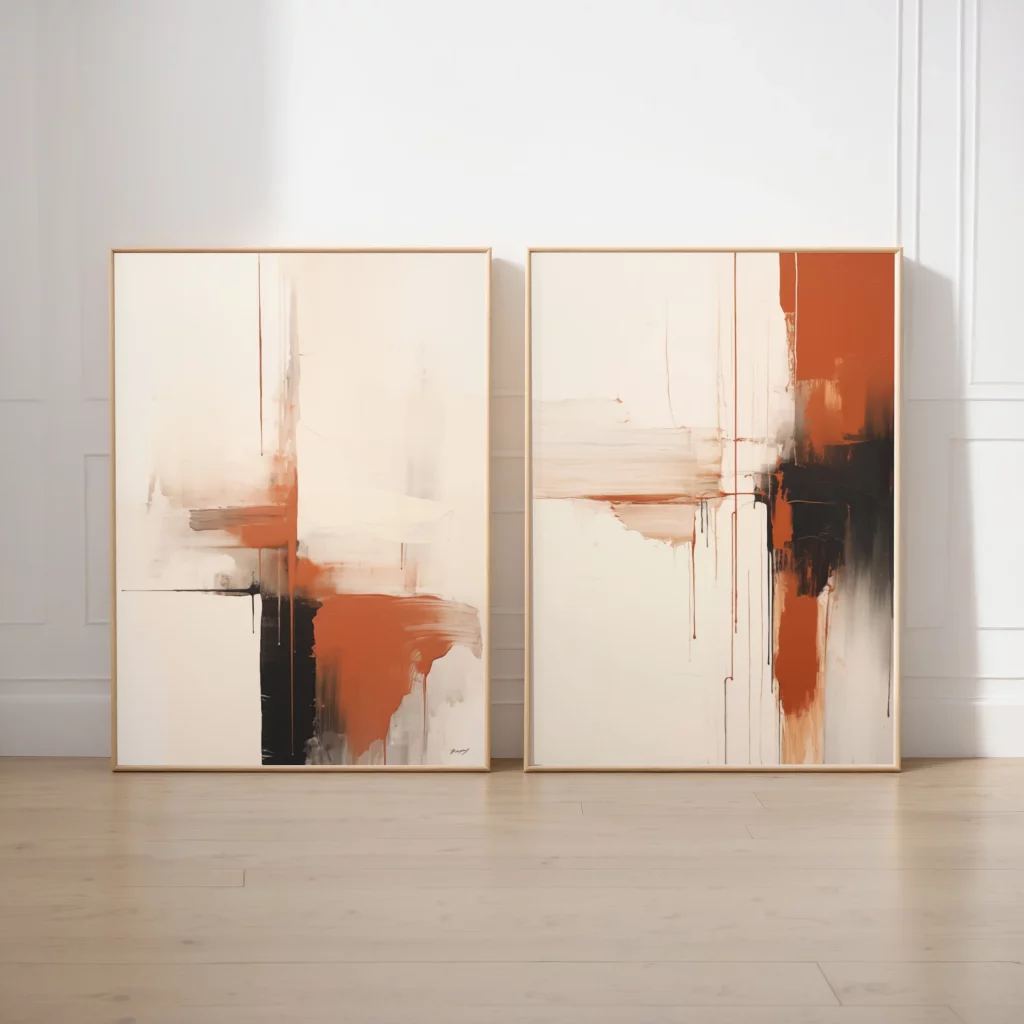
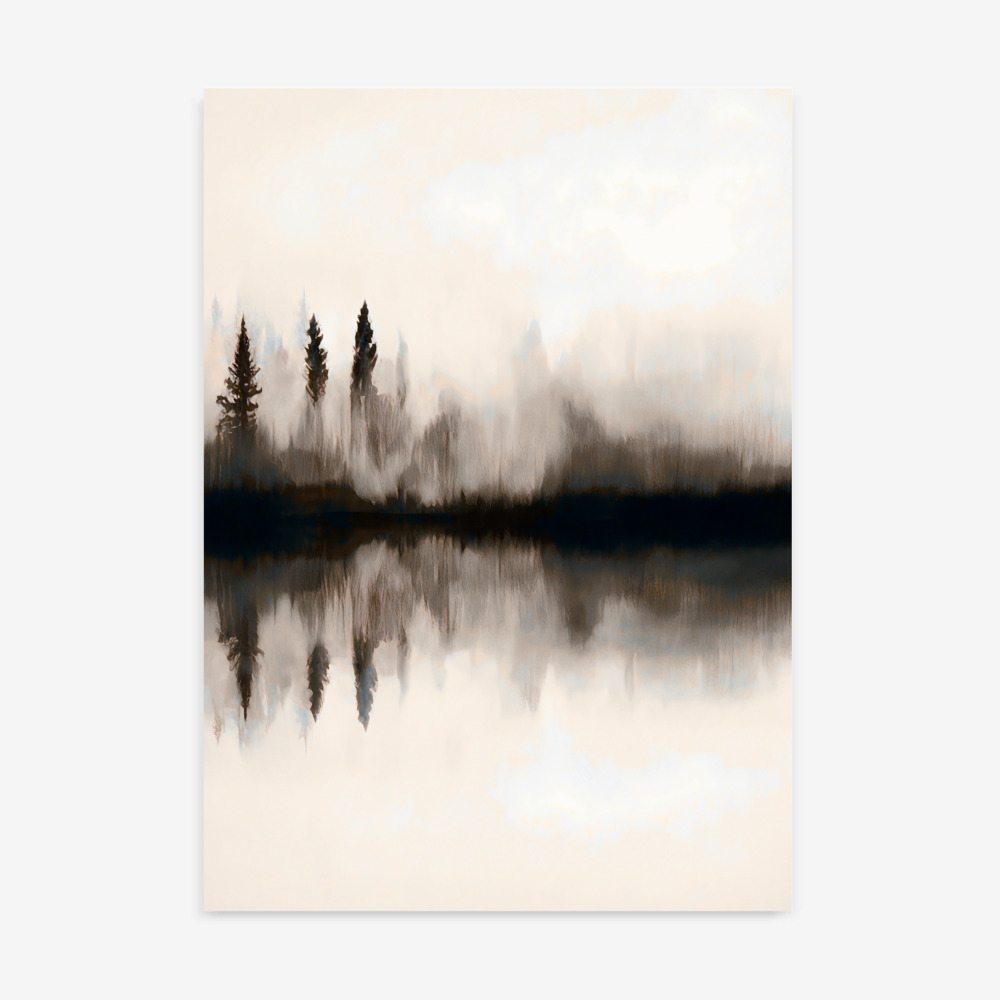
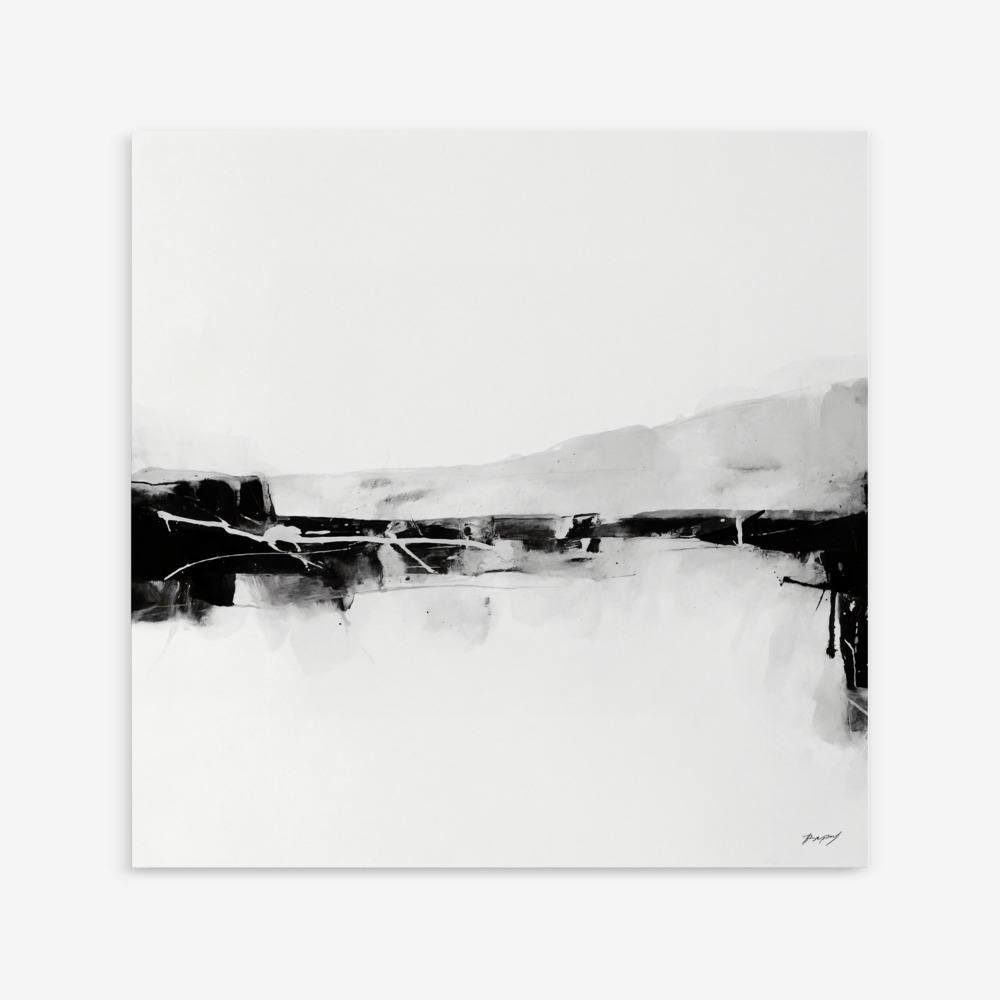
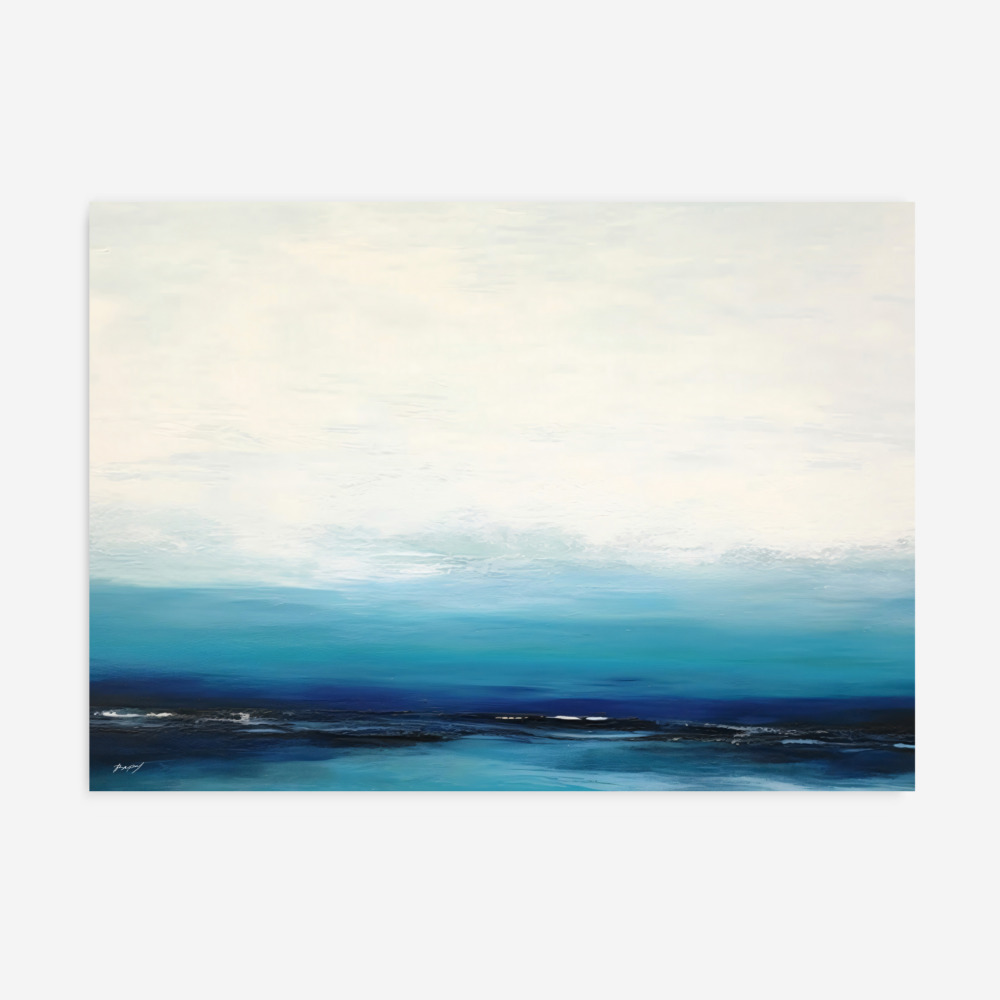
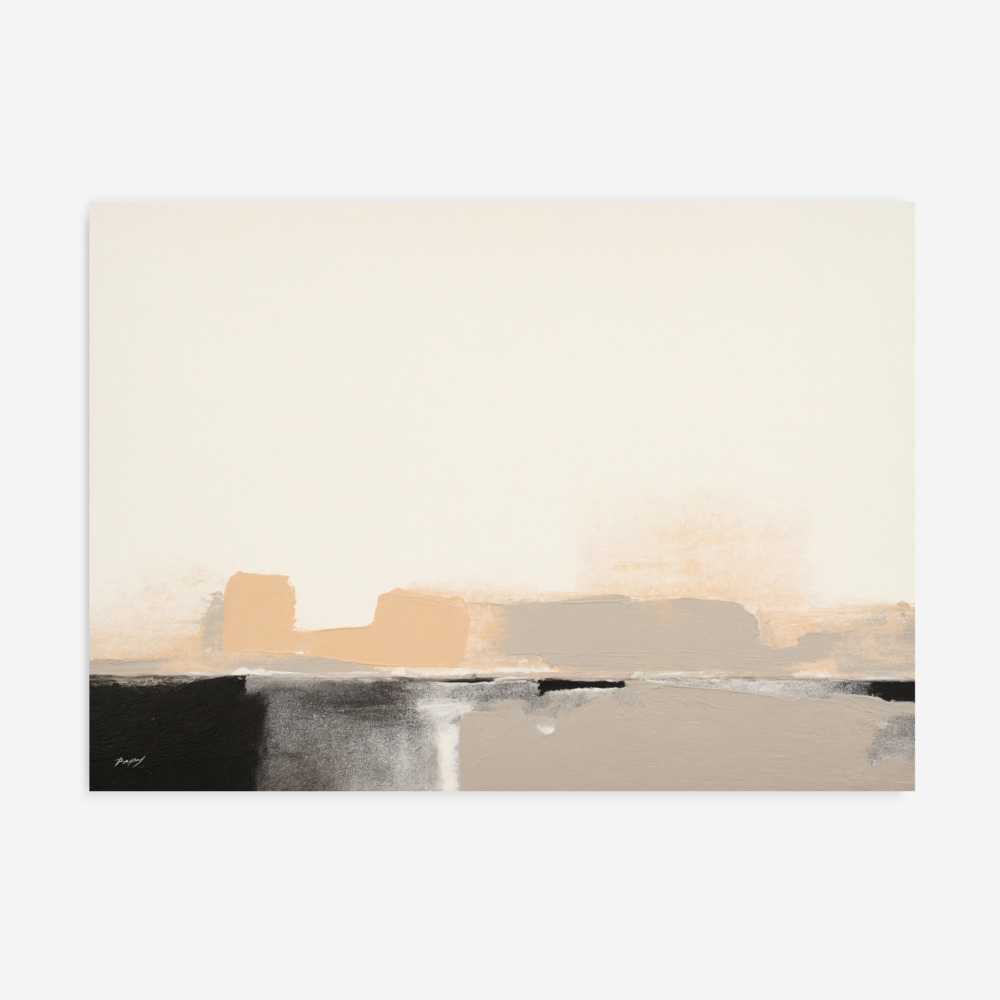
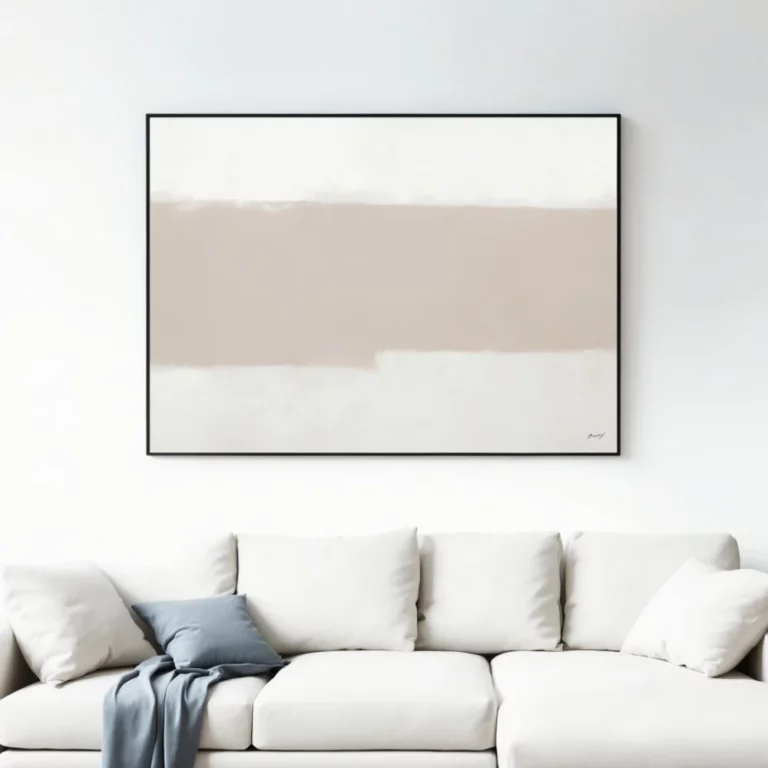
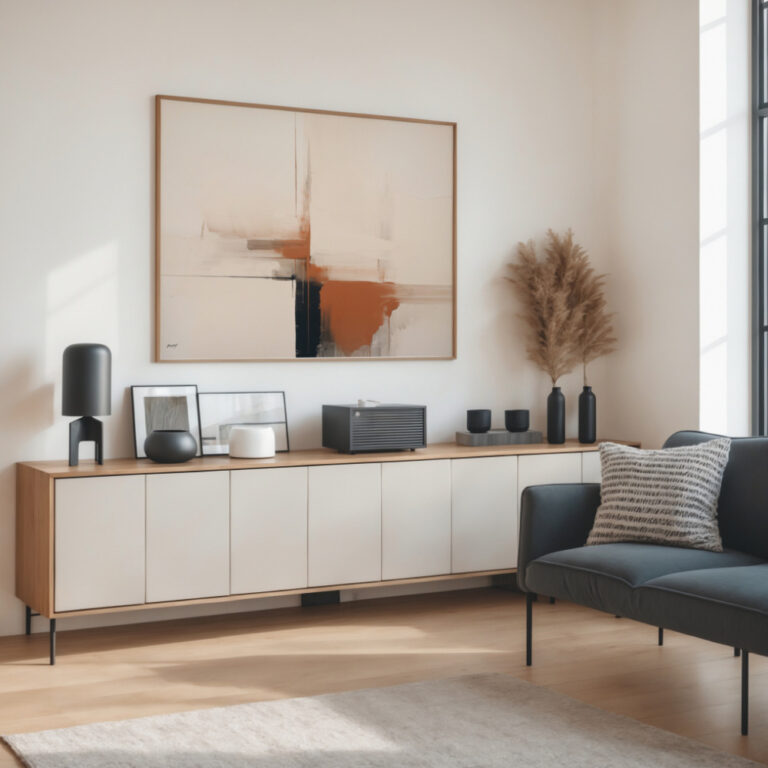
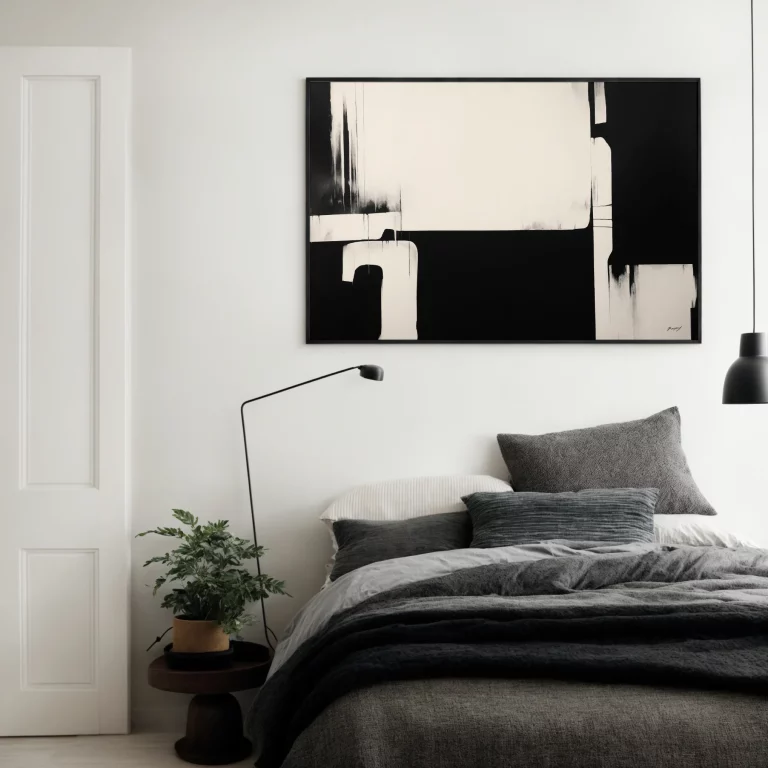
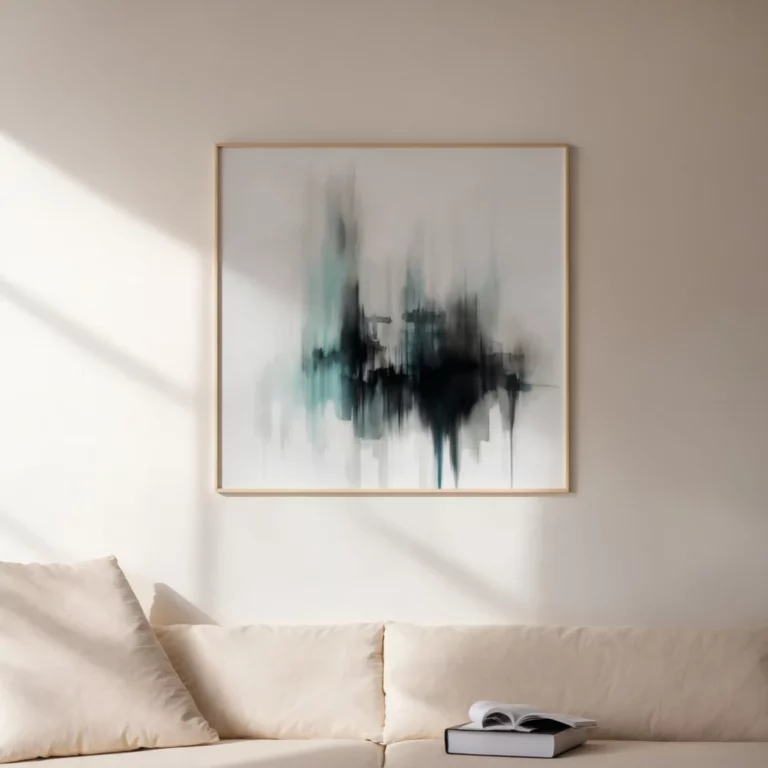
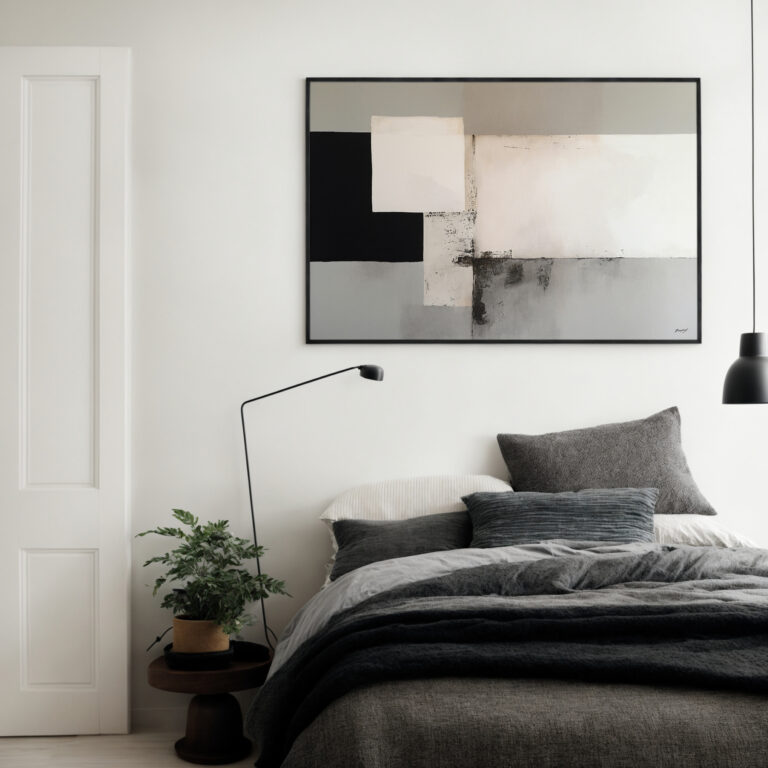
In interior design, scale is the most powerful tool for creating a sense of order. A substantial piece of art provides a visual “anchor,” preventing a large room from feeling sparse or unfinished. This is particularly effective in open-plan living areas where a single horizontal work can define the boundaries of a lounge or dining space. By selecting Abstract Canvas Prints with sweeping movement or bold blocks of color, you create a sophisticated center of gravity that ties your rugs, textiles, and furniture together.
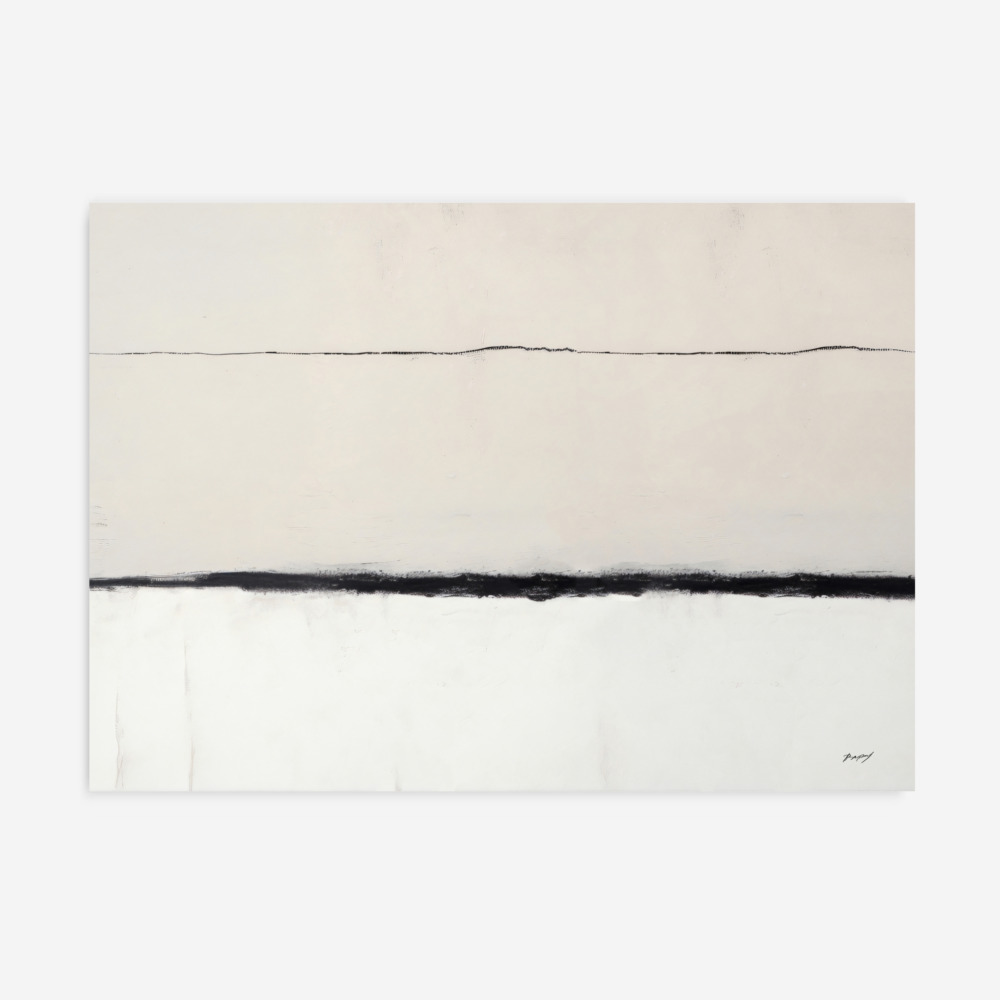
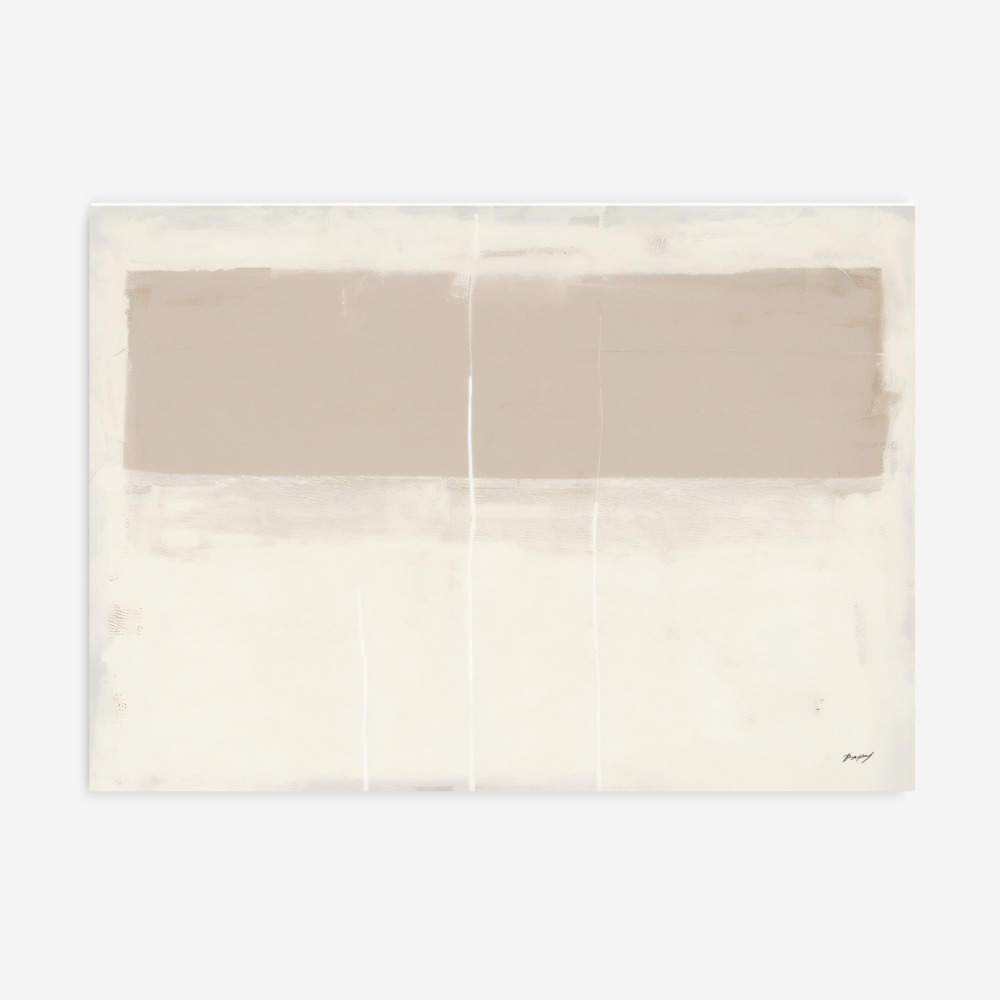
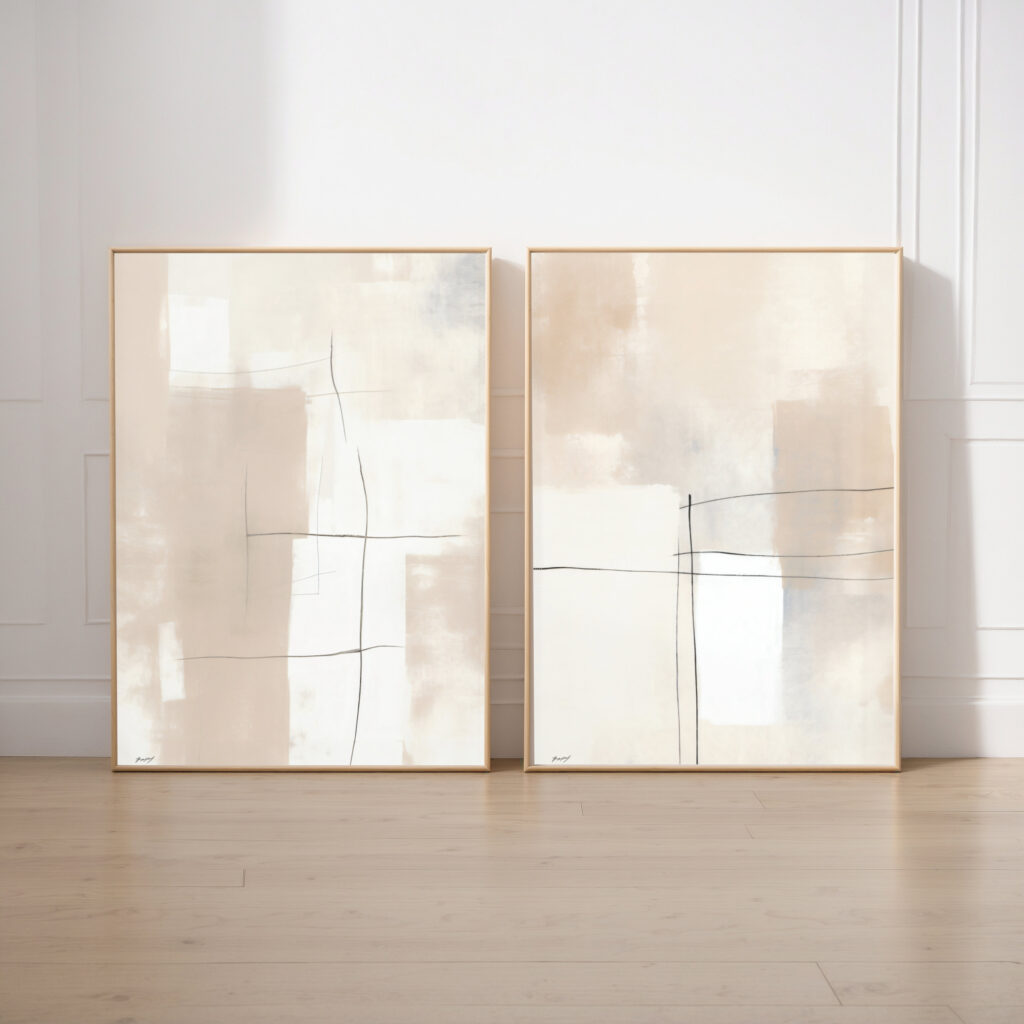
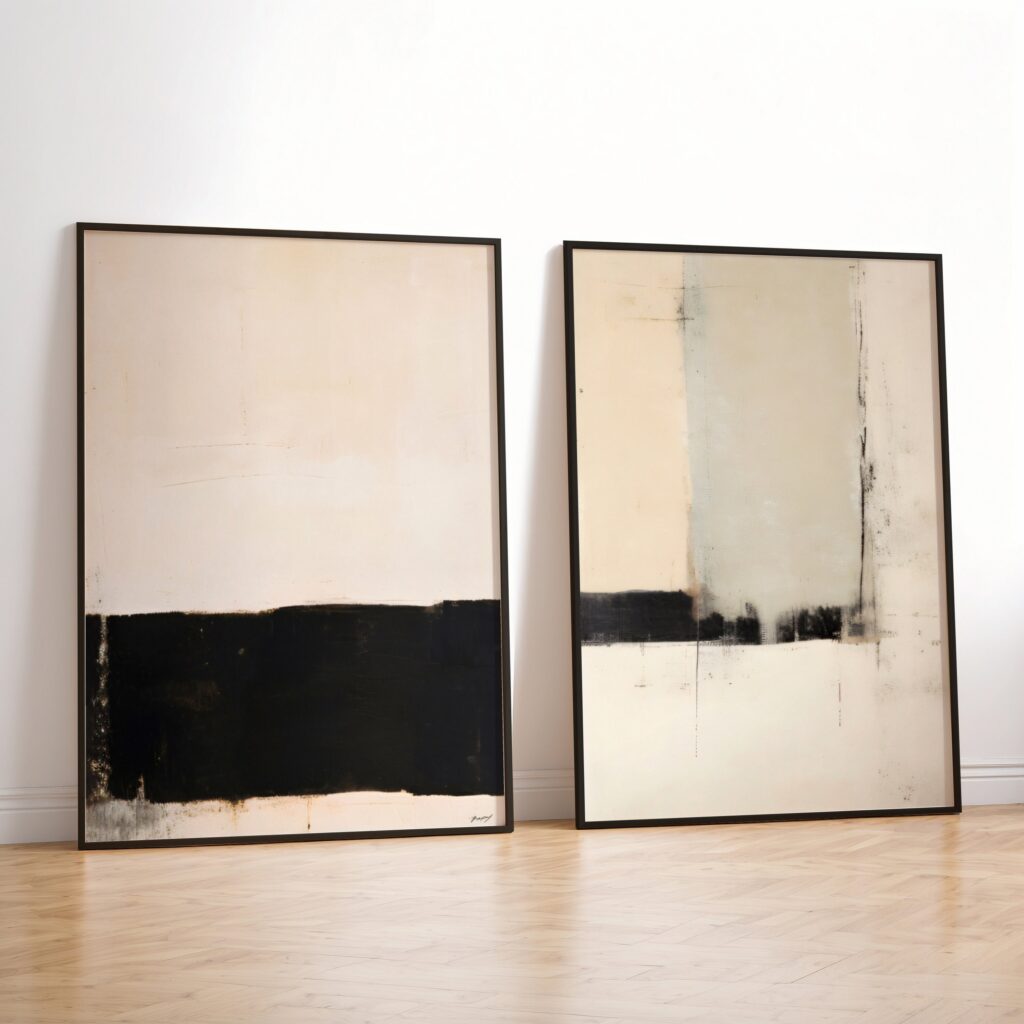
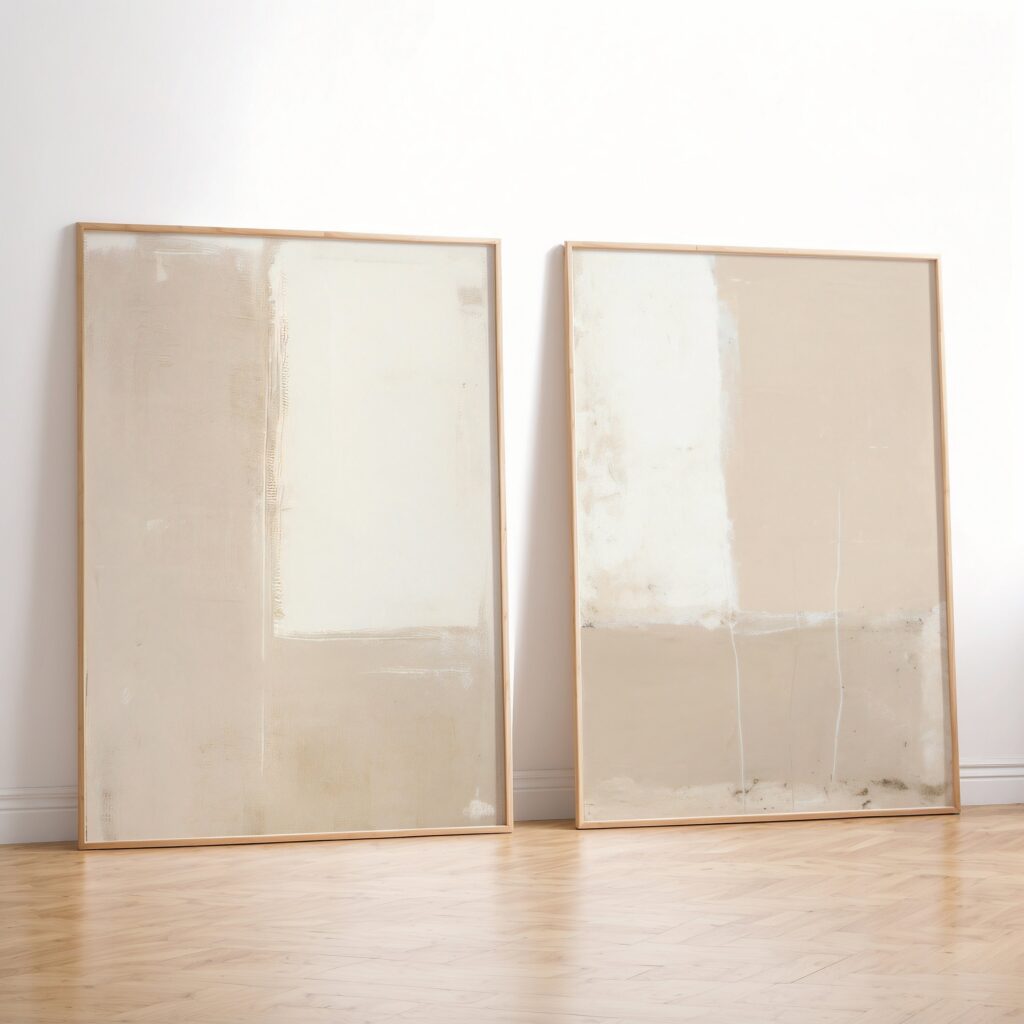
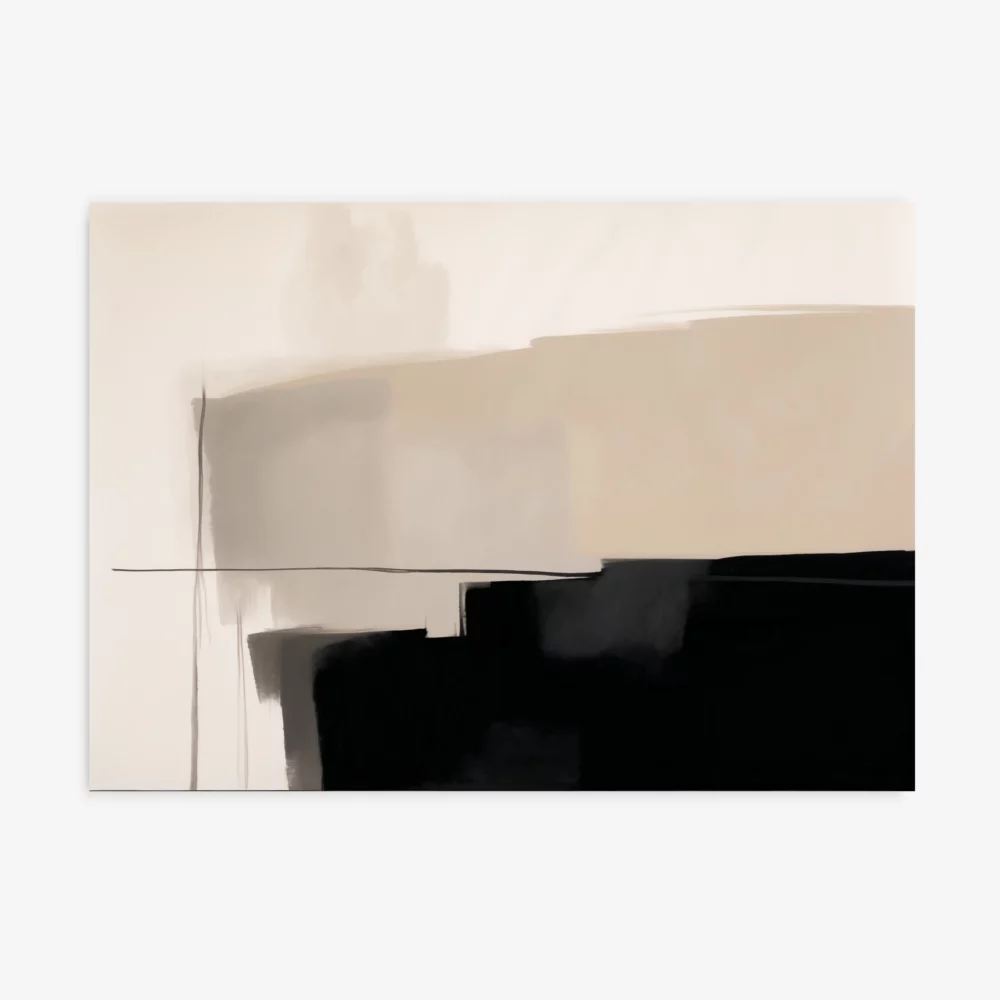
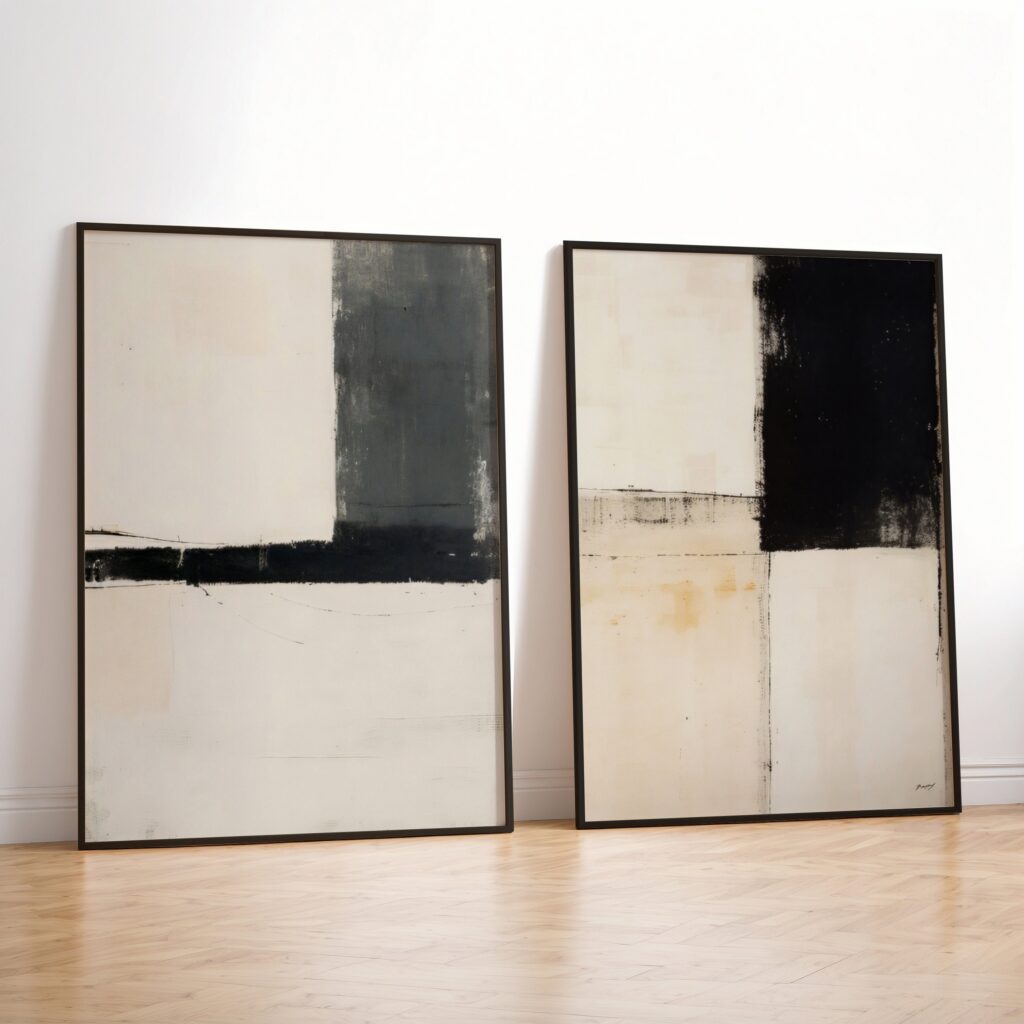
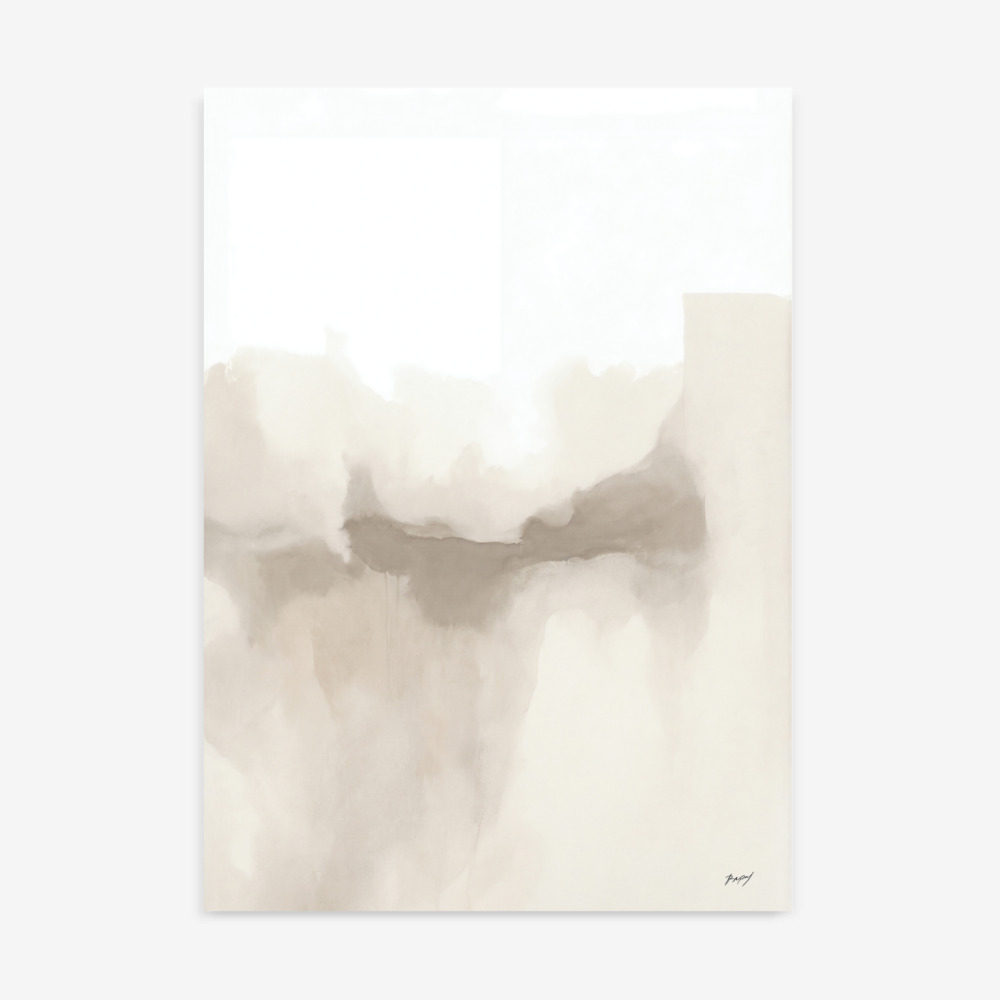
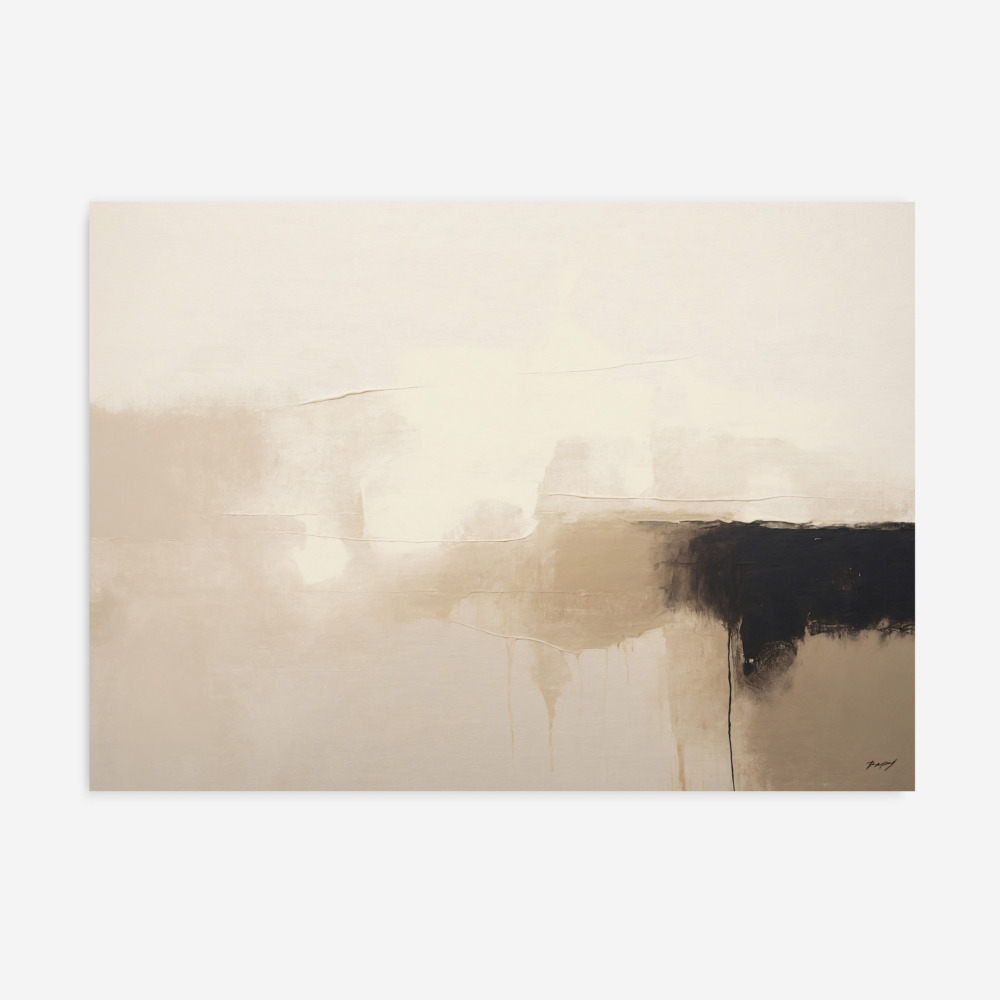
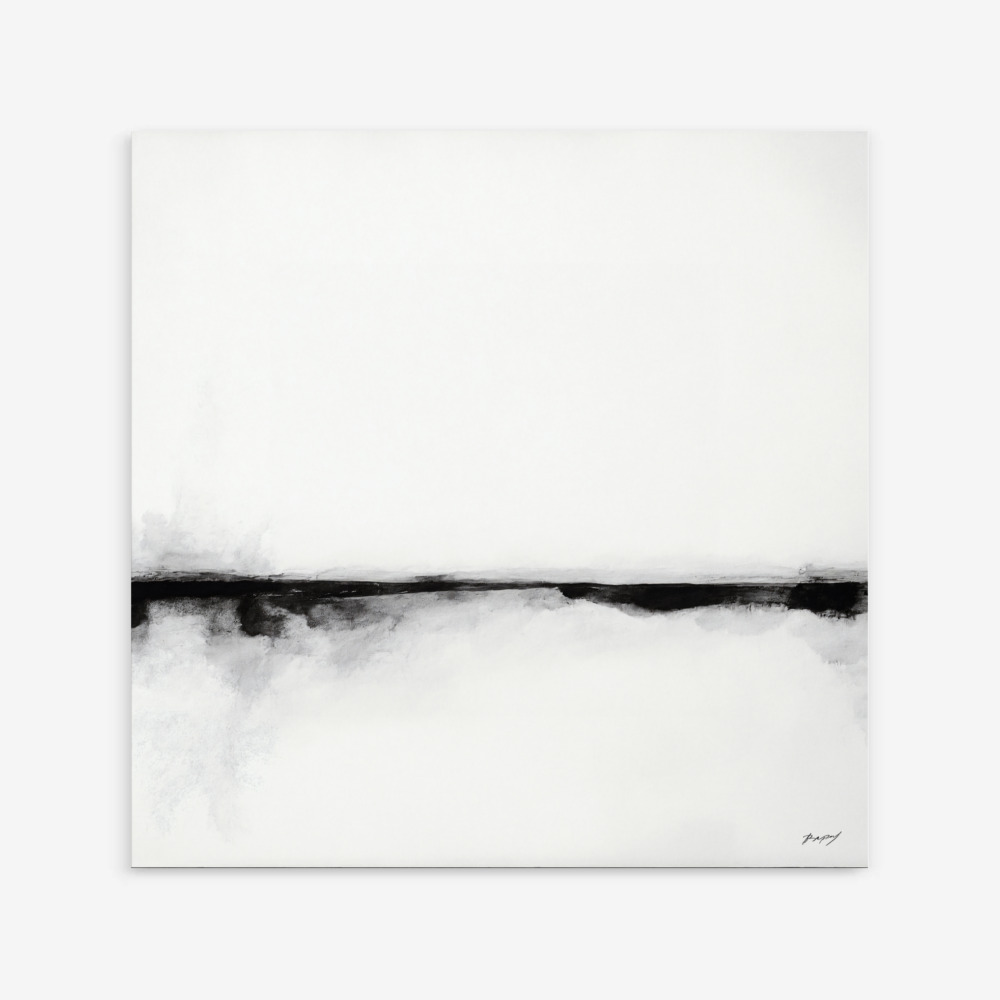
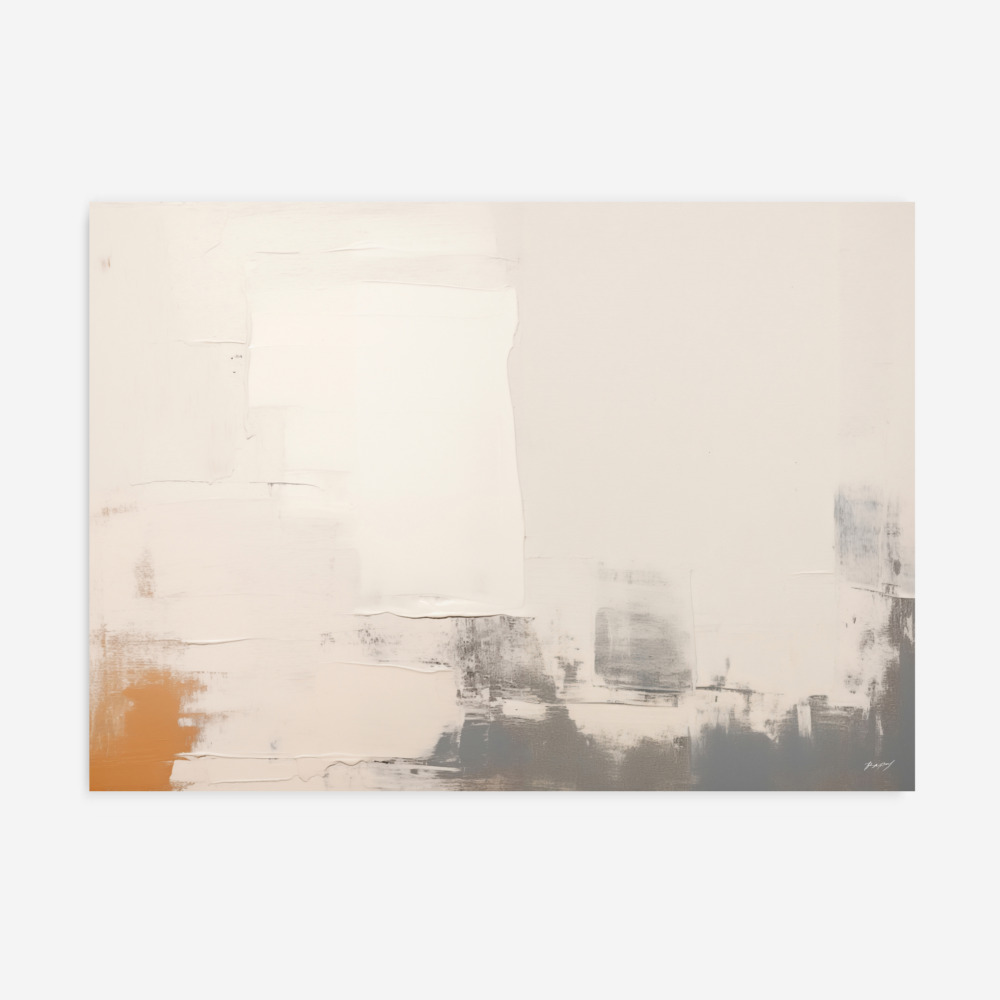
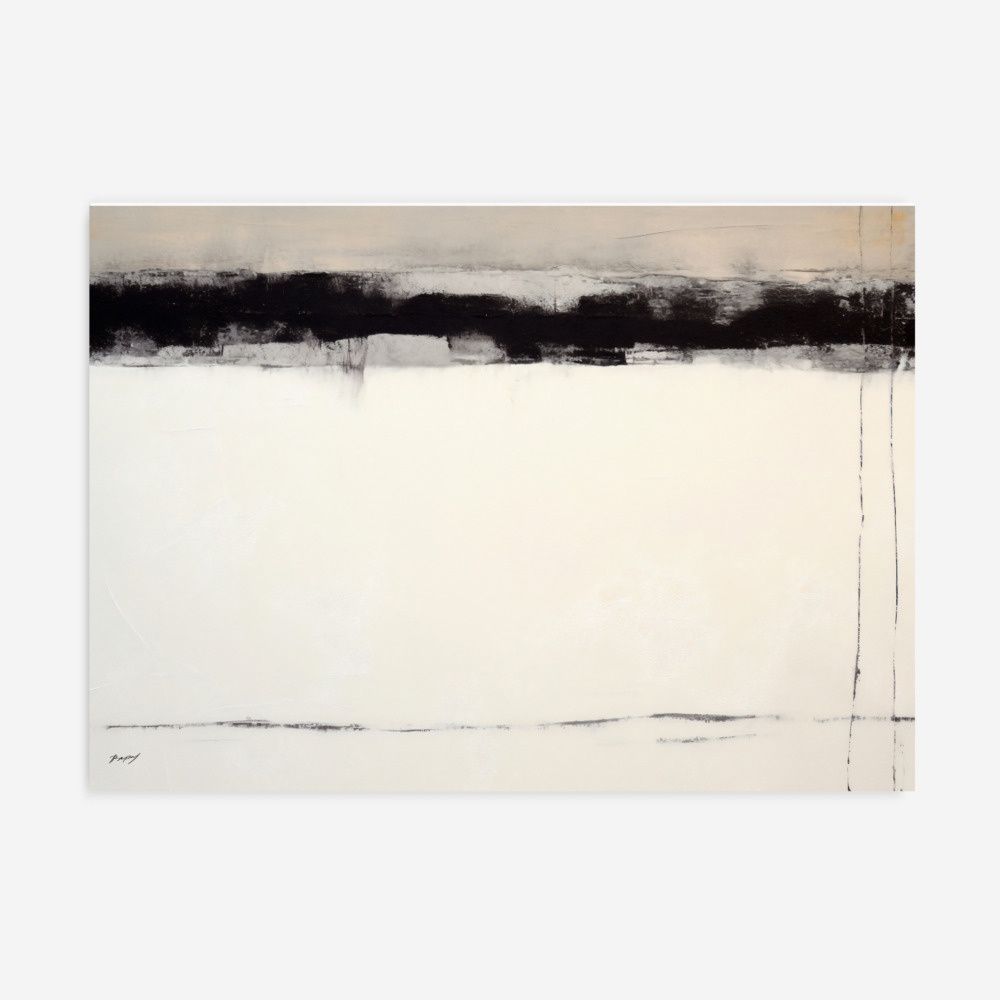
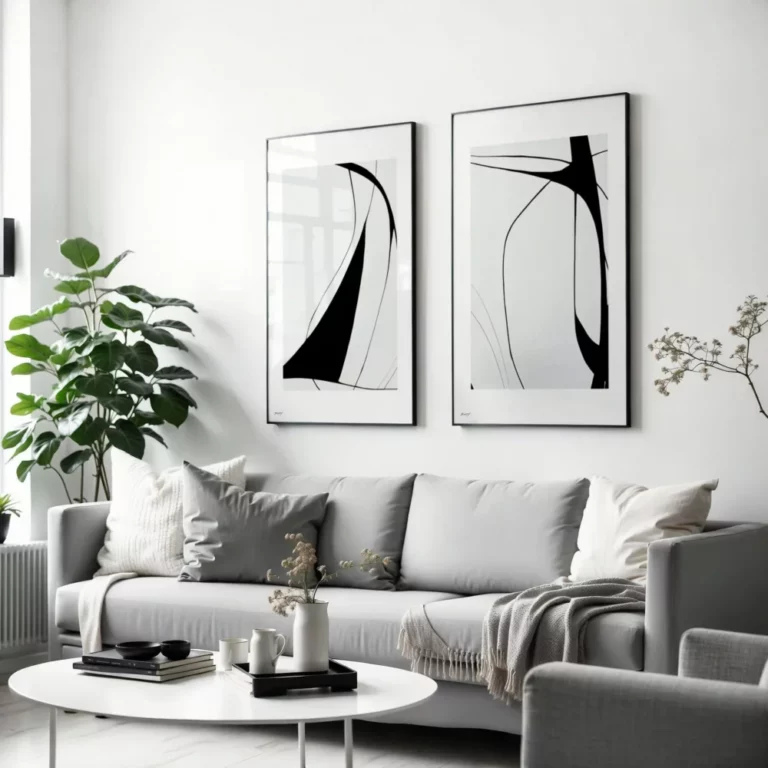
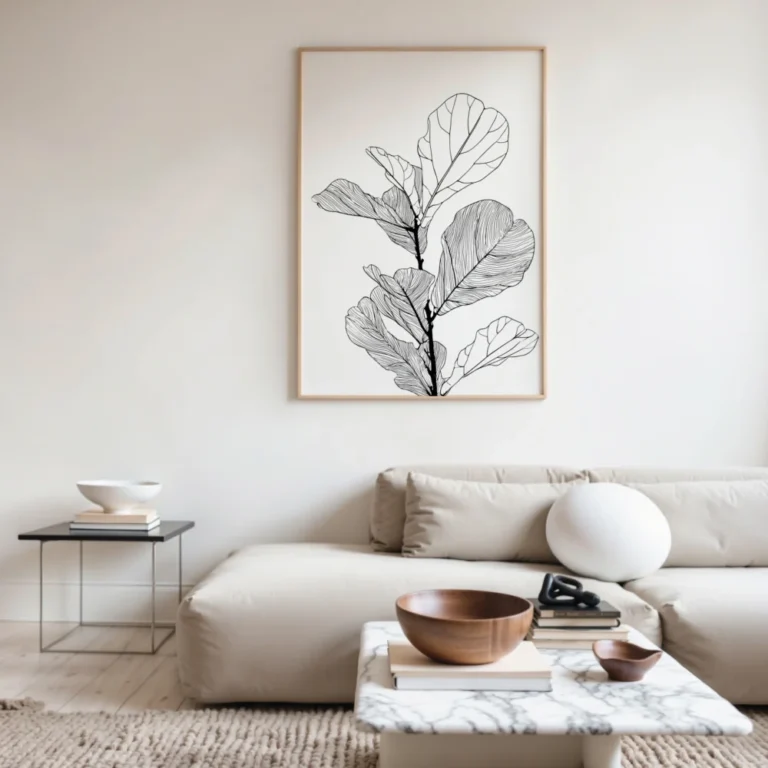
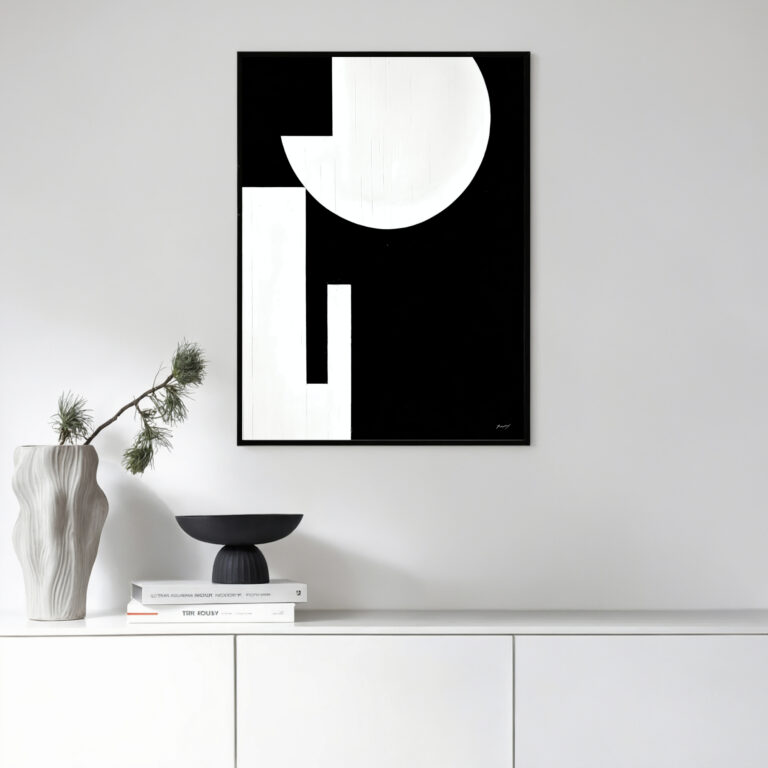
When an image is scaled up, its emotional impact is amplified. For a sharp, architectural look that demands attention without feeling cluttered, Black and White Canvas Prints offer a high-contrast elegance that works in almost any setting. Conversely, if your goal is to create a serene, airy environment, Nordic / Scandinavian wall art provides muted tones and organic forms that keep a large wall from feeling too “heavy.” The key is to match the energy of the art to the function of the room.
One of the most significant advantages of choosing canvas for a grand scale is its weight. Large-scale art behind glass can be incredibly heavy, requiring specialized mounting hardware and reinforced walls. In contrast, Large & Oversized Canvas Prints are remarkably lightweight, making them easier to hang and safer for homes with high-traffic areas. Because the material is glare-free and tactile, you can enjoy the full depth of the image from any angle in the room without the distraction of reflections from windows or lamps.
While “large” depends on your wall size, it generally refers to pieces starting at 24×36 inches. For a true statement over a sofa or a King-sized bed, most designers prefer dimensions like 30×40 inches or 40×60 inches to ensure the art doesn’t look dwarfed by the furniture.
Surprisingly, yes. Using one large piece can actually make a small room feel bigger and less cluttered than a collection of many small frames. It creates a singular, clean focal point that expands the visual boundaries of the space.
The “eye-level” rule is standard—roughly 57 to 60 inches from the floor to the center of the piece. If hanging above a sofa or headboard, ensure there is a 6 to 10-inch gap between the bottom of the frame and the furniture to keep the arrangement cohesive.
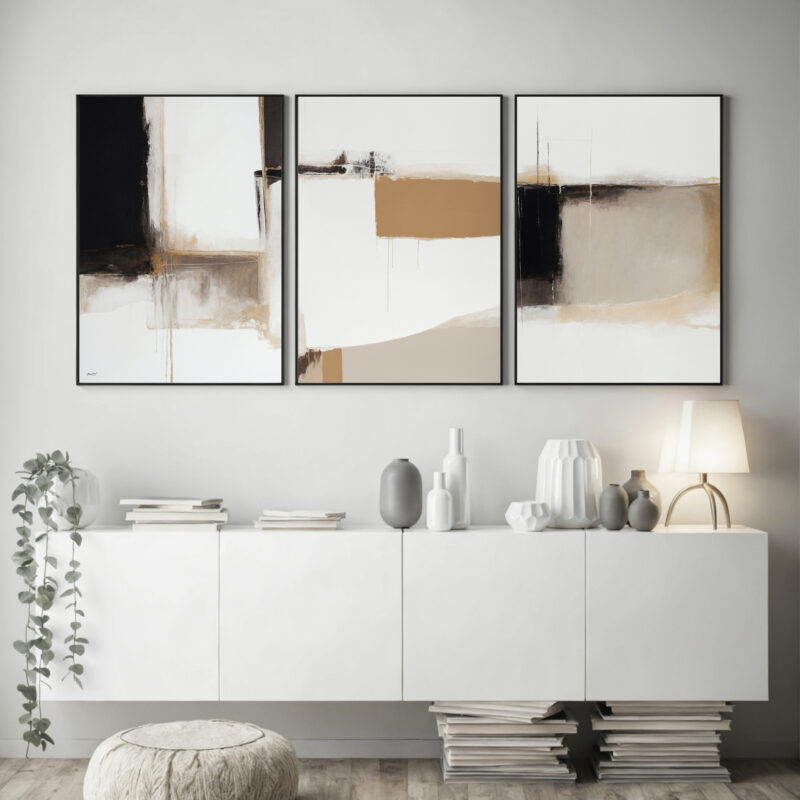
A single large canvas offers a bold, uninterrupted focus. A multi-panel set (like a triptych) covers the same amount of wall space but adds a sense of rhythm and can be easier to transport and install in narrow hallways or staircases.
They do not strictly “need” them. A “gallery wrap” where the image continues around the sides is a classic modern choice. However, a “floating frame” can add a touch of luxury and help a large piece stand out even more against your wall color.
Quality matters. Ensure your art is stretched over solid, kiln-dried wooden stretcher bars. This prevents the frame from warping or the fabric from slackening over time, even at significant scales.
Maintenance is very simple. Use a dry, soft microfiber cloth or a feather duster to gently wipe the surface. Avoid using any liquids or cleaning chemicals, as these can damage the protective archival coating.
Art Collections