Limited Time: 20% Off All Prints
Free worldwide shipping on orders over $69
Delivery 4-12 business days
Home / Trending Art Styles / Beyond Decoration: How Curated Aesthetics Are Transforming Today’s Living Spaces
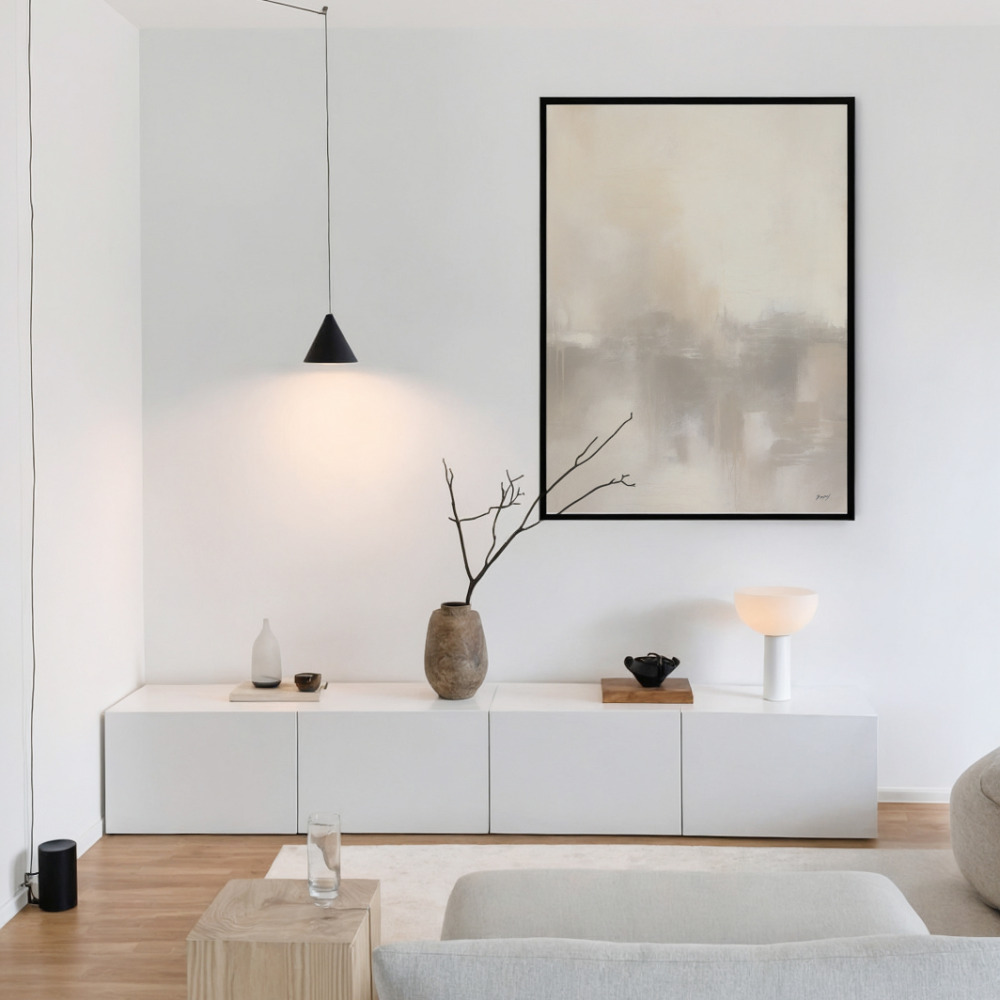
There has been a profound shift in the way we perceive our domestic environments over the last few years. The home is no longer just a place to sleep and eat; it has become a sanctuary, a multi-functional office, and, most importantly, a reflection of our internal world. This evolution has led many to move away from generic, mass-produced decor toward a more intentional approach known as Modern Gallery Art. When you choose to buy art prints online, the goal is no longer simply to “fill a hole on the wall.” Instead, homeowners are looking for pieces that carry visual weight, evoke emotion, and transform a room into a curated experience. This movement isn’t just about the art itself—it’s about the space between the pieces, the quality of the materials, and the deliberate choice to prioritize quality over quantity.
In this exploration, we will dive deep into why the gallery-style aesthetic is dominating modern interiors. We will look at the psychological benefits of curation, the influence of minimalist design on our artistic choices, and practical ways to turn your own living space into a sophisticated gallery that feels both elevated and deeply personal.
To understand the rise of the gallery look, we must first define what it actually means. Gallery-style art is not defined by a specific price tag or a prestigious artist’s name. Rather, it is defined by intentionality. It is the move from “decorating” to “curating.” While decorative art is often chosen because it matches the color of a rug or a sofa, gallery-style art is chosen because it possesses a strong composition and a sense of presence.
The hallmark of this style is the museum-inspired presentation. This includes the use of high-quality Giclée printing, substantial paper weights, and thoughtful framing that allows the artwork to sit with a sense of authority. In a gallery setting, every piece has “breathing room.” It is not crowded by smaller trinkets or overwhelmed by busy wallpaper. The focus is on the interplay of light, shadow, and form. By bringing this mindset into the home, we stop treating art as an afterthought and start treating it as the lead protagonist of the room’s identity.
The trend toward a gallery-like home is a cultural response to an increasingly cluttered digital world. As our screens become more saturated with information, our physical spaces crave the opposite: clarity and focus. We are seeing a generation of homeowners who are heavily influenced by the “boutique hotel” aesthetic and the clean, serene environments of contemporary art museums.
Modern life is loud. A curated home is quiet. By adopting a gallery-style approach, we create a “visual silence” that allows the mind to decompress. We are seeing a move away from the “cluttered shelves” era of the 2010s toward a more streamlined, architectural approach. People want their homes to feel expressive, but they want that expression to be focused. We no longer want a hundred small things; we want five meaningful things that tell a coherent story about who we are and what we value.
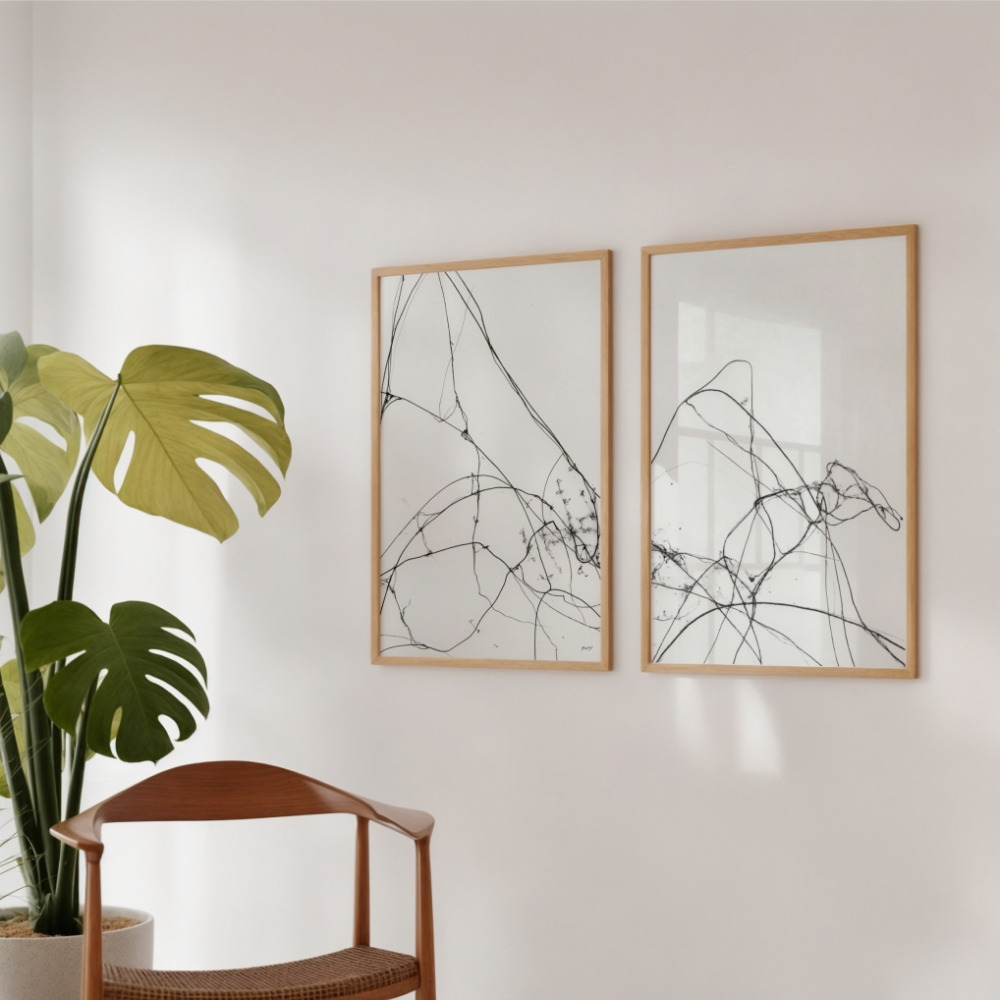
This shift is inseparable from the continued dominance of modern and minimalist architecture. Today’s homes often feature open-plan layouts, floor-to-ceiling windows, and a palette of natural materials like concrete, oak, and stone. These “clean” architectural bones provide the perfect backdrop for Modern Gallery Art.
In a minimalist interior, every object is amplified. Because there is less furniture and fewer knick-knacks, the art on the wall carries a much larger responsibility. It must provide the “soul” of the room. Minimalist design teaches us that space is a luxury. In a gallery, the white wall is just as important as the painting hanging on it. By applying this to our homes, we learn to appreciate the “negative space.” This creates an environment where the eye isn’t constantly jumping from one object to another but is instead allowed to land and linger on a single, powerful image.
The transition from being a decorator to being a curator requires a change in how we shop for our homes. Decorating is often impulsive; curation is patient. Curation is about finding a thread—a common theme that ties different rooms together. This could be a shared color palette, a consistent framing style, or a recurring subject matter, such as minimalist artwork.
Visual confidence comes from making bold choices. A curator isn’t afraid of a large blank wall; they understand that one large, impactful piece of modern wall art is often more effective than ten small ones. This approach builds a home that feels “collected” over time rather than “bought” in a single weekend. It reflects a level of maturity in design, where the homeowner trusts their own taste enough to let a single piece of art define the mood of a space.
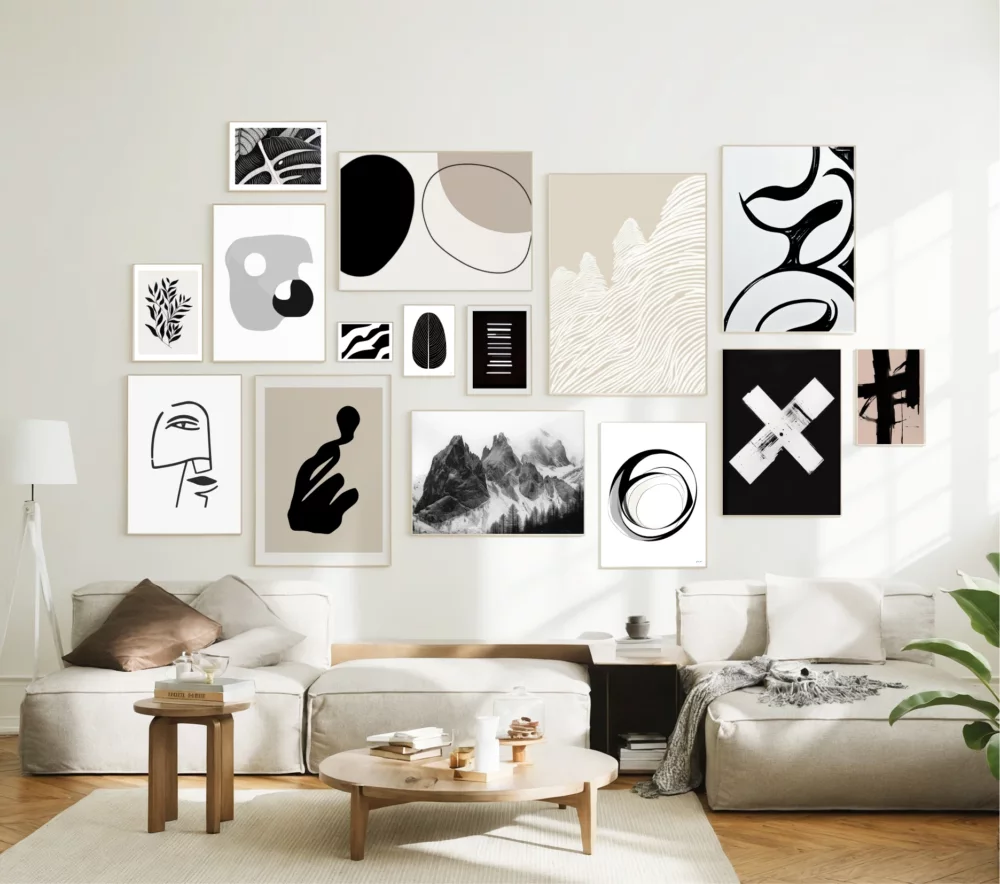
When you walk into a room that has been curated like a gallery, you feel it immediately. There is a sense of weight and sophistication. Gallery-style pieces add depth because they often invite a second look. They aren’t always “obvious”; they might be abstract, conceptual, or focused on a single, striking texture.
This type of art encourages a slower, more thoughtful way of living. In a world of “doom-scrolling” and fast-forwarding, a large-scale painting or a series of thoughtful abstract art prints asks us to pause. It makes a room feel “complete” in a way that furniture alone cannot. A sofa is for sitting, but a curated wall is for dreaming. It provides an intellectual and emotional layer to the home, making the transition from a “house” to a “curated environment.”
While any art can be curated, certain styles lend themselves more naturally to the gallery aesthetic. Currently, we are seeing a heavy lean toward:
Abstract and Minimalist Art: These styles are the backbone of the gallery look. By stripping away literal subjects, they focus on the core elements of art: color, line, and balance.
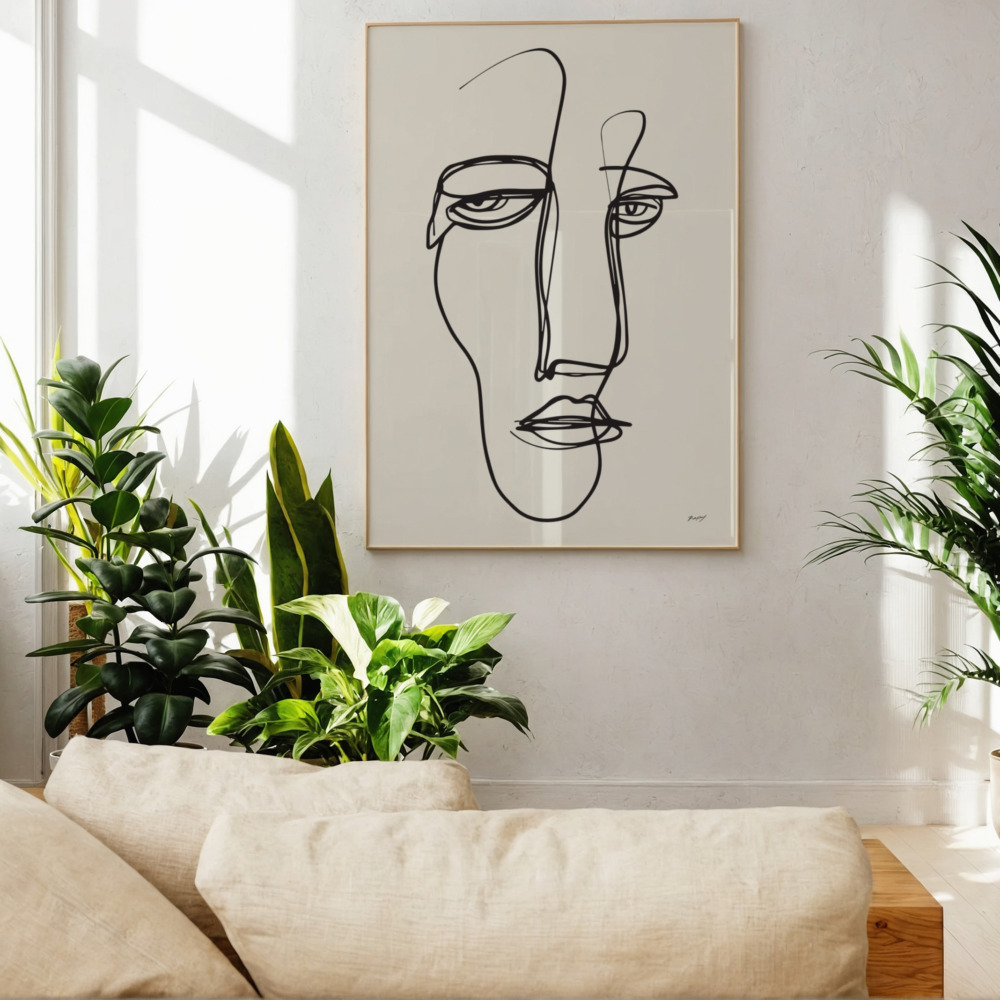
Geometric and Line Art: Geometric artwork provides a sense of mathematical order and precision that appeals to the modern eye. Similarly, line art offers an airy, sophisticated touch that feels hand-drawn and personal.
Monochrome and Neutral Palettes: Black and white photography or beige-toned abstracts are timeless. They work with the architecture of the home rather than fighting against it.
Textural Works: Even on a flat print, the visual representation of texture—like the grain of a canvas or the bleed of ink—adds a tactile quality that feels high-end and artisanal.
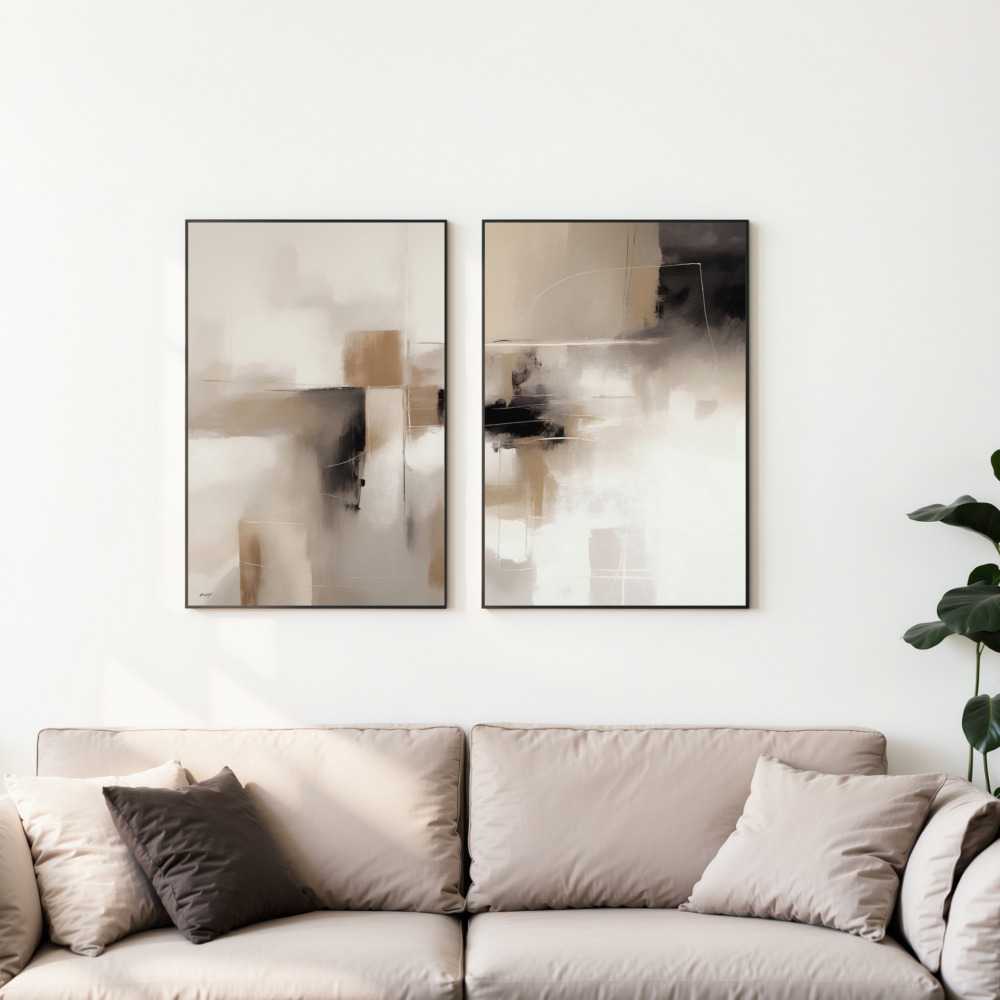
Creating a gallery-style home means thinking about the “journey” from one room to the next.
The living room is where you should place your most significant statement pieces. This is your “Main Gallery.” Here, let the art lead the room’s identity. If you have a large sofa, hang a piece that is nearly as wide as the furniture. This creates an anchor for the room and establishes a sense of scale that feels professional and intentional.
The bedroom is your “Private Gallery.” Here, the choices should be calm and contemplative. Avoid high-contrast or high-energy pieces. Instead, opt for soft gradients or fluid line drawings. The goal is to create a quiet, museum-like atmosphere that promotes rest and reflection.
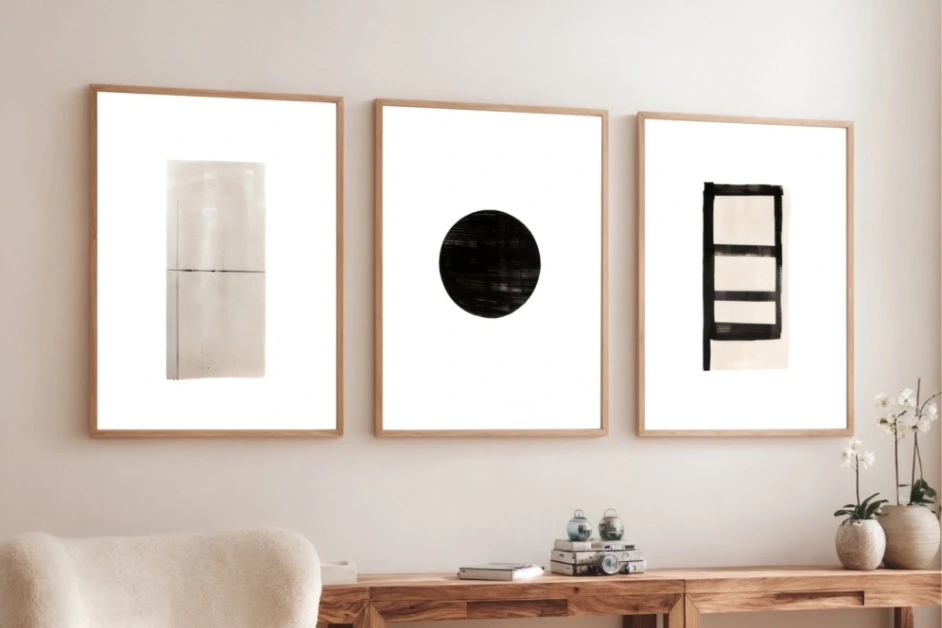
Hallways are often the most neglected spaces in a home, but in a gallery-style house, they are essential. Use a series of smaller, uniformly framed prints to create a “visual journey.” This turns a functional transition space into an experience, providing a sophisticated first impression for anyone entering the home.
You don’t need a massive budget or a professional curator to achieve this look. It comes down to a few fundamental rules of presentation:
Choose Fewer, Larger Pieces: If you have a big wall, don’t be tempted to fill it with many small items. One large print makes a much stronger, more “gallery-like” statement.
Give Artwork Space to Breathe: Don’t hang your art too close to door frames, corners, or tall furniture. Leave plenty of “white space” around the frame.
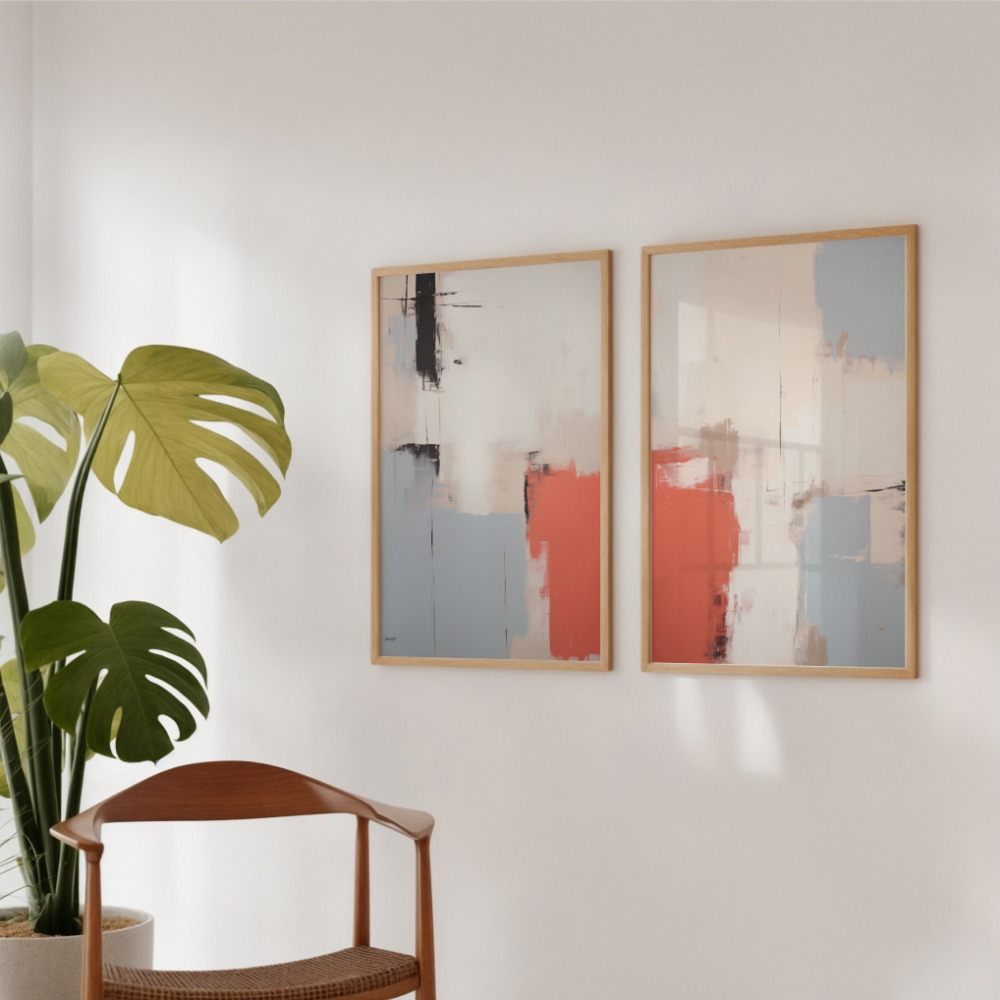
Thoughtful Framing: Consistency is key. Using the same frame style throughout a single room (or even the whole house) creates a sense of cohesion. Natural oak, matte black, or thin aluminum frames are the industry standard for modern gallery art.
Alignment and Height: Always hang art at eye level (roughly 145-150cm from the floor to the center of the piece). In a gallery, precision is everything. Use a spirit level to ensure every piece is perfectly straight.
The most frequent mistake homeowners make is overcrowding. When every wall is covered in art, nothing stands out. A gallery knows when to leave a wall blank. Another mistake is mixing too many unrelated styles in a small space. While eclecticism is a valid style, the gallery look requires a bit more restraint.
Treating art as an afterthought is also a pitfall. If you buy the art only after the room is finished, you are forced to find something that “fits.” In a gallery-style home, the art is often the starting point. Designers will often choose the art first and then select the rug or the cushion colors to complement the masterpiece on the wall.
We are moving away from “fast trends” in every aspect of our lives, from fashion to food, and home decor is no different. The gallery-style approach is part of the “slow design” movement. It values pieces that will look as good in ten years as they do today.
Because this style is rooted in the fundamentals of composition and space, it is incredibly adaptable. Whether you change your furniture or move to a completely different architectural style, a high-quality, curated piece of art will always find a place. It reflects a more conscious, thoughtful approach to living, where we surround ourselves with things that truly move us rather than things that simply fill a void.
The rise of the gallery-style home is a testament to our desire for more meaningful, intentional lives. It is an invitation to stop buying “decor” and start building a collection. By focusing on quality, scale, and the power of negative space, you can transform your home into a place of profound beauty and calm.
At Print Studio, we are dedicated to helping you find those unique art prints that turn a house into a sanctuary. We believe that Modern Gallery Art should be accessible to everyone who values good design. Whether you are drawn to the sharp precision of a geometric print or the soft flow of a minimalist landscape, remember that the most beautiful homes are the ones that tell a clear, curated story. Take your time, trust your eye, and embrace the power of the gallery.
Ready to start your collection? Explore our full curated range and find the piece that will redefine your space today.