Limited Time: 20% Off All Prints
Free worldwide shipping on orders over $69
Delivery 4-12 business days
Home / Art Print Collections / Contemporary Wall Art for Living Room
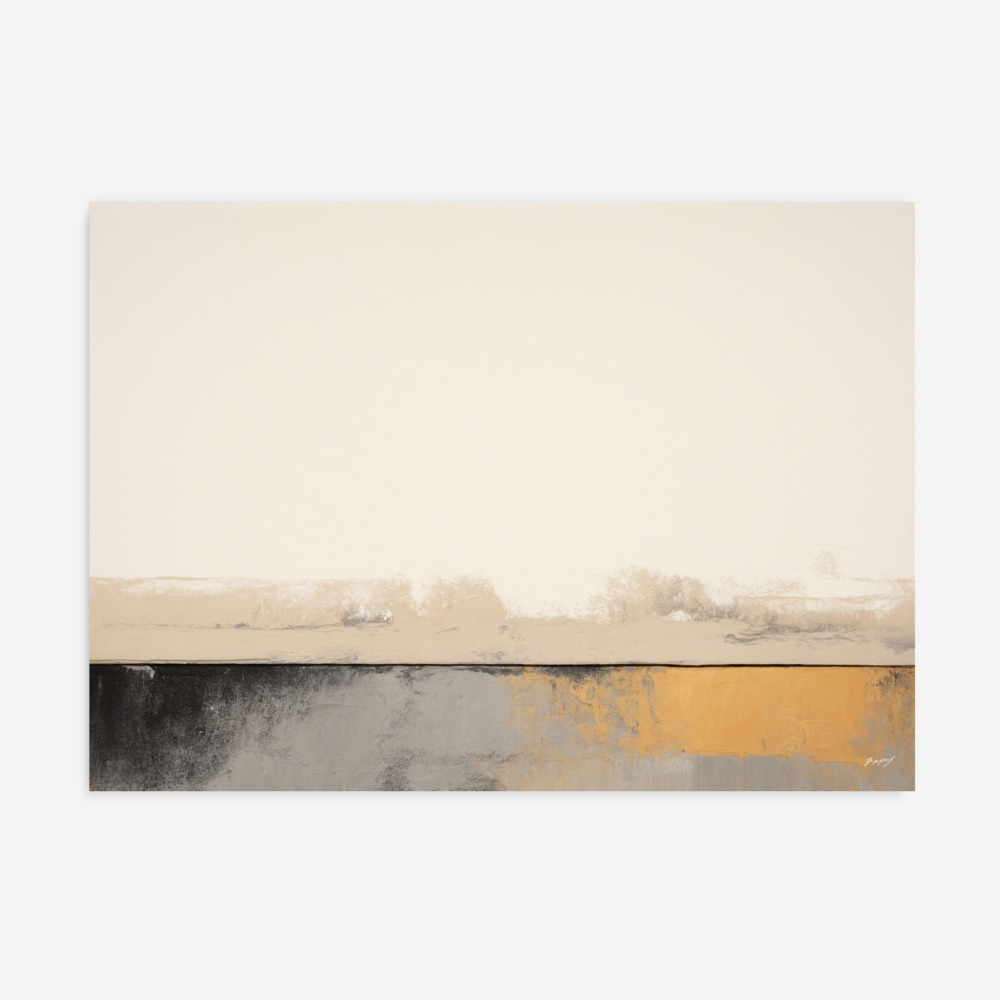
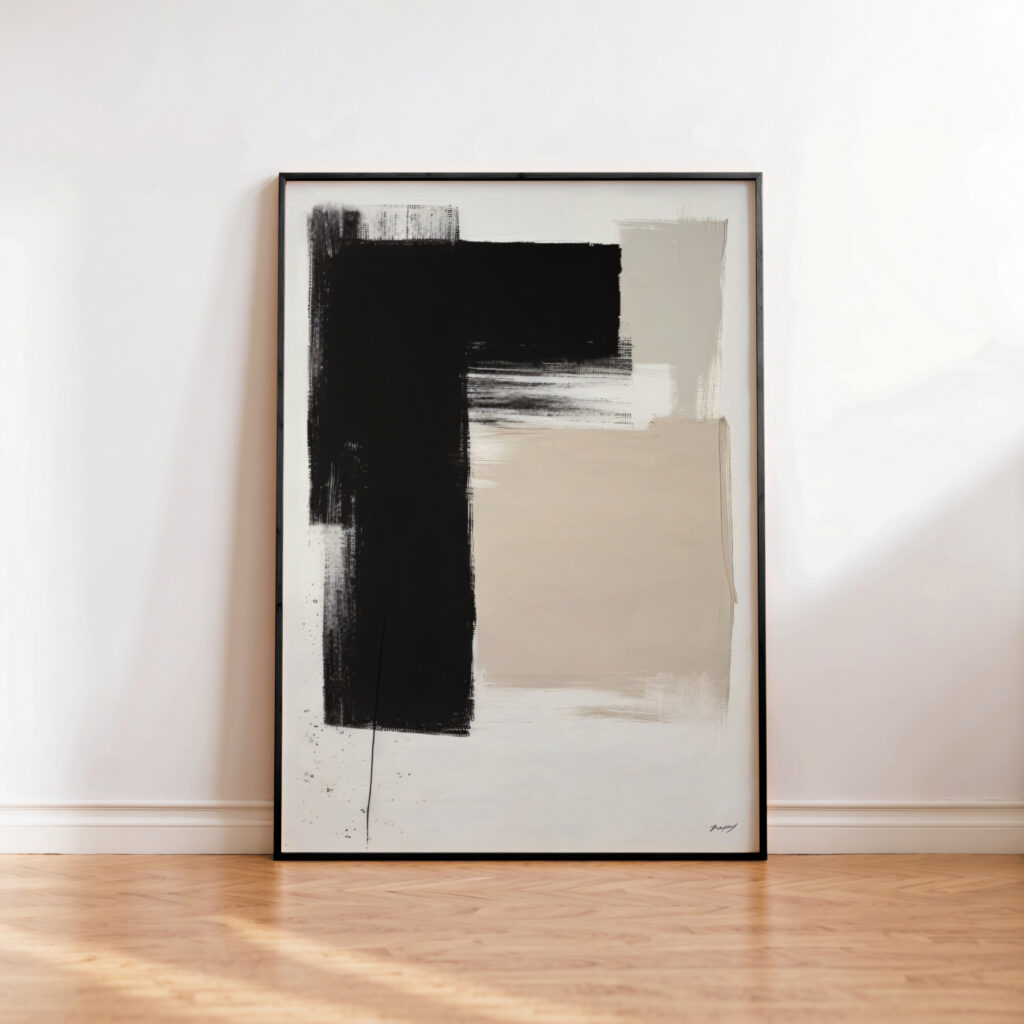
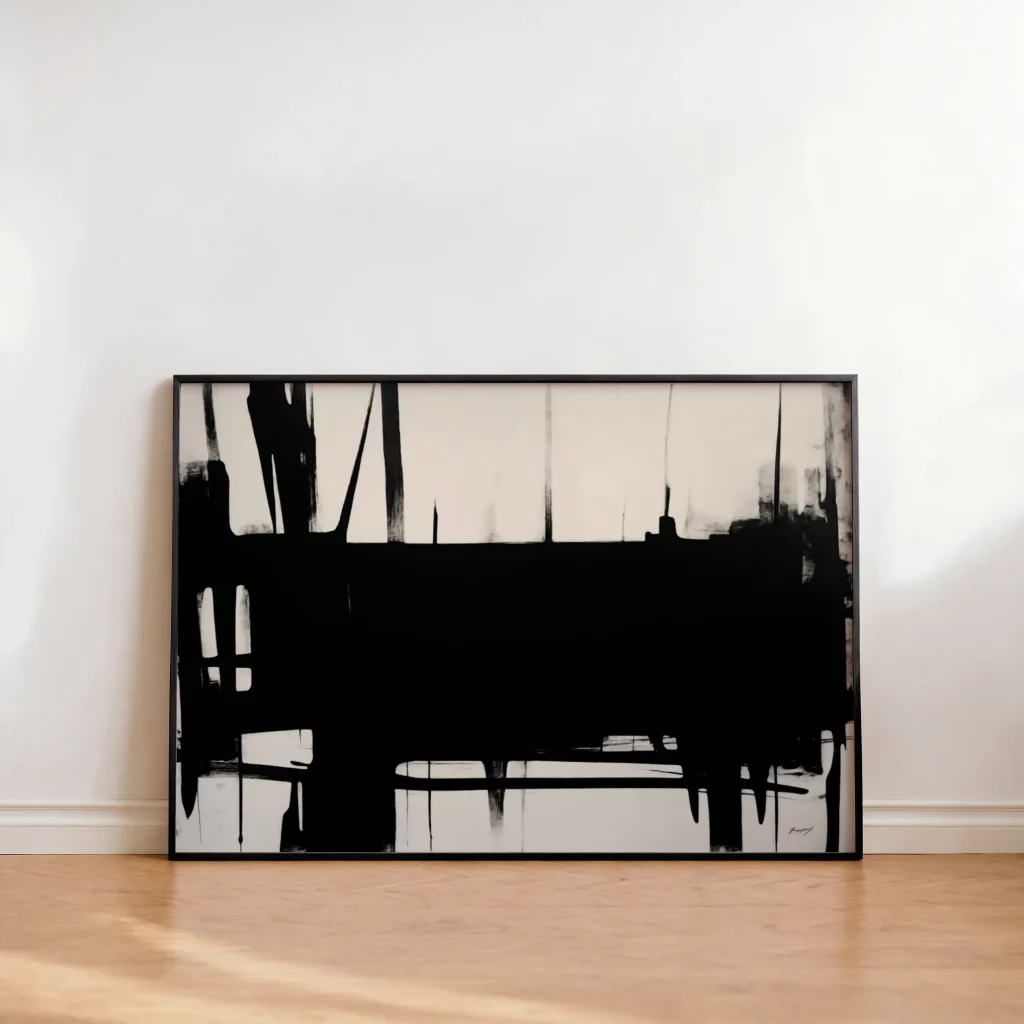
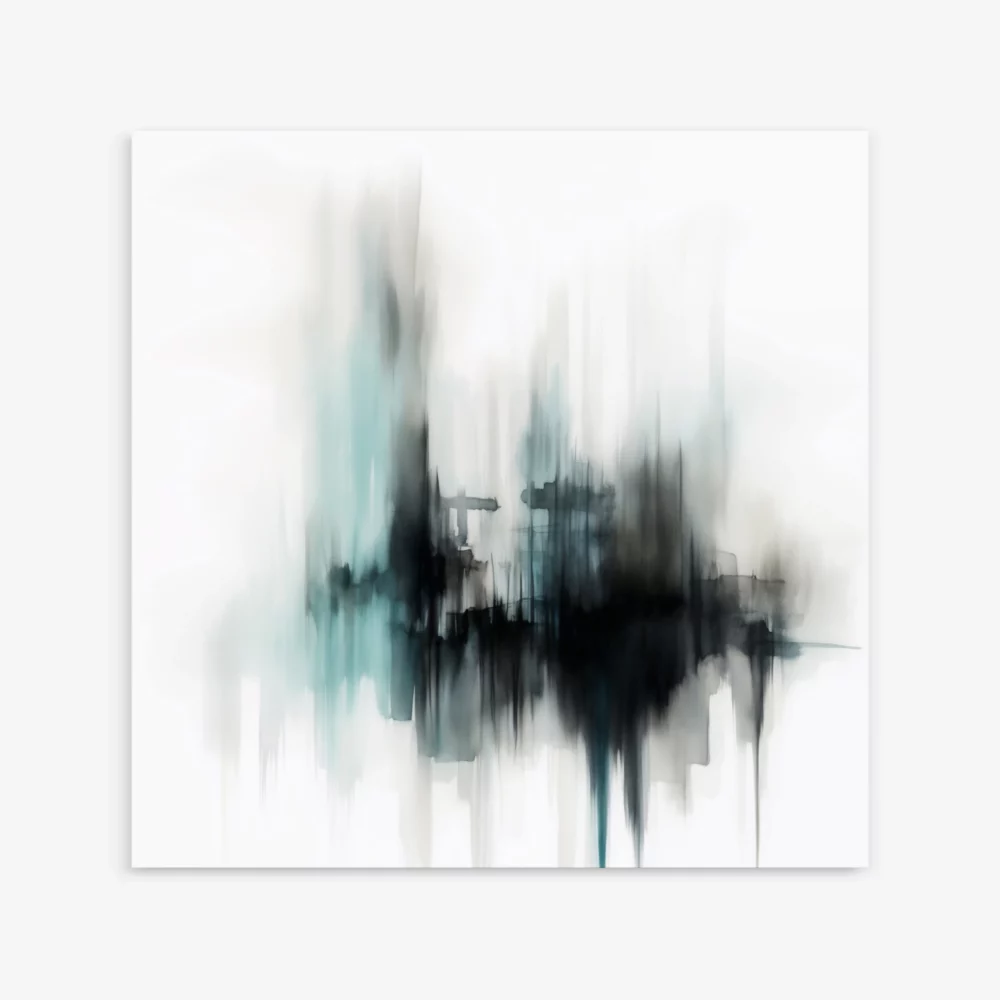
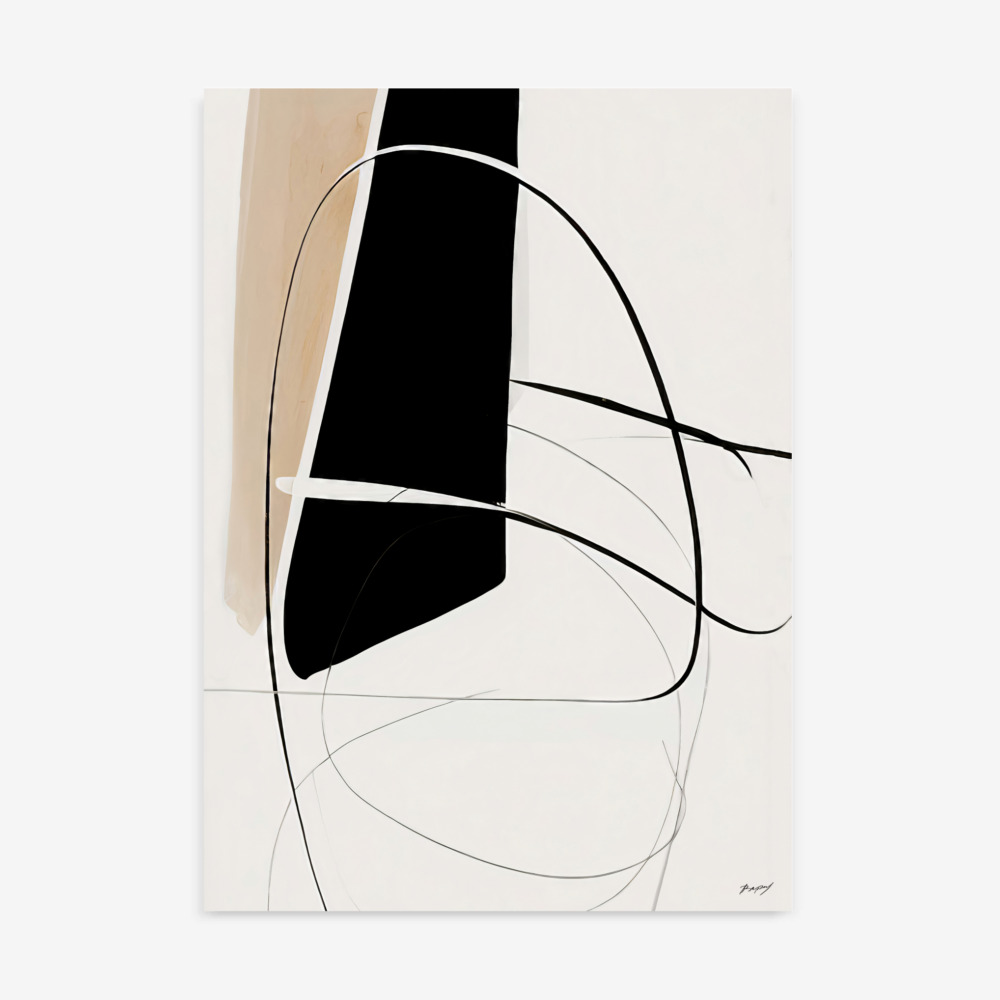
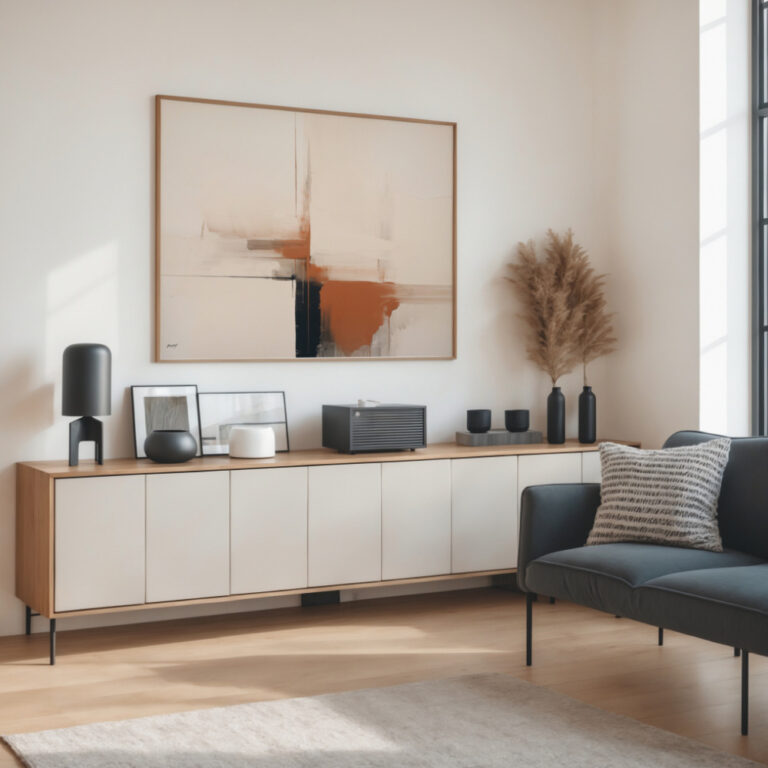
The living room is the visual heart of the home, the space where your personal style speaks the loudest. Selecting contemporary wall art for living room decor is a personal exercise in balancing the architecture of the room with the emotion of the art. Whether you are drawn to a massive, gestural canvas or a quiet series of sketches, the right piece serves as an anchor, organizing your furniture and textiles into a cohesive, designer-led sanctuary.
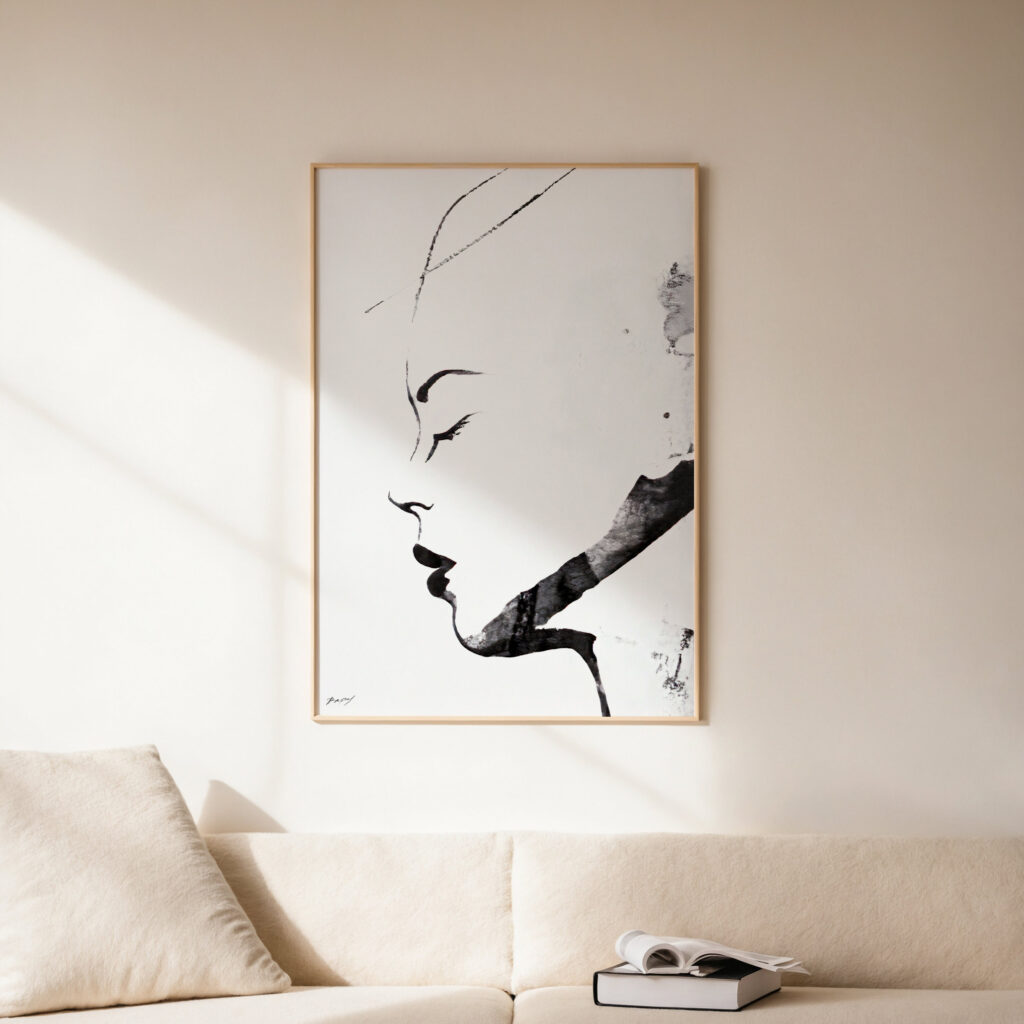
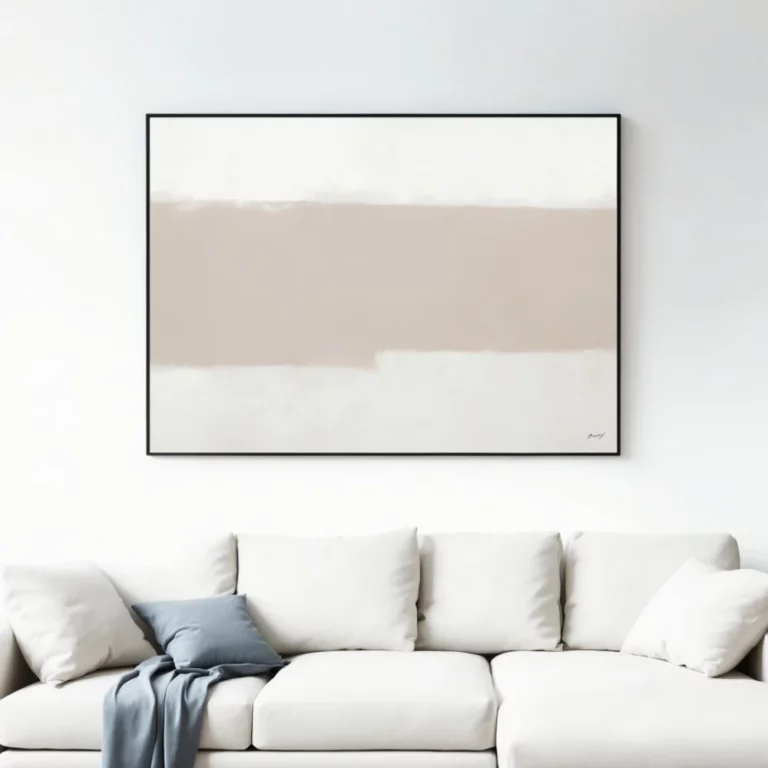
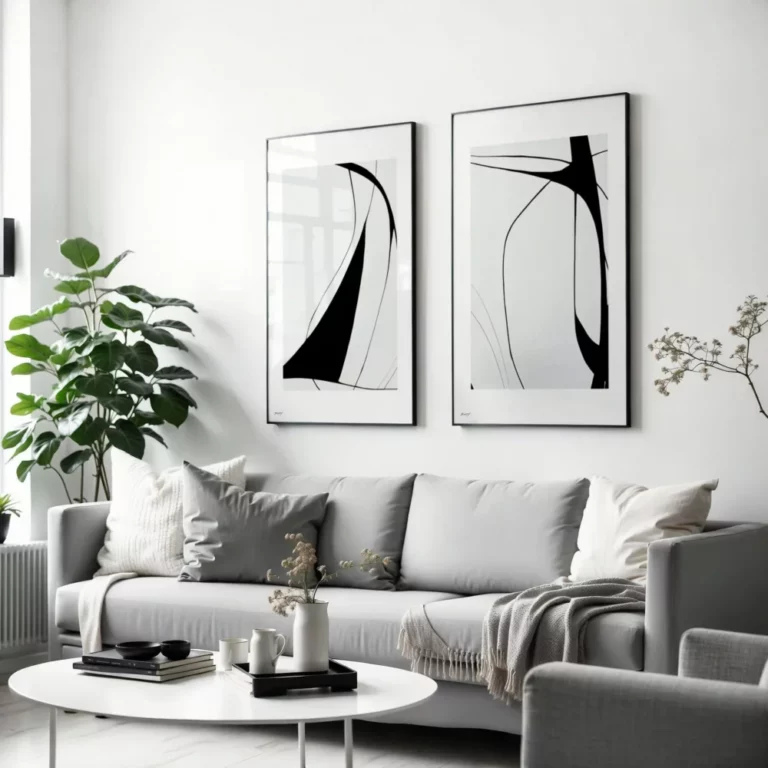
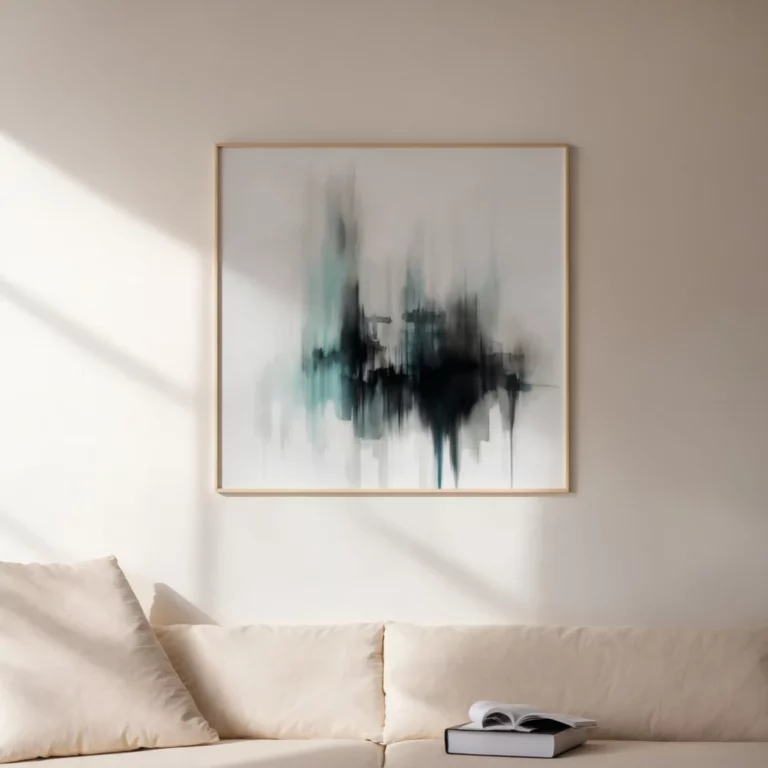
One of the most common secrets to a professional-looking lounge is getting the scale right. A piece of art should never look like an afterthought; it needs to command its territory. A general rule is to choose artwork that spans roughly two-thirds to three-quarters of the width of your sofa. This ensures the proportions feel grounded. By centering the work about 6–10 inches above the back of the couch, you create a visual connection between the seating and the wall, making the entire arrangement feel like a singular, intentional installation.
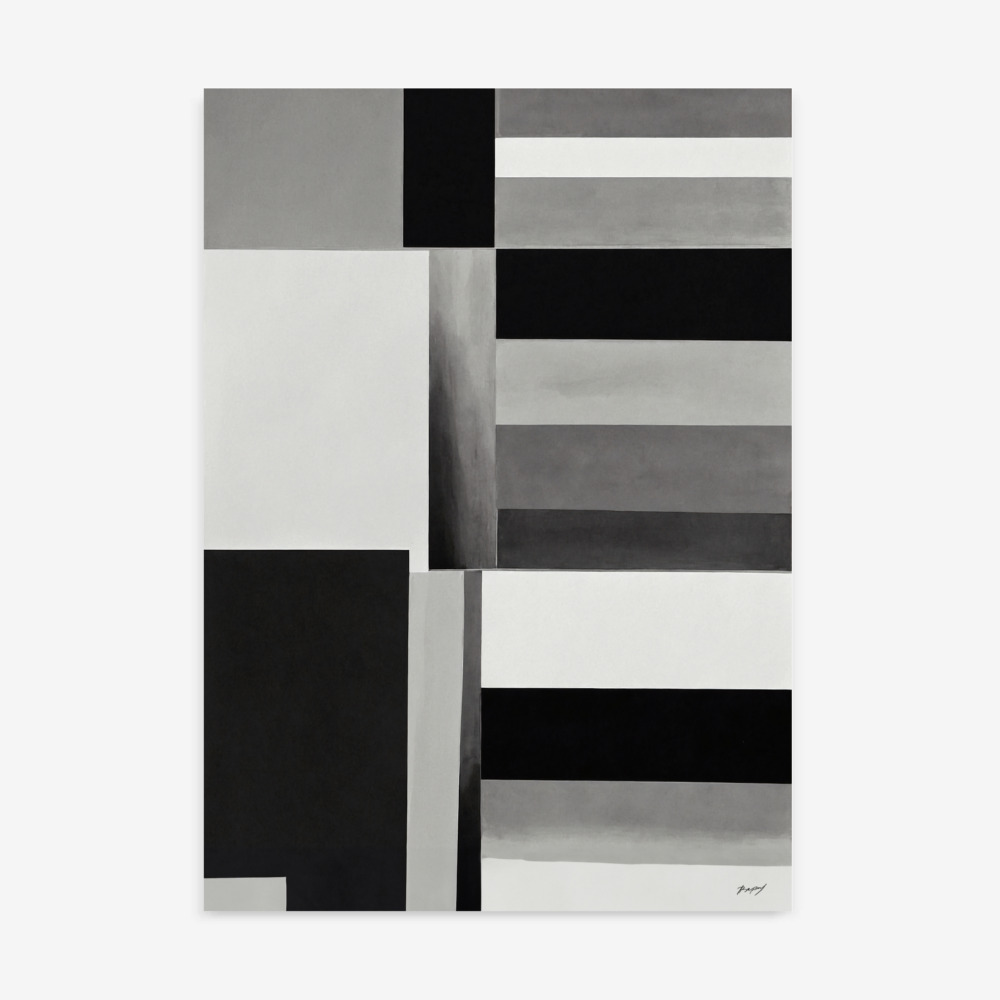
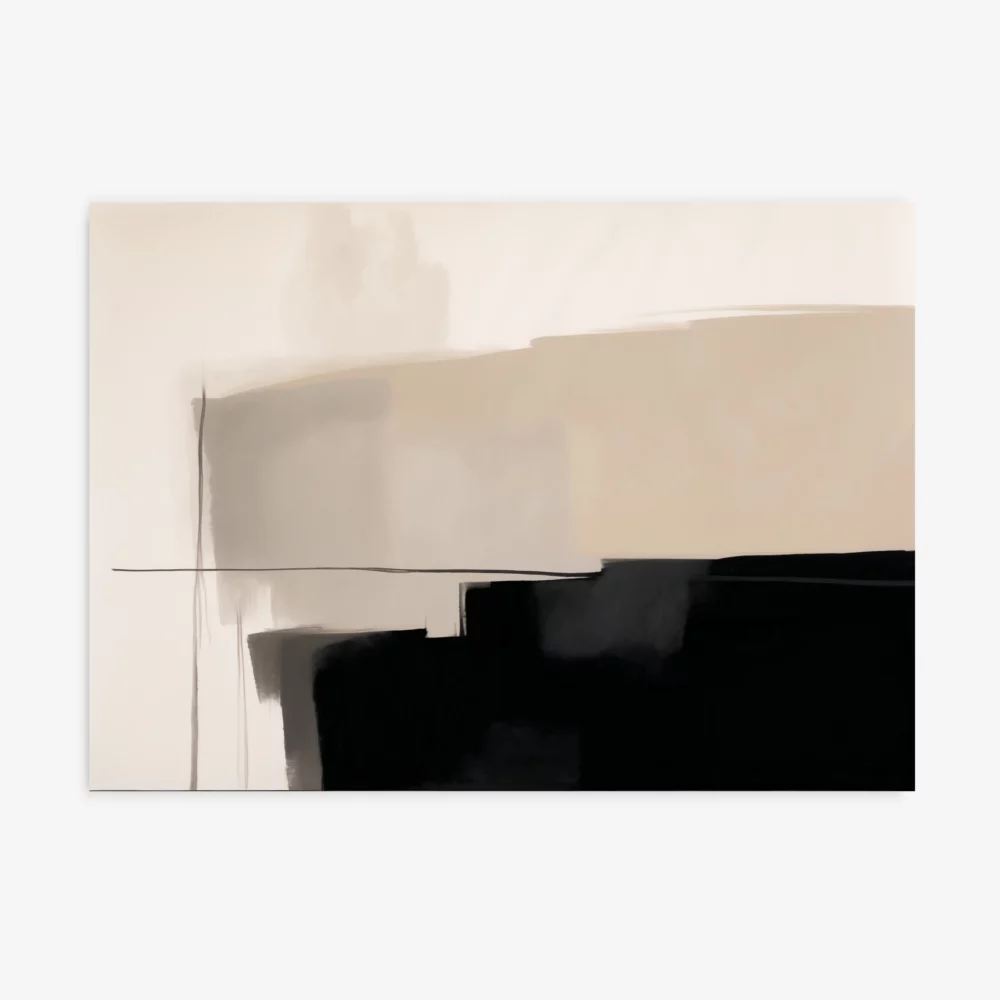
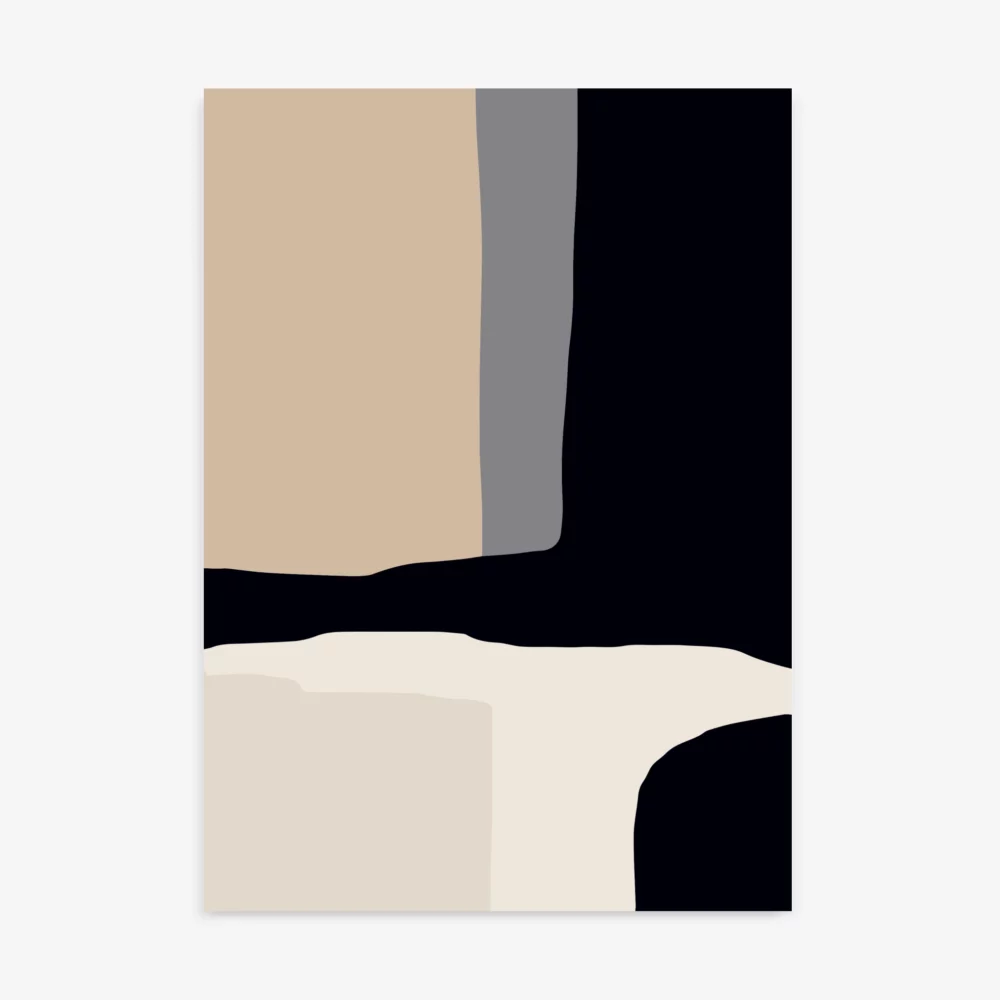
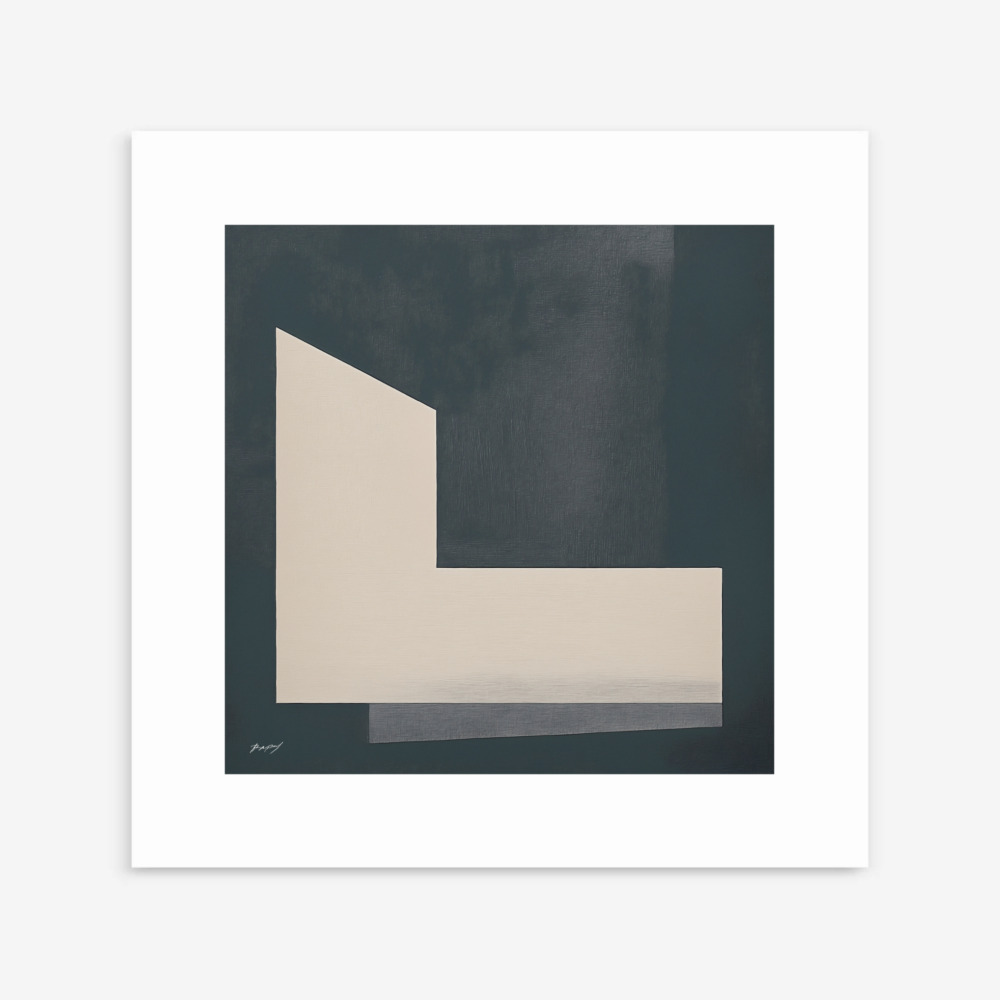
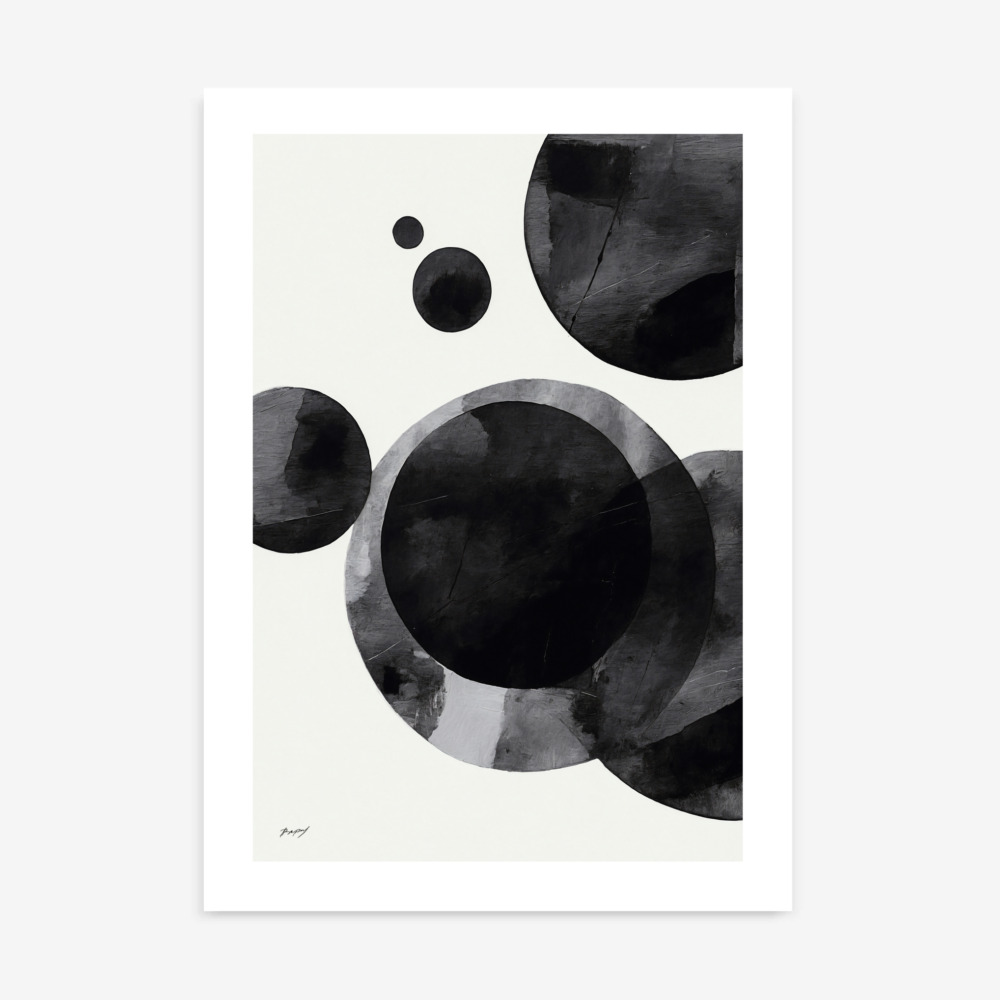
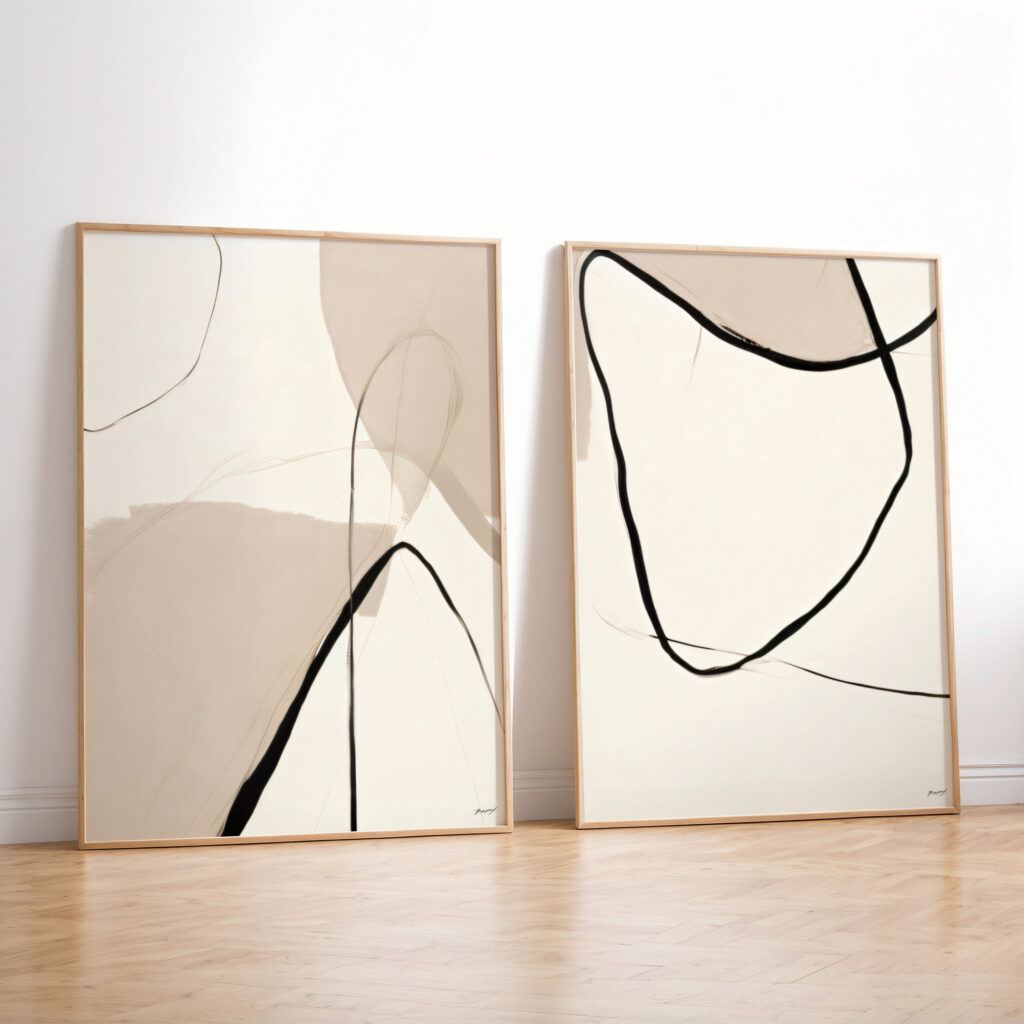
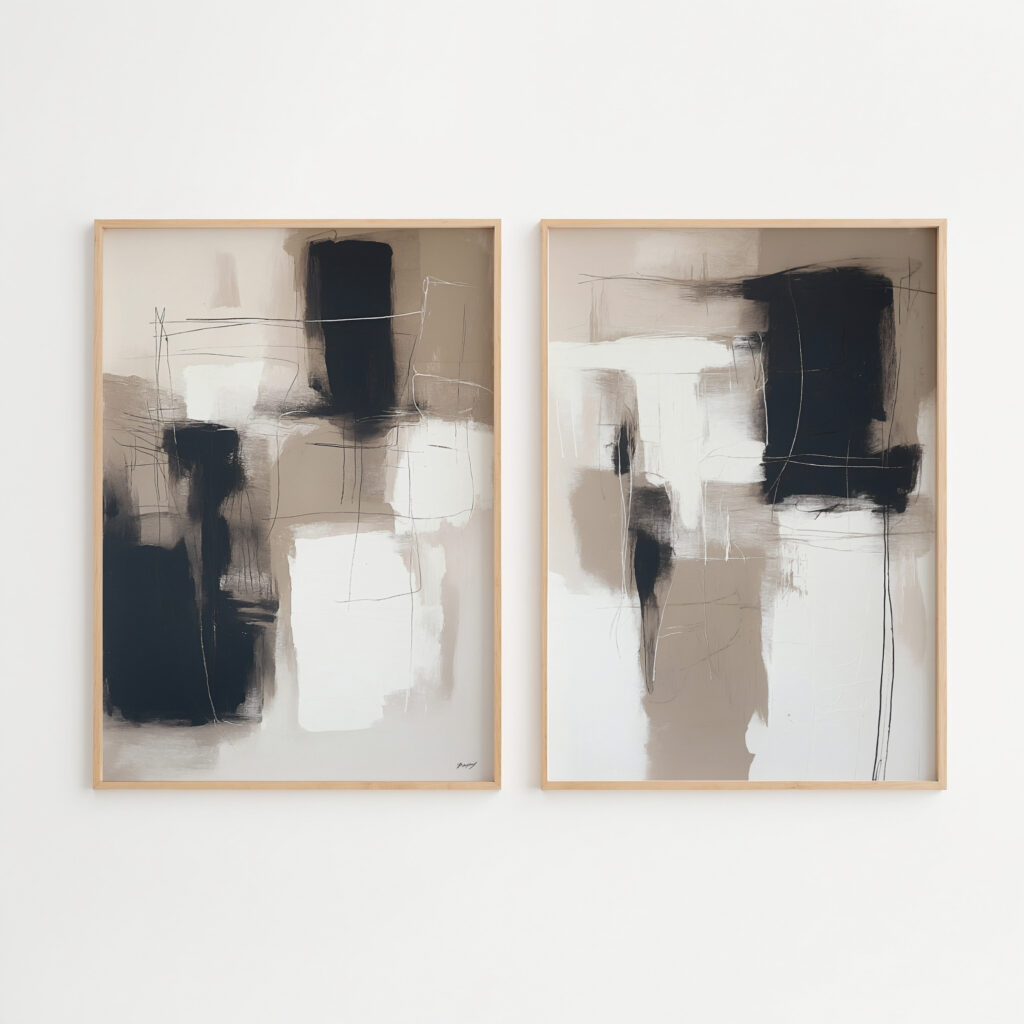
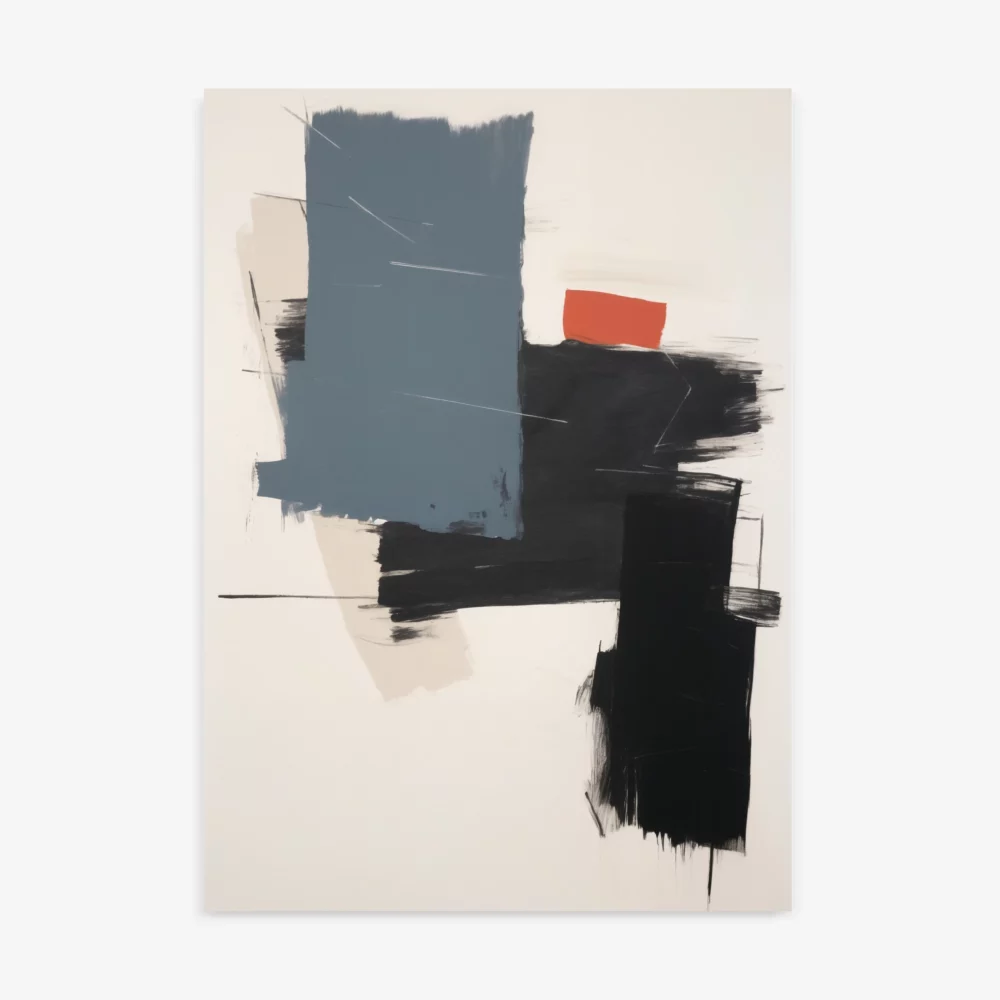
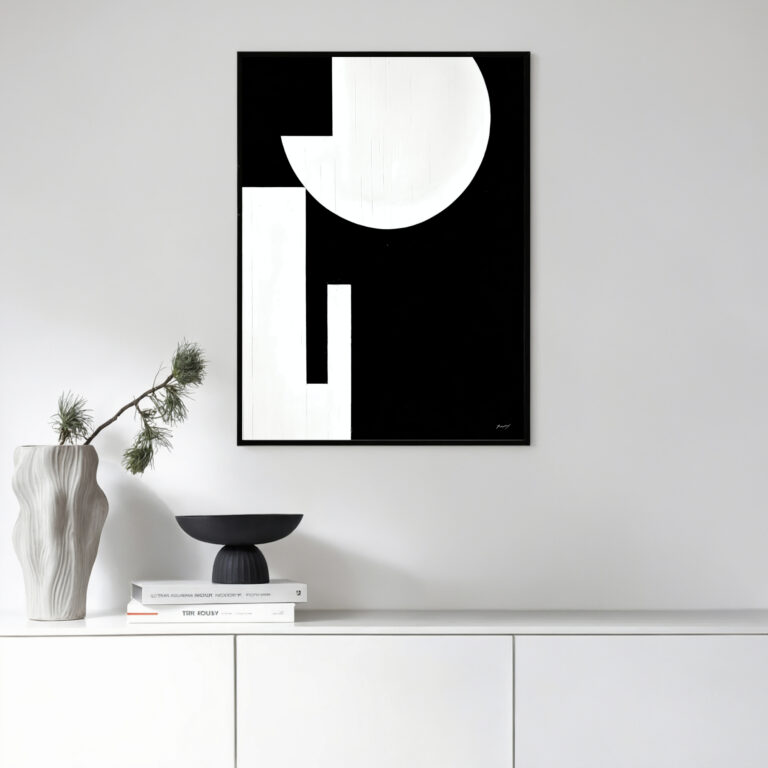
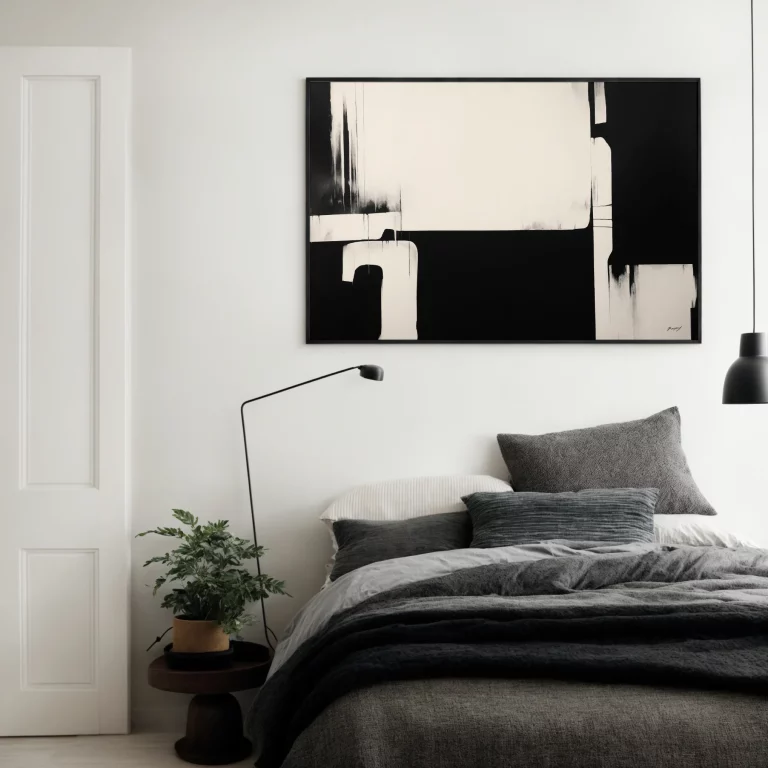
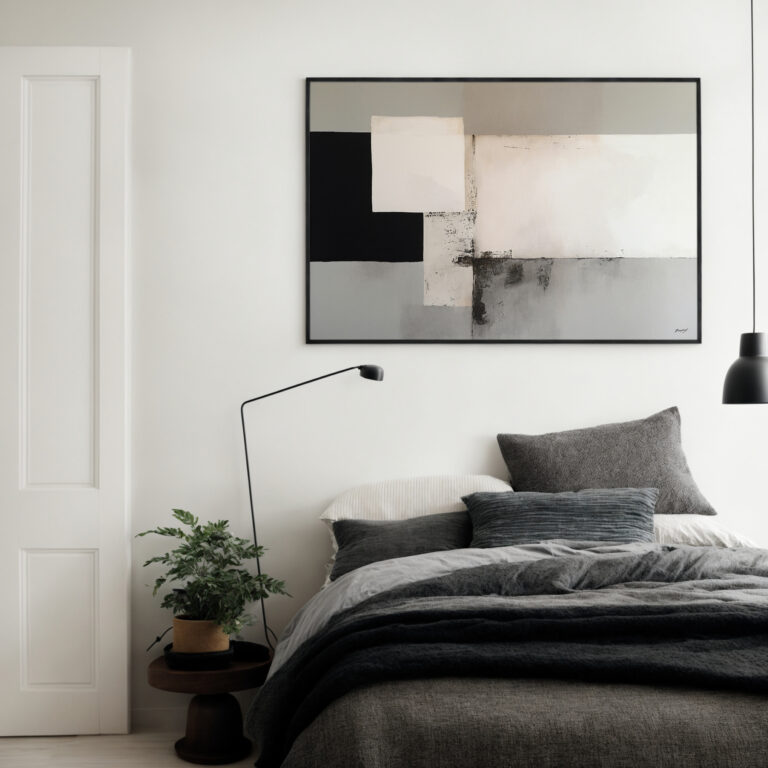
The beauty of modern expression lies in its versatility. If your living space is filled with vibrant textiles and eclectic furniture, minimalist artwork can provide a necessary “visual palate cleanser,” giving the eye a place to rest. Conversely, if your interior follows a strict neutral palette, abstract art prints featuring bold textures or deep shadows can introduce the energy and depth the room needs. It isn’t about matching colors perfectly; it’s about choosing a “voice” that complements the room’s energy.
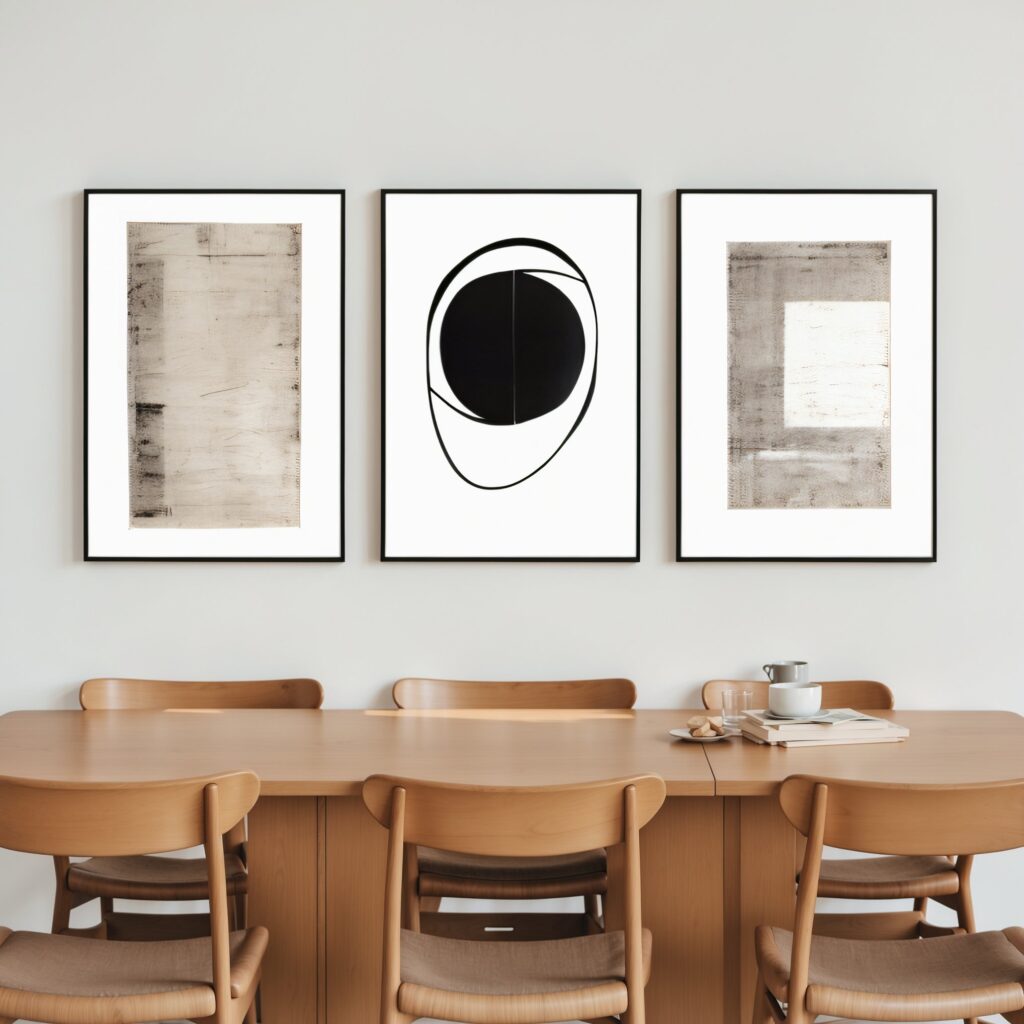
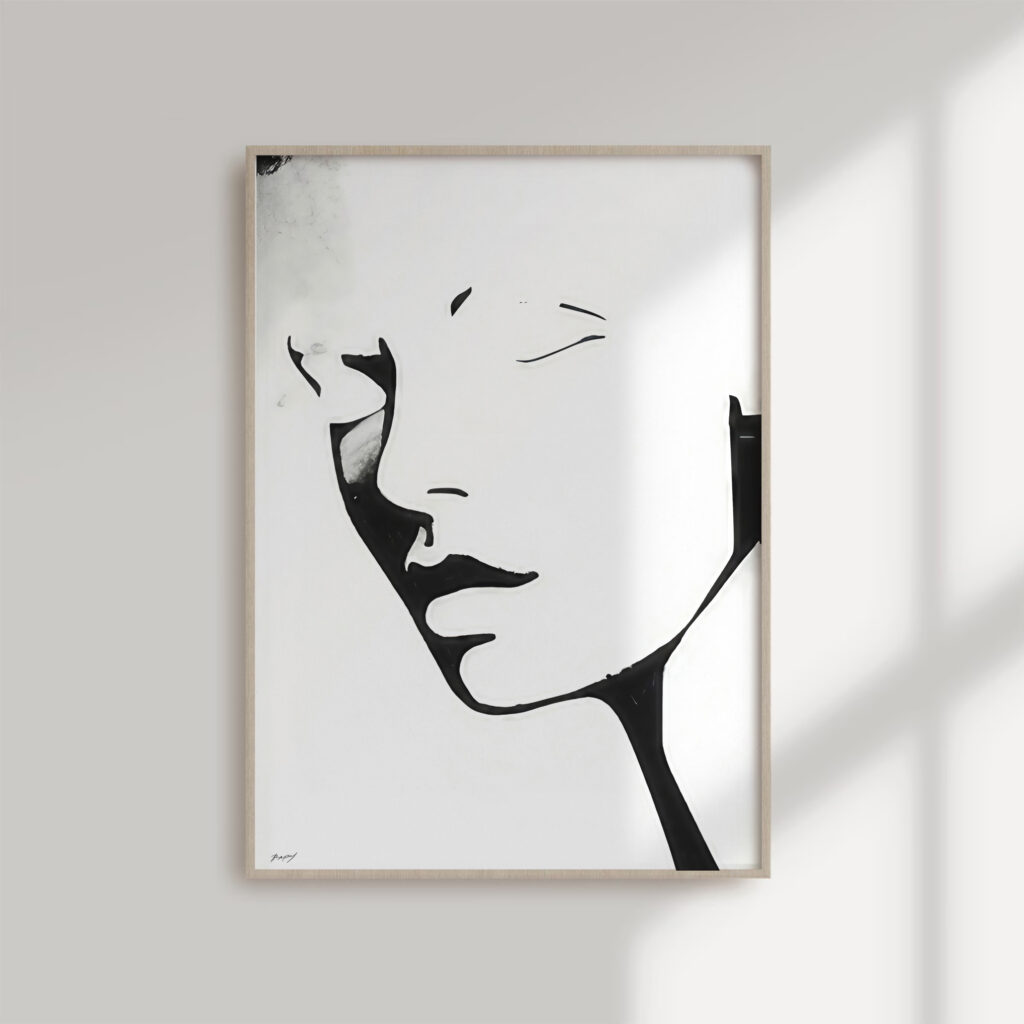
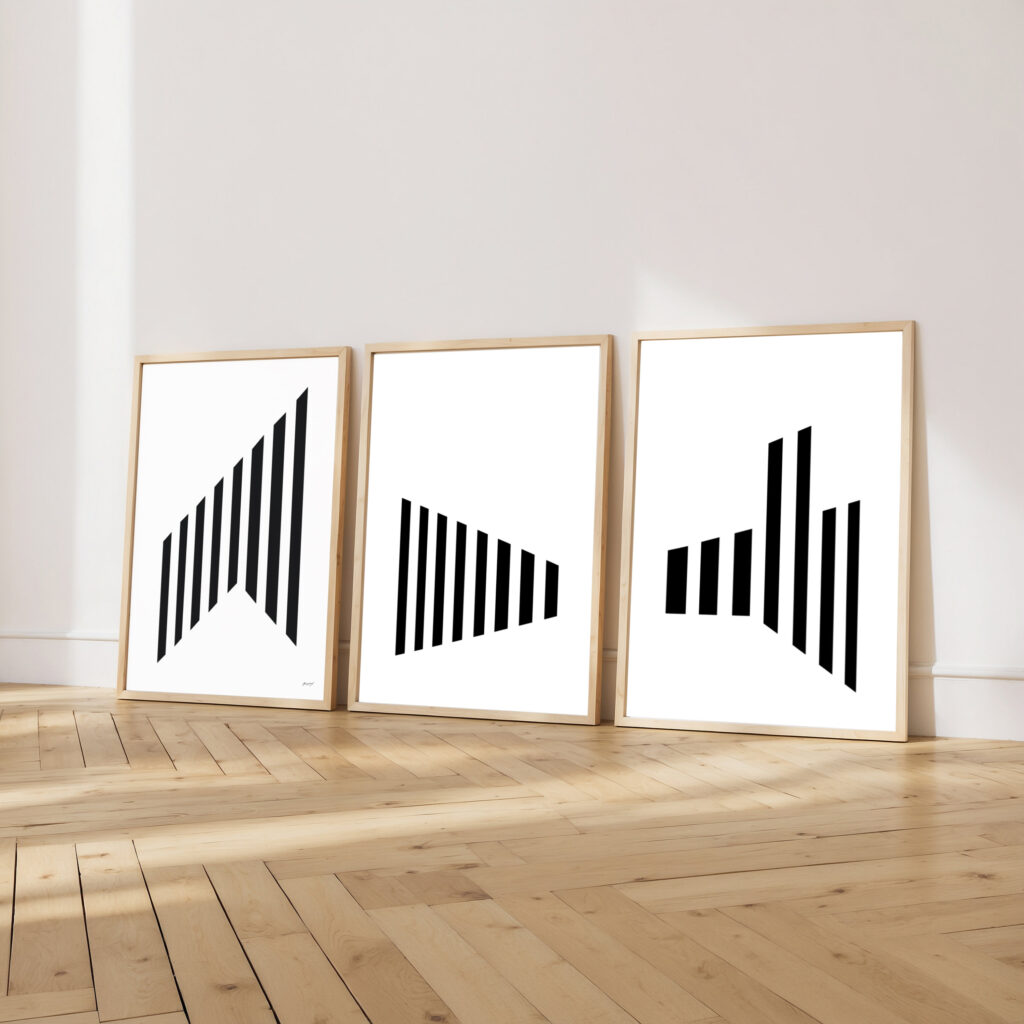
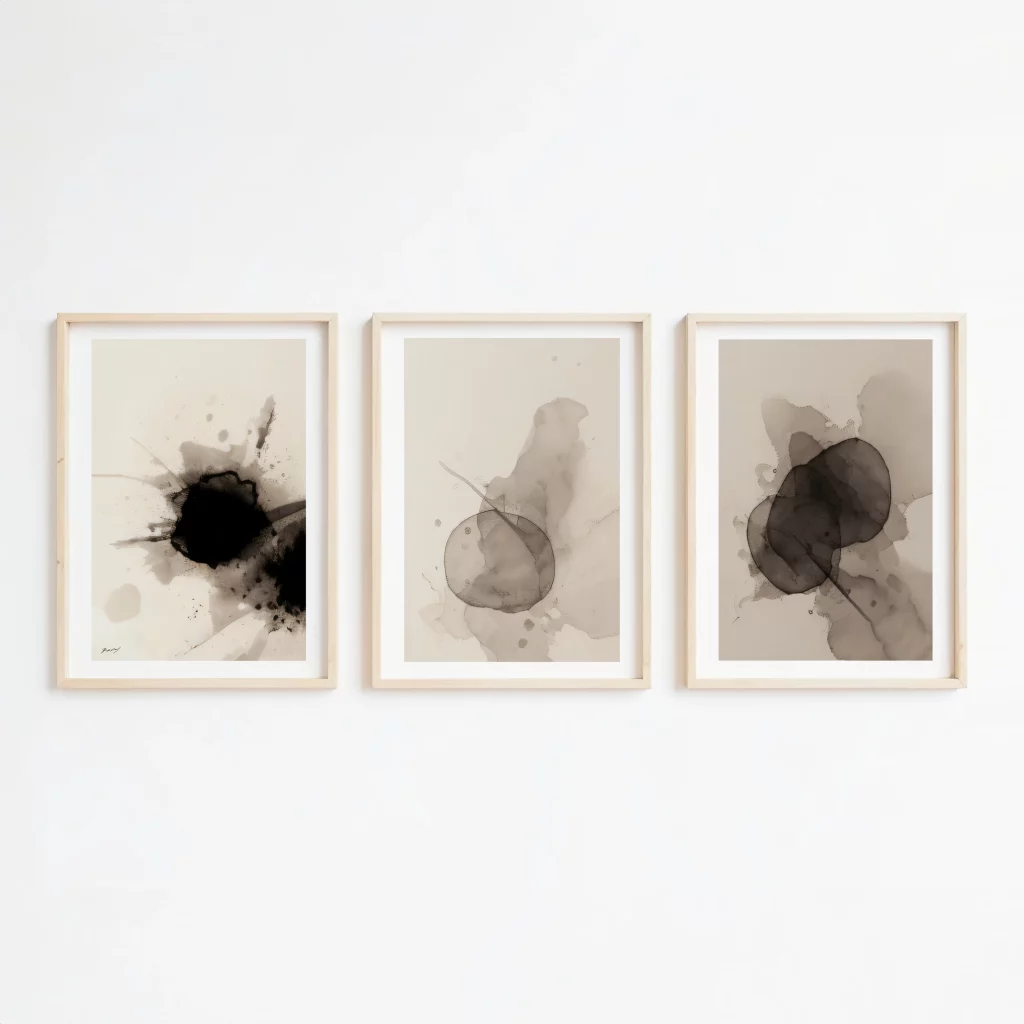
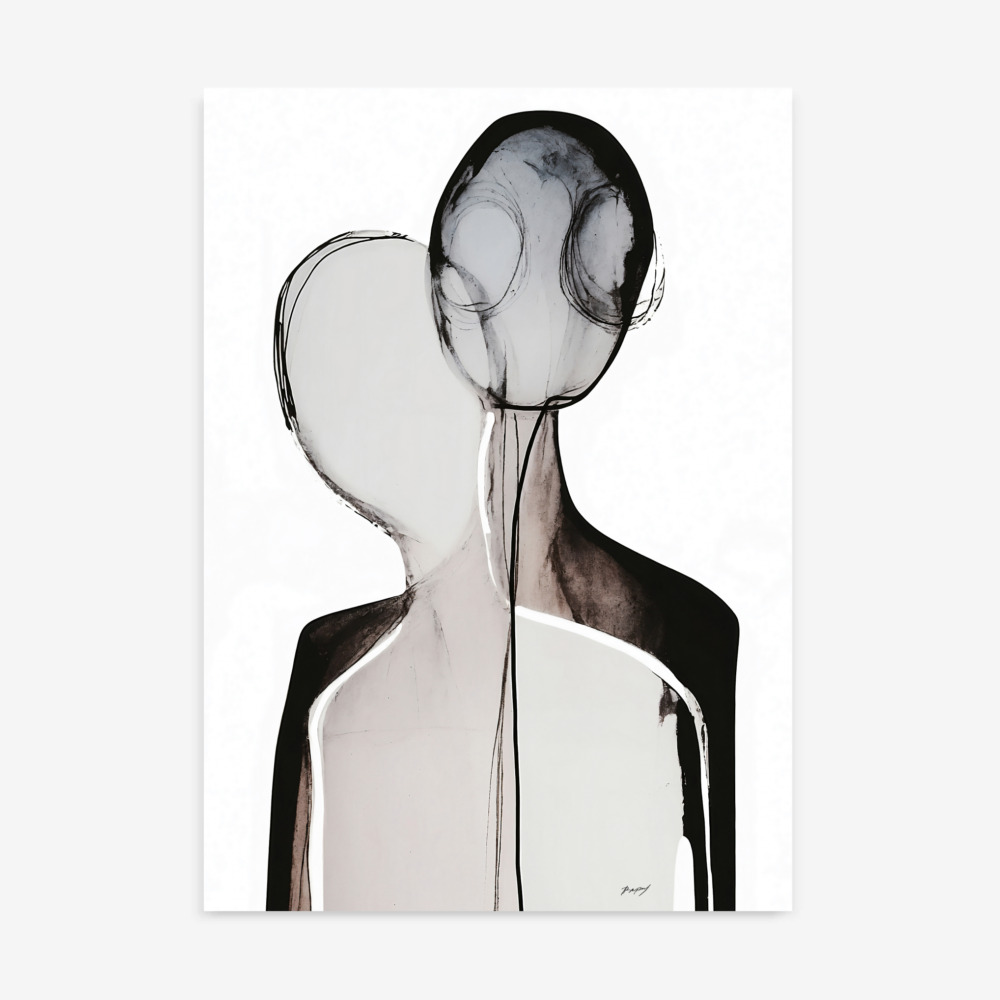
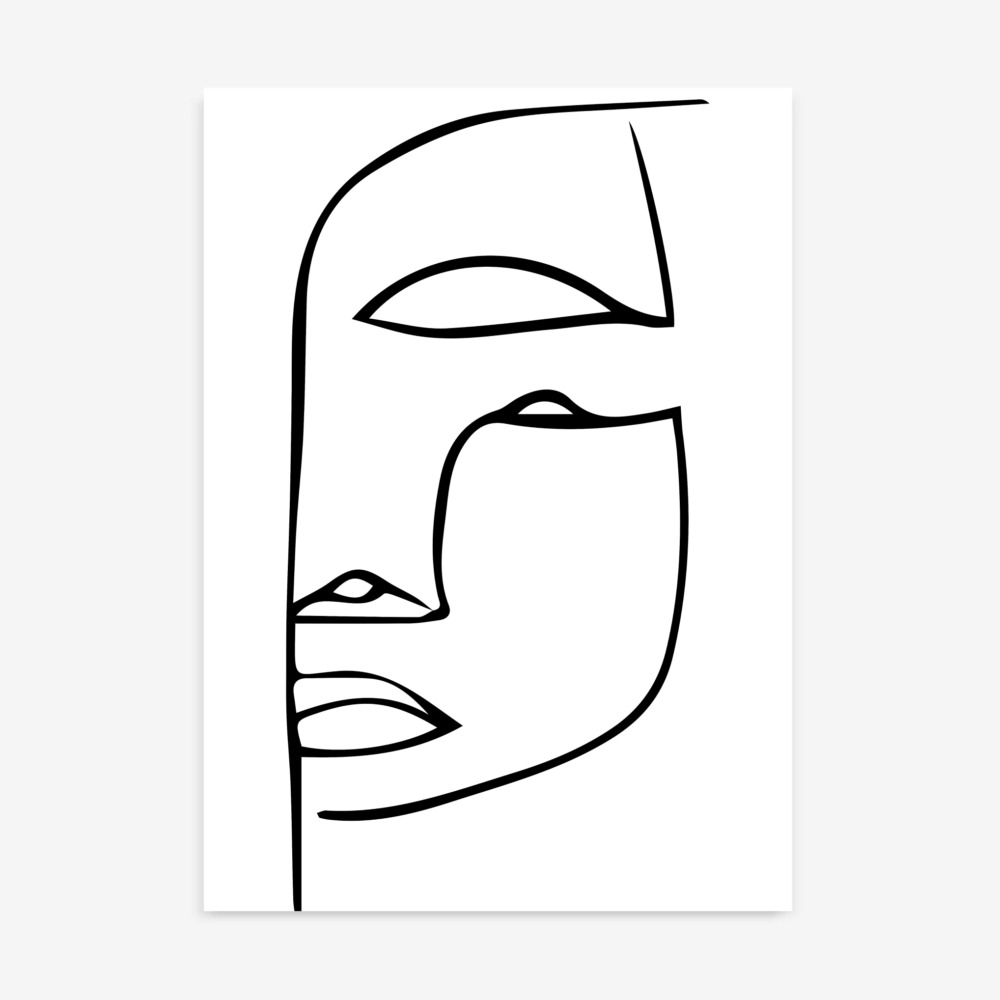
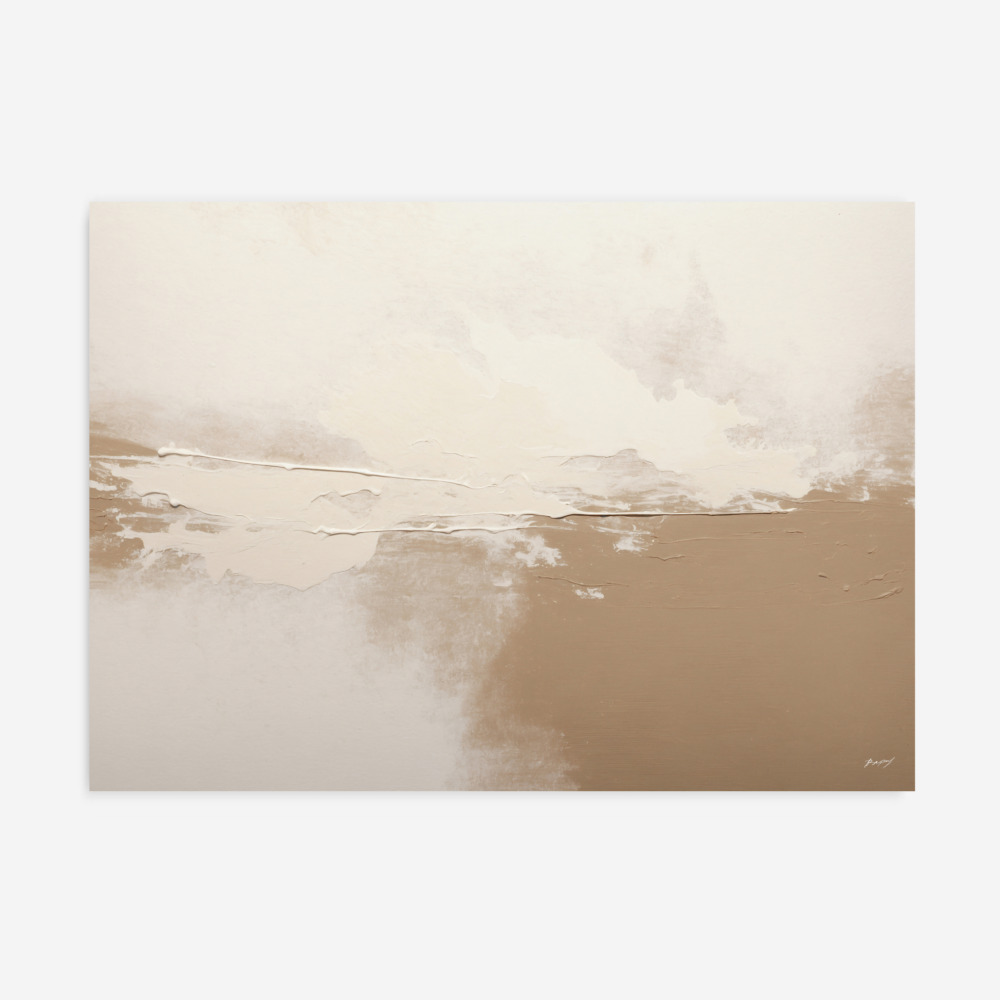
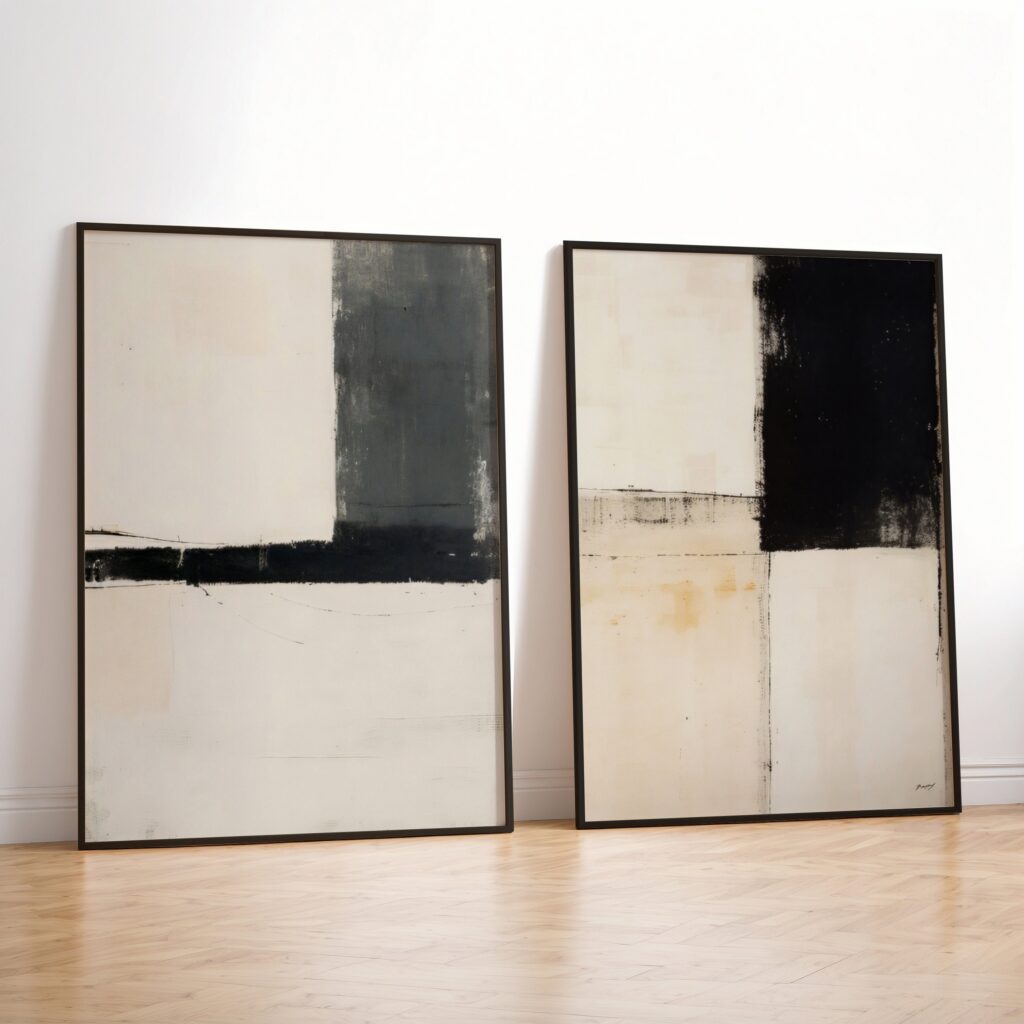
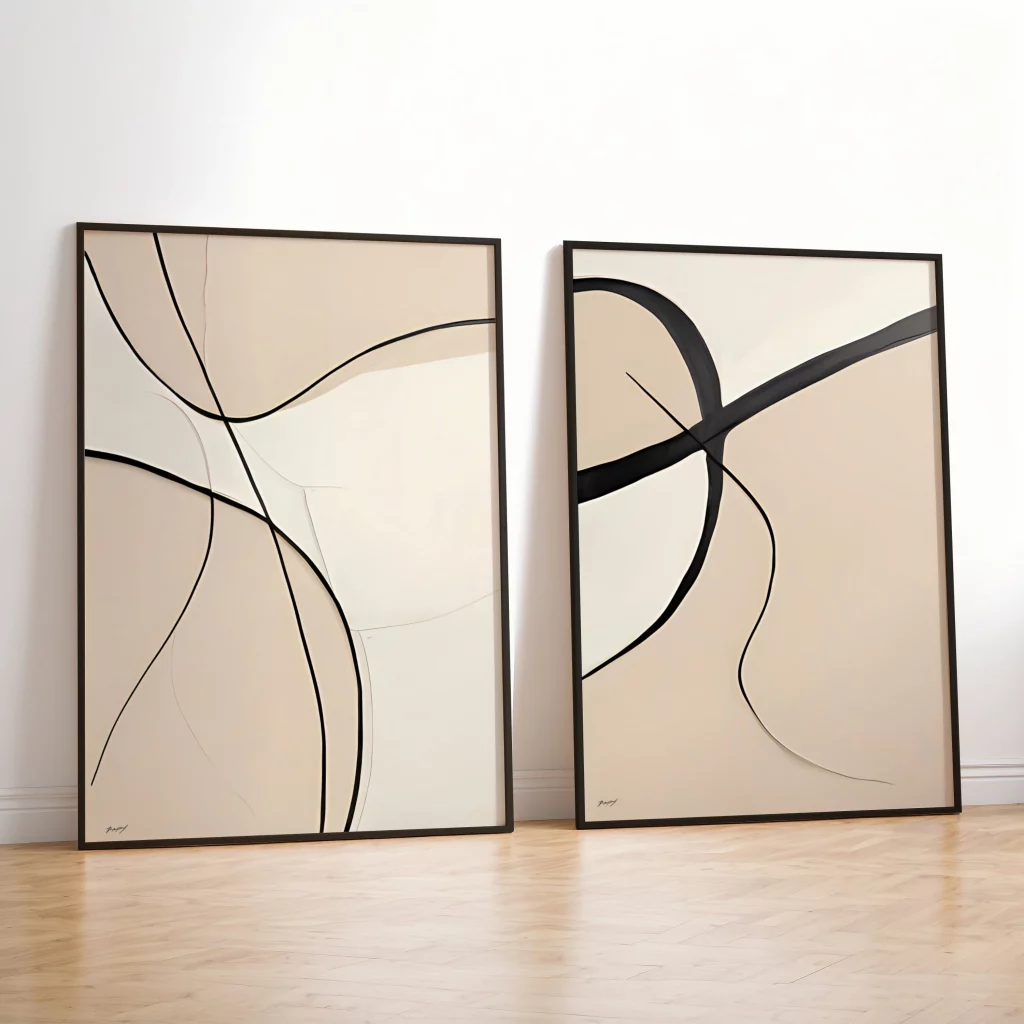
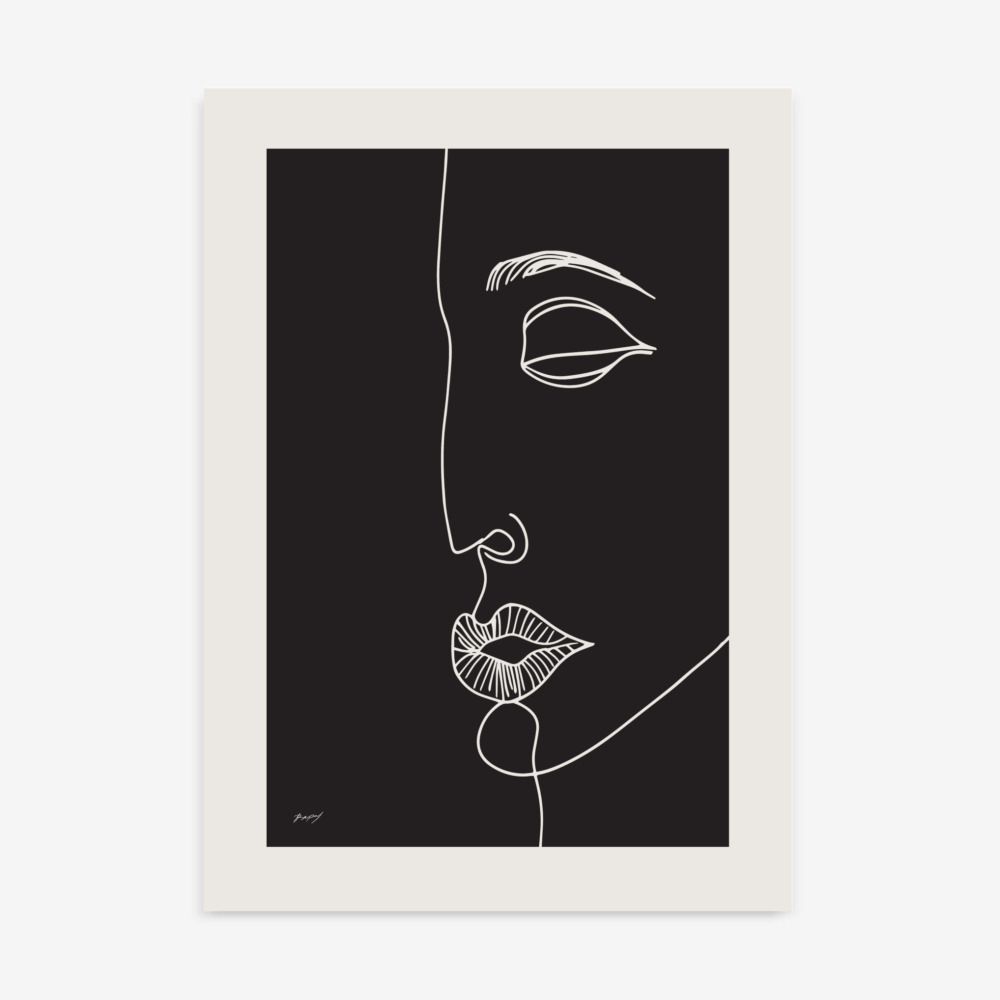
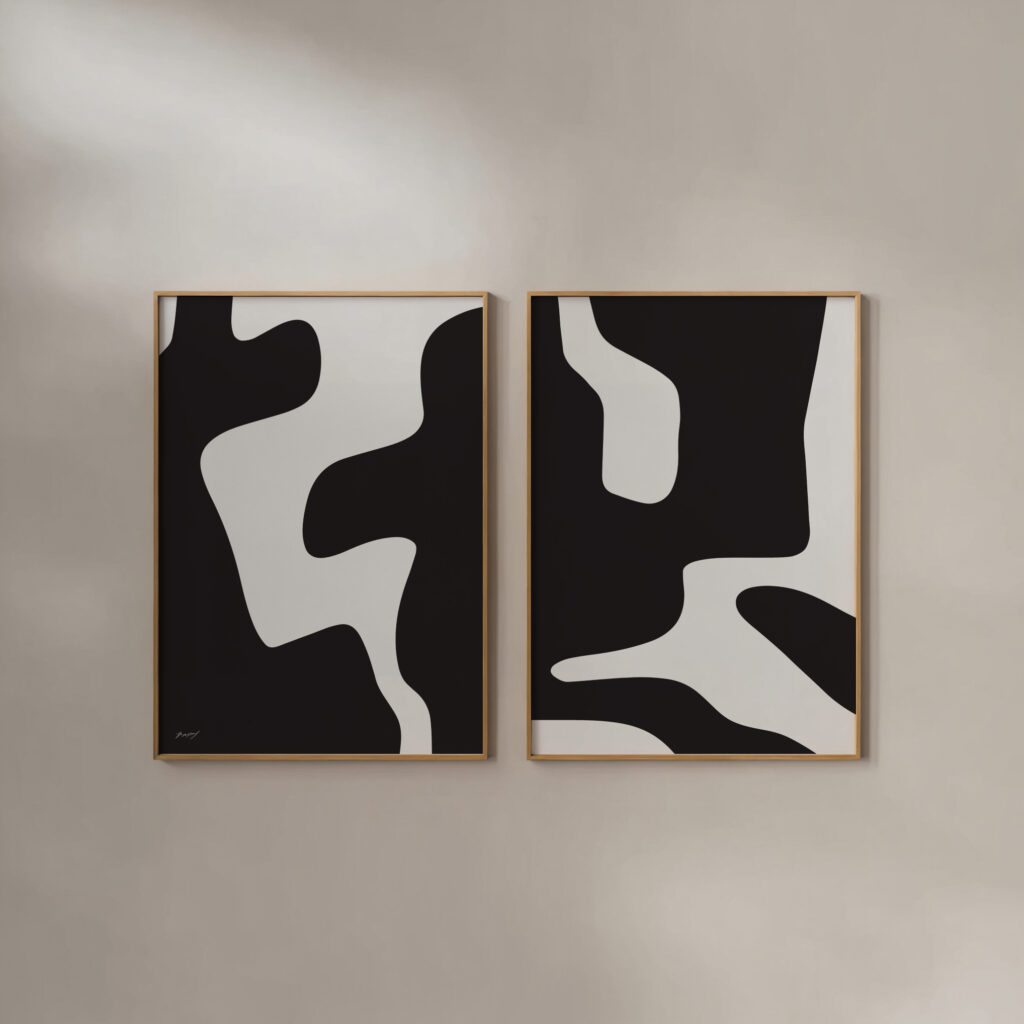
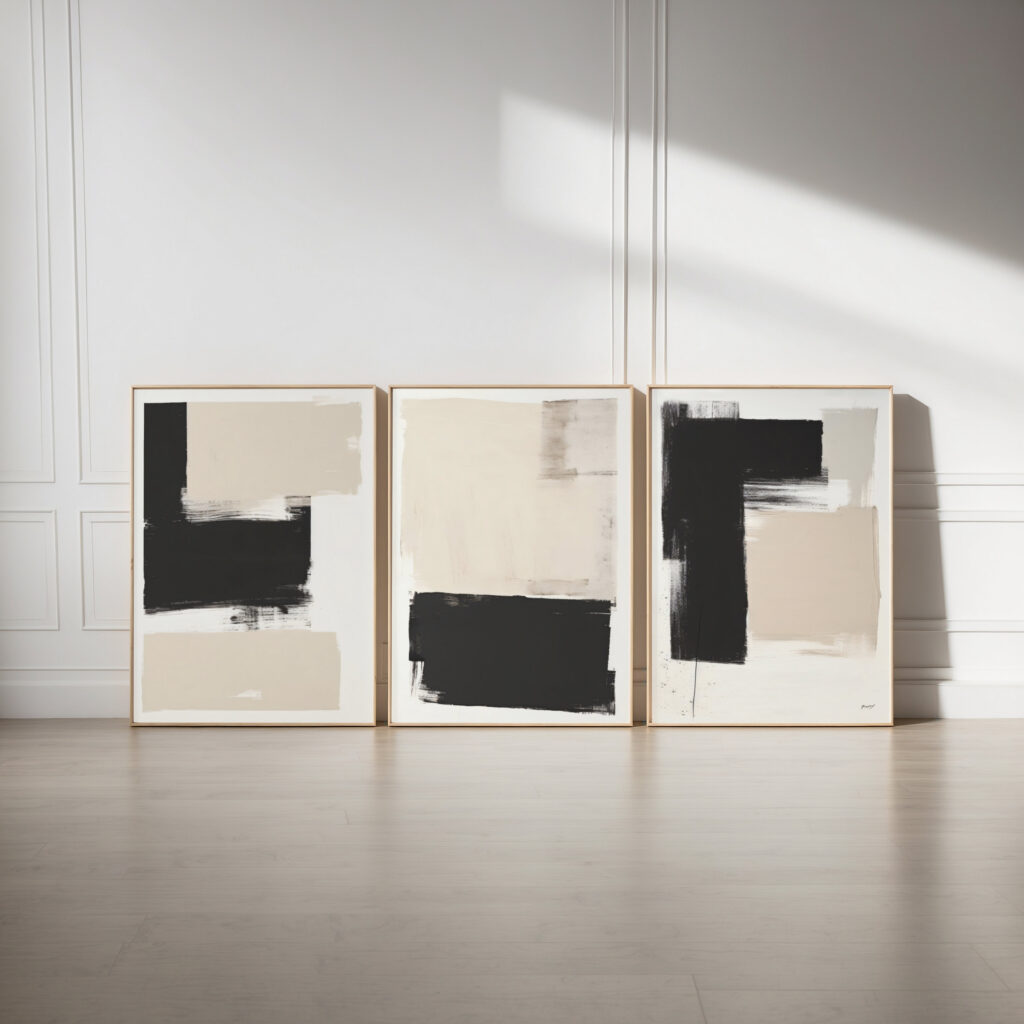
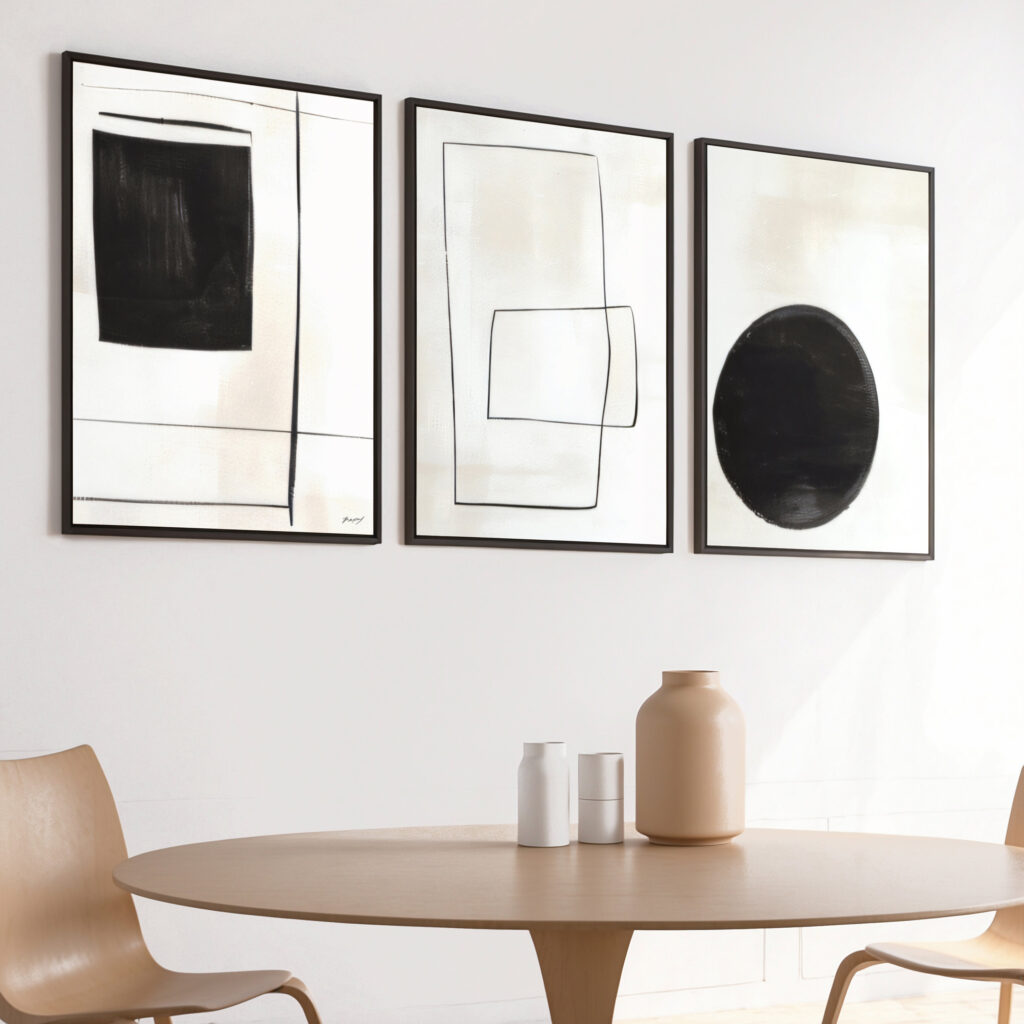
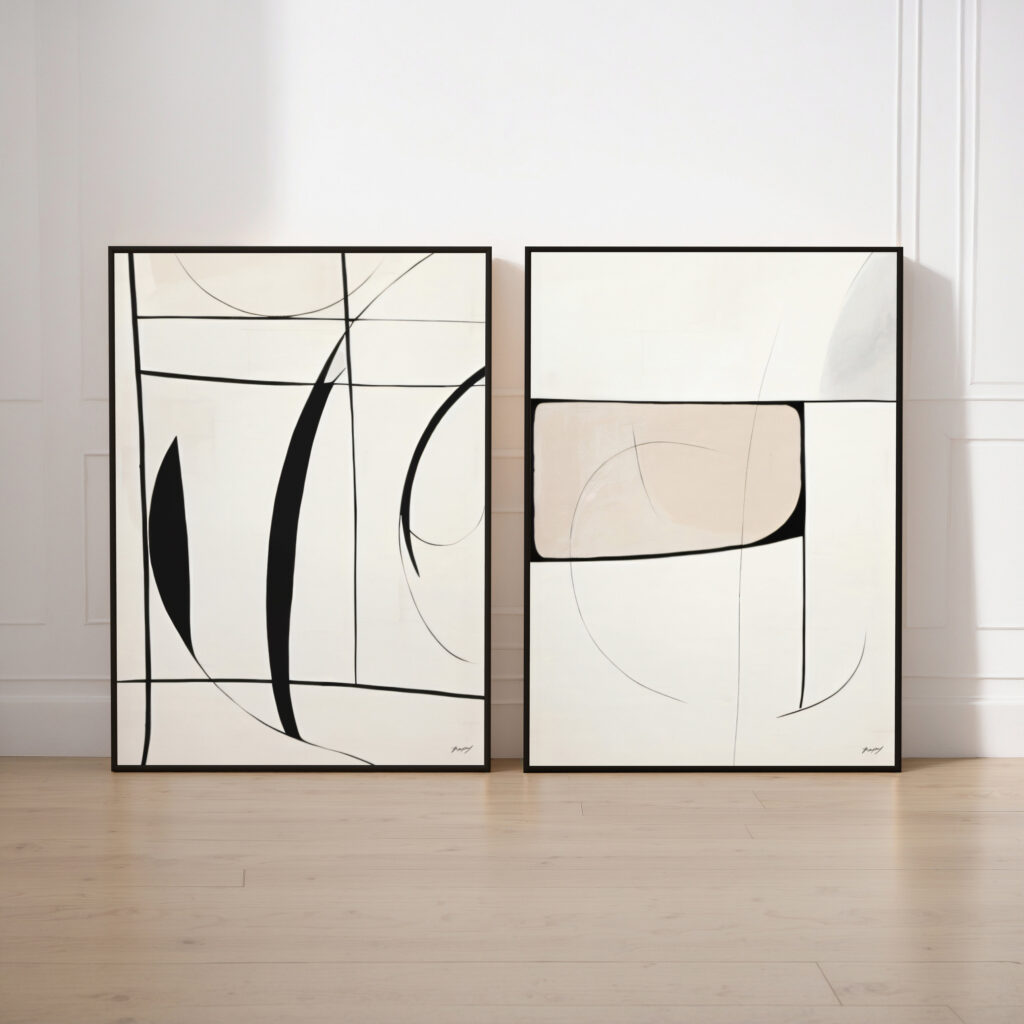
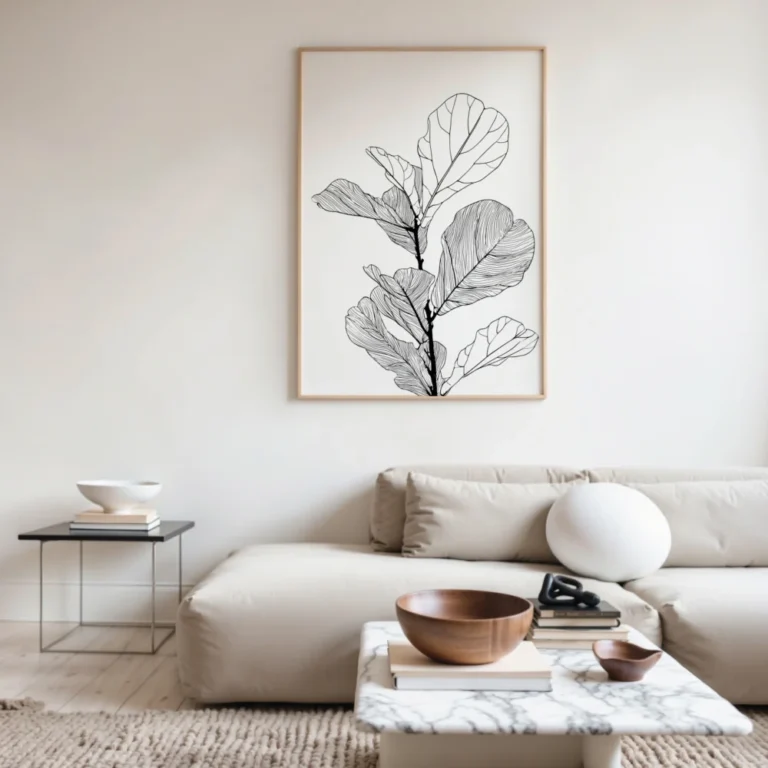
The medium you choose fundamentally changes how light interacts with your walls. Canvas wall art offers a tactile, matte finish that is completely glare-free—an essential choice for sun-drenched living rooms where glass frames would act like mirrors. If your aesthetic is more refined and clinical, heavy-weight fine art paper provides a crisp precision that highlights the sharpness of line drawings. For those dealing with expansive walls, exploring curated art print sets can provide a rhythmic narrative that leads the eye across the room.
It refers to modern pieces created in the late 20th and 21st centuries, typically focusing on abstract forms, minimalist silhouettes, and experimental textures rather than traditional, realistic portraiture or landscapes.
Measure the furniture piece the art will hang above. The artwork should be between 60% and 75% of that furniture’s width. If the wall is empty, the art should occupy about 30% to 50% of the total wall area to avoid looking cluttered or sparse.
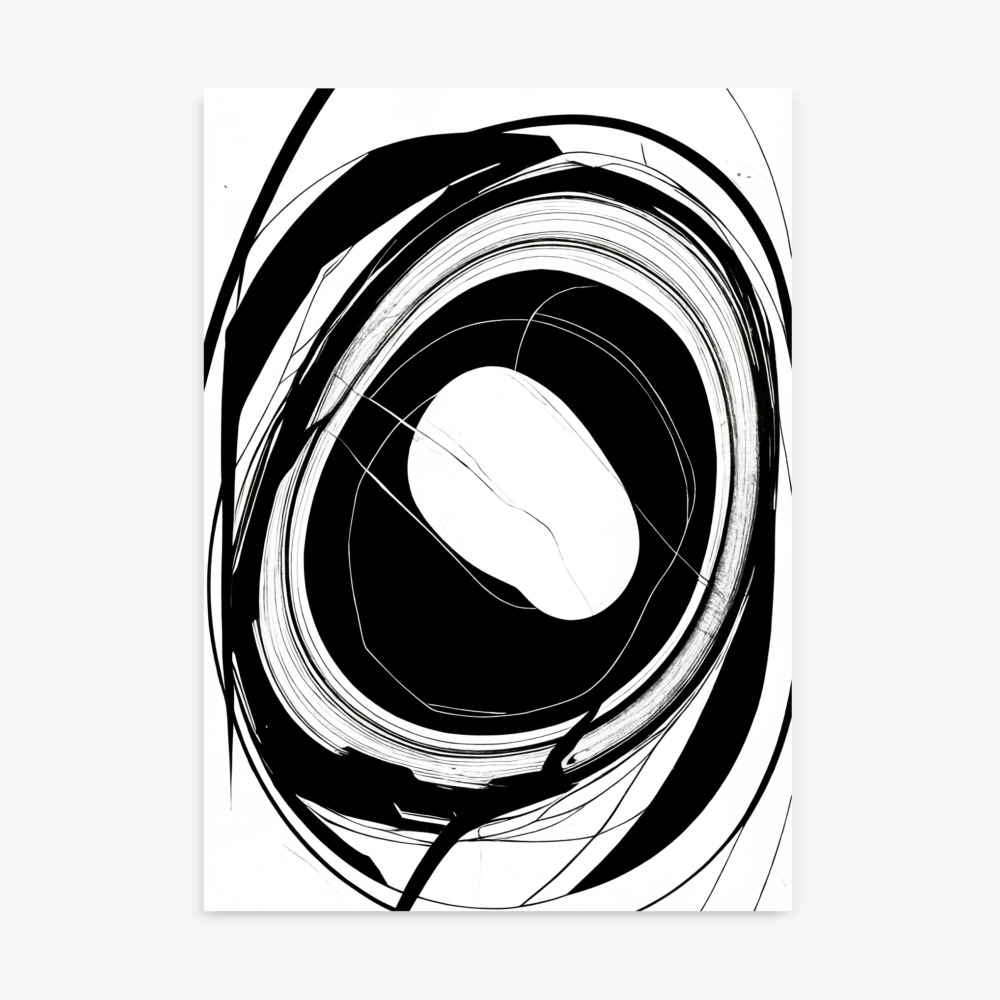
Earthy neutrals like sage green, terracotta, and warm oatmeal are very popular. However, high-contrast monochrome (black and white) remains a timeless choice that works across almost any decor style.
A single large piece offers a clean, bold focal point and makes a room feel more spacious. A gallery wall is more personal and eclectic. For a high-end, contemporary look, a single oversized piece or a symmetrical triptych is usually preferred.
The standard is to hang art at eye level—roughly 58 inches from the floor to the center of the piece. If hanging over a sofa, keep a gap of 6 to 10 inches between the bottom of the frame and the top of the cushions.
Yes. You can pair a landscape photograph with a geometric abstract as long as they share a unifying element, such as a consistent color story or identical framing styles.
Canvas is significantly better for rooms with many windows. Because it has a matte, textured surface, it doesn’t reflect light, whereas glass-framed paper prints can create distracting glares that obscure the artwork.
Art Collections