Limited Time: 20% Off All Prints
Free worldwide shipping on orders over $69
Delivery 4-12 business days
Home / Art Print Collections / geometric abstract painting
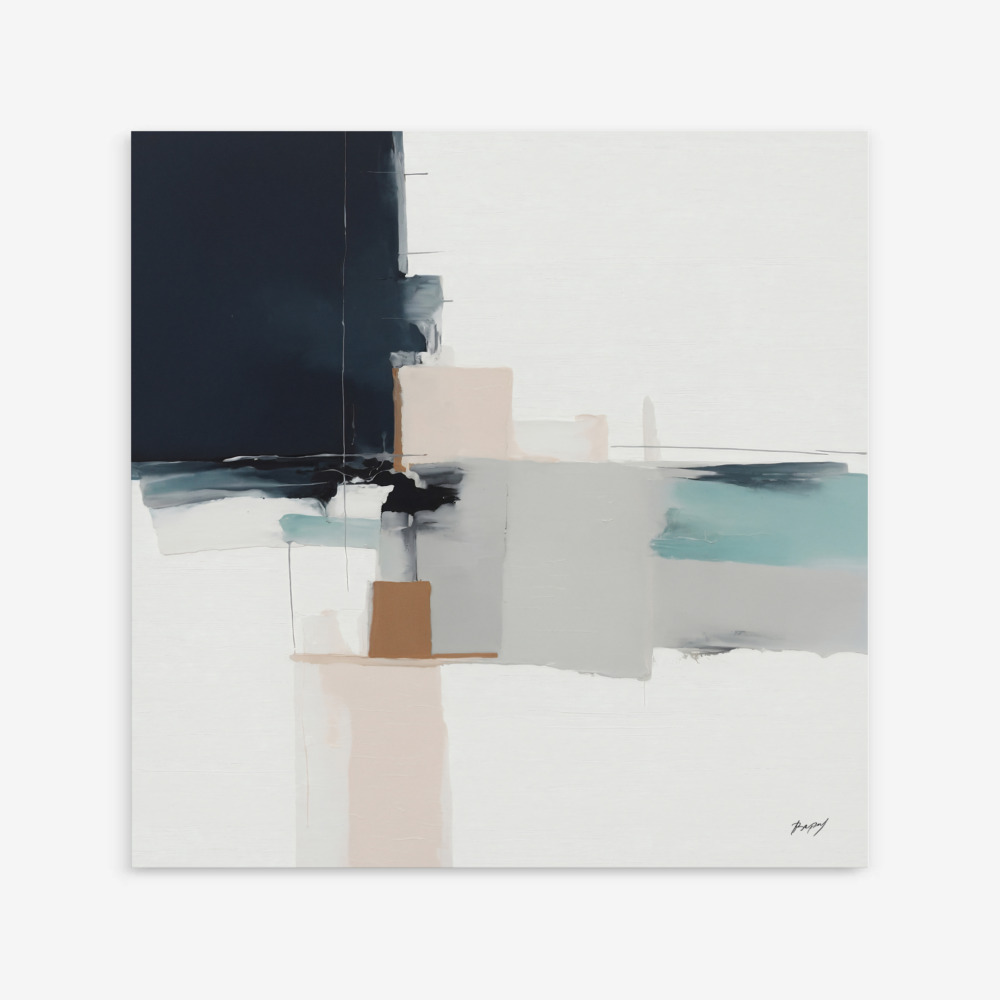
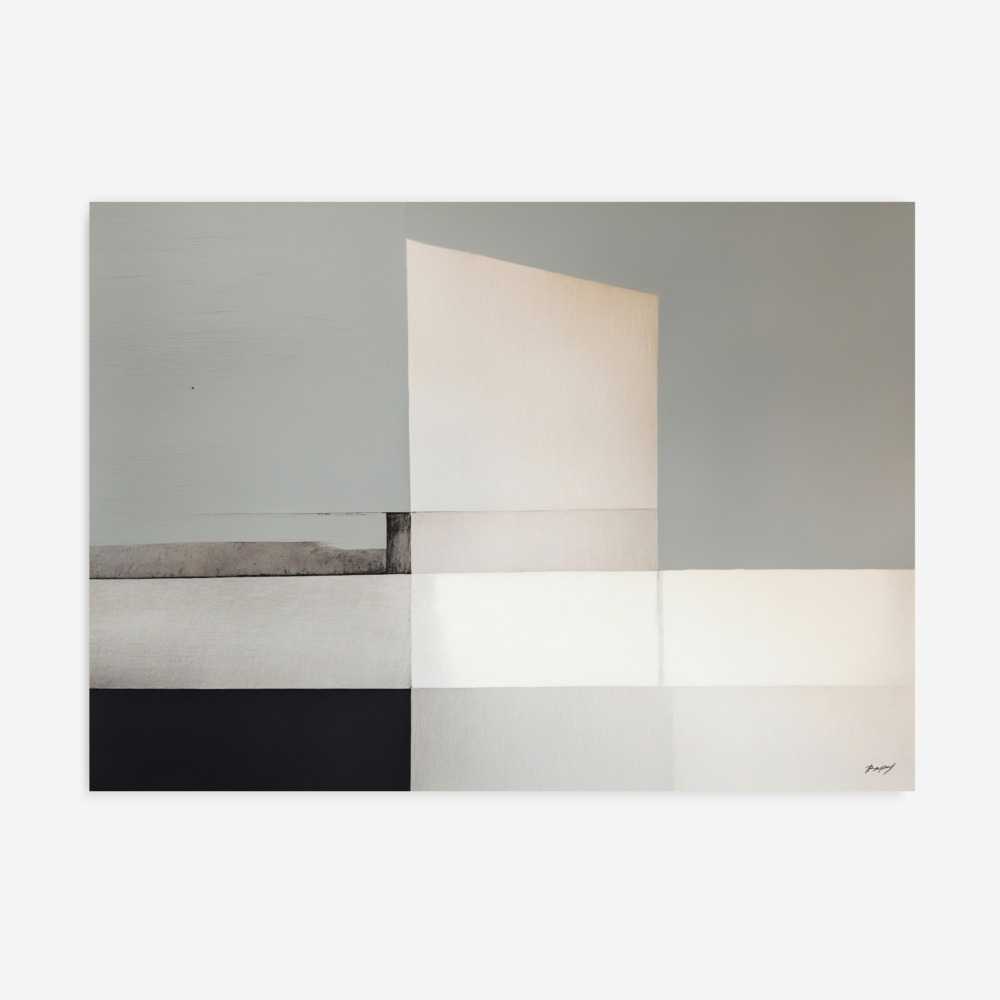
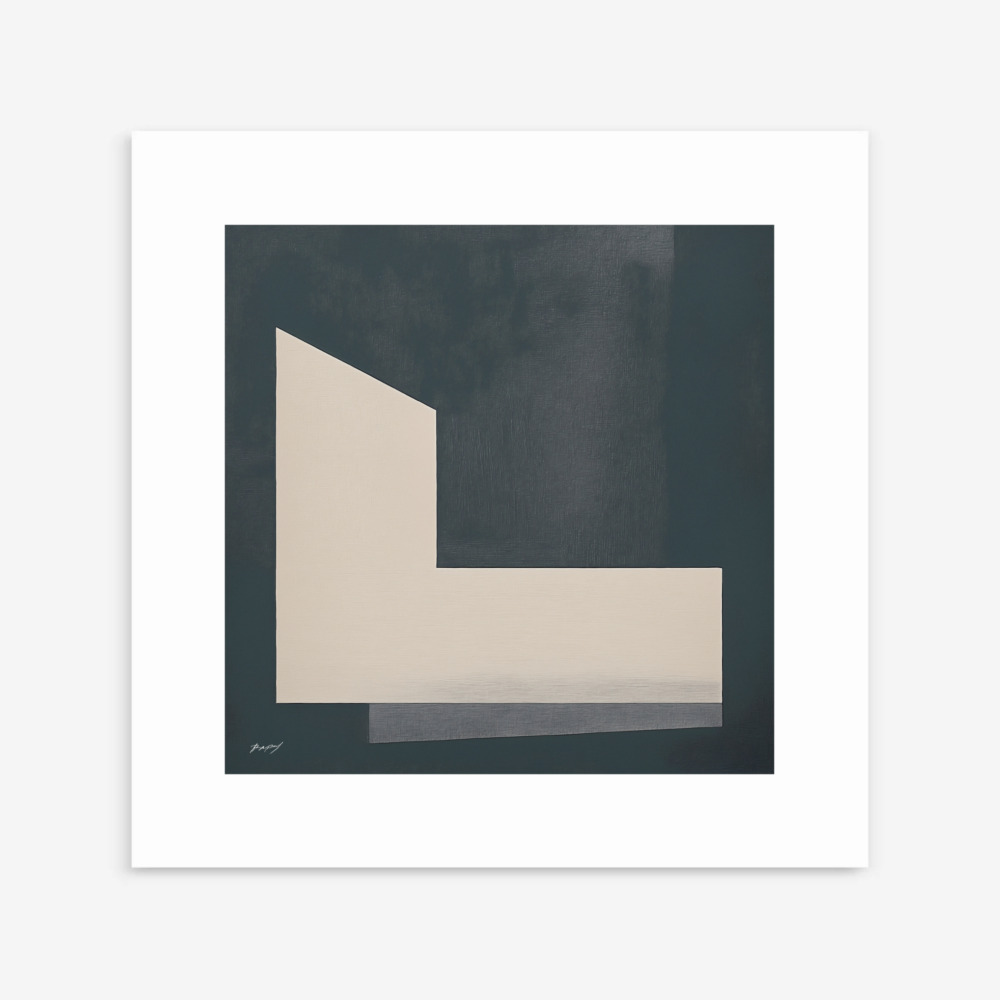
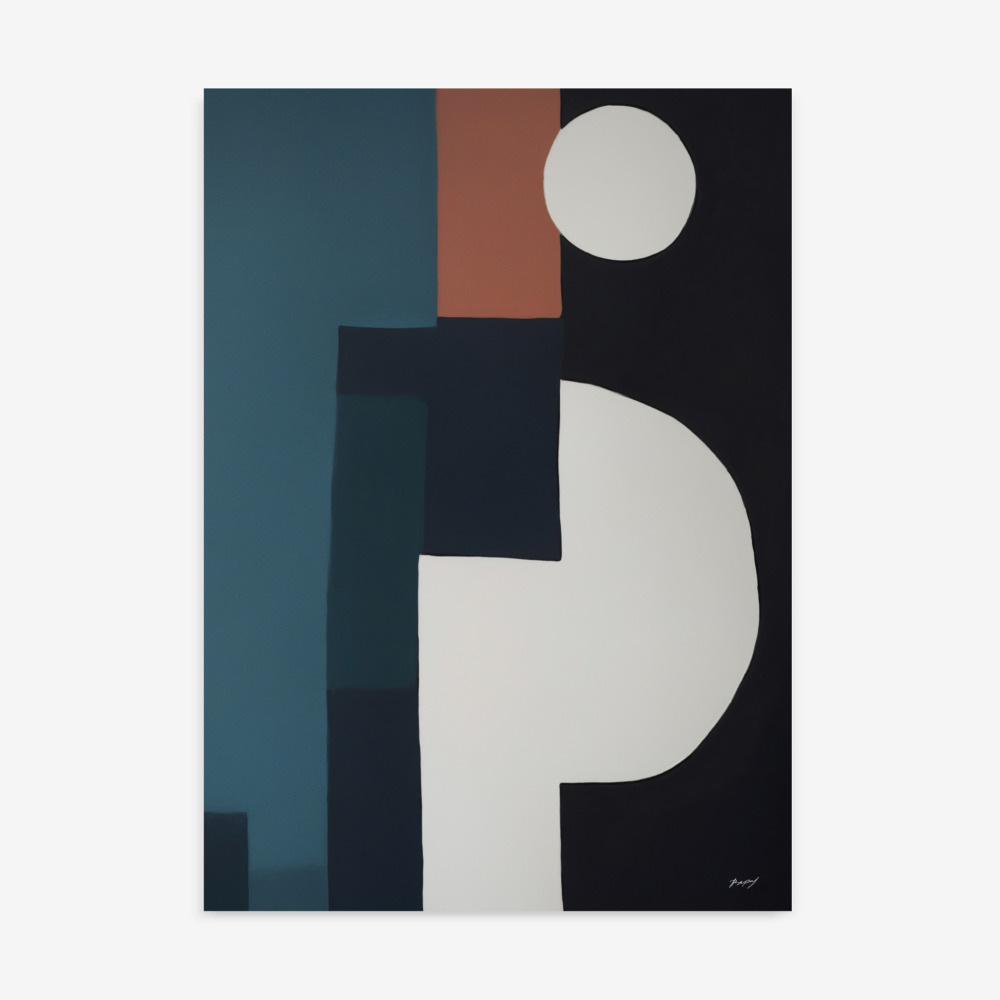
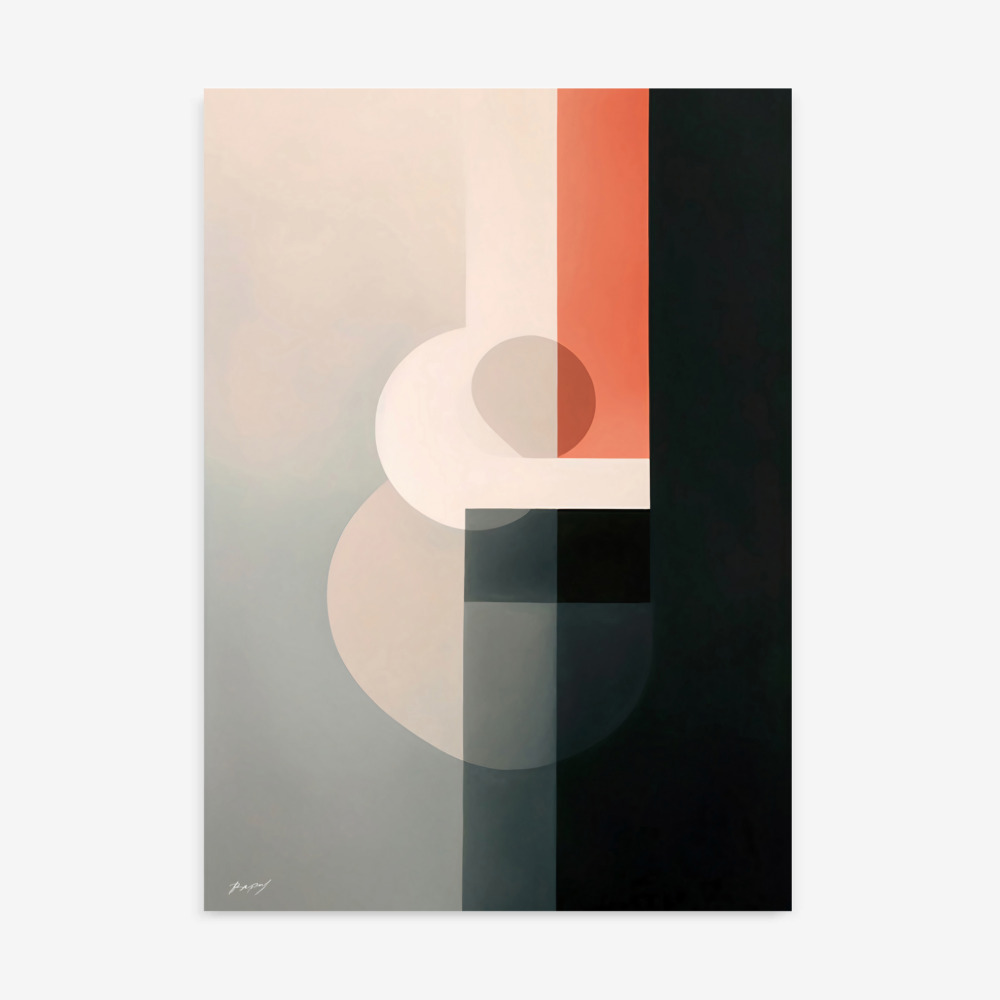
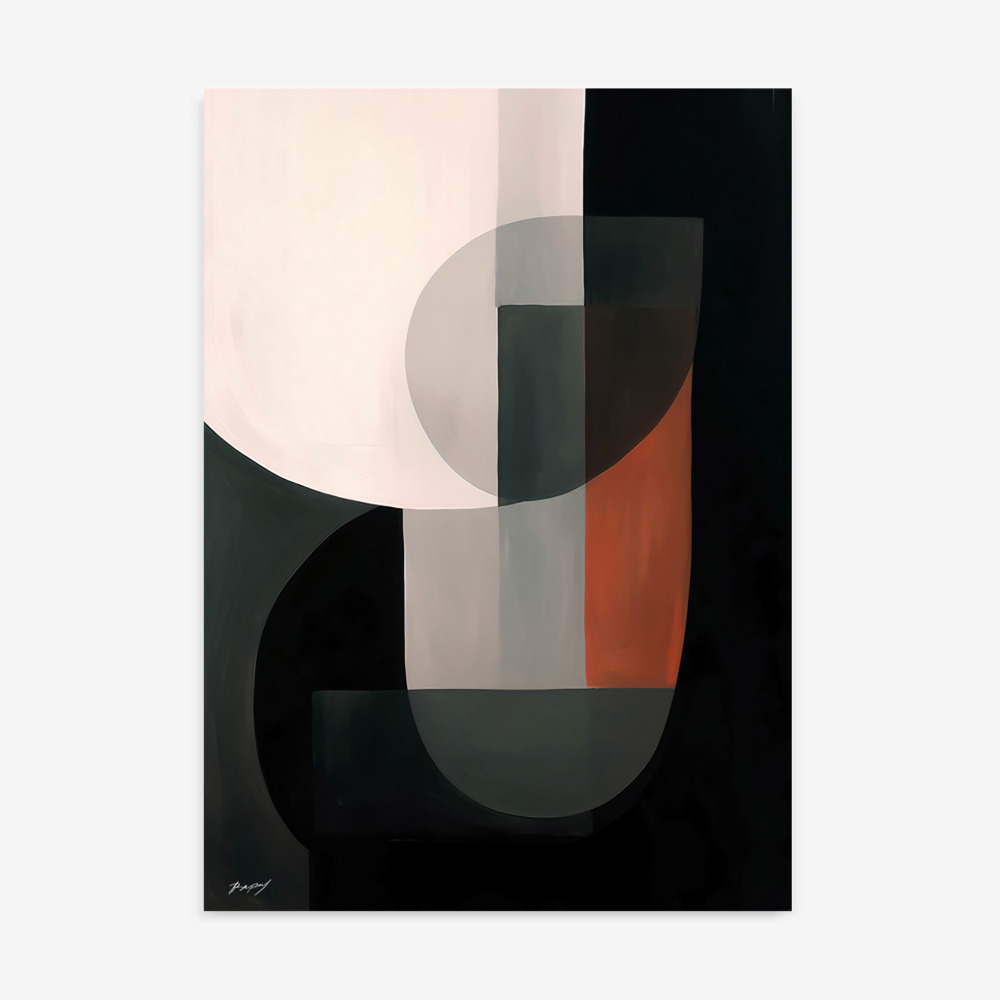
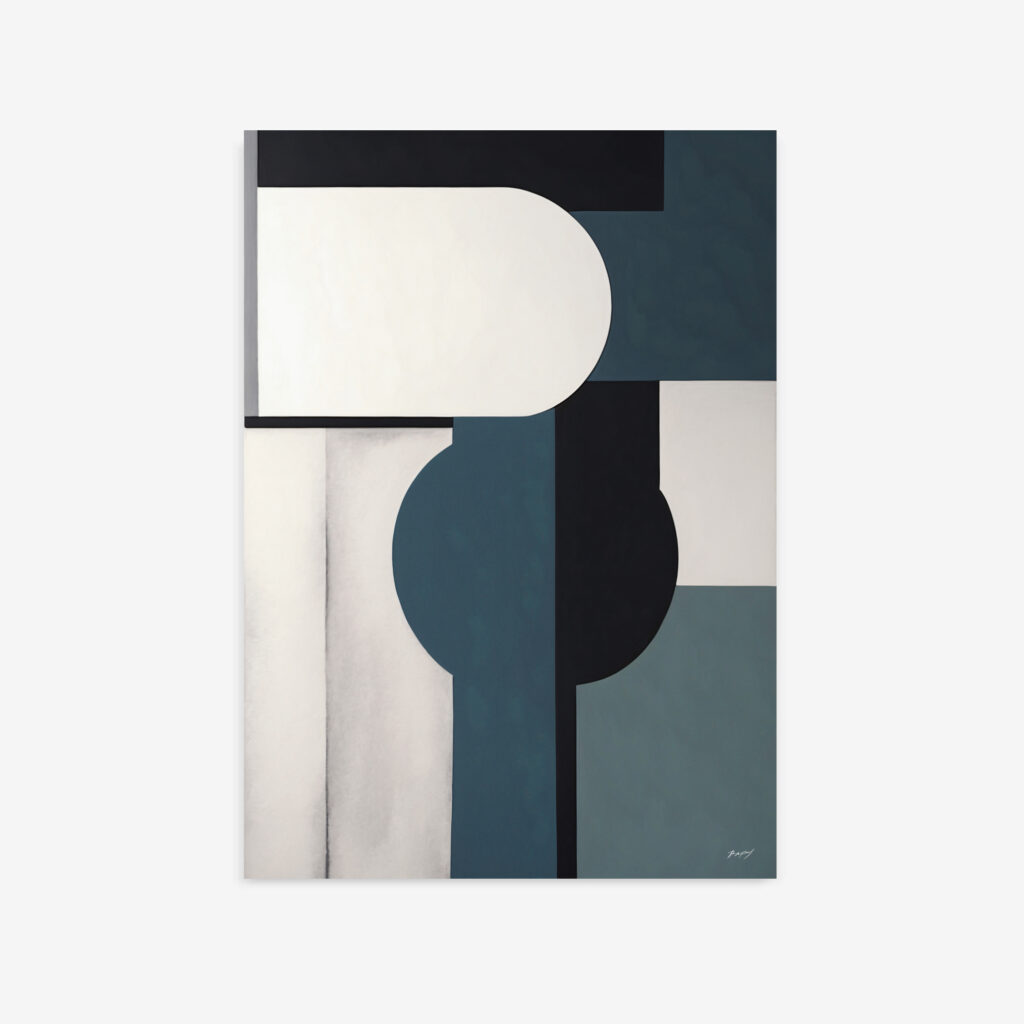
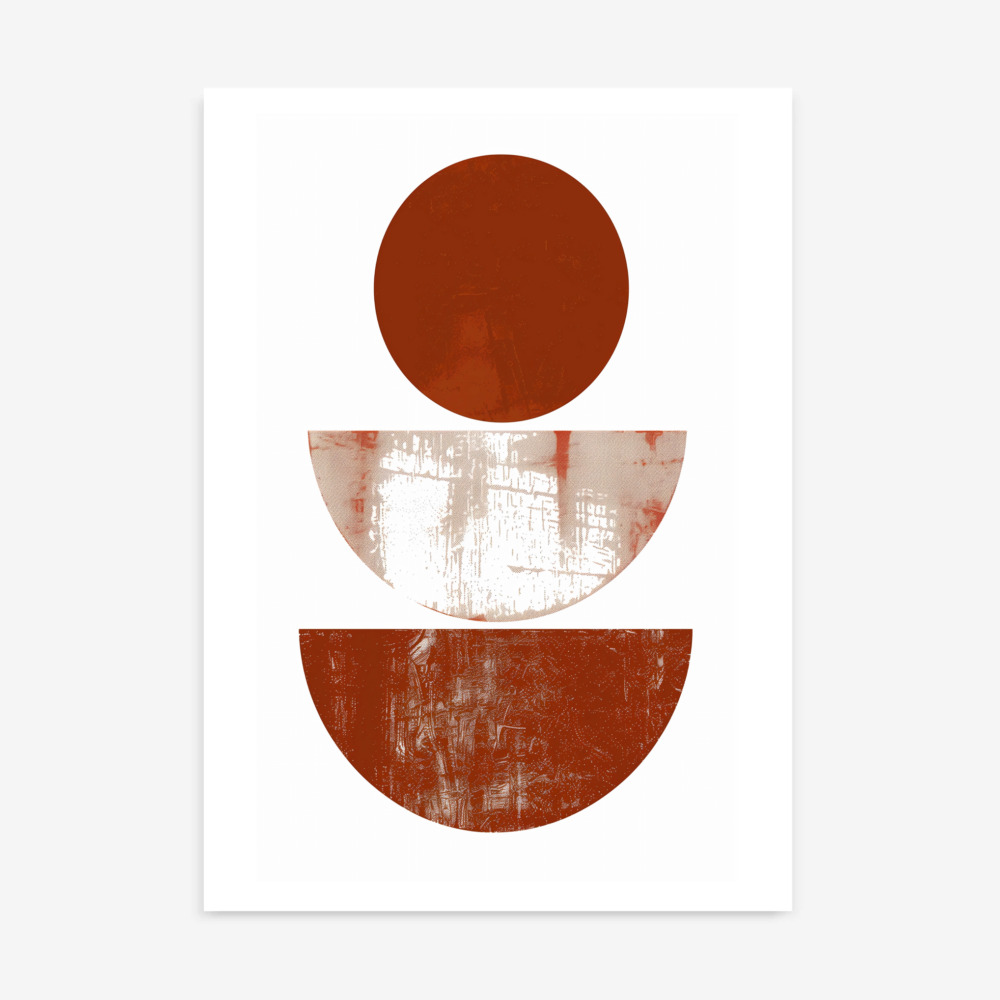
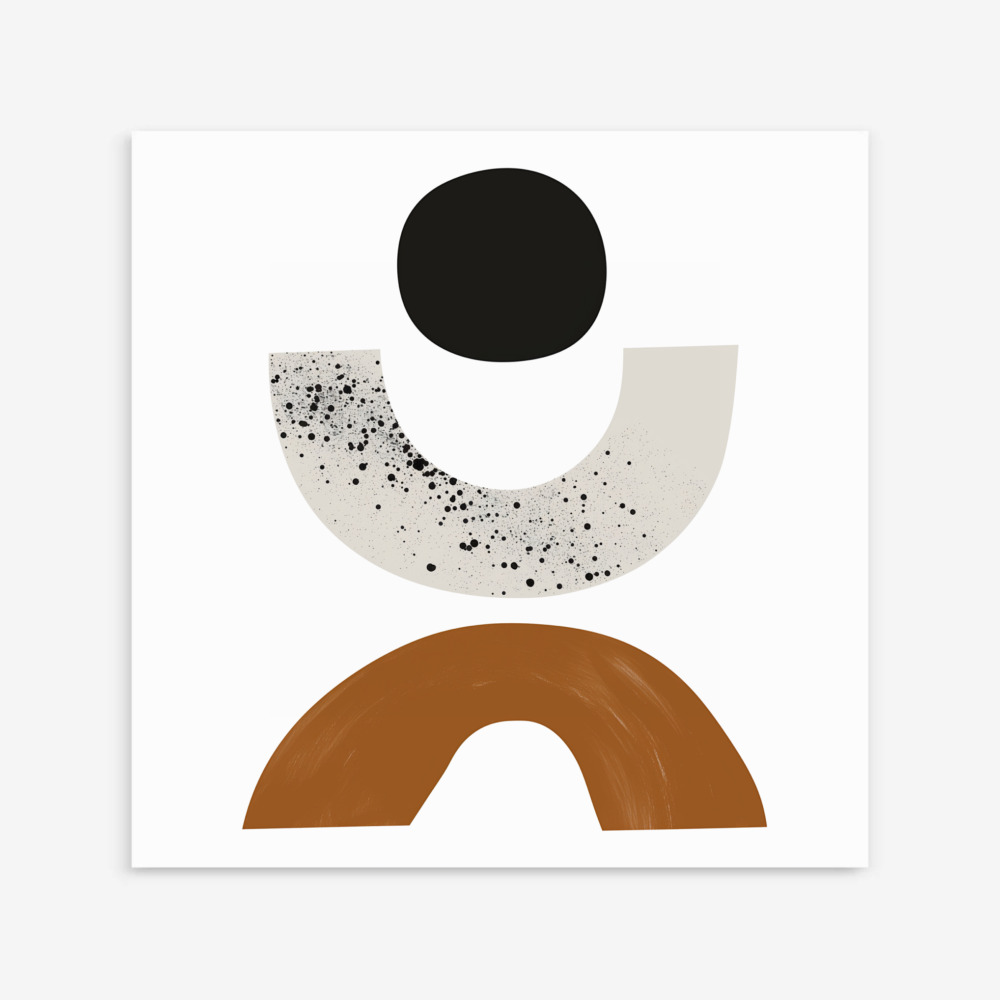
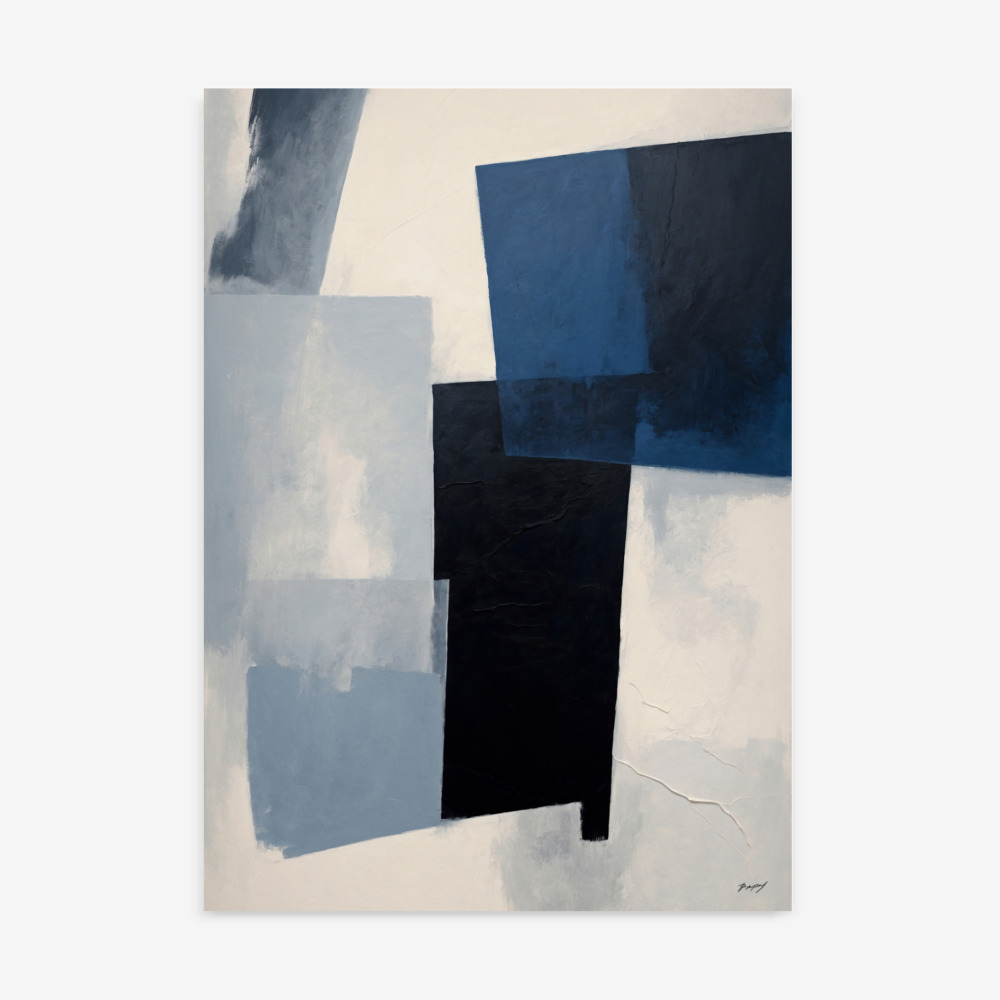
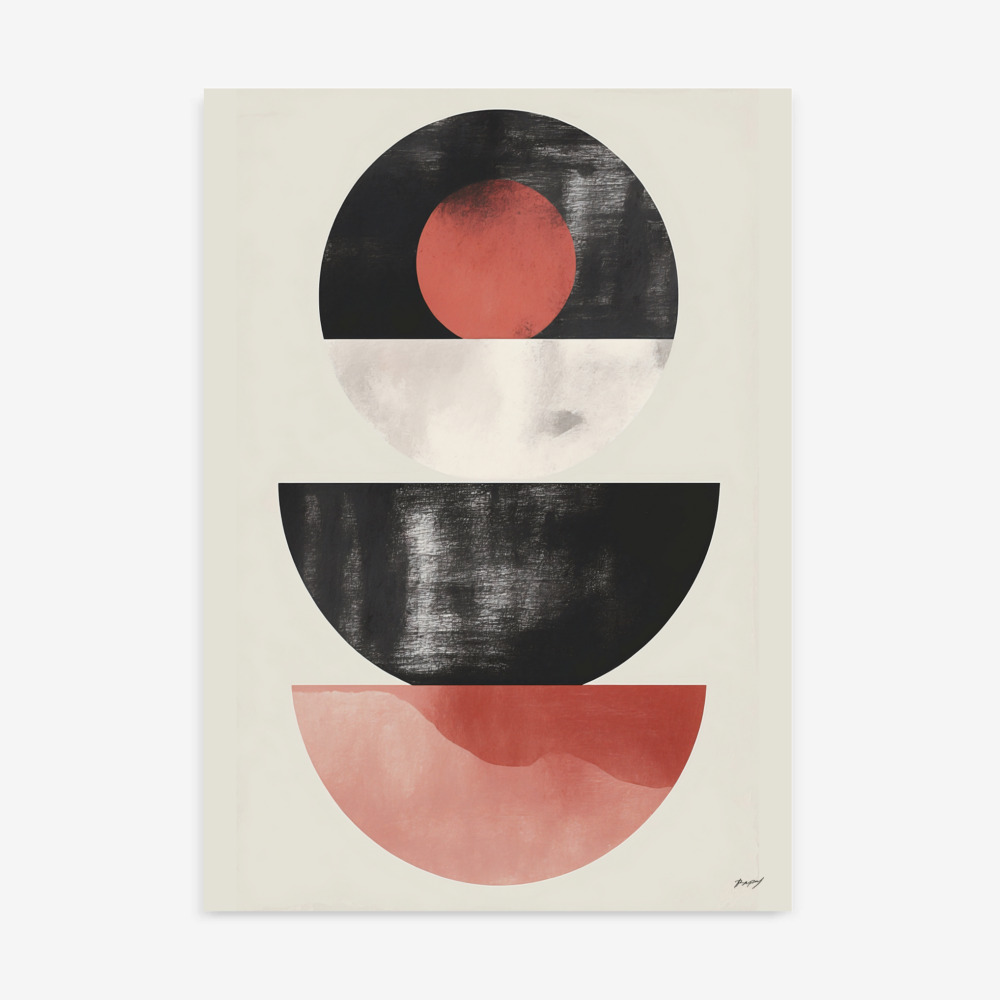
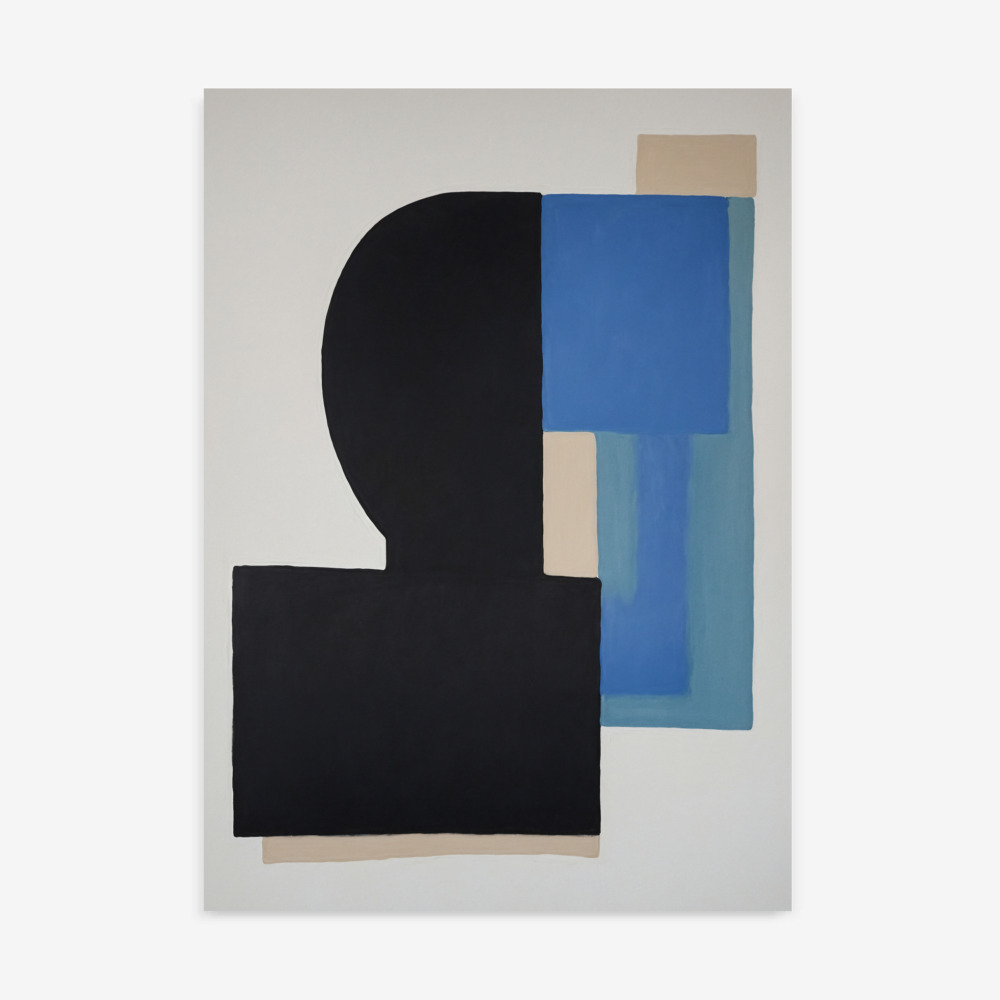
There is a satisfying sense of order in a perfectly balanced composition. Incorporating geometric wall art into your home allows you to ground a room in logic and rhythm, turning mathematical precision into a visual language. Choosing a geometric abstract painting is a sophisticated way to anchor a minimalist living room or a high-energy home office through clean, intentional aesthetics that never feel cluttered.
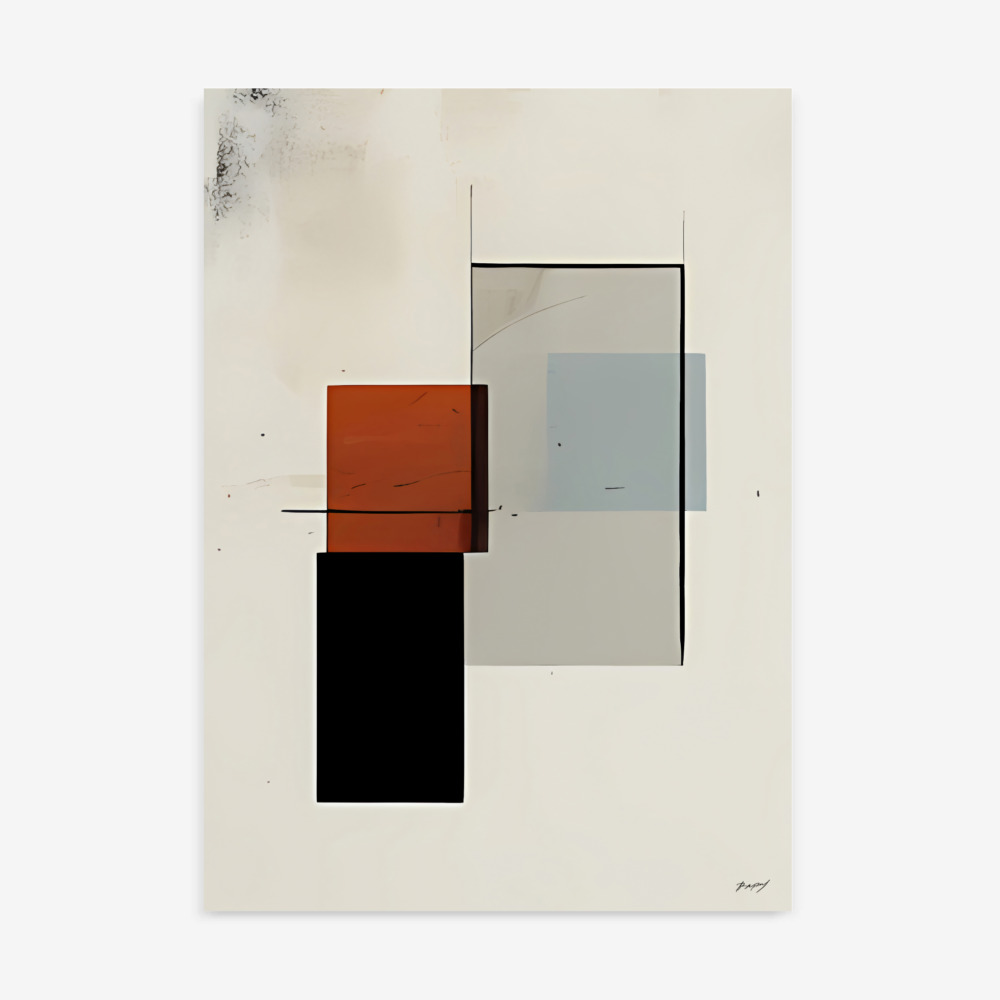
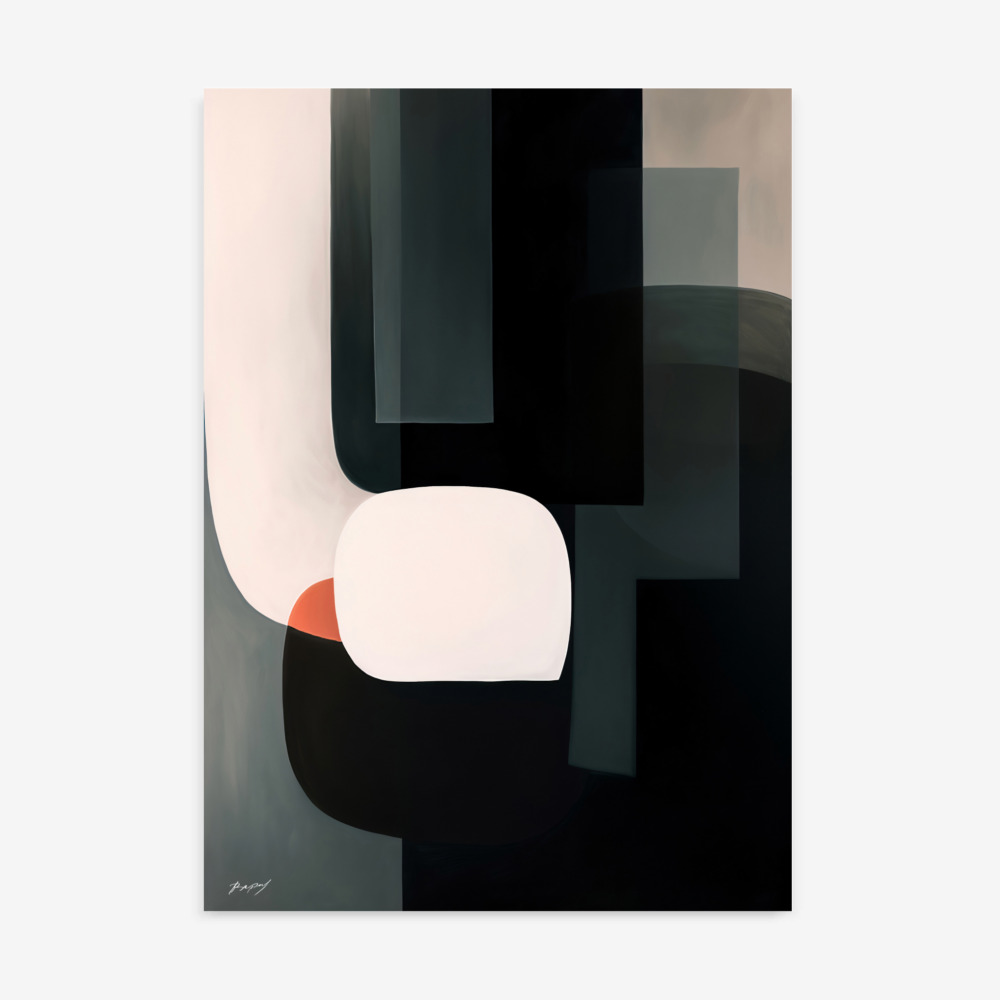
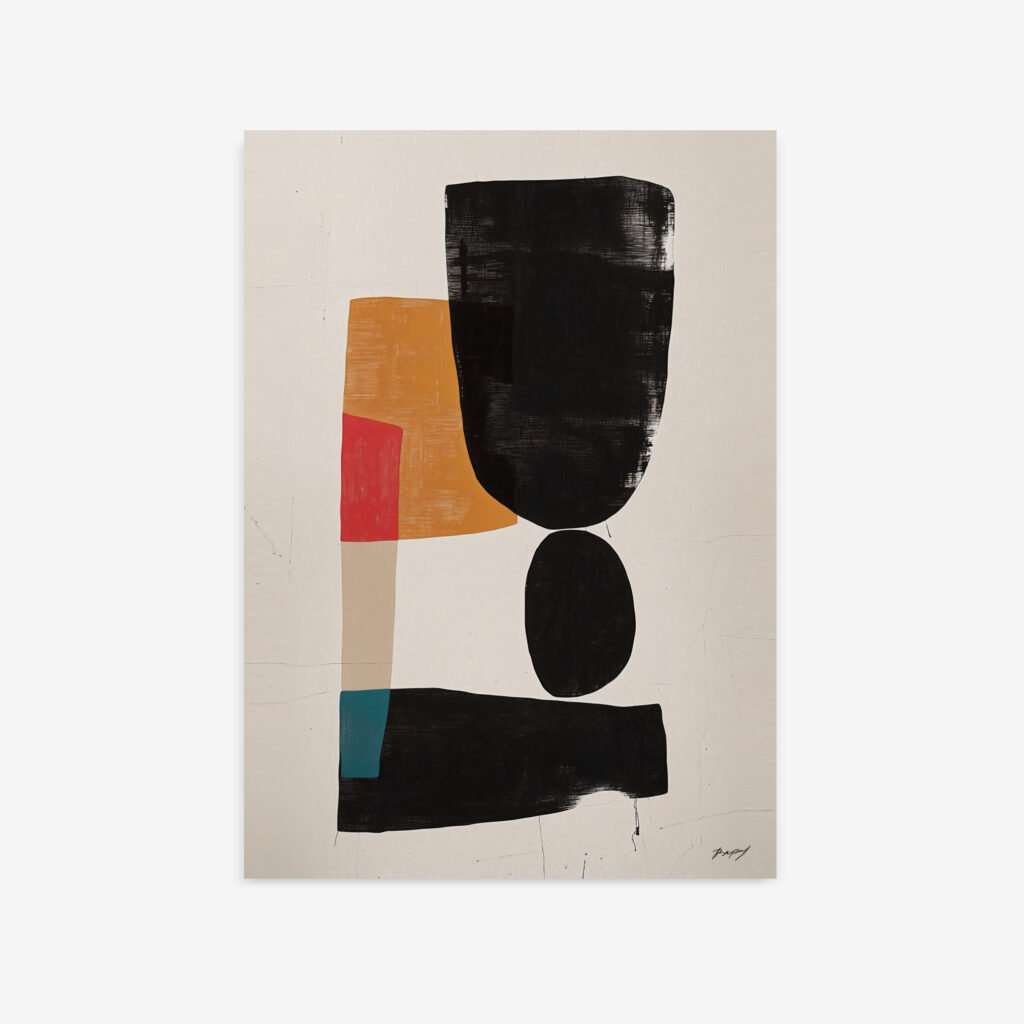
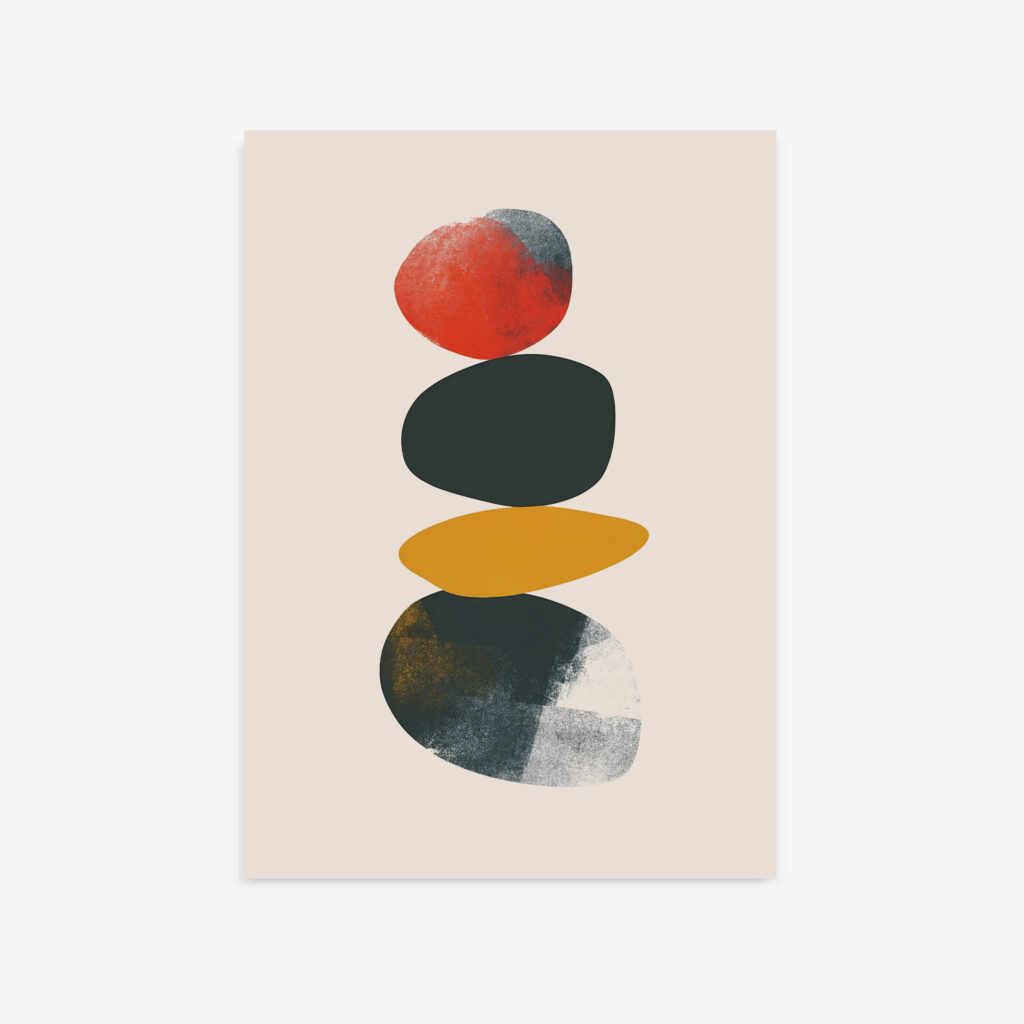
While traditional art often seeks to replicate the world around us, this style of work celebrates the beauty of form itself. By stripping away representational details, the focus shifts to the visual weight of a curve or the sharpness of an angle. This approach is particularly effective for those who appreciate fine art prints but want something with more structure. It bridges the gap between mid-century nostalgia and modern minimalism, making it a versatile choice for any contemporary setting.
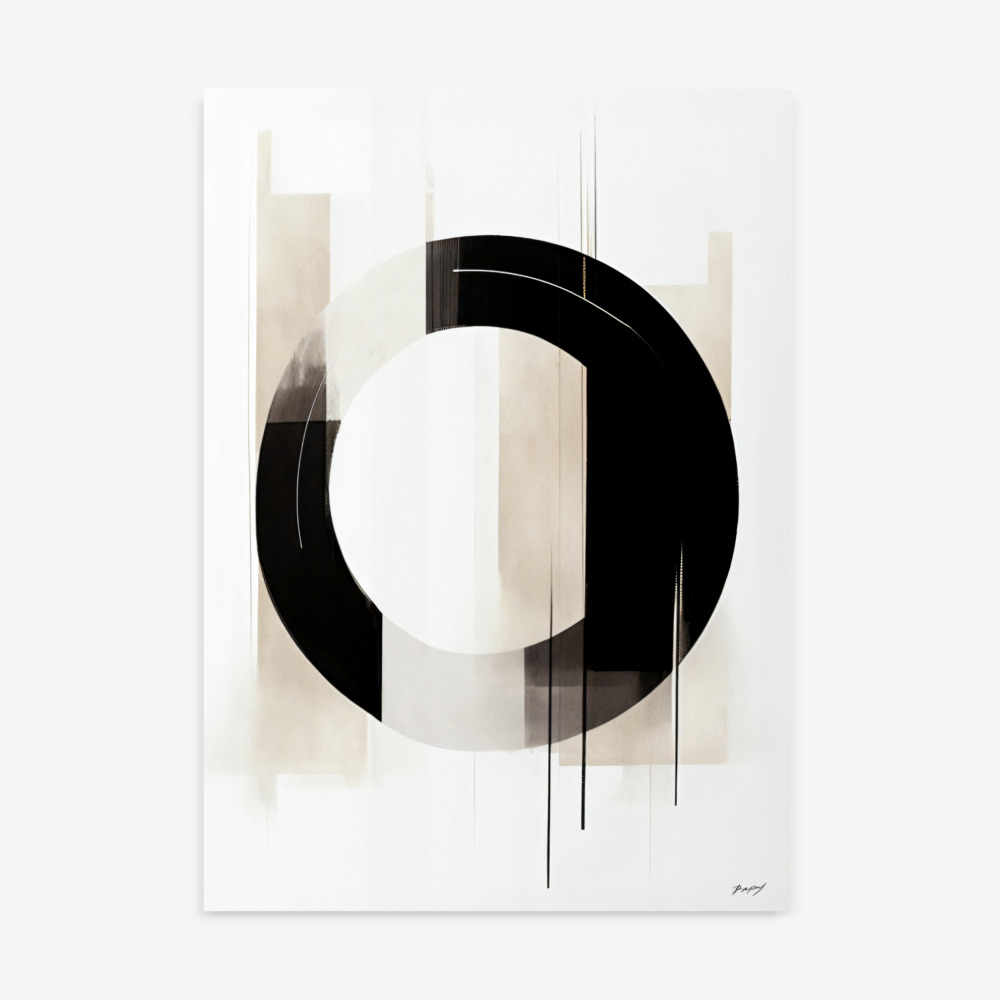
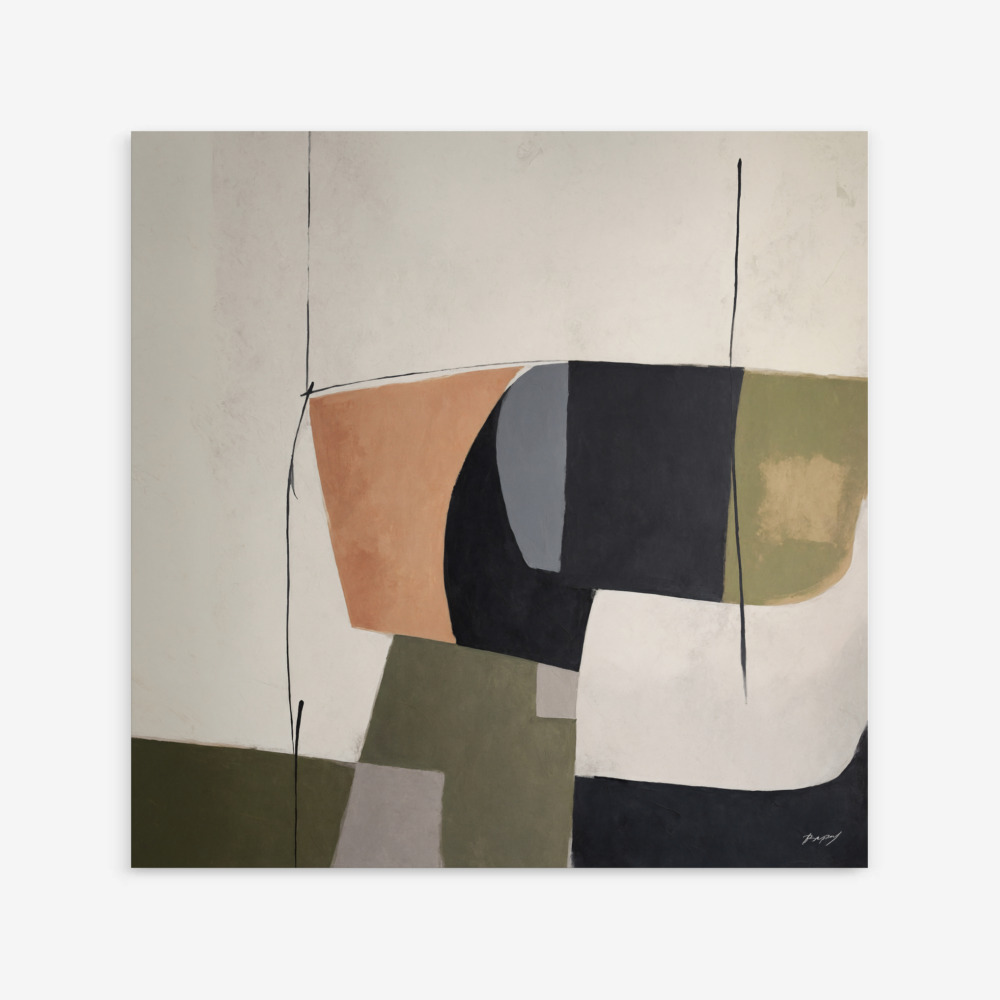
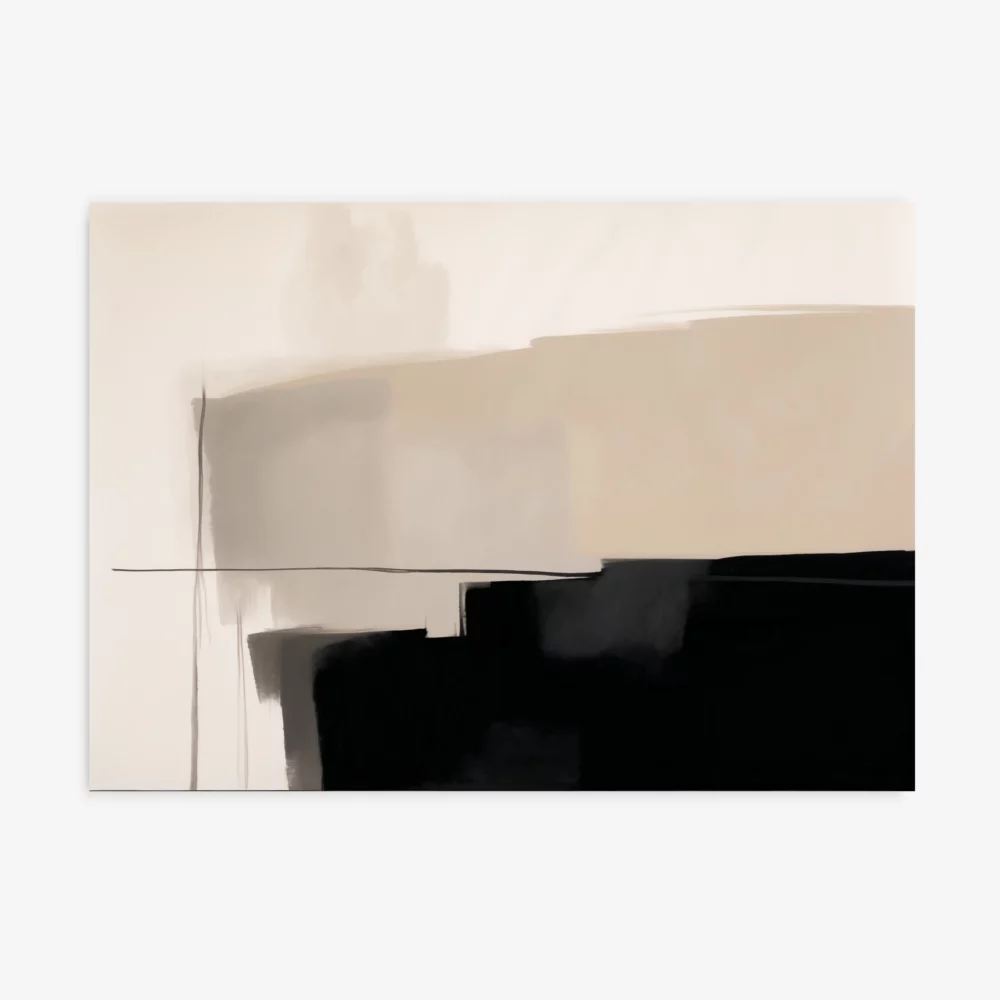
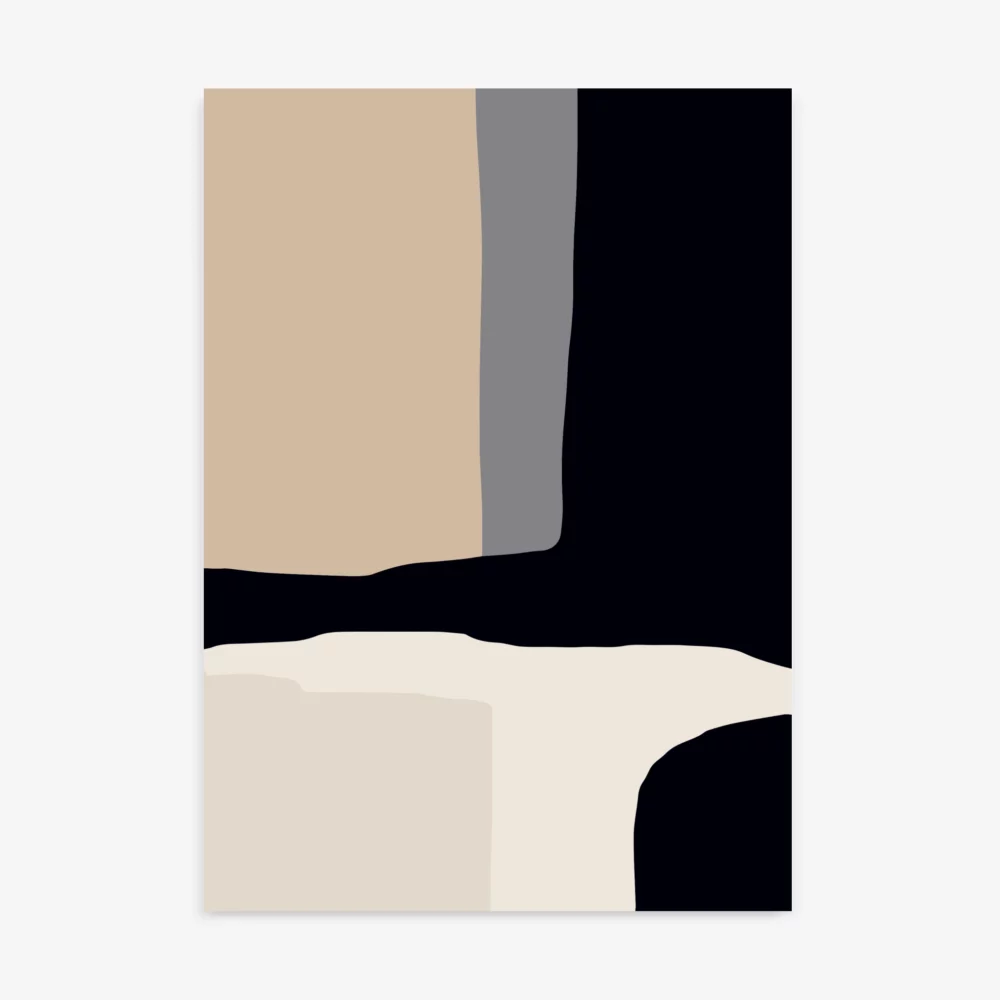
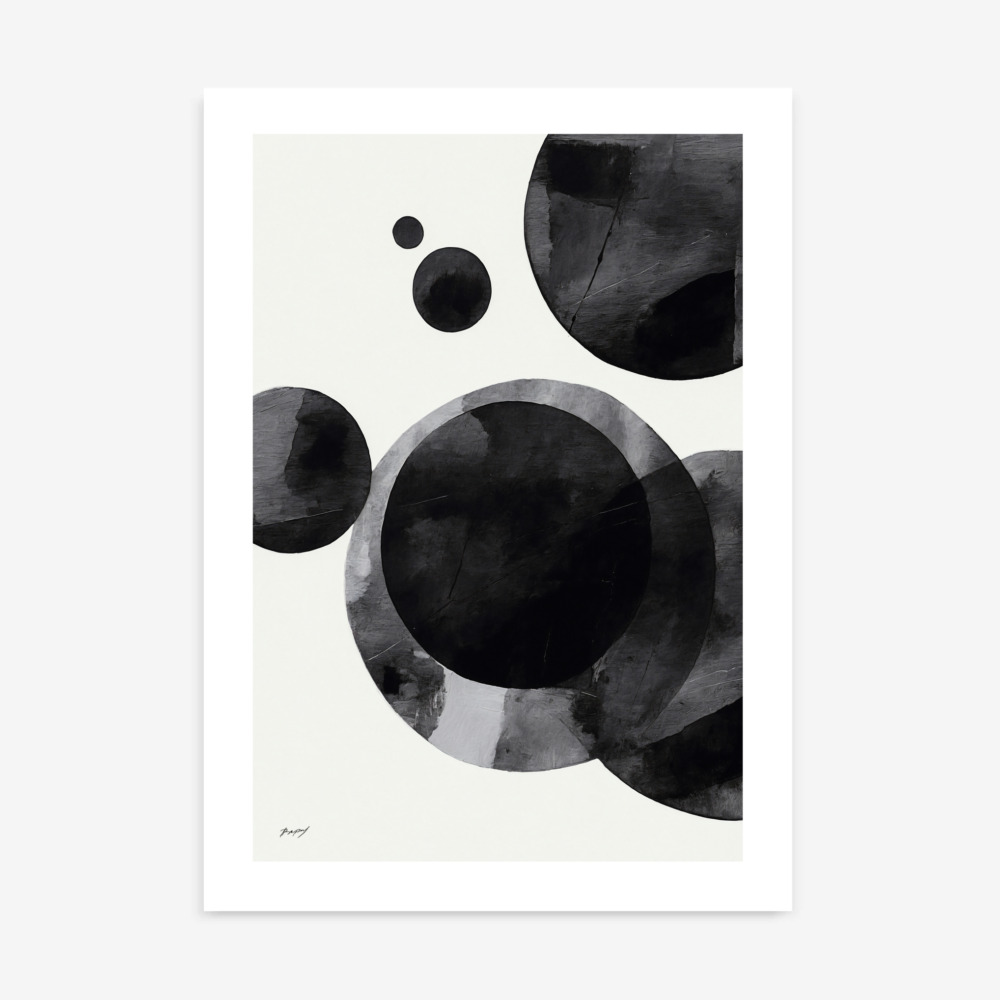
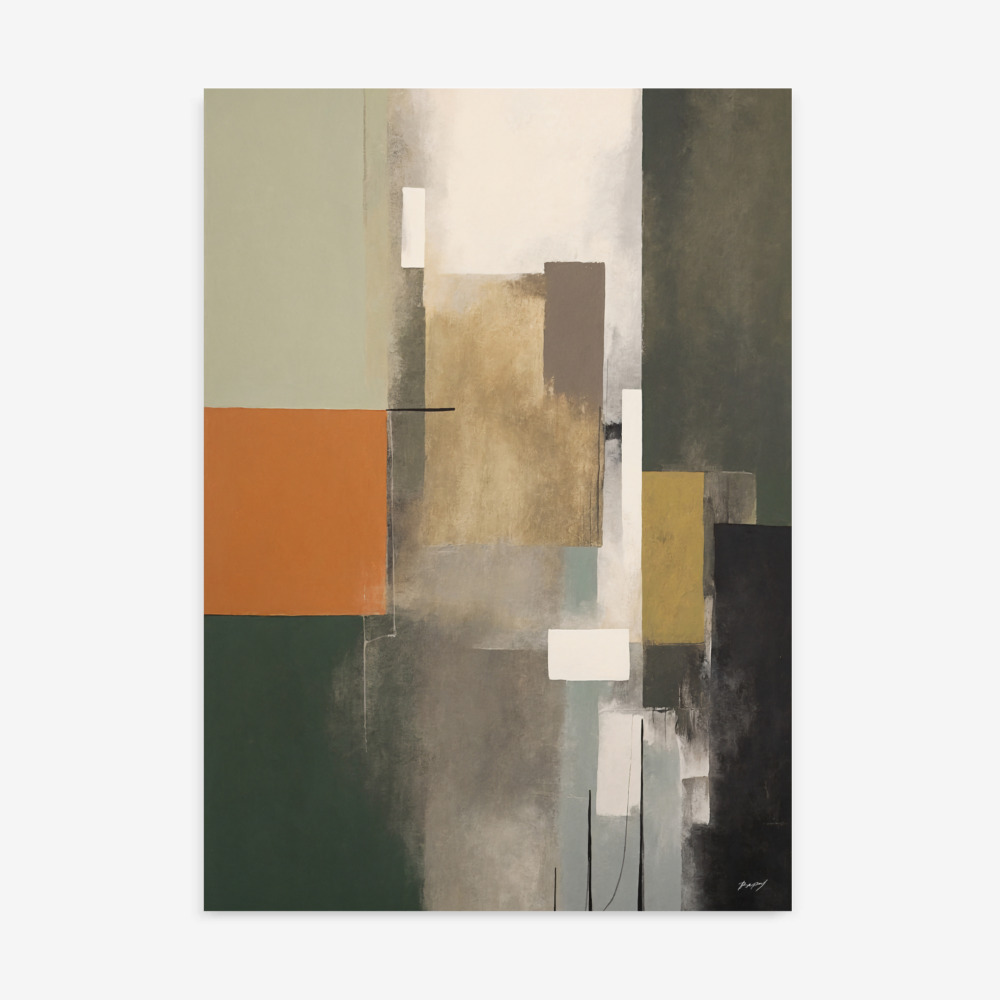
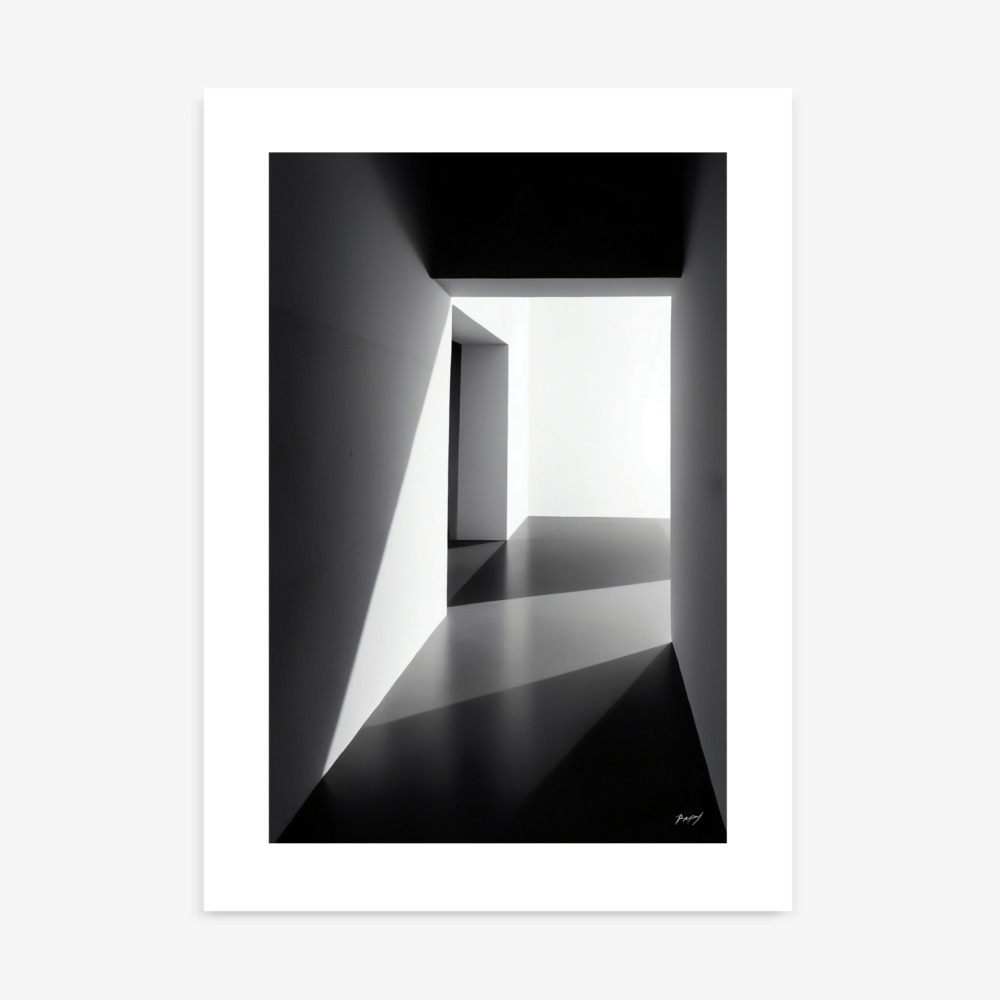
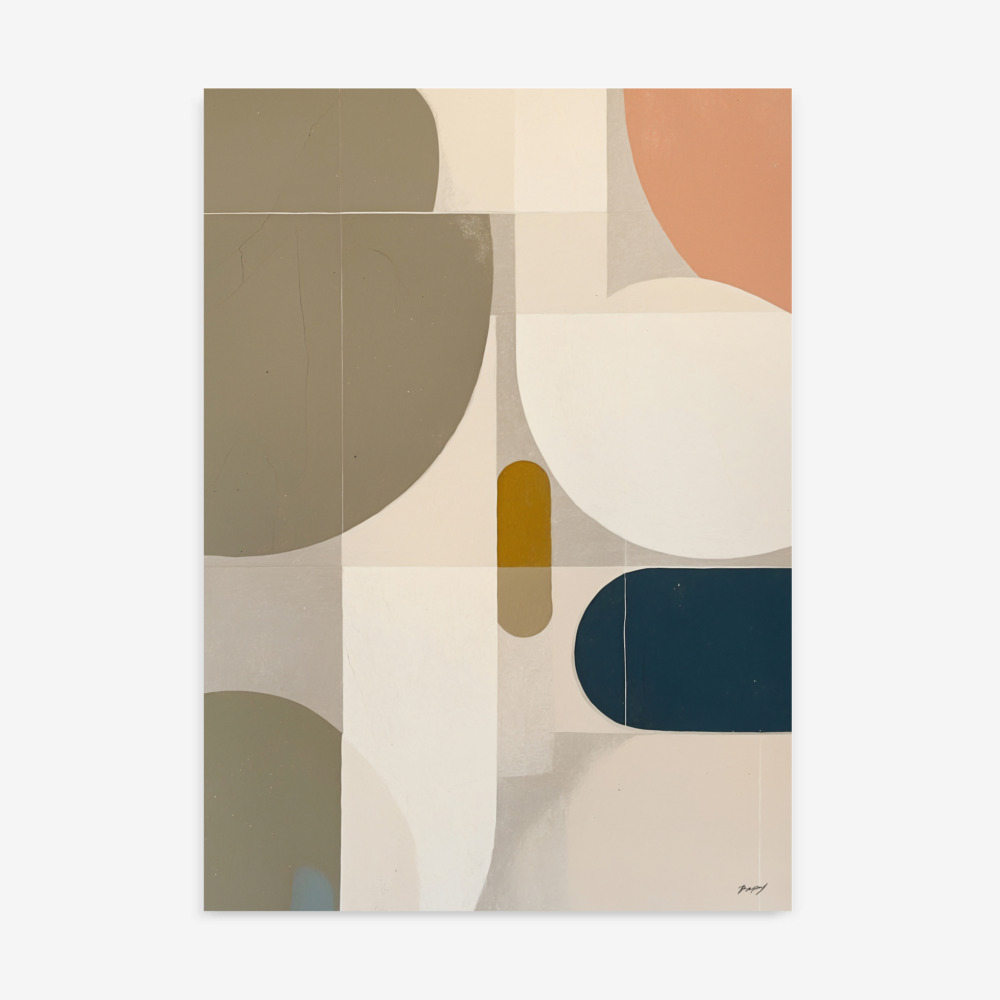
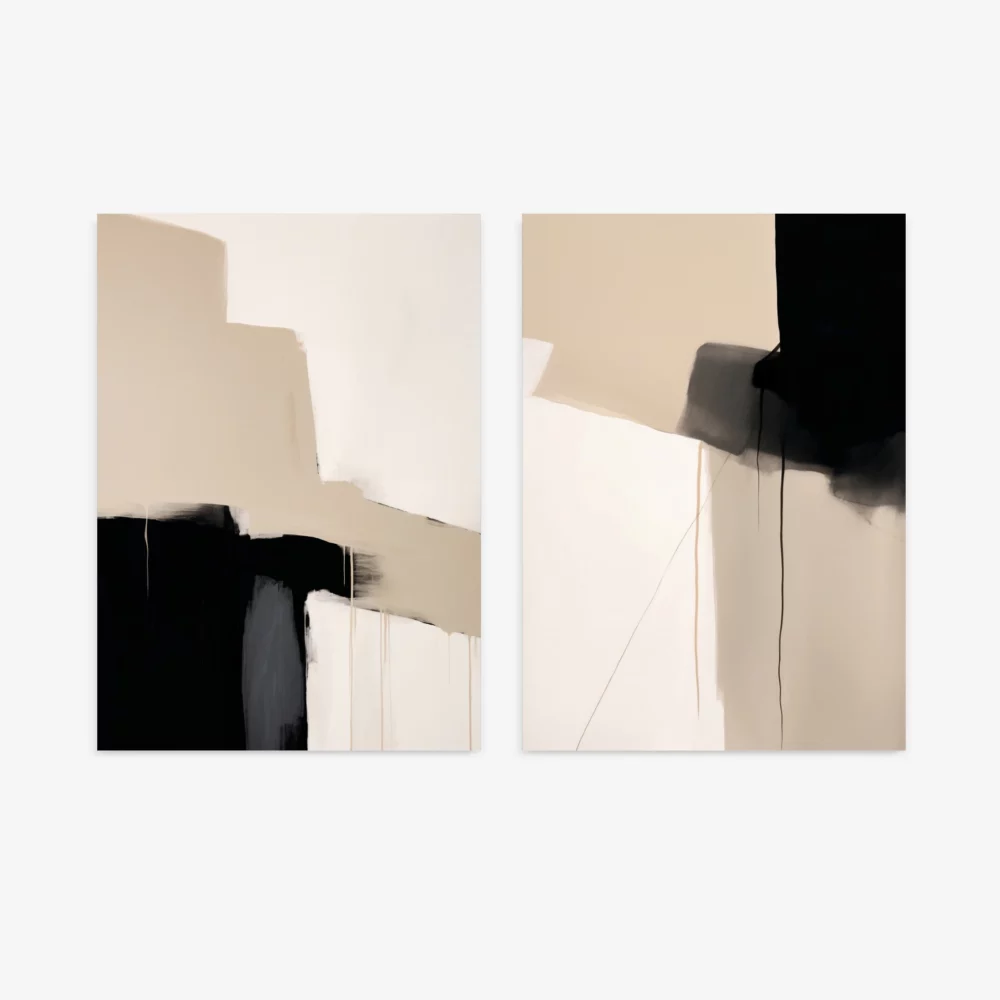
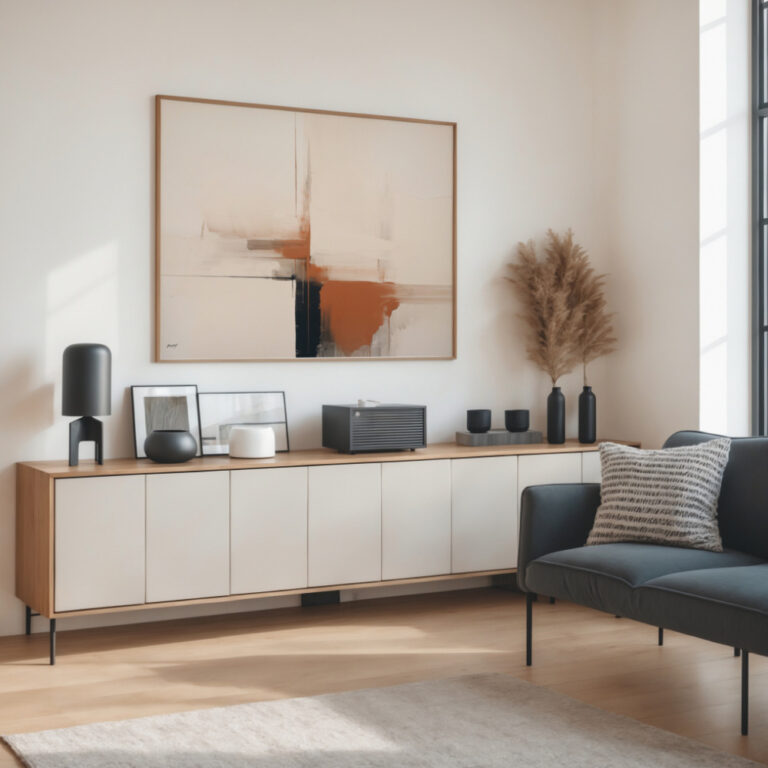
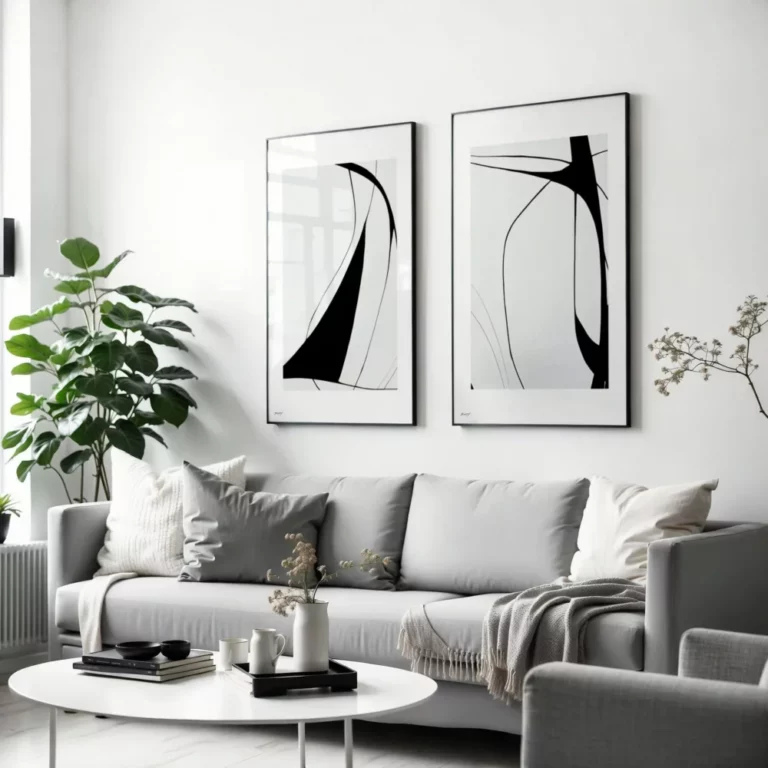
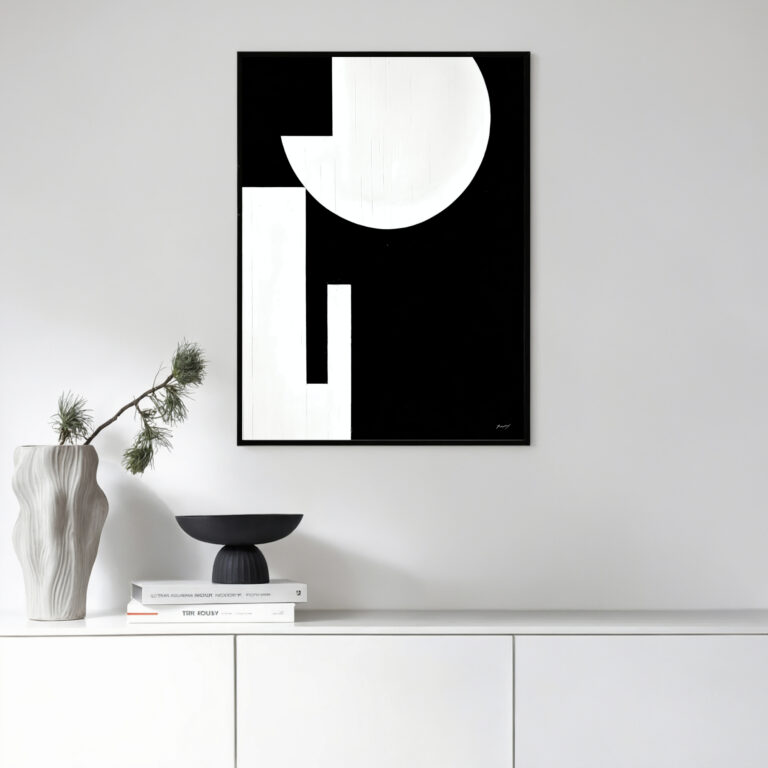
The color story of a geometric abstract painting dictates the energy of the room. For an architectural, high-contrast look that demands attention, black and white canvas prints are a timeless choice. If you are looking to soften a room, search for pieces with earthy tones—like terracotta, sage, or ochre—that take the “edge” off the rigid shapes. This balance ensures the work feels like a natural extension of your furniture and textiles rather than a standalone interruption.
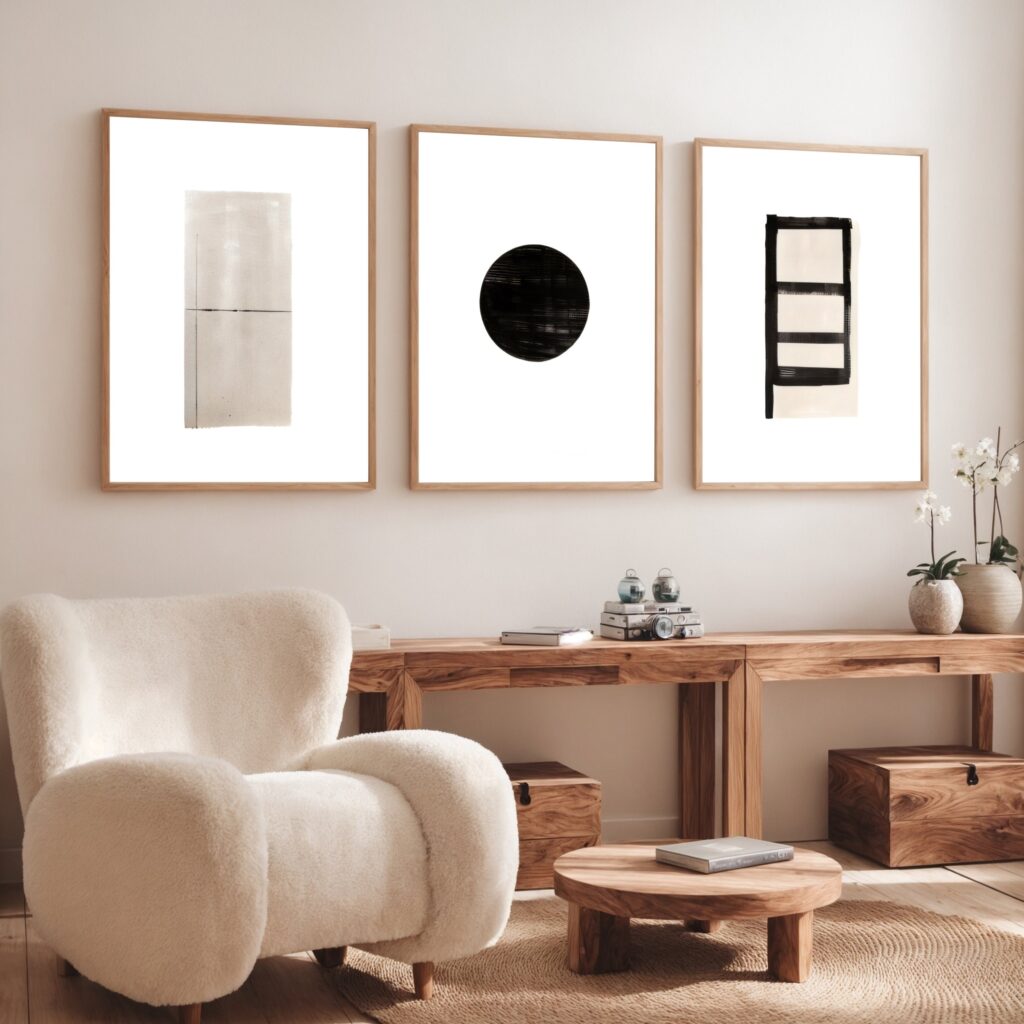
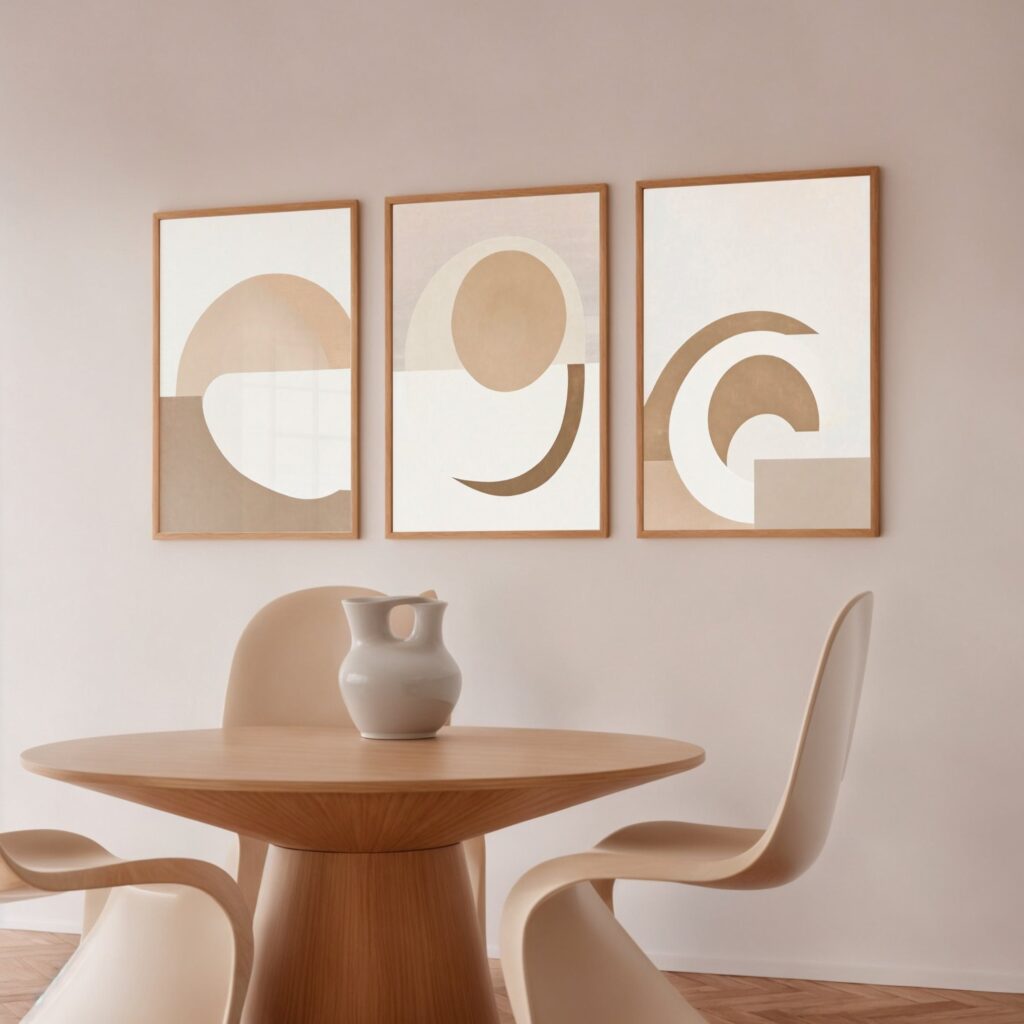
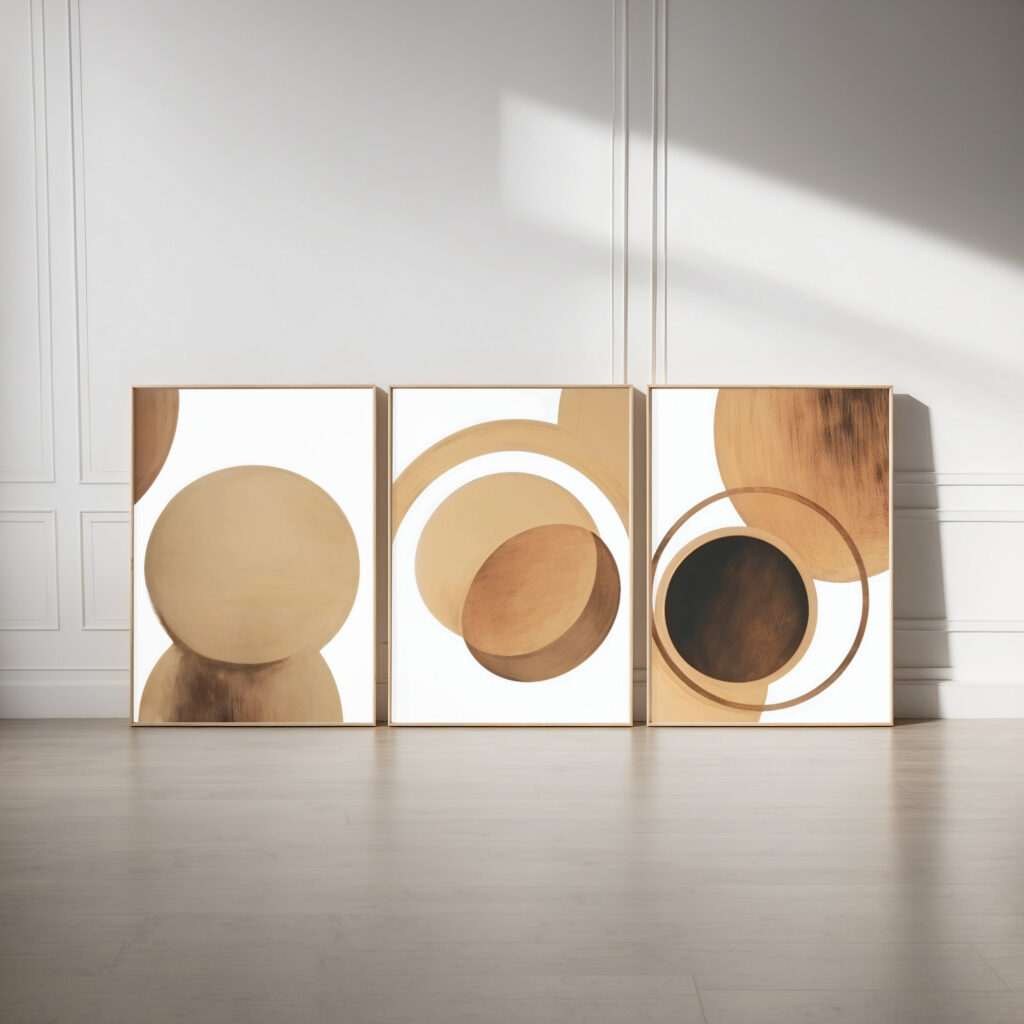
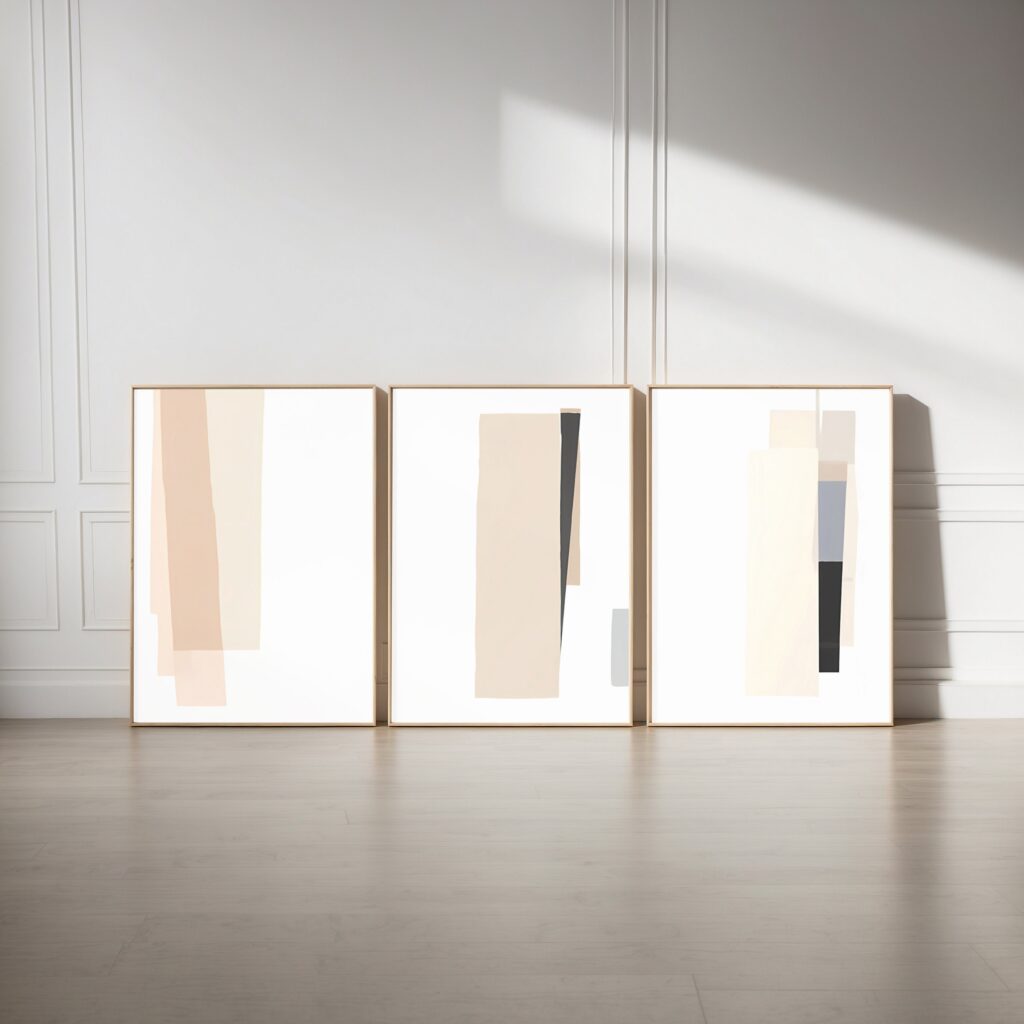
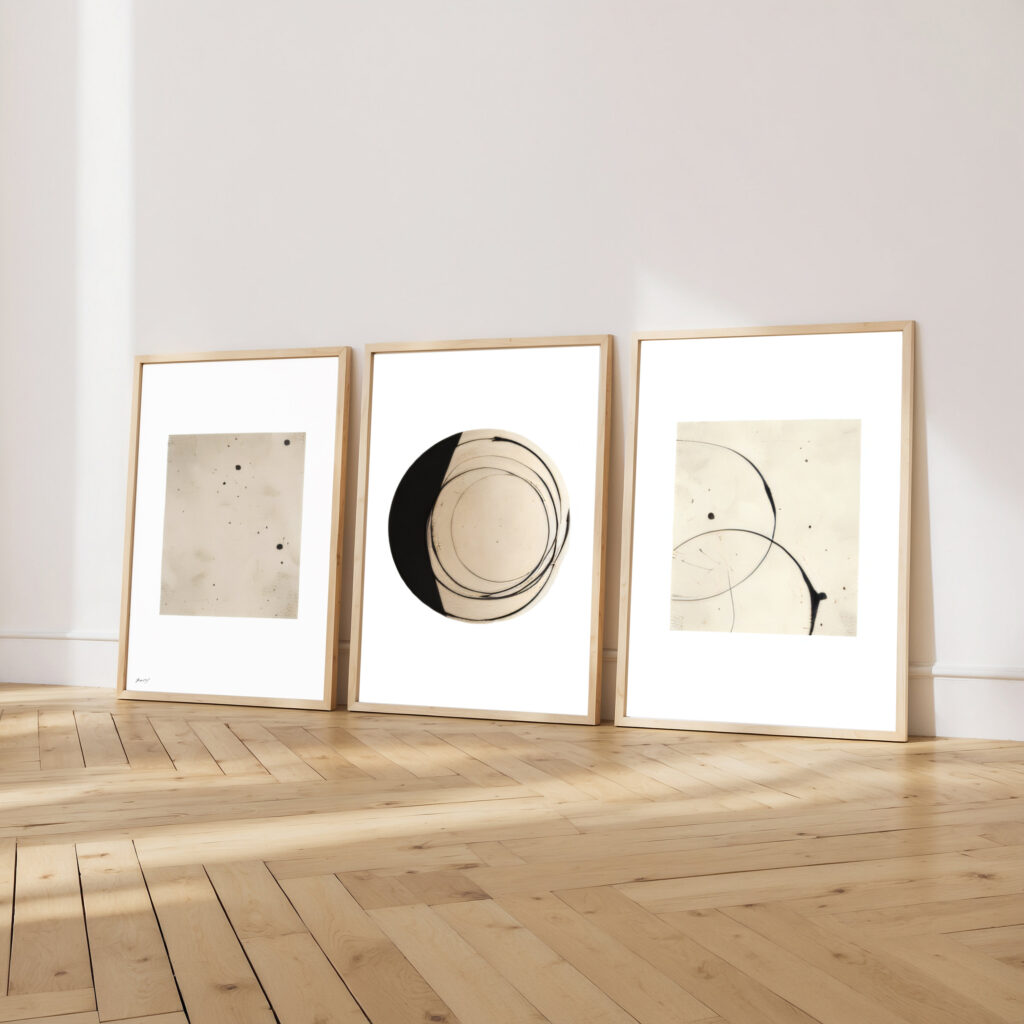
Because these designs rely on precision, the size of the work significantly changes its impact. A large statement piece allows the viewer to appreciate the deliberate use of space, making the artwork feel like an integrated part of the wall. If you prefer a more rhythmic look, choosing from our curated art print sets allows you to create a tight, symmetrical grid. This approach is perfect for hallways or entryways, where the repetition of shapes creates a narrative flow as you move through the house.
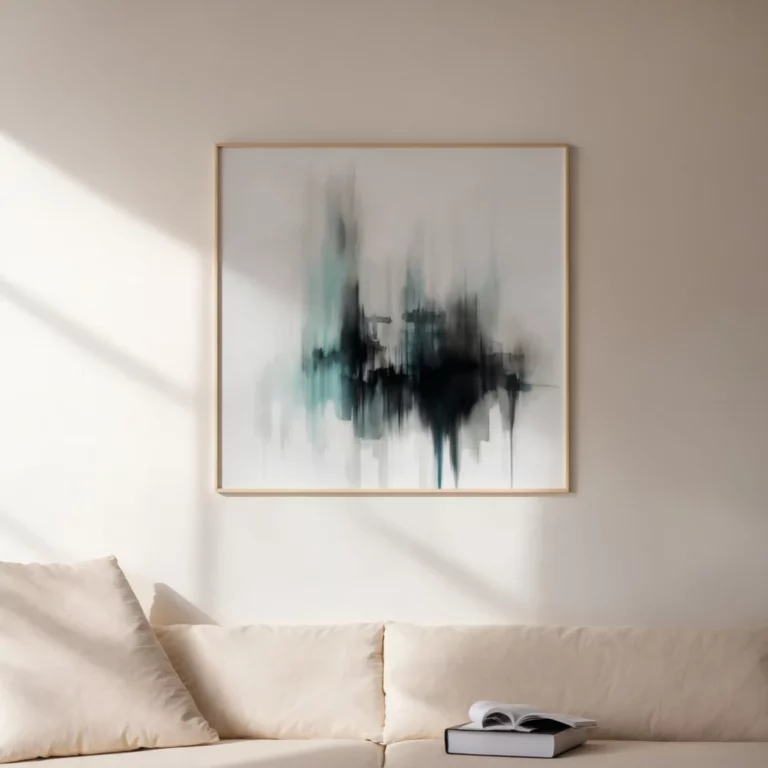
Geometric abstraction focuses on structured, mathematical shapes like circles, squares, and triangles with clean, defined edges. Organic abstraction uses fluid, free-form shapes that resemble elements found in nature, like clouds or water, with less emphasis on rigid symmetry.
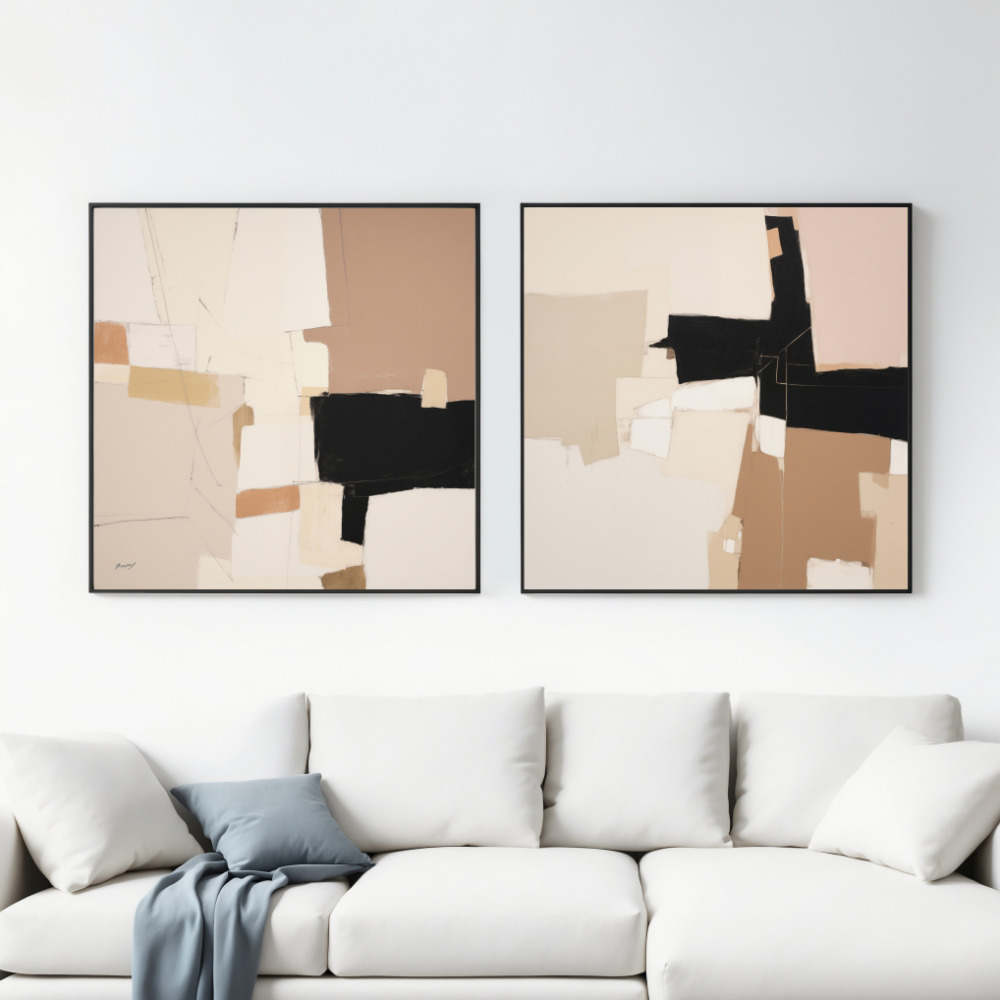
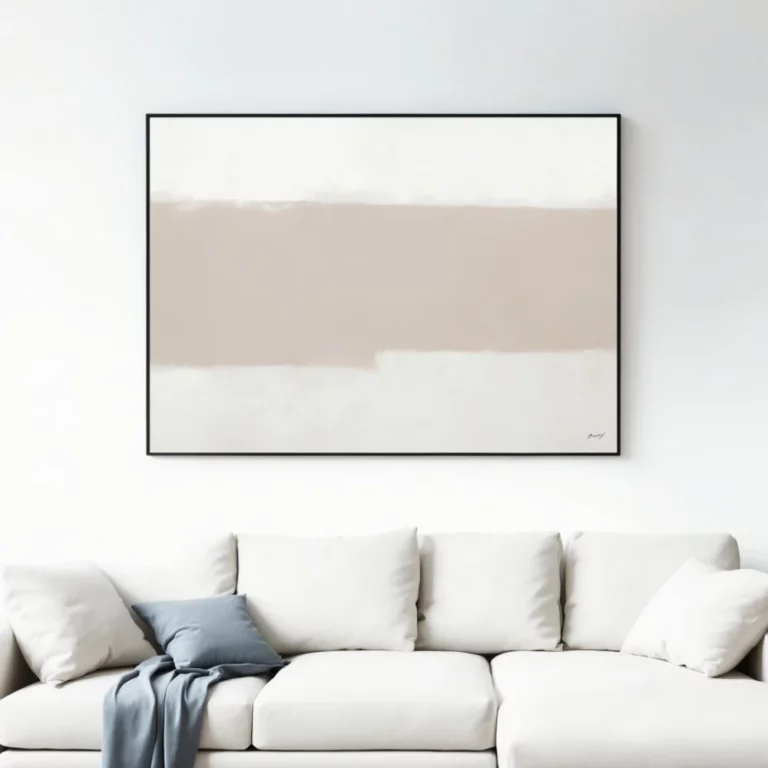
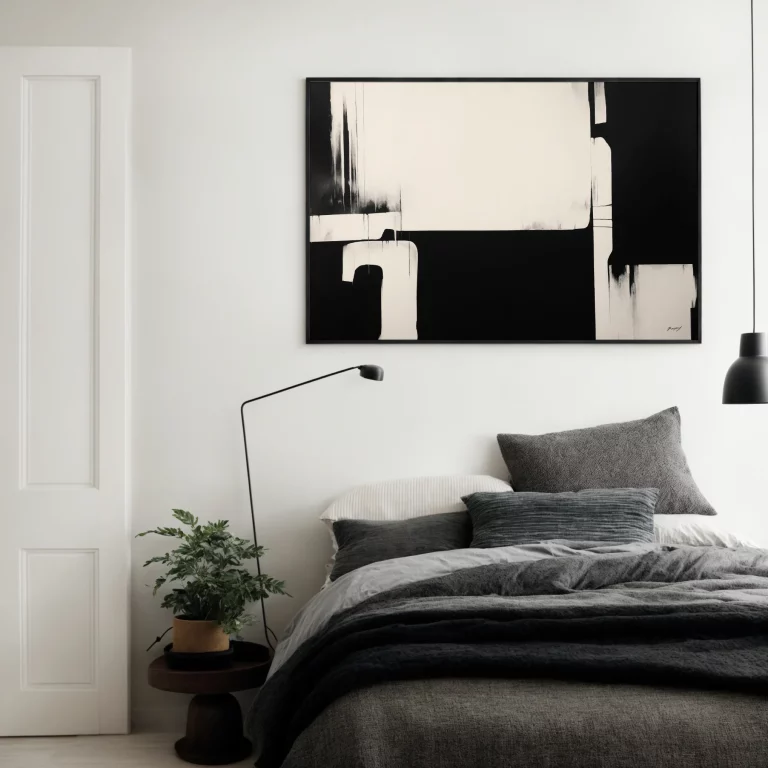
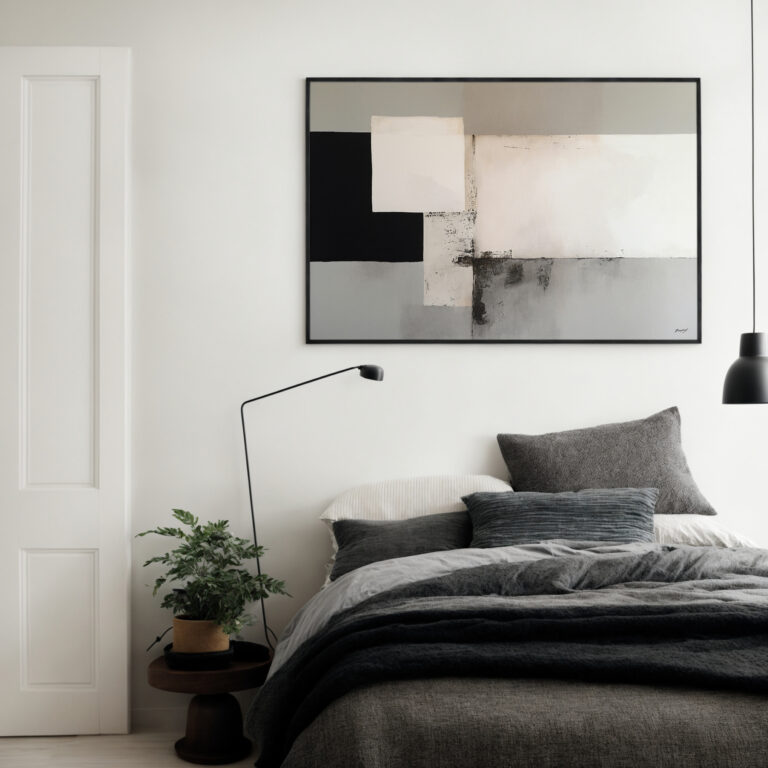
These pieces are most effective on focal walls, such as above a sofa, a sideboard, or a bed. Because they provide a sense of order, they are also highly popular in home offices to help foster a sense of clarity and focus.
Look at the silhouettes already in the room. If your furniture is very angular and sharp-edged, a painting with softer curves or circles can provide a nice contrast. If your room feels too “soft,” a structured, linear piece can add necessary definition.
Yes. While it is a staple of modern design, it acts as a fantastic “refresh” for traditional spaces. Choosing a piece in a classic color palette—like navy and gold or cream and charcoal—helps bridge the gap between vintage and modern styles.
Canvas is excellent for a textured look and eliminates the glare of glass, which is ideal for bright rooms. Framed paper prints offer a more traditional, “clinical” precision that many people prefer for very sharp, mathematical designs.
A good rule of thumb is that the artwork should occupy about 60% to 75% of the available wall space. If hanging over furniture, the piece should be roughly two-thirds to three-quarters the width of the sofa or headboard below it.
Absolutely. As long as you keep a consistent color story or use identical frames, mixing different geometric compositions can create a sophisticated, gallery-like finish that feels intentional and curated.
Art Collections