Limited Time: 20% Off All Prints
Free worldwide shipping on orders over $69
Delivery 4-12 business days
Home / Art Print Collections / geometric painting
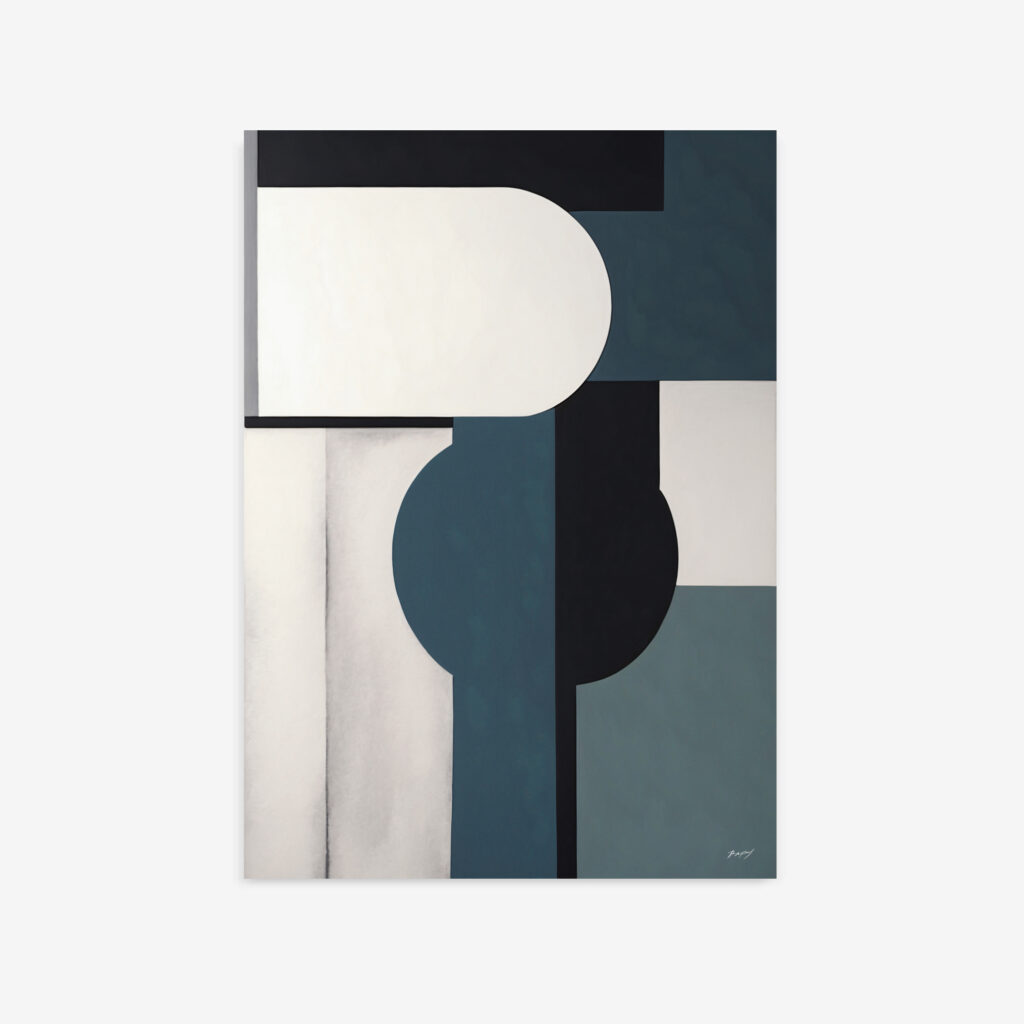
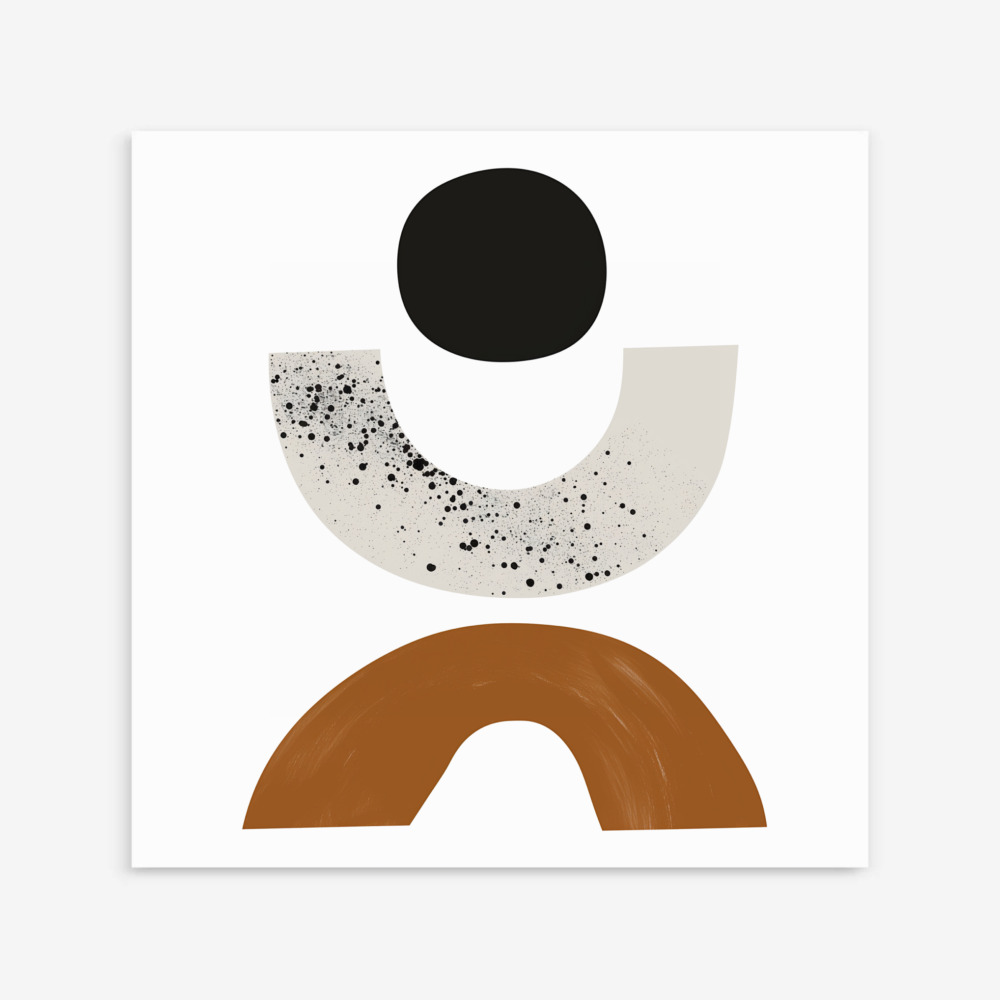
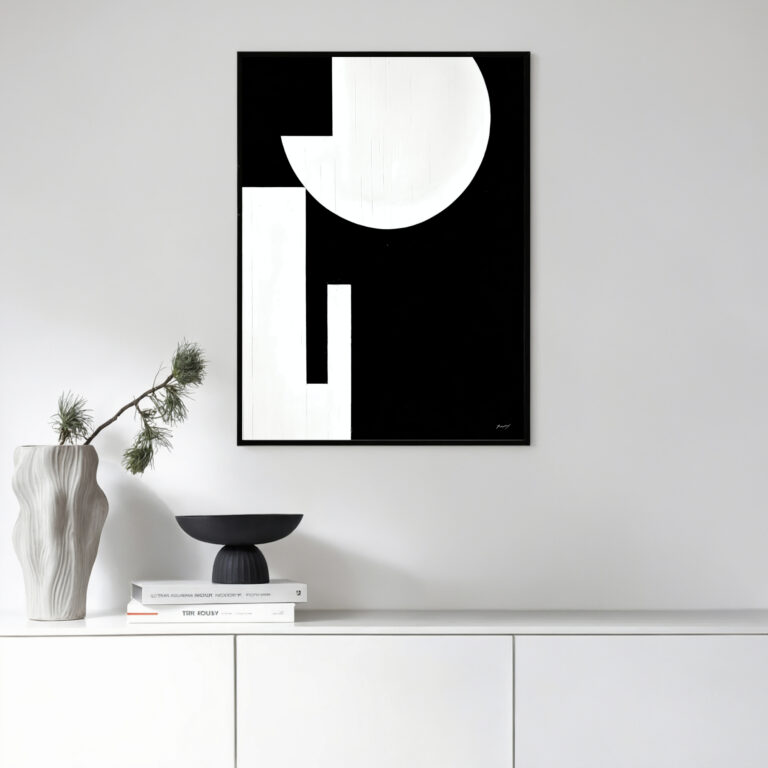
There is a satisfying clarity in the interplay of clean lines and balanced forms. Integrating a piece of geometric wall art into your living space turns mathematical precision into a visual language. It offers a sophisticated way to anchor a minimalist lounge or a focused home office, providing an intentional aesthetic that feels structured yet deeply creative.
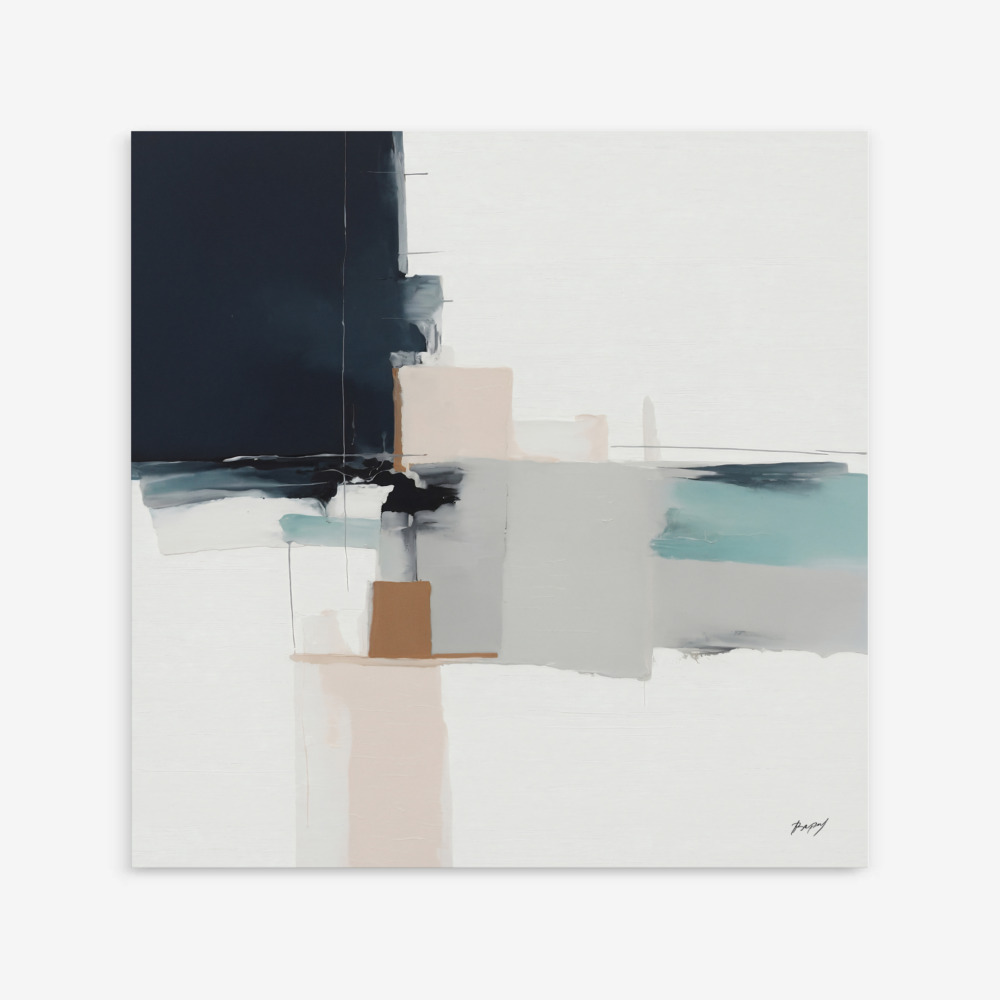
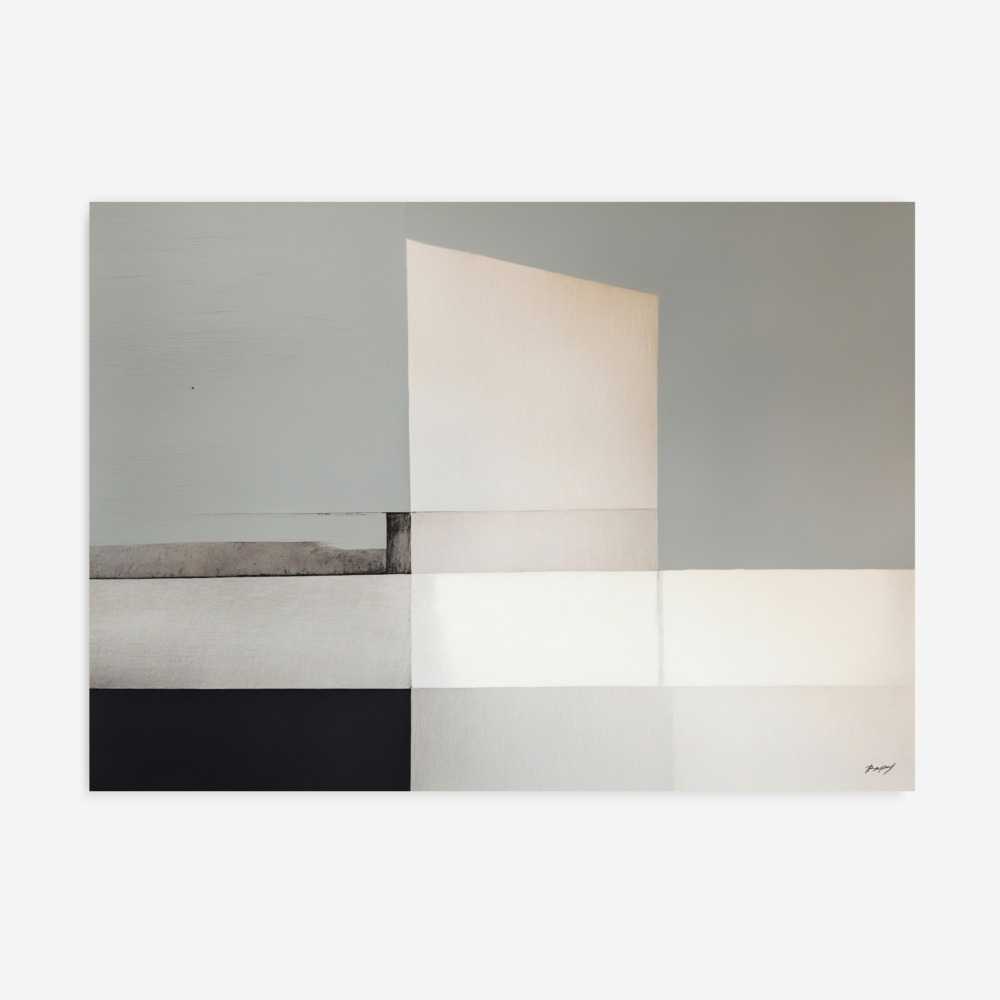
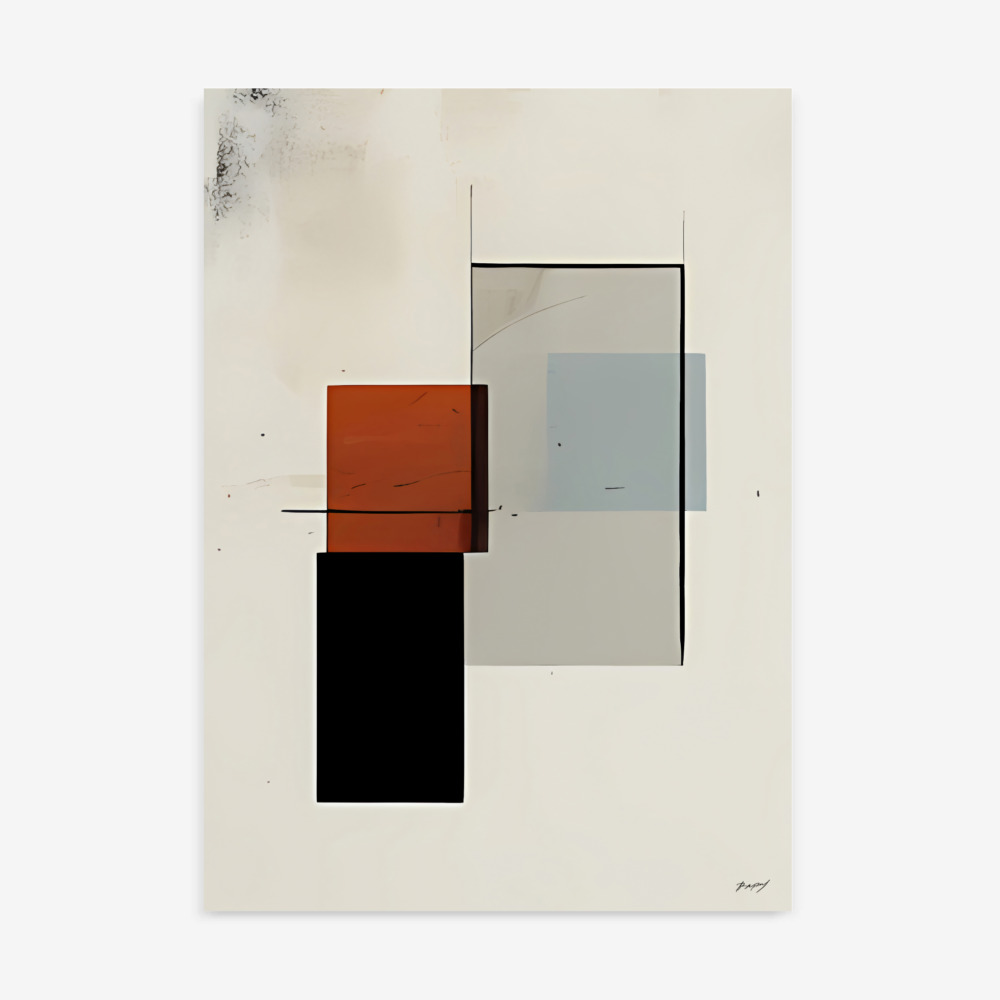
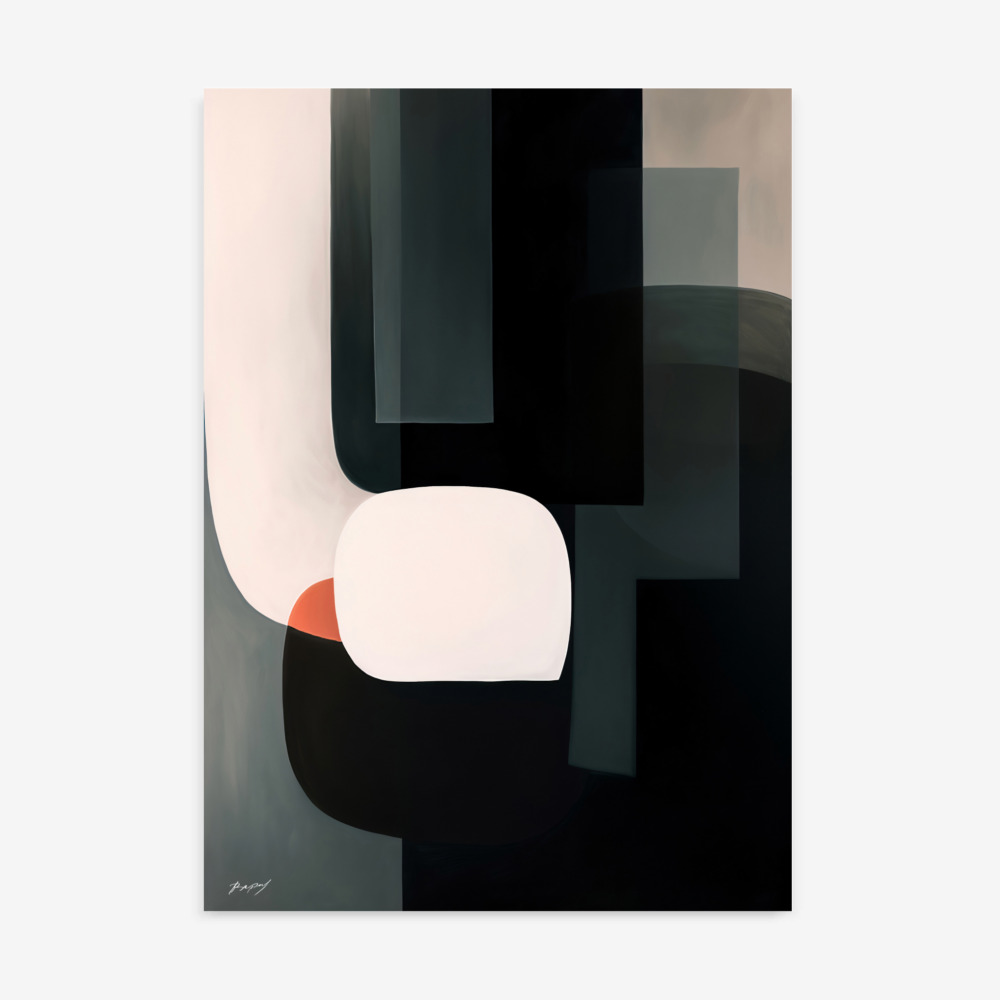
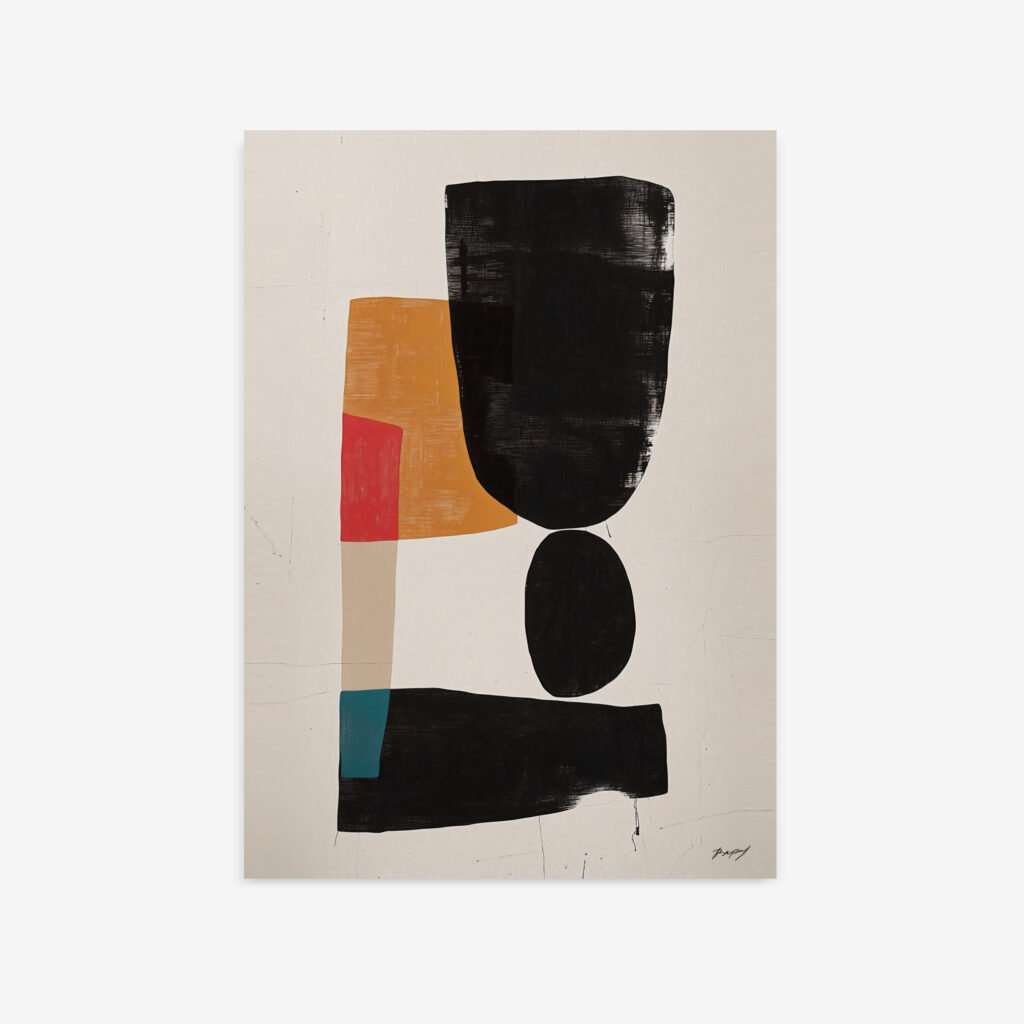
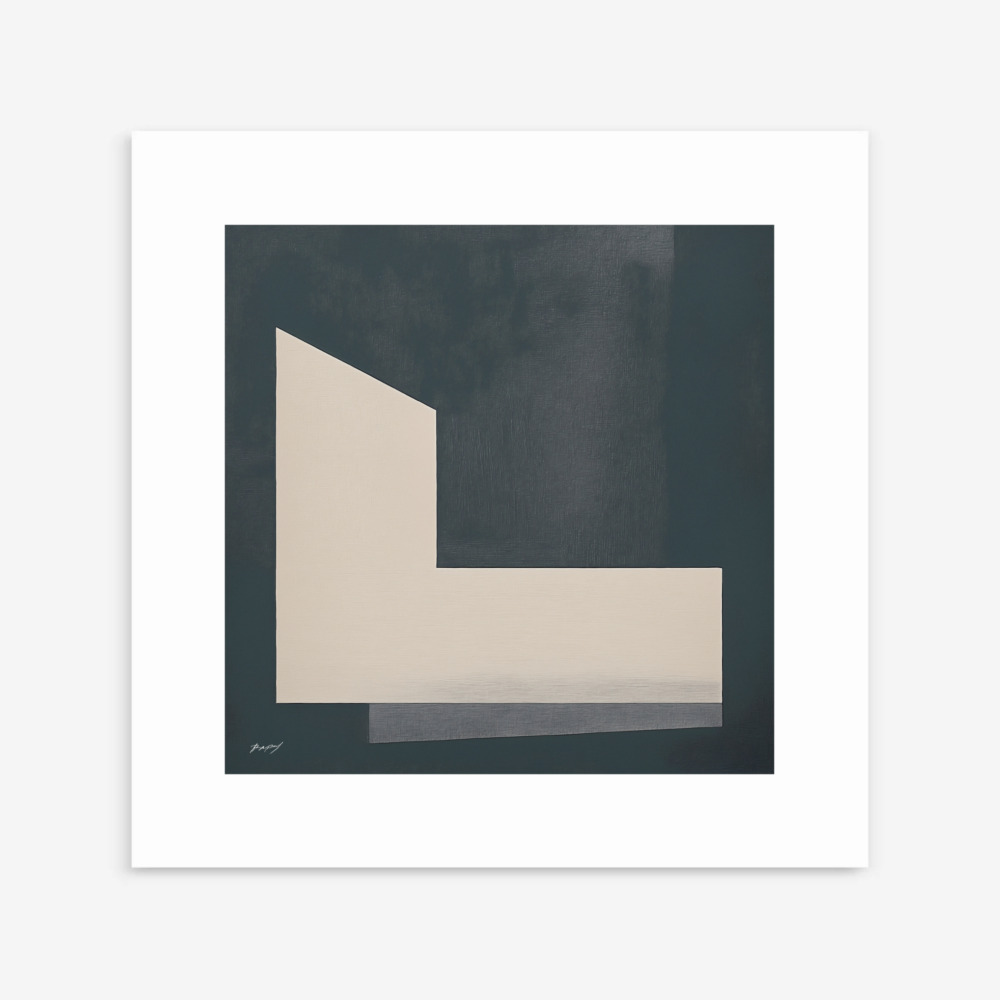
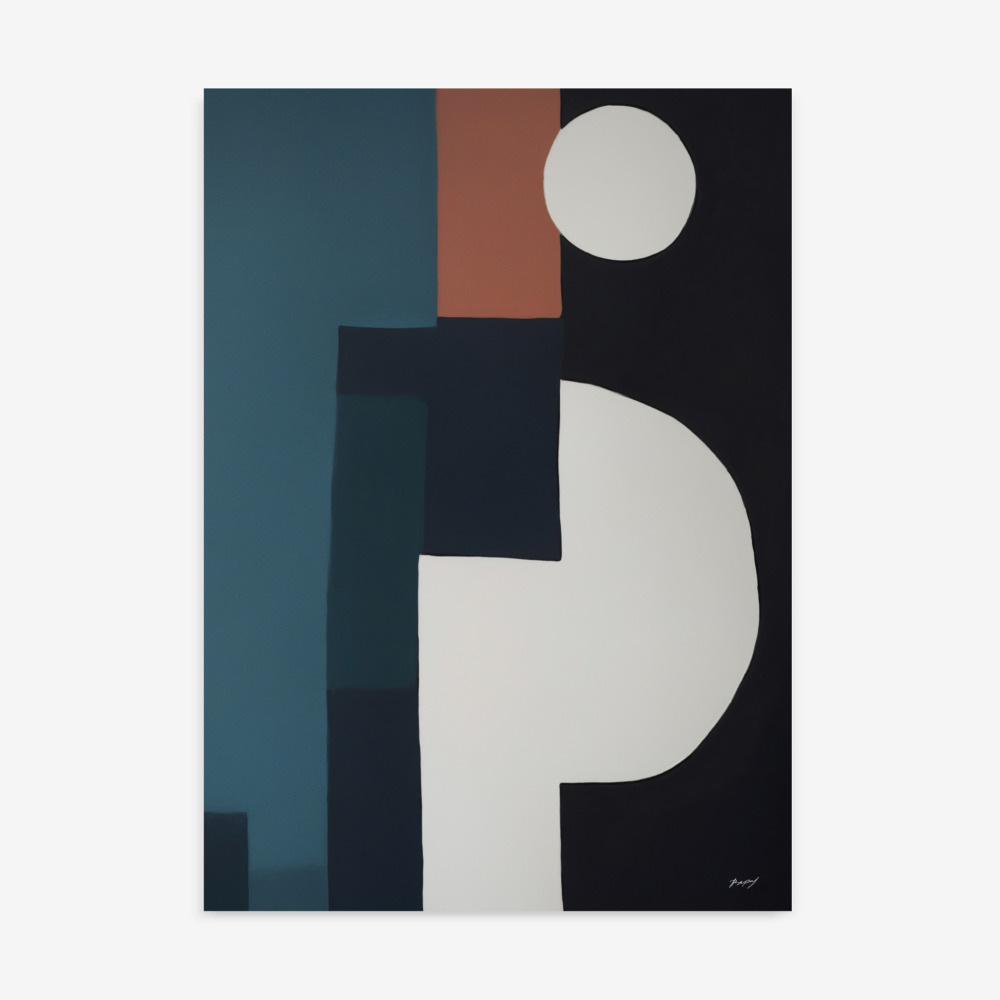
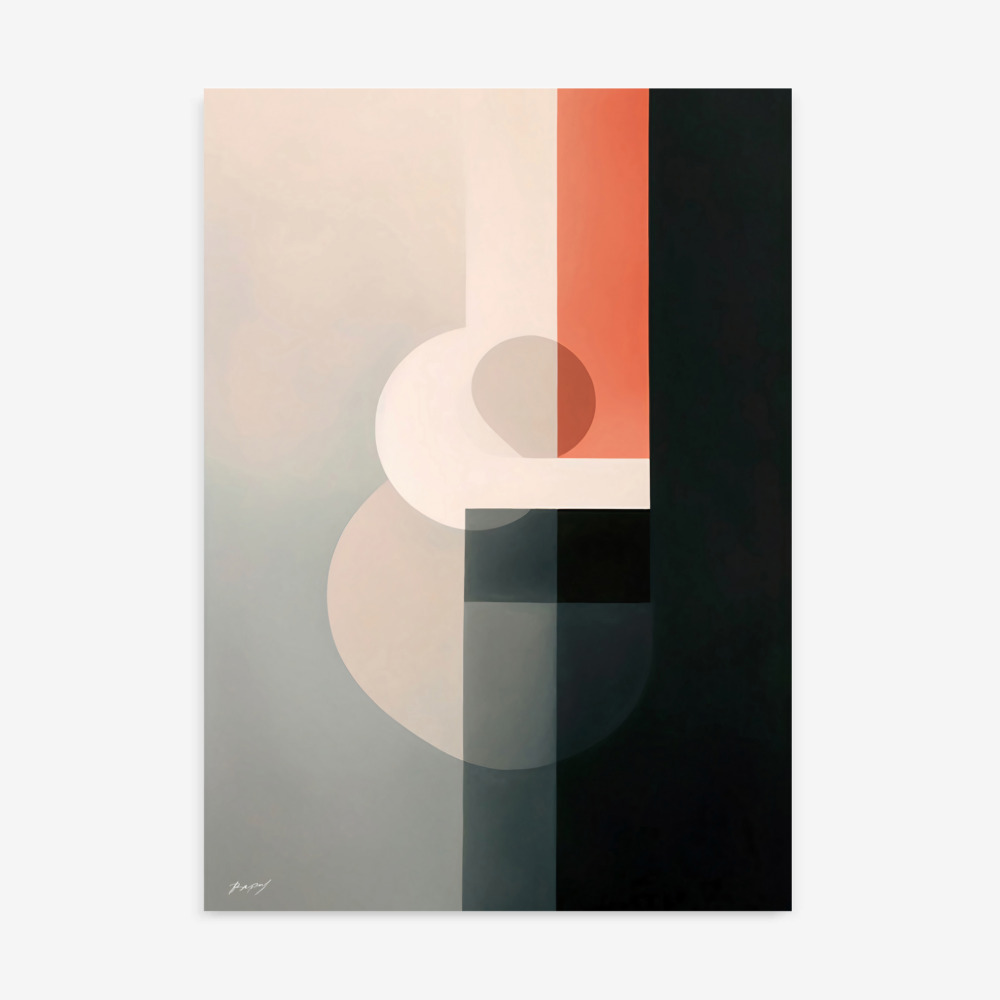
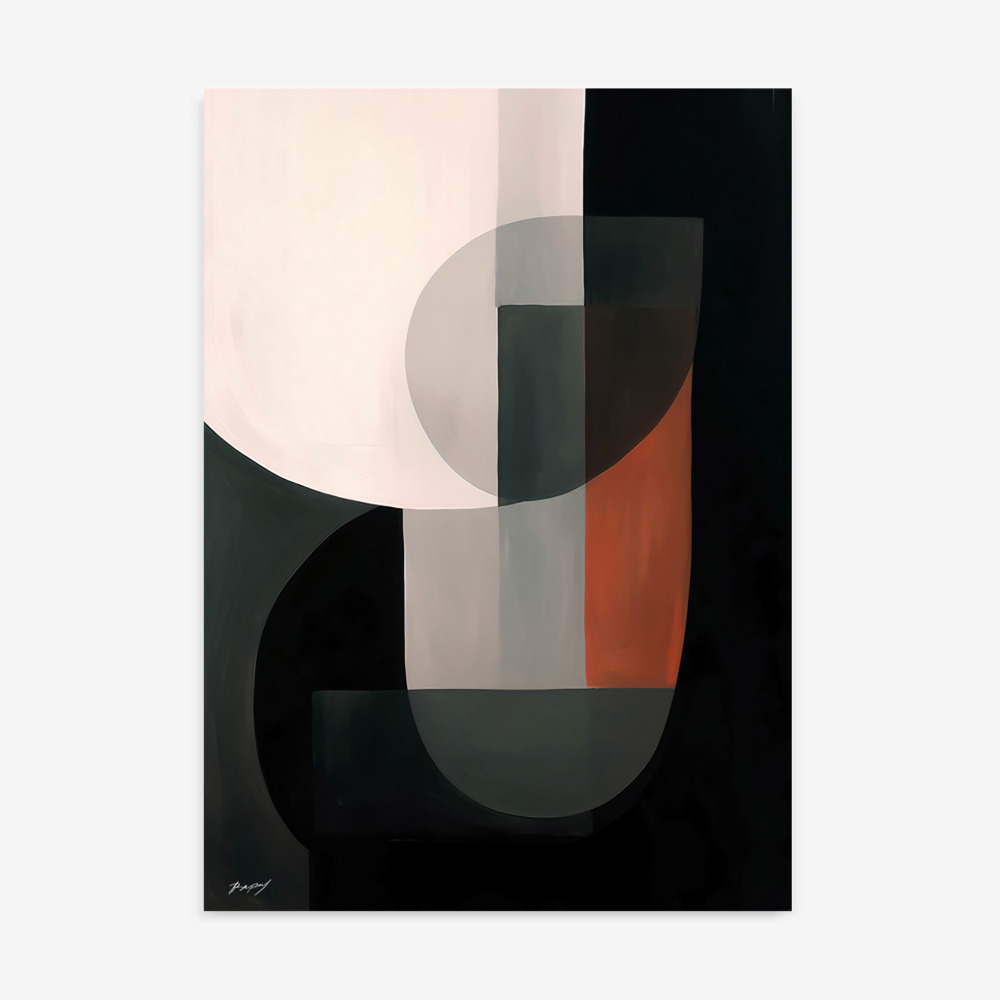
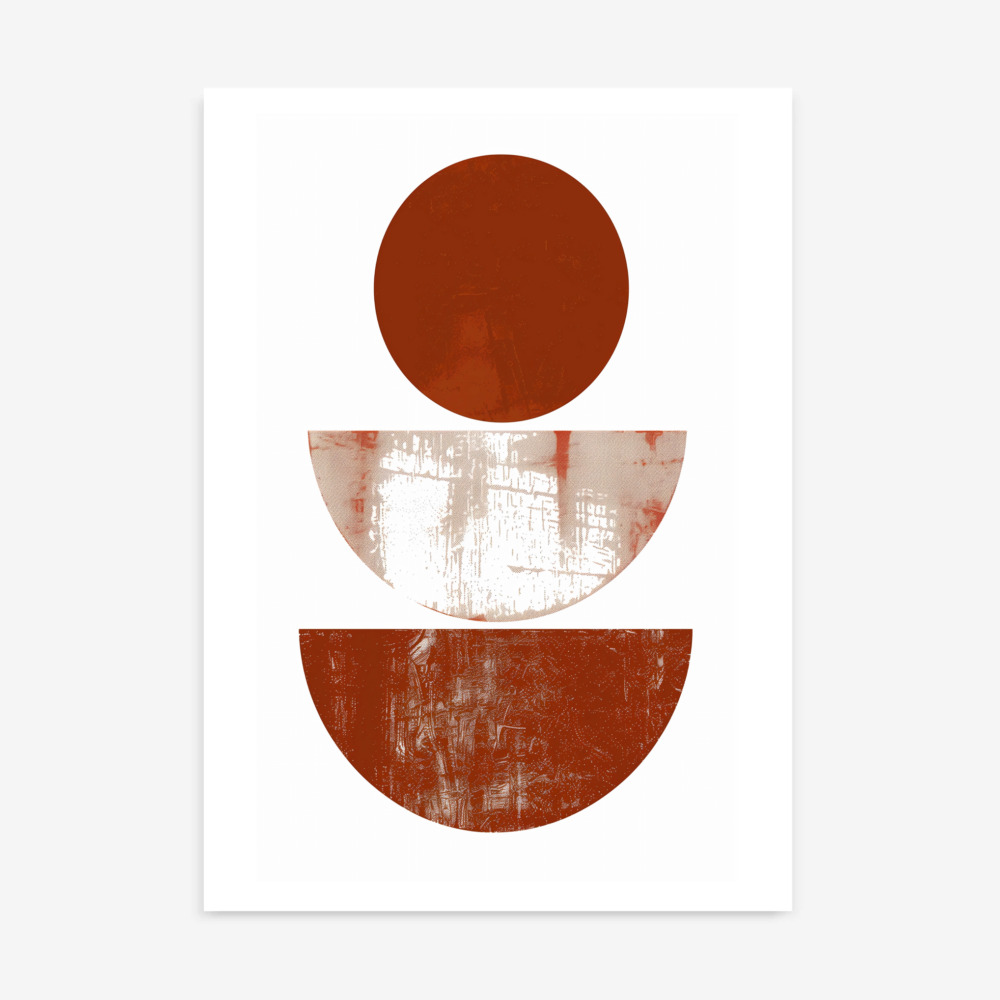
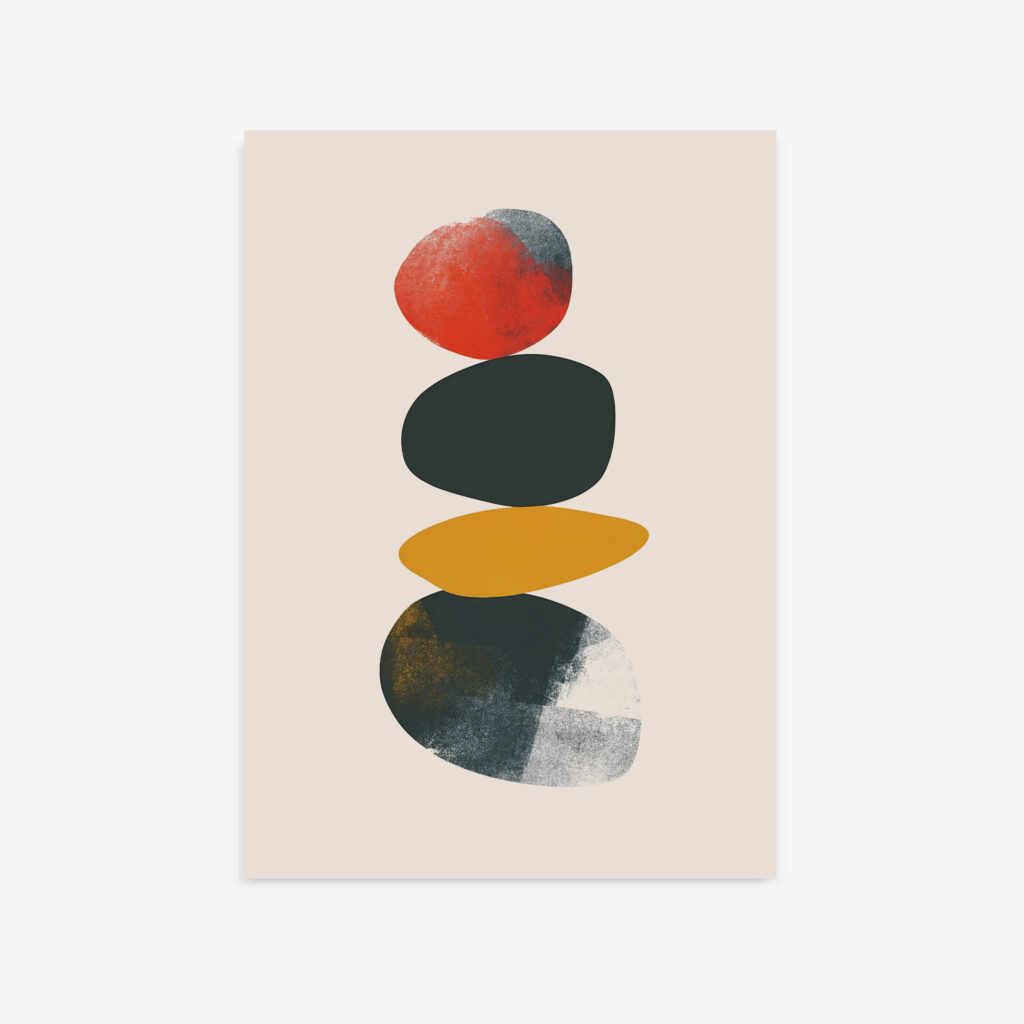
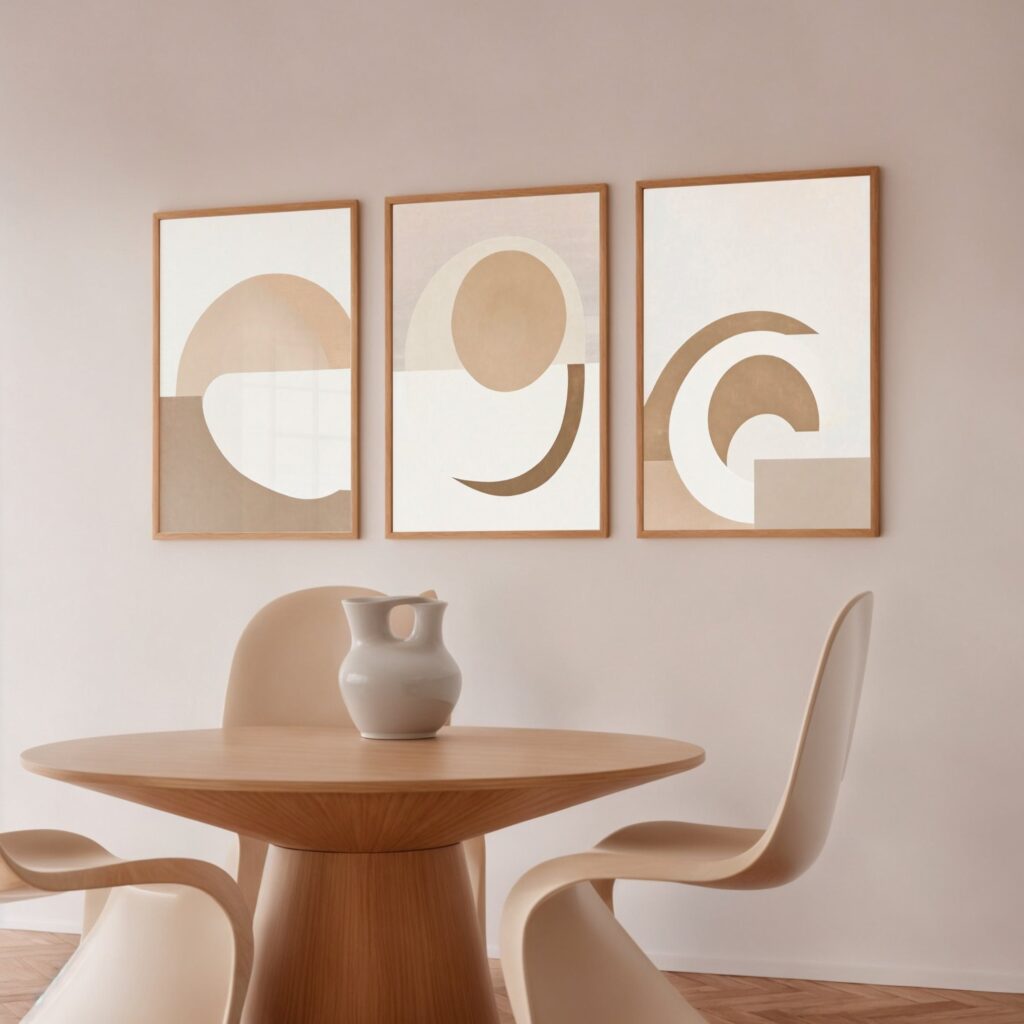
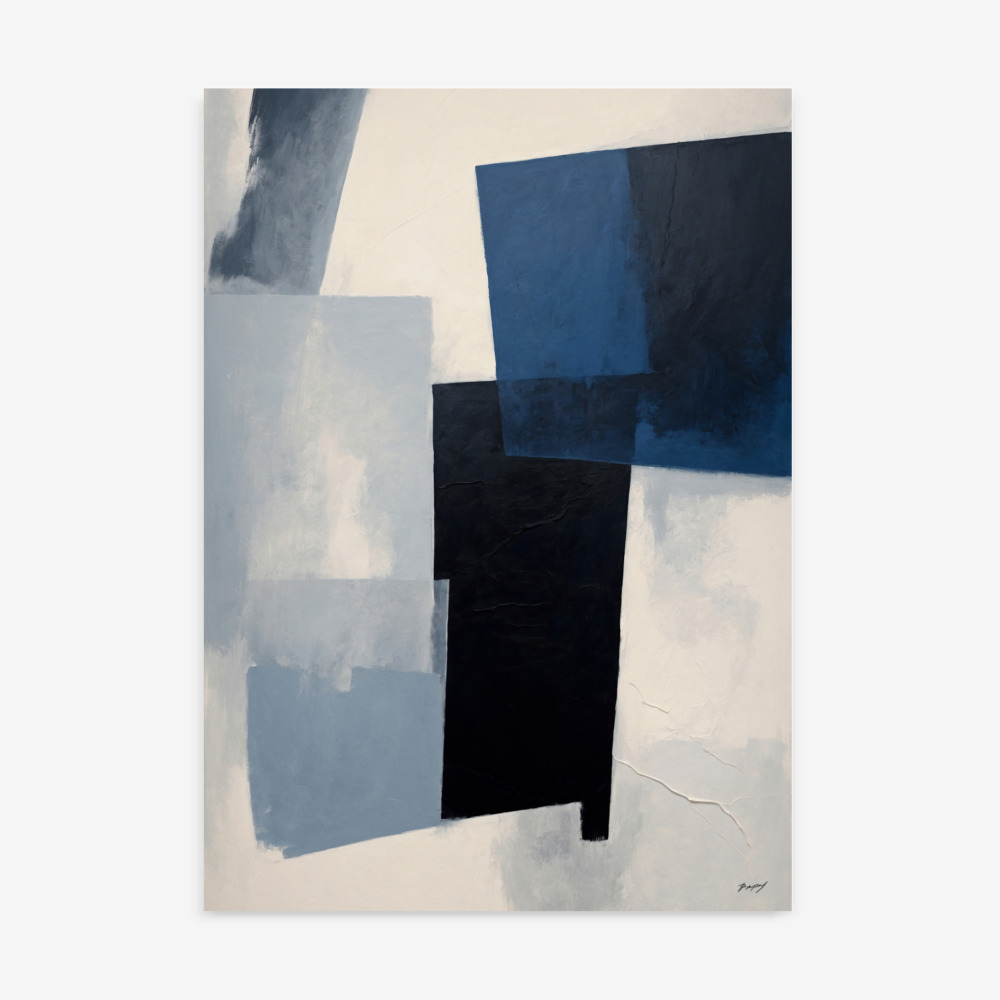
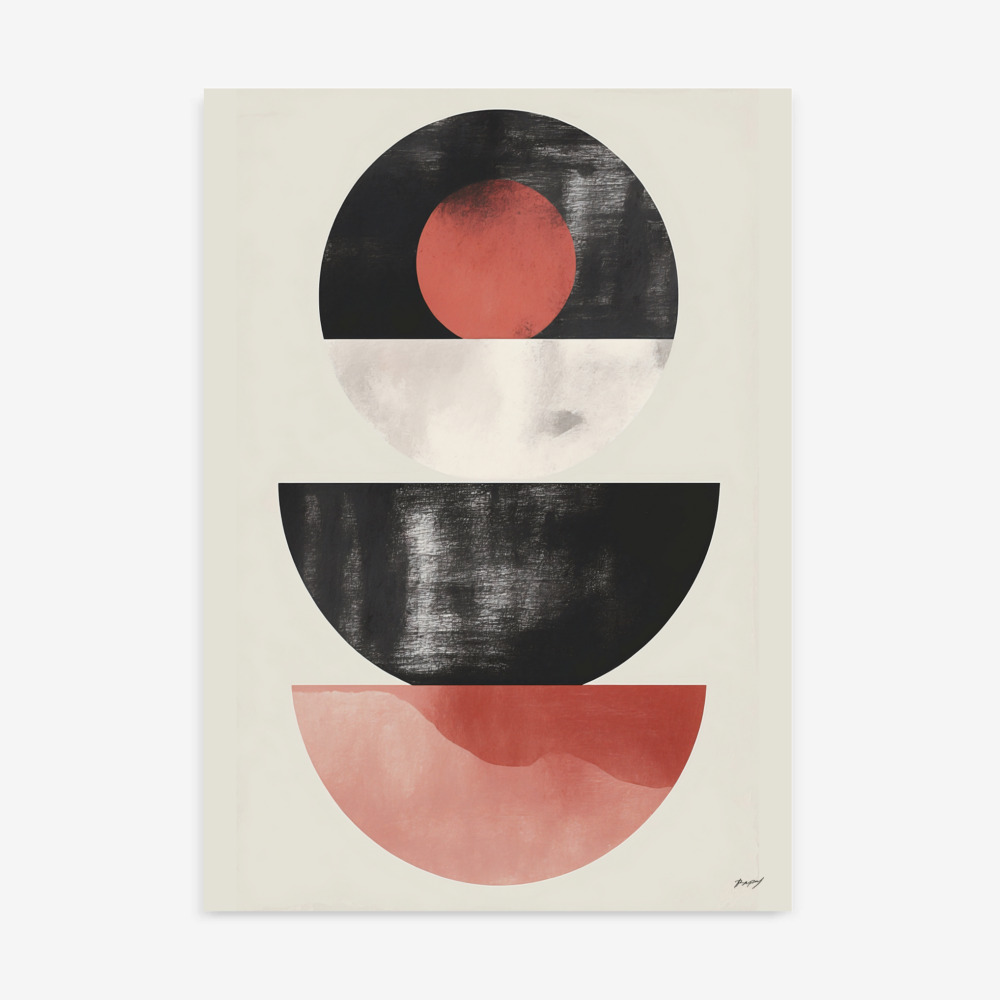
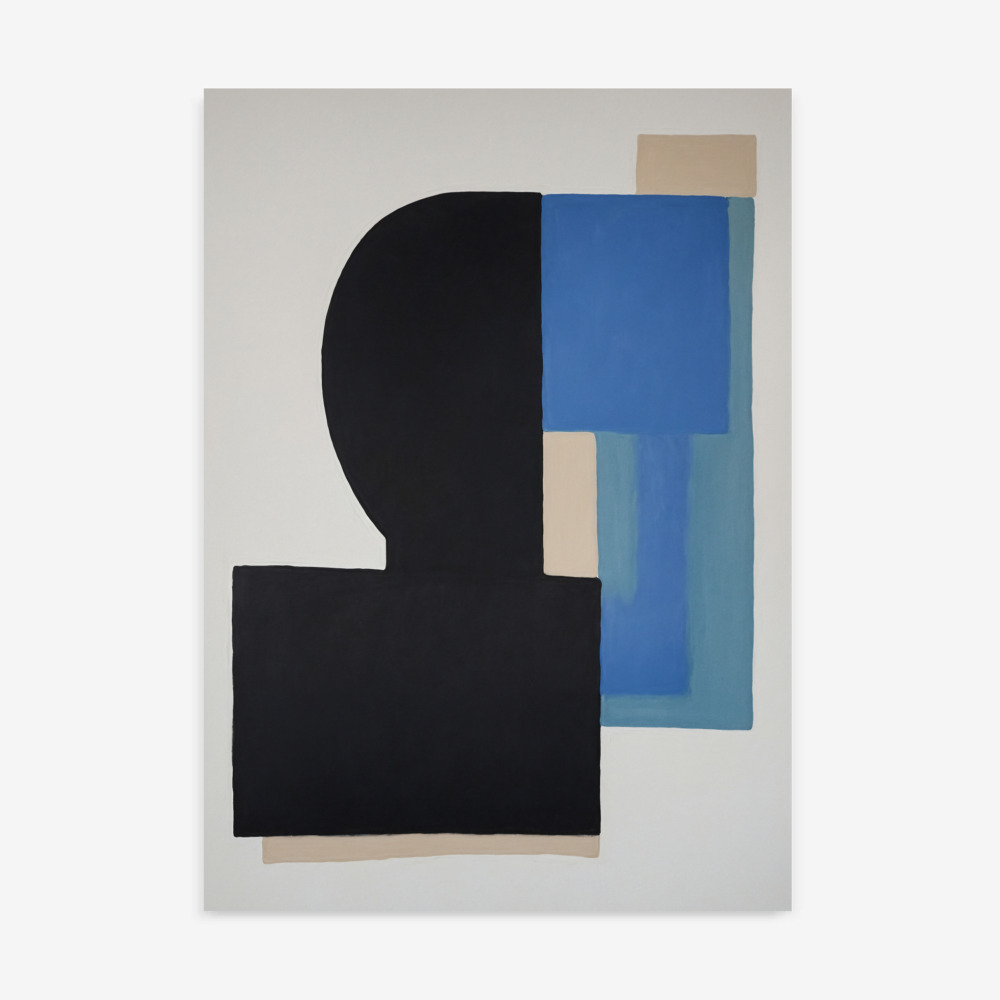
Geometric abstraction relies on the philosophy that less is more. By stripping away representational details, the focus shifts to the visual weight of a curve or the sharpness of an angle. This approach is particularly effective in open-plan homes, where structured abstract canvas prints can define a specific zone, such as a dining nook or a lounge area. It bridges the gap between mid-century nostalgia and ultra-modern minimalism, ensuring your walls feel expansive rather than cluttered.
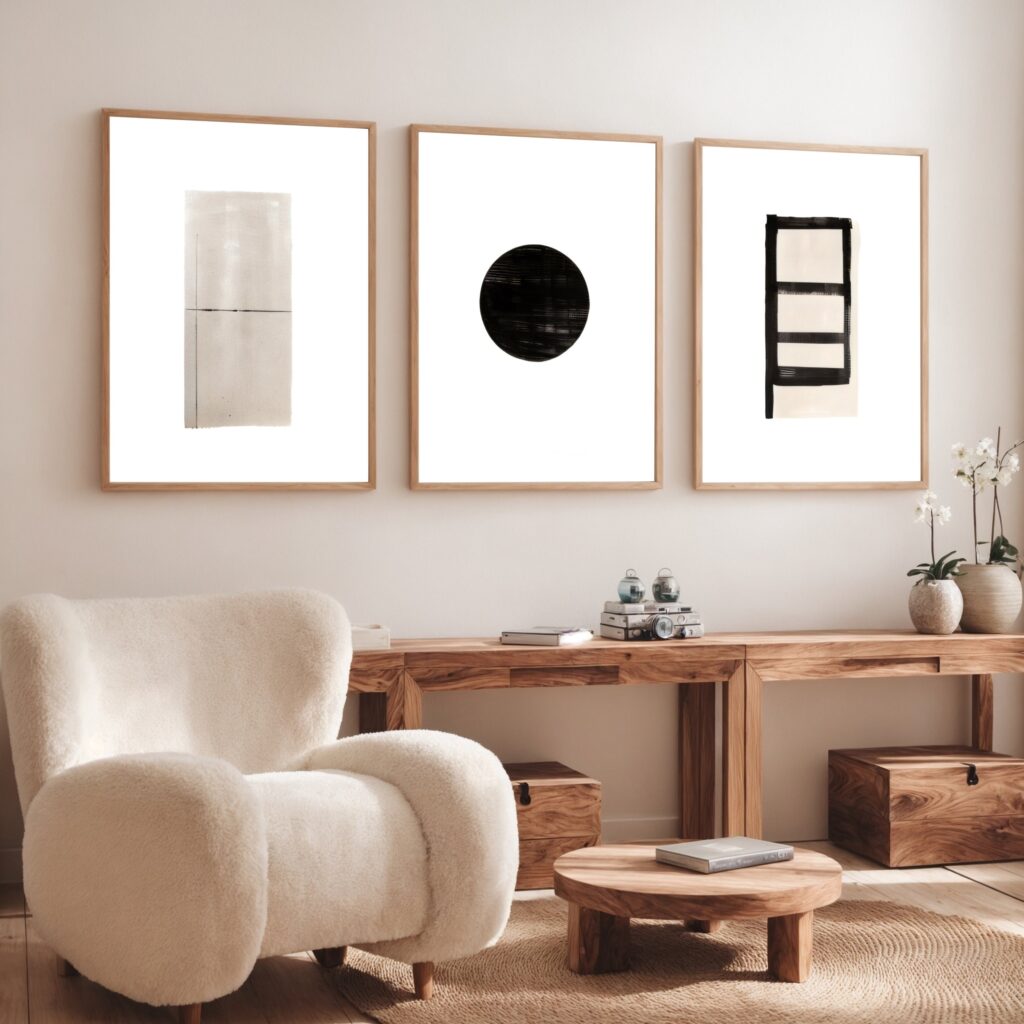
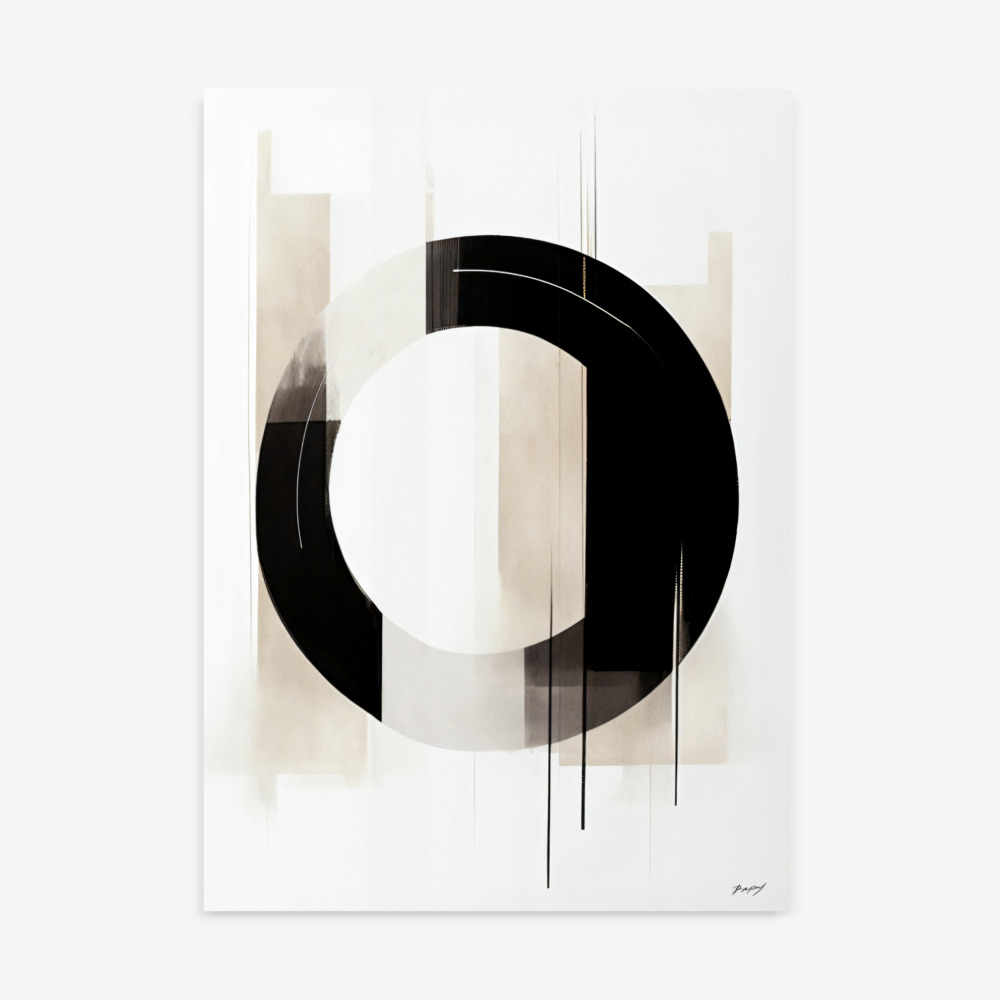
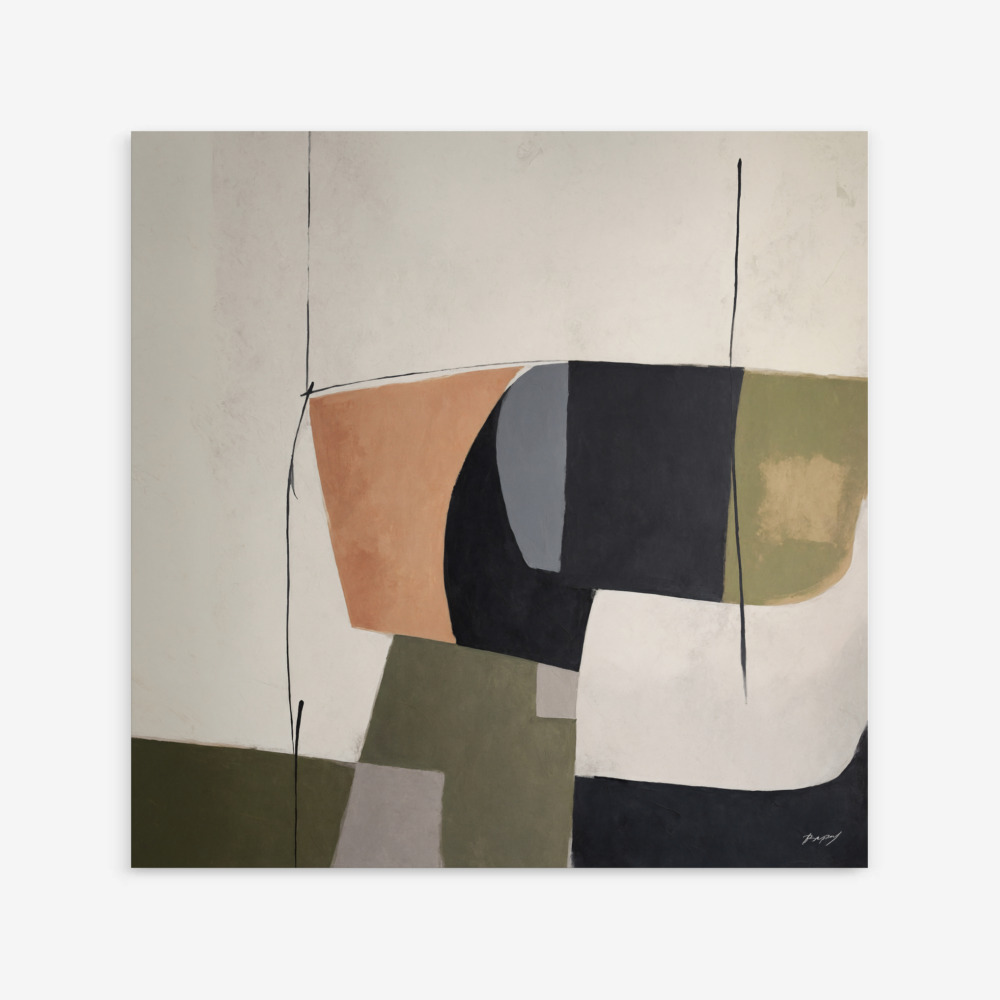
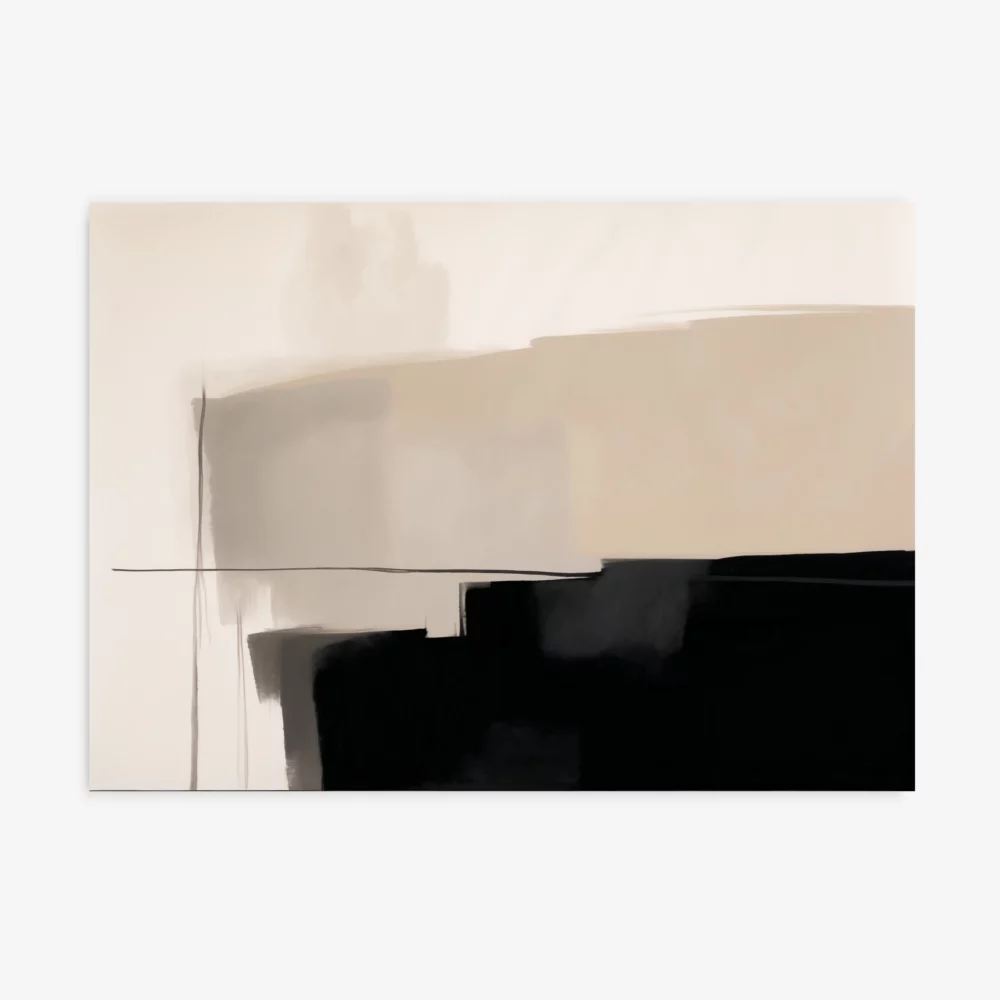
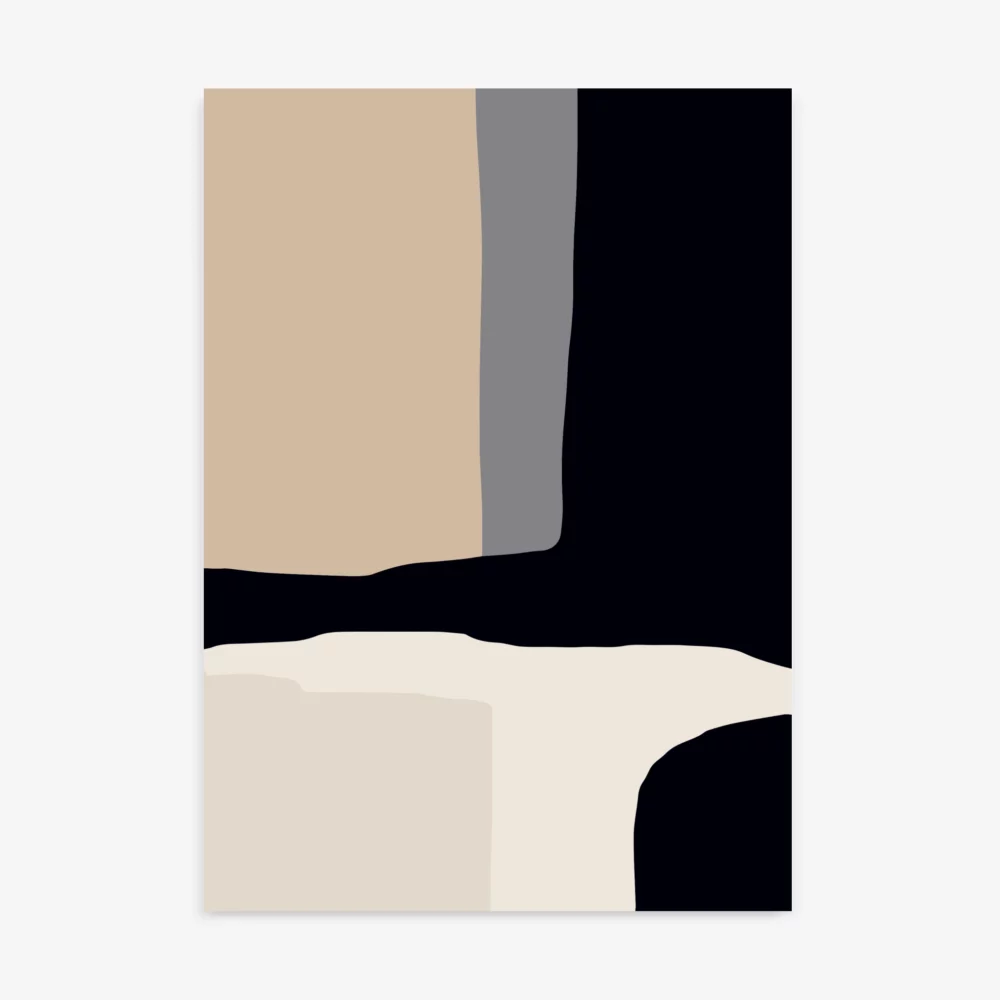
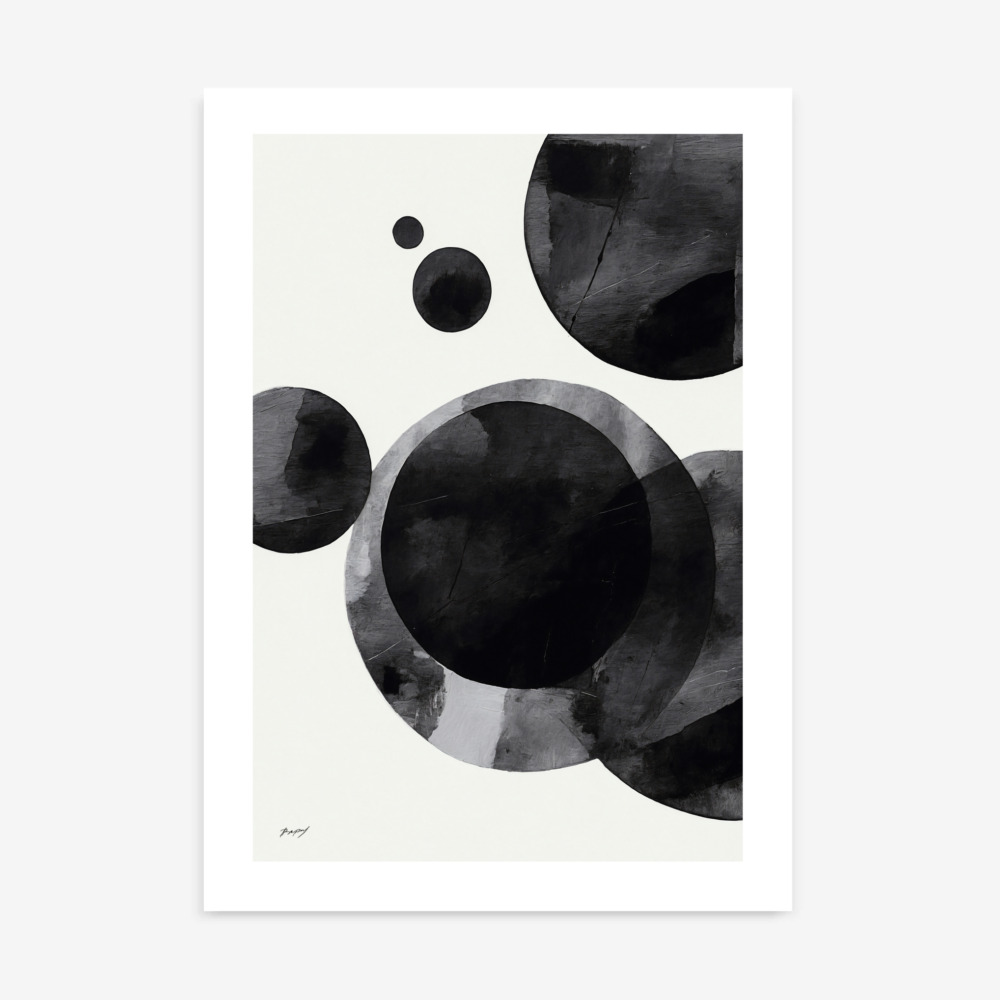
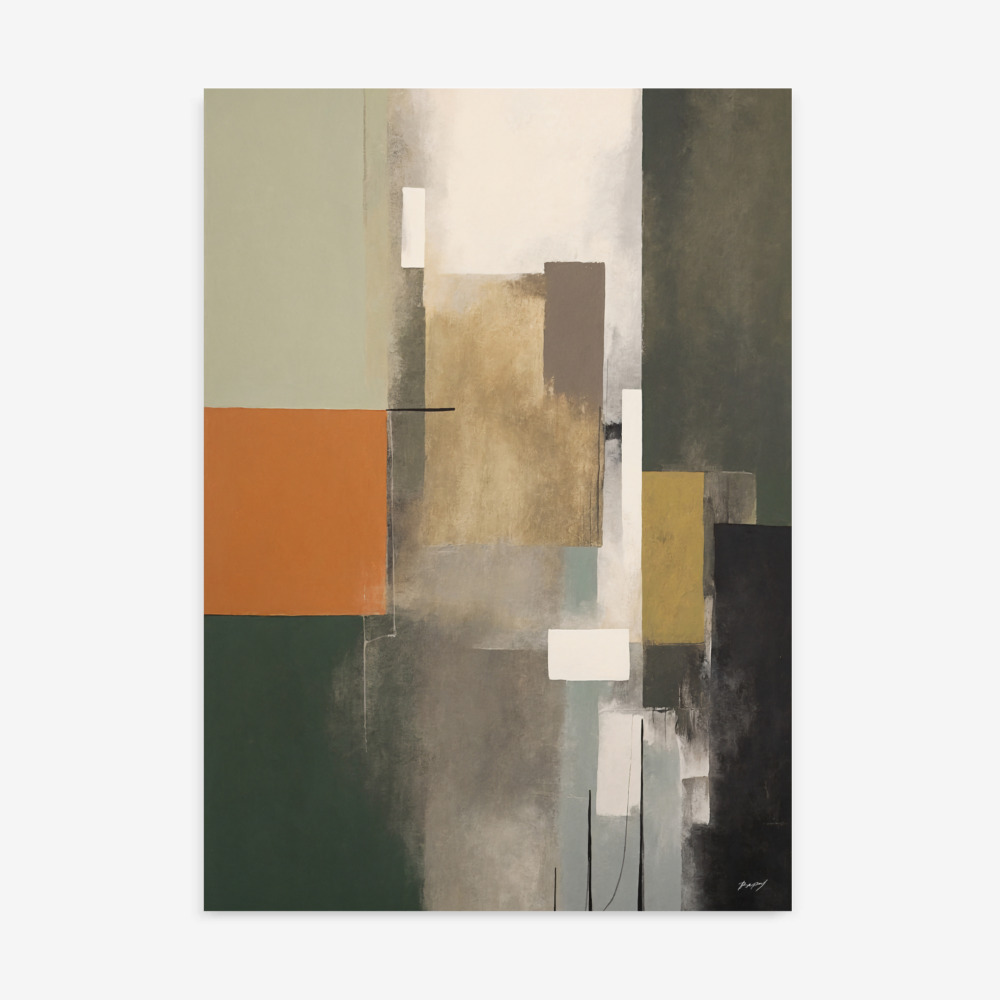
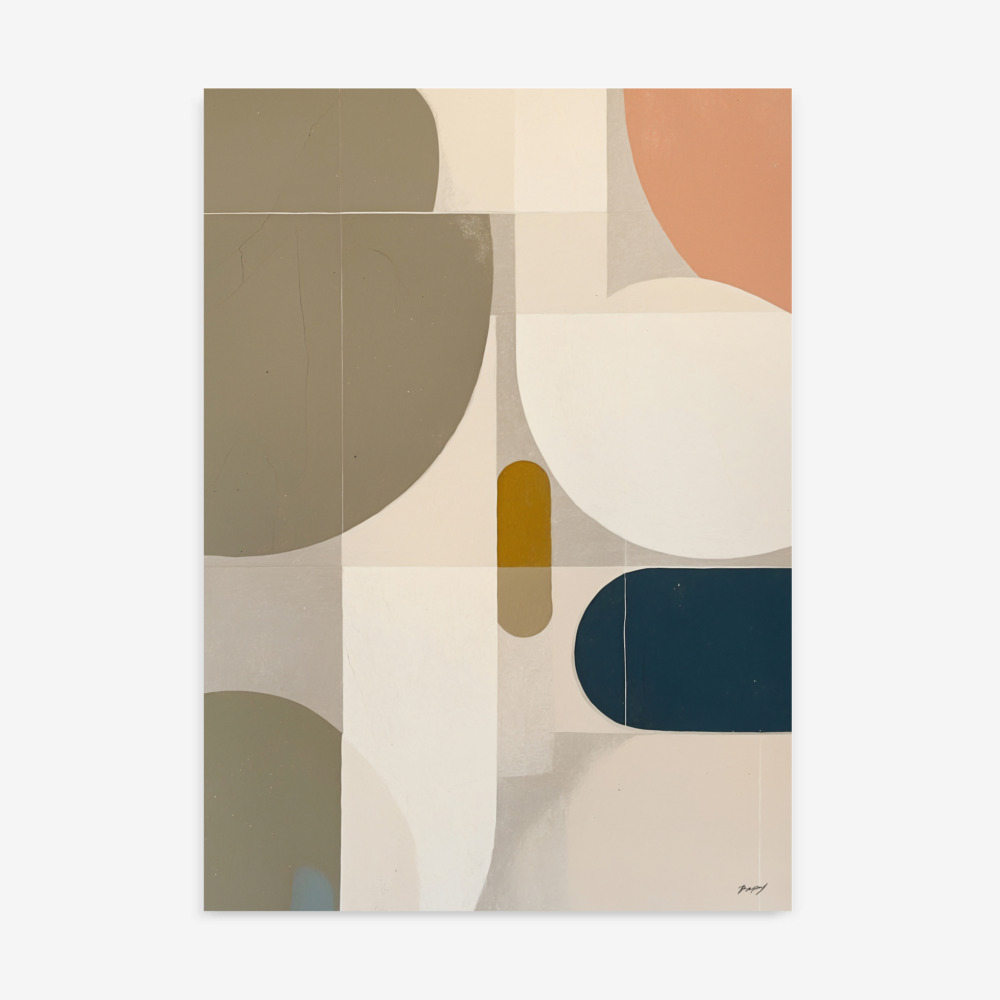
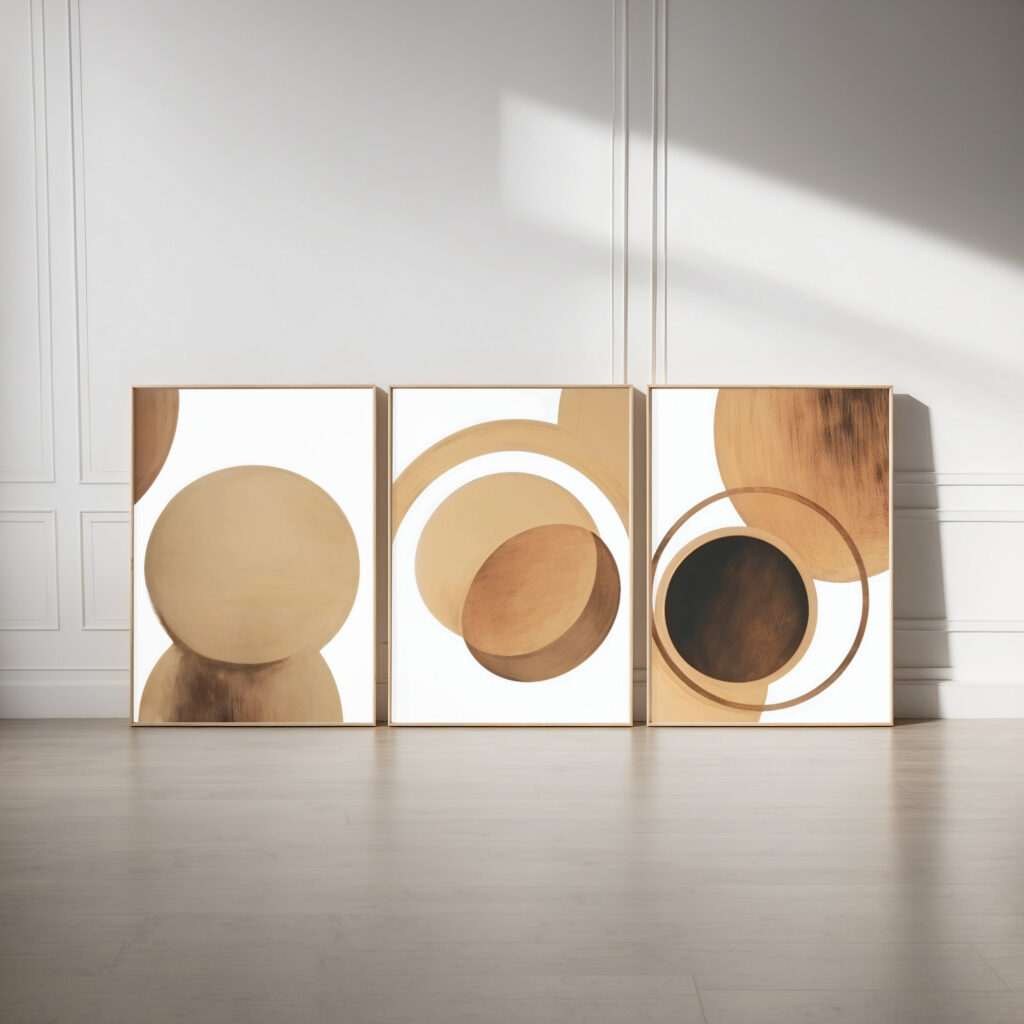
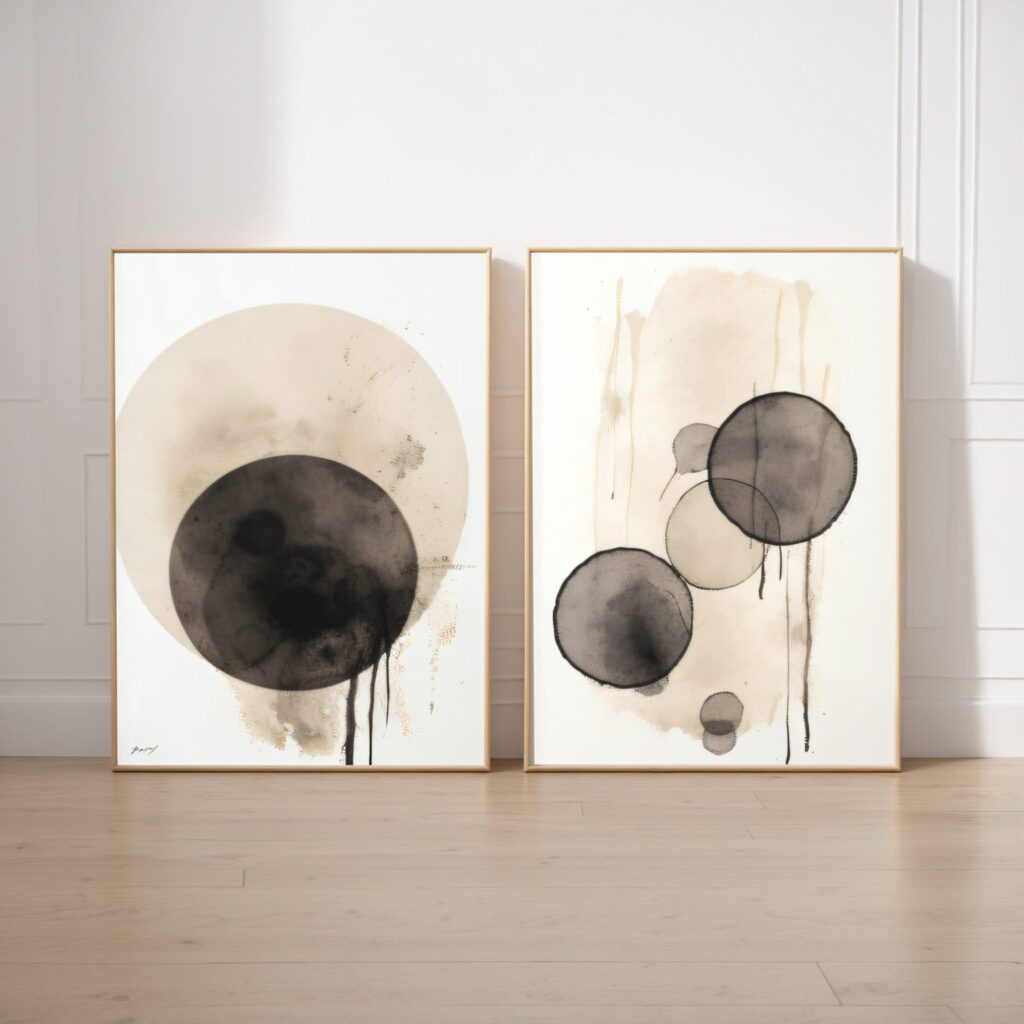
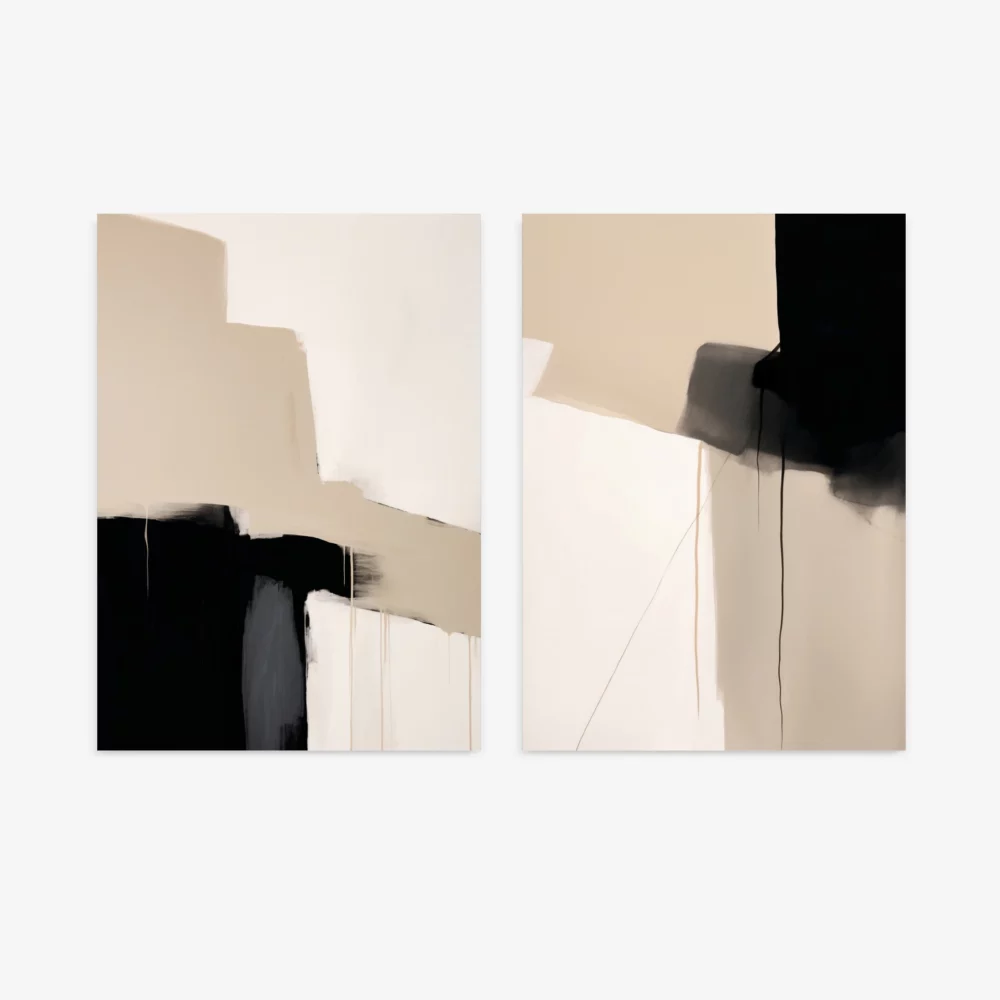
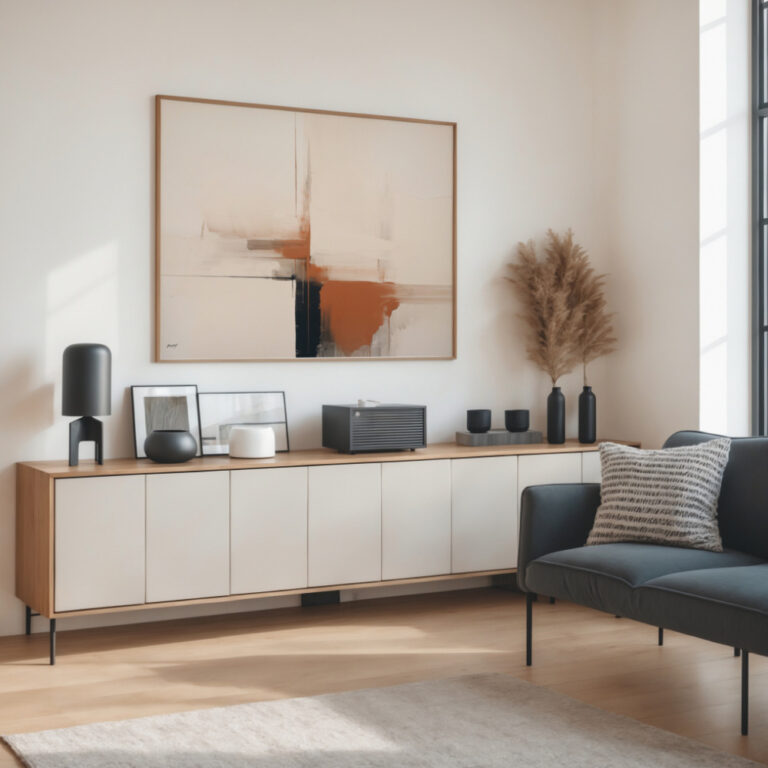
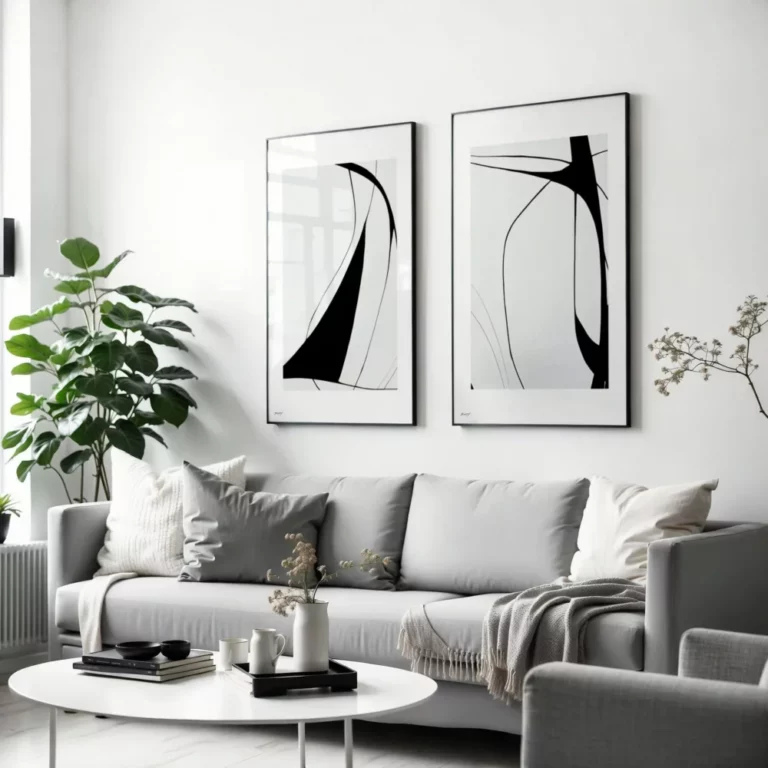
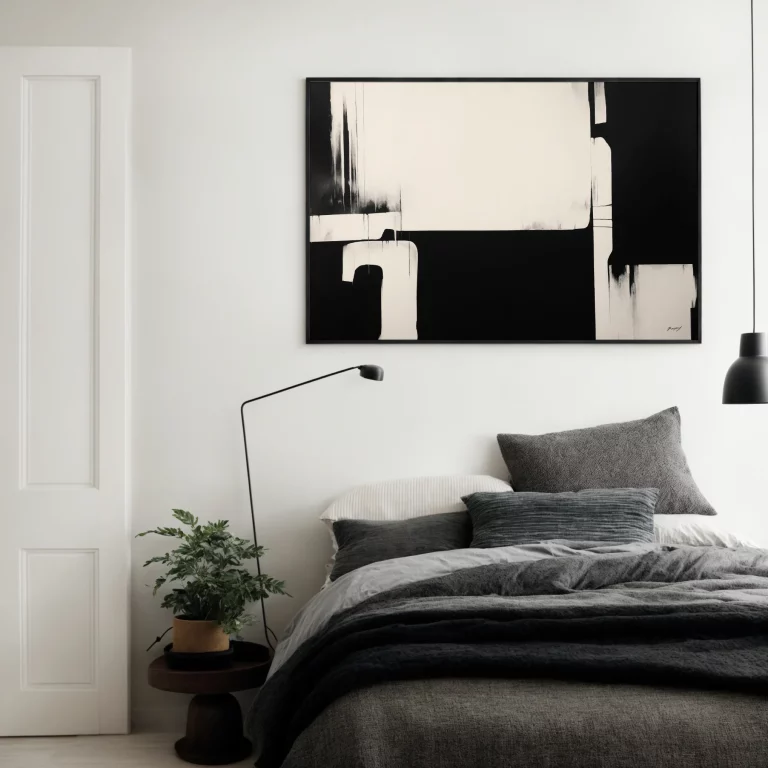
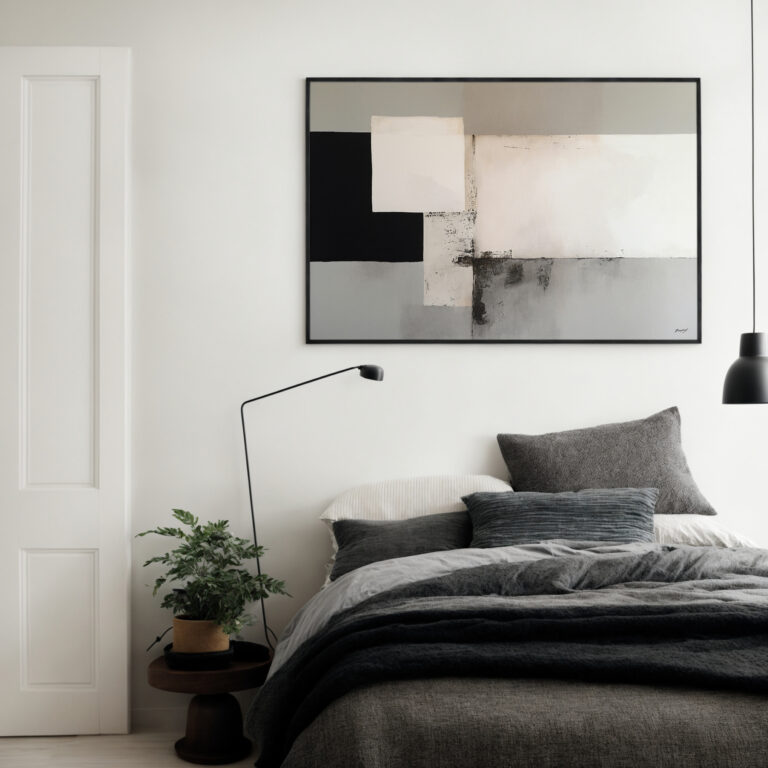
While many associate these designs with bold, primary colors, the style can be surprisingly subtle. A black and white print offers a sharp, architectural finish that suits industrial lofts and monochromatic offices. For a warmer, more organic feel, look for earthy tones—terracotta, sage, and ochre—that take the “edge” off the mathematical precision. This balance ensures the work feels like a natural extension of your furniture and textiles rather than a standalone interruption.
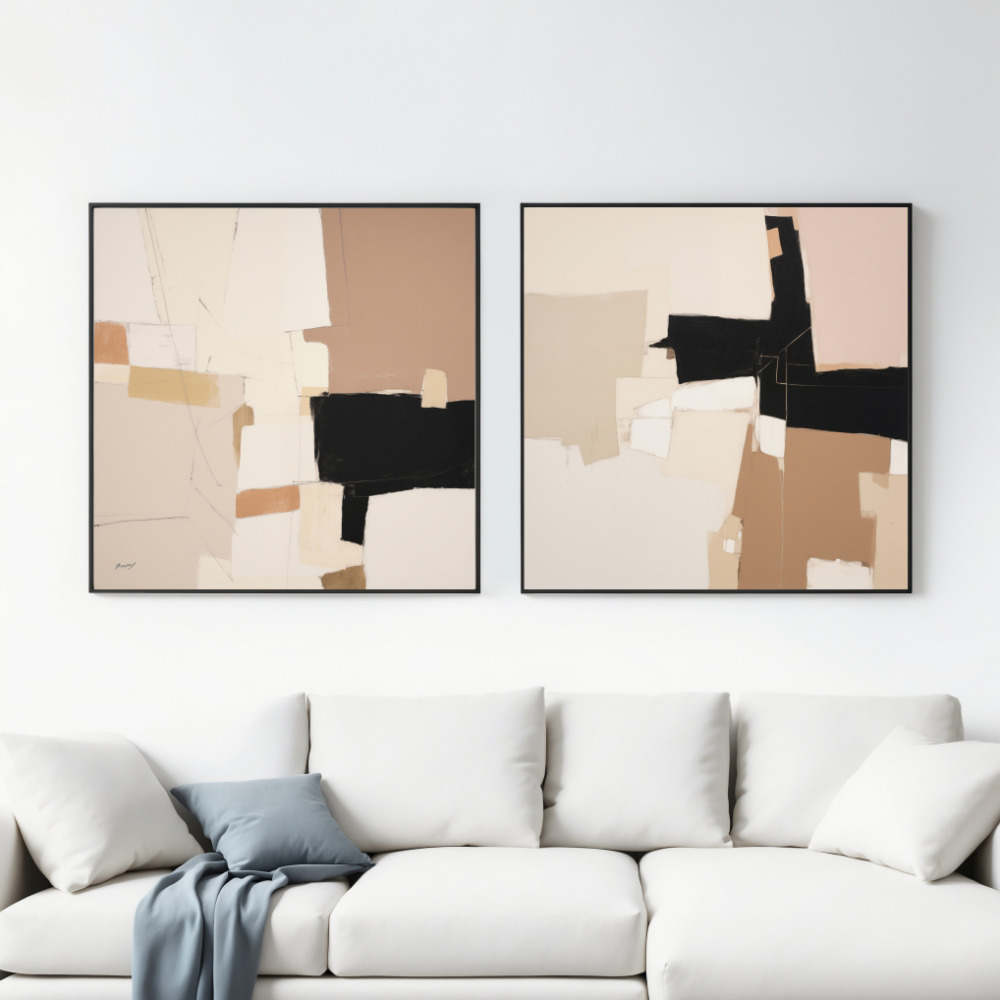
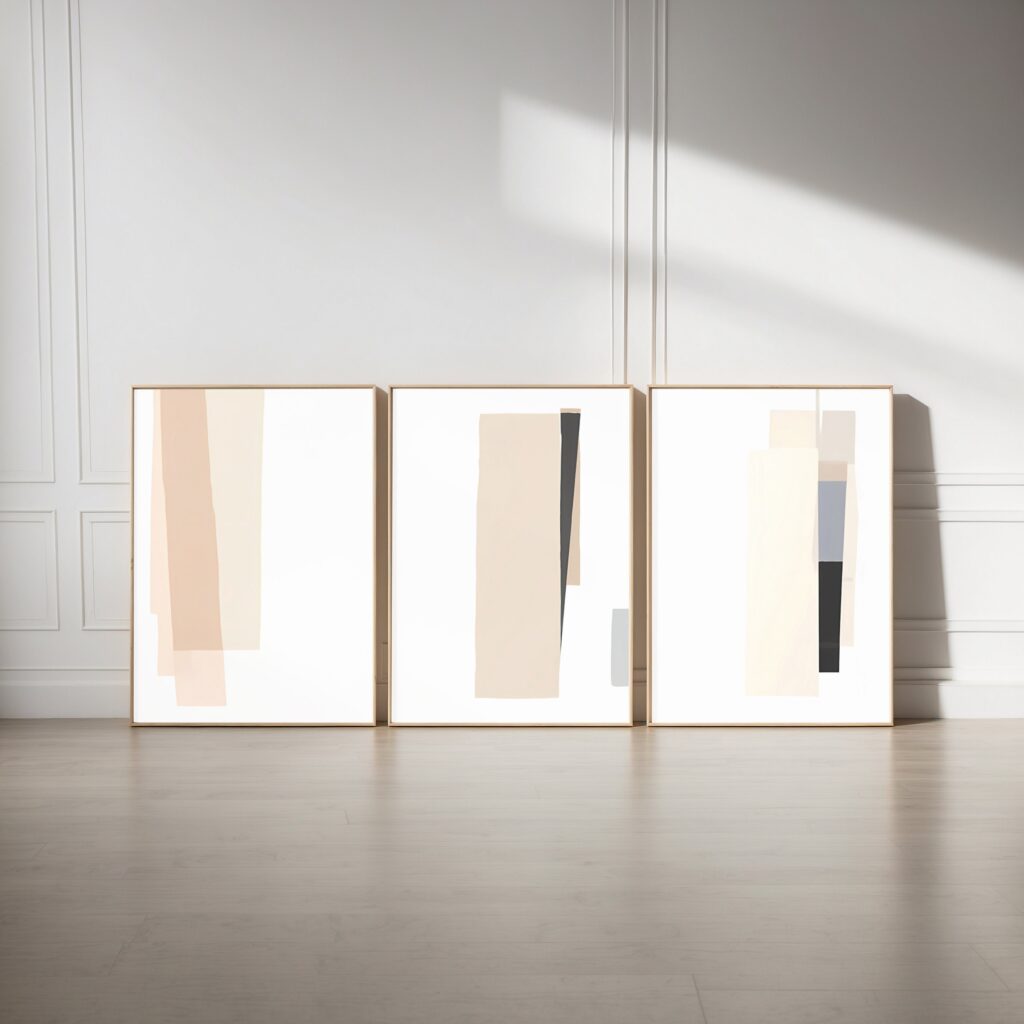
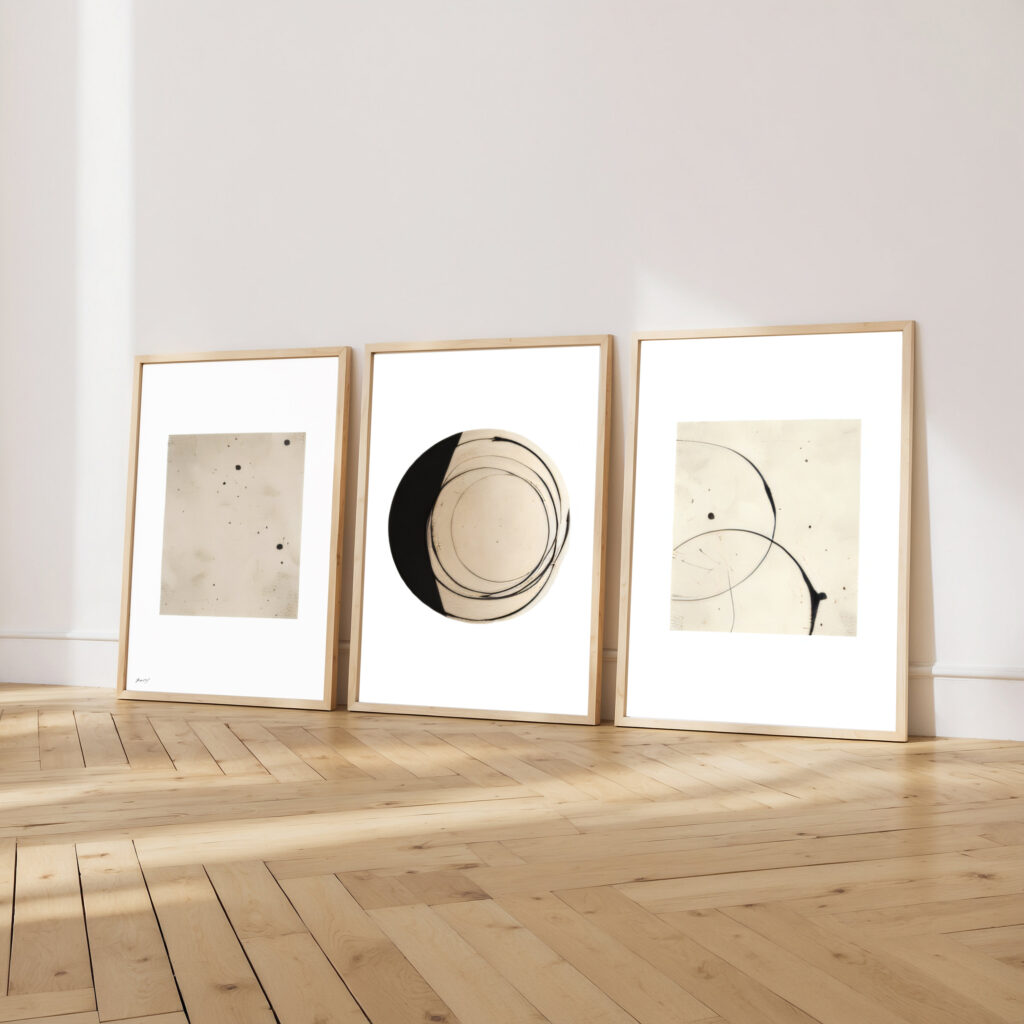
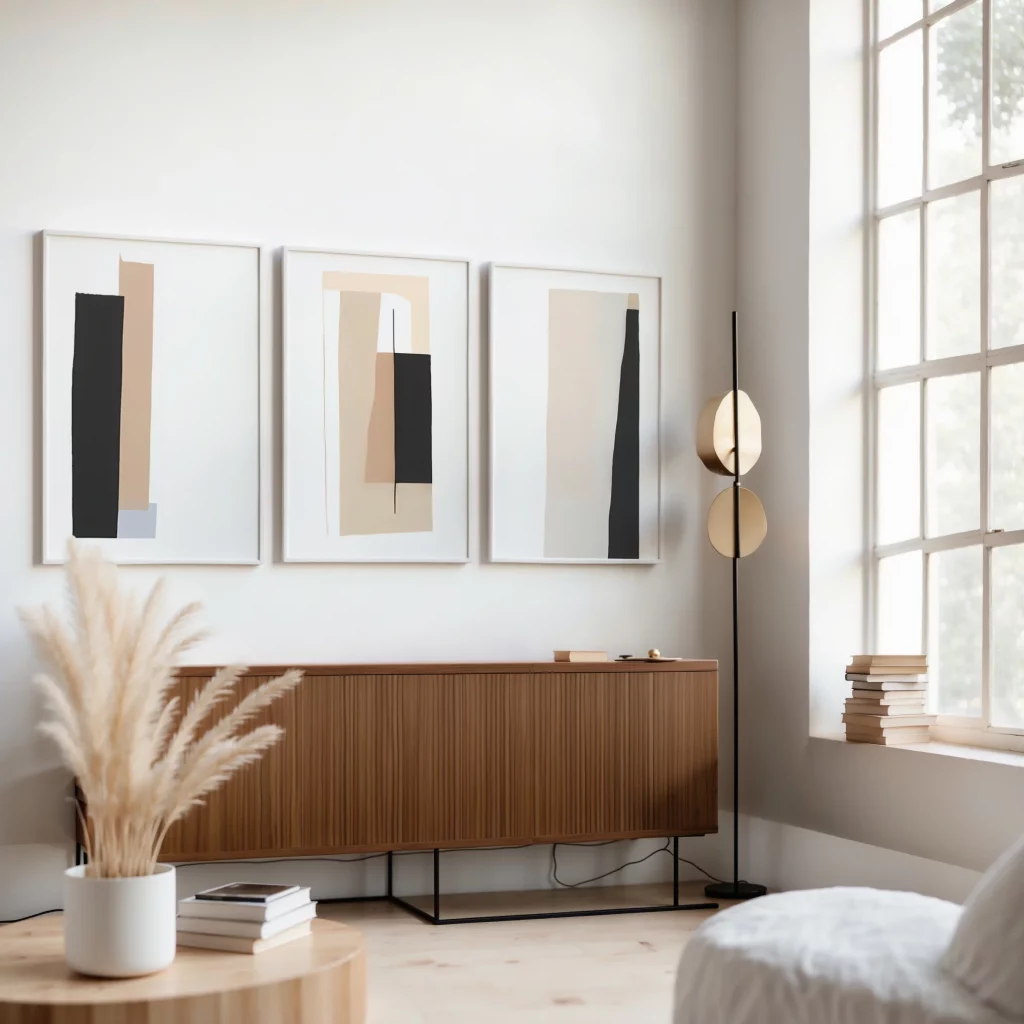
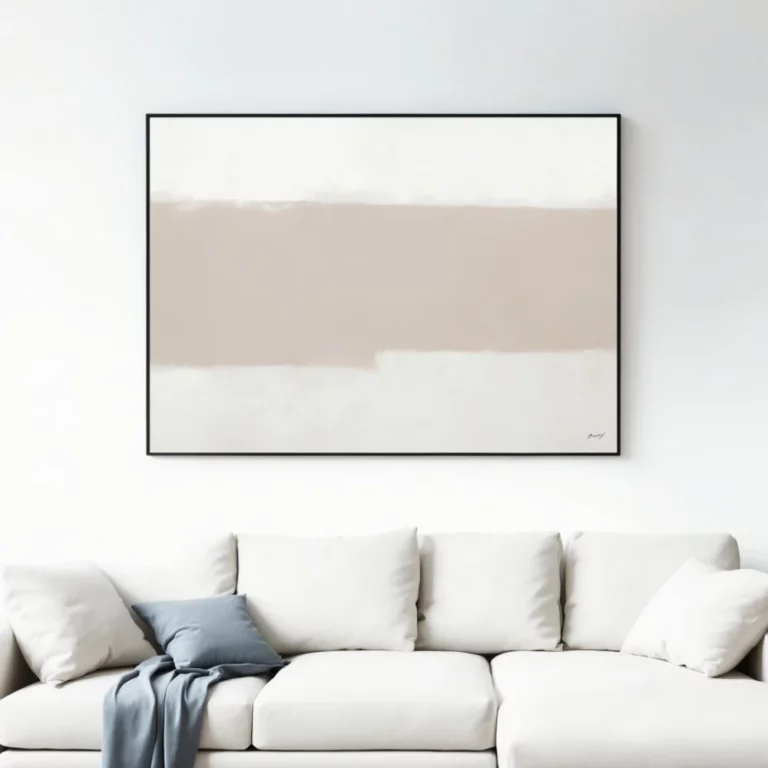
Because these designs rely on visual weight, the scale significantly changes how they interact with your room. A large statement geometric painting can act as a powerful anchor for a sectional sofa, drawing the eye and establishing a sense of order. Alternatively, choosing from curated art print sets allows you to create a tight, symmetrical grid that leads the eye across the space. This repetition of shapes creates a narrative flow, making the transition between rooms feel seamless and professionally designed.
It is a style of abstract art that uses primary mathematical shapes—such as circles, squares, and triangles—to create balanced, non-representational compositions. It focuses on the harmony of form, color, and line rather than realistic subject matter.
Look at the dominant silhouettes in your space. If your furniture is very angular, a piece with soft, rounded geometry can provide a nice contrast. If your room feels “soft” or unstructured, a piece with rigid, sharp angles can add much-needed definition.
Yes. In fact, geometric pieces with plenty of “white space” can make a small room feel airier. Choosing one large-scale piece instead of several small ones helps prevent the walls from looking cluttered.
A precise grid is the most effective way to display these pieces. Using identical frames and even spacing (usually 2–3 inches apart) reinforces the sense of order and symmetry inherent in the artwork itself.
Absolutely. Geometric art acts as a fantastic “buffer” on a gallery wall. It provides a resting spot for the eye between more detailed botanical sketches or busy landscapes, making the entire collection look more modern.
While high-contrast tones are bold, “warm neutrals” like sand, charcoal, and muted terracotta are very popular for creating a restful environment. These tones help make structured shapes feel more organic and inviting.
Canvas is great for a textured look and eliminates glare, which is perfect for bright rooms. Framed paper prints offer a more traditional, “clinical” precision that highlights the sharpness of the lines, often preferred for very mathematical designs.
Art Collections