Limited Time: 20% Off All Prints
Free worldwide shipping on orders over $69
Delivery 4-12 business days
Home / Art Print Collections / Large Wall Art
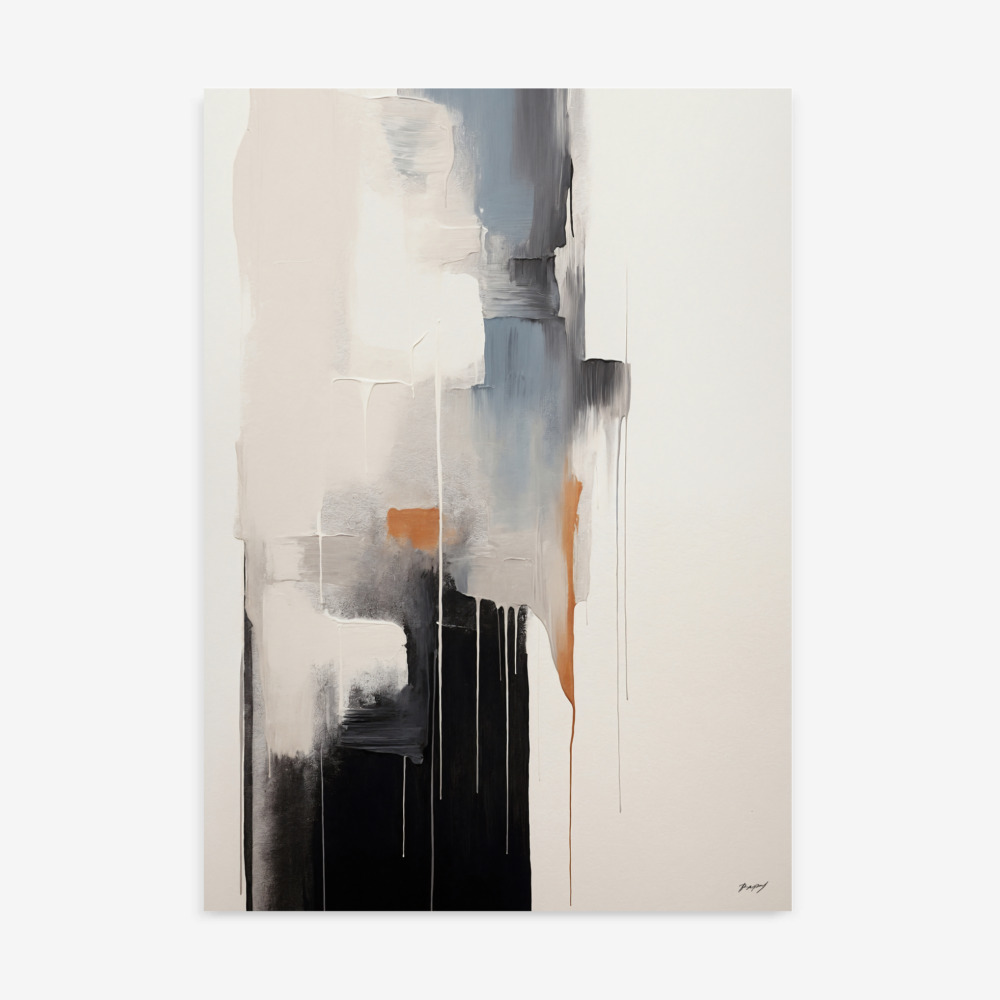
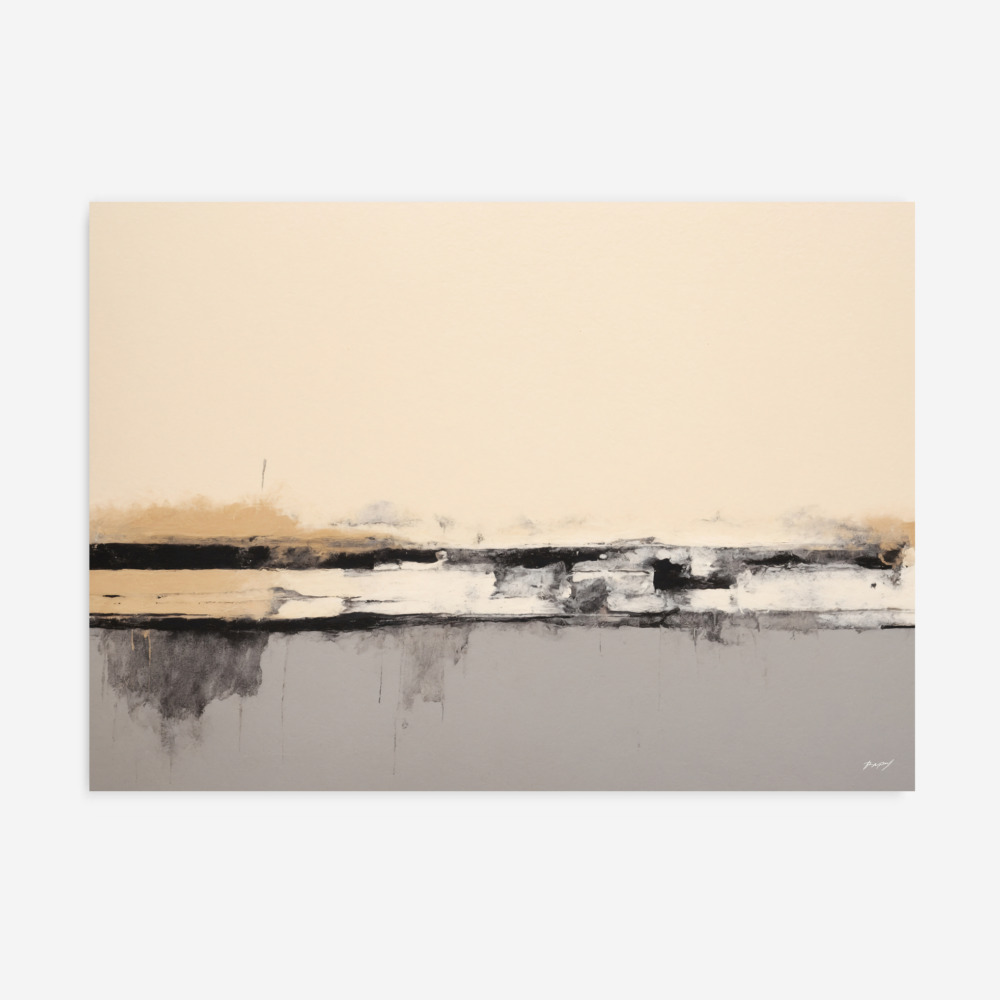
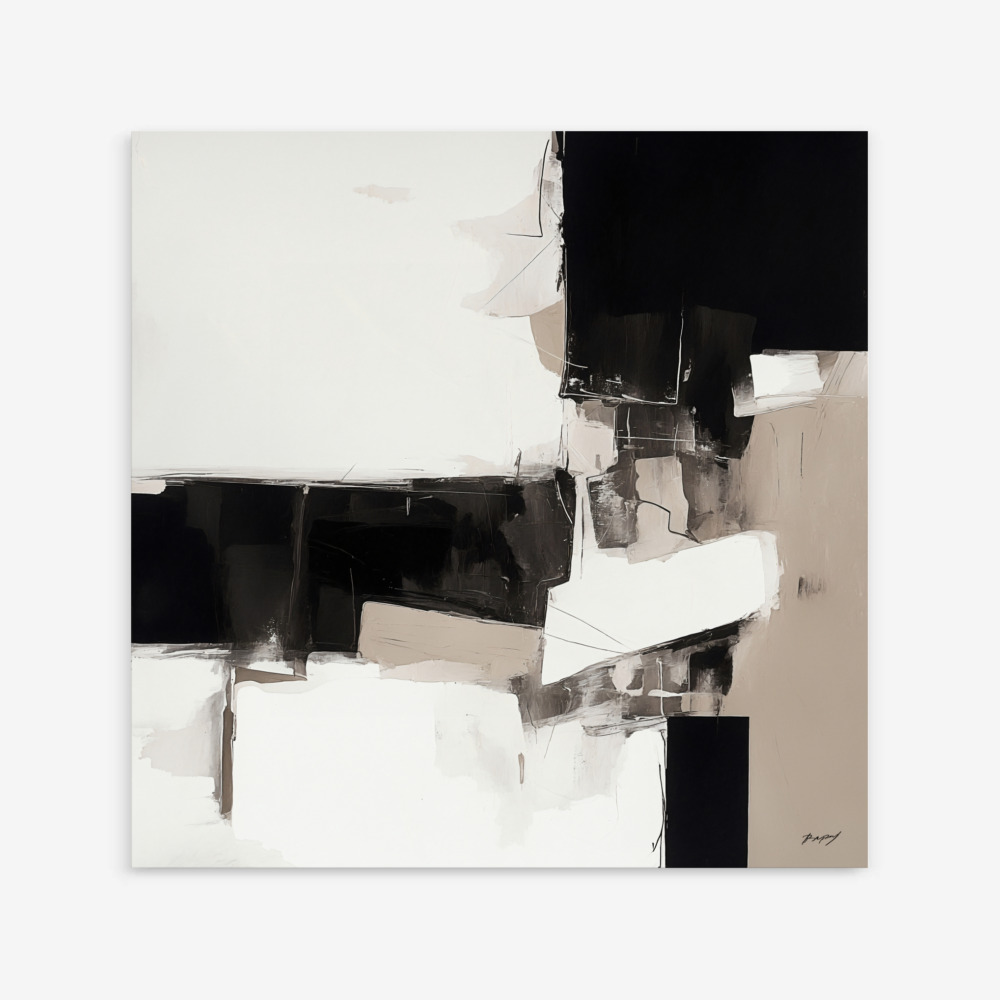
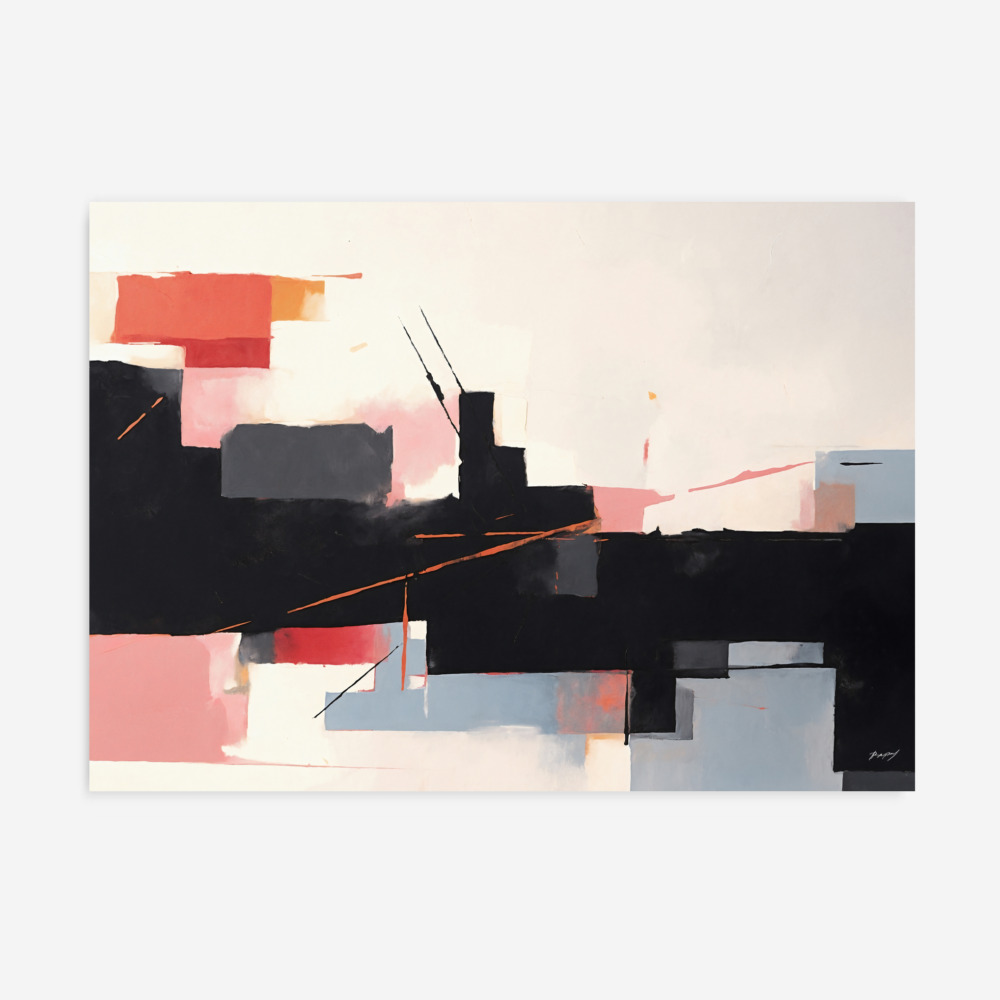
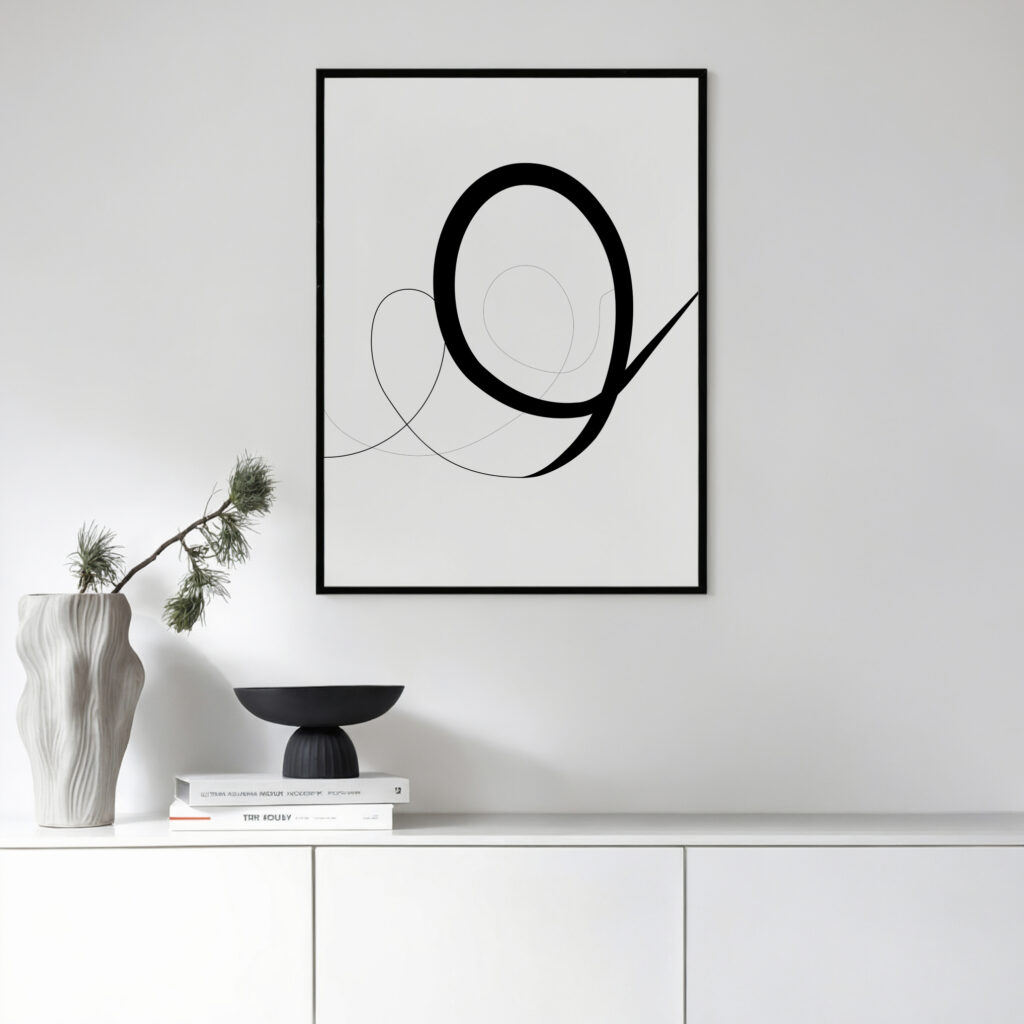
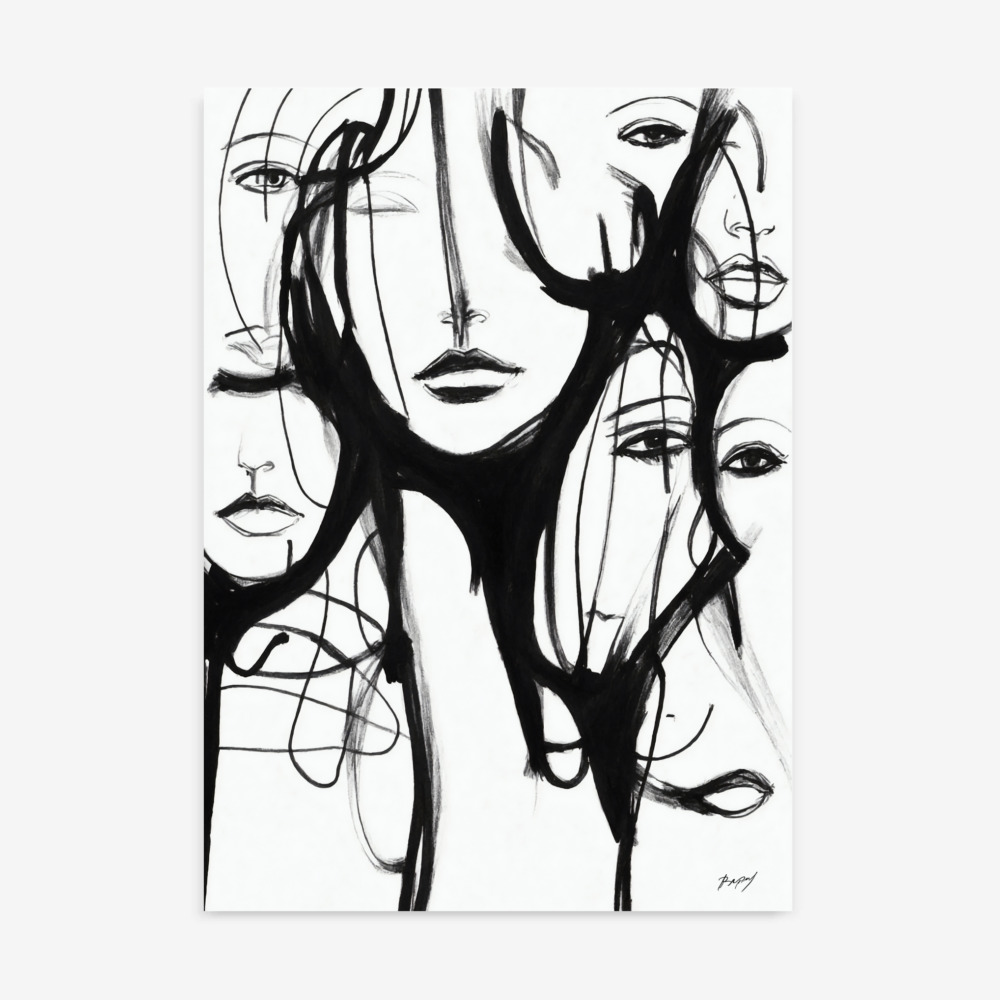
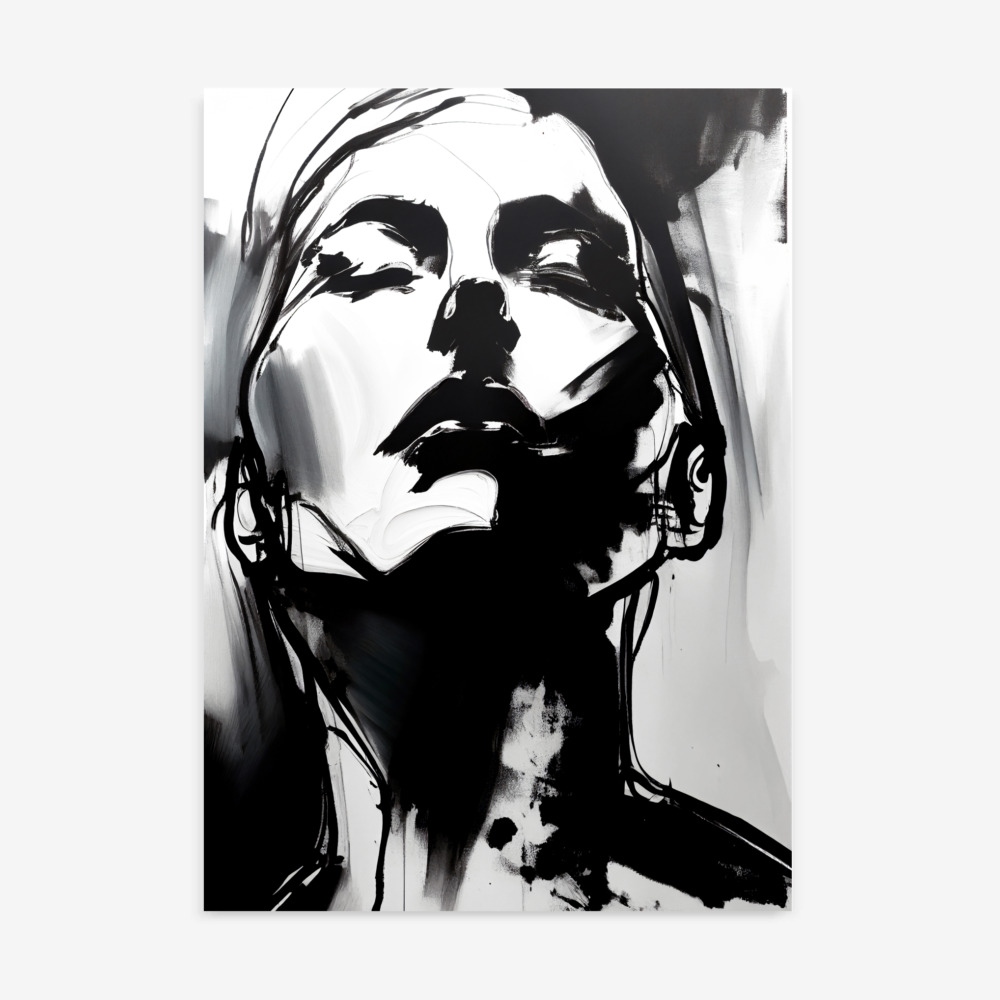
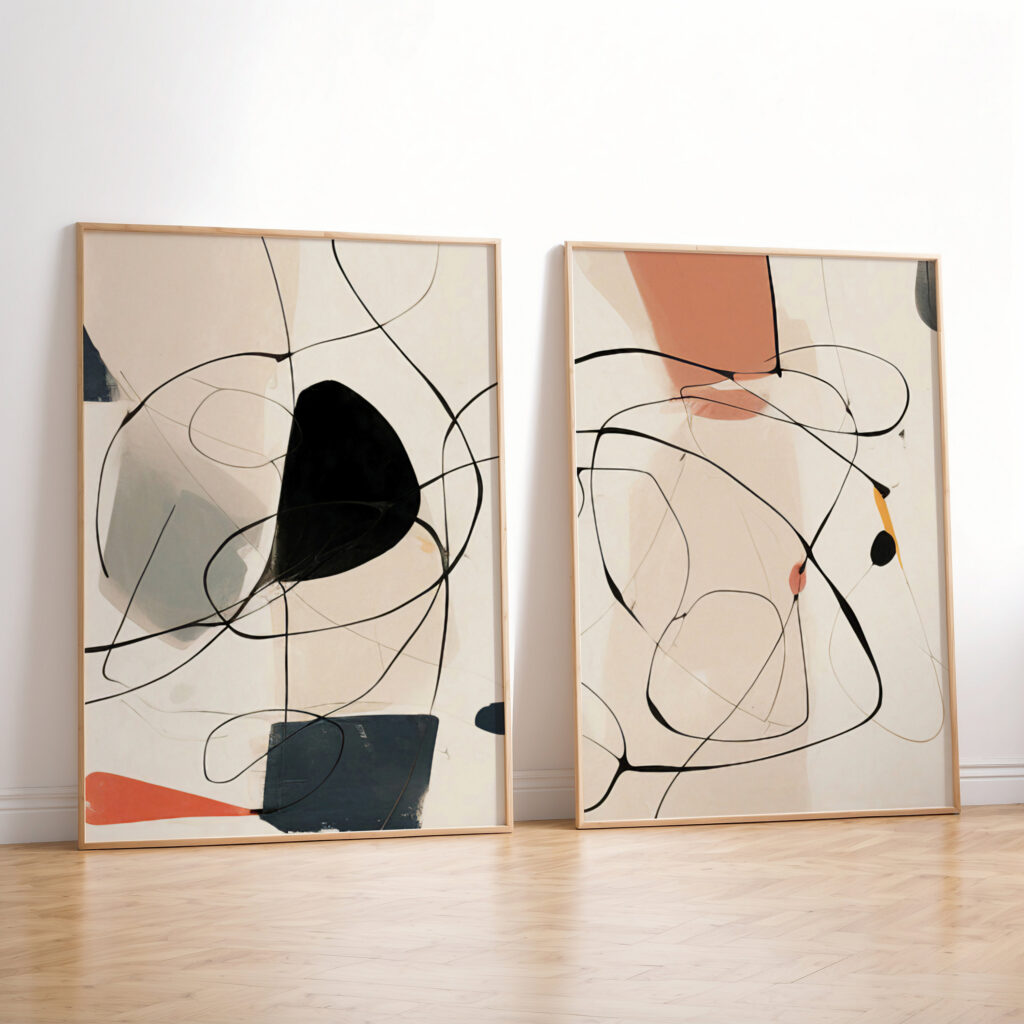
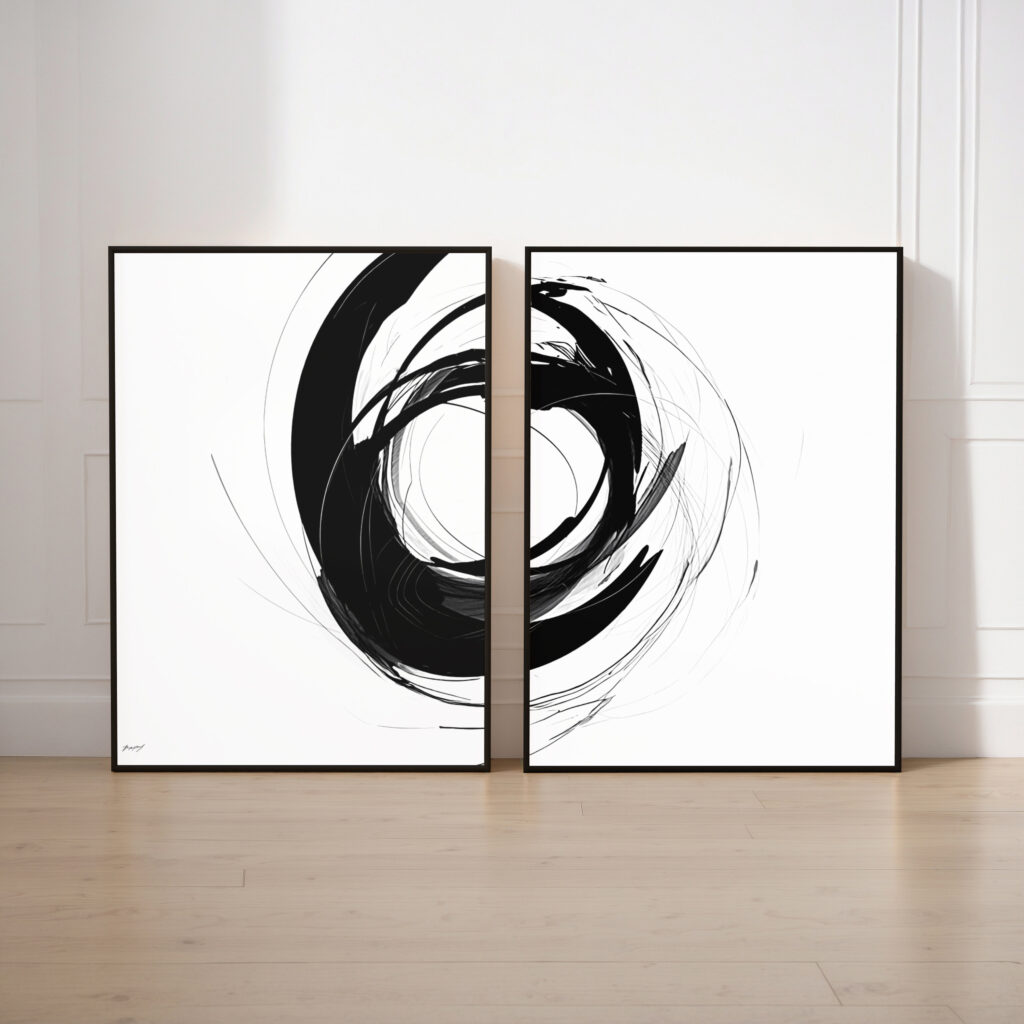
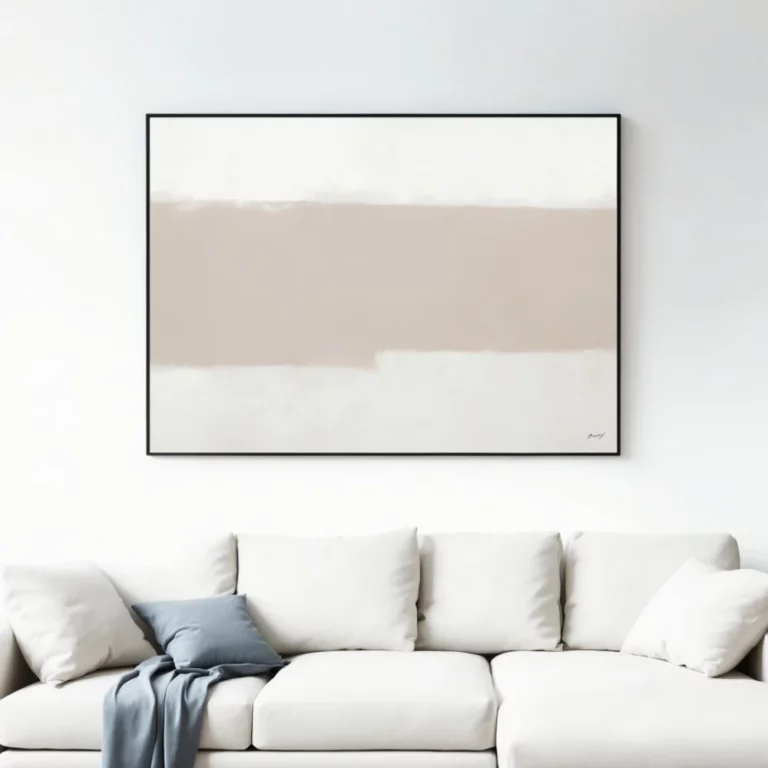
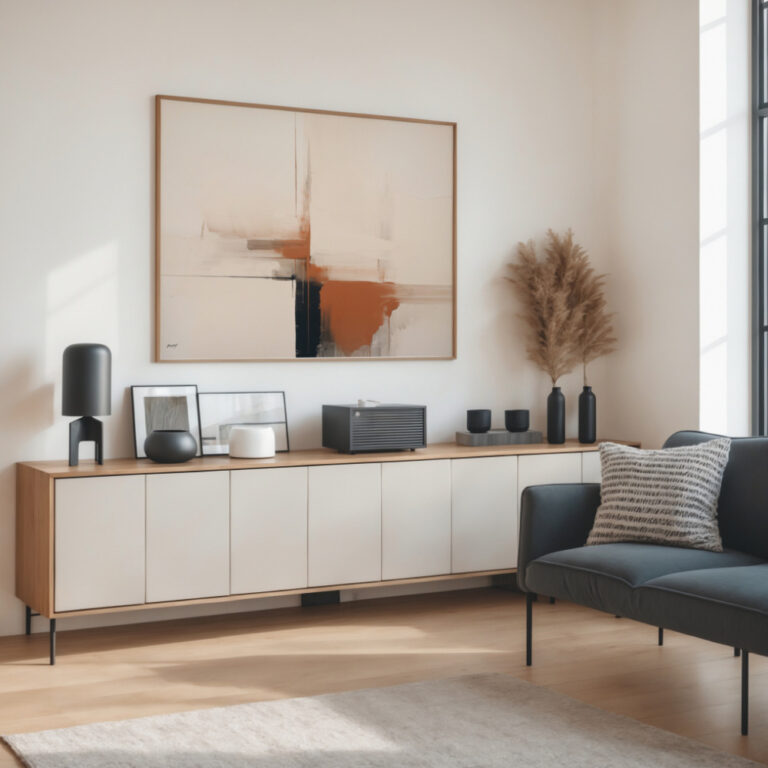
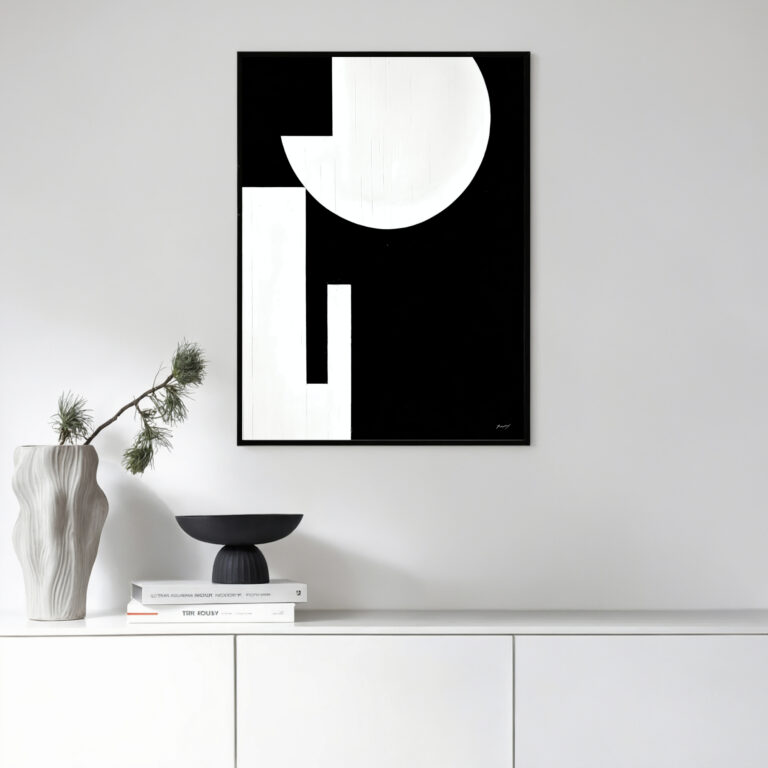
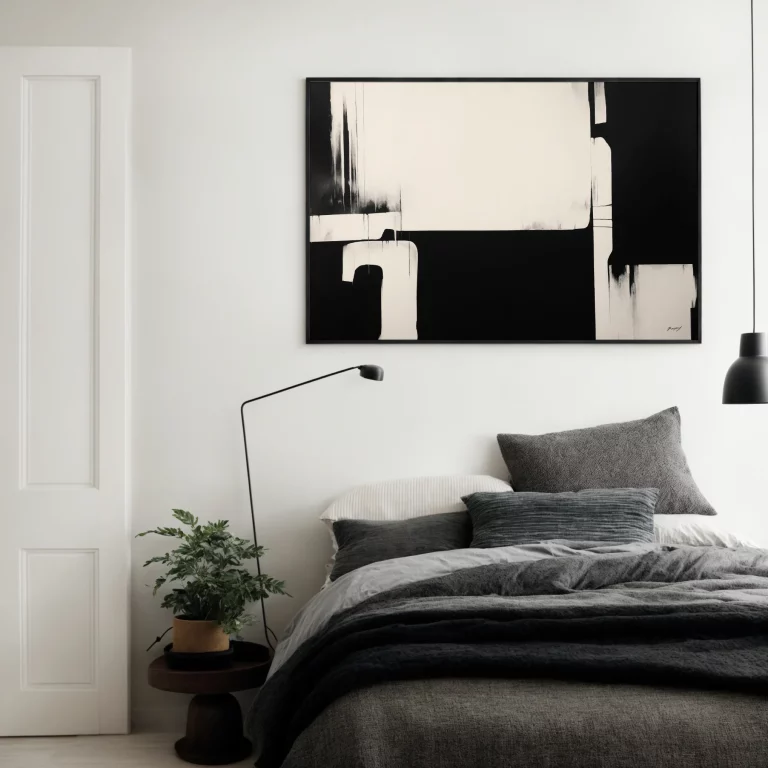
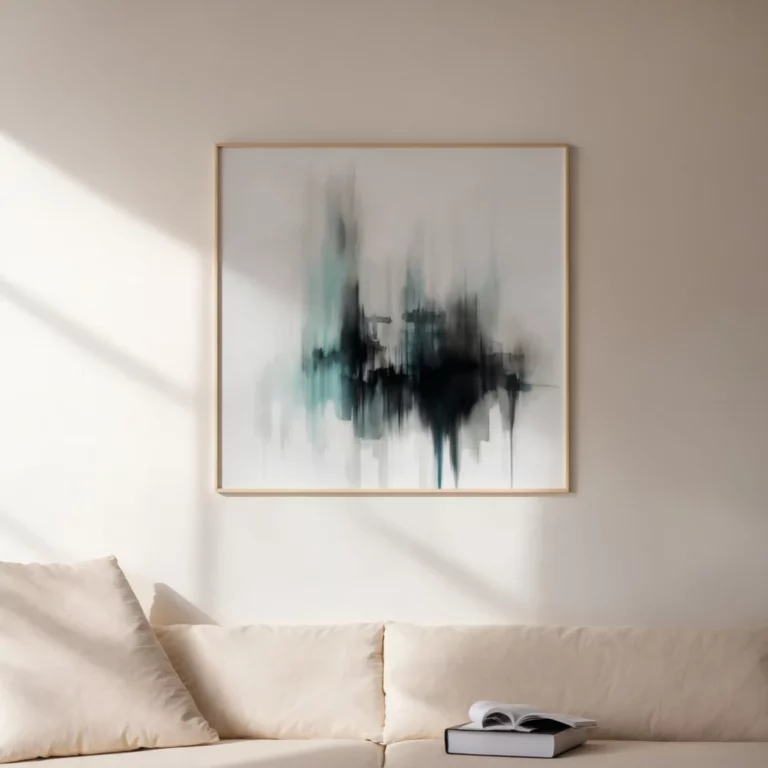
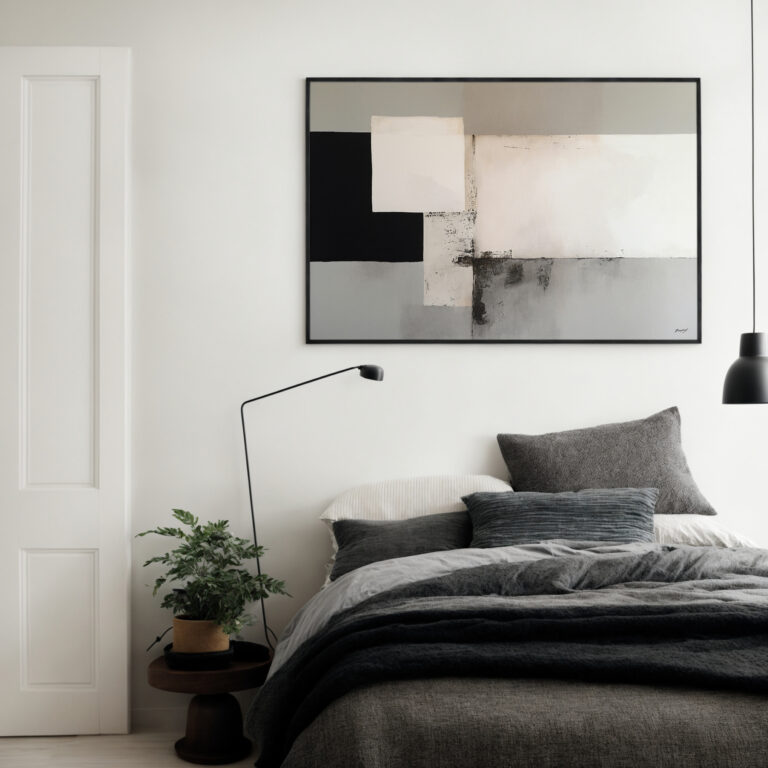
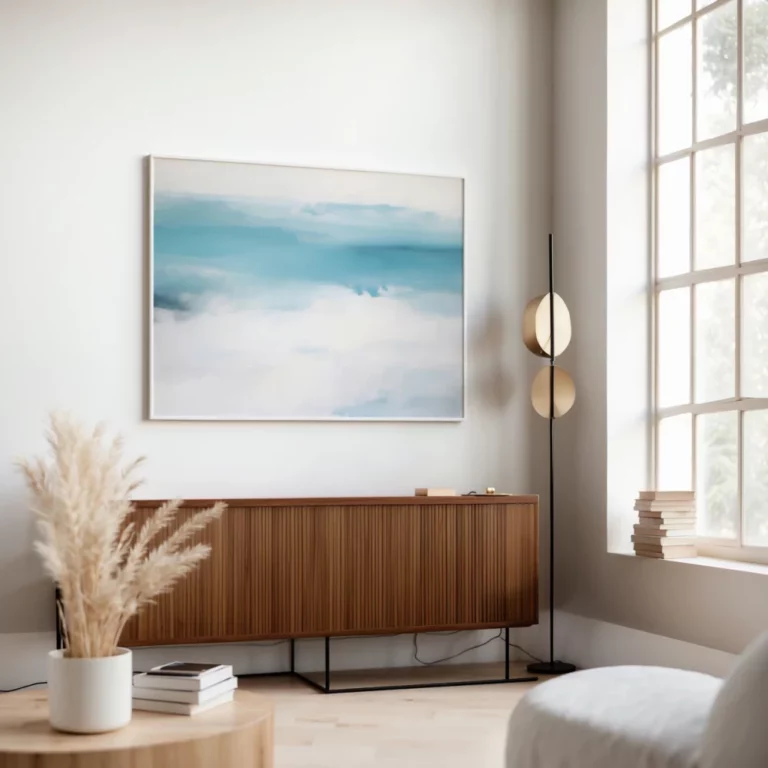
There is a specific kind of magic that happens when you commit to scale. A single, well-chosen piece can transform a room from a set of four walls into a curated sanctuary with a distinct personality. By choosing large wall art that resonates with your personal aesthetic, you create a visual anchor that organizes your furniture and defines the energy of your entire home. Whether you are looking for a moody horizon or a bold gestural sketch, our museum-grade prints provide a professional gallery finish with worldwide shipping.
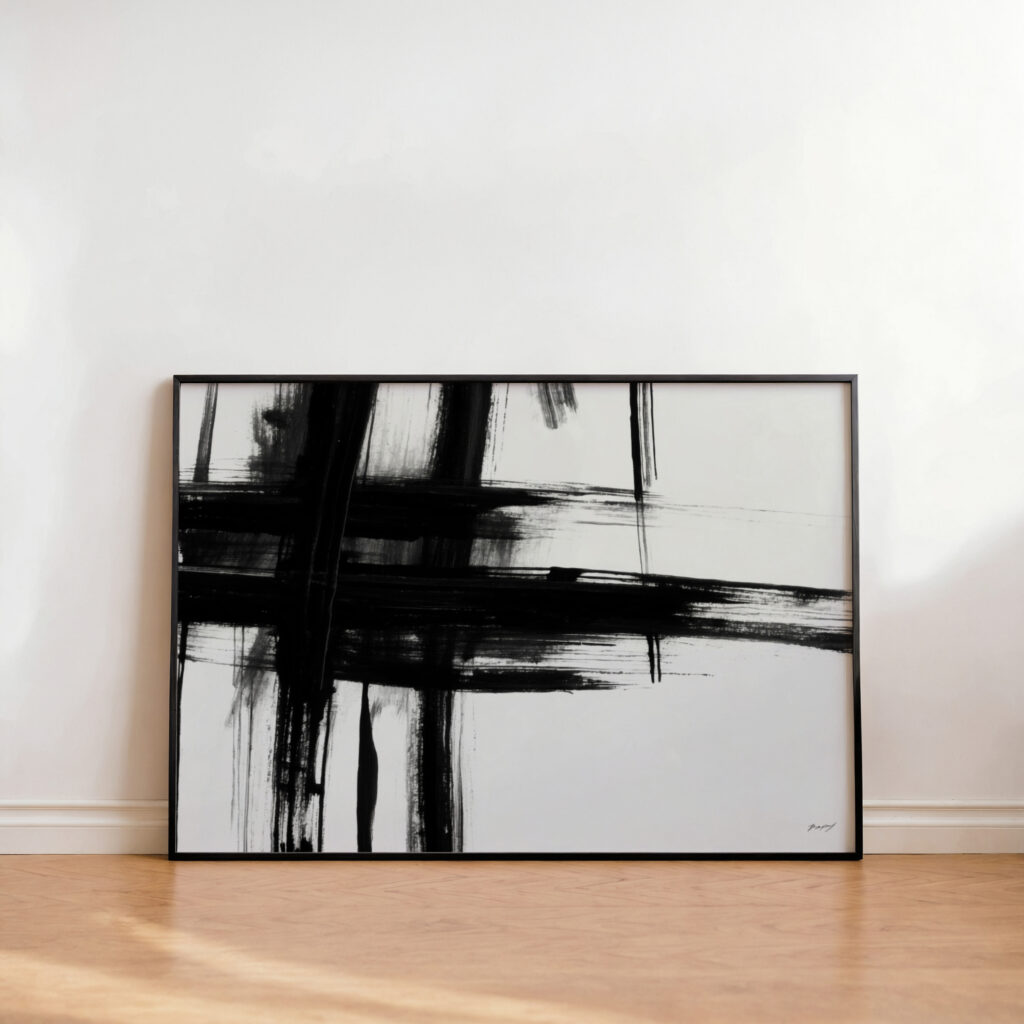
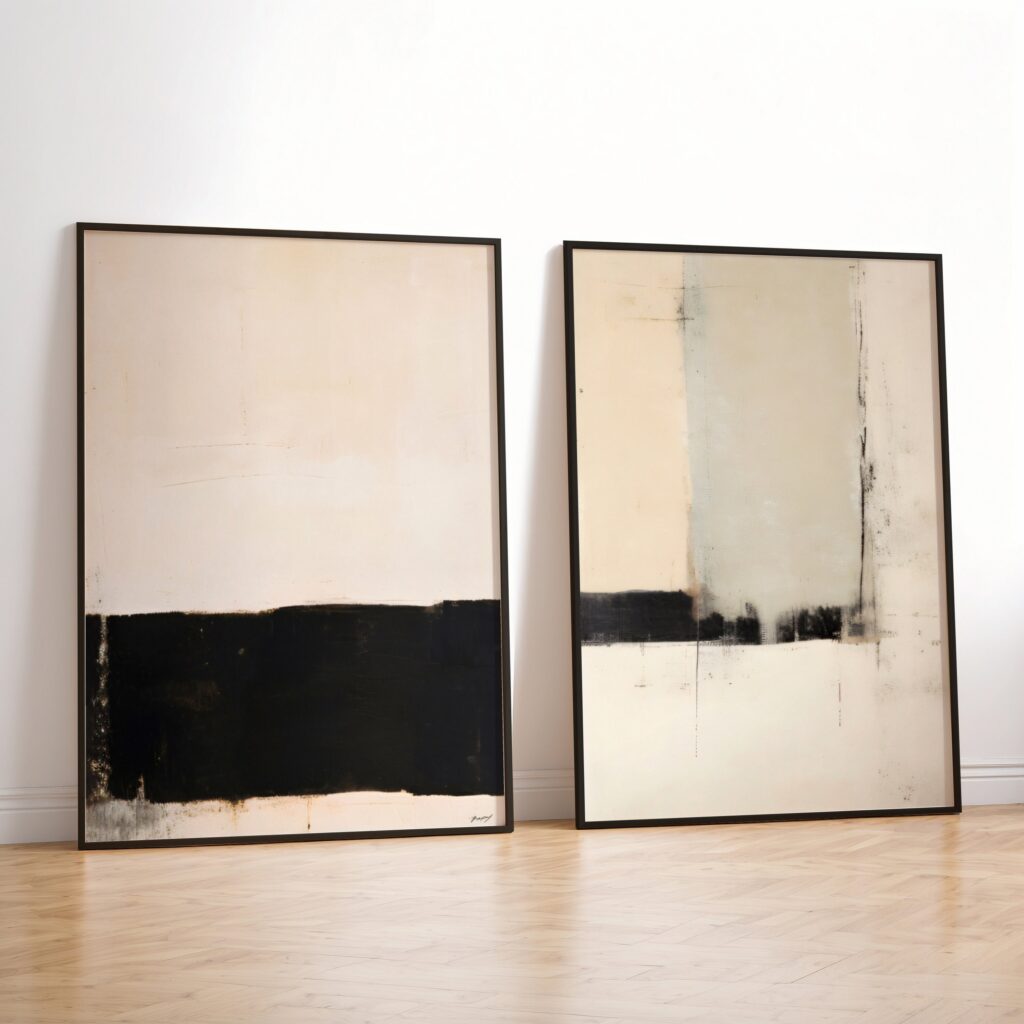
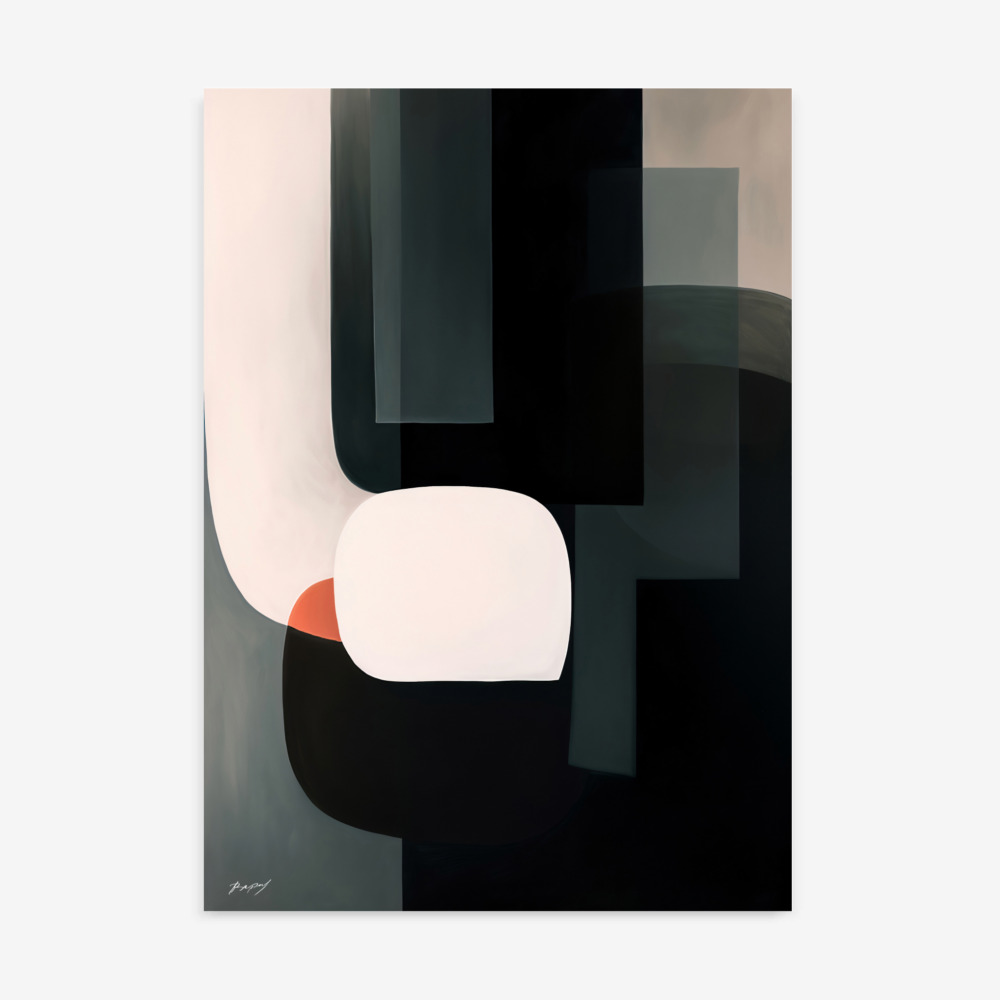
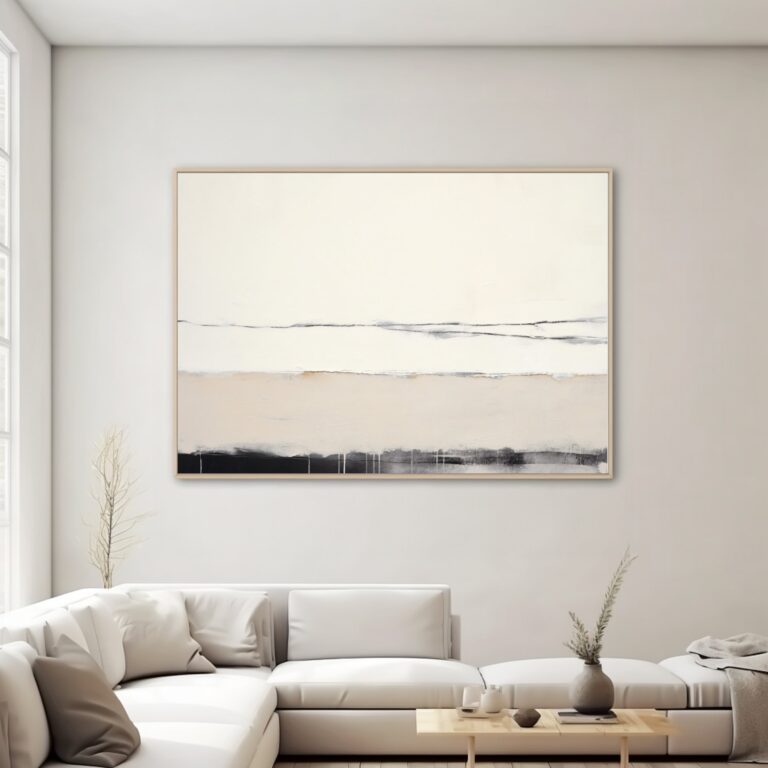
In interior design, scale is the most effective tool for creating a sense of order. A substantial piece of art provides a visual “center of gravity,” preventing a large room from feeling sparse or unfinished. This is particularly effective in open-plan living areas where a single horizontal work can define the boundaries of a lounge or dining space. By selecting abstract art prints with sweeping movement, you create a sophisticated atmosphere that ties your rugs and furniture together without the need for excessive small decor items that can clutter the eye.
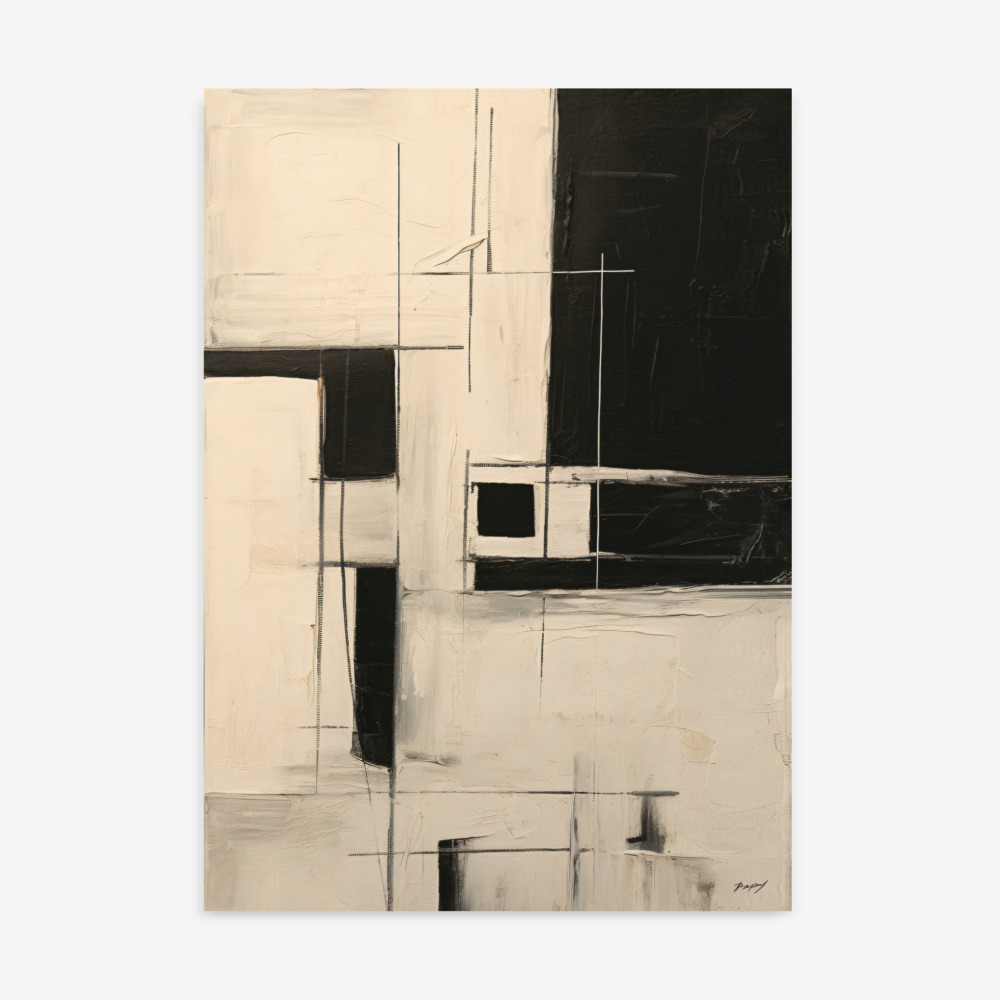
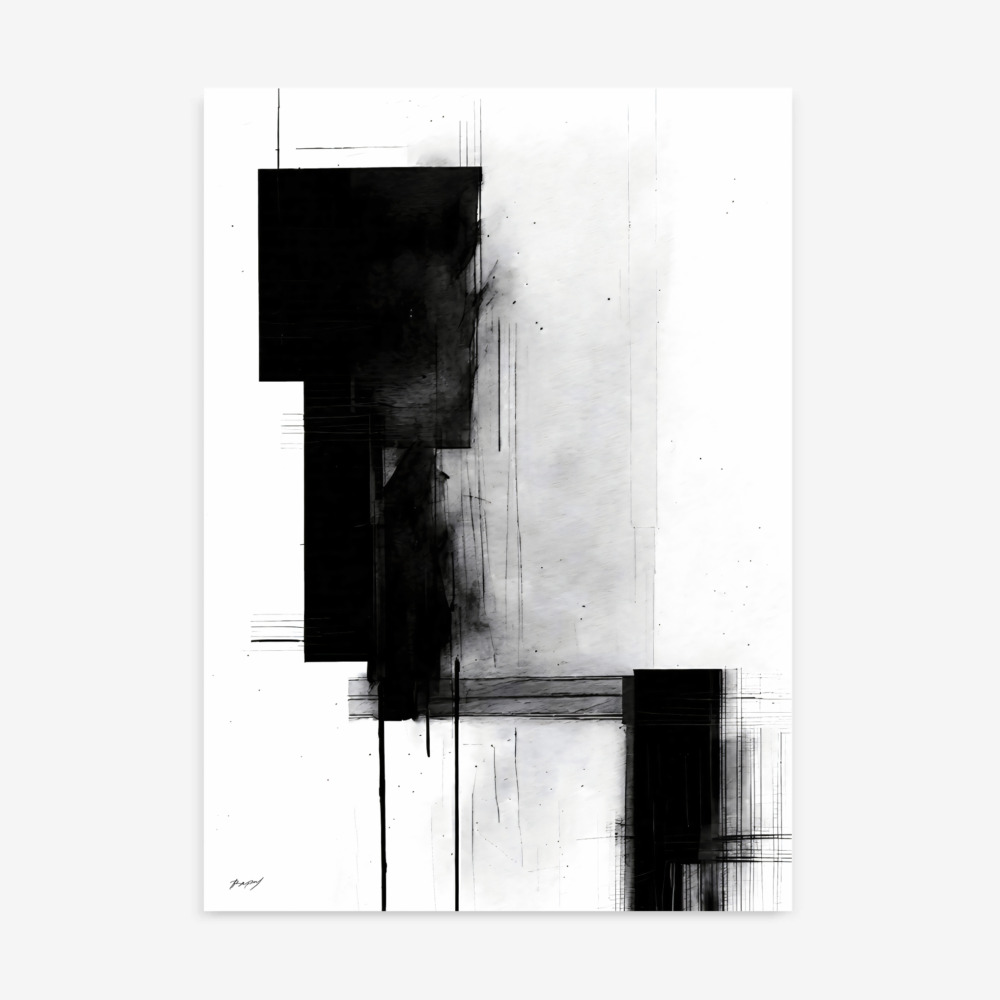
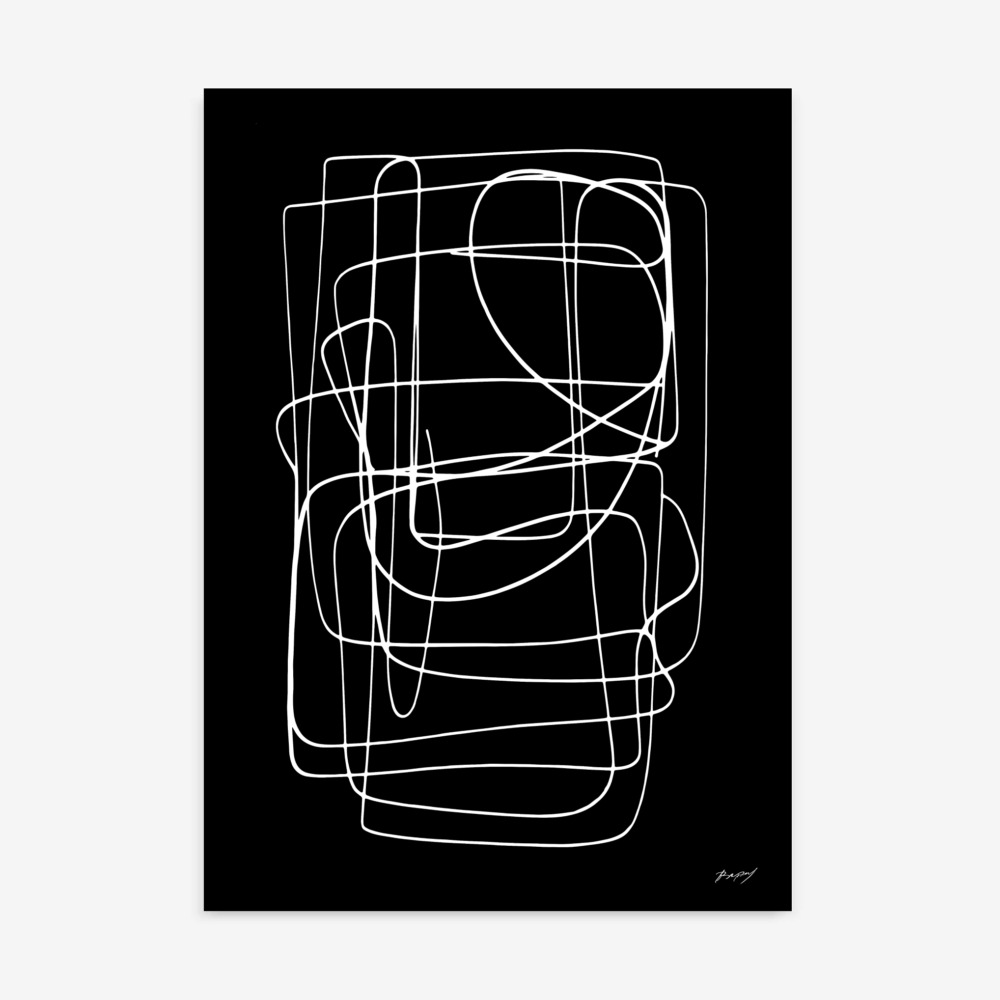
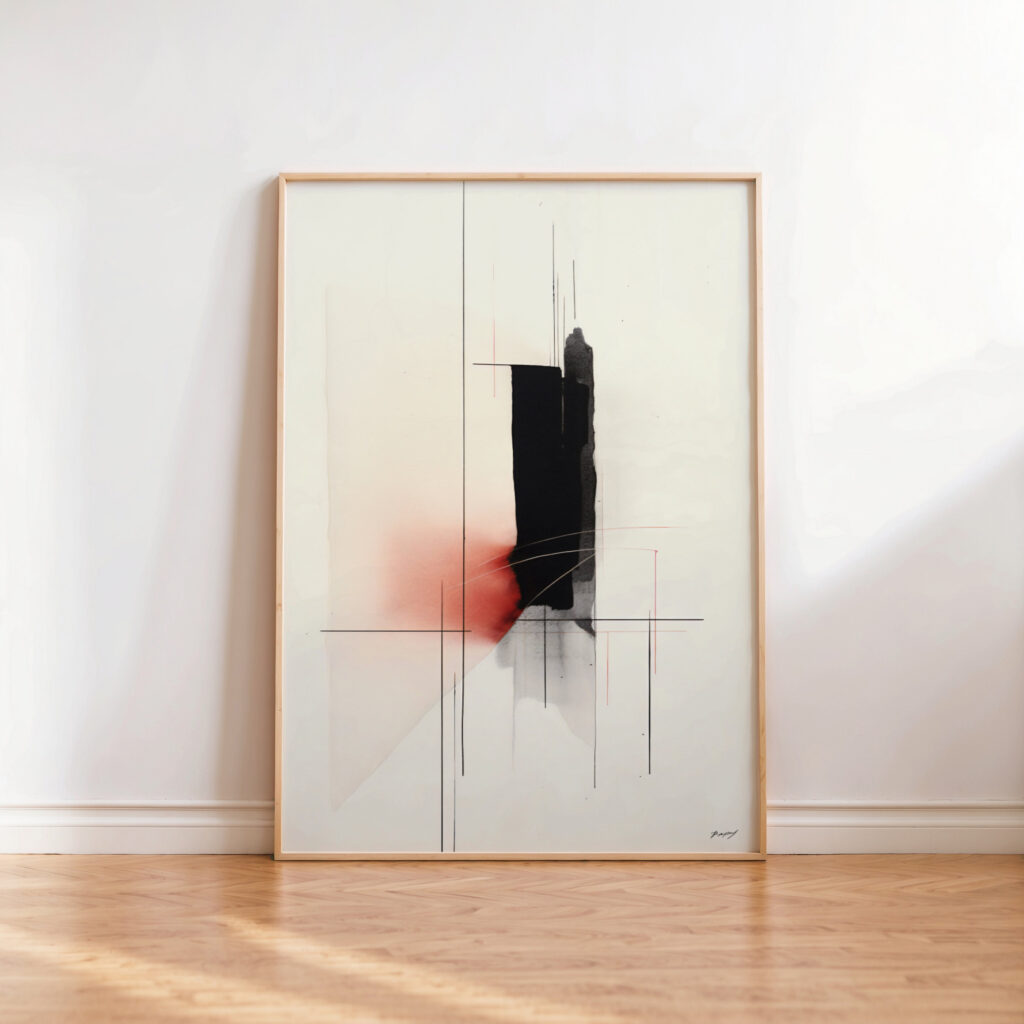
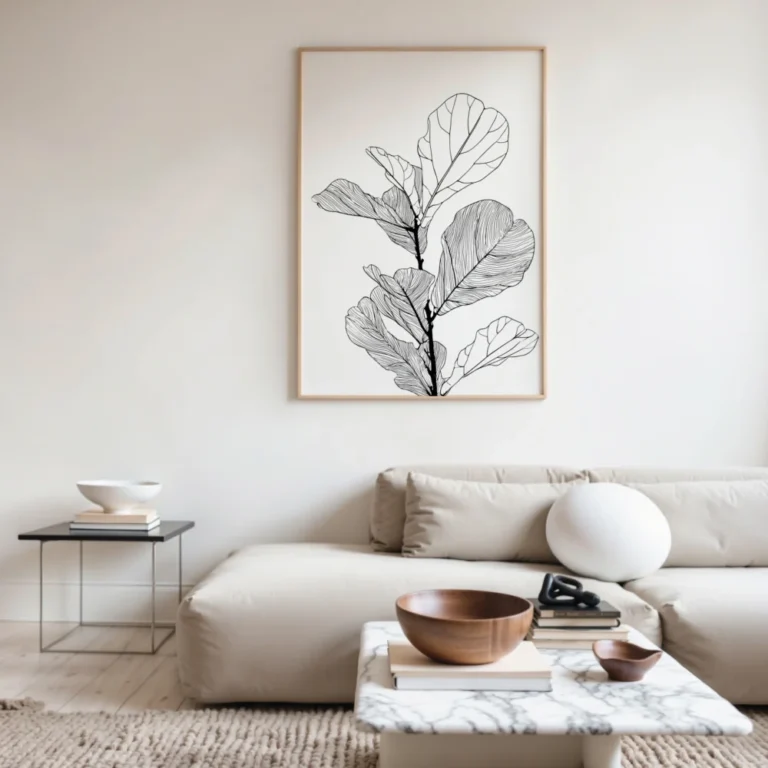
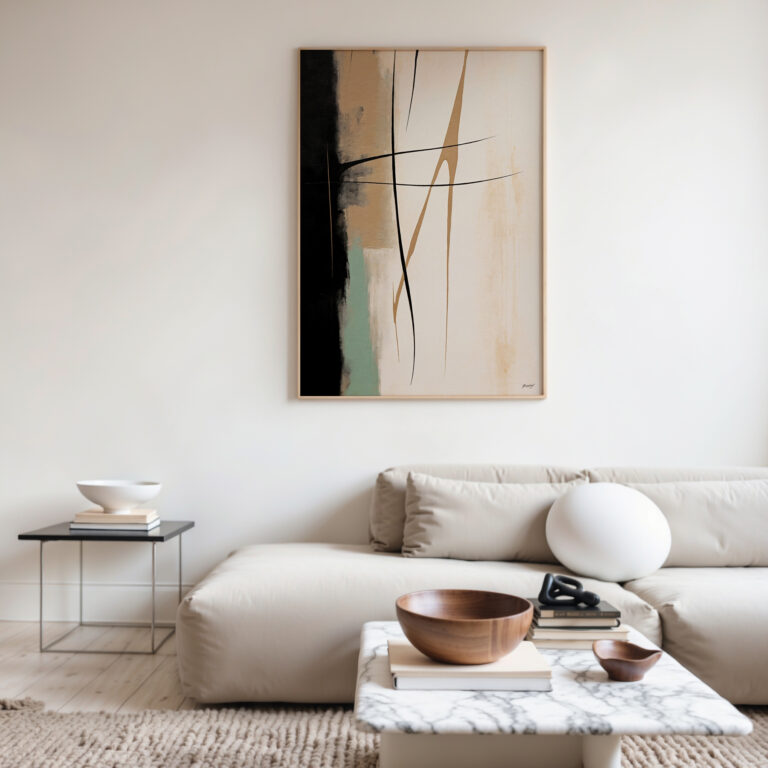
When an image is scaled up, the medium you choose dictates how the art interacts with your room’s light. Modern canvas prints offer a tactile, matte finish that is completely glare-free, making them the ideal choice for bright rooms with many windows. Alternatively, choosing fine art paper behind glass adds a layer of traditional gallery sophistication, highlighting the precision of minimalist line art. Regardless of the format, a larger canvas allows the viewer to appreciate the weight of the ink and the deliberate use of negative space, making the artwork feel like an integrated part of the wall.
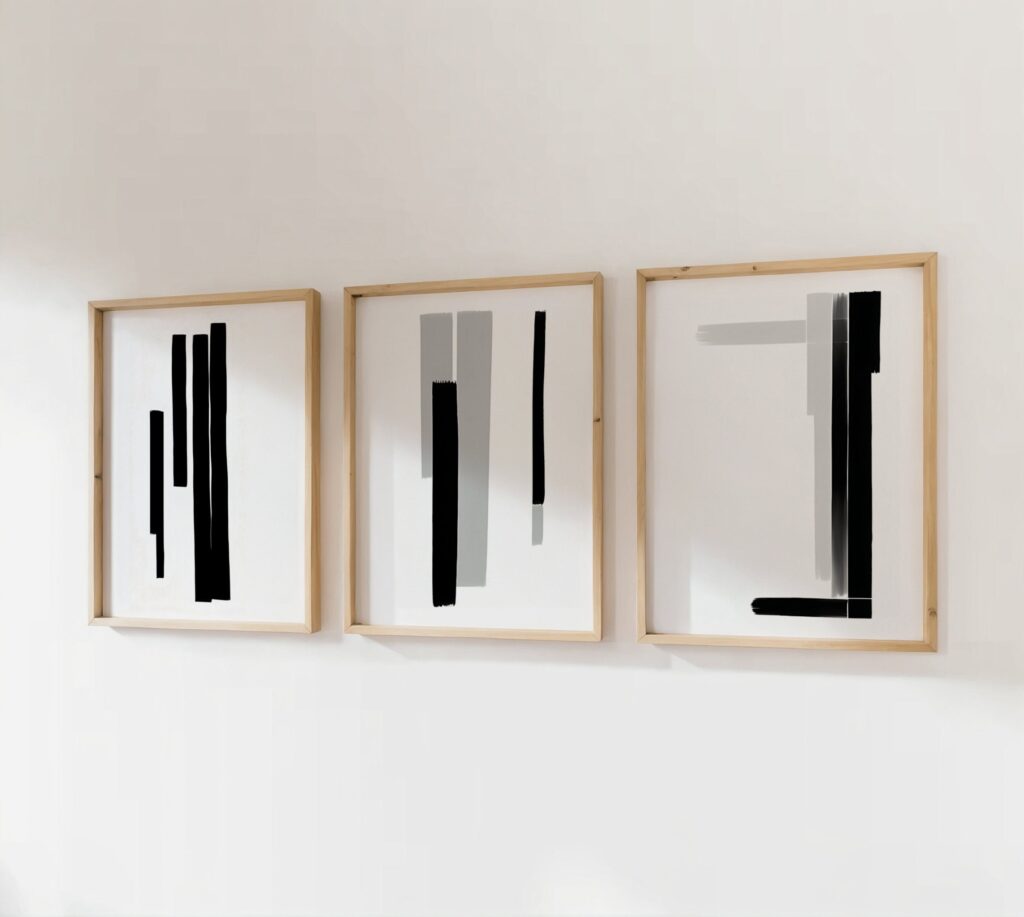
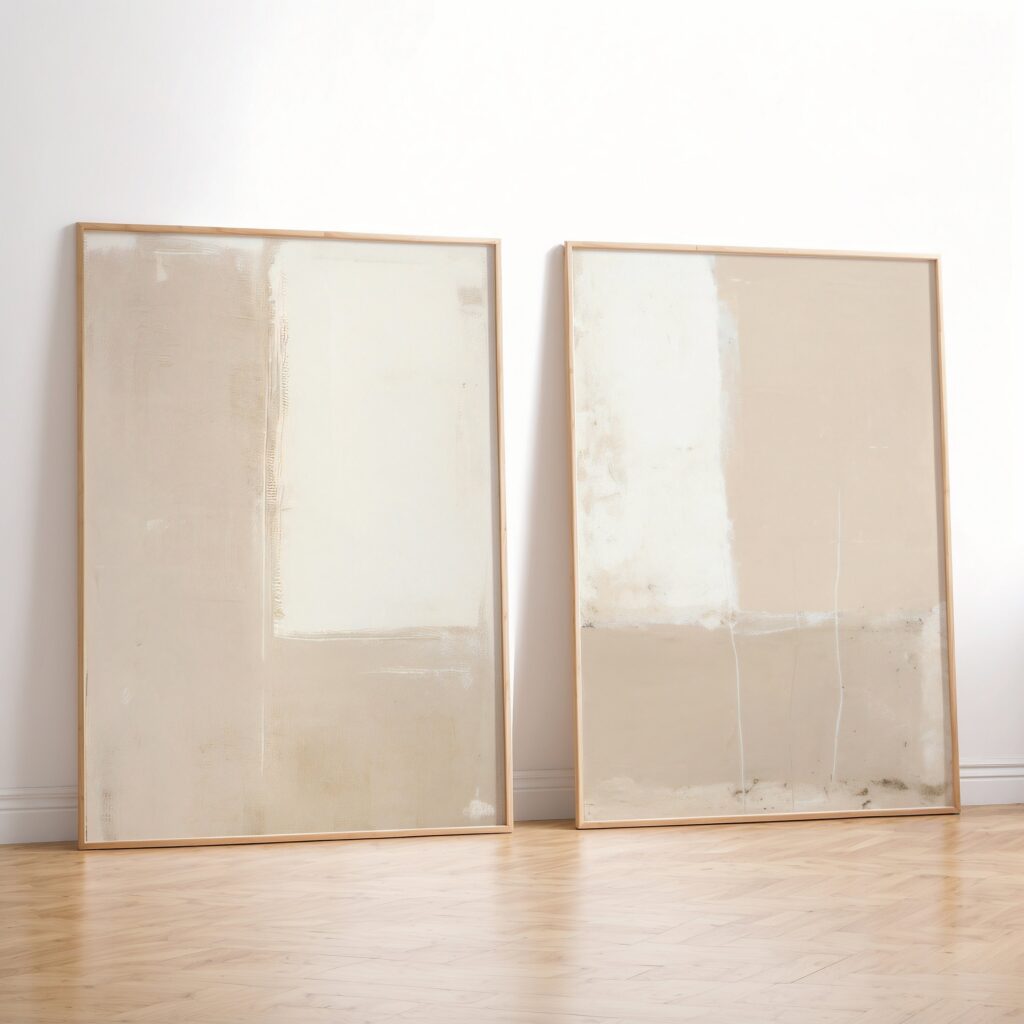
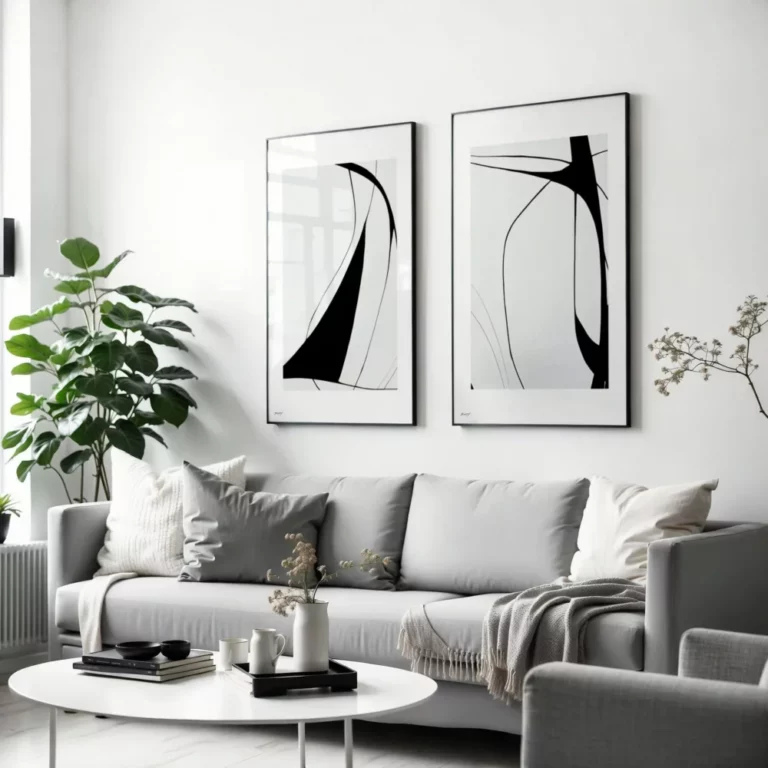
The most common mistake in home styling is hanging art that is too small for the furniture below it. To achieve a balanced look over a sofa or a King-sized bed, your art should occupy roughly two-thirds to three-quarters of the width of the furniture. As for height, aim to hang the center of the piece at eye level, or roughly 6–10 inches above the back of a couch. This ensures the arrangement feels integrated rather than floating aimlessly on the wall. For those looking to fill an exceptionally wide space, exploring art print sets can provide the same grand scale while adding a rhythmic, modern energy to the room.
In the world of interior design, “large” generally refers to pieces starting at 24×36 inches. For a true statement wall, dimensions like 30×40 inches or 40×60 inches are the standard for creating a significant visual impact that anchors a room.
Actually, the opposite is true. Using one large-scale piece of art can make a small room feel bigger by providing a clean focal point and reducing the “cluttered” feeling that comes from hanging several smaller items on every wall.
A good rule of thumb is to leave a gap of 6 to 10 inches between the top of the sofa and the bottom of the frame. This creates a visual connection between the furniture and the art, making them feel like a singular, cohesive unit.
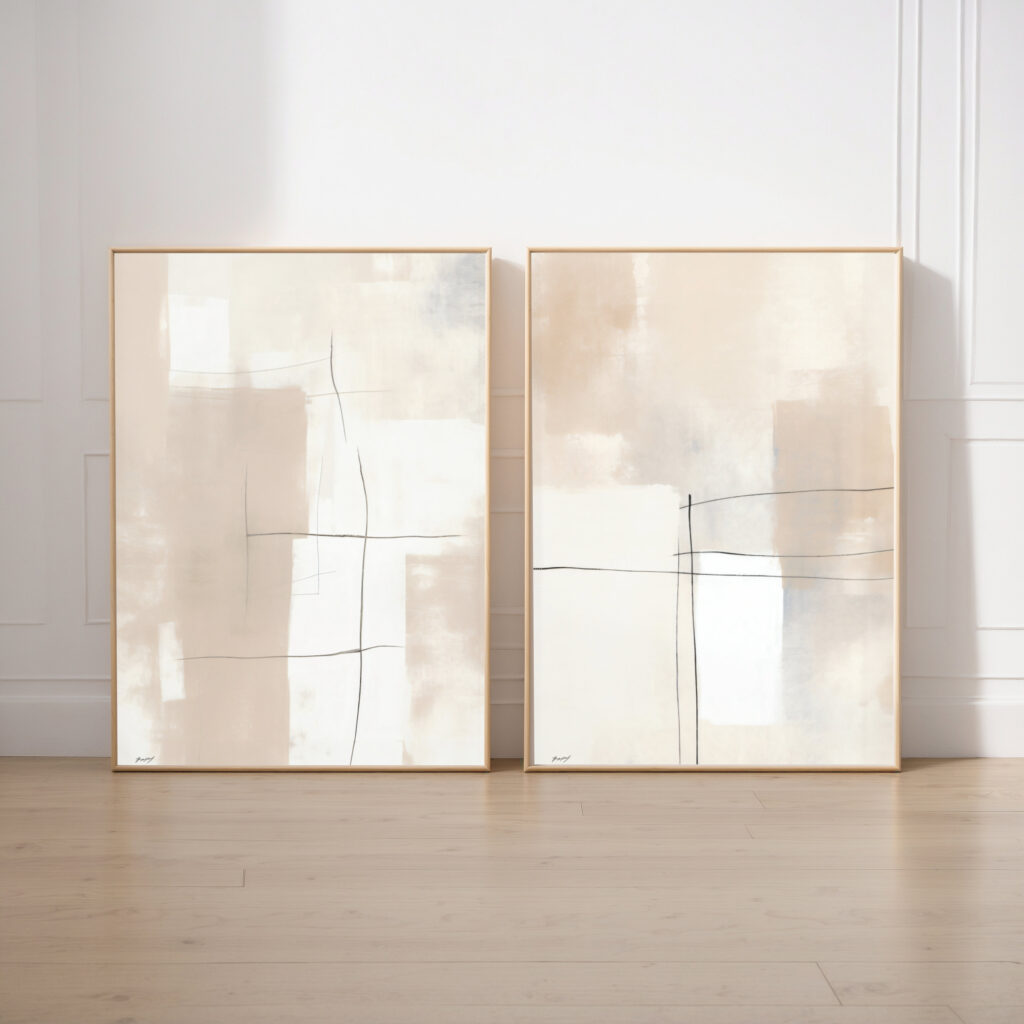
A single large piece offers a bold, minimalist focal point. A multi-panel set (like a triptych) covers the same amount of wall space but adds a sense of rhythm. Sets are also much easier to transport and hang than one massive, heavy frame.
Canvas is often preferred for a large wall art statement because it is lightweight and glare-free. Without the reflection of glass, the viewer can focus entirely on the color and depth of the work from any angle in the room.
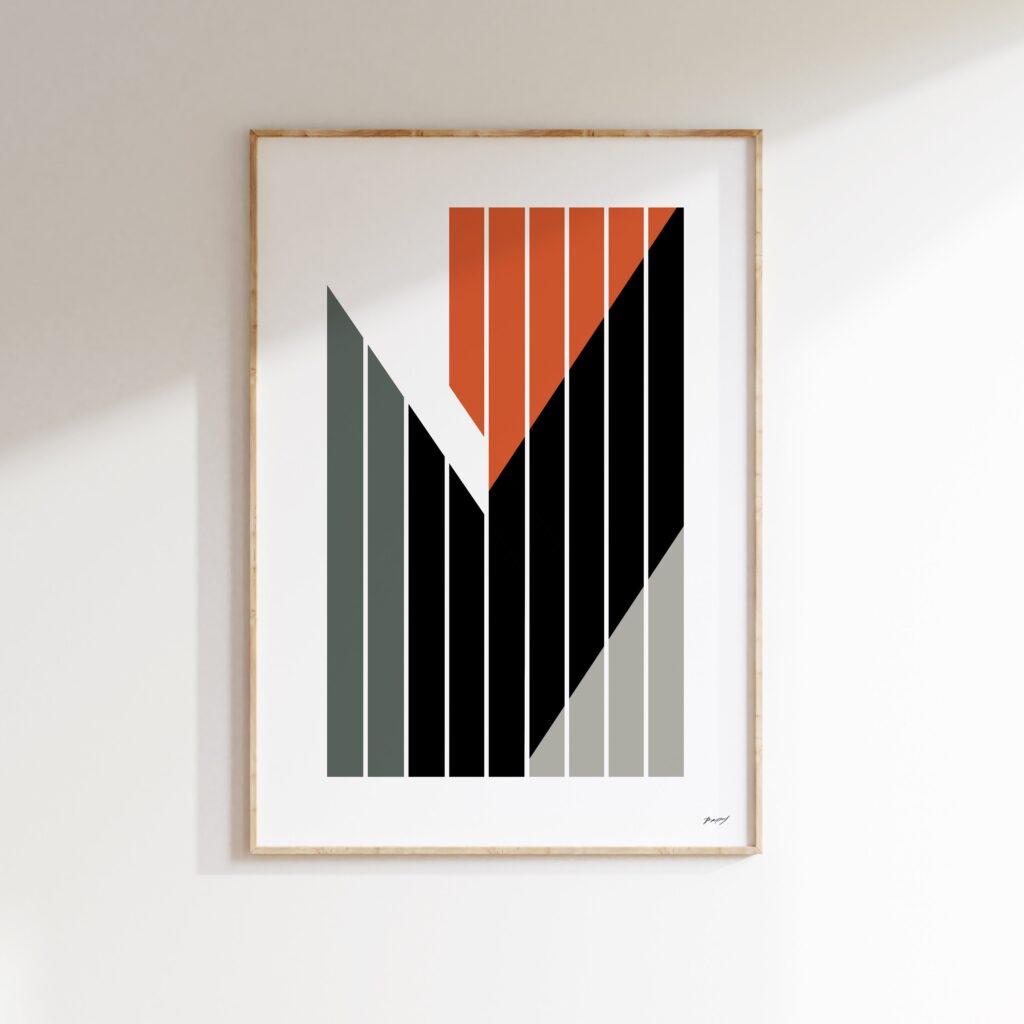
Look at the secondary colors in your room—the tones in your rugs, cushions, or curtains. The art doesn’t need to match perfectly, but it should stay within a similar “temperature” (warm vs. cool) to ensure the room feels harmonious.
Art Collections