Limited Time: 20% Off All Prints
Free worldwide shipping on orders over $69
Delivery 4-12 business days
Home / Art Print Collections / minimalist geometric wall art
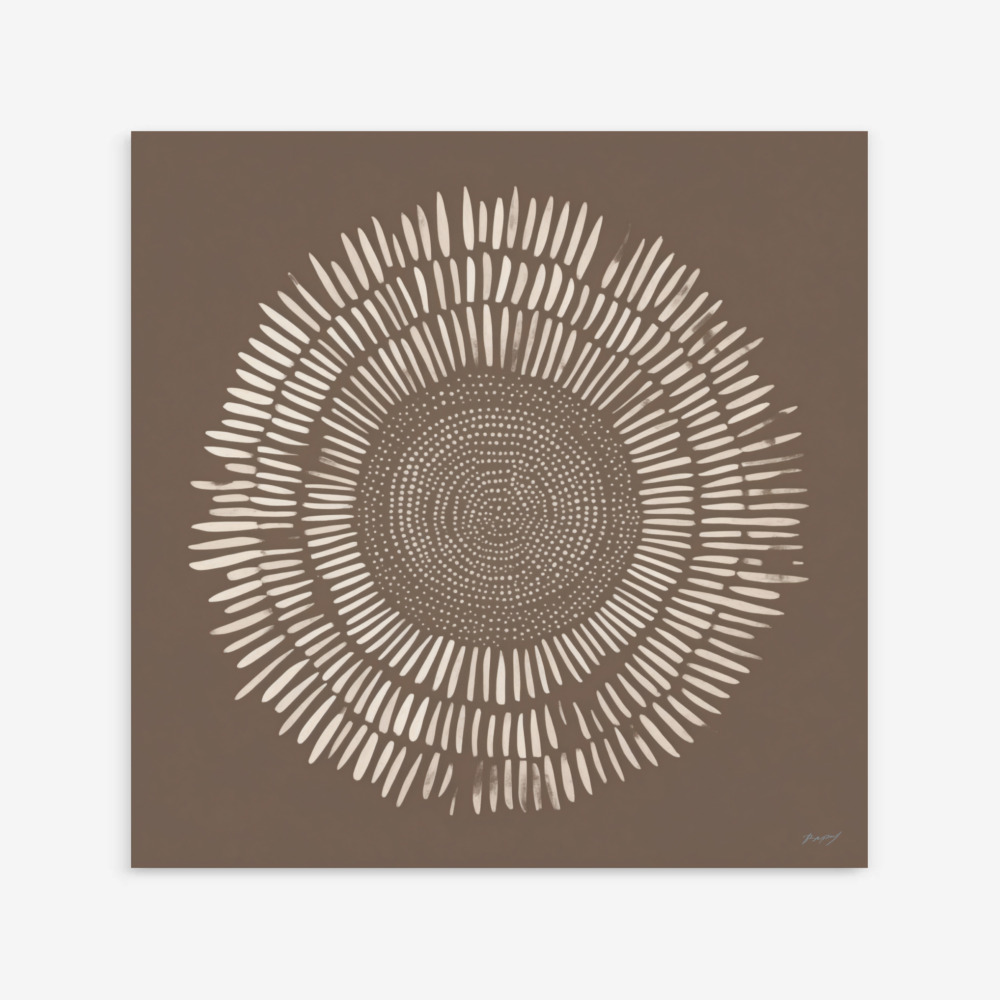
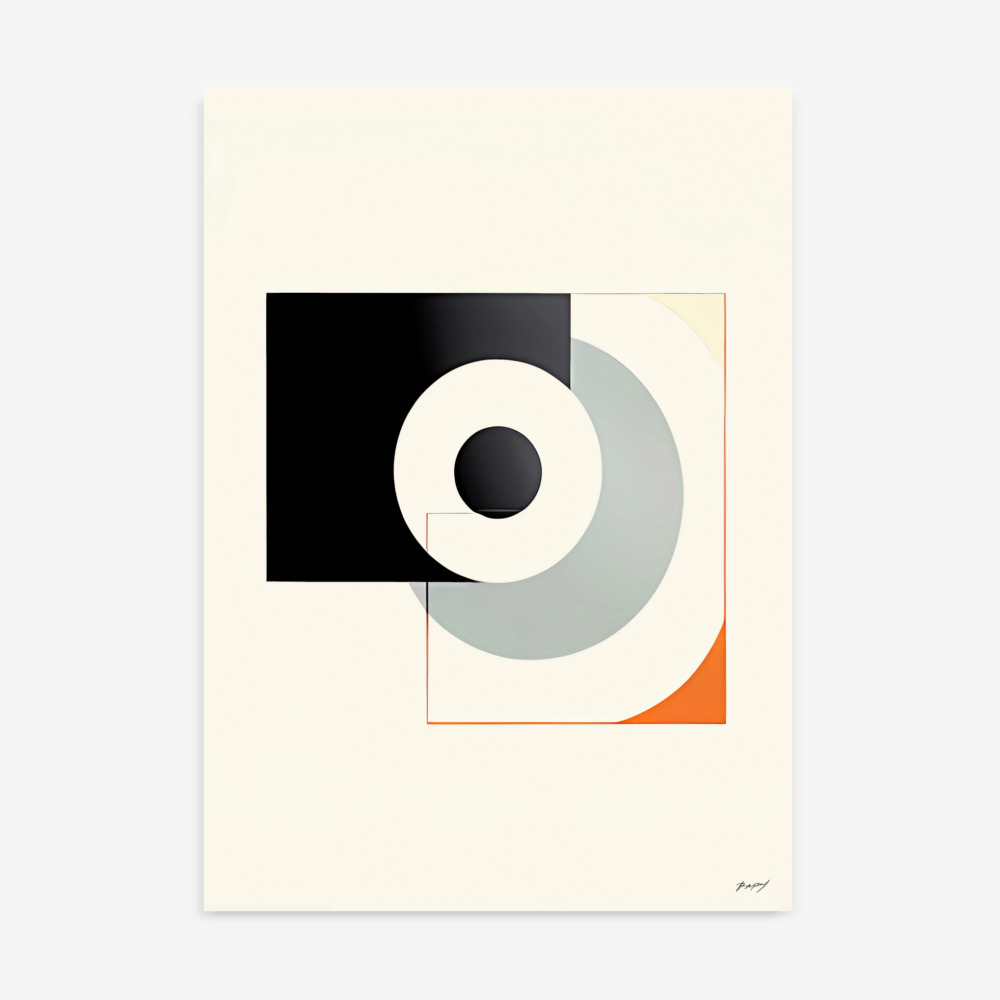
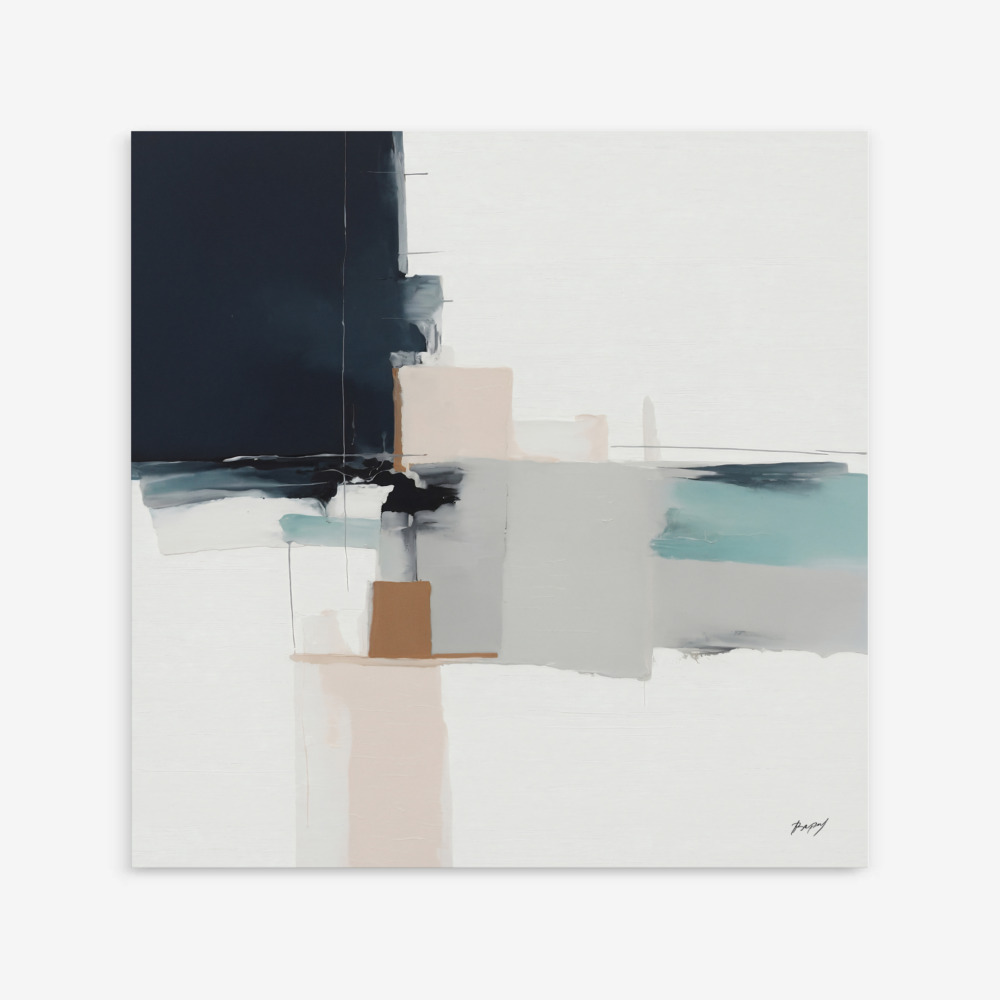
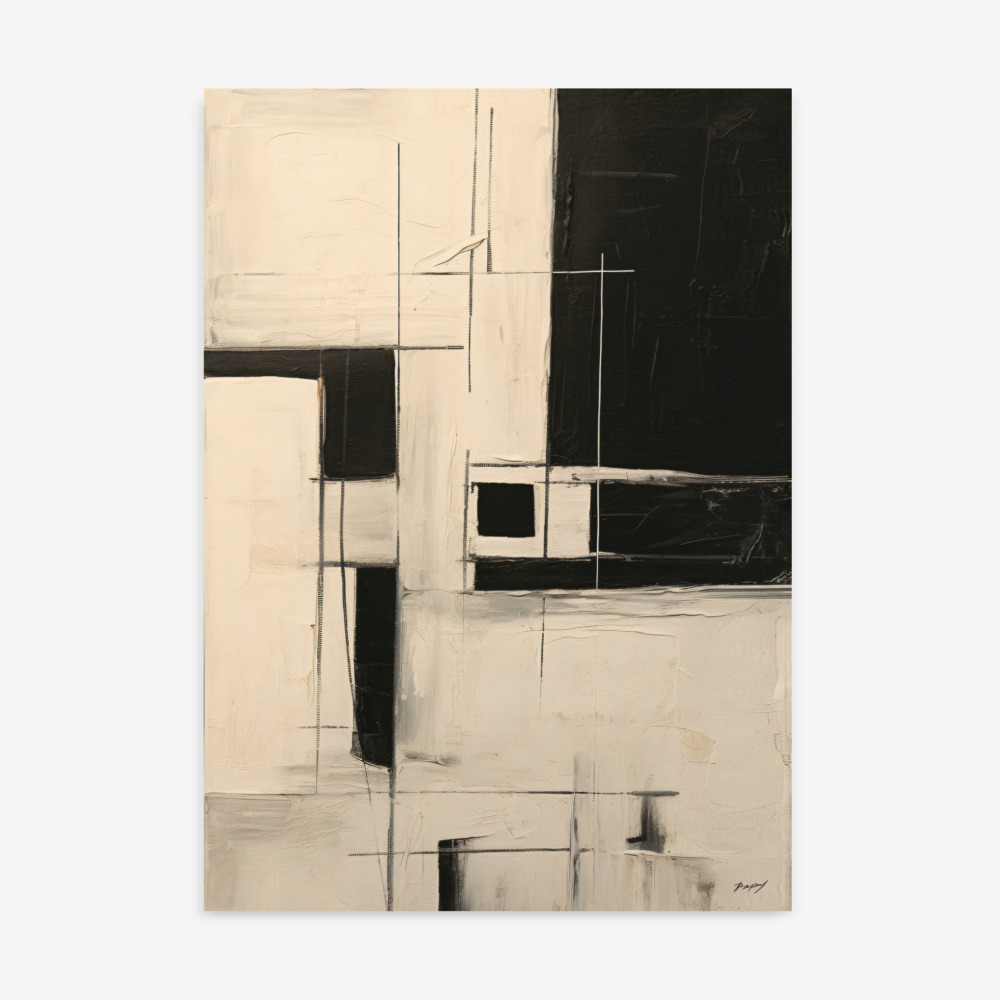
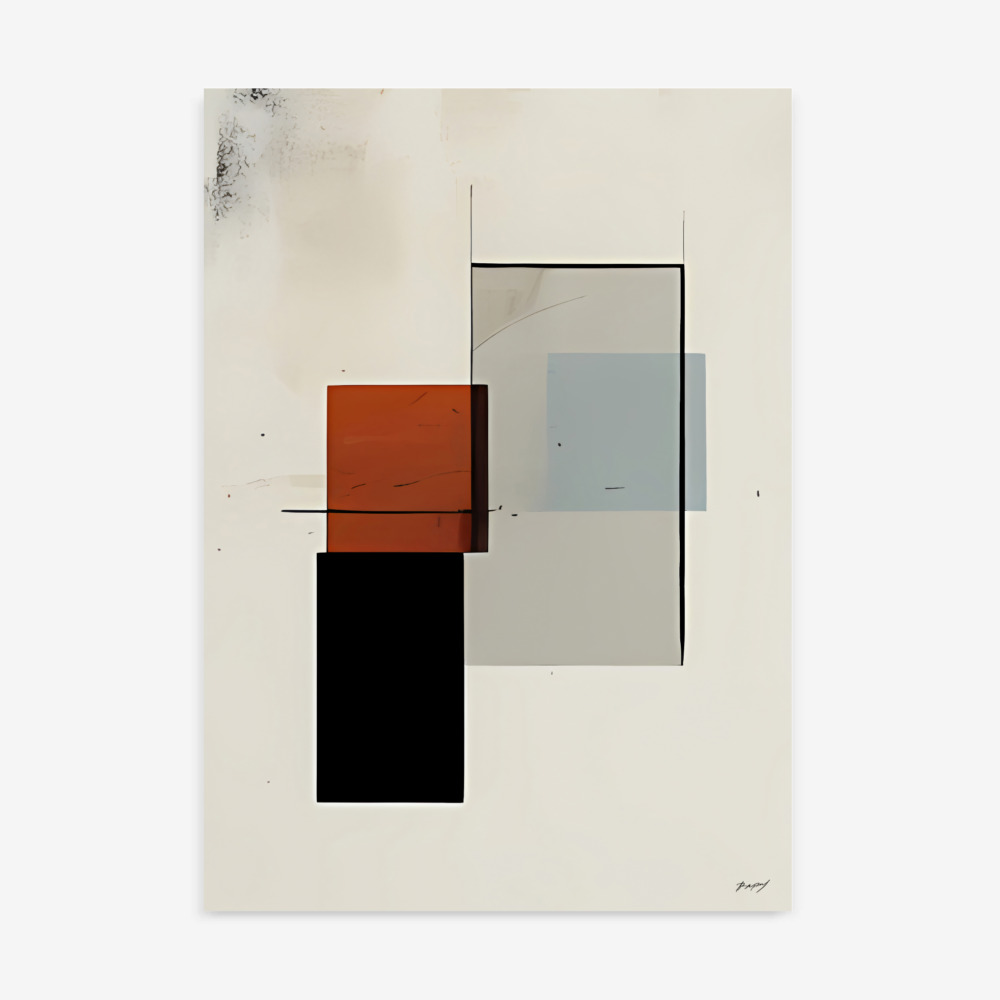
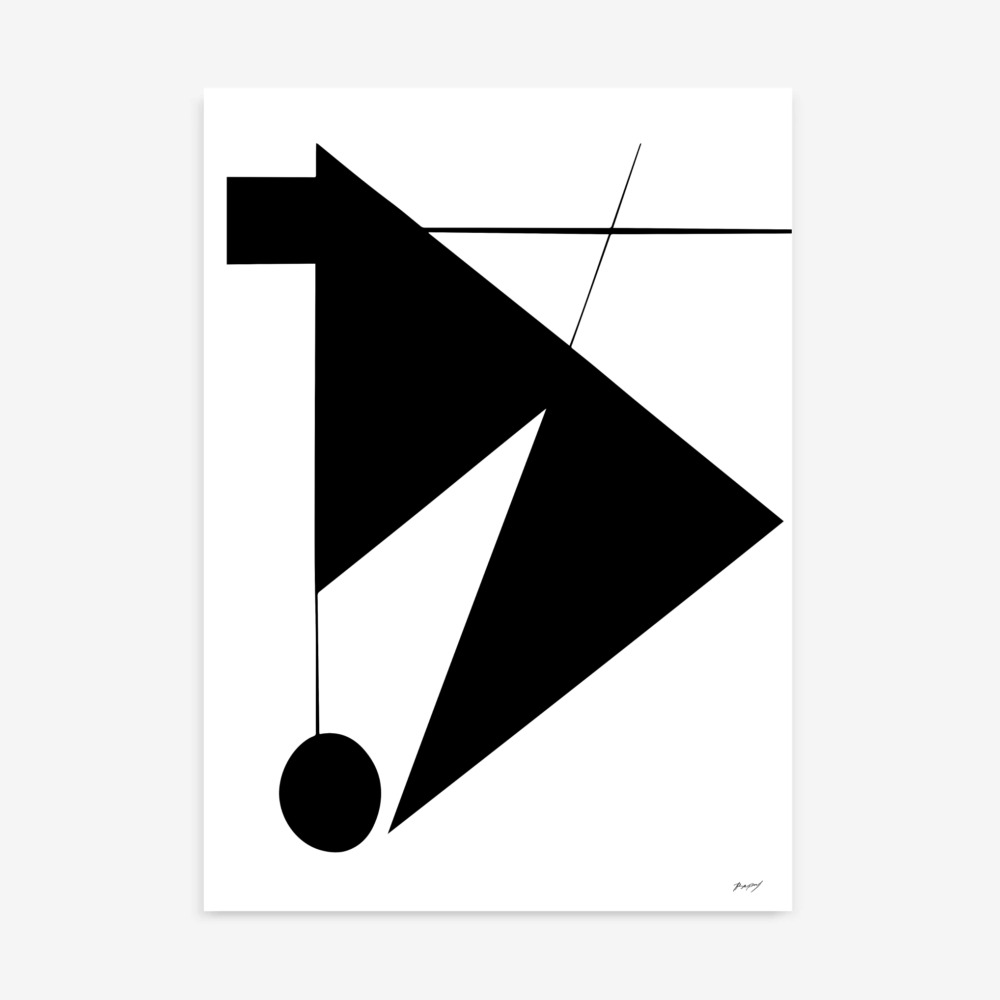
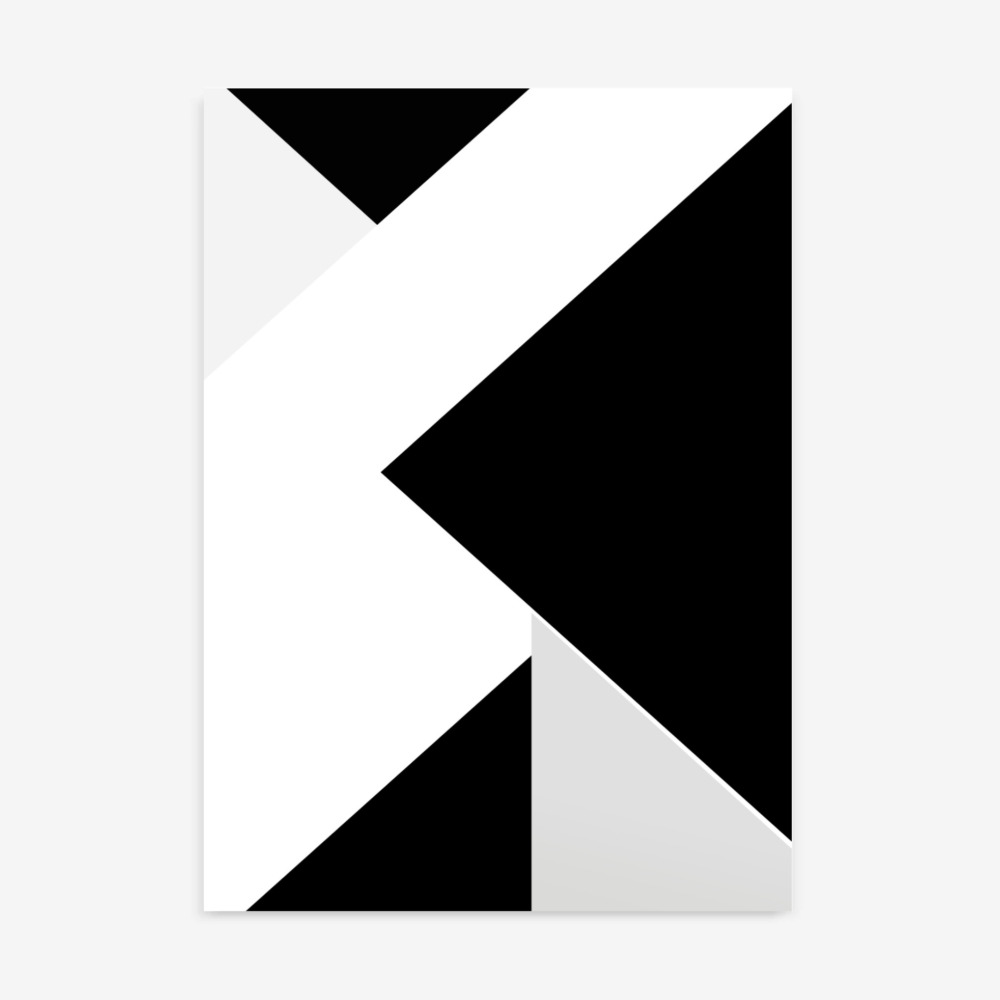
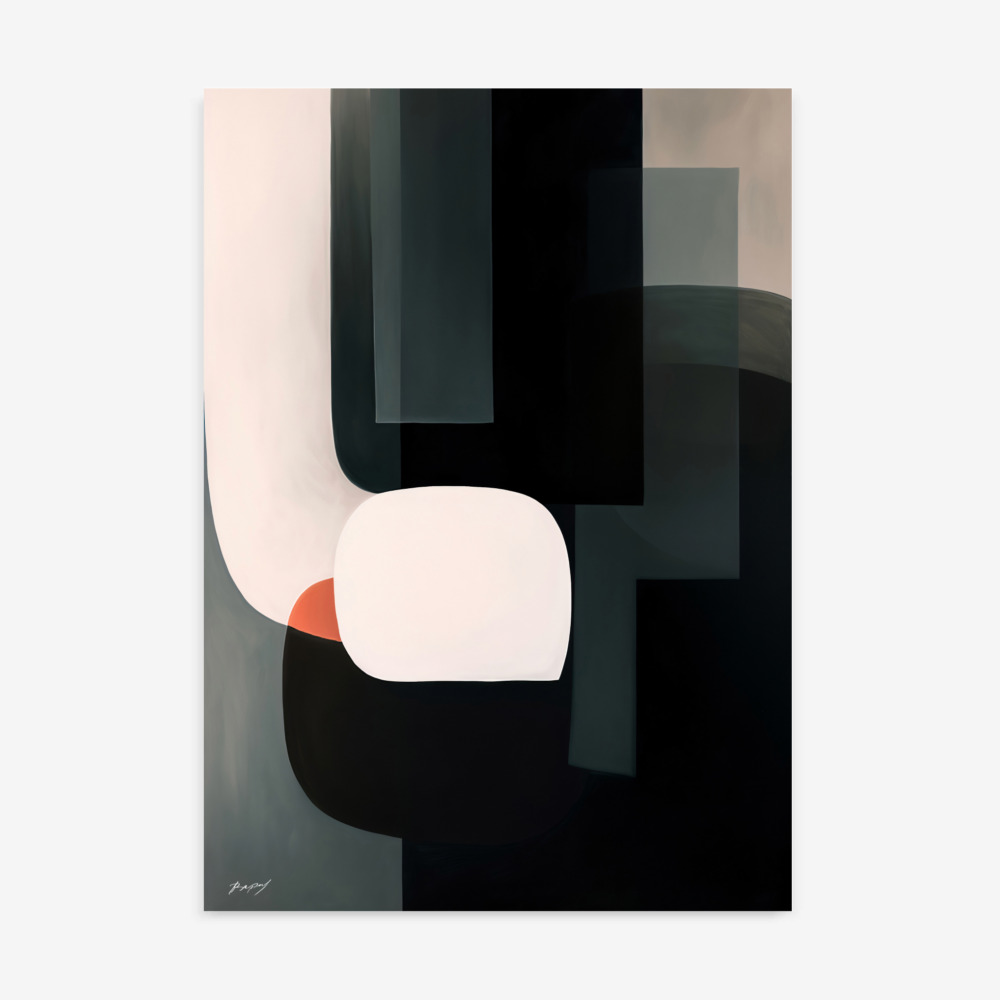
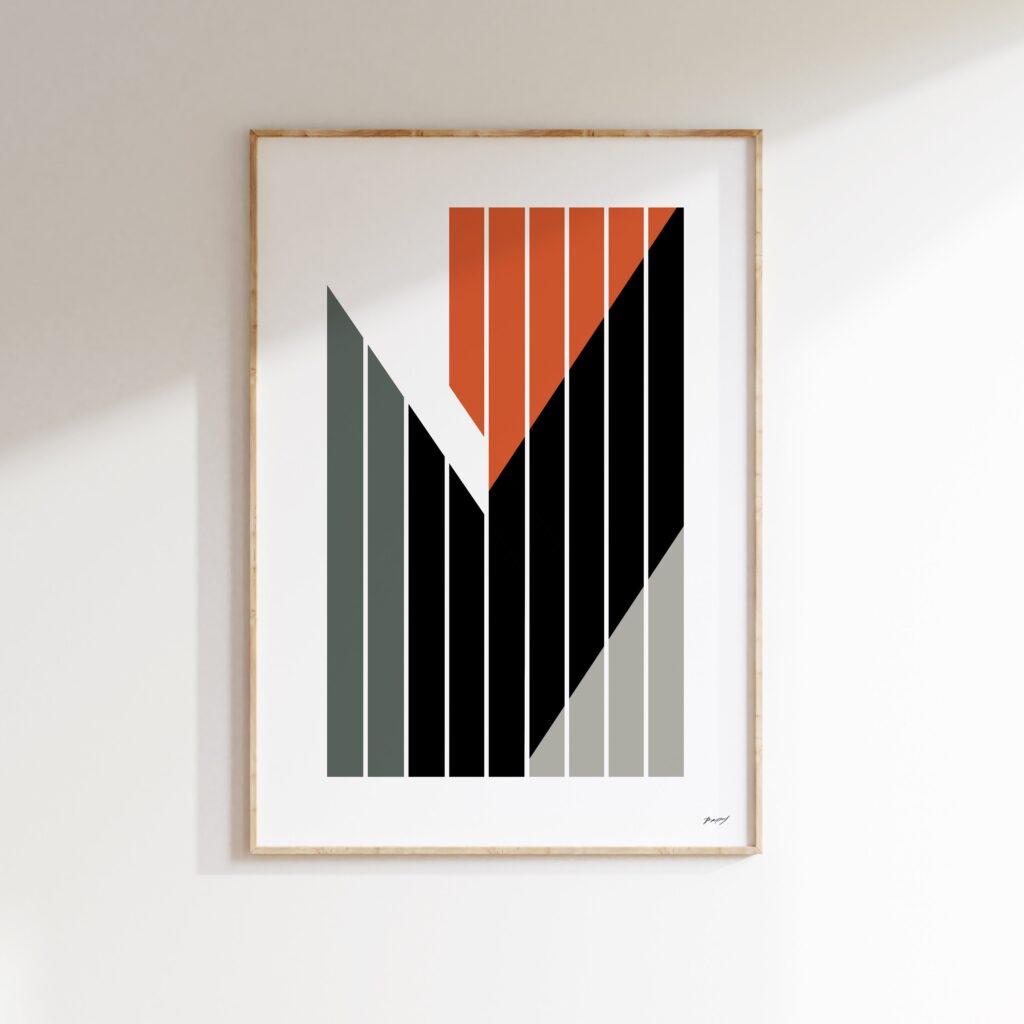
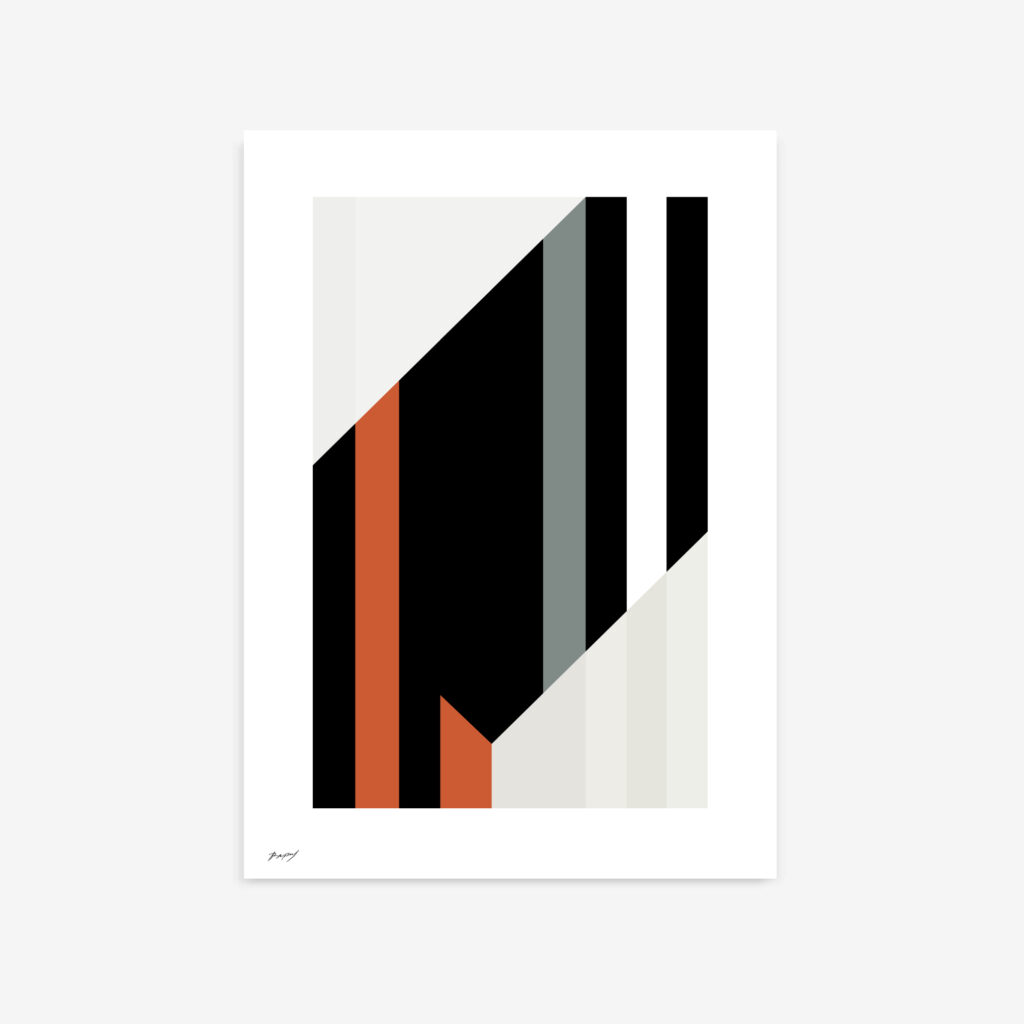
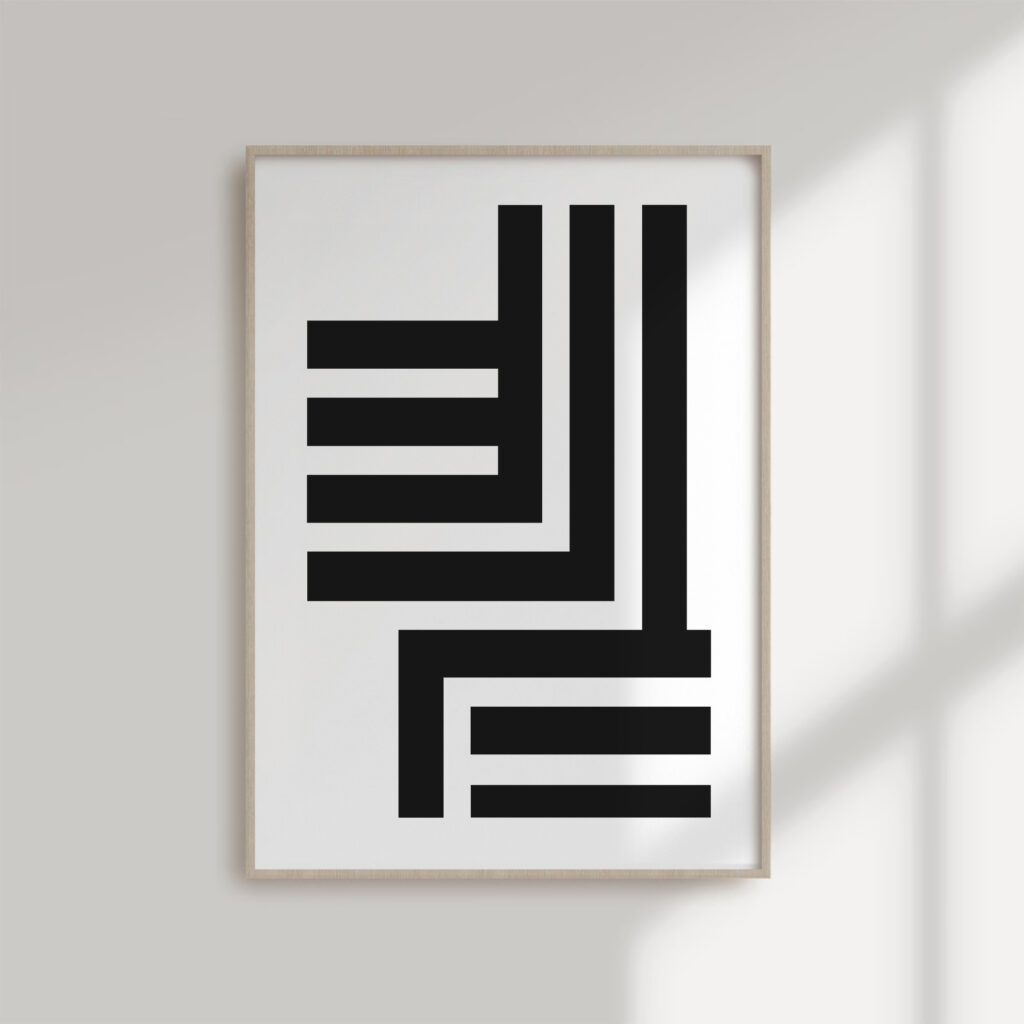
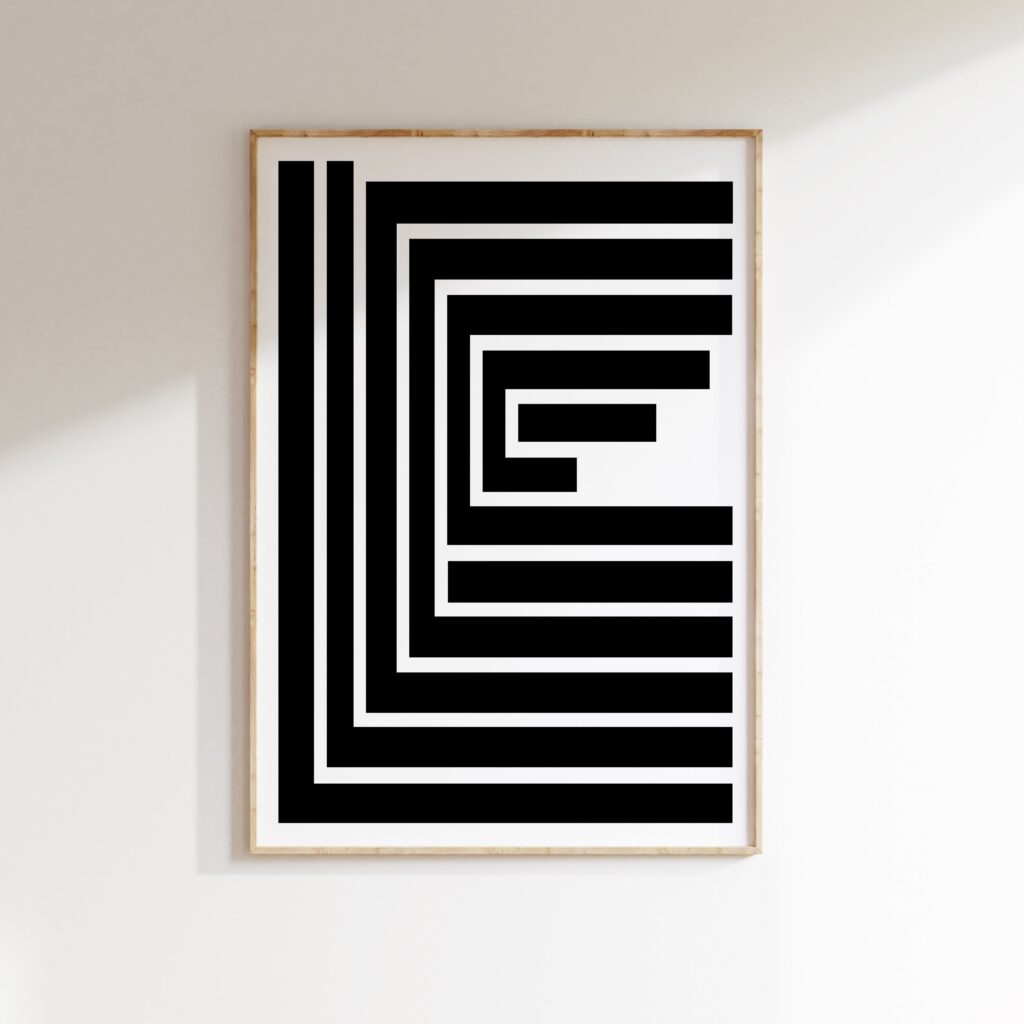
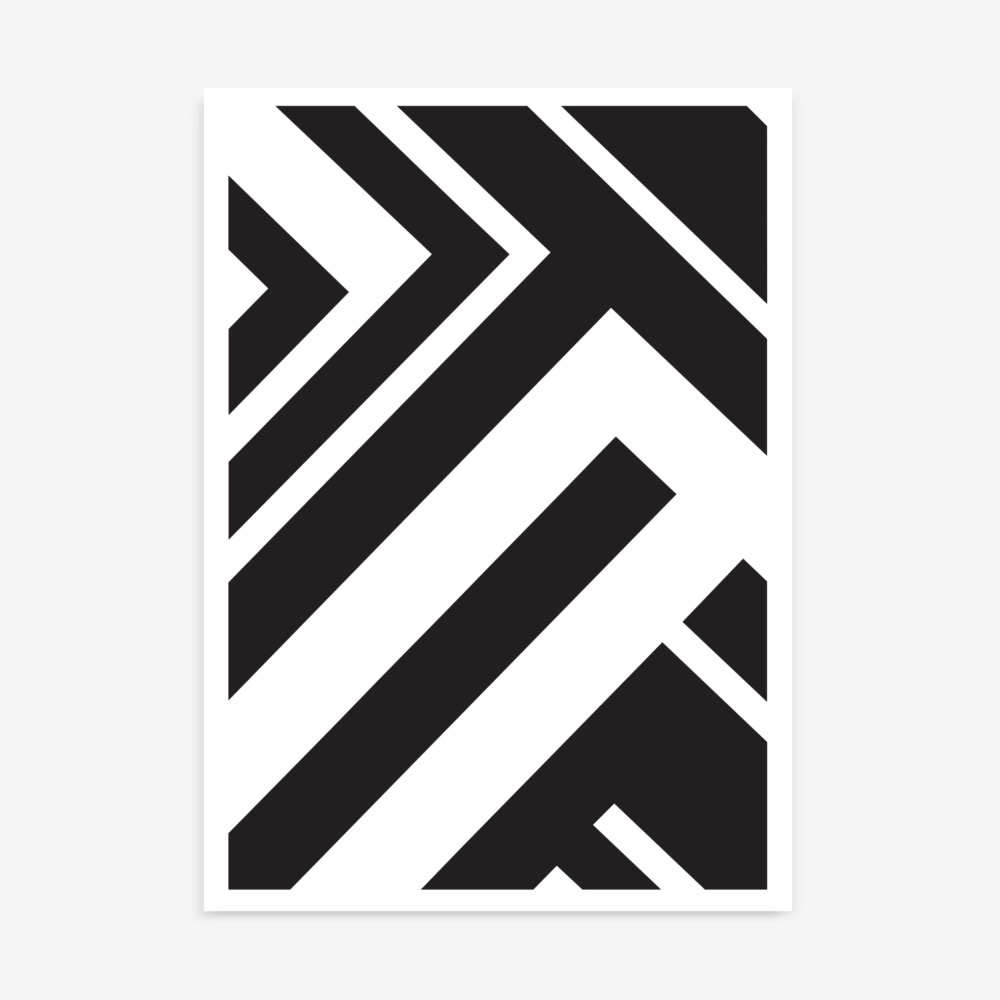
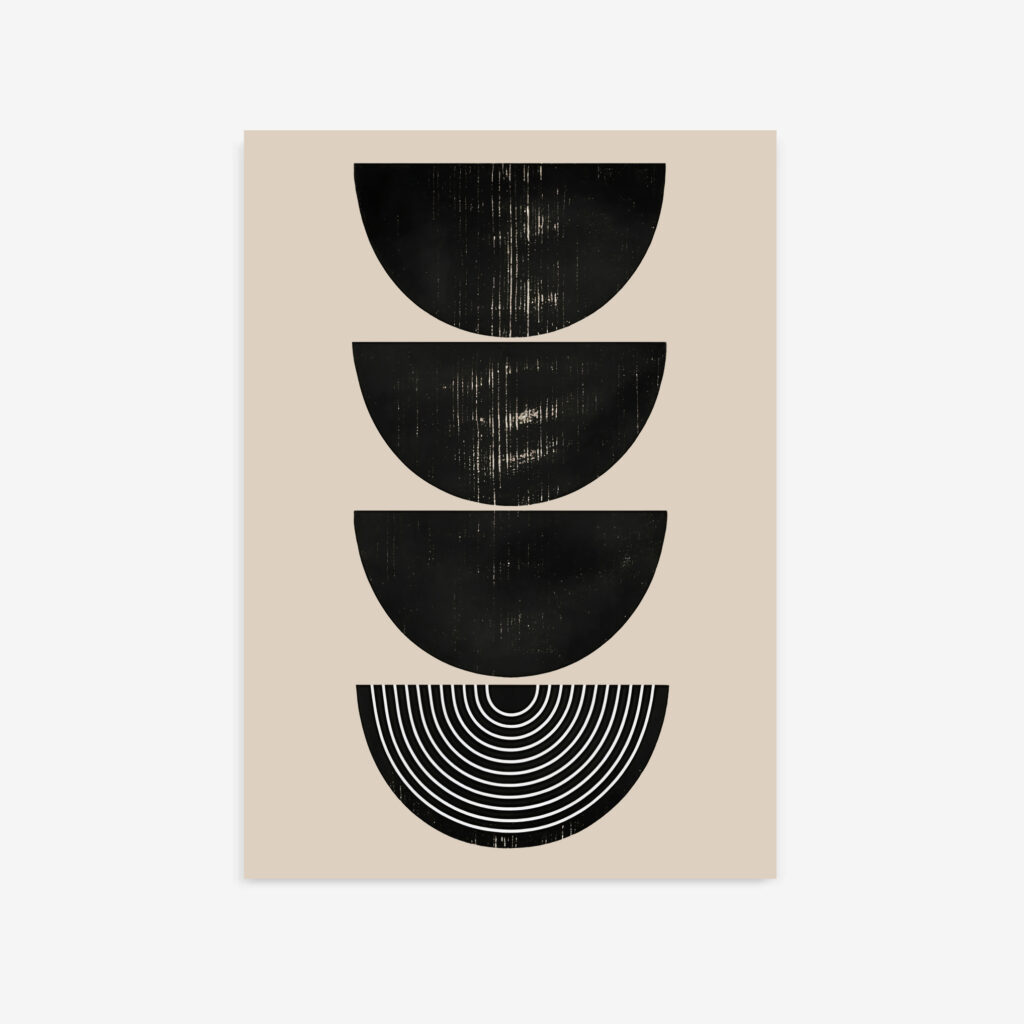
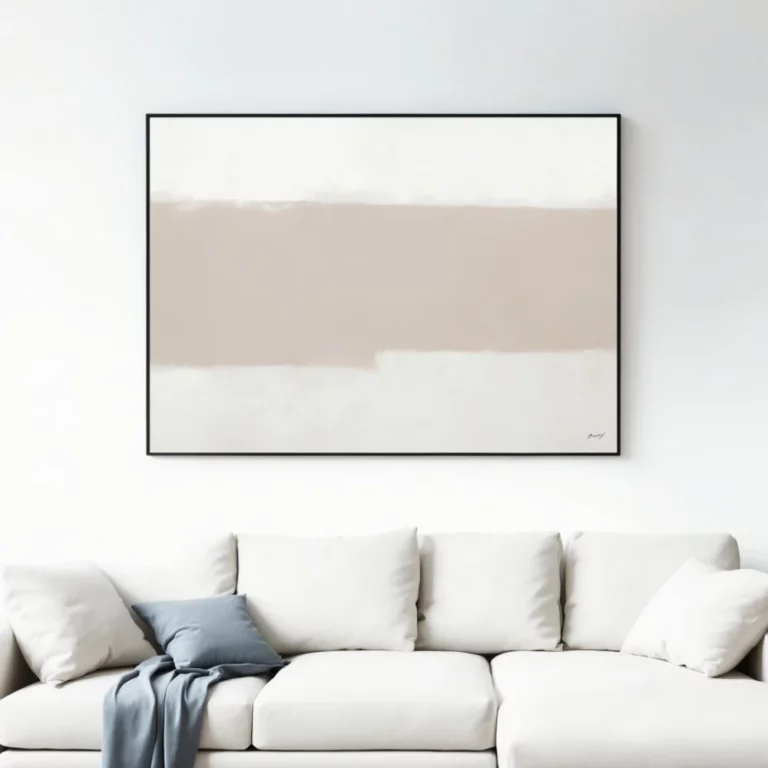
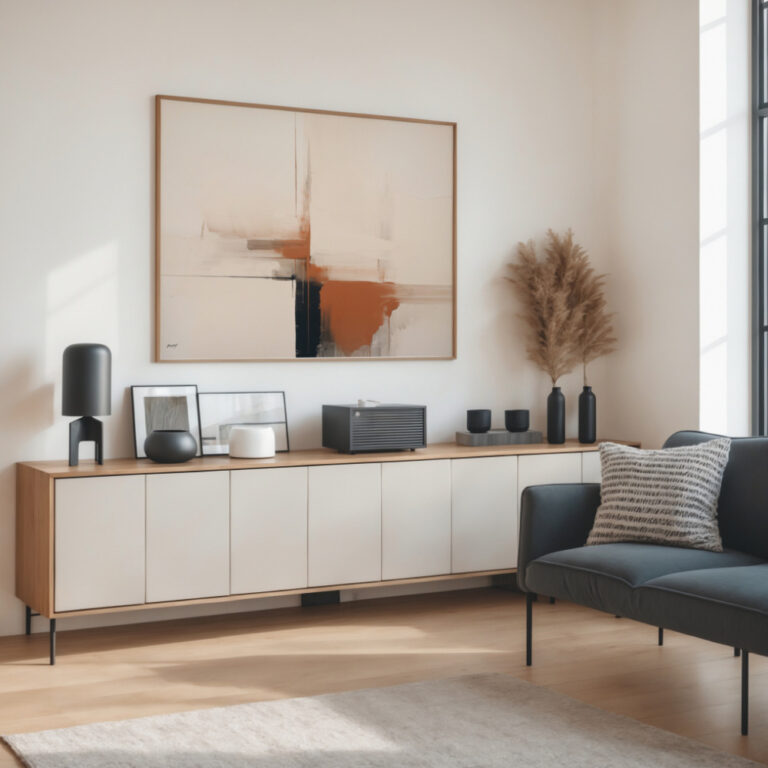
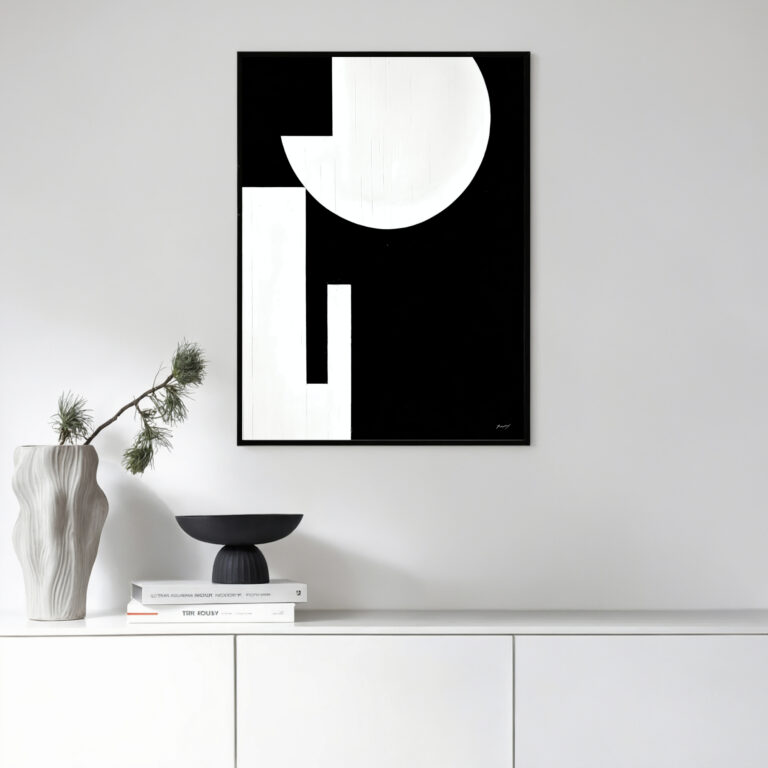
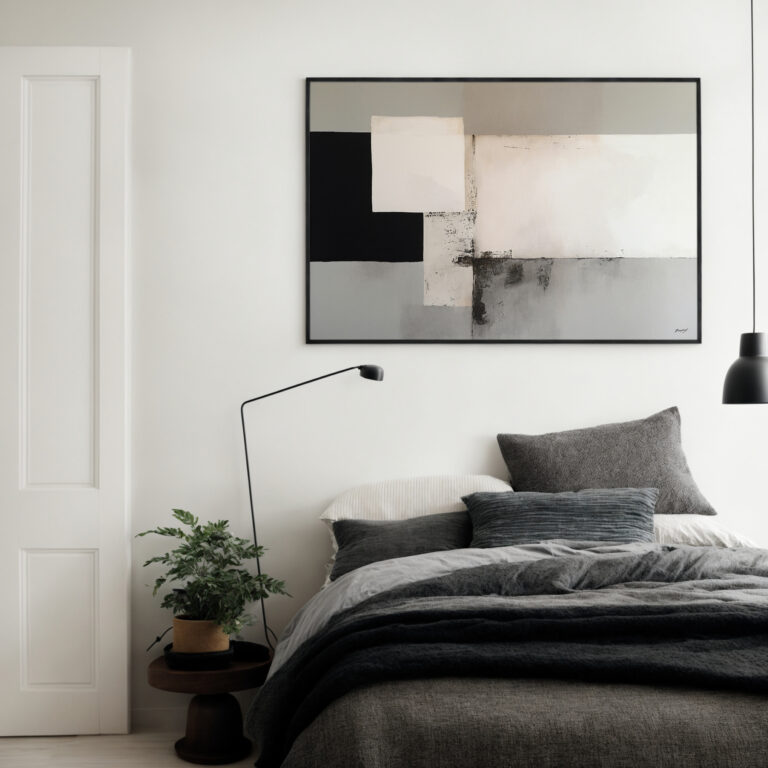
There is a specific kind of satisfaction found in a perfectly balanced composition. Incorporating geometric wall art that focuses on form over subject matter allows you to ground a room in logic and rhythm. Choosing minimalist geometric wall art serves as a visual breather, turning a blank wall into a structured statement that complements clean architectural lines without adding unnecessary noise to your environment.
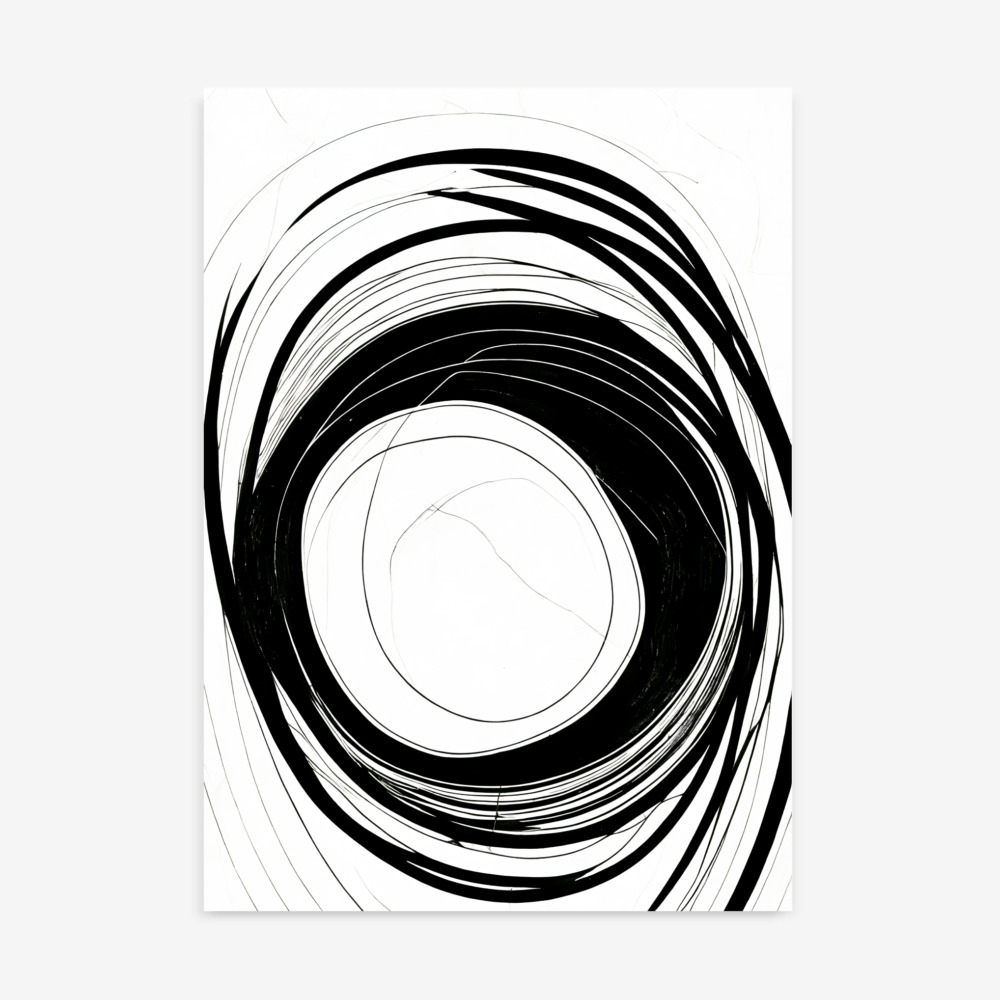
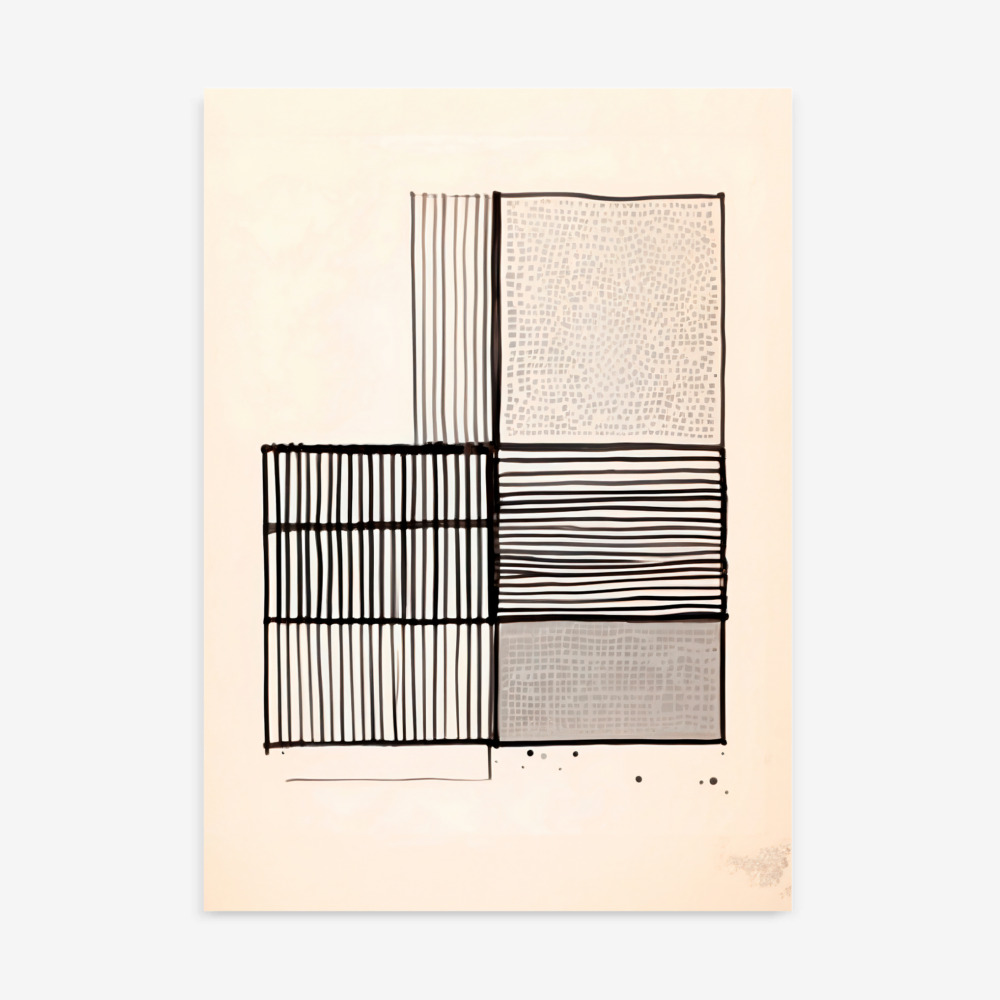
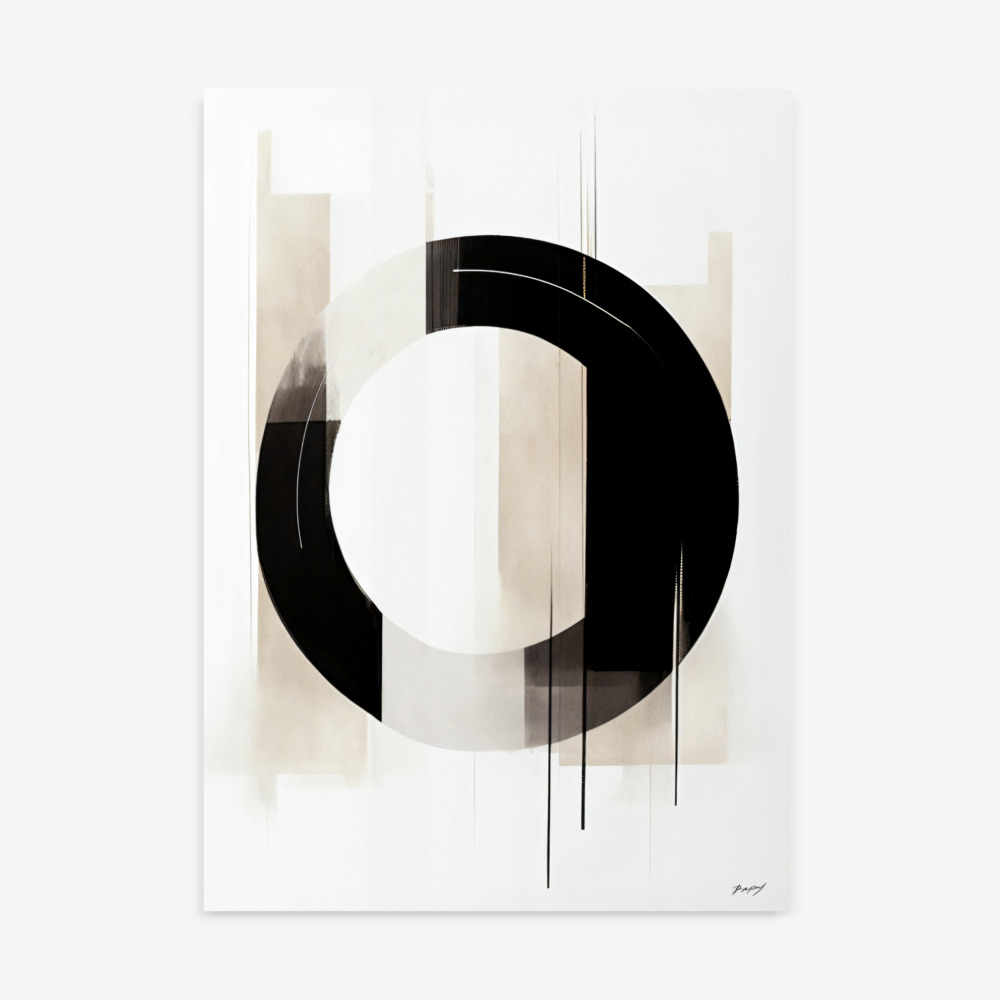
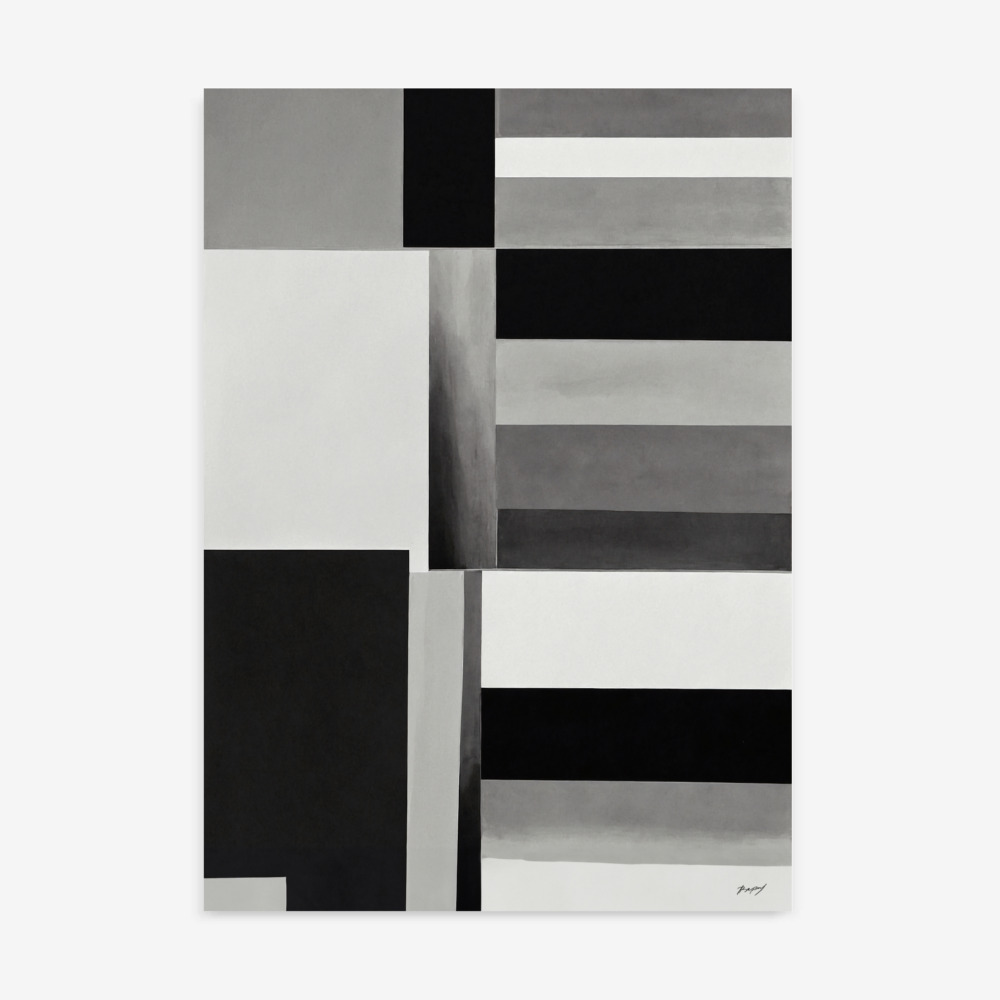
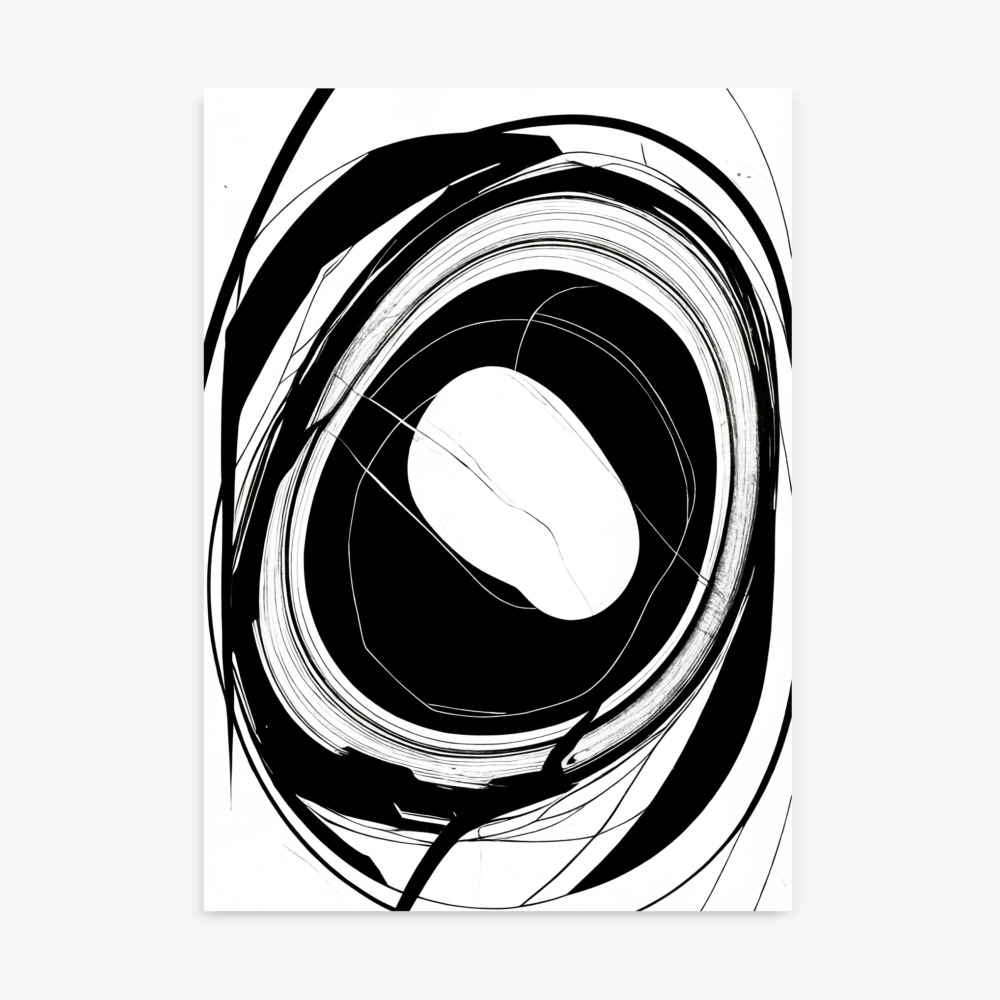
In an open-plan home, defining different zones can be a challenge. Structured prints help create these boundaries visually. A crisp circle or a series of intersecting lines can anchor a dining area or a workspace, providing a sense of “place” where there was previously only empty space. This aesthetic is a staple of Nordic-inspired decor, where the goal is to maximize light and minimize “visual noise.” By stripping away representational details, the focus shifts to the weight of the ink and the precision of the angles.
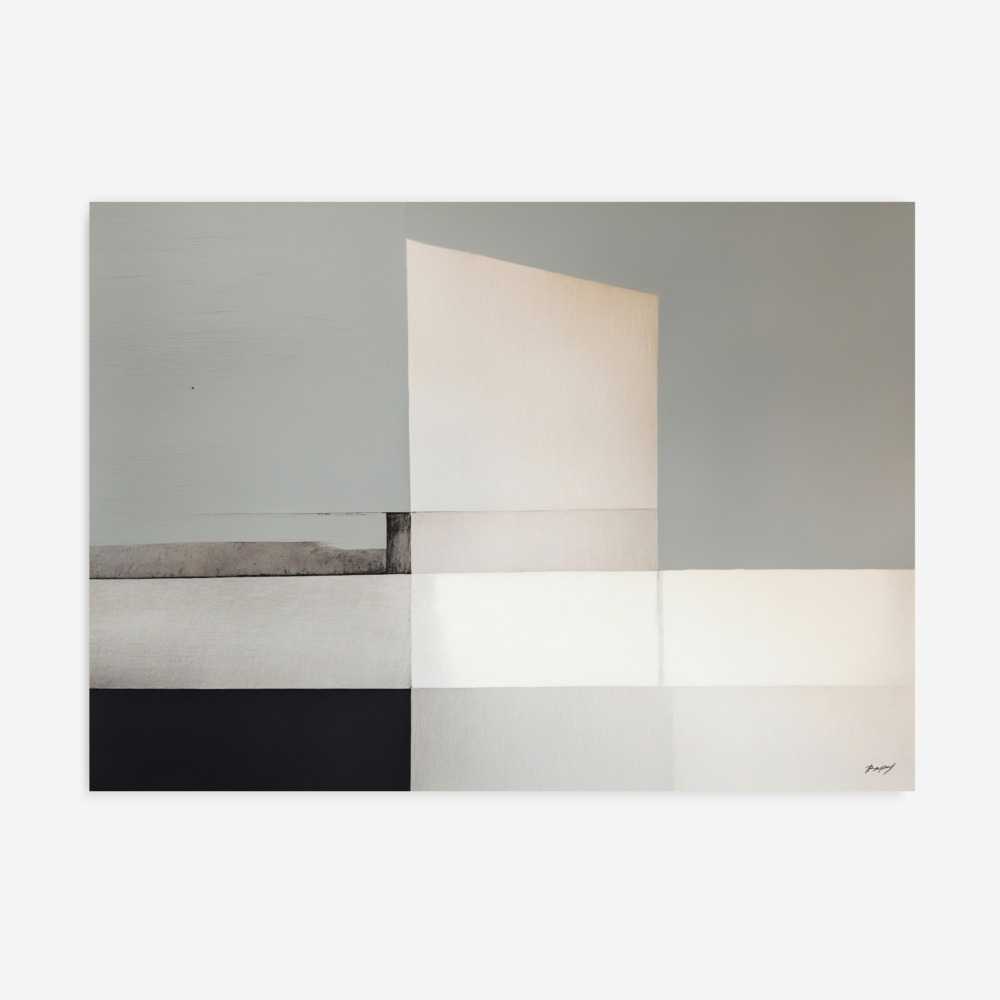
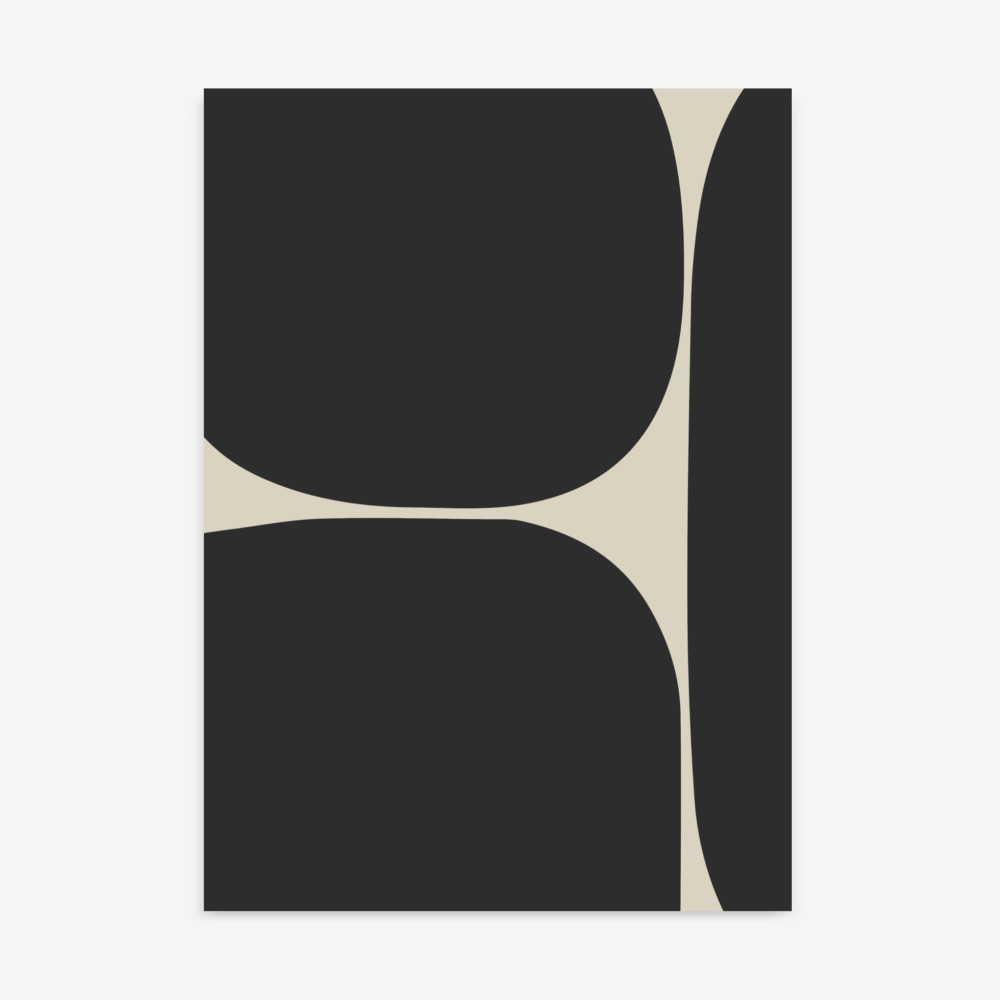
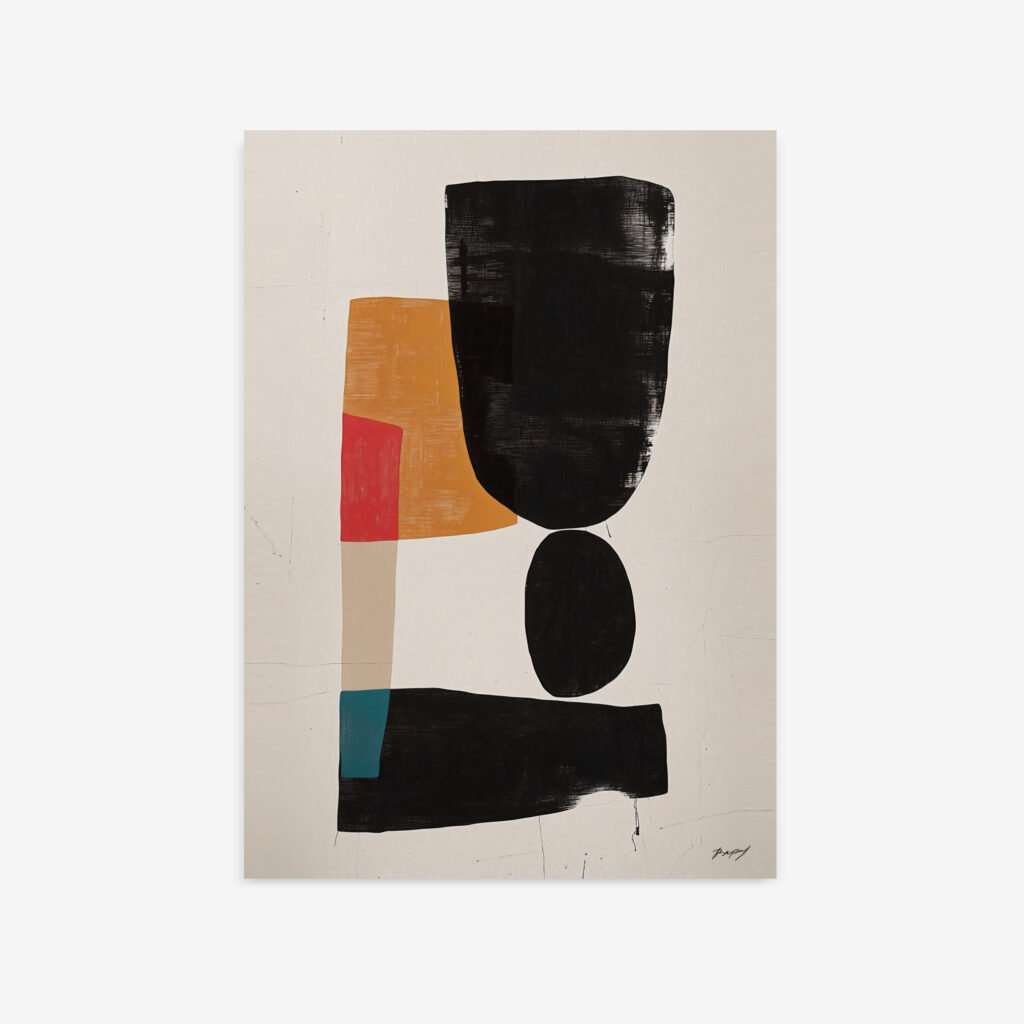
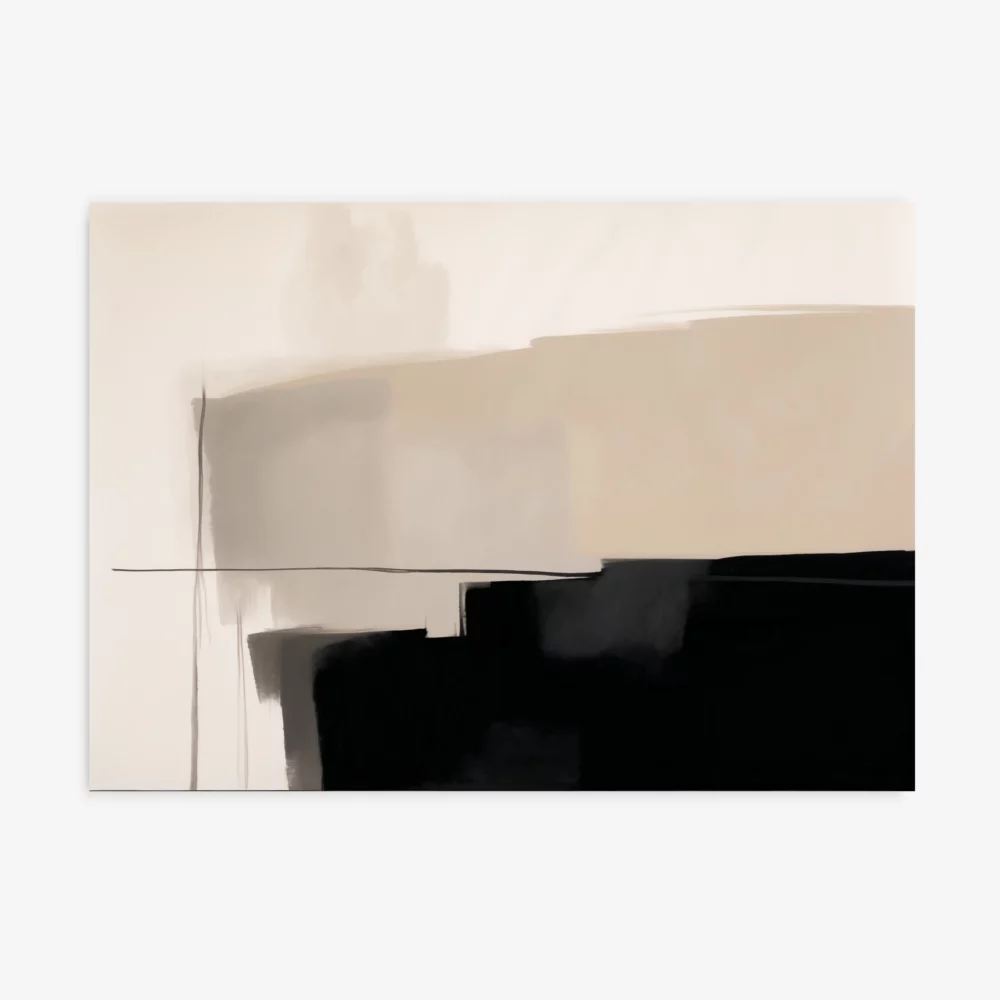
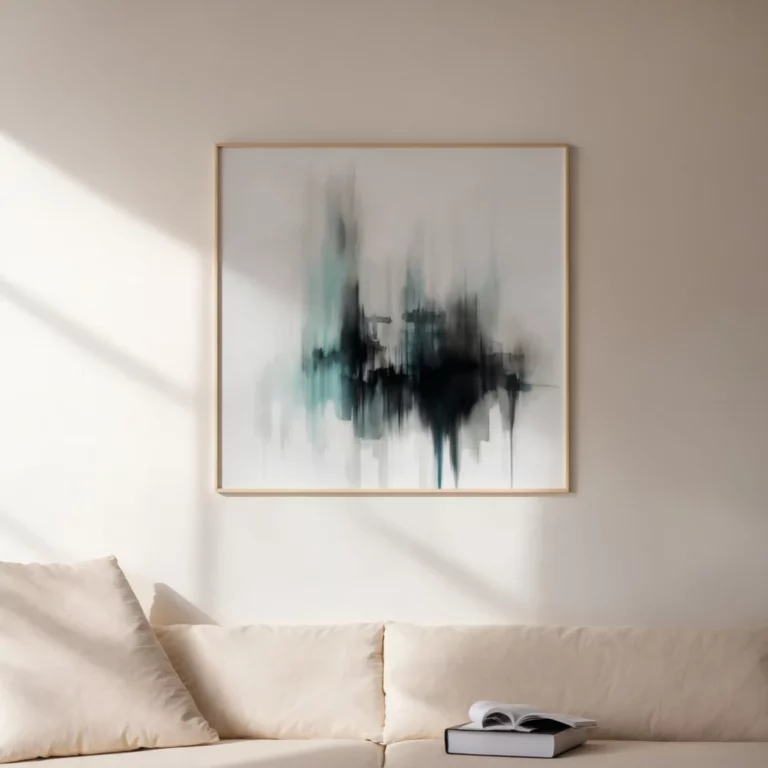
Minimalism doesn’t have to mean flat or cold. When color is dialed back, the texture of the material and the subtlety of the tones take center stage. While Mid-Century Modern prints often use bold geometry, a more minimalist approach relies on “negative space”—the empty parts of the canvas—to let the room breathe. This balance ensures the work feels like a natural extension of your furniture, whether you are softening the hard edges of an industrial loft or reinforcing the logic of a modern office.
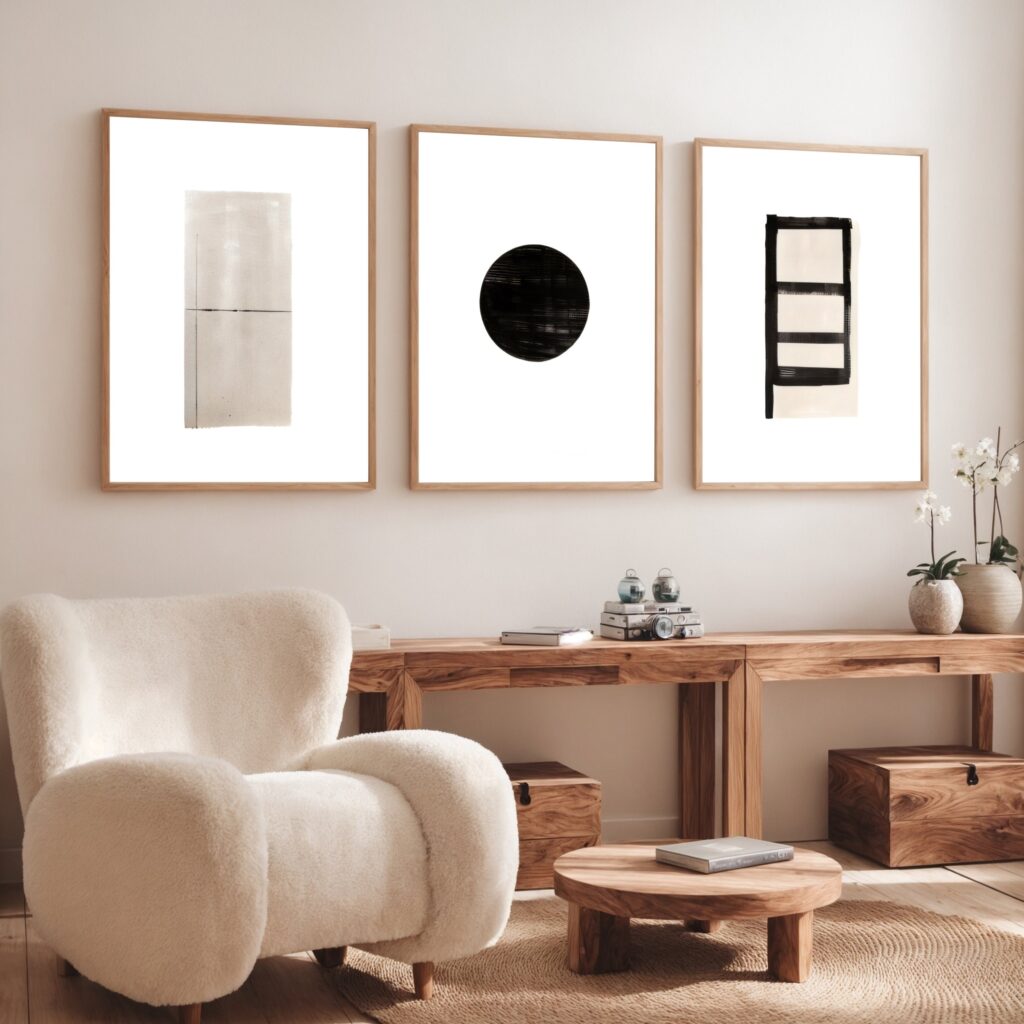
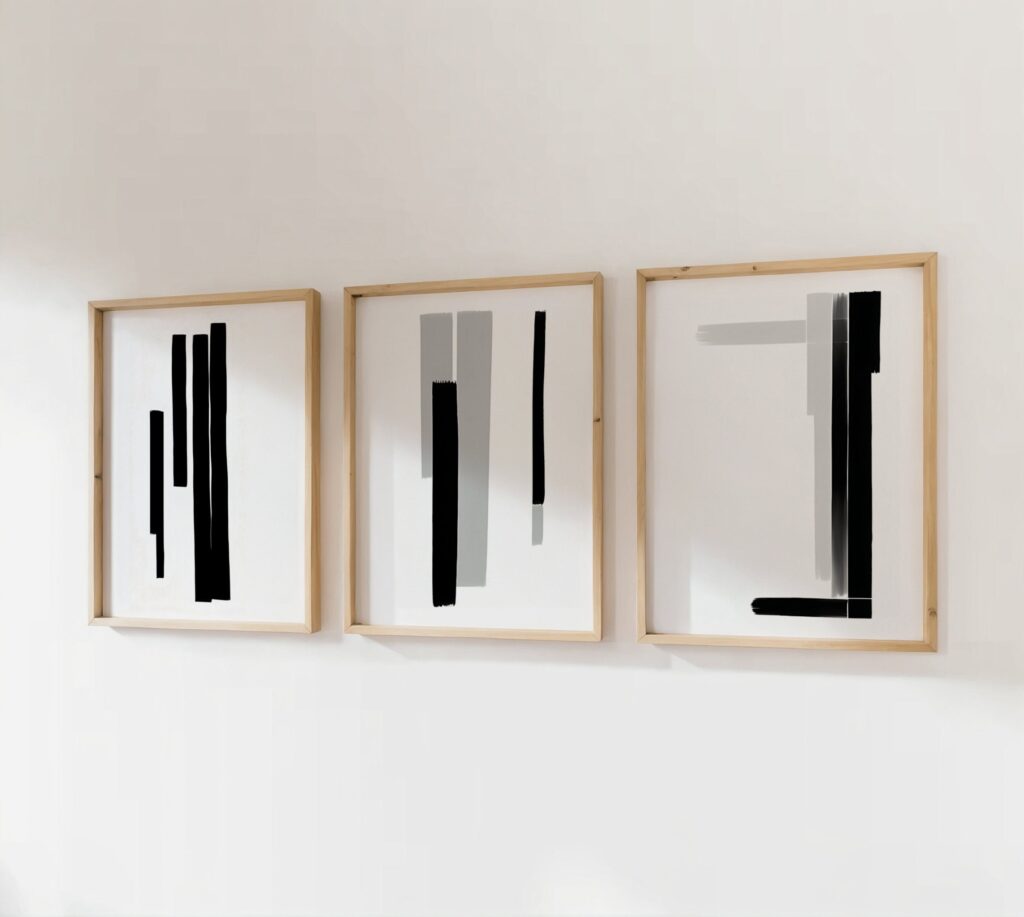
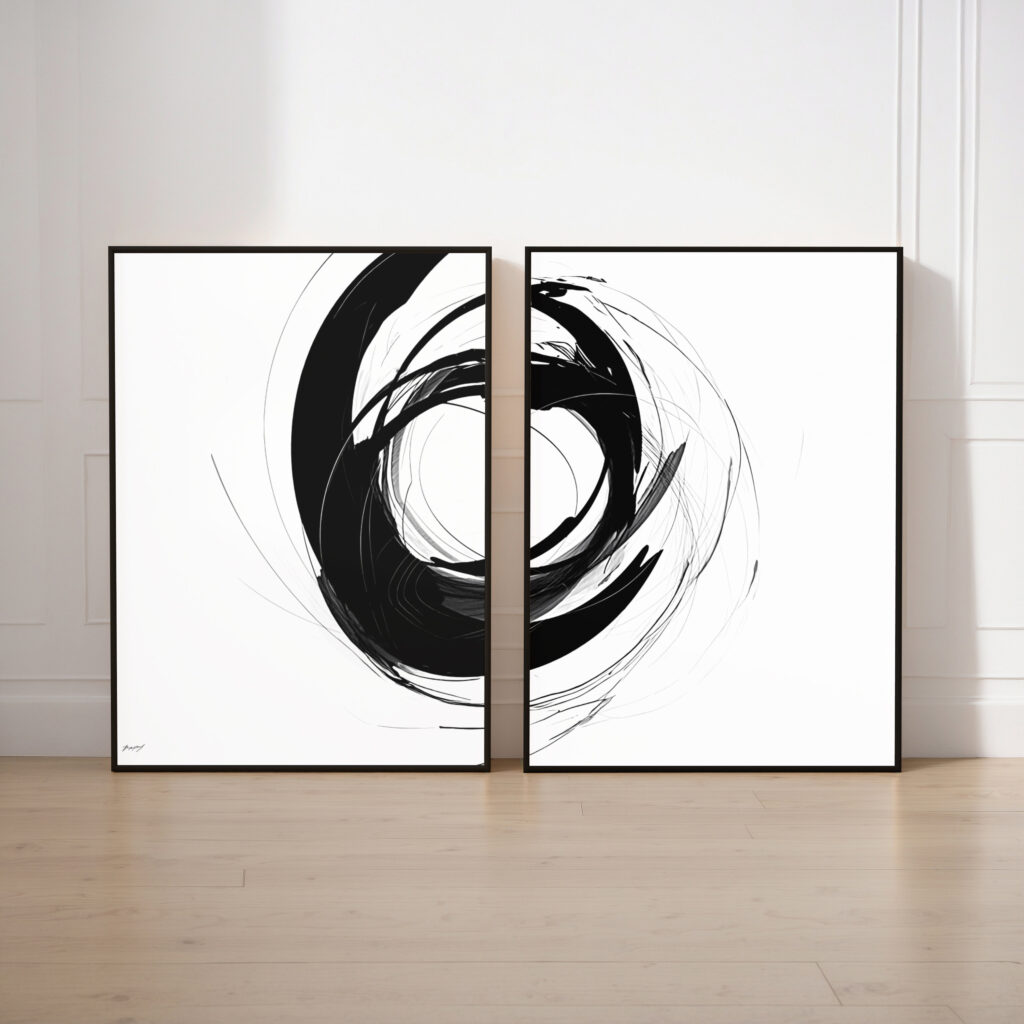
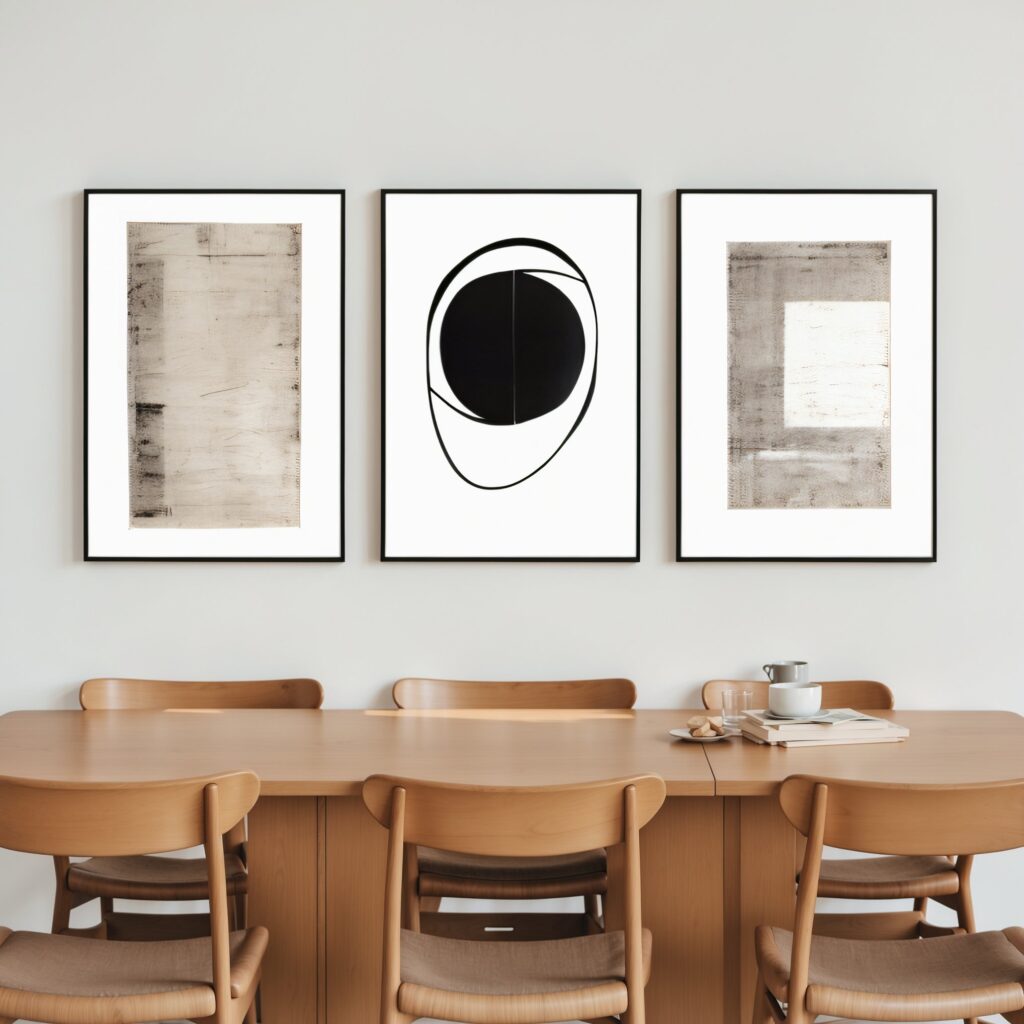
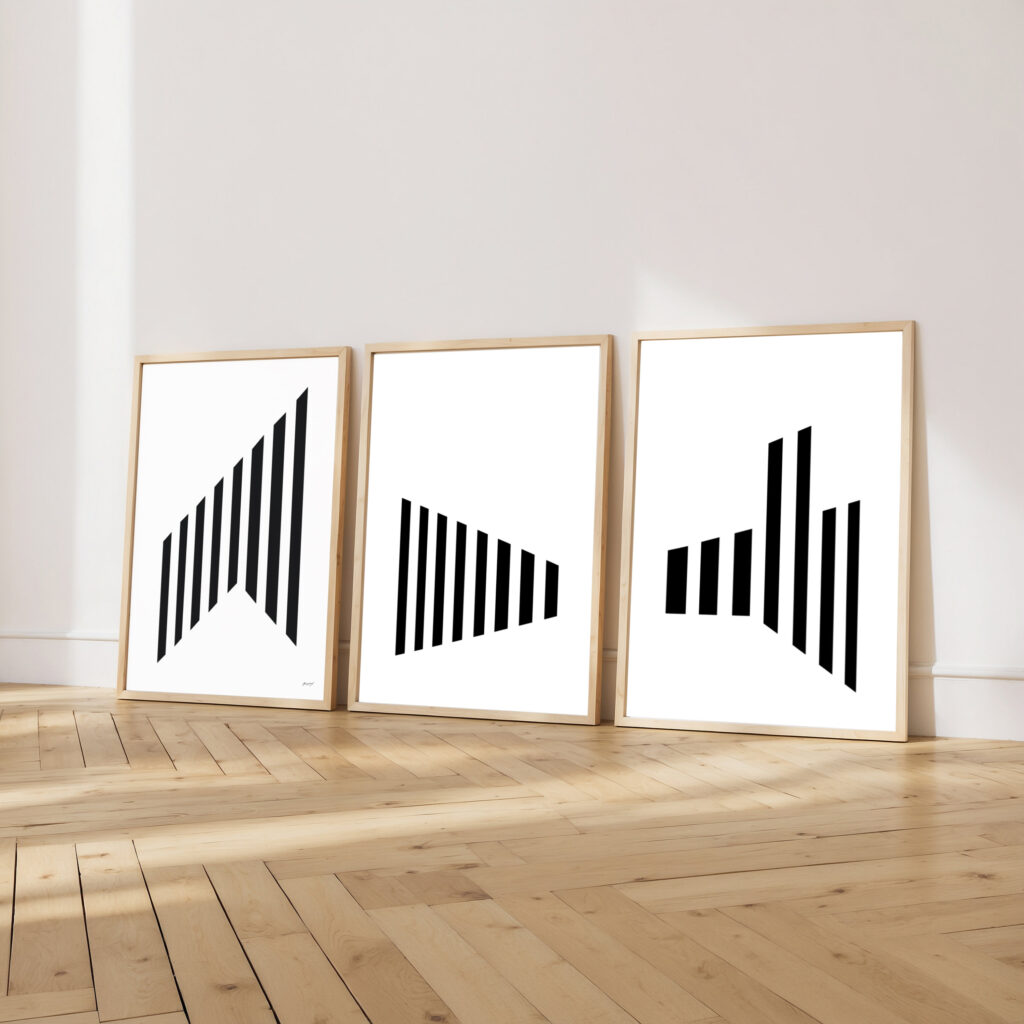
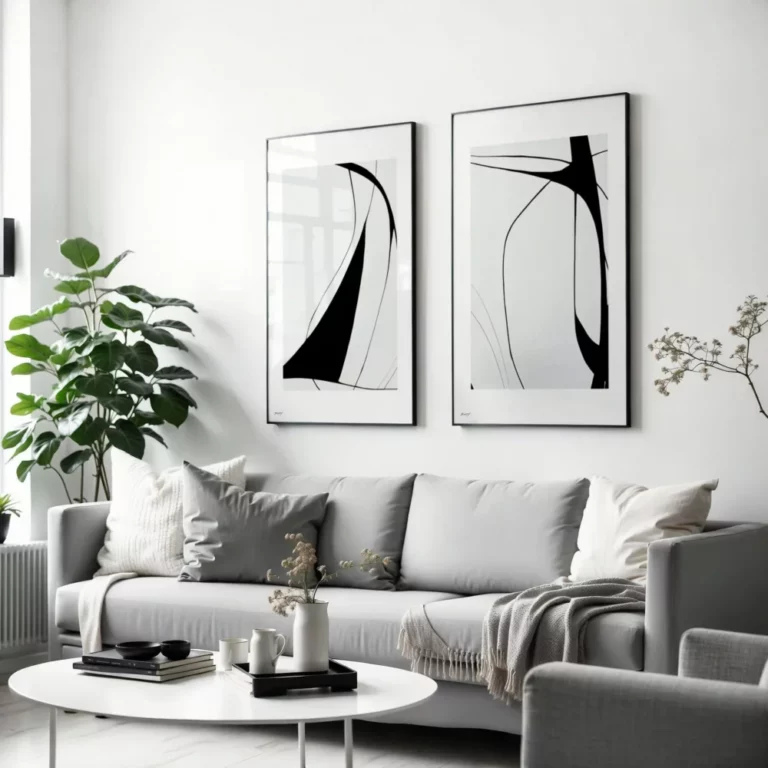
Because these designs rely on precision, the size of the work significantly changes how it interacts with your architecture. A large-scale print allows the viewer to appreciate the deliberate use of space, making the artwork feel like an integrated part of the wall. If you prefer a more rhythmic look, choosing curated art sets to create a tight, symmetrical grid provides a gallery-like finish. This approach is perfect for hallways or entryways, where the repetition of minimalist geometric wall art creates a narrative flow as you move through the house.
It is a style that uses essential mathematical shapes—like circles, squares, and triangles—and clean lines to create a balanced composition. It prioritizes the relationship between form and space over literal subjects.
Focus on “recessive” shapes like soft circles or fluid arches. These are less aggressive than sharp triangles and, when paired with a neutral palette, help promote a sense of rest and relaxation.
Yes. Because it usually features plenty of “white space,” it helps a room feel more open and airy rather than cluttered or “busy.”
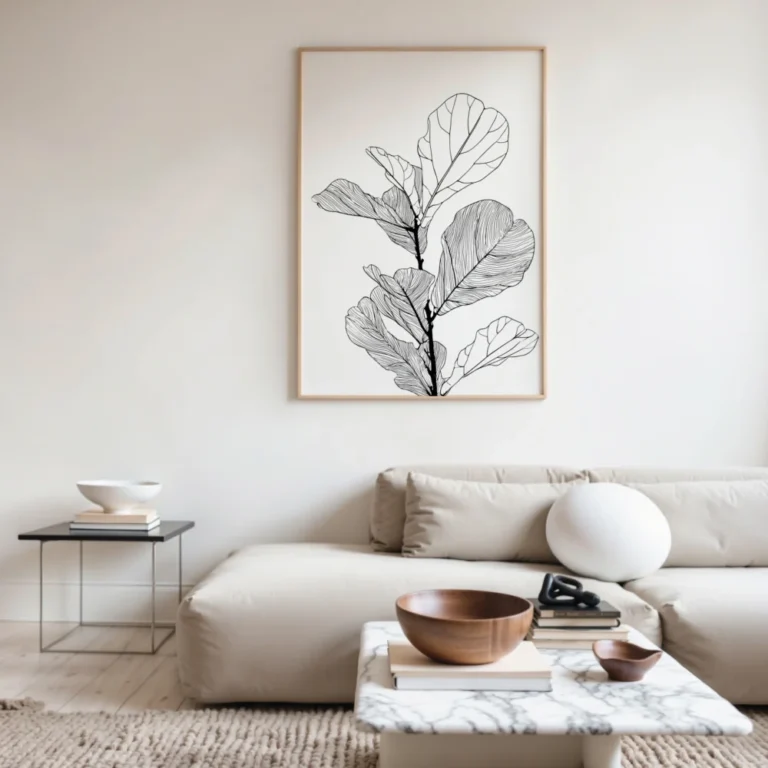
Absolutely. Minimalist shapes act as a fantastic “buffer” in a gallery wall. They pair exceptionally well with botanical sketches or photography, giving the eye a place to rest between more detailed pieces.
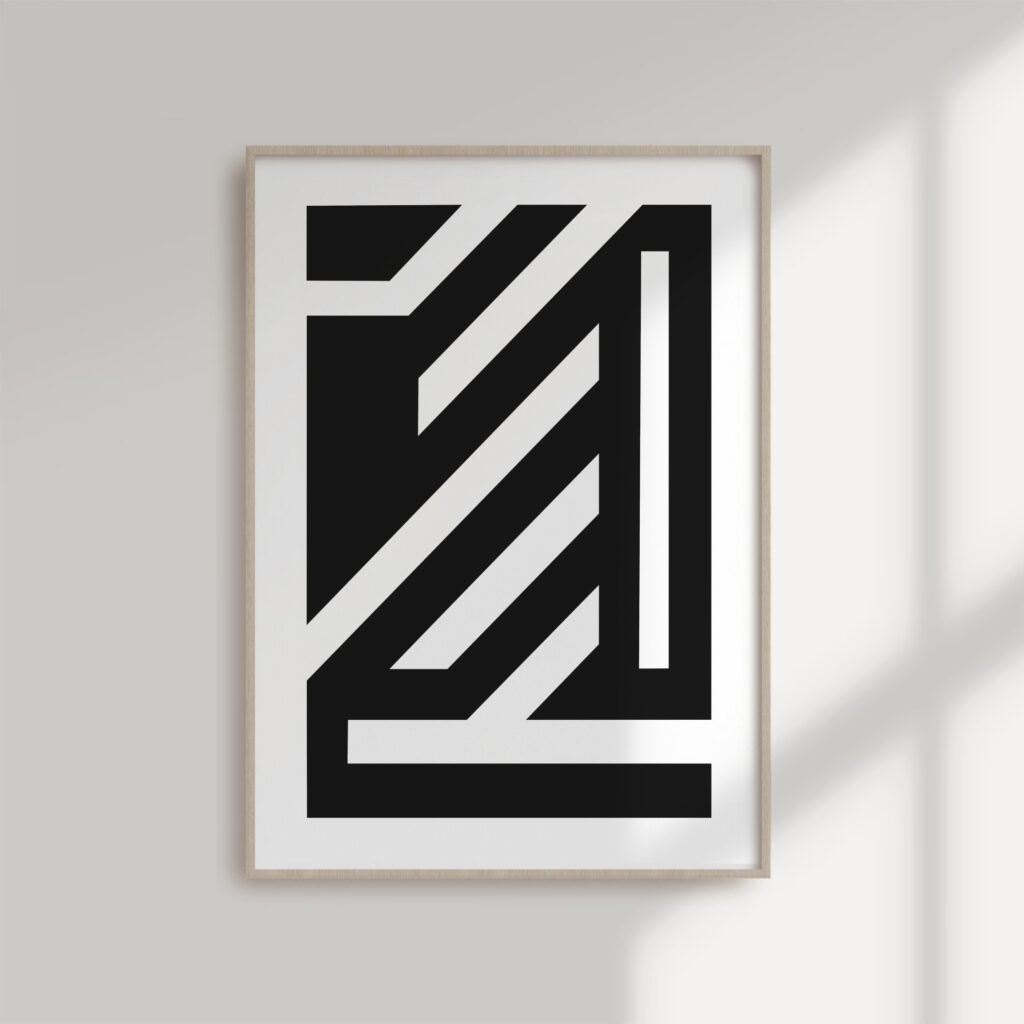
Thin, minimalist frames in black, white, or natural oak are usually best. The goal is to provide a clean border that doesn’t distract from the precision of the lines within the art itself.
Bold colors make the art the “hero” of the room. Neutrals (beiges, greys, and blacks) allow the art to act as a sophisticated layer that harmonizes with your existing textiles and furniture.
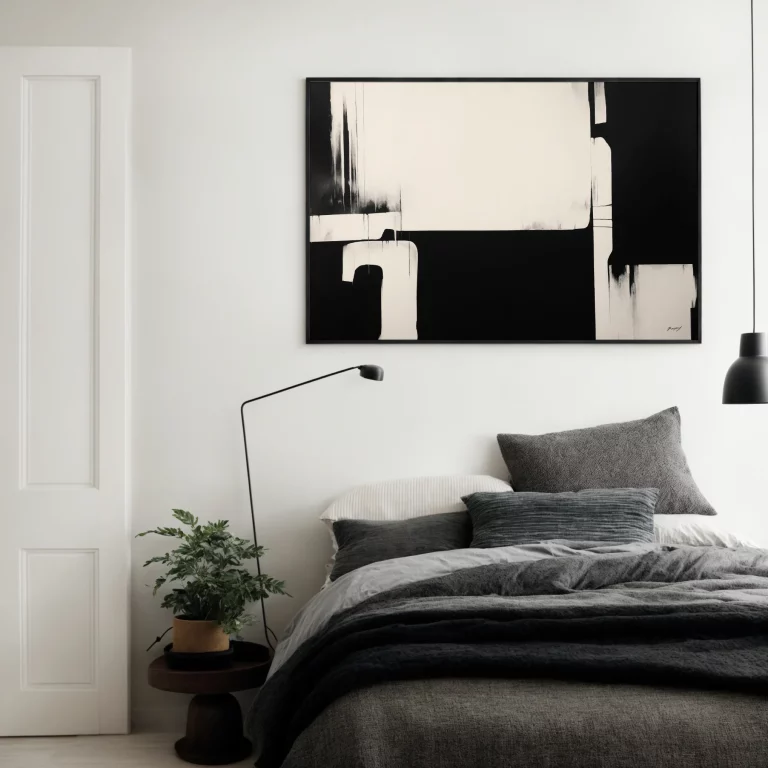
The center of the arrangement should be at eye level (roughly 58 inches from the floor). If hanging over a sofa or bed, ensure the bottom of the frames sit 6–10 inches above the furniture to keep the grouping cohesive.
Art Collections