Limited Time: 20% Off All Prints
Free worldwide shipping on orders over $69
Delivery 4-12 business days
Home / Art Print Collections / modern geometric art
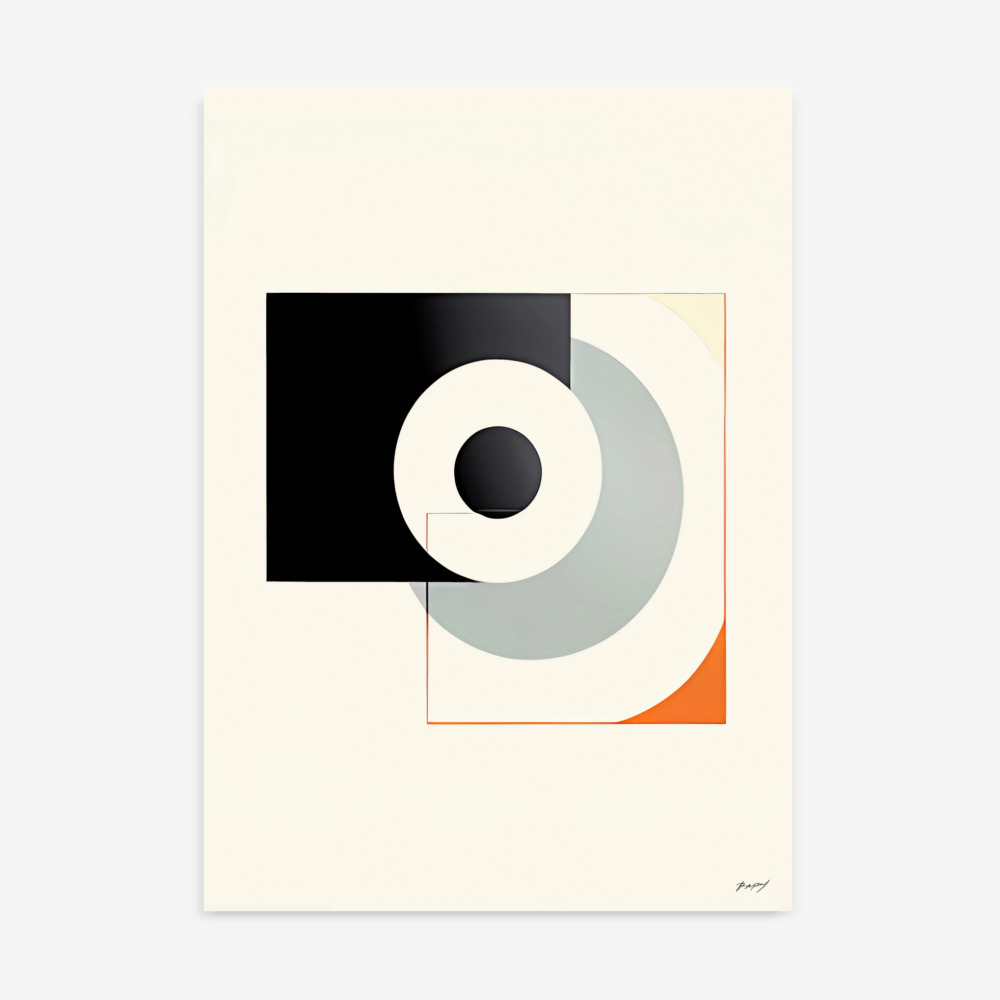
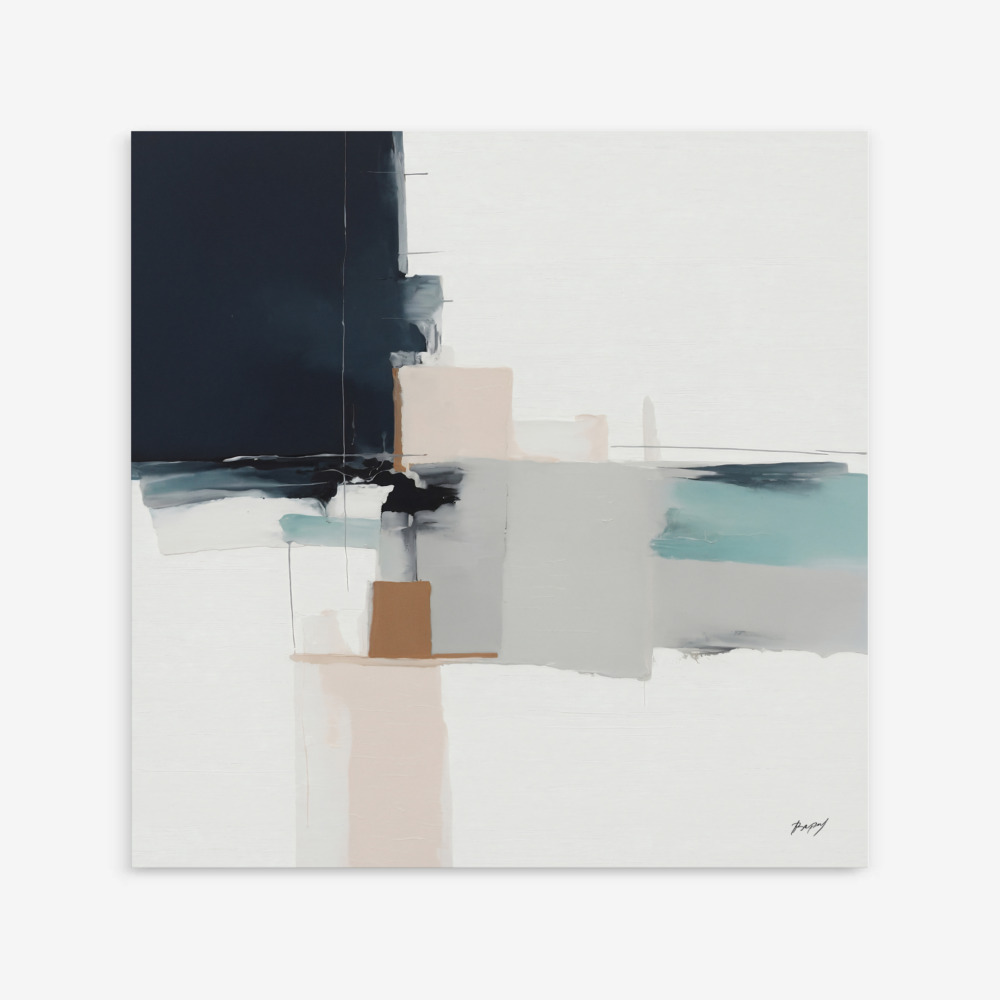
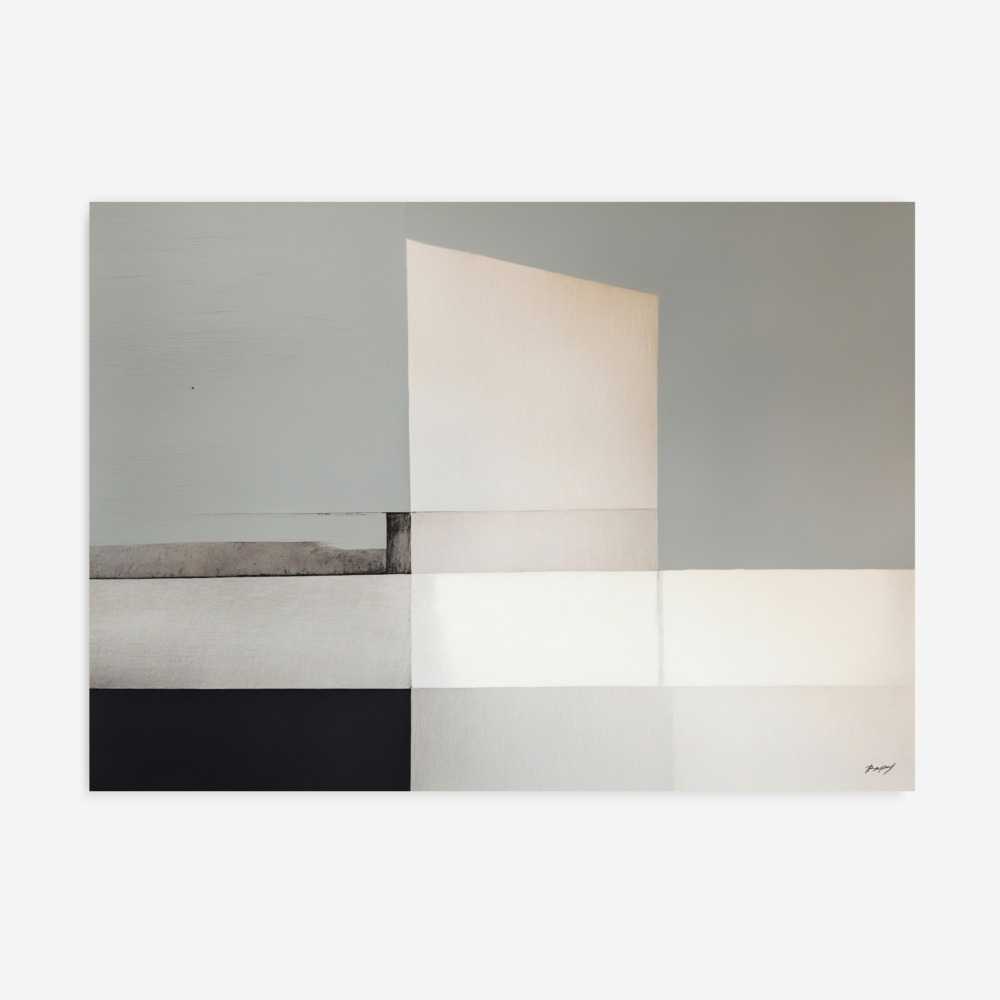
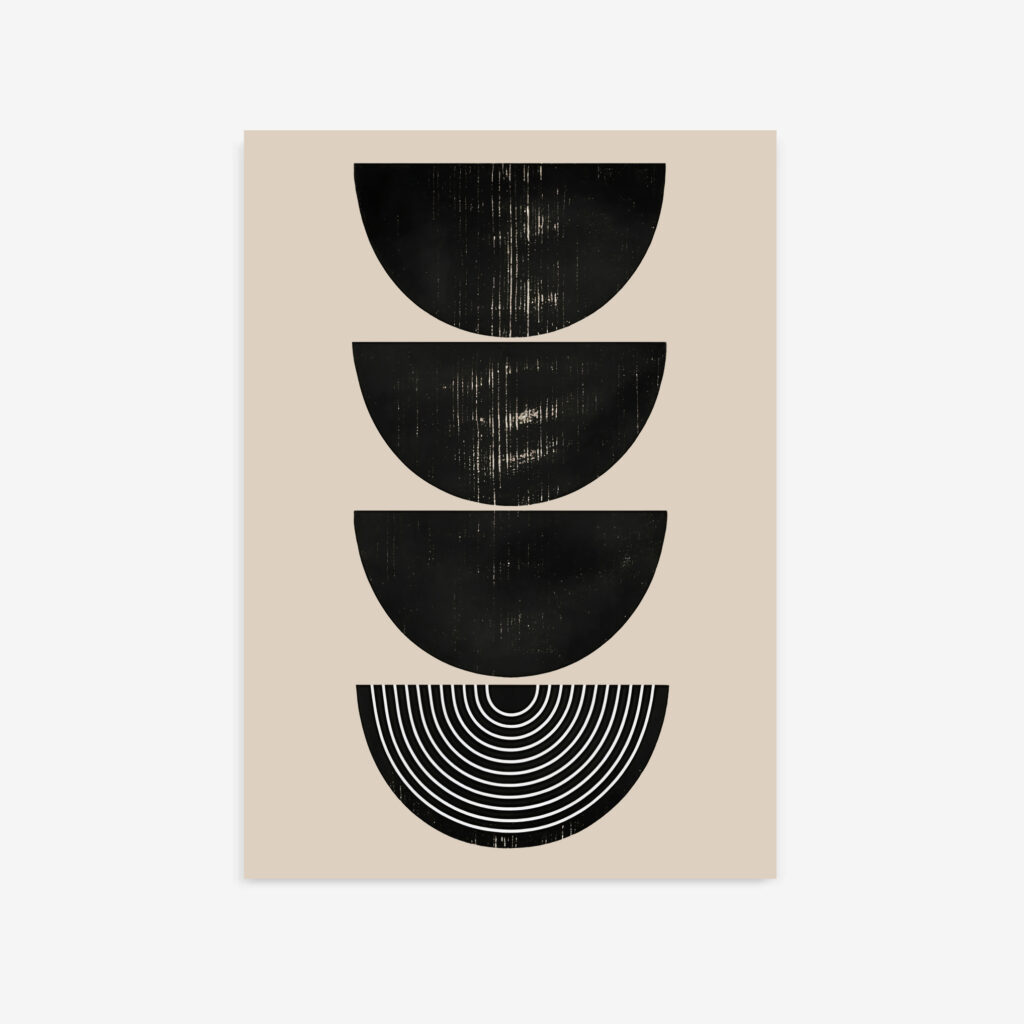
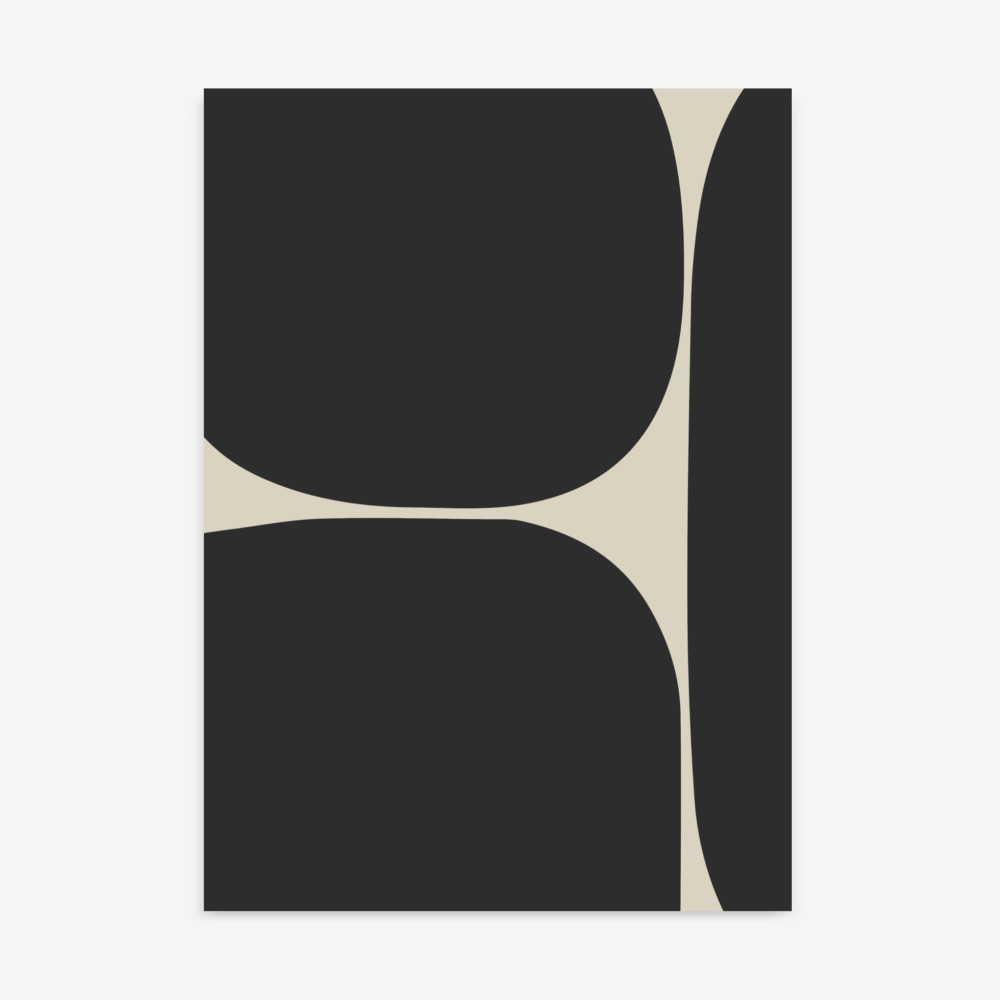
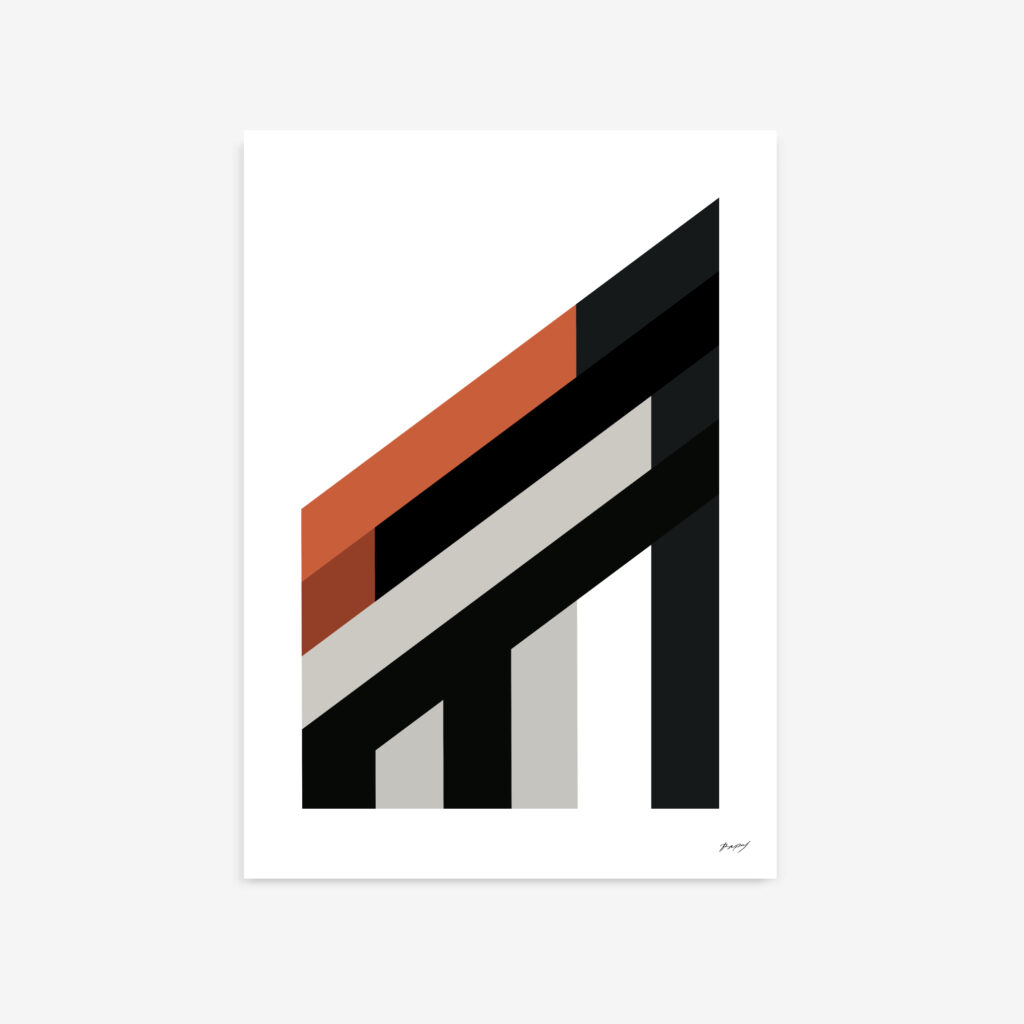
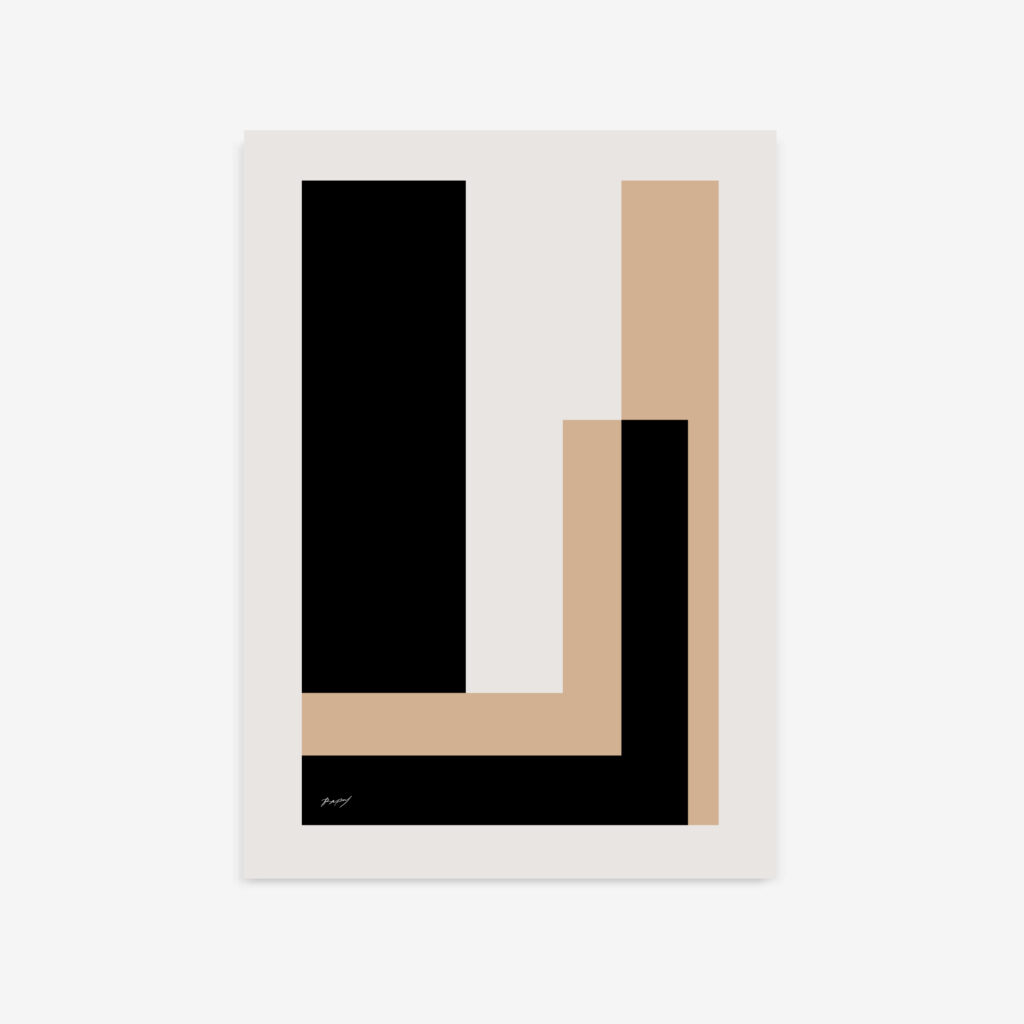
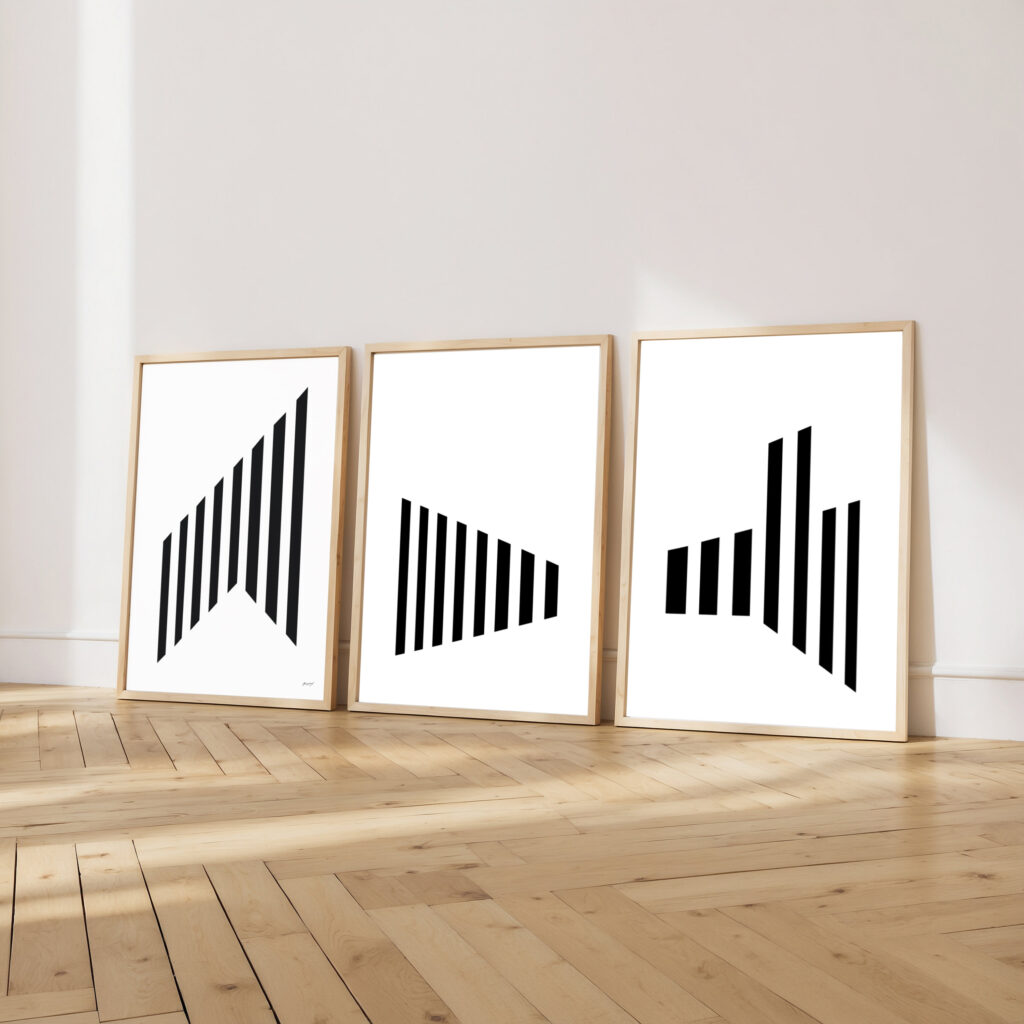
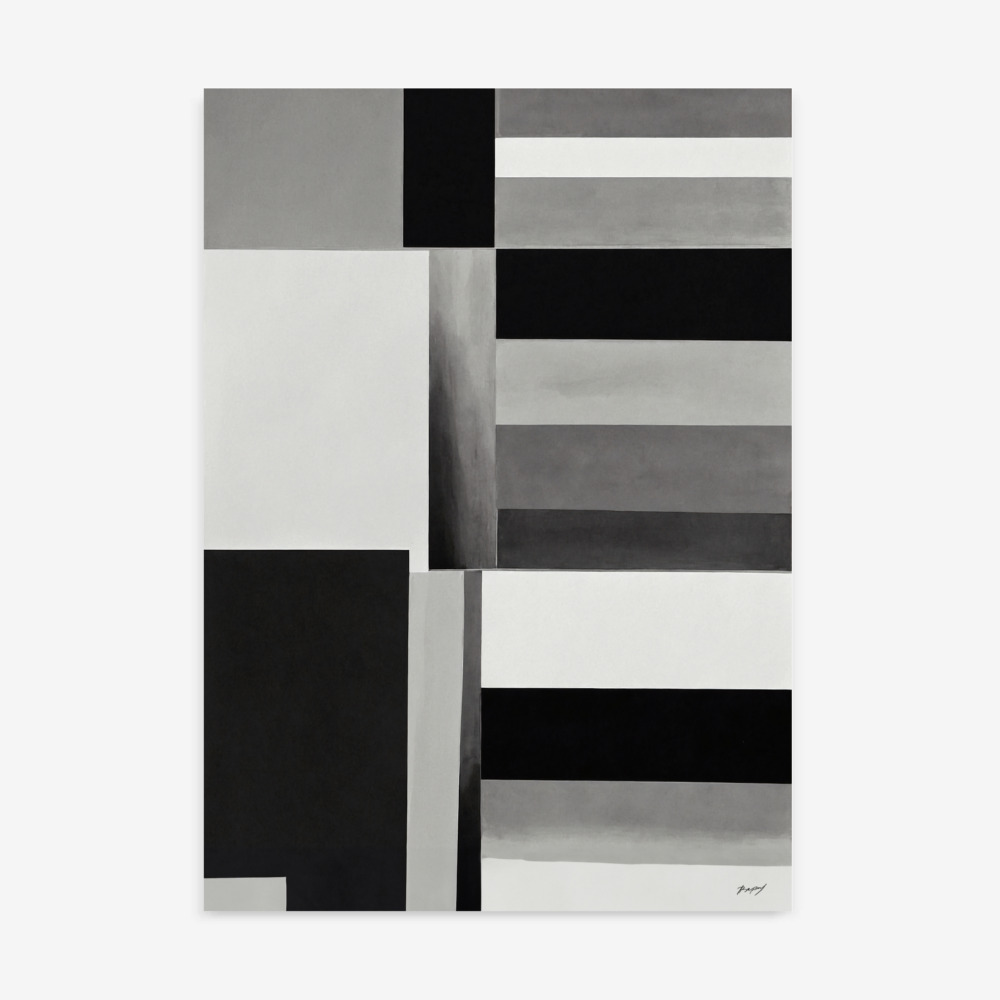
There is a satisfying sense of order in the interplay of crisp lines and balanced shapes. Integrating geometric wall art into your interior design allows you to introduce structure and rhythm to a room without the need for complex subject matter. These pieces turn mathematical precision into a visual language, offering a sophisticated way to anchor a minimalist living room or a high-energy home office. By focusing on form and color, geometric prints provide a clean, intentional aesthetic that never feels cluttered.
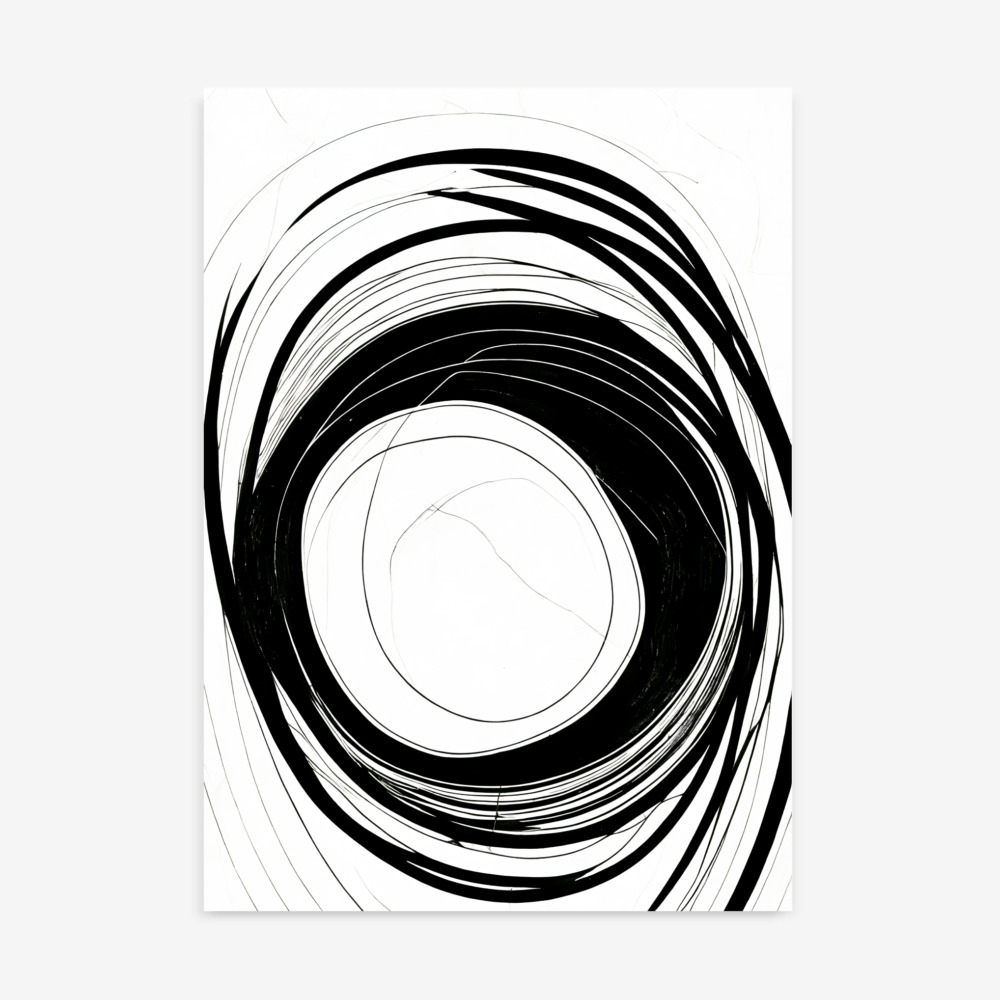
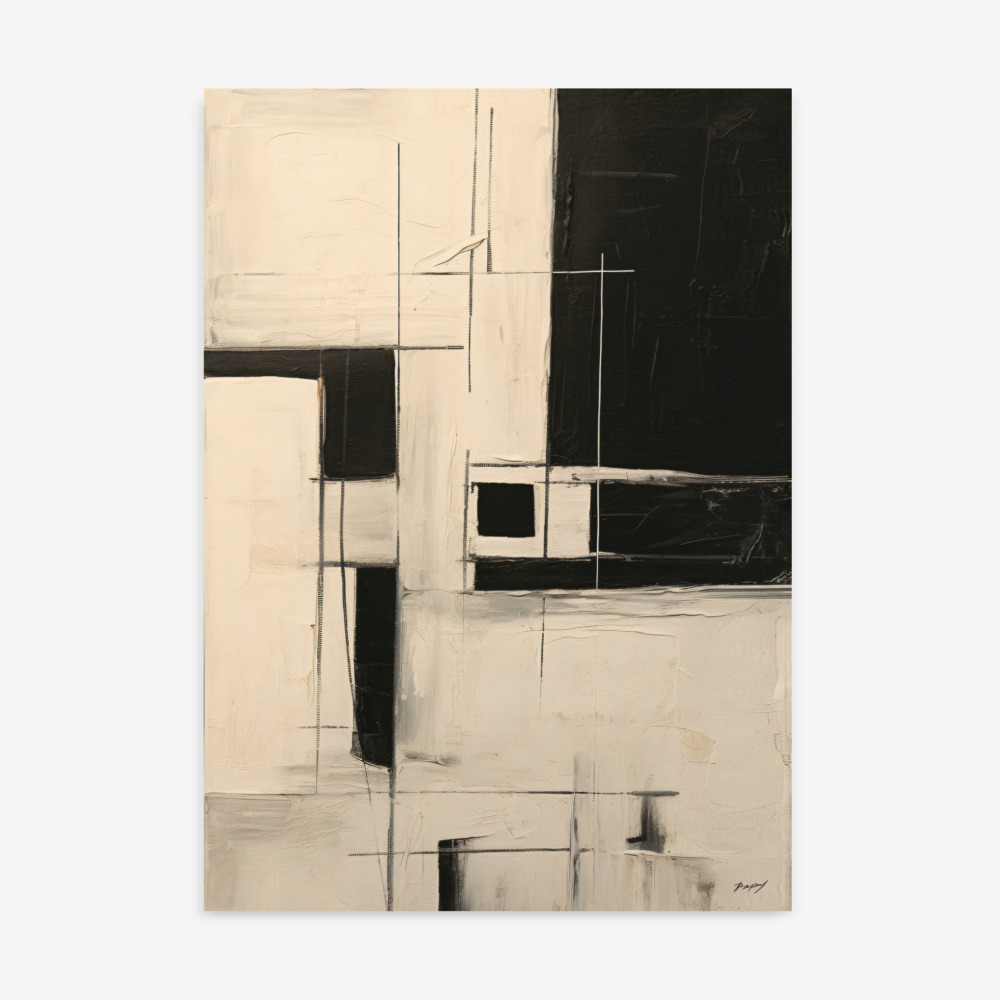
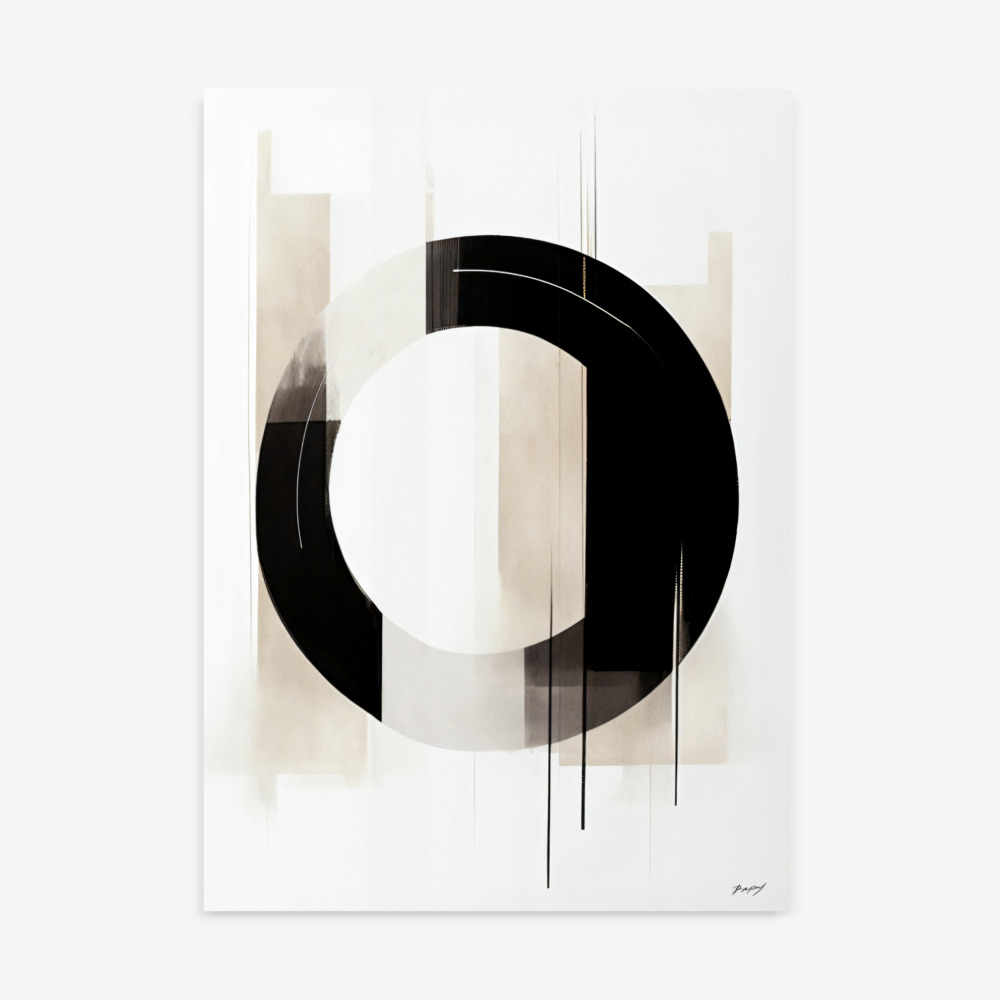
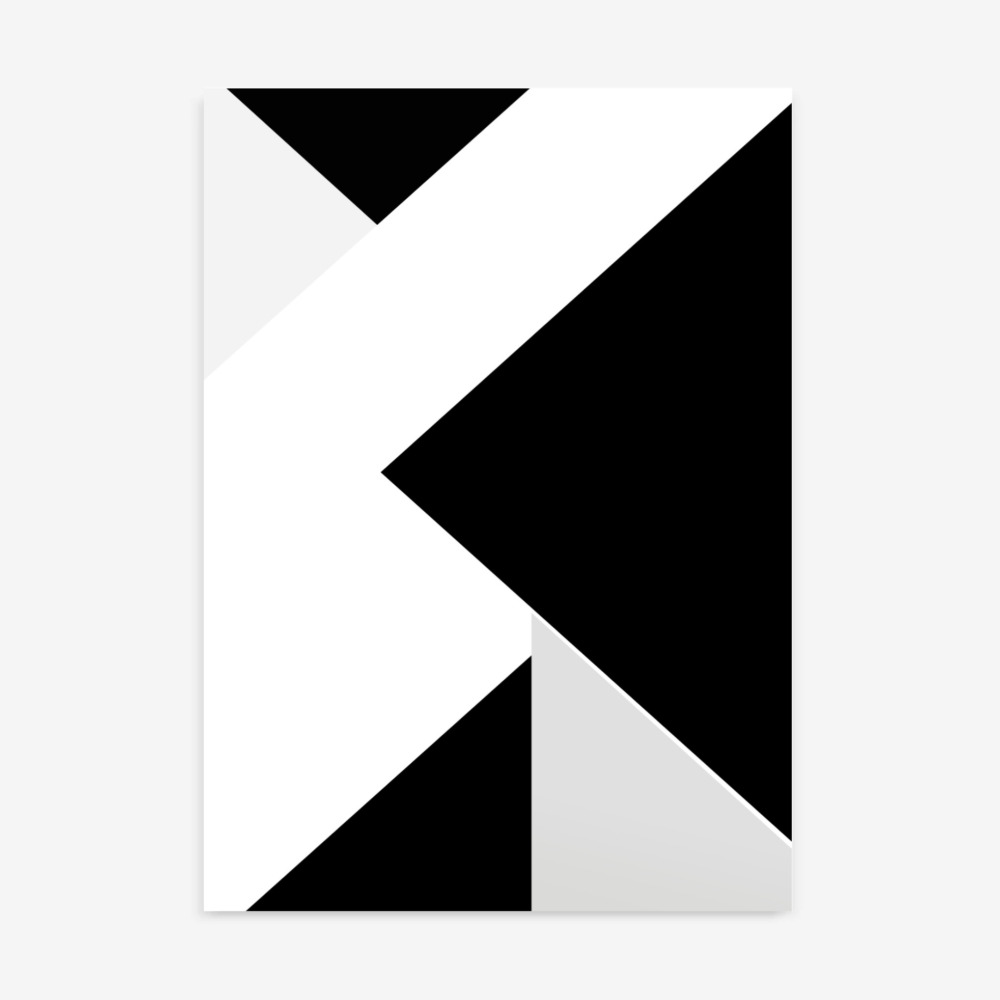
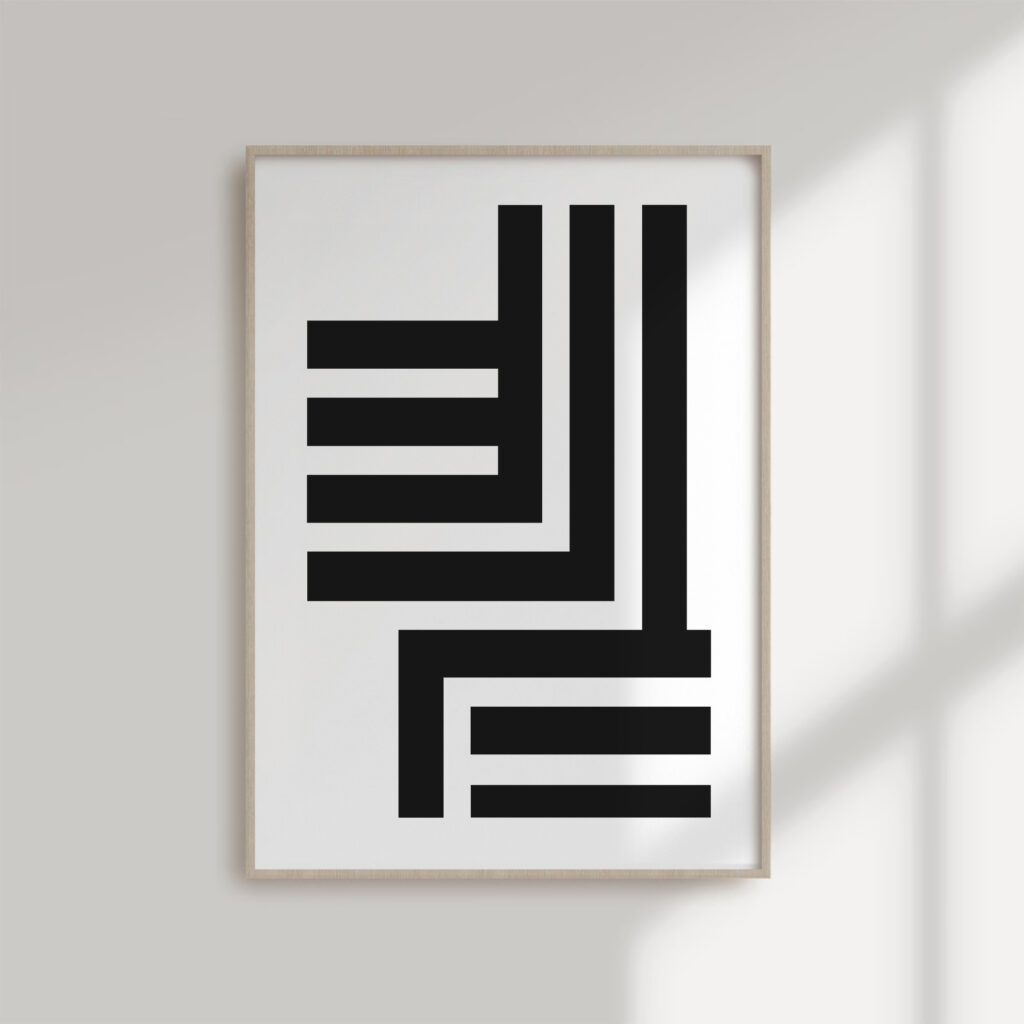
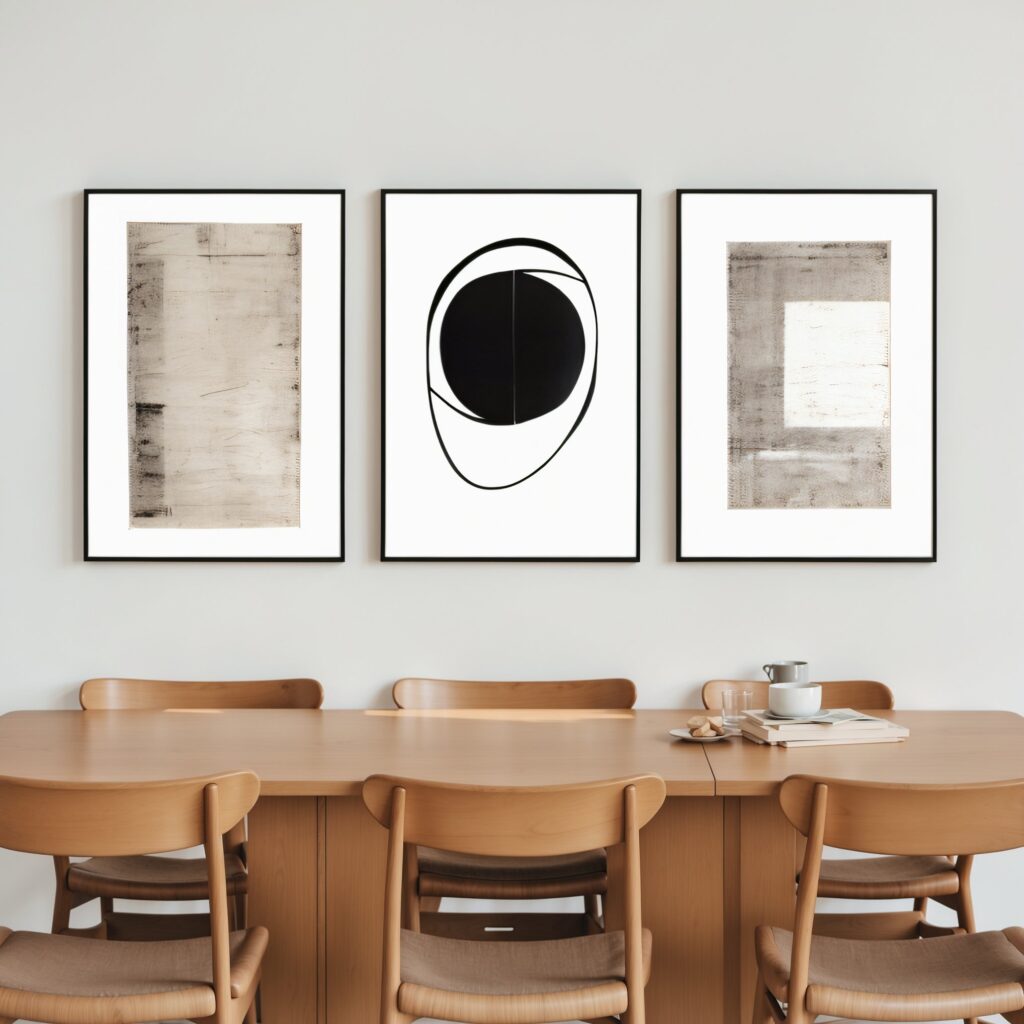
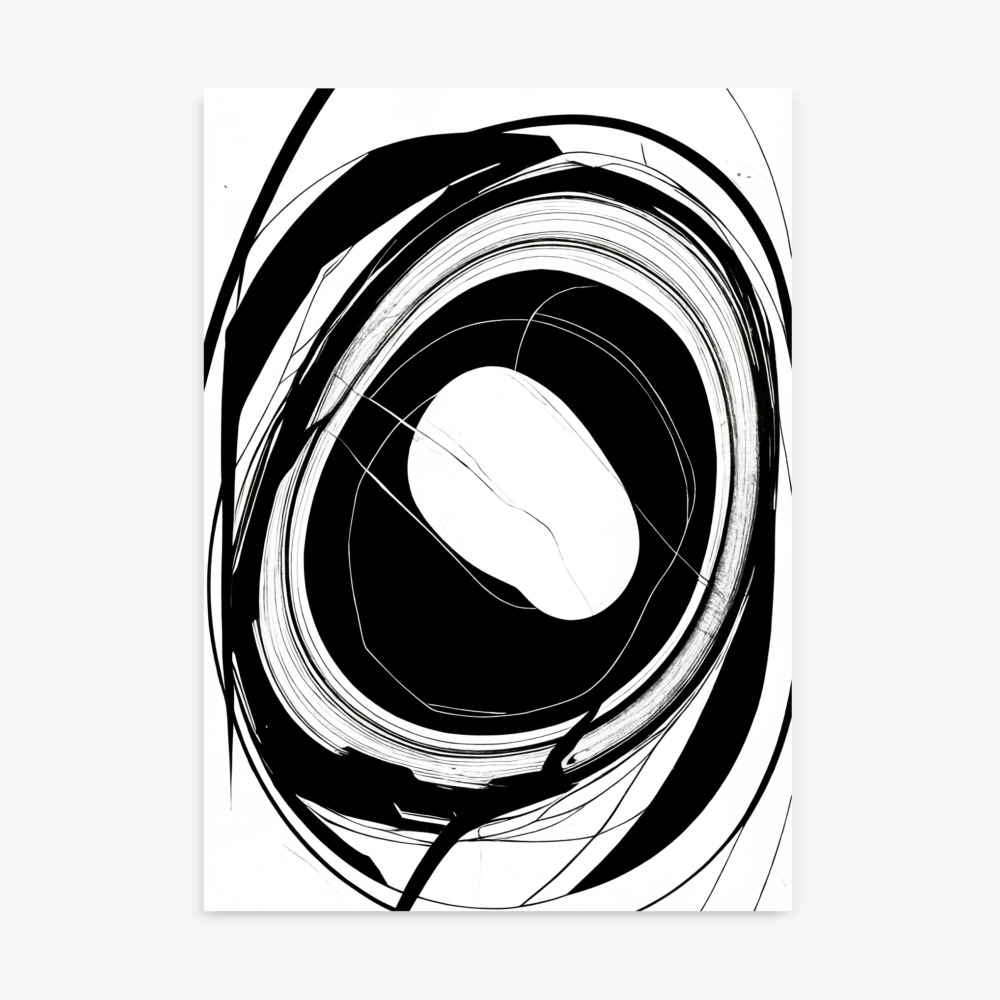
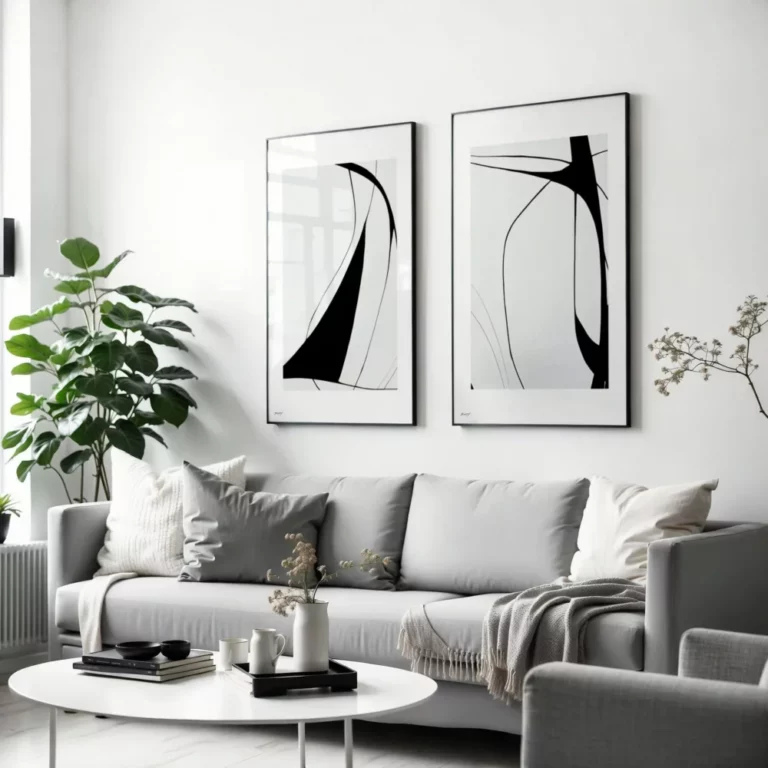
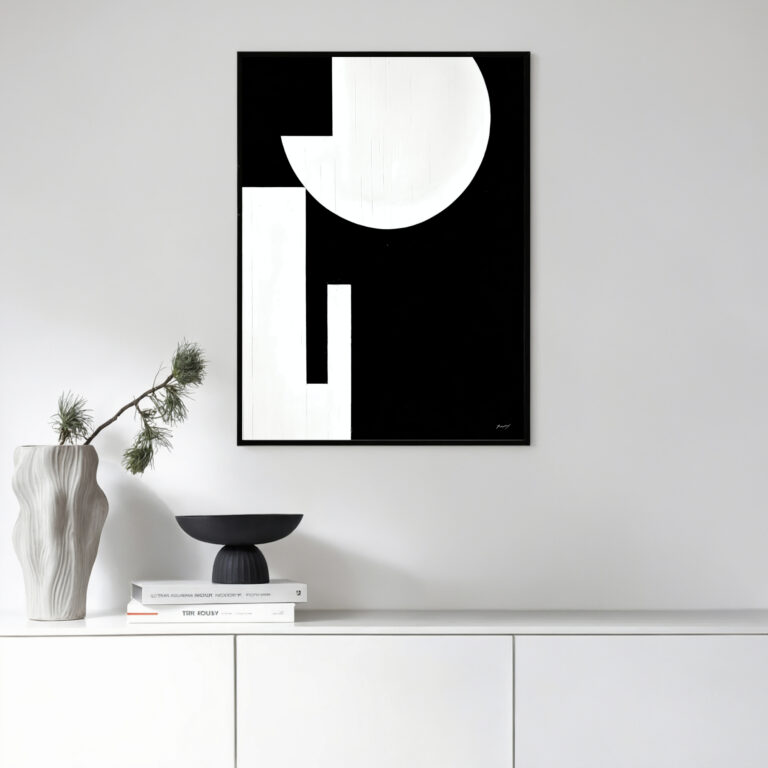
This style thrives on the philosophy that less is more. By stripping away representational details, the focus shifts to the visual weight of a curve or the sharpness of an angle. This approach is particularly effective in homes with open-plan layouts, where a structured black and white print can define a specific zone, such as a dining nook or a lounge area. It bridges the gap between mid-century nostalgia and ultra-modern minimalism, making it a versatile choice for any contemporary setting that values clarity over clutter.
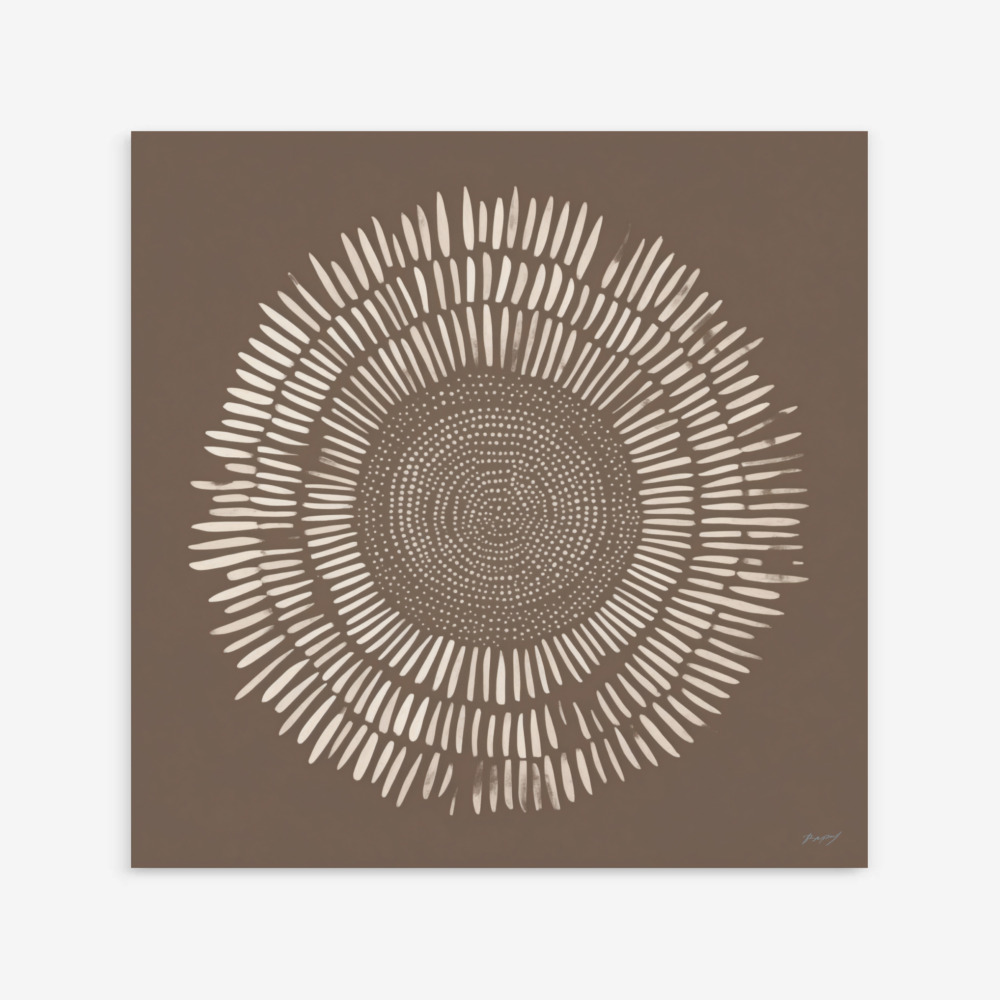
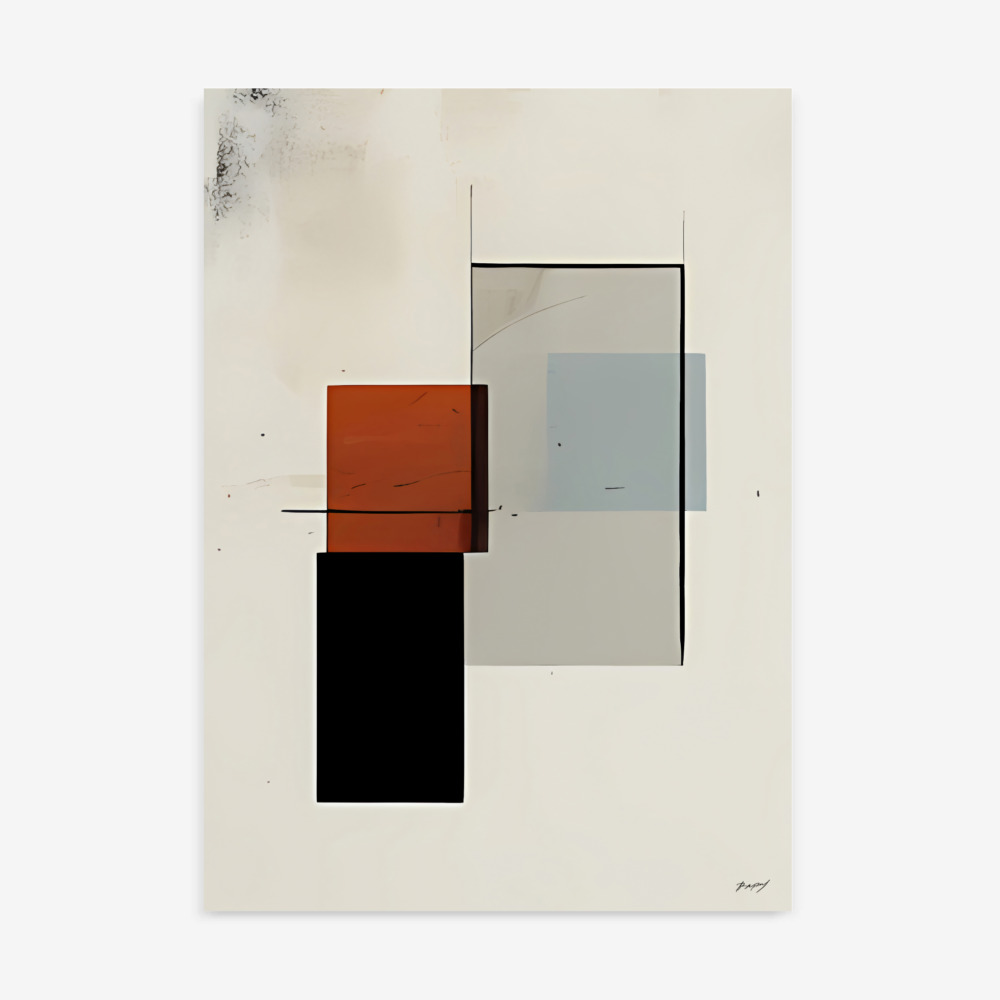
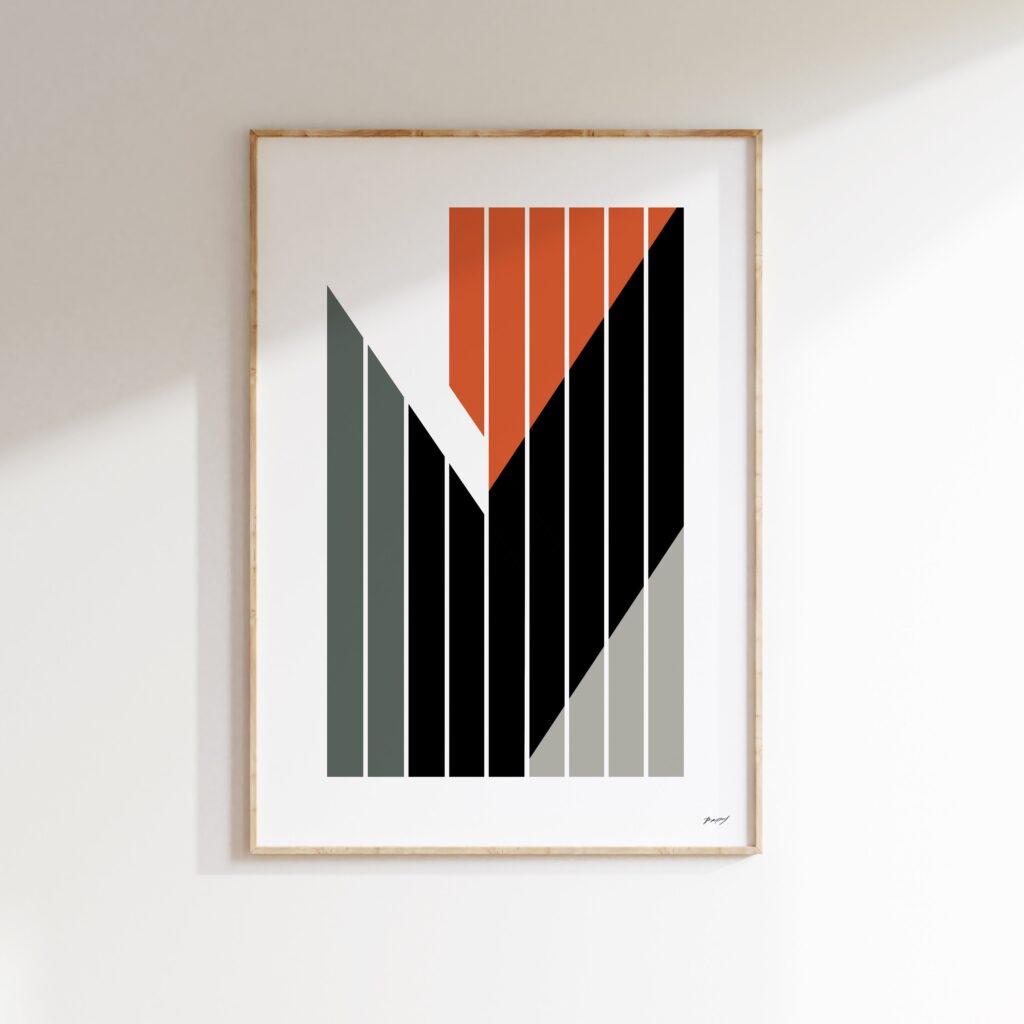
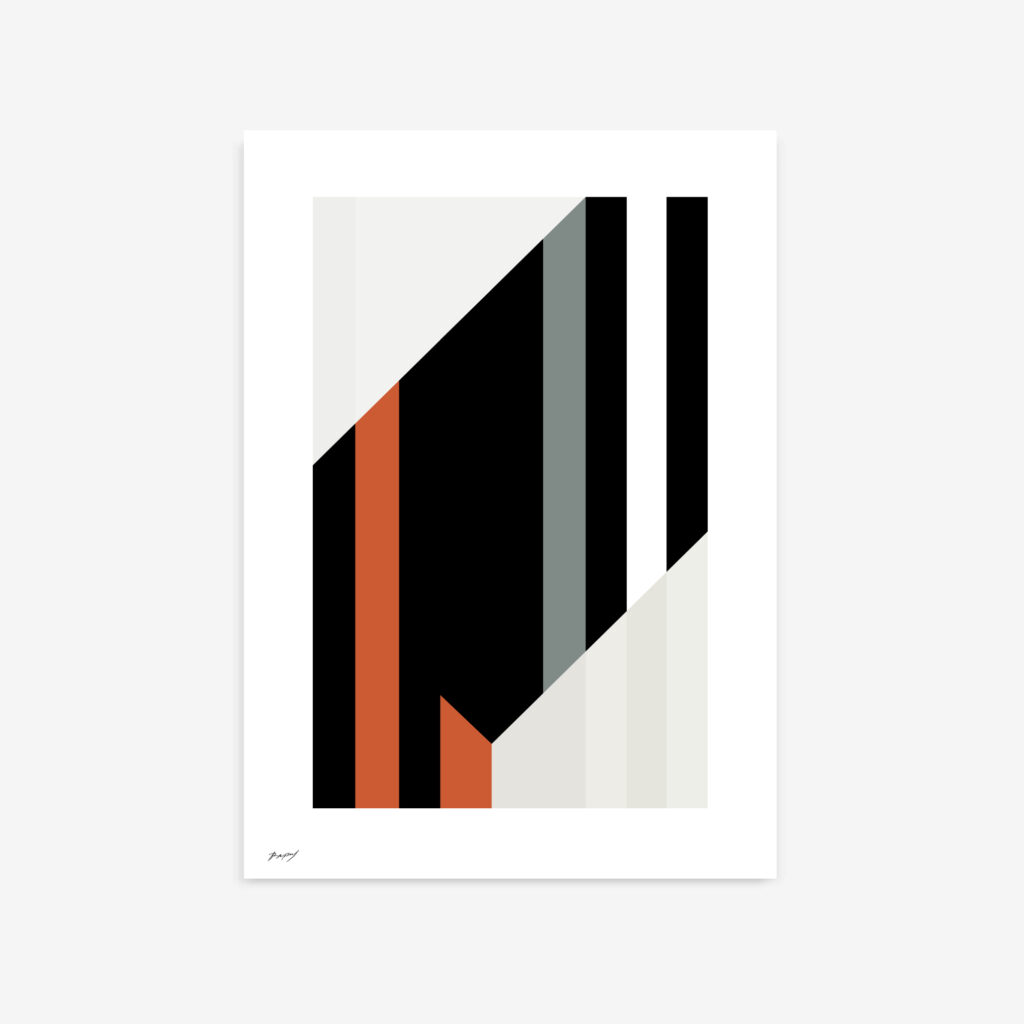
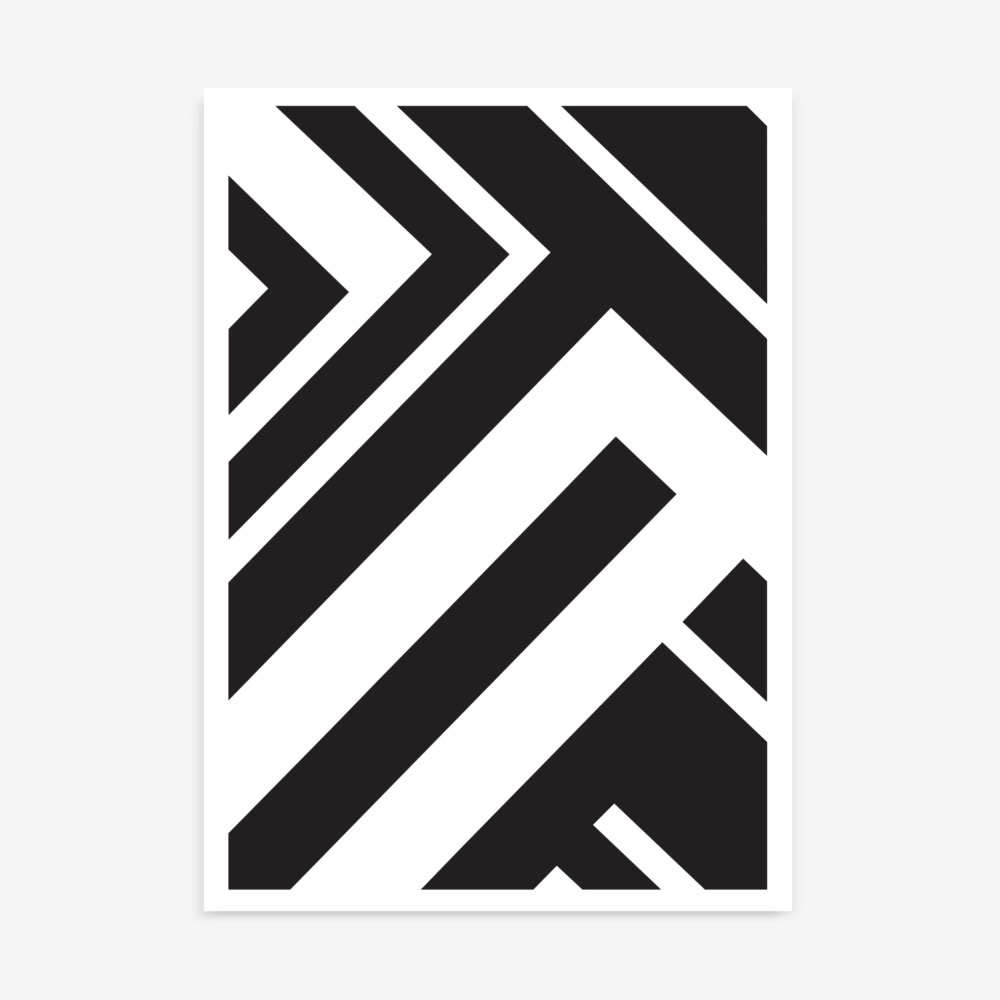
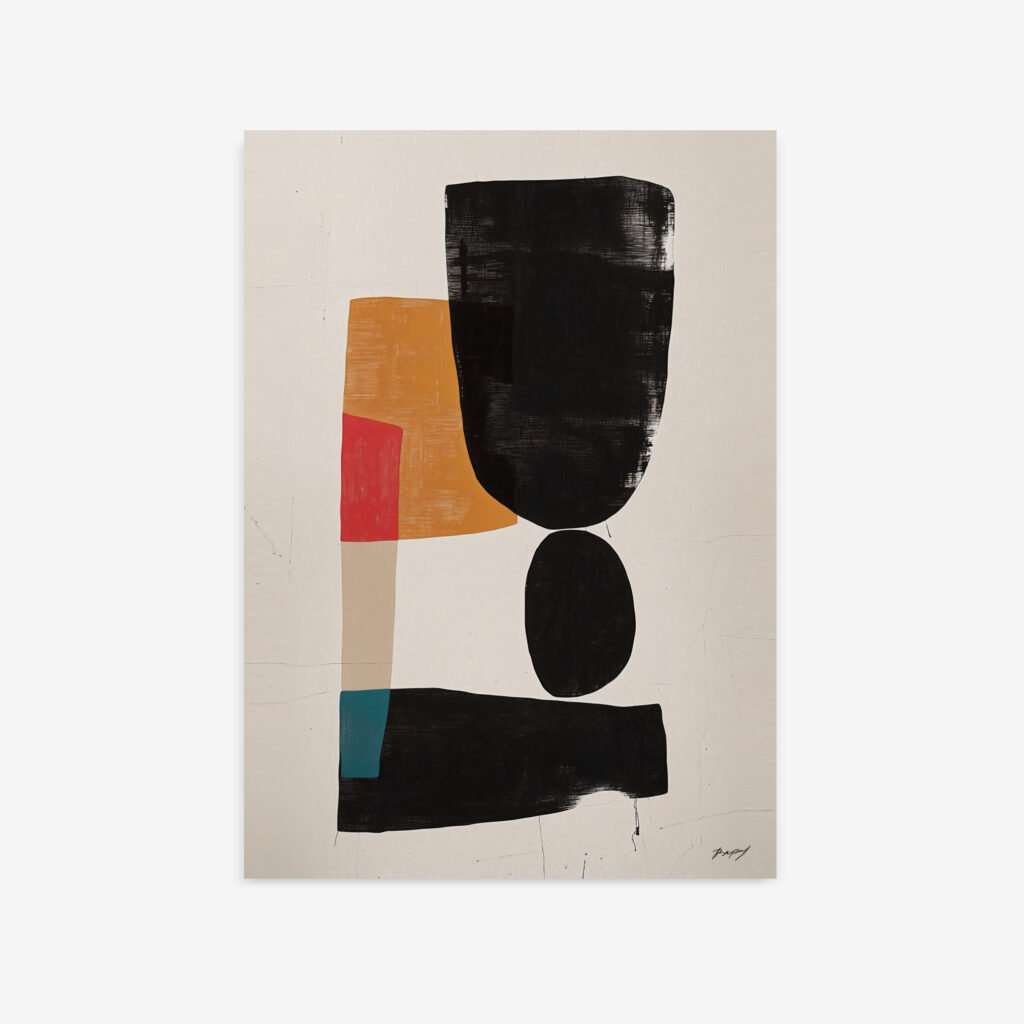
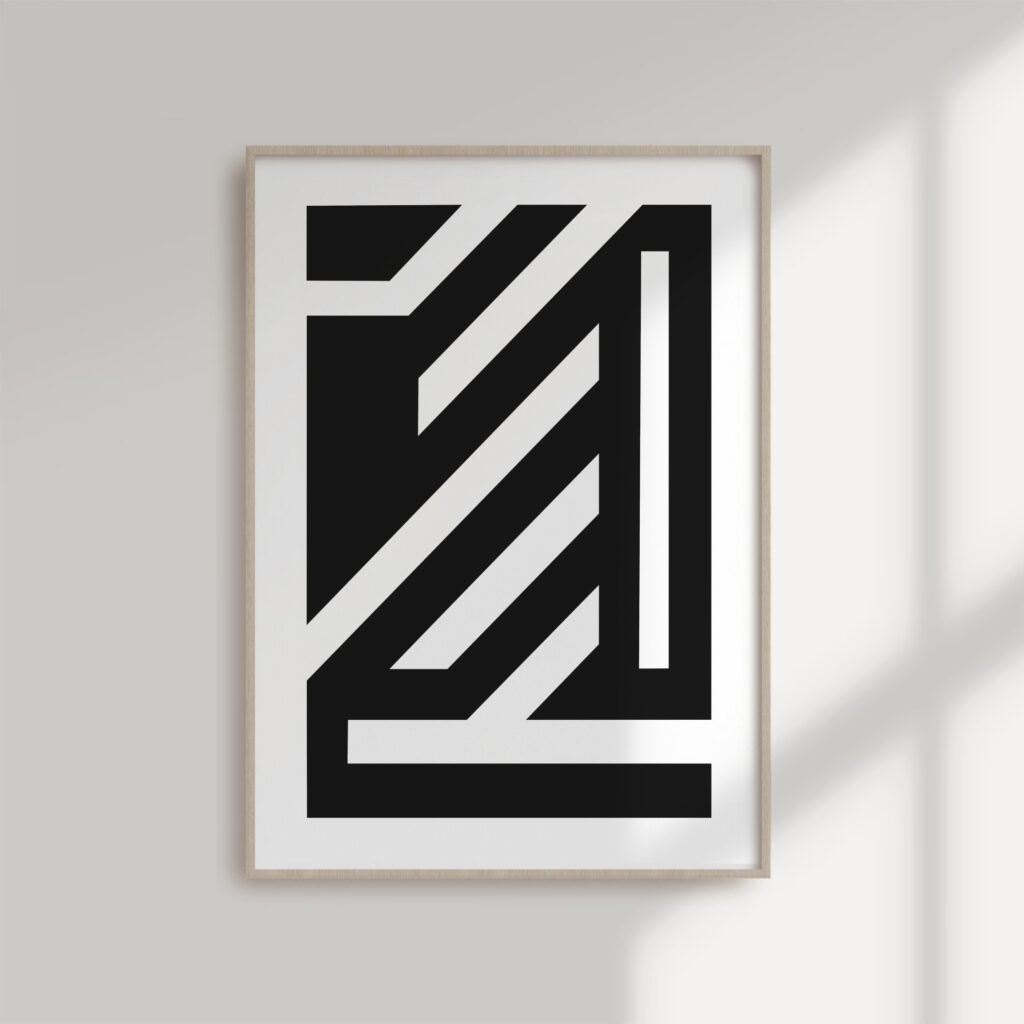
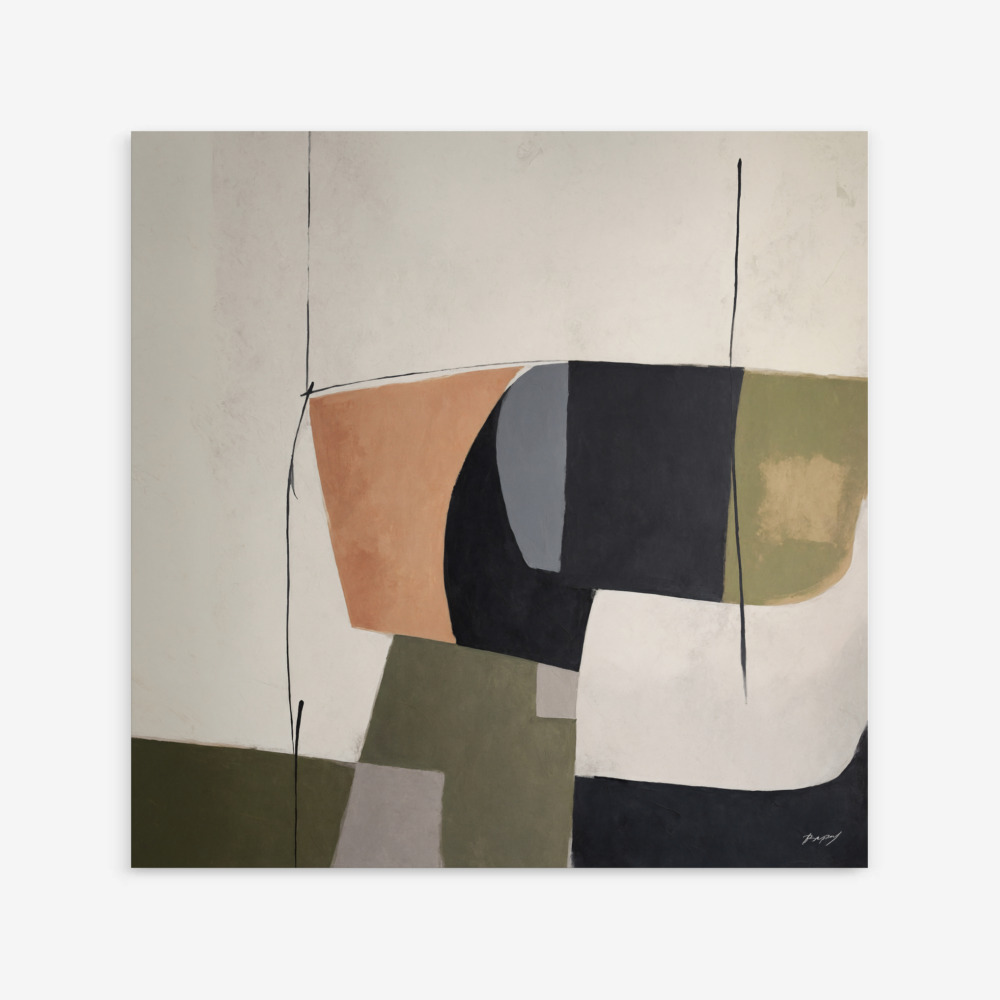
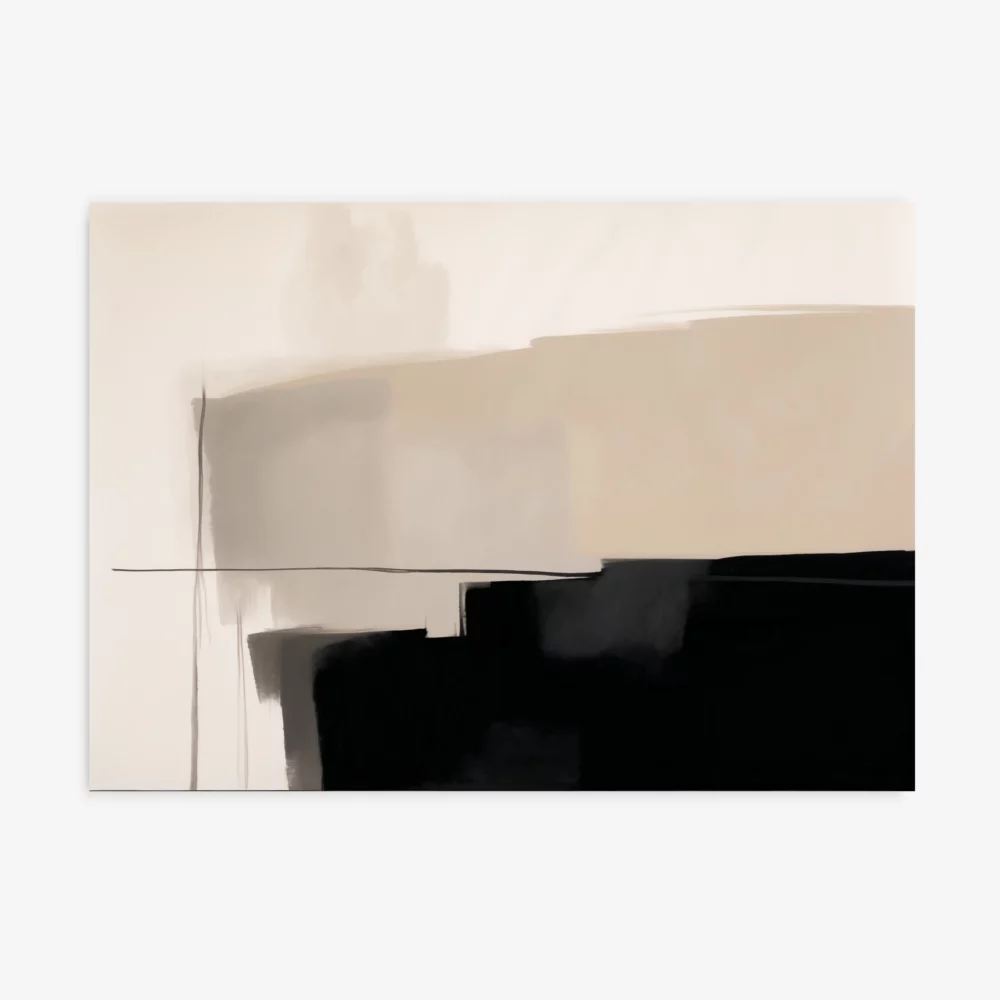
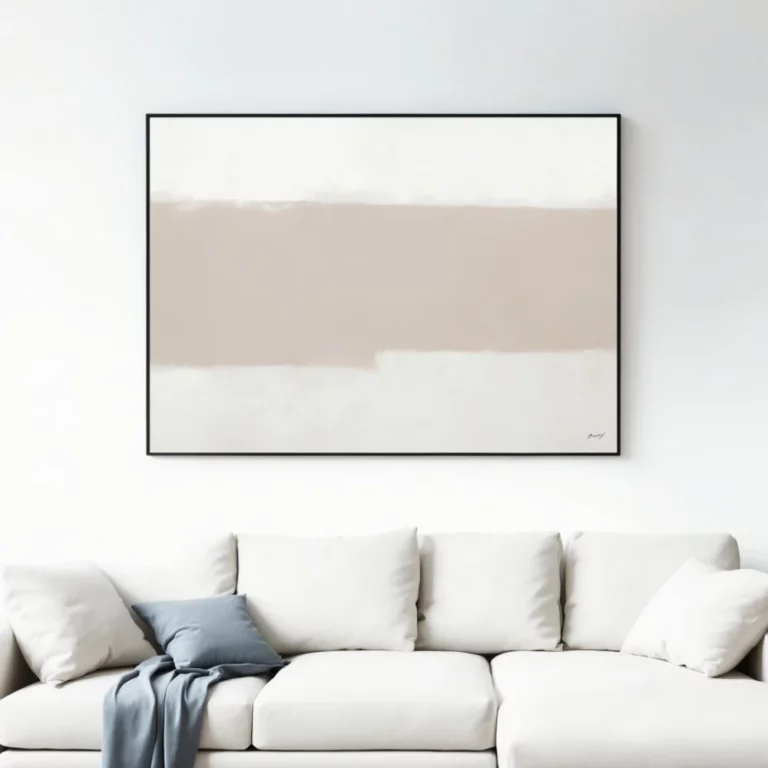
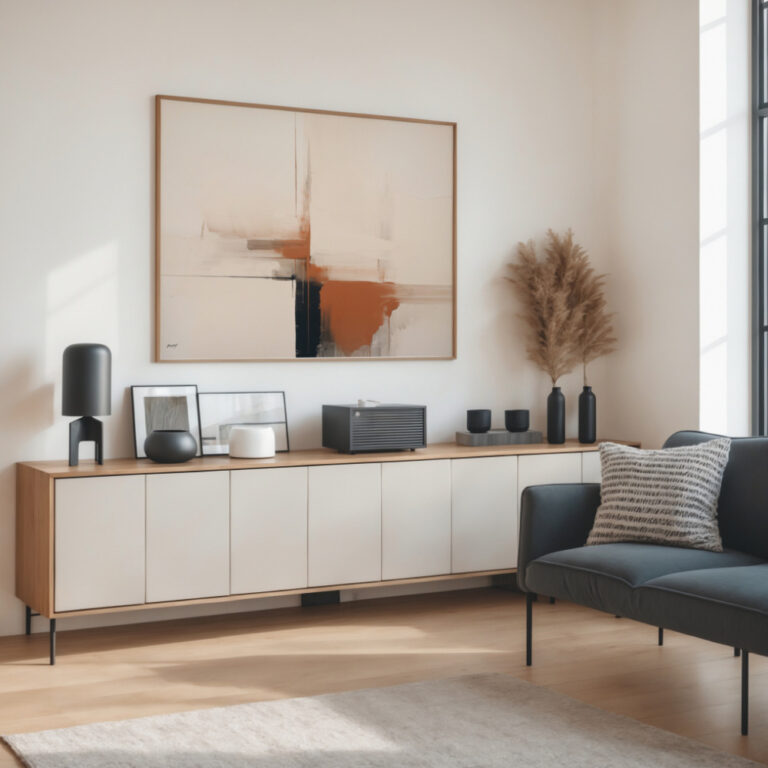
While many associate this style with bold, primary colors, it can be surprisingly subtle. For a warmer, more organic feel, look for earthy tones—terracotta, sage, and ochre—that soften the rigid lines of the shapes. This balance between hard edges and soft colors ensures the work feels like a natural extension of your furniture and textiles. Alternatively, high-contrast monochrome pieces provide a sharp, architectural finish that suits industrial lofts and professional workspaces, adding definition to neutral walls.
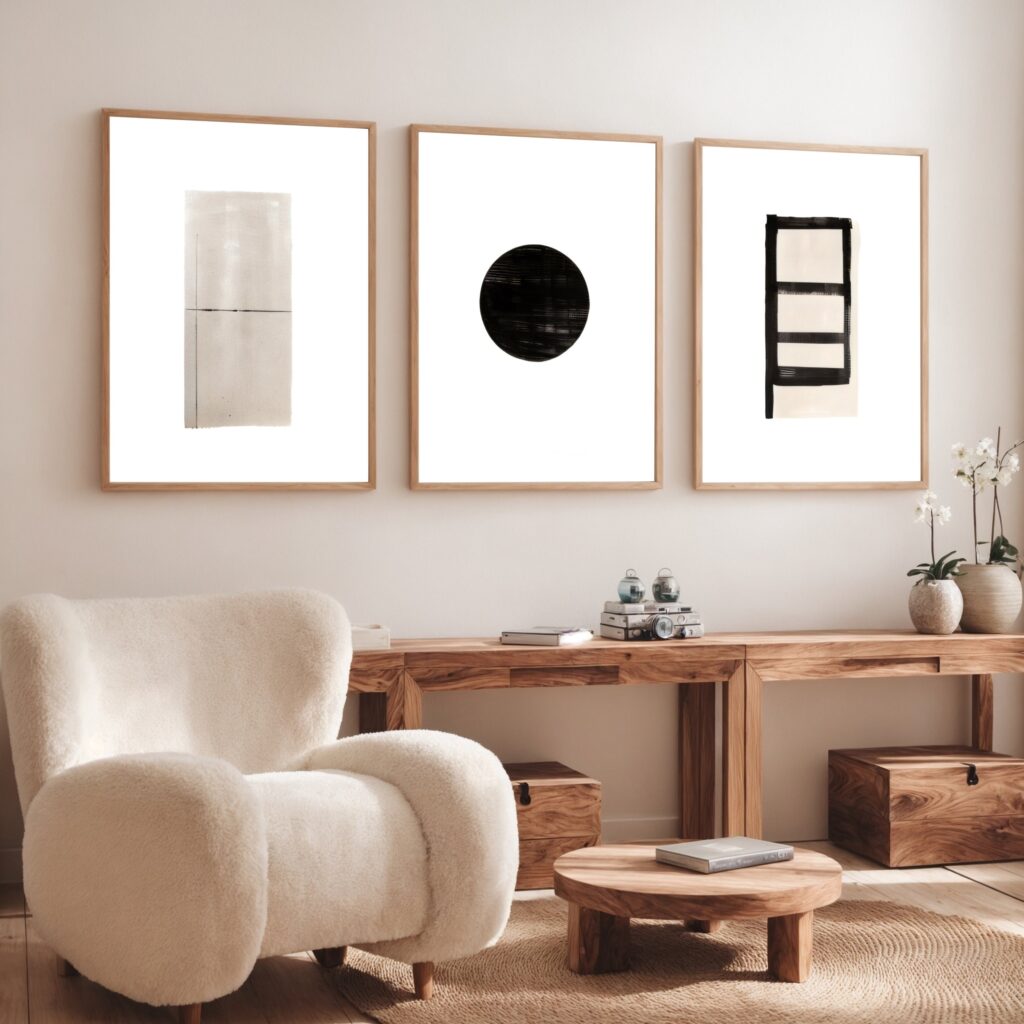
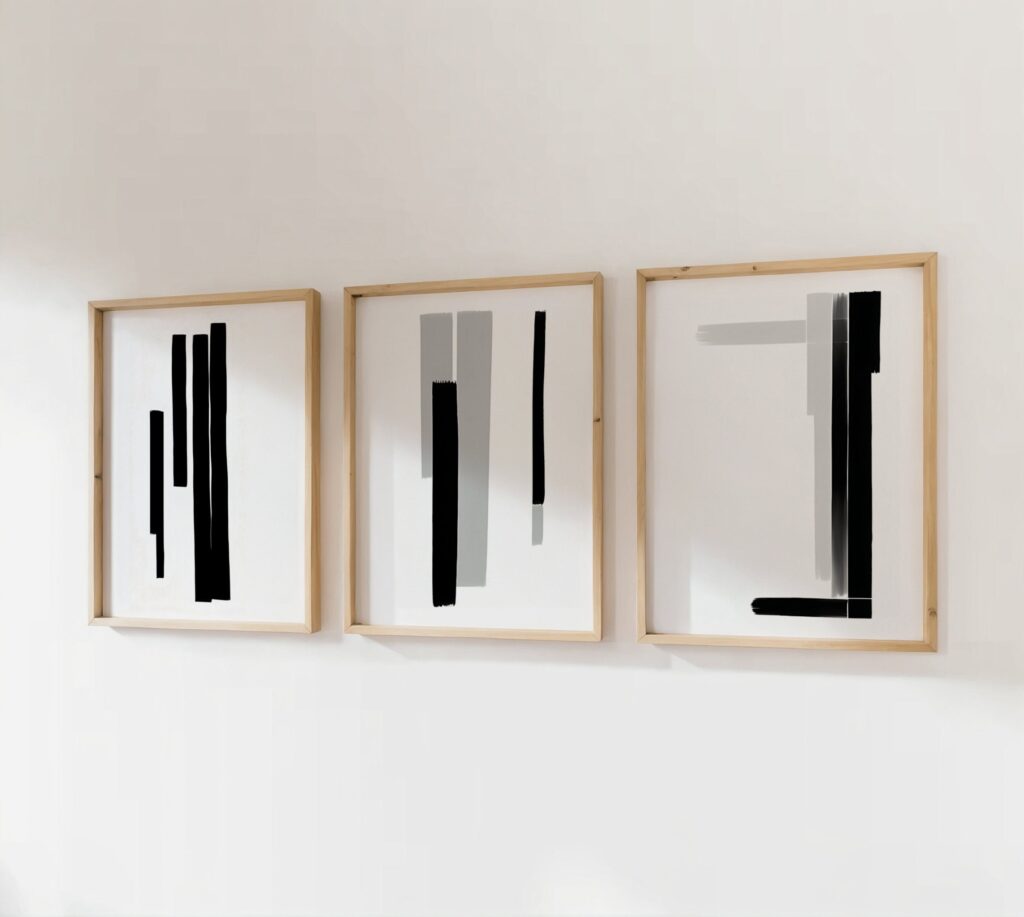
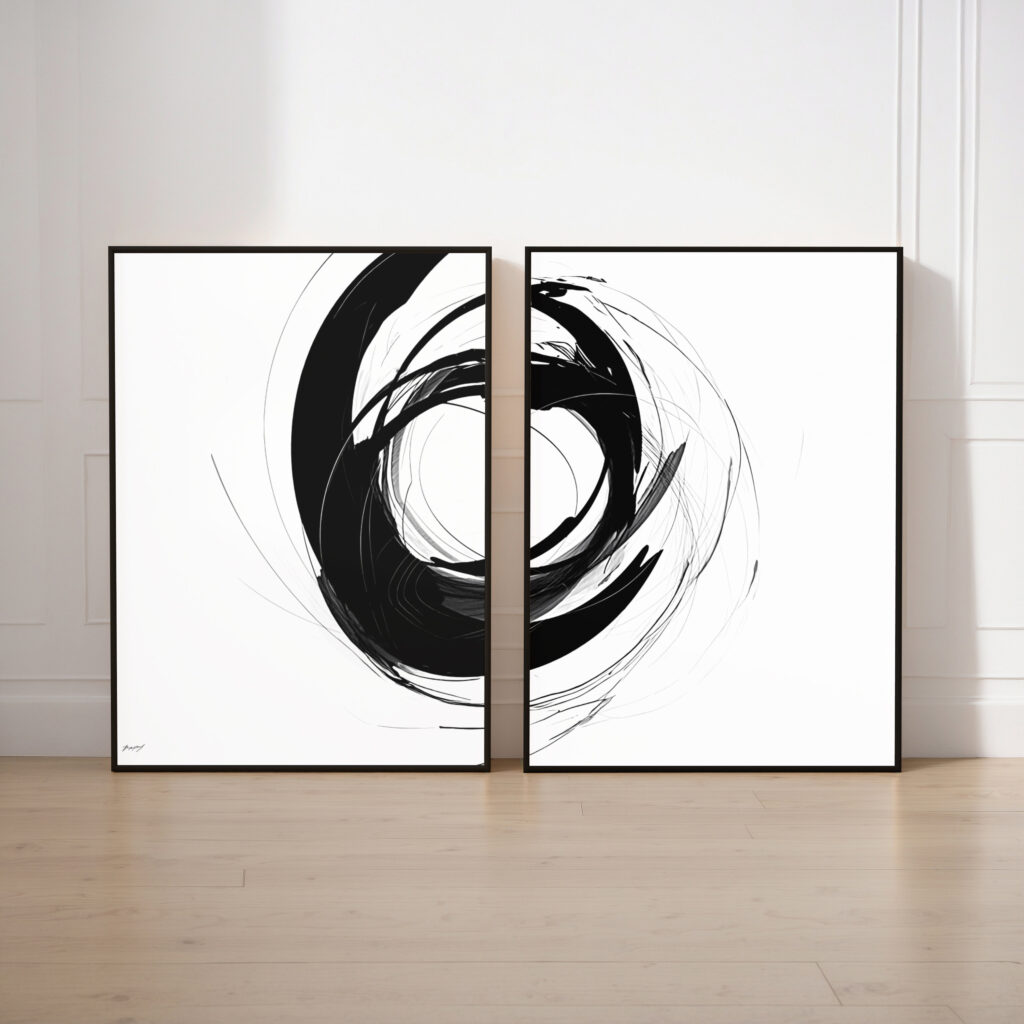
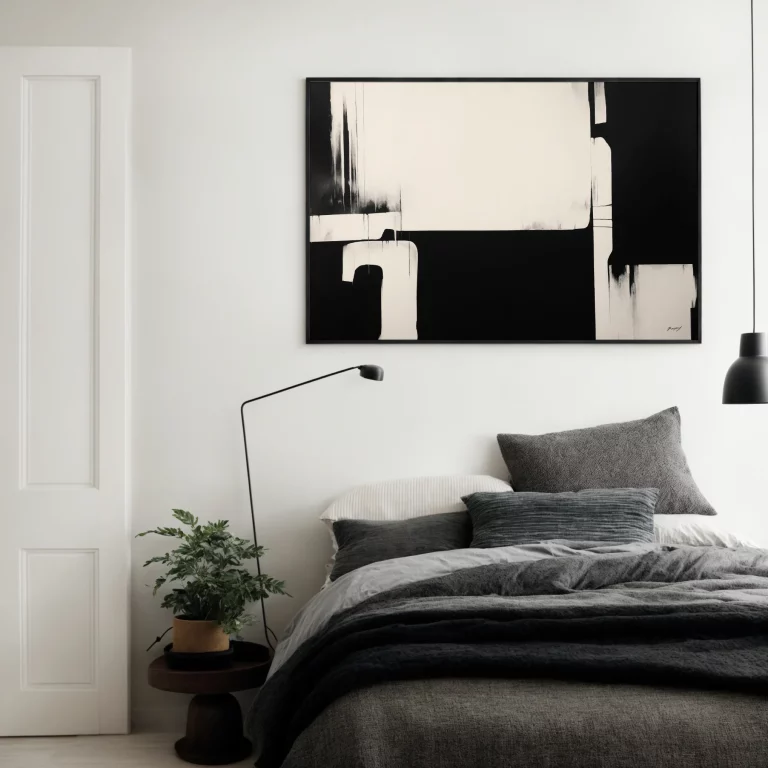
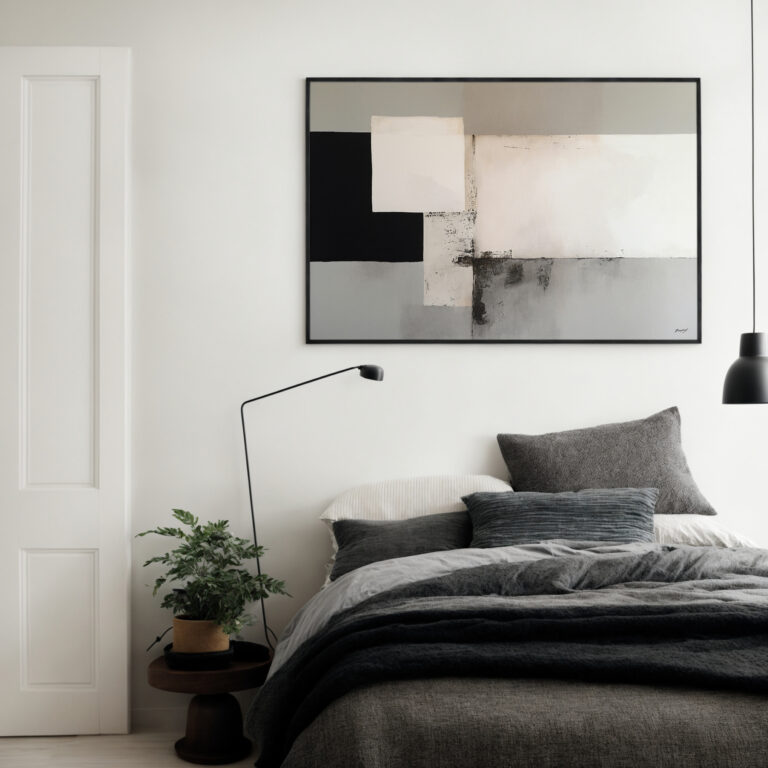
Because these designs are often high-contrast, scale matters significantly. A large-scale print featuring a singular geometric form can act as a powerful anchor for a sectional sofa or a king-sized bed. For a more rhythmic effect, grouping smaller, related minimalist art into a precise grid creates a disciplined, gallery-like finish. The clean borders of these pieces make them ideal for “floater frames,” which add a layer of sophistication by making the artwork appear to levitate within its border.
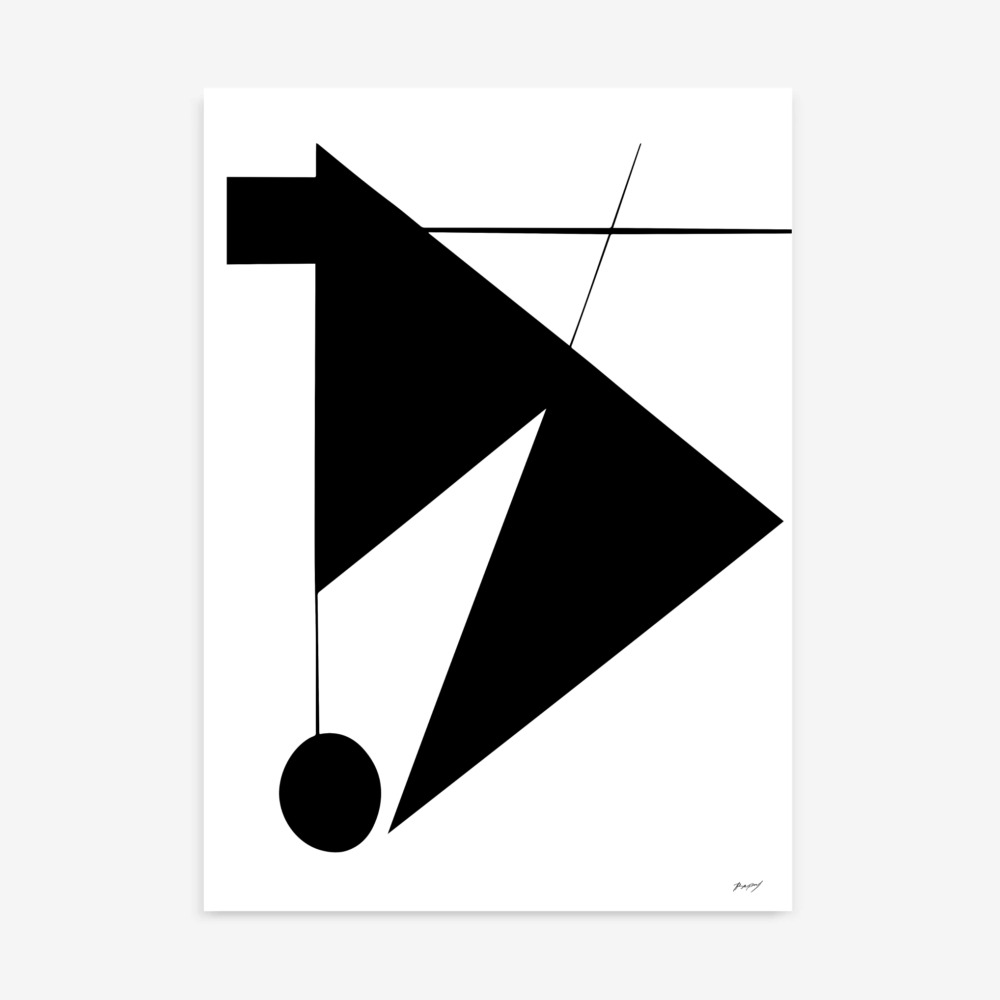
It is a style of abstract art that uses geometric forms—such as circles, squares, and triangles—placed in non-representational compositions. It prioritizes the balance of shapes, lines, and color over literal subjects or storytelling.
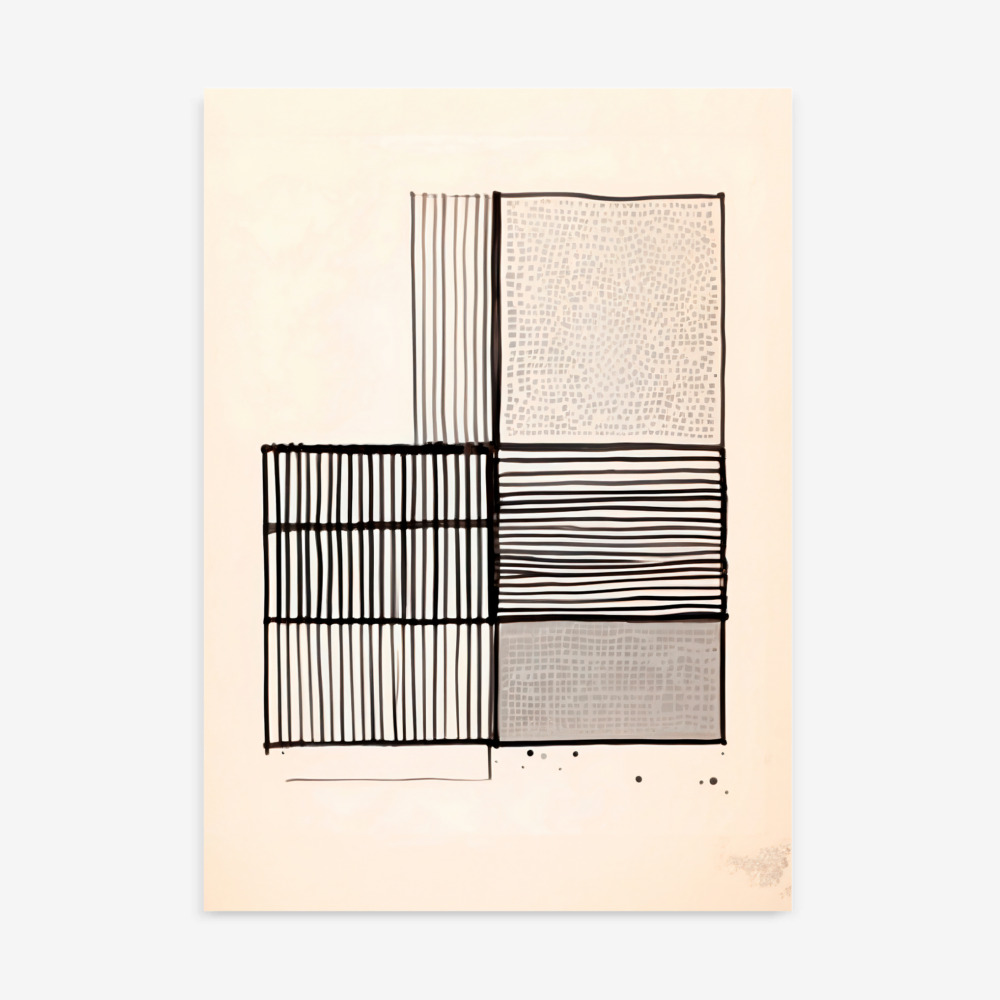
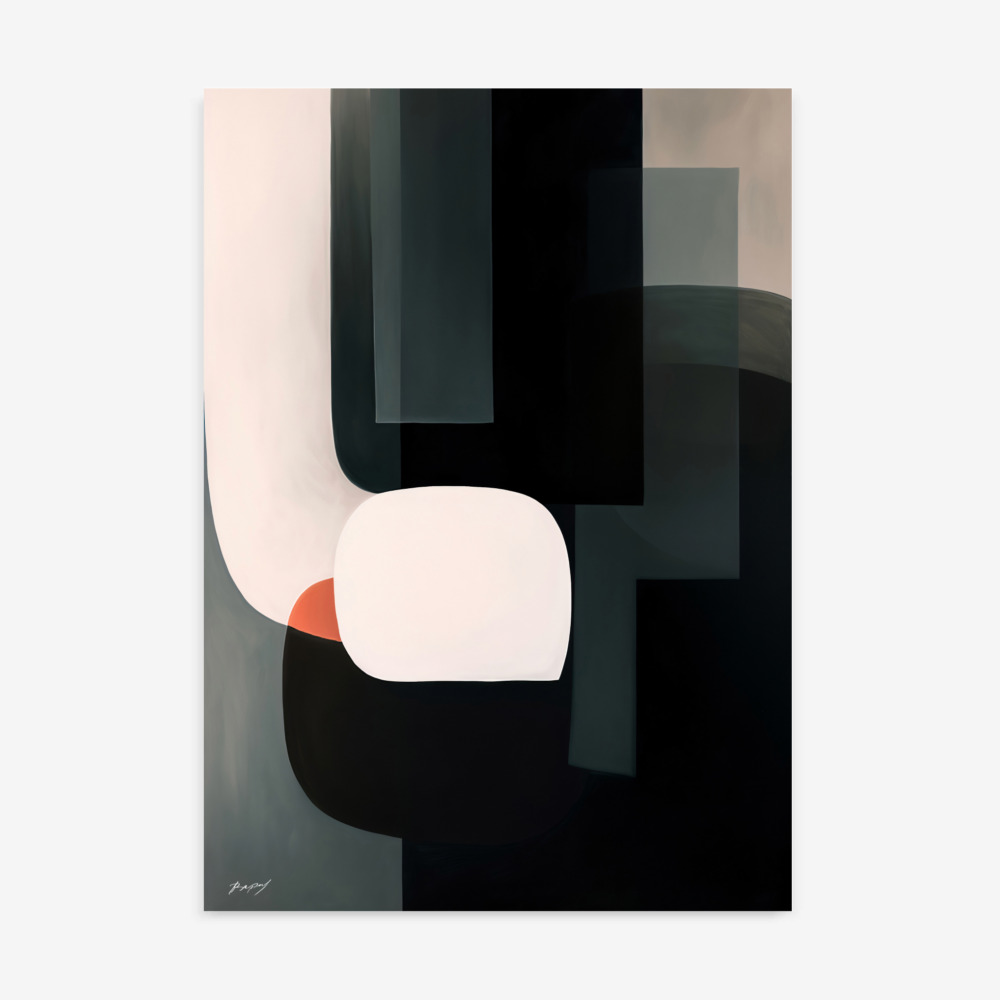
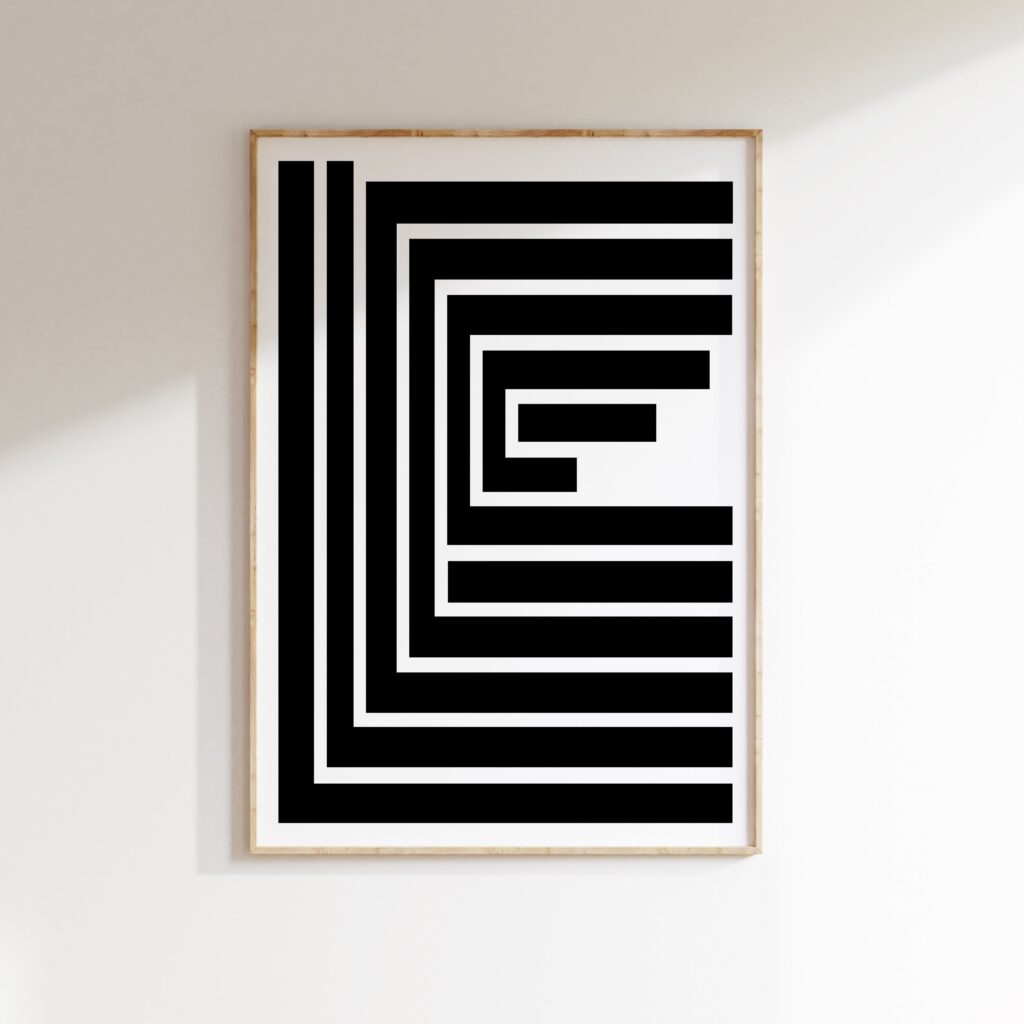
Look at the dominant lines in your furniture. If you have a lot of sharp-edged furniture, a piece with softer curves can provide a nice contrast. Conversely, if your room feels too “soft,” a structured grid-style print can add necessary definition and order.
Yes. While it is a staple of modern design, it can act as a “refresh” for traditional spaces. Choosing a geometric piece in a classic color palette—like navy and gold or cream and charcoal—helps bridge the gap between vintage and modern styles.
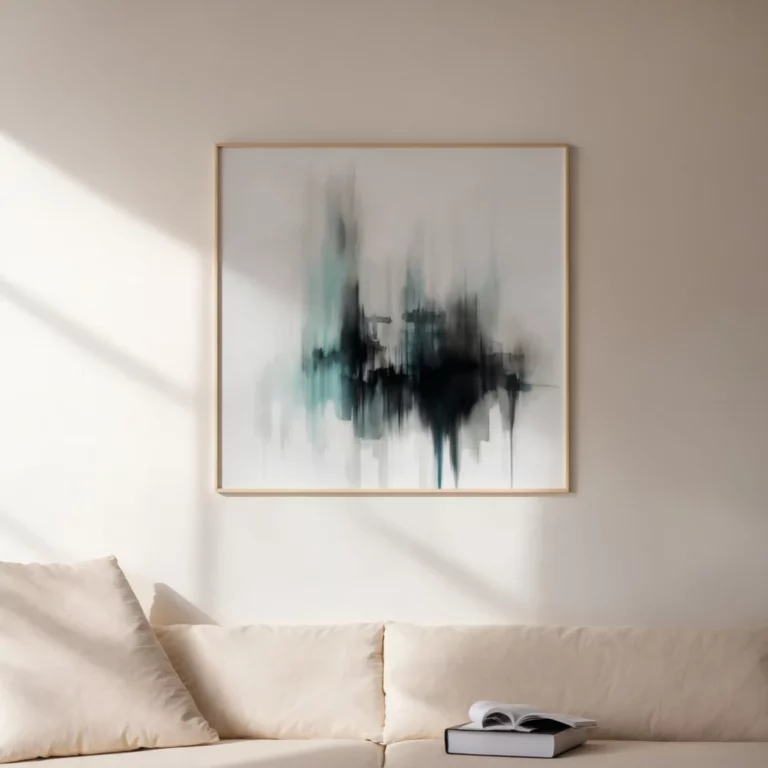
For a high-impact look, high-contrast monochrome is best. For a calming environment like a bedroom, look for “analogous” colors—those that sit next to each other on the color wheel—such as various shades of blue or warm earthy tones.
Large pieces are best hung on focal walls, such as above a sofa, a sideboard, or a bed. Because they are often symmetrical, they look best when centered with the furniture below them to maintain the visual sense of stability.
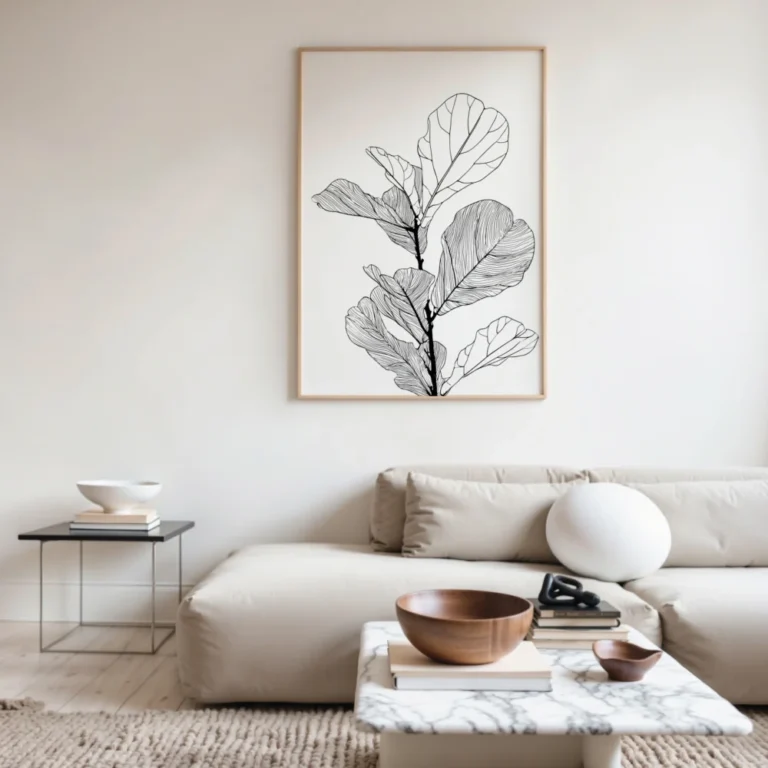
Absolutely. It pairs exceptionally well with botanical sketches or fine art photography. The key is to keep a consistent color story or framing style so the different genres feel like they belong to the same curated collection.
Canvas is excellent for a textured, modern look and eliminates the glare of glass, which is ideal for bright rooms. Fine art prints offer a more traditional, “clinical” precision that some people prefer for very sharp, mathematical designs.
Art Collections