Limited Time: 20% Off All Prints
Free worldwide shipping on orders over $69
Delivery 4-12 business days
Home / Art Print Collections / wabi sabi painting
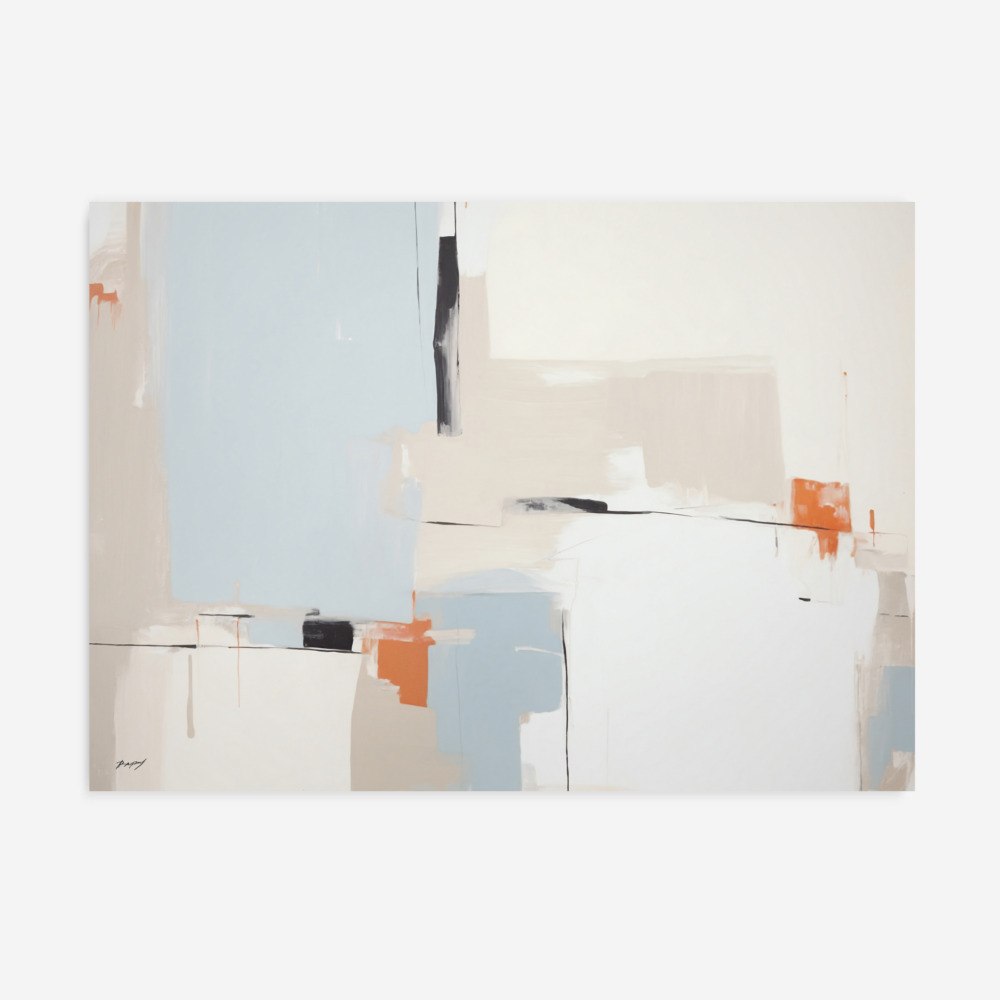
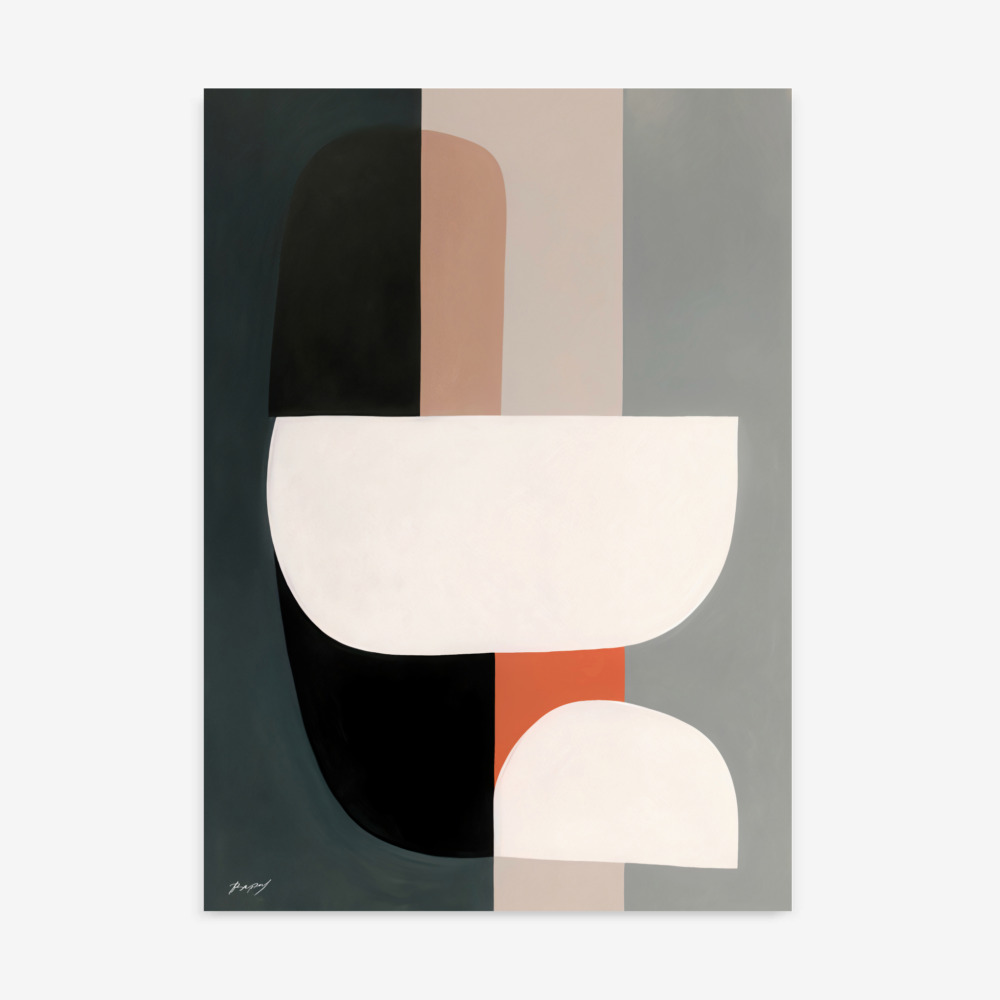
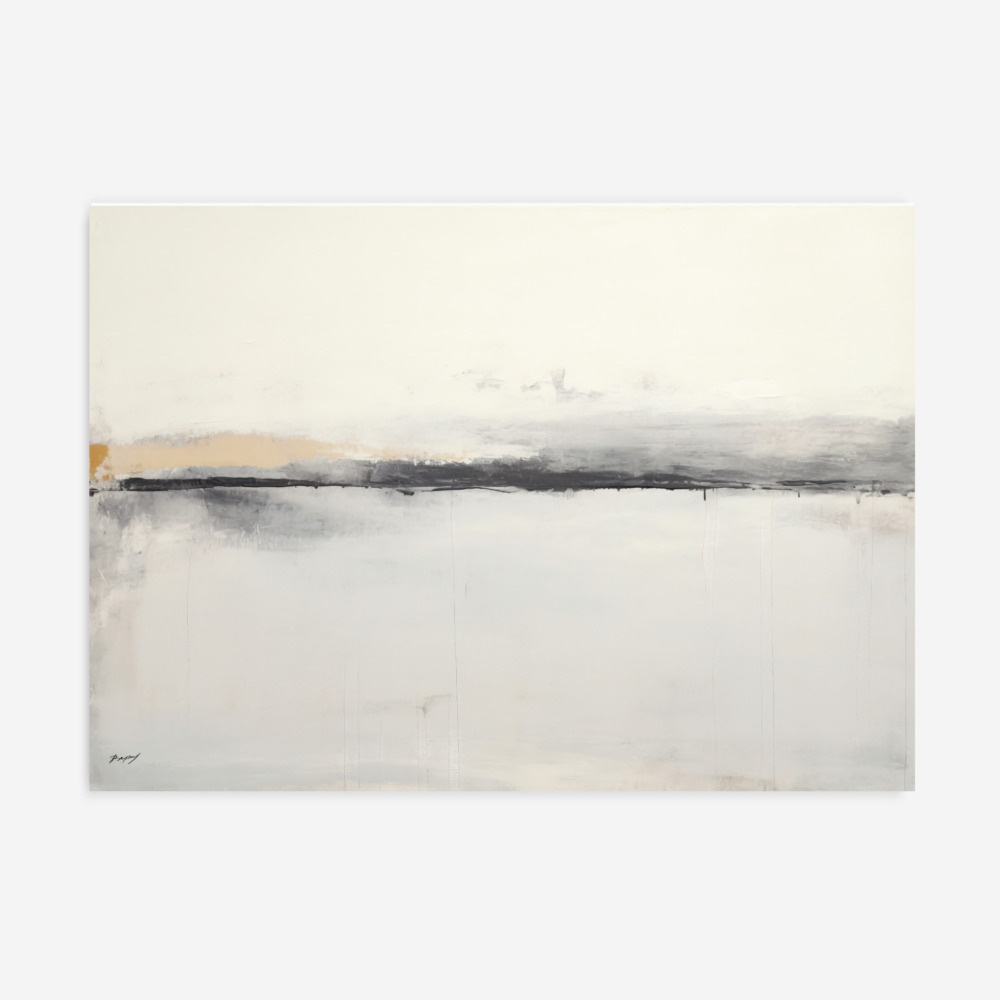
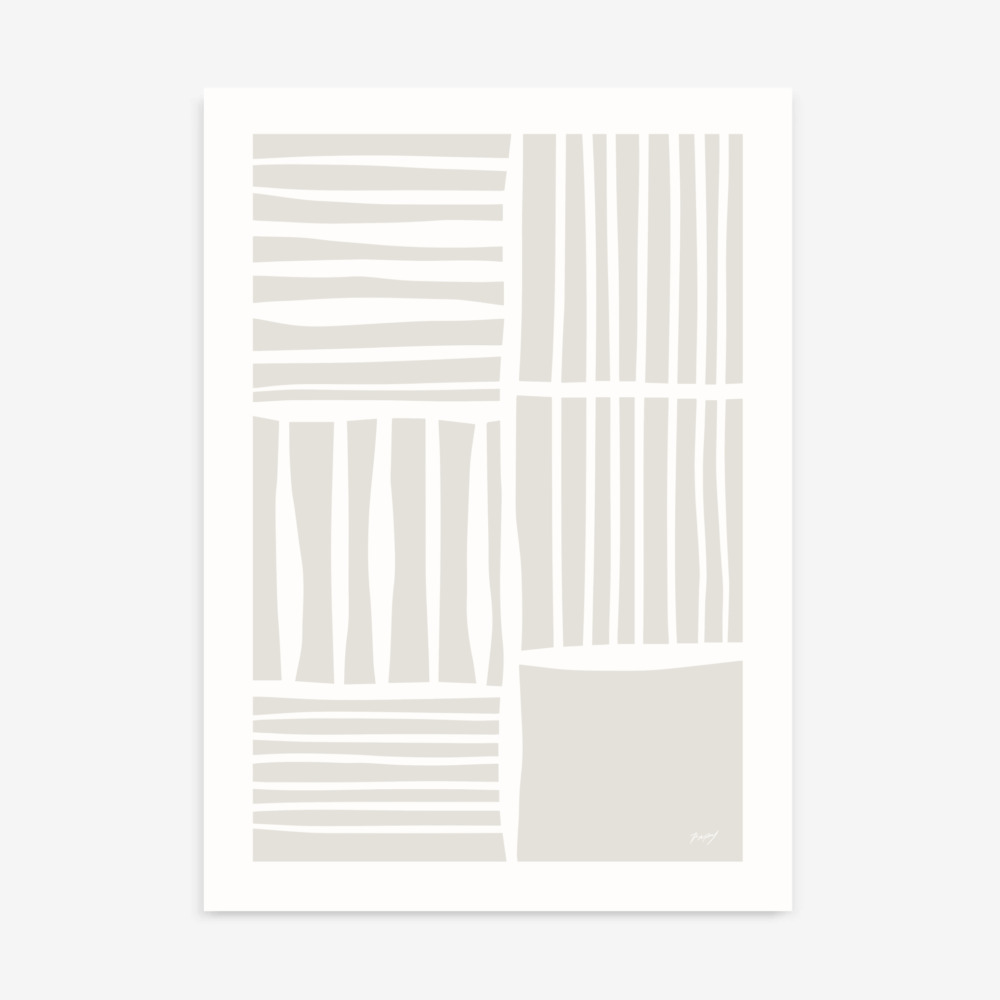
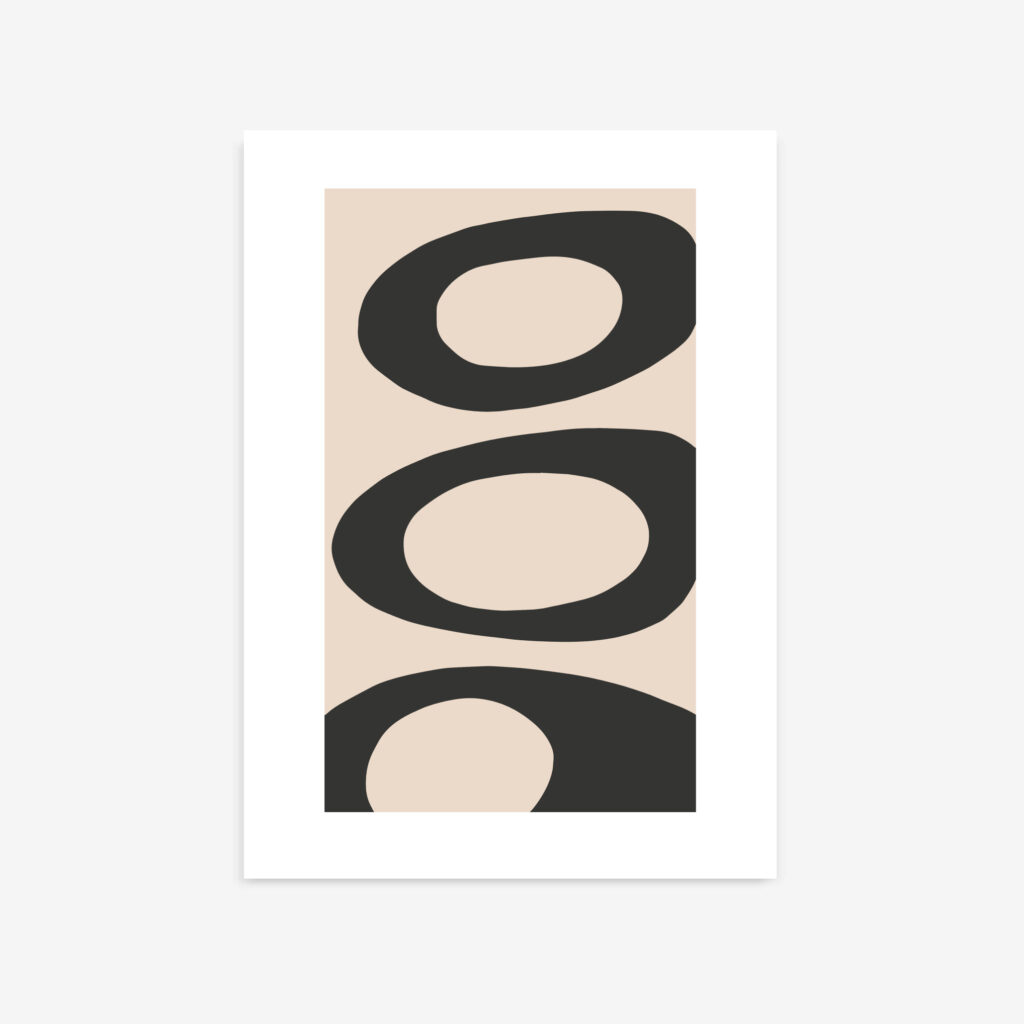
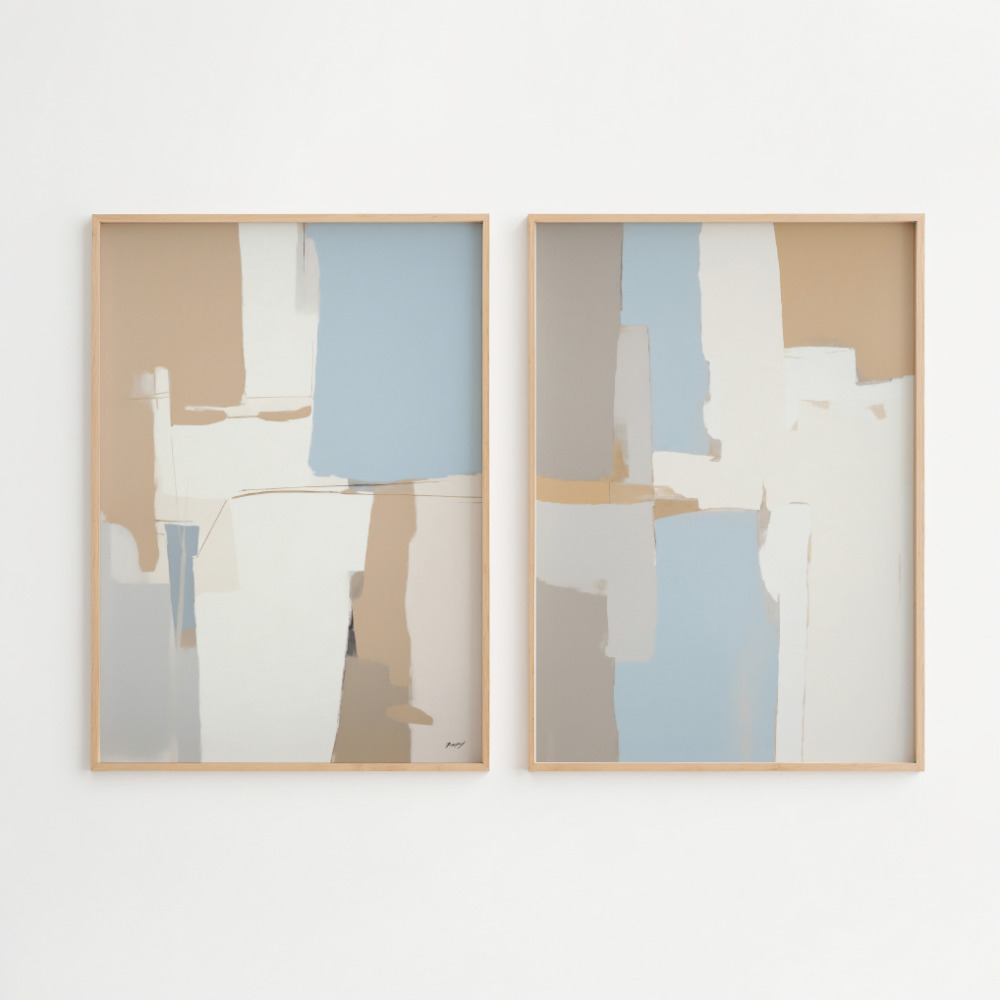
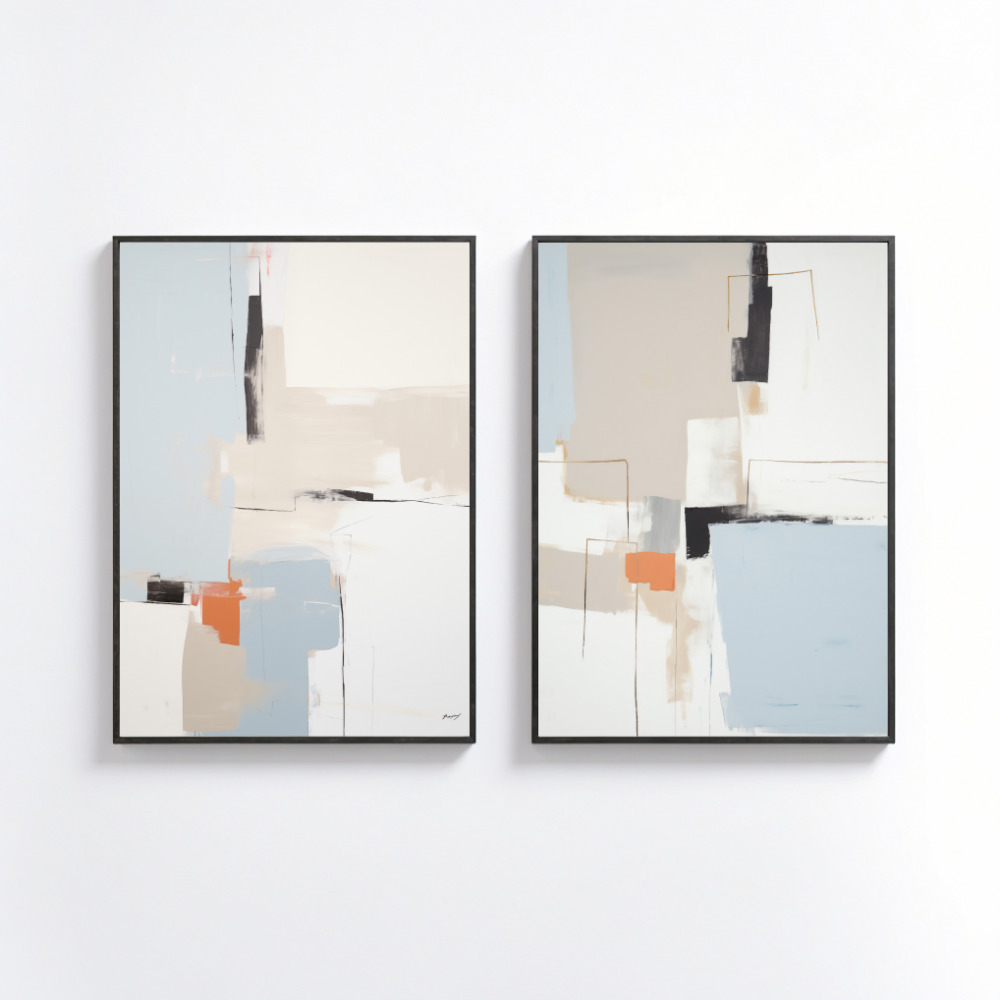
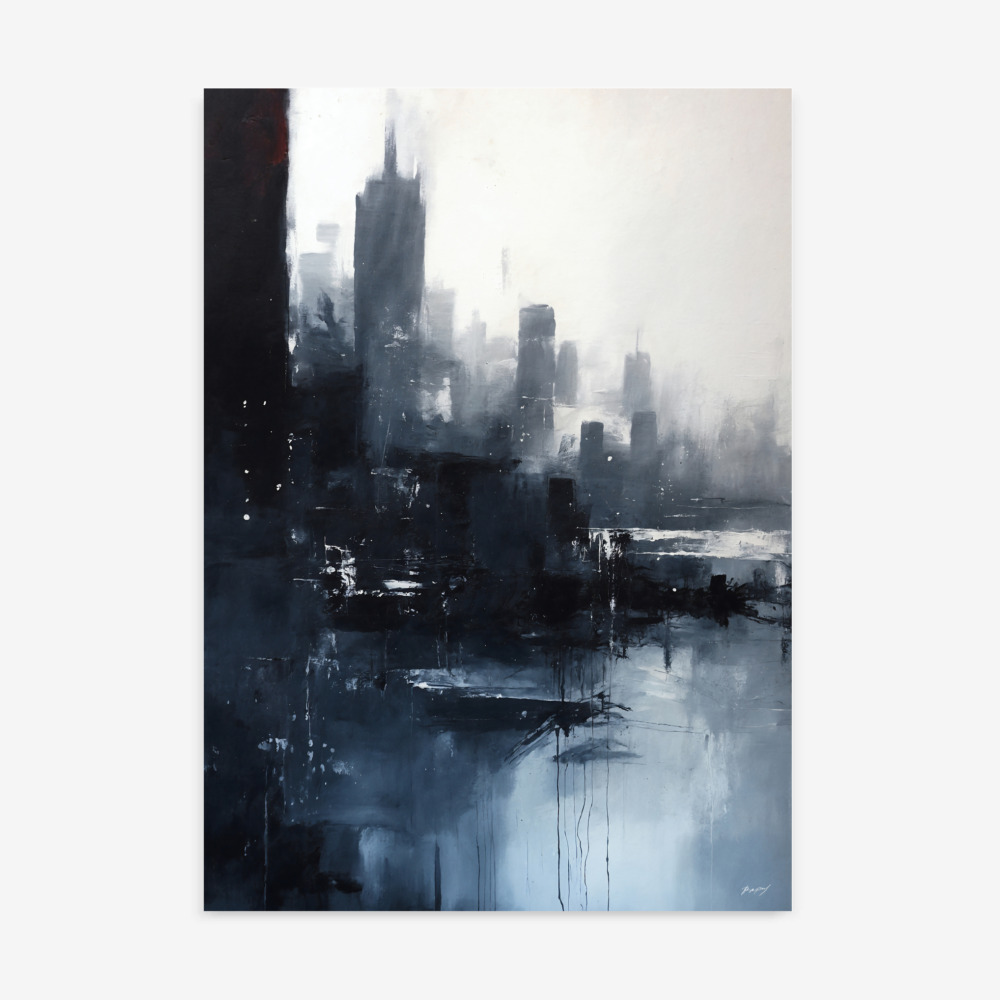
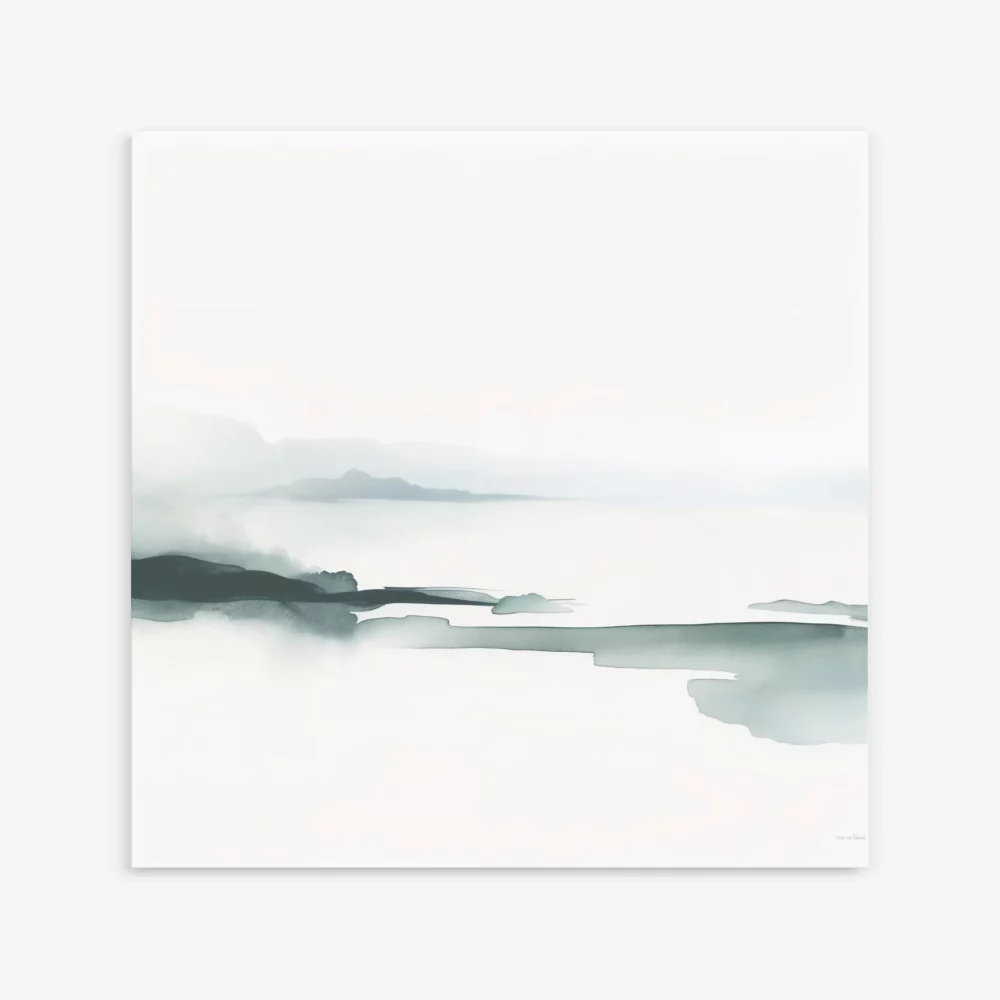
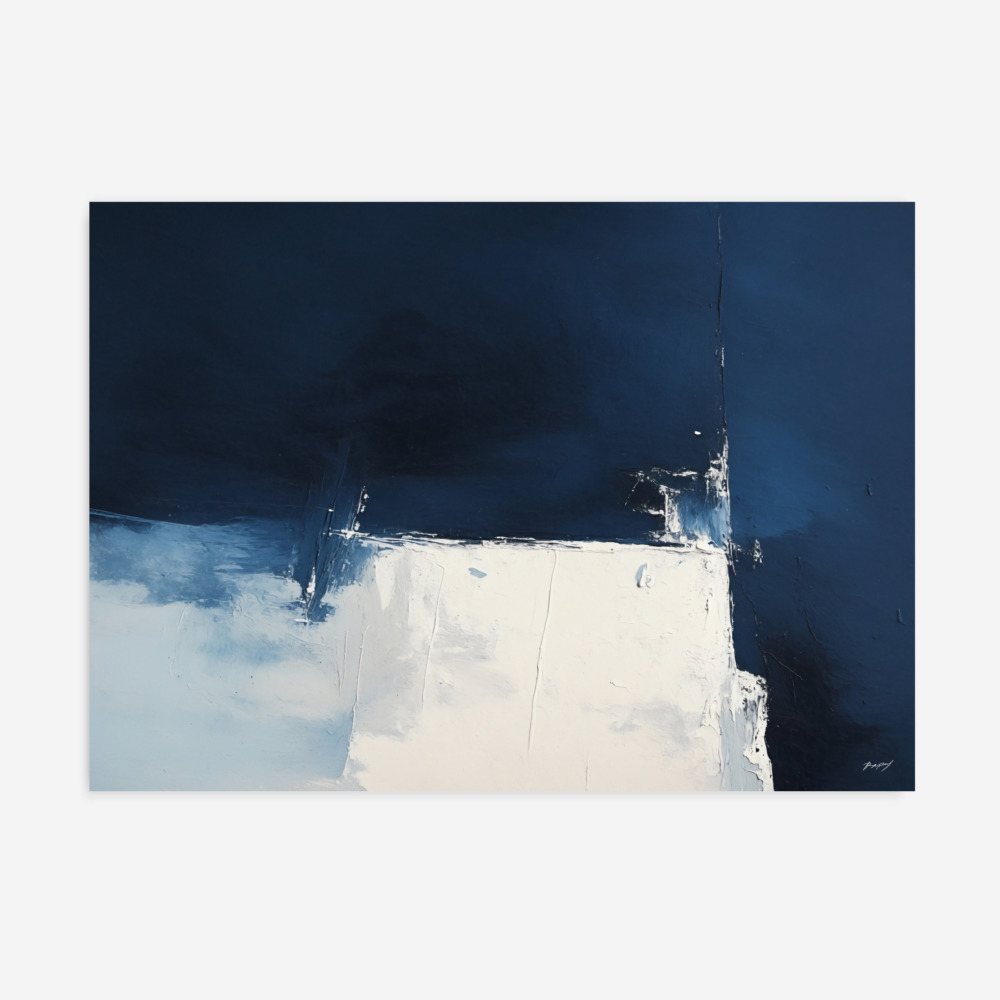
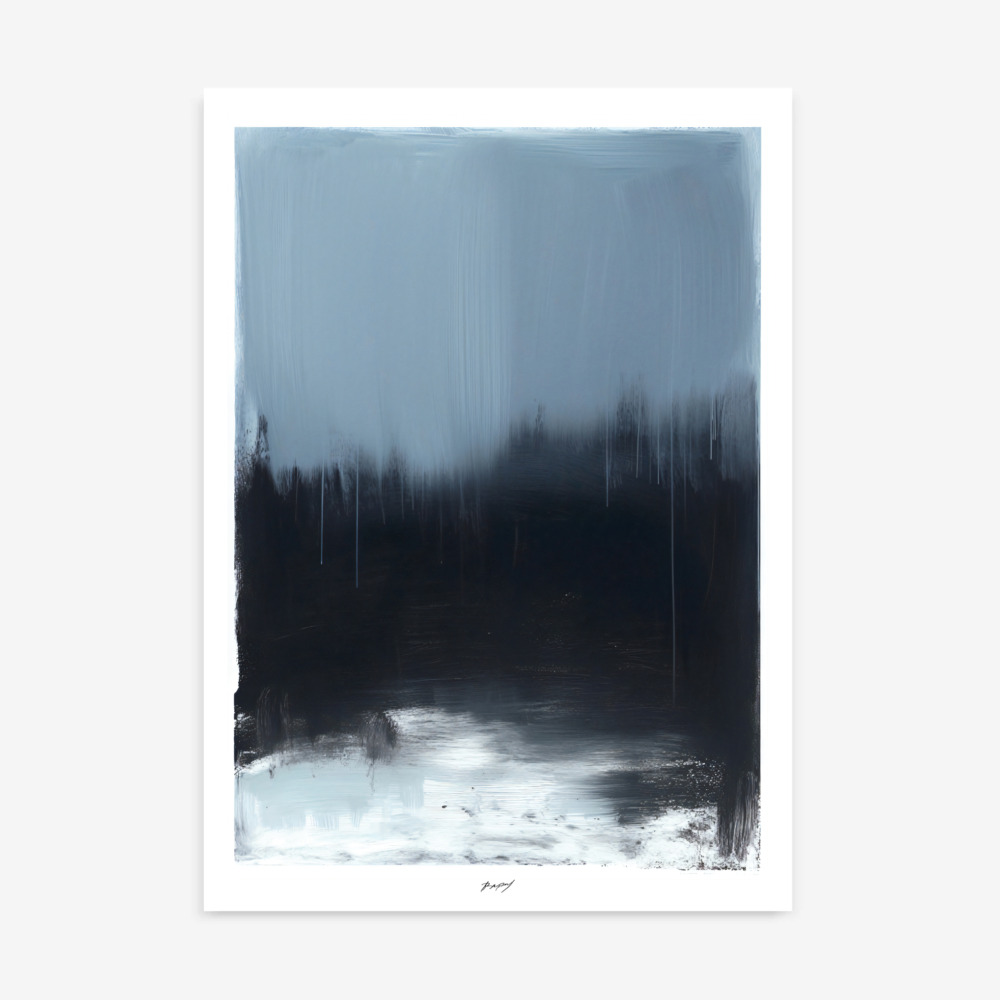
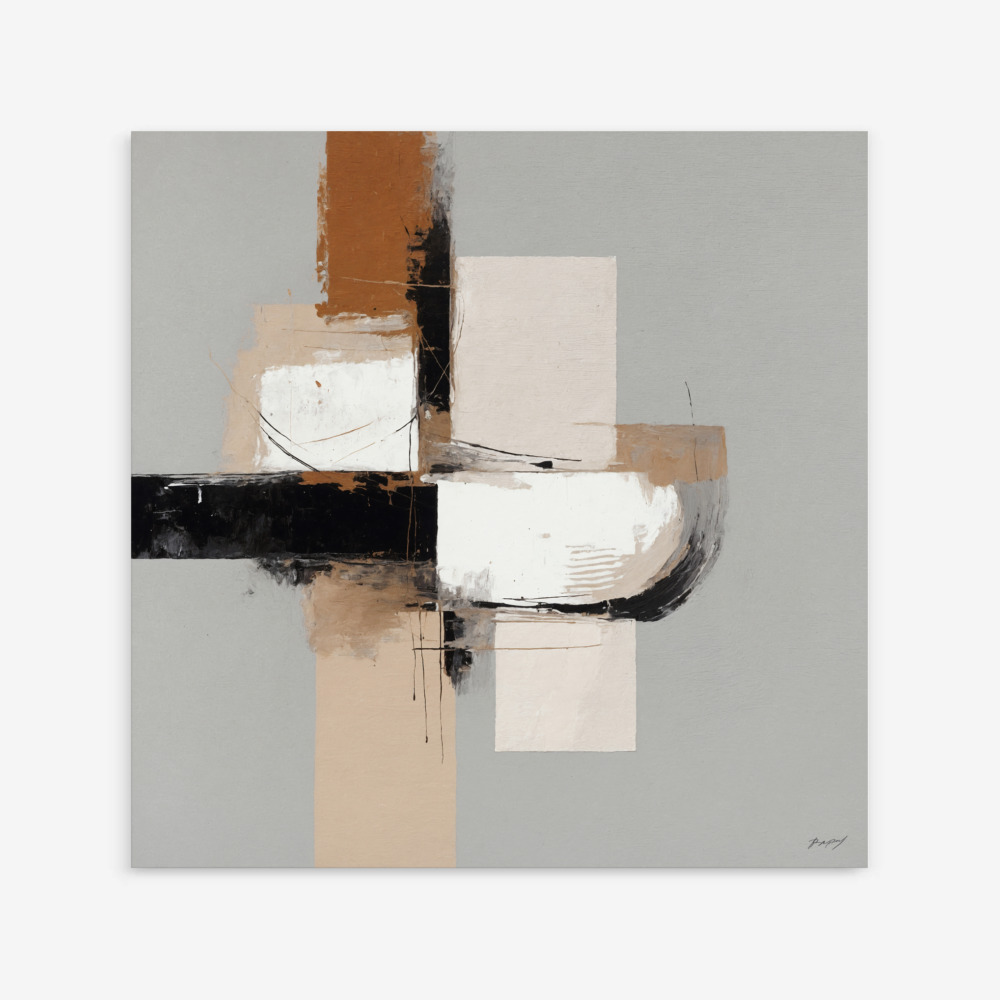
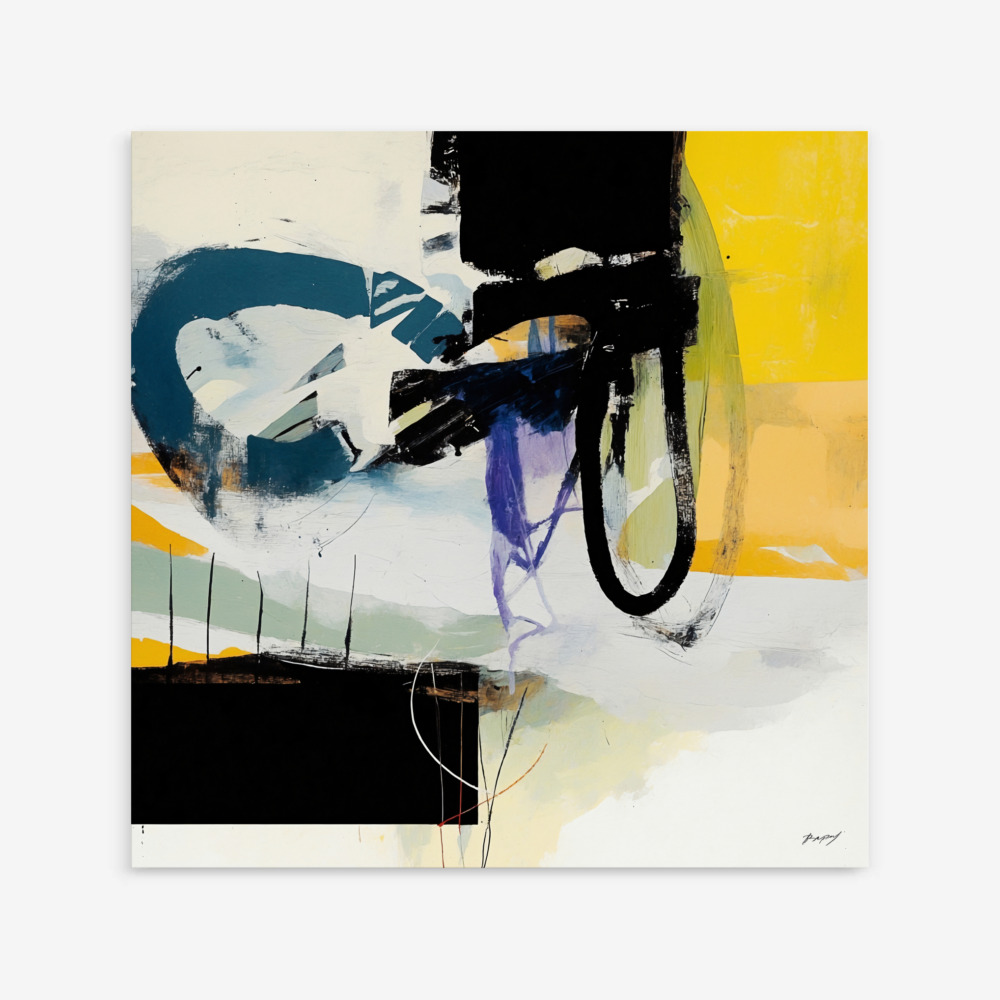
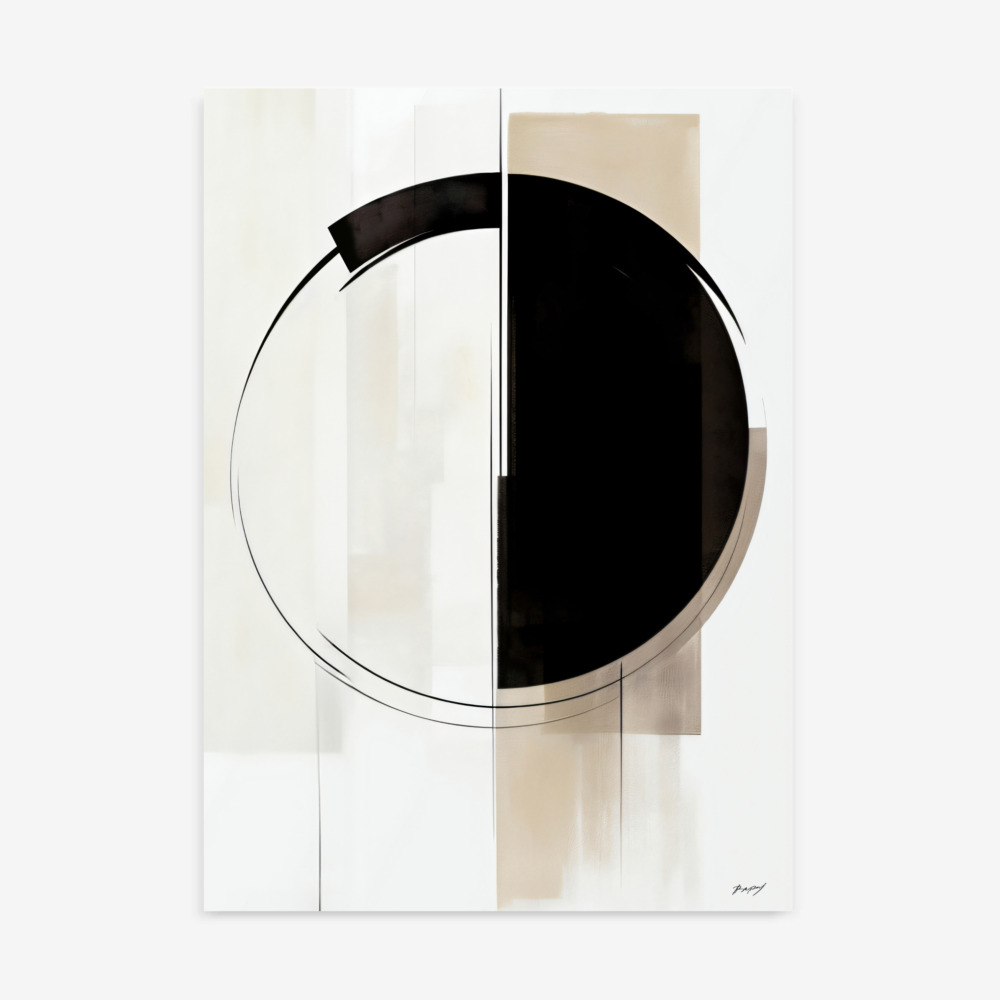
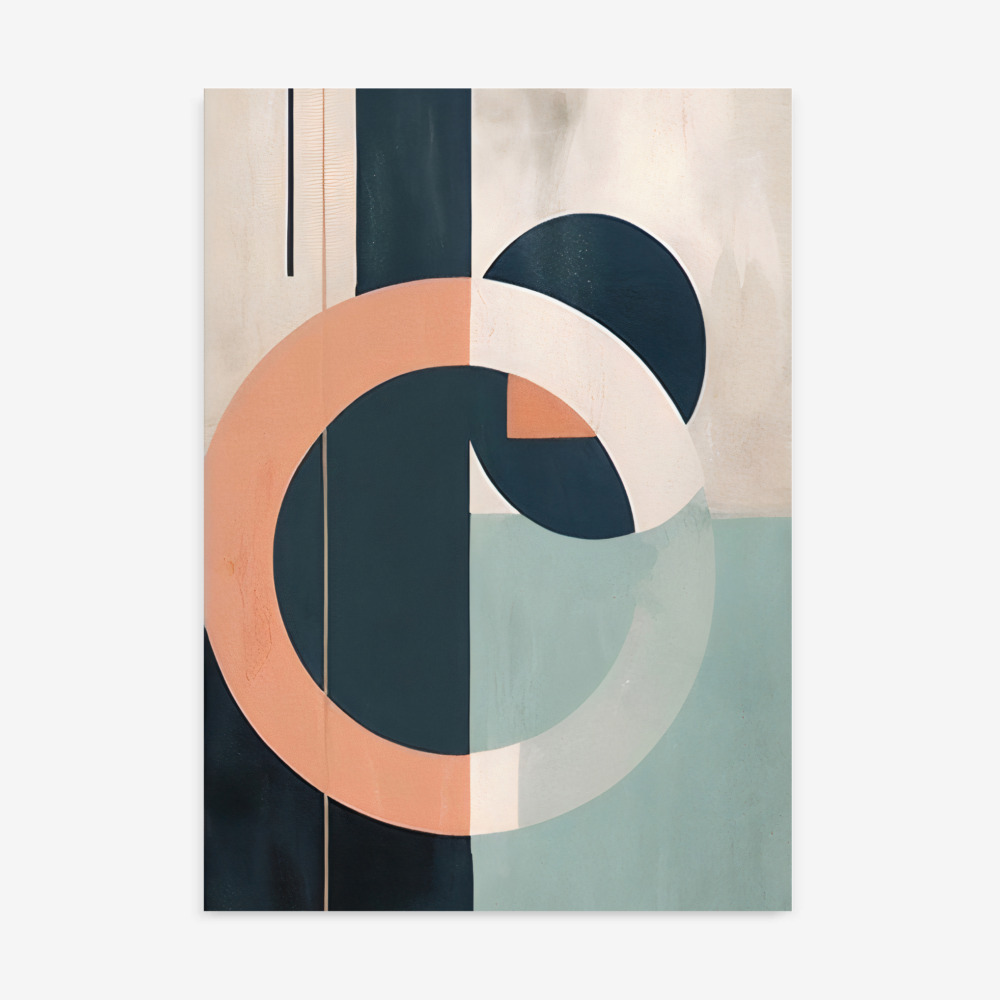
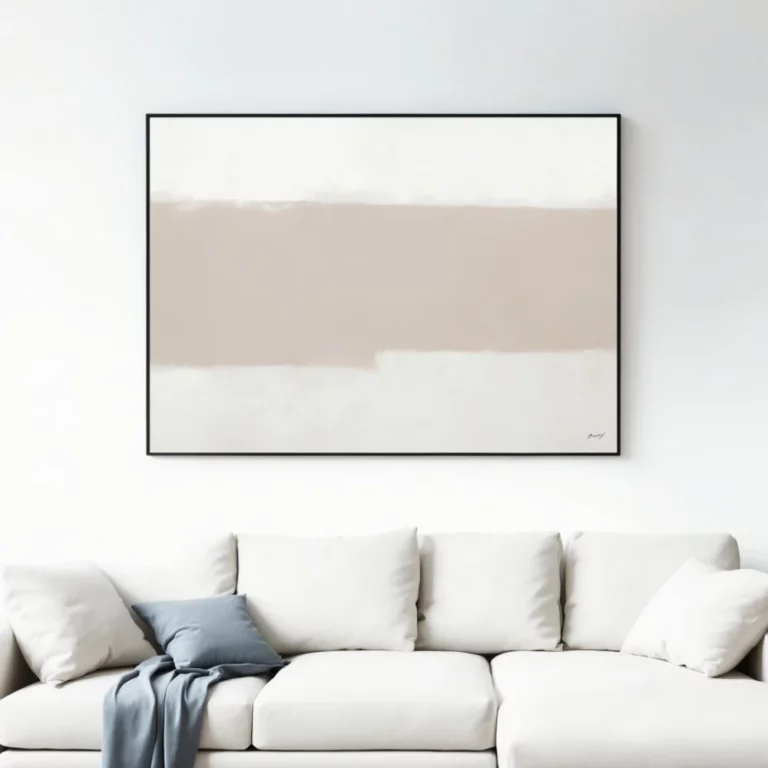
There is a quiet power in things that feel unfinished or weather-worn. Integrating wabi sabi wall art into your home is about more than just filling a wall; it is an invitation to embrace imperfection and simplicity. A Wabi Sabi painting prioritizes the raw, organic textures of the earth over clinical perfection, turning your living space into a sanctuary of mindful presence and grounded calm.
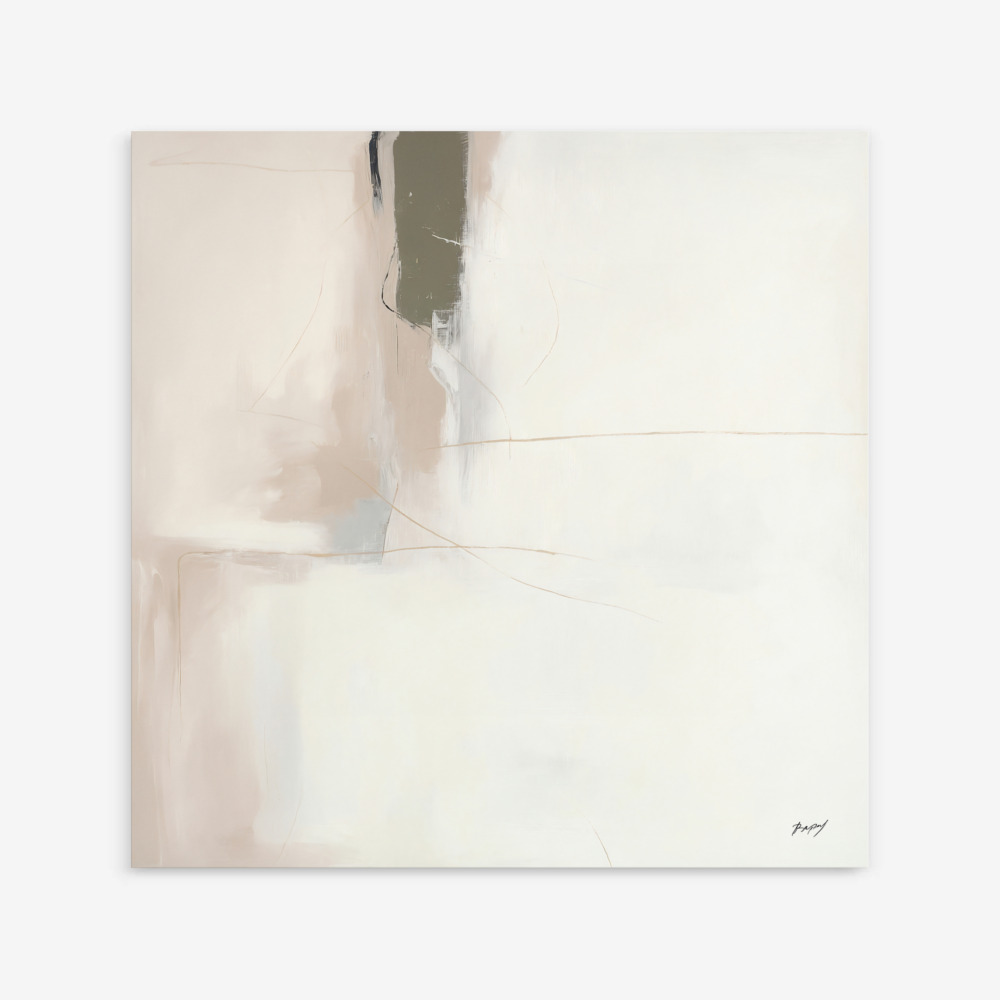
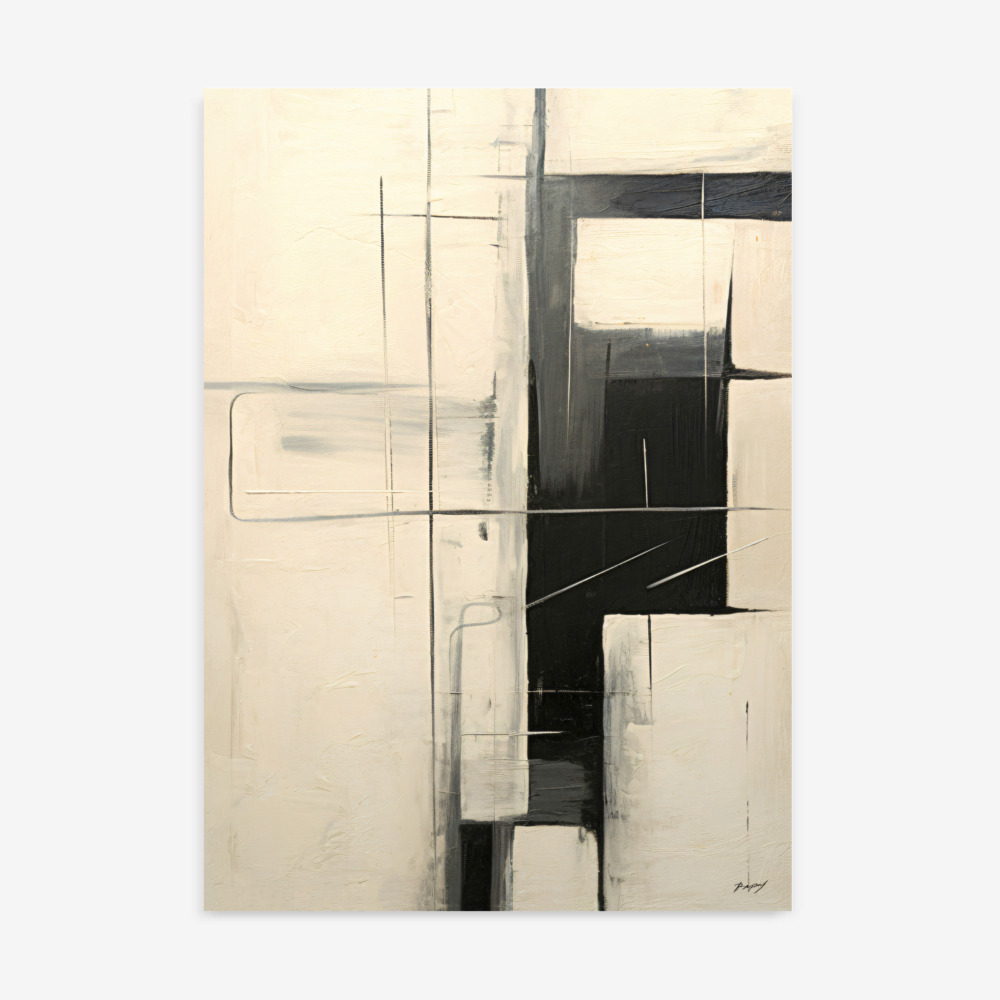
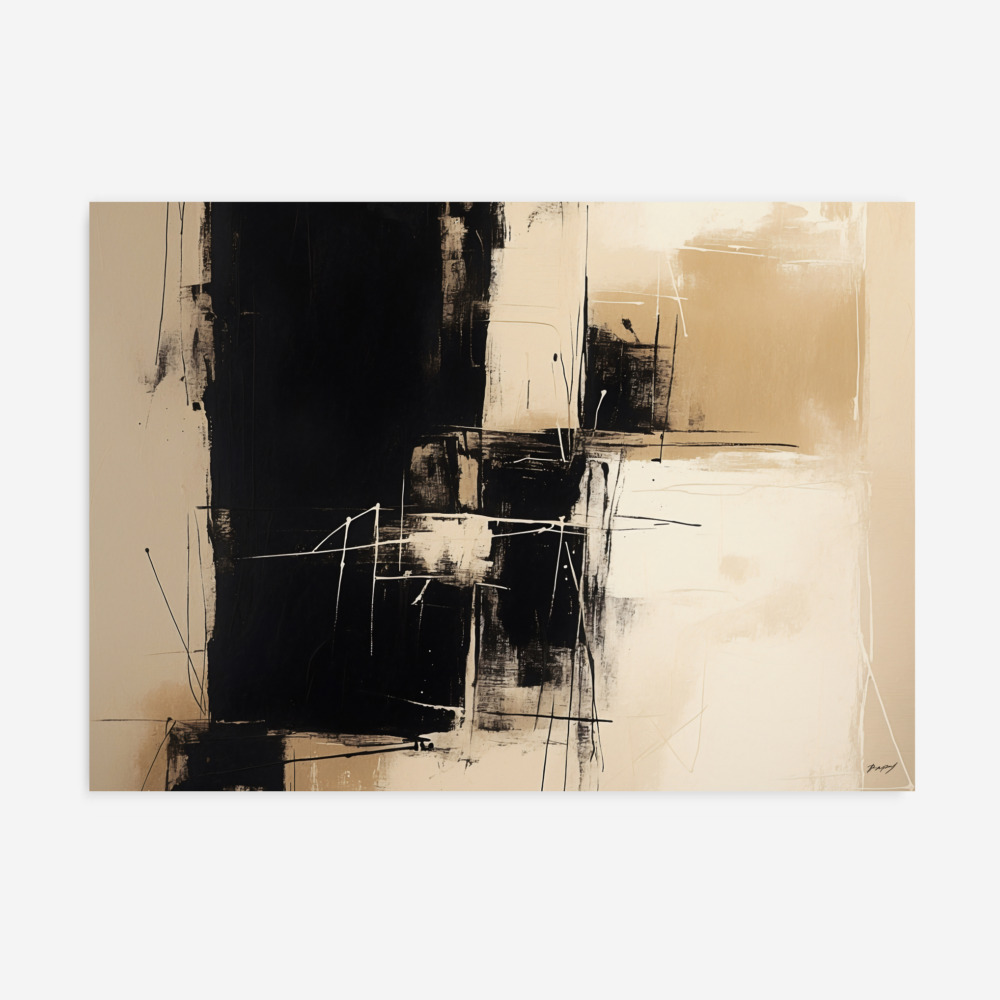
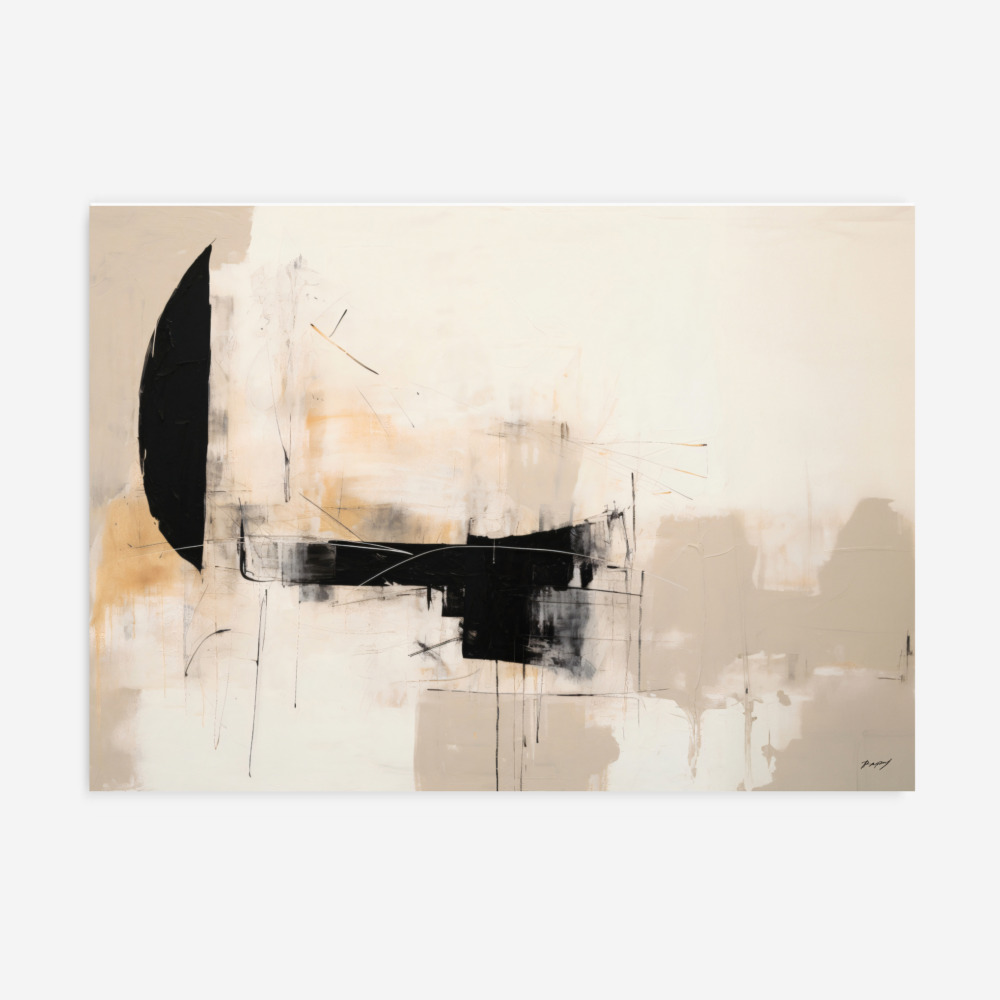
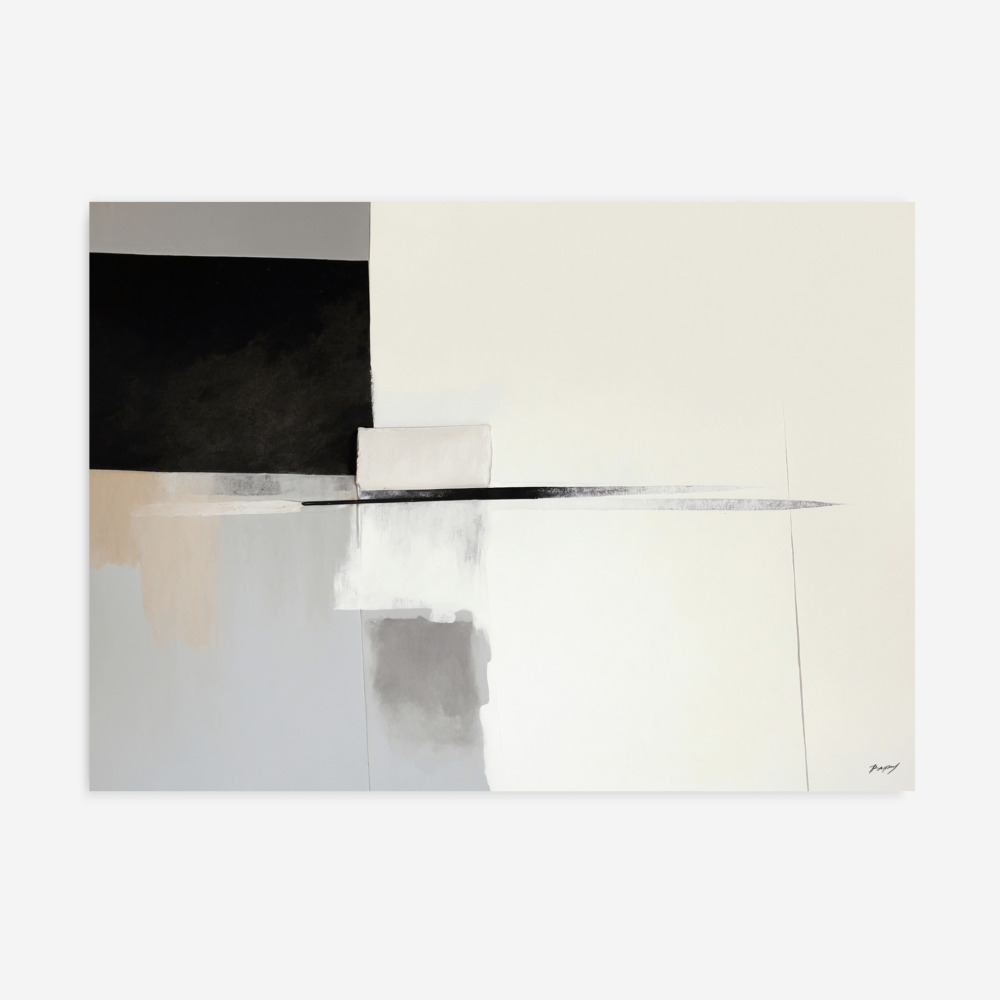
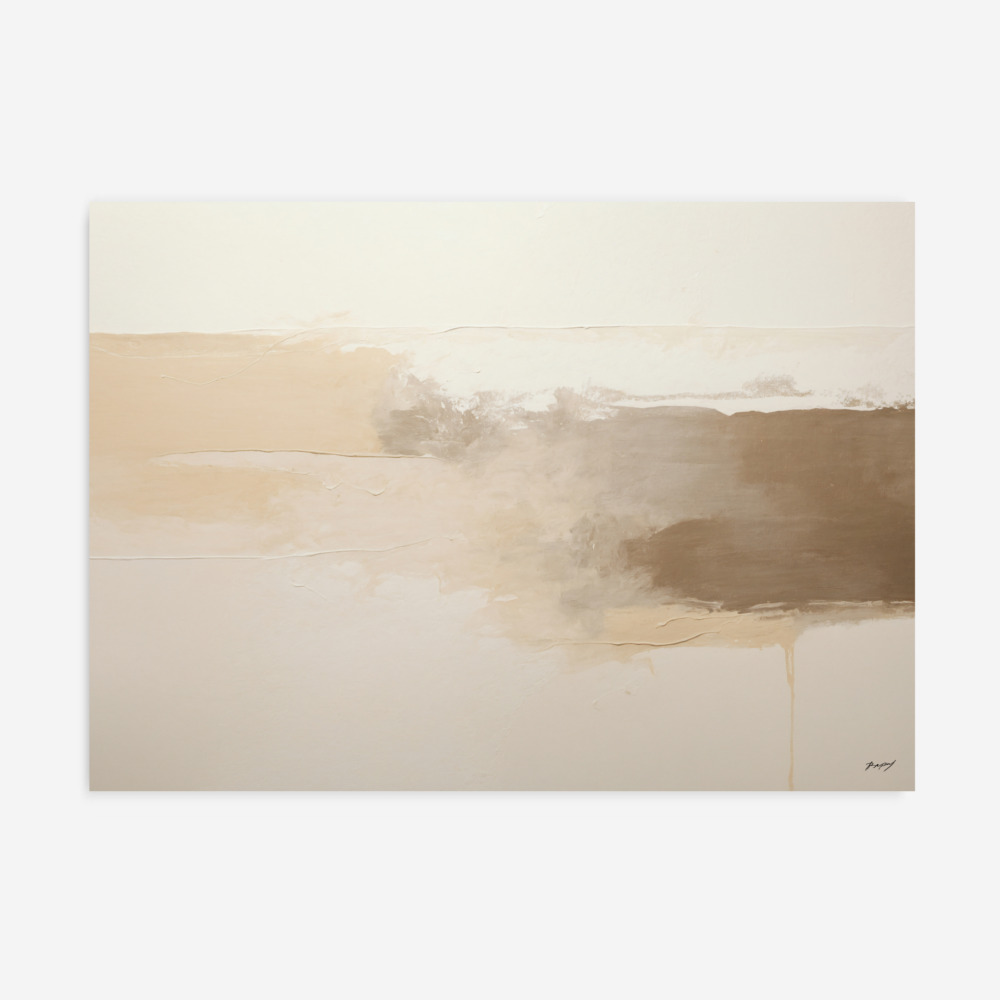
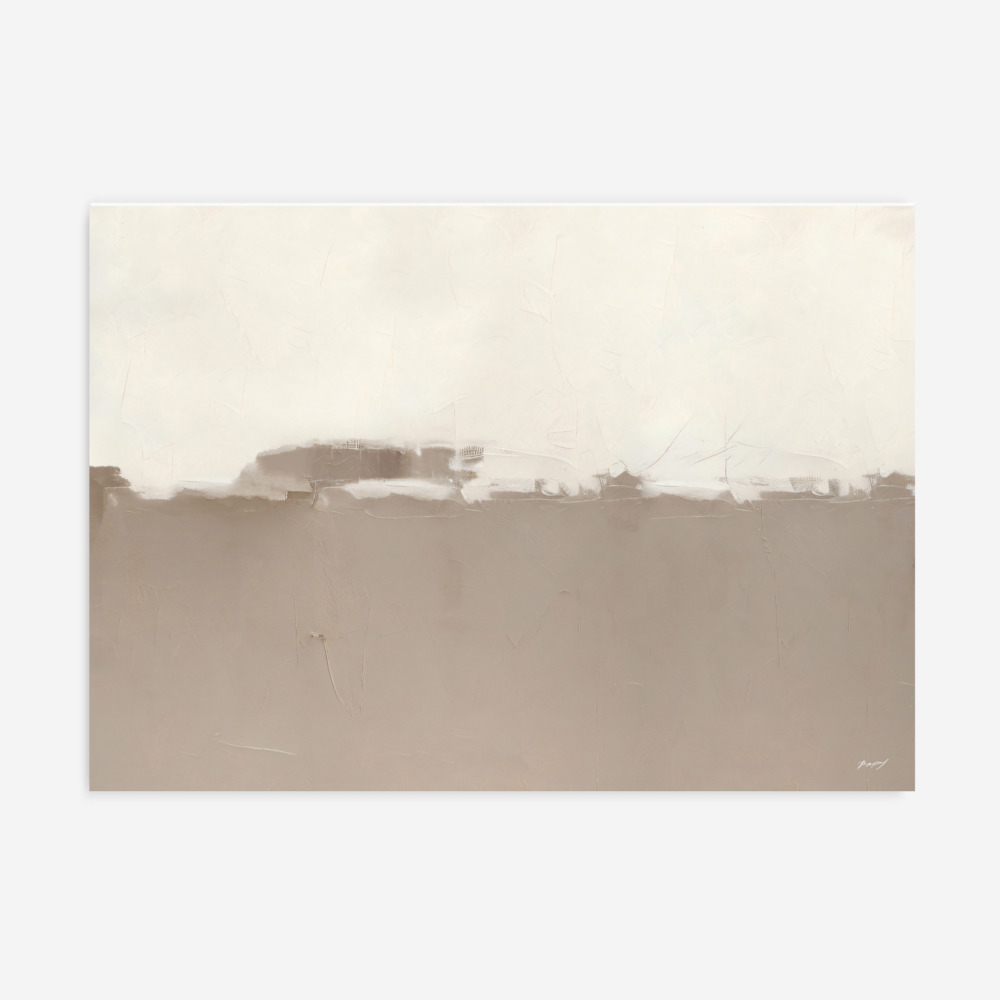
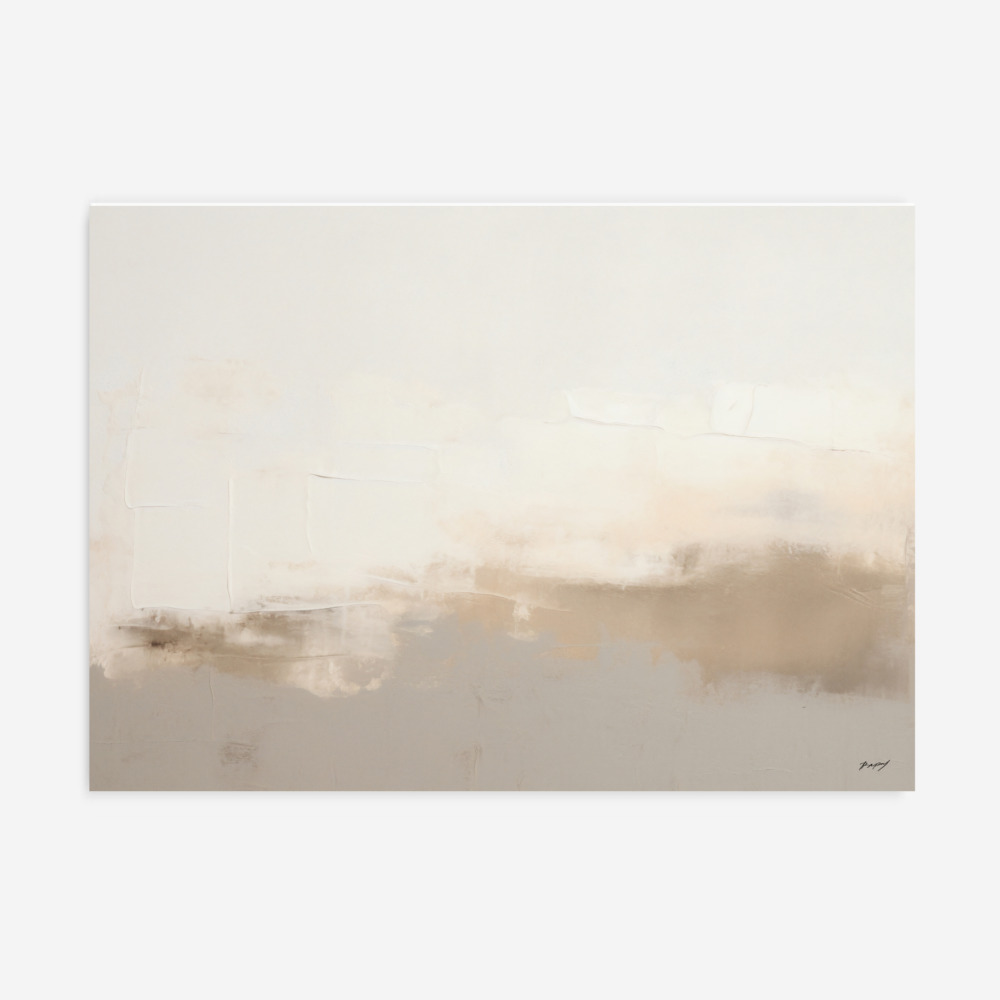
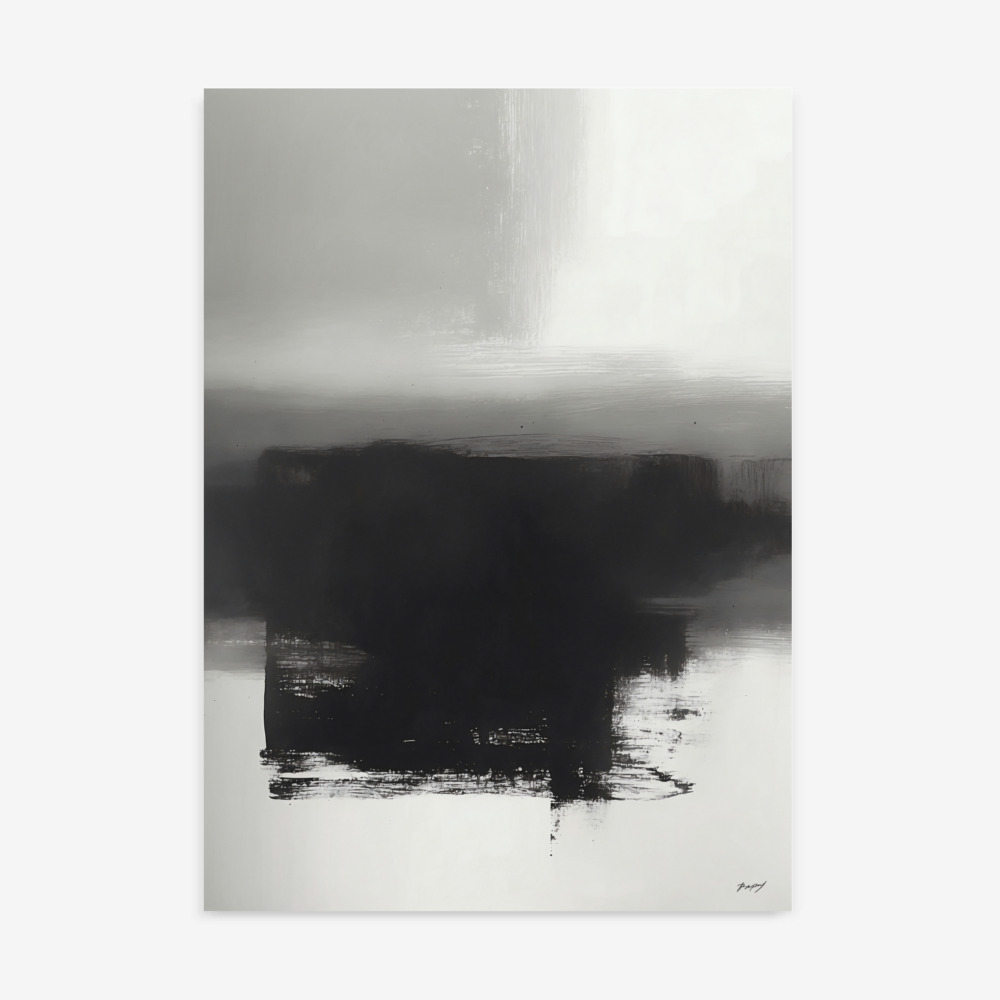
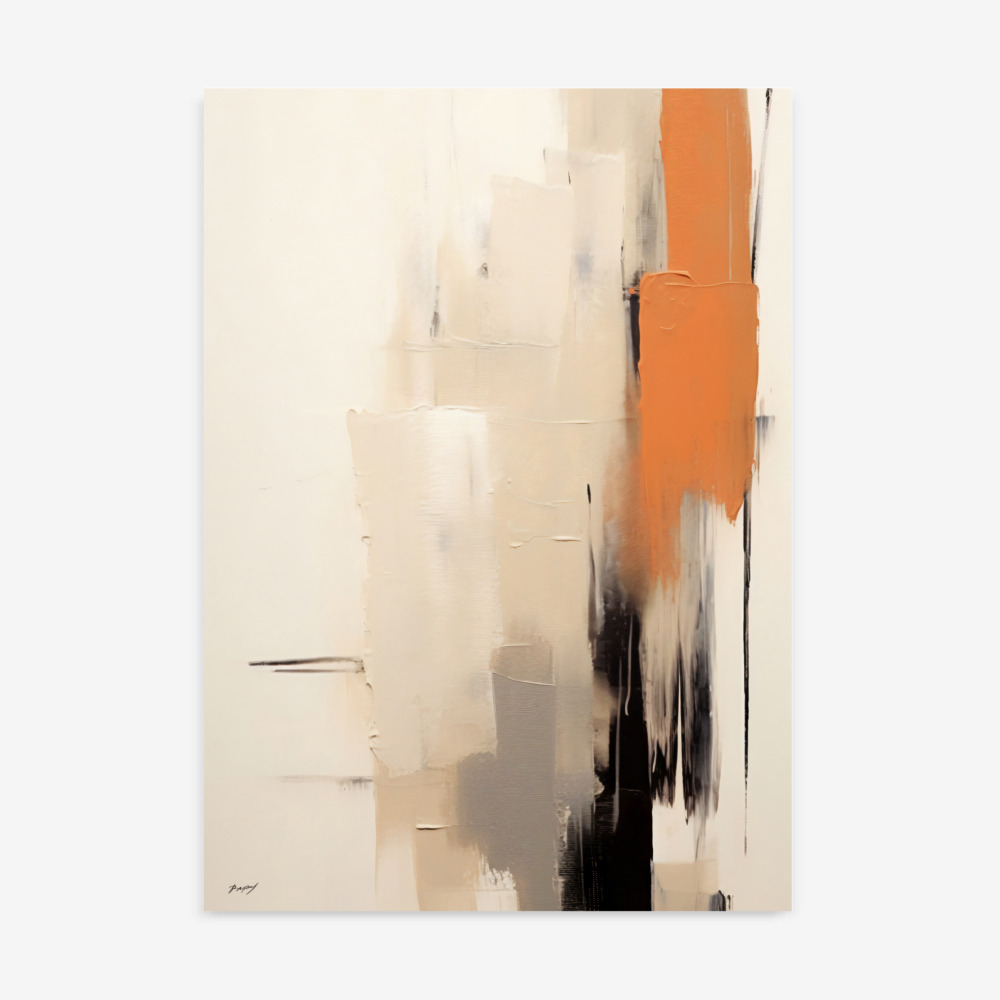
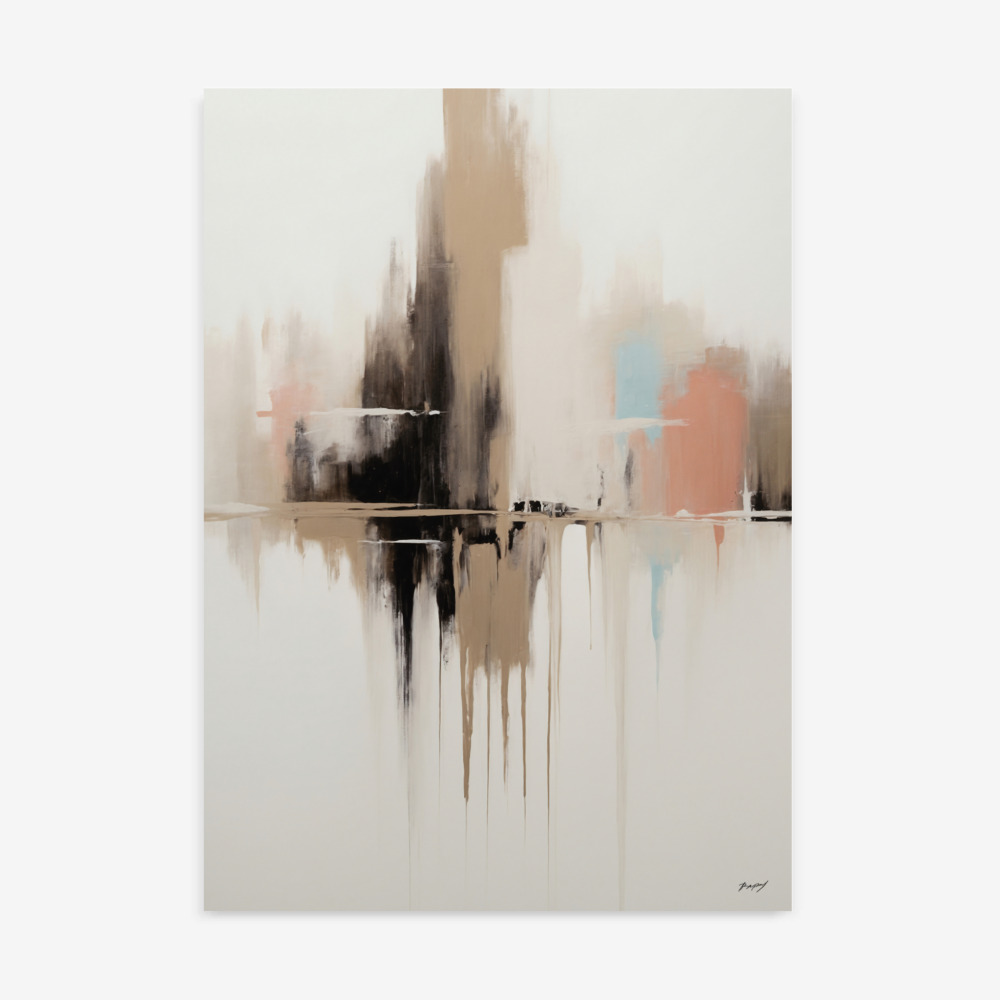
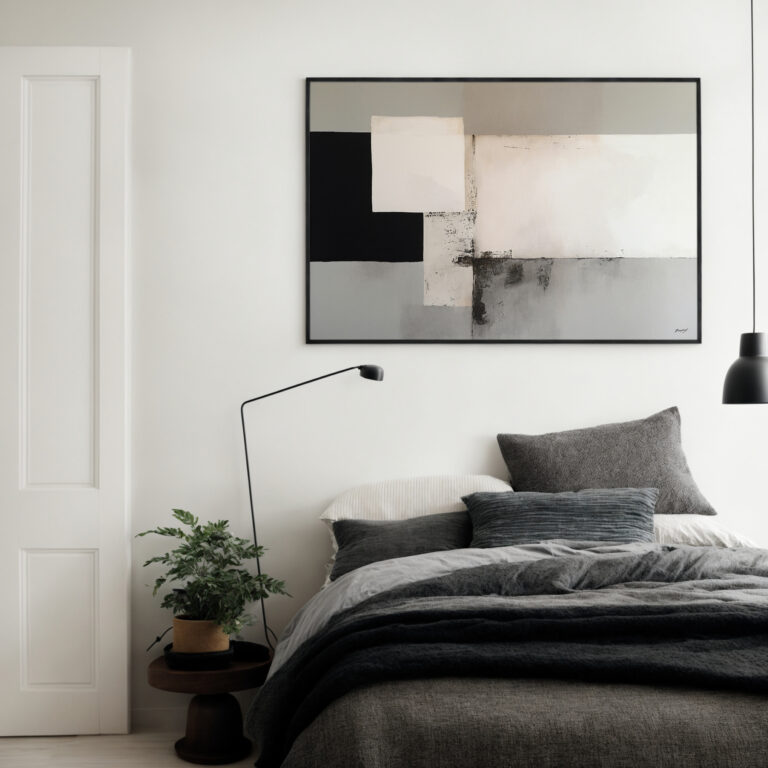
At its core, this philosophy celebrates the natural cycle of growth and decay. In art, this translates to a “less is more” approach that values the process as much as the result. These pieces often feature muted, earthy palettes—think stone grey, oatmeal, and charcoal—that allow the mind to settle. By removing the distraction of vibrant colors and sharp, artificial lines, the artwork becomes a resting point for the eyes, encouraging a slower pace of life.
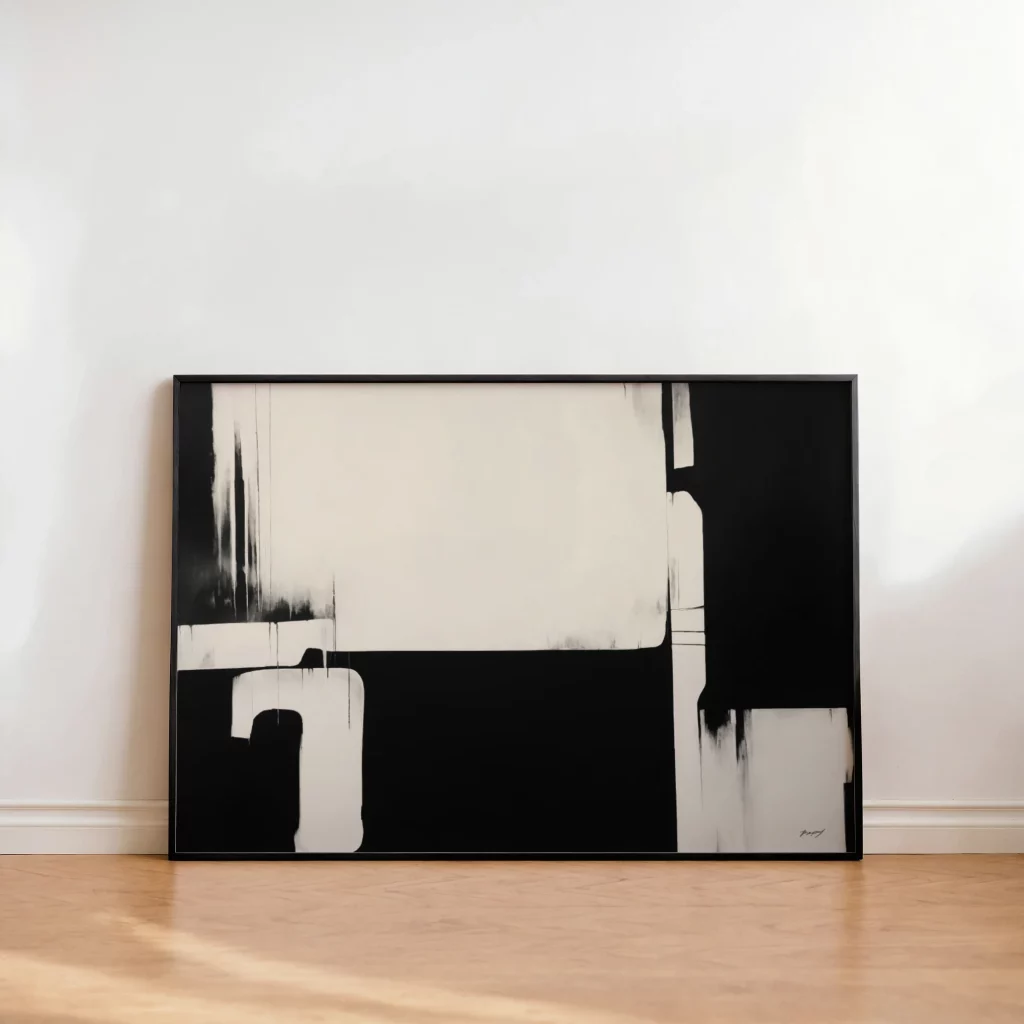
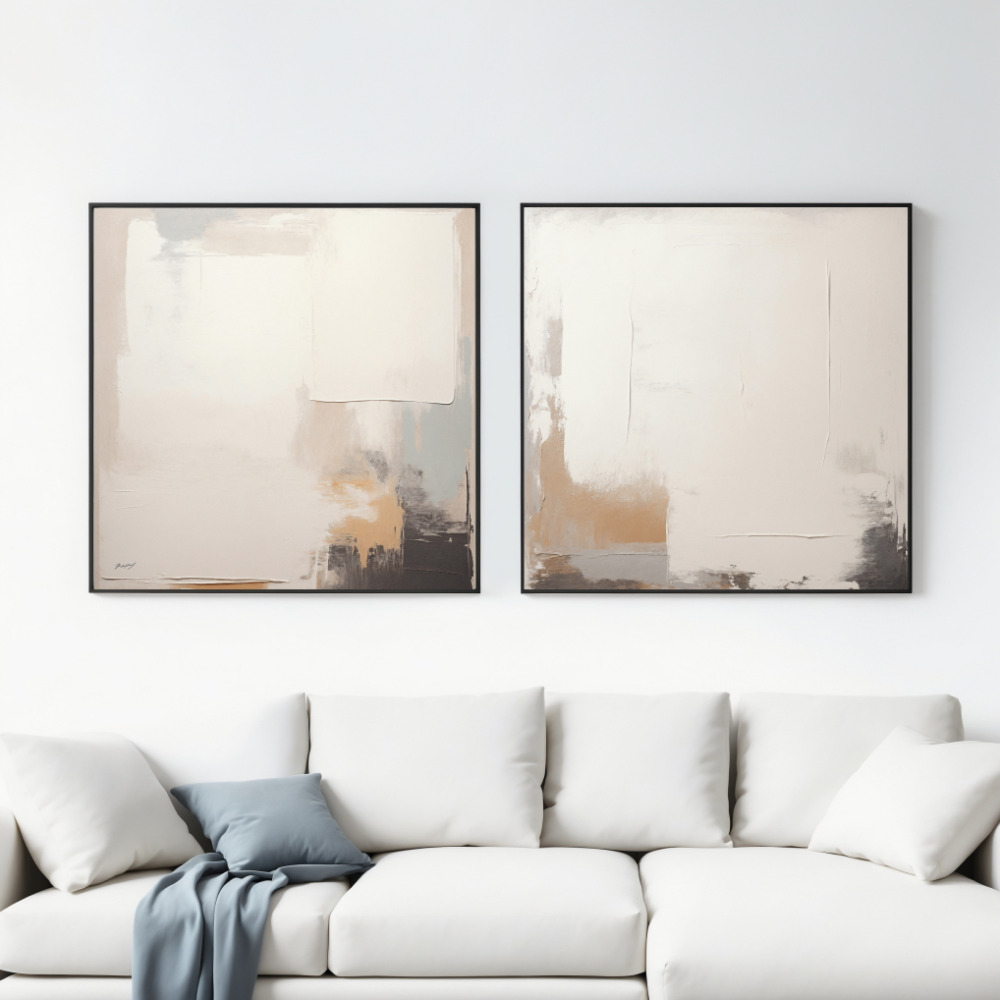
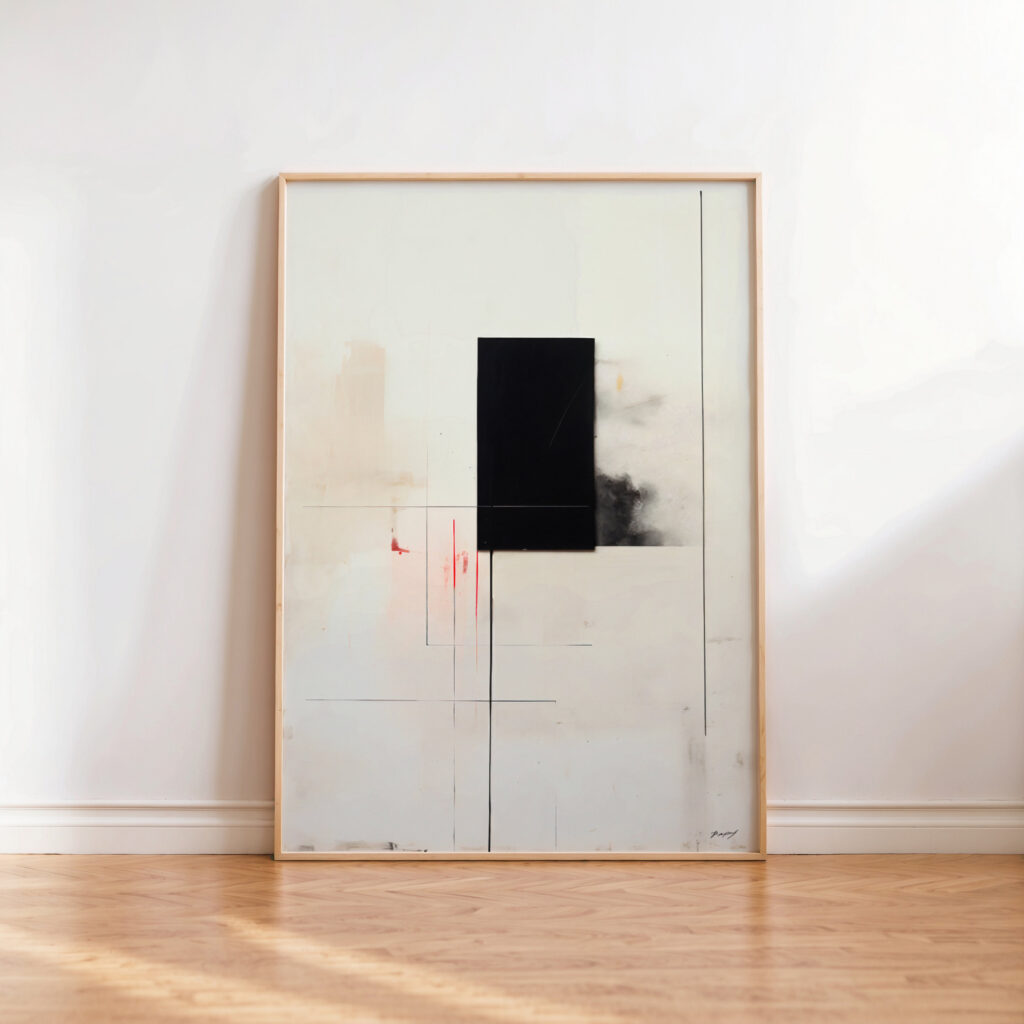
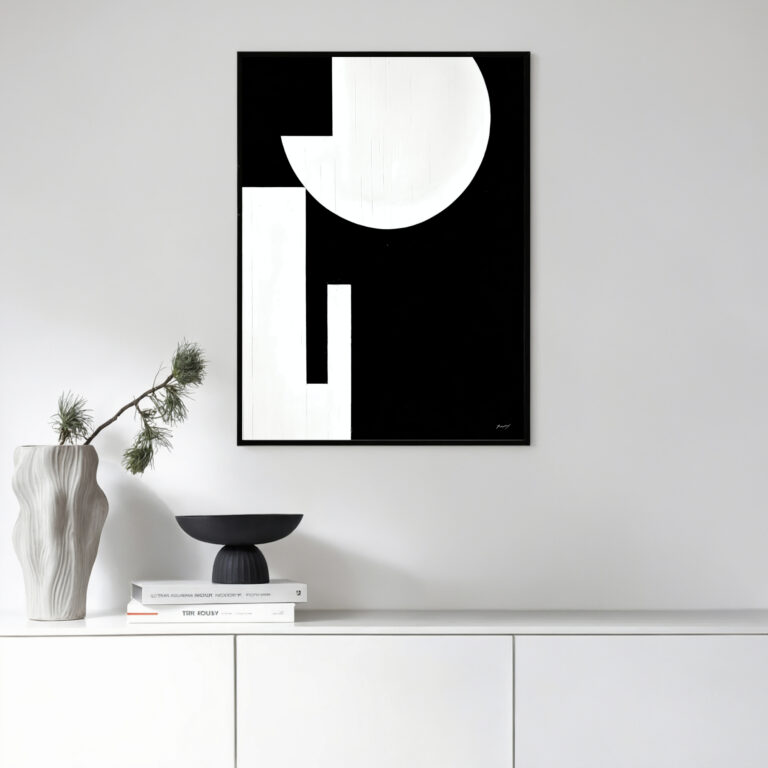
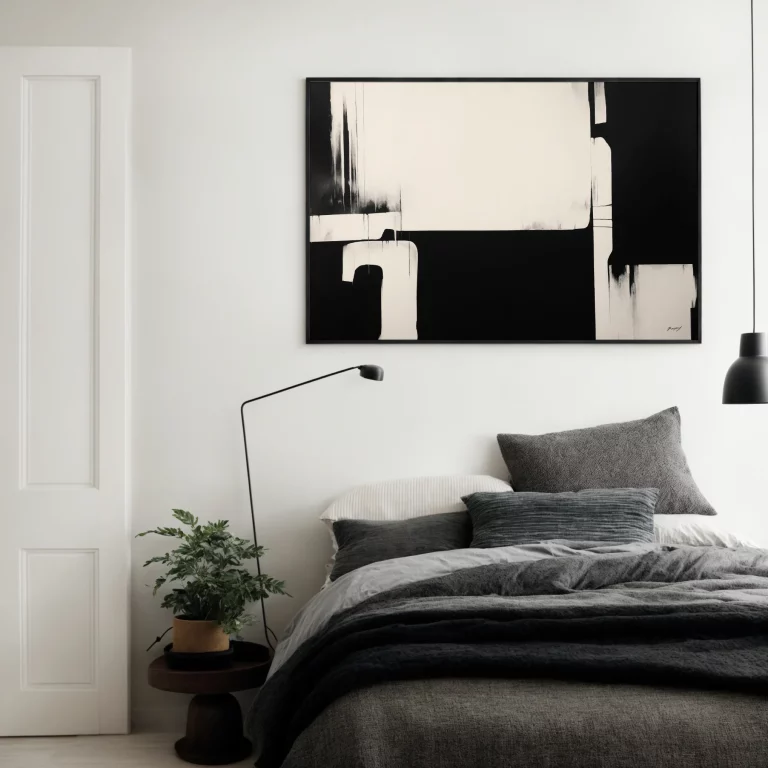
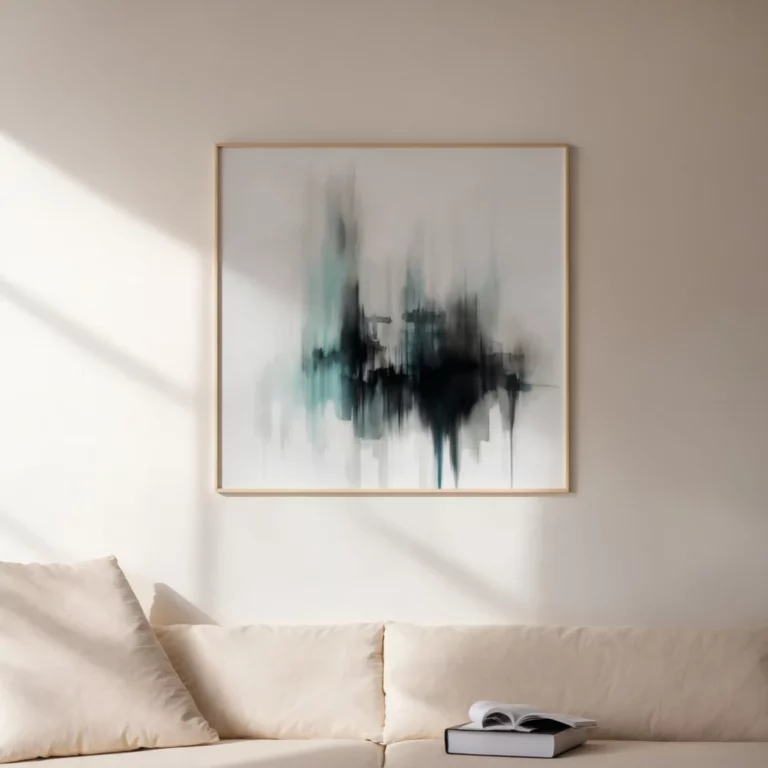
What sets this style apart is its focus on tactile depth and visual silence. Many japandi art prints utilize “negative space” and layered textures to suggest the passage of time. Whether it is a single gestural brushstroke that looks like wind-swept sand or a composition that resembles an old, weathered stone wall, the goal is to feel a connection to the material world. Choosing canvas wall art for these designs is particularly effective, as the fabric weave adds an extra layer of organic authenticity to the image.
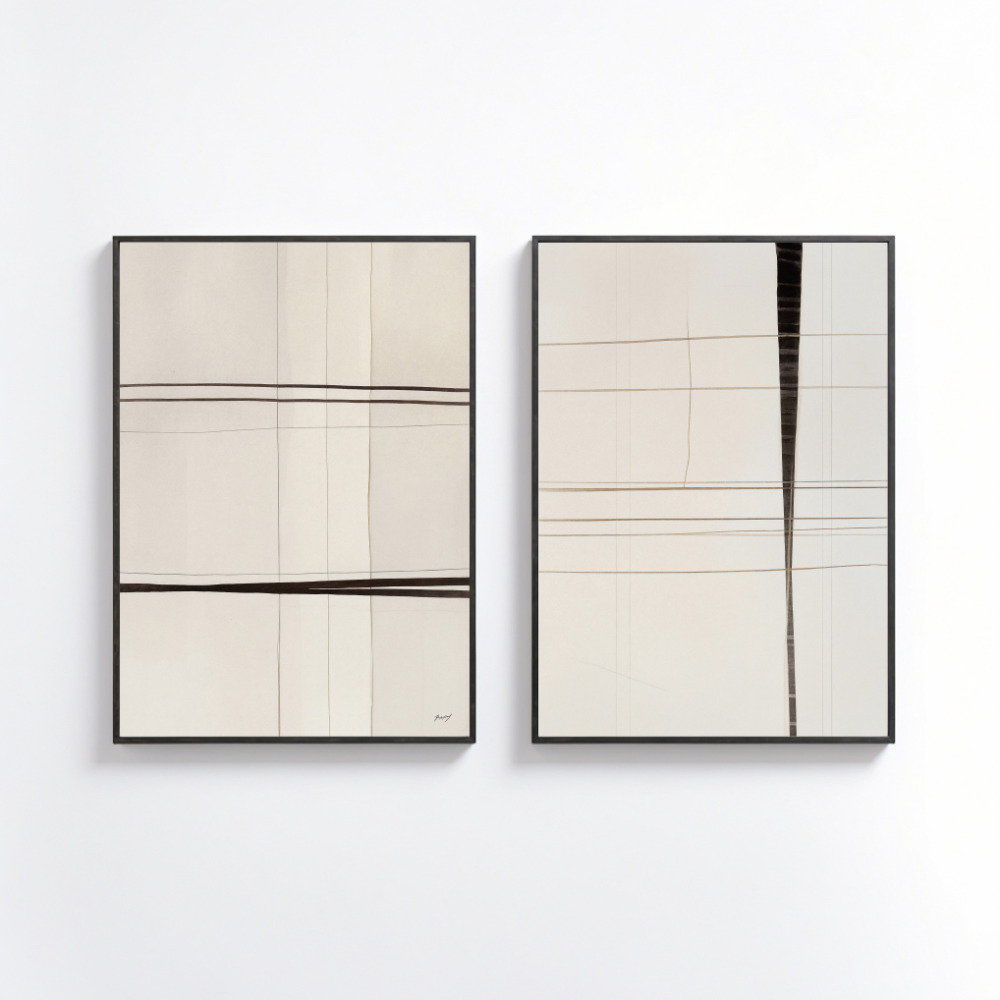
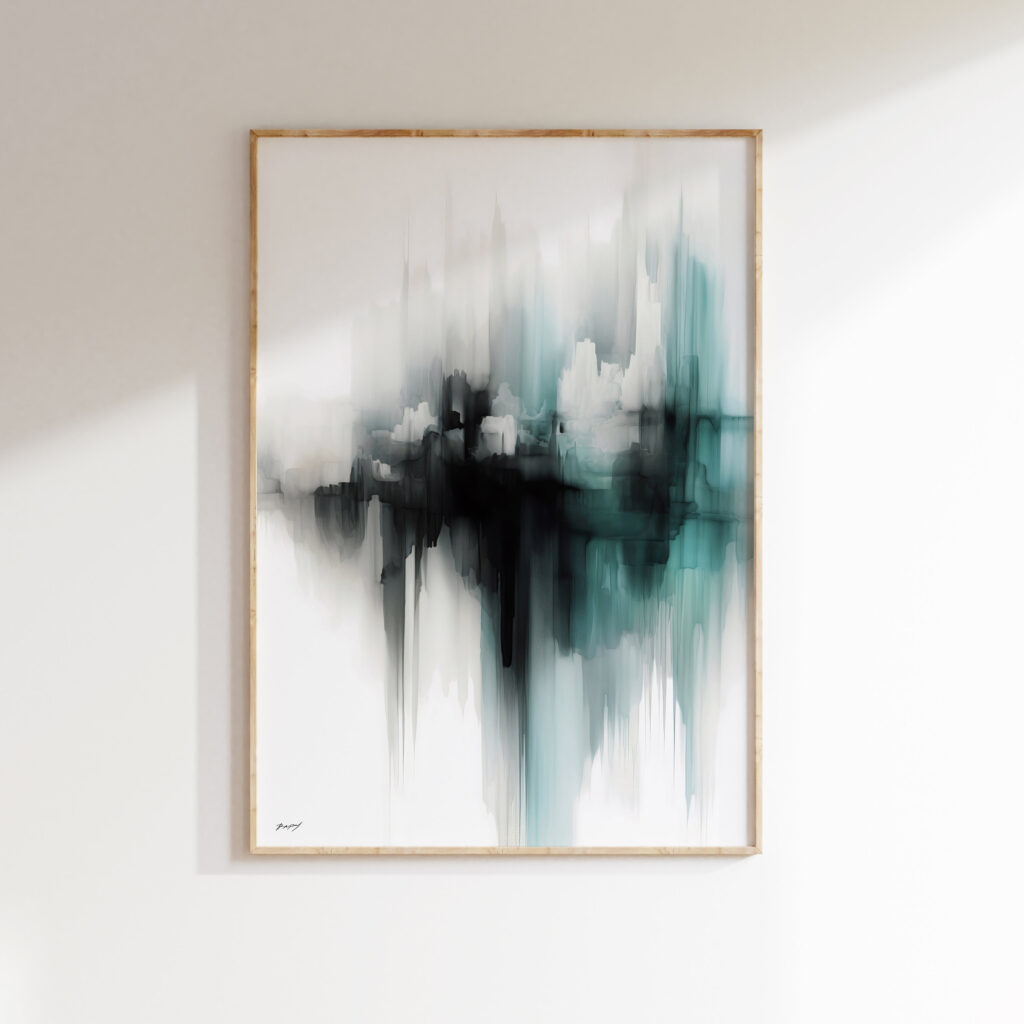
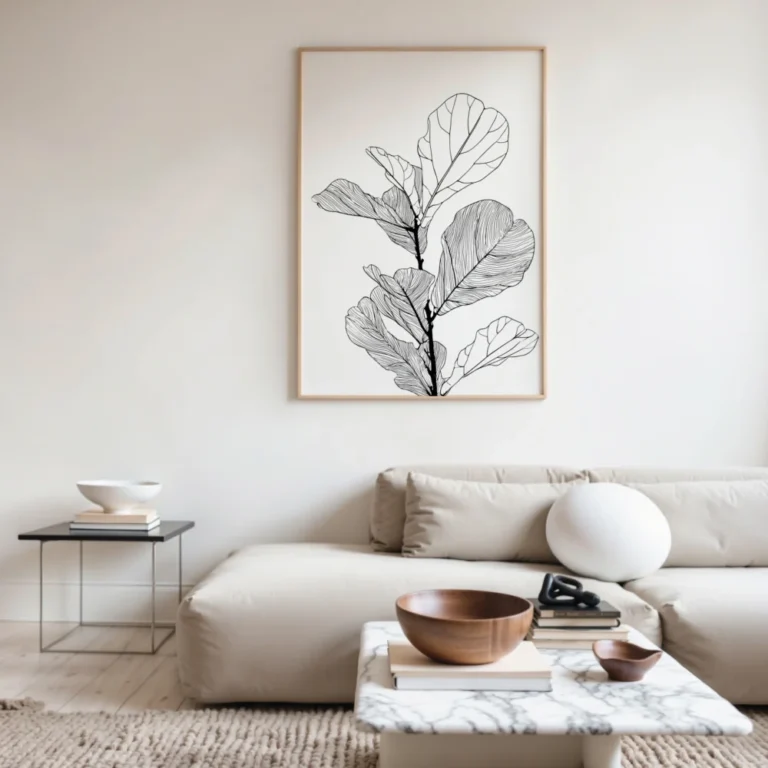
Because this aesthetic is so rooted in nature, it pairs perfectly with other organic materials like linen, reclaimed wood, and handmade ceramics. A large Wabi Sabi painting works exceptionally well in a bedroom or a quiet reading nook where the goal is total decompression. When it comes to framing, consider natural wood to reinforce the connection to the outdoors. A thin oak or walnut frame provides just enough structure without trapping the art behind a rigid, industrial border.
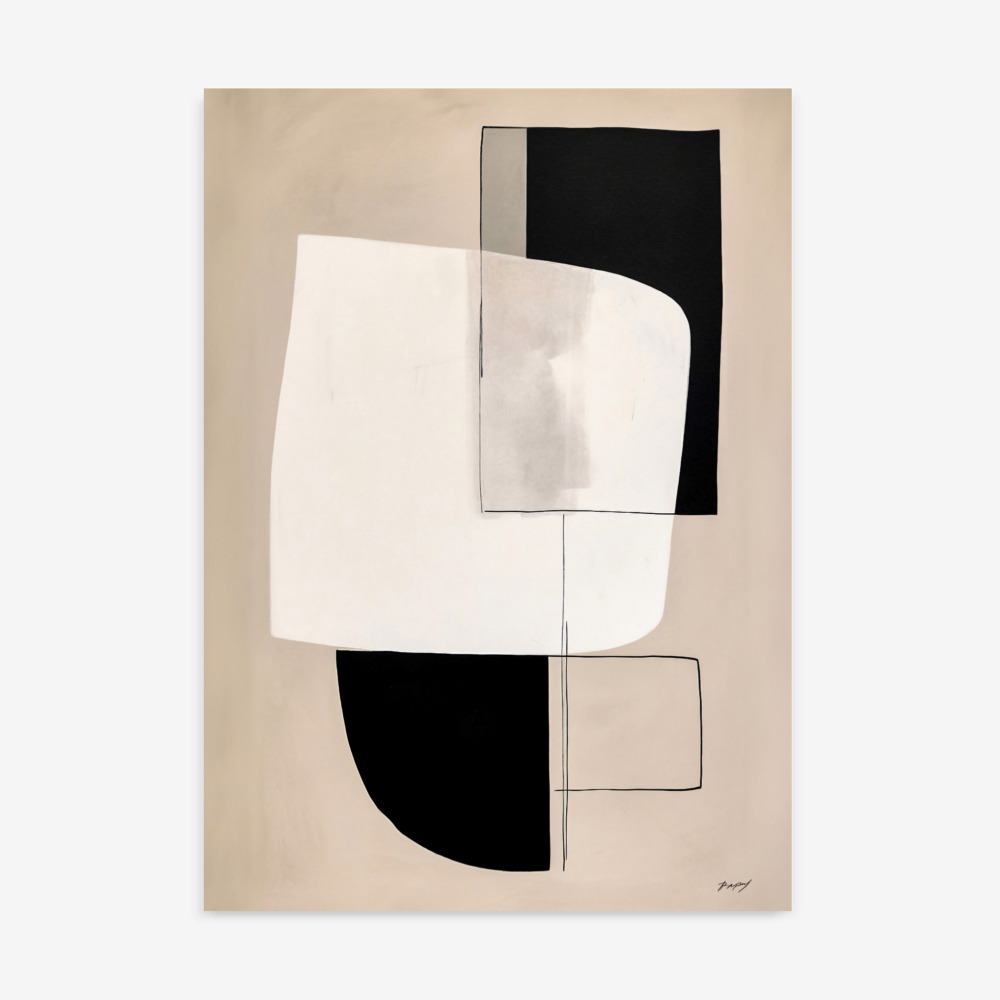
It is an artwork that follows the Japanese philosophy of finding beauty in imperfection and impermanence. In a painting, this is usually shown through asymmetrical compositions, rough textures, and a “raw” or unfinished appearance.
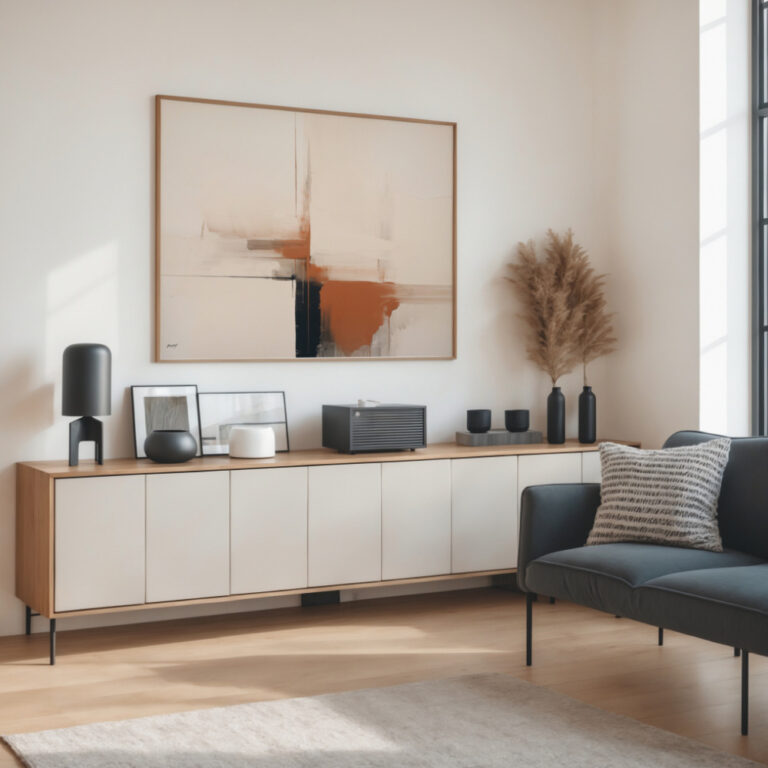
The palette is almost always neutral and earthy. Expect to see shades of beige, cream, soft grey, terracotta, and deep charcoal. These colors are chosen because they mirror the natural world and promote a sense of calm.
They are closely related but slightly different. Wabi Sabi is the ancient Japanese philosophy focused on imperfection. Japandi is a modern interior design style that blends that Japanese mindset with Scandinavian functionality and minimalism.
Materials that have a tactile, organic feel are best. Canvas is a top choice because of its fabric weave. Handmade paper with deckled edges or wood-mounted pieces also fit the aesthetic perfectly.
These pieces are most effective in rooms where you want to promote relaxation. They are ideal for bedrooms, home offices, and living rooms where you want to create a low-stimulation, peaceful environment.
Yes. Because these paintings are usually neutral, they act as a “visual anchor.” They can help tone down a colorful room and provide a resting spot for the eye amidst more vibrant decor.
Negative space—or the “empty” parts of a painting—allows the subject to breathe. It represents the concept of “Ma” (the space between things), which is essential for creating a sense of peace and clarity in a home.
Art Collections