Limited Time: 20% Off All Prints
Free worldwide shipping on orders over $69
Delivery 4-12 business days
Home / Art Print Collections / wabi sabi wall art
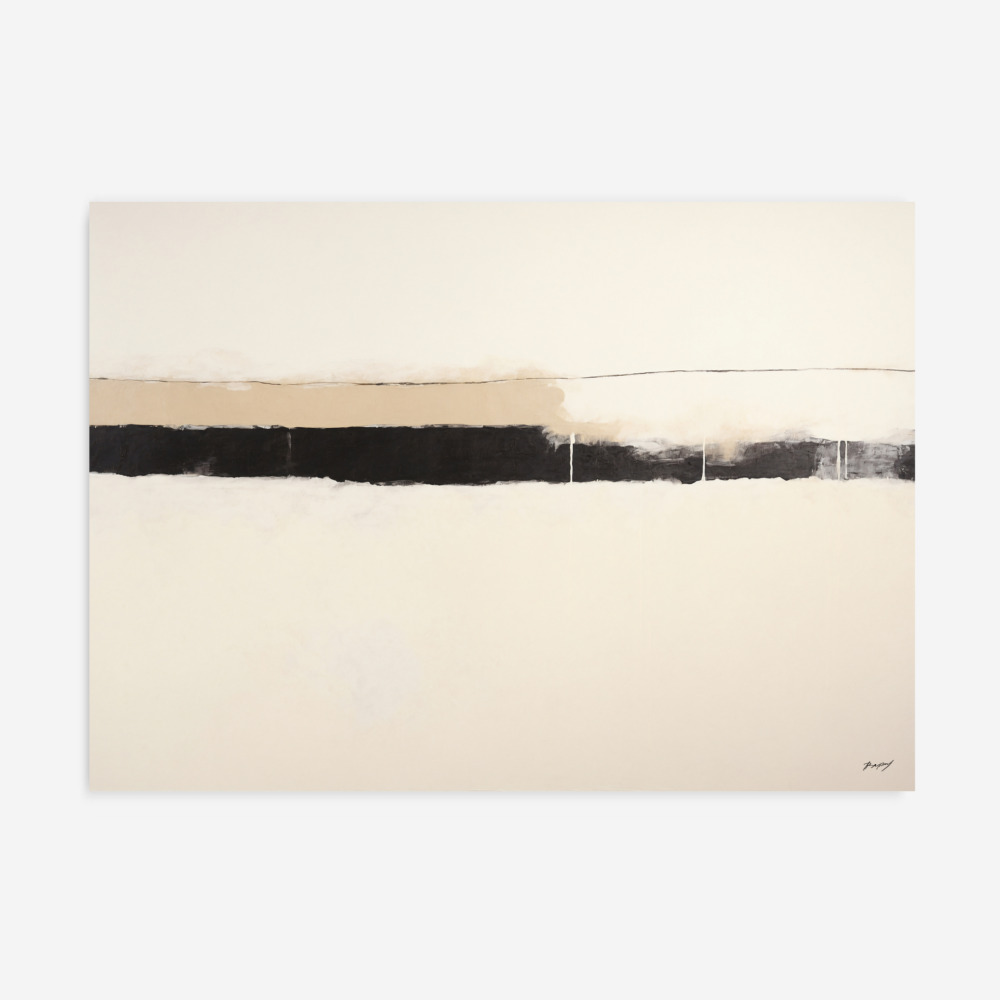
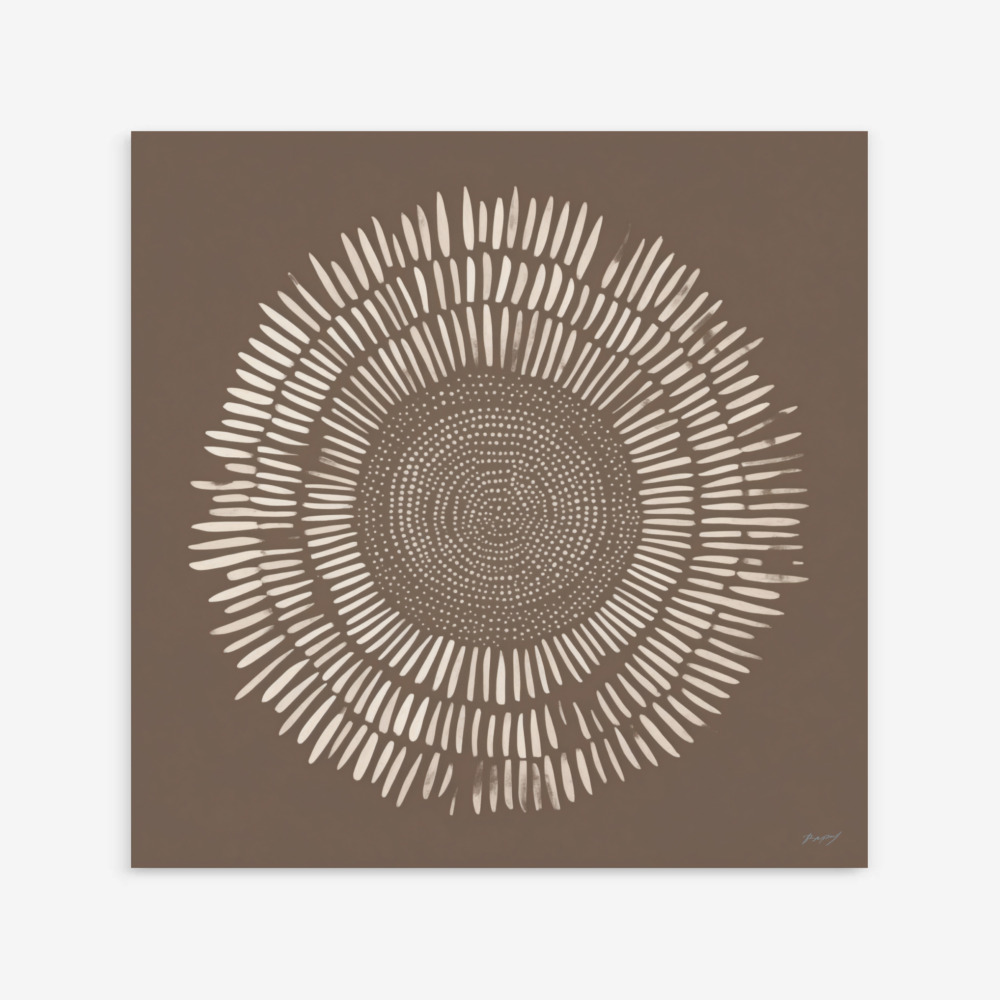
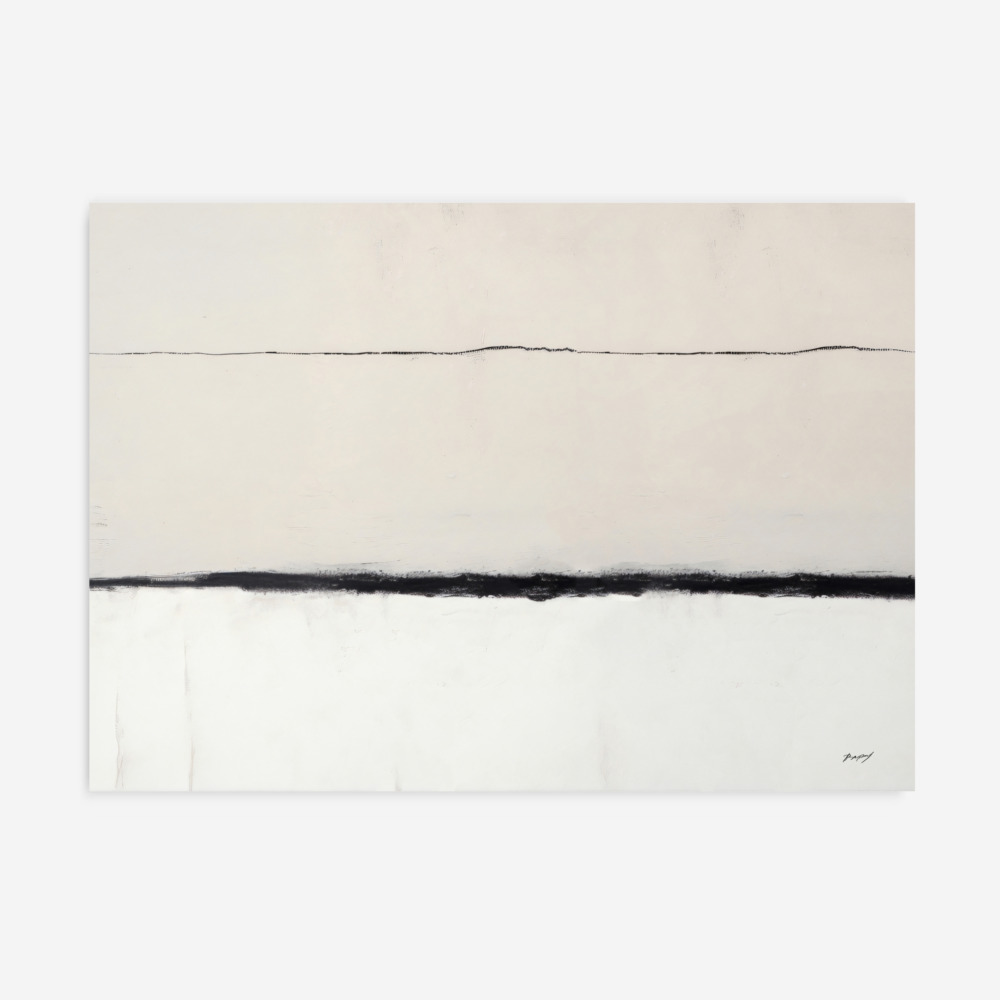
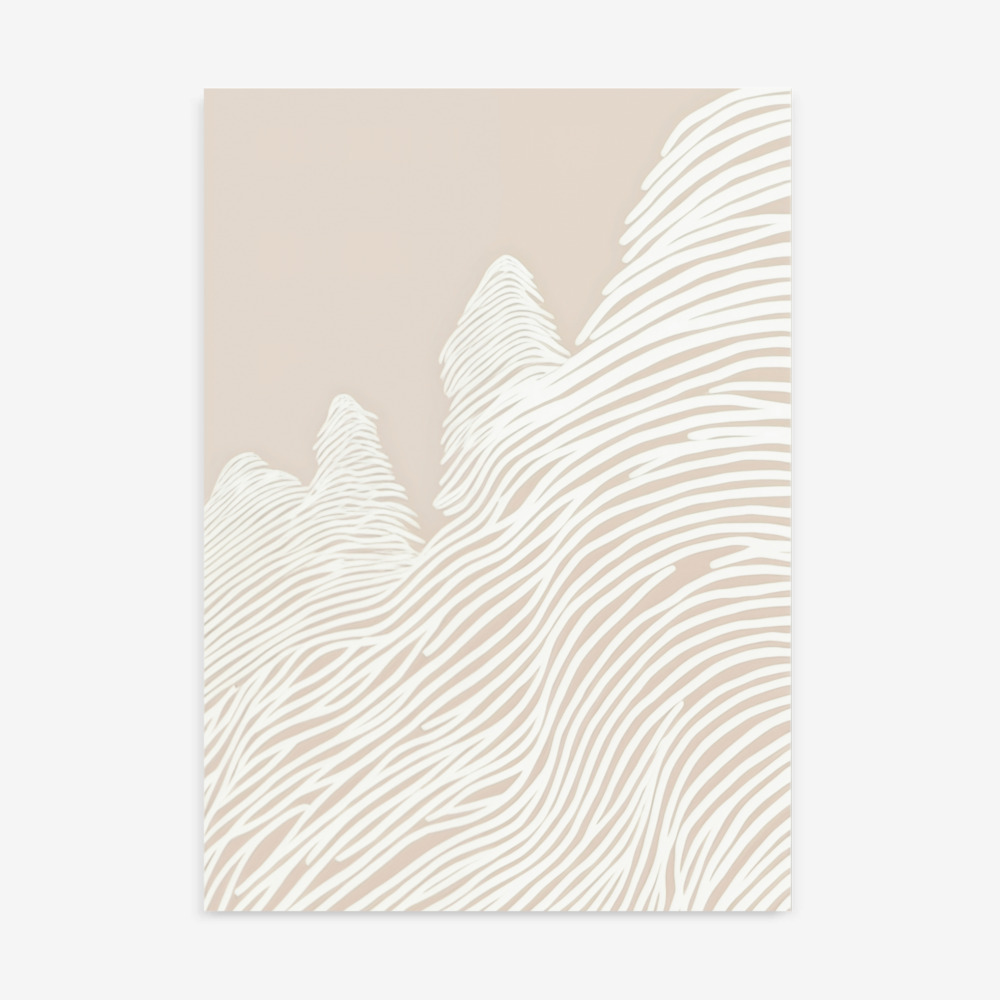
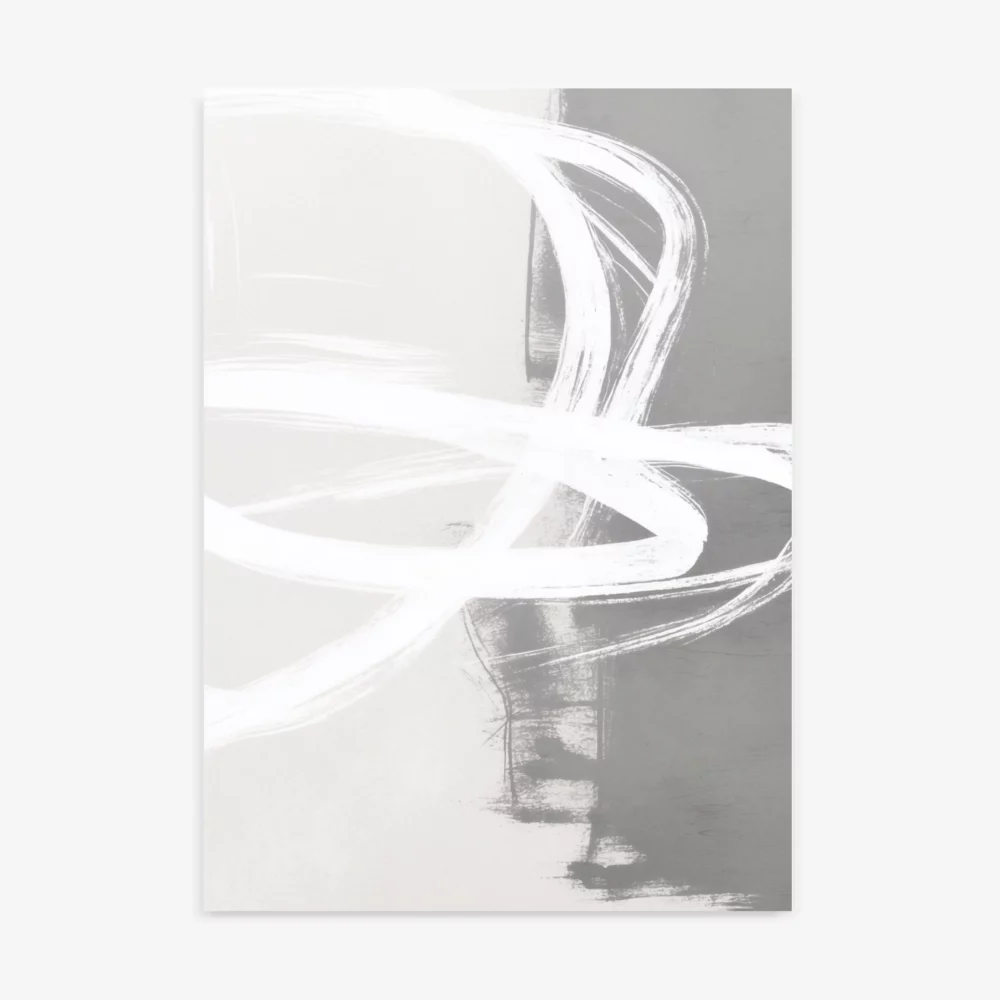
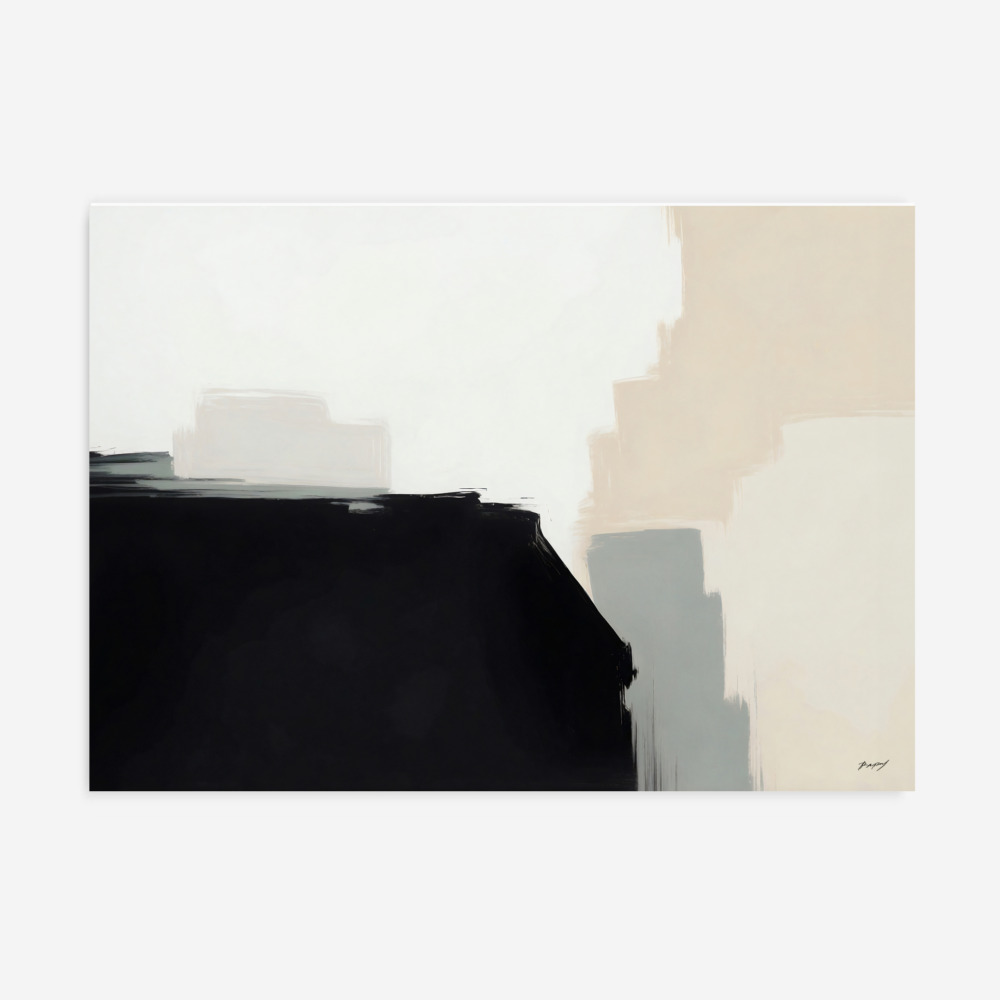
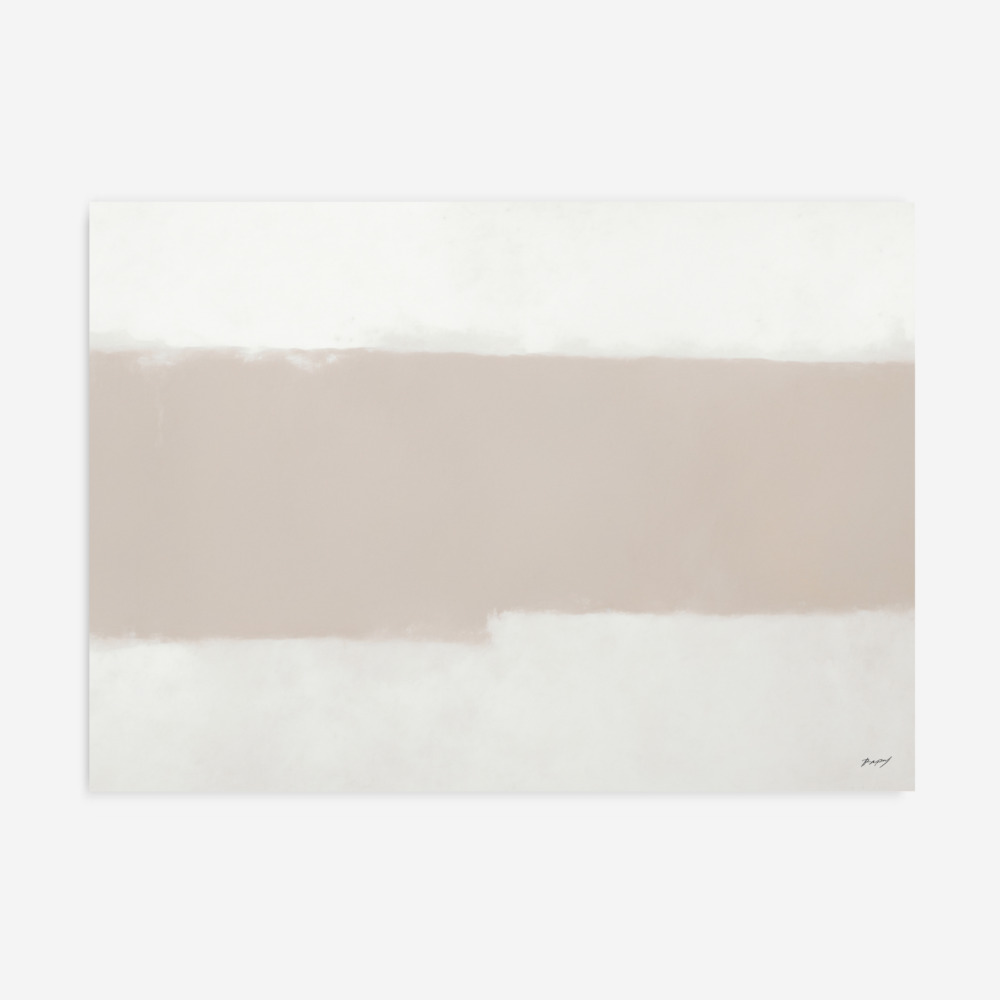
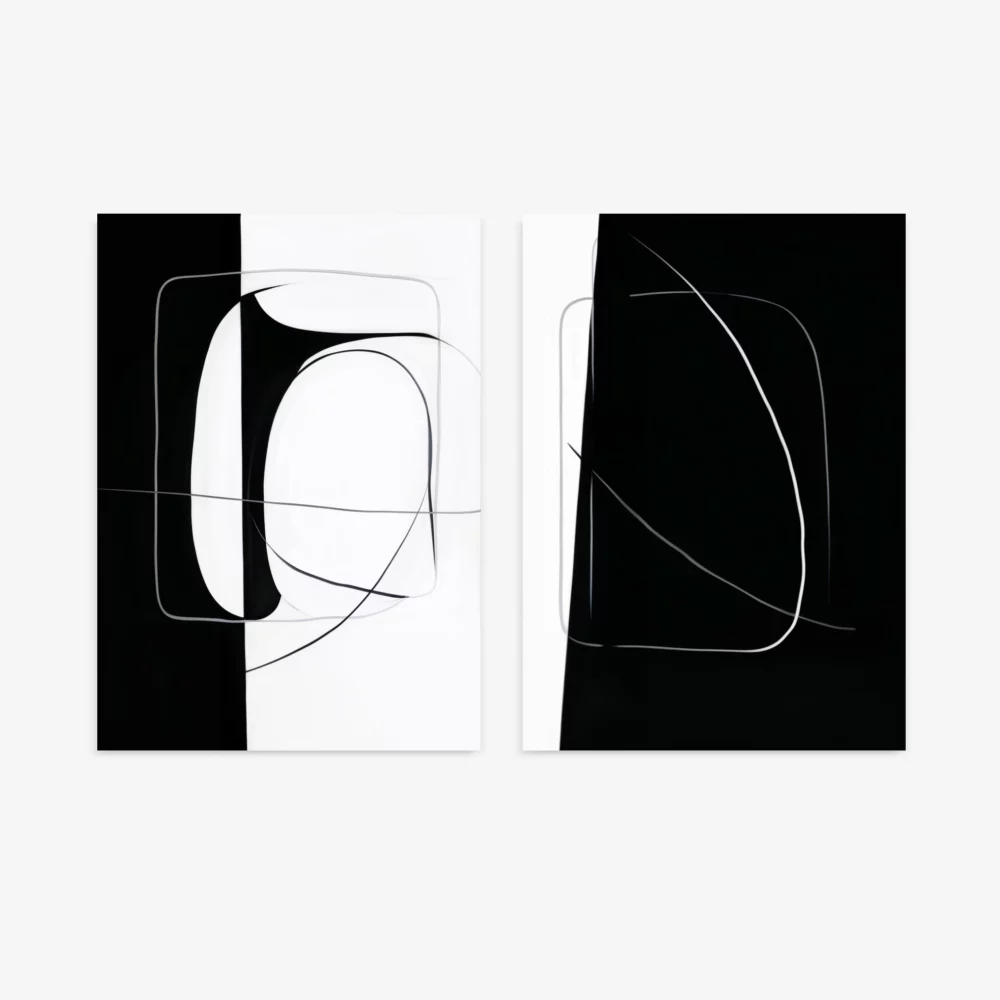
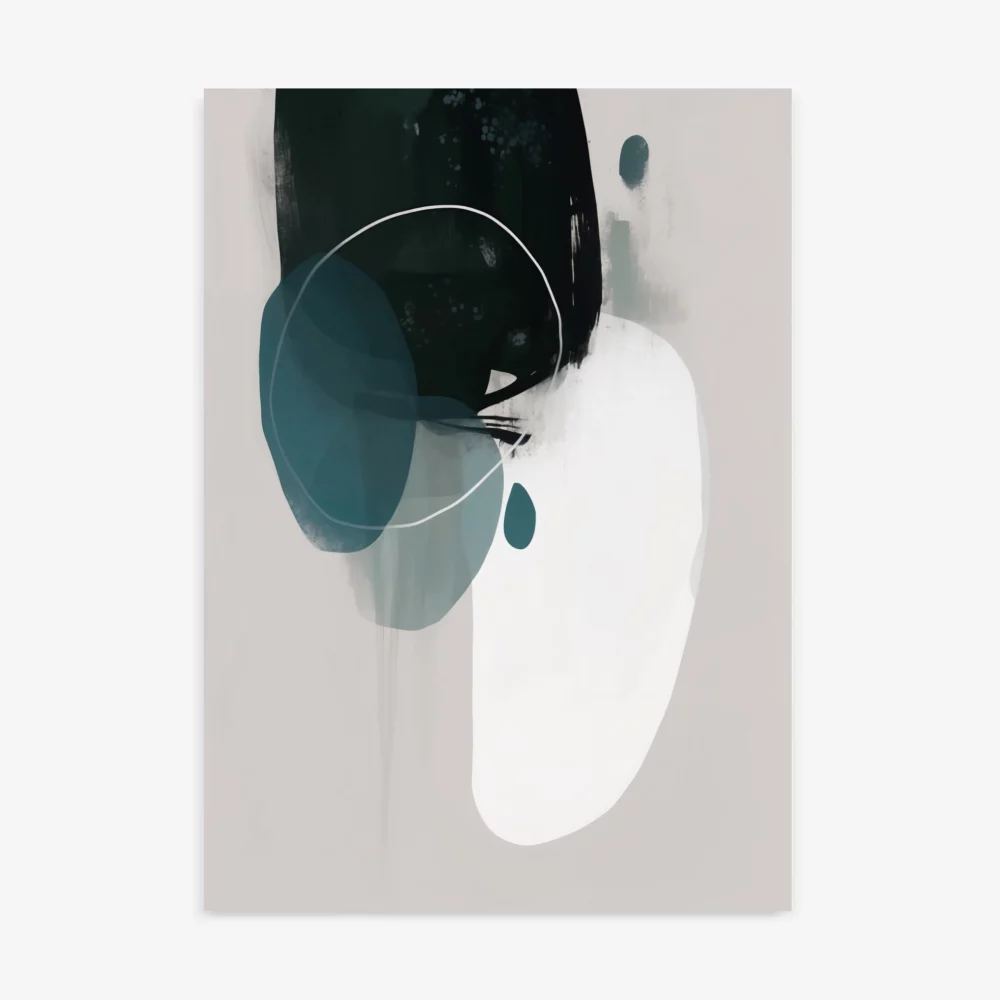
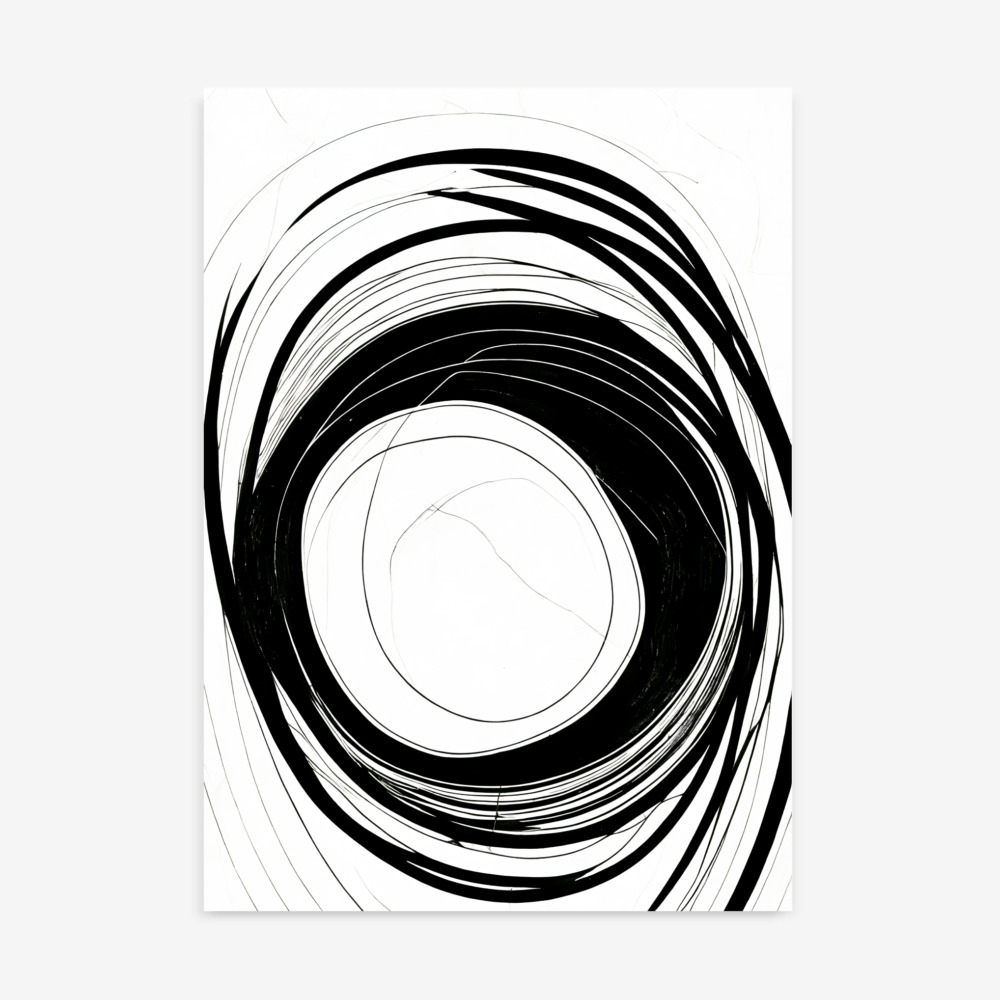
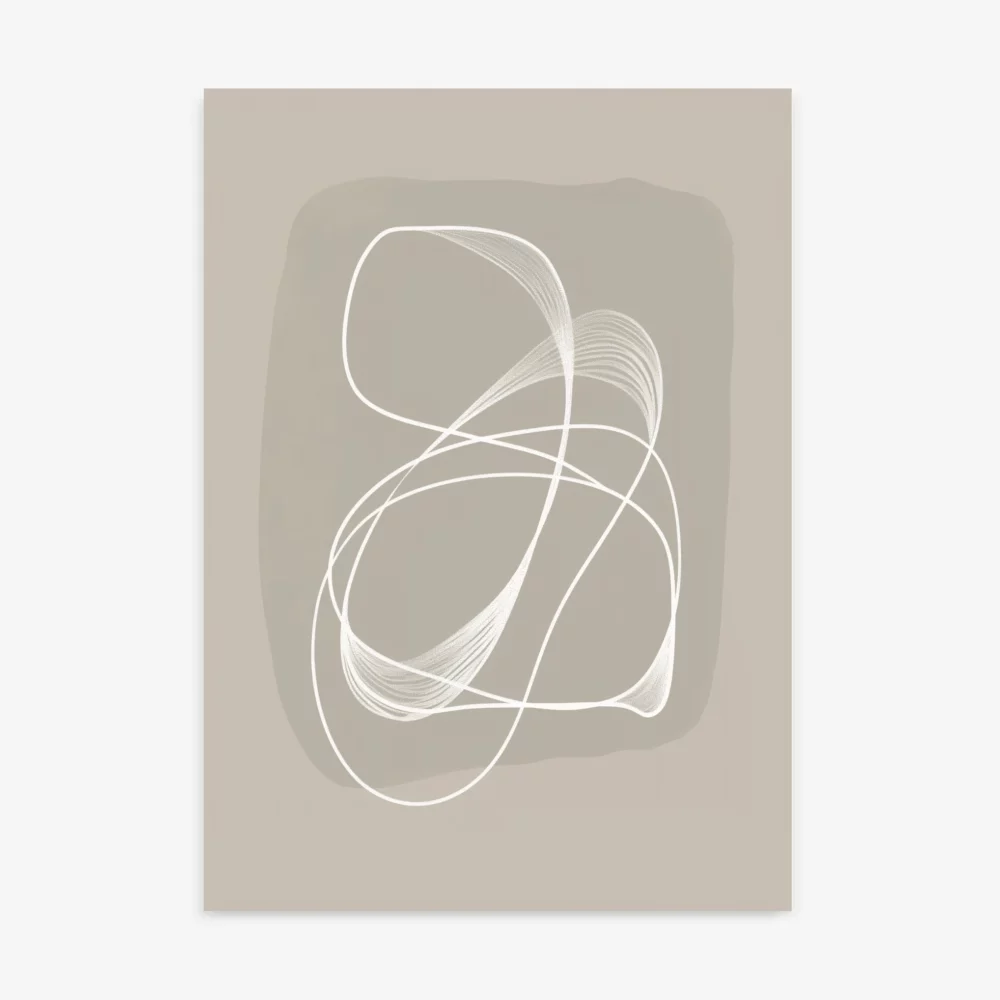
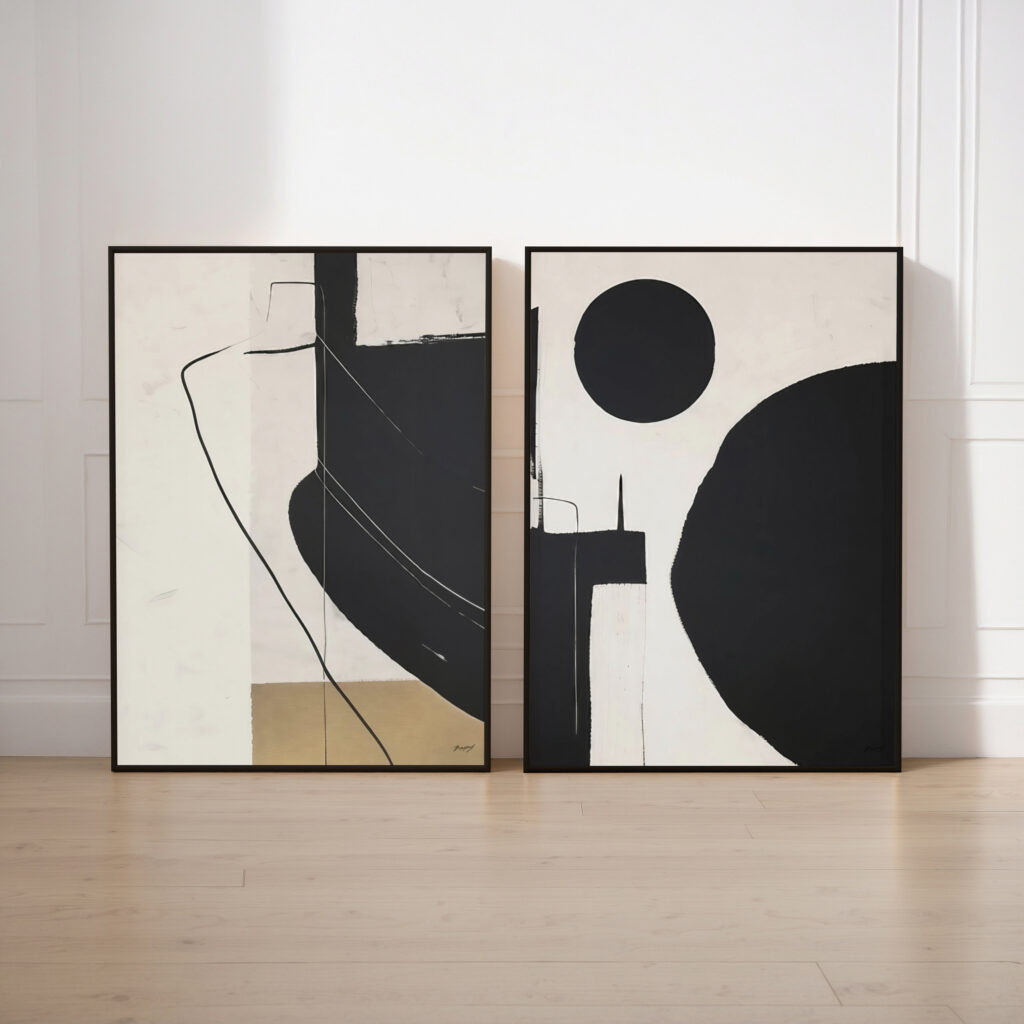
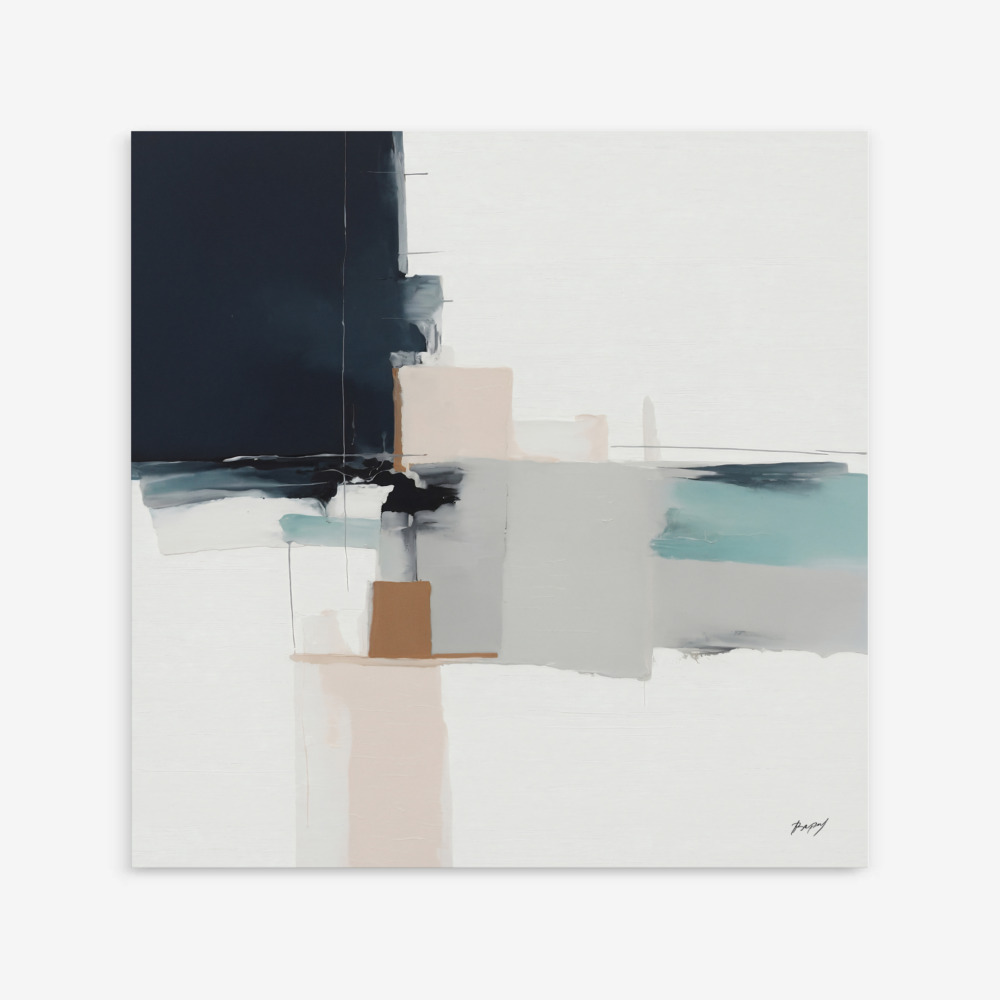
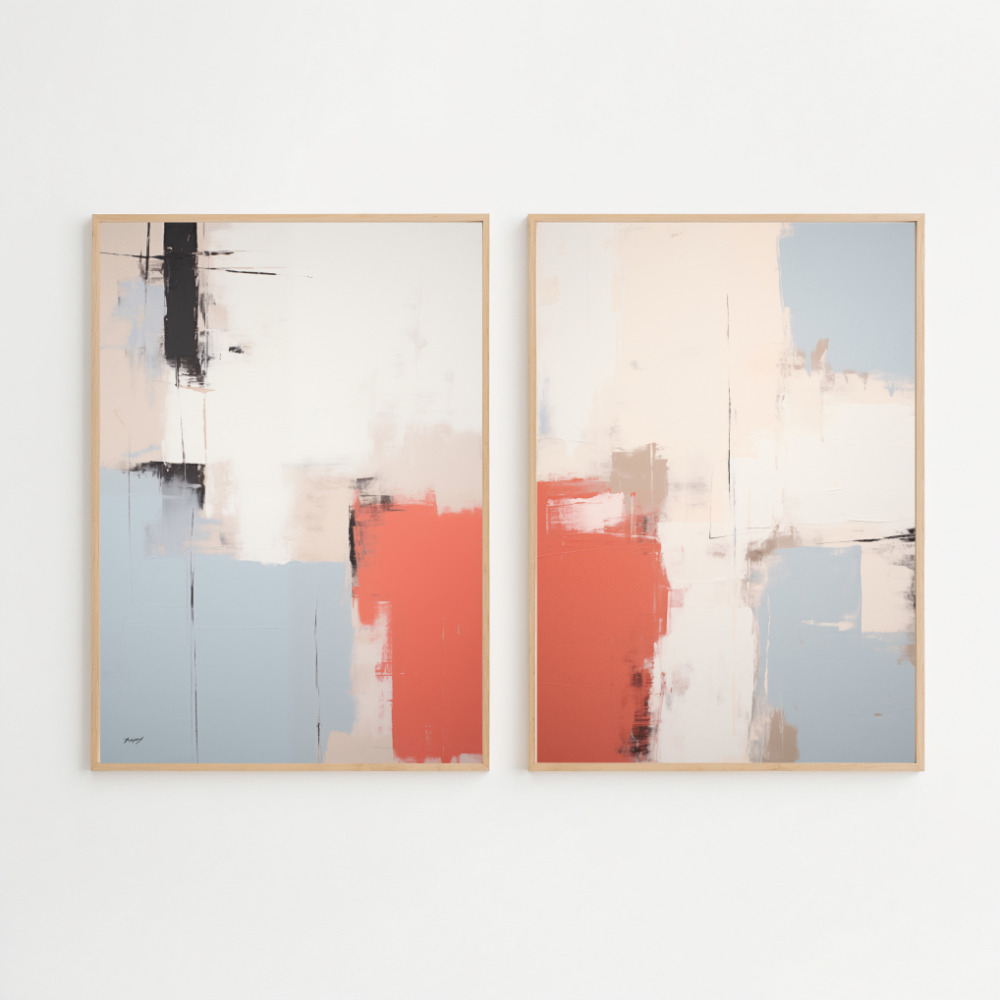
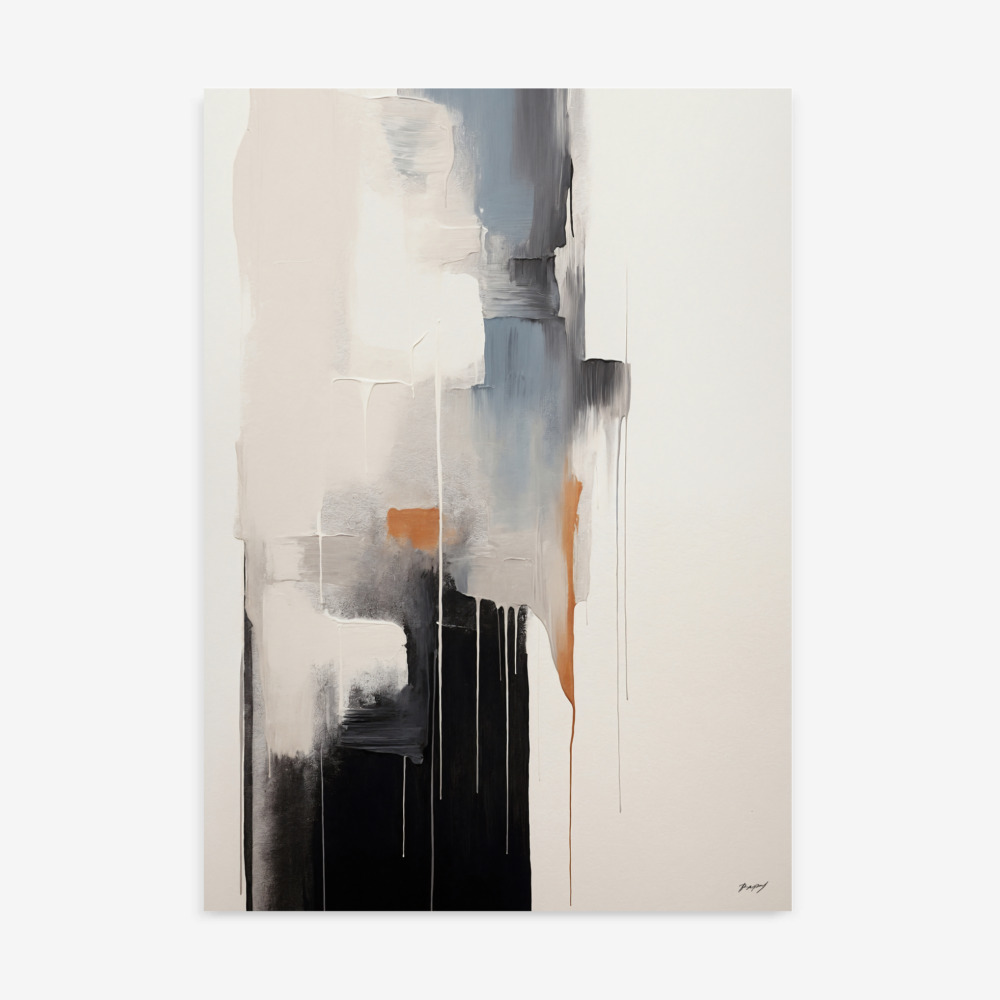
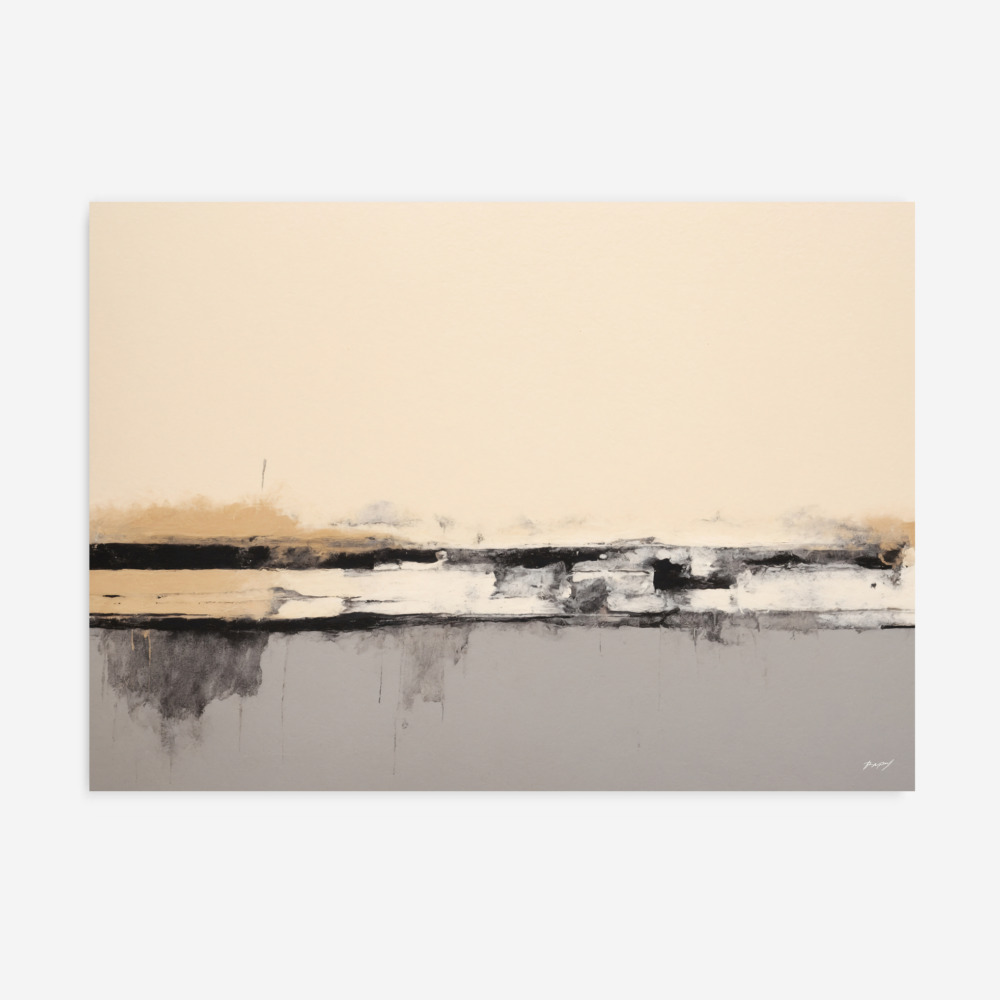
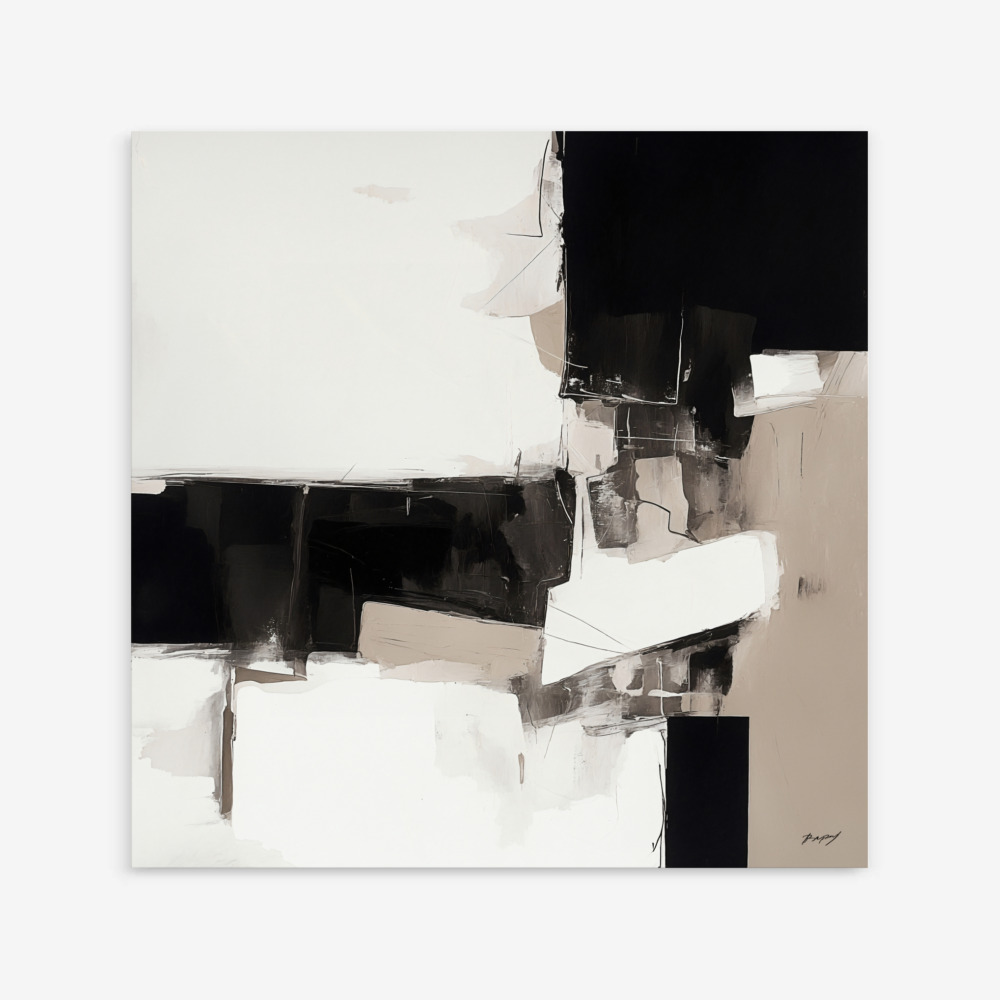
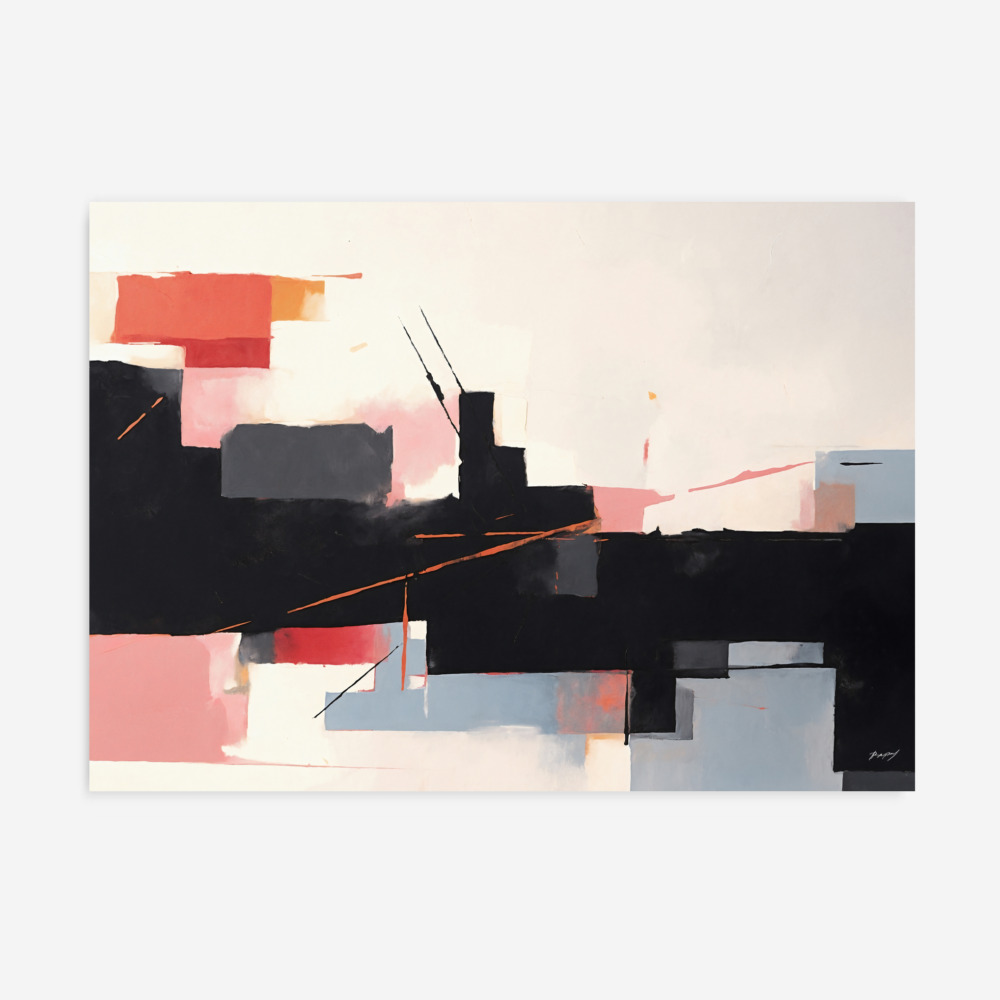
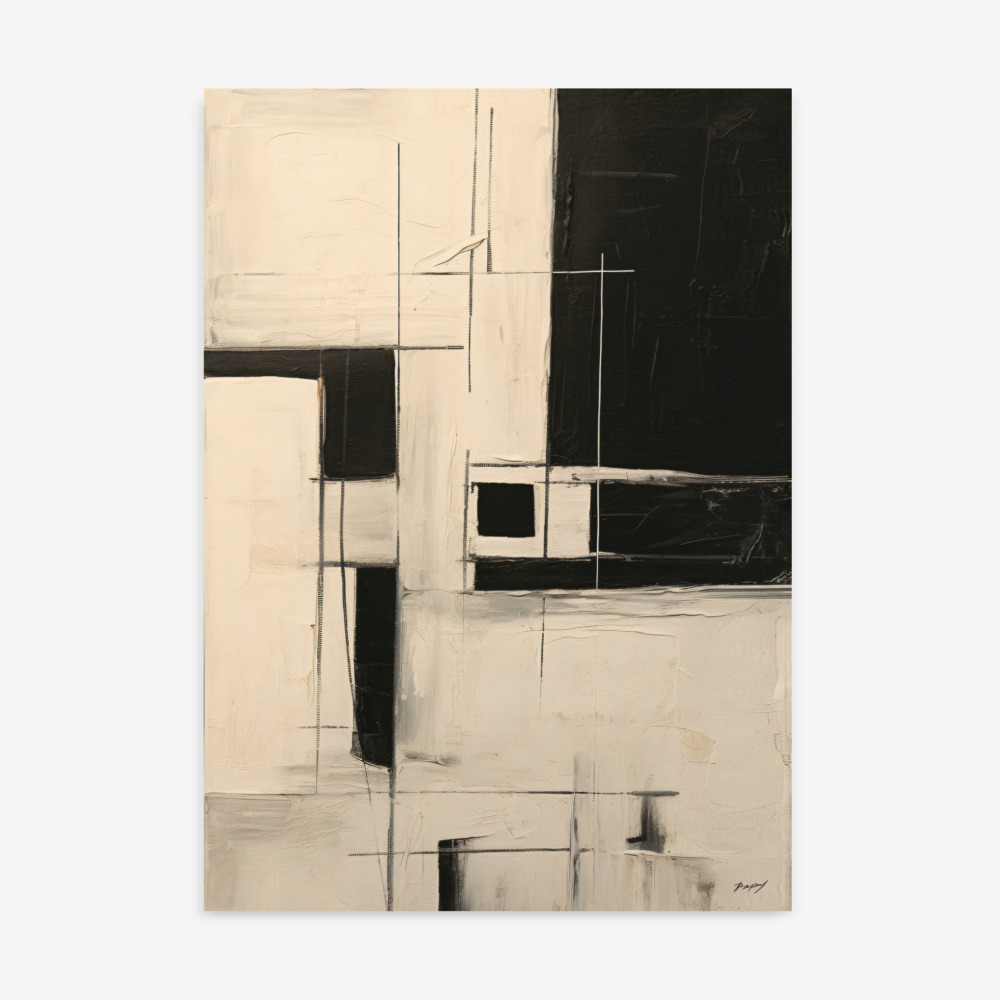
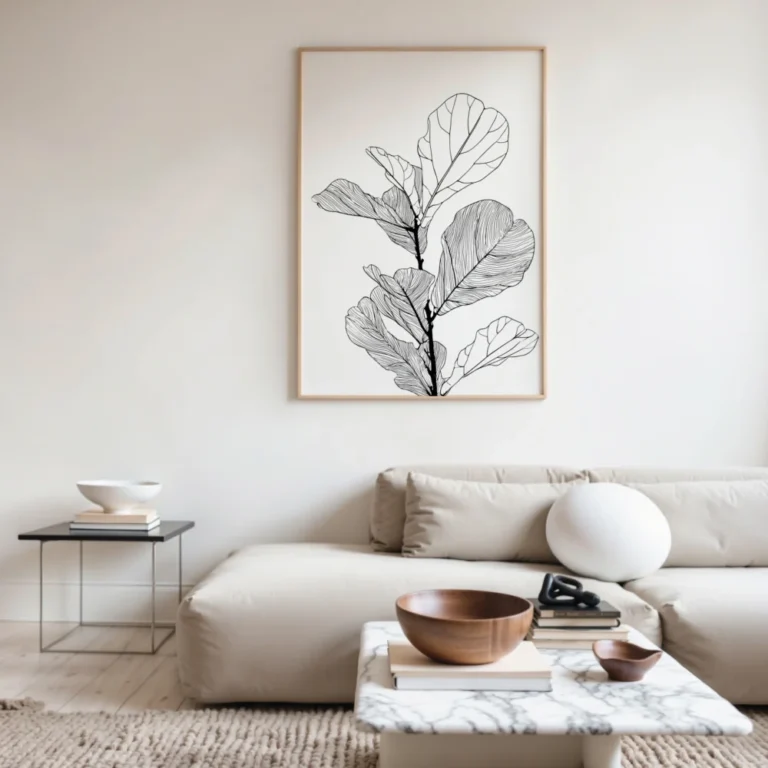
There is a profound sense of relief in a home that doesn’t demand perfection. Incorporating wabi sabi wall art into your interior design is an invitation to slow down and appreciate the raw, the weathered, and the understated. These unique pieces serve as a visual anchor, grounding your room in earthy textures and quiet tones that feel deeply human. By choosing minimalist art prints, you allow your walls to breathe and reclaim a sense of mindful presence within your daily life.
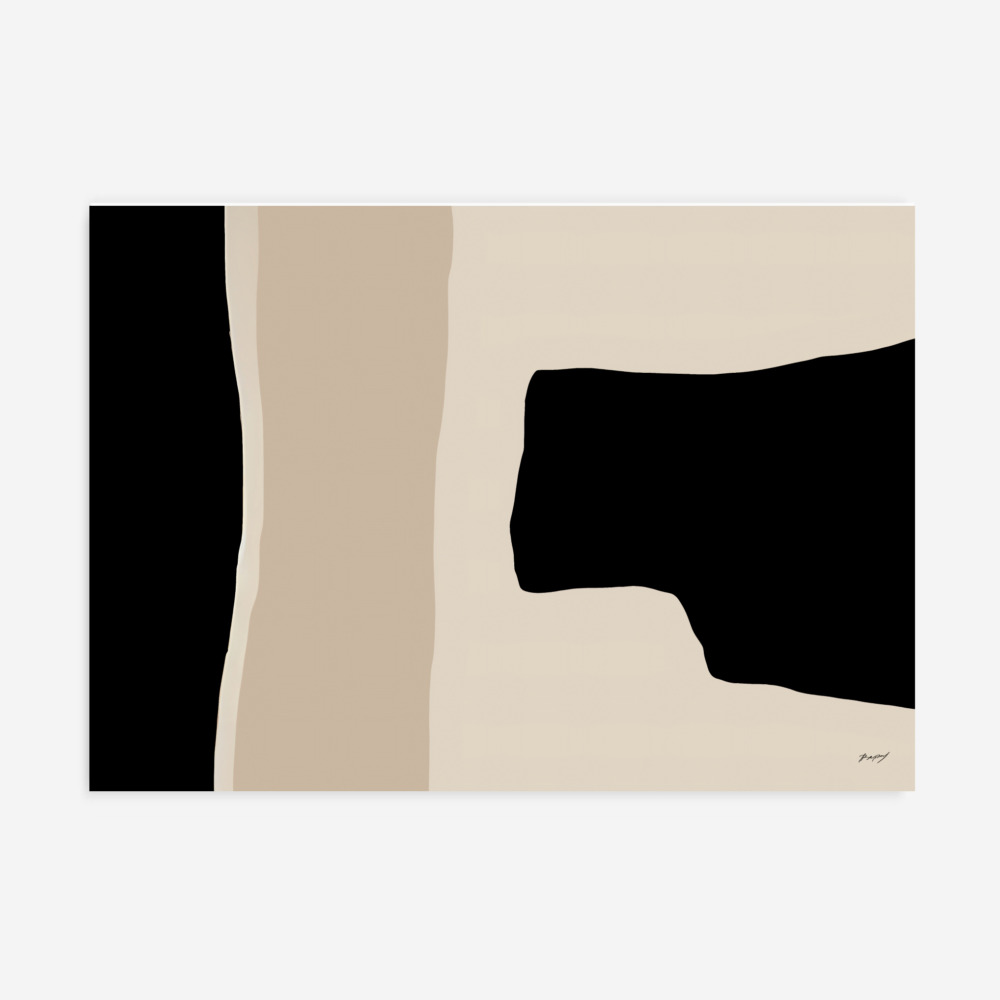
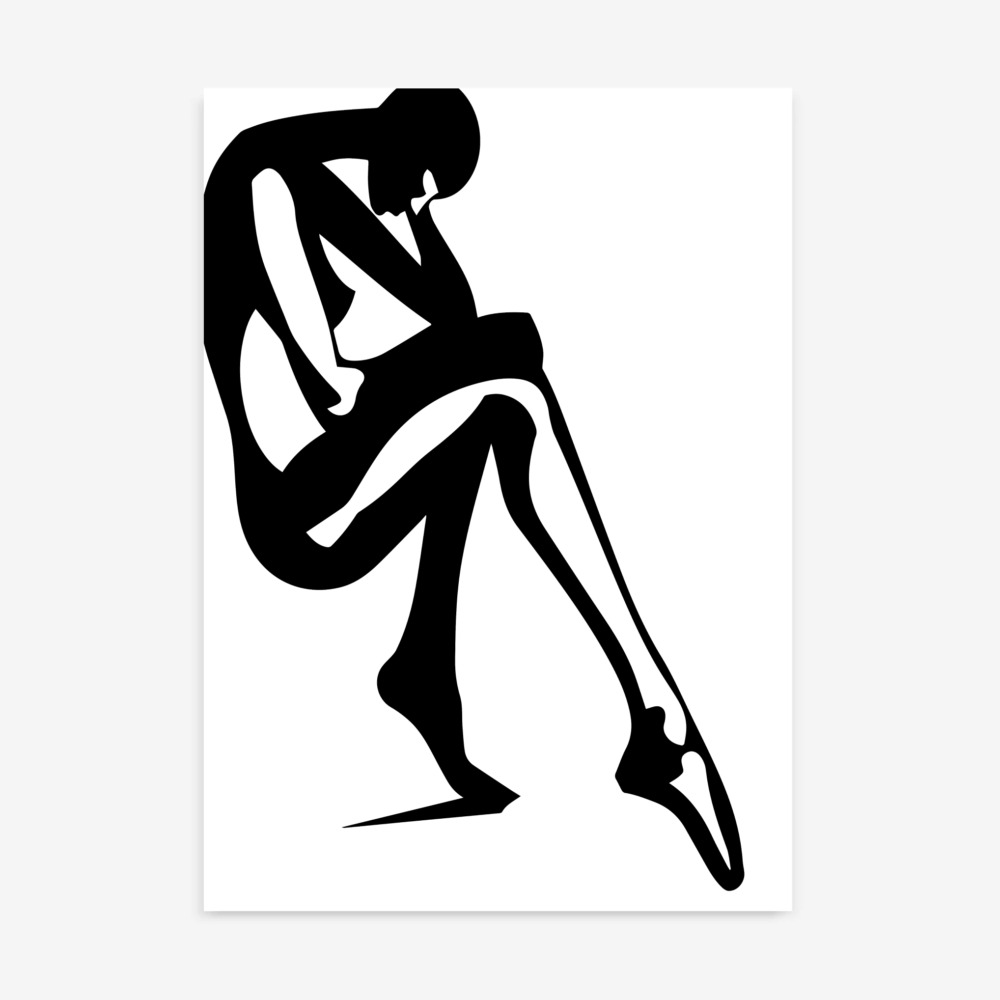
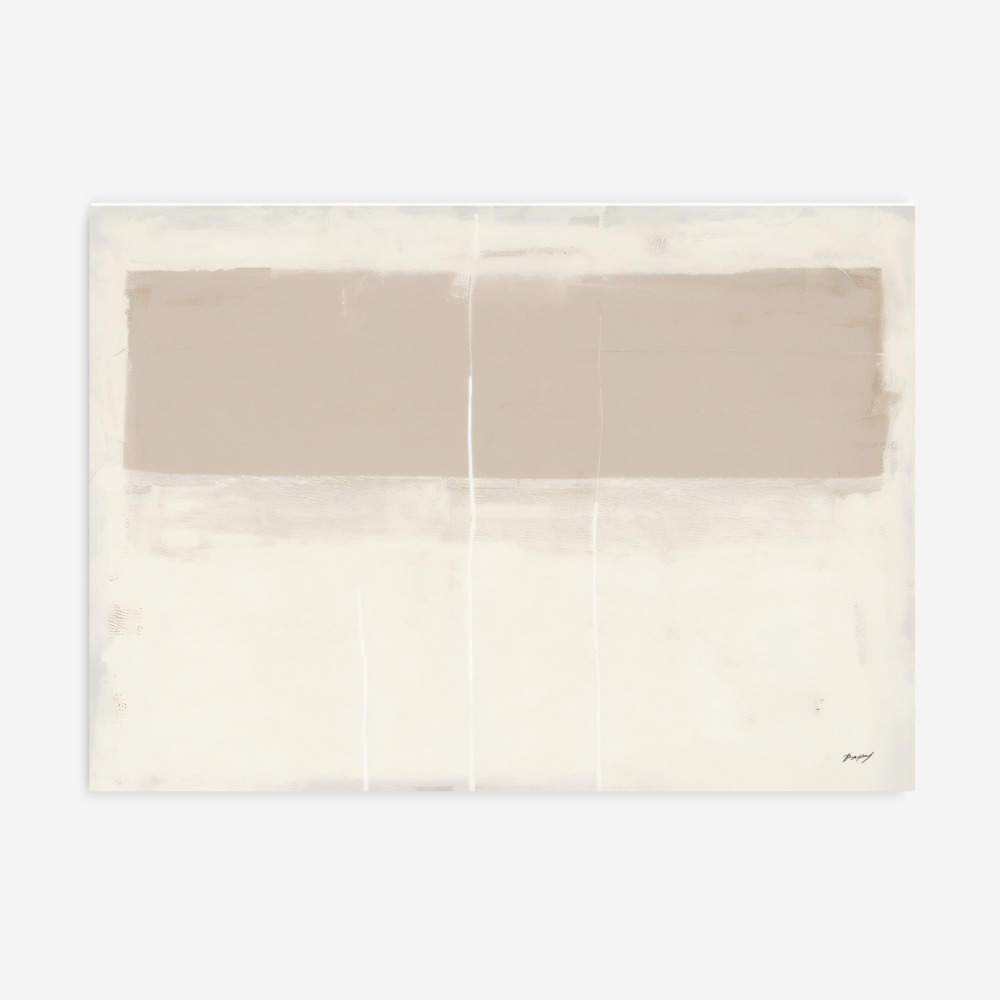
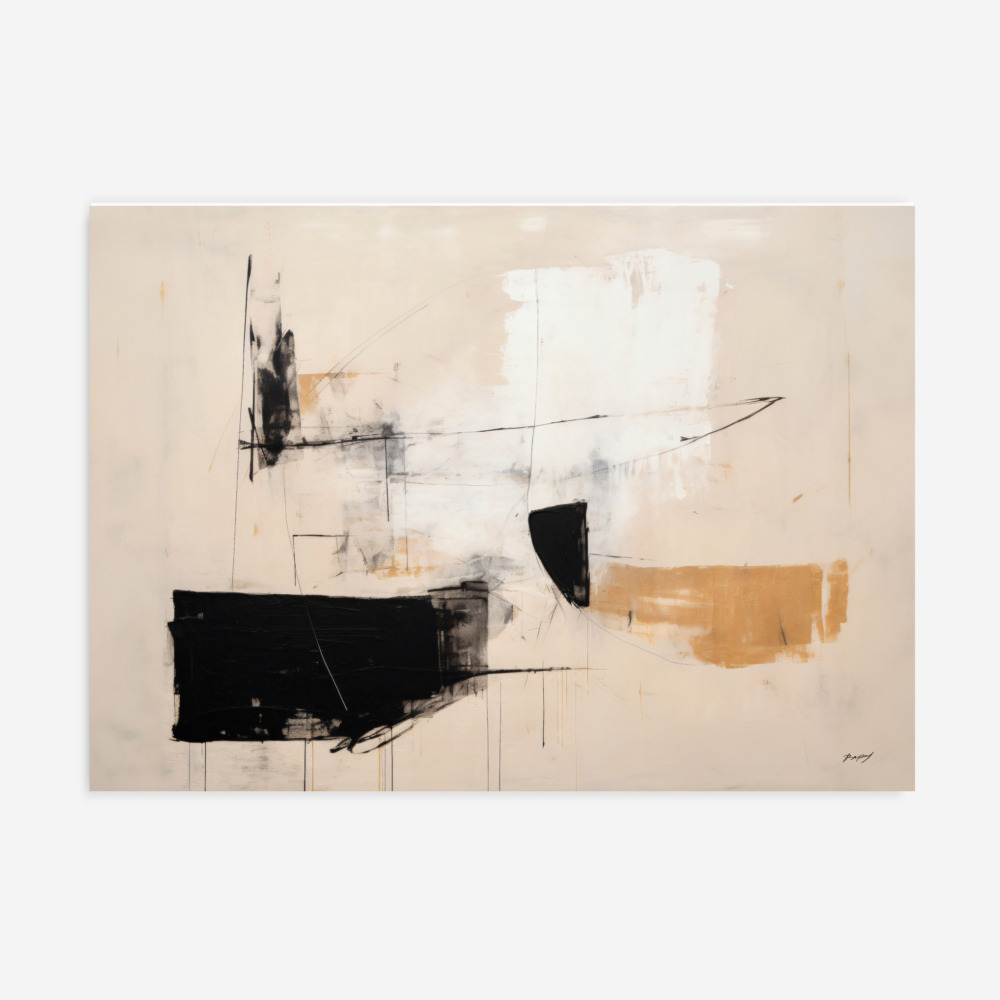
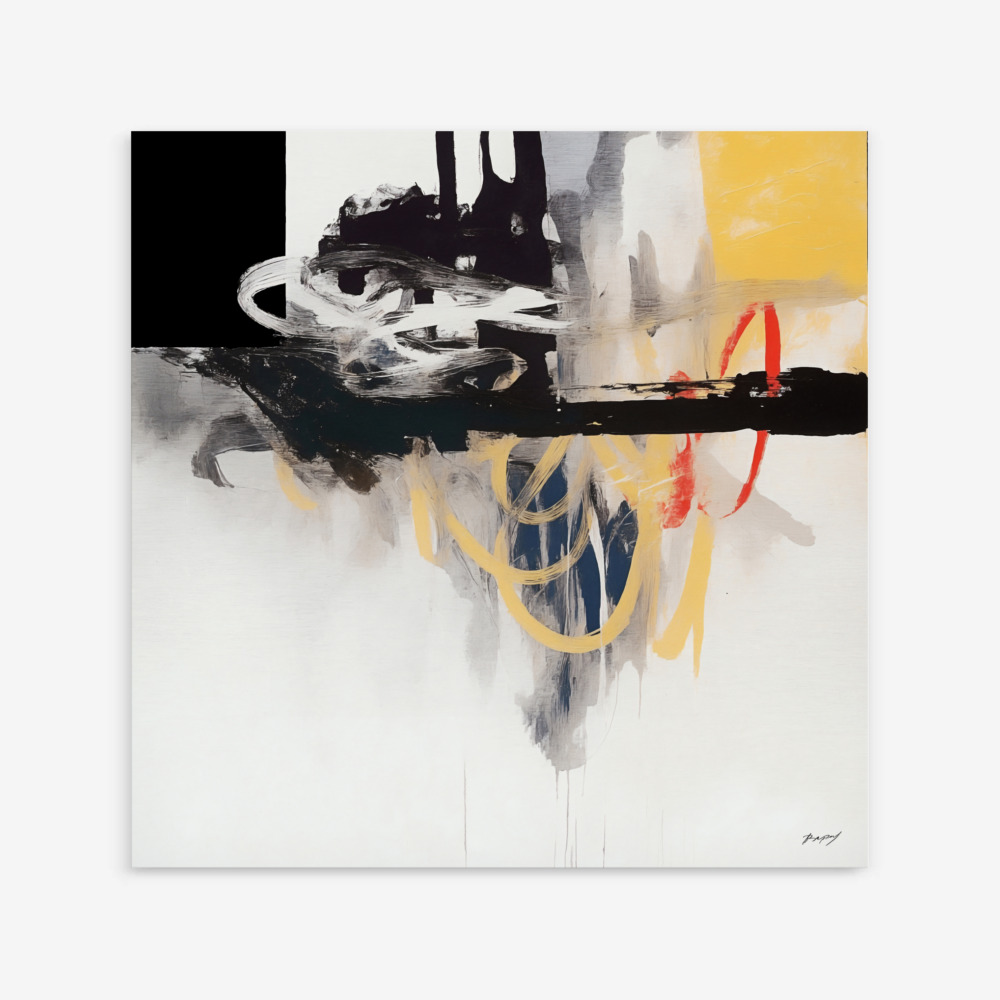
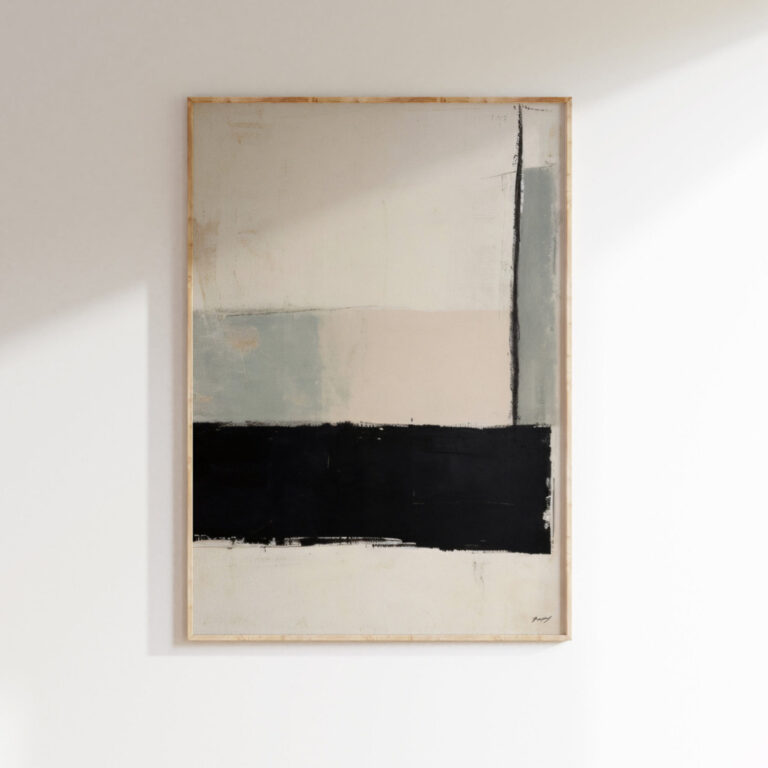
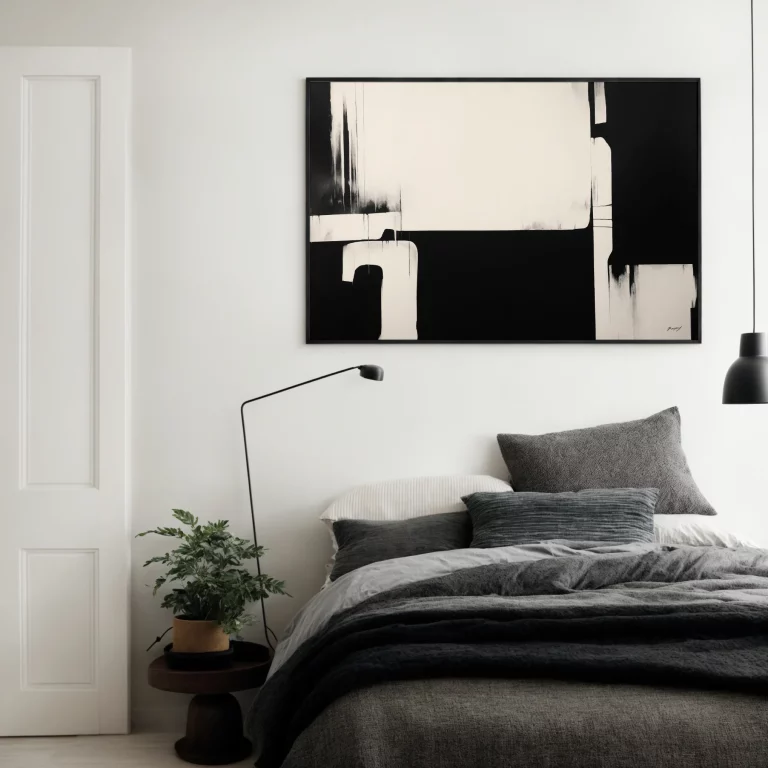
The philosophy behind these works is centered on the acceptance of transience and the natural passage of time. In a gallery setting, this translates to art that celebrates the “unfinished” look—think gestural brushstrokes, organic silhouettes, and a heavy focus on the material world. These compositions don’t compete for the spotlight; instead, they provide a soulful backdrop that makes a living space feel more expansive. By stripping away the high-energy colors of modern digital design, you create a room that rewards a longer, slower look.
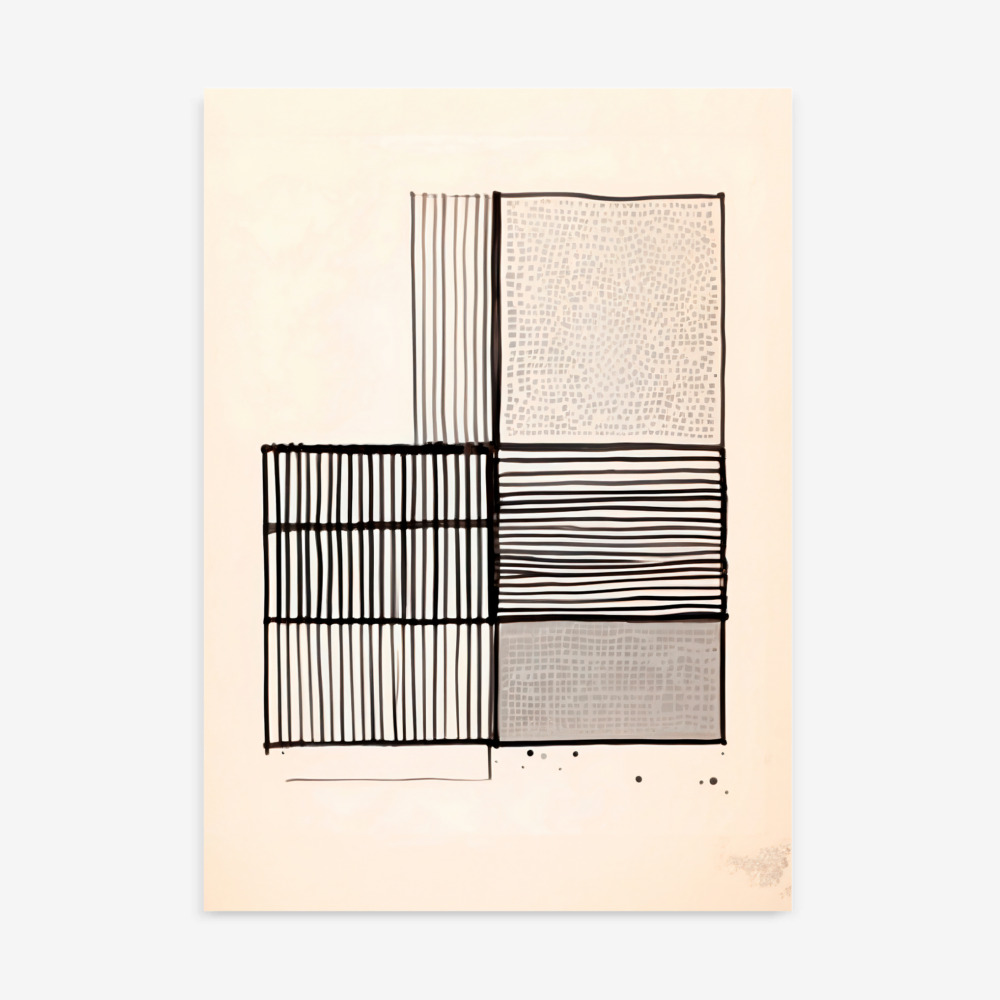
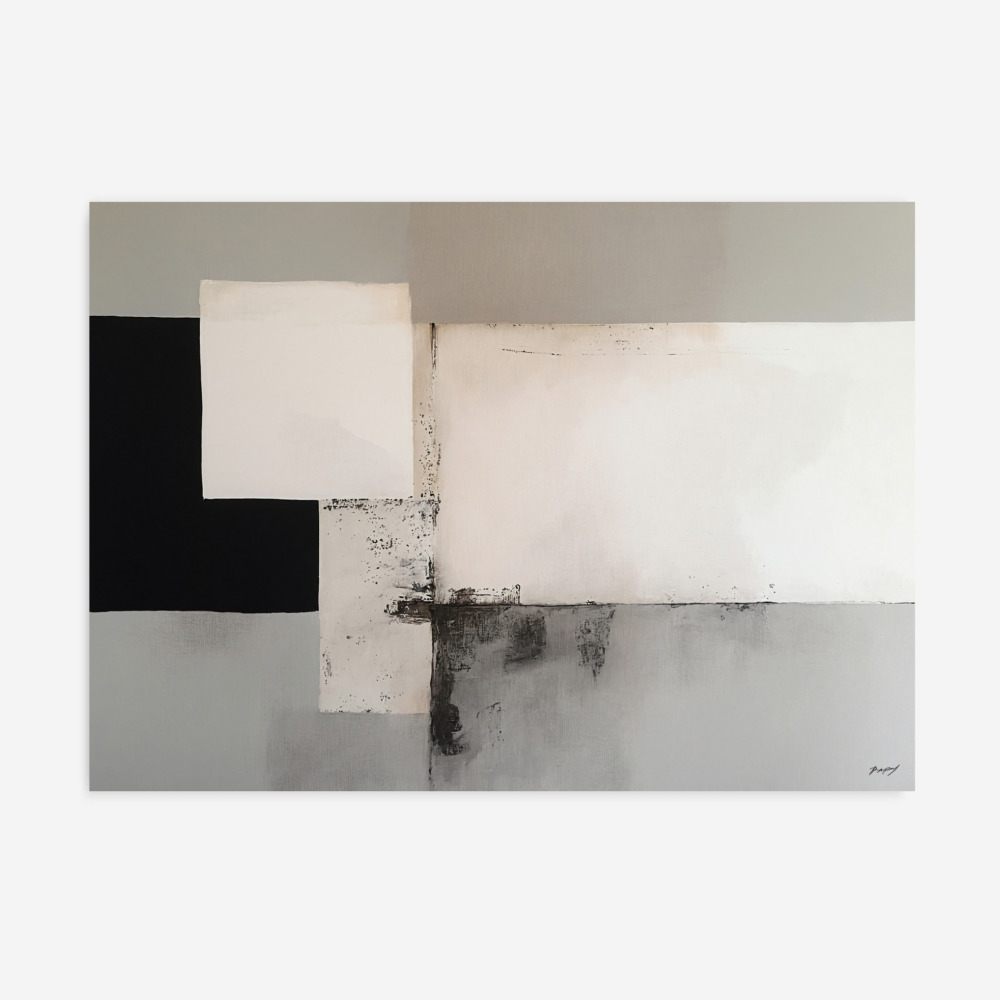
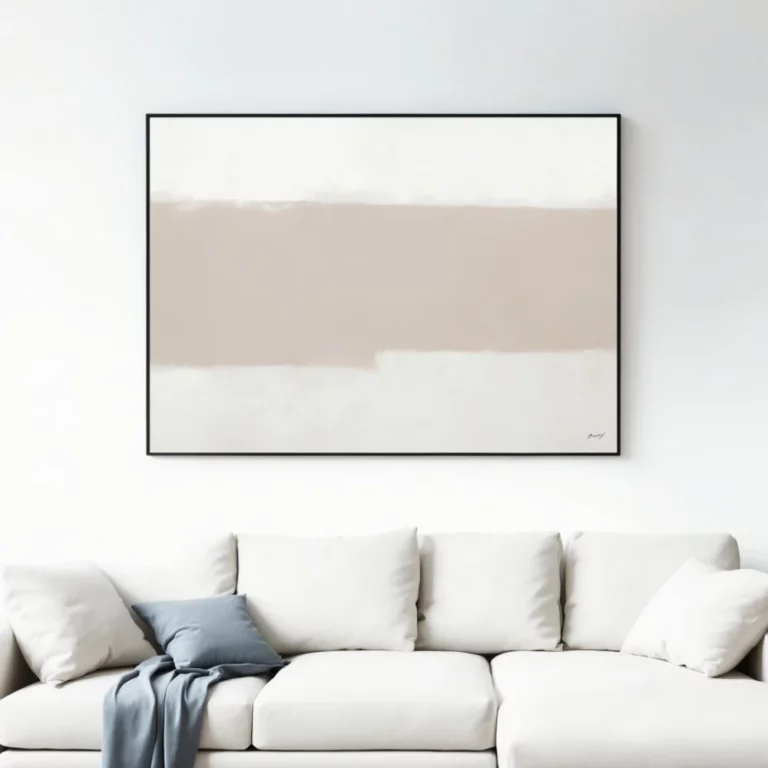
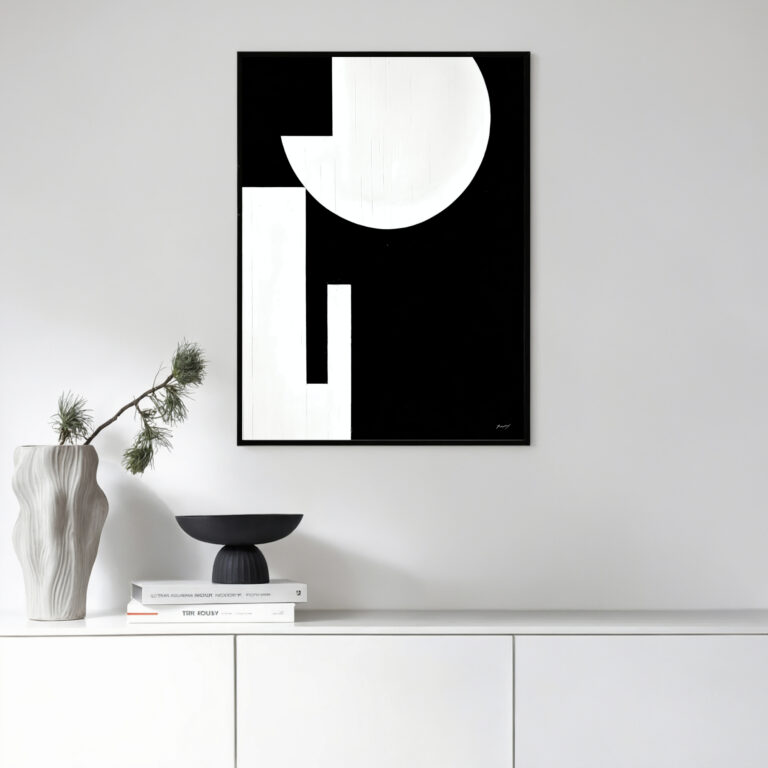
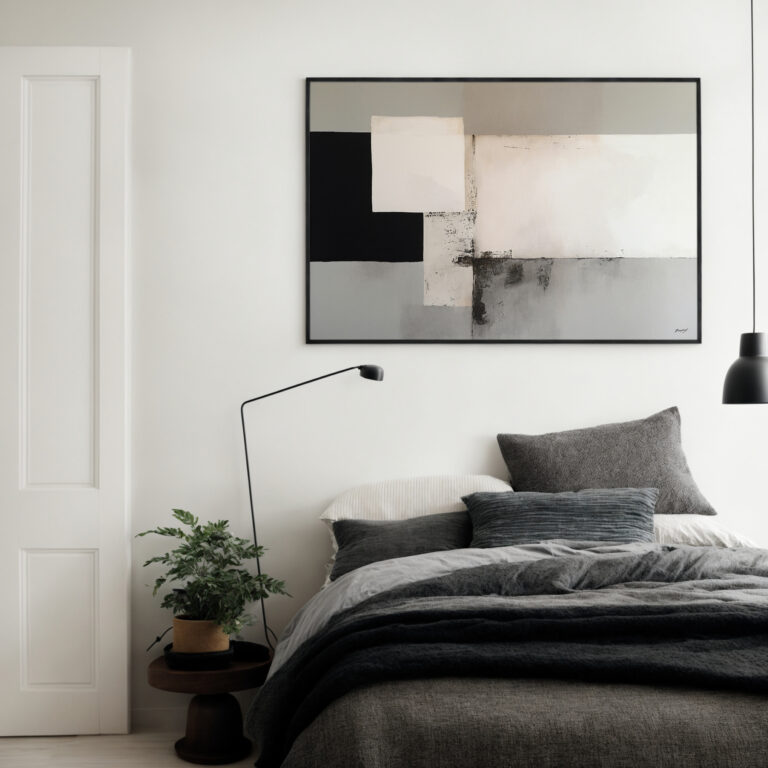
Many of these pieces bridge the gap between ancient Japanese principles and modern Scandinavian functionality. This Japandi art style relies on a “less is more” approach, focusing on a palette of stone, sand, oatmeal, and charcoal. Because the designs are produced on museum-quality canvas or archival paper, the tactile quality of the original medium is preserved. This gives the impression of a hand-painted piece that has lived in the home for years, offering a sophisticated look that remains entirely unpretentious.
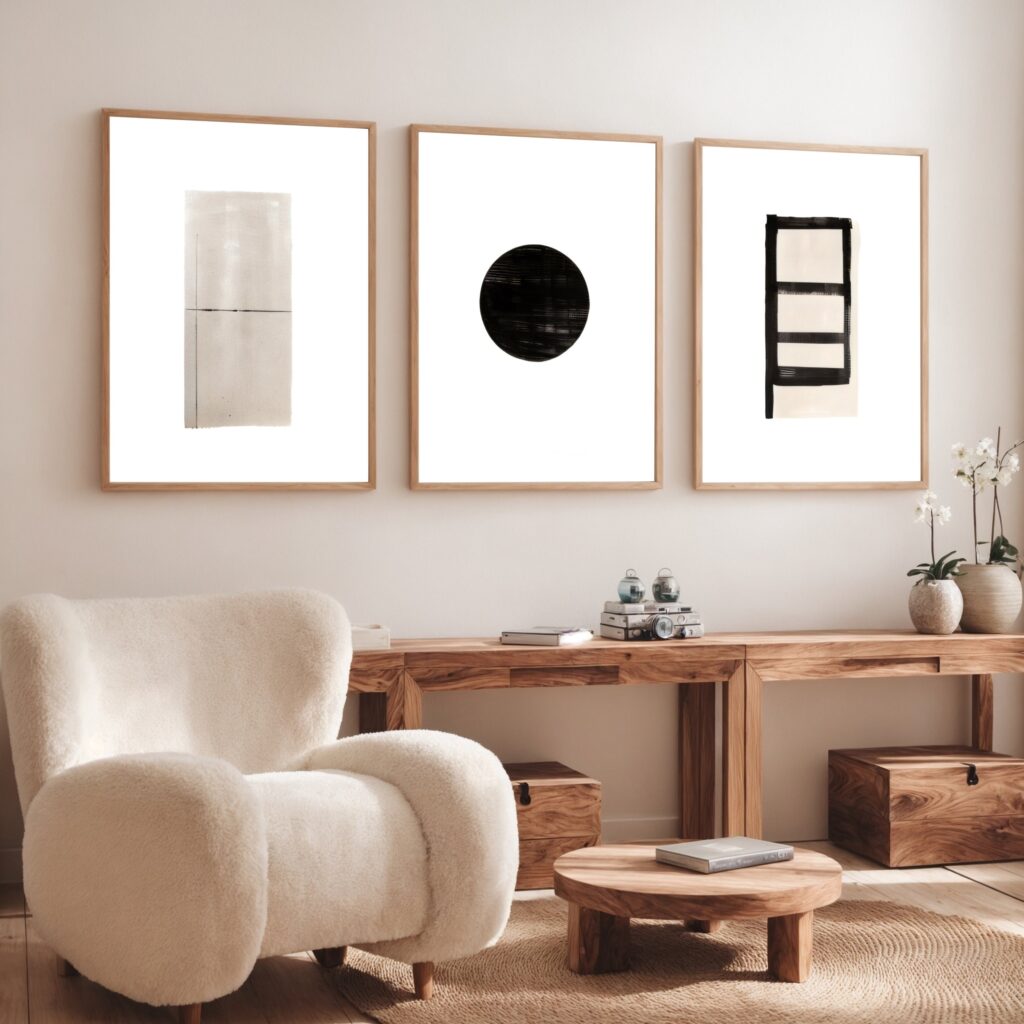
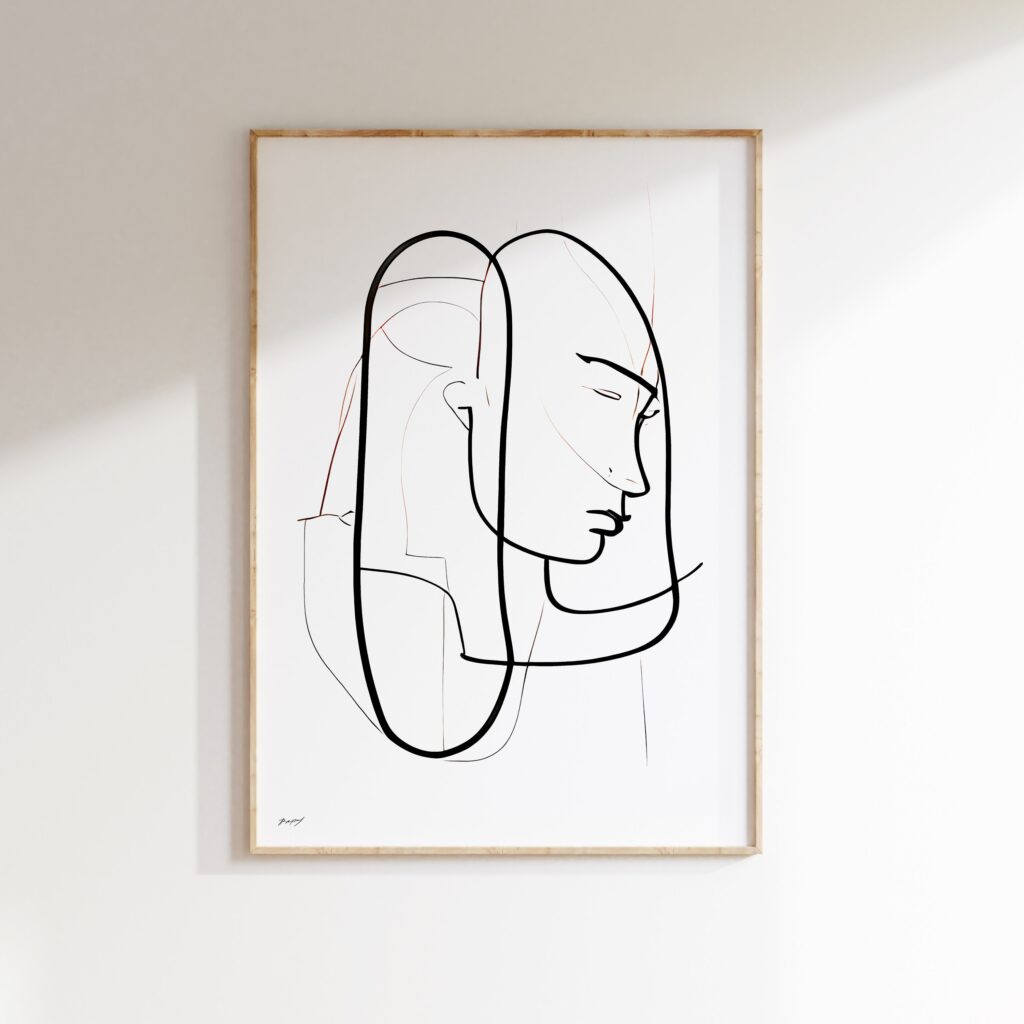
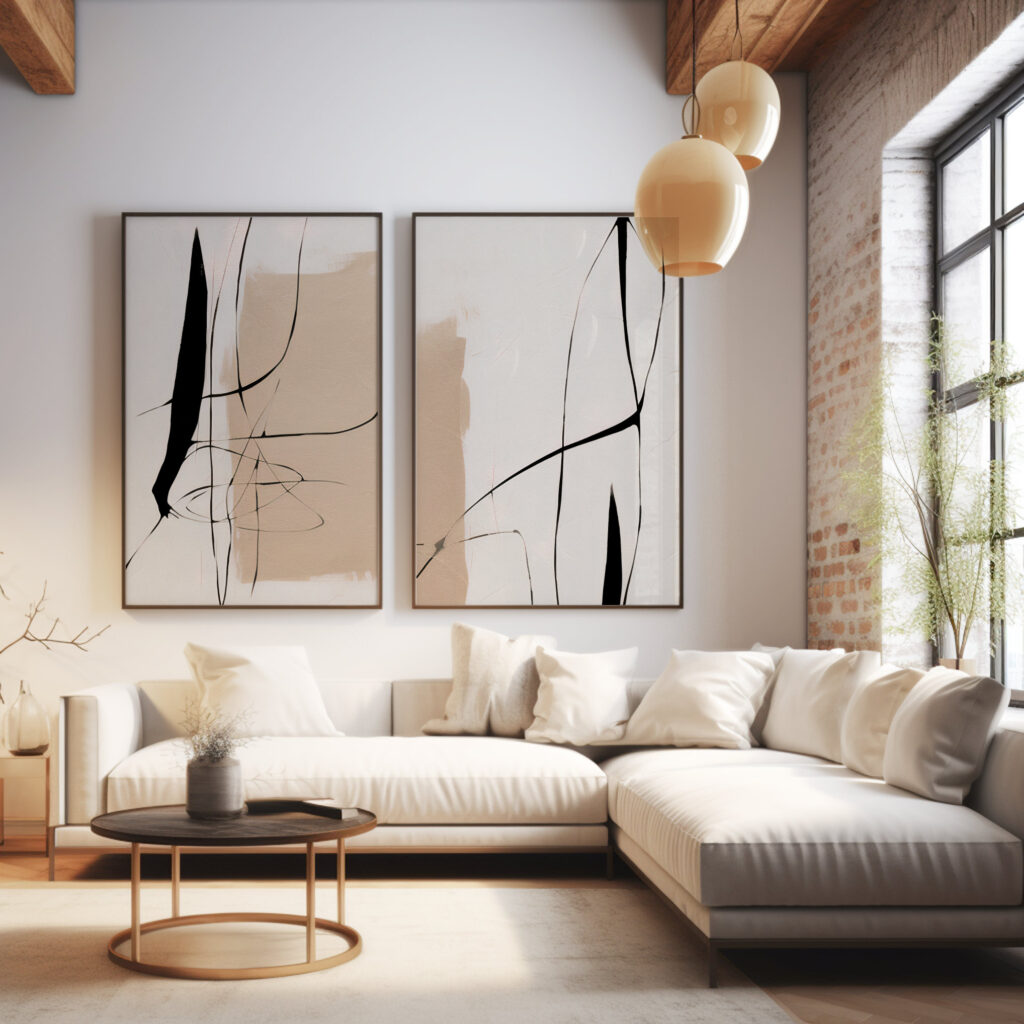
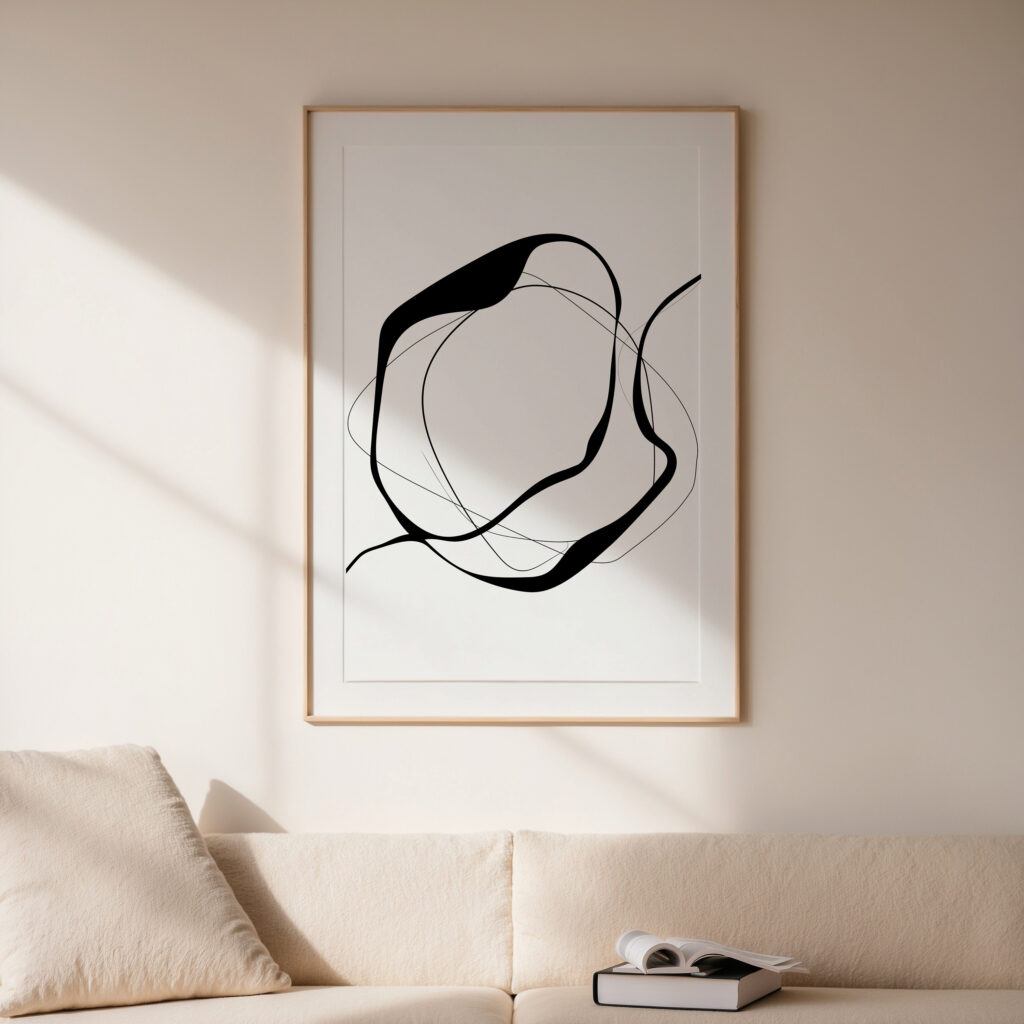
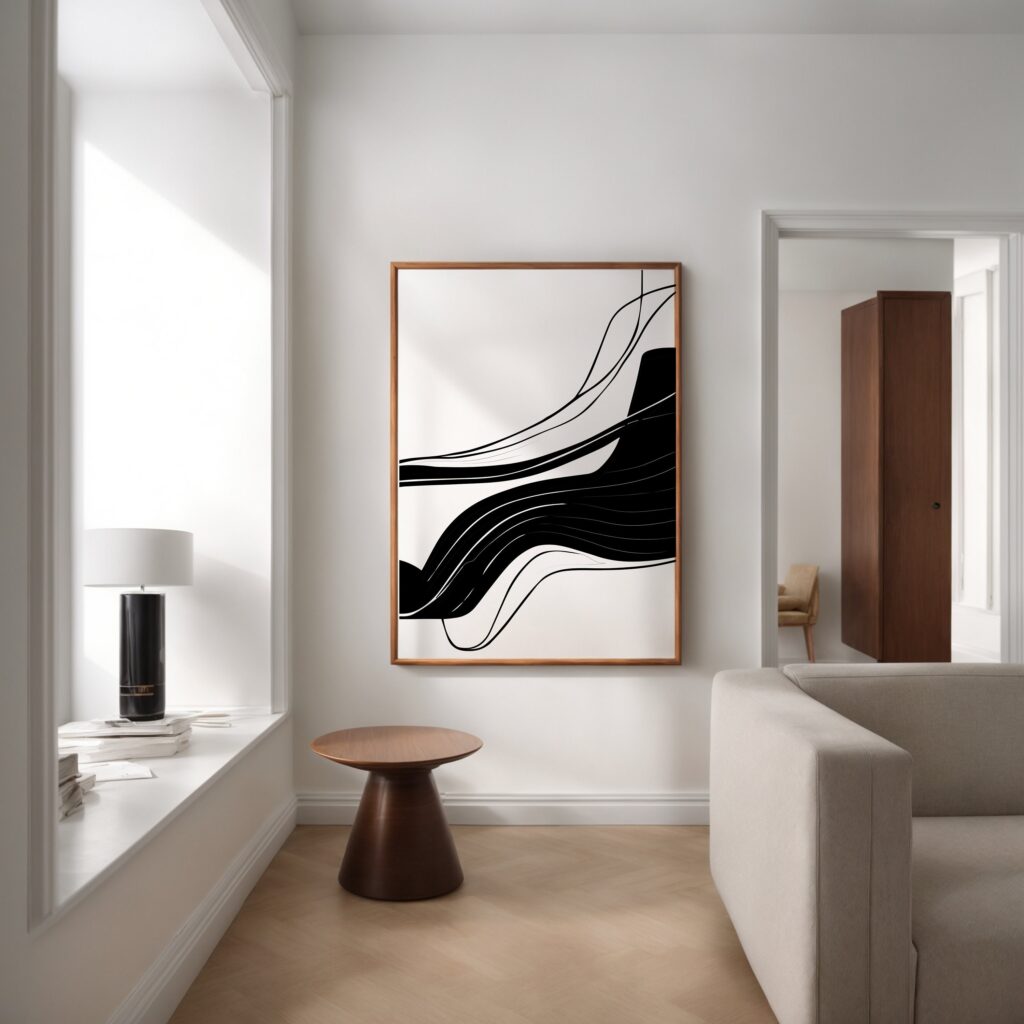
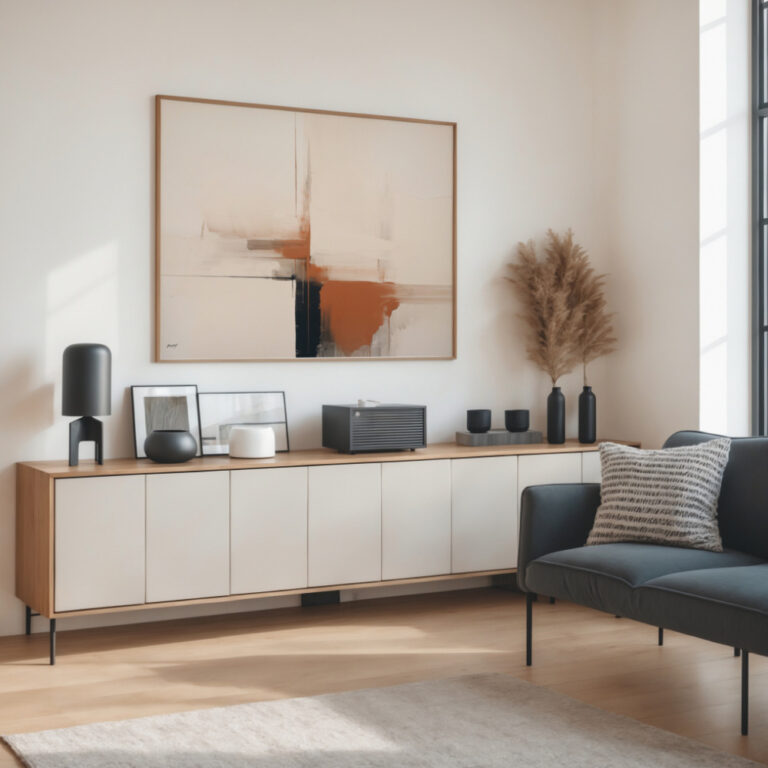
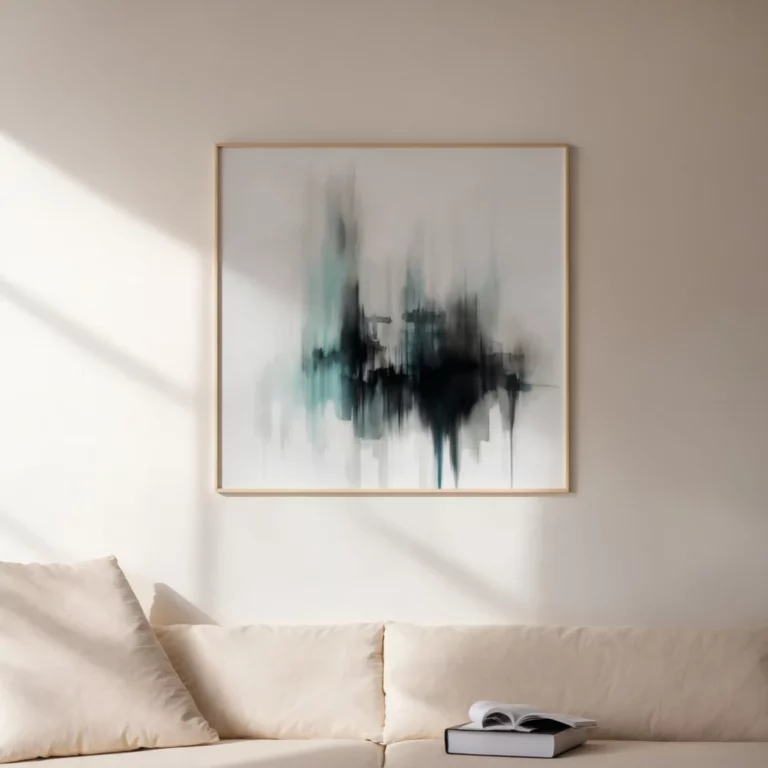
When arranging your space, think about how the art interacts with the shadows and light in the room. A large-scale work featuring abstract landscapes can act as a silent window, adding depth to a bedroom or a quiet reading nook. To maintain the organic feel, we recommend natural wood frames in oak or walnut. These materials reinforce the connection to the outdoors and complement the muted tones of the artwork, ensuring that your wabi sabi wall art feels like a natural, living extension of your home’s architecture.
It is a style of art that embraces the Japanese aesthetic of finding beauty in imperfection, simplicity, and the natural cycle of growth and decay. It usually features asymmetrical compositions, organic textures, and muted, earthy colors.
The palette is dominated by “nature-inspired” neutrals. Expect to see shades of beige, cream, slate grey, terracotta, and deep charcoal. These colors are chosen for their ability to promote calm and minimize visual noise.
While both value simplicity, standard minimalism often leans toward clinical perfection and sharp, artificial lines. Wabi Sabi is warmer and more “organic,” embracing rough textures, hand-drawn lines, and the look of natural weathering.
Because of its calming nature, it is highly popular for bedrooms and home offices. However, it is also effective in living rooms to create a grounded, welcoming atmosphere for guests.
Natural wood frames with a matte finish are ideal. Avoid high-shine plastics or ornate metals. Light oak, ash, or dark walnut help the art feel more connected to the organic world.
Absolutely. It acts as a perfect counterpoint to the “cold” feel of modern materials like glass, metal, and polished stone, adding a layer of soul and warmth to a contemporary home.
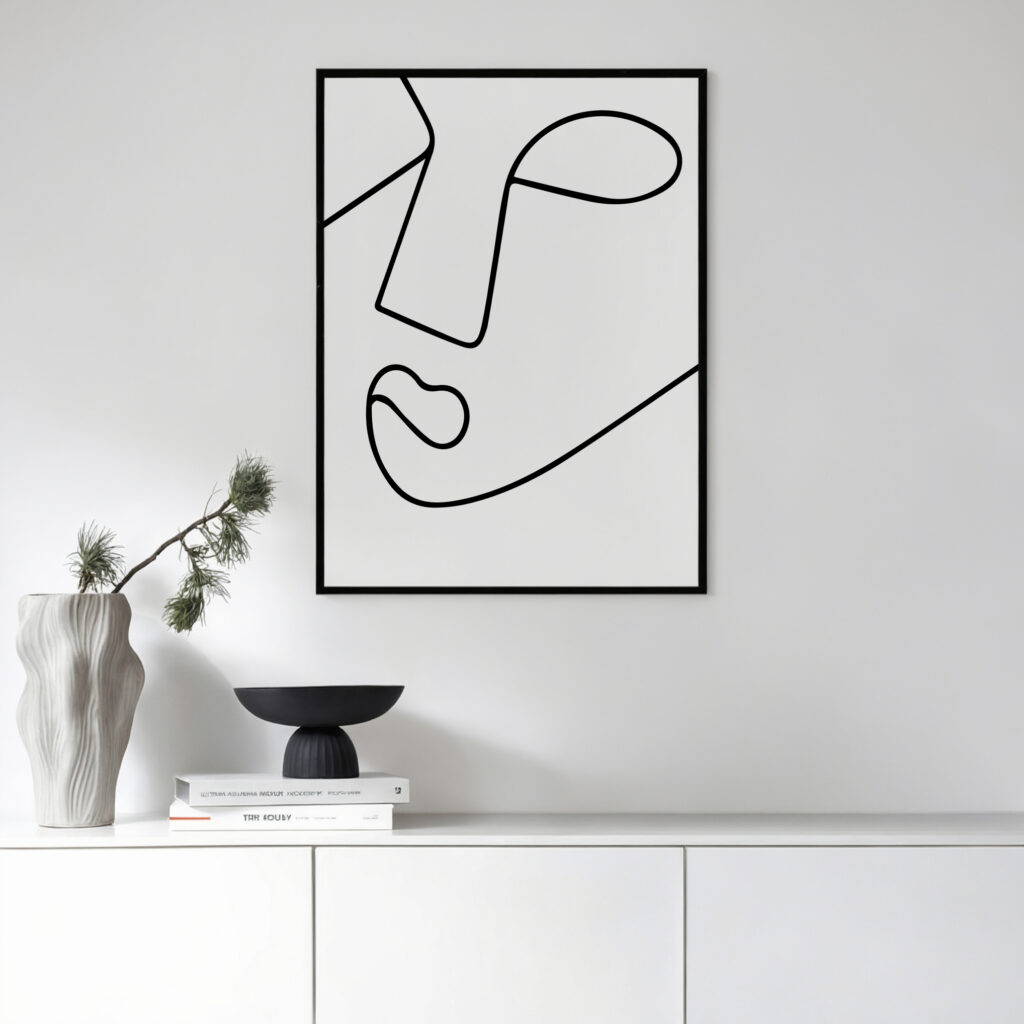
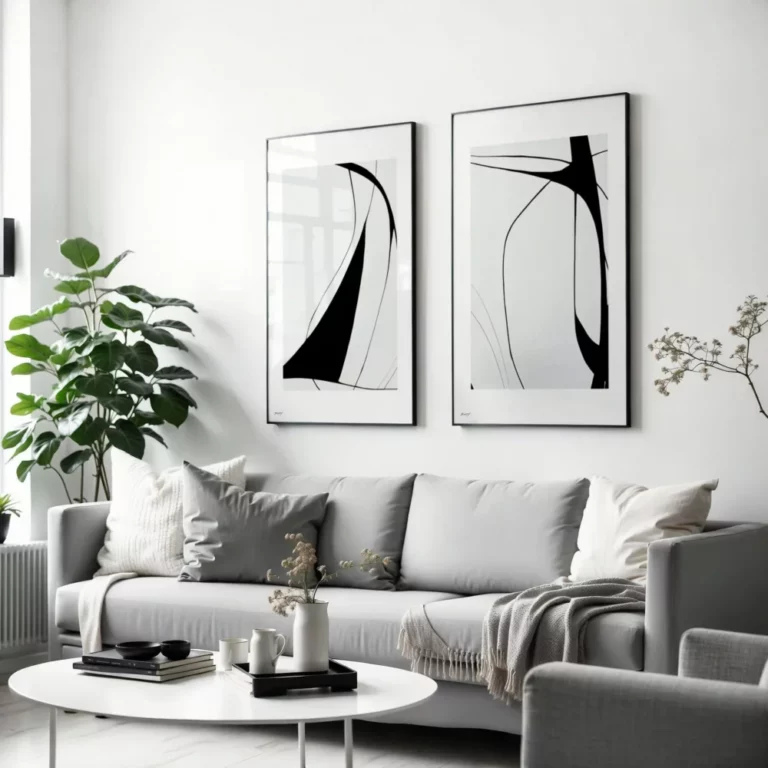
Negative space—the “empty” area around the subject—represents the concept of “Ma,” or the space between things. It allows the viewer’s mind to rest and makes the central shapes feel more significant and peaceful.
Art Collections