Limited Time: 20% Off All Prints
Free worldwide shipping on orders over $69
Delivery 4-12 business days
Home / Trending Art Styles / The Allure of Shadows: Elevating Interiors Through Atmospheric Expression
In the landscape of modern interior design, we are currently witnessing a dramatic shift away from the “all-white” aesthetic that has dominated the last decade. While the bright, airy look of Scandinavian minimalism has its merits, there is a growing desire for homes that feel more substantial, more layered, and more emotionally resonant. This has led to the rise of Moody wall art, a design choice that prioritizes atmosphere over brightness and mystery over clarity. When you buy art prints online, the instinct is often to go for something that “pops,” but the real power often lies in the pieces that draw the viewer in through shadow and subtlety.
Interior design is not just about furniture and floor plans; it is about how a room makes you feel. Incorporating artwork with deeper palettes and high contrast allows a space to breathe in a different way. It introduces a sense of history and gravitas that lighter pieces simply cannot achieve. In this article, we will explore why these atmospheric choices are becoming the preferred tool for designers looking to add a “soul” to contemporary architecture, and how you can master the balance of light and dark in your own home.
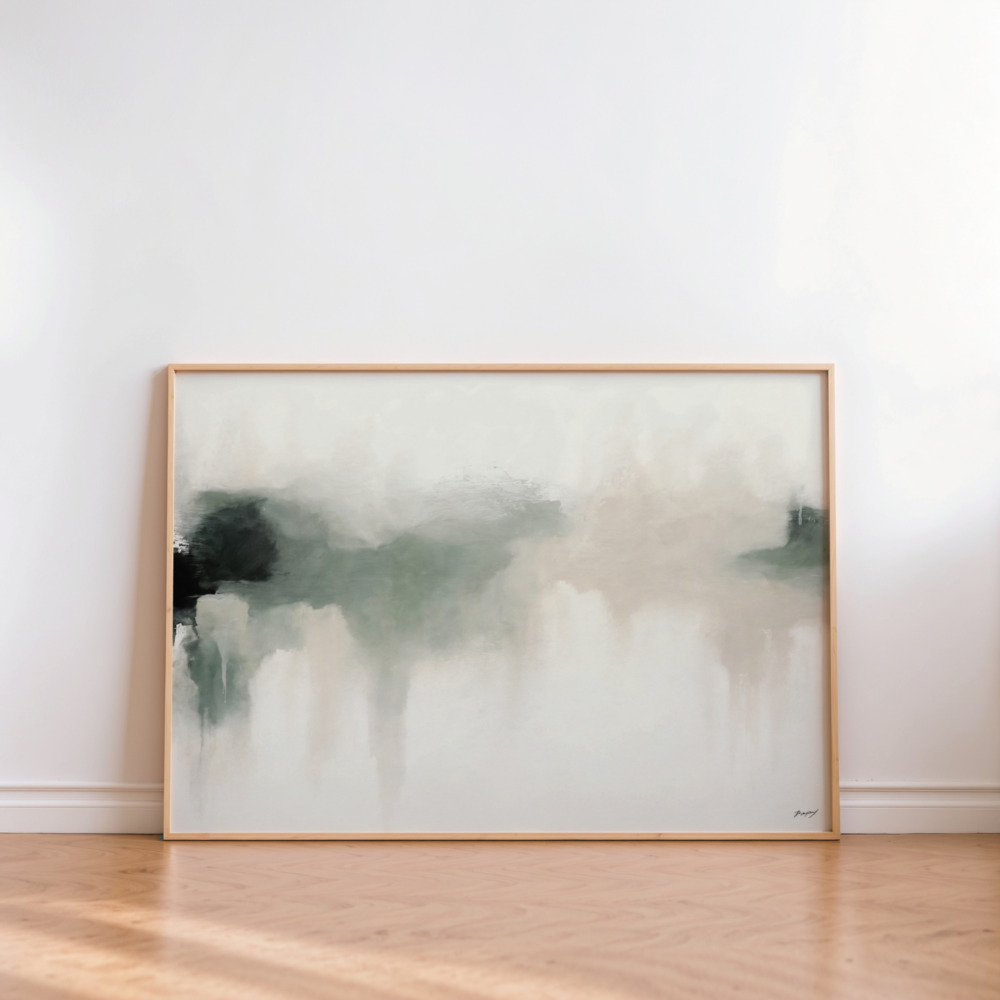
To understand this style, we have to look beyond the literal “darkness” of a canvas. “Moody” does not mean depressing or somber; rather, it refers to an emphasis on atmosphere, rich textures, and a specific interplay of light and shadow—a technique historically known as chiaroscuro.
This style manifest in several ways:
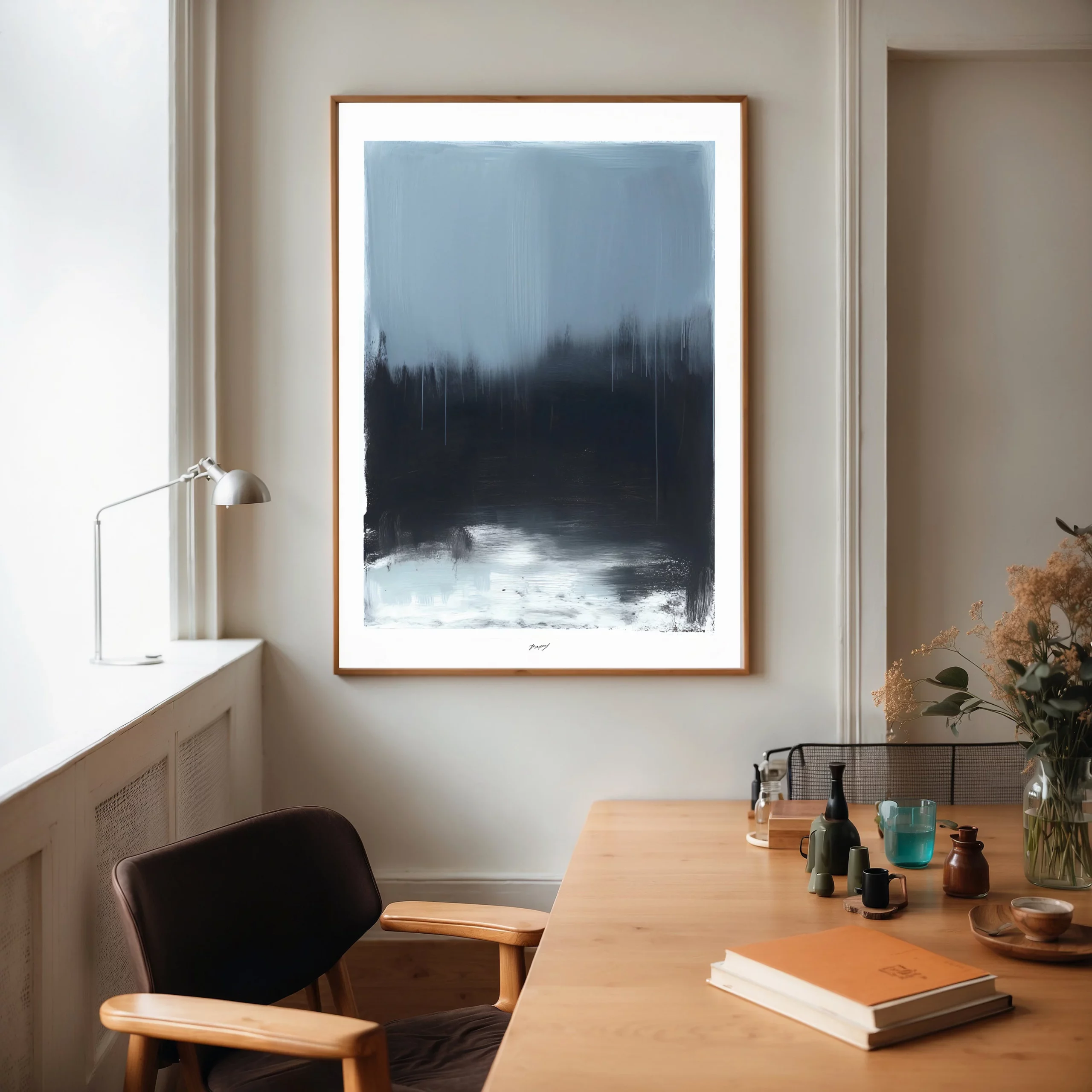
Abstracts: Think of deep indigo washes, charcoal textures, or the sweep of a brush in dark forest green.
Photography: Cinematic landscapes, silhouettes against a twilight sky, or close-up botanical studies with deep, shadowed backgrounds.
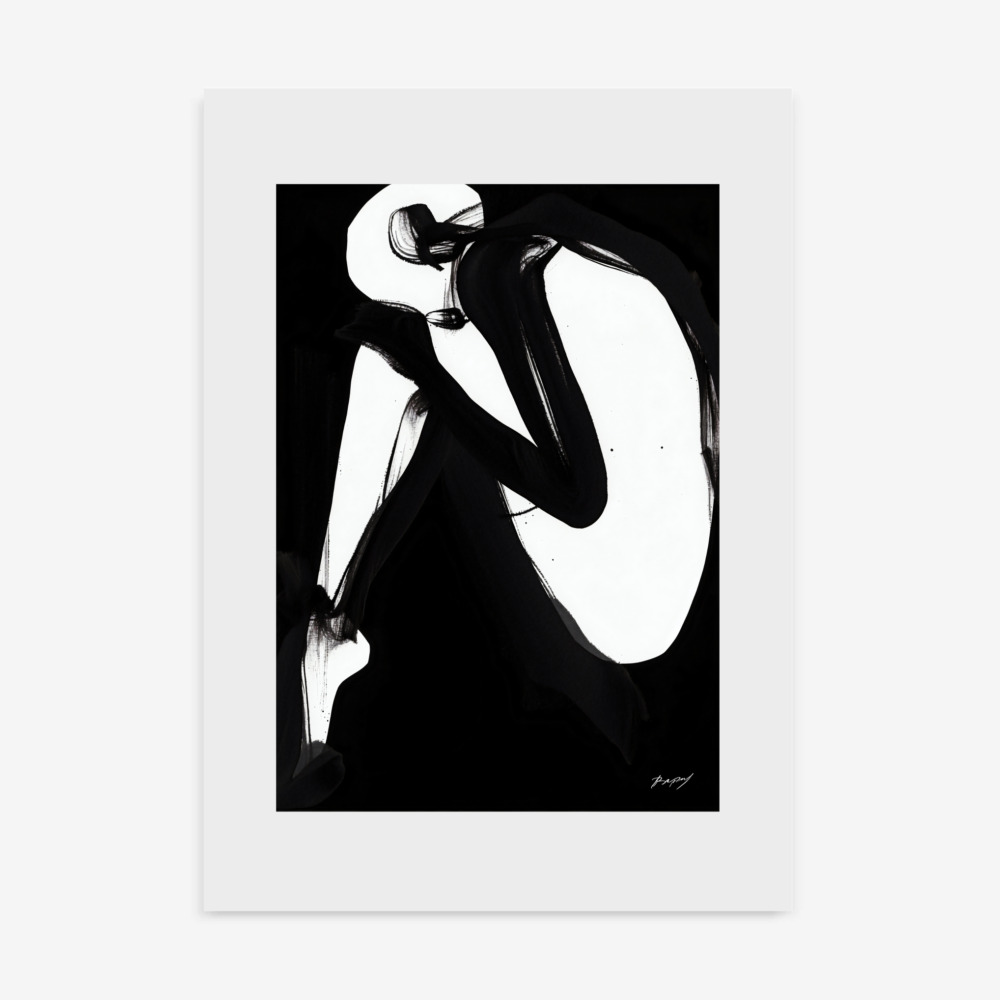
Minimalist Sketches: Even a simple black and white painting can be moody if the lines are heavy, the contrast is stark, or the negative space feels “heavy” and intentional.
The key difference between “moody” art and a painting that is simply dark is the intention behind the shadow. Moody pieces use darkness to highlight a specific feeling or subject, creating a visual “portal” that adds dimension to a flat wall.
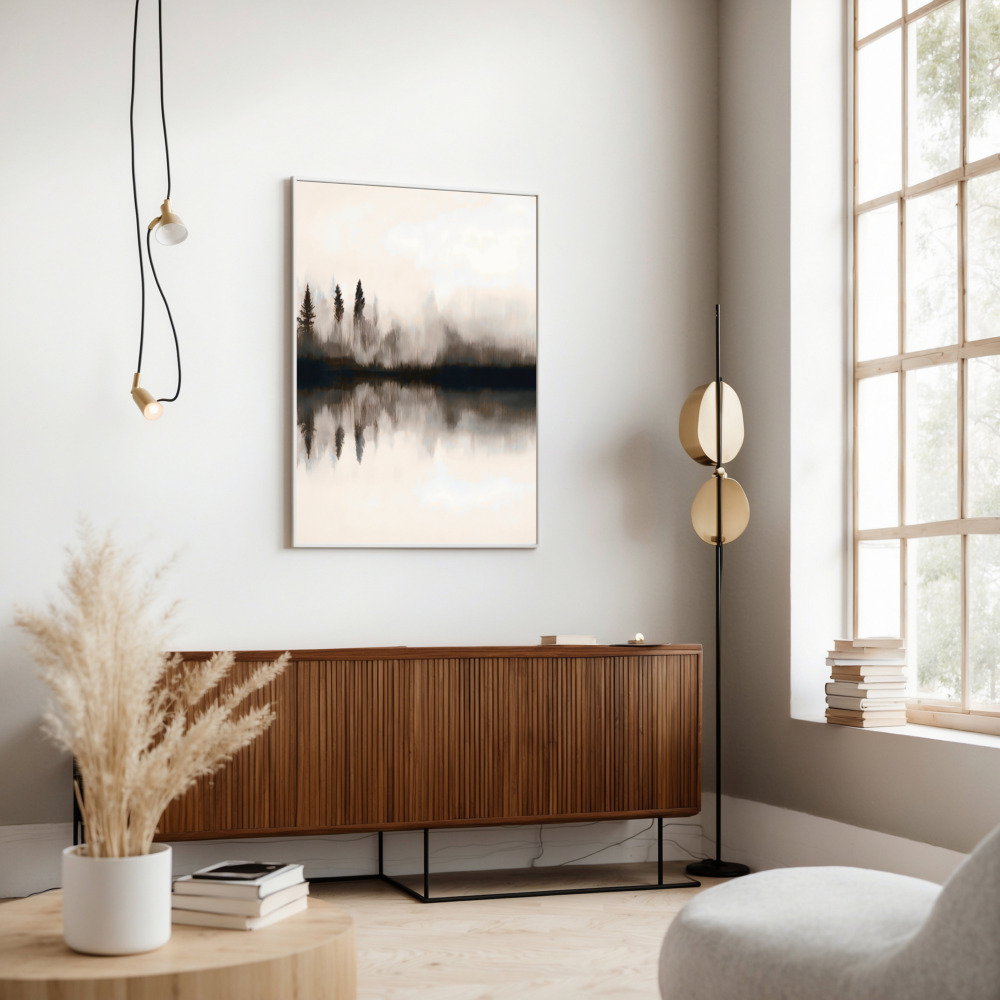
Human beings have a complex relationship with darkness. Psychologically, dark tones—when used correctly—trigger a sense of security and enclosure. Think of the comfort of a dimly lit library or the calm of a forest at dusk. In our homes, Moody wall art functions as a visual anchor.
Contrast is the engine of emotional tension in art. When we see a bright highlight emerging from a deep shadow, it creates a narrative. Our brains are naturally wired to look for the “story” in the dark. This creates a sense of intrigue and mystery that keeps a room from feeling static. Unlike bright, neon, or overly vibrant colors that demand immediate attention, darker tones invite a slower, more contemplative type of engagement. They lower the “visual volume” of a room, allowing the inhabitant to rest their eyes and their mind.
One of the biggest challenges in modern homes, particularly new builds, is the “boxiness” of the rooms. Flat, white drywall can feel sterile and two-dimensional. Darker artwork has the unique ability to push the wall back visually.
By placing a piece with deep, receding colors in the center of a room, you create the illusion of a third dimension. It’s a trick of perspective: dark colors appear to move away from the viewer, while light colors move toward them. Therefore, a large-scale, dark landscape or a textured modern wall art piece can actually make a room feel larger by adding “perceived depth.” It gives the eye a place to “fall into,” breaking the hard boundary of the wall and making the space feel infinitely more interesting.
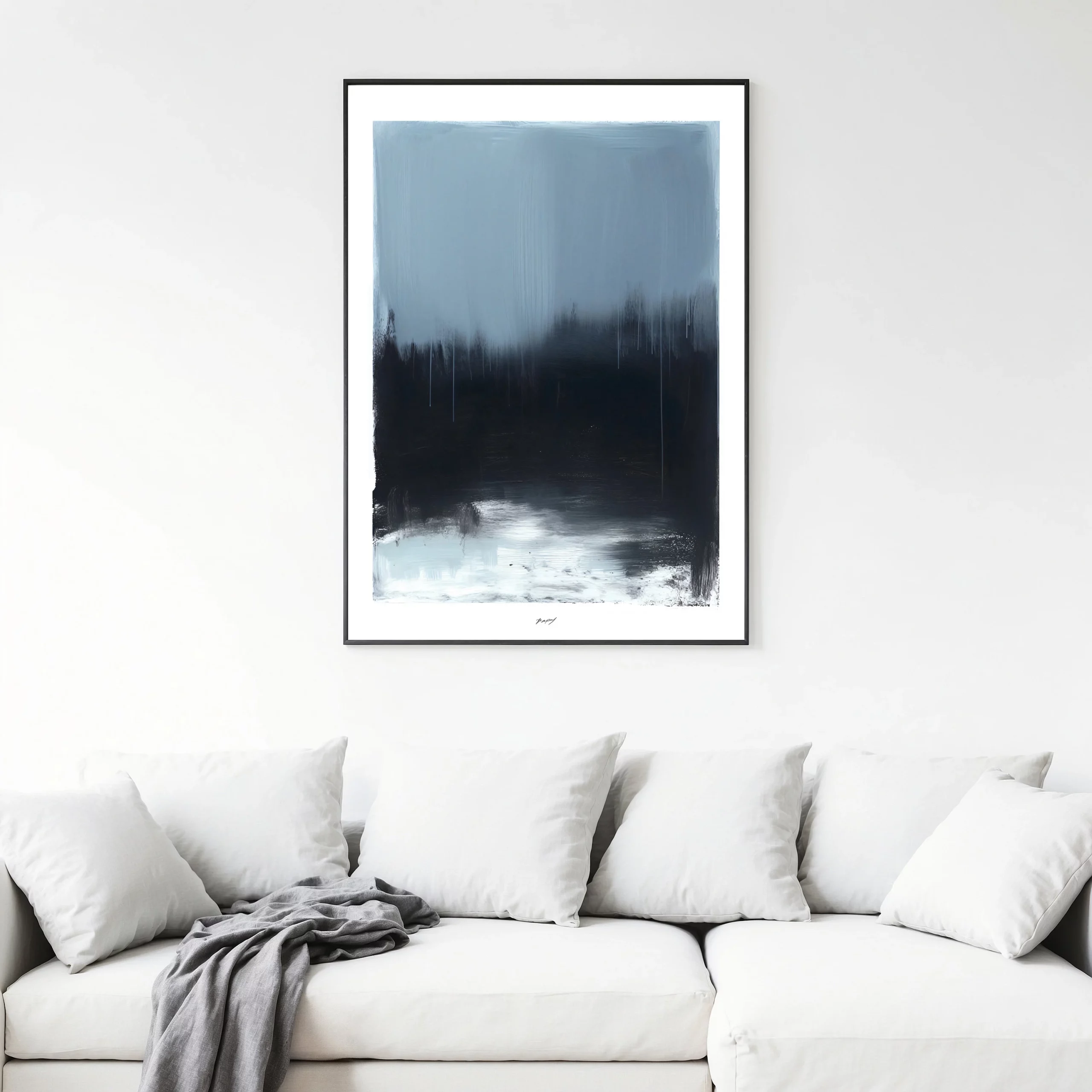
Minimalism is often misunderstood as having “nothing” in a room. In reality, minimalism is about having the right things. The beauty of choosing atmospheric, darker pieces is that they provide a massive amount of drama without requiring a lot of visual “noise.”
You don’t need twenty different colors to make a statement. A restrained palette of charcoals, deep navies, and earthy browns feels incredibly intentional. It suggests a confidence in design—the idea that you don’t need to shout to be noticed. This balance between drama and calm is what makes these pieces so successful in modern homes. They provide a “vibe” that blankets the entire room, allowing you to keep your furniture and accessories simple and understated.
Modern design often relies on “the grid”—clean lines, right angles, and smooth surfaces. While this creates a tidy environment, it can sometimes feel a bit cold. Shadows are the antidote to that coldness.
In a minimalist room, a darker piece of art acts as the focal point. Because modern homes often have plenty of natural light through large windows, they are the perfect canvas for Moody wall art. The sunlight hitting a dark, textured canvas creates a beautiful shifting effect throughout the day. It creates contrast against light-colored sofas or pale wood floors, preventing the room from looking “washed out.” It’s about the “pop” of the dark against the light, rather than the “pop” of a bright color.
Every room has a different energetic requirement, and your choice of art should reflect that.
In the living room, art is often the primary conversation starter. A large statement piece above the fireplace or sofa can set the entire mood of the house. Designers often use dark, atmospheric prints to “ground” a high-ceilinged room. It makes the seating area feel more intimate and “cocooned,” which is exactly what you want when entertaining guests or relaxing after a long day.
If there is one room where moody tones truly shine, it is the bedroom. We are naturally programmed to sleep in the dark, and bringing those tones onto the walls helps reinforce a calm, “sleep-ready” environment. Choosing Abstract art prints in deep jewel tones like emerald or sapphire can make a bedroom feel like a high-end boutique hotel. It’s about creating an “embrace” that signals to your brain that it’s time to switch off.
Workspaces require focus. Interestingly, very bright rooms can be overstimulating and lead to eye strain. A piece of minimalist artwork in dark charcoal or deep blue provides a sense of intellectual depth. It makes the office feel like a “study,” a place of serious thought and creative immersion. It provides a restful place for the eyes to land during moments of deep thinking.
The success of dark art often depends on the textures surrounding it. Because moody art is so much about “feel,” the physical materials in the room matter immensely.
Materials: Deep art looks incredible when paired with natural materials like walnut wood, brushed brass, or raw stone. These materials have their own “weight” that matches the gravity of the art.
Textiles: Soft textiles like velvet, linen, and wool work beautifully with darker prints. A velvet cushion in a color that matches a tone in the painting creates a “color drench” effect that is very popular in current design trends.
Finishes: When looking for unique art prints, consider the finish. Matte finishes work best for moody art because they prevent glare, allowing you to see into the deep “shadows” of the print without being distracted by reflections of your room’s lights.
You cannot talk about atmospheric art without talking about lighting. In fact, lighting is what brings these pieces to life. A dark painting in a room with only one overhead light will look like a black hole. However, when you use directional lighting—like a picture light or a small spotlight—the art begins to “glow.”
Spotlights: Use a focused beam to highlight the textures of the print. This mimics the way sunlight hits a landscape and creates a dramatic, museum-like effect.
Ambient Lighting: Wall sconces or floor lamps with warm bulbs (2700K) enhance the “warmth” of dark colors, making them feel cozy rather than cold.
Shadow Play: Allow the light to fall off the edges of the frame. The shadows created on the wall around the piece only add to the atmospheric effect.
A common fear is that “dark art makes a room feel small.” This is a myth. As we discussed earlier, depth is created by dark colors. While a dark wall might bring a surface closer, a dark window (which is what a piece of art is) creates an opening.
Another misconception is that moody art is “too bold” for everyday living. On the contrary, because it is so low-energy, it is often much easier to live with over the long term than a bright, colorful piece that might eventually cause “visual fatigue.” Darker art is like a background melody—it’s always there, providing a mood, but it doesn’t demand that you pay attention to it every second of the day. It’s a subtle presence that enhances the architecture around it.
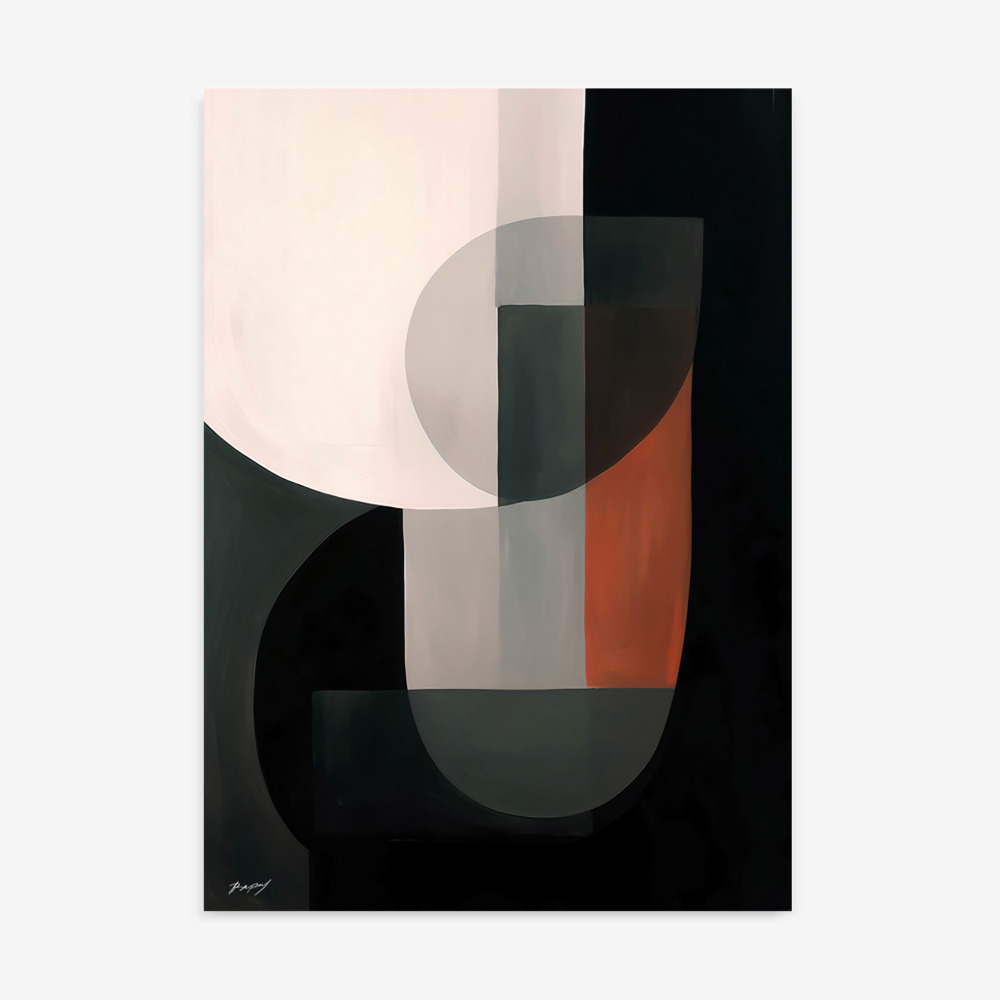
Trends like “Industrial” or “Shabby Chic” have come and gone, but the use of shadow in art has remained relevant for centuries. From the Dutch Masters of the 1600s to modern photography, the human attraction to light and dark is permanent.
When you invest in unique art prints that have a moody, atmospheric quality, you are choosing pieces that work across multiple styles. Whether you move into an organic modern home, a rustic farmhouse, or a high-rise city apartment, the emotional weight of a dark, atmospheric piece will always find a place. It is a style that transcends the “flavor of the month” because it is rooted in basic human psychology and the timeless beauty of the natural world at twilight.
Mastering the use of shadows in your home is a journey toward a more intentional and sophisticated lifestyle. It requires the courage to step away from the safety of “bright and white” and the willingness to embrace the mystery of the dark. By choosing pieces that offer depth, emotion, and atmosphere, you turn your walls into more than just partitions—you turn them into experiences.
At Print Studio, we believe that every home deserves a touch of drama. We invite you to explore our curated collections, where you will find everything from affordable art prints for the beginner decorator to sophisticated black and white painting styles for the seasoned collector. Don’t be afraid of the shadows; they are where the most beautiful stories are told.
Ready to add depth to your home? Browse our full collection and discover the power of atmospheric art today.