Limited Time: 20% Off All Prints
Free worldwide shipping on orders over $69
Delivery 4-12 business days
Home / Trending Art Styles / From Nordic to Japandi: How Scandinavian Design Evolved
In the world of interior design, few movements have had the staying power or the global impact of the Scandinavian aesthetic. For decades, the “Nordic look” has been the shorthand for modern, clean, and functional living. However, in recent years, a subtle but profound shift has occurred. The bright, cool whites and light woods of traditional Swedish and Danish homes have begun to merge with the ancient, soulful philosophies of Japan.
This evolution has given birth to Japandi, a hybrid style that is currently dominating the world of modern minimalist decor. But this wasn’t an accidental collision of trends. It was a natural progression of two cultures that, despite being thousands of miles apart, share a deep reverence for nature, craftsmanship, and the beauty of simplicity.
In this guide, we will trace the journey from the post-war roots of Scandinavian design to the global rise of Japandi. We will look at how the “Hygge” of the North met the “Wabi-sabi” of the East, and why this evolution is the perfect response to our hectic, modern lives. Whether you are a fan of Nordic art prints or you are looking for the perfect Japandi wall art to anchor your room, understanding this history will help you design a home with true intention.
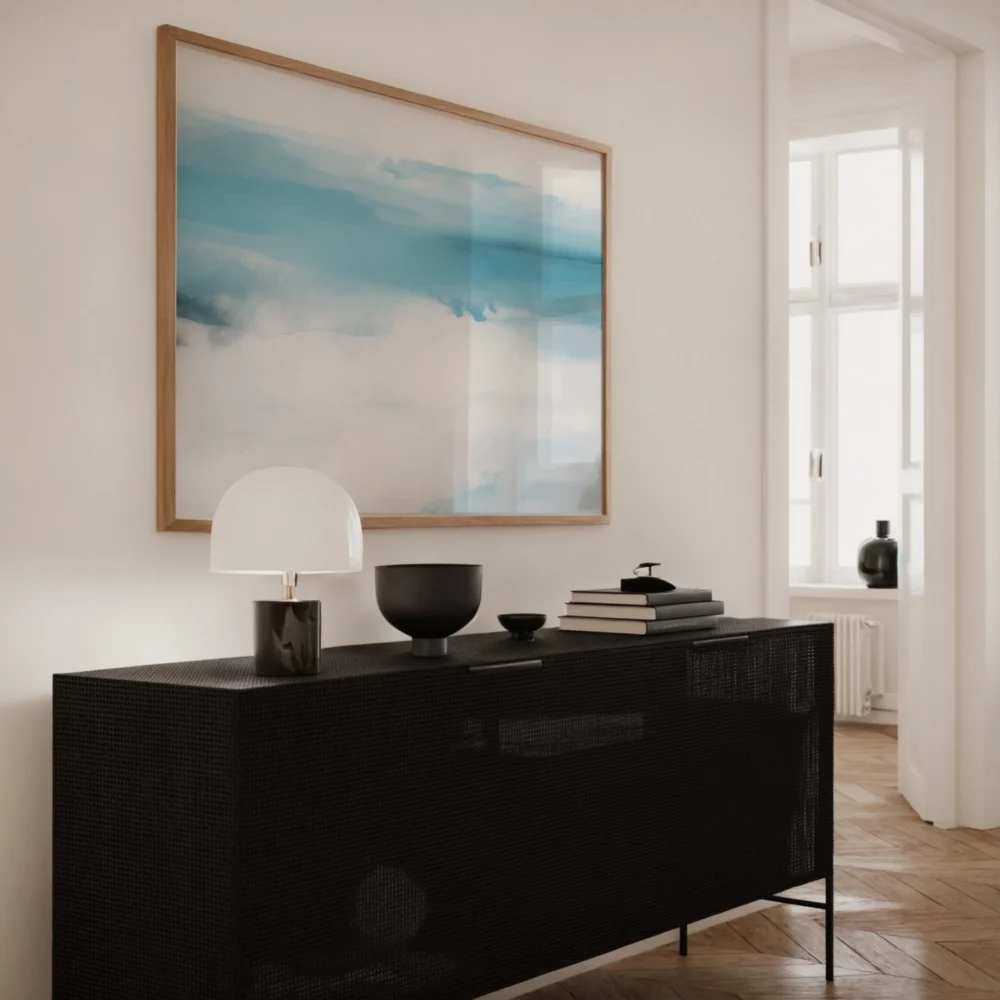
To understand Japandi, we must first look at the foundation: Scandinavian design. Emerging in the early 20th century and flourishing in the 1950s across the five Nordic countries—Denmark, Finland, Iceland, Norway, and Sweden—this movement was born out of necessity and a specific social philosophy.
Following World War II, there was a global push for modernization. In Scandinavia, this took a unique turn. The goal was to create “democratic design”—products that were beautiful and functional, yet affordable enough for the average citizen. This was a departure from the ornate, exclusionary luxury of previous eras. It was design meant to improve the quality of daily life for everyone.
The Nordic climate played a massive role in shaping the aesthetic. With winters that bring only a few hours of daylight, interiors had to become “light-catchers.” This led to the signature Nordic decor palette: bright white walls, large windows without heavy drapery, and the use of light-colored woods like ash, birch, and bleached oak.
You cannot talk about Scandinavian interior design without mentioning Hygge. This Danish concept refers to a quality of coziness and comfortable conviviality that engenders a feeling of contentment or well-being. In design, this translated to “softening” the minimalism with layers of wool, sheepskins, candlelight, and natural textures. It was a functional minimalism that still felt incredibly “human.”
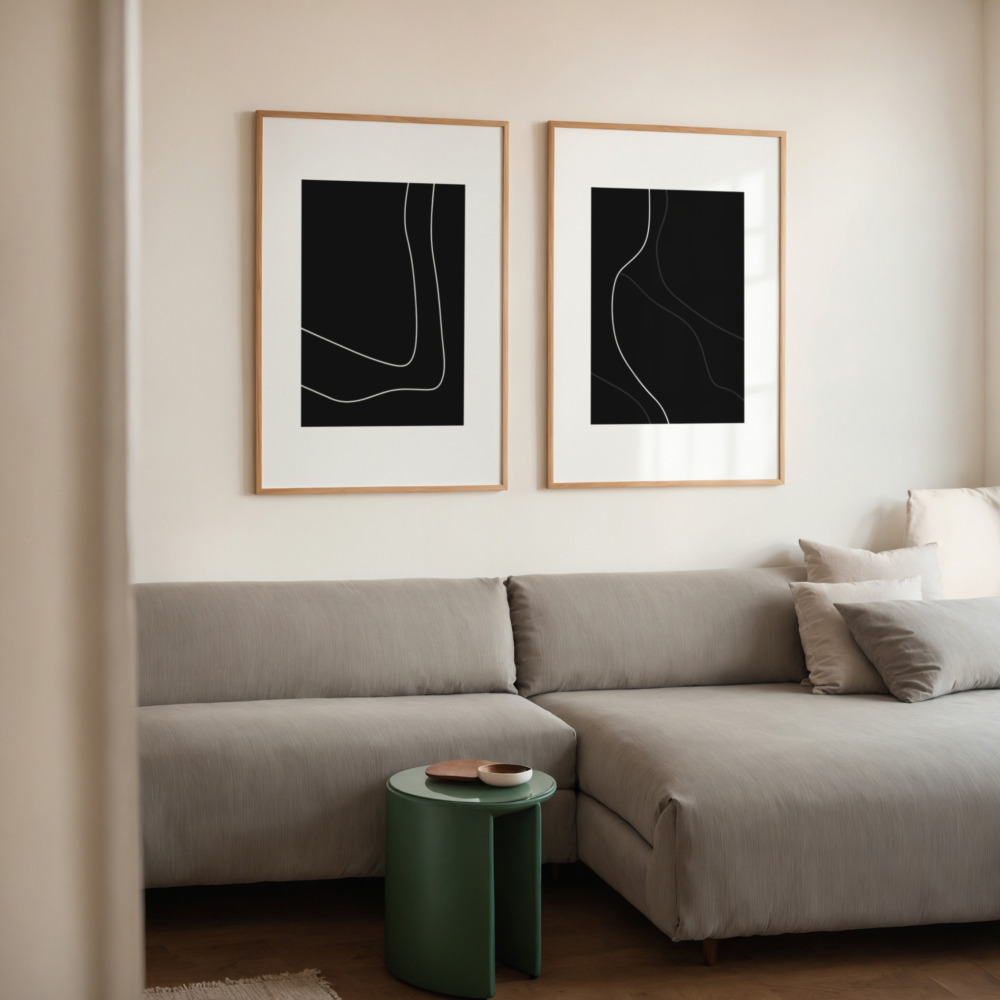
By the 1960s, the world had fallen in love with the minimalist Scandinavian style. The “look” was defined by several key pillars that remain influential today:
Clean, Uninterrupted Lines: Furniture was stripped of excess ornamentation, focusing instead on the elegance of the silhouette.
The Neutral Base: Walls were almost exclusively white or very light gray, serving as a blank canvas for natural light.
Natural Materials: A heavy emphasis on organic materials—wood, cotton, linen, and stone—to create a connection with the rugged Nordic landscape.
Functionality: If a piece of furniture didn’t serve a purpose, it didn’t belong in the room. Storage was built-in and clever, keeping the floor plan open and “airy.”
For those who love this classic, bright aesthetic, our Nordic art prints capture that specific sense of clarity and mountain-air freshness.
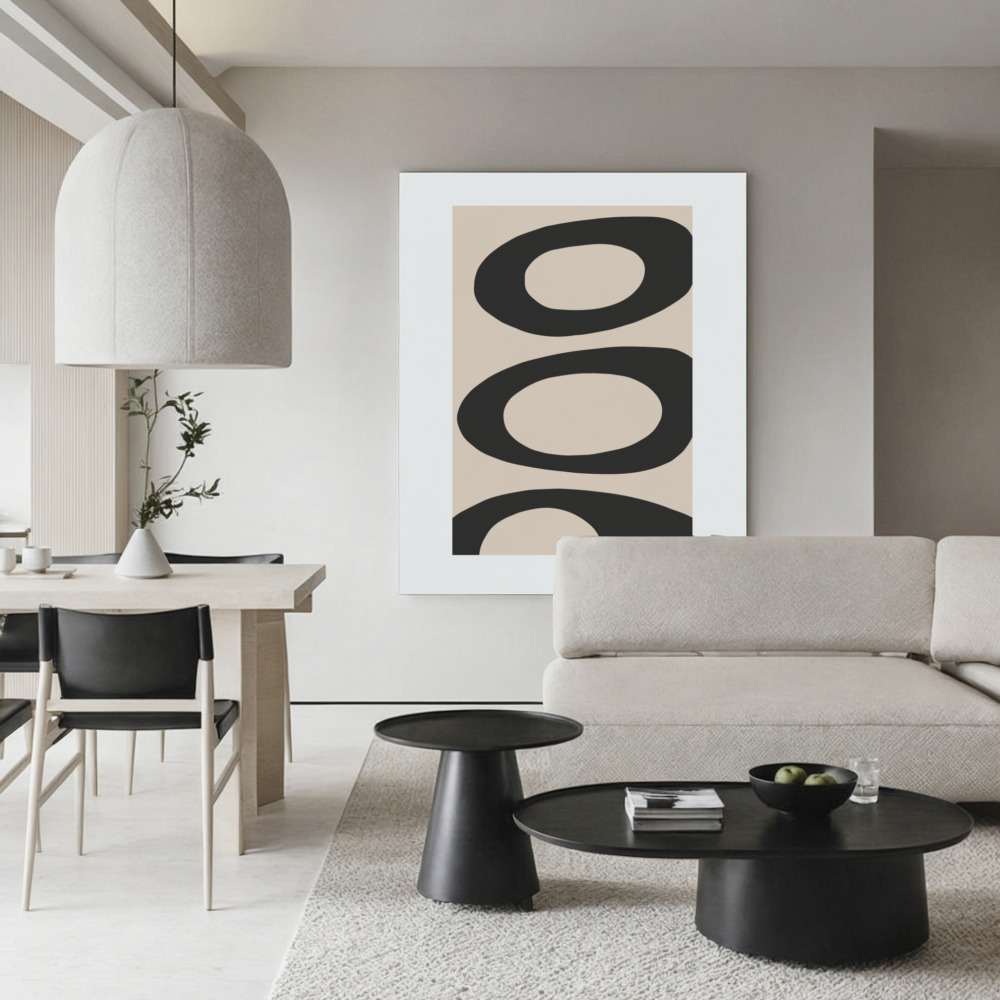
As we moved into the 21st century, the world became faster, louder, and more digital. In response, a global movement toward minimalism began to take hold. We started seeing smaller urban homes and a desire for “slower” living.
Sustainability also became a primary concern. People grew tired of “fast furniture”—cheaply made pieces that ended up in landfills. They began looking for furniture and neutral wall art that was built to last a lifetime. This shift in values set the stage for the next phase of design evolution. We were ready for something that went deeper than just “looking clean.” We were ready for the spiritual depth of Japan.
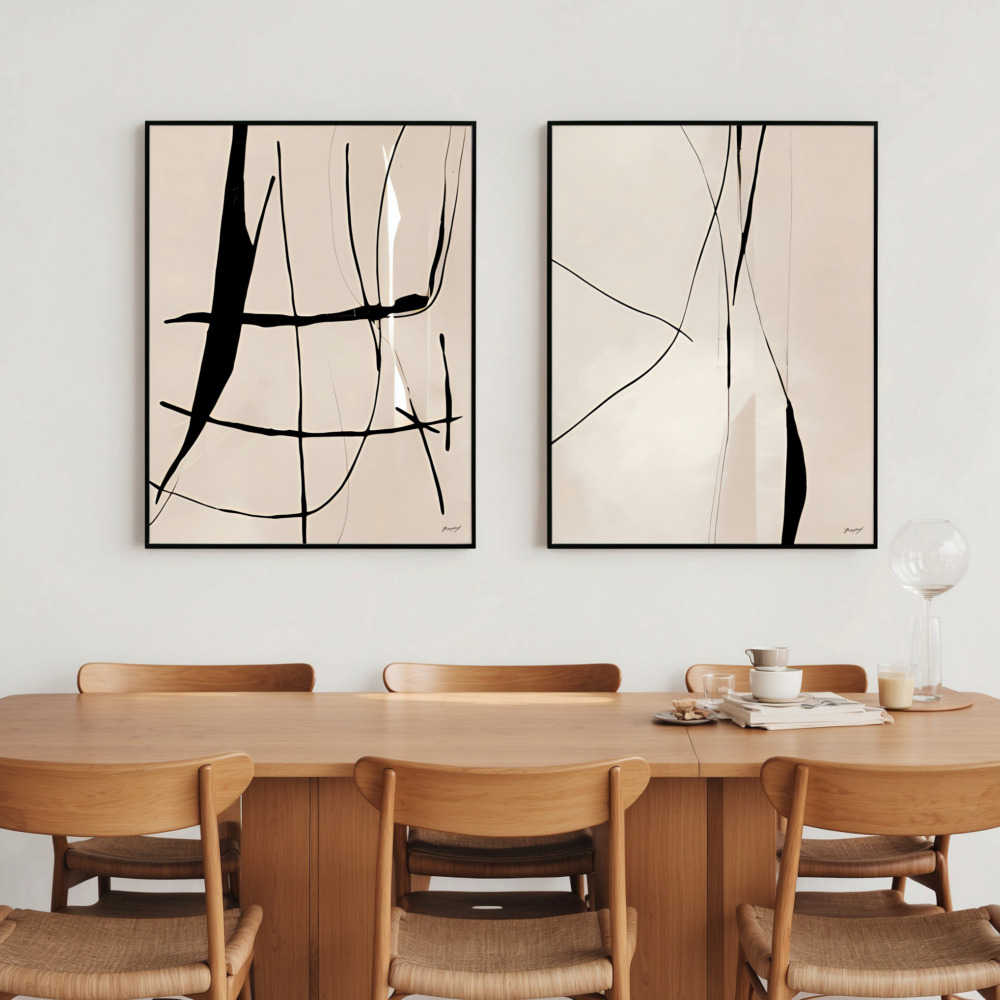
While Scandinavia was perfecting functional minimalism, Japan had been practicing its own version of it for centuries, rooted in Zen Buddhism and the philosophy of Wabi-sabi.
Unlike the perfectionist leanings of some Western modernism, Wabi-sabi is the art of finding beauty in the imperfect, the impermanent, and the incomplete. It values the crack in a ceramic bowl, the weathered grain of an old piece of wood, and the asymmetrical beauty of a handmade object.
A minimalist Japanese home is built on the concept of “Ma”—the celebration of empty space. It is not about “emptiness” as a void, but as a space full of potential. Japanese design introduced darker, richer wood tones (like cedar and walnut), lower-profile furniture, and a more structured sense of balance and harmony.
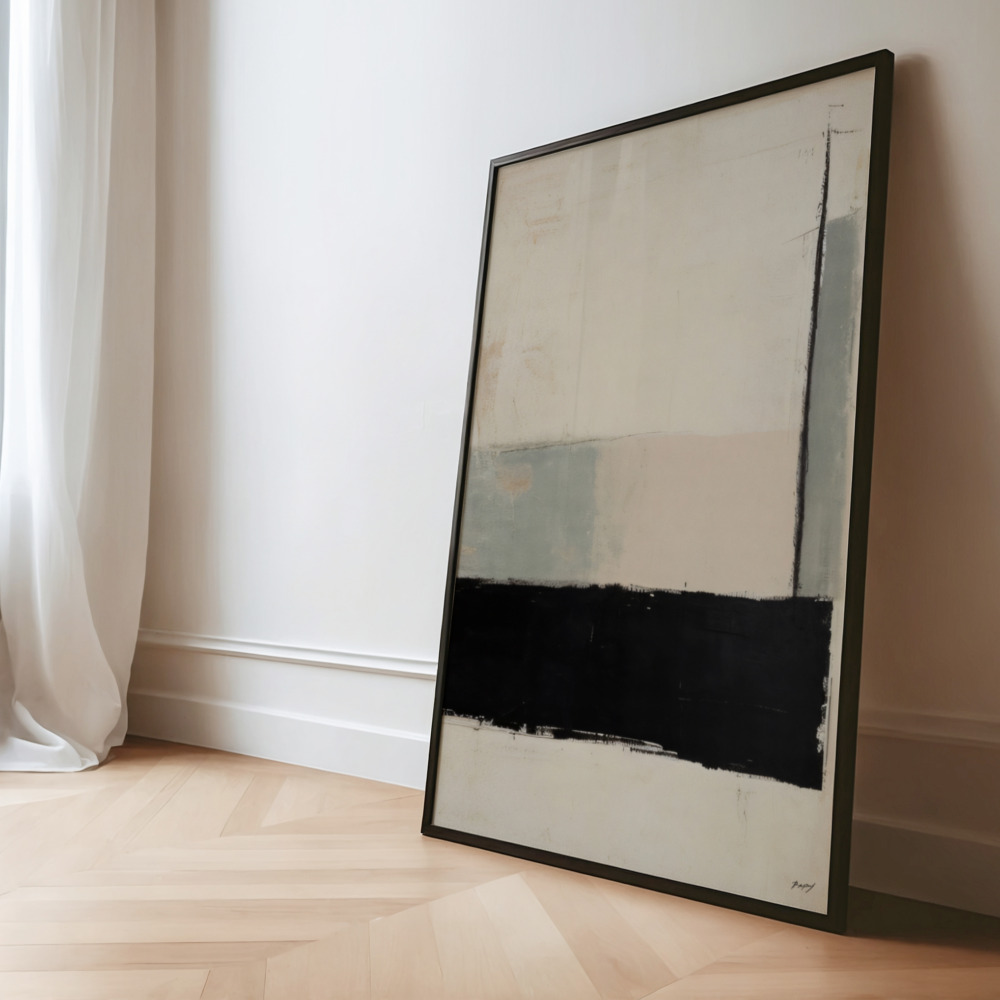
In the last five years, these two worlds officially merged to create Japandi interior design. It is more than just a mix of furniture; it is a hybridization of two distinct philosophies.
Japandi takes the Scandinavian “Hygge” (comfort) and infuses it with Japanese “Zen” (calm and order). It takes the light, airy Scandi palette and grounds it with the earthy, darker tones of Japan. The result is a Japanese Scandinavian style that feels warmer and more intentional than traditional minimalism.
A Muted, Earthy Palette: Moving beyond white to include “warm” neutrals like sand, taupe, terracotta, and olive green.
Intentional Negative Space: A more disciplined approach to what is left off the walls.
Contrasting Woods: Mixing the light oaks of Scandinavia with the dark walnuts or charred woods (Shou Sugi Ban) of Japan.
Artisanship: A focus on the “hand of the artist”—visible brushstrokes in art, handmade ceramics, and hand-woven textiles.
While they share a minimalist DNA, it is helpful to see where they diverge:
| Feature | Nordic Design | Japandi Design |
| Wood Tones | Almost exclusively light (Oak/Ash) | Mix of light and dark (Walnut/Blackened wood) |
| Wall Color | Bright whites and cool grays | Warm neutrals, beige, and earth tones |
| Textures | Cozy, fluffy layers (Sheepskin/Wool) | Minimal, sleek, and organic (Linen/Jute/Paper) |
| Atmosphere | Hygge (Coziness and light) | Zen (Balance and stillness) |
| Contrast | Low contrast | Higher contrast (Black accents) |
Why is Japandi so popular right now? It’s because it reflects our current cultural shift toward intentional living.
In a world of constant digital stimulation, a Japandi-inspired home acts as a sensory “mute” button. It encourages a slower lifestyle. By choosing sustainable materials and a “less but better” approach to decor, we are creating spaces that support our mental health.
Japandi also excels in multi-functional spaces. As our homes have become our offices, gyms, and sanctuaries, the clean lines and organizational focus of Japandi allow one room to transition seamlessly between these roles without feeling cluttered.
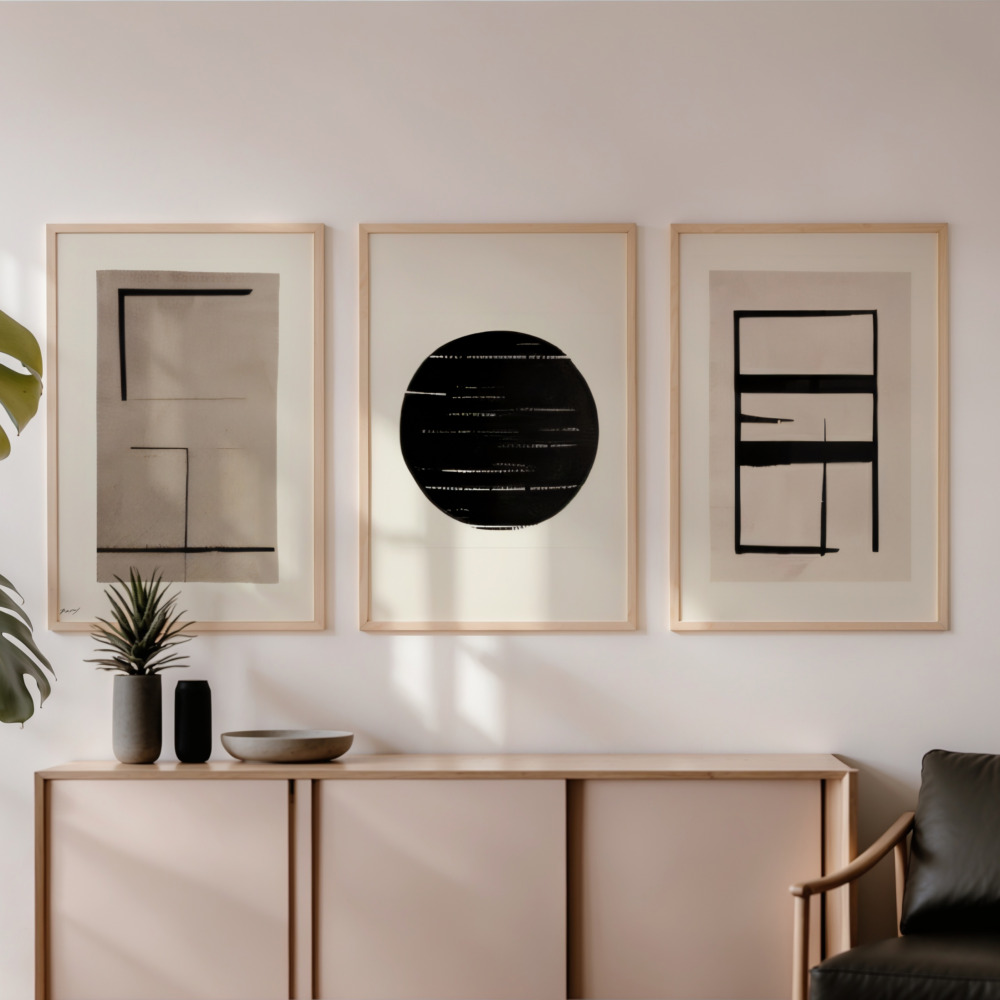
You don’t need to renovate your entire house to embrace this evolution. You can transition from a Nordic look to a Japandi look by making a few intentional choices.
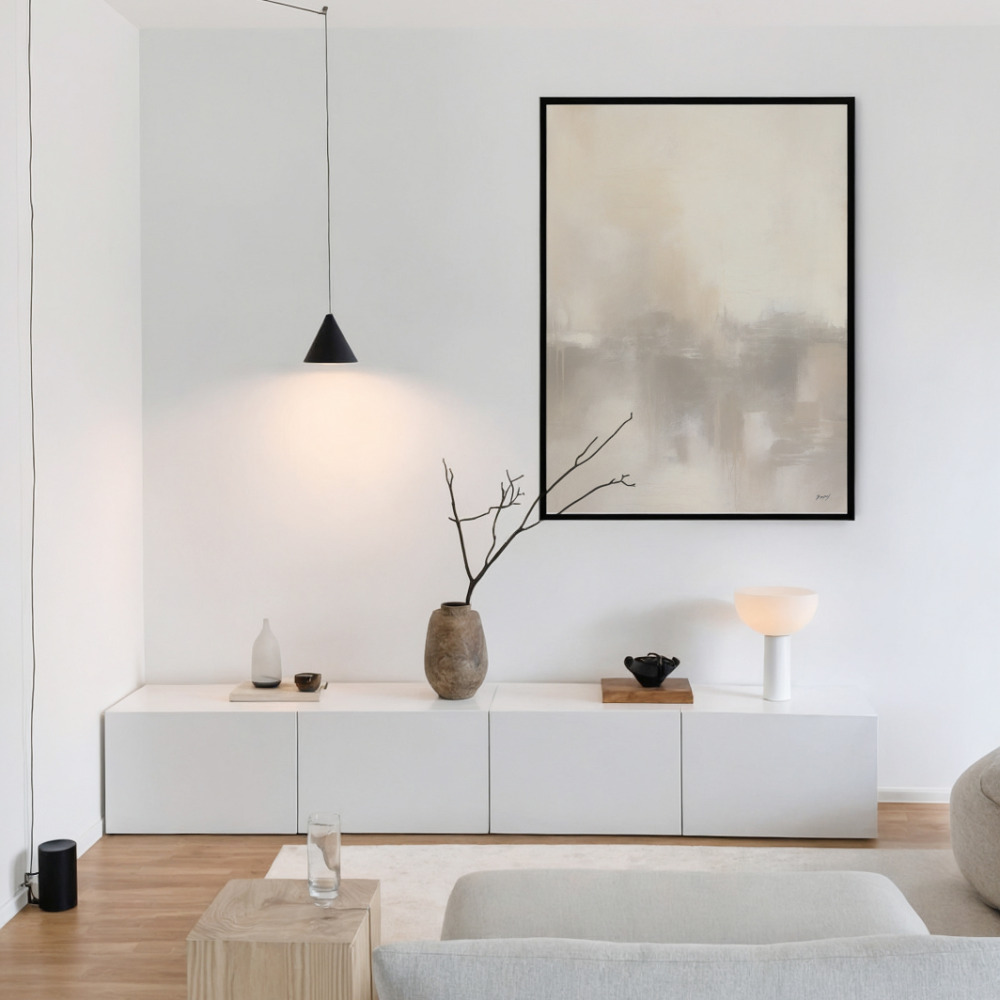
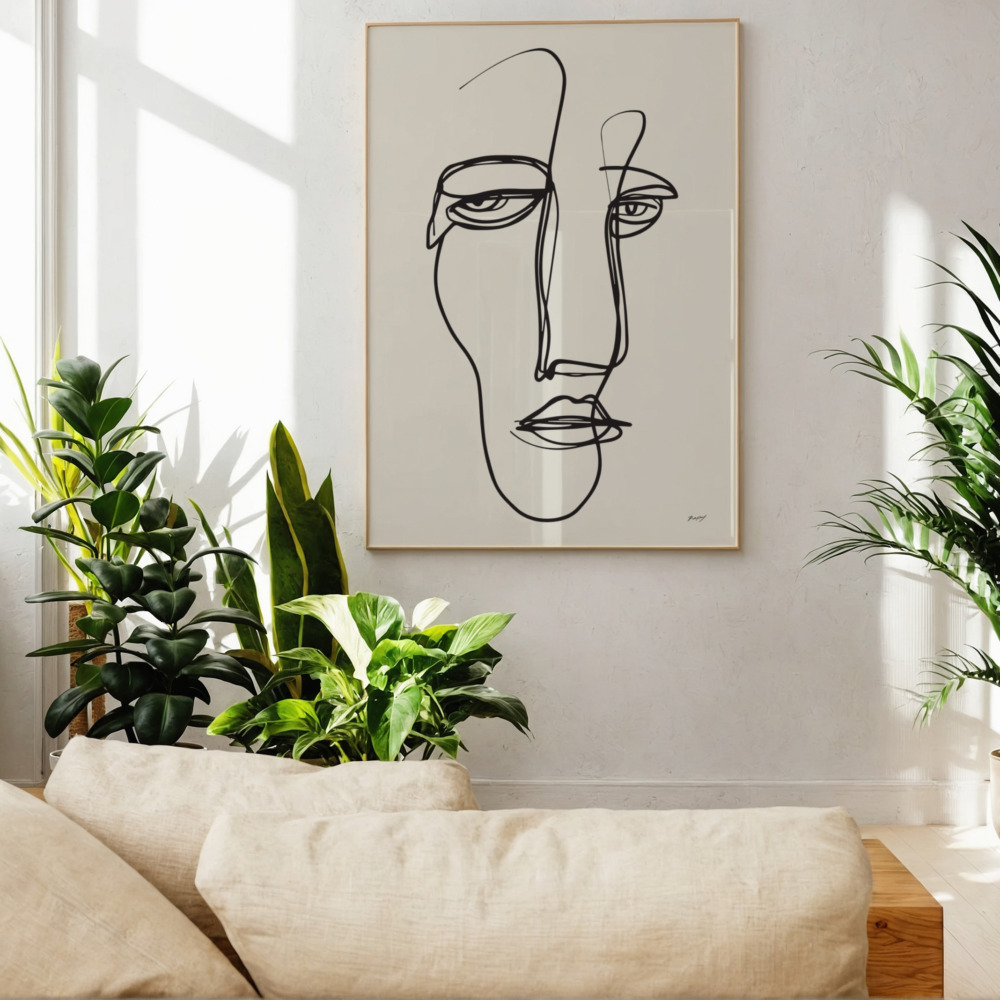
The walls are the easiest place to start. If you currently have bright, multi-colored prints, try swapping them for Japandi wall art. Look for “minimal line art” or “neutral abstract” pieces that use a palette of beige, black, and cream. This immediately grounds the room and provides that signature “Zen” focus.
Swap out your high-shine or synthetic materials for organic ones. Replace a polyester rug with a jute or sisal one. Use linen curtains to allow a soft, diffused light into the room.
If you are buying new furniture, look for “low-profile” pieces. A lower coffee table or a platform bed creates more vertical “Ma” (empty space), which makes the room feel more expansive and calm.
Japandi isn’t about hiding everything; it’s about displaying only what matters. Choose one beautiful ceramic vase or a single piece of neutral wall art and give it the space it needs to be appreciated.
The evolution from Scandinavian design to Japandi represents a global maturing of our aesthetic tastes. We have moved past the “all-white” trend and into a more nuanced, soulful version of minimalism.
Japandi isn’t just a passing trend—it is a refinement of how we live. It acknowledges that we need both the warmth of a cozy home and the stillness of a balanced mind. By blending the best of the North and the East, we are creating a design language that is truly timeless.
At printstudio.art, I am constantly inspired by this evolution. My goal is to create art that bridges these two worlds—pieces that offer the clarity of the Nordic landscape and the tranquility of Japanese Zen. Whether you are just beginning your design journey or are a seasoned minimalist, I invite you to explore my collections and find the piece that brings harmony to your space.
Ready to evolve your space?
Explore Japandi Wall Art | Explore Nordic Art Prints | Shop Neutral Abstract Collections