Limited Time: 20% Off All Prints
Free worldwide shipping on orders over $69
Delivery 4-12 business days
Home / Trending Art Styles / The Future of Your Walls: A Guide to Leading Interior Aesthetics for 2026
As we approach a new era in home styling, the role of art on our walls has undergone a radical transformation. No longer seen as a mere after-thought or a secondary decorative layer, art is now the emotional anchor of the contemporary home. When analyzing the wall art trends 2026, it becomes clear that homeowners are moving away from the impulsive “filling of space” and toward a deeply intentional, curated approach. We are seeing a desire for environments that don’t just look good on camera but feel good to inhabit—spaces that offer a refuge from a hyper-digital world through texture, warmth, and meaningful expression.
In 2026, the home is treated as a living gallery. This shift reflects a broader cultural movement toward “slow living,” where the quality of our surroundings takes precedence over the quantity of our possessions. This article will explore the specific modern wall art trends that are shaping the year ahead, from the grounding power of organic palettes to the sophisticated mystery of moody tones, providing you with the insights needed to transform your home into a sanctuary of style.
For years, the market for contemporary wall art was dominated by pieces that were “safe”—art that matched a sofa or a rug but didn’t necessarily say anything about the person living there. In 2026, that decorative mask is slipping. The primary trend for the coming year is the move toward art as a medium for personal identity. People are seeking out unique art prints that tell a story, evoke a specific memory, or represent a personal philosophy.
This transition from “decoration” to “expression” means that we are seeing fewer pieces on the walls, but those pieces are significantly stronger. Designers are encouraging clients to wait for the right piece rather than buying five generic prints to fill a hallway. This curated mindset creates visual confidence; when an artwork reflects the inhabitant’s identity, the entire room feels more authentic and grounded. Whether it is an abstract representation of a favorite landscape or a minimalist sketch that captures a sense of calm, the goal is for the art to be the “voice” of the room.
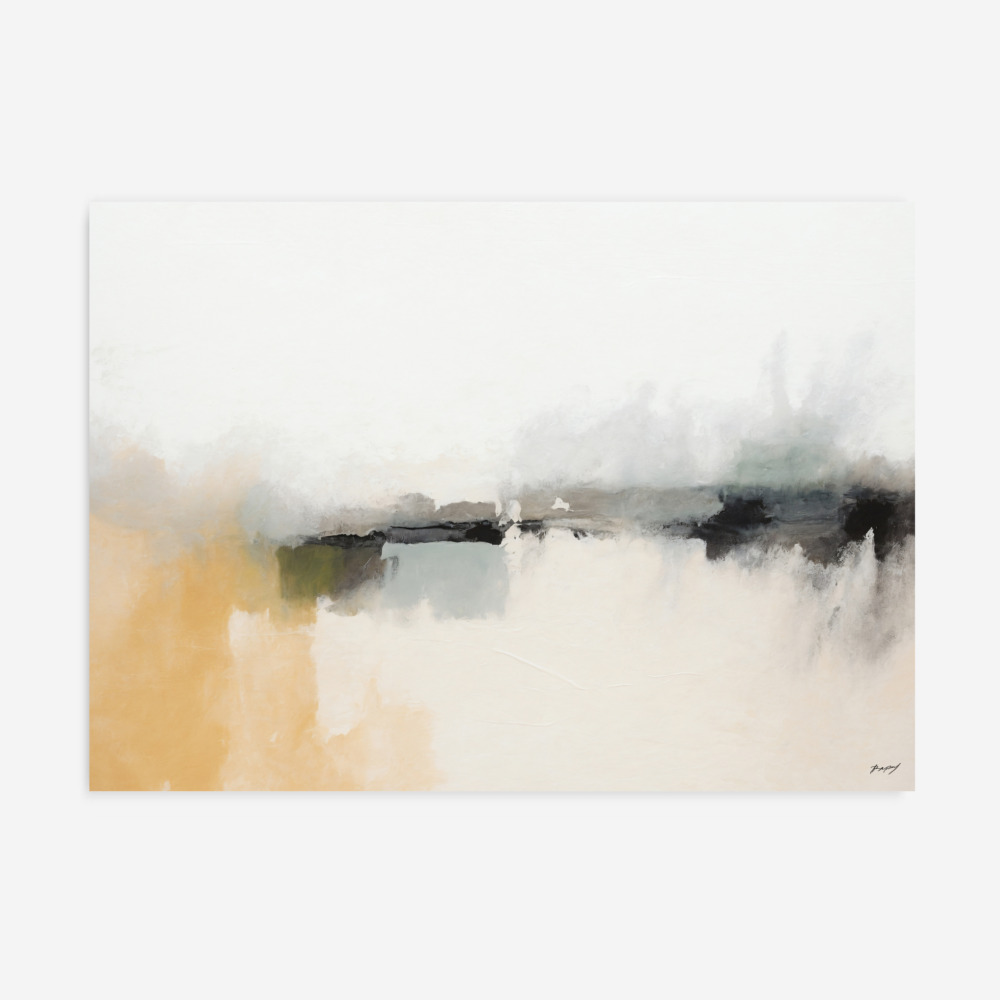
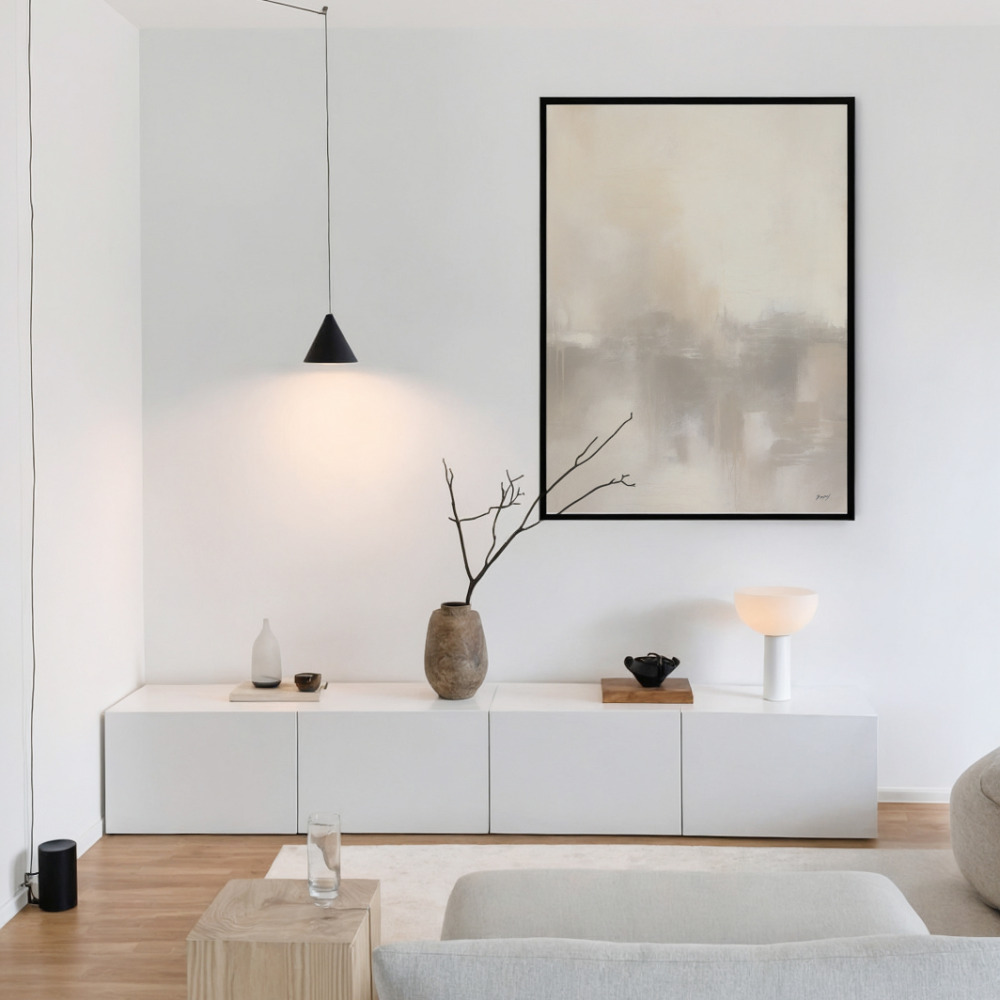
While the “all-white” minimalist look had its moment, 2026 sees the complete takeover of warmth. Earth tone wall art has become the cornerstone of modern home decor trends, replacing the clinical grays and icy whites of the past. We are seeing a massive surge in palettes featuring beige, sand, clay, taupe, and soft terra-cotta. These colors are inherently soothing, mimicking the tones we find in the natural world.
Why is this happening now? Psychologically, earth tones provide a sense of stability. In a world that feels increasingly volatile, we want our homes to feel like they are “made of the earth.” Art featuring these colors acts as a grounding element, softening the sharp lines of modern furniture and high-tech appliances. If you are looking to buy art prints online that will stand the test of time, the earthy palette is a safe yet sophisticated investment. It creates a “sun-drenched” atmosphere even in rooms with limited natural light, making the home feel perpetually inviting.
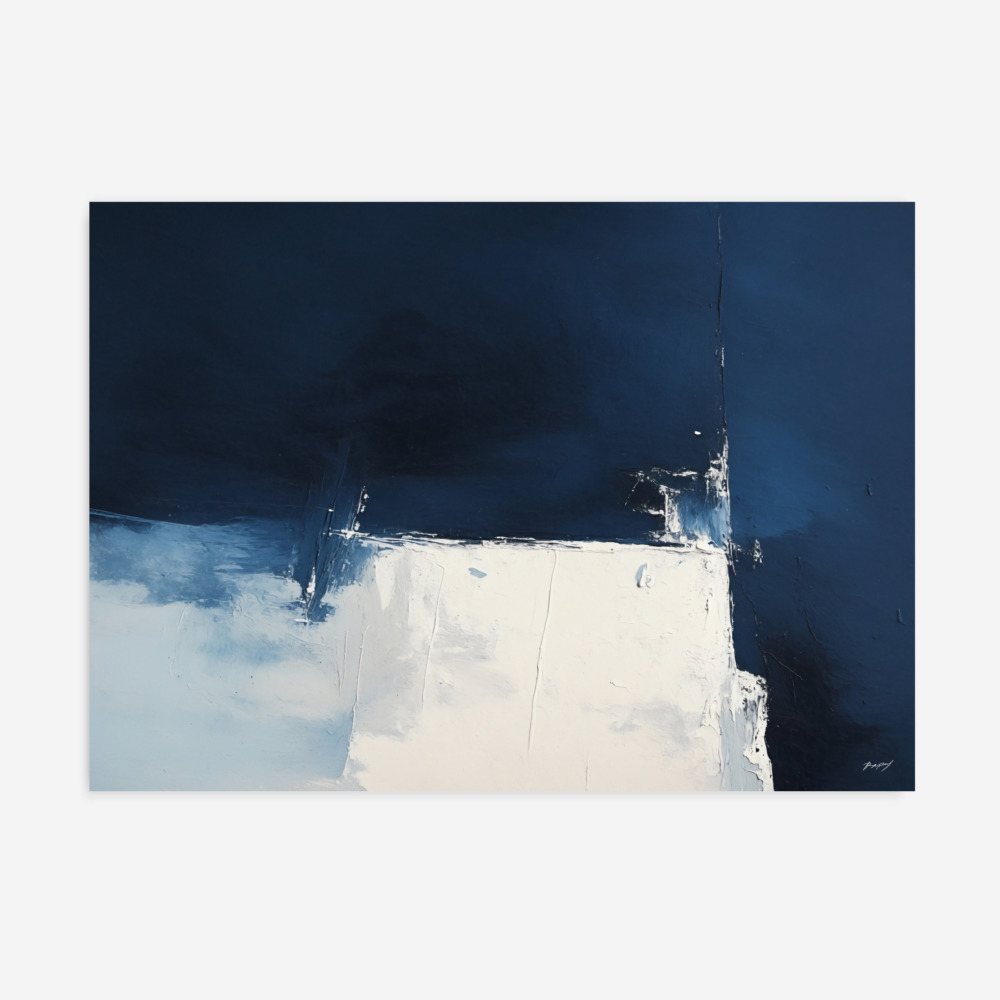
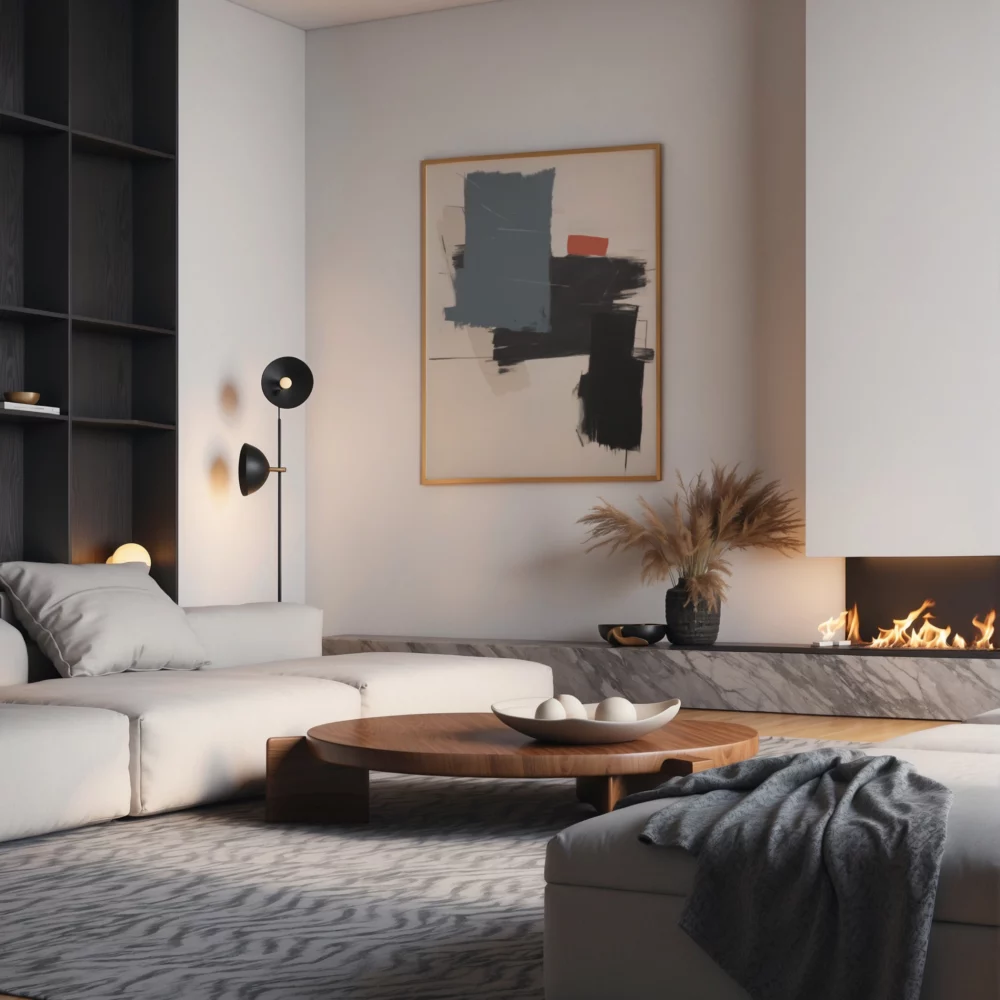
Contrasting the rise of warm neutrals is the emergence of moody wall art. We are seeing a sophisticated use of deep blues, charcoal, forest green, and even “near-black” tones. However, unlike the heavy, oppressive dark rooms of previous decades, the 2026 approach to dark art is all about creating depth and mystery without making a space feel small.
Moody art works beautifully when placed in a room with light-colored walls or natural wood furniture. This contrast creates a “window” effect, where the dark art pushes the wall back visually, making the room feel more three-dimensional. It adds a layer of “soul” to a home, perfect for creating an intimate atmosphere in a bedroom or a cozy reading nook. The key to the 2026 moody trend is “translucency”—art that uses shadows and dark tones but still allows a sense of light to pass through the composition, preventing it from feeling like a visual “dead end.”
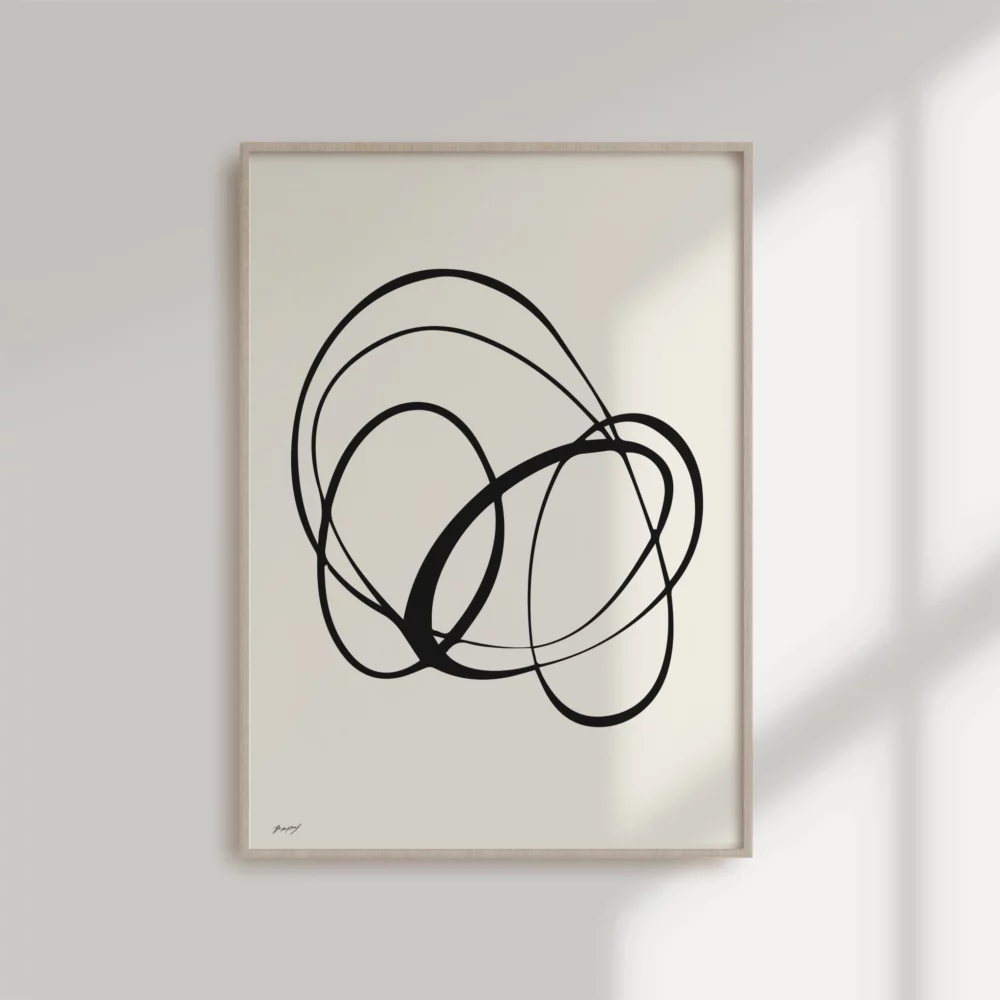
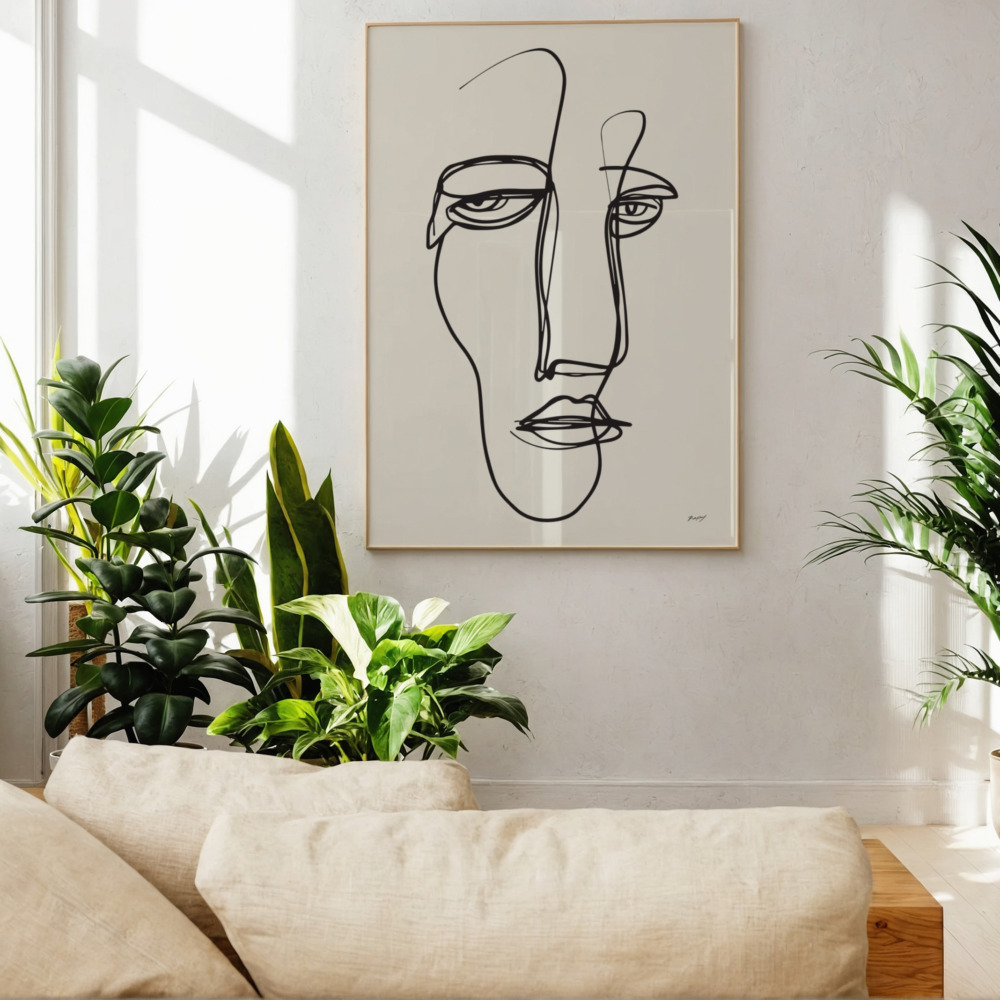
The minimalist wall art movement is not going away, but it is certainly evolving. In 2026, we are moving away from the “perfect” and “geometric” minimalism toward a “softer” minimalism. This is characterized by abstract line art that embraces imperfection—lines that feel hand-drawn, wobbly, and human.
The “New Minimalism” is less about clinical precision and more about emotional resonance. We are seeing line art that depicts the human form, botanical silhouettes, and organic gestures in a way that feels intimate. Texture also plays a massive role here; a simple line print on a textured, grainy paper stock feels much more “2026” than a flat, glossy digital print. It’s about the “whisper” of the art—a piece that doesn’t scream for attention but provides a steady, calming presence in the room. This style is particularly effective in minimalist artwork collections that prioritize the “soul” over the “shape.”
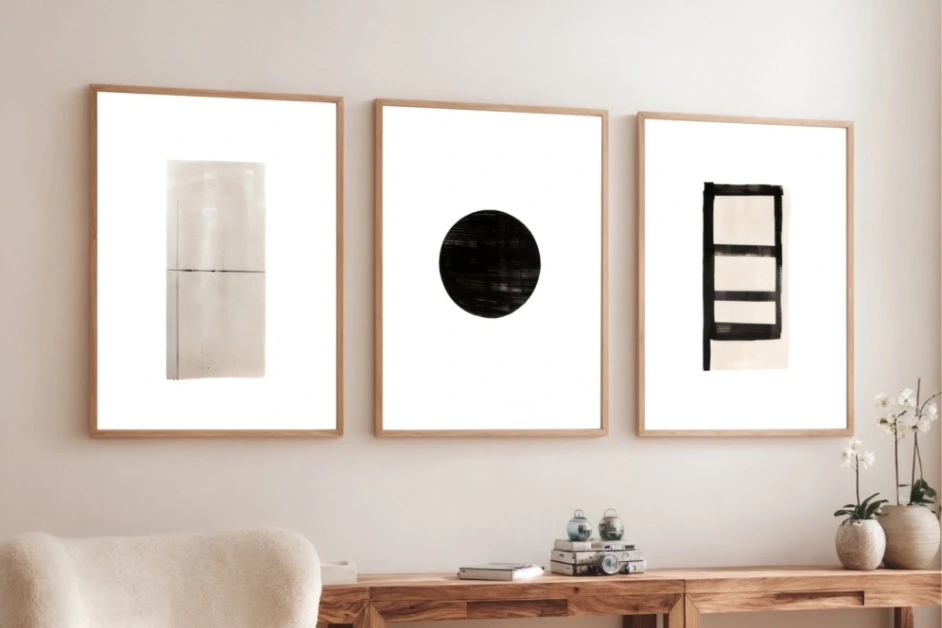
The “busy” gallery wall—where twenty or thirty mismatched frames are crammed onto a single wall—is officially being replaced by the “curated” wall. In 2026, the art trends for interiors favor either one massive statement piece or a highly intentional “diptych” or “triptych” (sets of two or three related prints).
This new approach is museum-inspired. It prioritizes “breathing room,” giving each artwork plenty of space on the wall so that the eye can focus on one thing at a time. Framing has also become more thoughtful; rather than using “disposable” frames, we are seeing a return to high-quality wood, matte black aluminum, and even “frameless” canvas presentations that feel raw and contemporary. The goal is to make the home feel like a professional gallery—a space where every choice is deliberate and nothing is there “just because.”
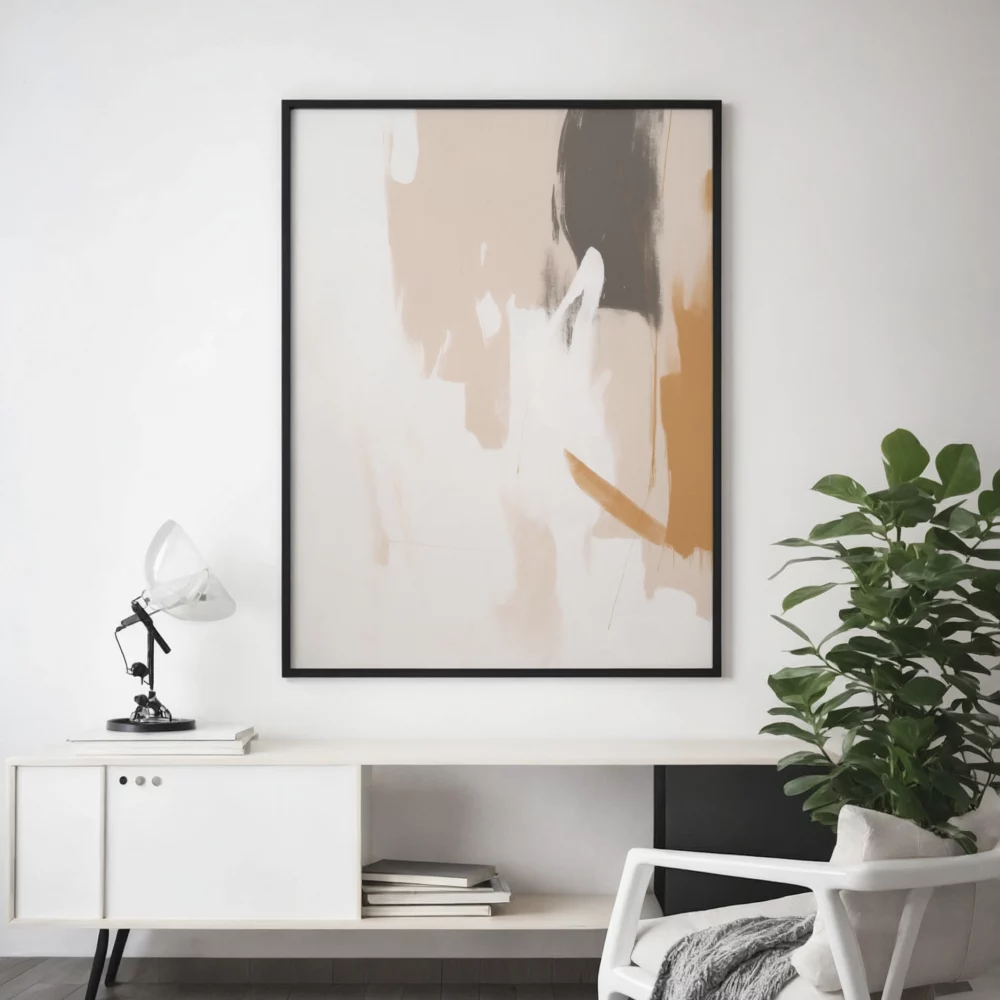
One of the most exciting interior design trends 2026 is the elevation of texture. In an era dominated by flat, smooth digital screens, we are craving something we can almost “feel” with our eyes. Art that highlights canvas grain, visible brush strokes, and paper texture is incredibly popular.
Visual depth is being achieved without the need for bold, neon colors. A piece of art might be entirely monochromatic, but because you can see the “journey” of the ink on the paper or the weave of the canvas, it feels rich and complex. This tactile quality makes the art feel more “human” and less mass-produced. It bridges the gap between digital convenience and artisanal craft. When choosing art for your home this year, look for pieces where the “materiality” is a primary feature of the design.
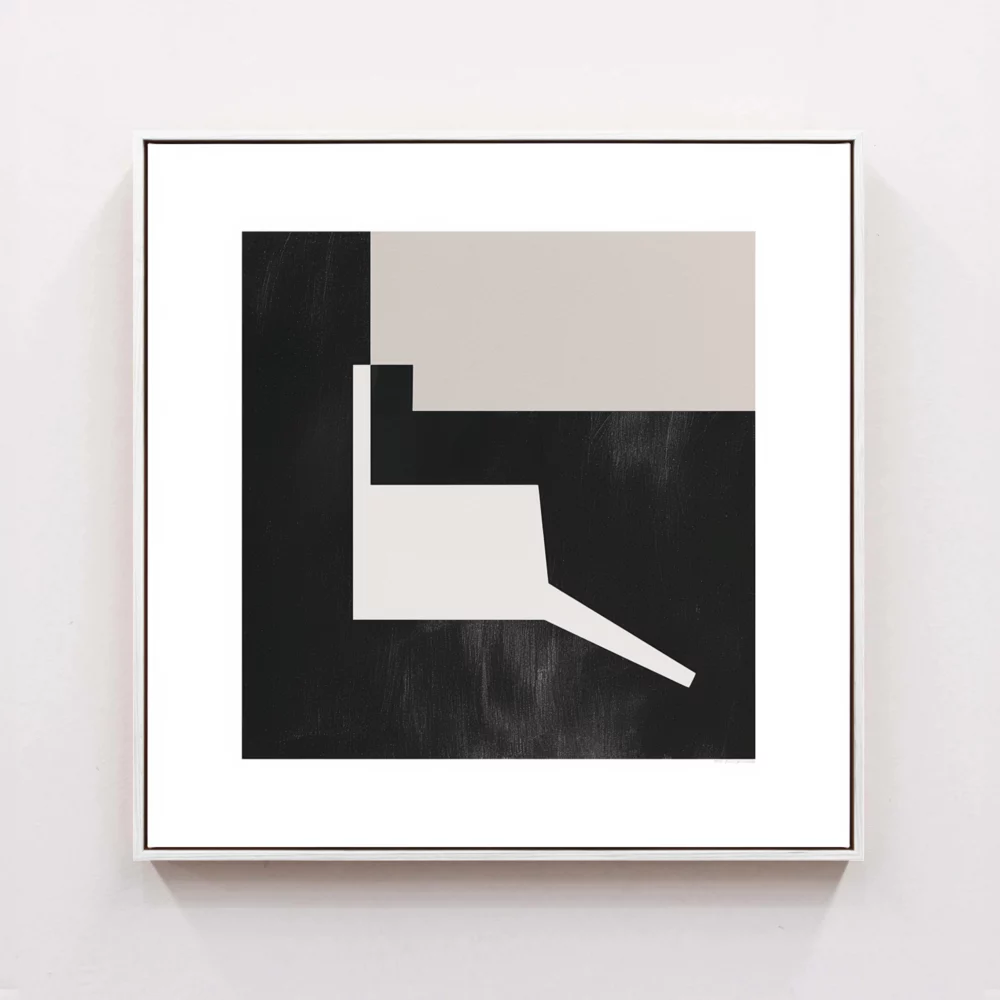
Black and white remains the most timeless palette in interior design wall art, but in 2026, it is being reimagined with a modern energy. We are moving away from static, “still” monochrome photography and toward high-contrast compositions that emphasize movement and organic forms.
The new black and white trend is bold. It features thick, inky brushstrokes, dramatic “shadow play,” and silhouettes that feel dynamic. Because it lacks color, it works as a powerful visual “anchor” in any room, regardless of the existing color scheme. It is the visual equivalent of a “full stop”—a moment of clarity in a busy interior. This timeless palette is being used to ground rooms filled with the aforementioned warm earth tones, providing a sharp, modern edge that prevents a room from looking too “rustic” or “country.”
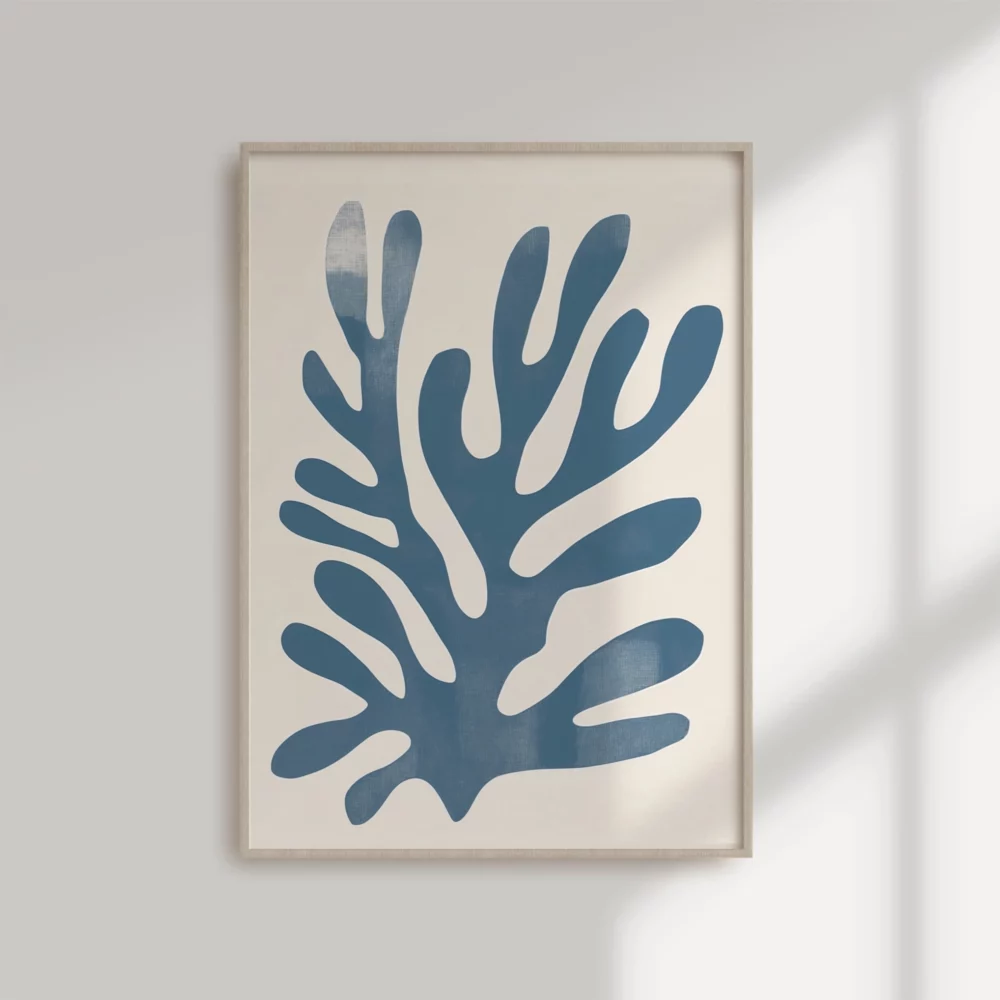
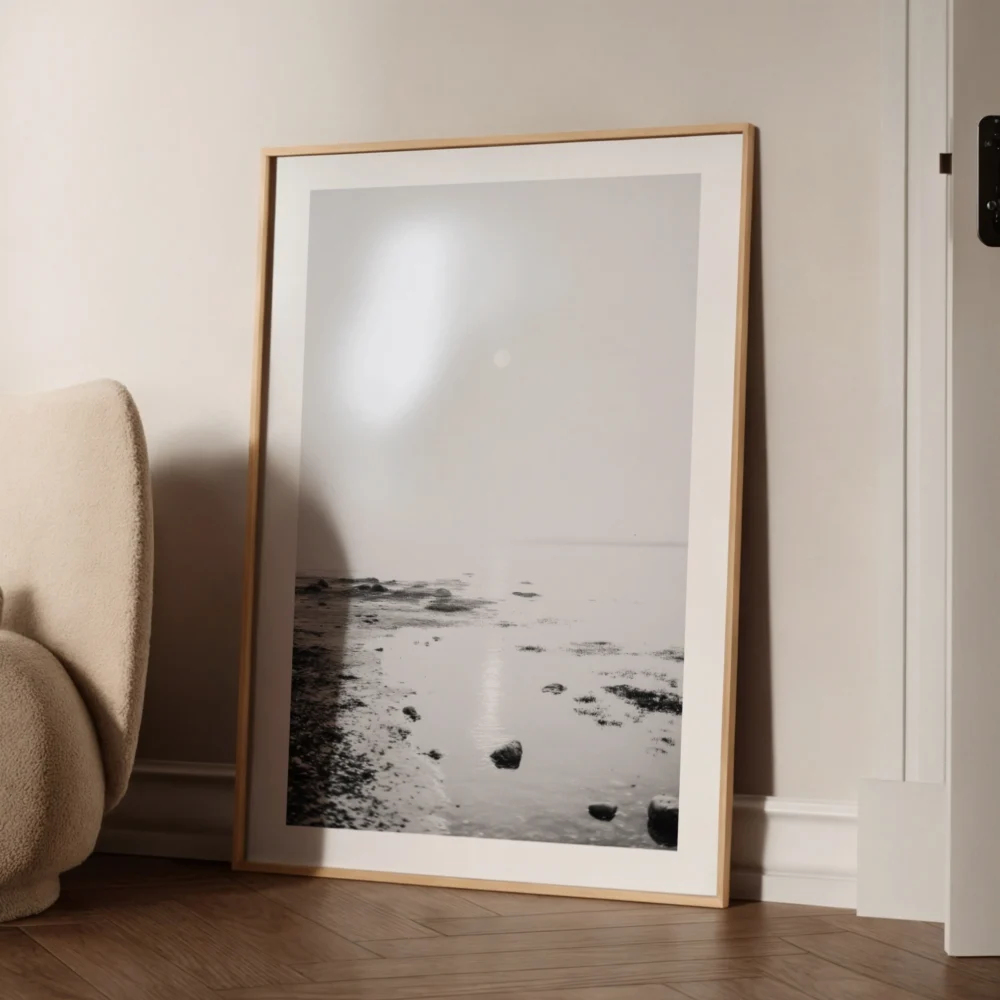
The connection to nature remains a central pillar of modern home decor trends. However, the way we represent nature in art has changed. In 2026, we are seeing less “realistic” landscape photography and more “interpretive” nature art. This includes abstract silhouettes of trees, blurred horizons that evoke the feeling of a foggy morning, and organic shapes that mimic the patterns found in stone or water.
These “slow visuals” are designed to lower the heart rate. They provide an emotional connection to the natural world without being literal. This trend is particularly popular in urban apartments where inhabitants are hungry for a connection to the outdoors. It’s not about seeing a picture of a mountain; it’s about feeling the “serenity” of the mountain.
In 2026, scale is a major talking point. We are seeing a move toward oversized pieces, especially in living rooms and bedrooms. There is a growing realization that one large, high-quality print is often more effective—and more “modern”—than a dozen small ones.
Large-scale art has the power to change the architecture of a room. It can make a low ceiling feel higher or a small room feel more expansive by providing a deep focal point. Scaling art to the architecture of the home is a hallmark of the contemporary wall art movement. If you have a large sofa, a piece of art that spans two-thirds of that sofa’s width will create a sense of balance and luxury that is impossible to achieve with smaller pieces. You can find many of these architecture-scaling pieces in our full modern art collection.
Sustainability is no longer a “buzzword”; it is a requirement for the modern consumer. In 2026, wall art trends 2026 are heavily influenced by a “buy less, choose better” philosophy. People are moving away from “fast decor” and toward high-quality, on-demand production.
Digital art prints that are produced only when ordered are the gold standard for sustainability, as they eliminate the waste associated with mass-produced warehouse stock. Furthermore, homeowners are looking for art with “long-term appeal.” They want pieces that will look as good in ten years as they do today. This move toward “slow art” is better for the planet and better for the soul of the home. It encourages us to be thoughtful about what we bring into our lives.
Applying these trends doesn’t mean you need to renovate your entire house. The beauty of the 2026 aesthetic is that it is incredibly adaptable. Here is how to start:
Audit Your Walls: Remove the pieces that no longer “speak” to you. Embrace the blank space for a while before deciding what the “new version” of your identity looks like.
Start with the Anchor: Choose one large piece for your main living area. Let this piece dictate the color palette for your cushions, rugs, and accessories.
Think in Textures: If your room feels “flat,” add a piece of art with visible canvas texture or a grainy, organic feel.
Balance the Light: If you have an all-white room, don’t be afraid of a moody wall art piece to add some gravity and depth.
The goal is to avoid “trend overload.” Pick the one or two elements that resonate most with your lifestyle and lean into them. If you love the warmth of the sun, focus on the earth tone wall art trend. If you need a room for deep work and focus, look toward the minimalist or monochrome styles.
2026 is shaping up to be a year of profound calm, depth, and intention in the world of interior design. As we spend more time curated our digital lives, our physical homes are becoming the one place where we can truly be ourselves. Wall art has become the primary tool for this expression, acting as the emotional anchor that ties a home together.
Whether you are drawn to the “human” imperfections of abstract line art or the grand, museum-like impact of a large-scale statement piece, the trends of 2026 invite you to trust your intuition. We are moving toward a more thoughtful, curated, and beautiful way of living—one wall at a time.
At Print Studio, we are dedicated to staying ahead of the curve, providing you with high-quality, trend-aware art that doesn’t just decorate your home, but transforms it. We invite you to explore our latest curated collections and find the piece that will be the anchor of your home for 2026 and beyond. Embrace the shift toward intention, and let your walls tell your story.