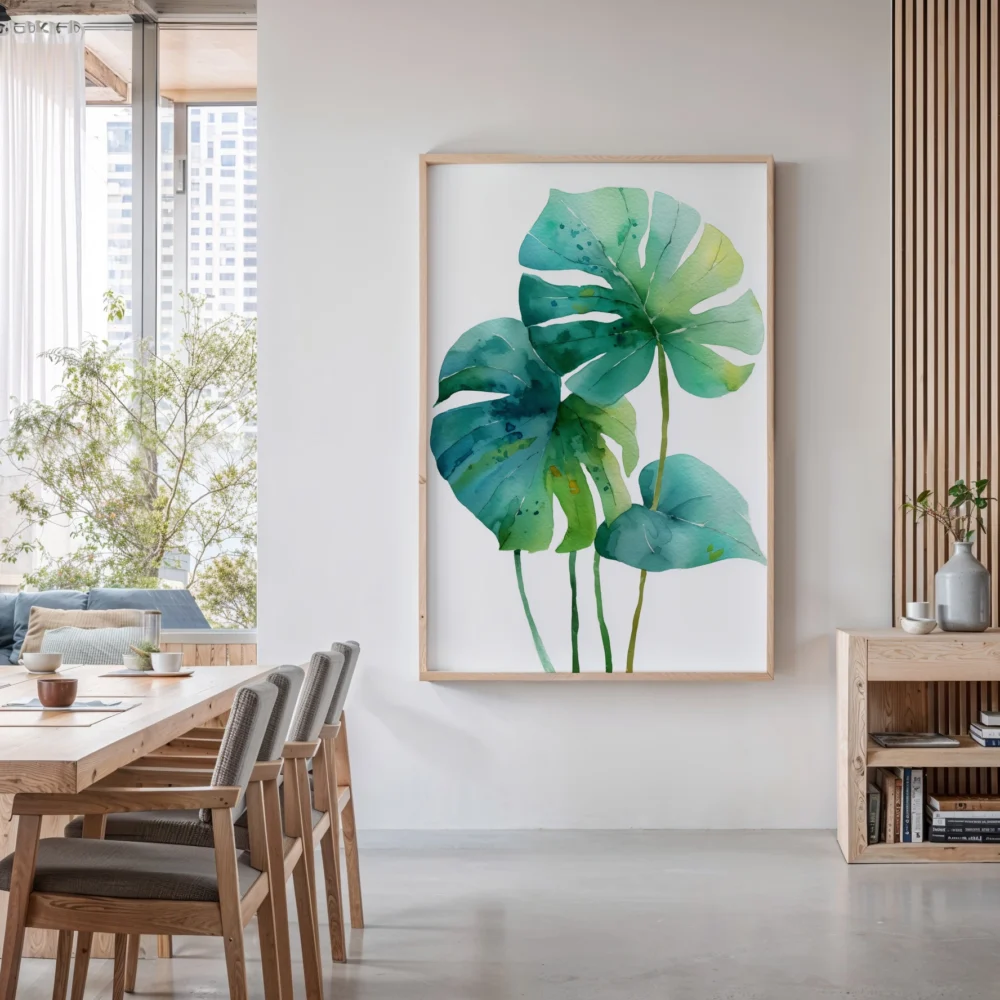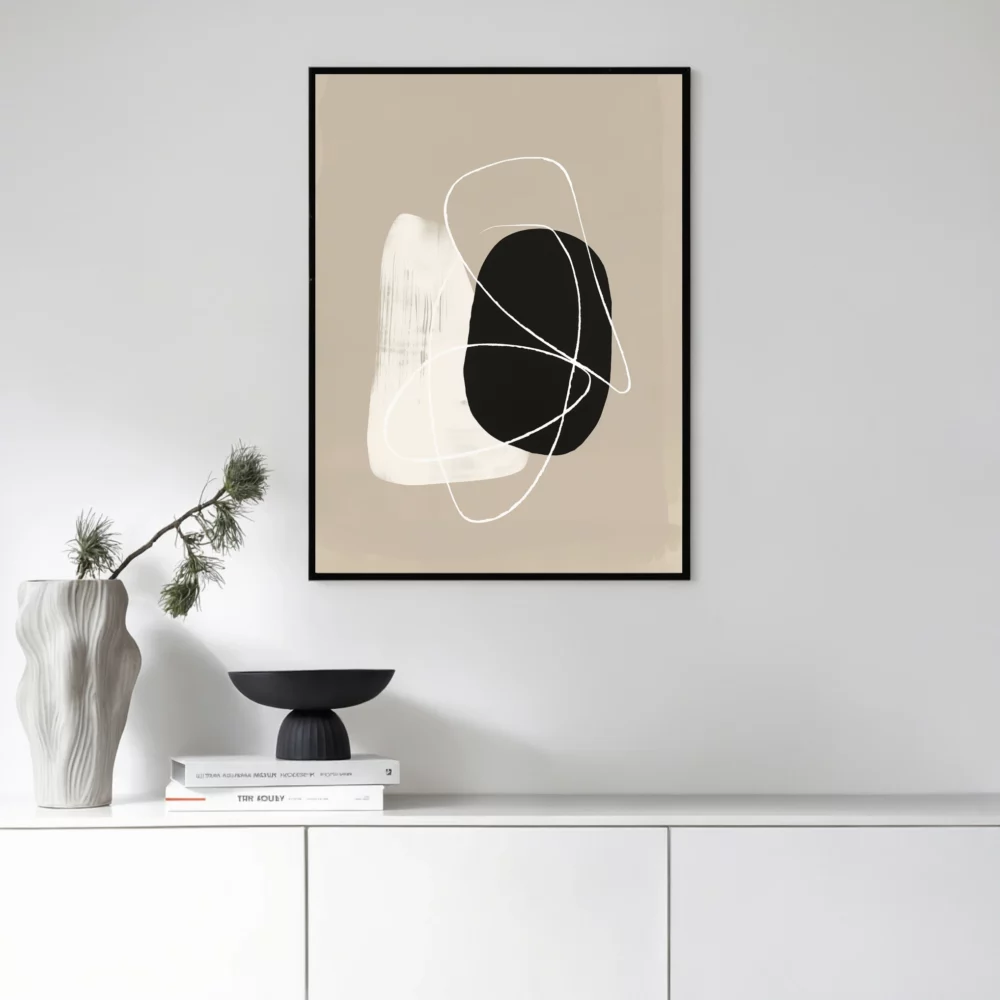
There’s a reason interior designers keep gravitating toward Japandi style—it makes spaces look effortlessly sophisticated without trying too hard. The fusion of Japanese minimalism and Scandinavian functionality creates interiors that feel both calming and intentional. At the heart of this aesthetic lies japandi wall art, the finishing touch that transforms bare walls into curated statements of understated elegance.
Unlike maximalist trends that demand constant attention, japandi art works quietly in the background, creating harmony through simplicity. It’s the design equivalent of speaking softly while carrying a big stick—subtle, powerful, and impossible to ignore once you notice it. Whether you’re redesigning your entire home or just refreshing a single room, understanding how to select and display japandi prints can dramatically shift the energy of your space. Explore the full Japandi art prints collection to see the style in practice.
What Makes Japandi Art Different From Other Styles
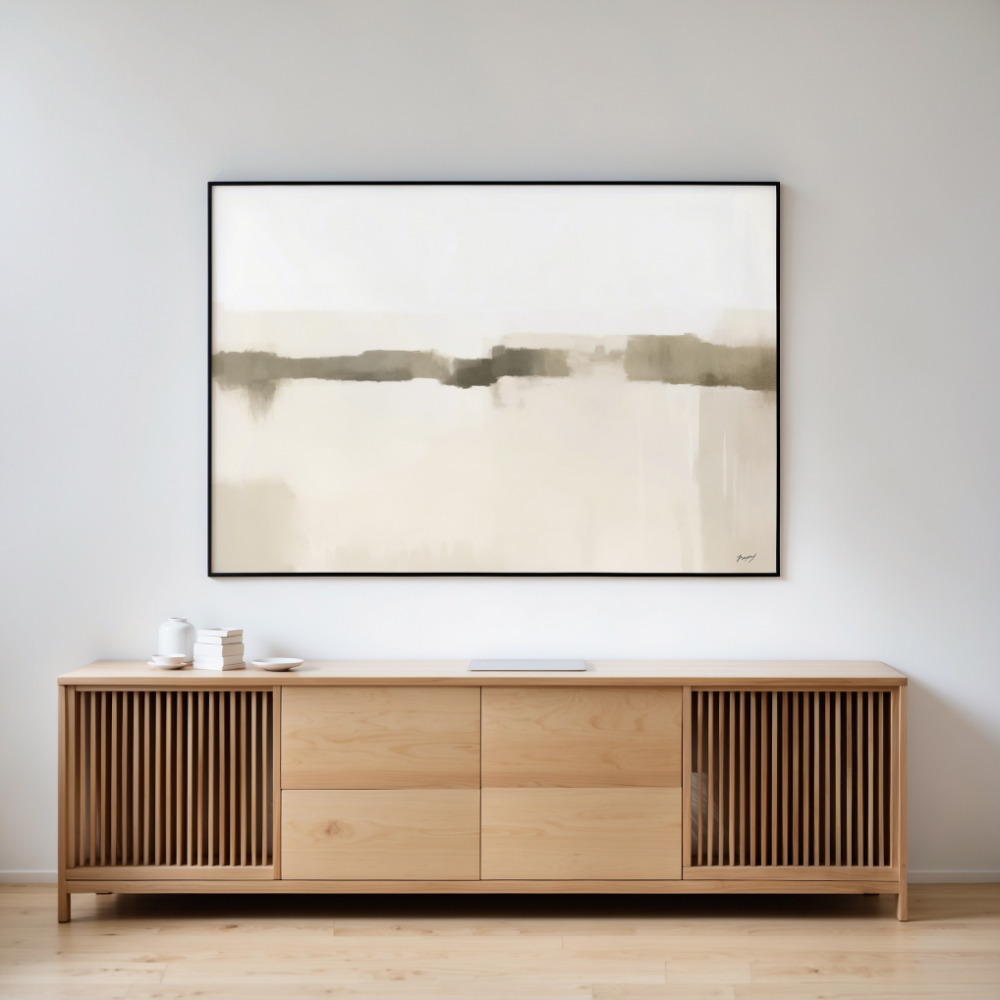
Japandi interior design represents the thoughtful marriage of two design philosophies that share surprising common ground. Japanese wabi-sabi celebrates imperfection and transience, while Scandinavian design champions functionality and natural materials. When these principles merge in japandi wall art, you get pieces that are simultaneously minimal yet warm, restrained yet inviting.
The color palette is where japandi style immediately distinguishes itself. Forget bold primaries or jewel tones—this aesthetic lives in the realm of muted earth tones, soft grays, warm beiges, and gentle greens. Black and white feature prominently, but never harshly. Instead, they appear as charcoal sketches, faded ink, or weathered wood tones that suggest age and authenticity.
Subject matter in japandi prints tends toward the organic and geometric in equal measure. You’ll find abstract line drawings that echo natural forms, botanical illustrations rendered with restraint, landscapes reduced to essential shapes, and architectural elements that celebrate negative space. What you won’t find are busy patterns, excessive ornamentation, or anything that screams for attention.
The Psychology Behind Japandi’s Calming Effect
The popularity of japandi art isn’t just about aesthetics—there’s genuine psychology at play. Our brains crave order and simplicity, especially in an increasingly chaotic world. When you walk into a room decorated with japandi principles, your nervous system receives immediate permission to relax.
This happens because japandi style eliminates visual noise. Each element serves a purpose, and nothing competes for your attention. The muted color schemes don’t trigger the same dopamine spikes as bright colors, which means your eyes can rest rather than constantly darting around seeking stimulation. It’s the interior design equivalent of meditation—intentional, focused, and restorative.
Natural materials and organic forms connect us to the outdoors, even when we’re stuck inside. Japandi prints featuring botanical elements, landscapes, or earth-inspired abstracts tap into our innate biophilia—the human tendency to seek connections with nature. This isn’t new-age nonsense; studies consistently show that nature-inspired design elements reduce stress and improve cognitive function.
How to Choose Japandi Wall Art for Different Rooms
Not all japandi art works equally well in every space. Your living room has different needs than your bedroom, and your home office requires a different energy than your bathroom. Understanding these nuances helps you make selections that enhance rather than fight against each room’s function.
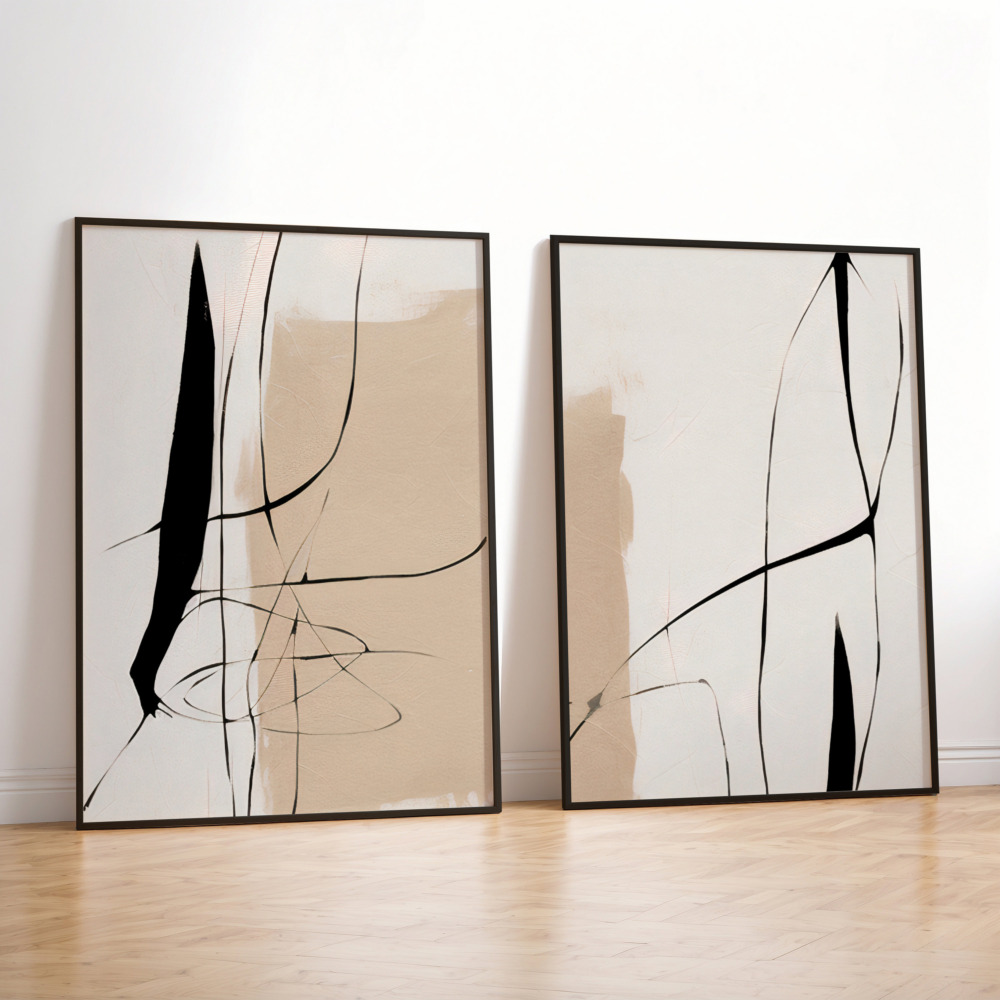
For living rooms and common areas, consider larger statement pieces or diptychs that create focal points without overwhelming the space. Abstract compositions with subtle movement work beautifully above sofas, while botanical line drawings complement natural fiber furniture. The goal is creating conversation without chaos—pieces interesting enough to notice but calming enough to live with daily.
Bedrooms benefit from the quietest japandi prints you can find. Think misty landscapes, single-line botanical drawings, or abstract compositions in the softest possible palettes. This isn’t the place for high contrast or dynamic compositions. You want art that helps your mind wind down, not rev up. Horizontal orientations often work better than vertical ones, as they subconsciously suggest rest and relaxation.
Home offices present an interesting challenge. You need enough visual interest to prevent sterility, but not so much that it becomes distracting. Geometric japandi art strikes this balance perfectly—structured enough to promote focus, minimal enough to avoid distraction. Consider pieces with subtle asymmetry or architectural elements that suggest order and purpose.
The Art of Displaying Japandi Prints
Buying japandi art is only half the battle—how you display it matters just as much. The Japandi philosophy extends beyond the artwork itself to encompass the entire presentation. Matting, framing, and placement all contribute to whether your space achieves that coveted balanced aesthetic.
Frame selection should favor natural materials and simple profiles. Light oak, walnut, or black-stained wood frames are japandi staples. Avoid ornate moldings, metallic finishes, or anything that draws attention to the frame rather than the art. The frame should feel like a natural extension of the print, not a separate decorative element fighting for attention.
White or off-white matting creates breathing room around japandi prints, preventing them from feeling cramped or cluttered. Generous mat borders—typically 2 to 4 inches—enhance the minimalist aesthetic by emphasizing negative space. This also allows the artwork to float visually rather than pressing against its boundaries.
Gallery walls can work in japandi interiors, but they require restraint. Instead of covering an entire wall with prints, create smaller, carefully curated groupings with substantial space between pieces. Odd numbers work best—three or five prints rather than four or six. Maintain consistent frame styles and colors across the grouping to preserve visual harmony.
Mixing Japandi Art With Your Existing Decor
You don’t need to gut your entire home to incorporate japandi style successfully. The beauty of japandi wall art is its ability to blend seamlessly with various design approaches while gently steering the overall aesthetic in a more refined direction.
If your current style leans modern or contemporary, japandi art provides an organic softening effect. The natural elements and muted palettes introduce warmth without compromising clean lines. You can maintain your existing furniture and simply swap out more aggressive artwork for japandi alternatives, immediately shifting the room’s energy.
Traditional or eclectic spaces benefit from japandi prints as visual anchors. When your decor includes multiple patterns, textures, or time periods, japandi art creates calm zones that give the eye somewhere to rest. Use these pieces strategically to break up visual busynancy and create flow between disparate elements.
Even maximalist spaces can incorporate japandi wall art successfully, though it requires thoughtful placement. Consider using japandi prints in transitional spaces like hallways or entryways, where their calming presence provides relief before entering busier rooms. Or use them in functional spaces like home offices where their simplicity supports concentration.
Common Mistakes to Avoid With Japandi Style
The simplicity of japandi design makes it look deceptively easy to execute, but several common pitfalls trip up even experienced decorators. The biggest mistake is confusing minimalism with emptiness. Japandi isn’t about having less—it’s about having exactly enough. Every piece should earn its place, but bare walls don’t automatically equal good design.
Another frequent error is choosing prints that are too cold or sterile. Japandi should feel warm and inviting despite its restraint. If your space feels like a doctor’s office waiting room, you’ve gone too far. The Scandinavian influence should provide coziness (hygge), while the Japanese influence adds contemplative depth (wabi-sabi). Without both elements, you’re missing the point.
Inconsistent color palettes undermine japandi’s fundamental harmony. Introducing a bright red print or electric blue accent piece disrupts the carefully calibrated balance. If you crave color, stick within the approved palette—sage greens, warm terracottas, dusty blues, or muted mustards. These colors add interest while maintaining the overall aesthetic coherence.
Over-accessorizing is perhaps the most common way people accidentally sabotage their japandi interiors. That beautiful minimal print loses its impact when surrounded by decorative objects, candles, plants, and other tchotchkes. Japandi demands breathing room. Let your art exist in space rather than competing with everything else on the shelf, mantle, or console table.
Why Japandi Art Is Worth the Investment
Trends come and go, but japandi style has demonstrated remarkable staying power because it addresses fundamental human needs—calm, connection to nature, and visual harmony. Investing in quality japandi art prints isn’t about chasing the latest design fad; it’s about creating environments that support wellbeing over the long term.
Unlike statement pieces from more aggressive design movements, japandi art ages gracefully. You won’t look at these prints in five years and wonder what you were thinking. Their timeless restraint ensures they’ll remain relevant regardless of shifting design trends. This makes them particularly valuable for those who prefer investing in pieces they’ll love indefinitely rather than redecorating constantly.
The versatility of japandi prints also justifies their value. A piece that works beautifully in your current bedroom might transition perfectly to your future home office or living room. The neutral palettes and universal appeal mean you’re not locked into specific room configurations or color schemes. Your art can evolve with your life rather than becoming obsolete when circumstances change.
Perhaps most importantly, japandi wall art contributes to creating spaces where you actually want to spend time. In an era of constant stimulation and digital overload, having a home environment that promotes rest and restoration isn’t a luxury—it’s a necessity. If art can contribute to better sleep, reduced stress, and improved focus, it’s worth considerably more than its purchase price.