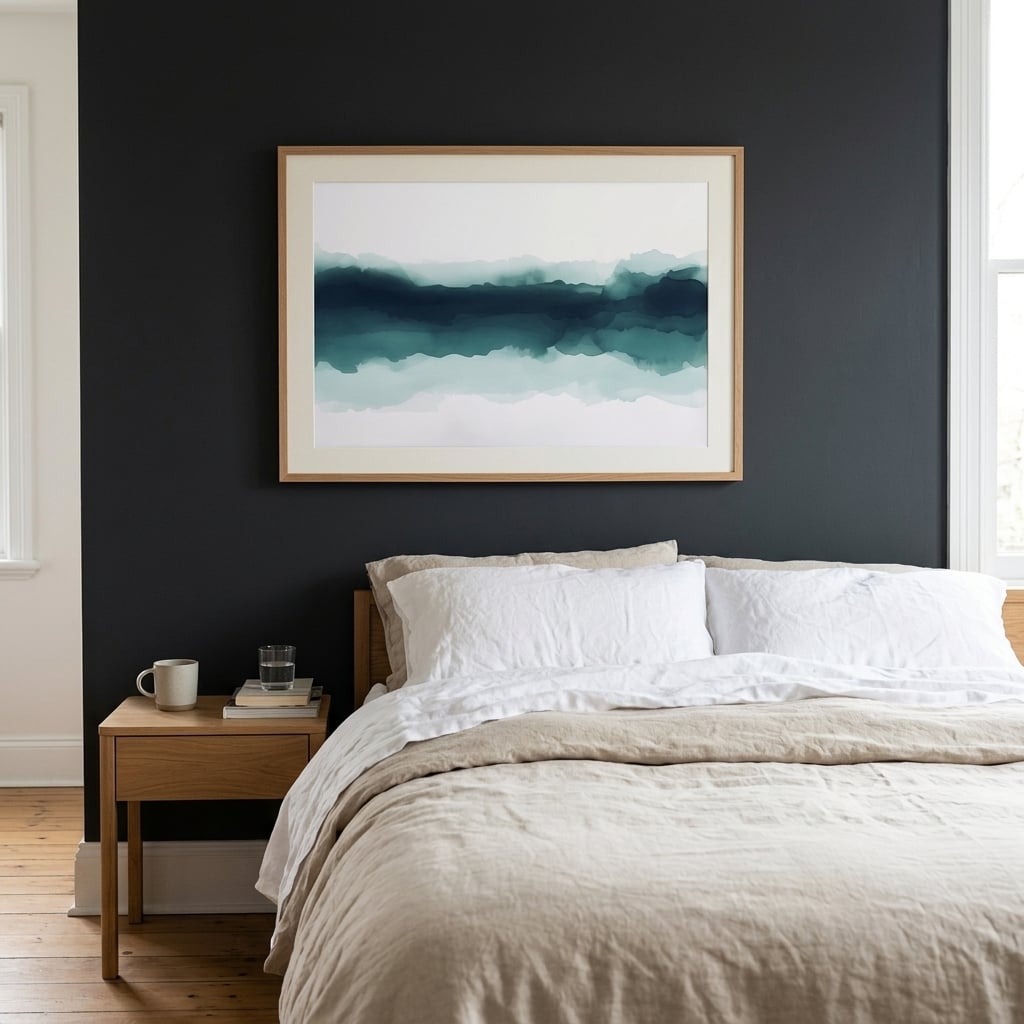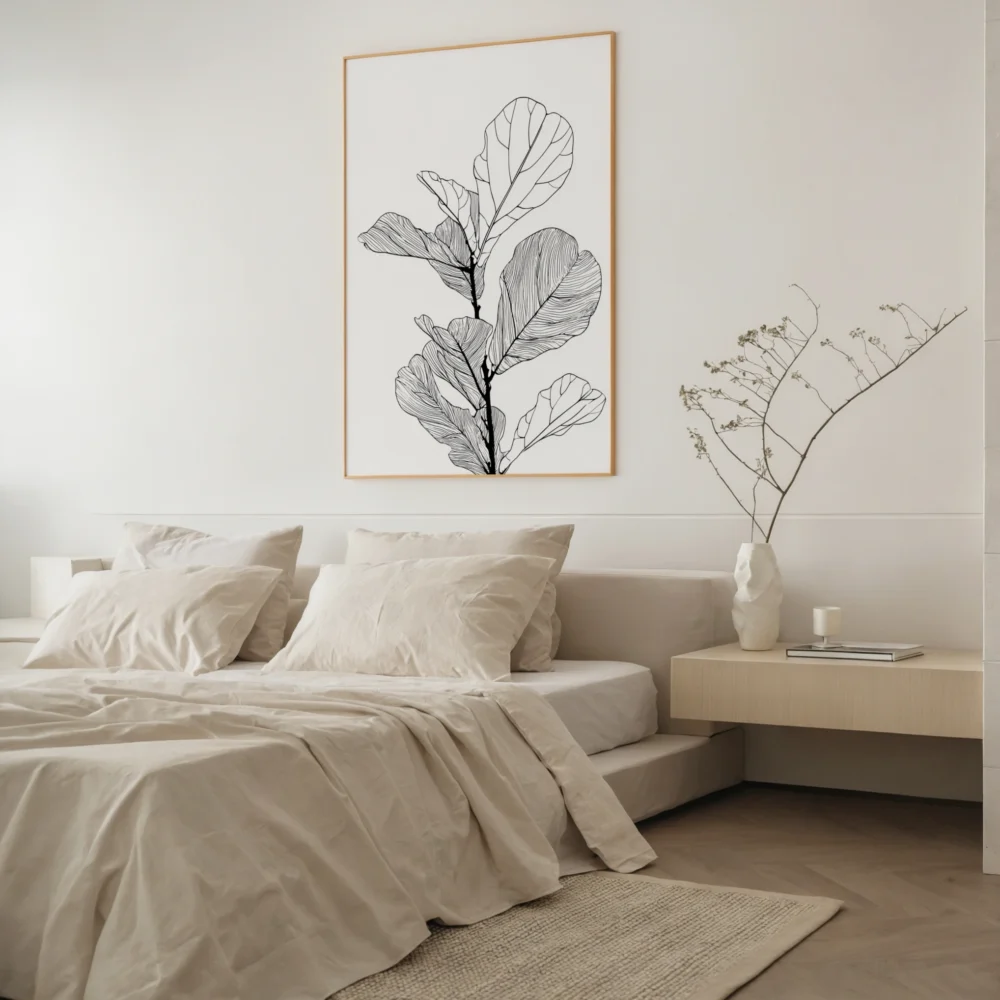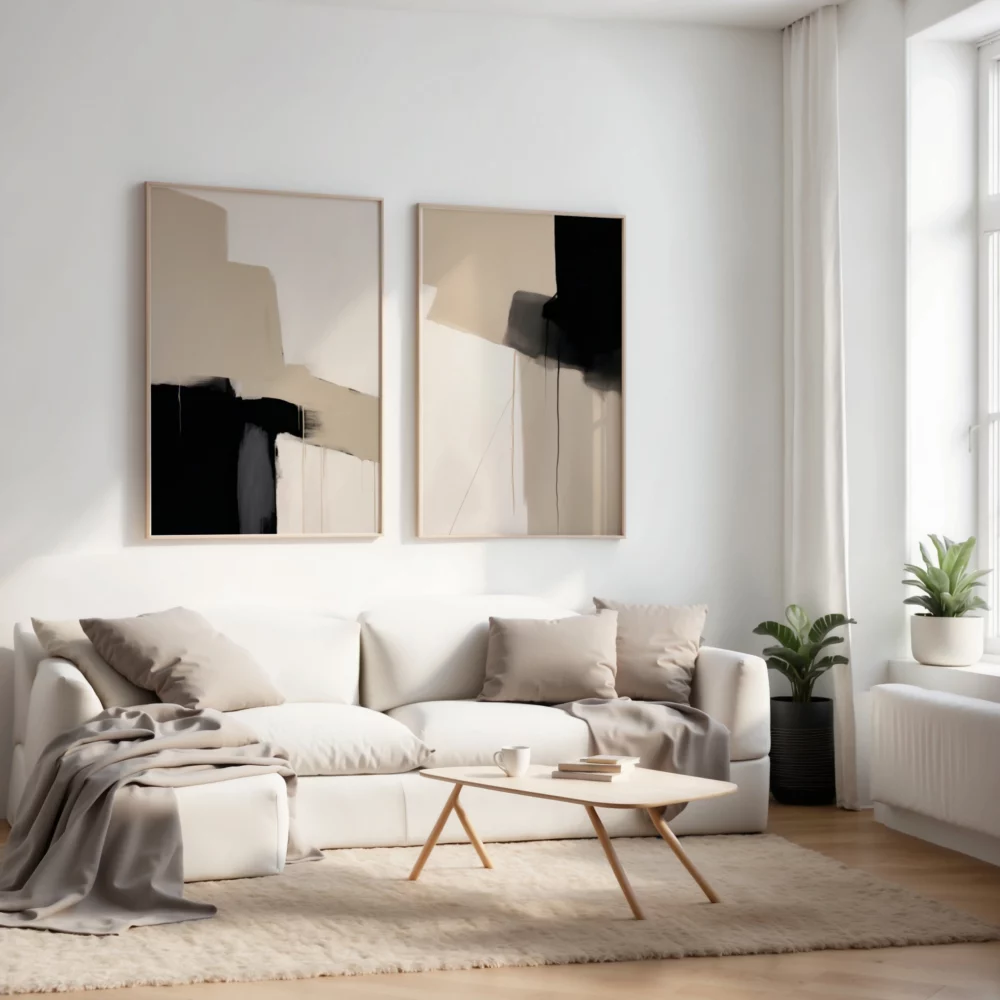
There’s something quietly powerful about walking into a room where the walls breathe. No clutter, no visual noise—just intentional, carefully selected pieces that command attention through simplicity. This is the essence of minimalist wall art, and it’s transforming how we think about interior design. Far from being cold or sterile, minimalist art prints create spaces that feel expansive, calming, and surprisingly sophisticated.
The beauty of minimalist prints lies in their restraint. Every line, shape, and color serves a purpose. There’s no excess, no unnecessary embellishment—just pure visual impact. Whether you’re working with a compact apartment or a sprawling home, clean wall art adapts to your space rather than overwhelming it. It’s this versatility that has made minimalist abstract pieces a staple in modern interior design.
What Makes Minimalist Wall Art Different
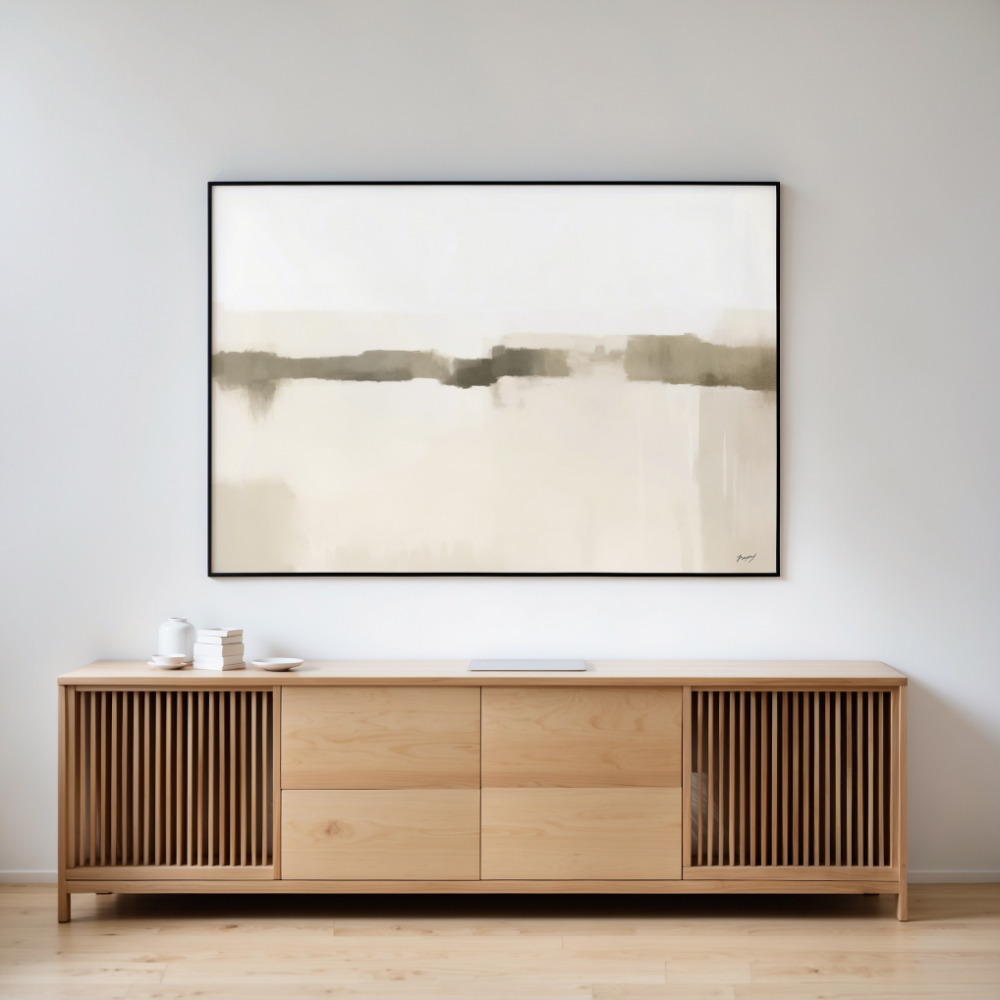
Minimalist wall art isn’t simply about having fewer pieces on your walls—it’s about intentionality. Each piece in the minimalist aesthetic follows specific principles that distinguish it from other art styles. The focus is on essential elements: simple geometric shapes, limited color palettes, negative space, and clean lines that create visual harmony without demanding constant attention.
Traditional artwork often seeks to fill every corner of the canvas, telling complex stories through layers of detail. Minimalist art prints do the opposite. They embrace empty space as an essential component of the composition. This negative space isn’t wasted—it’s the breathing room that allows the remaining elements to resonate more powerfully. The result is artwork that feels both complete and uncluttered.
Color choices in minimalist prints typically follow one of two paths: monochromatic schemes that explore variations within a single color family, or carefully curated palettes of two to three complementary tones. Neutral wall art often dominates this category, with blacks, whites, grays, and earth tones creating sophisticated foundations. However, minimalist abstract pieces can also incorporate bold accent colors—the key is restraint and purpose in every choice.
The Psychology Behind Minimalist Design
Our brains process visual information constantly, and cluttered environments actually increase cognitive load. When you’re surrounded by busy patterns, competing colors, and overwhelming details, your mind works harder to process everything in your field of vision. This mental taxation can lead to stress and fatigue without you even realizing it.
Minimalist wall art counters this effect by reducing visual complexity. The simplified compositions allow your brain to process the space more efficiently, creating a sense of calm and order. Studies in environmental psychology have shown that people in minimalist spaces report feeling more focused, creative, and relaxed. The absence of visual chaos literally gives your mind room to breathe.
This psychological benefit extends beyond personal well-being. When you have guests, the clean aesthetic of minimalist prints creates an impression of sophistication and intentional design. Rather than wondering where to look in a room filled with competing focal points, visitors’ eyes naturally rest on the carefully selected minimalist abstract pieces, appreciating each one fully before moving to the next.
Choosing the Right Minimalist Prints for Your Space
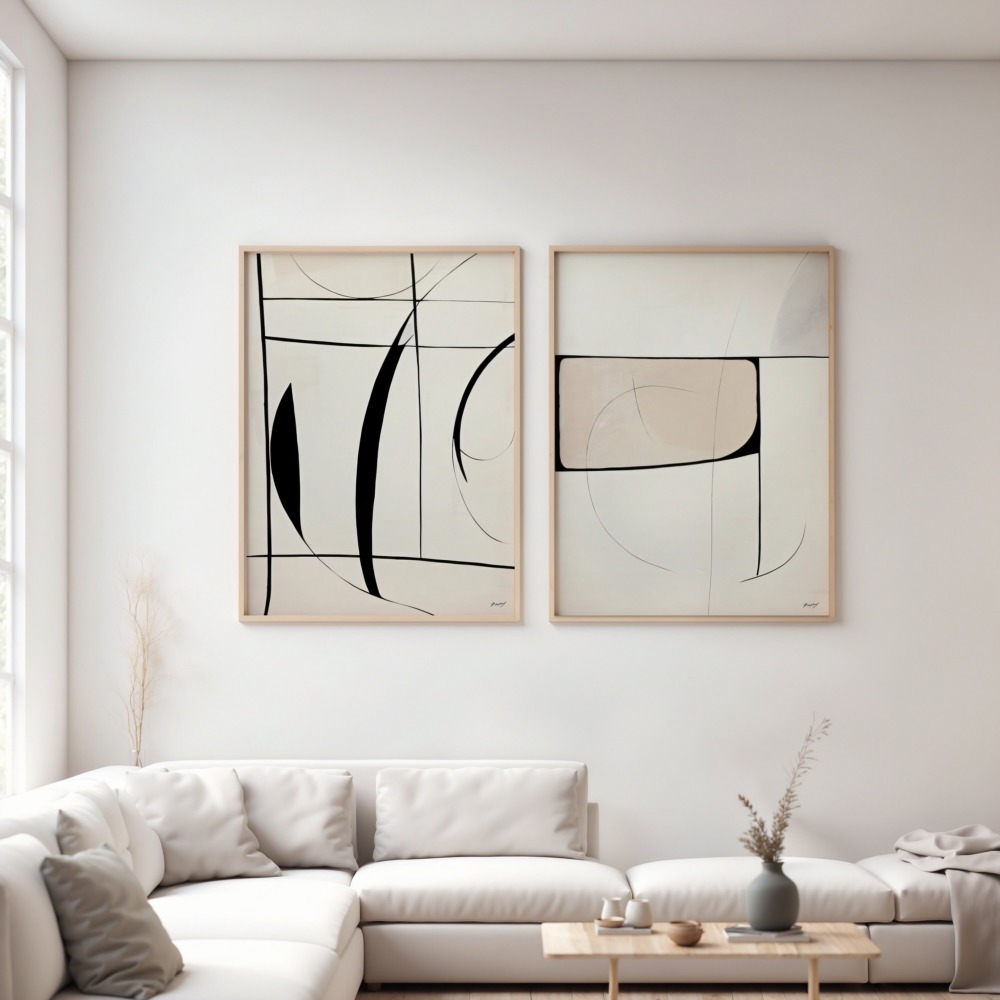
Selecting minimalist art prints requires a different approach than choosing traditional artwork. Start by assessing your space’s existing elements: wall color, furniture style, natural lighting, and room function. Minimalist wall art should complement these factors without competing with them. In a room with bold furniture, opt for even more restrained prints. In a neutral space, you can introduce minimalist abstract pieces with slightly more visual interest.
Scale matters tremendously in minimalist design. A single large-format print often creates more impact than multiple smaller pieces. The generous negative space within the artwork itself, combined with the open wall space around it, amplifies the minimalist aesthetic. If you’re working with a gallery wall concept, maintain generous spacing between pieces—at least 4-6 inches—to preserve that essential breathing room.
Consider the room’s purpose when selecting your minimalist prints. Bedrooms benefit from particularly serene compositions with soft, muted tones that promote relaxation. Home offices thrive with clean wall art featuring geometric precision and subtle complexity that stimulates focus without distraction. Living spaces can accommodate slightly bolder minimalist abstract pieces that serve as conversation starters while maintaining overall visual calm.
Texture adds another dimension to minimalist wall art without compromising the clean aesthetic. Look for prints with subtle variations in finish—matte versus glossy elements, or prints that incorporate barely-there texture in the paper itself. These nuanced details reward closer inspection while maintaining the restrained appearance that defines minimalist design. Choosing the right minimalist art prints becomes easier when you understand how these subtle elements interact with your space.
Color Strategies That Work
The restricted color palettes of minimalist art prints don’t limit their impact—they amplify it. Monochromatic schemes using various shades of a single color create sophisticated depth while maintaining visual simplicity. Black and white minimalist prints offer timeless elegance and pair effortlessly with any décor style, making them perfect for spaces that might evolve over time.
Earth tones—warm grays, soft taupes, muted terracottas, and gentle sage greens—bring organic warmth to minimalist wall art while preserving the clean aesthetic. These colors ground a space without overwhelming it, creating environments that feel both contemporary and welcoming. They work particularly well in modern farmhouse and Scandinavian-inspired interiors where warmth and minimalism intersect.
For those wanting subtle color impact, consider minimalist abstract pieces that introduce a single accent hue against a neutral background. A whisper of dusty blue, soft blush, or muted ochre can tie into other design elements—a throw pillow, a ceramic vase, a single piece of furniture—creating cohesion without visual clutter. The key is ensuring that accent color appears intentional rather than arbitrary.
Common Mistakes to Avoid
Even with minimalist wall art, it’s possible to undermine the aesthetic through placement and quantity errors. The most common mistake is hanging pieces too high. The center of your artwork should typically sit at eye level, approximately 57-60 inches from the floor. This creates the most natural viewing experience and properly anchors the piece within the room.
Another frequent error is choosing frames that contradict the minimalist aesthetic. Ornate, heavily decorated frames fight against the simplicity of minimalist prints. Instead, opt for simple frames in materials like natural wood, black metal, or white wood with clean lines and minimal embellishment. In many cases, minimalist abstract pieces look stunning with no frame at all—just the print mounted directly to the wall or displayed on floating shelves.
Perhaps the subtlest mistake is inconsistency in style within a single space. While you don’t need every piece to be identical, maintaining a cohesive approach to minimalist wall art ensures your room feels intentionally designed rather than randomly assembled. If you’re mixing different minimalist prints, unify them through consistent framing, similar color palettes, or complementary compositional styles.
Styling Beyond the Basics
Once you’ve mastered the fundamentals, you can explore more advanced styling techniques with minimalist art prints. Layering creates unexpected depth while maintaining clean aesthetics—lean one larger minimalist print against the wall atop a console table, with a smaller piece positioned in front. The dimensional variation adds visual interest without complexity.
Creating intentional negative space around your clean wall art amplifies its impact. Rather than filling every wall, leave some completely bare. This strategic emptiness makes the walls with artwork feel more significant and allows the minimalist aesthetic to truly shine. Think of your empty walls as part of the overall composition, not as problems requiring solutions.
Lighting transforms minimalist wall art dramatically. Picture lights mounted above individual pieces add gallery-level sophistication while creating subtle shadows that emphasize the artwork’s forms. Alternatively, ambient lighting that washes the wall creates a soft backdrop that makes minimalist abstract pieces appear to float. Experiment with different lighting temperatures—warmer for cozy spaces, cooler for crisp, modern environments.
Making Minimalist Art Work Long-Term
One of the greatest advantages of minimalist wall art is its enduring appeal. Unlike trend-driven décor that feels dated within a few years, minimalist prints offer timeless sophistication. Their restraint means they won’t compete with future furniture changes or evolving color schemes, making them smart investments for your space.
Rotating your minimalist art prints seasonally or annually keeps your space feeling fresh without requiring complete redesigns. Because minimalist aesthetic pieces typically work in multiple rooms, you can move them throughout your home as your needs change. The living room print might eventually migrate to a bedroom, while a hallway piece finds new life in your home office.
As your collection grows, you’ll develop a more refined eye for what constitutes truly effective minimalist wall art. You’ll notice how different pieces interact with light throughout the day, how certain compositions affect your mood in specific spaces, and which minimalist abstract styles resonate most deeply with your personal aesthetic. This evolving relationship with your artwork is part of the joy of embracing minimalist design—it’s never static, always revealing new dimensions as you live with it.
The power of minimalist wall art lies not in what it shows, but in what it suggests. By removing the unnecessary, these pieces create space—physical and mental—for what truly matters. In a world that constantly demands our attention, walls that offer visual rest become sanctuaries of calm and clarity.