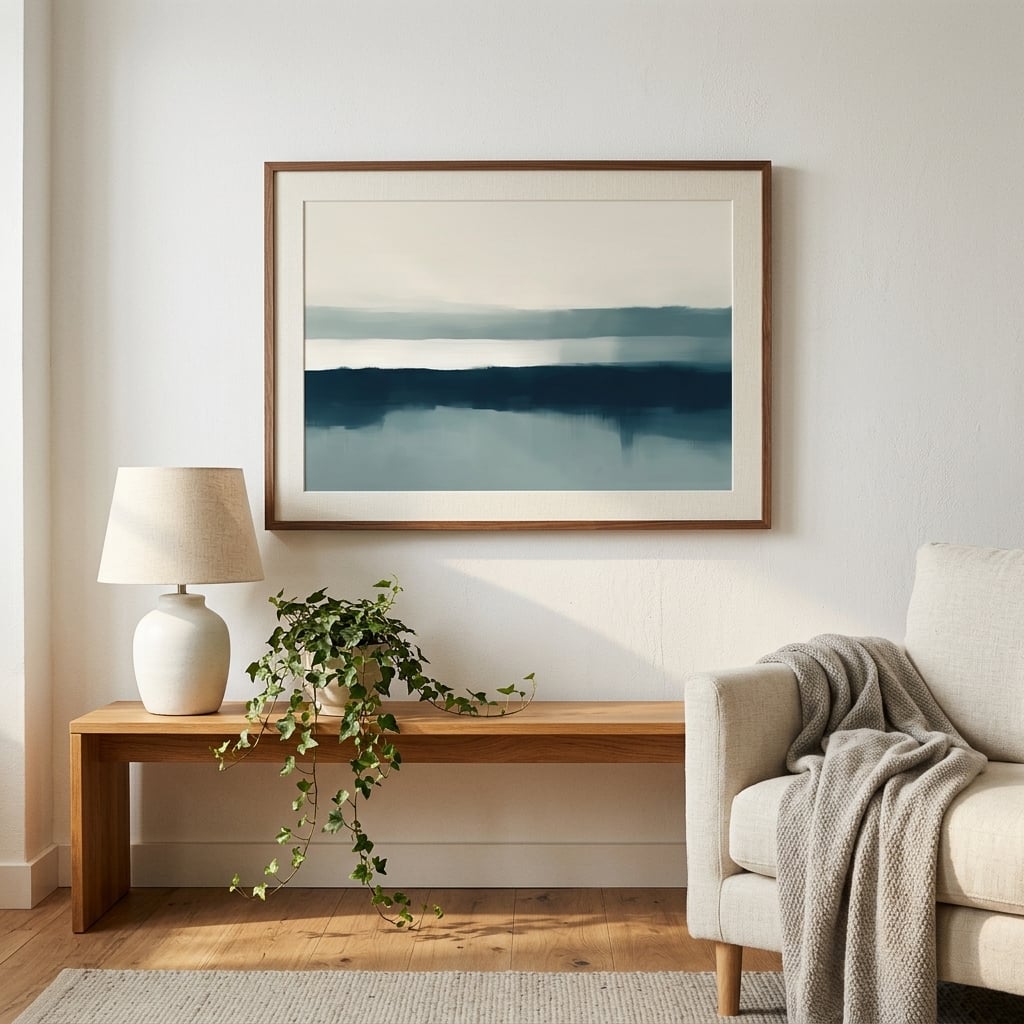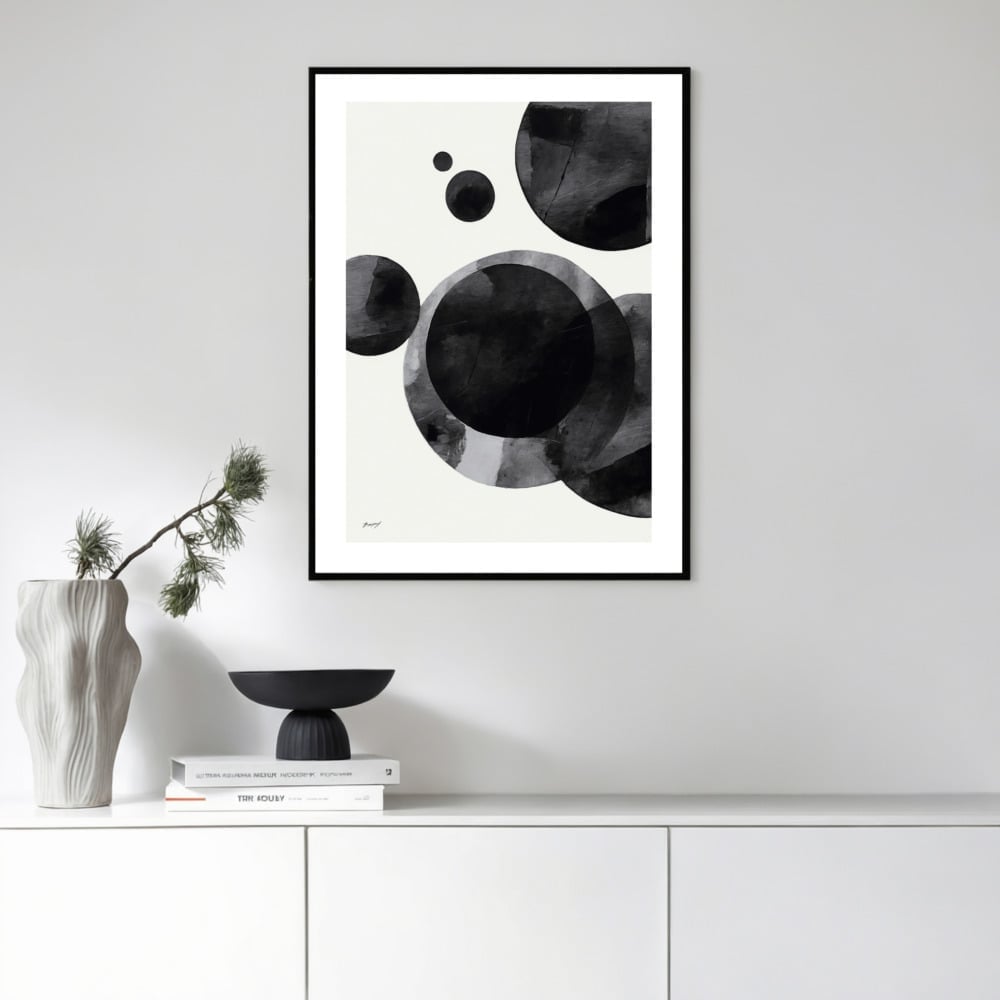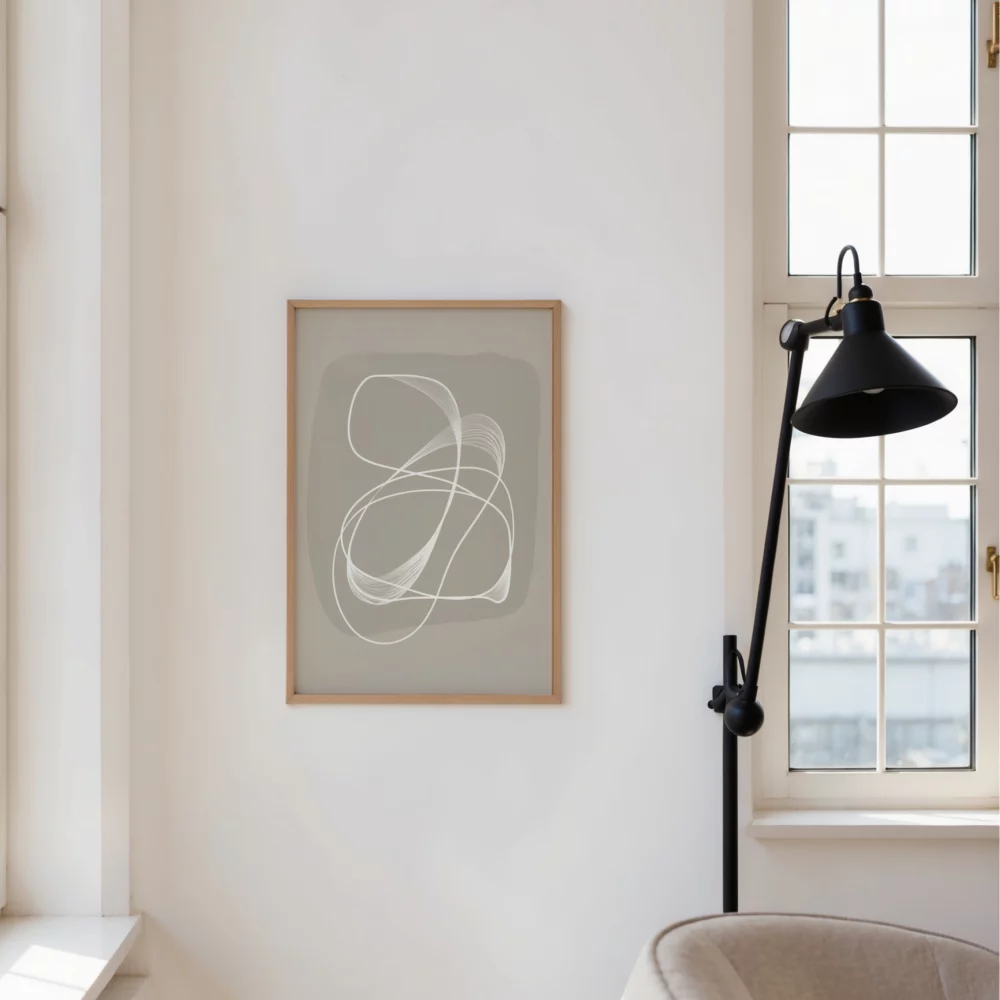
Walk into a room decorated with Japandi art, and you’ll immediately notice something different. The space feels calm, intentional, and somehow complete without being full. This aesthetic phenomenon, born from the marriage of Japanese and Scandinavian design philosophies, has taken the interior design world by storm. But what exactly is Japandi art, and why does it create such a powerful visual impact?
Japandi art represents more than just pretty pictures on walls. It’s a visual language that speaks to our innate desire for balance, simplicity, and meaning in our living spaces. In a world overflowing with visual noise and maximalist trends, Japandi offers a refreshing alternative that doesn’t sacrifice warmth for minimalism or beauty for function. Browse the full selection of Japandi art prints to find pieces for your own space.
The Birth of Japandi: When East Meets North
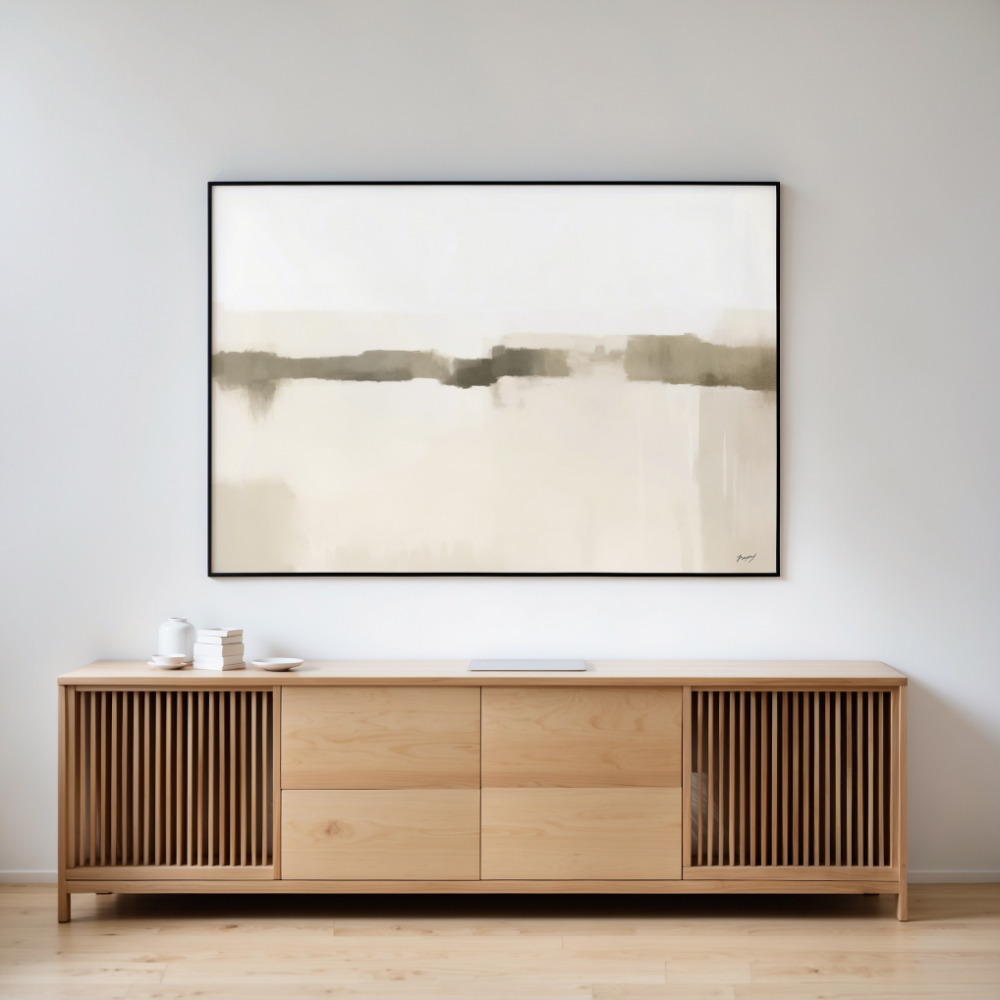
Japandi style explained begins with understanding two design philosophies that, despite originating thousands of miles apart, share remarkably similar values. Japanese design has long emphasized simplicity, natural materials, and the concept of ma (negative space). Meanwhile, Scandinavian design champions functionality, minimalism, and hygge—that untranslatable feeling of cozy contentment.
The fusion happened organically as designers recognized these parallel principles. Both cultures value craftsmanship over mass production, quality over quantity, and connection to nature over artificial embellishment. Japandi art prints embody this synthesis by combining the clean lines and muted palettes of Nordic design with the organic forms and philosophical depth of Japanese aesthetics.
What makes this fusion particularly compelling is how it addresses the weaknesses of each individual style. Scandinavian interiors can sometimes feel cold or sterile, while traditional Japanese spaces might seem austere to Western sensibilities. Japandi bridges this gap, creating environments that feel simultaneously serene and inviting, minimal yet warm.
Japandi vs Scandinavian: The Subtle Differences That Matter
At first glance, you might struggle to distinguish japandi vs scandinavian design. Both favor neutral color palettes, natural materials, and uncluttered spaces. But look closer, and the distinctions become clear—and these differences are precisely what make Japandi so special.
Scandinavian design typically incorporates brighter whites, pops of pastels, and playful patterns. Think geometric prints, cheerful blues and yellows, and that distinctly Nordic optimism. The style emerged partly as a response to long, dark winters, creating bright, cheerful interiors to combat seasonal gloom.
Japandi, however, dials down the contrast. It favors warmer neutrals—beiges, taupes, soft grays—and introduces deeper, earthier tones like charcoal and forest green. Where Scandinavian art might feature bold graphic prints, Japandi art leans toward subtle gradients, organic abstractions, and contemplative imagery. The artwork serves not as a focal point demanding attention but as a thoughtful element contributing to the room’s overall harmony.
Another key difference lies in texture. While both styles celebrate natural materials, Japandi places greater emphasis on tactile variety. You’ll see more woven elements, rough ceramics, and pieces that invite touch. This reflects the Japanese principle of appreciating objects through multiple senses, not just sight.
Wabi Sabi: The Philosophical Heart of Japandi Art
To truly understand Japandi art, you must grasp wabi sabi—the Japanese philosophy of finding beauty in imperfection, impermanence, and incompleteness. This ancient concept transforms how we perceive art and our living spaces entirely.
Wabi sabi teaches us to appreciate the asymmetrical, the weathered, the modest, and the authentic. In practical terms, this means Japandi art often features irregular shapes, organic imperfections, and subjects that celebrate natural processes. A Japandi piece might show brushstrokes, visible texture, or abstract forms that suggest rather than define.
This philosophy stands in stark contrast to the Western pursuit of perfection. Where traditional Western art often aims for technical mastery and idealized beauty, wabi sabi embraces the beauty of things as they are—including their flaws and their eventual decay. In Japandi art, you might find beauty in faded colors, asymmetrical compositions, or subjects like weathered wood or aged pottery.
The practical application of wabi sabi in your home means choosing art that feels genuine rather than flashy. It means valuing pieces with character over those that are merely decorative. A Japandi print of minimalist botanicals with slightly irregular forms speaks to this aesthetic more powerfully than a perfectly symmetrical, photorealistic flower portrait.
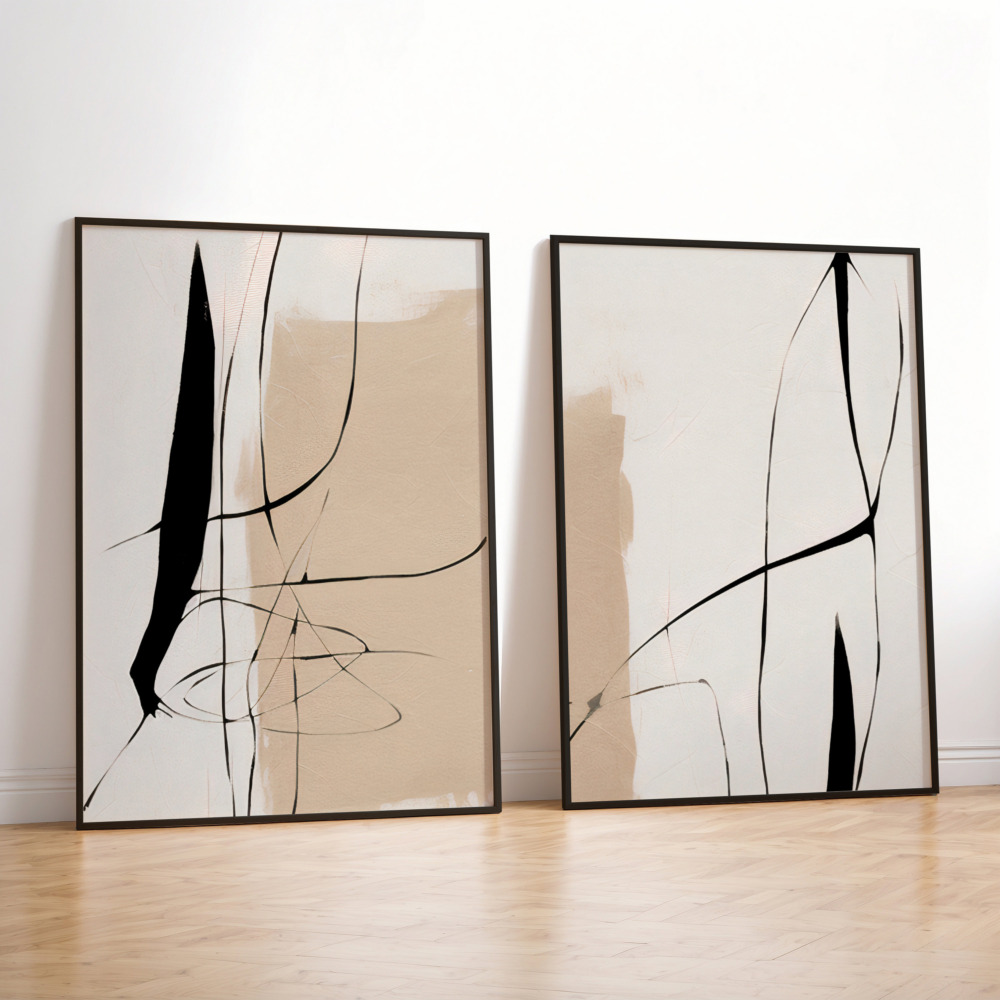
The Japandi Aesthetic: Key Visual Elements
The japandi aesthetic manifests through specific visual characteristics that distinguish it from other contemporary styles. Understanding these elements helps you identify authentic Japandi art and incorporate it effectively into your space.
First, consider color. Japandi palettes draw from nature: think sandy beige, stone gray, forest green, warm terracotta, and deep charcoal. These colors don’t compete for attention but rather create a sophisticated, layered neutrality. Occasional black accents provide grounding, while warm woods add life without disrupting the calm.
Line quality matters tremendously in Japandi art. You’ll notice clean, confident strokes rather than fussy details. Lines might be bold and graphic or soft and organic, but they’re always intentional. The Japanese influence brings fluidity and asymmetry, while the Scandinavian side contributes structure and geometry. The best Japandi art balances these impulses perfectly.
Subject matter tends toward the contemplative and natural. Popular themes include abstract landscapes suggesting mountains or horizons, minimalist botanicals, organic shapes and forms, meditative mark-making, and architectural elements reduced to their essential geometry. These subjects create harmony by connecting indoor spaces to the natural world outside.
Negative space—or ma in Japanese—plays a crucial role. Japandi art rarely fills the entire canvas. Instead, it uses emptiness as an active design element, giving the eye room to rest and the mind space to wander. This approach creates artwork that feels peaceful rather than busy, contemplative rather than demanding.
Creating Calm: How Japandi Art Transforms Spaces
The magic of Japandi art lies not just in individual pieces but in how they transform entire environments. Unlike art styles that command attention or serve as conversation starters, Japandi artwork operates more subtly, creating an atmosphere rather than making a statement.
When you hang Japandi art in a room, it establishes a visual baseline of calm. Your eye doesn’t jump frantically from one element to another but instead moves smoothly through the space. This happens because Japandi pieces typically use similar tonal values, avoiding harsh contrasts that create visual stress.
The style also excels at making small spaces feel larger. By emphasizing vertical lines, incorporating ample negative space, and using light, neutral colors, Japandi art creates an illusion of expanded space. A narrow hallway adorned with tall, minimalist botanical prints suddenly feels like a tranquil gallery rather than a cramped passage.
Perhaps most importantly, Japandi art creates emotional resonance without manipulation. It doesn’t trigger nostalgia through kitschy imagery or demand joy through bright colors. Instead, it offers a quiet invitation to pause, breathe, and simply be present in your space. This quality makes it particularly valuable in bedrooms, meditation areas, or any room where you seek refuge from the world’s chaos.
Choosing Japandi Art: Practical Guidelines
Selecting Japandi art for your home requires a shift in thinking from traditional art buying. You’re not looking for pieces that wow or impress but rather for artwork that feels right—pieces that contribute to rather than dominate your space.
Start by considering scale. Japandi style favors larger pieces with breathing room around them over gallery walls packed with smaller frames. A single substantial print can anchor an entire room, while multiple small pieces might create the visual clutter Japandi seeks to avoid. If you do want multiple pieces, choose diptychs or triptychs designed to work together rather than assembling disparate artworks.
Frame selection matters as much as the artwork itself. Natural wood frames in oak, walnut, or bamboo align perfectly with Japandi principles. Alternatively, simple black or white frames work if they maintain clean lines without ornate details. The frame should disappear into the overall composition rather than drawing attention to itself.
Think about the artwork’s energy level. Japandi pieces typically register as calm and still rather than dynamic and energetic. Look for compositions that feel balanced and grounded. Abstract works should suggest natural forms—water, stone, sky, earth—rather than chaotic expression. Even when depicting movement, like flowing water or wind-blown grasses, the overall feeling should remain peaceful.
Consider how the art interacts with your existing furniture and decor. Japandi art should complement natural materials like wood, linen, and stone while softening any harder industrial elements. If your space includes metal or concrete, choose art with warmer tones to maintain balance. The goal is creating a cohesive environment where every element supports the whole.
Beyond Trends: Why Japandi Art Has Staying Power
In an era of rapidly cycling design trends, Japandi stands apart as something more enduring. While other styles rise and fall with fashion, Japandi’s foundation in centuries-old design philosophies gives it remarkable longevity.
The style succeeds because it addresses fundamental human needs rather than temporary desires. We need spaces that calm rather than stimulate, that provide refuge rather than excitement. We need environments that feel authentic rather than constructed. Japandi art delivers all of this without sacrificing sophistication or beauty.
Moreover, Japandi’s emphasis on quality and timelessness means the art you choose today will still feel relevant decades from now. Unlike trendy pieces tied to specific moments in design history, Japandi work transcends time because it never tried to be of-the-moment in the first place. A minimalist botanical print or abstract landscape drawing inspiration from natural forms won’t suddenly look dated when new trends emerge.
The sustainability aspect also contributes to Japandi’s staying power. Both Japanese and Scandinavian cultures emphasize environmental responsibility and thoughtful consumption. Choosing quality Japandi art prints aligns with values of buying less but buying better—investing in pieces you’ll treasure for years rather than disposable decor you’ll replace seasonally.
Living With Japandi: The Daily Experience
The true test of any design choice isn’t how it looks in perfectly styled photos but how it feels to live with daily. Japandi art excels in this regard, offering benefits that compound over time rather than diminishing as novelty fades.
People who incorporate Japandi art into their homes consistently report feeling calmer and more grounded in their spaces. The visual simplicity reduces mental clutter, making it easier to focus or relax depending on the room’s purpose. In home offices, Japandi art supports concentration without distraction. In bedrooms, it promotes restfulness without inducing sleepiness during waking hours.
The style also ages gracefully alongside you. As your tastes evolve and your life changes, Japandi art adapts rather than conflicts. Its neutral palette and timeless subjects work equally well whether you’re 25 or 65, living alone or with family, in a studio apartment or a sprawling house.
Perhaps most valuable, Japandi art teaches appreciation for subtlety. In a culture that often equates more with better and louder with more important, living with these quietly powerful pieces recalibrates your aesthetic sense. You begin noticing textures, negative space, and tonal relationships you previously overlooked. This heightened awareness enriches not just your home but how you experience the visual world everywhere.
Japandi art isn’t for everyone—and that’s perfectly fine. If you love bold colors, eclectic maximalism, or dramatic statements, embrace those preferences fully. But if you’ve ever felt overwhelmed by visual chaos or craved spaces that feel like deep exhales, Japandi might be exactly what your walls have been missing. It won’t transform your space through shock or spectacle but through something far more powerful: thoughtful, intentional beauty that gets better the longer you look.