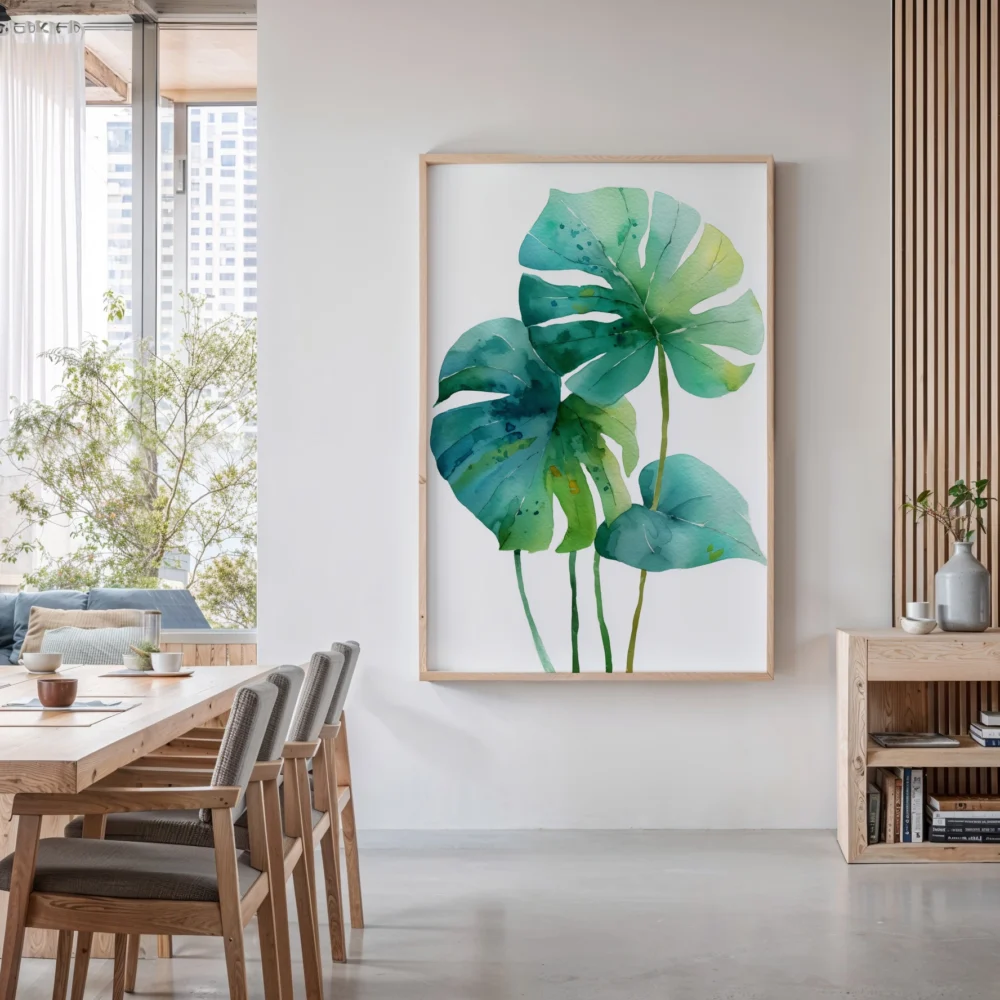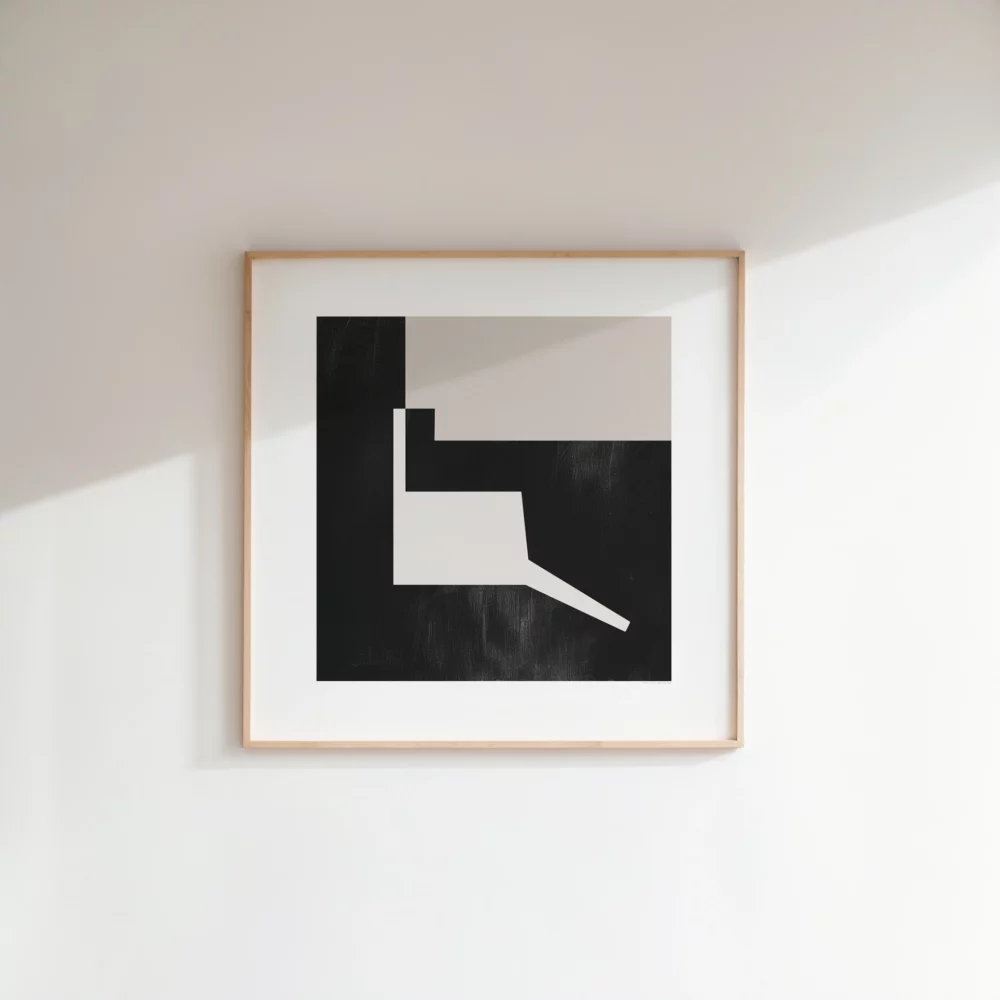
In a world obsessed with perfection, there’s something refreshingly honest about embracing the beauty of imperfection. Wabi sabi art prints capture this ancient Japanese philosophy that celebrates the authentic, the aged, and the asymmetrical. Unlike the pristine, cookie-cutter art that dominates modern interiors, wabi sabi prints invite you to appreciate the weathered, the organic, and the quietly beautiful. These aren’t prints that scream for attention—they whisper stories of natural processes, time’s gentle touch, and the profound beauty found in simplicity.
The concept of wabi sabi emerged from Japanese tea ceremonies in the 15th century, where practitioners found beauty in humble, rustic objects rather than ornate treasures. Today, this philosophy translates beautifully into wall art that brings calm, authenticity, and depth to modern spaces. A wabi sabi print doesn’t try to impress—it invites contemplation. It doesn’t demand perfection from your space because it embraces its own imperfections as essential features, not flaws to hide.
The Essential Elements of Wabi Sabi Print Design
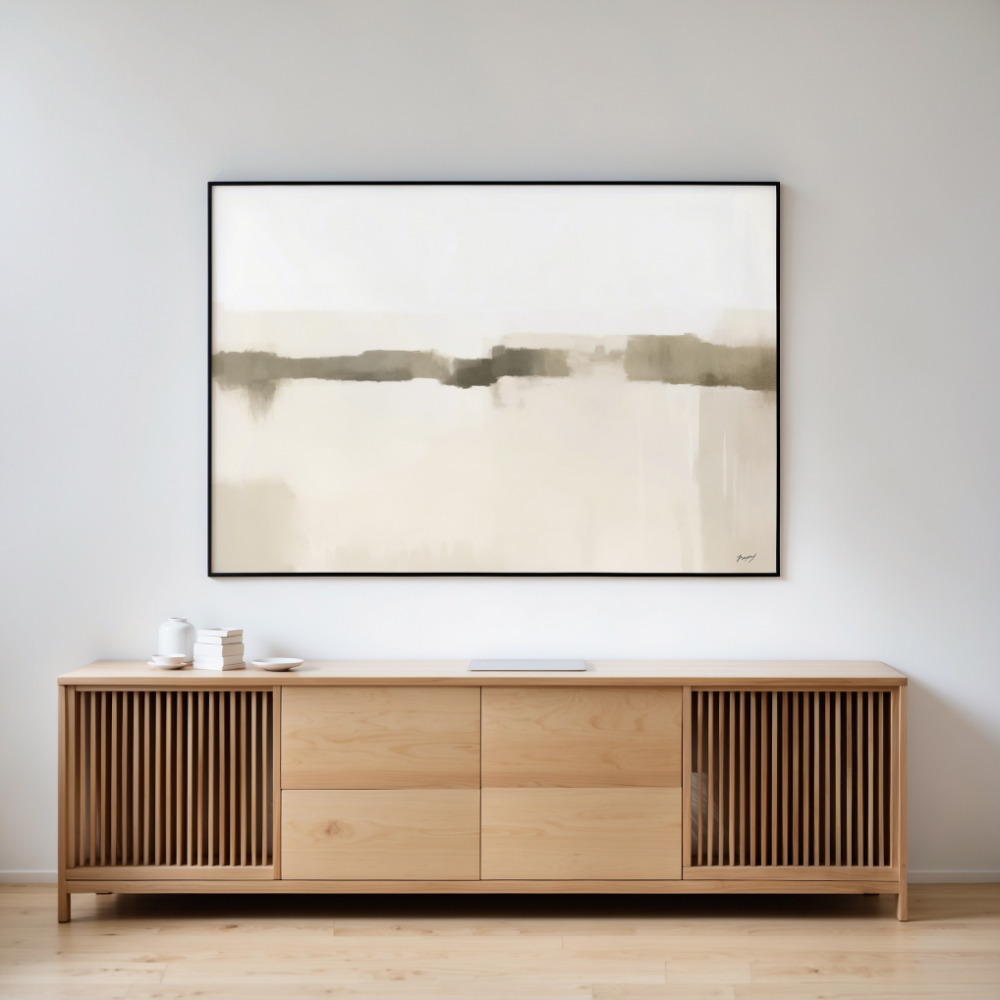
What makes a print truly wabi sabi? It’s not just about muted colors or minimalist composition—though those elements often appear. Authentic wabi sabi abstract art embodies specific characteristics that set it apart from other minimalist styles. First, there’s an acceptance of natural textures and irregular forms. Think watercolor bleeds that create unexpected patterns, brush strokes that reveal the artist’s hand, or compositions that feel slightly off-balance yet somehow perfectly harmonious.
Earthy color palettes dominate wabi sabi prints: warm terracottas, soft grays, muted greens, and shades of cream and beige that echo natural materials like clay, stone, and aged wood. These aren’t the stark black-and-white contrasts of Scandinavian minimalism—they’re softer, more organic, with a warmth that comes from embracing natural imperfection. Many japandi art prints incorporate wabi sabi elements, blending Japanese aesthetics with Nordic simplicity to create something uniquely calming.
Texture plays a crucial role, even in printed form. The best wabi sabi prints capture the feel of handmade papers, weathered surfaces, or natural materials. You might see subtle variations in tone that mimic the way light plays across an uneven surface, or deliberate imperfections that make each print feel one-of-a-kind. This textural quality separates wabi sabi from cold, digital minimalism—there’s always a sense of human touch or natural process behind the artwork.
Why Wabi Sabi Abstract Art Resonates Now
We’re living in an age of digital perfection where every image can be filtered, adjusted, and optimized until it’s flawless—and exhausting. Wabi sabi abstract art offers an antidote to this visual overload. These prints don’t compete for attention with bright colors or complex patterns. Instead, they create breathing room, offering visual rest in spaces that might otherwise feel overstimulating. The abstract nature of many wabi sabi prints means they don’t impose a specific mood or narrative—they adapt to your emotional landscape rather than dictating it.
This adaptability makes wabi sabi prints incredibly versatile. A piece featuring soft, irregular circles in earth tones works equally well in a meditation corner, above a minimalist bed frame, or in a modern office where you need visual calm without clinical coldness. The abstraction allows personal interpretation—what one person sees as stones worn smooth by water, another might perceive as planets, cells, or simply pleasing shapes. This openness invites ongoing engagement rather than immediate, exhausted recognition.
There’s also a growing awareness that our living spaces affect our mental health. Organic minimalism wall art rooted in wabi sabi principles creates environments that feel intentional without feeling staged. Unlike heavily decorated spaces that require constant maintenance to look ‘right,’ or stark minimalism that can feel sterile, wabi sabi strikes a balance. It acknowledges that real life is imperfect, lived-in, and constantly evolving—and that’s not just acceptable, it’s beautiful.
Choosing the Right Wabi Sabi Print for Your Space
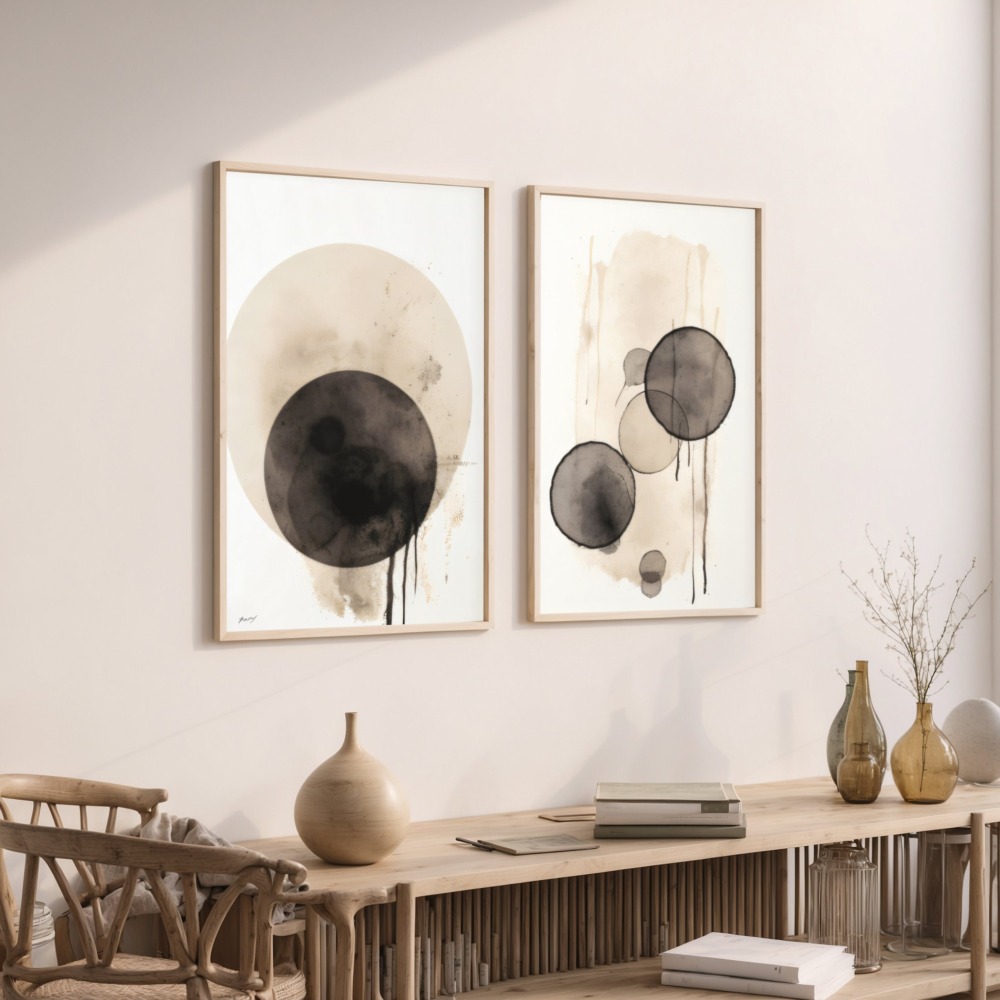
Selecting wabi sabi art isn’t about matching colors to your sofa—it’s about finding pieces that resonate with how you want to feel in your space. Start by considering the room’s natural light. Wabi sabi prints often have subtle tonal variations that reveal themselves differently throughout the day. A piece that looks quiet and meditative in morning light might take on warmer, more intimate tones as evening approaches. This changing quality adds depth to your daily experience of the space.
Scale matters more than you might think. A single large wabi sabi print can anchor a room with quiet confidence, while a carefully curated grouping of smaller prints creates a contemplative gallery wall. The key is avoiding visual clutter—wabi sabi embraces negative space as an essential element, not empty space to fill. If you’re grouping multiple prints, look for pieces that share a similar philosophy rather than identical styles. Varied textures and tones within an earthy palette create more interest than perfectly matched sets.
Consider the existing textures in your room. Wabi sabi art complements natural materials beautifully—think linen textiles, wooden furniture, ceramic objects, and stone surfaces. If your space features these materials, wabi sabi prints will enhance them rather than compete. Even in more contemporary settings with modern furniture, these prints can soften hard edges and introduce organic warmth. Understanding japandi principles can help you balance these elements for a cohesive look that feels effortless rather than overly designed.
Styling Wabi Sabi Prints Like a Designer
Professional designers know that wabi sabi art requires thoughtful placement to truly shine. These aren’t statement pieces meant to dominate a room—they’re more like visual anchors that ground a space in calm and authenticity. Hang them at eye level in areas where you naturally pause: above a reading chair, across from your bed where you’ll see them first thing in the morning, or in an entryway where they set the tone for your entire home.
Frame selection matters significantly. Simple wooden frames in natural finishes—oak, walnut, or light ash—complement wabi sabi aesthetics perfectly. The grain and slight variations in wood echo the organic imperfection of the art itself. If you prefer a more contemporary look, thin metal frames in matte brass or black work well, as long as they don’t overpower the subtle art within. Avoid ornate, glossy, or heavily decorative frames that contradict the wabi sabi philosophy of simplicity and authenticity.
Lighting can make or break how your prints are perceived. Harsh overhead lighting flattens the subtle textures and tones that make wabi sabi art special. Instead, rely on layered lighting—table lamps, floor lamps, and natural light create the gentle illumination that allows these prints to reveal their depth. If you must use picture lights, choose warm-toned LEDs that mimic natural light rather than cool, clinical whites that can make earthy tones look muddy or dull.
The Psychology Behind Organic Minimalism Wall Art
There’s solid psychological reasoning behind why organic minimalism wall art creates such calming spaces. Our brains are wired to find patterns and make sense of visual information—complex, busy artwork requires constant cognitive processing. Wabi sabi prints, with their simple forms and natural patterns, give our visual cortex a break. The organic shapes and earth tones trigger associations with nature, which numerous studies link to reduced stress and improved mood.
The imperfections inherent in wabi sabi art also create a psychological effect called ‘perceived authenticity.’ When we see art that’s obviously perfect, polished, or digitally generated, we recognize it as manufactured. But when we see subtle irregularities—a watercolor bloom, an asymmetrical composition, variations in texture—our brains register it as more genuine, more trustworthy, more real. This perception makes spaces feel more honest and comfortable, like homes rather than showrooms.
Interestingly, wabi sabi’s embrace of imperfection can actually improve our relationship with our own spaces. When your wall art celebrates asymmetry and age, you’re less likely to stress about keeping everything pristine and perfect. This philosophy extends beyond the art itself—suddenly, that vintage chair with the worn armrest or the side table with slight water marks become intentional design choices rather than flaws to apologize for. Your space becomes about living well rather than looking perfect.
Building a Collection Over Time
True to wabi sabi principles, your art collection should evolve organically rather than being assembled all at once. Start with one or two pieces that genuinely speak to you—not because they match your color scheme perfectly, but because they create the feeling you want in your space. Live with them. Notice how they change your perception of the room, how different lighting affects them, how your eye travels across their subtle textures and forms.
As you add pieces over time, you’ll naturally develop an understanding of what works in your space. Maybe you’re drawn to warmer terracotta tones, or perhaps cooler grays and greens resonate more. You might find yourself preferring bold, simple forms or gravitating toward more complex, layered compositions. This slow, intentional approach to collecting creates a more cohesive, authentic collection than buying a matched set all at once. Your walls become a visual diary of your evolving taste rather than a frozen moment of decorating decision.
Don’t be afraid to rotate pieces seasonally or as your needs change. Wabi sabi embraces the concept of impermanence—nothing stays the same, and that’s part of life’s beauty. The print that felt perfect in your bedroom might eventually feel better in your home office. A piece you’ve lived with for years might need a rest while a new acquisition takes its place. This flexibility keeps your space feeling fresh and responsive to your current needs rather than locked into past decisions.
Where Wabi Sabi Fits in Modern Design Movements
Wabi sabi art sits at an interesting intersection of several current design movements. It shares minimalism’s love of simplicity but adds warmth and texture. It embraces biophilic design’s connection to nature without literal botanical imagery. It aligns with slow living and mindful consumption—choosing fewer, more meaningful pieces rather than constantly acquiring new décor. In an era of maximalism and bold statement walls, wabi sabi offers a quieter, more sustainable alternative that won’t feel dated next season.
This timeless quality makes wabi sabi prints a smart investment. While trendy art loses its appeal as styles change, pieces rooted in centuries-old philosophy transcend temporary fashions. A well-chosen wabi sabi art print works as beautifully in a contemporary loft as in a traditional cottage, in a minimalist studio as in a maximalist eclectic home. The key is that it doesn’t demand a specific style—it enhances whatever authentic aesthetic you’re cultivating.
Ultimately, wabi sabi art prints remind us that beauty doesn’t require perfection. In fact, the weathered, the asymmetrical, and the imperfect often possess deeper, more lasting appeal than flawless precision. By bringing these principles into our homes through thoughtfully chosen wall art, we create spaces that feel more human, more honest, and more comfortable to inhabit. Not because they look like magazine spreads, but because they reflect the beautiful, imperfect reality of actually living—which is, after all, what wabi sabi has celebrated for centuries.