Limited Time: 20% Off All Prints
Worldwide shipping · Free shipping over $69
Delivery 4-12 business days
Home / Art Print Collections / modern geometric abstract art
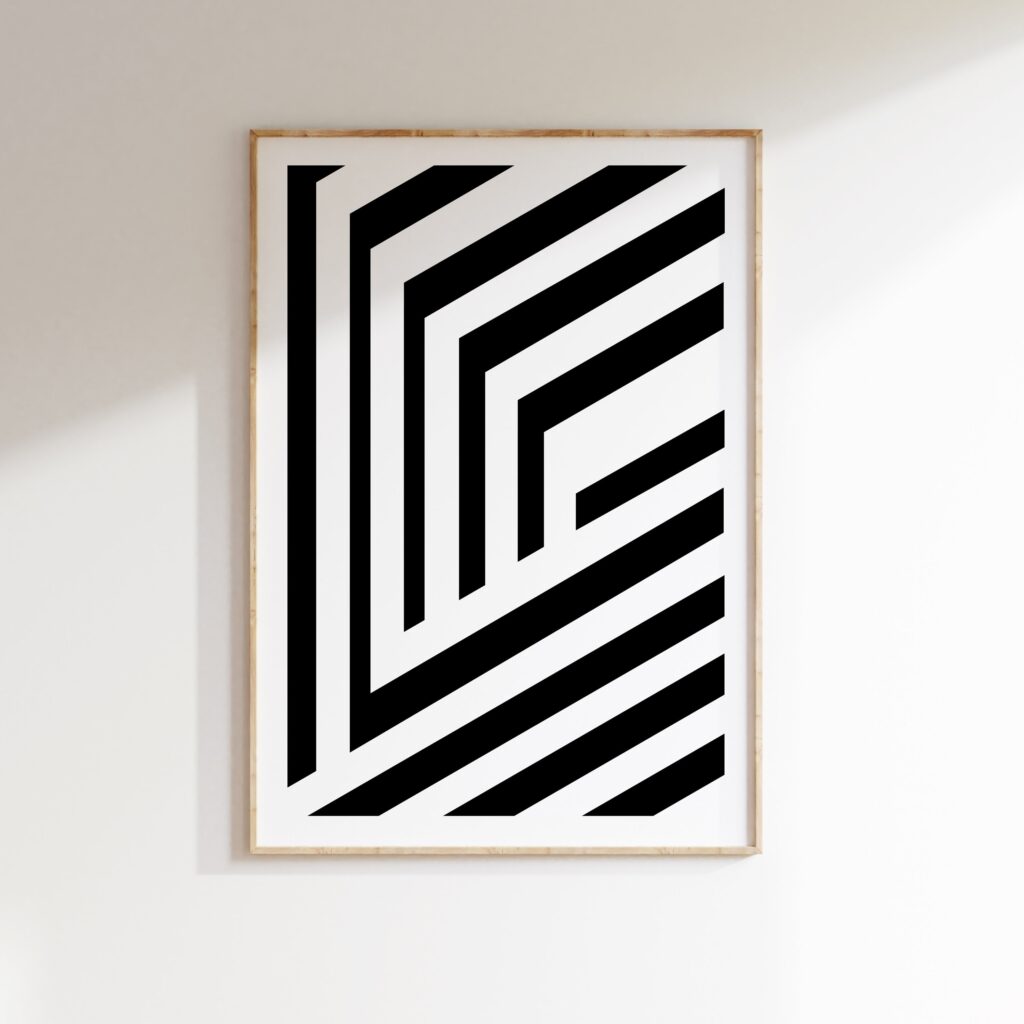
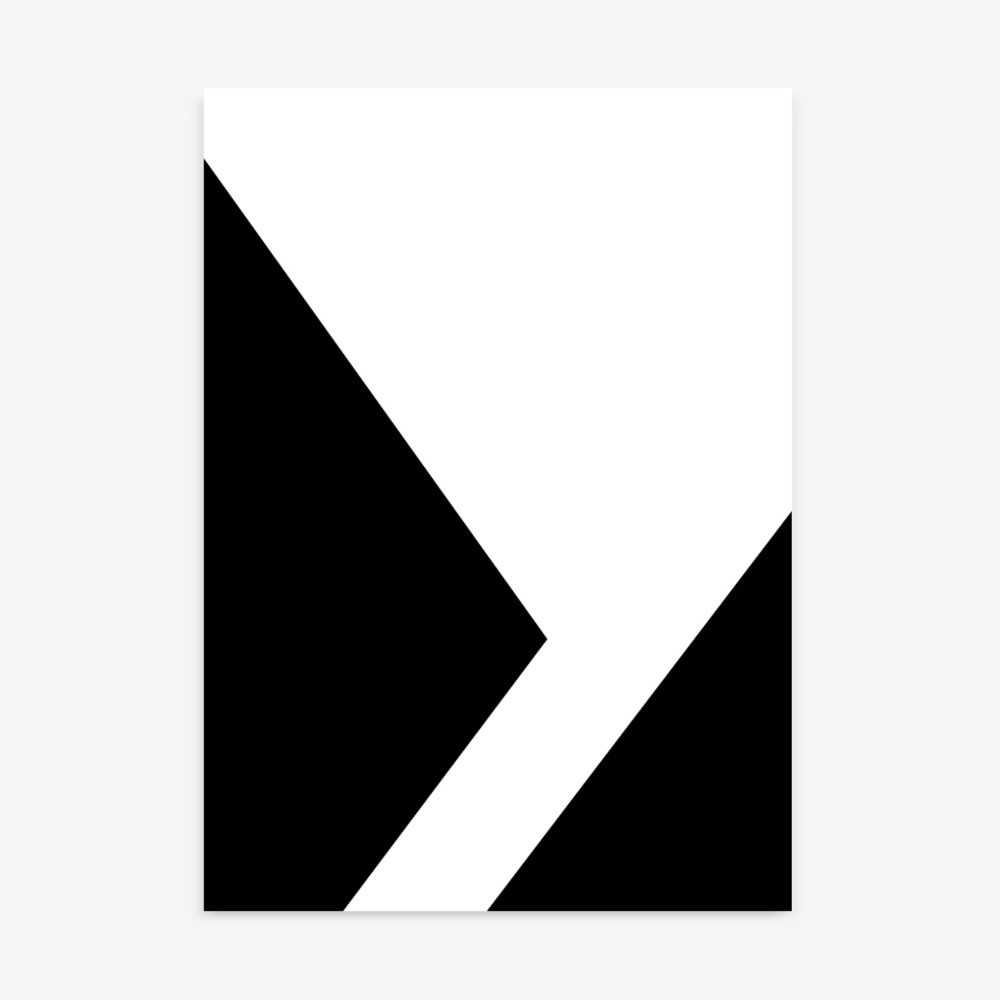
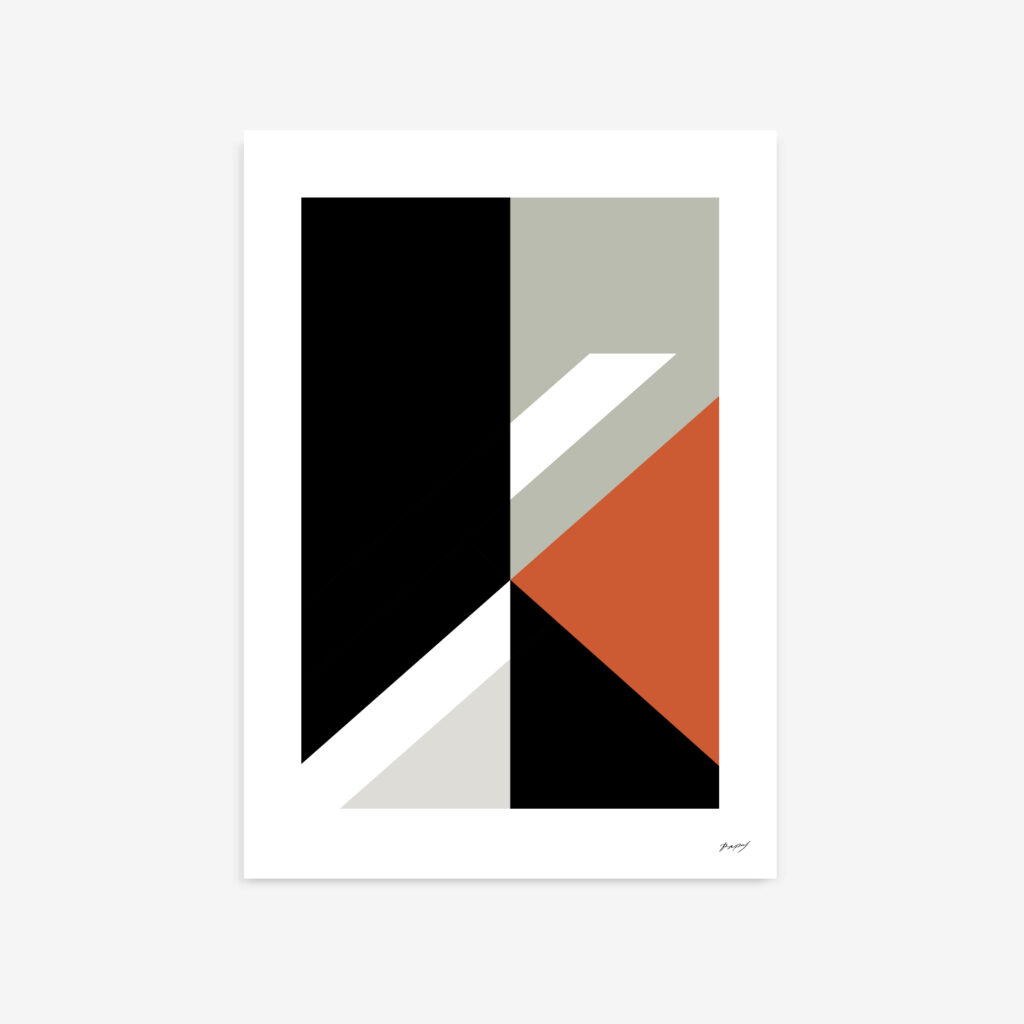
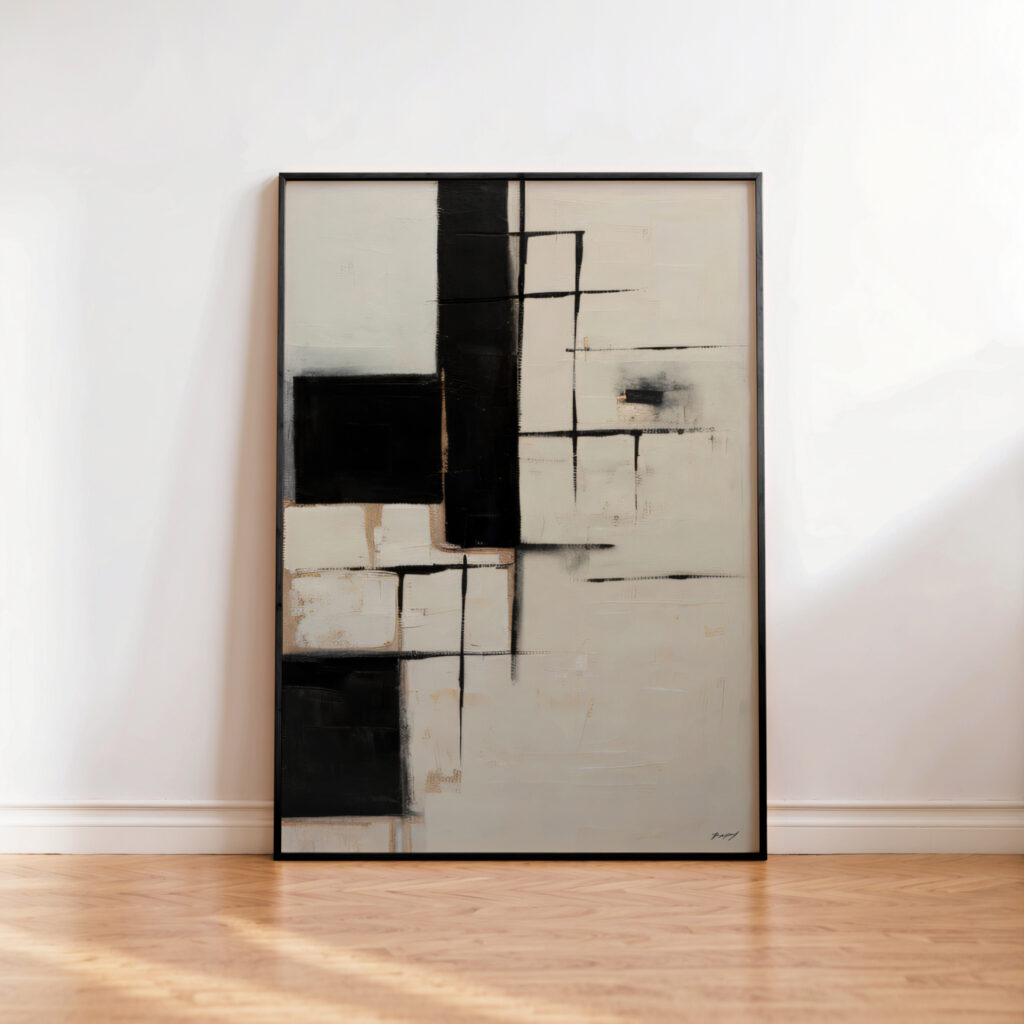
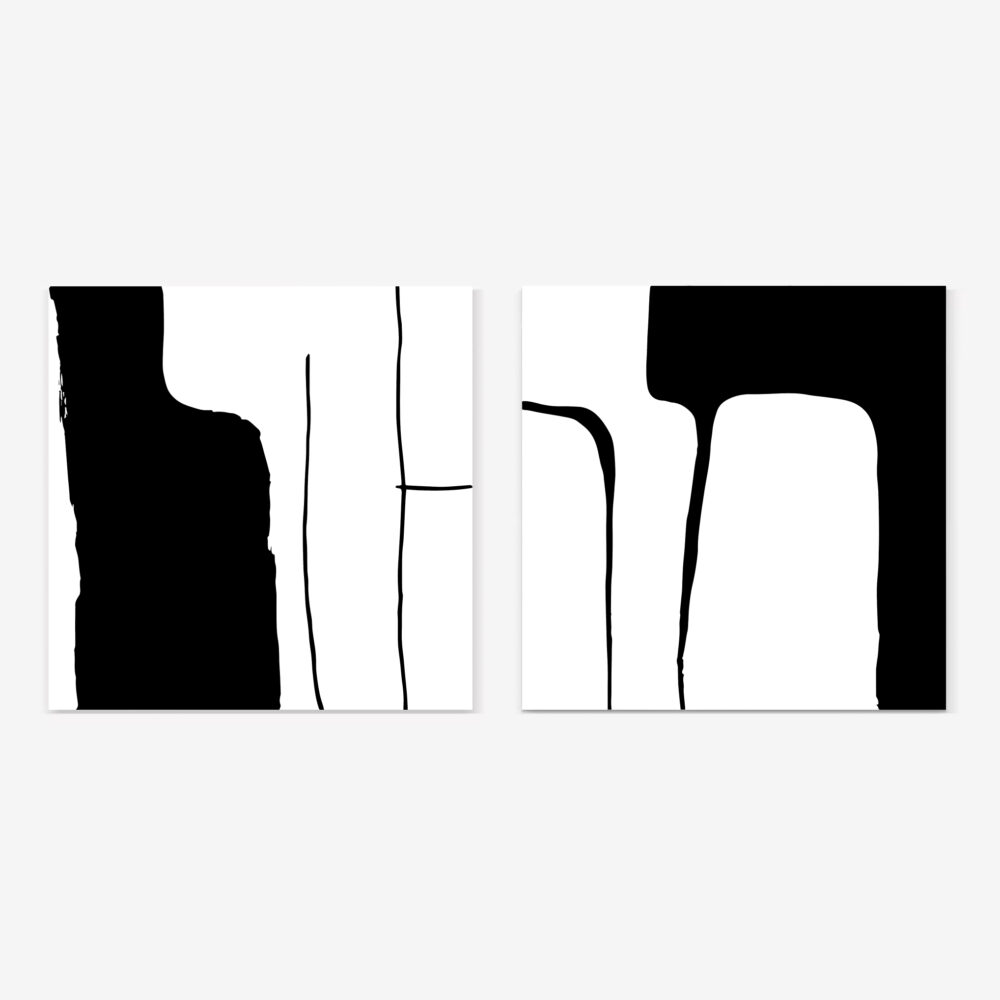
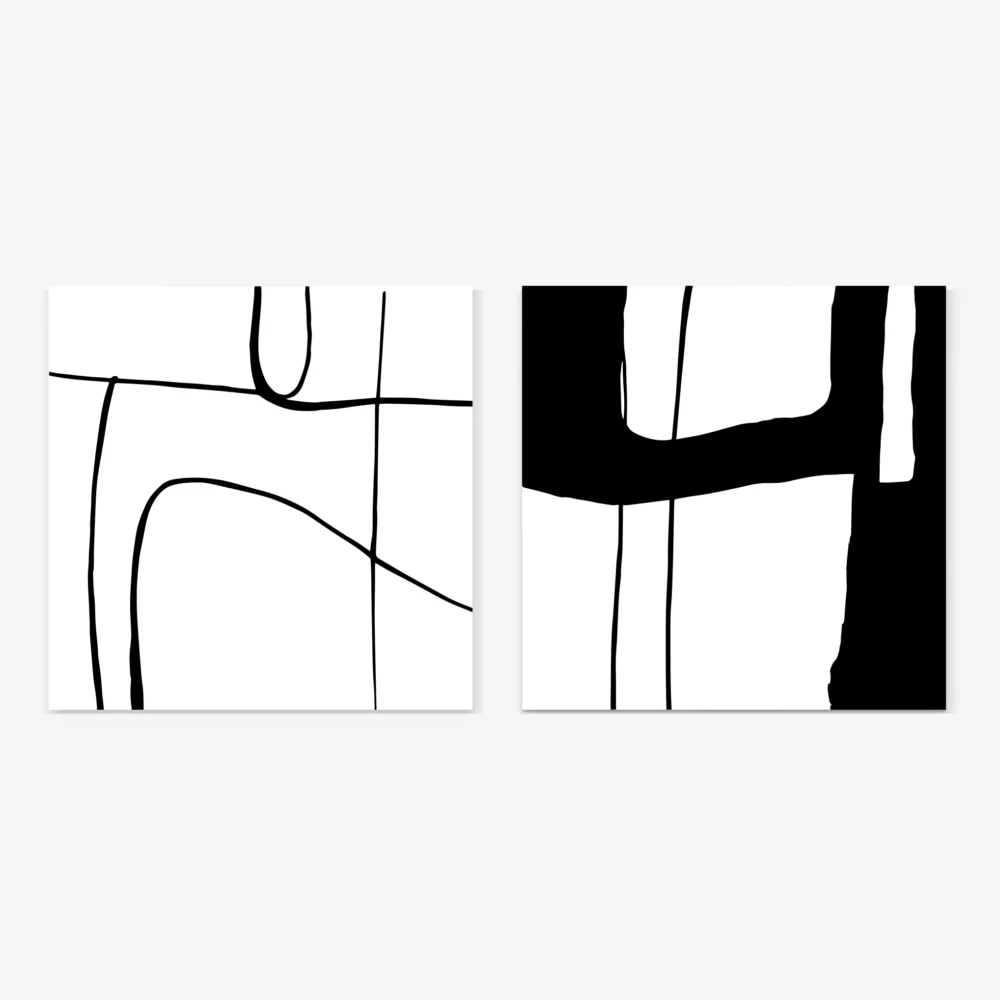
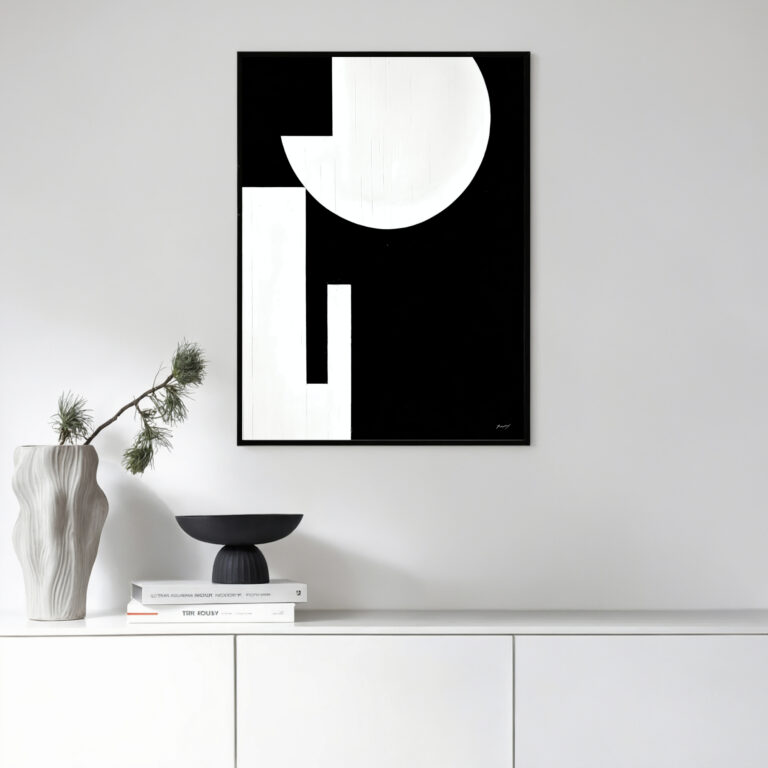
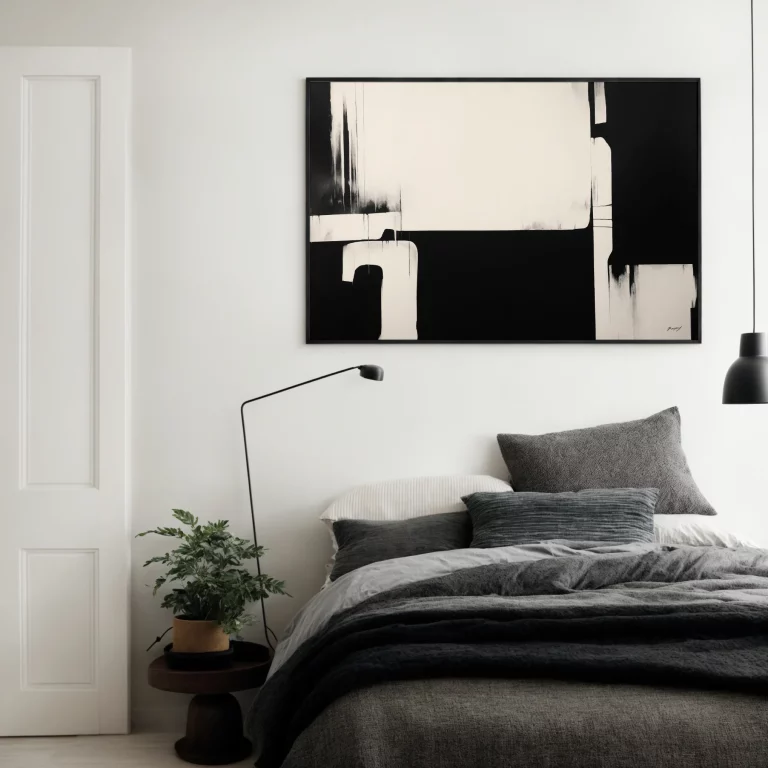
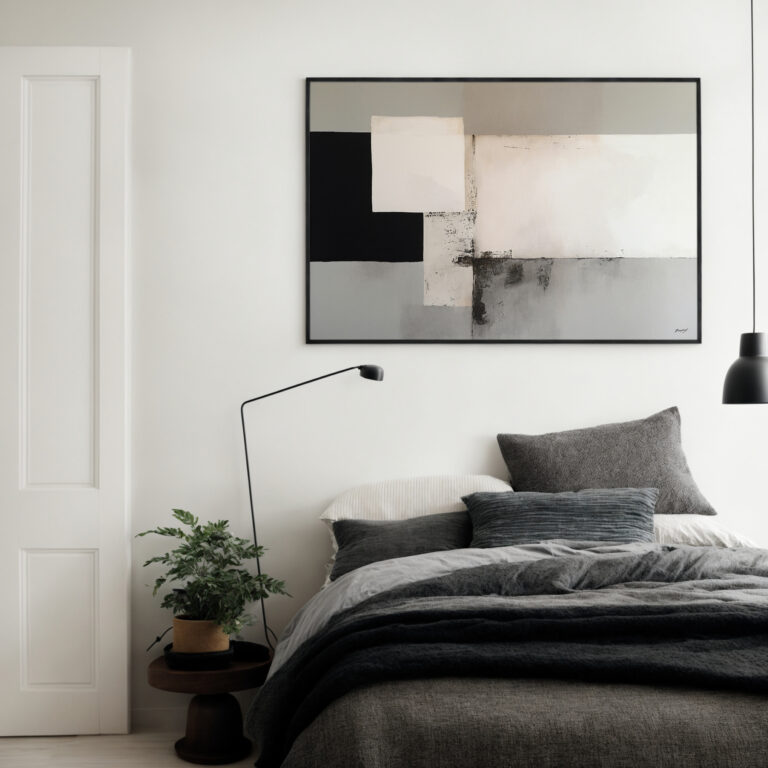
There is a satisfying sense of order in the interplay of crisp lines and balanced shapes. Incorporating geometric wall art into your interior design allows you to introduce structure and rhythm to a room without the need for complex subject matter. This style of modern geometric abstract art turns mathematical precision into a visual language, offering a sophisticated way to anchor a minimalist living room or a high-energy home office through clean, intentional aesthetics.
Geometry in the home isn’t just about mathematics; it is about creating a sense of direction. Crisp triangles, interlocking circles, and bold linear paths guide the eye around a room, making a space feel more organized and intentional. This aesthetic works exceptionally well in areas where clarity is valued, such as home offices or dining rooms. By stripping away representational details, these pieces emphasize the “bones” of a composition, providing a sophisticated backdrop that feels both architectural and expressive.
When selecting a piece, consider the existing silhouettes in your room. If your furniture is dominated by sharp, rectangular edges, a black and white print featuring rounded, organic geometry can provide a much-needed visual “soften.” On the other hand, if your living space feels a bit too fluid or unstructured, adding abstract canvas prints with rigid, mathematical grids can introduce a sense of stability and order. It is all about finding the right tension between the art and the architecture of the room.
Because this style relies on precision, the scale of the work significantly changes its impact. A large art print allows the viewer to appreciate the weight of the ink and the exactness of the angles, making the artwork feel like a deliberate part of the wall. If you prefer a more rhythmic look, grouping a series of smaller geometric studies into a tight grid creates a gallery-like finish. This approach is perfect for hallways or entryways, where the repetition of shapes creates a narrative flow as you move through the house.
It is a style of non-representational art that uses structured shapes—like circles, squares, and triangles—and clean lines to create a balanced composition. It prioritizes the relationship between form and color over literal subjects.
Look at your furniture. If you have modern, low-profile pieces, geometric art with similar clean lines will reinforce that look. If your room feels “busy,” look for a geometric piece with plenty of white space to help the room feel more open.
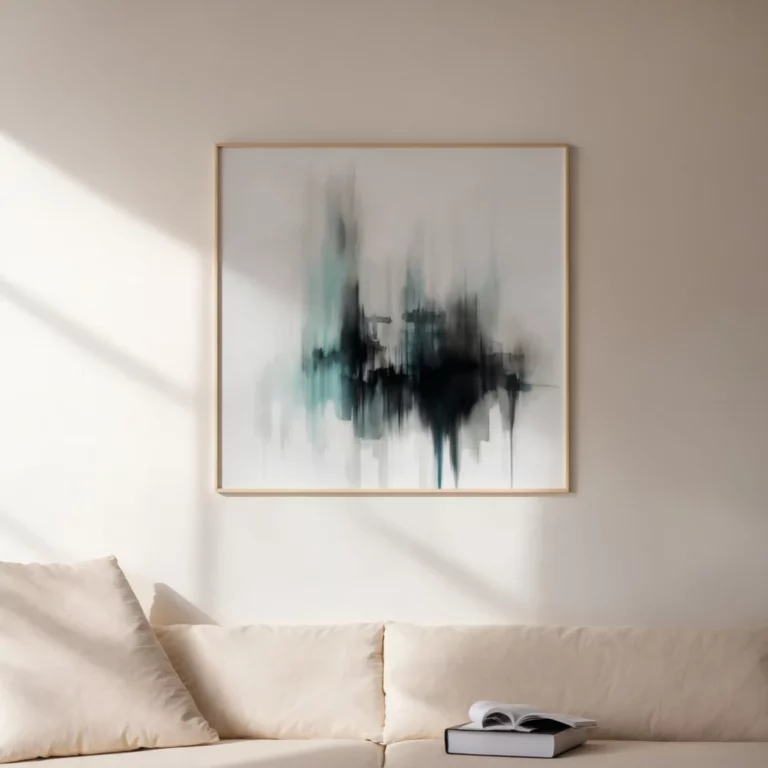
Yes, but the color palette is key. For a bedroom, look for “analogous” colors (colors that sit next to each other on the wheel, like blues and greens) or soft neutrals to ensure the structured shapes feel calming rather than high-energy.
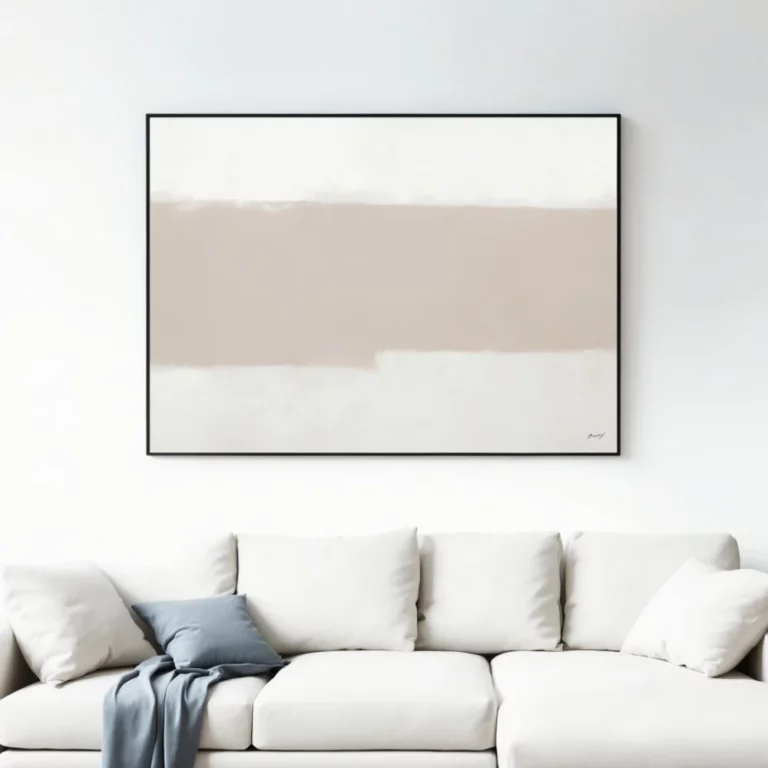
Bold colors make the art the “hero” of the room. Neutrals (beiges, greys, and blacks) allow the modern geometric abstract art to act as a sophisticated layer that harmonizes with your existing decor.
A thin, black metal frame or a natural oak frame is usually best. The goal is to provide a clean border that doesn’t distract from the precision of the lines within the art itself.
Absolutely. In a gallery wall, a geometric piece can act as a “buffer” between more detailed floral or landscape works, giving the eye a place to rest and making the entire arrangement feel more modern.
The center of the arrangement should be at eye level (roughly 58 inches from the floor). If hanging over a sofa, ensure the bottom of the frames sit 6–10 inches above the furniture to keep the grouping cohesive.
Art Collections