Abstract art has puzzled viewers for over a century, leaving many to wonder what they’re actually looking at. Unlike traditional paintings that depict recognizable subjects, abstract works challenge our need for literal interpretation. The question ‘what does abstract art mean’ doesn’t have a single answer, and that’s precisely what makes it revolutionary. Understanding abstract art as a journey through emotion and form requires shifting how we perceive visual information entirely.
The confusion you feel when encountering abstract art isn’t a failure on your part—it’s an invitation. Abstract artists deliberately removed recognizable objects from their work to create something fundamentally different: art that communicates through color, shape, line, and texture rather than through representation. When you stop asking ‘what is this supposed to be’ and start asking ‘what does this make me feel,’ you’ve unlocked the door to understanding abstract art.
What Abstract Art Actually Means
At its core, abstract art meaning revolves around non-representational visual language. The term ‘abstract’ refers to art that doesn’t attempt to represent external reality accurately. Instead, it uses visual elements as tools for expression in their own right. Think of it like music—you don’t need lyrics to feel something when you hear a symphony. The notes, rhythms, and harmonies communicate directly with your emotions. Abstract art works the same way, just with visual elements instead of auditory ones.
The Historical Context That Changes Everything
Abstract art emerged in the early 20th century as artists rebelled against centuries of representational painting. Wassily Kandinsky, often credited as the first abstract painter, believed that art should work like music—directly affecting the soul without needing to depict anything concrete. He and other pioneers like Piet Mondrian and Kazimir Malevich stripped away representation to explore pure form and color.
This wasn’t just artistic rebellion; it reflected massive cultural shifts. Photography had made realistic representation less necessary for artists. Two World Wars shattered faith in rational, ordered reality. Abstract art emerged as a visual language for a world that no longer made literal sense. Understanding this context helps explain why abstract art styles developed such radical approaches to composition and meaning.
How To Actually Understand Abstract Art
The secret to understanding abstract art is counterintuitive: stop trying to understand it intellectually. Your brain wants to find patterns, name objects, and make logical sense of what you see. Abstract art asks you to bypass that analytical process and respond viscerally instead.
Start by simply looking. Notice which colors draw your eye first. Follow the lines and shapes with your gaze. Pay attention to how the composition makes you feel—does it feel chaotic or calm? Energetic or meditative? Heavy or light? These responses are the ‘meaning’ the artist intended to communicate. There’s no hidden code to crack or secret message to decode.
Consider the physical qualities of the work. Is the paint thick and textured or smooth and flat? Are the edges sharp or blurred? These choices aren’t random—they’re deliberate decisions about how the artwork communicates. A painting with aggressive brushstrokes and clashing colors creates a completely different experience than one with soft gradations and harmonious tones.
The Different Types of Abstract Art Explained
Abstract art isn’t monolithic—it encompasses wildly different approaches and philosophies. Geometric abstraction, exemplified by artists like Mondrian, uses precise shapes and lines to create ordered compositions. This style suggests that universal truths can be expressed through pure form stripped of all representational elements.
Abstract Expressionism and Emotional Truth
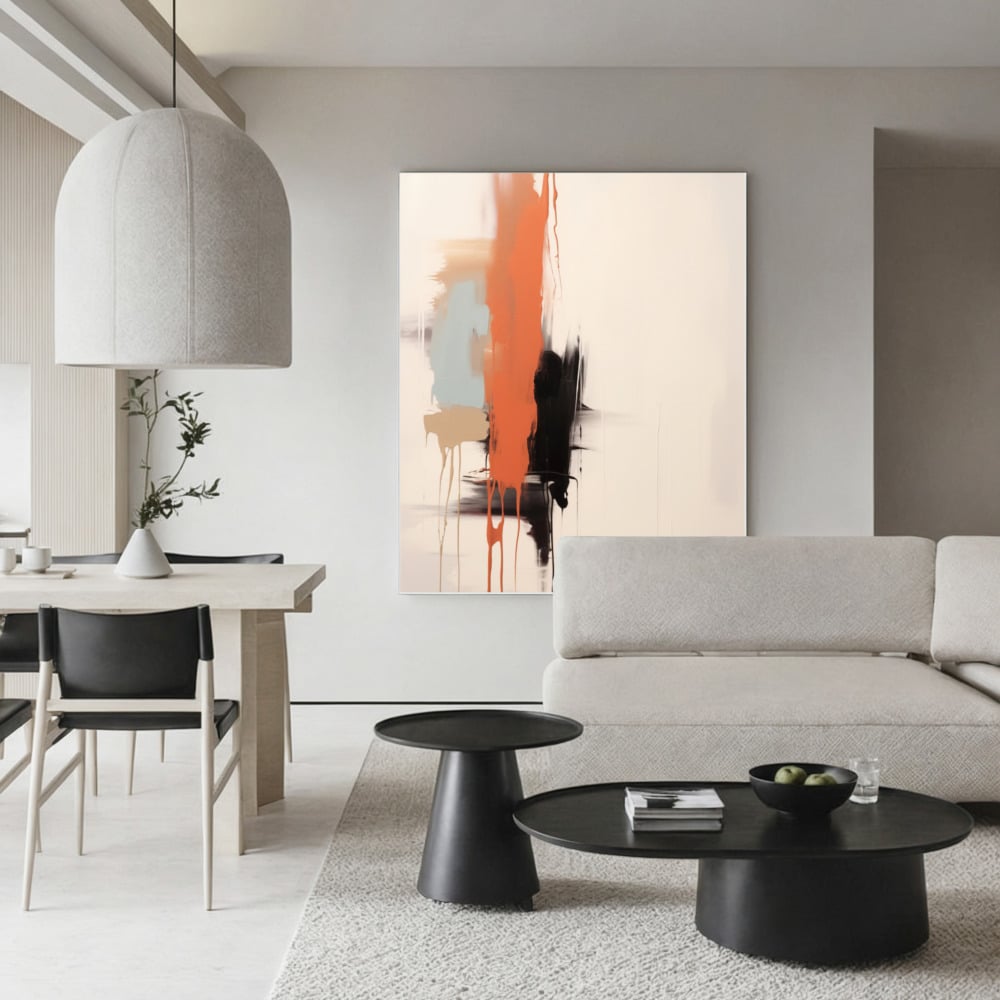
Abstract Expressionism, which dominated the mid-20th century, took a completely different approach. Artists like Jackson Pollock and Mark Rothko believed abstract art should be a direct expression of the artist’s inner emotional state. Pollock’s drip paintings aren’t about anything—they are the physical record of his movement and energy. Rothko’s color field paintings invite meditation and emotional immersion.
This distinction matters when you’re trying to understand abstract art. Some abstract works invite intellectual contemplation of form and structure. Others demand emotional engagement and personal interpretation. Neither approach is more valid, but recognizing the difference helps you know how to engage with a particular piece.
Why Abstract Art Feels Personal
One of the most powerful aspects of abstract art meaning is its openness to interpretation. Without recognizable subjects to anchor meaning, each viewer brings their own experiences, emotions, and associations to the work. The painting doesn’t tell you what to see—it creates a space for you to discover what it means to you personally.
This subjectivity sometimes frustrates people who want definitive answers, but it’s actually abstract art’s greatest strength. A landscape painting of a mountain will always be a mountain. But an abstract composition of blues and grays might evoke the ocean for one viewer, sadness for another, and winter mornings for someone else. All these interpretations are equally valid because abstract art doesn’t prescribe meaning—it generates it through interaction with the viewer.
The Role of Color in Abstract Art
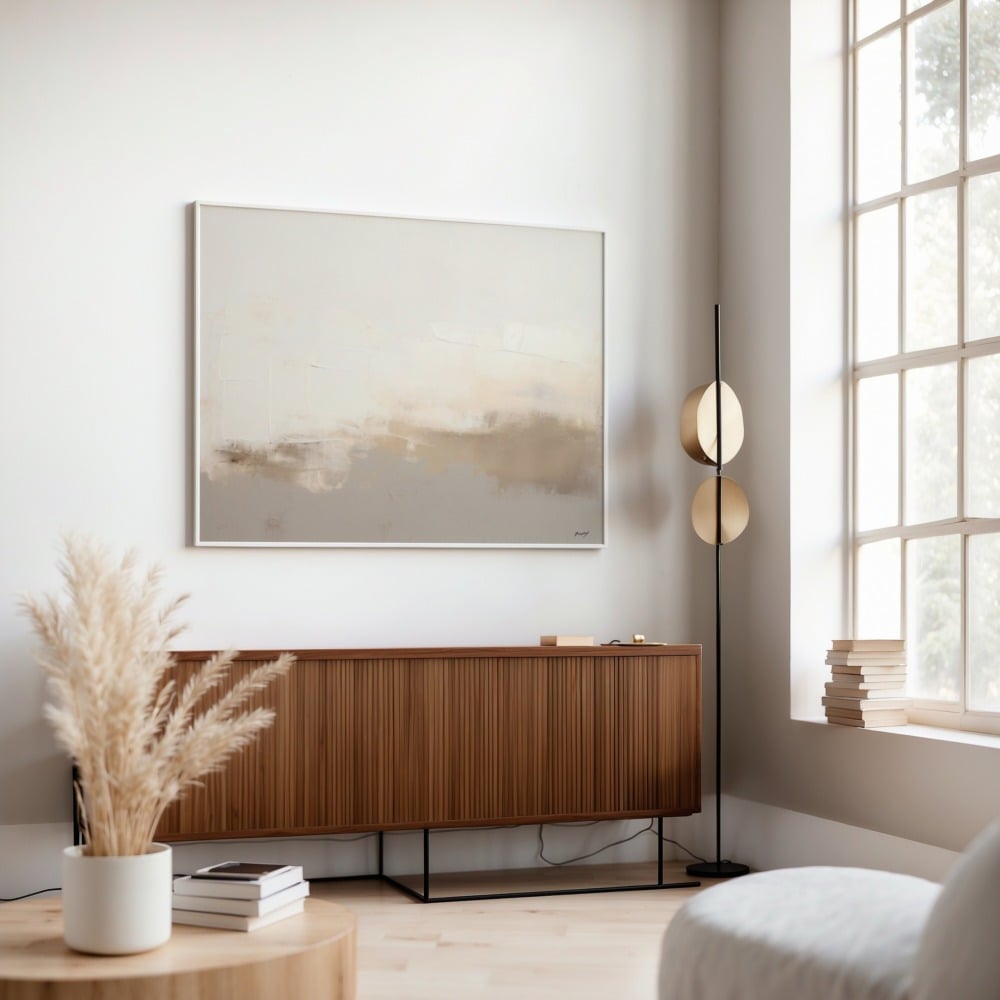
Color theory plays a crucial role in abstract art explained. Without objects to depict, color becomes a primary tool for communication. Warm colors like reds, oranges, and yellows typically create energy and excitement. Cool colors like blues, greens, and purples tend to feel calming or melancholic. These aren’t arbitrary associations—they’re rooted in human psychology and shared cultural experiences.
Abstract artists manipulate these color relationships deliberately. Complementary colors placed next to each other create vibration and tension. Analogous colors create harmony and flow. The saturation, value, and temperature of colors all contribute to the overall emotional impact of the piece. When you’re trying to understand abstract art, paying attention to color relationships often reveals the artist’s intentions.
Composition and Visual Movement
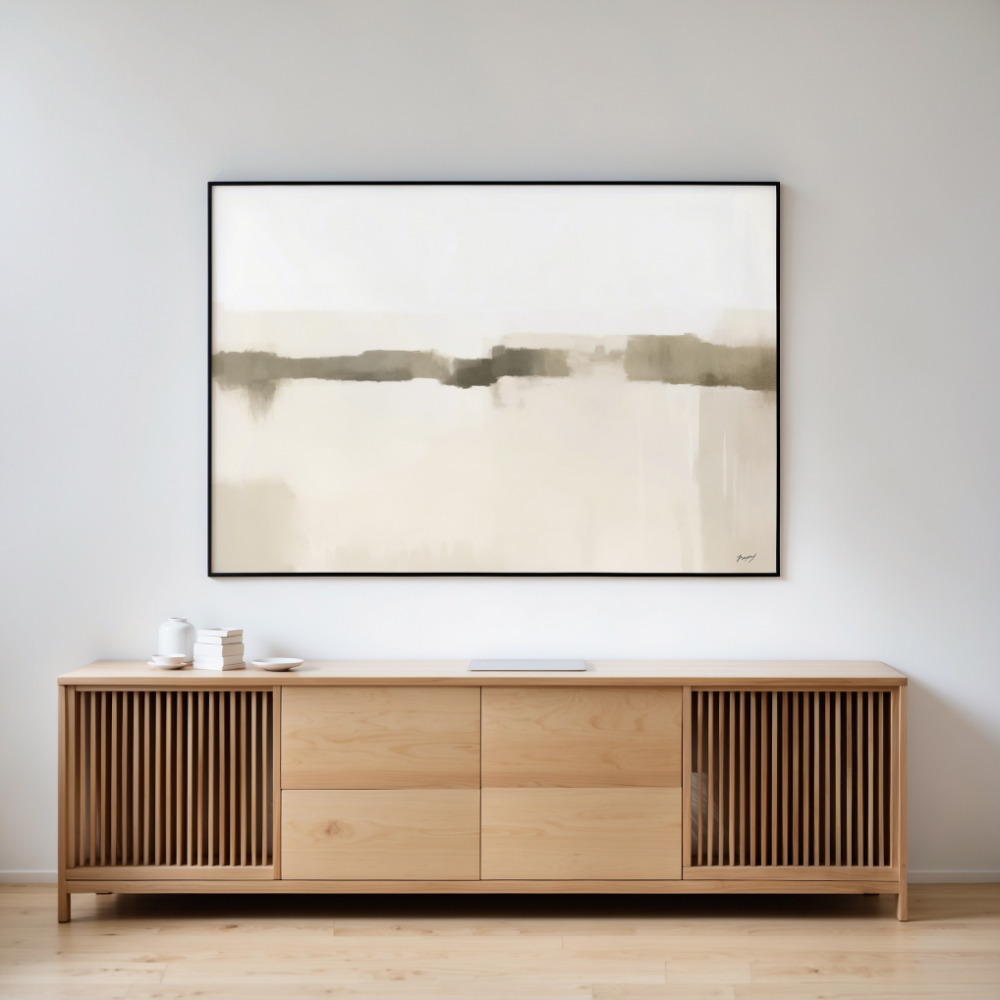
Even without recognizable subjects, abstract art uses composition to guide your eye and create visual experiences. Artists control where you look first, how your eye moves through the piece, and where it comes to rest. Diagonal lines create dynamism and energy. Horizontal lines suggest calm and stability. Vertical lines can feel strong and assertive.
The placement of elements within the frame matters enormously. Centrally-placed shapes feel stable and balanced. Elements pushed to the edges create tension. Repetition of forms creates rhythm. These compositional choices are the grammar of abstract art’s visual language. Learning to notice them helps you understand how abstract art communicates without words or recognizable imagery.
Abstract Art in Your Space
Understanding abstract art becomes more intuitive when you live with it. Abstract art prints in your home or office allow you to experience how pieces affect your mood and environment over time. You might notice that certain colors energize you in the morning or that particular compositions help you feel calm after a stressful day.
This experiential understanding often surpasses intellectual analysis. You stop questioning what the art ‘means’ and start recognizing how it functions in your life. Some pieces become energizing focal points; others create meditative spaces. The meaning emerges from this ongoing relationship rather than from any single interpretation or explanation.
Common Misconceptions About Abstract Art
The biggest misconception about abstract art is that anyone could make it—that it requires no skill or training. This misunderstanding ignores the sophisticated visual literacy required to create compelling abstract work. Successful abstract artists understand color theory, composition, balance, tension, harmony, and visual movement at an extremely high level. They’ve typically mastered representational art before choosing to work abstractly.
Another common myth suggests that abstract art is pretentious or that appreciating it requires special knowledge. In reality, abstract art is remarkably democratic. It doesn’t require you to recognize historical or mythological references or understand complex symbolism. Your immediate, personal response is valid and valuable. The ‘meaning’ exists in the interaction between the artwork and the viewer, not in some hidden code only experts can decipher.
Finding Your Way Into Abstract Art
If you’re new to abstract art, start by noticing which pieces you’re naturally drawn to. Don’t worry about whether you ‘understand’ them or whether your interpretation is correct. Trust your instinctive responses. The pieces that catch your attention are communicating something that resonates with you, even if you can’t articulate exactly what that is.
Visit galleries or browse collections of abstract art and spend time with individual works. Give yourself permission to simply experience them without analysis. Notice physical sensations—does a piece make you feel tense or relaxed? Does it energize or calm you? These bodily responses are valid forms of understanding.
Read artist statements when available. Many abstract artists articulate what they’re exploring in their work, which can provide helpful context. But remember that your personal interpretation doesn’t have to match the artist’s intention. Abstract art creates space for multiple meanings to coexist.
The Ongoing Conversation
Abstract art meaning isn’t fixed or final—it evolves as you change and grow. A piece that felt chaotic and unsettling might later seem energizing and liberating. Work that once appeared simple might reveal increasing complexity over time. This evolution is part of abstract art’s enduring appeal. It grows with you, offering new insights and experiences as your visual literacy develops.
Understanding abstract art ultimately means accepting ambiguity and embracing personal interpretation. It means trusting your emotional and aesthetic responses rather than seeking external validation. The confusion many people feel when first encountering abstract art often transforms into appreciation once they give themselves permission to simply look, feel, and respond without the pressure of finding the ‘right’ answer. In a world that demands constant interpretation and analysis, abstract art offers the radical freedom of direct, unmediated experience.