קולקציות נוספות
Home / Art Print Collections / Textured Wall Art: Depth You Can Almost Feel
Textured Wall Art: Depth You Can Almost Feel
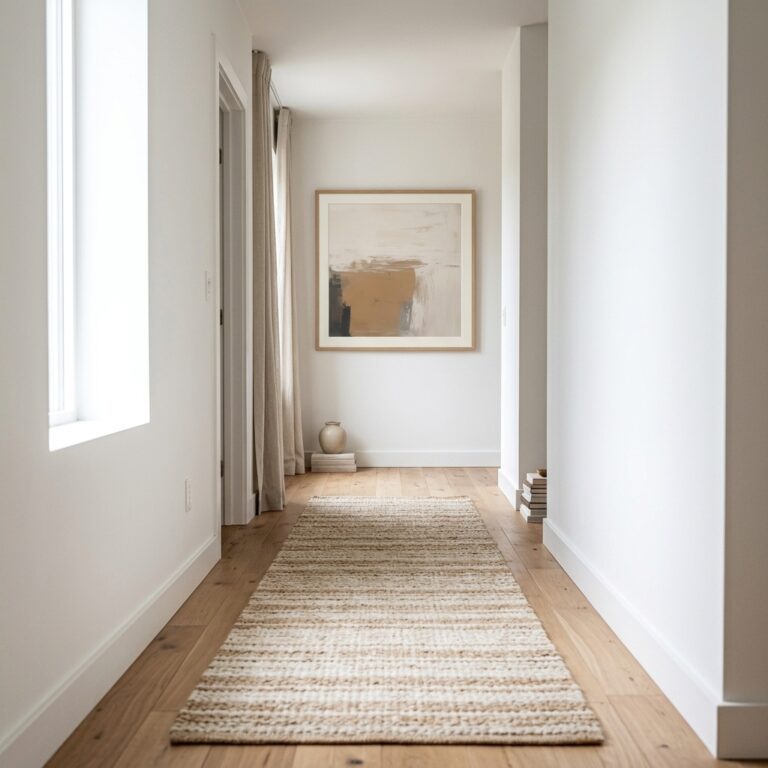
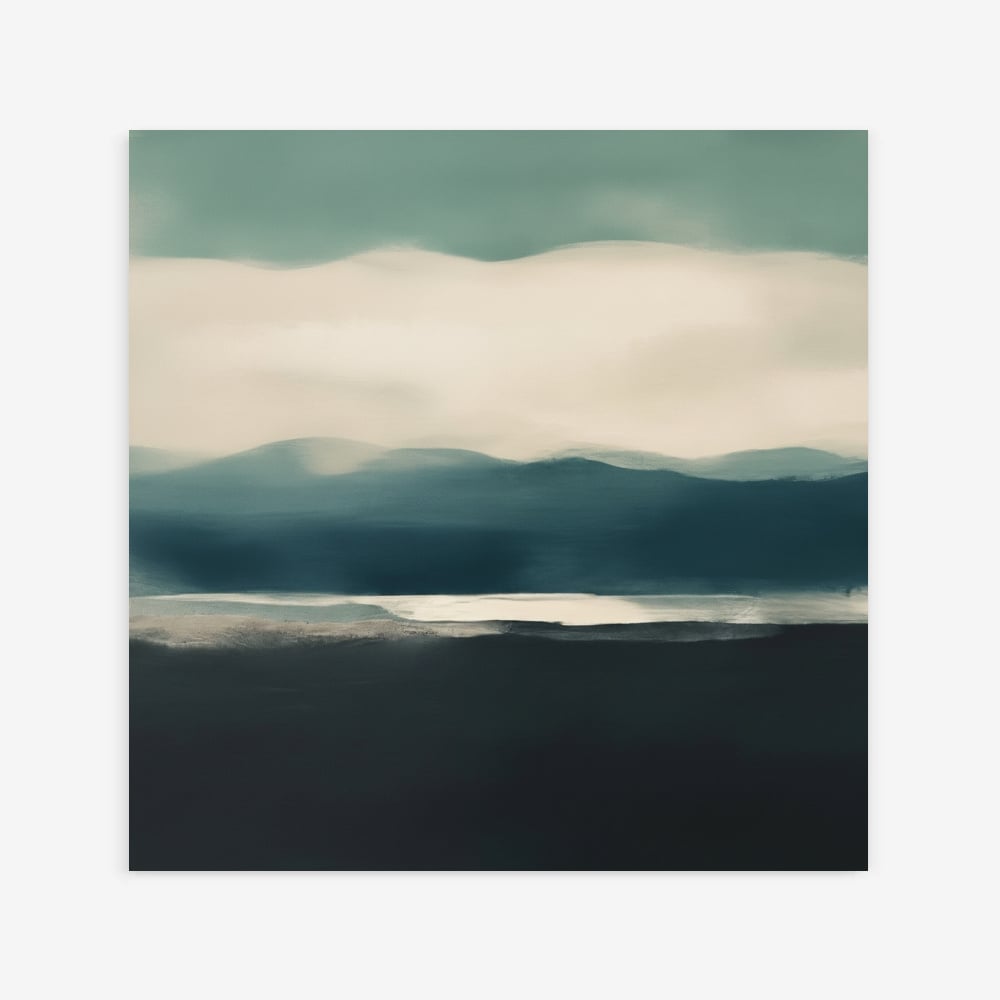
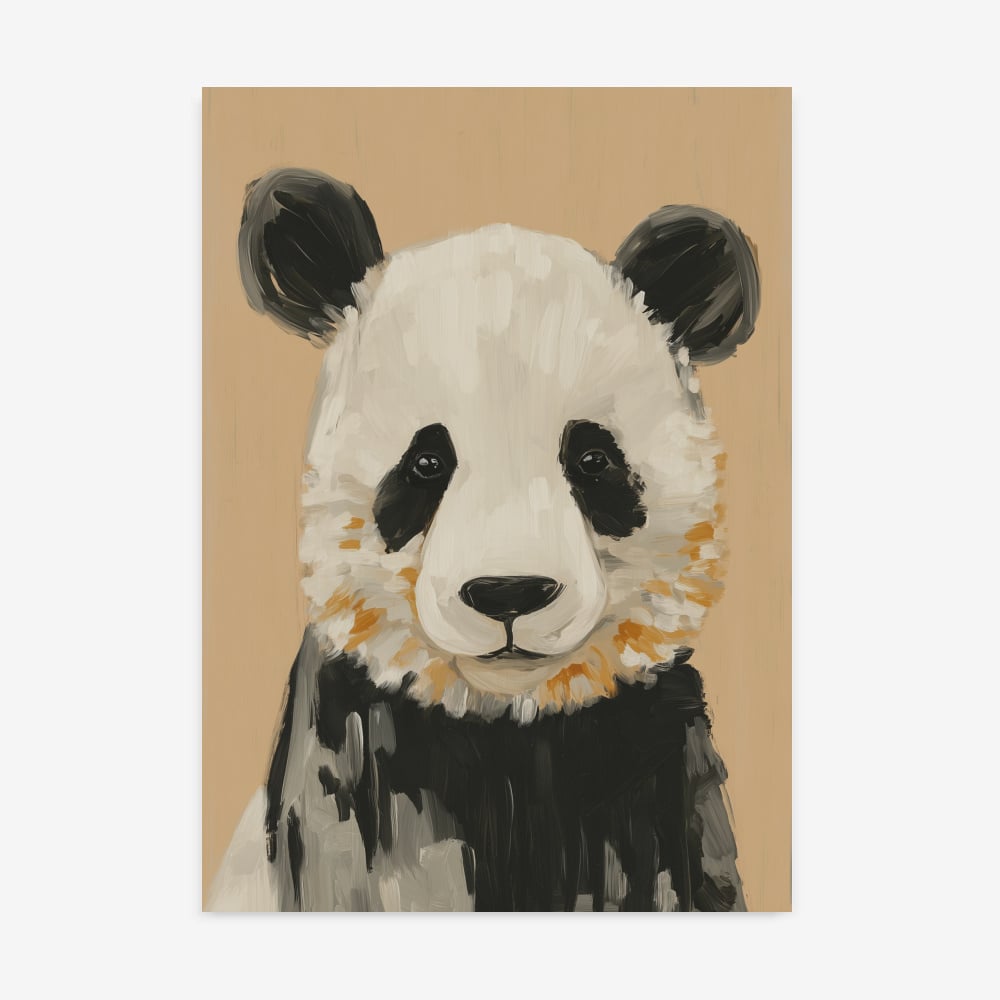
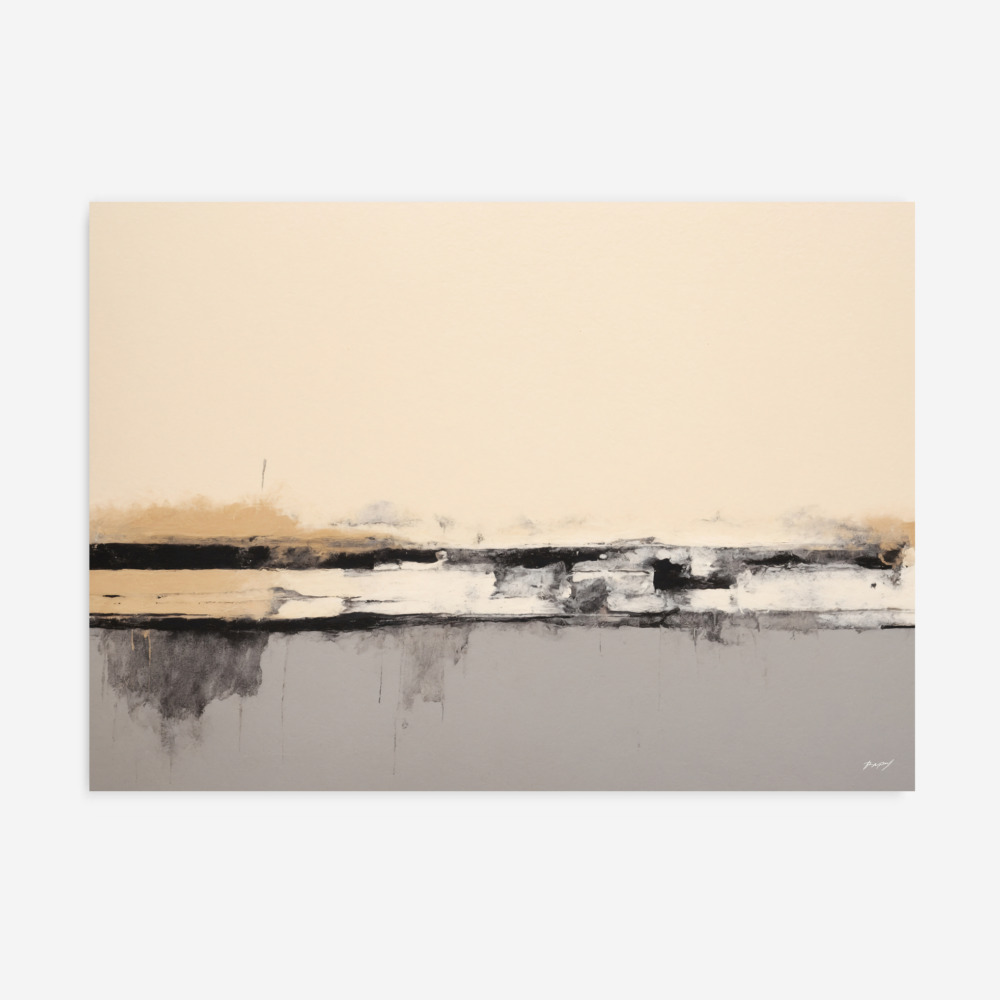
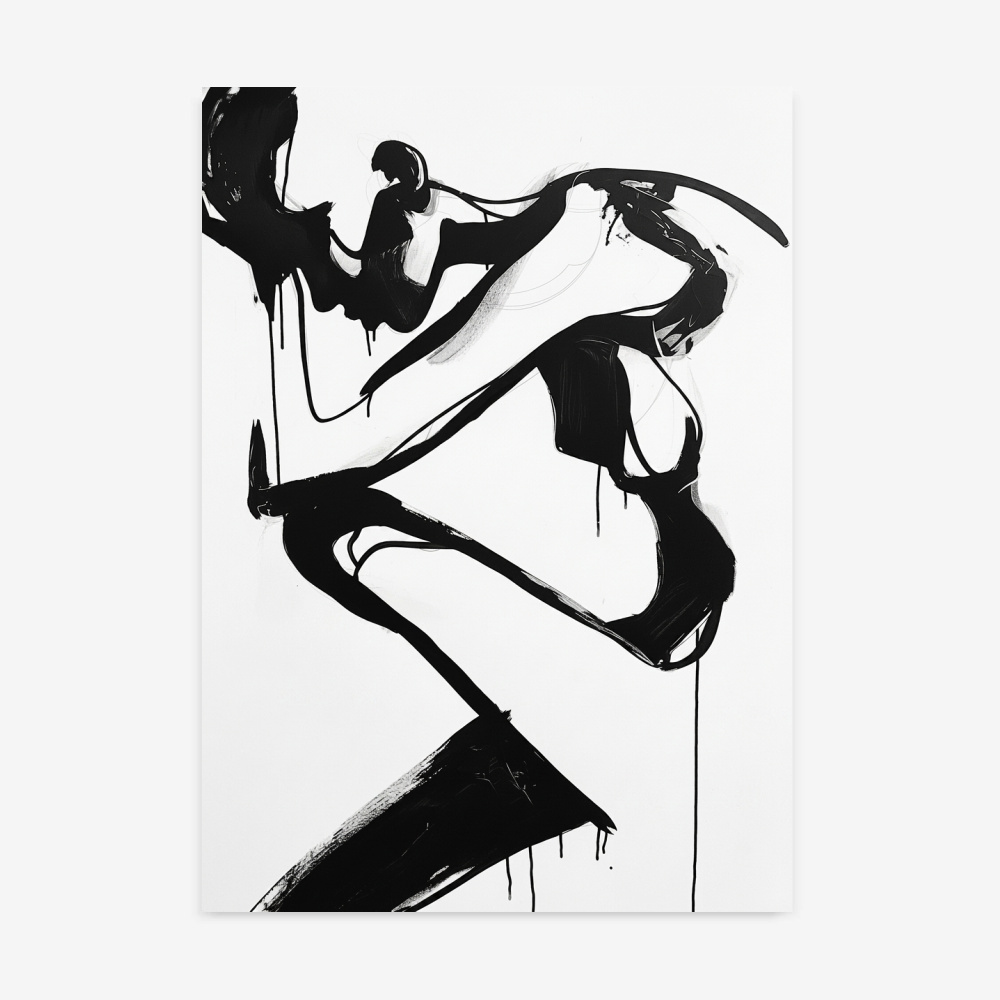
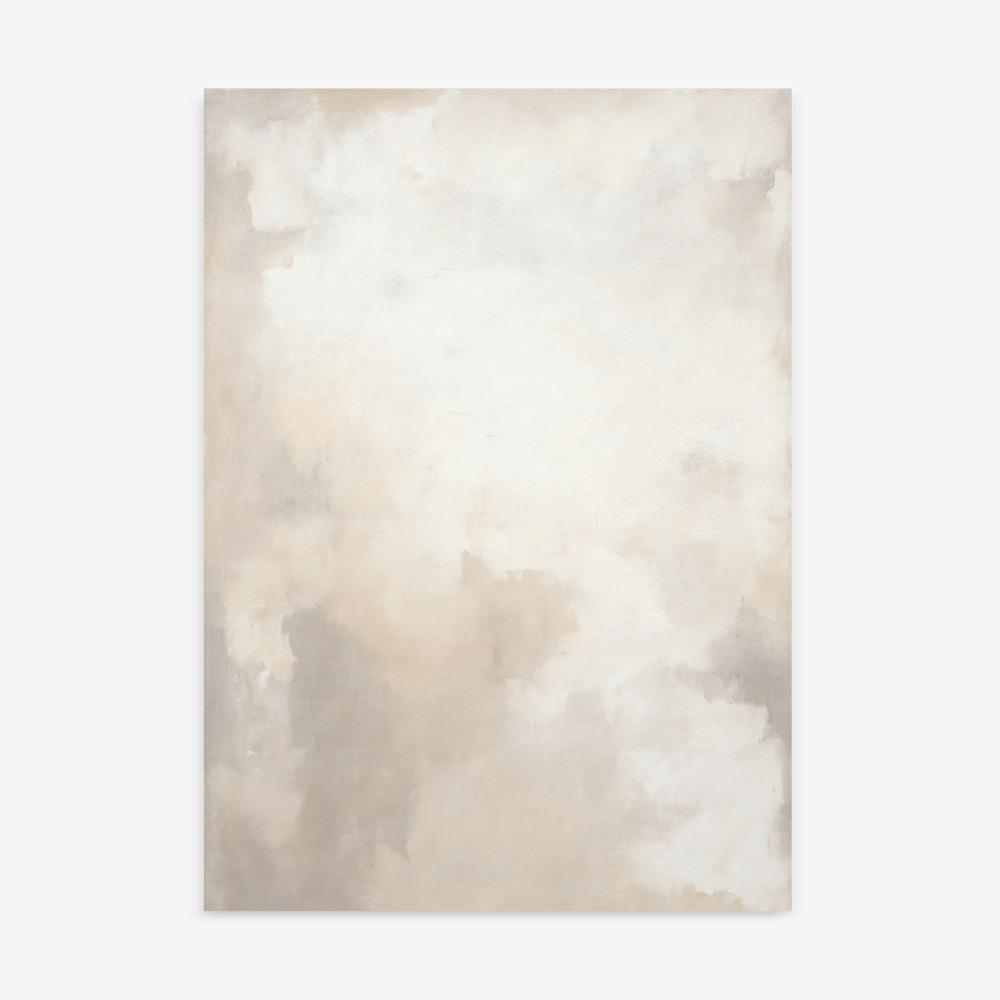
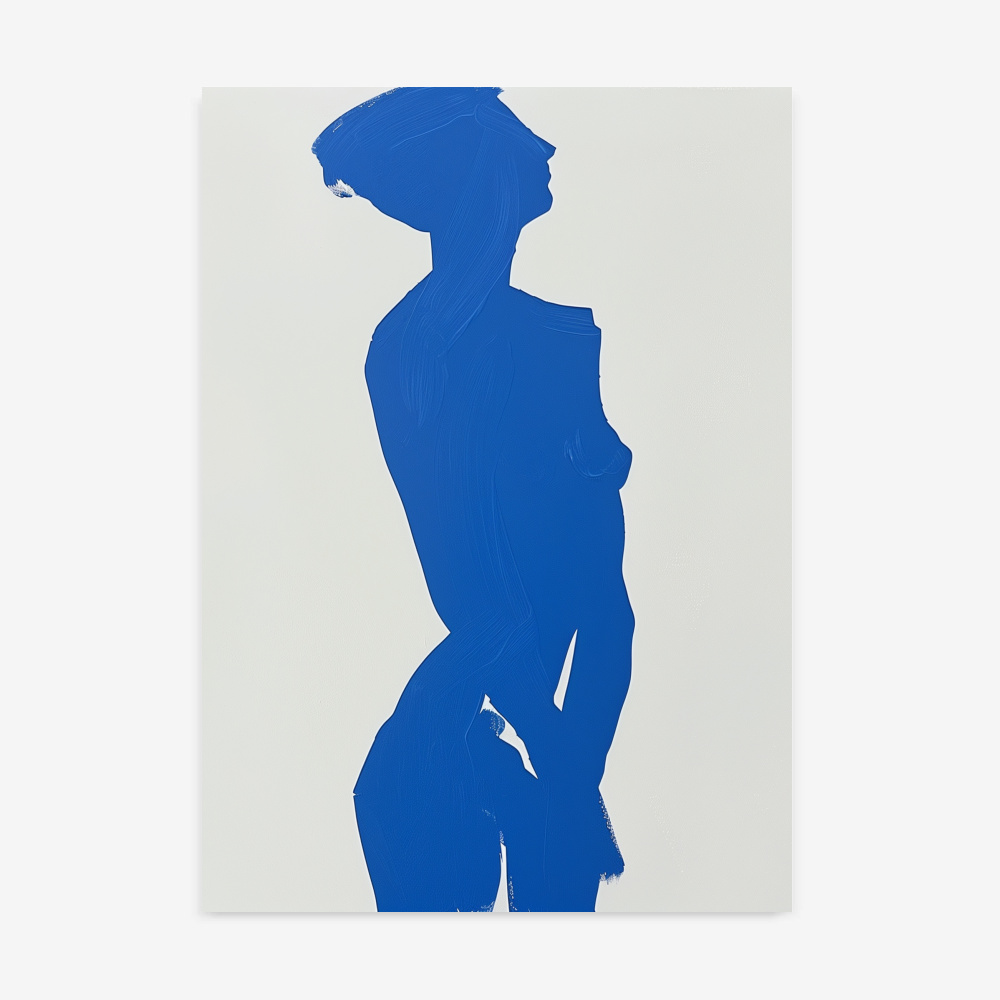
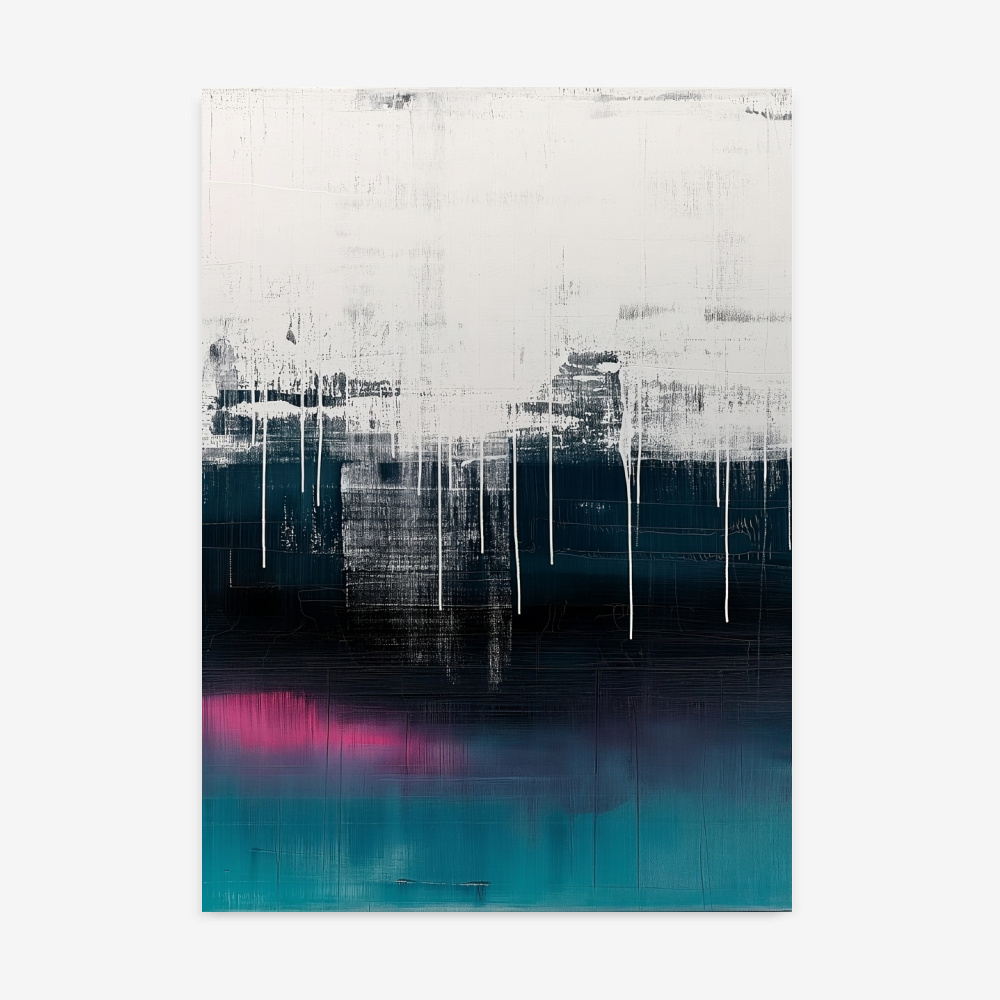
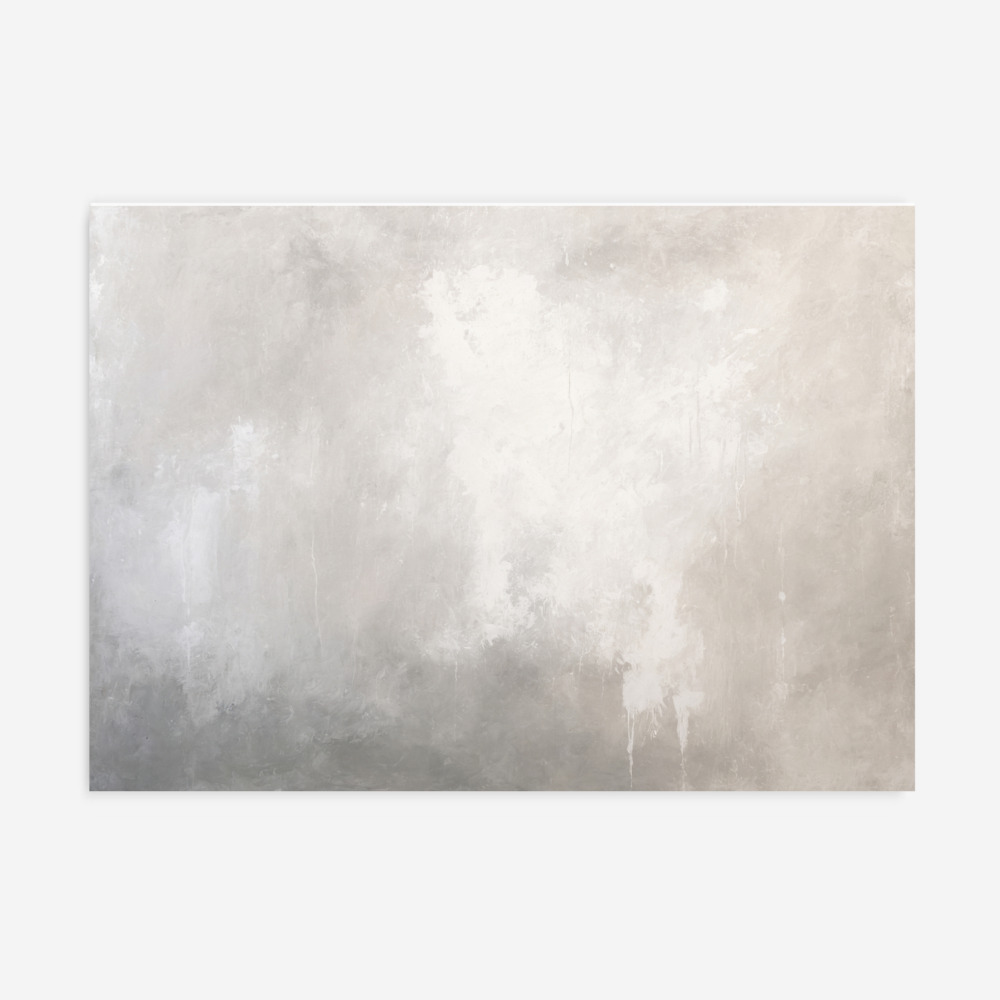
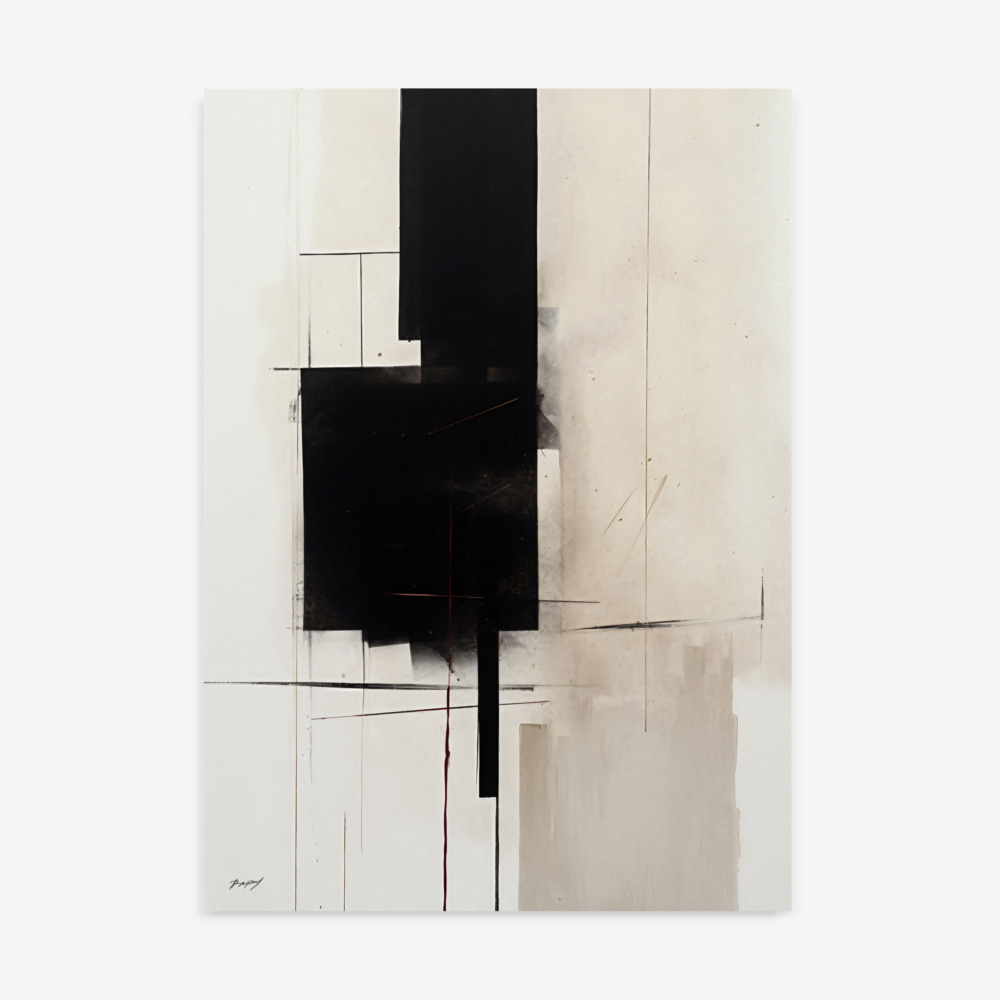
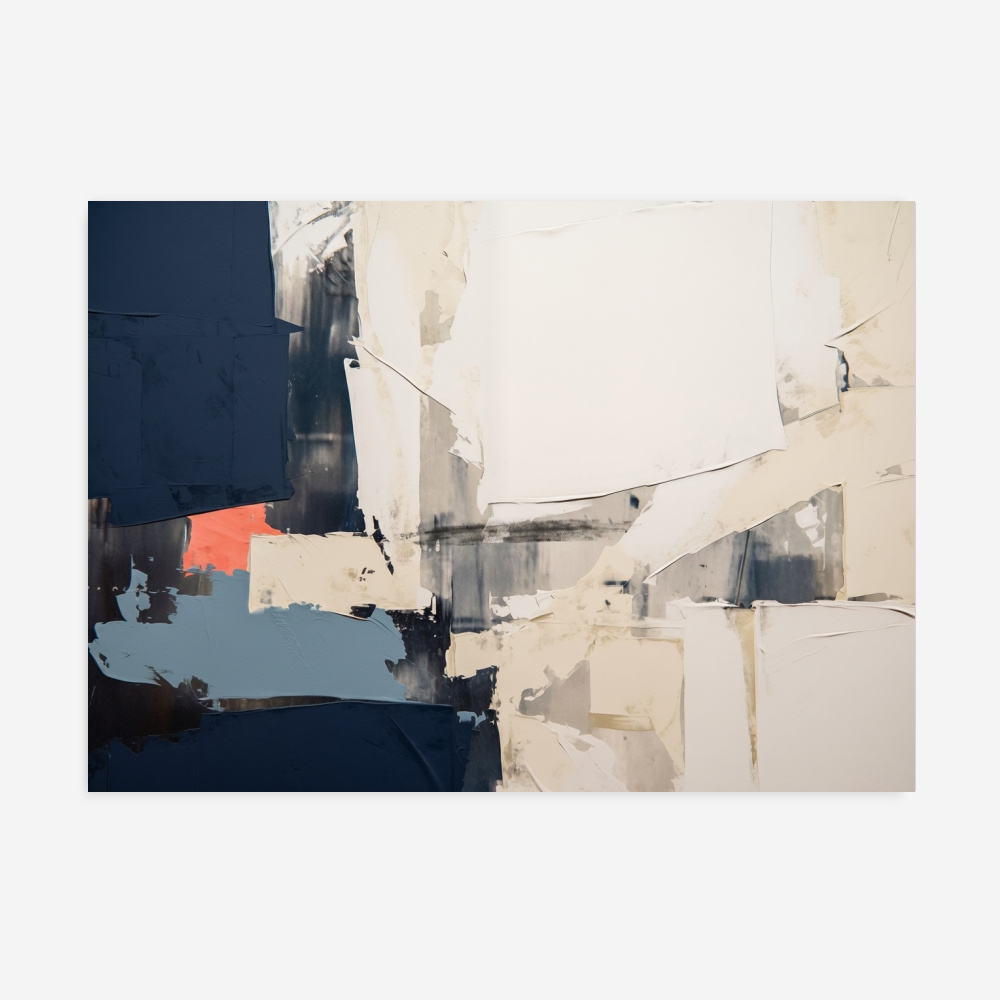
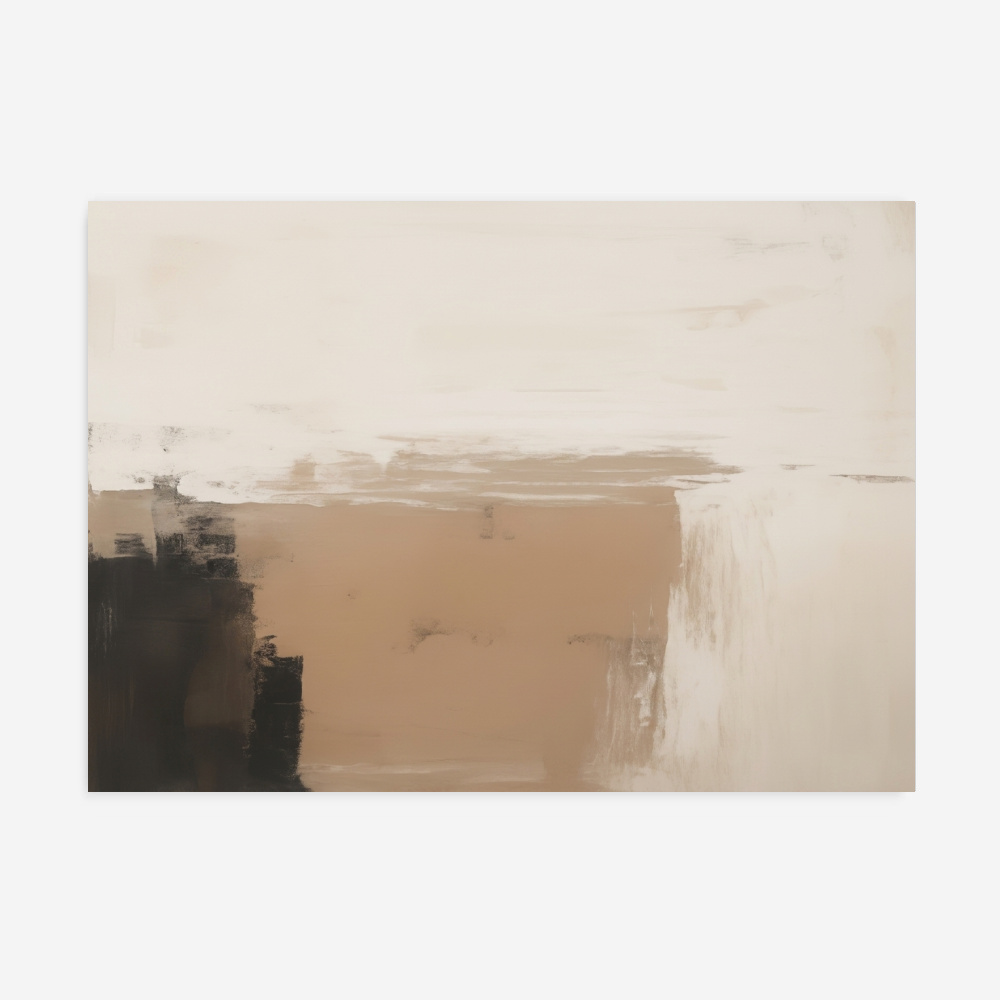
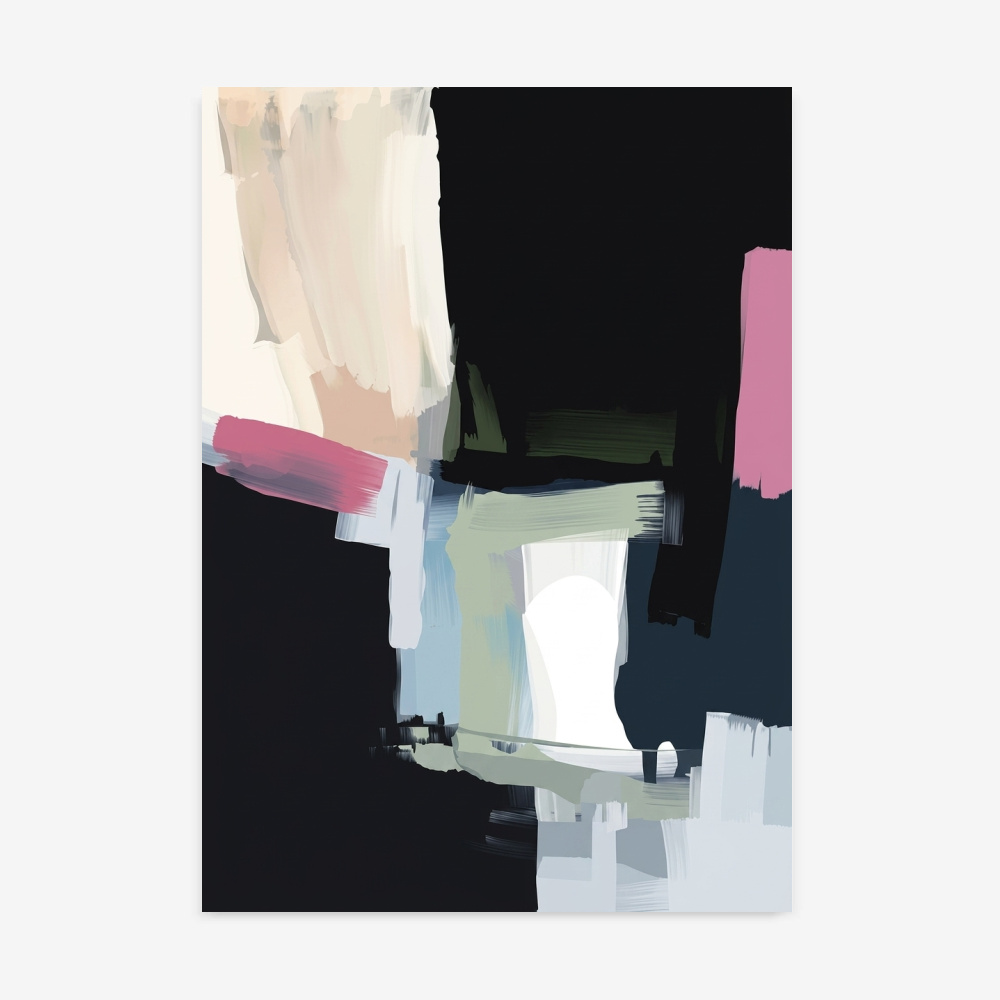
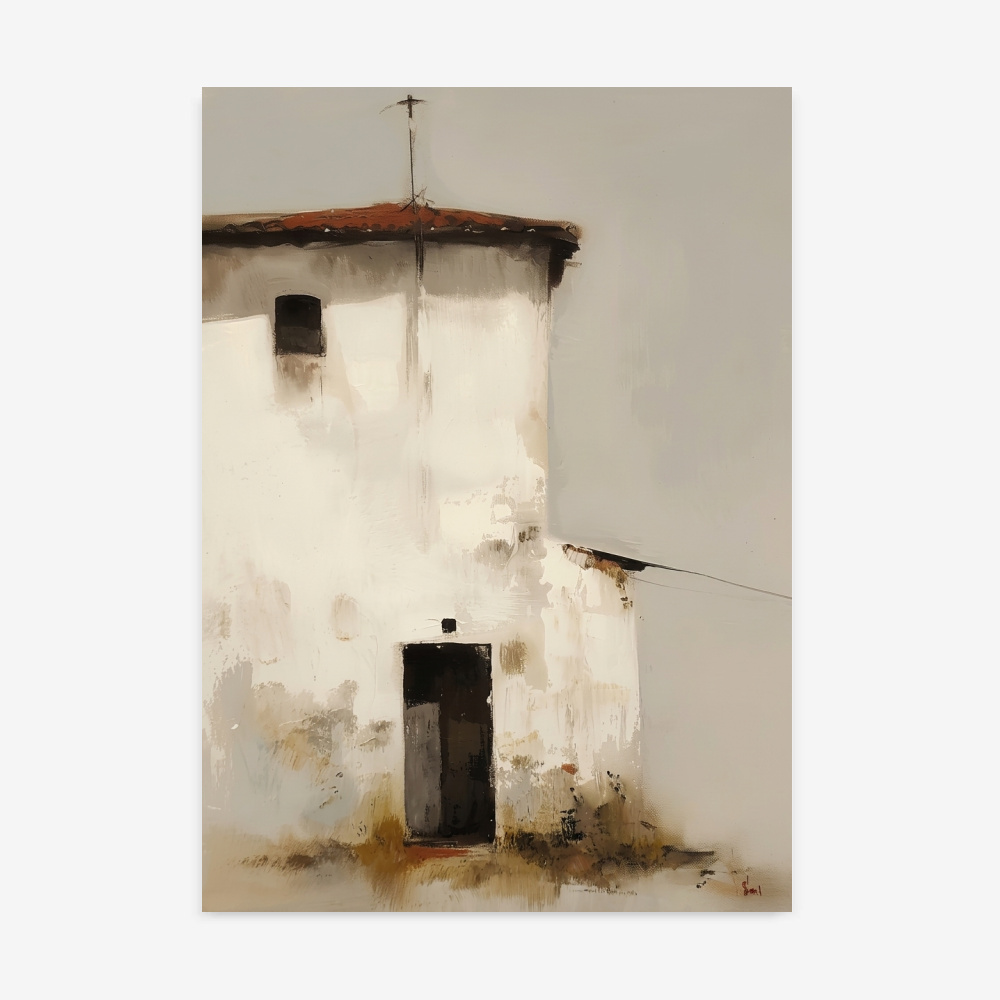
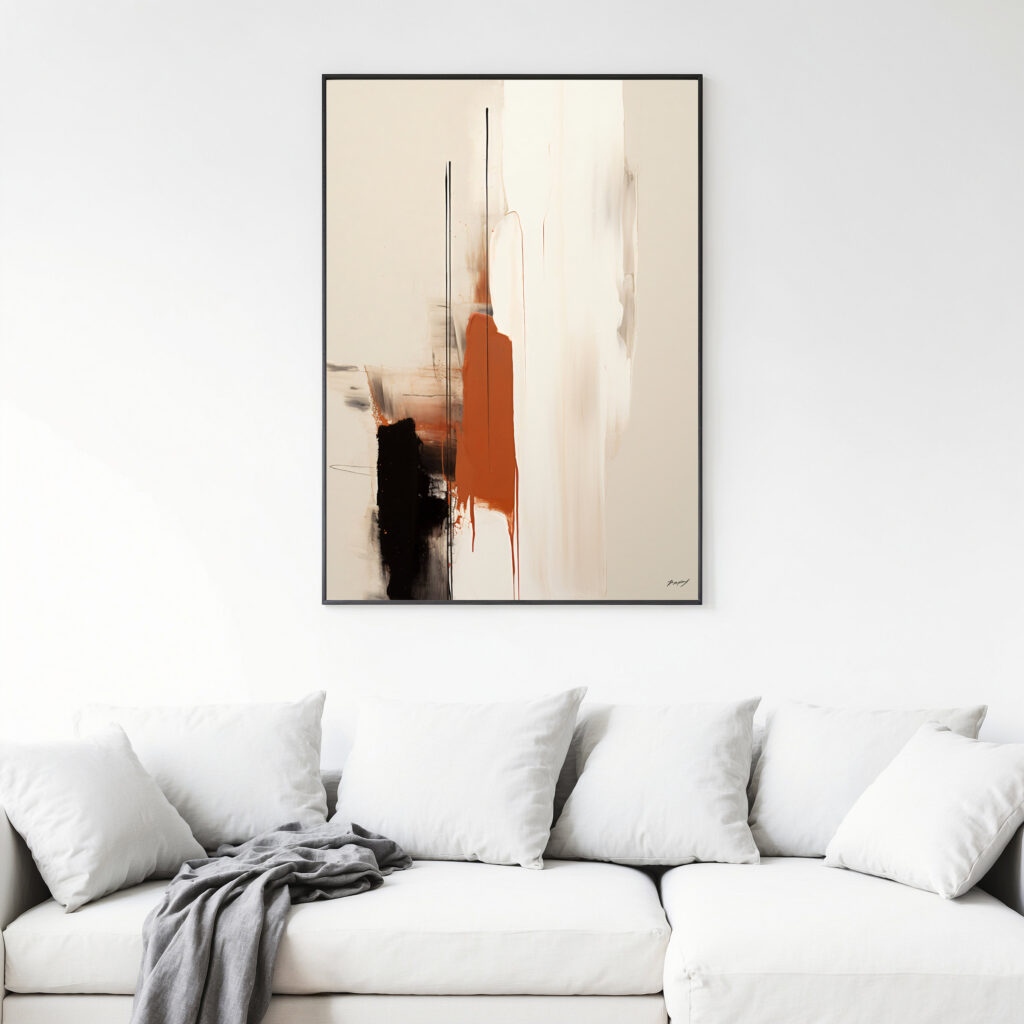
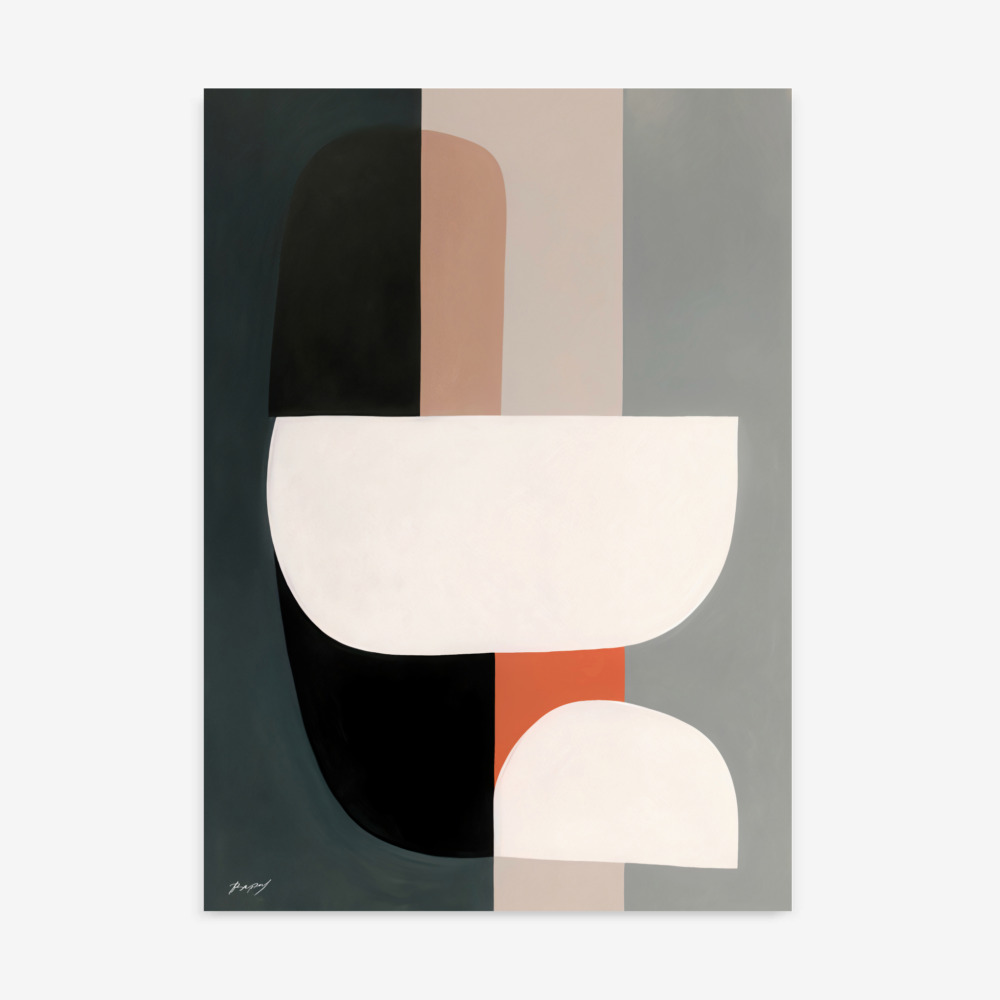
Textured wall art is what happens when a print stops being flat. Visible brushwork, layered pigment, plaster-like surfaces and grainy washes give a wall something the eye can almost feel, which is exactly what minimal, hard-surfaced modern rooms are usually missing. Every piece in this collection is an original artist design chosen for its tactile depth, printed to order with archival Giclée inks that hold every ridge and grain of the source work.
Browse the pieces below, from raw wabi-sabi surfaces to expressive brushstroke abstracts, in sizes from accent to statement, on fine art paper or cotton canvas, with free shipping over $69.
Find your piece
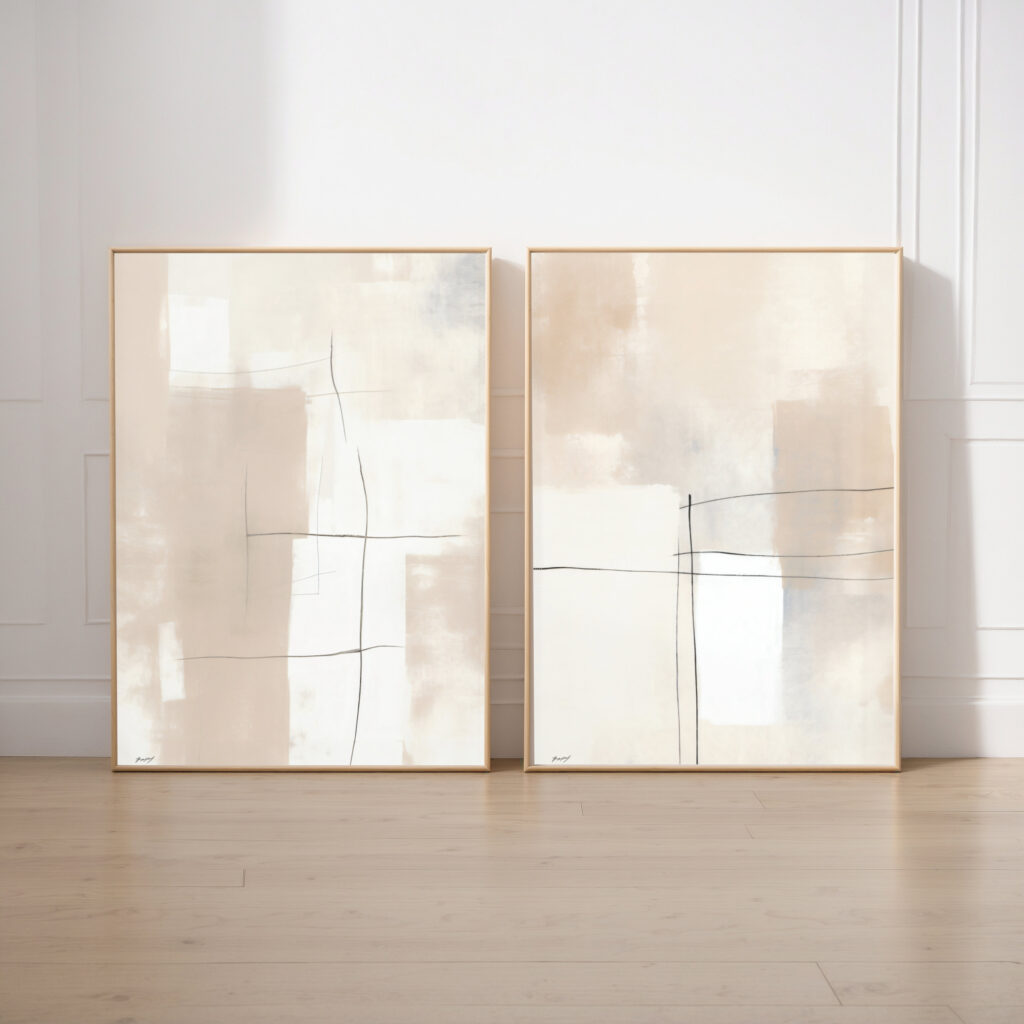
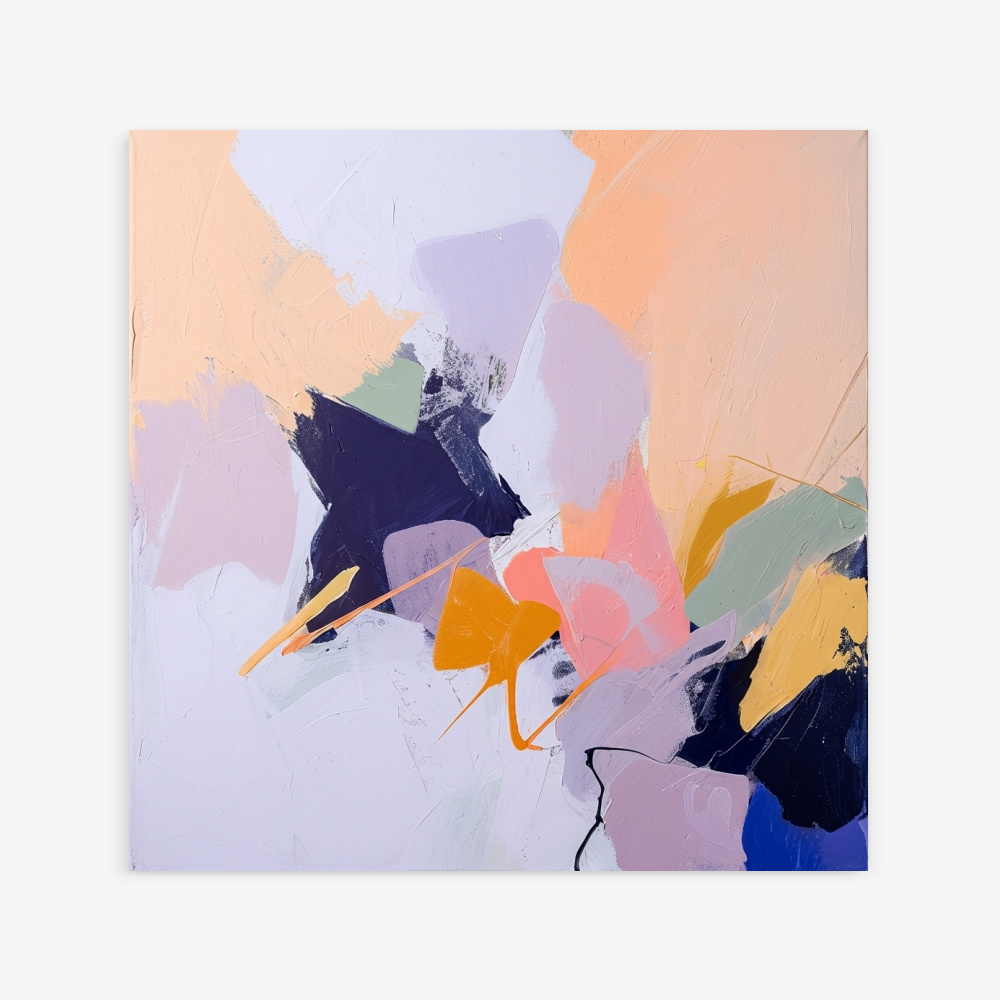
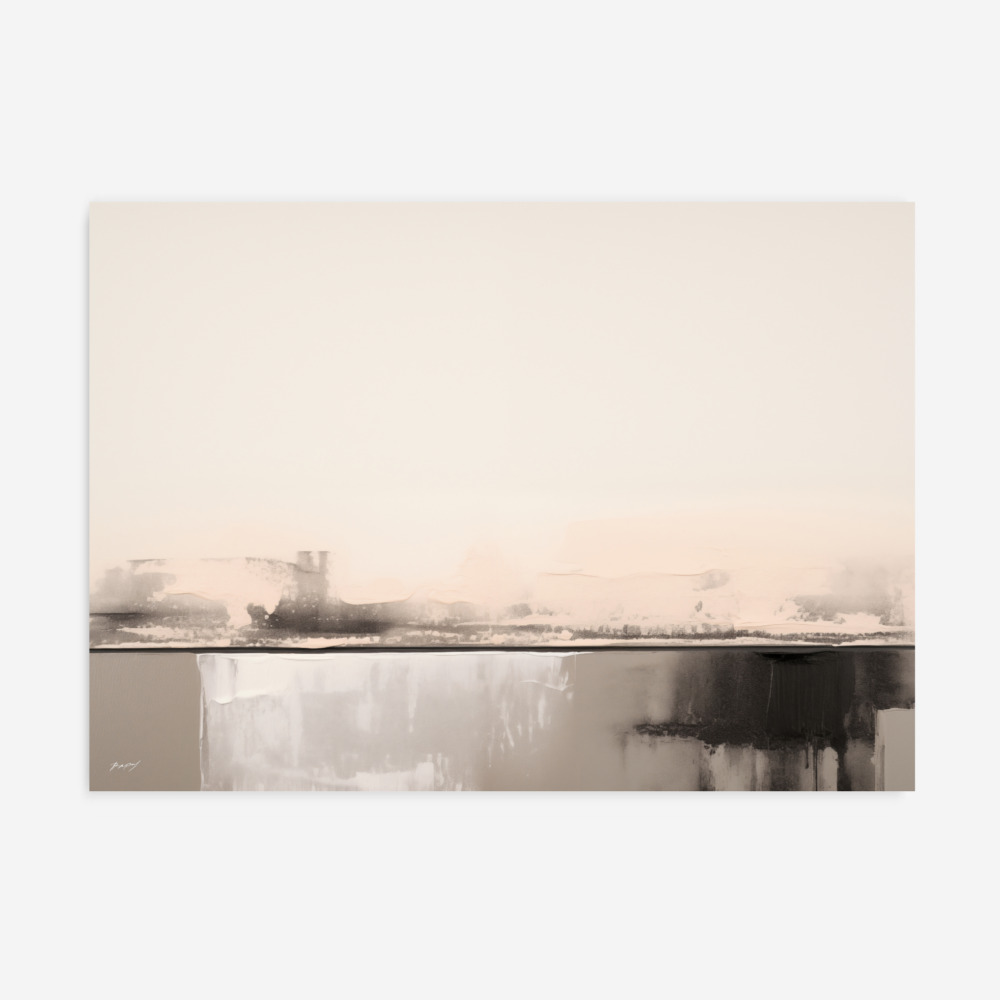
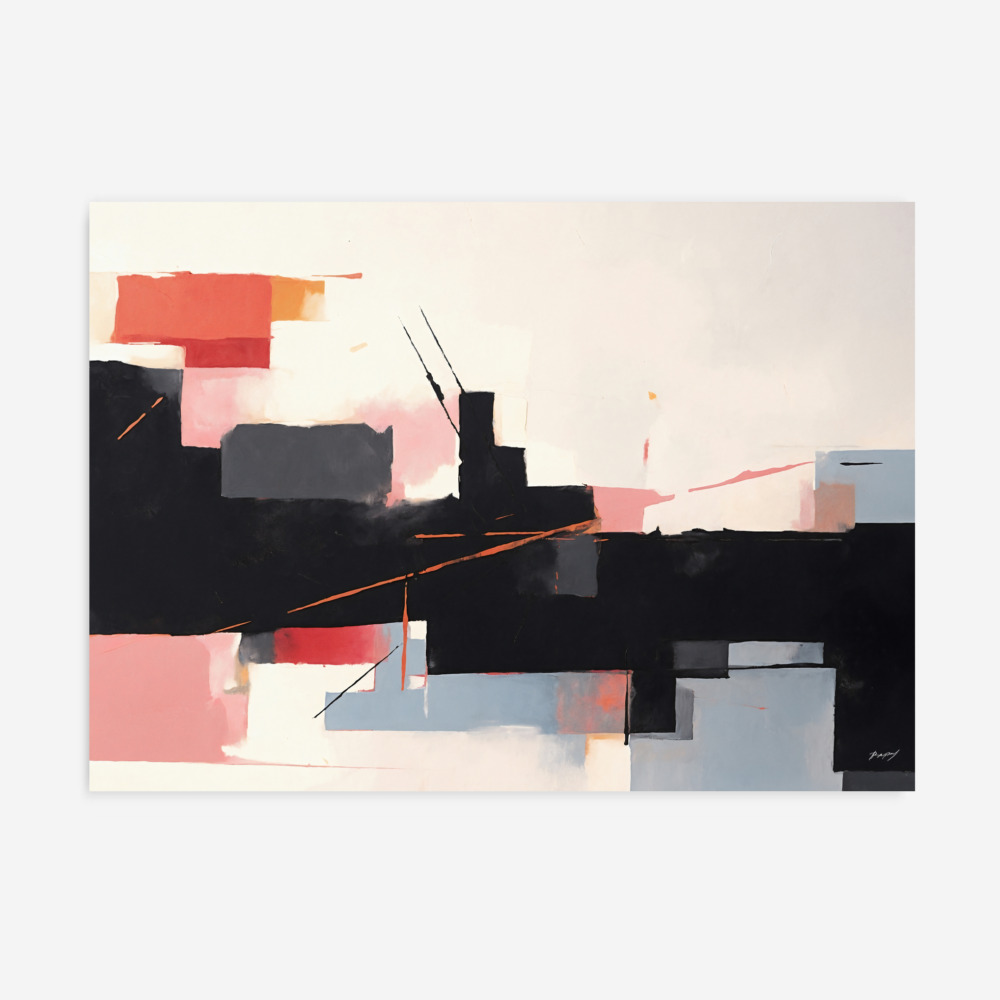
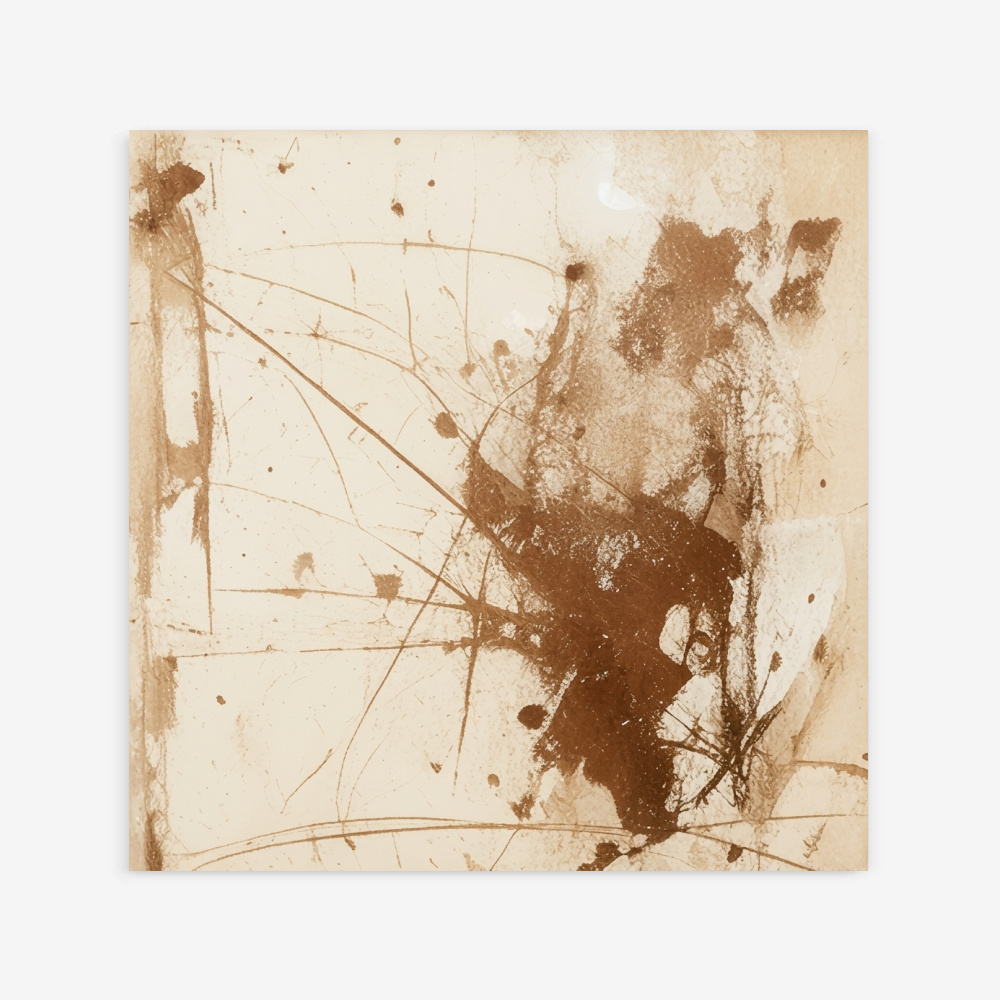
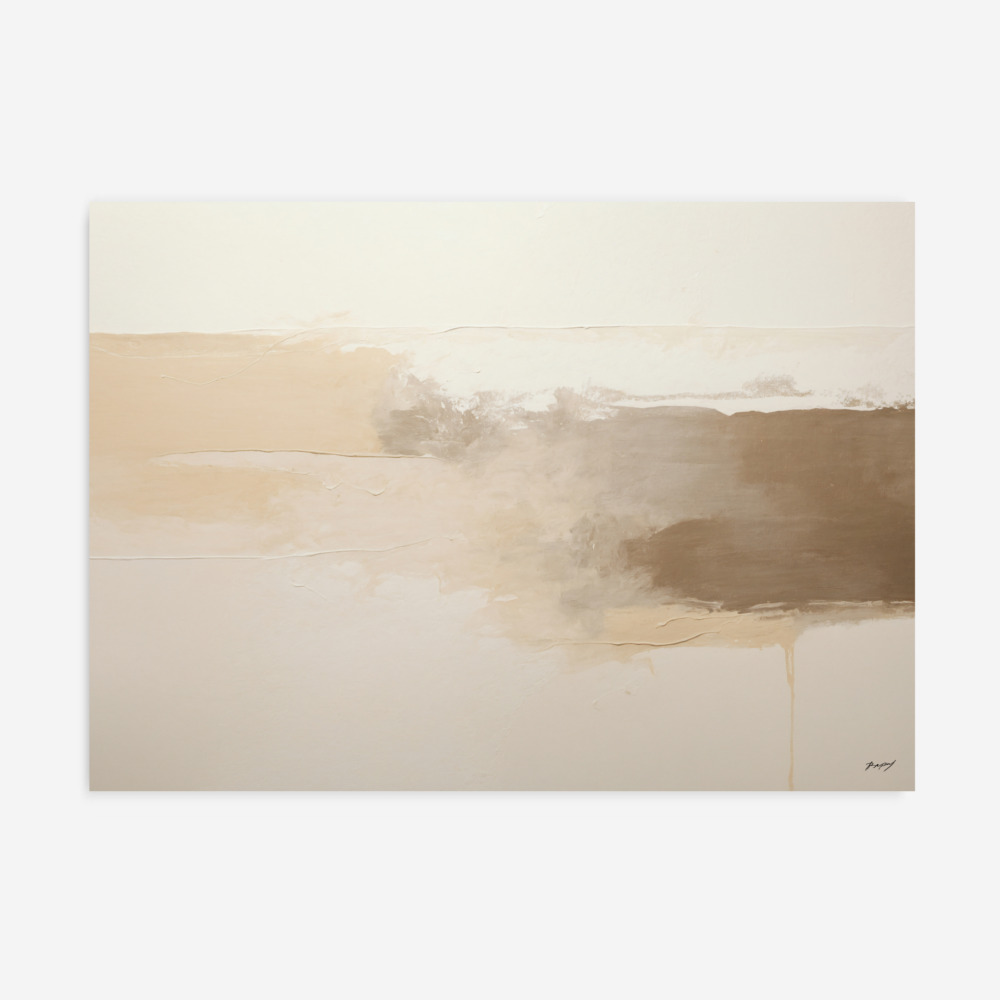
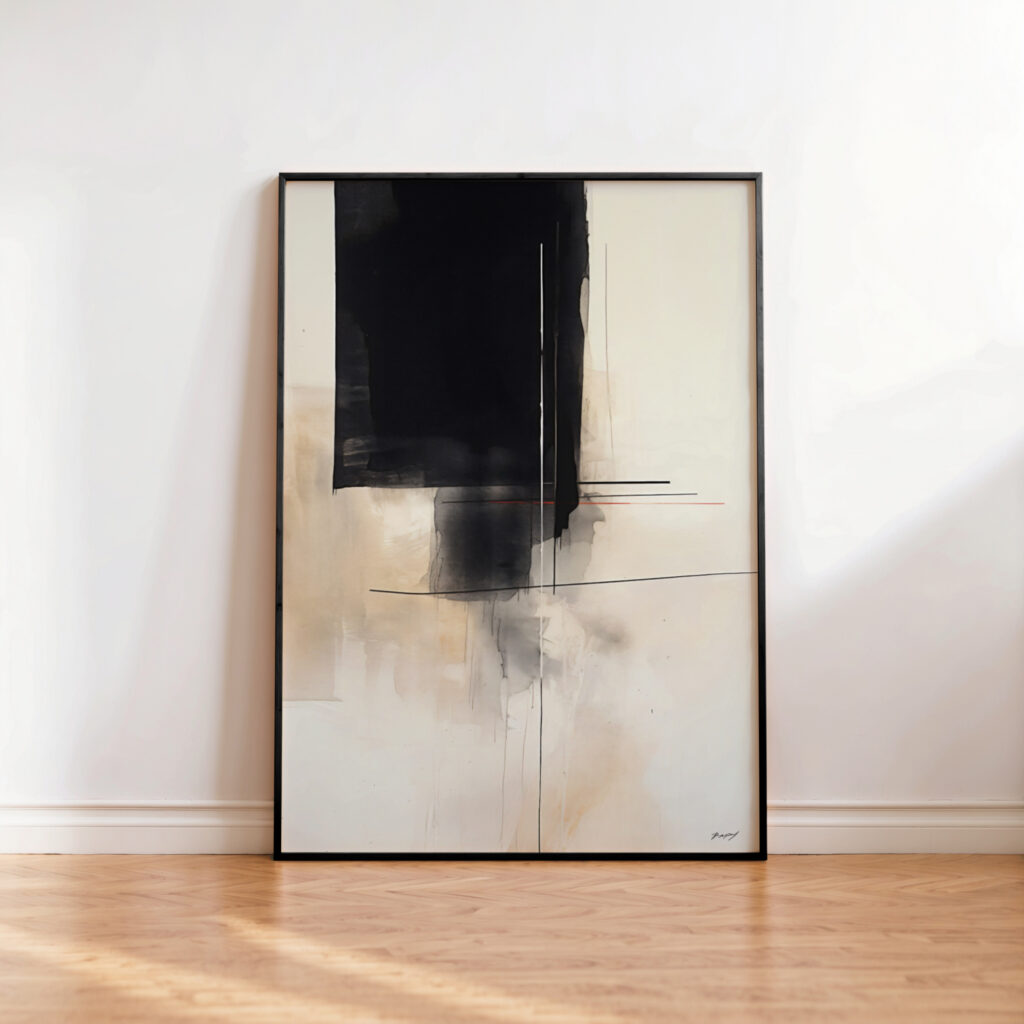
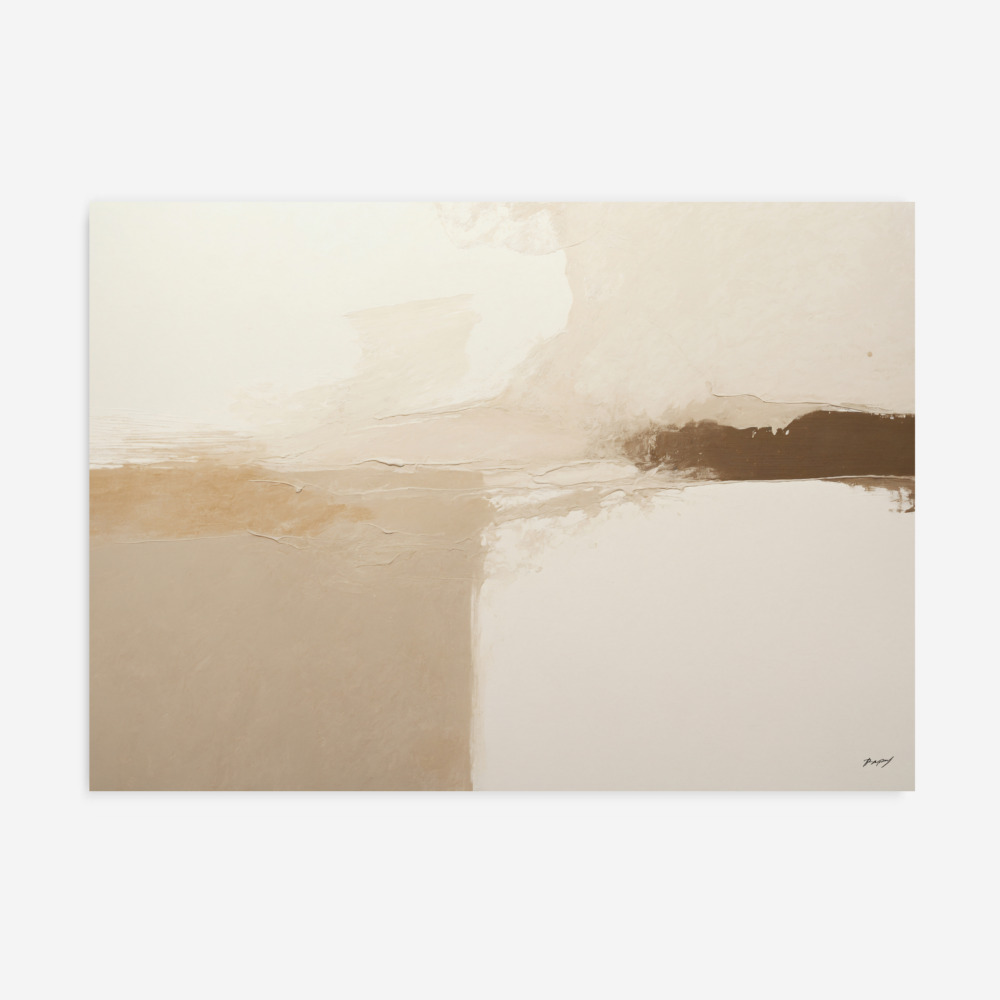
Why Texture Changes a Room
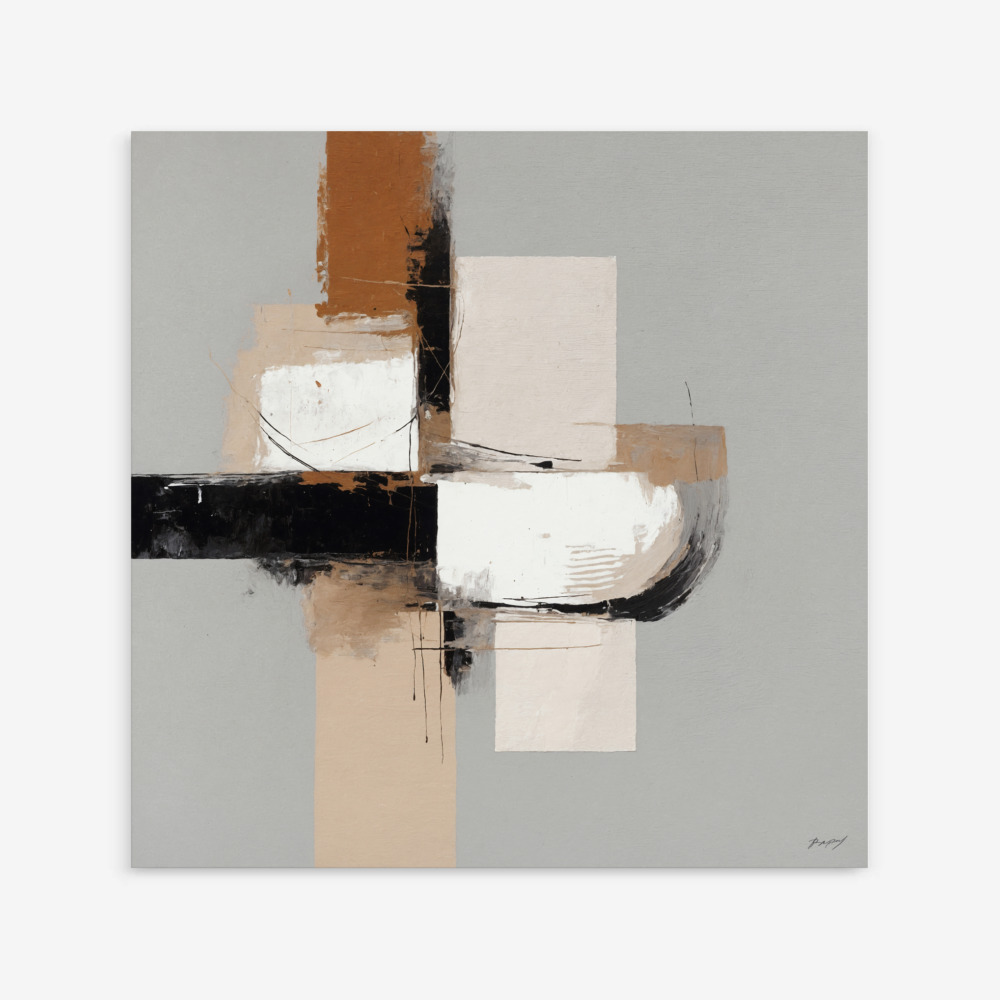
Smooth rooms read cold: glass, gloss paint, flat screens and laminate all bounce light the same way. Textured wall art interrupts that uniformity. A piece with visible brushwork or a plaster-toned surface scatters light softly, adds material warmth, and gives the eye a place to linger. Designers reach for texture precisely when a room is finished but still feels unlived-in; it is the fastest way to add age and hand to a new-build wall.
The Three Families of Textured Art
Most textured wall art falls into three registers. Raw and mineral: stone-toned, plaster-like surfaces with quiet imperfection, the territory of our wabi-sabi collection. Gestural: confident visible strokes where the artist’s hand is the subject, gathered in the brushstroke minimalism pieces. And layered atmospheric: washes and gradients built up like weather, which shade into our moody and landscape work. Knowing your register narrows 600 candidates to a shortlist in minutes.
Styling Textured Wall Art, Room by Room
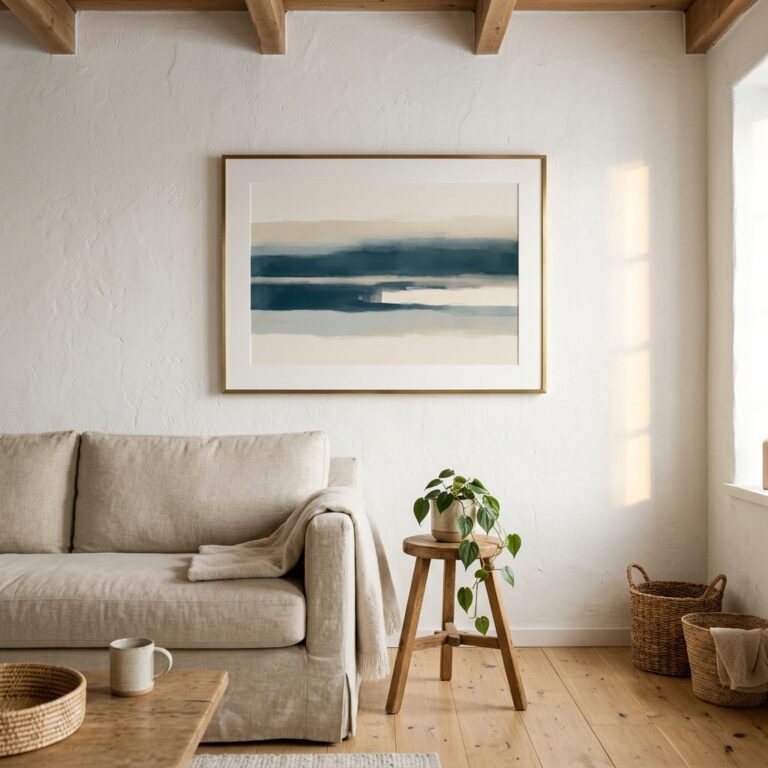
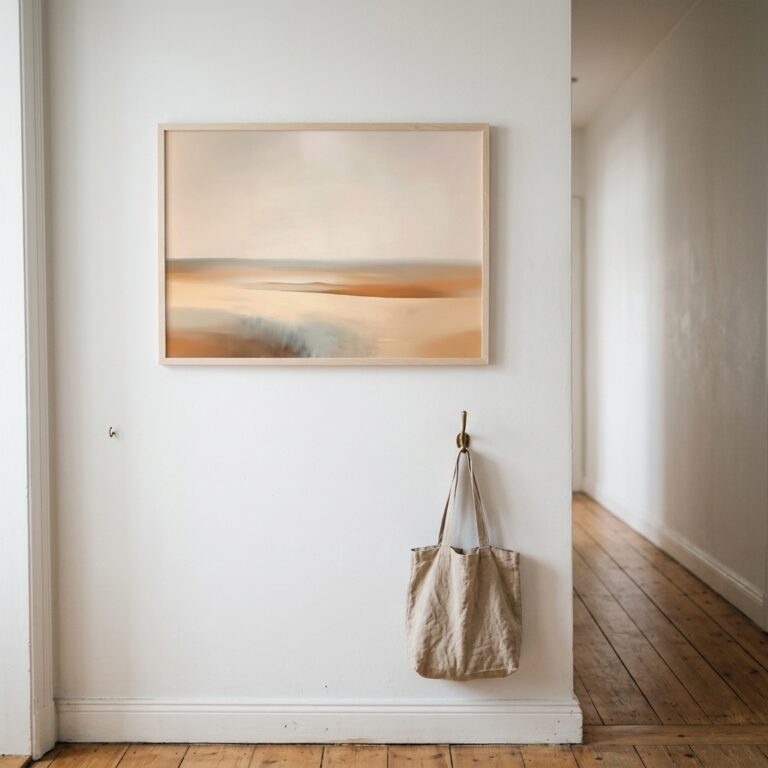
In living rooms, one large textured piece above the sofa supplies the warmth a big smooth wall drains away; pair it with linen and wood and the whole corner softens. Bedrooms suit the mineral register, plaster tones and soft grain that lower the room’s pulse. In dining rooms and entries, gestural strokes add energy without narrative. Texture also flatters neutral schemes: a beige room with a heavily textured beige artwork never reads flat, which is the entire secret of the earthy tones look.
How Printed Texture Actually Works
These are fine art prints of textured originals, and the reproduction is the point: archival Giclée printing resolves the shadows, ridges and grain of the source at a level that reads as depth from any normal viewing distance. On 230gsm matte fine art paper the surface stays elegant and glare-free; on cotton canvas the weave adds a second, physical layer of texture under the printed one. Either way the piece is made only when you order it, with colour rated for roughly 75 years.
Frequently Asked Questions
What is textured wall art?
Artwork whose surface quality, brushstrokes, plaster-like grain, layered washes, is a central part of the design. It adds tactile depth and material warmth to walls, especially in modern rooms dominated by smooth, hard surfaces.
Is this real texture or printed texture?
Printed, and deliberately so: archival Giclée reproduction captures the ridges and shadows of the textured originals at a depth that reads convincingly from normal viewing distance, without the fragility or cost of impasto originals. Canvas adds a physical weave beneath the printed surface.
Which rooms suit textured wall art best?
Anywhere that feels finished but cold: new builds, minimalist living rooms, offices with lots of glass. Mineral, plaster-toned pieces calm bedrooms; gestural brushstroke pieces energise dining rooms and entries.
What colours does textured art come in?
The collection leans natural, beige, stone, clay, charcoal, deep blues, because texture reads most strongly in tonal palettes. Bolder textured colour lives at the gestural end of the range.
What sizes are available?
Every design is printed to order from roughly 12×16 in (30×40 cm) up to statement sizes past 40 in, in both inches and centimetres, on fine art paper or stretched cotton canvas.
Does textured wall art work in minimalist interiors?
It is arguably what minimalist interiors are missing: one textured piece supplies warmth and human hand without adding a single extra object. Warm minimalism as a style is largely built on this move.
How do I pair textured pieces together?
Keep one register per wall, mineral with mineral, gestural with gestural, and vary the scale rather than the style. Two textures from the same family read as a collection; two from opposite families read as an accident.