As we approach 2026, the interior design landscape is shifting in ways that will make or break your home’s aesthetic appeal. The homes that feel fresh and current aren’t following the same playbook anymore. If you’re still clinging to 2024’s trends, your space is already starting to show its age. The good news? Understanding what’s coming next means you can make smart choices now with curated art collections that will stand the test of time.
The interior design trends 2026 are bringing represent more than superficial style changes. They reflect fundamental shifts in how we live, work, and interact with our spaces. From the materials we choose to the colors we embrace and the art we display on our walls, every element is being reconsidered through a lens of intentionality and meaning.
The Return of Warmth: Why Cool Minimalism Is Over
For years, stark white walls and cool gray palettes dominated interior design. That era is definitively ending. The home decor trends 2026 are ushering in a revival of warmth that feels both nostalgic and entirely new. Think terracotta, warm ochres, deep rust tones, and creamy off-whites that actually feel inviting rather than clinical.
This shift toward warmth extends beyond paint colors. We’re seeing it in wood tones too—goodbye gray-washed oak, hello rich walnut and honey-toned woods. The Japandi aesthetic continues to evolve, but now it’s incorporating warmer elements that make spaces feel lived-in rather than showroom-perfect.
Textural Maximalism: The New Definition of Luxury
Forget everything you thought you knew about minimalism. While the home decor predictions for 2026 don’t signal a return to cluttered spaces, they do embrace what designers are calling ‘textural maximalism.’ This means layering different textures—bouclé, linen, raw wood, stone, metal, and plaster—to create spaces with depth and tactile interest.
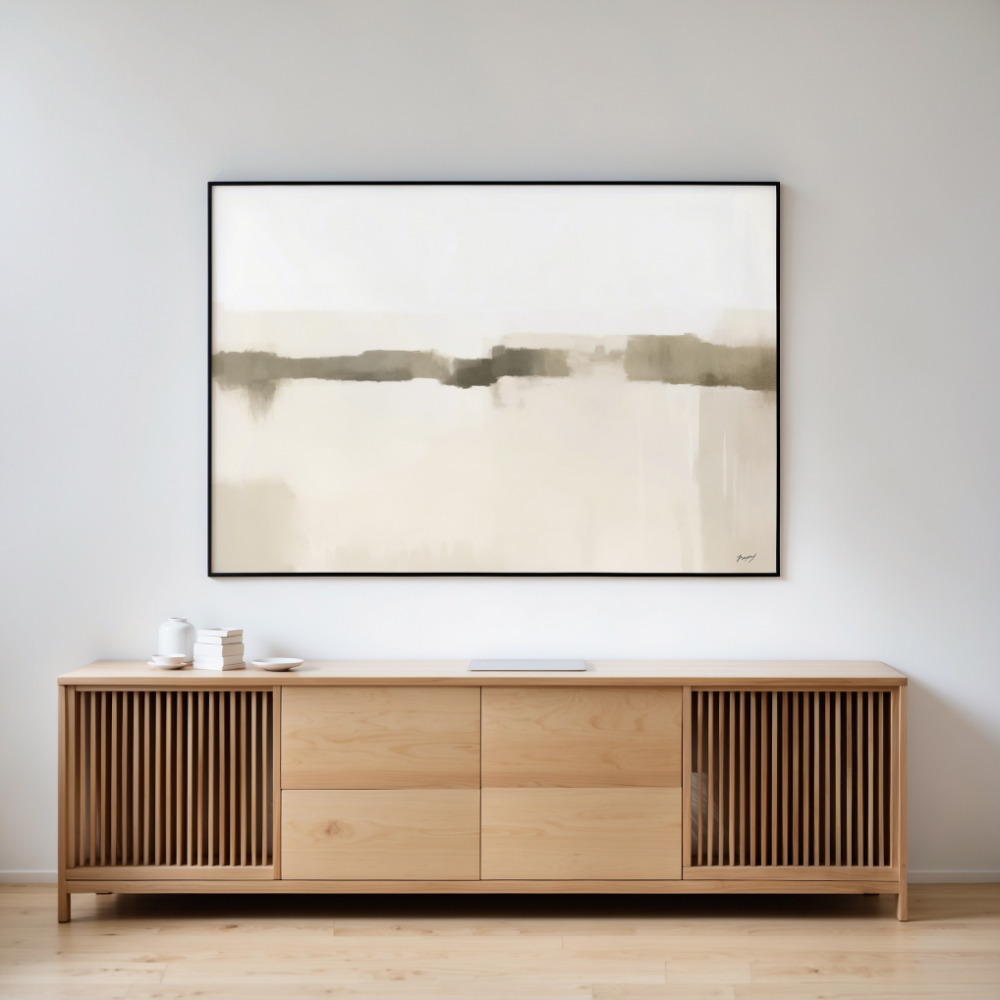
Walls are becoming canvases for texture in ways we haven’t seen before. Limewash finishes, Venetian plaster, and textured wallpapers are replacing flat paint. This creates the perfect backdrop for wall art that either complements these textures or provides striking contrast. The key is creating a dialogue between surfaces rather than letting any single element dominate.
This trend is partly driven by our collective screen fatigue. After spending so much time in digital spaces, we’re craving physical materials we can see and touch. The most successful interiors in 2026 will engage multiple senses, not just sight.
Wall Art Trends 2026: Organic Forms and Human Touch
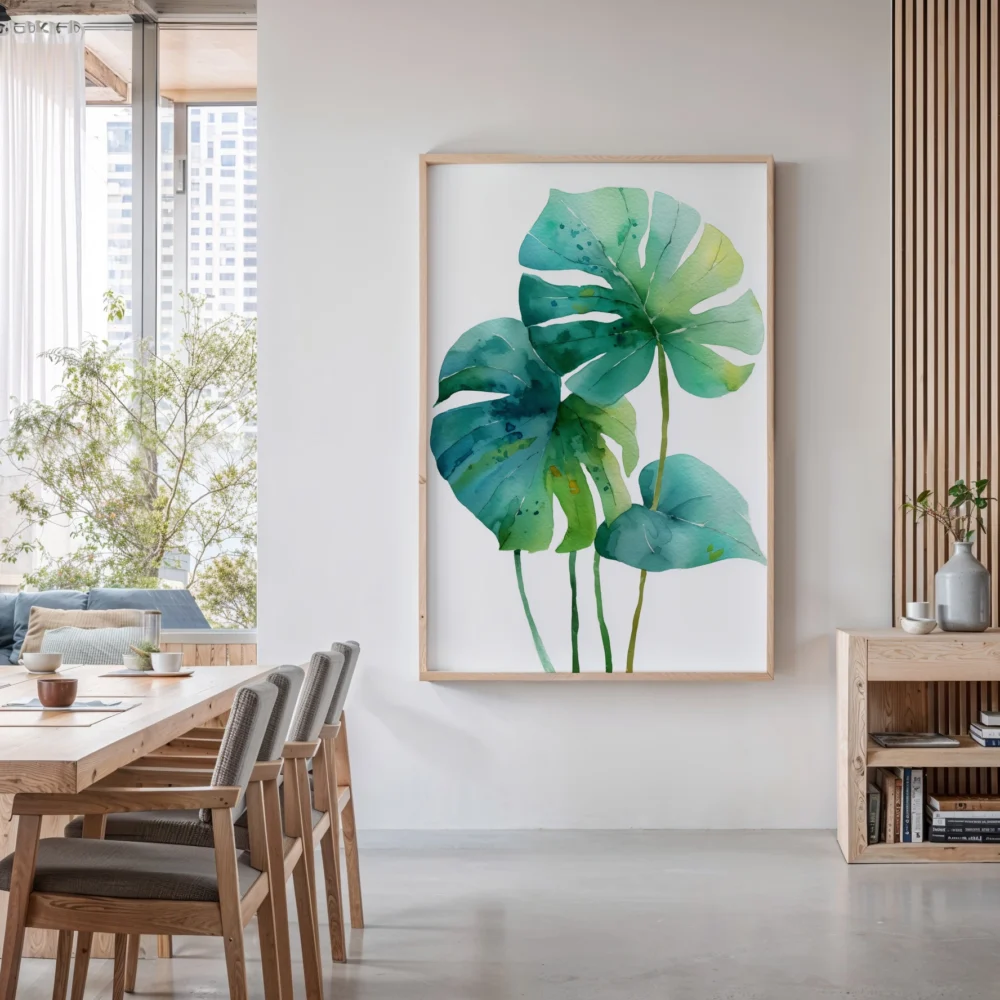
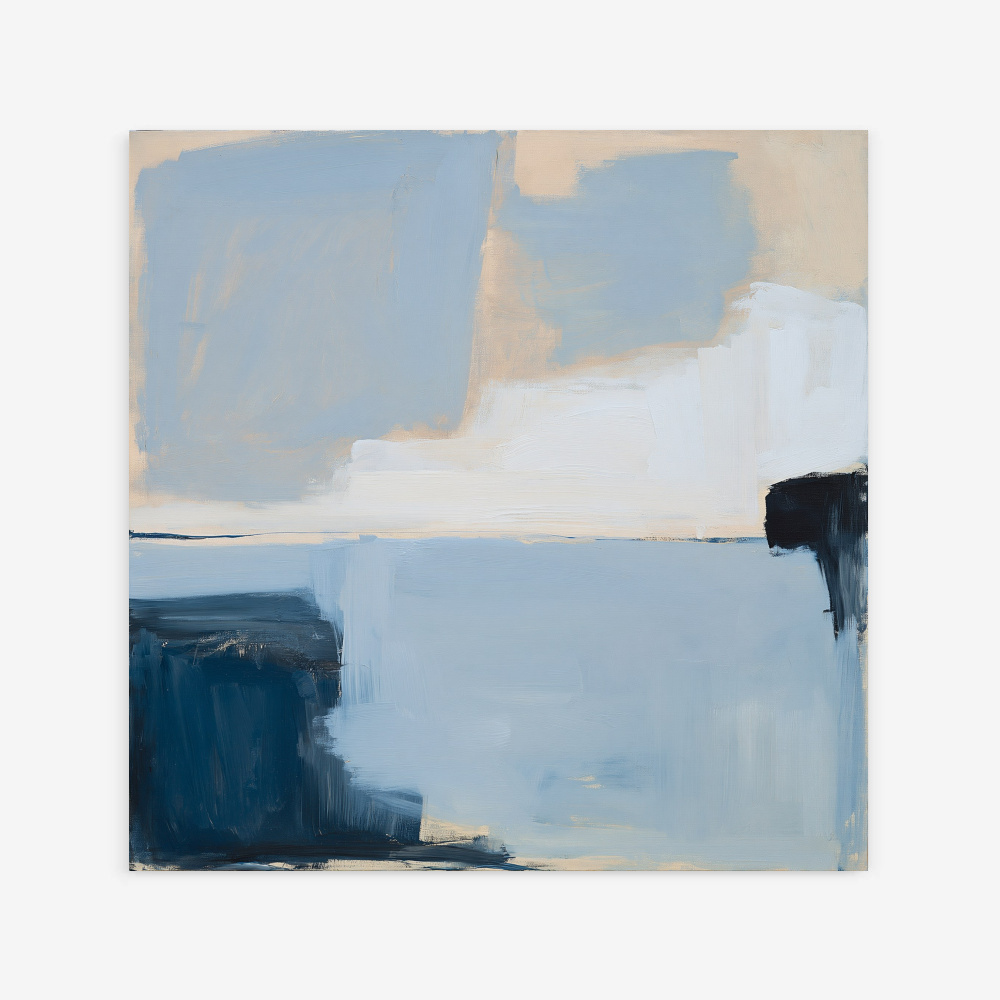
The wall art trends 2026 are moving decisively away from the rigid geometric prints that dominated recent years. Instead, we’re seeing a surge in organic, flowing forms that echo natural shapes. Think abstract representations of landscapes, botanical illustrations with a modern twist, and artwork that incorporates irregular, hand-drawn elements.
There’s also a pronounced shift toward art that shows evidence of human creation. Perfect digital prints are being supplanted by pieces that showcase brushstrokes, texture, and the imperfections that prove a human hand was involved. This doesn’t mean abandoning digital art entirely—it means seeking pieces that blend digital precision with organic unpredictability.
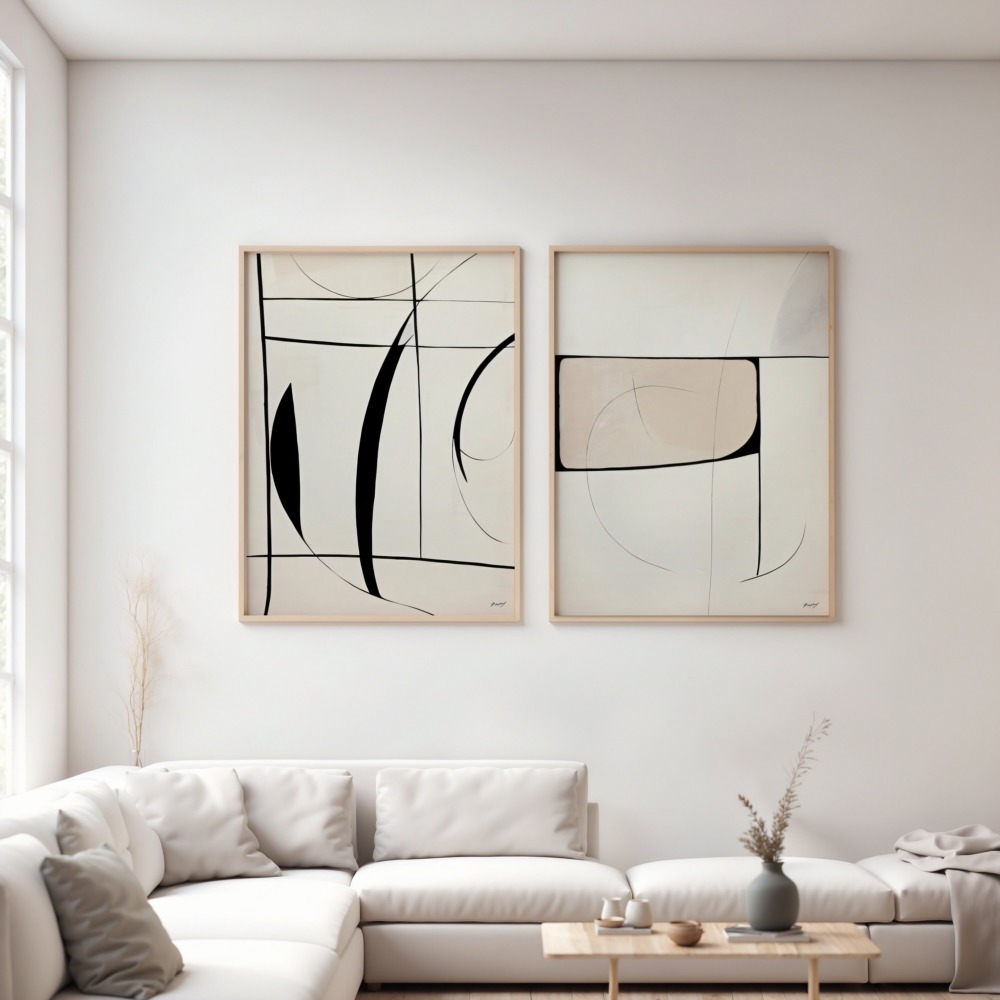
Scale is changing too. The days of the standard 24×36 print are numbered. We’re seeing either significantly larger statement pieces or carefully curated collections of smaller works arranged with intentionality. The gallery wall isn’t dead, but it’s being executed with more breathing room and fewer pieces.
Sustainable Materiality: Conscious Choices That Show
Sustainability is no longer a niche concern—it’s becoming the default expectation for interior design trends 2026. But here’s what’s changing: sustainable choices are no longer about sacrifice. They’re becoming the more beautiful, more interesting option.
We’re seeing reclaimed materials celebrated for their history and patina rather than hidden. Vintage pieces are being integrated with new items in ways that feel curated rather than thrifted. Natural, biodegradable materials like cork, bamboo, and mycelium are appearing in unexpected applications.
For wall art, this means a preference for prints on sustainable papers, frames made from reclaimed or sustainably sourced wood, and art that can transition through different design phases rather than feeling trend-specific. Investment pieces that last decades are replacing disposable decor.
The New Neutrals: Beyond Beige
Neutral doesn’t mean boring anymore. The expanded neutral palette for 2026 includes unexpected colors that read as neutral in application: soft sage greens, muted lavenders, warm grays with pink undertones, and complex taupes that shift in different lighting.
These sophisticated neutrals create versatile backdrops that work with neutral wall art collections while allowing for bolder accent pieces when desired. The key is choosing neutrals with enough complexity that they remain interesting even in large applications.
Black is also being reconsidered. Instead of the matte black that dominated recent years, we’re seeing charcoal, near-blacks with brown or blue undertones, and glossy black finishes that add depth. White remains important but is shifting toward warmer, creamier tones that feel less stark.
Biophilic Design Evolution: Beyond Houseplants
Biophilic design isn’t new, but its expression in home decor trends 2026 is becoming more sophisticated. Yes, plants remain important, but the concept is expanding to include natural patterns, organic color palettes, maximized natural light, and visual connections to outdoor spaces.
This manifests in curved furniture that echoes natural forms, artwork depicting landscapes or botanical subjects in modern interpretations, and materials that show their natural origins. Even abstract art is incorporating colors and forms drawn from nature rather than purely conceptual sources.
The goal is creating spaces that satisfy our innate need for connection to nature without resorting to literal interpretations. A subtle leaf pattern, colors drawn from a forest floor, or the organic curve of a wind-sculpted dune—these natural references feel current when executed with restraint and sophistication.
Personalization Over Perfection: The Instagram Aesthetic Fades
Perhaps the most significant shift in interior design trends 2026 is the move away from Instagram-perfect spaces toward homes that reflect actual personalities and lives. The carefully curated, impersonal aesthetic that dominated social media is giving way to spaces that tell stories.
This means displaying collections that matter to you, incorporating family heirlooms alongside modern pieces, and choosing art that resonates personally rather than what’s trending. The most admired spaces in 2026 will be those that couldn’t belong to anyone else—rooms that reflect specific interests, histories, and perspectives.
This doesn’t mean abandoning design principles, but it does mean using them to express individuality rather than conforming to a preset aesthetic. Your gallery wall should reflect your actual tastes, not what you think will photograph well.
Multi-functional Spaces: Design That Works Harder
As homes continue serving multiple functions—office, gym, school, sanctuary—the home decor predictions for 2026 emphasize flexibility without sacrificing style. Furniture that transforms, rooms that serve multiple purposes, and decor that adapts to different needs are becoming essential.
This requires thoughtful planning. Wall art needs to work for both Zoom meetings and evening relaxation. Color schemes must energize during work hours while promoting calm in the evening. Storage solutions need to hide work materials when it’s time to decompress.
The most successful interiors will use design to clearly delineate different zones within open spaces, using rugs, lighting, and strategic furniture placement to create psychological boundaries even when physical walls don’t exist.
Implementing These Trends: A Strategic Approach
The key to successfully incorporating wall art trends 2026 into your space isn’t wholesale renovation—it’s strategic updates that shift the overall feeling without requiring everything to change at once.
Start with wall art, which offers the biggest visual impact for the investment. Choose pieces that reflect these emerging trends but also resonate with you personally. Layer in textiles—throw pillows, blankets, rugs—that introduce new textures and warmer tones. Consider swapping out a few key furniture pieces rather than everything.
Paint is transformative and relatively affordable. Shifting to warmer neutrals or trying one of the new complex neutral tones can completely change how a space feels. Don’t underestimate the power of better lighting—warm-toned LED bulbs, layered lighting solutions, and dimmer switches make any space feel more current and more comfortable.
The most important principle: choose elements that will work together as trends continue evolving. Investment pieces should transcend specific trend cycles, while more affordable elements can be swapped out as your preferences and the design landscape shift.
Looking Forward: Creating Timeless Spaces
Understanding home decor trends 2026 isn’t about chasing every new development—it’s about recognizing the underlying shifts in how we want to live and using that knowledge to create spaces that will feel relevant for years to come.
The best interiors balance current sensibilities with timeless principles. They incorporate trend-aware elements without being slaves to them. They reflect awareness of what’s happening in design while maintaining strong personal points of view.
As you consider updates to your space, focus on quality over quantity, meaning over novelty, and personal resonance over pure aesthetics. The homes that will feel most current in 2026 and beyond are those that prioritize authentic expression over perfect execution.
Ready to refresh your walls with artwork that captures these emerging trends while reflecting your personal style? Explore our carefully curated collection of art prints designed to create spaces that feel both current and enduringly beautiful. Your walls are waiting for art that matters.