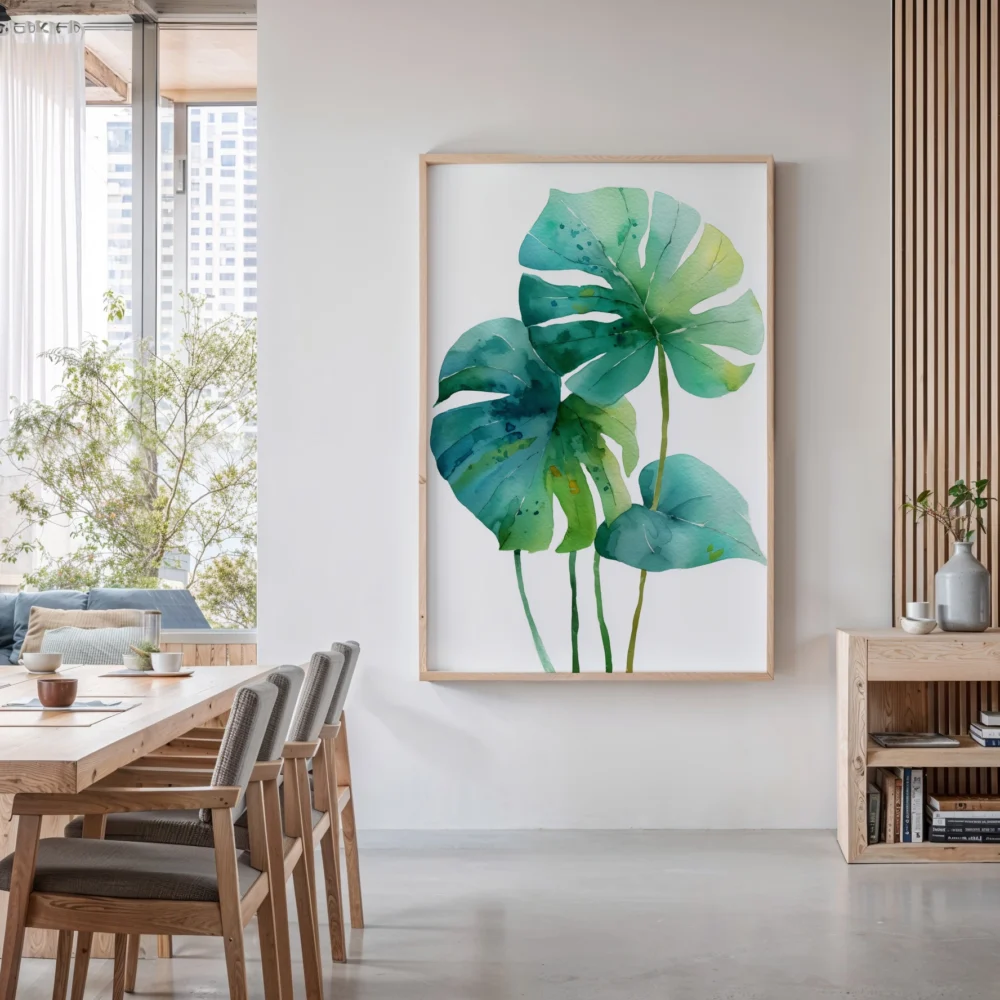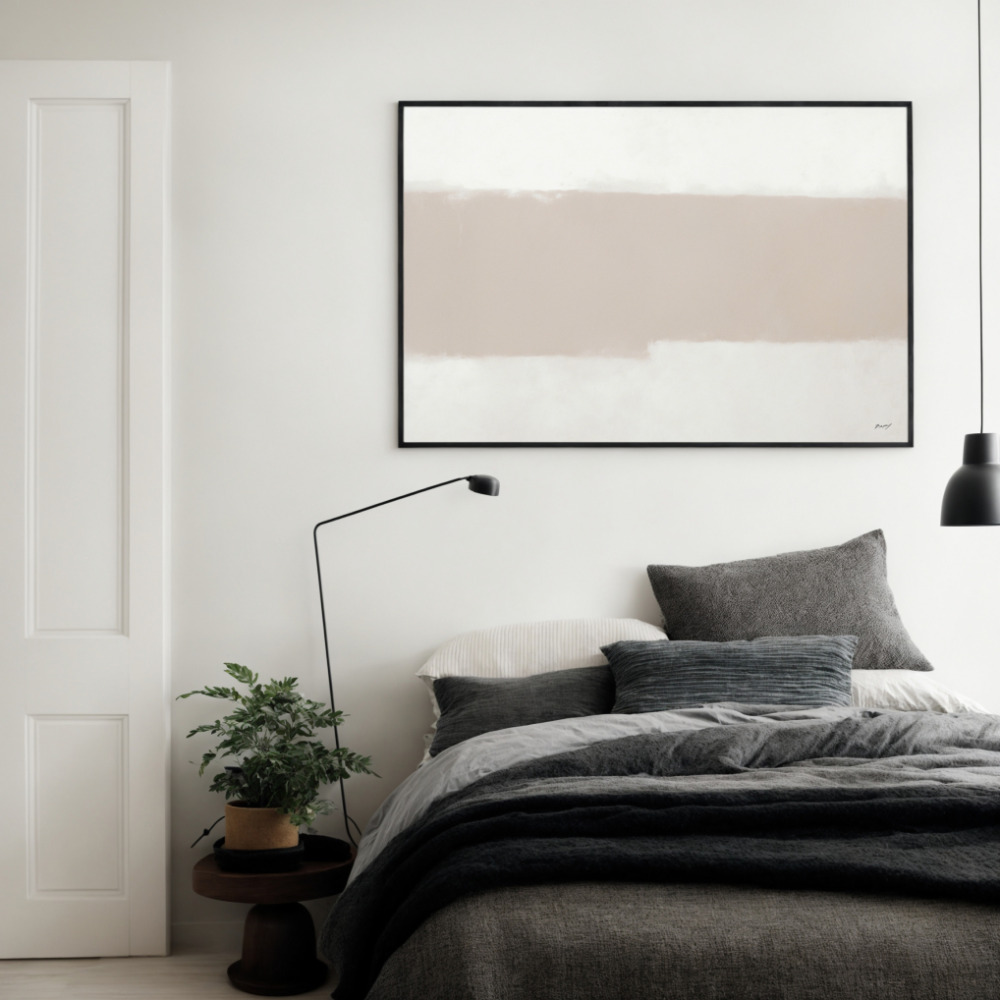
The space above your sofa is the most visible wall in your living room, yet it’s often the most neglected. You walk past it every day, guests stare at it while sitting across from you, and it sets the entire tone for your space. If you’re staring at a blank wall or a tiny piece of art that’s clearly too small, you’re missing an opportunity to create visual impact where it matters most. The right horizontal prints above couch can completely transform your living room from forgettable to Instagram-worthy.
Art above sofa placement isn’t just about filling empty space. It’s about creating a focal point that anchors your entire room. The sofa wall is typically the first thing people see when they enter a living room, and it’s where eyes naturally rest during conversation. Getting this space right means understanding proportions, color relationships, and how art interacts with furniture. The good news? Once you know the principles, it’s easier than you think.
The Size Problem Everyone Gets Wrong
Walk into most living rooms and you’ll see the same mistake: art that’s too small. People underestimate how much visual weight large wall art sofa spaces need. A tiny 16×20 inch print floating above an 84-inch sofa looks lost and makes the entire room feel unfinished. The rule of thumb is that your art should take up approximately two-thirds to three-quarters of the sofa’s width.
Sizing Your Above Sofa Wall Art Correctly
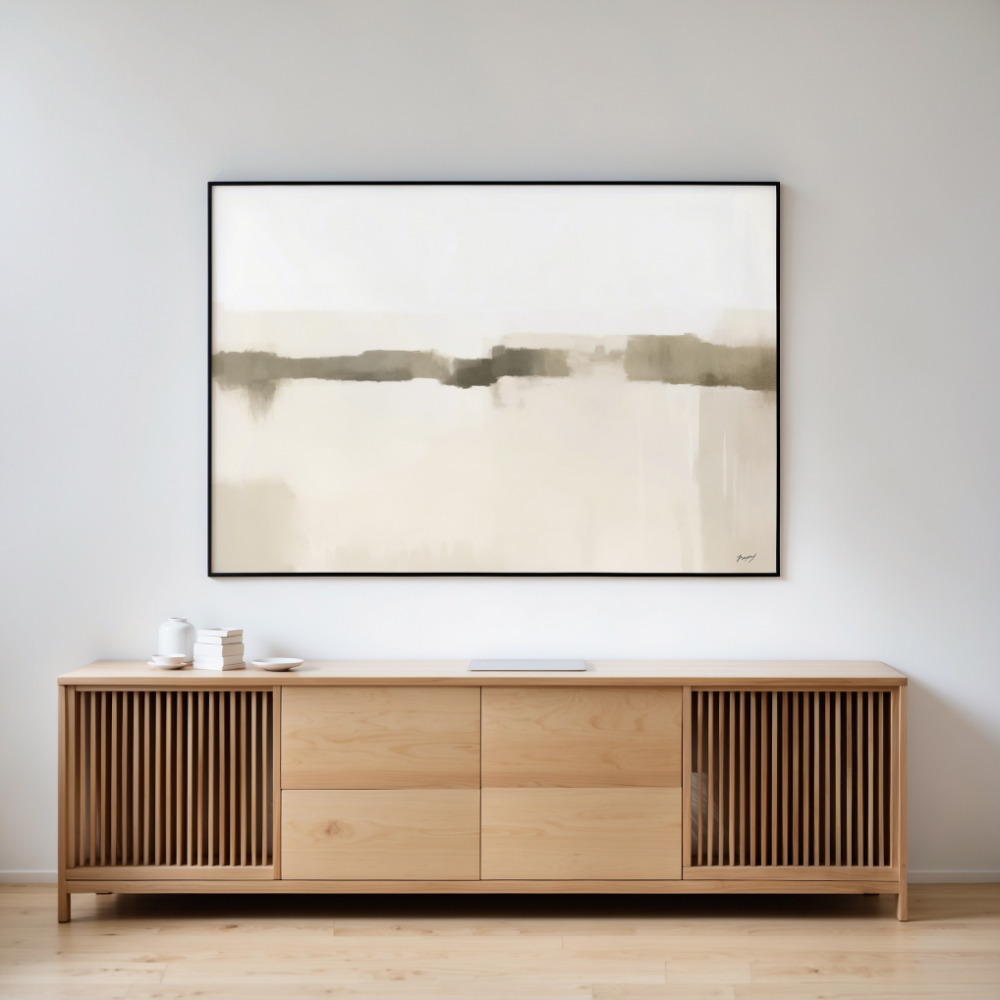
For a standard three-seater sofa measuring 84 inches wide, you’re looking at artwork between 56 to 63 inches in width. This creates visual balance without overwhelming the space. You have several options to achieve this: a single large statement piece, a diptych (two panels), or a triptych (three panels). Each approach creates a different aesthetic, but all should maintain that critical two-thirds proportion.
Height matters too. Your art should hang so the center point sits at eye level, typically 57 to 60 inches from the floor. However, when placing art above furniture, adjust this rule. Leave 6 to 12 inches of space between the top of your sofa and the bottom of your artwork. This creates breathing room while maintaining visual connection between the furniture and art.
The vertical dimension of your artwork should also be considered. For standard 8-foot ceilings, pieces between 24 to 36 inches tall work well above sofas. Higher ceilings can accommodate taller pieces, but be careful not to create too much vertical stretch, which can make the room feel unbalanced.
Horizontal vs. Vertical Orientation
Sofas are inherently horizontal furniture pieces, which is why horizontal prints above couch placement feels so natural. Landscape-oriented artwork echoes the sofa’s long, low profile and creates harmony in the space. This doesn’t mean vertical art never works, but horizontal pieces are almost always the safer, more visually pleasing choice.
Horizontal artwork also makes rooms feel wider, which is particularly beneficial in narrower spaces. If you have a sectional sofa, you might consider a large square piece or even multiple pieces arranged horizontally to follow the furniture’s footprint.
Color Coordination Without Matching
Here’s where many people freeze up: choosing colors. The biggest mistake is trying to match your art exactly to your throw pillows or sofa color. This creates a monotonous, showroom feel that lacks personality. Instead, look for art that pulls one or two accent colors from your room while introducing new tones.
Creating Visual Weight and Balance
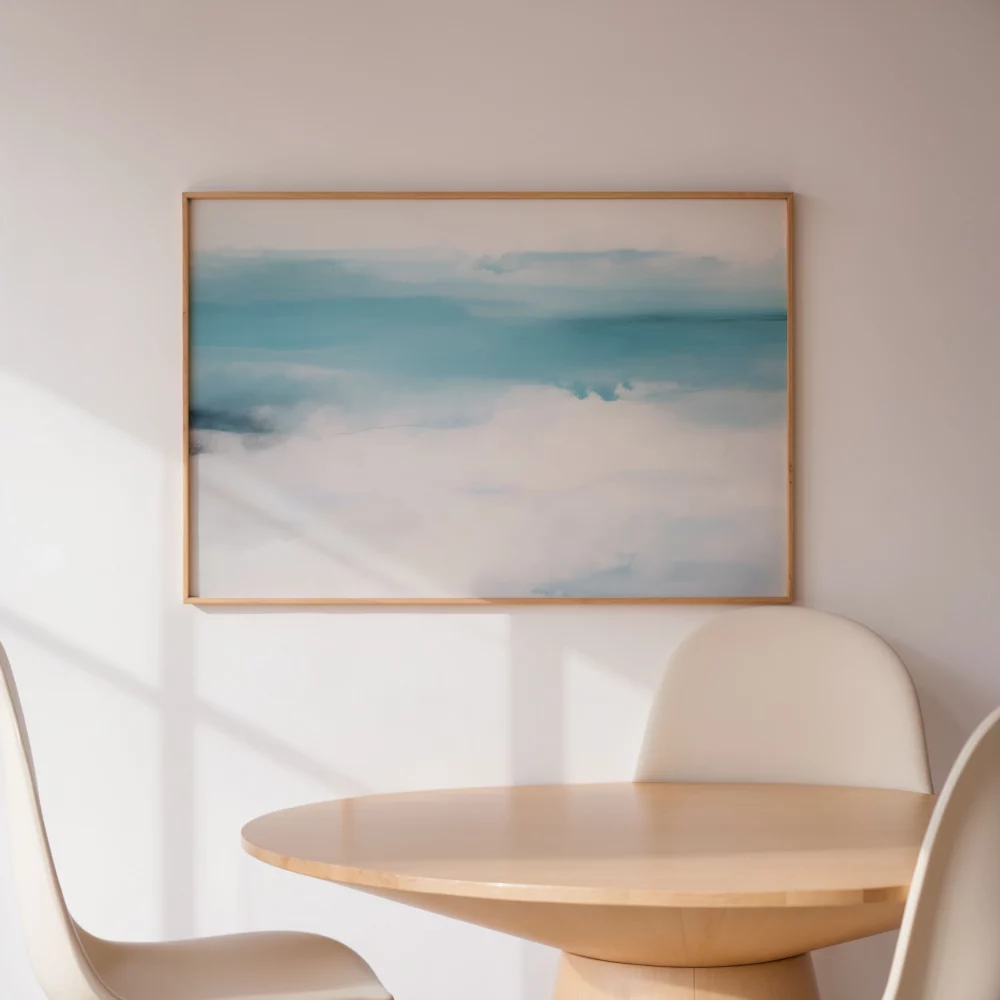
Large wall art sofa placement is about more than just physical dimensions. Visual weight matters too. A piece with bold, dark colors or high contrast will feel heavier than a soft, light watercolor of the same size. Consider what your room needs. If you have heavy, dark furniture, you might balance it with lighter, airier artwork. Conversely, a light, neutral sofa can handle bold, dramatic art that adds punch to the space.
Think about the other elements in your room too. If you have substantial window treatments, large plants, or chunky coffee tables, your art should have enough presence to hold its own among these elements. Delicate, minimal art can get lost in a room with strong design elements.
Single Statement Piece vs. Gallery Wall
Both approaches work, but they create different effects. A single large piece makes a bold, cohesive statement and feels more contemporary and streamlined. It’s also easier to execute successfully. Gallery walls offer more personality and flexibility but require careful planning to avoid a cluttered look.
If you choose a gallery wall above your sofa, maintain consistent spacing between pieces (typically 2 to 3 inches) and plan the entire arrangement before you start hammering nails. Use paper templates to test layouts on the wall. The overall shape of your gallery wall should still follow that two-thirds width rule, even if it’s composed of multiple smaller pieces.
For most people, especially those uncertain about their design skills, a single large piece or a simple triptych offers the most impact with the least risk of getting it wrong.
Framing and Presentation
The right frame can elevate affordable art into something that looks expensive and curated. For above sofa placement, consider the room’s overall style. Modern spaces benefit from simple frames or even frameless mounting. Traditional rooms can handle more ornate framing, though even here, simpler is often better.
Frame color matters too. Black frames add drama and work in almost any space. Natural wood frames bring warmth. White or light frames create an airy, gallery feel. If you’re using multiple pieces, consistent framing creates cohesion, while varied frames require a more skilled eye to pull off successfully.
Don’t underestimate the power of matting either. A generous mat around artwork adds a professional, gallery-quality appearance and can help smaller pieces achieve the visual weight needed for large wall art sofa spaces. However, for very large pieces, frameless or minimal framing often looks more contemporary and keeps the focus on the art itself.
Style Considerations for Different Spaces
Your art choice should reflect both your personal taste and your room’s design direction. Abstract art works in virtually any space and offers flexibility as your decor evolves. Landscape and nature scenes bring calm, organic energy. Geometric and minimalist pieces suit modern interiors. Photography can feel editorial and sophisticated when sized properly.
Consider your room’s function too. A formal living room might call for more sophisticated, subtle art, while a family room can handle playful, bold pieces. Art above sofa in a small apartment might need to be lighter and airier to keep the space from feeling cramped, while a large, open-concept space can handle dramatic, dark, or heavily saturated artwork.
Texture is another element often overlooked. Art with visible brushstrokes, mixed media elements, or dimensional aspects adds depth and interest that flat prints sometimes lack. This textural quality can make artwork feel more expensive and curated.
Common Mistakes to Avoid
Beyond sizing issues, several pitfalls plague above sofa art placement. Hanging art too high is perhaps the most common. If you can’t comfortably view the art while standing, it’s too high. Remember that 6 to 12 inch gap between sofa and art bottom edge.
Another mistake is ignoring lighting. Art in shadow loses impact. If your sofa wall lacks natural light, consider adding picture lights or adjusting your room’s ambient lighting to properly illuminate your artwork. Proper lighting can make moderately priced art look museum-quality.
Overcrowding the wall is also problematic. If you have a large piece of art above your sofa, resist the urge to add shelves, sconces, or other decorative elements on the same wall. Let your art breathe. The sofa, art, and perhaps a simple console table behind the sofa are enough.
Finally, don’t rush the decision. Live with paper templates on your wall for a few days. View them at different times of day and from different angles. This patience pays off in a finished look you’ll love for years.
Practical Installation Tips
Before you hang anything, locate wall studs if you’re mounting heavy pieces. For artwork over 30 pounds, hanging from studs or using proper wall anchors rated for the weight is essential. Nothing ruins a room faster than art crashing down because of inadequate mounting.
For multiple pieces or gallery walls, create a paper template of your entire arrangement on the floor first. Measure everything twice. Mark your wall lightly with pencil. Use a level religiously. These simple steps prevent the frustration of multiple holes and crooked art.
Consider hiring a professional for very large or expensive pieces. The cost is minimal compared to the value of proper installation, and they have the tools and experience to get it right the first time.
Making Your Choice
Selecting the right size artwork for above your sofa doesn’t have to be overwhelming. Start with measurements: your sofa width, wall height, and the space between sofa and ceiling. Use these numbers to determine your ideal art dimensions. Then consider your room’s color palette, design style, and the mood you want to create.
Don’t be afraid to go bigger than feels comfortable at first. Large wall art sofa placement almost always benefits from larger rather than smaller pieces. What seems large in the store or online often looks perfectly proportioned once installed above substantial furniture.
Remember that art above sofa placement is one of the highest-impact design decisions you’ll make in your living room. It’s worth taking time to get it right. The result is a space that feels complete, intentional, and uniquely yours. Whether you choose bold abstracts, serene landscapes, or striking photography, properly sized and placed artwork transforms your sofa wall from an afterthought into the star of your room.