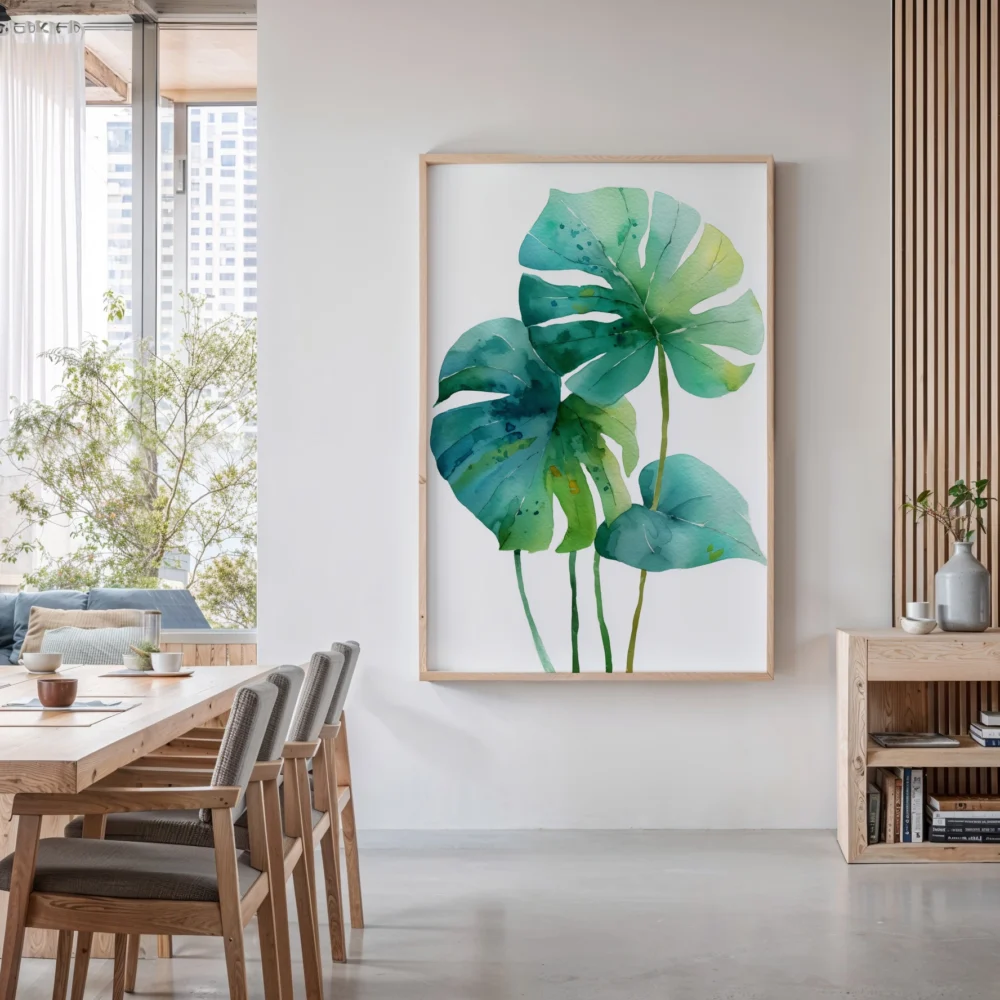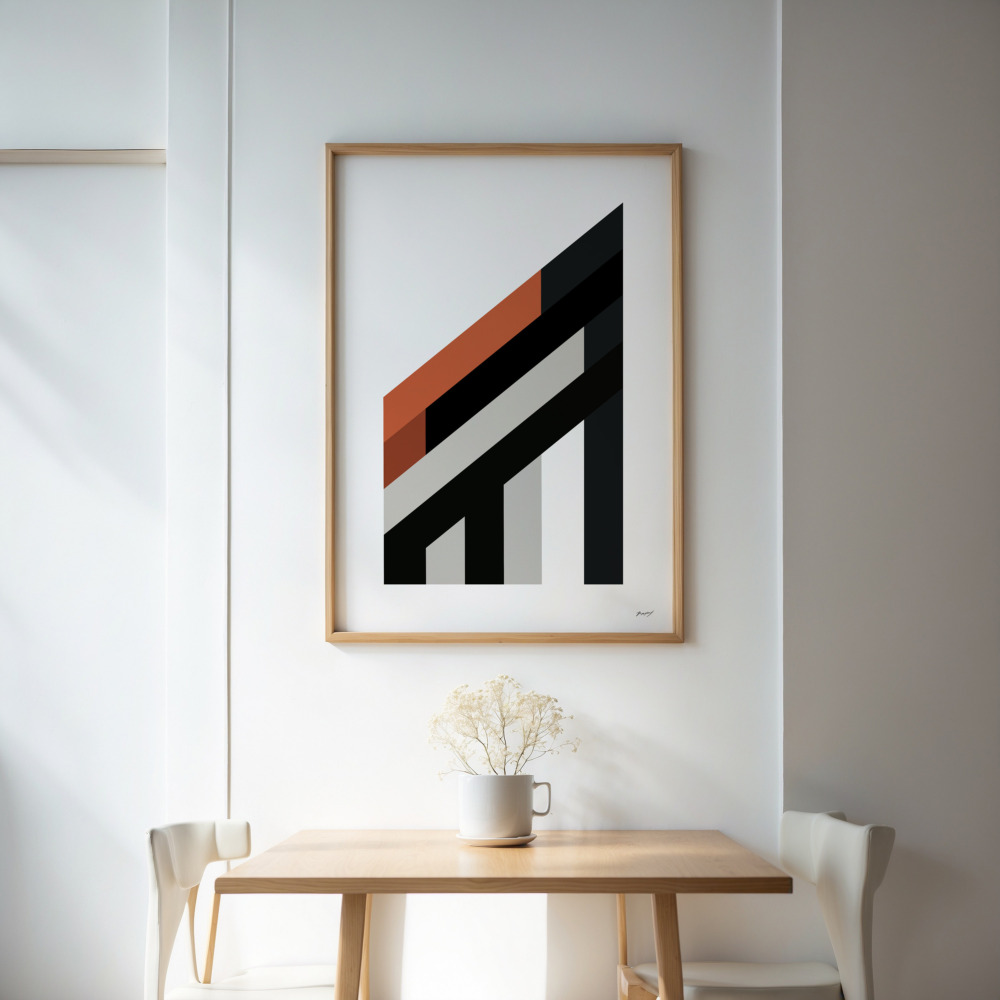
Your office walls speak volumes before you say a word. Whether you’re sitting in a corporate high-rise or working from a converted bedroom, the art you choose—or don’t choose—affects everything from client impressions to your daily focus. That’s why selecting the right office wall art prints isn’t just about aesthetics; it’s a strategic decision that impacts how you work and how others perceive your professionalism.
Bare walls create a cold, uninspiring environment that drains creativity and signals a lack of attention to detail. On the flip side, the wrong artwork can distract, overwhelm, or send confusing messages about your brand. The solution lies in understanding how modern office artwork transforms functional spaces into environments that inspire, impress, and enhance productivity.
This comprehensive guide explores everything you need to know about choosing office wall art prints that work as hard as you do. From understanding color psychology to selecting the right size and style, you’ll discover how to create a workspace that reflects professionalism while maintaining personality.
The Psychology Behind Workspace Art
Science backs what designers have known for decades: your environment directly influences cognitive function, mood, and productivity. Studies show that employees working in enriched environments with thoughtful design elements, including art, demonstrate 15% higher productivity rates than those in bare, sterile spaces.
Choosing Art That Enhances Focus
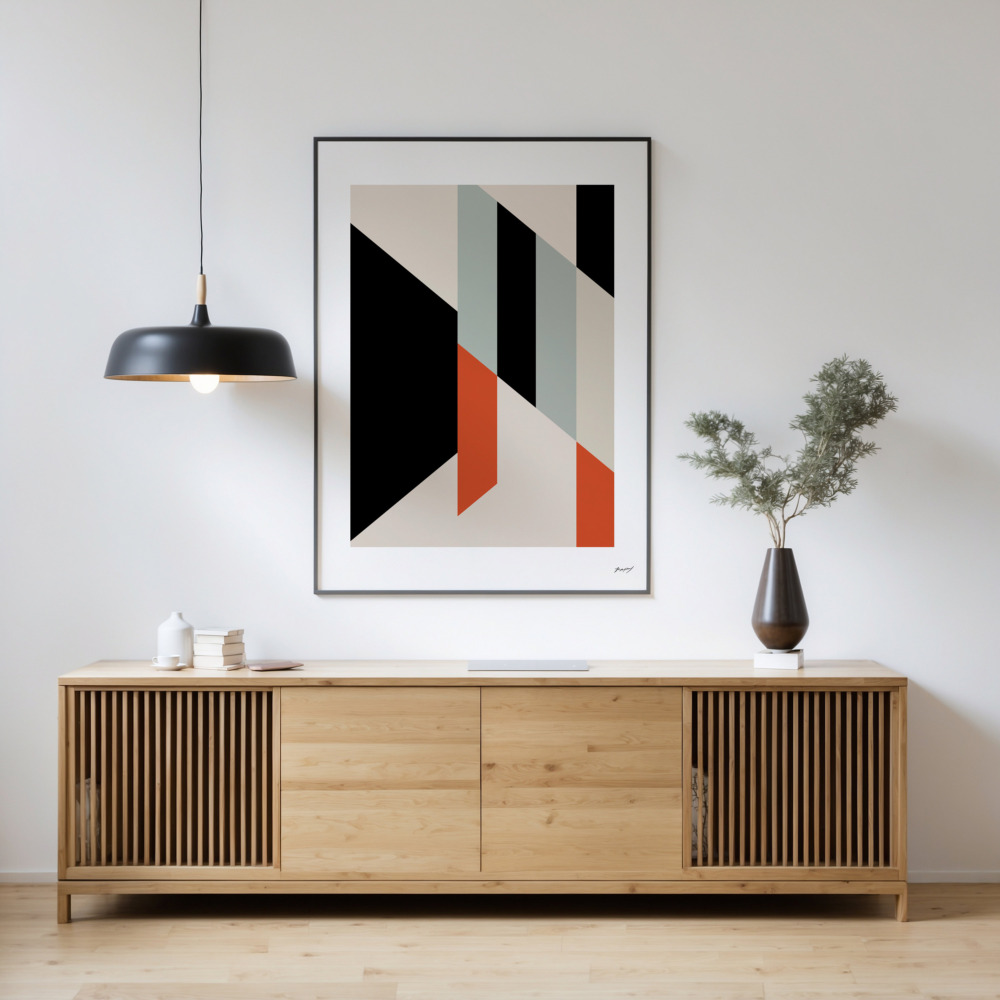
Not all artwork belongs in a professional setting. The key is selecting pieces that create visual interest without causing distraction. Abstract office prints excel in this regard, offering sophisticated visual elements that engage the eye without demanding constant attention.
Abstract compositions work particularly well in office environments because they avoid literal interpretations that might not resonate with everyone. A landscape painting might remind one person of vacation while making another homesick. Abstract art maintains neutrality while adding depth and sophistication to your walls.
Color choice plays an equally critical role. Blues and greens promote calm and concentration, making them ideal for spaces requiring deep focus. Warmer tones like terracotta and soft yellows encourage creativity and collaboration, perfect for brainstorming areas or creative studios. Neutrals provide timeless elegance that won’t compete with other design elements or become dated quickly.
Modern Office Artwork Trends Worth Following
Today’s office art has evolved far beyond generic motivational posters and stock photography. Contemporary workspace design embraces several key trends that balance professionalism with personality.
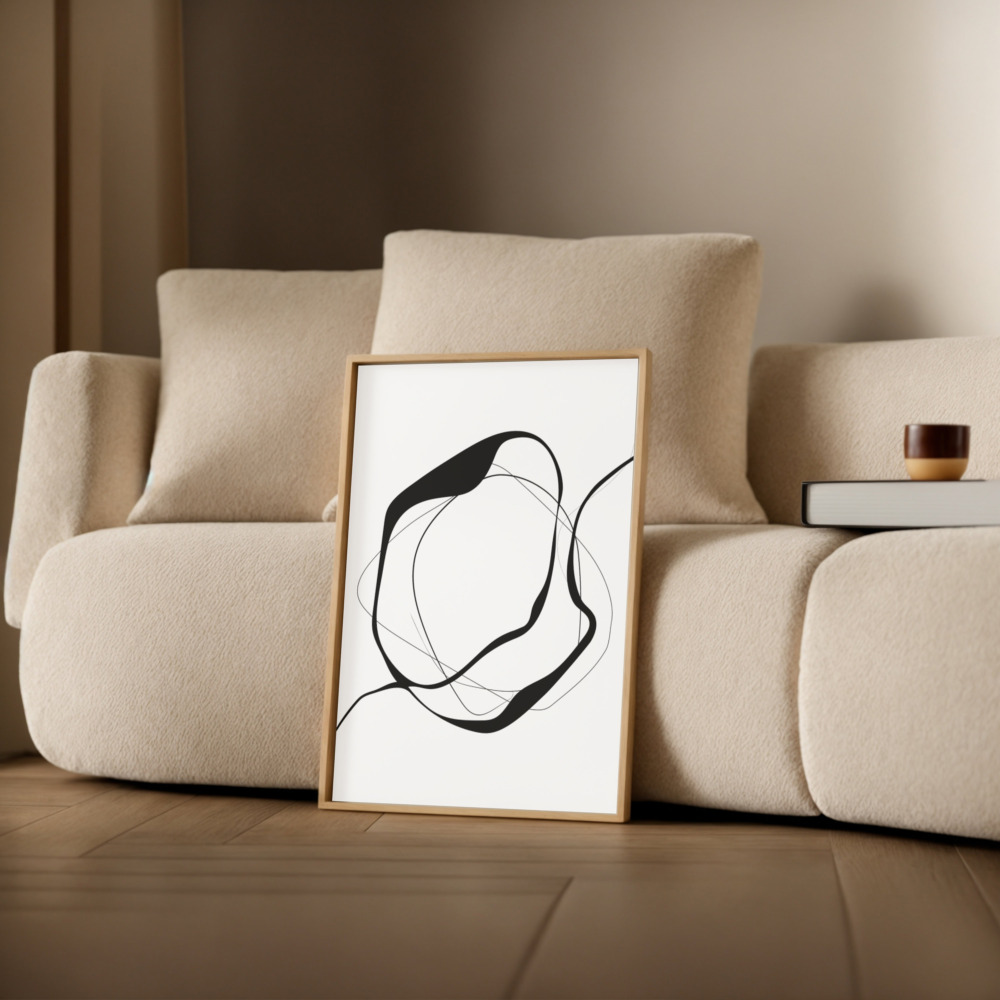
Minimalist line drawings have surged in popularity, offering clean, sophisticated visuals that complement modern office aesthetics. These pieces feature simple geometric shapes, organic forms, or abstract figures rendered in black, white, or single accent colors. Their simplicity prevents visual clutter while maintaining artistic interest. Explore more in our minimalist line art collection.
Geometric abstraction continues dominating office spaces, particularly in tech and finance sectors. Bold shapes, clean lines, and structured compositions convey order and precision while adding dynamic visual energy. These works pair exceptionally well with contemporary furniture and architectural elements.
Nature-inspired abstracts bring the outdoors inside without resorting to literal landscape paintings. Think flowing forms suggesting water, organic shapes evoking natural growth, or color palettes drawn from earth tones. This approach satisfies the human need for natural connection while maintaining professional sophistication.
Oversized single pieces have replaced gallery walls in many modern offices. One large-scale work creates a focal point and makes a bold statement without the visual complexity of multiple smaller pieces. This approach works particularly well in reception areas, conference rooms, and executive offices.
Sizing Your Office Wall Art Prints
Size matters more than most people realize. Too small, and your art disappears into the wall. Too large, and it overwhelms the space. Professional designers follow the two-thirds rule: artwork should cover approximately two-thirds of the wall space above furniture or occupy a similar proportion of empty wall sections.
For typical home office desks (60 inches wide), consider prints ranging from 30 to 40 inches in width. Above a credenza or console table, aim for artwork spanning 50-75% of the furniture’s width. In reception areas or conference rooms with expansive walls, don’t shy away from large-scale pieces measuring 40×60 inches or larger.
Height placement follows a simple guideline: center the artwork at eye level, typically 57-60 inches from the floor to the print’s center. In spaces where people primarily sit, lower this slightly to 54-56 inches. This ensures comfortable viewing angles whether standing in conversation or sitting at a desk.
Creating a Cohesive Look Across Multiple Spaces
If you’re decorating an entire office or multiple rooms in a home office setup, consistency matters. This doesn’t mean every piece must match exactly, but they should share common elements that create visual continuity.
Consider developing a color palette of 3-5 colors that appear throughout your office art. Neutral wall art provides an excellent foundation, allowing you to introduce accent colors strategically through artwork. This approach lets each space maintain individual character while feeling connected to the whole.
Style consistency also helps create cohesion. If you choose contemporary abstract prints for the main office, avoid suddenly introducing traditional landscapes in the conference room. Variations within a style family maintain interest while preserving visual harmony.
Home Office Art Considerations
Home offices present unique challenges and opportunities. Unlike corporate environments, your home workspace should balance professionalism for video calls with personal comfort for daily use.
Consider what appears in your video background. The wall behind your desk becomes your virtual office, visible to colleagues, clients, and collaborators. Choose artwork that appears professional and polished on camera while avoiding pieces that might distract or raise questions during important calls.
Home office art can afford slightly more personality than corporate settings. While maintaining professionalism, you have freedom to incorporate colors, styles, and subjects that resonate personally. This might mean choosing abstract prints in your favorite colors or selecting compositions that inspire your specific work.
Lighting becomes crucial in home offices, where you may lack professional gallery lighting. Natural light changes throughout the day, affecting how colors appear. Choose prints with good color saturation that remain visible without direct spotlighting, and consider how afternoon sun might create glare on glass-fronted frames.
Material and Framing Choices
The quality of your prints reflects on your professionalism. Invest in museum-quality giclée prints on archival paper or canvas. These materials resist fading, maintain color accuracy, and signal attention to quality.
Framing elevates even modestly priced prints. For modern offices, thin black or natural wood frames complement most contemporary art without adding visual bulk. Float mounting creates a sophisticated gallery effect, suspending the print within the frame for added depth.
Glass considerations matter more in offices than homes. Standard glass causes glare under fluorescent or LED office lighting. Upgrade to non-reflective museum glass for pieces in high-traffic or well-lit areas. Alternatively, consider canvas prints that eliminate glass entirely while maintaining professional appearance.
Budget-Friendly Strategies
Quality office art doesn’t require corporate budgets. Start with one or two statement pieces in high-visibility areas like reception or your main workspace. These create immediate impact and establish your aesthetic direction.
Print-on-demand services offer museum-quality prints at fraction of original artwork costs. Many provide various sizes, allowing you to scale artwork appropriately for different spaces. Look for vendors offering archival inks and premium papers—the quality difference is noticeable and worth modest price increases.
Consider creating a gallery wall with smaller prints instead of one large piece. This approach distributes costs while creating visual interest. Maintain cohesion through consistent framing and a unified color palette.
Installing and Maintaining Your Office Art
Professional installation ensures longevity and proper presentation. Use appropriate hanging hardware rated for your print’s weight. Picture hanging strips work well for lightweight framed prints, while heavier pieces require wall anchors or studs.
Maintain artwork by keeping it away from direct sunlight, which fades even archival inks over time. Dust frames regularly with microfiber cloths, and clean glass with standard glass cleaner applied to the cloth, never directly to the frame.
Rotate artwork periodically to prevent visual fatigue and fading. This also allows you to refresh your space without complete redesigns. Store unused pieces in climate-controlled areas, wrapped in acid-free paper to prevent damage.
Making the Final Selection
Choosing office wall art prints ultimately comes down to balancing professional requirements with personal taste. Your workspace should inspire you while impressing others. It should facilitate focus while expressing personality. It should feel current without becoming dated.
Start by assessing your space honestly. What mood do you want to create? What colors dominate your furniture and decor? Who sees this space, and what impression matters most? These answers guide you toward appropriate styles, colors, and compositions.
Trust your instincts while respecting design principles. If a piece speaks to you but seems unconventional for office use, consider where it might work. Perhaps that bold, colorful abstract belongs in a creative studio rather than a client-facing conference room. Maybe those calming neutrals suit your focused workspace better than your collaborative area.
The right modern office artwork transforms walls from empty barriers into active contributors to your work environment. It signals professionalism, sparks creativity, and creates spaces where both you and your visitors feel inspired. Your office walls are valuable real estate—make them work for you.