Abstract art has a reputation for being difficult, confusing, or even pretentious. You’ve probably stood in front of an abstract painting and wondered what you’re supposed to see, feel, or understand. The truth is, abstract art isn’t meant to be decoded like a puzzle—it’s about experiencing something beyond literal representation. If you’re ready to move past the confusion and discover what makes abstract art truly powerful, this guide will transform how you see and appreciate non-representational artwork.
Understanding abstract art doesn’t require an art history degree or insider knowledge. It simply requires shifting your expectations and learning to trust your own responses. This abstract art guide will walk you through everything you need to know as a beginner, from what defines abstract art to practical ways to appreciate and even start collecting pieces that speak to you.
What Actually Makes Art ‘Abstract’?
Abstract art is artwork that doesn’t attempt to represent external reality accurately. Instead of depicting recognizable objects, people, or landscapes, abstract artists use colors, shapes, forms, gestural marks, and compositions to achieve their effects. The term encompasses everything from completely non-representational work to pieces that distort or simplify recognizable subjects.
The abstract movement emerged in the early 20th century as artists began questioning whether art needed to imitate the visible world at all. Pioneers like Wassily Kandinsky, Piet Mondrian, and Kazimir Malevich believed that art could express ideas, emotions, and spiritual concepts more powerfully through pure form and color. This wasn’t just a stylistic choice—it represented a fundamental shift in what art could be and do.
The Different Styles Within Abstract Art
One reason understanding abstract paintings can feel overwhelming is that ‘abstract art’ actually encompasses many distinct styles and approaches. Geometric abstraction uses precise shapes, clean lines, and mathematical compositions. Artists like Mondrian reduced their work to primary colors and straight lines, creating minimalist compositions that emphasize structure and balance.
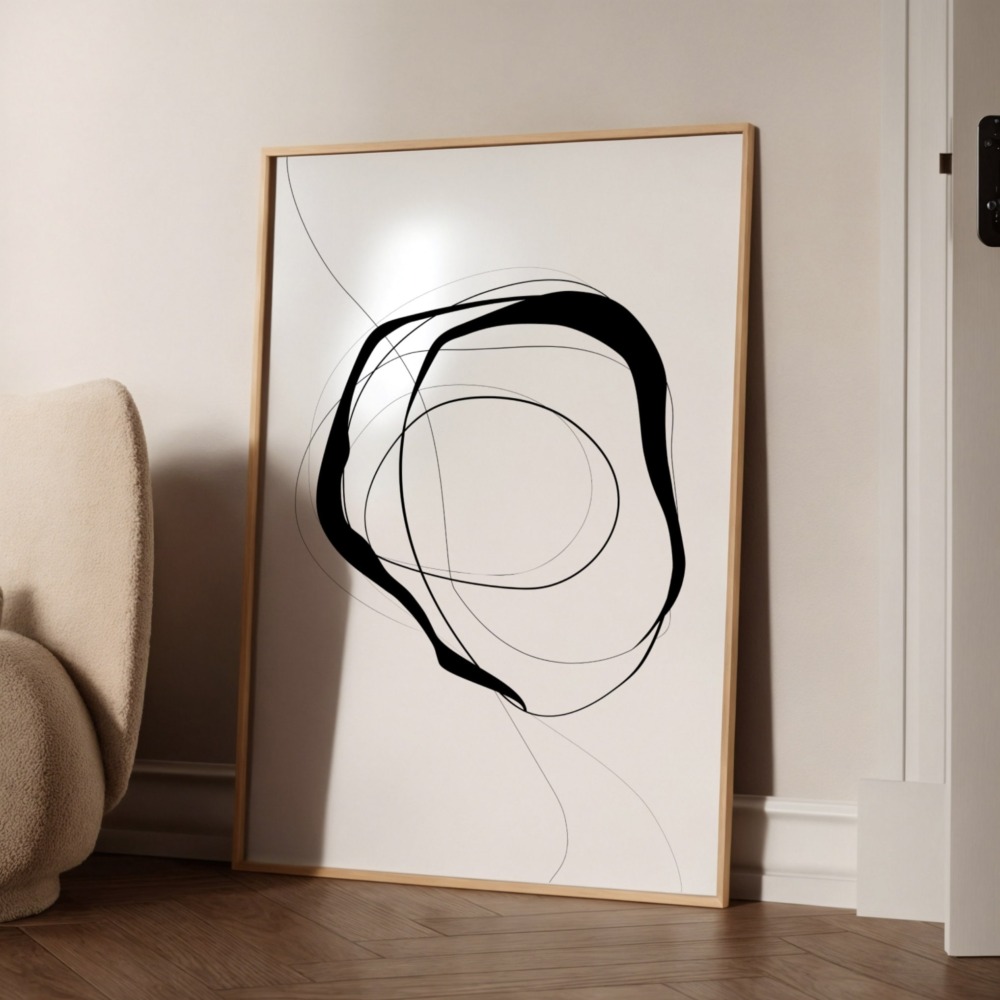
Gestural or action abstraction is almost the opposite—it’s characterized by expressive brushstrokes, dynamic compositions, and visible signs of the artist’s physical movement. Jackson Pollock’s drip paintings exemplify this approach, where the act of painting itself becomes part of the meaning.
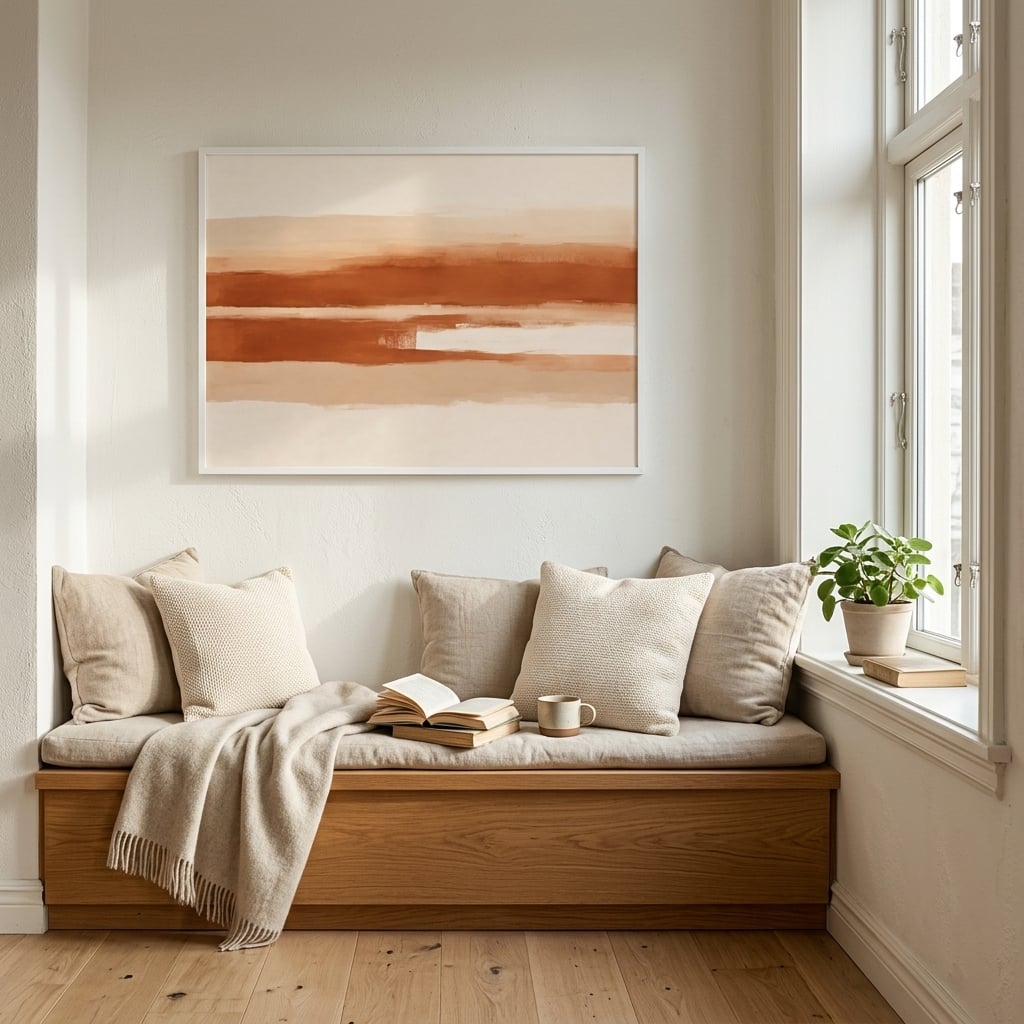
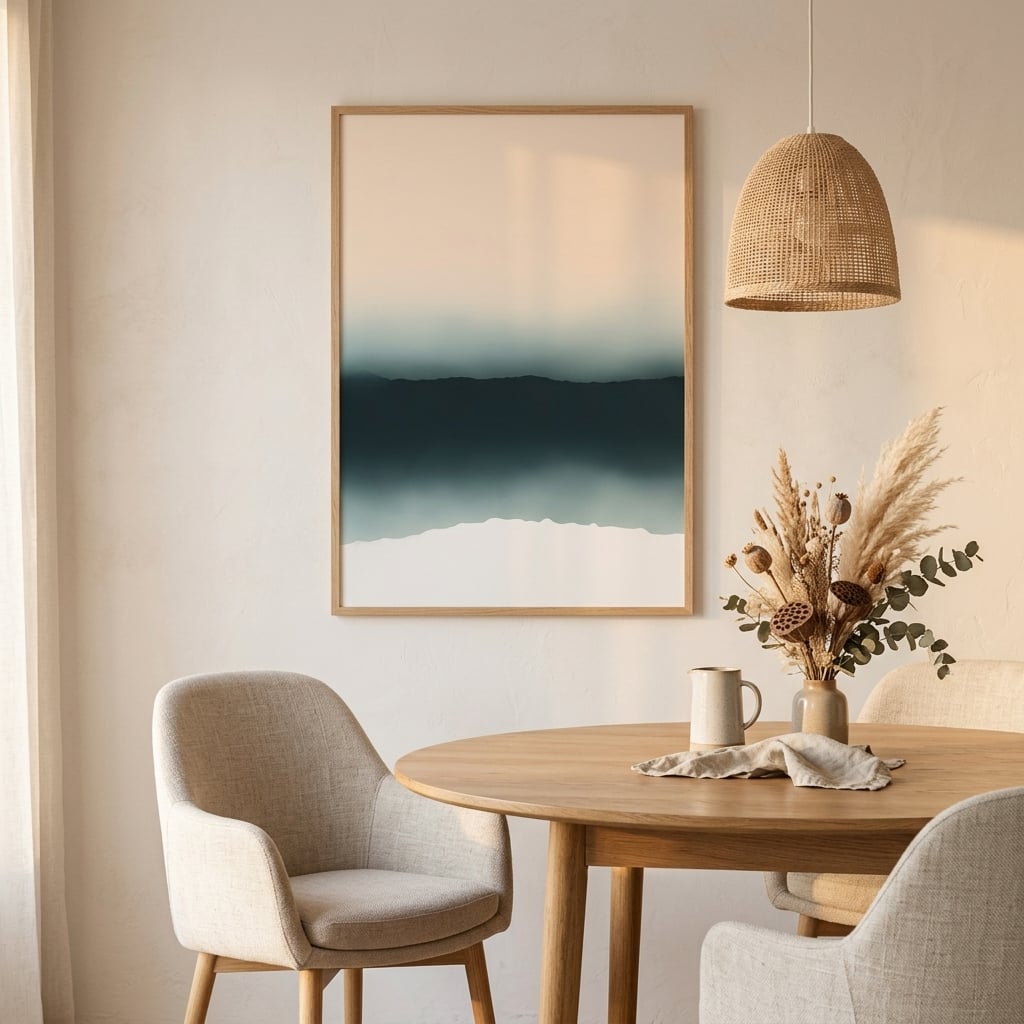
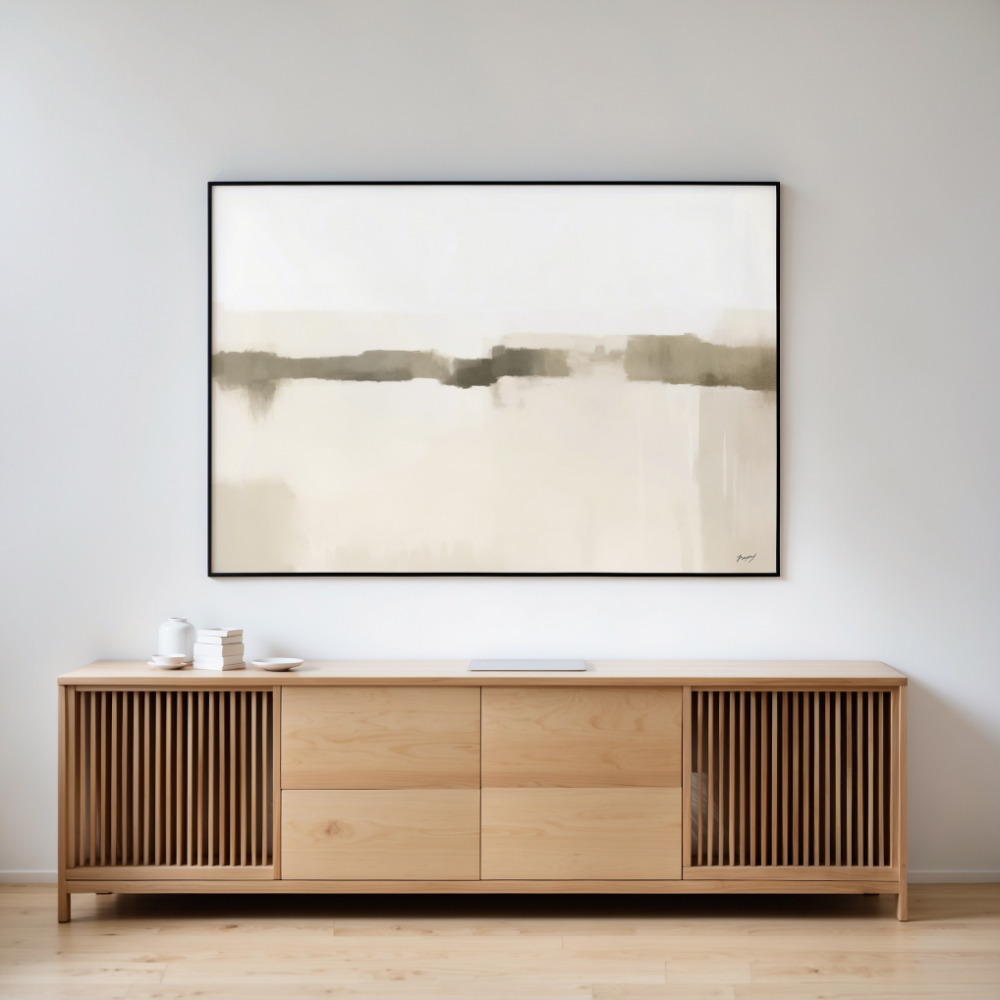
Color field painting takes a different approach entirely, using large areas of flat color to create atmospheric, contemplative experiences. Mark Rothko’s luminous rectangles of color demonstrate how abstract art can evoke profound emotional responses through simple means.
Lyrical abstraction blends figurative suggestions with abstract elements, creating work that hovers between recognition and pure form. These pieces might hint at landscapes, figures, or objects without fully depicting them, inviting viewers to project their own interpretations.
How to Appreciate Abstract Art: Five Practical Approaches
Learning how to appreciate abstract art starts with letting go of the need to ‘understand’ it in a literal sense. Here are five practical approaches that will deepen your experience with abstract artwork:
1. Notice Your Physical Response First
Before you try to interpret or analyze, simply notice how the artwork makes you feel. Does it energize you or calm you? Does it create tension or harmony? Abstract art often works on a pre-verbal level, affecting your mood and emotions before engaging your analytical mind. Trust these initial gut responses—they’re valid and important.
2. Examine the Formal Elements
Look at how the artist uses color, line, shape, texture, and composition. Are the colors warm or cool? Harmonious or clashing? Are the shapes organic or geometric? How does your eye move through the composition? Understanding these formal choices helps you appreciate the artist’s decisions and skill, even when there’s no recognizable subject matter.
3. Consider the Scale and Physical Presence
Abstract art often relies heavily on physical presence. A piece that seems unremarkable in reproduction might be breathtaking in person, where you can appreciate the texture of paint, the scale of forms, and the subtle color variations. If you’re viewing abstract work online, try to imagine how it would feel to stand in front of the actual piece.
4. Read the Title (But Don’t Let It Limit You)
Titles can offer clues to the artist’s intention without being prescriptive. A title like ‘Autumn Rhythm’ might guide you toward certain associations without dictating exactly what you should see. However, remember that your interpretation is equally valid—the title is a starting point, not a test you need to pass.
5. Spend More Time
Research shows that museum visitors spend an average of less than 30 seconds looking at each artwork. Abstract pieces often reveal themselves slowly. Challenge yourself to spend at least three to five minutes with an abstract work. You’ll notice details, relationships, and responses that weren’t apparent in the first few seconds.
Common Questions Beginners Have About Abstract Art
Could I make this myself?
This is perhaps the most common response to abstract art. While abstract work might look simple, what you’re not seeing is the years of technical skill, theoretical knowledge, and refined artistic judgment behind it. Mondrian spent years painting realistic landscapes before arriving at his signature grid compositions. What looks effortless is usually the result of eliminating everything unnecessary—a much harder task than it appears.
What is this supposed to mean?
Abstract art doesn’t always have a specific ‘meaning’ the way a story does. Some abstract artists were interested in formal experimentation—exploring what’s possible with color, shape, and composition. Others wanted to evoke emotions or spiritual states. Some created visual equivalents of music. The ‘meaning’ is often in your experience of it rather than in decoding a hidden message.
How do I know if it’s good?
Quality in abstract art involves the same criteria as any artwork: technical skill in handling materials, sophistication of composition, originality of vision, and emotional impact. Does the work demonstrate mastery of its medium? Is the composition balanced and intentional? Does it achieve what it seems to be attempting? Does it evoke a response? These questions apply whether you’re looking at a Kandinsky or a contemporary abstract print.
Building Your Abstract Art Collection as a Beginner
You don’t need a big budget to start collecting abstract art. Prints and reproductions make it possible to live with high-quality abstract work affordably. When choosing pieces for your space, consider starting with works that provoke a genuine emotional response rather than trying to match your color scheme.
Think about the mood you want to create in different rooms. Energetic, colorful abstracts might work well in social spaces, while calmer, more contemplative pieces suit bedrooms or personal spaces. Don’t be afraid to mix styles—a geometric print can work beautifully alongside a more gestural piece if they share some unifying element like color or scale.
Many people find that living with abstract art deepens their appreciation over time. A piece that initially seems simple might reveal new aspects after you’ve lived with it for months. This is part of abstract art’s enduring appeal—it can grow and change with you rather than revealing everything immediately.
Browse curated collections of abstract prints to explore different styles and approaches. Notice which pieces draw your attention and which ones you keep returning to. These consistent attractions often reveal your genuine aesthetic preferences better than trying to intellectually decide what you ‘should’ like.
Abstract Art in Your Daily Environment
Understanding abstract paintings becomes easier when you incorporate them into your living space. Unlike representational art, which can become static or literal over time, abstract work often continues to offer new experiences. The same piece might feel calming one day and energizing another, depending on your mood and the light.
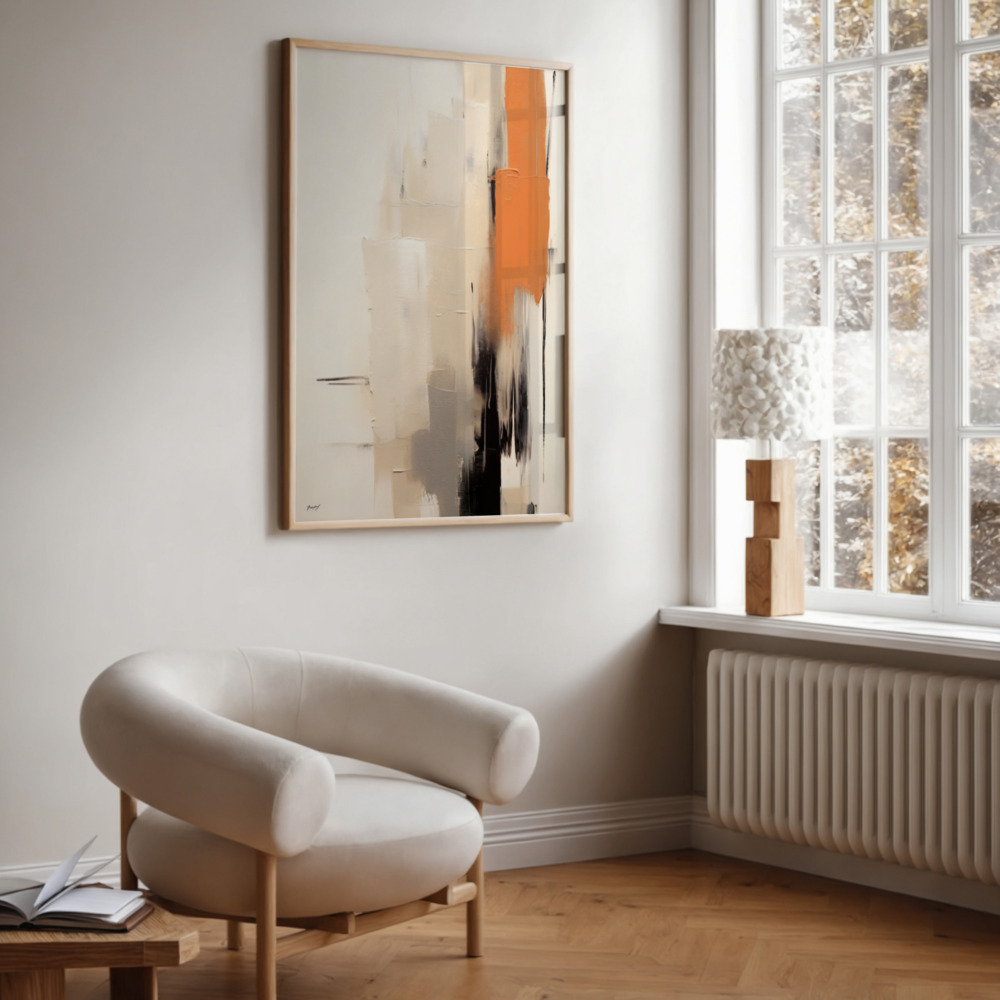
Consider how abstract art interacts with your space functionally. Large-scale abstract pieces can serve as focal points, anchoring a room’s design. Smaller works can be grouped to create rhythmic relationships across a wall. Series of related abstract prints can create visual dialogue while maintaining individual interest.
The versatility of abstract art makes it suitable for any interior style. Geometric abstracts complement minimalist and contemporary spaces, while gestural works add vitality to traditional rooms. Color field paintings create contemplative atmospheres in any setting. This adaptability is one reason abstract art has remained consistently popular for residential spaces.
Moving Forward with Abstract Art
The journey of understanding abstract art is ongoing. Each piece you encounter adds to your visual vocabulary and refines your ability to see and respond. What confused you six months ago might suddenly make perfect sense, not because you learned some secret code, but because your eye and mind have developed through exposure and attention.
Start by giving yourself permission to have personal, subjective responses. You don’t need to like all abstract art—even experts have strong preferences for certain styles and periods. The goal isn’t to appreciate everything equally but to develop your own informed taste and the ability to recognize quality and intention when you see it.
Visit museums and galleries when possible, but also explore abstract art online and in reproduction. While nothing replaces seeing original artwork, prints and digital images allow you to engage with a much wider range of work. Pay attention to which pieces stop your scrolling, which ones you save, and which ones you keep thinking about later.
Ready to bring abstract art into your space? Explore abstract prints that range from bold geometric compositions to subtle color fields. Starting your collection is the best way to deepen your understanding—living with abstract art teaches you things that reading about it never could.
Remember that becoming comfortable with abstract art is less about acquiring knowledge and more about developing your ability to see, feel, and respond without needing everything to be explained or identified. It’s a skill that enriches not just your art appreciation but your entire visual experience of the world.