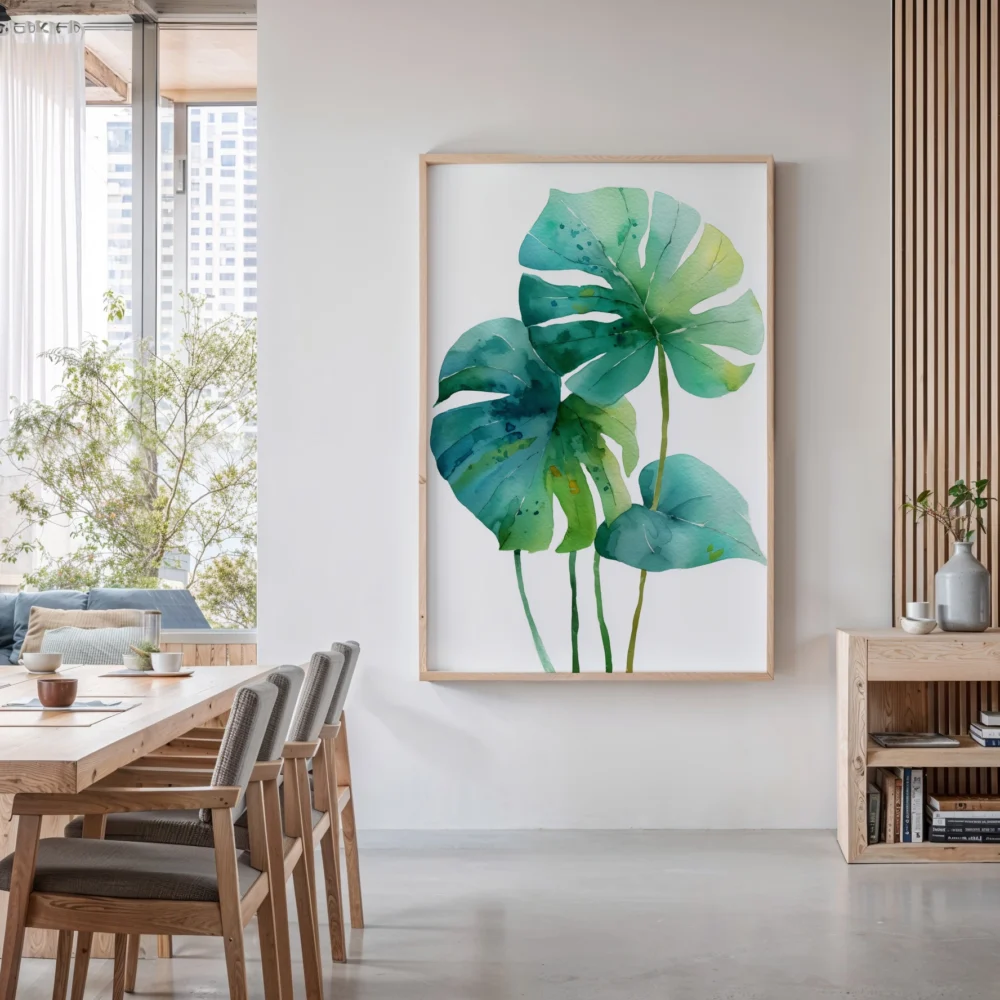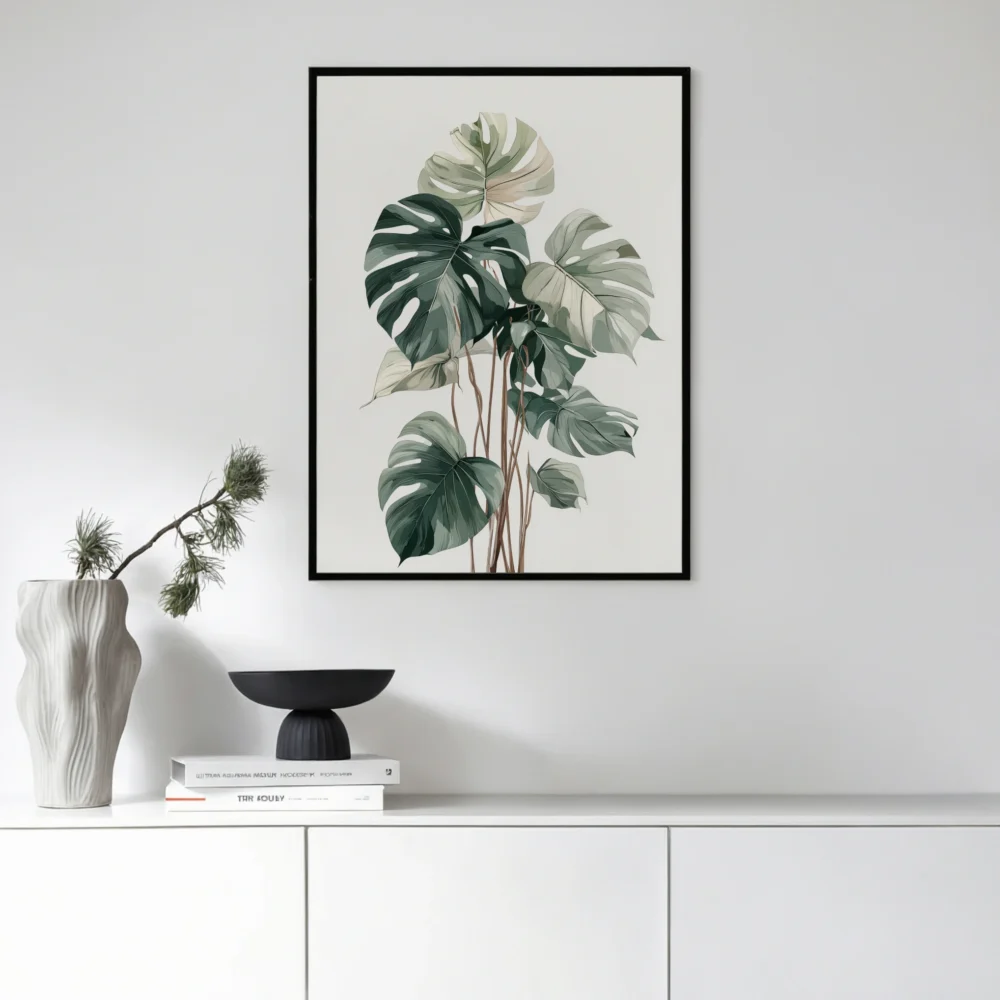
Your living room walls are speaking volumes about you—whether you like it or not. Blank walls whisper indecision, while cluttered gallery walls can scream chaos. But there’s a sweet spot that interior designers have known for decades: abstract wall art living room pieces that anchor your space with intention and style. Abstract art doesn’t just fill empty wall space; it creates conversation, sets mood, and ties together design elements that might otherwise feel disconnected.
The beauty of abstract art lies in its versatility and emotional resonance. Unlike literal landscape or portrait pieces that dictate a specific interpretation, abstract works invite personal connection. One person might see ocean waves in sweeping blues and whites, while another perceives mountain peaks or cosmic energy. This subjective nature makes abstract art uniquely suited for living rooms—spaces where diverse personalities gather and everyone should feel welcome.
The Science Behind Why Abstract Art Works in Living Spaces
There’s actual psychology behind why abstract compositions feel so right in living rooms. Research shows that our brains actively engage with abstract patterns, searching for meaning and creating neural pathways that stimulate creativity and conversation. When guests enter your living room and encounter a striking abstract piece, their minds immediately begin processing shapes, colors, and compositions—creating an instant talking point without you saying a word.
Color psychology plays a massive role here too. Abstract pieces allow you to introduce specific emotional tones through color without the literal constraints of representational art. Want a calming living room? Deep blues and soft grays in abstract forms create tranquility. Need energy for a social space? Bold oranges, reds, and yellows in dynamic compositions inject vitality. The abstract format lets color do its psychological work without competing with recognizable imagery.
Sizing Matters: Large Abstract Prints That Command Attention
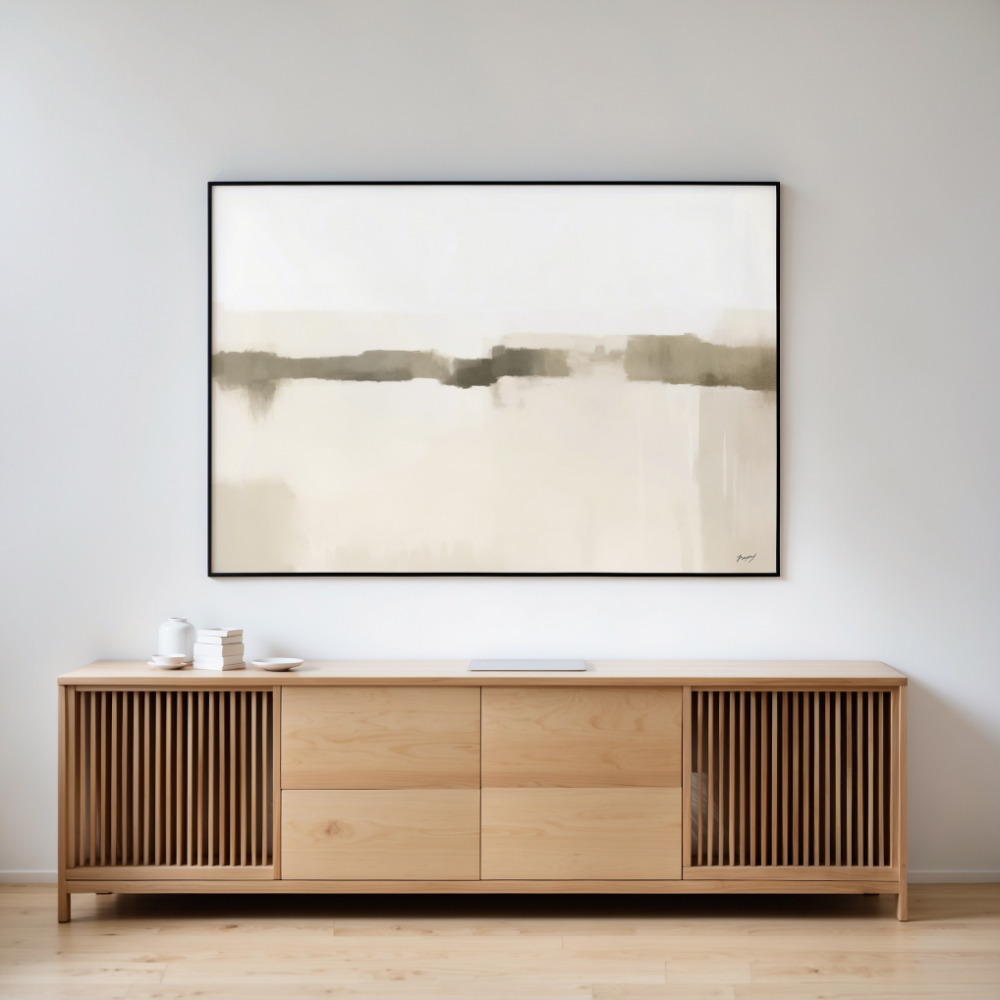
One of the biggest mistakes people make with living room art is going too small. A tiny print on a vast wall looks like an afterthought—a Band-Aid on a blank canvas. Large abstract prints create impact and purpose. They anchor furniture arrangements, define conversation areas, and give the eye a place to rest.
The general rule? Your art should take up roughly two-thirds to three-quarters of the width of the furniture below it. For a standard sofa measuring 84 inches wide, you’re looking at artwork between 56 and 63 inches across. This could be a single large-scale abstract piece or a diptych/triptych arrangement that reads as one cohesive unit. The scale creates visual weight that balances the substantial furniture pieces in your living room.
Large abstract works also solve the common problem of ceiling height. If you have standard 8-foot ceilings, a generously sized horizontal abstract piece draws the eye across rather than up, making the room feel wider. In rooms with soaring ceilings, a tall vertical abstract composition emphasizes that architectural advantage. Size isn’t just about filling space—it’s about directing attention and shaping how people experience the room’s proportions.
Above the Sofa: The Prime Real Estate for Abstract Art
Let’s address the elephant in the room—or rather, the blank wall behind your sofa. This is the most visible wall in most living room layouts, and it’s begging for something meaningful. Abstract above sofa placement has become the go-to design move because it solves multiple problems simultaneously.
First, it creates a focal point that doesn’t compete with the television (if your TV is elsewhere) or complements it (if you’ve mounted your screen on another wall). Second, it provides a backdrop that makes your seating area feel intentionally designed rather than randomly assembled. Third, when positioned correctly—with the center of the artwork at eye level when standing, typically 57-60 inches from the floor—it creates pleasing visual proportions that feel professionally curated.
The abstract nature of the artwork is crucial here. Unlike a bold landscape or portrait that might feel too specific or demanding, abstract compositions provide visual interest without overwhelming the space. They’re sophisticated enough to impress but abstract enough not to distract from conversation, reading, or relaxation happening on that sofa.
Color Coordination Without Being Matchy-Matchy
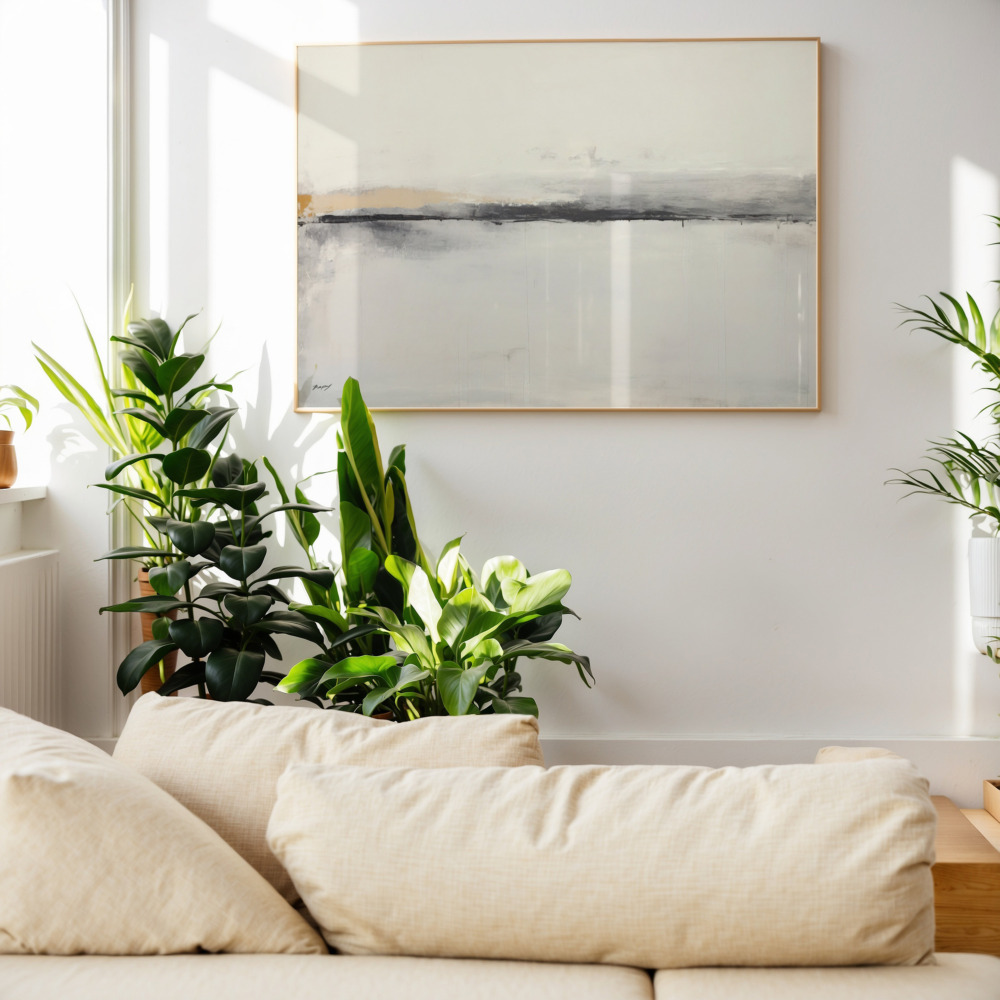
Here’s where many people freeze up: choosing abstract art that works with their existing living room palette without looking like they’re trying too hard. The secret is to pick one or two colors from your abstract piece that echo tones already present in your space, while letting the other colors introduce fresh accent notes.
If your living room features neutral grays and whites, an abstract piece with primarily gray tones plus a pop of unexpected coral or teal creates cohesion with personality. The neutrals tie everything together while the accent color gives you permission to introduce matching throw pillows, a vase, or other accessories without starting from scratch.
Alternatively, embrace the contrast approach. A living room heavy on warm wood tones and creams can handle a cool-toned abstract with blues and grays, creating visual temperature balance that makes the space more dynamic. The abstract format softens what might otherwise feel like jarring color clashes, because the non-representational shapes create harmony through composition even when colors contrast.
Abstract Styles That Actually Work in Real Living Rooms
Not all abstract art is created equal, and certain styles genuinely function better in living spaces than others. Geometric abstracts with clean lines and structured compositions work beautifully in modern and contemporary living rooms. These pieces feel organized and intentional—perfect for spaces where you want sophistication without stuffiness.
Fluid abstracts with organic shapes, paint drips, and gestural brushwork bring energy and movement. These work exceptionally well in eclectic or bohemian living rooms where a more relaxed, creative vibe is the goal. The apparent spontaneity of the artwork invites people to relax and let their guard down.
Minimalist abstracts featuring simple color blocking or single bold gestures are having a major moment right now. These pieces provide impact through restraint—a Zen-like quality that modern living rooms crave. They’re particularly effective in smaller living rooms where busy patterns might feel overwhelming. A simple abstract composition creates interest without visual clutter.
The Practical Side: Choosing Quality Abstract Prints
Let’s talk quality, because not all prints are equal. Museum-quality giclée prints on archival paper or canvas maintain color accuracy and longevity that cheap posters simply can’t match. When you’re investing in a large abstract piece for your living room’s most prominent wall, print quality determines whether it looks expensive or like you’re still furnishing your first apartment.
Paper finish matters too. A matte finish reduces glare and gives abstract work a sophisticated, gallery-ready appearance. Glossy finishes can work for certain vibrant abstract pieces, but they’re trickier to light properly without reflections. Canvas prints offer texture that adds dimension to abstract compositions—the weave of the canvas becomes part of the artwork’s tactile appeal.
Framing choices dramatically impact how abstract art reads in your living room. Proper sizing and framing can make the difference between amateur and professional presentation. Floating frames create breathing room around the artwork, while gallery-style frames with wide mats give abstract pieces museum credibility. For modern spaces, frameless mounting or minimal black frames let the artwork speak without distraction. When the brushwork turns raw and loud, step into abstract expressionist art.
Hanging Height and Placement Secrets
You’ve chosen the perfect abstract piece—now don’t ruin it with bad placement. The 57-inch rule (center of artwork at 57 inches from floor) works for most situations, but living rooms have special considerations. When hanging abstract art above a sofa, leave 6-8 inches between the top of the sofa back and the bottom of your artwork. This creates visual connection without the piece appearing to sit directly on the furniture.
For large abstract prints in living rooms with high ceilings, resist the urge to hang artwork too high just because you have vertical space. Keep the center around 60-65 inches from the floor maximum, even with tall ceilings. The artwork should relate to human eye level and furniture scale, not ceiling height. If you want to emphasize height, choose a vertically oriented abstract piece rather than hanging a horizontal one too high.
Consider lighting carefully. Abstract art relies heavily on color and form, both of which are dramatically affected by light. Natural daylight brings out true colors but can cause fading over time—UV-protective glass or acrylic helps. Picture lights or track lighting positioned at 30-degree angles eliminate glare while highlighting texture and dimension in your abstract piece.
Making Abstract Art Work Long-Term
Here’s what nobody tells you about choosing abstract art for your living room: pick something that intrigues you even when you don’t fully understand it. The pieces that have staying power are those that reveal new details, patterns, or interpretations over time. If an abstract work feels completely figured out at first glance, it might become visual wallpaper within months.
The best abstract living room art has enough complexity to remain interesting but sufficient coherence to feel intentional. It should spark curiosity without demanding constant attention. You should be able to glance at it while talking with friends and catch a color relationship or compositional element you hadn’t noticed before, even after living with it for years.
Consider how the piece makes you feel rather than what you think it means. Abstract art operates on an emotional and aesthetic level before an intellectual one. Does it energize you? Calm you? Make you think? The right abstract piece for your living room should enhance the mood you want that space to create, whether that’s sophisticated relaxation, creative energy, or welcoming warmth.
Bringing It All Together
Choosing abstract art for your living room isn’t about following rigid rules—it’s about understanding principles that help you make confident decisions. Scale matters, placement matters, quality matters, and most importantly, your personal response matters. The abstract pieces that transform living rooms from merely functional to genuinely memorable are those chosen with both head and heart.
Your living room deserves better than safe, forgettable art that disappears into the background. Bold abstract work that respects your space’s proportions, enhances your color palette, and invites ongoing discovery turns walls into design statements. Whether you go with sweeping minimalist compositions, energetic gestural abstracts, or structured geometric works, the right piece won’t just fill your wall—it’ll complete your living room.