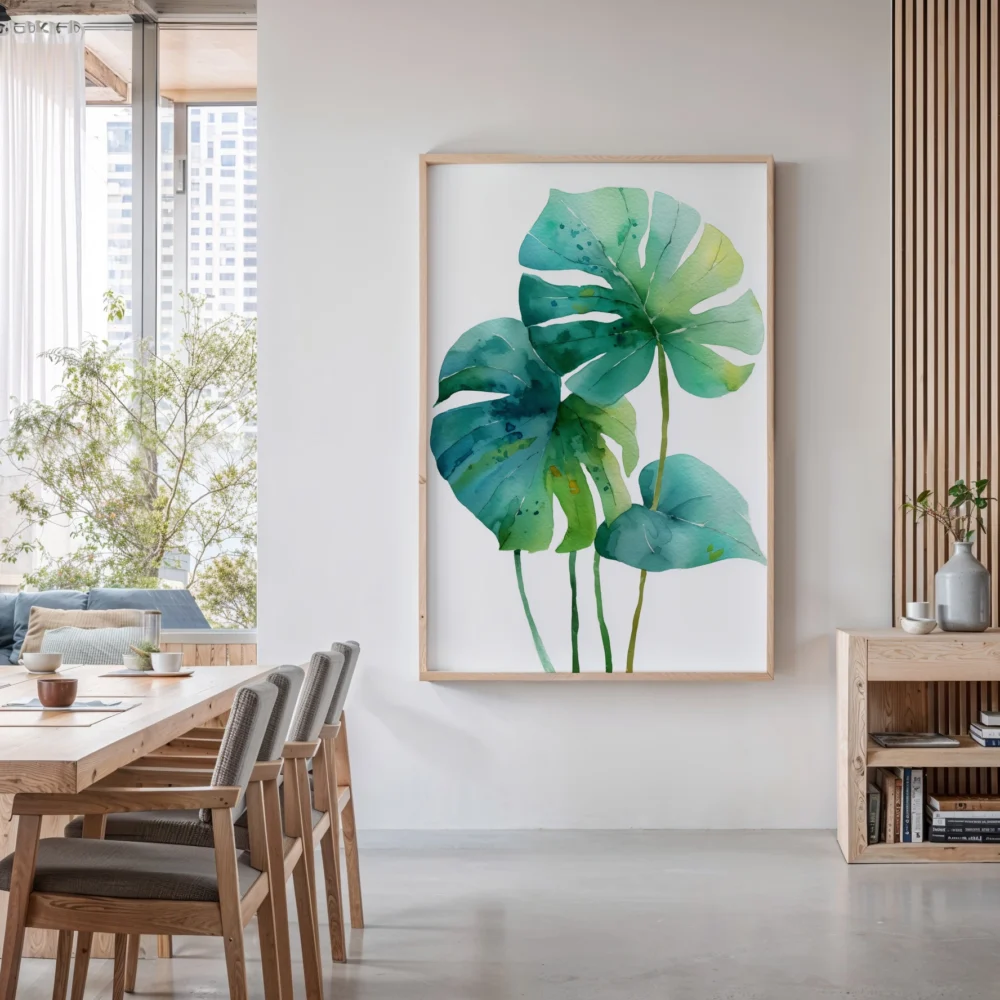
Your dining room is more than just a place to eat—it’s where conversations flow, celebrations happen, and memories are made. Yet so many dining spaces feel incomplete, lacking that crucial element that ties everything together. The missing piece? Strategic, well-chosen dining room art prints that transform bare walls into captivating focal points. Whether you’re drawn to bold statements or subtle elegance, the right artwork can completely redefine your dining experience.
The walls above your dining table represent prime real estate in your home. Unlike hallways or guest rooms, this is a space where people actually sit, linger, and look around. Every glance upward during dinner becomes an opportunity to appreciate beautiful art. When these walls remain bare or cluttered with afterthought decor, you’re missing out on creating an atmosphere that enhances every meal, from quick breakfasts to formal dinner parties.
Why Abstract Art Dominates Dining Room Design
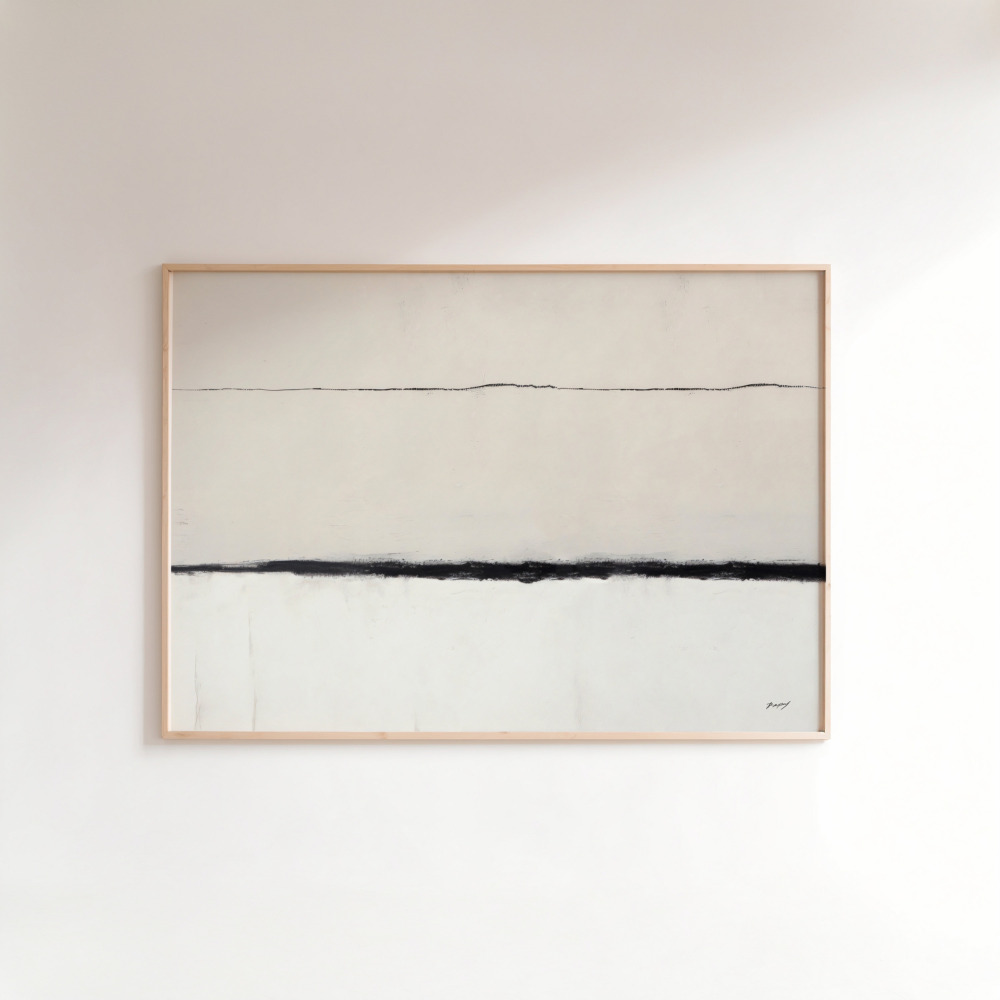
Abstract art has become the go-to choice for dining rooms, and for good reason. Unlike representational art that depicts specific subjects, abstract pieces work as visual appetizers—stimulating conversation without dominating it. The beauty of abstract art dining room designs lies in their versatility. Fluid shapes, organic forms, and expressive brushstrokes create movement that energizes the space without overwhelming diners.
The psychological impact of abstract art in dining areas shouldn’t be underestimated. These pieces engage the mind differently than realistic imagery. Guests find themselves interpreting colors and forms, sparking discussions that extend beyond the meal itself. A well-chosen abstract print becomes a conversation starter, breaking ice and creating comfortable atmospheres for both intimate family dinners and entertaining guests.
Color plays a crucial role in abstract dining room art. Warm tones like terracotta, burnt orange, and golden yellows stimulate appetite and create cozy, inviting environments. Earthy tones art prints particularly excel in dining spaces, grounding the room while maintaining visual interest. Cooler abstract pieces in blues and greens can create sophisticated, calming environments perfect for formal dining rooms or spaces where you want to encourage slower, more mindful meals.
The Science of Placement: Wall Art Above Dining Table
Hanging wall art above dining table areas involves more than just finding the center point. The relationship between your artwork and furniture creates visual harmony—or discord if done incorrectly. The golden rule suggests artwork should span approximately two-thirds to three-quarters of your dining table’s width. This proportion creates balance without making the art feel cramped or lost on the wall.
Height matters tremendously. The center of your artwork should typically hang at eye level when standing, roughly 57-60 inches from the floor. However, dining rooms require special consideration since people spend time seated. Slightly lower placement—with the bottom of the frame 8-10 inches above the table surface—ensures diners can comfortably view the art without straining their necks. This height also prevents the awkward gap that occurs when art hangs too high above furniture.
The scale of your dining table directly influences art sizing. A small print above a large farmhouse table looks lost and creates visual imbalance. Conversely, an oversized piece above a petite bistro table overwhelms the space. Understanding proper sizing ensures your artwork enhances rather than fights against your existing furniture. For standard 60-72 inch tables, consider prints or gallery walls spanning 36-48 inches wide.
Single Statement Piece Versus Gallery Wall
The debate between one large statement print and multiple smaller pieces depends on your dining room’s architecture and your personal style. A single oversized dining room print creates immediate impact, serving as an undeniable focal point that grounds the entire room. This approach works exceptionally well in modern or minimalist spaces where clean lines and uncluttered aesthetics reign supreme. One powerful abstract piece can set the tone for the entire dining experience.
Gallery walls offer flexibility and personality that single prints cannot match. By curating multiple pieces, you create visual narratives that reveal layers over time. This approach particularly suits eclectic or transitional dining rooms where mixing styles and eras creates character. The key to successful gallery walls lies in maintaining cohesion through color palette, frame style, or thematic elements while allowing individual pieces to shine.
Color Coordination Without Matching
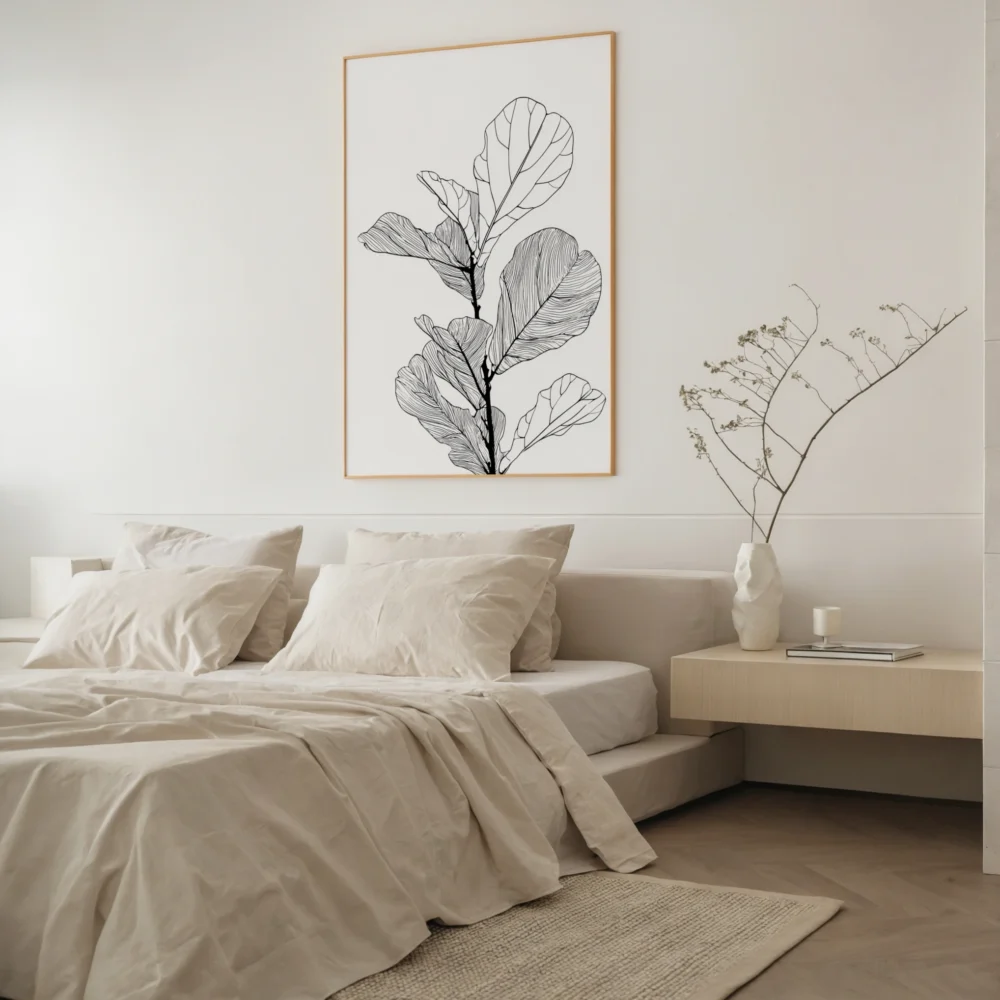
The biggest mistake people make is trying to match their dining room prints exactly to existing decor. This creates sterile, showroom-like environments that lack personality. Instead, focus on coordination—pulling accent colors from your artwork into small decor elements like napkins, centerpieces, or chair cushions. This approach creates cohesion while maintaining visual interest.
Consider your dining room’s existing color temperature. Warm-toned spaces with wooden furniture and soft lighting benefit from prints featuring reds, oranges, yellows, and warm neutrals. Cool-toned rooms with grey walls, metal fixtures, and marble surfaces harmonize with blues, greens, and cool grays in artwork. The prints don’t need to contain every color in your room—even one or two connecting hues create sufficient unity.
Seasonal flexibility gives your dining room fresh energy throughout the year. Choosing prints with neutral bases allows you to swap smaller decorative elements without replacing expensive artwork. An abstract piece with cream, beige, and touches of rust works year-round but feels autumnal with copper candlesticks or summery with fresh greenery. This versatility makes dining room prints a smart long-term investment rather than trend-dependent purchases.
Frame Styles That Enhance Rather Than Distract
Frames significantly impact how dining room art prints integrate into your space. Heavy ornate frames suit traditional dining rooms with formal furniture and classic architectural details. These substantial frames add gravitas and complement rich wood tones, upholstered chairs, and crystal chandeliers. However, the same ornate frame in a modern farmhouse or contemporary setting creates jarring discord.
Thin metal frames or simple wood frames work beautifully in modern and transitional dining rooms. Black frames add sophisticated contrast against light walls, while natural wood frames create warmth and organic appeal. For truly contemporary spaces, floating frames or frameless mounting creates sleek, gallery-like presentations that let the artwork speak without interference.
Mat boards deserve attention too. While not necessary for all prints, mats create breathing room between artwork and frame, adding perceived value and professionalism. White and cream mats maintain timeless appeal, but don’t overlook colored mats that subtly pull accent colors from the print itself. A print with touches of navy might benefit from a soft grey-blue mat that enhances without overwhelming.
Lighting Your Dining Room Art Properly
Even the most stunning dining room prints fall flat without proper lighting. Natural light beautifully illuminates art during daytime meals but creates challenges after dark. Dedicated picture lights installed above frames provide focused illumination that highlights texture and color depth. These fixtures work particularly well for single statement pieces above buffets or serving areas.
One room over, the same thinking continues in kitchen wall art — colour and appetite for the room where everyone gathers.
Overhead dining room lighting should complement rather than compete with your artwork. Chandeliers and pendant lights positioned over the table naturally draw eyes toward the surrounding walls, making art placement opposite or flanking the light source effective. Avoid placing glossy, glass-covered prints directly in line with strong light sources, as glare makes viewing difficult from seated positions.
Dimmable lighting transforms dining room atmosphere throughout the day. Bright settings for family breakfasts show artwork’s true colors and details. Dimmed evening lighting creates intimate atmospheres where art becomes softer background presence. This flexibility makes dining rooms uniquely suited to artwork that performs differently under varying light conditions—abstract pieces with metallic elements that catch light or prints with layered tones that reveal depth as brightness changes.
Prints That Work With Open Floor Plans
Modern homes increasingly feature dining areas within open floor plans connected to kitchens and living spaces. This architectural shift requires thoughtful art selection that harmonizes across zones while defining the dining area’s boundaries. Dining room prints should relate to adjacent spaces through color, style, or theme without appearing identical.
Consider artwork as a subtle room divider. A bold abstract piece or gallery wall behind the dining table visually anchors that zone, signaling its purpose without physical barriers. This approach works especially well when the print incorporates colors from both dining and living areas, creating visual flow while establishing distinct spaces. The artwork becomes a landmark—when someone asks where to set the serving platter, ‘near the abstract print’ provides clear direction.
Making the Investment Worth It
Quality dining room art prints represent investments in your home’s atmosphere and your daily quality of life. Unlike trendy decor items that date quickly, well-chosen prints offer longevity that justifies their cost. Archival quality printing, acid-free materials, and UV-resistant inks ensure your prints maintain their vibrancy for years, even in rooms with significant natural light exposure.
The true value of dining room art extends beyond aesthetics. These pieces shape how you experience one of your home’s most-used spaces. They set moods for celebrations, provide backdrop for countless photographs, and create environments where people want to linger after meals end. When you calculate cost per use over years of daily enjoyment, even premium prints become remarkably affordable investments in your home and wellbeing.
Your dining room deserves artwork that makes every meal feel special. Whether you choose bold abstract statements, serene nature-inspired prints, or curated gallery walls, the right pieces transform eating spaces into experiences. The walls above your dining table are waiting—give them something worth looking at.