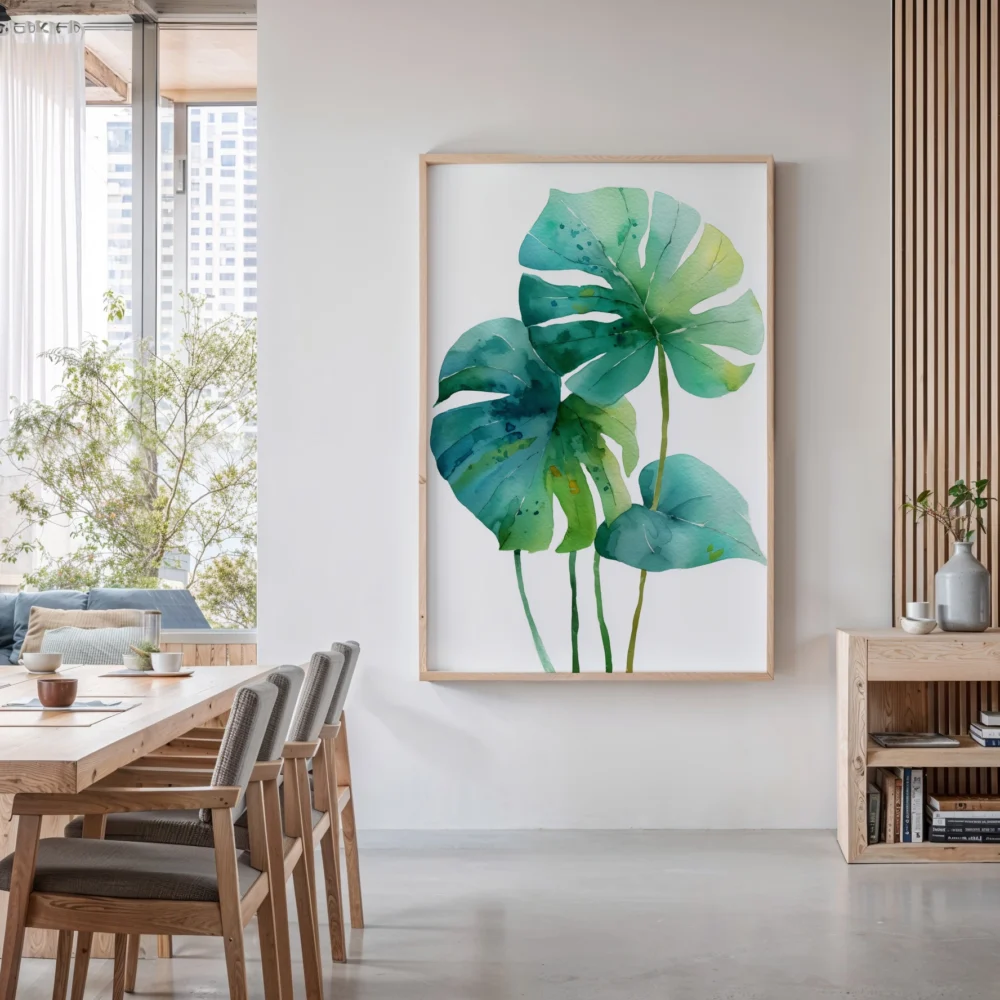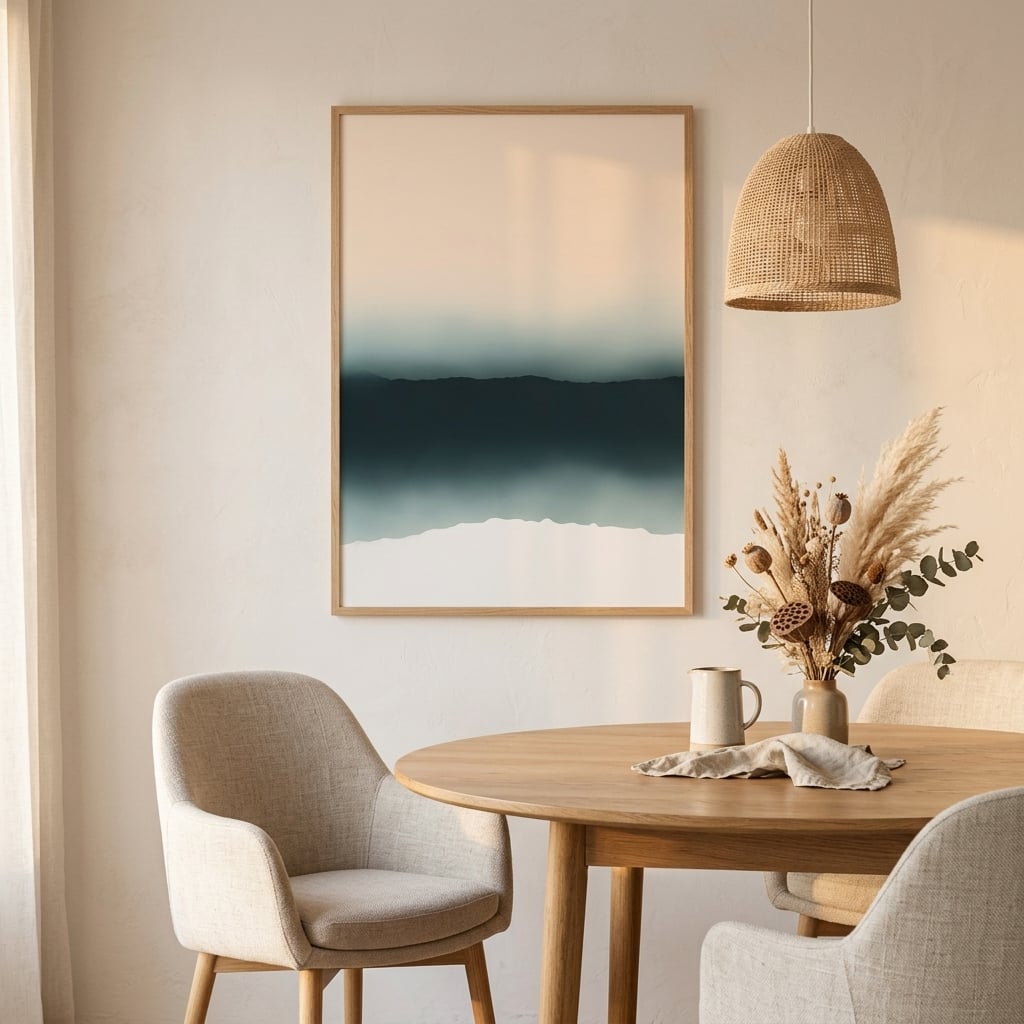
The design world rarely stands still, and what we’re witnessing right now is one of the most intriguing aesthetic evolutions in decades. Scandinavian design, that beloved minimalist style characterized by light woods and clean lines, has been meeting Eastern philosophy in what we now call Japandi. This Nordic to Japandi evolution isn’t just another passing trend—it’s a fundamental shift in how we think about creating calm, intentional spaces in our homes.
For years, Scandinavian design dominated Pinterest boards and design magazines with its bright, airy aesthetic. But somewhere along the way, designers and homeowners alike started craving something more—something with deeper roots in mindfulness and a more grounded energy. Enter Japanese design principles, which brought wabi-sabi philosophy, darker tones, and a profound respect for natural imperfection into the Nordic aesthetic vocabulary.
The Scandinavian Foundation: Where It All Started
To understand how Japandi evolved, we need to appreciate what made Scandinavian design so universally appealing in the first place. Born from the harsh Nordic climates and long winter months, Scandi design prioritized bringing light into spaces through white walls, pale woods, and large windows. The philosophy was simple: create warmth and hygiene through minimalism and functionality.
Scandinavian interiors traditionally featured light birch and ash woods, white or cream color palettes, and an emphasis on lagom—the Swedish concept of ‘just the right amount.’ Nothing excessive, nothing lacking. This approach resonated globally because it offered a reprieve from the maximalist, stuff-heavy interiors that had dominated previous decades.
The hygge movement of the 2010s pushed Scandi design even further into the mainstream. Cozy textiles, candles, and that particular brand of Nordic comfort became aspirational lifestyle goals. But as the style saturated the market, something interesting happened: designers started looking for ways to add depth and substance while maintaining the clean lines and functionality that made Scandi so practical.
Japanese Design Principles: The Missing Piece
Japanese interior design operates on entirely different cultural foundations, yet shares surprising common ground with Scandinavian aesthetics. Both prize simplicity, functionality, and a deep connection to nature. Where they diverge is equally important: Japanese design embraces imperfection through wabi-sabi, incorporates darker woods and muted colors, and emphasizes mindfulness and intentionality in every design choice.
Wabi-sabi, the Japanese worldview centered on finding beauty in imperfection and transience, became the philosophical anchor that many felt Scandinavian design was missing. While Scandi design can sometimes feel sterile or overly perfect, Japanese design celebrates the handmade, the aged, and the naturally irregular. A crack in a ceramic vase isn’t a flaw—it’s part of the object’s story.
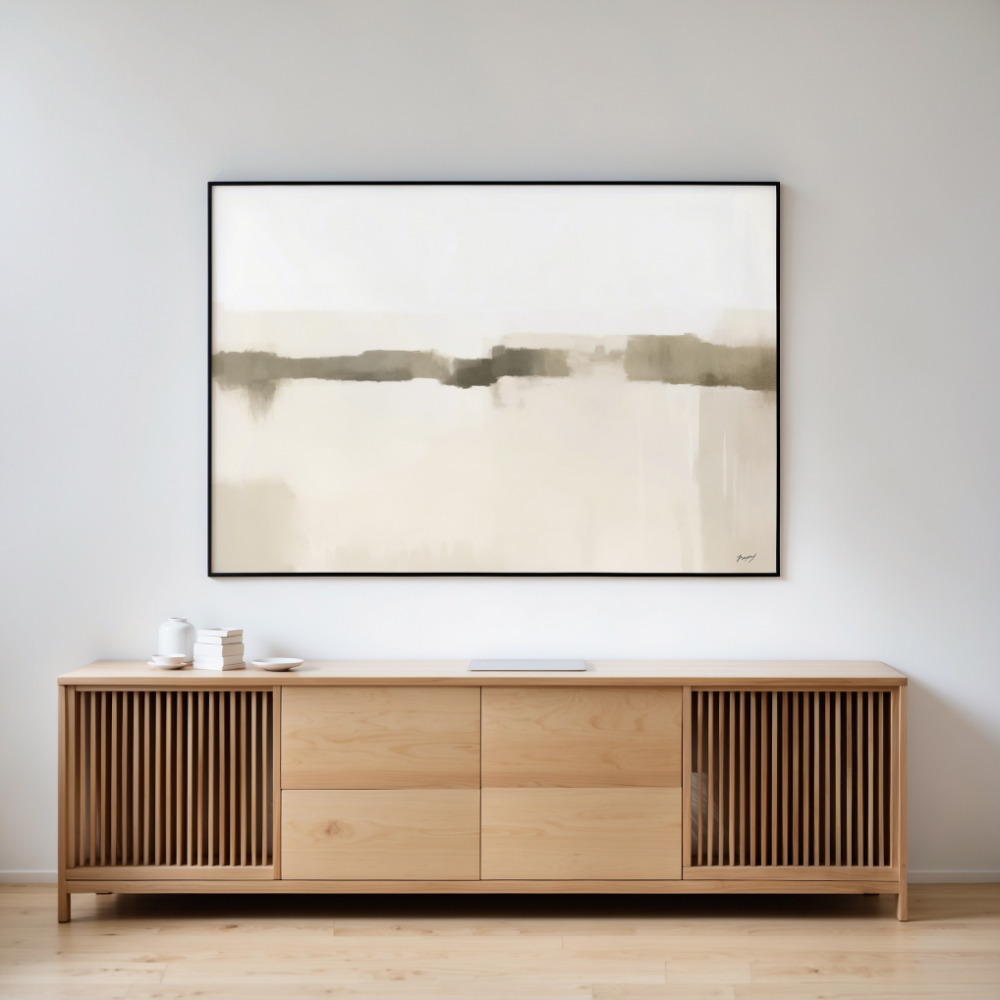
Japanese interiors also brought maturity to the palette. Instead of the bright whites and pale woods of Scandinavian rooms, Japanese spaces incorporate charcoal grays, warm blacks, deep browns, and muted earth tones. This created rooms that felt grounded rather than floating, substantial rather than sparse. The result was spaces that maintained minimalism while gaining gravitas.
When designers started experimenting with Japandi art prints and decor, they discovered these two traditions complemented each other brilliantly. The lightness of Scandi kept Japanese minimalism from feeling heavy, while Japanese depth prevented Scandi spaces from feeling cold or impersonal.
How Japandi Evolved: The Meeting Of Two Minimalist Minds
The term ‘Japandi’ emerged around 2017-2018, though designers had been blending these aesthetics for several years before it had a name. The evolution wasn’t forced or artificial—it happened organically as designers recognized that both traditions solved similar problems in complementary ways. Both cultures value craftsmanship, natural materials, and uncluttered spaces. Both reject excess and embrace functional beauty.
The Nordic to Japandi evolution gained momentum through social media, particularly Instagram, where interior designers showcased spaces that felt simultaneously cozy and zen, minimal yet warm. These weren’t pure Scandinavian rooms with a few Japanese objects dropped in—they were intentional fusions that created something genuinely new.
Key to this evolution was the color palette shift. While maintaining the Scandinavian love of natural light and open space, Japandi introduced darker accent walls, charcoal furniture, and black fixtures. The all-white Scandi room gained dimension through strategic use of black, navy, or forest green. The pale wood floors remained, but they were paired with darker walnut or oak furniture pieces that added weight and visual interest.
Textiles evolved too. The chunky knit throws and sheepskin rugs of Scandinavian design were joined by linen curtains in muted clay tones, handwoven cotton blankets, and tatami-inspired floor cushions. The textures became more varied and complex while maintaining that essential sense of natural, understated comfort. You can see this evolution reflected in contemporary Nordic art prints that now incorporate more muted palettes and organic forms.
Scandi Vs Japandi: Understanding The Key Differences
While Japandi grew from Scandinavian roots, the differences between the two styles are significant enough to make distinct design choices. Understanding these differences helps you decide which direction resonates more with your personal aesthetic and lifestyle needs.
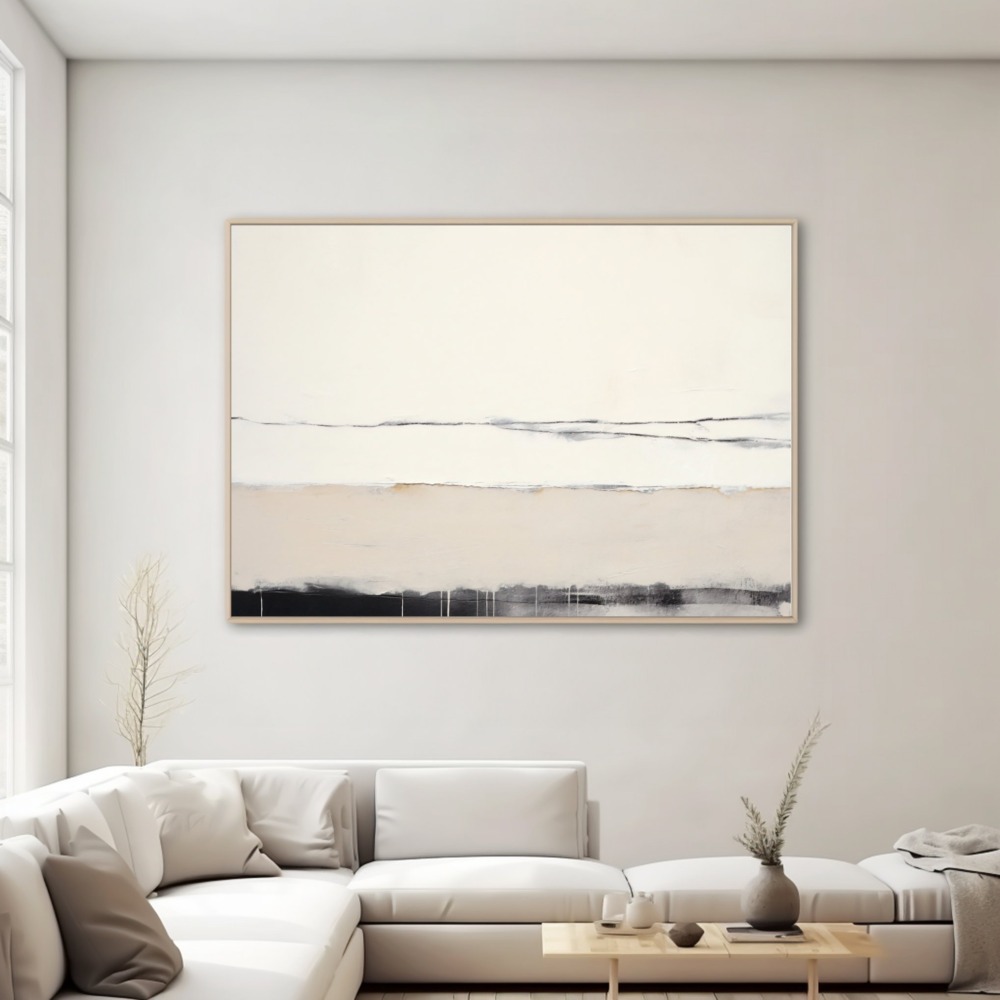
Color is the most immediately obvious distinction. Scandi embraces whites, light grays, and soft pastels with occasional pops of muted color. Japandi works with a more complex palette: warm whites mixed with charcoal, beige paired with black, sage green alongside deep brown. Scandi says ‘bright and airy,’ while Japandi says ‘calm and grounded.’
Furniture choices reveal philosophical differences too. Scandinavian furniture tends toward rounded edges, light woods, and pieces that feel approachable and casual. Japandi furniture incorporates more angular lines, mixed wood tones including darker species, and pieces with a quiet formality. A Scandi dining table might be blonde oak with turned legs; a Japandi version could be darker walnut with clean, straight lines and subtle Japanese joinery details.
The approach to decoration diverges as well. Scandi design is comfortable with more items on display—books, candles, plants, textiles—arranged in that carefully casual hygge way. Japandi is stricter about what earns a place in a room, following the Japanese principle of ma, or negative space. Every object must serve a purpose or bring genuine joy. This makes Japandi feel more curated and intentional, sometimes reading as more sophisticated but potentially less cozy.
When it comes to imperfection, the difference is stark. Scandinavian design generally prefers things new, clean, and well-maintained. Japandi celebrates age and wear through wabi-sabi—the vintage ceramic bowl with a chip, the wooden table showing use marks, the linen cushion that’s softened with washing. This philosophical difference fundamentally changes how you approach acquiring and maintaining your possessions.
Bringing Japandi Into Your Space: Practical Considerations
If you’re transitioning from Scandinavian to Japandi design, you don’t need to start over. The beauty of this evolution is that it builds on rather than replaces. Start with your color palette—consider painting one accent wall in a warm charcoal or deep sage. This immediately grounds your space while maintaining the light, airy qualities of your existing Scandi foundation.
Swap out a few key furniture pieces strategically. If your coffee table is light pine, consider replacing it with a darker wood alternative. Look for pieces with clean lines and visible wood grain that celebrate the material’s natural character. Japanese-inspired furniture often sits lower to the ground, which can make a room feel more spacious and calm.
Layer in natural textures thoughtfully. Japandi loves linen, cotton, jute, and wool in their most natural states. Replace synthetic materials with natural fibers wherever possible. Choose handmade or artisan pieces that show the maker’s hand—perfectly imperfect ceramics, hand-thrown pottery, or woven baskets with slight irregularities.
Embrace negative space more seriously. Walk through your rooms and remove items that don’t serve a clear purpose or bring you genuine satisfaction. This editing process is perhaps the most Japanese aspect of Japandi—the discipline to say no to excess and yes to intention. Every remaining object should have room to breathe and be appreciated individually.
Wall art deserves special attention in this transition. While Scandinavian spaces might feature bright abstract prints or nature photography, Japandi art prints tend toward more muted abstracts, organic shapes, and earthy tones. Think less ‘pop of color’ and more ‘subtle focal point.’ Botanical prints in black and white, abstract compositions in rust and sage, or minimalist line drawings work beautifully in Japandi spaces.
Why This Evolution Matters Beyond Aesthetics
The shift from Scandinavian to Japandi design reflects something deeper than changing tastes. It represents a cultural moment where we’re seeking more meaning and mindfulness in our surroundings. In an increasingly fast-paced, digital-heavy world, Japandi offers spaces that encourage slowness, presence, and connection to the physical world.
This evolution also demonstrates design’s growing global perspective. Rather than Western design simply appropriating Eastern aesthetics, Japandi represents a genuine dialogue between two cultures with shared values around simplicity and nature. It’s fusion done thoughtfully, with respect for both traditions’ philosophical foundations.
The environmental implications matter too. Both Scandinavian and Japanese design traditions emphasize quality over quantity, natural materials over synthetics, and longevity over trends. Japandi’s embrace of wabi-sabi particularly encourages us to value and repair what we own rather than constantly replacing things. This creates more sustainable consumption patterns that align with growing environmental consciousness.
As we move forward, the Nordic to Japandi evolution likely isn’t the endpoint. Design continues to adapt to cultural needs and values. But for now, Japandi offers something many of us crave: spaces that are both calming and grounded, minimal yet warm, simple but deeply intentional. It’s Scandinavian design that grew up, gained wisdom, and learned to appreciate the beauty in impermanence.
Whether you’re a Scandi purist curious about adding depth to your spaces, or someone drawn to Japanese aesthetics who wants to maintain lightness and accessibility, understanding how Japandi evolved gives you the tools to create interiors that truly resonate with how you want to live. The best spaces aren’t about following a style guide perfectly—they’re about understanding design principles deeply enough to make them your own.