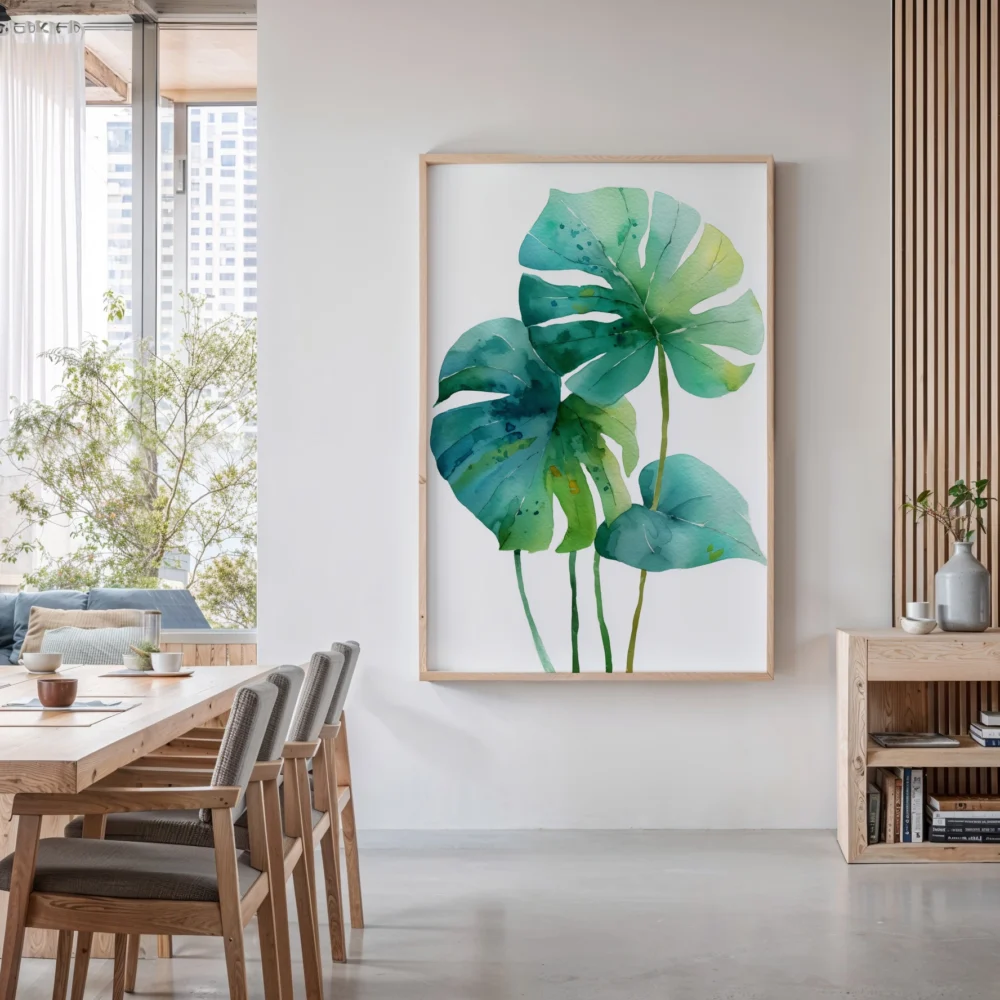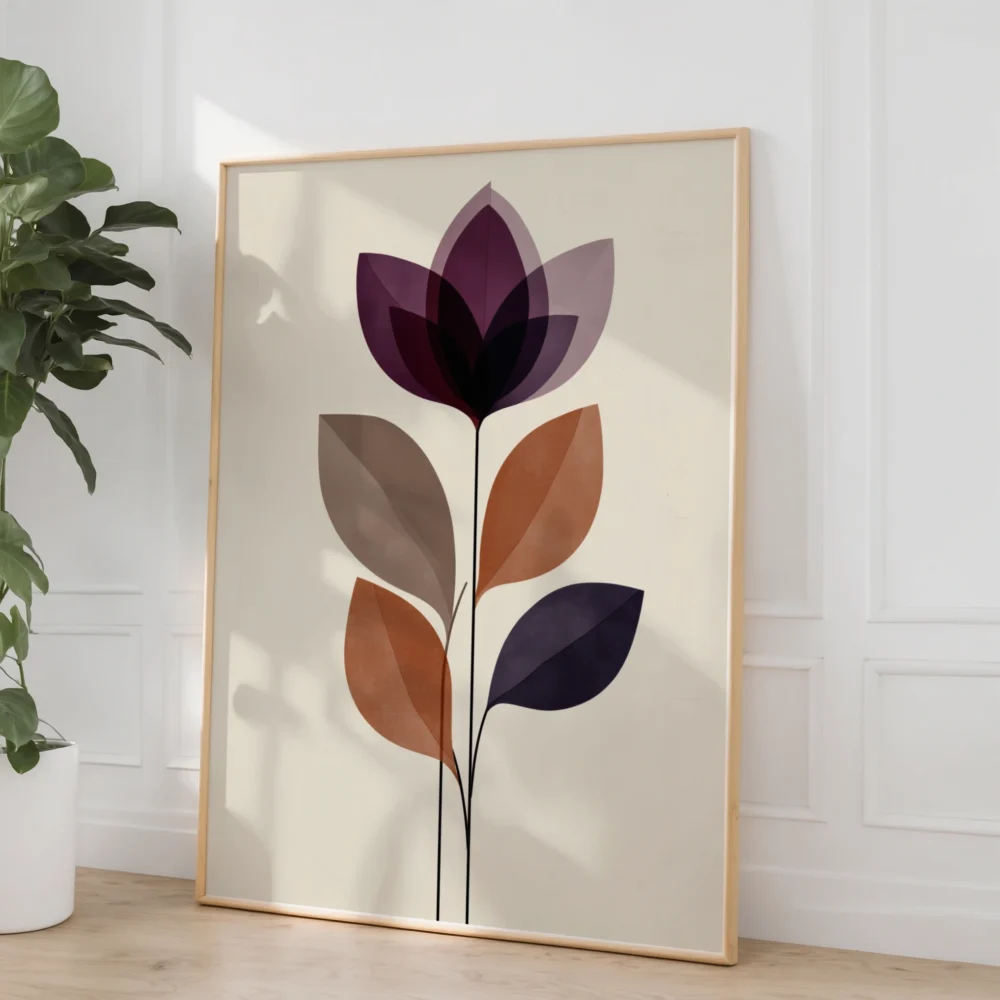
The debate between art prints vs original art has traditionally been framed as a choice between authenticity and affordability. But this outdated thinking misses a crucial point: the art market has evolved dramatically, and so has print technology. Today’s museum-quality giclée prints offer reproduction fidelity that would have been impossible just two decades ago. Understanding when to invest in originals versus prints isn’t about one being inherently better—it’s about matching the right medium to your goals, space, and collecting strategy.
Whether you’re furnishing your first apartment or curating a serious collection, the question of buying art prints vs originals demands more nuanced consideration than simple price comparison. Let’s examine what each option actually offers, why the print stigma is disappearing, and how to make decisions that serve both your aesthetic vision and financial sense.
The Original Art Advantage: What You’re Actually Paying For
Original artworks carry inherent qualities that prints simply cannot replicate. When you stand before an original painting, you’re experiencing the artist’s actual brushstrokes, texture decisions, and physical manipulation of materials. That tactile dimension—the visible layering of oil paint, the deliberate scraping away of color, the dimensional quality of thick impasto—creates a viewing experience that engages multiple senses beyond pure vision.
Investment potential represents another significant factor. While not every original appreciates in value, works by established or emerging artists can increase substantially over time, particularly if the artist’s reputation grows. You’re purchasing a unique object with provenance and art historical significance that collectors, museums, and galleries recognize.
The exclusivity factor matters to many buyers. Owning the only instance of a particular artwork provides psychological satisfaction that extends beyond aesthetics. You become a patron supporting artists directly, often building relationships with creators whose vision resonates with you. This connection to the creative process adds meaning that transcends decoration.
However, original art demands significant financial commitment. Entry-level pieces from unknown artists start at several hundred dollars, while works from mid-career artists easily reach thousands or tens of thousands. This investment requires not just capital but also insurance, proper environmental controls, and security considerations that many collectors underestimate initially.
The Print Revolution: Why Quality Changed Everything
Is it ok to buy prints? Not only is it acceptable—it’s become the preferred choice for interior designers, hospitality projects, and even serious collectors building comprehensive art programs. The transformation stems from technological advances that have elevated print quality to unprecedented levels.
Modern giclée printing uses archival inks rated for 100+ years of colorfastness, matching or exceeding the longevity of many original media. The color accuracy achievable through 12-ink systems reproduces subtle tonal variations that were impossible with earlier printing methods. When properly produced, these prints capture approximately 95% of the original’s visual information—a threshold where most viewers cannot detect differences in normal viewing conditions.
The practical advantages extend beyond cost savings. Prints allow you to access works by artists whose originals sell for millions or exist in museum collections. Want a Monet water lily scene or a contemporary piece featured in a Venice Biennale? Quality reproductions make these accessible for residential display. Collectors consistently report that high-end prints deliver visual impact comparable to originals at a fraction of the investment.
Flexibility represents another underappreciated benefit. You can rotate prints seasonally, experiment with different artists and styles without major financial commitment, and replace pieces as your taste evolves. This allows for dynamic interiors that reflect your current aesthetic rather than being locked into expensive purchases that may not suit future preferences.
Limited edition prints occupy a middle ground worth considering. When artists sign and number print runs—typically between 25 and 500 copies—they create scarcity that holds value better than open-edition reproductions. While not appreciating like originals, these editions maintain resale value and offer a collecting experience that feels more substantial than unlimited prints.
Art Print Value: The Economics Behind the Frame
Understanding art print value requires distinguishing between different print categories. Not all prints hold equivalent worth, and the market recognizes distinct hierarchies that affect both initial pricing and long-term value retention.
Artist-authorized prints with documentation and signatures command significantly higher prices than unauthorized reproductions. When artists participate in the printing process, approve color accuracy, and sign editions, they’re creating legitimate artworks that galleries and collectors recognize. These prints typically cost 5-15% of comparable original prices while maintaining stronger resale potential.
Print run size directly impacts value. A 25-print edition will always be worth more than a 500-print run of the same image, assuming similar quality and artist involvement. Open editions with unlimited runs have minimal resale value but serve perfectly well for personal enjoyment and decoration where investment considerations don’t apply.
The substrate and printing method matter enormously. A museum-quality giclée on fine art paper or canvas differs fundamentally from a poster-quality offset print. The former uses acid-free archival materials designed for longevity, while the latter may fade or discolor within years. When evaluating art print value, production quality often outweighs the specific image reproduced.
Context influences perception significantly. A high-quality print in a professional frame with proper matting reads as serious art. The same print in a cheap plastic frame signals disposable decoration. This presentation factor affects both how you experience the work and how guests perceive your collection’s sophistication.
Making Smart Decisions: When to Buy What
The practical answer to buying art prints vs originals isn’t either/or—it’s strategic both/and. Different scenarios call for different approaches, and savvy collectors build mixed collections that optimize budget allocation.
Buy originals when you’re investing in emerging artists whose work may appreciate. Early-career artists often price accessibly while their reputations are building. If their trajectory continues upward, your purchase may increase substantially in value. This approach requires research and some risk tolerance, but it offers the best investment potential while supporting working artists.
Choose originals for spaces where you’ll view art intimately and frequently. In a bedroom, study, or reading nook where you’ll spend significant time close to the work, the textural qualities and unique presence of original art justifies the premium. The daily experience provides cumulative value that exceeds pure financial calculation.
Opt for prints in high-traffic areas, large-scale installations, or spaces with environmental challenges. The living room statement wall that requires a 60×40 inch piece? A quality print costs hundreds instead of potentially tens of thousands for an original at that scale. Bathrooms, kitchens, and spaces with direct sunlight or humidity exposure? Prints eliminate the anxiety of potentially damaging valuable originals.
Consider prints when exploring new styles or testing color schemes. Before committing thousands to original contemporary abstracts, buy prints to live with the style and determine if it suits your space long-term. This experimental approach prevents expensive mistakes while helping refine your aesthetic direction.
The choice between canvas and paper prints adds another layer to consider. Canvas prints offer a more substantial, gallery-like presence without glass, while paper prints under glazing provide archival protection and a traditional fine art presentation. Both can deliver excellent results when quality materials and printing standards are maintained.
The Collector Mentality: Moving Beyond False Hierarchies
The art world’s historical snobbery toward prints has softened considerably as print quality has improved and collecting attitudes have matured. Major museums now exhibit and collect fine art prints alongside originals, recognizing their legitimate place in art history. This institutional validation reflects a broader cultural shift away from rigid authenticity hierarchies.
What matters most isn’t the medium—it’s how the work functions in your life. A print that brings daily joy, sparks conversation, and enhances your living environment provides more value than an original relegated to storage because you’re afraid to display it. The best art is art you actually experience.
Professional designers routinely mix originals and prints in curated collections, selecting each piece based on the specific requirements of the space and client budget. This pragmatic approach prioritizes overall aesthetic impact over adherence to artificial rules about authenticity. The result? Layered, sophisticated interiors that feel collected over time rather than purchased in a single shopping trip.
Your walls should reflect your genuine interests and aesthetic preferences, not insecurity about perceived status. If a print resonates deeply with you, display it proudly. If an affordable original by an unknown artist captures something meaningful, that purchase has more integrity than buying a prestigious artist’s work solely for investment or status signaling.
Building Your Collection: A Balanced Approach
The most satisfying collections typically combine both prints and originals strategically. Start by identifying spaces where art will have maximum impact and visibility. Allocate your original art budget to these priority locations while using quality prints to ensure no wall remains bare due to budget constraints.
Consider the 70/30 rule many interior designers employ: invest 70% of your art budget in a few significant pieces—originals or limited edition prints—that serve as collection anchors. Use the remaining 30% for supporting pieces that complement your primary works and fill secondary spaces. This approach creates visual hierarchy and prevents the “gallery wall of uniform frames” look that can feel generic.
Document everything, regardless of medium. Maintain records of artists, purchase dates, edition numbers, and certificates of authenticity. This organizational system helps track your collection’s growth and provides necessary information for insurance purposes. Even modestly priced prints deserve this professional treatment as your collection develops.
Reframe your thinking from “print versus original” to “which option best serves this specific need.” This practical mindset eliminates unnecessary guilt about buying prints while ensuring you invest in originals when the circumstances justify the additional expense. Your collection should bring pleasure, not financial anxiety or buyer’s remorse.
The Bottom Line: Trust Your Instincts and Your Budget
The question of art prints vs original art ultimately resolves into personal priorities and practical constraints. Both options offer legitimate value when approached thoughtfully. Original art provides unique ownership, potential investment returns, and direct artist support. Quality prints deliver accessible aesthetics, flexibility, and the ability to enjoy works otherwise financially out of reach.
Buying art prints vs originals isn’t a referendum on your sophistication or commitment to art. It’s a practical decision based on budget, space requirements, collecting goals, and personal preferences. The most important factors remain whether the work resonates with you emotionally and whether it functions well in your intended space.
As print technology continues advancing and the art market becomes more democratic, the line between these categories will likely blur further. What won’t change is the fundamental purpose of art: to enrich our daily environments, provoke thought and emotion, and reflect our individual perspectives on beauty and meaning.
Whether you choose originals, prints, or a strategic combination of both, focus on building a collection that genuinely represents your aesthetic vision. Start with pieces that speak to you immediately, learn as you collect, and trust that your taste will develop through the process of living with art. That experiential education proves far more valuable than any rigid rules about what “serious collectors” should or shouldn’t buy.