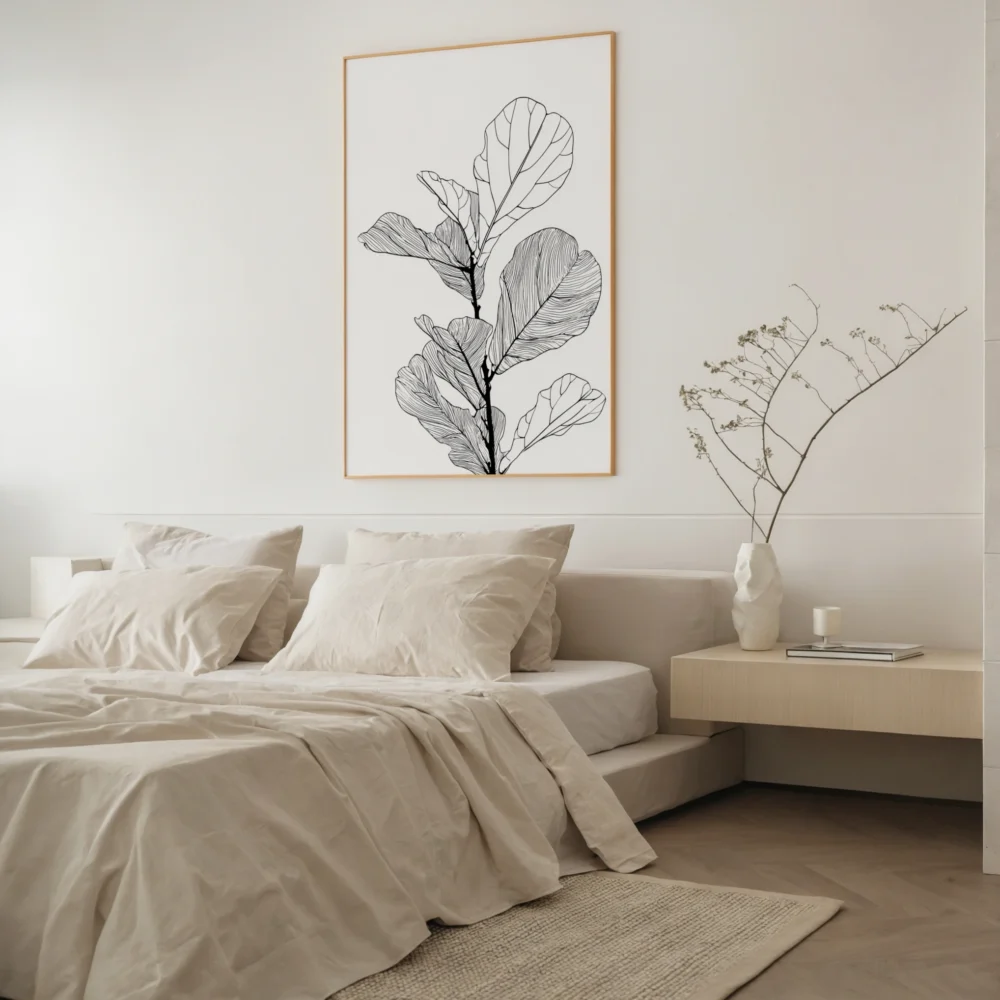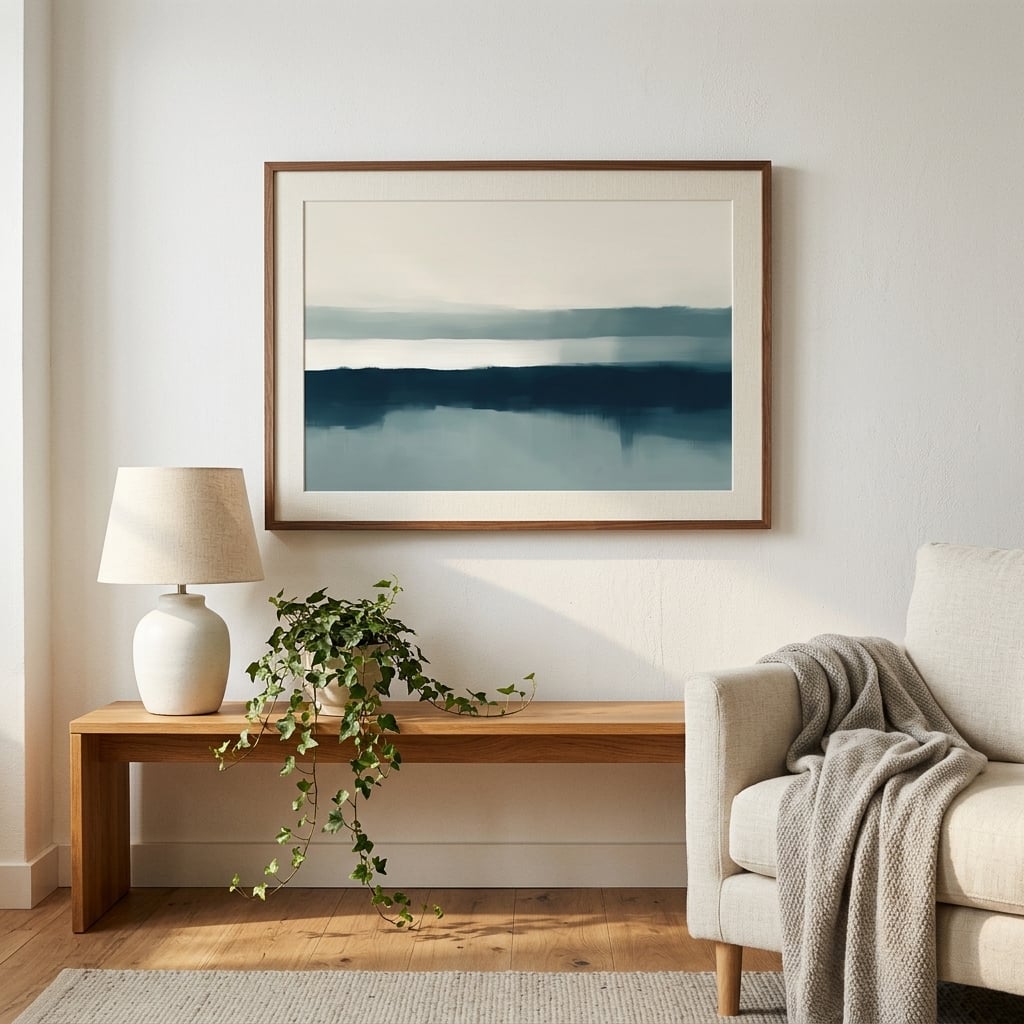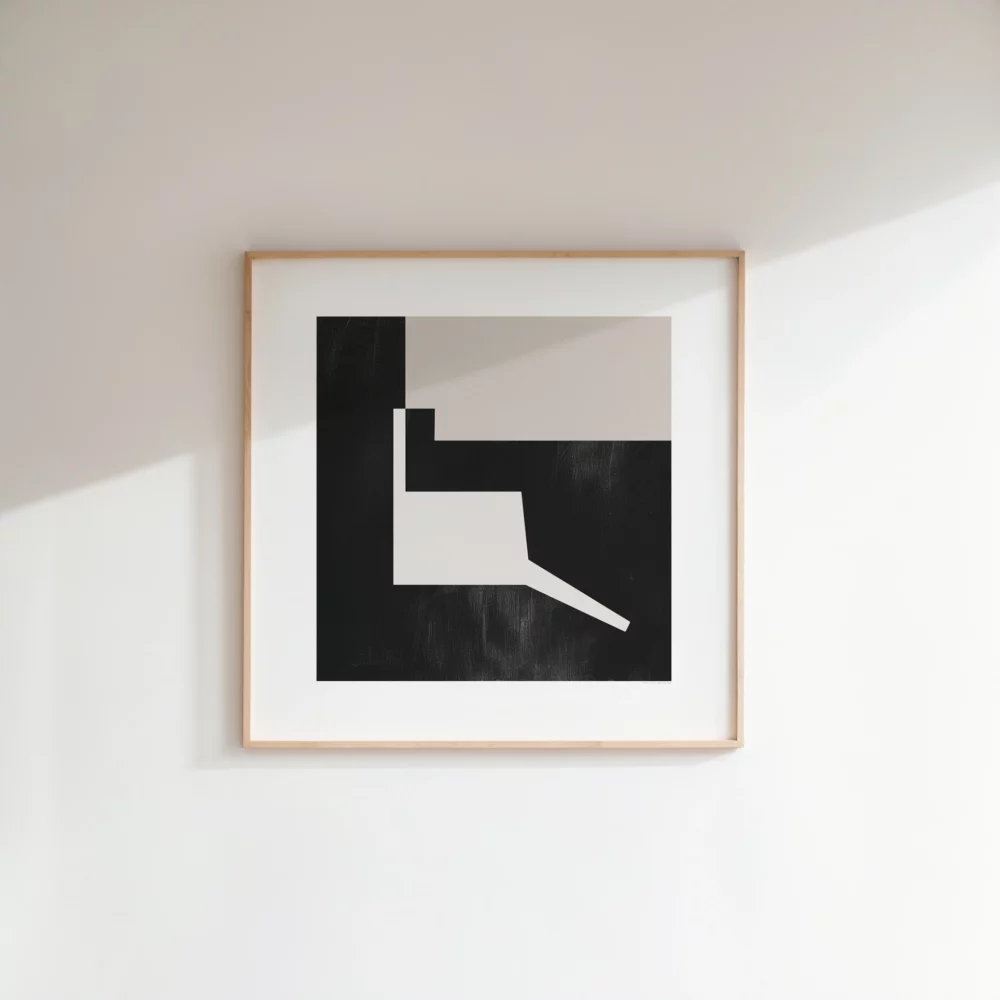
There’s a reason interior designers keep coming back to Japandi—it’s the rare aesthetic that somehow feels both warm and minimal, lived-in yet pristine. This fusion of Japanese minimalism and Scandinavian coziness creates spaces that breathe, balancing form and function with an effortless elegance that other styles struggle to achieve. If you’re tired of rooms that feel either too stark or overstuffed, Japandi interior design might be exactly what you’ve been searching for. From carefully curated Japandi art prints to intentional furniture choices, this design philosophy transforms ordinary spaces into sanctuaries of calm.
The beauty of Japandi lies in its restraint. Unlike maximalist trends that demand your attention or ultra-minimalist spaces that feel cold, Japandi home decor strikes that elusive middle ground. It’s about choosing quality over quantity, embracing natural materials, and letting each piece in your home serve a purpose while contributing to an overall sense of tranquility. The color palette typically revolves around muted earth tones—think warm beiges, soft grays, and creamy whites punctuated by deeper charcoals and blacks. Texture becomes crucial here, with raw wood, linen, and clay adding depth without visual noise. Browse the full selection of Japandi art prints to find pieces for your own space.
The Philosophy Behind Japandi Style
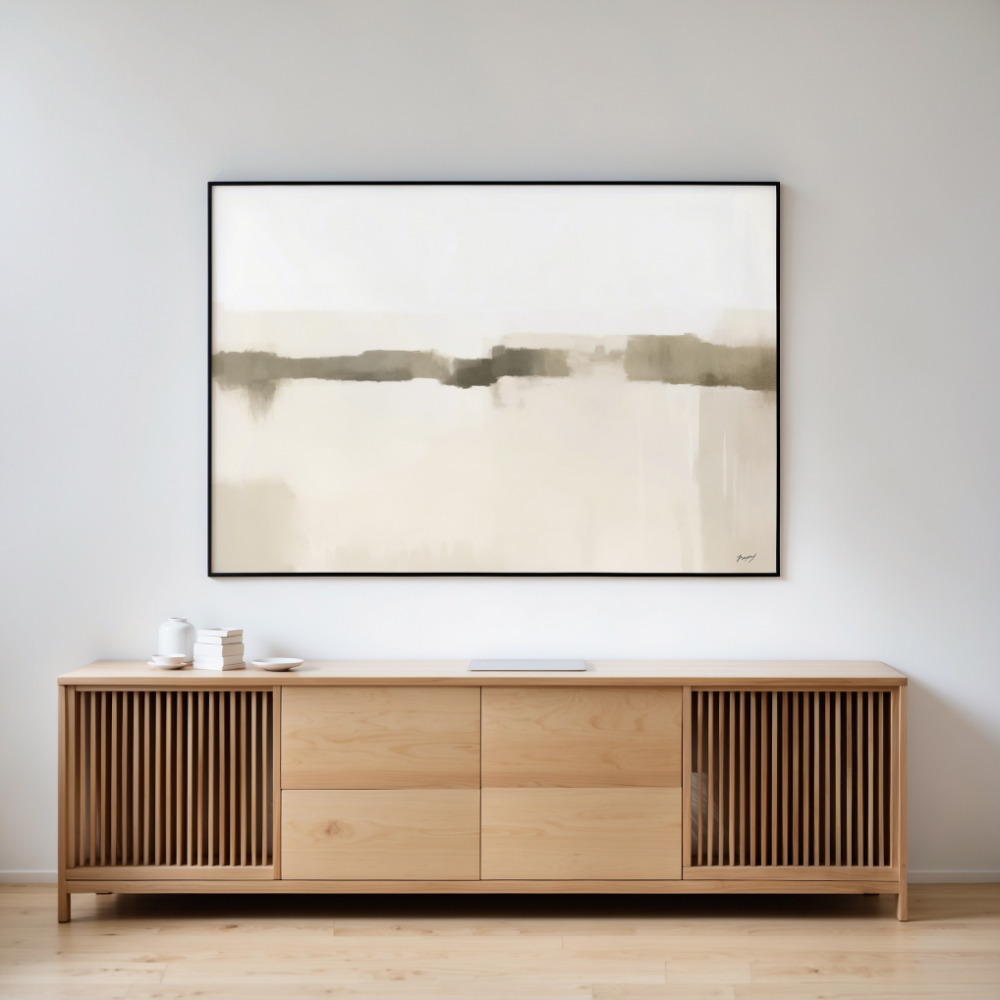
Understanding Japandi requires grasping its dual heritage. Japanese design principles emphasize wabi-sabi—finding beauty in imperfection and impermanence—alongside ma, the concept of negative space. Scandinavian design contributes hygge, that untranslatable feeling of cozy contentment, and a democratic approach to beauty that makes design accessible rather than precious. When these philosophies merge, you get spaces that honor craftsmanship, celebrate natural materials, and prioritize human comfort without excess. The Japandi aesthetic in wall art reflects this perfectly, favoring abstract forms, nature-inspired motifs, and muted palettes that complement rather than dominate a room.
This isn’t about following rigid rules—it’s about cultivating intentionality. Every object in a Japandi space should justify its presence either through function, beauty, or ideally both. This editing process can be liberating; you’re not filling rooms to avoid emptiness, you’re creating breathing room that lets your mind settle. The result feels distinctly modern yet timeless, a quality that keeps Japandi relevant while trend-driven styles come and go.
Japandi Living Room Essentials
The living room serves as the heart of Japandi design expression. Start with low-profile furniture in natural wood tones—walnut, oak, and ash work beautifully. A sleek sofa in neutral linen or bouclé provides comfort without bulk, while clean-lined coffee tables in wood or stone anchor the space. The key is maintaining visual lightness; even substantial pieces should have a certain delicacy in their proportions.
Floor seating elements like poufs or meditation cushions add flexibility and nod to Japanese tradition, while Scandinavian-style throws in chunky knits or soft wools introduce warmth. Lighting deserves special attention—paper lanterns (akari) bring Japanese sensibility, while simple ceramic or wood pendant lights channel Nordic restraint. Layer different light sources at varying heights to create ambiance without overwhelming the space. Task lighting should be unobtrusive, perhaps a slender floor lamp with a natural fiber shade positioned for reading.
When arranging your japandi living room, resist the urge to push everything against walls. Float furniture to create intimate conversation areas, leaving generous walkways that emphasize the spaciousness. Negative space isn’t wasted space in Japandi—it’s essential to the design’s success. Plants become sculptural elements here; a single fiddle leaf fig or a ceramic pot of bamboo can serve as a focal point, bringing life without clutter. Choose planters in earthy ceramics or simple concrete that complement your overall palette.
Creating a Japandi Bedroom Sanctuary
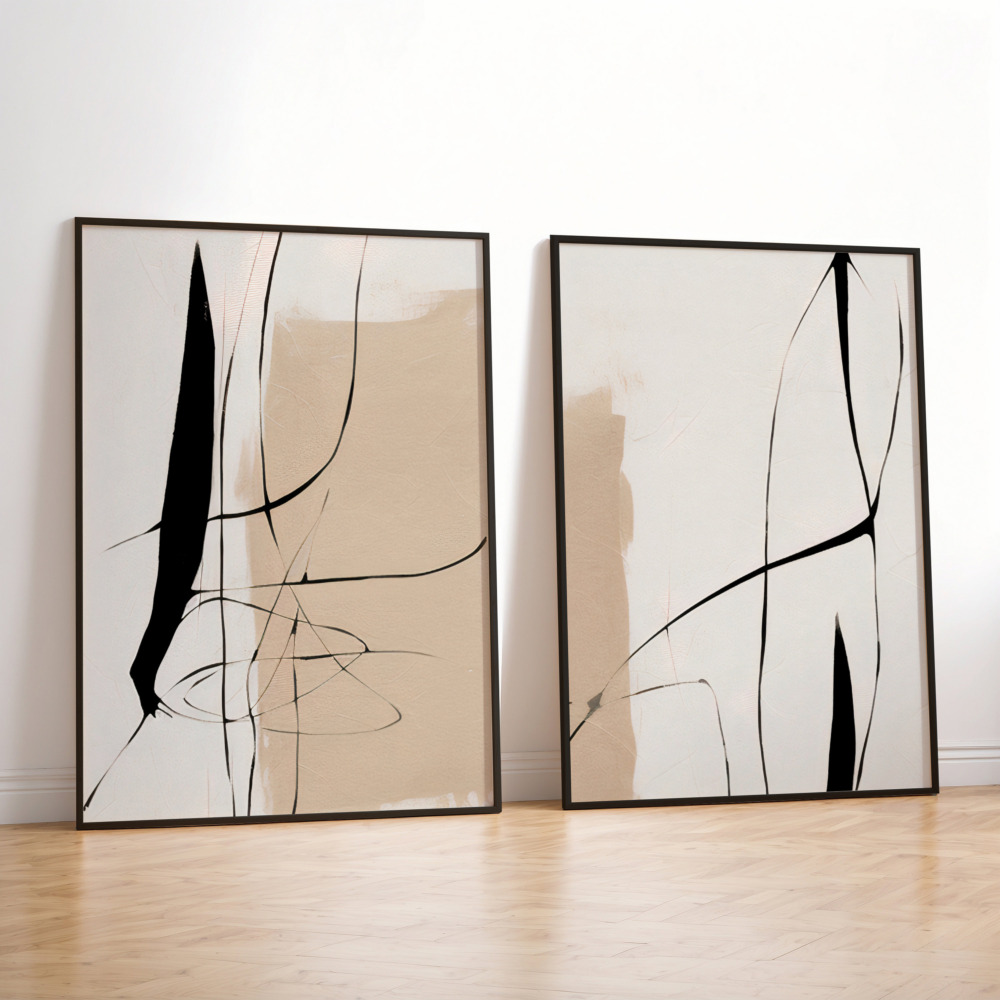
If any room deserves Japandi’s calming influence, it’s the bedroom. Start with a low platform bed in natural wood—something that suggests weightlessness despite its solid construction. Dress it in organic cotton or linen bedding in colors that whisper rather than shout: oatmeal, stone gray, warm white, or muted sage. Layer textures through your bedding choices—a chunky knit throw folded at the foot of the bed, linen duvet covers, and perhaps a single accent pillow in a darker charcoal.
Storage in a japandi bedroom should be concealed but accessible. Built-in wardrobes with flush doors maintain clean lines, while a simple wooden dresser with minimal hardware provides necessary function. Nightstands should be equally restrained—small floating shelves or slim side tables in matching wood tones work perfectly. Keep surfaces nearly bare; perhaps a small ceramic vase, a reading lamp, and nothing more. This isn’t about deprivation—it’s about creating a space where your mind can truly rest.
Window treatments should filter light softly. Avoid heavy drapes in favor of linen curtains, bamboo shades, or shoji-inspired screens that diffuse light beautifully while maintaining privacy. The quality of light in your bedroom profoundly affects its atmosphere, so invest in treatments that create the gentle, indirect illumination Japandi spaces are known for. Artwork should be minimal but meaningful—a single large piece above the bed or a diptych flanking a window. Japandi wall art collections often feature abstract landscapes, minimalist botanical prints, or subtle geometric compositions that enhance rather than disrupt the room’s tranquility.
Color Palette Mastery
The Japandi color story writes itself in nature’s quietest moments. Your foundation should consist of warm neutrals—think greige (that perfect gray-beige hybrid), mushroom, sand, and off-white. These aren’t boring; they’re sophisticated canvases that let texture and form shine. Add depth through darker accents in charcoal, deep brown, or black, which provide necessary contrast without jarring the eye. A well-placed black picture frame, dark ceramic vase, or charcoal throw pillow grounds a space in subtle ways.
Where many Japandi interpretations stumble is in maintaining warmth. Pure grays can read cold, so bias toward colors with warm undertones. If you introduce cooler tones, balance them with warmer elements—a cool gray wall might pair with warm oak furniture and rust-colored accents. Speaking of color accents, use them sparingly but deliberately. Muted terracotta, soft sage, dusty blue, or warm rust can appear in small doses through ceramics, textiles, or artwork without disrupting the overall calm.
Material Selection and Texture
Japandi’s visual interest comes largely from material choices rather than pattern or color variation. Wood is non-negotiable, but vary your wood tones slightly—perhaps lighter ash for flooring with richer walnut for furniture. Leave wood finishes natural or very lightly oiled; high-gloss lacquers feel wrong here. Stone and concrete contribute cool, mineral qualities that balance wood’s warmth. A concrete coffee table, stone bathroom countertops, or even concrete planters add contemporary edge while remaining natural.
Textiles introduce essential softness. Linen appears everywhere in Japandi homes—curtains, upholstery, bedding, even kitchen towels. Its slightly rumpled texture embodies wabi-sabi perfectly. Wool adds warmth through rugs and throws, while cotton should be organic and substantial, avoiding anything too precious or delicate. Ceramic and pottery should feel handmade even if they’re not, with visible throwing marks or glaze variations that celebrate the maker’s hand. Avoid anything too perfect or mass-produced looking.
Furniture Choices That Matter
Japandi furniture occupies a specific aesthetic space—clean-lined but not austere, comfortable but not overstuffed. Look for pieces with tapered legs that create visual lightness, gently rounded edges that soften geometric forms, and honest joinery that doesn’t hide construction. Scandinavian designers like Hans Wegner or Japanese makers like Isamu Noguchi epitomize this sensibility, though excellent contemporary pieces channel the same spirit at accessible price points.
Scale matters enormously. Even in larger rooms, avoid oversized furniture that dominates. Multiple smaller seating pieces create more interesting, flexible arrangements than one massive sectional. Keep furniture relatively low to the ground, which expands perceived ceiling height and creates a more grounded, contemplative atmosphere. Multi-functional pieces earn special place in Japandi design—a bench that provides seating and storage, a coffee table with a lower shelf, or a console that serves multiple rooms.
The Art of Display
How you display objects matters as much as what you display. Open shelving should look deliberately sparse, with generous space between items. Group objects in odd numbers (threes or fives) and vary heights for visual interest without crowding. A single beautiful object often makes more impact than a collection. Choose vessels and decorative pieces in natural materials—wood, ceramic, stone, rattan—and stick to your color palette. A small collection of pottery in graduated earth tones creates cohesion; a rainbow of unrelated objects creates chaos.
Books can be decorative but should be edited ruthlessly. Stack them horizontally in small piles rather than cramming shelves vertically. Their spines contribute pattern and color, so consider how they look together. Natural elements like driftwood, interesting stones, or dried botanicals bring organic beauty without permanent commitment—you can swap them seasonally without disrupting your design. Remember that negative space on shelves isn’t empty space; it’s visual rest that makes displayed objects more impactful.
Bringing Japandi Home
Transitioning to Japandi doesn’t require gutting your current space. Start by editing ruthlessly—remove anything that doesn’t serve a clear purpose or bring you genuine joy. This alone will shift your space toward Japandi sensibility. Next, evaluate your color palette; if things feel chaotic, introduce neutral textiles and remove jarring accent colors. Swap out busy patterns for solid textures. Replace overhead lighting with layered sources at different heights. These changes cost little but transform atmosphere significantly.
Invest gradually in quality pieces that embody Japandi principles rather than buying everything at once. A single perfect chair or beautifully crafted side table does more for your space than a room full of mediocre furnishings. When selecting Japandi art prints, choose pieces that speak to the aesthetic’s quietness—abstract nature studies, minimalist line drawings, or subtle geometric compositions in muted palettes. Frame them simply in natural wood or matte black, and hang them with plenty of breathing room around them.
The mistake many make is treating Japandi as purely aesthetic rather than philosophical. It’s not just about buying the right furniture or painting walls in fashionable neutrals. It’s about cultivating intentionality, respecting craftsmanship, and creating spaces that support calm and contemplation. When you understand this, Japandi transforms from a style you’re copying into a framework for making decisions about your home. Every choice becomes clearer: Does this object serve me? Does it bring beauty? Does it contribute to the peaceful atmosphere I’m creating? If the answer is no, it doesn’t belong, regardless of how trendy or expensive it might be.
Japandi interior design succeeds because it addresses something we all need—respite from overstimulation. In a world of constant digital noise and visual clutter, coming home to a space that prioritizes calm feels radically restorative. The style’s endurance suggests it’s more than a trend; it’s a thoughtful response to how we want to live. By embracing its principles of quality, restraint, and natural beauty, you create not just a stylish home, but a sanctuary that supports your wellbeing in tangible ways. And that’s something no passing trend can offer.