There’s something magnetic about Scandinavian interior design that makes you pause mid-scroll through Pinterest. Those effortlessly curated spaces with their clean lines, muted palettes, and inviting warmth seem to achieve what most of us struggle with: a home that feels both sophisticated and lived-in. The secret isn’t expensive furniture or a complete renovation—it’s understanding the fundamental principles that make Nordic interiors work. Whether you’re drawn to Nordic art prints or simply want to create a calmer living space, mastering Scandinavian style is more accessible than you think.
Scandinavian interior design emerged from the harsh Nordic climate and long, dark winters of Denmark, Norway, Sweden, Finland, and Iceland. This geographical context shaped every design decision: maximize natural light, create warmth through texture, and prioritize function without sacrificing beauty. The result is a design philosophy that feels especially relevant today, when our homes serve as workspaces, sanctuaries, and gathering places all at once.
The Core Principles of Scandi Style Home Design
Understanding Scandinavian home decor starts with grasping its foundational principles. Unlike trends that come and go, these concepts have remained consistent for decades because they’re rooted in genuine lifestyle needs rather than aesthetic whims.
First, functionality reigns supreme. Every piece in a Nordic interior serves a purpose—preferably multiple purposes. That beautiful wooden bench isn’t just seating; it’s storage, a display surface, and a room divider. This isn’t minimalism for minimalism’s sake; it’s intentional curation born from smaller living spaces and a cultural appreciation for quality over quantity.
Second, light becomes a design element itself. With winter days offering only a few hours of sunlight, Scandinavian homes are engineered to capture and amplify every ray. White walls act as reflective surfaces, sheer curtains filter rather than block windows, and mirrors strategically bounce light into darker corners. Artificial lighting layers warmly throughout—think multiple small lamps creating pools of hygge decor rather than harsh overhead fixtures.
Third, nature infiltrates every room. This biophilic connection isn’t just about houseplants (though those help). It’s visible in raw wood furniture, stone accents, wool textiles, and linen fabrics. The color palette itself mimics Nordic landscapes: whites of snow, grays of stone, greens of pine forests, and blues of coastal waters.
Creating Your Color Palette: Beyond All-White Rooms
The stereotype of Scandinavian design as sterile white rooms is outdated and frankly boring. While white serves as the foundation, contemporary Nordic interior style embraces a sophisticated range of neutrals and carefully selected accent colors.
Start with your whites, but be specific. Scandinavian whites lean warm—think cream, off-white, and greige rather than stark clinical white. These softer tones prevent the coldness that pure white can create, especially in rooms with limited natural light.
Layer in earthy neutrals: warm grays, taupes, beiges, and soft browns. These create depth and prevent the dreaded ‘waiting room’ feeling. Your larger furniture pieces typically fall into this category—sofas in oatmeal linen, dining tables in light oak, area rugs in natural wool.
Then add your nature-inspired accents. Muted greens (sage, eucalyptus, moss), dusty blues (slate, powder, denim), and warm terracottas bring personality without overwhelming the space. Introduce these through Nordic botanical art prints, throw pillows, ceramics, and textiles.
Black serves as the punctuation mark in Scandinavian interiors. A black metal pendant light, matte black cabinet hardware, or a slim black picture frame creates contrast and prevents spaces from feeling washed out. Use it sparingly but deliberately.
Furniture Selection: Form Meets Function
Scandinavian furniture design has influenced global trends for good reason—it works. The pieces are beautiful enough to be statement items yet practical enough for daily life. When selecting furniture for your scandi style home, certain characteristics consistently appear.
Look for clean lines and organic shapes. Scandinavian furniture avoids fussy ornamentation, instead letting the natural beauty of materials shine. A dining chair might have a simple silhouette but features stunning woodgrain or a beautifully curved backrest. The details matter, but they’re subtle rather than shouty. For a bolder take on the same idea, our guide to silhouette art shows how a single dark form can anchor a whole wall.
Invest in quality wood pieces, particularly in light woods like oak, ash, birch, and beech. These warm-toned woods prevent the space from feeling cold while maintaining the airy, light quality essential to Nordic interior design. Look for pieces that show the natural character of the wood—visible grain, slight color variations, and honest construction.
Choose multifunctional pieces whenever possible. Storage ottomans, extendable dining tables, modular shelving systems, and beds with built-in drawers maximize functionality without cluttering your space. This practical approach reflects the Scandinavian value of living well within your means and space constraints.
Don’t forget vintage and secondhand finds. Scandinavian design has such timeless appeal that mid-century pieces mix seamlessly with contemporary items. Hunting for vintage Scandinavian furniture adds character while being more sustainable—another core Nordic value.
Textiles and Texture: The Hygge Factor
If Scandinavian design were only about clean lines and neutral colors, it would feel cold and unwelcoming. The magic happens when you layer in textiles and textures that create warmth—this is where hygge decor comes alive.
Natural fibers dominate: linen, cotton, wool, sheepskin, and jute. These materials not only look beautiful but feel wonderful to touch, which matters when you’re spending long winter evenings indoors. A chunky knit throw draped over a sofa, linen curtains filtering afternoon light, or a sheepskin rug beside the bed—these tactile elements transform a room from showroom to sanctuary.
Layer your textiles thoughtfully. A typical Scandinavian living room might feature a linen sofa with wool throw pillows in varying textures, a cotton throw blanket, and a jute rug underneath. The monochromatic color scheme prevents this layering from feeling busy, while the texture variation creates visual interest.
Don’t underestimate the power of a good rug. In Scandinavian homes, rugs define spaces, add warmth to wood floors, and contribute acoustic softening in rooms with minimal soft furnishings. Natural fiber rugs in jute or wool work beautifully, as do vintage kilims in muted colors.
Window treatments should filter rather than block light. Sheer linen or cotton curtains maintain privacy while allowing precious daylight to flow through. In bedrooms, you might add a second layer of heavier curtains for darkness when needed, but keep them simple and unfussy.
The Evolution of Nordic Style
Scandinavian interior design isn’t static—it continues evolving while maintaining its core principles. Understanding how Scandinavian design evolved helps you incorporate contemporary interpretations while staying true to the aesthetic’s foundation.
Recent years have seen Scandinavian design embrace more color, pattern, and personality. While the foundation remains neutral, designers increasingly incorporate bolder accent walls in deep greens or terracottas, patterned tiles in kitchens and bathrooms, and statement lighting fixtures that become art pieces themselves.
The Japandi trend merges Scandinavian and Japanese design principles, creating spaces that feel even more serene and intentional. This fusion emphasizes craftsmanship, natural materials, and the beauty of imperfection—concepts that resonated strongly with both design philosophies.
Sustainability has become even more central to Nordic interior choices. Scandinavian designers and homeowners prioritize eco-friendly materials, support local artisans, choose durable pieces over disposable items, and embrace vintage and secondhand furniture. This environmental consciousness aligns perfectly with the less-is-more mentality already inherent in the style.
Lighting Your Space the Scandinavian Way
Lighting makes or breaks a Scandinavian interior. The Nordic approach to illumination differs fundamentally from many other design styles, creating the warm, inviting atmosphere that defines hygge.
Maximize natural light first. Keep windows unobstructed, use mirrors to reflect light deeper into rooms, and choose furniture arrangements that don’t block light pathways. If privacy allows, skip heavy window treatments altogether or opt for minimal solutions like sheer curtains or simple roller blinds.
Layer your artificial lighting with multiple sources at different heights. Instead of relying on a single overhead fixture, create a lighting plan with table lamps, floor lamps, wall sconces, and perhaps a statement pendant over the dining table. This approach allows you to adjust lighting for different moods and times of day.
Choose warm-toned bulbs (2700K-3000K) that create a cozy glow rather than harsh, cool-toned light. The quality of light dramatically affects how your neutral color palette reads—warm light makes grays and whites feel inviting rather than institutional.
Invest in beautiful lighting fixtures. Scandinavian lighting design is exceptional, with iconic pieces from brands like Louis Poulsen, Muuto, and Flos. These fixtures serve as functional art pieces—sculptural forms that become focal points even when not illuminated.
Art and Accessories: The Finishing Touches
Scandinavian home decor accessories follow the ‘less is more’ principle, but the pieces you do include should be meaningful and beautiful. This is where you inject personality while maintaining the clean, uncluttered aesthetic.
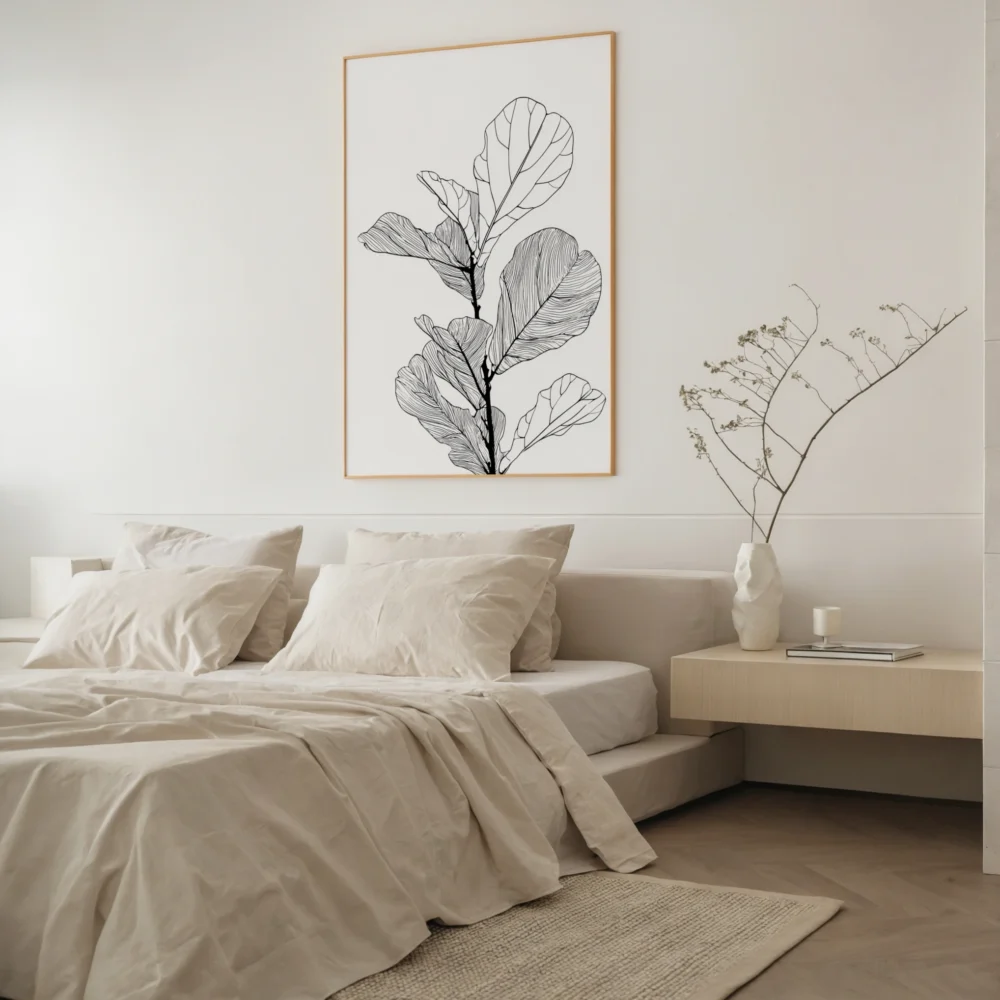
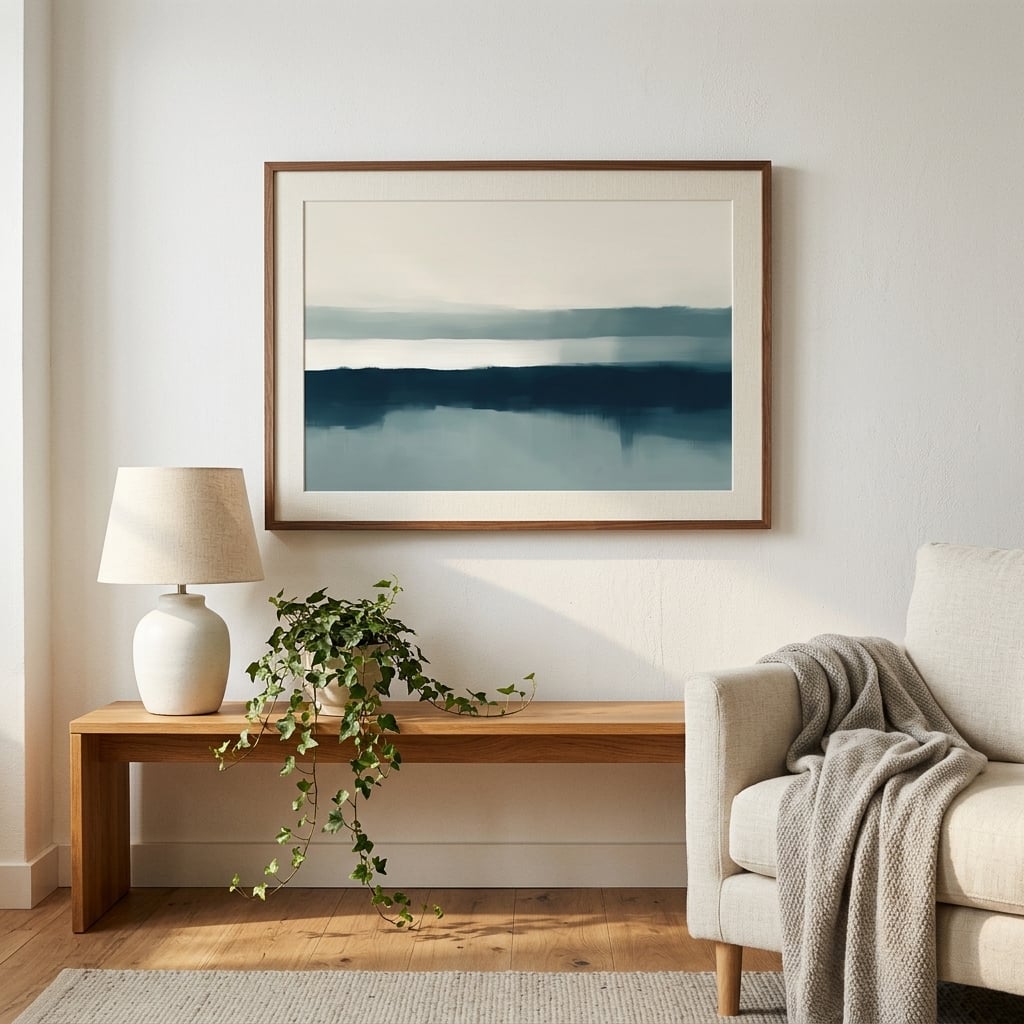
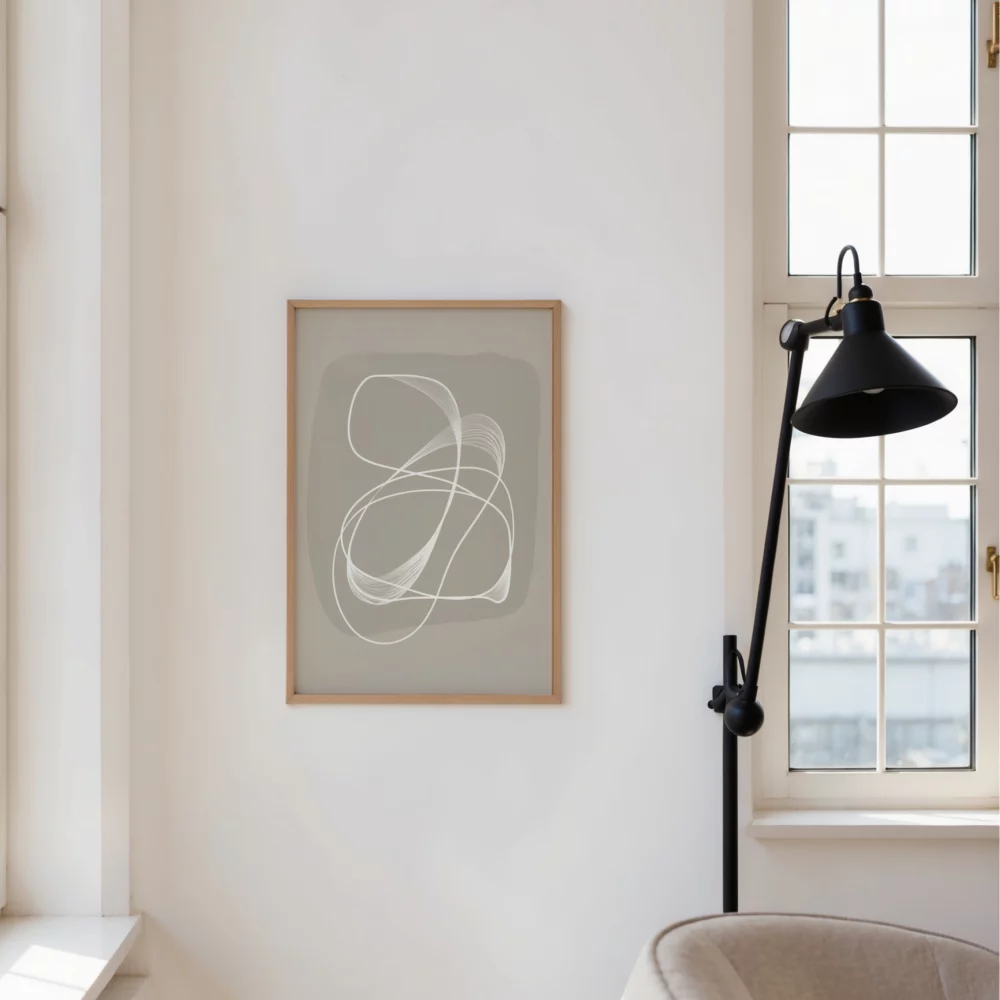
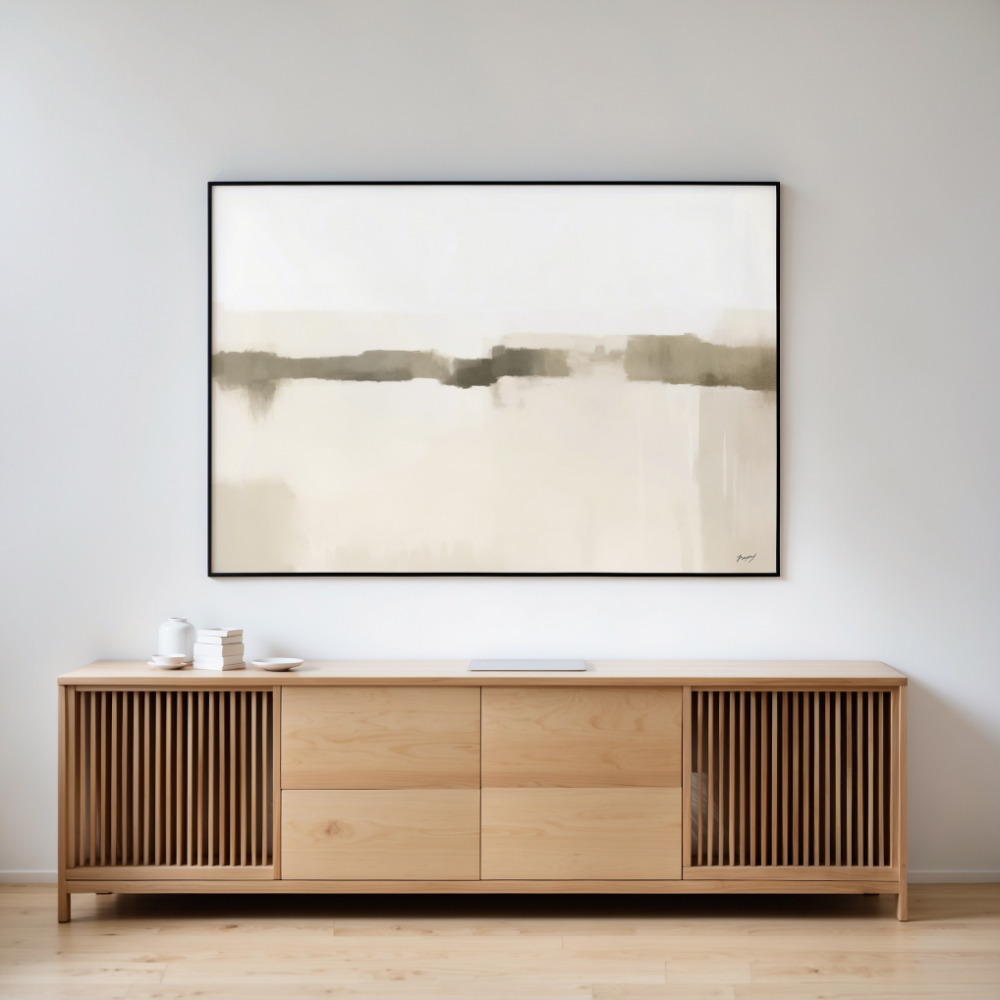
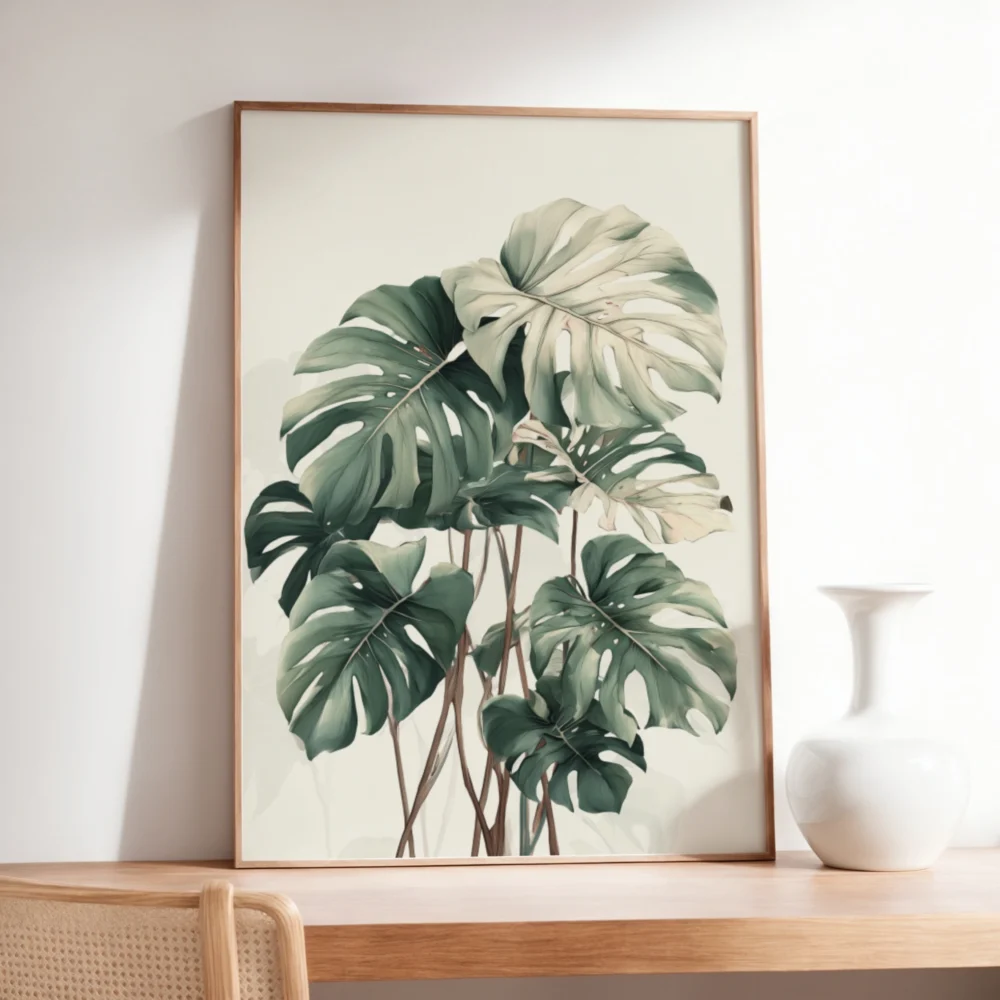
Wall art provides an opportunity for personal expression within the Nordic palette. Nordic art prints featuring botanical subjects, abstract forms, landscapes, or minimal line drawings work beautifully. Gallery walls can work if you maintain a cohesive color story and use matching frames—typically slim wood or black metal frames.
Ceramics and pottery add organic shapes and artisanal character. Handmade vessels in neutral glazes, whether functional or purely decorative, bring warmth and texture to shelving and surfaces. Scandinavian ceramics often feature simple forms that highlight the beauty of the material itself.
Plants bridge interior and exterior, bringing life and color into your space. Beyond the aesthetic contribution, houseplants improve air quality and create a connection to nature—essential when winter weather keeps you indoors. Choose simple planters in terracotta, concrete, or ceramic that complement rather than compete with the plants themselves.
Books displayed on open shelving or coffee tables add personality and color. Scandinavians are avid readers, and books aren’t hidden away—they’re part of the living space. Arrange them by color for visual harmony or mix orientations for a more relaxed feel.
Making Scandinavian Design Work in Your Home
You don’t need to start from scratch or live in Scandinavia to achieve this aesthetic. Scandinavian interior design adapts beautifully to different climates, architectural styles, and budgets. Start with small changes that align with the core principles: declutter surfaces, introduce natural materials, improve your lighting, and bring in plants.
Paint is the most impactful and affordable transformation. A fresh coat of warm white immediately brightens and freshens any space. Follow with gradual furniture upgrades, prioritizing quality pieces that will last decades over trendy items that’ll need replacing in a few years.
Remember that Scandinavian style isn’t about perfection—it’s about creating a functional, beautiful home that supports how you actually live. The goal is comfort, simplicity, and connection to the people and environment around you. That’s a design philosophy that never goes out of style.