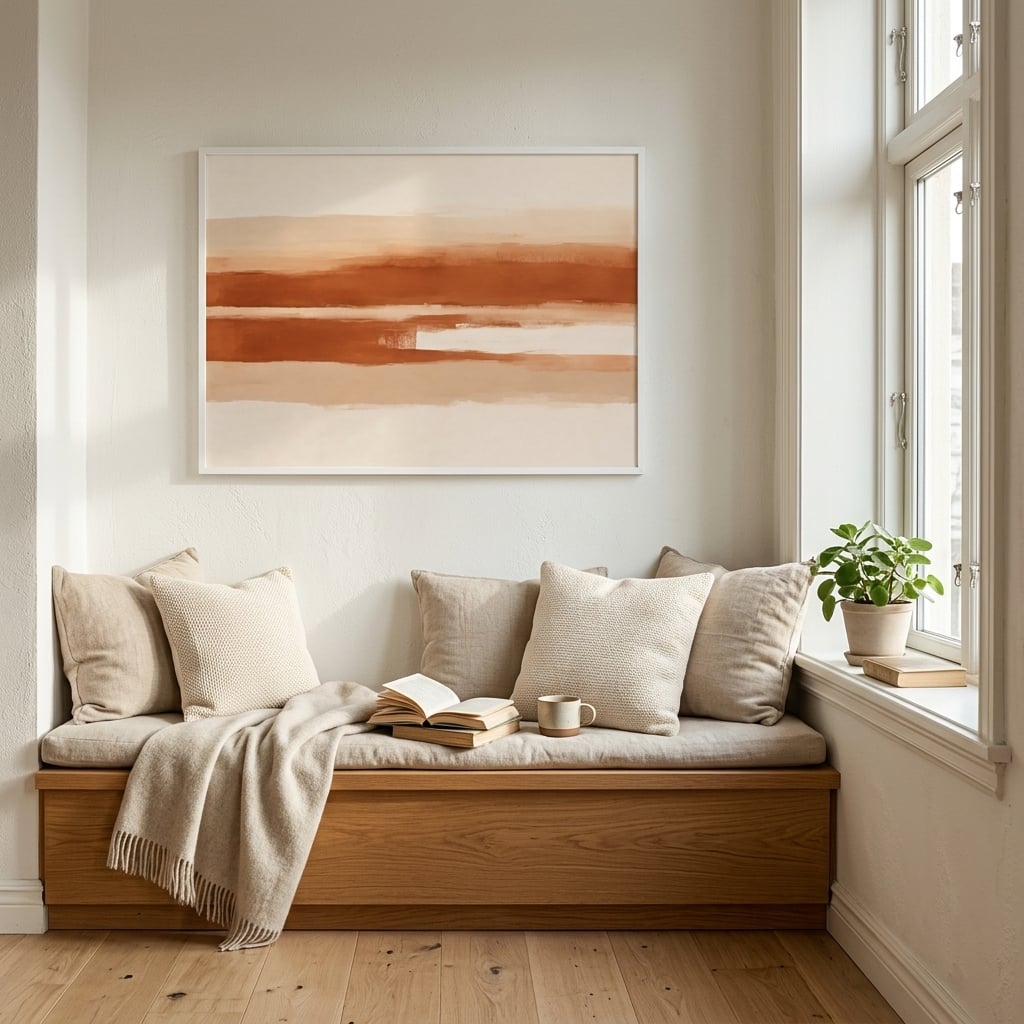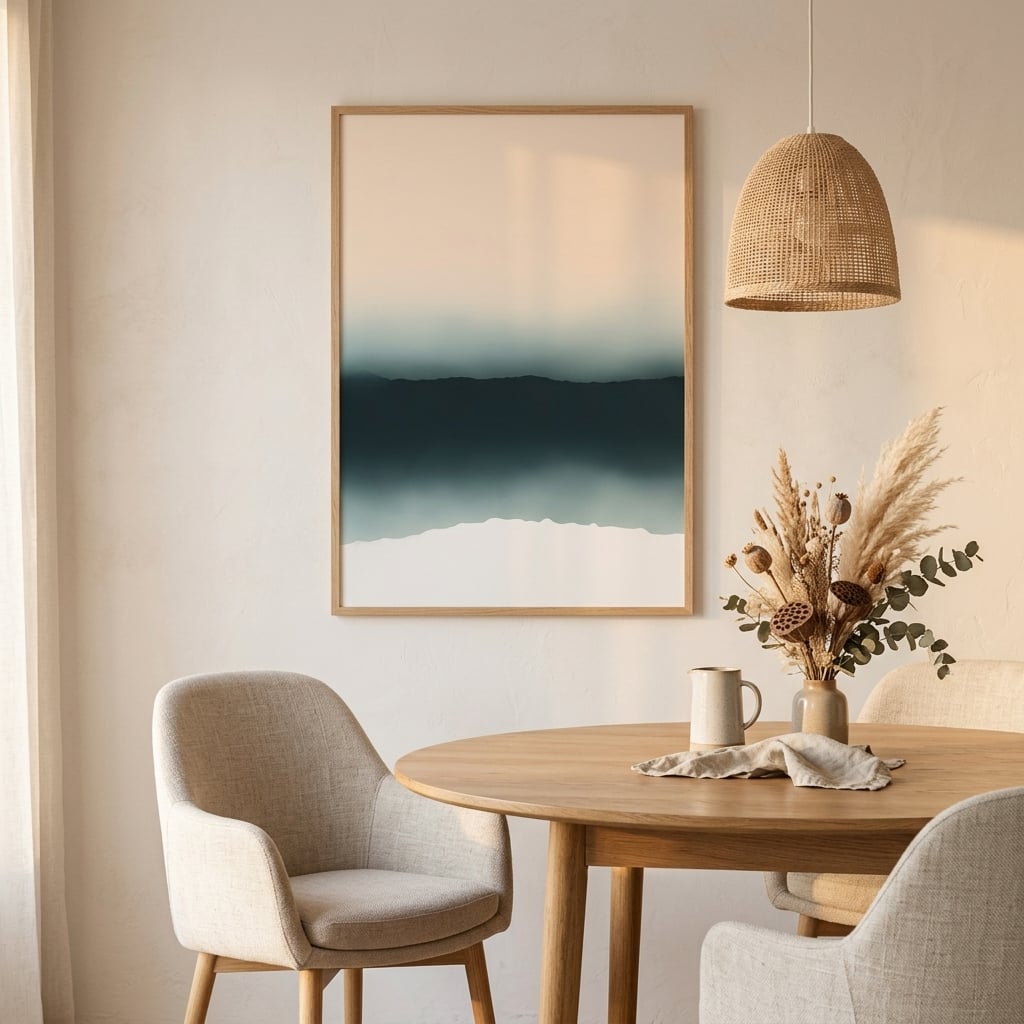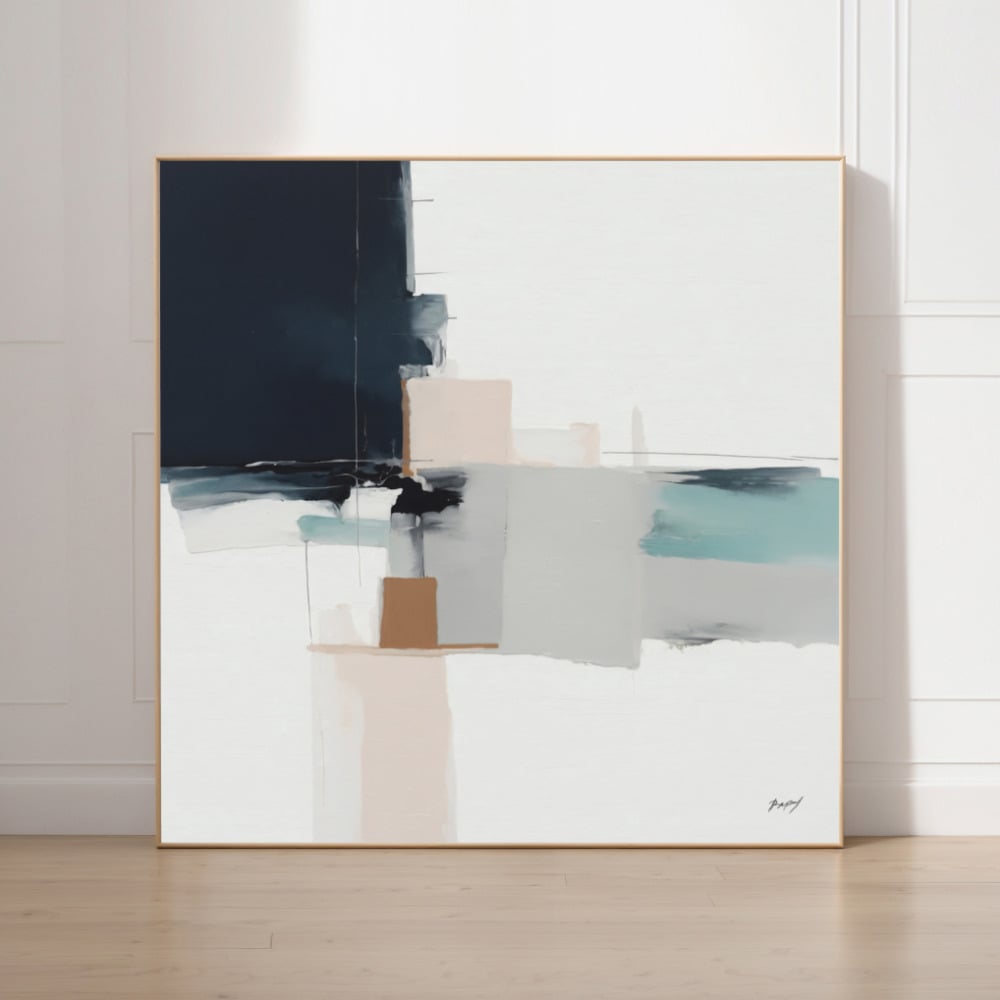
There’s something undeniably magnetic about mid-century modern art prints. They possess a timeless quality that transcends fleeting design trends, anchoring contemporary spaces with a sense of sophisticated nostalgia. Whether you’re a seasoned collector or just beginning to explore the world of mid-century modern wall art, understanding what makes these pieces so enduring is key to curating a space that feels both classic and current.
The mid-century modern movement, roughly spanning from the 1940s to the 1960s, introduced a radical departure from the ornate designs that preceded it. Clean lines, organic forms, and a bold embrace of abstraction defined this era. Today, these aesthetic principles continue to resonate with homeowners, interior designers, and art enthusiasts who appreciate the perfect balance between minimalism and visual impact. The beauty of mid-century modern art prints lies in their ability to complement virtually any interior style while maintaining their distinctive character.
The Defining Characteristics of Mid-Century Modern Wall Art
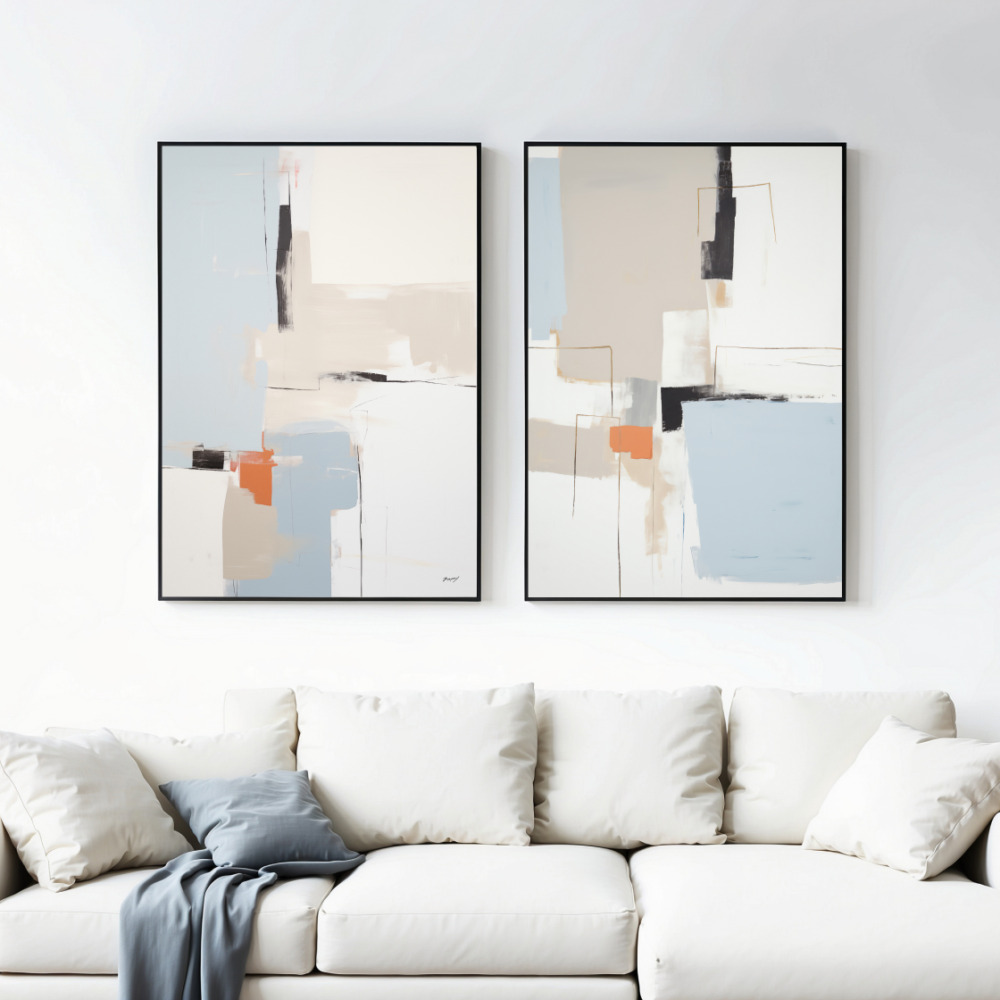
What exactly makes a print qualify as mid-century modern? The answer lies in several distinctive visual elements that define this beloved aesthetic. First and foremost, you’ll notice an emphasis on geometric shapes—circles, rectangles, triangles, and irregular organic forms that create visual interest without overwhelming the senses. These geometric compositions often feature bold color palettes dominated by mustard yellows, burnt oranges, avocado greens, and teal blues, punctuated by neutrals like beige, brown, and black.
The mid-century aesthetic also embraces a sense of playful experimentation. Artists of this era weren’t afraid to juxtapose contrasting elements—combining angular geometric forms with flowing organic shapes, or pairing saturated colors with generous amounts of negative space. This willingness to take risks while maintaining compositional balance is what gives retro art prints their enduring appeal. The result is artwork that feels simultaneously energetic and restful, bold yet refined.
Another hallmark of authentic mid-century modern design is its democratic approach to art. The movement coincided with advances in printing technology that made high-quality reproductions accessible to the masses. This democratization of design meant that beautiful, well-designed artwork could grace the walls of everyday homes, not just museums and galleries. Today’s vintage modern prints continue this tradition, offering affordable ways to bring sophisticated design into any space.
Why Mid-Century Modern Aesthetics Work in Contemporary Spaces
The enduring popularity of MCM decor isn’t merely nostalgia-driven—there are practical and aesthetic reasons why these designs continue to thrive in modern interiors. The clean lines and uncluttered compositions of mid-century modern art prints align perfectly with today’s preference for minimalist, Scandinavian-inspired interiors. Yet unlike stark minimalism, mid-century pieces inject warmth, personality, and visual interest into a space.
Contemporary open-plan living demands artwork that can hold its own in large, flowing spaces without creating visual chaos. Mid-century modern wall art excels in this regard. The bold shapes and confident use of color create strong focal points that anchor a room, while the underlying simplicity prevents the space from feeling cluttered or overwhelming. This balance is particularly valuable in today’s homes, where multi-functional spaces need to feel cohesive yet dynamic.
Furthermore, the color palettes associated with mid-century design have proven remarkably versatile. The earthy tones and jewel-toned accents complement both warm and cool color schemes. Whether your space features contemporary greys and whites, warm natural woods, or bold accent colors, mid-century modern art prints can bridge these elements together. The vintage modern aesthetic serves as a sophisticated neutral that enhances rather than competes with your existing decor.
Incorporating Retro Art Prints into Different Room Settings
One of the greatest strengths of mid-century modern art prints is their adaptability across various rooms and settings. In living rooms, larger statement pieces or gallery wall arrangements create conversation-starting focal points above sofas or mantels. The bold geometric patterns draw the eye while maintaining the clean, uncluttered feel that makes spaces feel larger and more inviting. Consider pairing black and white geometric prints with colorful mid-century pieces to create dynamic visual contrast.
Bedrooms benefit from the calming yet interesting quality of mid-century aesthetics. Organic abstract forms in muted earth tones can create a serene atmosphere conducive to rest, while still providing visual sophistication. The key is selecting pieces that speak to your personal aesthetic without overwhelming the space’s primary function as a retreat.
Home offices and study spaces particularly benefit from the intellectual heritage of mid-century design. The movement’s connection to the optimistic, forward-thinking spirit of the post-war era can inspire creativity and productivity. Geometric patterns and abstract compositions stimulate the mind without causing distraction—a perfect balance for spaces where focus is essential.
Color Palettes and Styling Tips for MCM Decor
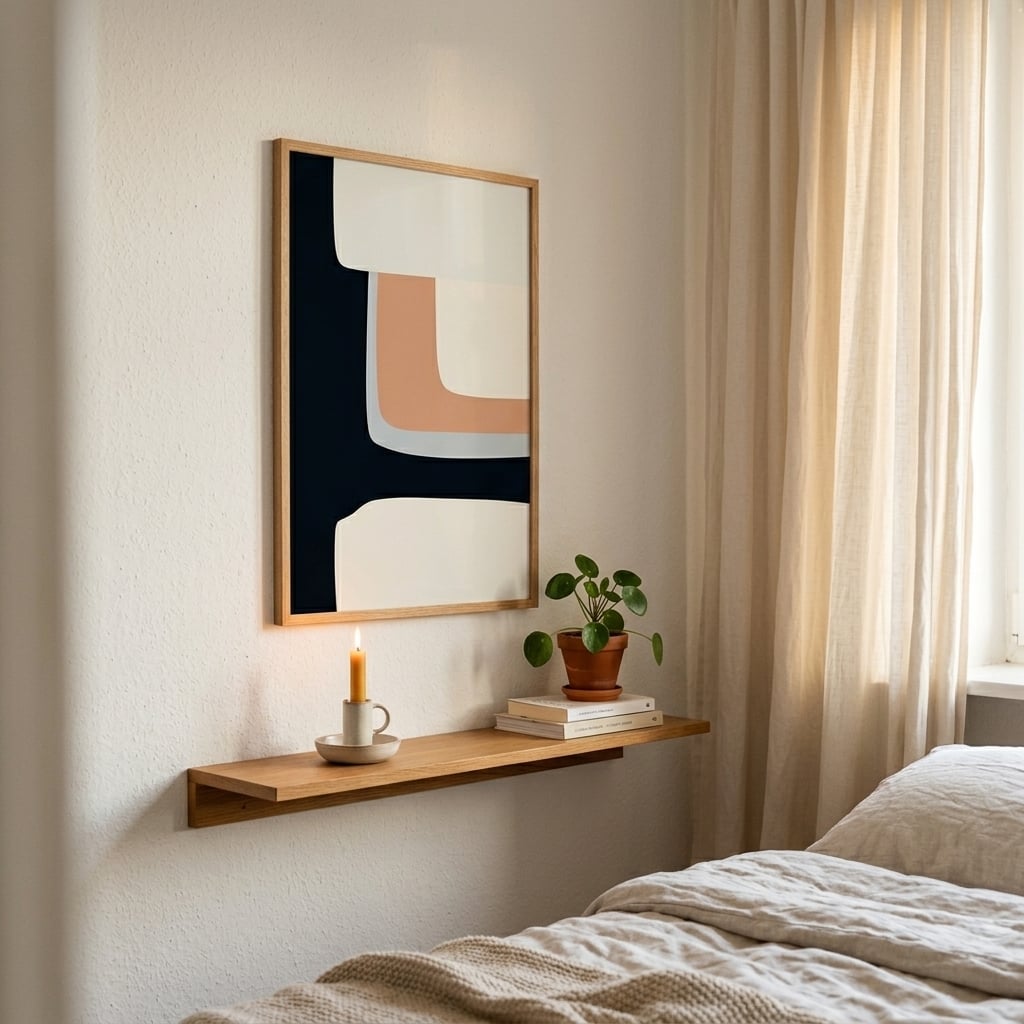
Successfully incorporating mid-century modern art prints requires understanding the color theory behind this iconic aesthetic. The classic mid-century palette draws heavily from nature—think burnt sienna, olive green, goldenrod yellow, and rust orange. These warm, earthy tones create inviting spaces that feel grounded and comfortable. However, mid-century design also embraced bold accent colors like turquoise, coral, and chartreuse, which add unexpected pops of energy.
When styling your space with retro art prints, consider the 60-30-10 rule. Let 60% of your room be a neutral base, 30% a secondary color, and 10% accent colors pulled from your artwork. This approach allows your mid-century modern prints to shine while maintaining visual harmony. If your prints feature bold oranges and teals, echo these colors subtly in throw pillows, rugs, or decorative objects throughout the space.
Don’t feel constrained by period-specific furniture and accessories. One of the most exciting aspects of contemporary MCM decor is the mixing of eras and styles. Mid-century modern art prints look stunning against industrial exposed brick, complement Scandinavian-inspired furniture beautifully, and can even add warmth to ultra-modern minimalist spaces. The key is maintaining balance—let the prints provide the vintage element while keeping other aspects of the room more contemporary.
Framing and Display Considerations
The presentation of your mid-century modern wall art significantly impacts its overall effect. During the mid-century period, simple frames were preferred—thin wooden frames in teak, walnut, or light oak, or minimalist metal frames. These unobtrusive frames let the artwork take center stage, a principle worth following today. Avoid ornate, heavily decorated frames that would clash with the clean aesthetic of the prints themselves.
Gallery wall arrangements offer an excellent way to display multiple vintage modern prints together. The key to successful mid-century gallery walls is maintaining consistent spacing and creating visual balance through thoughtful arrangement. Mix different sizes while keeping a cohesive color story or theme. Consider arranging prints in geometric patterns themselves—grid layouts or asymmetrical arrangements that echo the geometric principles within the artwork.
For maximum impact, consider the viewing height and lighting of your prints. The center of your artwork should generally be at eye level, approximately 57-60 inches from the floor. Natural lighting brings out the subtle nuances in color, but avoid direct sunlight which can fade prints over time. For evening ambiance, picture lights or adjustable track lighting can highlight your mid-century modern art prints dramatically.
Authentic Versus Reproduction: Making Informed Choices
The market for mid-century modern art includes both vintage originals and contemporary reproductions, each with distinct advantages. Original prints from the mid-century period carry historical significance and potential investment value, but they can be expensive and difficult to source. Contemporary reproductions of iconic designs or new works in the mid-century style offer affordability and accessibility while maintaining the aesthetic qualities that make this style so appealing.
When selecting retro art prints, quality matters regardless of whether you’re choosing vintage or new. Look for prints produced using high-quality materials and printing techniques. Archival-quality paper and fade-resistant inks ensure your investment will look beautiful for years to come. Digital printing technology has advanced to the point where reproductions can achieve remarkable color accuracy and detail.
Consider supporting contemporary artists working within the mid-century modern tradition. Many talented designers create new works that honor the aesthetic principles of the movement while bringing fresh perspectives and modern sensibilities. This approach allows you to embrace the mid-century aesthetic while supporting living artists and ensuring your space doesn’t feel like a museum recreation.
Building a Cohesive Collection Over Time
Creating a meaningful collection of mid-century modern art prints is a journey rather than a destination. Start by identifying which aspects of the aesthetic resonate most strongly with you. Are you drawn to the organic abstract expressionism of the era, or do you prefer strict geometric compositions? Do you gravitate toward the warm earth-tone palette or the bolder, more saturated color combinations?
Begin with one or two statement pieces that establish the foundation of your collection. These anchor prints should reflect your core aesthetic preferences and work within your existing space. As you expand your collection, look for pieces that complement rather than duplicate your existing prints. Variation in composition, color intensity, and scale creates a more dynamic and visually interesting collection.
Remember that your collection should evolve with your space and personal taste. The beauty of mid-century modern art prints lies in their flexibility—they can be rearranged, moved between rooms, or rotated seasonally to keep your space feeling fresh. This adaptability makes them an excellent long-term investment in your home’s aesthetic.
The continued relevance of mid-century modern aesthetics speaks to something fundamental in human design preferences—the desire for beauty that is simultaneously simple and sophisticated, familiar yet surprising. By understanding the principles behind this enduring style and thoughtfully incorporating vintage modern prints into your space, you create environments that feel both timeless and thoroughly contemporary. Whether you embrace the full retro aesthetic or selectively incorporate mid-century elements into an eclectic mix, these iconic designs offer endless possibilities for personal expression and visual delight.