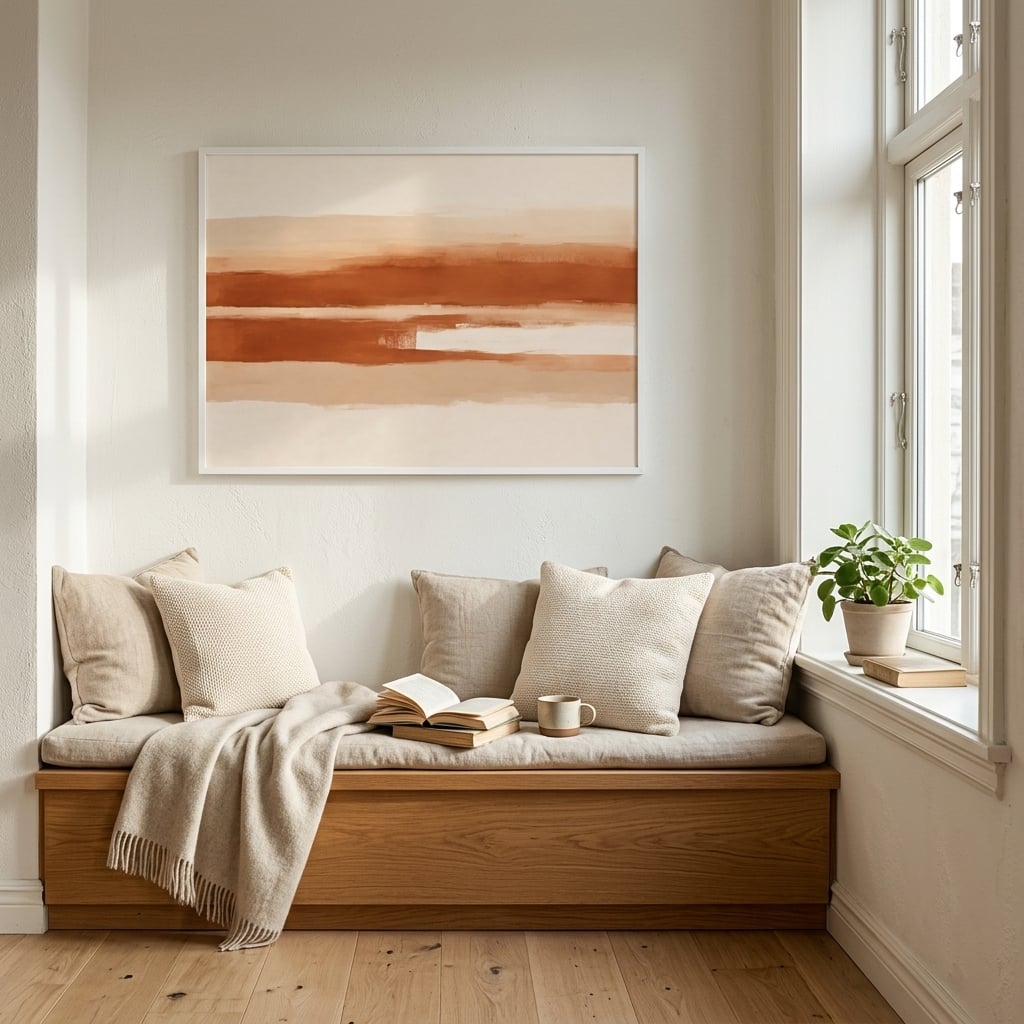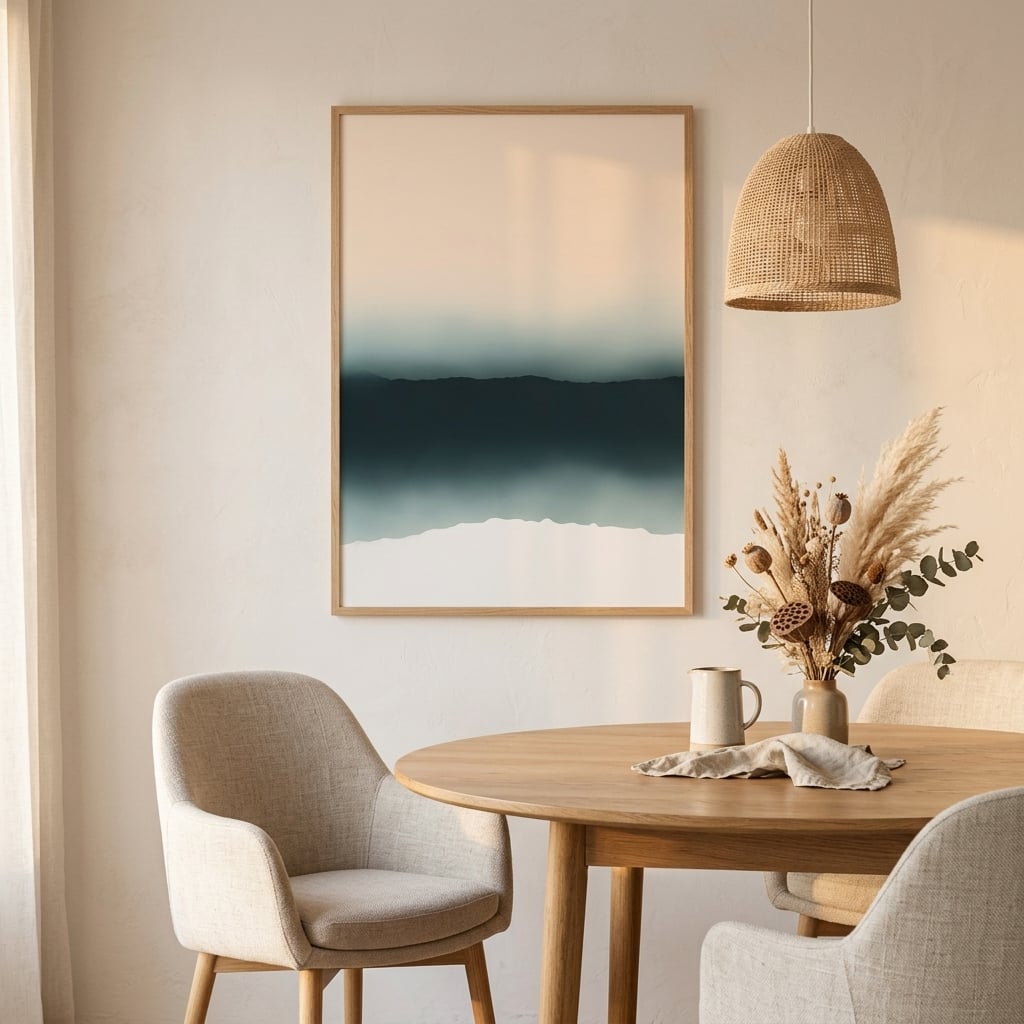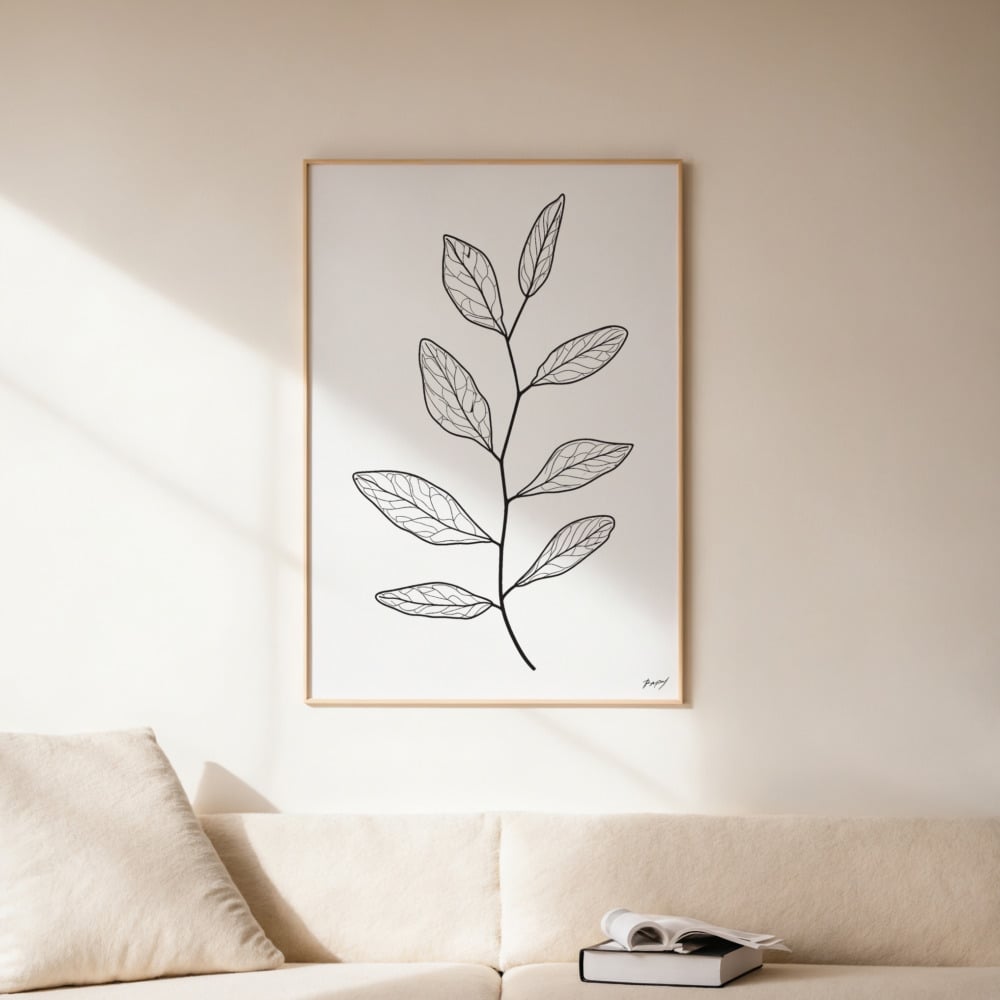
Botanical wall art has secured its place as one of the most enduring and versatile decor choices available. Unlike fleeting trends that fade within seasons, plant-inspired artwork brings timeless elegance that works across every design aesthetic—from minimalist modern spaces to cozy traditional homes. If you’re considering adding greenery to your walls without the maintenance hassle, botanical prints offer the perfect solution. This comprehensive guide explores everything you need to know about selecting, styling, and displaying botanical art to create spaces that feel both sophisticated and naturally inviting.
The appeal of botanical art decor extends beyond mere aesthetics. These nature-inspired pieces create an immediate connection to the outdoors, promoting calmness and wellbeing in our indoor environments. Research consistently shows that incorporating natural elements into interior spaces reduces stress and improves mood—making botanical prints not just beautiful, but beneficial. Whether you’re drawn to detailed vintage illustrations, contemporary leaf prints, or abstract plant interpretations, there’s a botanical style that perfectly matches your vision.
Understanding Different Botanical Art Styles
Before diving into styling techniques, it’s essential to understand the various types of plant art prints available. Classic botanical illustrations feature scientifically accurate depictions of plants, often with roots, stems, leaves, and flowers meticulously detailed. These vintage-inspired pieces work beautifully in traditional and eclectic spaces, bringing an air of scholarly sophistication. Many contemporary designers are embracing black and white botanical prints for their clean, graphic quality that complements modern interiors without overwhelming the space.
How to Style Botanical Prints in Modern Spaces
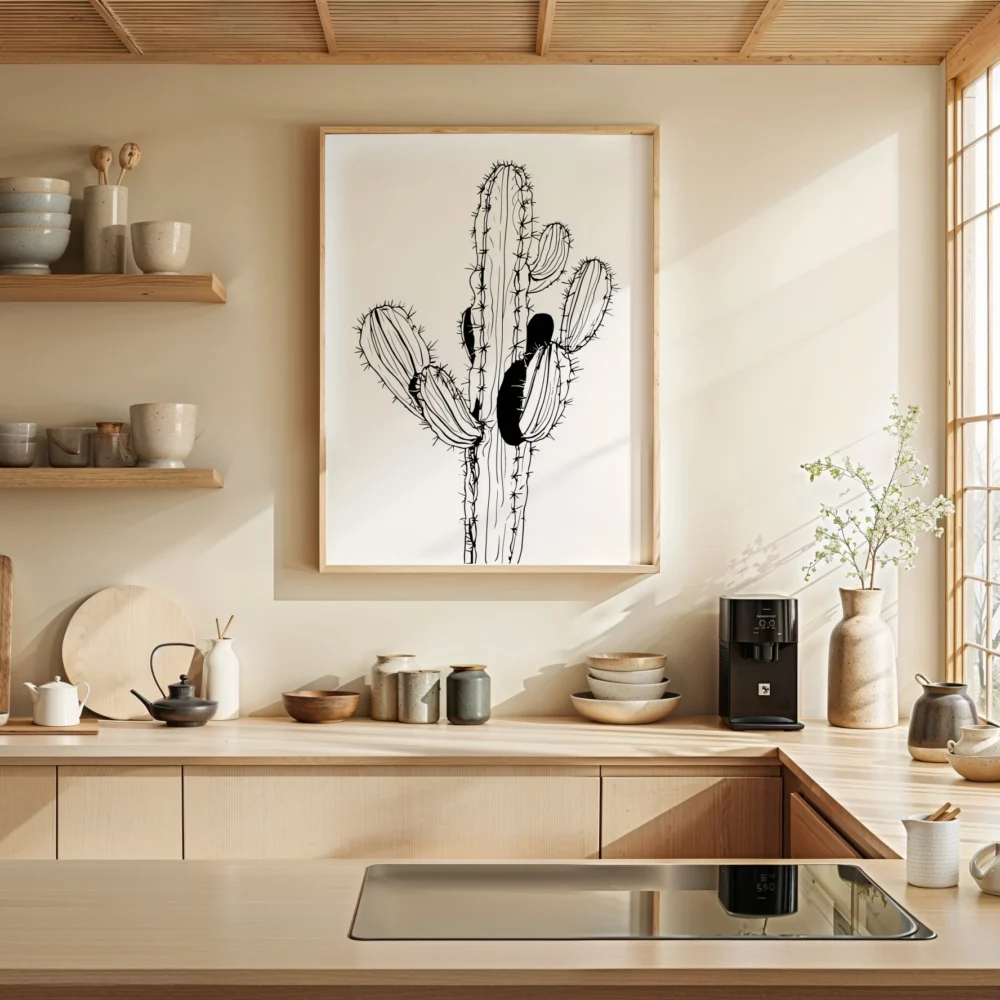
Modern interiors thrive on simplicity and intentional design choices. When learning how to style botanical prints in contemporary settings, start with monochromatic pieces that maintain the clean aesthetic modern design demands. Single large-scale leaf prints create dramatic focal points, particularly when mounted in sleek black or natural wood frames. The key is restraint—choose one substantial piece or a carefully curated pair rather than crowding walls with multiple smaller prints. If you are unsure how large to go, our guide on what size wall art maps print dimensions to real wall and furniture sizes.
For open-concept spaces, botanical art decor serves as a unifying element that subtly defines different zones without creating visual barriers. A large monstera leaf print above the sofa connects to smaller fern illustrations in the dining area, creating flow while maintaining distinct spaces. Consider the negative space around your artwork as carefully as the prints themselves—modern design relies on breathing room to prevent visual clutter.
Creating Gallery Walls with Plant Art Prints
Gallery walls offer endless possibilities for showcasing botanical collections. The most successful arrangements balance variety with cohesion. Start by selecting a unifying element—perhaps all black and white prints, or pieces that share a similar color palette. Mix different plant types and illustration styles while maintaining consistent framing to create visual interest without chaos. Explore more in our black and white prints collection.
The golden rule for gallery wall spacing: maintain 2-3 inches between frames. This creates a collected, intentional look rather than a scattered appearance. Begin with your largest piece and build around it, arranging smaller prints to create a balanced composition. Photograph your layout on the floor before committing to wall holes—this simple step saves considerable frustration and unnecessary damage.
Choosing the Right Frames for Botanical Artwork
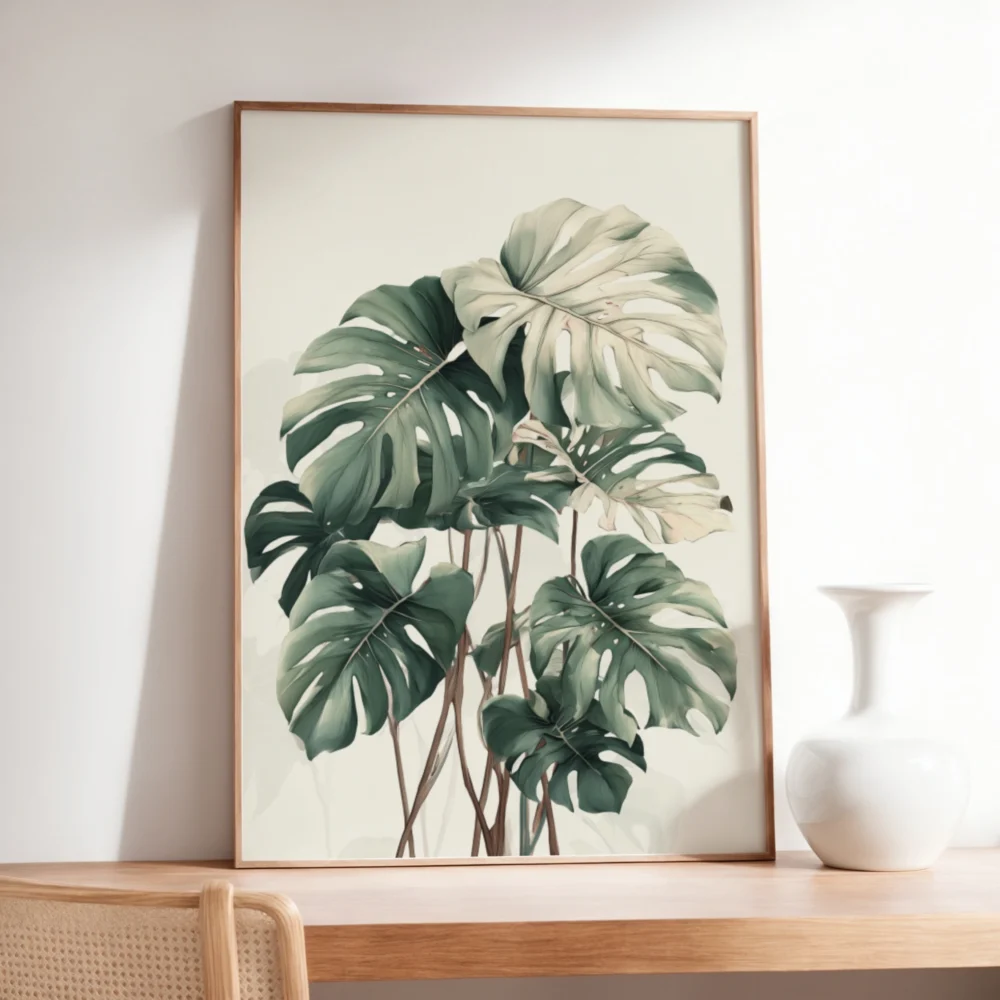
Frame selection dramatically impacts how botanical prints present in your space. Natural wood frames complement the organic subject matter while adding warmth to rooms. Light oak or ash frames suit Scandinavian and minimalist interiors, while darker walnut or espresso frames anchor traditional or mid-century modern spaces. For contemporary settings, consider slim black metal frames that provide definition without competing with the artwork itself.
White or cream matting creates breathing room around botanical illustrations, making them feel more refined and gallery-worthy. This approach works particularly well with vintage botanical prints or detailed scientific illustrations that benefit from visual separation. For larger leaf prints or modern botanical photography, consider floating frames or edge-to-edge mounting that maximizes the image’s impact.
Room-Specific Botanical Art Placement Strategies
Different rooms benefit from specific approaches to botanical wall art. Living rooms accommodate larger statement pieces—oversized palm fronds or dramatic tropical leaves that anchor seating areas. Hang artwork at eye level, typically 57-60 inches from the floor to the center of the piece. Above sofas, maintain 6-8 inches of clearance and ensure the artwork spans two-thirds to three-quarters of the furniture width for proper proportion.
Bedrooms benefit from calming botanical selections. Eucalyptus branches, soft ferns, or delicate wildflower illustrations create tranquil environments conducive to rest. Consider Nordic botanical art prints for their soothing minimalism that promotes relaxation. Position artwork where you’ll see it upon waking—above the bed or on the wall opposite—to start each day with natural beauty.
Kitchen and dining areas welcome herb illustrations, vegetable prints, or fruit botanical studies that complement the room’s function. These spaces often benefit from smaller framed pieces or series that create visual interest without overwhelming the functional nature of the space. Bathrooms, despite humidity concerns, work beautifully with botanical prints when properly framed and sealed—water-resistant framing protects artwork while bringing spa-like serenity.
Color Coordination and Palette Selection
Successful botanical art decor requires thoughtful color coordination. For neutral spaces, botanical prints add that essential pop of life without disrupting the calm aesthetic. Choose prints with muted greens, soft sage, or dusty olive tones that complement rather than compete with existing colors. In rooms with bold color schemes, botanical artwork in matching or complementary hues strengthens the overall design narrative.
Black and white leaf prints offer the ultimate flexibility, working across any color scheme while adding graphic interest. These versatile pieces allow you to update room colors through accessories and textiles without replacing artwork. For spaces craving warmth, botanical prints featuring brown stems, sepia tones, or warm cream backgrounds add coziness while maintaining the natural aesthetic.
Mixing Botanical Prints with Other Art Styles
Botanical art pairs beautifully with various art styles when thoughtfully combined. Abstract pieces and plant art prints create dynamic tension—the organic botanical forms ground abstract expressiveness while the abstract work prevents botanical prints from feeling too literal or static. Maintain visual balance by ensuring one style slightly dominates the arrangement.
Photography and botanical illustrations complement each other surprisingly well, particularly when sharing a color palette or theme. Black and white landscape photography alongside monochrome leaf prints creates a cohesive natural theme without repetition. Typography and botanical art work wonderfully in office spaces or reading nooks—inspirational quotes framed alongside plant illustrations create motivating, nature-connected environments. The same principles apply when choosing abstract art for the office for a workspace that needs to feel focused.
Seasonal Rotation and Long-Term Enjoyment
While botanical art remains stylish year-round, seasonal rotation keeps spaces feeling fresh. Spring welcomes cherry blossoms and flowering branches, summer suits bold tropical leaves and lush ferns, autumn calls for wheat stalks and seed pods, while winter embraces evergreen branches and holly illustrations. This approach requires building a small collection but prevents decorating fatigue and gives you something to look forward to each season.
Invest in quality prints that withstand time and changing trends. Archival inks and acid-free paper ensure your botanical art decor maintains its beauty for decades. Avoid direct sunlight placement, which fades even quality prints over time. If sunlight is unavoidable, consider UV-protective glazing or rotate pieces periodically to prevent uneven fading.
Budget-Friendly Botanical Art Approaches
Creating stunning botanical displays doesn’t require enormous budgets. Start with a few key pieces in strategic locations rather than attempting to fill every wall immediately. Digital prints offer affordable access to beautiful botanical art—downloadable botanical prints provide instant availability and budget-friendly pricing while maintaining professional quality when printed properly.
Consider mixing sizes within your collection. One large statement piece often creates more impact than several small prints while potentially costing less overall. Thrift stores and estate sales occasionally yield vintage botanical prints and frames at fraction of retail costs—patience and persistence reward those willing to hunt for treasures. DIY framing saves considerably if you’re comfortable with basic tools and measurements, though professional framing remains worthwhile for special pieces.
Final Thoughts on Botanical Wall Art
Botanical wall art represents an investment in timeless beauty that enhances daily life while remaining perpetually relevant. Unlike trend-driven decor that quickly dates spaces, plant art prints maintain their appeal across decades and design evolution. The versatility of botanical art decor allows it to grow with your changing tastes—moving seamlessly from your first apartment to your forever home, adapting to new color schemes and furniture updates without losing relevance.
Success with botanical prints comes down to intentional selection and thoughtful placement. Choose pieces that genuinely resonate with you rather than following prescribed formulas. Your connection to the artwork matters more than perfect adherence to design rules. When you love what hangs on your walls, that authentic appreciation creates spaces that feel truly like home—naturally beautiful, personally meaningful, and perpetually welcoming.