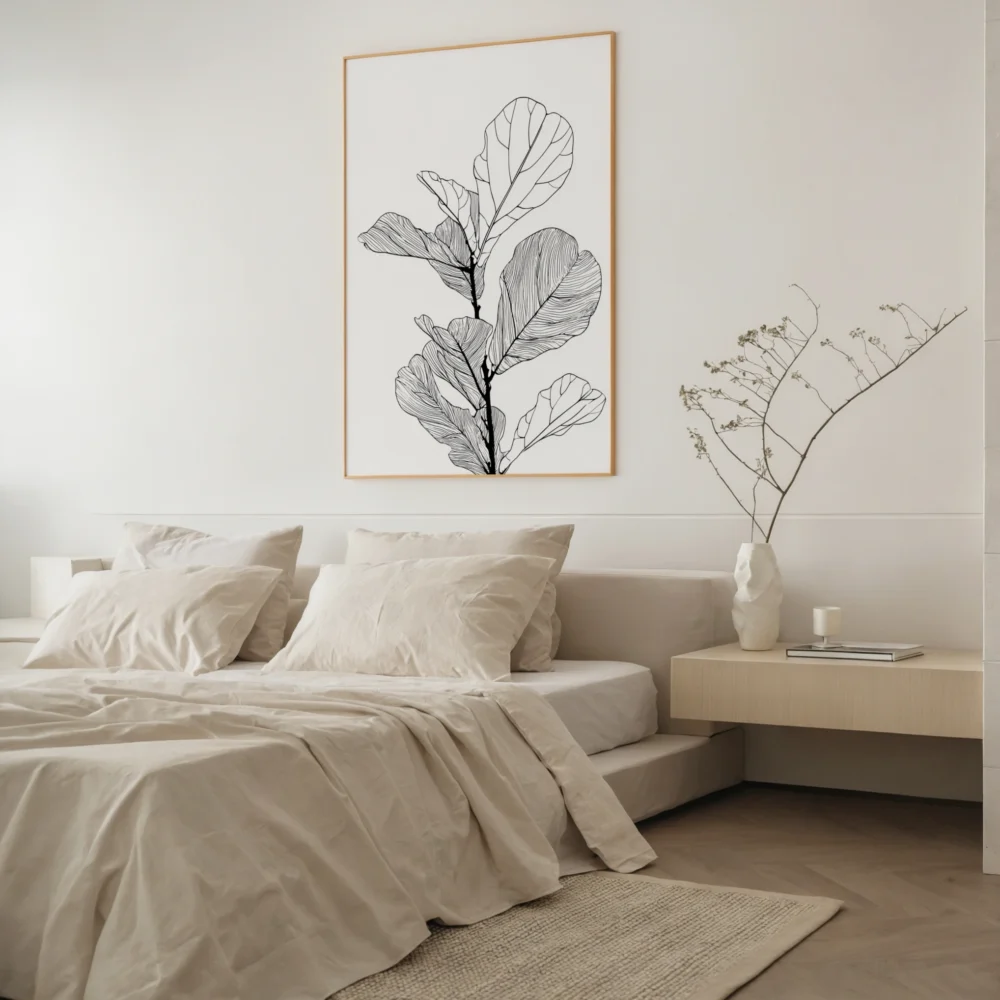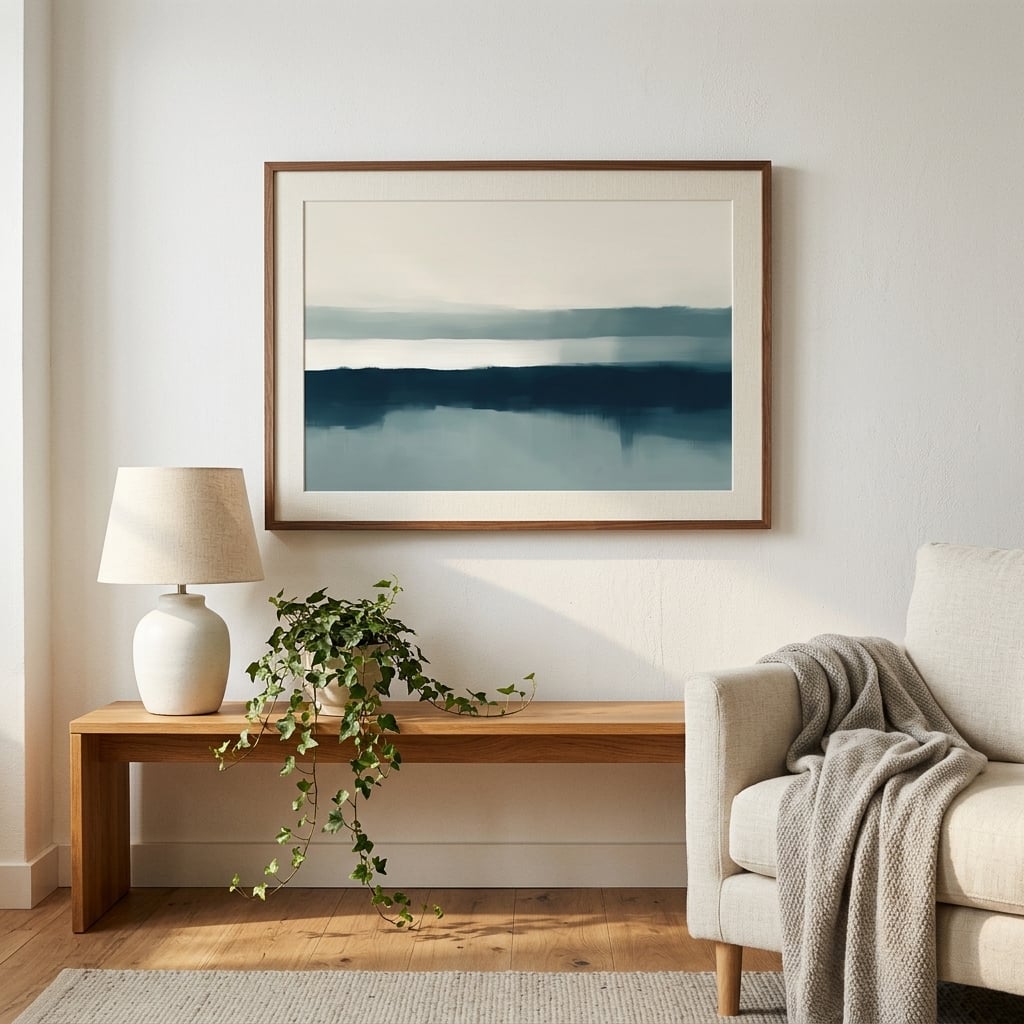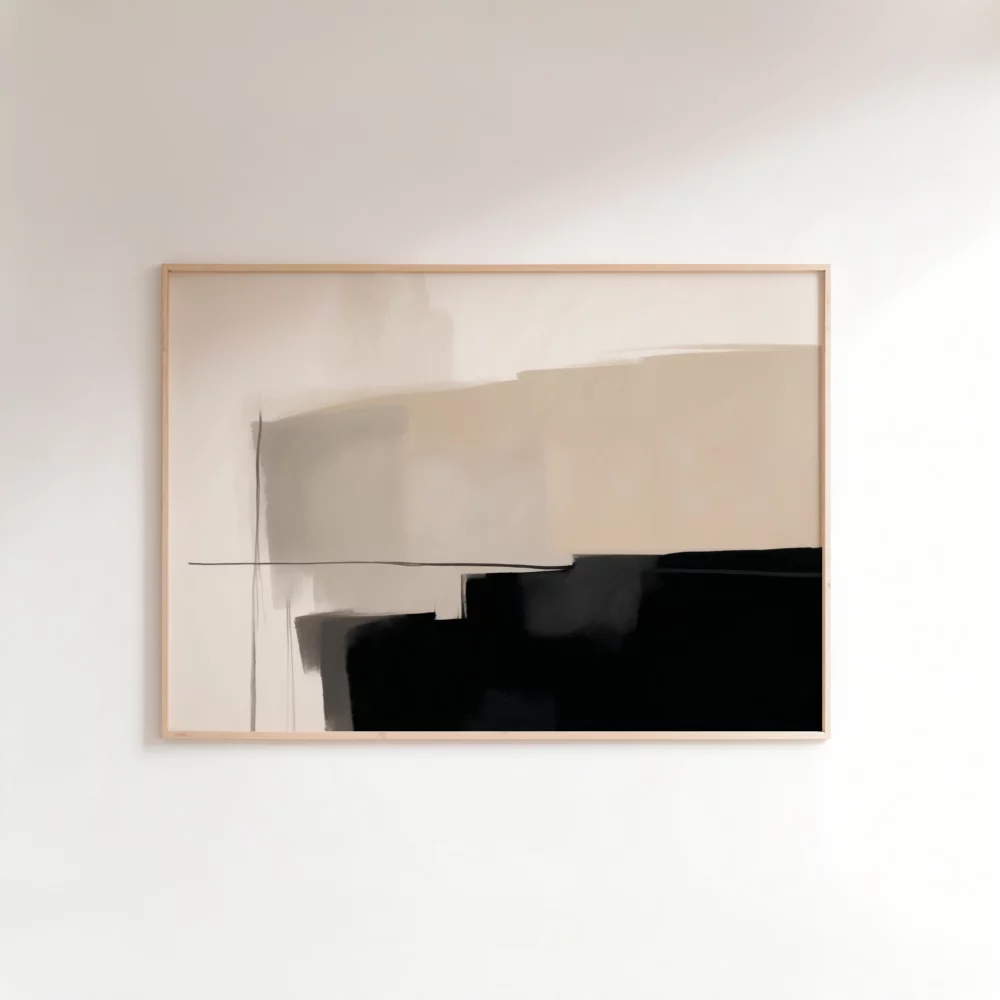
There’s something about Nordic art that makes you pause. Maybe it’s the way it transforms a chaotic room into a sanctuary, or how it whispers sophistication without shouting for attention. In a world drowning in visual noise, Nordic art prints offer something increasingly rare: breathing room for your eyes and mind. But what exactly defines this minimalist yet deeply evocative aesthetic, and why has it captured the attention of designers and homeowners worldwide?
Nordic art style—often used interchangeably with Scandinavian art—represents more than just a design trend. It’s a philosophy rooted in the harsh winters, fleeting summers, and profound connection to nature found in Denmark, Norway, Sweden, Finland, and Iceland. This artistic approach emphasizes simplicity, functionality, and an almost spiritual relationship with light and space. Understanding what is Nordic art means recognizing it as both an aesthetic choice and a lifestyle statement that values quality over quantity, substance over showiness.
The DNA of Nordic Design: Where Function Meets Beauty
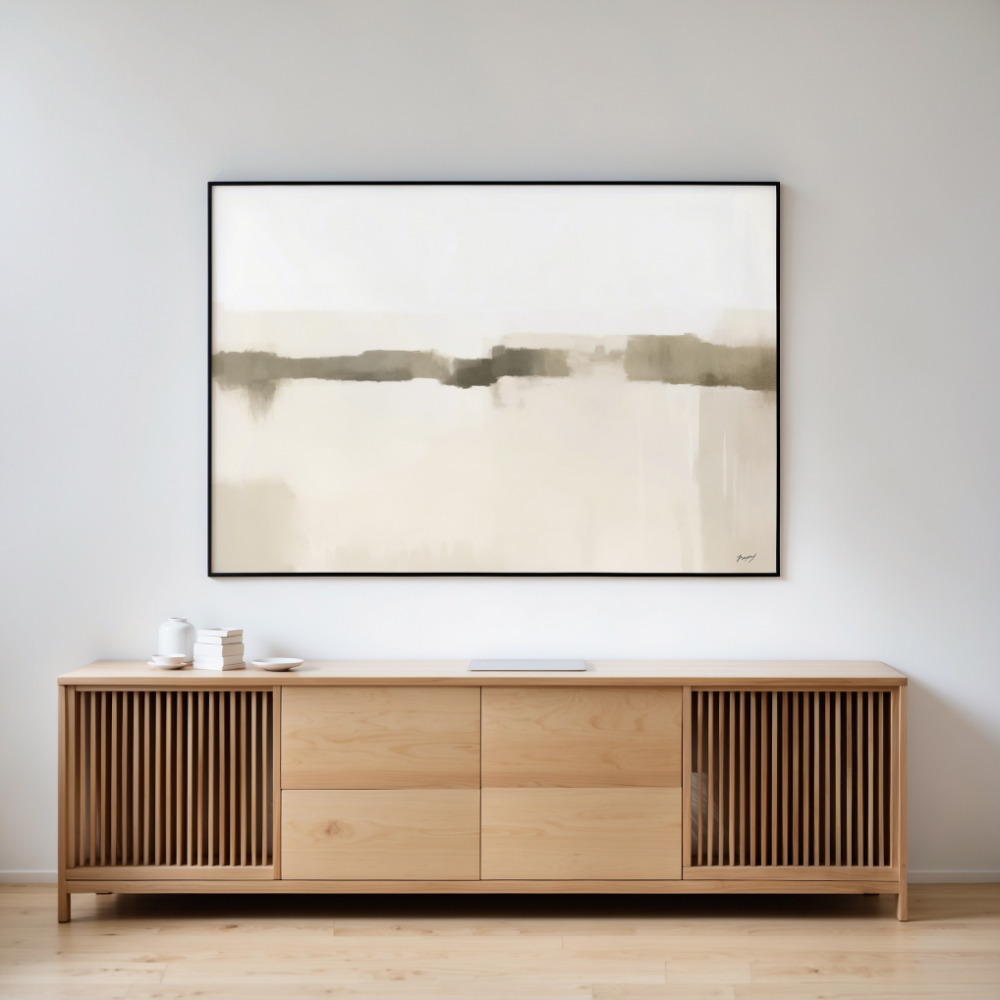
At its core, Nordic design principles reject ornamentation for ornamentation’s sake. Every element serves a purpose, whether functional or emotional. This isn’t about cold minimalism—it’s about intentional warmth. The Scandinavian art characteristics that define this movement emerged from practical necessity. In regions where daylight disappears for months and resources were historically scarce, design evolved to maximize light, space, and utility while maintaining beauty.
The color palette tells its own story. Soft whites, warm grays, gentle beiges, and muted earth tones dominate, punctuated occasionally by deeper blues and forest greens that echo the Nordic landscape. These aren’t arbitrary choices—they’re deliberate strategies to reflect precious natural light and create calm, restorative environments. When bolder colors appear, they’re used sparingly, like a carefully chosen word in a poem rather than a shout in a crowded room.
Typography and line work in Nordic art carry distinctive characteristics: clean sans-serif fonts, geometric precision tempered with organic curves, and a masterful use of negative space. The compositions feel effortless, though achieving this apparent simplicity requires sophisticated understanding of balance and proportion. As explored in the evolution from Nordic to Japandi design, these principles have influenced global aesthetic movements while maintaining their distinct identity.
Nature as Muse: The Outdoor-Indoor Connection
If you want to understand what is Nordic art at its essence, look to nature. The Nordic relationship with the natural world isn’t romantic or decorative—it’s fundamental to survival and well-being. Long, dark winters make access to natural light and outdoor imagery not just desirable but psychologically necessary. This explains why botanical elements, landscapes, and nature motifs dominate Nordic art, but rendered with characteristic restraint.
Rather than photorealistic depictions, Nordic artists favor stylized representations—a single leaf rendered in simple lines, abstract interpretations of mountains, or minimalist forest scenes that suggest rather than describe. This approach allows the viewer’s imagination to complete the picture, creating a more personal connection with the artwork. The style acknowledges nature without trying to capture or control it, reflecting a cultural humility toward the natural world.
Seasonal changes profoundly influence Nordic aesthetics. The dramatic shift from winter’s stark beauty to summer’s brief explosion of life appears in art through contrasting themes: crystalline whites and deep blues for winter contemplation, then soft greens and warm yellows for summer vitality. This seasonal awareness keeps Nordic interiors feeling dynamic rather than static, with art serving as a visual bridge to the changing world outside.
Hygge and Lagom: Philosophy Made Visual
You can’t discuss Scandinavian art characteristics without understanding the cultural concepts that inform them. ‘Hygge’ (Danish) roughly translates to cozy contentment—that feeling of warmth, comfort, and well-being. ‘Lagom’ (Swedish) means ‘just the right amount’—not too much, not too little. These aren’t just words; they’re lived philosophies that directly influence artistic choices.
Nordic art embodies hygge through its ability to create emotional warmth without physical clutter. A single piece featuring soft textures, warm tones, or comforting imagery can transform a room’s energy. The art invites you to slow down, breathe, and be present—qualities increasingly precious in our frenetic modern lives. This isn’t decoration for decoration’s sake; it’s intentional atmosphere-building.
Lagom manifests in the restrained composition and editing that characterizes Nordic design. Every element earns its place. Nothing is excessive, yet nothing feels lacking. This balance requires artistic discipline—knowing when to add and, more importantly, when to stop. The result is art that feels complete without overwhelming, present without dominating, beautiful without demanding constant attention.
Materials, Textures, and the Tactile Dimension
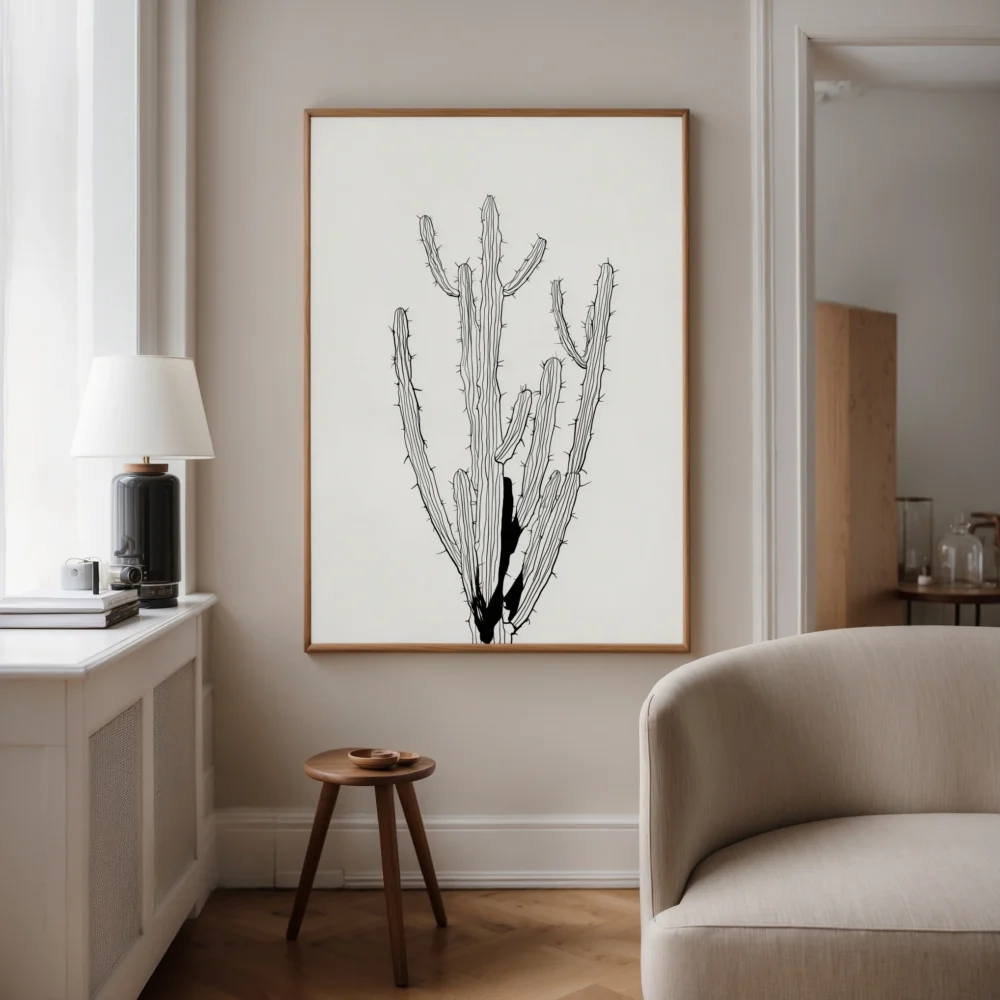
Nordic design principles extend beyond visual elements to encompass texture and materiality. Even in two-dimensional art, there’s an awareness of tactile qualities. Matte finishes are preferred over glossy surfaces, soft edges over hard lines, and natural materials over synthetic ones. This textural consciousness creates visual warmth and prevents the minimalist aesthetic from feeling cold or clinical.
When Nordic art incorporates botanical subjects—as seen in collections like Nordic botanical art prints—there’s often a suggestion of texture through technique. Watercolor washes imply softness, line drawings convey delicacy, and paper quality becomes part of the artwork’s character. The frame selection matters too: light wood, slim profiles, and natural finishes that complement rather than compete with the art.
This attention to materiality reflects the Nordic value of craftsmanship. Even in printed reproductions, quality matters. Paper weight, print clarity, and finish quality all contribute to whether a piece truly captures the Nordic aesthetic or merely imitates its surface appearance. Authentic Nordic style respects both the maker and the viewer through attention to these seemingly small details that collectively create significant impact.
The Light Factor: How Nordic Art Manages Illumination
Light obsession defines Nordic culture for good reason—when winter darkness lasts up to 20 hours daily in some regions, every photon matters. Nordic art doesn’t just exist in light; it’s designed to work with light, reflect it, soften it, and maximize it. This explains the prevalence of light backgrounds, reflective whites, and compositions that seem to glow rather than absorb light.
Artwork becomes a functional element in light management strategy. A piece featuring predominantly white and cream tones can brighten a dim corner as effectively as a lamp, while strategic placement near windows allows natural light to animate the work throughout the day. The changing quality of Nordic light—low and golden even at midday in winter—means art appears differently across seasons, creating subtle visual variety without changing anything.
This practical approach to light distinguishes Nordic art from other minimalist movements. It’s not minimalism for aesthetic purity alone—it’s minimalism that serves the practical purpose of creating bright, livable spaces in challenging conditions. The beauty is almost a byproduct of solving real environmental problems, which perhaps explains why it feels so genuine rather than contrived.
Common Motifs and Their Deeper Meanings
Certain visual themes recur throughout Nordic art, each carrying cultural significance beyond mere decoration. Mountains and forests represent the wild landscapes that dominate Scandinavian geography—spaces of both challenge and refuge. Geometric patterns echo traditional textile designs passed through generations, connecting contemporary art to historical craft traditions.
Botanical illustrations celebrate the brief but intense growing season when plants must accomplish in weeks what takes months elsewhere. These aren’t just pretty flowers—they’re symbols of resilience, adaptation, and the preciousness of natural beauty. Abstract compositions often reference natural phenomena like the aurora borealis, suggesting movement and light through minimal means.
Even seemingly simple line drawings often contain deeper layers. A single continuous line forming a face or figure reflects the Nordic value of efficiency and elegance—maximum expression through minimum means. These pieces invite contemplation, rewarding longer viewing with subtle discoveries that aren’t immediately obvious. The art respects the viewer’s intelligence and attention span.
Why Nordic Art Works in Non-Nordic Spaces
You don’t need to live in Copenhagen or Stockholm to benefit from Nordic design principles. The style’s emphasis on light maximization, calm atmospheres, and functional beauty translates across climates and cultures. In fact, Nordic art often works best as a counterbalance to chaotic modern life—wherever that life happens to be lived.
The aesthetic’s flexibility allows it to complement rather than dictate. Nordic pieces work with existing furniture styles from mid-century modern to contemporary minimalist to even traditional settings where their simplicity provides visual relief. This adaptability stems from the style’s foundational restraint—it doesn’t compete with its surroundings but rather harmonizes with them.
For small spaces, Nordic art principles are particularly valuable. Light colors expand perceived space, minimal compositions prevent visual clutter, and the style’s emphasis on quality over quantity encourages thoughtful curation rather than wall-filling impulse. One well-chosen piece creates more impact than three mediocre ones—a principle that saves both money and sanity.
Implementing Nordic Art in Your Space
Starting with Nordic art doesn’t require a complete aesthetic overhaul. Begin with one piece that speaks to you—perhaps a botanical print, abstract landscape, or geometric composition—and notice how it affects the room’s energy. Nordic design works through accumulation of thoughtful choices, not dramatic transformations.
Consider your lighting situation. Rooms with limited natural light benefit most from pieces with white or cream backgrounds that reflect available light. Spaces with abundant windows can handle slightly darker or more saturated colors without feeling oppressive. Think about what you want the space to feel like, not just look like—Nordic art succeeds by creating atmosphere as much as visual interest.
Frame selection matters more than you’d think. Slim, light wood frames or simple white frames typically work best, keeping focus on the art rather than its container. Avoid ornate, heavy frames that contradict the Nordic emphasis on simplicity. Remember that negative space—the wall around the art—is part of the composition. Don’t crowd pieces together; let each breathe.
When exploring Nordic art prints for your space, trust your instincts about what creates calm rather than following rigid rules. The best Nordic interiors feel personal and lived-in, not like showrooms. The goal isn’t perfection—it’s creating a space that supports well-being, reflects your values, and brings quiet joy to daily life.
Nordic art style ultimately offers an antidote to visual overwhelm. In its restraint lies power, in its simplicity lies sophistication, and in its connection to nature lies a reminder of what truly matters. Whether you fully commit to the aesthetic or simply incorporate elements that resonate, understanding these principles helps you create spaces that serve not just functional needs but emotional and psychological ones too. That’s why Nordic art doesn’t just decorate walls—it transforms how spaces feel and, ultimately, how we feel within them.