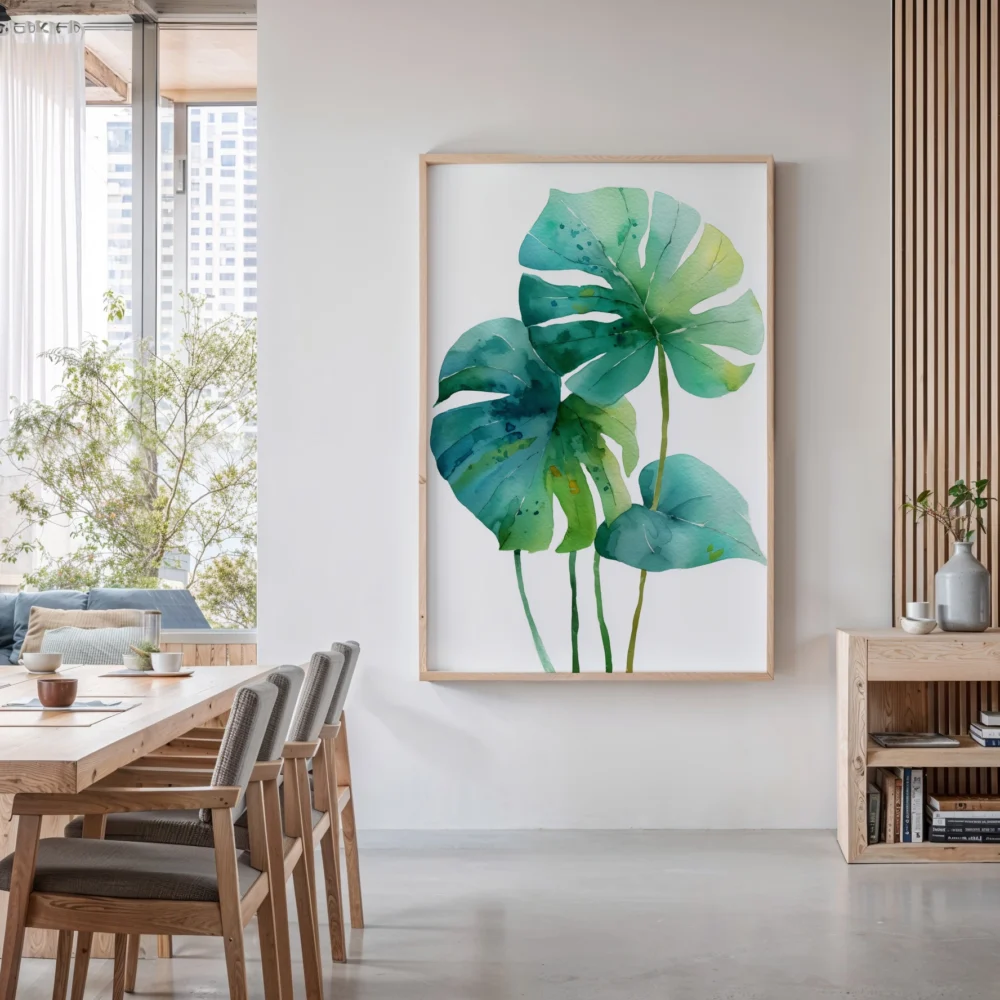
There’s something almost magnetic about walking into a room and seeing a piece of art that commands attention not through a single bold statement, but through three perfectly orchestrated panels working in harmony. Triptych wall art has evolved from its medieval religious origins into one of the most sophisticated and versatile design choices for modern interiors. Unlike traditional single-panel artwork, triptychs create visual rhythm, tell compelling stories, and offer unmatched flexibility in how you arrange and display them.
The appeal of three panel wall art lies in its ability to break free from the constraints of a single frame while maintaining cohesive artistic vision. This format allows your eye to travel across the composition, creating movement and depth that single pieces simply cannot achieve. Whether you’re working with abstract compositions, landscape photography, or minimalist designs, the triptych format adds an architectural quality to your walls that transforms them from mere surfaces into gallery-worthy installations.
The Psychology Behind Three Panel Compositions
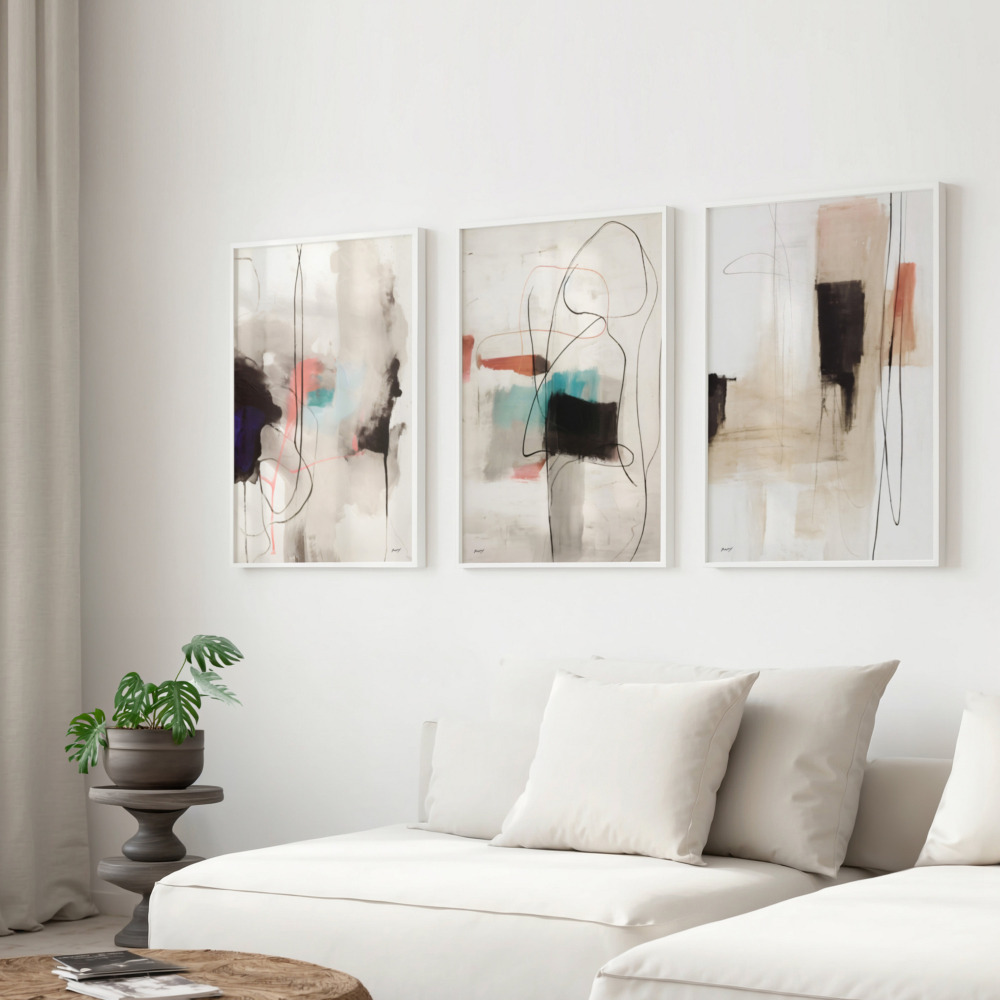
Human brains are hardwired to recognize patterns, and the number three holds particular significance in visual perception and storytelling. This principle, known as the ‘rule of three’ in design and communication, suggests that three elements are more engaging, memorable, and effective than other numbers. When you choose a set of 3 canvas prints, you’re tapping into this fundamental cognitive preference that makes compositions feel complete and balanced.
The triptych format creates a natural beginning, middle, and end—a narrative structure that draws viewers in and keeps them engaged. This is why museum curators and interior designers consistently gravitate toward three panel arrangements when they want to create focal points that don’t overwhelm but still make powerful statements. The spacing between panels creates breathing room that allows each element to shine while contributing to the greater whole.
Choosing the Right Triptych for Your Space
Selecting triptych art prints requires considering both the artwork itself and the architectural context where it will live. The beauty of three panel wall art is its adaptability—you can spread the panels across a wide wall for dramatic horizontal emphasis, stack them vertically in narrow spaces, or even arrange them in unconventional configurations for contemporary flair.
Color palette plays a crucial role in how successfully your triptych integrates with existing decor. Monochromatic triptychs in blacks, whites, and grays offer timeless sophistication and pair effortlessly with virtually any color scheme. Bold, colorful compositions can serve as the room’s color anchor, pulling together diverse furniture pieces and accessories. Nature-inspired triptychs featuring landscapes, botanical elements, or ocean scenes bring organic tranquility to spaces that feel too sterile or urban.
Scale matters tremendously when selecting three panel wall art. A common mistake is choosing panels that are too small for the wall they’re meant to occupy, resulting in a disconnected, floating appearance. As a general principle, your triptych should occupy roughly two-thirds to three-quarters of the furniture width below it. For a king-size bed or large sofa, you’re looking at a combined width of 60-75 inches. Above a console table or smaller furniture piece, 40-50 inches total width typically works well.
Installation Techniques That Make or Break the Look
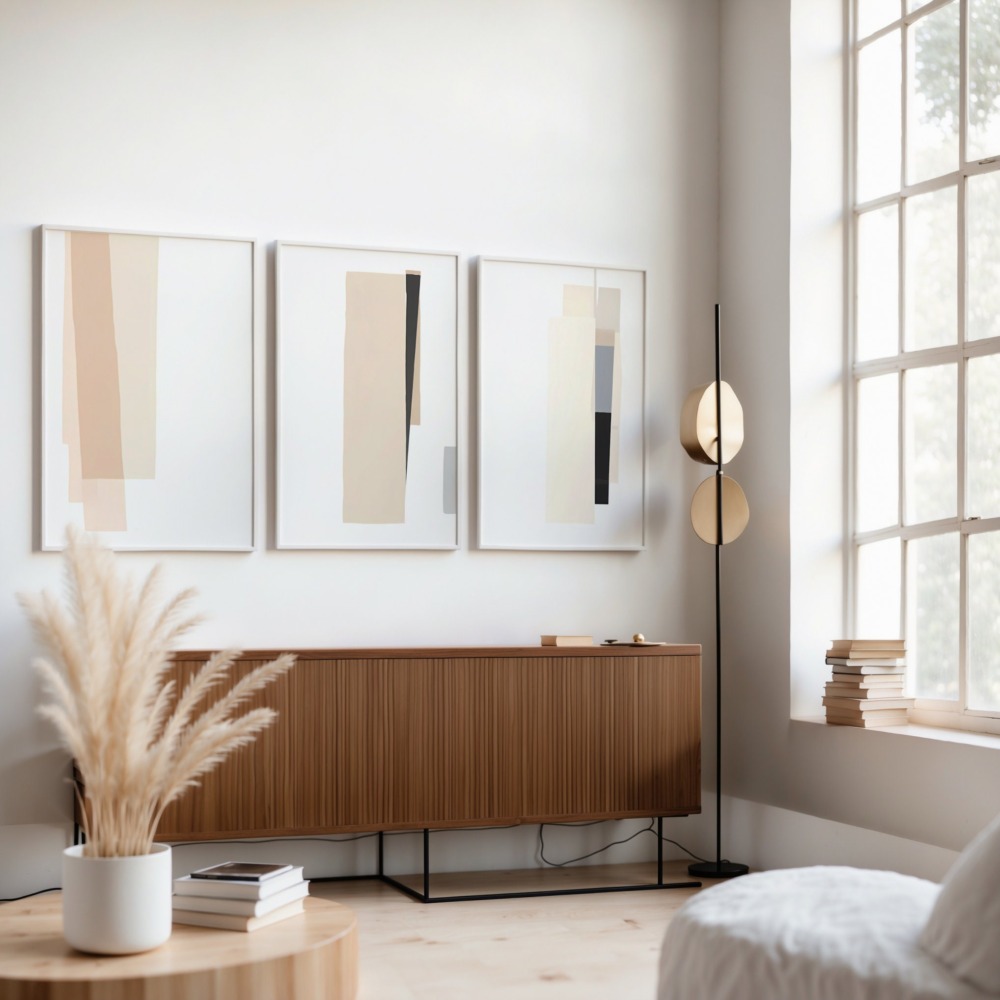
Even the most stunning set of 3 canvas prints will fall flat if the installation doesn’t follow basic spatial principles. The spacing between panels should be consistent and proportional—typically 2-4 inches works well for most residential spaces, though larger rooms with higher ceilings can accommodate slightly wider gaps. The panels should align either at their top edges, bottom edges, or center points, depending on your aesthetic preference and the composition’s design.
Height placement follows the gallery standard: the center of your triptych (calculated as the midpoint of the entire composition, not individual panels) should sit at approximately 57-60 inches from the floor. This eye-level positioning ensures comfortable viewing whether you’re standing or seated. When hanging above furniture, maintain a 6-8 inch gap between the furniture top and the bottom of your lowest panel to create visual connection without crowding.
For proper installation, invest in quality hanging hardware appropriate to your wall type and the weight of your prints. Canvas prints are typically lighter than framed pieces, but proper anchoring prevents damage and ensures longevity. Use a level and measuring tape to mark positions before hammering a single nail—this preparation prevents the frustration of multiple holes in your wall and achieves that crisp, professional alignment that distinguishes thoughtful installations from hasty ones.
Consider consulting a wall art size guide to help determine the ideal dimensions for your specific space. These resources account for room size, ceiling height, furniture scale, and viewing distance to recommend proportions that create visual harmony rather than awkward imbalance.
Design Styles That Shine in Triptych Format
Abstract art particularly excels in triptych presentation, where sweeping compositions can flow seamlessly across three panels or create deliberate contrast between sections. Bold brushstrokes, color blocking, and geometric patterns gain added dimension when distributed across multiple canvases, allowing each panel to function as both individual artwork and part of a cohesive statement.
Landscape photography and nature scenes benefit enormously from the panoramic quality that three panel wall art provides. Imagine a mountain range spanning three canvases, ocean waves captured in sequential motion, or a forest scene that surrounds viewers with immersive natural beauty. This format mimics how we actually experience landscapes—not as static snapshots but as expansive vistas that unfold as we scan the horizon.
Minimalist and Scandinavian-inspired designs translate beautifully into triptych art prints, where simple line drawings, subtle textures, or muted color palettes create serene, uncluttered visual statements. The three panel format adds architectural interest to otherwise sparse compositions, preventing minimalism from reading as emptiness while maintaining the clean aesthetic these styles prize.
Typography and word art gain narrative power in triptych arrangements. Meaningful quotes can be divided across panels for emphasis, single words can expand into powerful mantras, or complementary phrases can create dialogue between the three sections. This approach works exceptionally well in home offices, bedrooms, and personal spaces where words carry motivational or emotional significance.
Practical Benefits Beyond Aesthetics
Beyond their visual impact, triptychs offer practical advantages for both renters and homeowners. The distributed weight across three smaller panels is easier to hang securely than one massive piece, reducing stress on walls and simplifying installation. This format also provides flexibility if you move—three panels can adapt to different wall configurations in ways that a single large piece cannot.
Budget considerations favor triptych art prints as well. High-quality large-format single pieces often carry premium pricing, while sets of three can deliver equal or greater visual impact at more accessible price points. The perceived value is higher because you’re receiving three distinct pieces that can potentially be separated and used in different rooms if your design needs change.
Maintenance and longevity benefit from the triptych format too. If one panel becomes damaged, replacing a third of the set is more economical than replacing an entire large piece. Canvas prints in particular are durable and resistant to fading when made with quality materials, meaning your investment maintains its beauty for years with minimal care beyond occasional dusting.
Common Mistakes to Avoid
The most frequent error in displaying three panel wall art is inconsistent spacing. Eyeballing the gaps between panels almost always results in uneven distribution that undermines the professional appearance you’re seeking. Always measure and mark positions before hanging, and use a level to ensure panels align properly both horizontally and vertically.
Choosing panels that don’t relate cohesively is another pitfall. While the panels don’t need to be identical or even from the same image, they should share visual DNA—complementary colors, similar styles, or thematic connections. Random unrelated prints grouped together create confusion rather than the intentional curation that makes triptychs effective.
Lighting deserves careful consideration but often gets overlooked. Three panels create opportunities for interesting shadow play and dimensional lighting effects, but they can also produce glare if positioned poorly relative to windows or light fixtures. Consider how natural and artificial light will interact with your triptych throughout the day, and adjust placement or add accent lighting to enhance rather than detract from the artwork.
Where Triptychs Work Best in Your Home
Living rooms are natural homes for triptych wall art, particularly above sofas or along large empty walls that anchor the space. The format’s horizontal expanse complements typical living room proportions and provides a sophisticated focal point that grounds furniture arrangements and establishes the room’s aesthetic tone.
Bedrooms benefit from the calming rhythm of three panel compositions, especially when you choose subject matter and colors that promote relaxation. Above the bed is the traditional placement, but don’t overlook opportunities on walls facing the bed or in seating areas where you can enjoy the artwork from different perspectives.
Dining rooms offer excellent triptych opportunities, particularly on walls visible from the table where the artwork becomes part of the dining experience. The format’s inherent elegance elevates the formality of dining spaces while the three-panel structure provides visual interest during long meals and gatherings.
Home offices and studies gain professionalism and personality through well-chosen triptych art prints. The format feels intentional and curated—qualities that reflect well in professional video calls while also creating an inspiring environment for focused work. Abstract or minimalist triptychs work particularly well in these spaces, providing visual interest without distracting from tasks.
Making Your Selection Count
When you’re ready to commit to a set of 3 canvas prints, prioritize artwork that resonates emotionally rather than simply matching your throw pillows. Trends come and go, but art that genuinely speaks to you maintains its appeal through evolving design phases. Consider whether the composition energizes or calms you, whether it sparks conversation or invites quiet contemplation, and whether you’ll still appreciate seeing it daily months and years from now.
Quality materials make an enormous difference in how your triptych ages. Look for prints on genuine canvas with proper stretching over sturdy frames, fade-resistant inks, and protective coatings that guard against moisture and UV damage. The difference between cheap prints and quality triptych wall art becomes apparent within months, making the initial investment in proper materials worthwhile for longevity.
Ultimately, three panel wall art succeeds because it offers the best of multiple worlds—the impact of large-scale art with the flexibility of modular design, the sophistication of gallery curation with the accessibility of contemporary prints, and the visual interest of complex compositions with the clarity of structured presentation. When chosen thoughtfully and installed properly, triptychs transform walls from backgrounds into destinations, creating spaces that feel complete, intentional, and unmistakably yours.