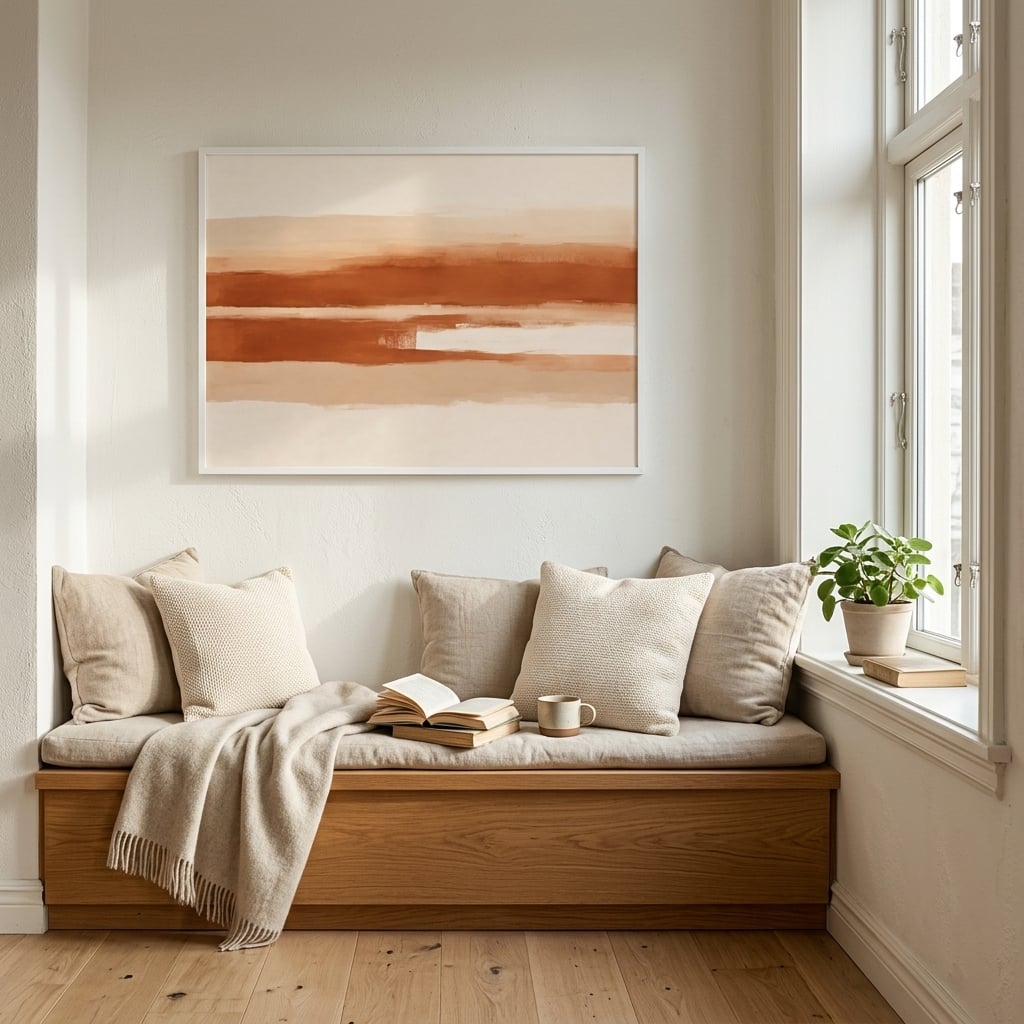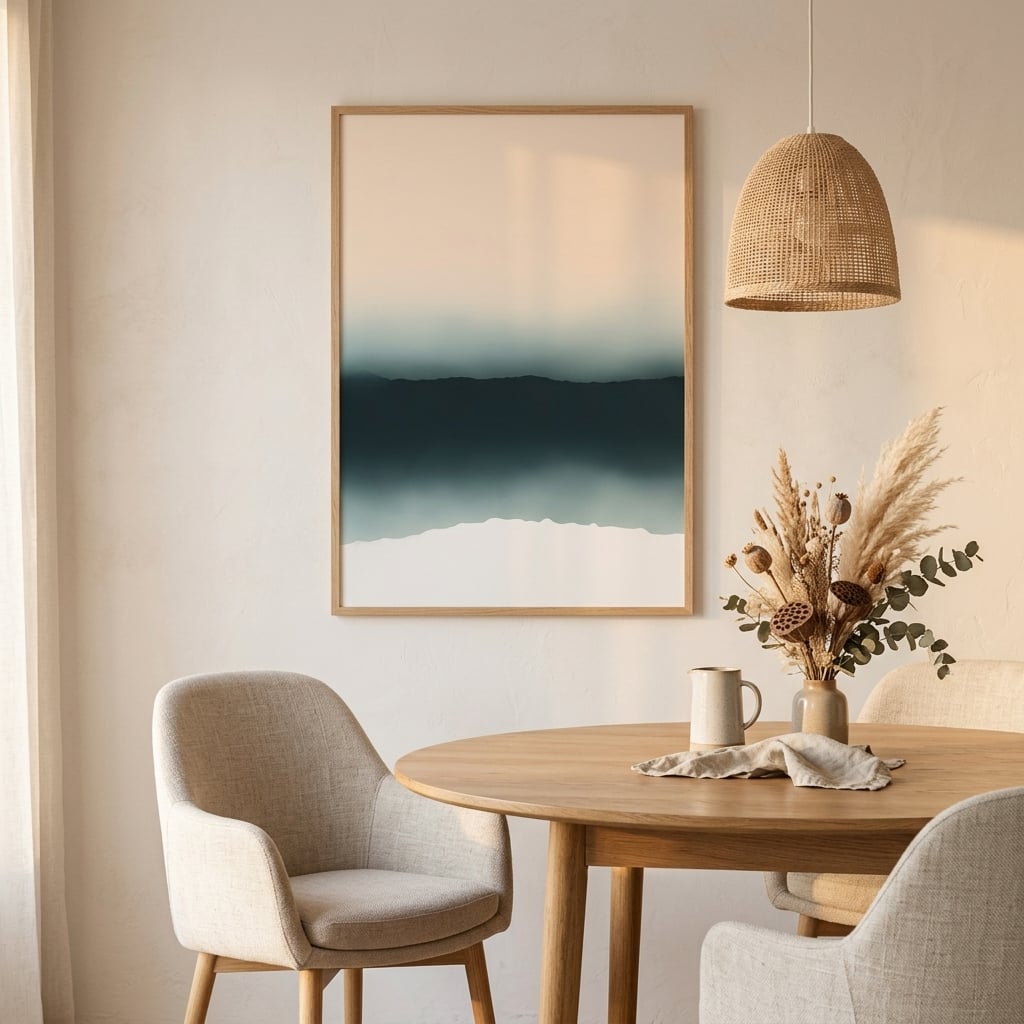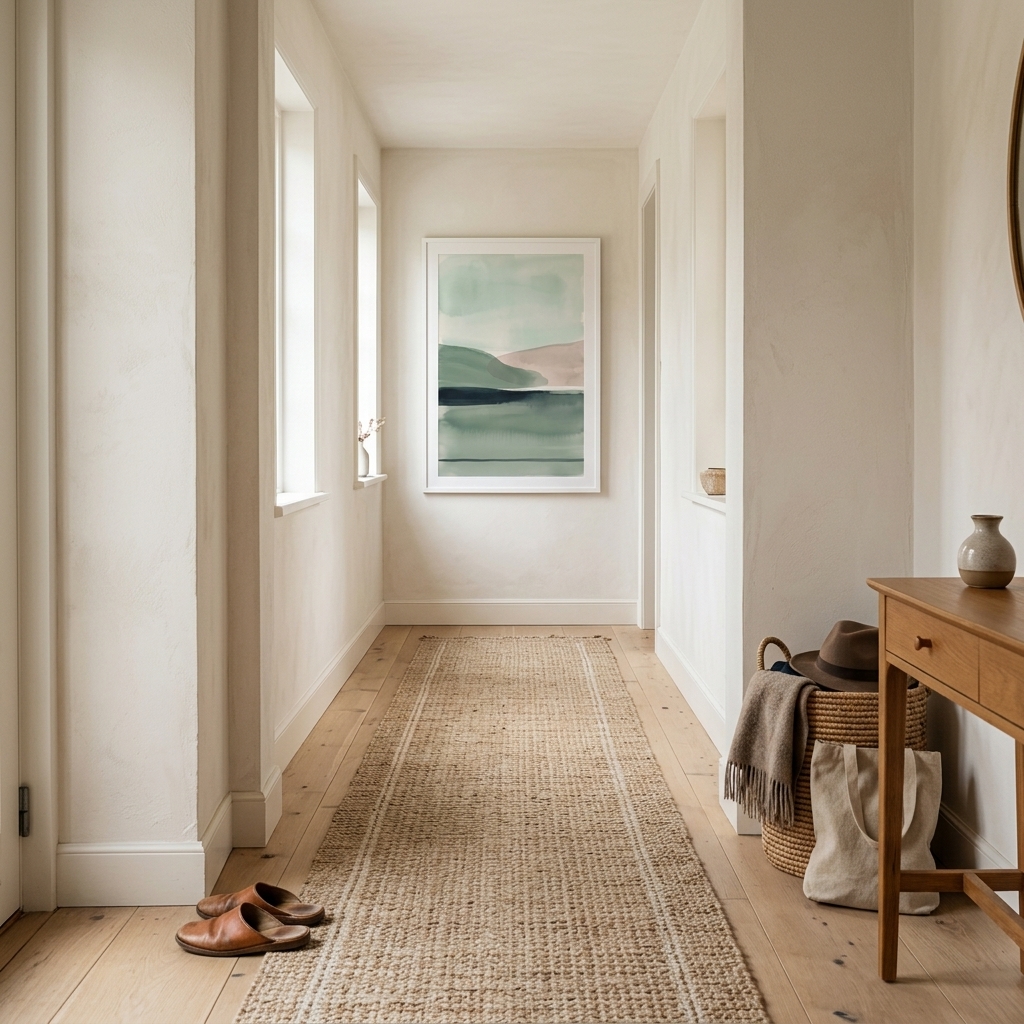
There’s something unsettling about walking into a perfectly curated home where everything matches, every surface gleams, and not a single item appears out of place. It feels more like a showroom than a sanctuary. This is precisely why wabi sabi interior design has become the antidote to our obsession with perfection. Rooted in ancient Japanese philosophy, wabi sabi celebrates the beauty found in imperfection, impermanence, and incompleteness. It’s about creating spaces that feel lived-in, authentic, and deeply human. If you’re ready to embrace a design philosophy that values character over perfection, exploring wabi sabi art prints is an excellent starting point for your journey.
The term ‘wabi sabi’ combines two Japanese concepts: ‘wabi,’ which refers to the beauty of simplicity and solitude, and ‘sabi,’ which speaks to the elegance that comes with age and wear. Together, they form a philosophy that finds profound beauty in the weathered, the asymmetrical, and the humble. In our modern world of mass production and Instagram-perfect interiors, wabi sabi offers a refreshing perspective that encourages us to slow down, appreciate the natural cycle of things, and create homes that tell stories rather than simply display status.
The Core Principles of Wabi Sabi Aesthetic
Understanding wabi sabi decor begins with grasping its fundamental principles. Unlike Western design philosophies that often emphasize symmetry, uniformity, and newness, wabi sabi embraces the opposite. It finds beauty in asymmetry, roughness, and the marks that time leaves behind. A hand-thrown ceramic vase with slight irregularities holds more value than a factory-perfect piece. A wooden table that shows the grain, knots, and perhaps even a crack becomes more beautiful because of these ‘imperfections.’
Creating a Wabi Sabi Home: Natural Materials and Textures
At the heart of any wabi sabi home lies an appreciation for natural, unprocessed materials. Think raw wood, stone, linen, clay, and metals that develop a patina over time. These materials are chosen not despite their tendency to age and change, but because of it. A copper fixture that develops a green patina, wooden floors that show wear patterns from years of footsteps, or linen curtains that wrinkle naturally all embody the wabi sabi spirit. This philosophy shares common ground with Japandi design, which also emphasizes natural materials and minimalist aesthetics.
When selecting materials for your space, prioritize authenticity over artifice. Choose solid wood furniture over laminate, natural stone over manufactured alternatives, and handmade ceramics over mass-produced dinnerware. The goal isn’t to create a rustic or primitive space, but rather one that feels grounded in nature and honest in its presentation. Each material should be allowed to express its true character without excessive finishing or alteration.
Color Palettes That Honor Imperfect Beauty Decor
The wabi sabi aesthetic gravitates toward muted, earthy color palettes that mirror the natural world. Think of the colors you’d find in nature: warm grays, soft browns, gentle greens, and neutral tones that seem to shift with the changing light. These aren’t the bold, saturated colors of contemporary design magazines, but rather the subtle hues of weathered stone, dried grass, aged paper, and morning fog.
White walls are common in wabi sabi interiors, but not the stark, bright whites of modern minimalism. Instead, choose off-whites, creams, and warm grays that have depth and variation. Layer these neutral backgrounds with natural textures and organic shapes to create visual interest without relying on bold colors. When you do introduce color, let it come from natural sources: the green of living plants, the brown of exposed wood, or the gray of stone elements.
Furniture Selection and Arrangement
Wabi sabi decor favors furniture that feels timeless and unpretentious. Pieces should be functional first, beautiful second, and they should show evidence of craftsmanship rather than mass production. A solid wood dining table with visible grain patterns and natural variations, low-profile seating that encourages relaxation, and storage pieces with simple, clean lines all work well in this aesthetic.
The Art of Wabi Sabi Wall Decor
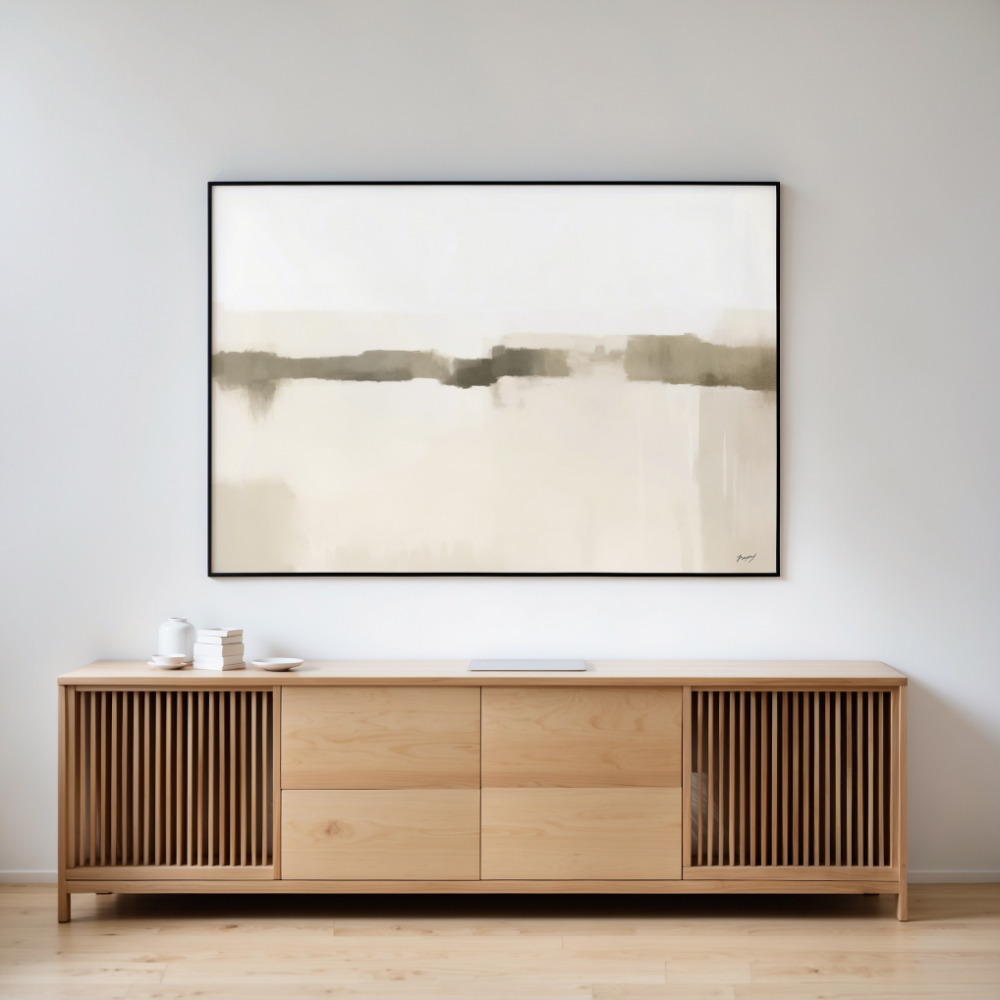
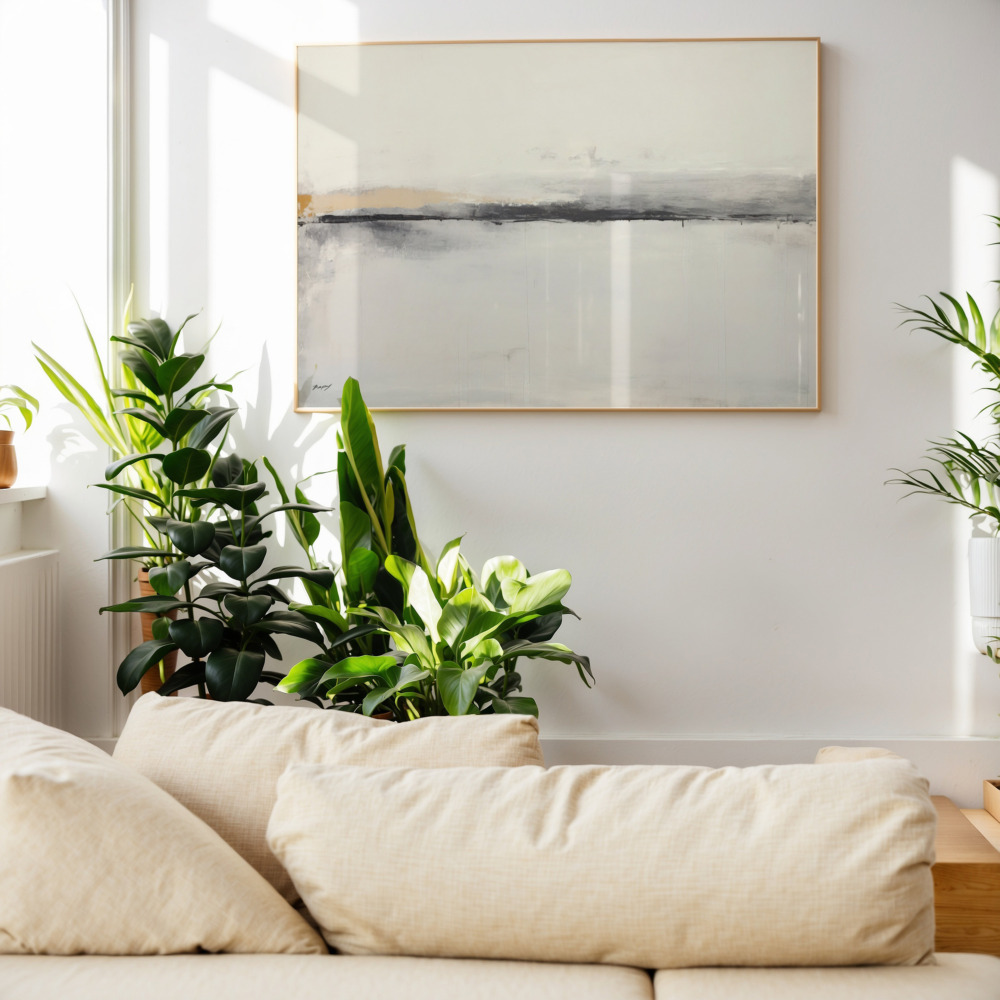
Wall art in a wabi sabi interior should reflect the same principles of simplicity, natural beauty, and imperfection. Abstract pieces with organic shapes, muted colors, and textural elements work particularly well. Avoid anything too polished, symmetrical, or artificially bright. Instead, look for artwork that captures the essence of natural forms: the curve of a river stone, the irregular edge of a cloud, or the weathered surface of driftwood.
Prints that feature natural textures, subtle color variations, and organic compositions complement the wabi sabi aesthetic beautifully. The key is to choose pieces that feel contemplative rather than attention-seeking, that invite quiet observation rather than demanding immediate notice. For inspiration on how to integrate Eastern aesthetic principles into your wall art choices, explore this comprehensive guide to Japandi wall art, which shares many philosophical underpinnings with wabi sabi design.
Embracing Imperfection in Everyday Objects
One of the most liberating aspects of wabi sabi interior design is the permission it gives us to value imperfect objects. That chipped teacup from your grandmother becomes a treasured piece rather than something to hide. The scratched wooden cutting board tells the story of countless meals prepared with love. The faded rug shows the path your family takes through your home every day.
This doesn’t mean your home should look neglected or messy. Rather, it means choosing quality items that age gracefully and being willing to keep them even as they show signs of use. A well-worn leather chair develops character over time. A tarnished silver bowl tells stories of gatherings past. These objects ground us in reality and remind us that beauty doesn’t require newness or perfection.
Negative Space and Mindful Minimalism
Wabi sabi shares minimalism’s appreciation for simplicity, but with an important distinction: the goal isn’t sterile perfection but rather thoughtful curation. Each item in your space should serve a purpose or bring genuine joy. Negative space is valued not for creating a magazine-worthy photograph, but for allowing the eye to rest and the mind to settle.
When arranging your space, resist the urge to fill every surface and corner. Allow empty spaces to balance occupied ones. Let a single beautiful object command attention rather than clustering multiple items together. This approach creates a sense of calm and allows you to truly appreciate the items you’ve chosen to include in your home.
Lighting in Wabi Sabi Interiors
Natural light plays a crucial role in wabi sabi design. Large windows that allow sunlight to enter and move through your space throughout the day create an ever-changing atmosphere that reflects the passage of time. This natural variation is prized in wabi sabi philosophy, as it reminds us of our connection to natural cycles and the impermanence of all things.
For artificial lighting, choose warm-toned sources that create soft, diffused illumination rather than harsh, bright light. Paper lanterns, ceramic lamps with natural linen shades, and simple pendant lights with warm bulbs all work well. The goal is to create lighting that feels gentle and welcoming, that enhances the natural beauty of your materials rather than washing them out.
Living Elements and Natural Decay
Plants are essential in a wabi sabi home, but not the perfectly manicured topiaries of formal design. Choose plants that look natural and organic, that show their growth patterns and seasonal changes. A bonsai tree with its twisted trunk, a simple vase of dried grasses, or a collection of succulents in hand-thrown pots all embody the wabi sabi spirit. Even cut flowers should be arranged loosely, asymmetrically, allowing them to express their natural forms.
Don’t be afraid to include elements that show natural decay. Dried flowers, weathered branches, and seedpods all celebrate the full cycle of life. These elements remind us that beauty exists in every stage, not just in the fresh bloom but also in the gradual fade.
Practical Tips for Incorporating Wabi Sabi Design
Start small if you’re transitioning from a more conventional aesthetic. Replace one synthetic item with a natural alternative. Choose a handmade ceramic piece over a manufactured one. Remove some decorative items to create more breathing room in your space. Gradually, you’ll develop an eye for what belongs in your wabi sabi home and what doesn’t.
Shop secondhand and vintage stores, where you’ll find items with history and character. Look for pieces that show honest wear rather than artificial distressing. Visit craft fairs and artisan markets where you can purchase items made by hand, often with slight variations that make each piece unique. These shopping habits not only align with wabi sabi principles but also support sustainable consumption and local artisans.
The Emotional Impact of Wabi Sabi Living
Living with wabi sabi principles extends beyond aesthetics into emotional and psychological territory. When you stop striving for perfection in your environment, you may find yourself releasing that same pressure in other areas of life. The acceptance of imperfection, the appreciation for things as they are, and the recognition of beauty in the everyday can profoundly shift your relationship with your home and yourself.
A wabi sabi home becomes a refuge from the relentless pursuit of more, newer, and better that characterizes much of modern life. It’s a space where you can be fully yourself, where signs of living are welcomed rather than hidden, where authenticity trumps appearance. This philosophy encourages us to find contentment with what we have, to see beauty in the ordinary, and to recognize that the cracks and imperfections in our possessions mirror the perfectly imperfect nature of human existence.
As you develop your wabi sabi interior, remember that this journey itself embodies the philosophy’s core principles. Your space doesn’t need to transform overnight into some idealized vision. Allow it to evolve naturally, making changes as they feel right, keeping items that speak to you, and gradually releasing those that don’t. The beauty of wabi sabi is that it meets you where you are, accepting the current state of things while gently encouraging growth and change. Whether you’re starting with carefully selected wabi sabi art prints or reimagining your entire space, the goal is the same: creating a home that feels authentic, peaceful, and uniquely yours.