In a world obsessed with perfection, Instagram-worthy moments, and flawless finishes, there’s a centuries-old Japanese philosophy quietly challenging everything we’ve been taught about beauty. Wabi sabi celebrates the cracked, the weathered, and the imperfect—and it might just change how you see your entire living space.
This ancient aesthetic isn’t about making excuses for shoddy craftsmanship or embracing chaos. It’s a profound shift in perspective that finds extraordinary beauty in the ordinary, the impermanent, and the incomplete. Understanding wabi sabi meaning opens up a completely different approach to design, art, and even how we live our daily lives.
What Wabi Sabi Actually Means (And Why We Keep Getting It Wrong)
The term ‘wabi sabi’ combines two distinct Japanese concepts that evolved over centuries. ‘Wabi’ originally described the loneliness of living in nature, away from society. Over time, it came to represent simplicity, humility, and finding richness in modest circumstances. ‘Sabi’ referred to the beauty that comes with age—the patina on copper, the weathering of wood, the way time leaves its mark on everything it touches.
Together, wabi sabi philosophy embraces imperfection, impermanence, and incompleteness. It’s deeply rooted in Zen Buddhism and recognizes three fundamental truths: nothing lasts, nothing is finished, and nothing is perfect. Rather than mourning these facts, wabi sabi finds beauty in them.
Western culture often misinterprets wabi sabi as merely ‘rustic’ or ‘distressed’ design. You’ll see furniture labeled ‘wabi sabi’ that’s been artificially aged or spaces described as wabi sabi simply because they’re minimalist. But authentic wabi sabi aesthetics run much deeper. It’s not about creating the appearance of age or imperfection—it’s about genuinely appreciating the natural processes of wear, decay, and transformation.
The Seven Principles of Wabi Sabi Aesthetics
Understanding wabi sabi requires grasping its core principles, which offer a framework for recognizing and creating this type of beauty:
Kanso (Simplicity): Eliminate the unnecessary. Wabi sabi spaces feel uncluttered and essential, where every object has purpose and meaning. This principle shares common ground with Japandi design philosophy, which blends Japanese and Scandinavian aesthetics.
Fukinsei (Asymmetry or Irregularity): Perfect symmetry feels too controlled, too human-made. Wabi sabi embraces the organic irregularity found in nature—the uneven edge of a hand-thrown bowl, the irregular grain in wood, the random arrangement of stones in a garden.
Shibumi (Beauty in Understated Elegance): True sophistication doesn’t announce itself. Wabi sabi beauty is subtle, requiring attention and contemplation to fully appreciate. It’s the quiet statement rather than the loud declaration.
Shizen (Naturalness): Objects and spaces should feel uncontrived and natural, as if they evolved organically rather than being designed. This means avoiding excessive ornamentation or obvious artifice.
Yugen (Subtle Profundity): There’s a mysterious depth to wabi sabi, an quality that can’t be entirely explained or understood. It suggests more than it shows, inviting contemplation and personal interpretation.
Datsuzoku (Freedom from Convention): Wabi sabi breaks from traditional rules and expectations. It finds fresh ways of seeing and experiencing everyday objects and moments.
Seijaku (Tranquility): There’s a profound stillness and peace in wabi sabi aesthetics. Spaces that embody this philosophy feel calm and meditative, offering respite from the chaos of modern life.
Why Imperfection Beauty Matters More Than Ever
Our current cultural moment makes wabi sabi philosophy particularly relevant. We’re drowning in images of perfection—edited photos, curated feeds, impossibly pristine interiors that no one actually lives in. This constant exposure to manufactured flawlessness creates anxiety, inadequacy, and an exhausting pursuit of unattainable standards.
Imperfection beauty offers an antidote. It gives us permission to appreciate things as they are rather than constantly striving for how they ‘should’ be. That crack in your favorite mug? It tells a story. The worn finish on your grandfather’s desk? It’s evidence of a life well-lived. The uneven handmade pottery? It bears the mark of human hands and human presence.
This shift in perspective extends beyond aesthetics into how we relate to ourselves and others. If we can embrace the beauty in weathered wood and asymmetrical pottery, perhaps we can extend that same grace to our own imperfections and those of the people around us.
How to Recognize Authentic Wabi Sabi Design

Not every minimalist or rustic space embodies wabi sabi. Here’s how to distinguish the real thing from superficial imitations:
Natural Materials Show Honest Aging: Authentic wabi sabi uses materials like wood, stone, clay, and metal that age beautifully. These materials aren’t artificially distressed—their weathering is genuine, accumulated through use and time. The patina develops organically, telling a true story rather than a manufactured one.
Color Palettes Echo Nature: Wabi sabi aesthetics favor earth tones, muted colors, and natural hues. Think the grey of weathered driftwood, the brown of aged paper, the cream of worn linen. These aren’t the bright, saturated colors of new things but the subtle, complex tones that emerge with time.
Textures Invite Touch: Wabi sabi surfaces have tactile appeal. Rough-hewn wood, hand-thrown ceramics with visible finger marks, linen with its natural slubs and irregularities—these textures connect us to the material world and the hands that shaped it.
Objects Have History or Potential for It: Genuine wabi sabi pieces either already carry history or are made in ways that will allow them to develop character over time. Mass-produced items designed for obsolescence don’t fit this aesthetic, while handcrafted objects or vintage finds do.
Space Feels Lived-In Rather Than Staged: Wabi sabi environments don’t look like showrooms. They feel inhabited, comfortable, and real. There’s a sense that people actually use these spaces for living rather than just displaying them.
Bringing Wabi Sabi Philosophy Into Your Home
Incorporating wabi sabi doesn’t require a complete renovation or buying all new things. In fact, that would contradict the entire philosophy. Instead, it’s about shifting how you see and arrange what you already have:
Edit Down to Essentials: Start by removing excess. Wabi sabi spaces breathe. Keep only objects that serve a purpose or hold genuine meaning for you. This isn’t about achieving minimalism for its own sake, but about letting the things that matter have space to be appreciated.
Display Imperfect Objects Proudly: That chipped vase, the cutting board with knife marks, the photograph that’s slightly faded—these imperfections make objects unique and meaningful. Rather than hiding them, give them prominence.
Choose Handmade Over Mass-Produced: When adding new pieces, seek out items made by hand. The slight irregularities and variations are what make them special. Japandi art prints with organic forms and muted tones can bring wabi sabi aesthetics to your walls.
Embrace Natural Light and Shadows: Wabi sabi appreciates the play of light across imperfect surfaces throughout the day. Rather than illuminating everything evenly, let natural light create shadows and highlights that change with time.
Allow Things to Age Naturally: Resist the urge to refinish, replace, or restore everything. Let your wood floors develop their patina. Allow your leather furniture to soften and crease. These changes aren’t damage—they’re the object’s story unfolding.
Bring in Natural Elements: Fresh flowers that will wilt, branches that will dry, stones gathered from meaningful places—these elements embody impermanence and connect your space to the natural world.
The Deeper Meaning: Wabi Sabi as a Way of Life
While wabi sabi aesthetics might have drawn you in, the philosophy offers something more profound than design principles. It’s ultimately about acceptance—of change, of imperfection, of the transient nature of all things.
In Japanese tea ceremony, where wabi sabi philosophy is deeply embedded, practitioners find beauty in the simplest moments: water boiling, tea being whisked, the weight of a bowl in your hands. These ordinary actions become extraordinary through attention and appreciation.
This same approach can transform how we experience daily life. The morning light on your kitchen table. The handle of your favorite tool, worn smooth by years of use. The ritual of your daily routines. Wabi sabi teaches us to find richness in these unremarkable moments.
It also offers a healthier relationship with time and aging. Western culture often treats aging as something to fight, hide, or reverse. Wabi sabi suggests that growing older—whether we’re talking about people, objects, or spaces—brings its own unique beauty. The lines on a face tell stories. The worn steps on an old staircase show where generations walked. These marks of time aren’t flaws to fix but features to appreciate.
Common Wabi Sabi Misconceptions to Avoid
As wabi sabi has gained popularity in Western design, several misunderstandings have emerged:
It’s Not About Neglect: Wabi sabi appreciates natural aging, but that doesn’t mean abandoning maintenance or care. It’s the difference between a well-loved vintage chair and a broken one left to rot. Honor objects by caring for them properly while accepting how they change over time.
It’s Not Just Minimalism: While wabi sabi spaces tend to be uncluttered, minimalism alone doesn’t create wabi sabi. A stark white room with new IKEA furniture isn’t wabi sabi—it’s just minimal. Wabi sabi requires the warmth of natural materials, the character of imperfection, and the depth that comes from age and use.
You Can’t Fake It: Artificially distressed furniture marketed as ‘wabi sabi’ misses the point entirely. True wabi sabi comes from genuine aging and use, not from manufacturing the appearance of it. There’s a palpable difference between real patina and fake finish.
It’s Not About Poverty Aesthetics: Wabi sabi celebrates simplicity and modesty, but it’s not about deprivation. It’s about finding richness in simple things, not about making do with less as a virtue in itself.
Finding Your Own Wabi Sabi Path
The beauty of wabi sabi philosophy is that it’s inherently personal. What speaks to one person might not resonate with another, and that’s perfectly aligned with its principles of individuality and naturalness.
Start by paying attention to what genuinely moves you. Which objects in your home do you find yourself drawn to? What natural scenes stop you in your tracks? What textures do you love to touch? These intuitive responses often point toward your own wabi sabi aesthetic.
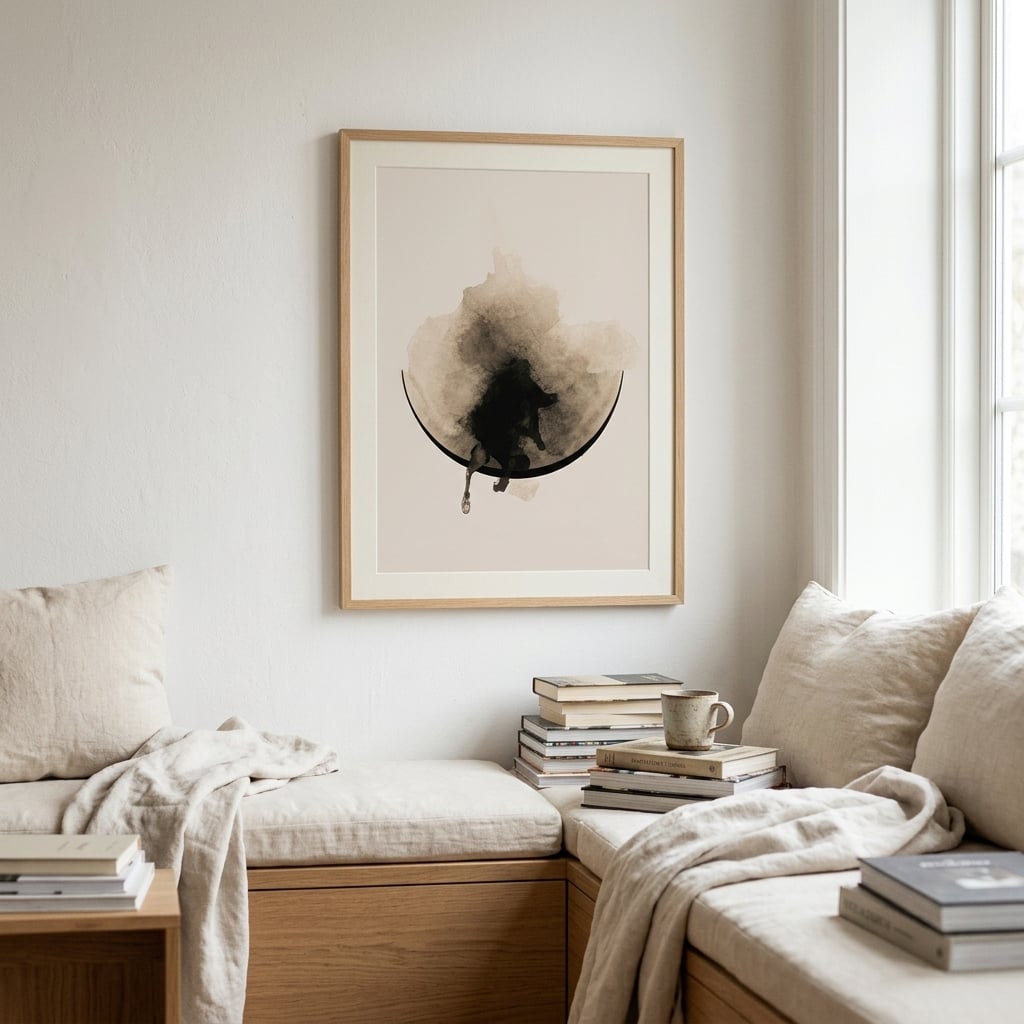
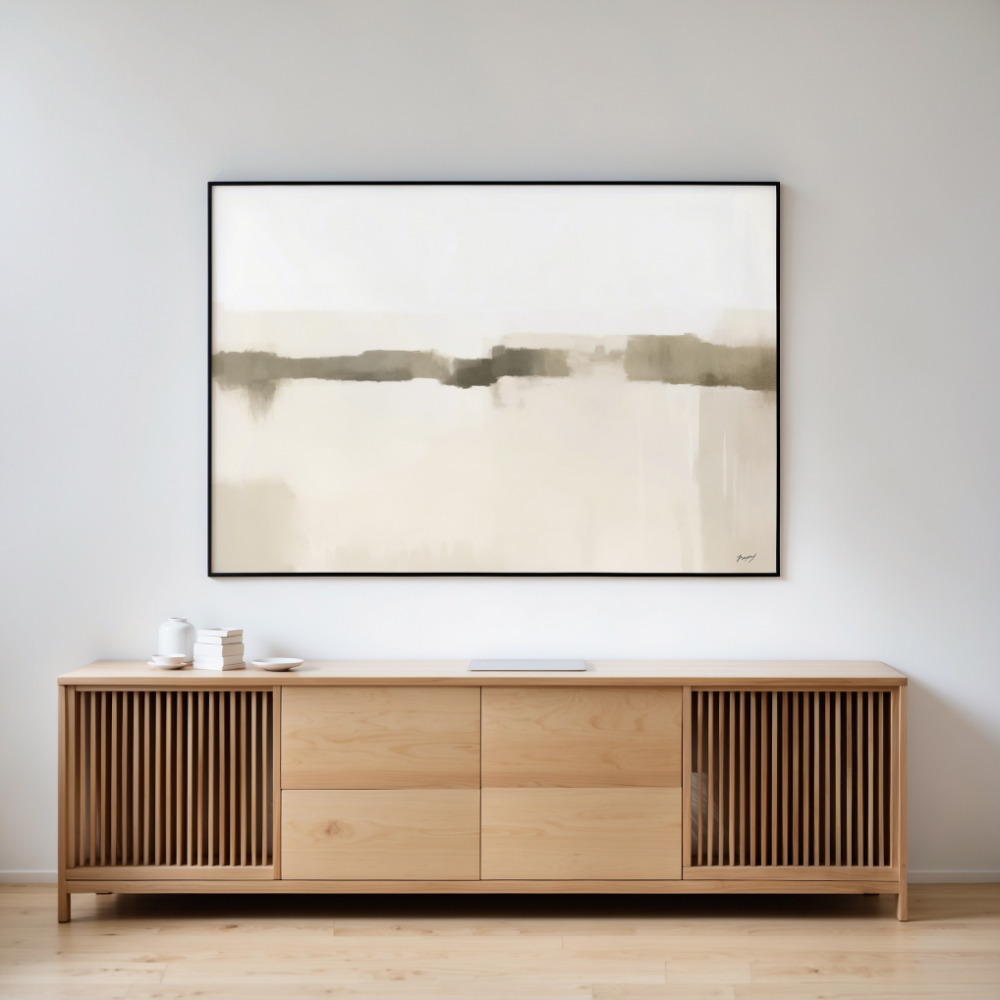
Explore wabi sabi art prints that emphasize organic forms, natural textures, and muted tones. Look for pieces that feel contemplative rather than demanding, subtle rather than showy. The right artwork should invite you to pause and look deeper, revealing more with each viewing.
Most importantly, give yourself permission to appreciate things as they are. That scuff on your wall, the fading on your favorite book cover, the way your wooden cutting board has developed its own unique pattern—these aren’t problems to solve. They’re evidence of a life being lived, and in that evidence, there’s profound beauty.
Wabi sabi meaning ultimately centers on acceptance and appreciation. In embracing imperfection beauty, we free ourselves from impossible standards and discover a more authentic, peaceful way of being. The cracked bowl still holds water. The worn table still serves its purpose. And perhaps we, too, are more beautiful for our imperfections, our history, and our inevitable journey through time.