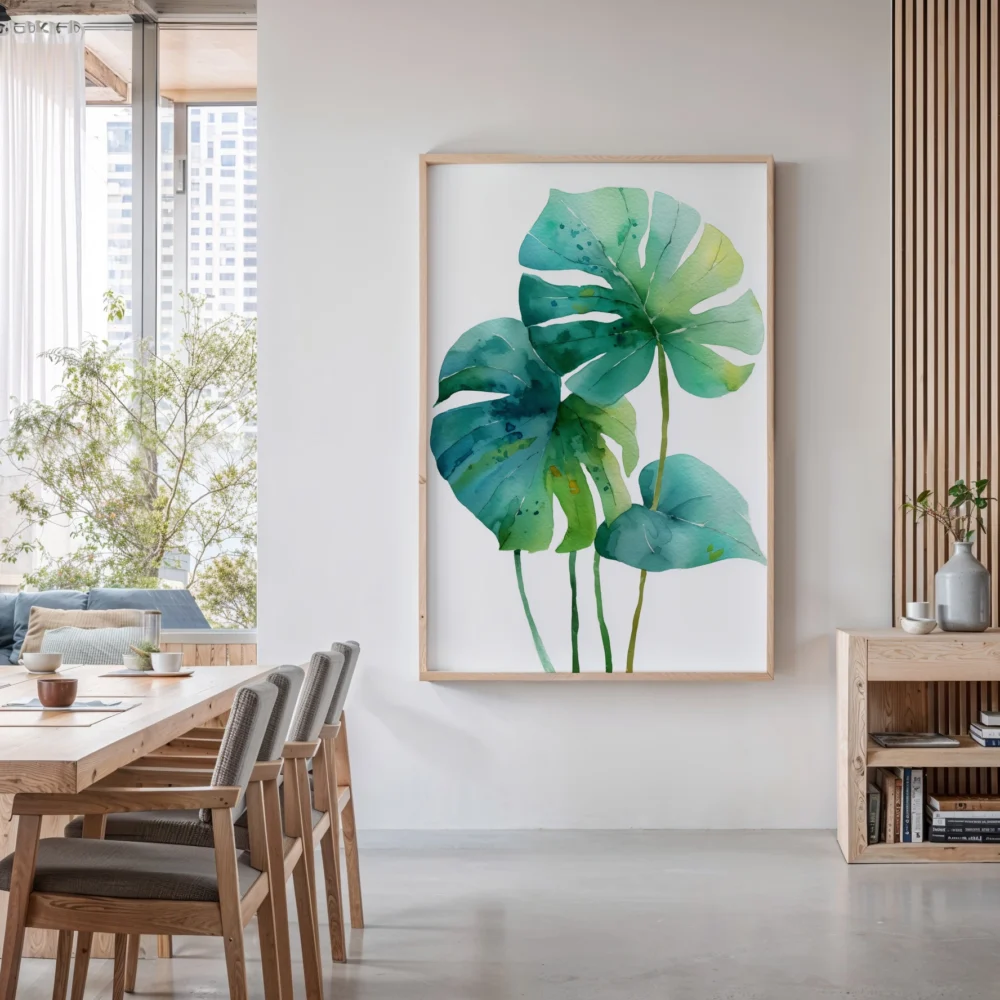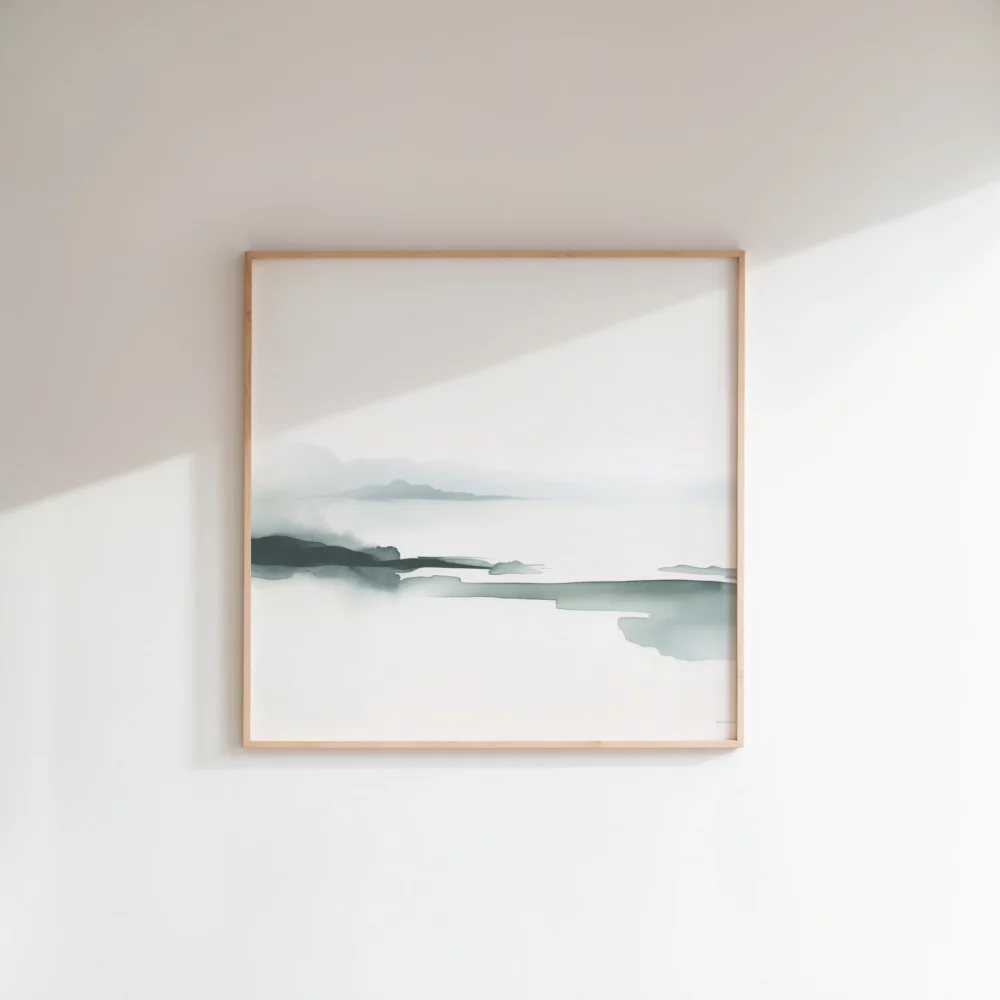
If you’ve ever wondered why artwork in museums looks dramatically different from the prints you buy online, the answer often comes down to one word: giclée. This French term—pronounced ‘zhee-clay’—has become synonymous with premium art reproduction, but most people don’t understand what makes it special. The difference between giclée printing and standard printing methods can mean the difference between artwork that fades in months versus prints that last generations. Understanding giclée versus standard prints is essential for anyone serious about collecting or displaying art.
Giclée printing represents the gold standard in fine art reproduction, combining cutting-edge inkjet technology with archival materials to create prints that rival original artwork. The term was coined in 1991 by printmaker Jack Duganne to distinguish high-quality digital prints from common office inkjet output. What sets giclée apart isn’t just marketing—it’s a combination of microscopic ink droplets, archival pigments, and museum-grade substrates that work together to produce exceptional color accuracy and longevity.
The Science Behind Giclée Print Quality
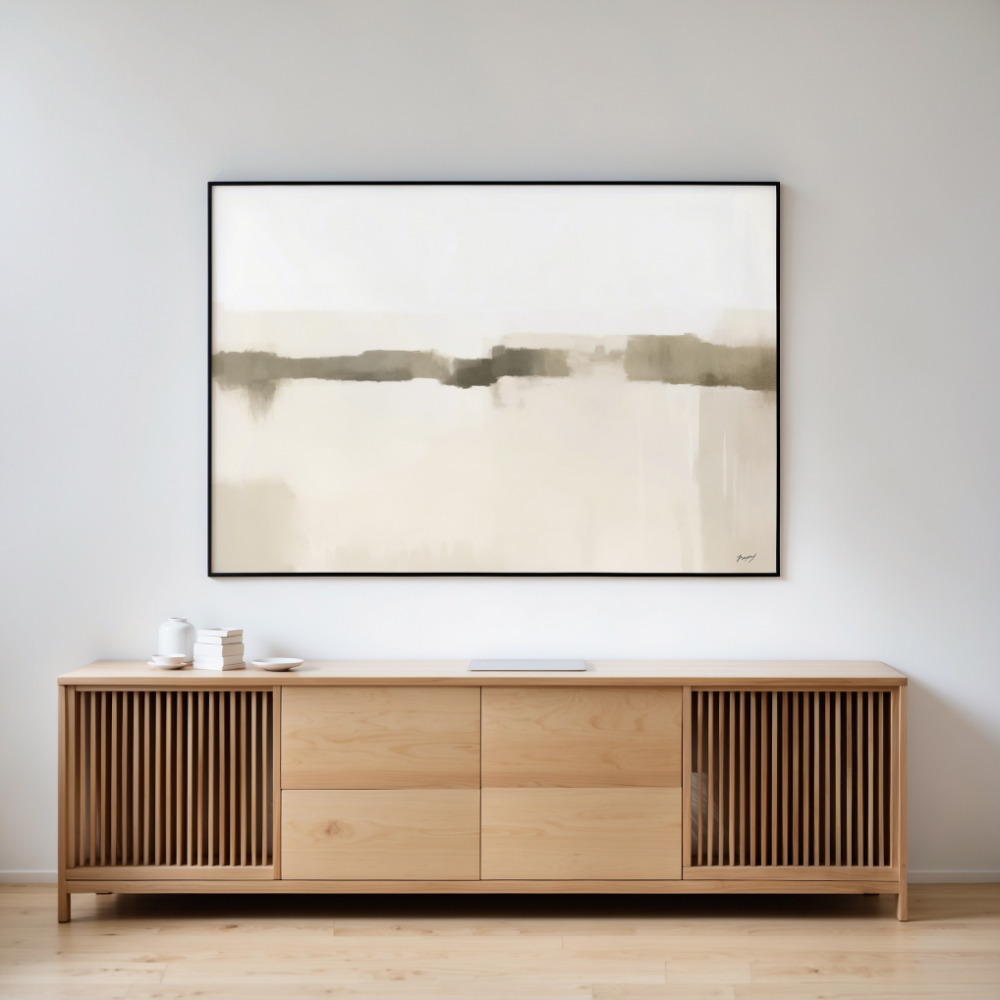
Giclée print quality stems from several technical factors that separate it from conventional printing. First, giclée printers use microscopic droplets measured in picoliters—often as small as 3.5 picoliters—to create incredibly smooth gradations and details invisible to the naked eye. This results in a resolution that typically exceeds 1440 x 2880 dpi, far beyond what standard printers achieve.
The ink composition makes an even bigger difference. Giclée printing uses pigment-based inks rather than dye-based alternatives. Pigment inks contain microscopic particles that sit on top of the paper or canvas, creating a stable, colorfast image. These inks resist fading from UV light, moisture, and atmospheric pollutants that destroy conventional prints. Professional giclée printers often employ 8 to 12 color ink sets, compared to the standard 4-color CMYK process, allowing for wider color gamuts and more accurate reproduction of subtle tones.
The substrates used in giclée printing also contribute significantly to quality. Premium canvas and archival papers are acid-free and lignin-free, preventing yellowing and deterioration over time. Fine art papers designed for giclée printing typically weigh between 190 and 400 gsm (grams per square meter), with cotton rag content ranging from 25% to 100%. This creates a substantial, museum-quality feel that drugstore prints simply cannot match.
Giclée vs Inkjet: Understanding the Critical Differences
While technically all giclée prints are inkjet prints, not all inkjet prints qualify as giclée. This distinction confuses many buyers, so let’s clarify exactly what separates them. The term ‘giclée’ implies specific standards that go beyond the basic inkjet technology.
Standard inkjet printers found in homes and offices use dye-based inks that produce vibrant colors but fade rapidly when exposed to light. These inks are water-soluble and can run or smear when wet. They’re designed for documents, not longevity. Consumer inkjet printers also use 4 to 6 color cartridges maximum, limiting their color reproduction capabilities. Print resolution typically maxes out around 720 x 1440 dpi, which sounds impressive until you compare it to professional giclée standards.
Giclée printers, by contrast, are industrial-grade machines costing tens of thousands of dollars. They feature precision print heads capable of placing microscopic ink droplets with extraordinary accuracy. The expanded color gamut from 8 to 12 ink channels allows giclée printers to reproduce colors that simply don’t exist in the CMYK color space, including rich blues, vibrant oranges, and deep blacks that standard printers struggle to achieve.
Another crucial difference lies in color management. Giclée printing requires sophisticated color profiling for each paper type, creating custom ICC profiles that ensure accurate color reproduction. This process involves spectrophotometers and specialized software that most consumer printers never utilize. Professional giclée technicians also calibrate their equipment regularly and control environmental factors like temperature and humidity that affect print quality.
Archival Art Prints: The Longevity Factor
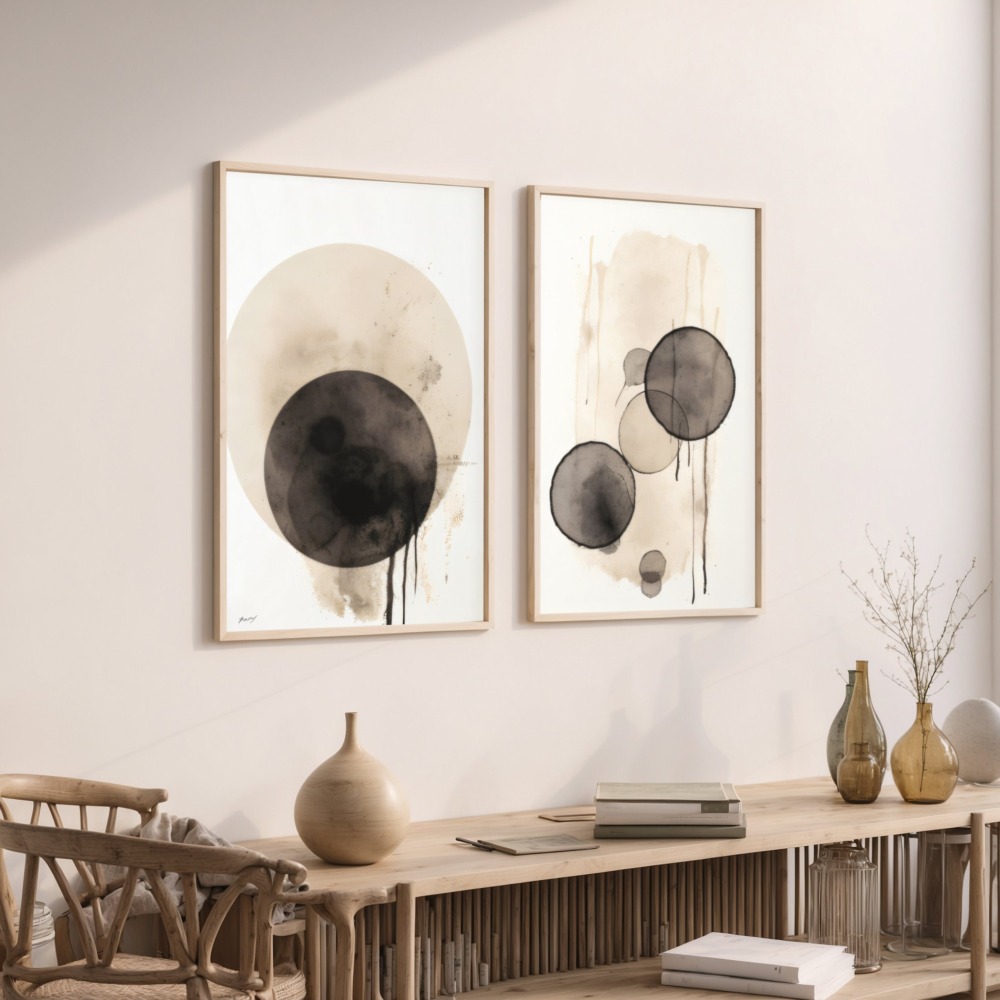
The archival nature of giclée prints represents perhaps their most valuable characteristic. When we talk about archival art prints, we’re referring to materials and processes designed to resist deterioration for many decades under proper display conditions — ours are rated for roughly 75 years. This longevity transforms prints from temporary decorations into legitimate collectibles and potential heirlooms.
Wilhelm Imaging Research, the leading authority on print permanence, tests various printing methods under controlled conditions that simulate aging. Their research shows that giclée prints made with quality pigment inks on archival papers can last 200+ years when displayed behind UV-protective glass. Compare this to standard inkjet prints, which might show noticeable fading within 5 to 25 years, or traditional photograph prints, which typically last 10 to 60 years.
Several factors contribute to this remarkable longevity. Pigment particles in giclée inks are chemically stable and don’t react with atmospheric gases the way dye molecules do. The acid-free, lignin-free papers prevent the yellowing and brittleness that plague wood-pulp papers. Optical brightening agents (OBAs), which many standard papers use to appear whiter, are avoided in archival papers because they degrade over time and cause uneven aging.
For collectors and galleries, this archival quality justifies premium pricing. A giclée print maintains its value because it maintains its appearance. Customers consistently report that their giclée prints look as vibrant years after purchase as they did on day one, provided they follow basic care guidelines like avoiding direct sunlight and maintaining moderate humidity levels.
Museum Quality: What It Actually Means
The term ‘museum quality’ gets thrown around frequently in art print marketing, but it has specific meaning in the context of giclée printing. Museums and galleries have rigorous standards for artwork they display and preserve. When a print qualifies as museum quality, it meets these institutional benchmarks for materials, process, and longevity.
Major museums like the Metropolitan Museum of Art and the Smithsonian now create and sell giclée reproductions of works in their collections. They choose this technology because it offers the best combination of color accuracy and preservation. Museum conservators prioritize archival stability above all else, knowing that improper materials can damage not just individual pieces but entire collections.
Museum quality giclée printing requires several specific elements. First, the paper or canvas must be acid-free and pH neutral, typically with a pH between 7.0 and 8.5. The inks must pass accelerated aging tests demonstrating light-fastness ratings of 7 or 8 on the Blue Wool Scale, indicating minimal fading over 100+ years. The printing process must avoid any techniques that compromise longevity, such as spray coatings with VOCs or lamination with non-archival adhesives.
Color accuracy is equally important for museum standards. Giclée reproductions should match the original artwork as closely as physically possible, requiring sophisticated color matching under controlled lighting conditions. Professional giclée studios maintain viewing booths with D50 or D65 standardized lighting to ensure accurate color evaluation. They also provide certification and edition numbering for limited runs, documentation that museums require for provenance and inventory management.
Choosing Giclée Prints for Your Collection
Understanding what giclée printing offers helps you make informed decisions when purchasing art for your home or collection. Not all vendors who claim to offer giclée prints actually meet the standards we’ve discussed. Ask potential suppliers specific questions about their process: What type of inks do they use? What is the gsm weight of their papers? Can they provide Wilhelm Imaging Research data on print longevity?
Legitimate giclée prints cost more than standard prints for good reason. The equipment, materials, and expertise required represent significant investments that translate to higher prices. However, when you calculate cost per year of enjoyment, giclée prints often prove more economical than cheaper alternatives you’ll need to replace repeatedly. A giclée print at $200 that lasts 100 years costs $2 per year, while a $40 standard print lasting 5 years costs $8 per year.
Consider also the aesthetic difference. The depth of color, smooth gradations, and fine detail in giclée prints create visual impact that standard prints cannot match. This becomes especially apparent with complex artwork featuring subtle color shifts or intricate details. Photographic reproductions, abstract art, and watercolor paintings particularly benefit from giclée’s superior rendering capabilities.
When displaying giclée prints, protect your investment with proper framing. Use UV-protective glass or acrylic, which filters harmful light wavelengths while maintaining transparency. Choose acid-free mats and backing boards. Avoid hanging prints in direct sunlight or areas with high humidity. These simple precautions ensure your giclée prints maintain their beauty for generations.
The Future of Fine Art Reproduction
Giclée printing continues to evolve as technology advances. Newer printers offer even higher resolutions, expanded color gamuts, and improved ink formulations. Some manufacturers now produce inks with metallic or fluorescent pigments, expanding creative possibilities beyond traditional color spaces. Print speeds have increased while maintaining quality, making giclée more accessible to artists and consumers.
Despite these advances, the fundamental principles that define giclée remain constant: archival materials, pigment-based inks, high resolution, and color accuracy. These standards ensure that giclée printing maintains its position as the premier method for fine art reproduction. Whether you’re an artist seeking to reproduce your work, a collector building a gallery, or someone who simply appreciates quality art, giclée printing offers unmatched quality and longevity.
The difference between a giclée print and a standard print becomes obvious the moment you see them side by side. The richness of color, the sharpness of detail, and the physical presence of museum-quality materials create artwork worthy of display and preservation. When you’re ready to experience this difference for yourself, explore museum-quality giclée prints that bring professional gallery standards to your walls. In a world of disposable decorations, giclée prints represent investment pieces that grow more valuable as they prove their enduring beauty year after year.