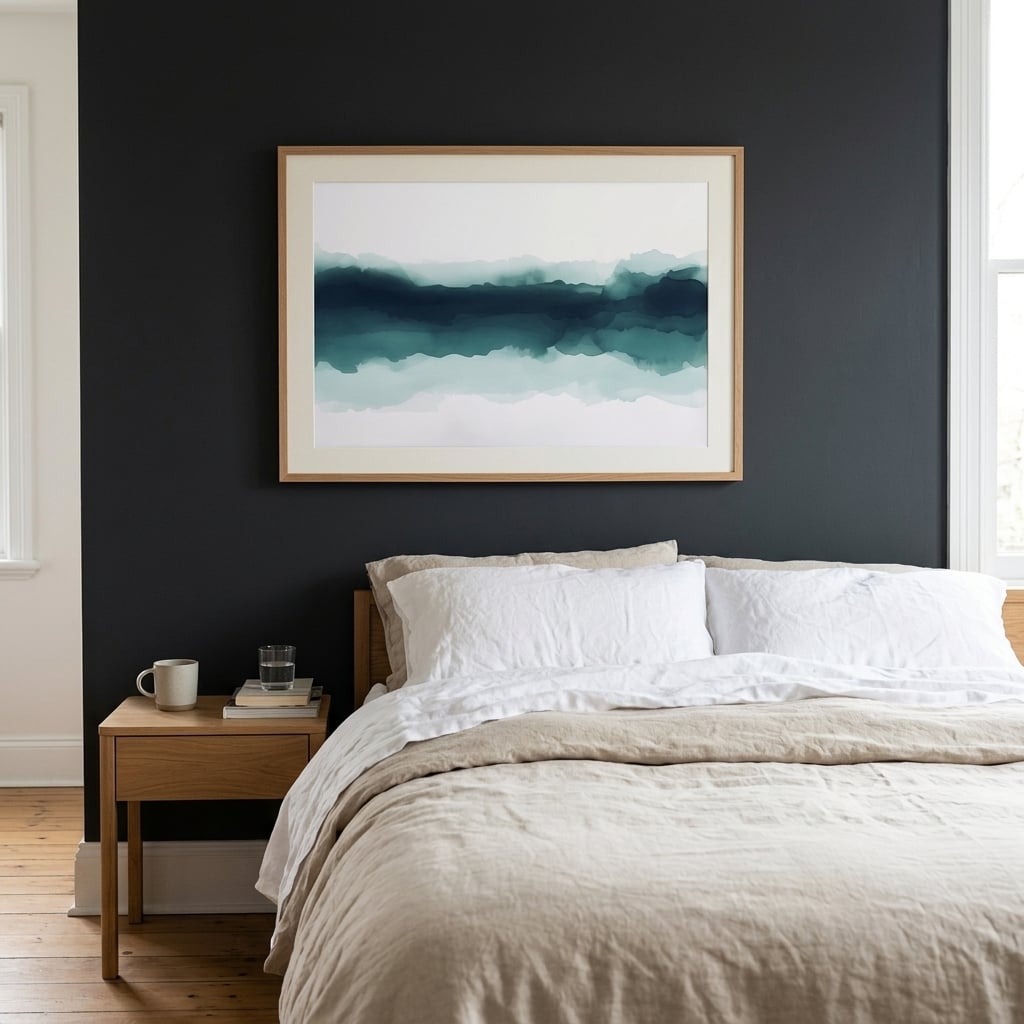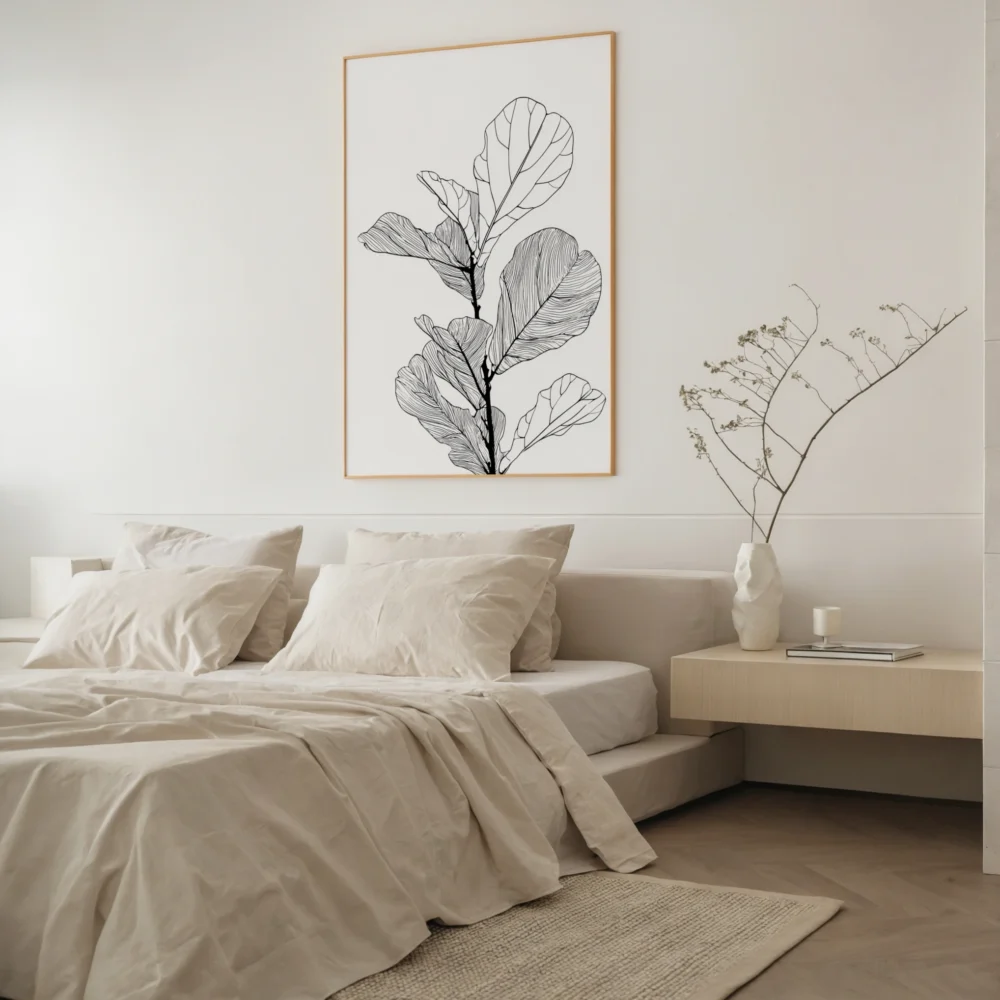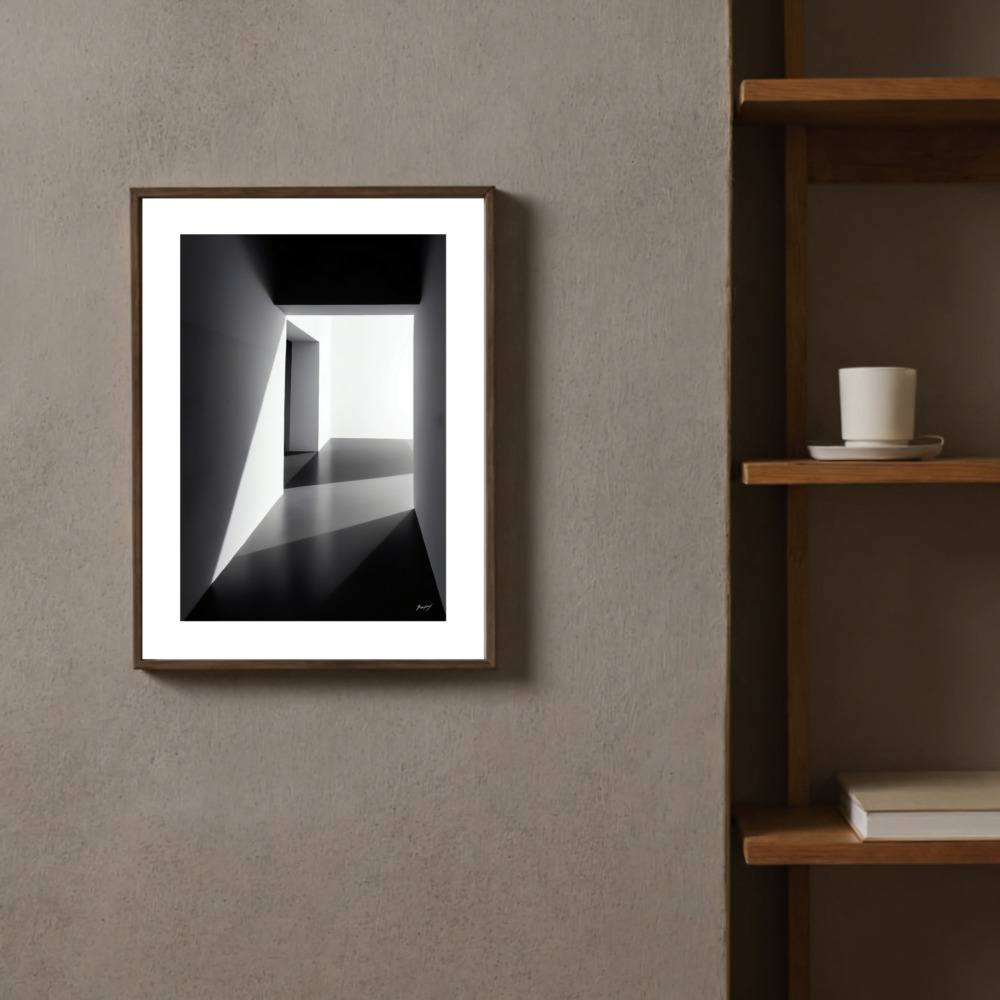
Walk into any design-forward space today, and you’ll likely encounter them: clean lines, precise angles, and perfectly balanced shapes adorning the walls. Geometric art prints have become the go-to choice for homeowners and interior designers alike, and for good reason. Unlike trendy decorative pieces that feel dated within a season, geometric designs possess a timeless quality that transcends fleeting design movements.
But what makes these mathematical compositions so enduringly appealing? The answer lies in their unique ability to bridge the gap between artistic expression and architectural precision. Geometric art speaks a universal visual language—one that resonates with our innate human appreciation for order, symmetry, and balance. The look pairs naturally with our mid-century modern wall art, where those clean retro lines and warm tones come together.
The Psychology Behind Geometric Wall Art
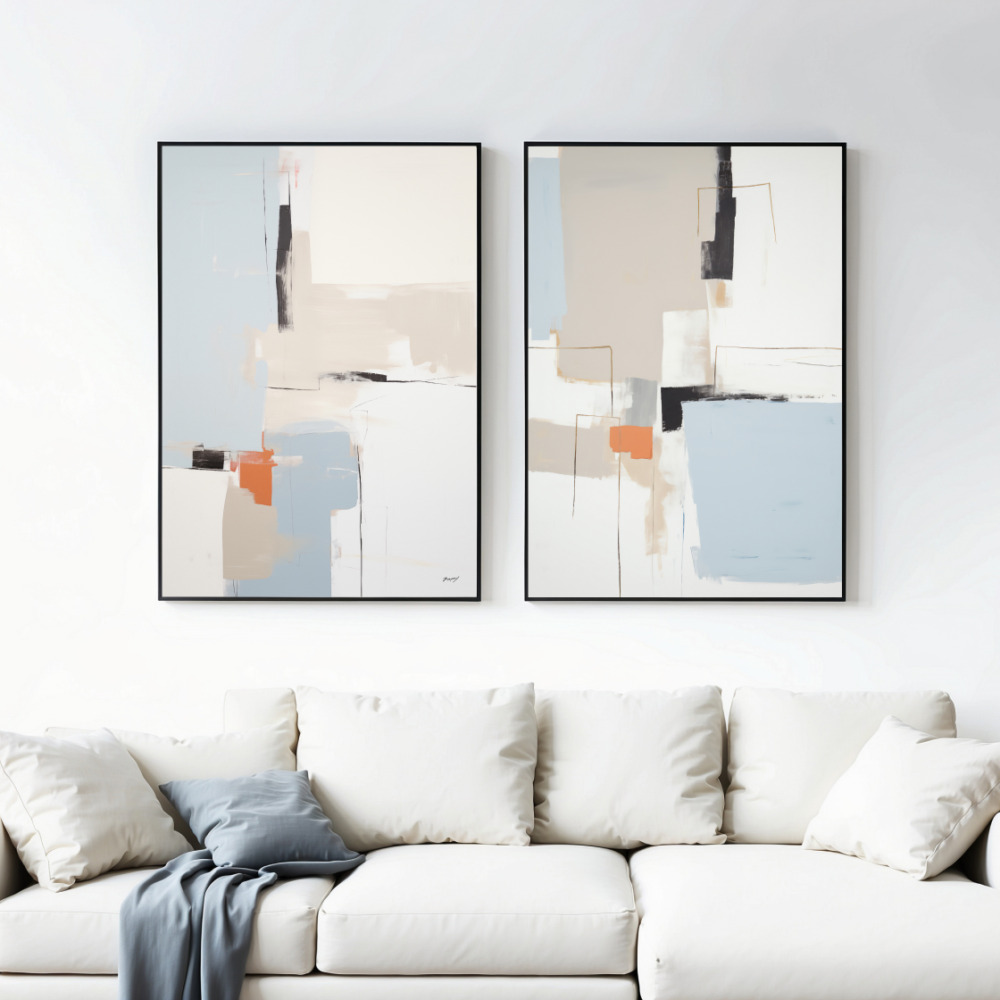
Our brains are hardwired to find patterns and create order from chaos. When we look at black and white geometric art prints, we experience a subtle sense of satisfaction. Geometric art prints appeal to us through their repeating shapes, symmetrical arrangements, and mathematical precision.
Research in environmental psychology suggests that geometric patterns can actually influence our mood and perception of space. Clean, organized patterns tend to promote feelings of calm and focus, while more complex geometric arrangements can energize a room and stimulate creativity. This psychological impact explains why modern geometric art has become such a staple in both residential and commercial spaces—from minimalist apartments to corporate offices seeking to boost productivity.
The versatility of geometric designs also means they work with our psychological need for both stability and variety. A simple triangle composition provides visual grounding, while a more intricate tessellation offers endless discovery for the eye. This dual nature makes geometric prints suitable for any room and any mood you want to create.
Why Modern Geometric Art Works in Any Space
One of the most compelling advantages of modern geometric art is its chameleonic adaptability. Whether your home leans Scandinavian minimalist, mid-century modern, industrial chic, or even traditional, geometric prints can integrate seamlessly into your existing aesthetic.
In minimalist spaces, geometric art serves as a focal point without overwhelming the intentional simplicity of the room. The clean lines complement bare walls and uncluttered surfaces, adding visual interest while respecting the ‘less is more’ philosophy. A single large-scale geometric print can anchor an entire room, providing all the decoration needed.
For maximalist interiors, geometric designs offer a stabilizing element amidst eclectic collections and bold patterns. The structured nature of geometric shapes provides visual rest and helps organize more chaotic design schemes. They act as the calm within the storm, allowing the eye to reset before taking in more decorative elements.
Traditional spaces benefit from geometric art as well, particularly when selected in classic color palettes. A geometric print in navy and gold, for instance, can bridge the gap between heritage furnishings and contemporary sensibilities, creating an updated look that respects the room’s classical foundation.
The Minimalist Geometry Connection
The relationship between minimalism and geometric art is particularly symbiotic. Geometric minimalist prints embody the core principles of minimalist design: intentionality, simplicity, and focus on essential elements. Each line serves a purpose, each shape contributes to the composition, and nothing is extraneous.
This alignment with minimalist values explains why geometric art prints work so well in minimalist interiors. They provide visual engagement without clutter, complexity without chaos. A well-chosen geometric print offers enough interest to prevent a minimalist space from feeling cold or sterile, while maintaining the clean aesthetic that defines the style.
Consider how a single line drawing of geometric shapes can transform a neutral wall. The artwork adds dimension and character while preserving the room’s sense of spaciousness. This is the magic of geometric minimalist prints—they enhance without overwhelming, decorate without cluttering.
Color Palettes and Geometric Compositions
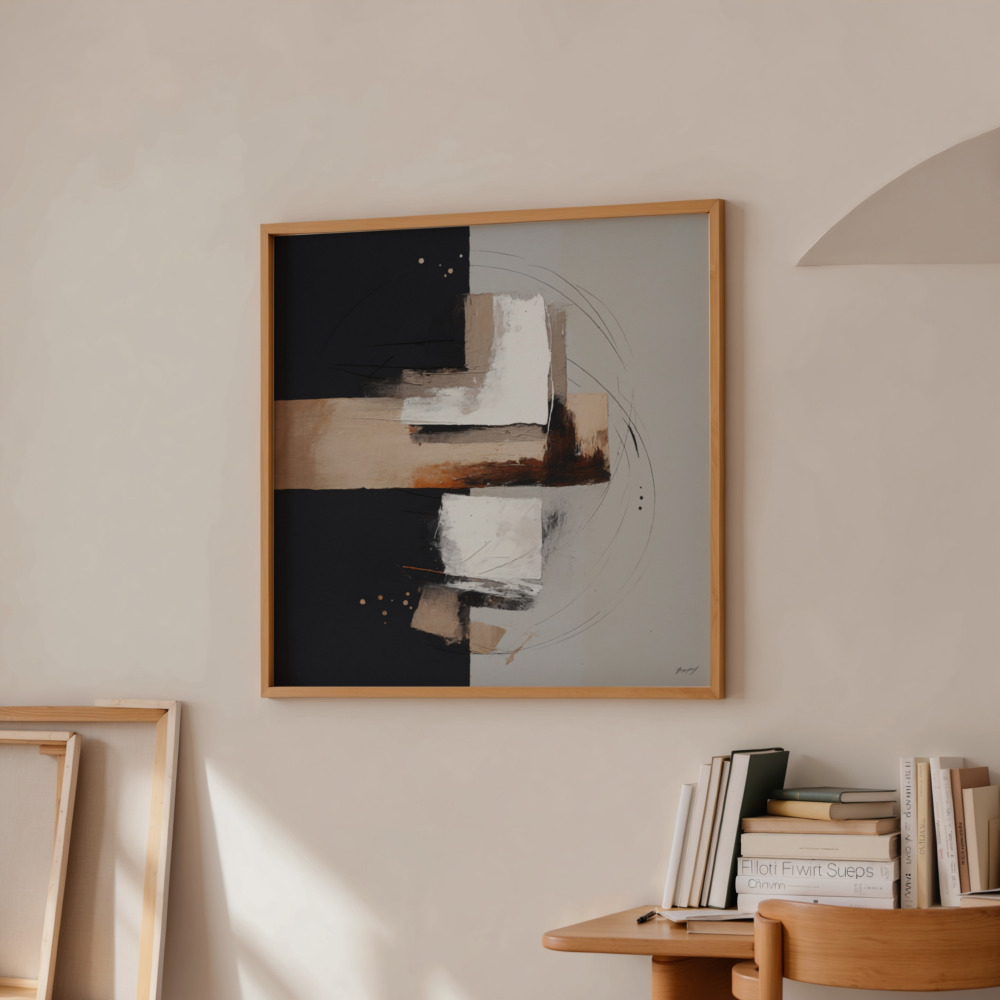
The color choices in geometric wall art significantly impact how the piece interacts with your space. Monochromatic geometric prints offer sophistication and timelessness, working as visual anchors that won’t compete with other design elements. Black and white compositions, in particular, provide maximum impact with minimal color commitment—perfect for renters or those who frequently update their decor.
Neutral geometric art featuring beiges, grays, and soft earth tones brings warmth while maintaining versatility. These pieces work beautifully in transitional spaces and can adapt as your color scheme evolves. They’re particularly effective in creating cohesion between rooms with different color palettes.
Bold, colorful geometric prints make powerful statements and can energize a space instantly. A vibrant geometric composition in jewel tones or primary colors becomes the room’s focal point, around which other design decisions revolve. These pieces work exceptionally well in otherwise neutral spaces that need a shot of personality.
Pastel geometric designs offer a softer approach, bringing gentle color and maintaining the calming effect of geometric order. These work wonderfully in bedrooms, nurseries, and spaces designed for relaxation.
Sizing and Placement Strategies
The impact of geometric art depends significantly on scale and placement. A common mistake is choosing prints that are too small for the wall space, resulting in artwork that disappears rather than enhances the room.
For large walls, consider oversized geometric prints that command attention. A single large-scale piece (30×40 inches or larger) creates drama and sophistication. Alternatively, a gallery wall of smaller geometric prints can fill the space while offering variety and visual movement.
Above furniture pieces, artwork should generally span two-thirds to three-quarters of the furniture’s width. This proportion creates visual balance and helps anchor the furniture within the room. A geometric print positioned too high or too small will float awkwardly rather than integrating with the space.
In narrow spaces like hallways or between windows, vertical geometric compositions draw the eye upward, making ceilings appear higher and spaces feel less confined. Conversely, horizontal geometric arrangements can make narrow walls appear wider and more substantial.
Mixing Geometric Prints Successfully
Creating a cohesive look with multiple geometric prints requires attention to common threads that tie the pieces together. Repeating one element—whether it’s a color, a shape, or a style—creates unity among diverse pieces.
When building a gallery wall, vary the complexity of geometric designs. Mix simpler compositions with more intricate patterns to create visual rhythm and prevent overwhelming the viewer. This variation gives the eye places to rest and places to explore.
Consider the spacing between prints as part of the overall geometric composition. Equal spacing creates order and calm, while asymmetrical arrangements with varied gaps can add energy and contemporary edge. Both approaches work, depending on the mood you want to create.
Frame choices also impact how geometric prints work together. Matching frames create cohesion and formality, while mixing frame styles (while maintaining a common element like color or material) adds casual sophistication.
When the ruler comes off, the freer register lives at abstract shapes art.
The Investment Value of Geometric Art
Unlike trend-driven decor that loses appeal as styles shift, geometric art represents a sound investment in your space. The mathematical foundations of geometric design exist outside of fashion cycles—circles, triangles, and lines won’t suddenly become passé.
Quality geometric prints maintain their visual impact through multiple design refreshes. As you update paint colors, swap out textiles, or replace furniture, your geometric wall art adapts to each new iteration of your space. This longevity makes geometric prints cost-effective compared to artwork that only works within a narrow aesthetic window.
For those building an art collection, geometric prints offer an accessible entry point into owning meaningful artwork. The genre spans from affordable contemporary prints to investment-grade pieces by renowned artists, allowing collectors at any level to participate.
Finding Your Perfect Geometric Style
With countless geometric art options available, identifying your personal style within the genre helps narrow your choices. Do you gravitate toward organic, hand-drawn geometric shapes with slight imperfections, or do you prefer the crisp precision of digitally rendered designs?
Consider whether you’re drawn to minimalist single-shape compositions or complex tessellations and patterns. Some people find simple geometric designs more impactful, while others appreciate the meditative quality of intricate repeating patterns.
Think about line weight and spacing as well. Thick, bold lines create strong graphic impact, while fine delicate lines offer sophistication and subtlety. The negative space in geometric compositions matters as much as the shapes themselves—some designs emphasize the shapes, while others showcase the space between them.
Your existing decor provides clues to which geometric style will work best. If your space features angular furniture and architectural elements, echoing those angles in your wall art creates cohesion. Conversely, if your room has many straight lines and sharp angles, introducing circular or curved geometric designs provides welcome contrast.
Bringing It All Together
The enduring appeal of geometric art prints stems from their unique position at the intersection of art and mathematics, creativity and order, expression and restraint. They offer something rare in interior design: true versatility combined with timeless aesthetic value.
Whether you’re furnishing your first apartment or refreshing a long-established home, geometric art prints provide a foundation for building spaces that feel both current and classic. They work with your existing style while giving you flexibility to evolve your aesthetic over time.
The key is choosing pieces that resonate with you personally while considering how they’ll function within your space. Start with one piece that speaks to you, observe how it transforms your room, and build from there. Geometric art isn’t about following rules—it’s about finding the patterns, shapes, and compositions that make your space feel complete.