קולקציות נוספות
Home / Art Print Collections / Calm Wall Art: Zen, Peaceful and Relaxing Prints
Calm Wall Art: Zen, Peaceful and Relaxing Prints
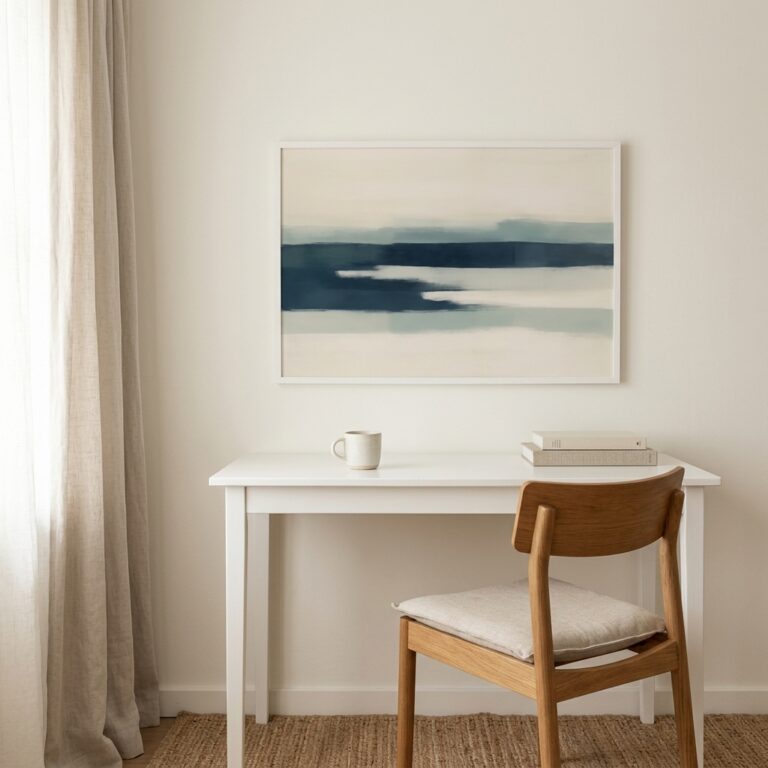
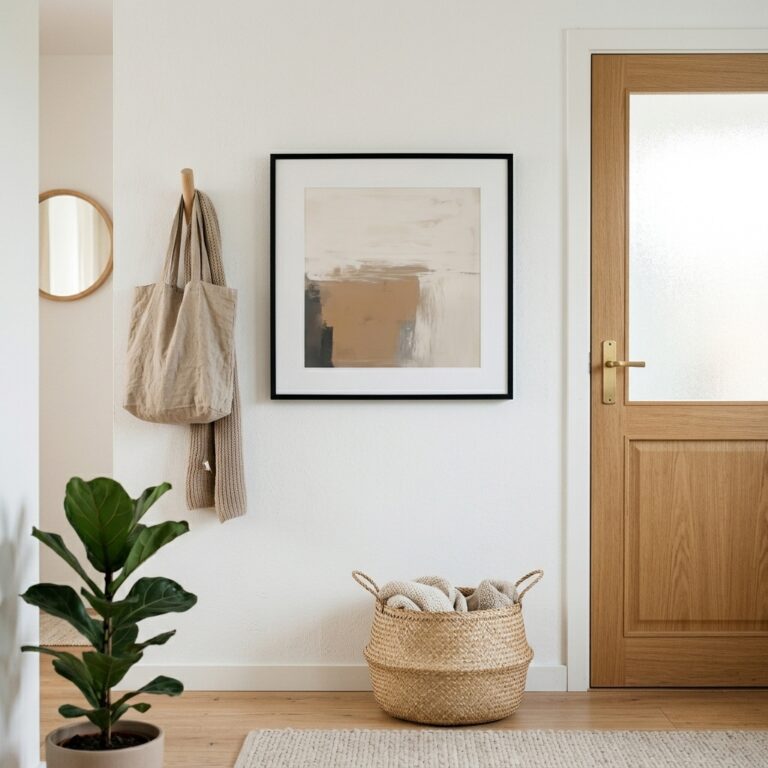
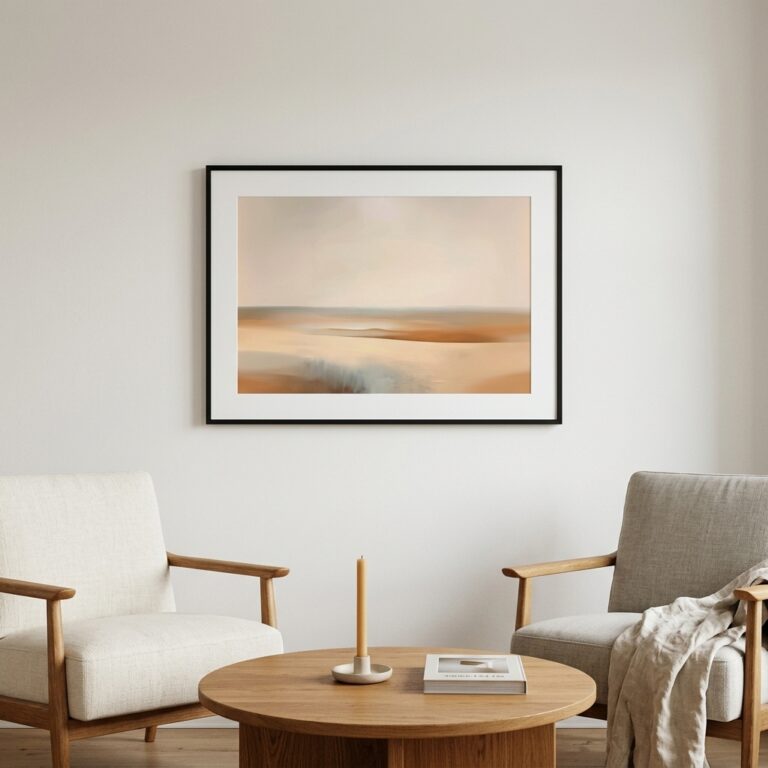
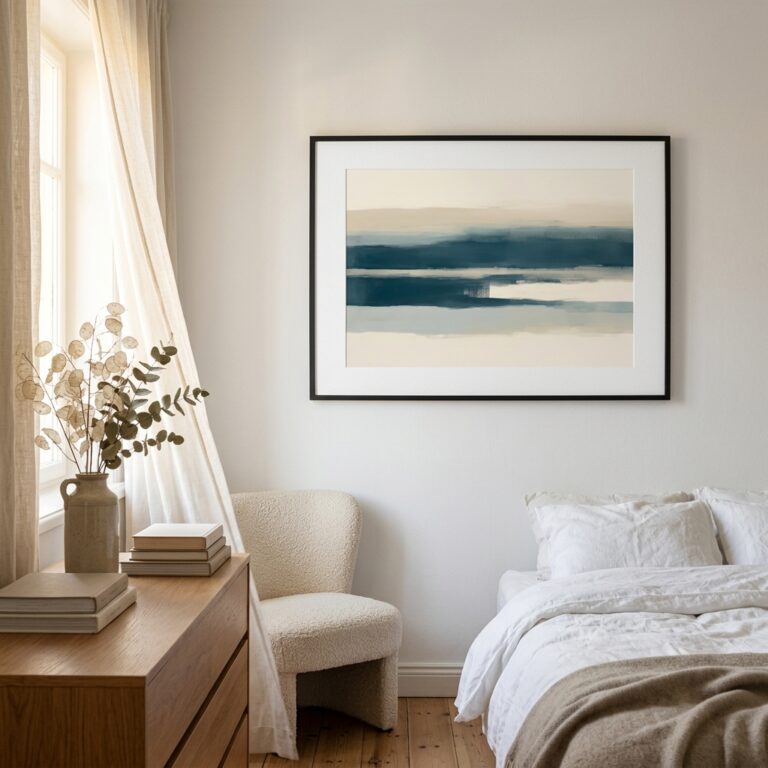
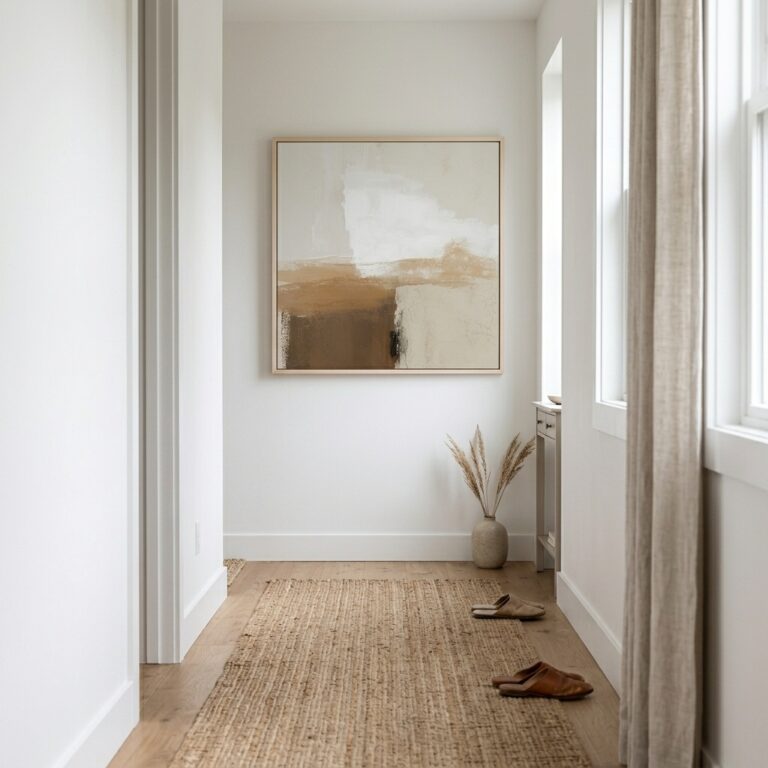
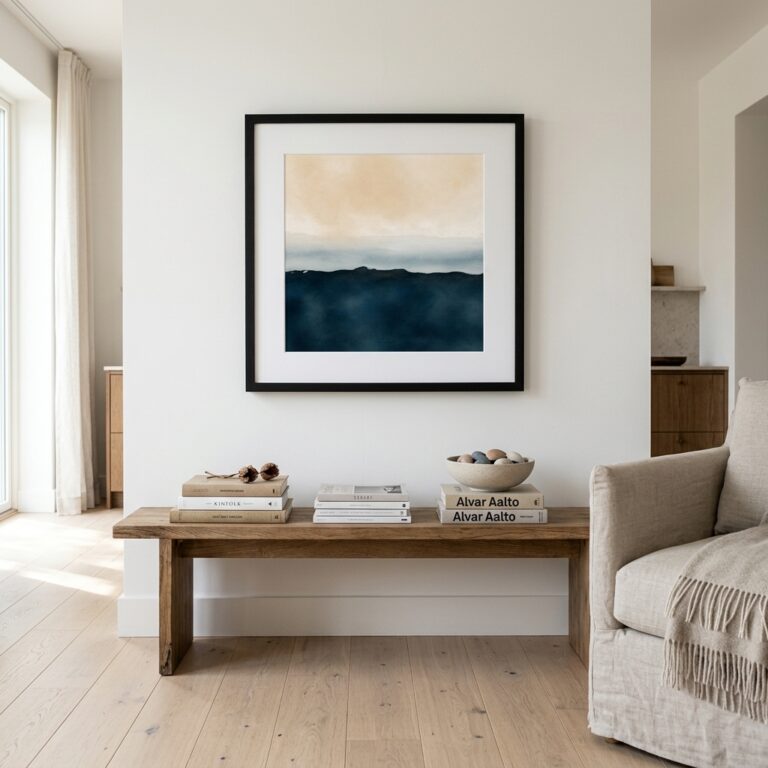
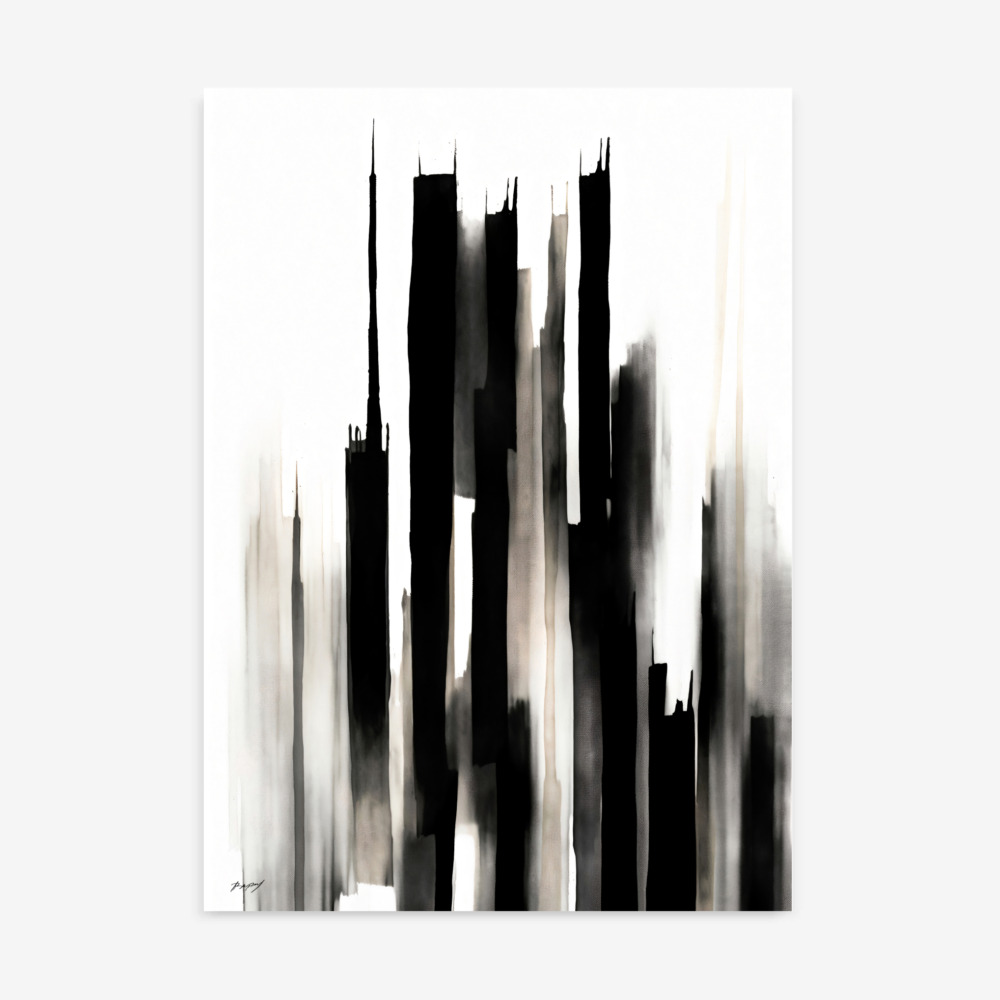
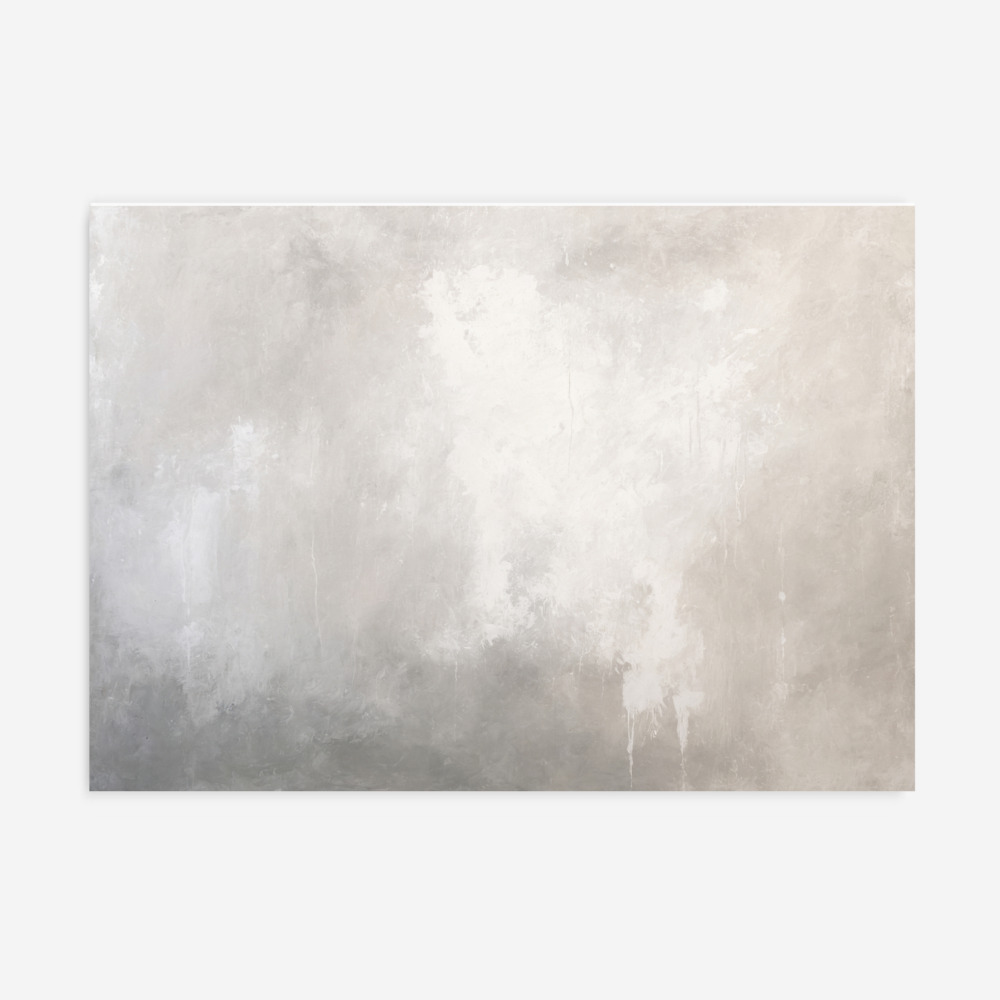
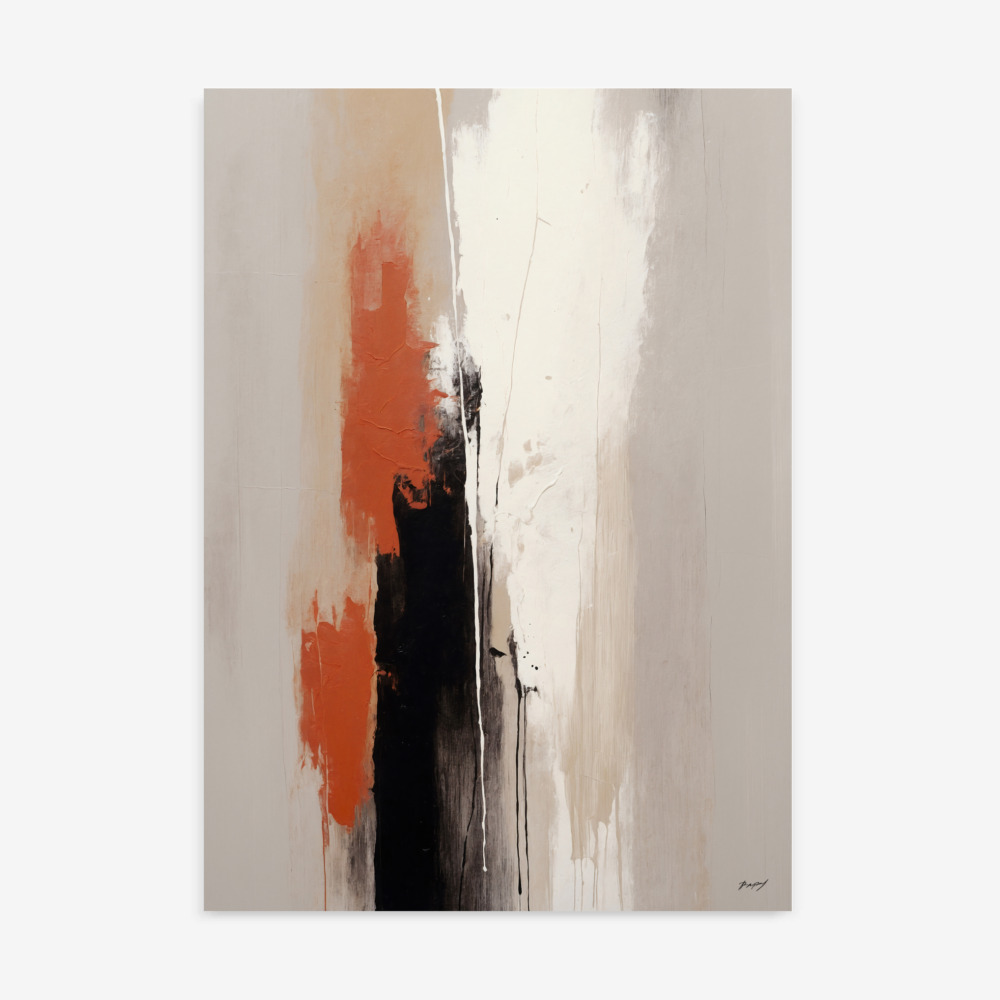
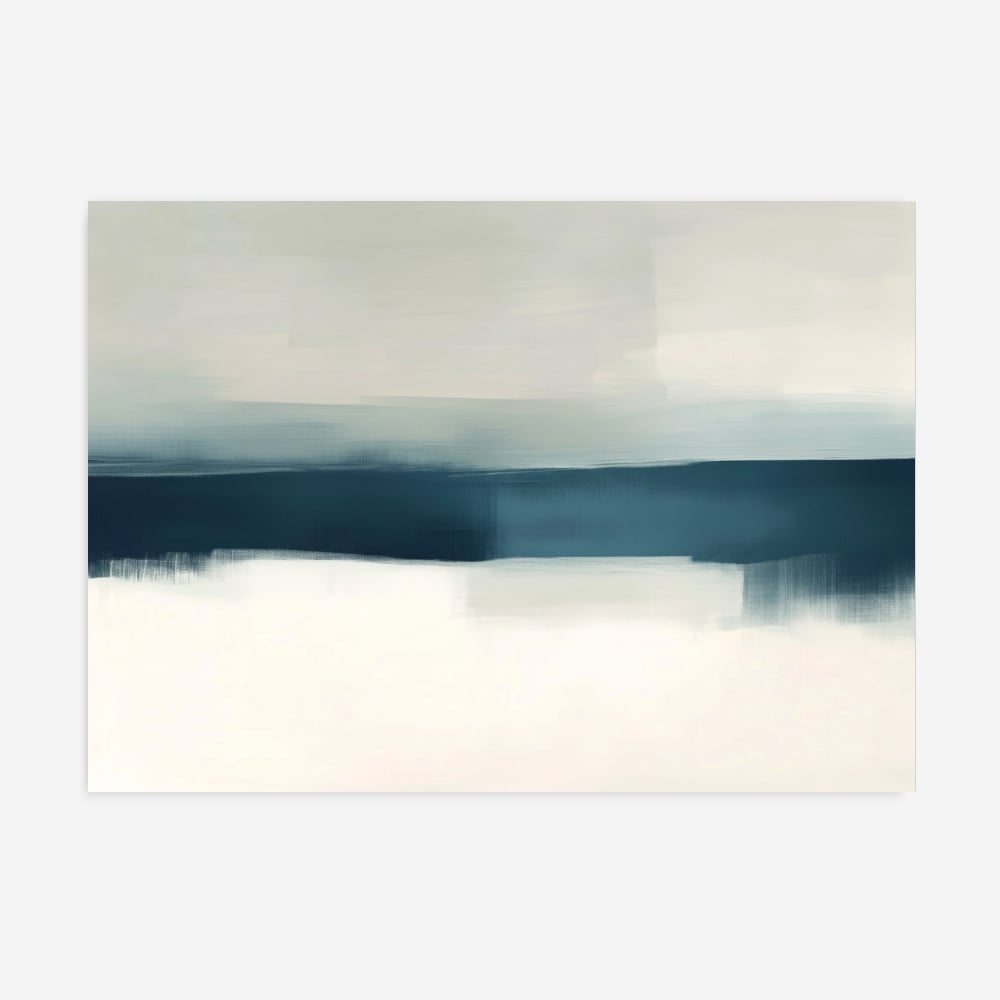
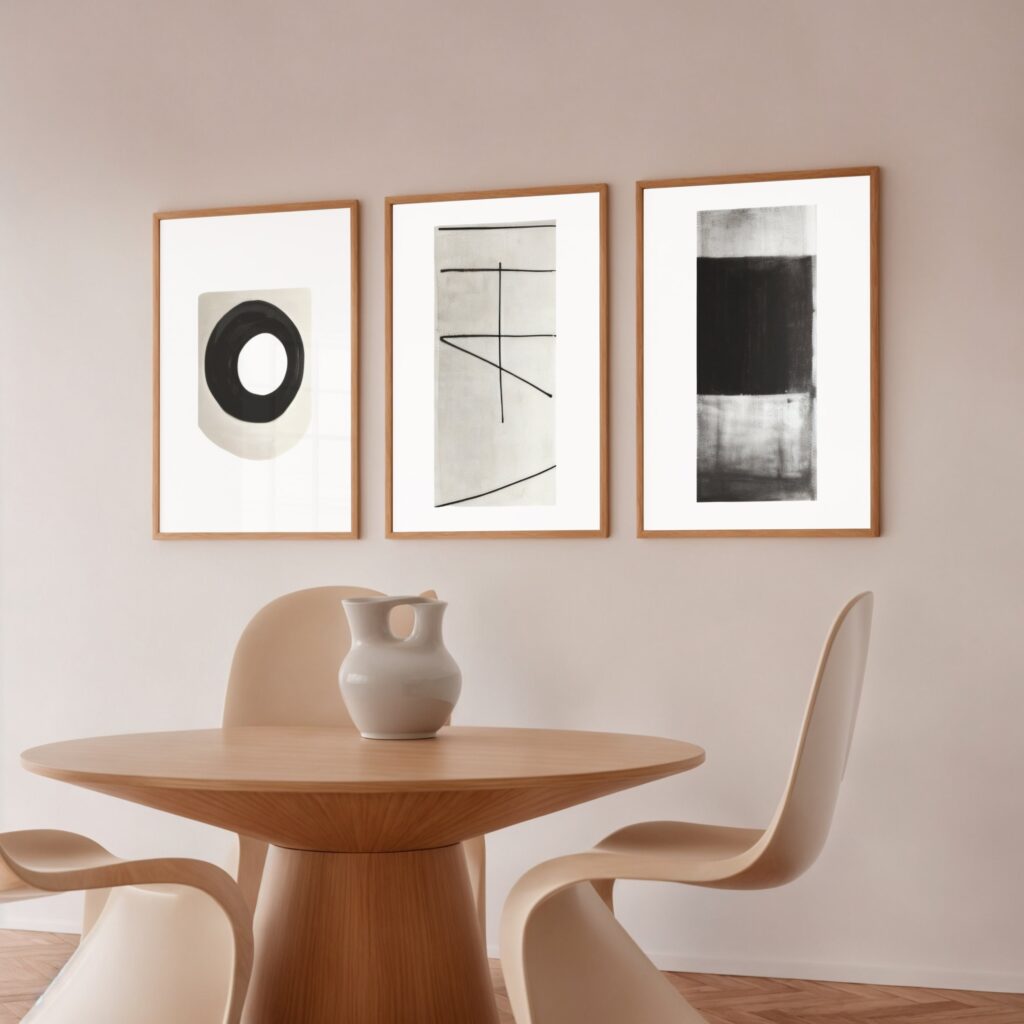
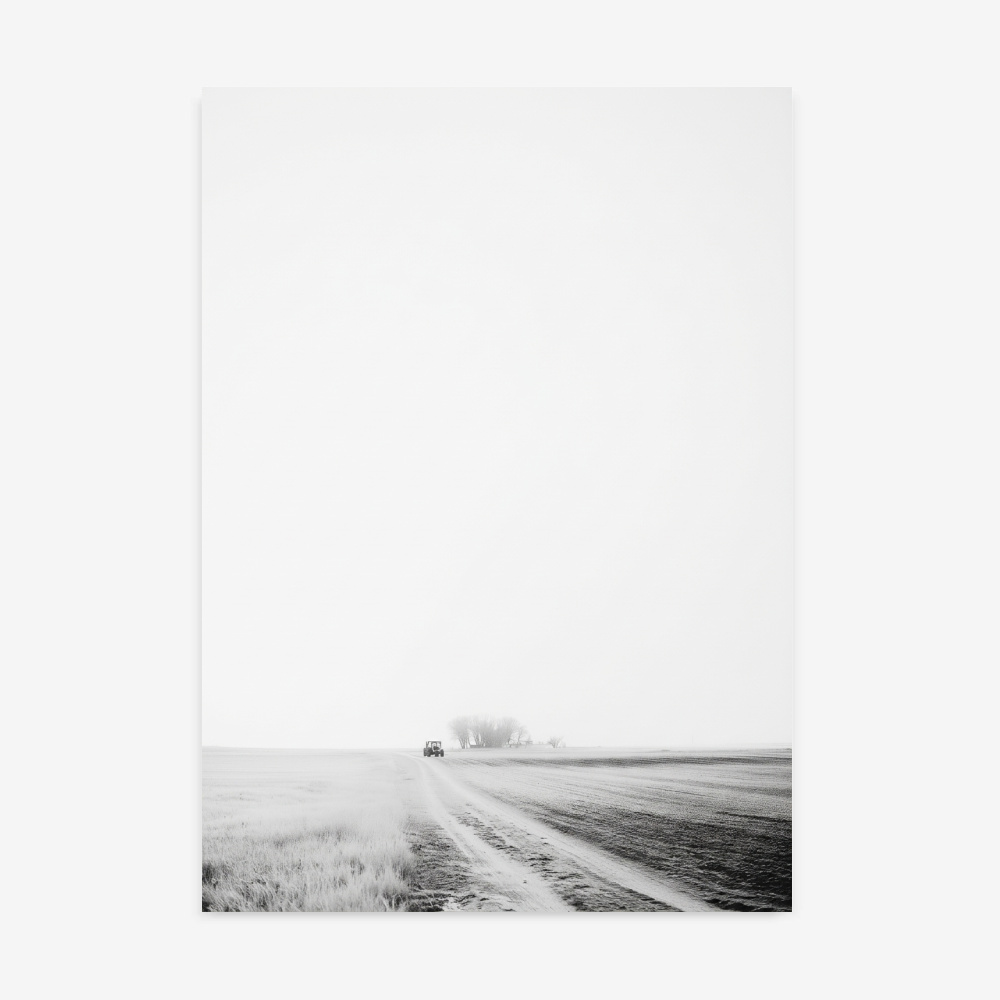
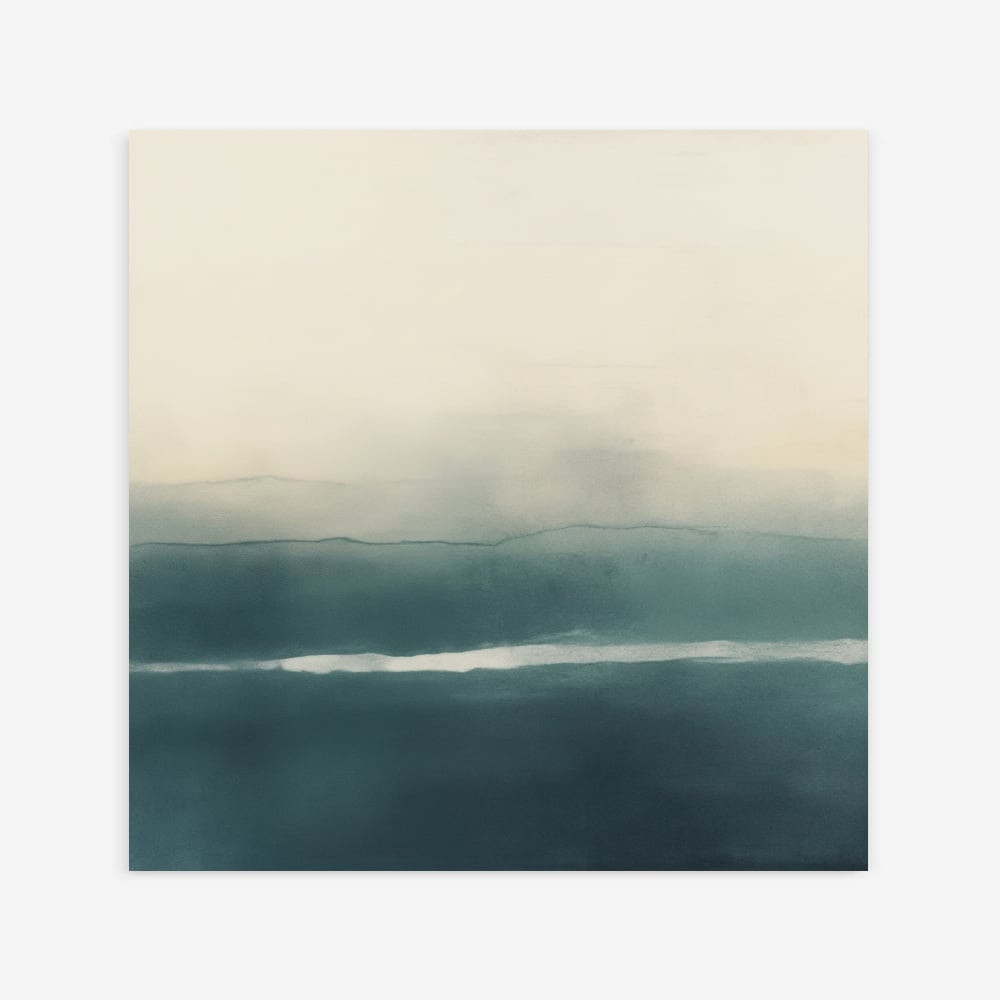
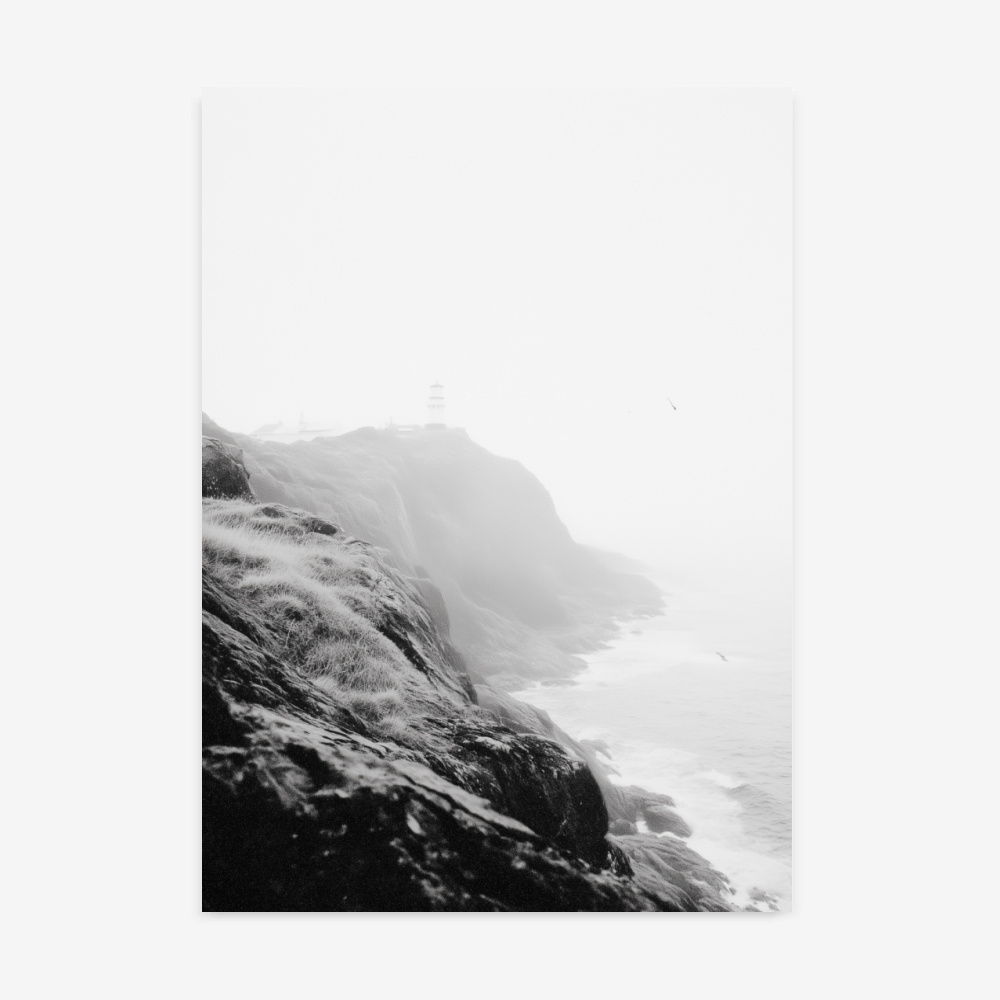
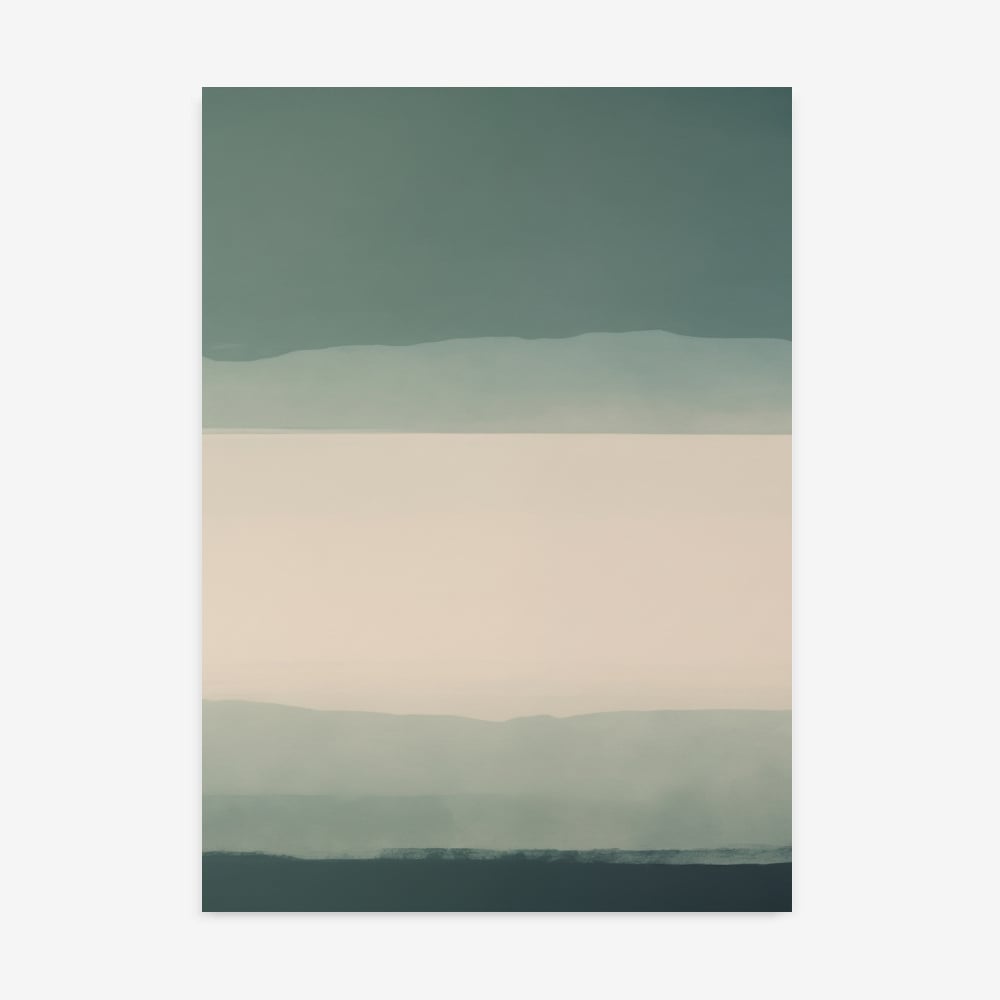
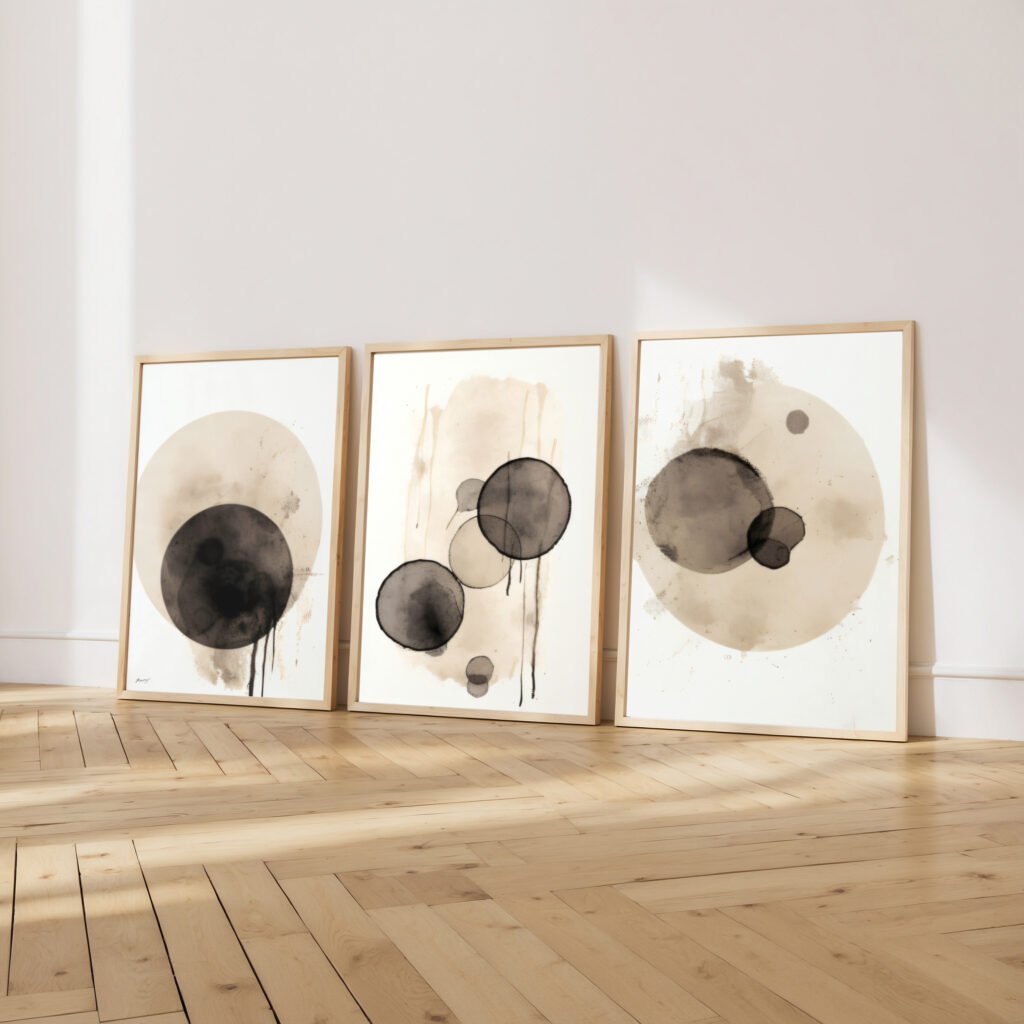
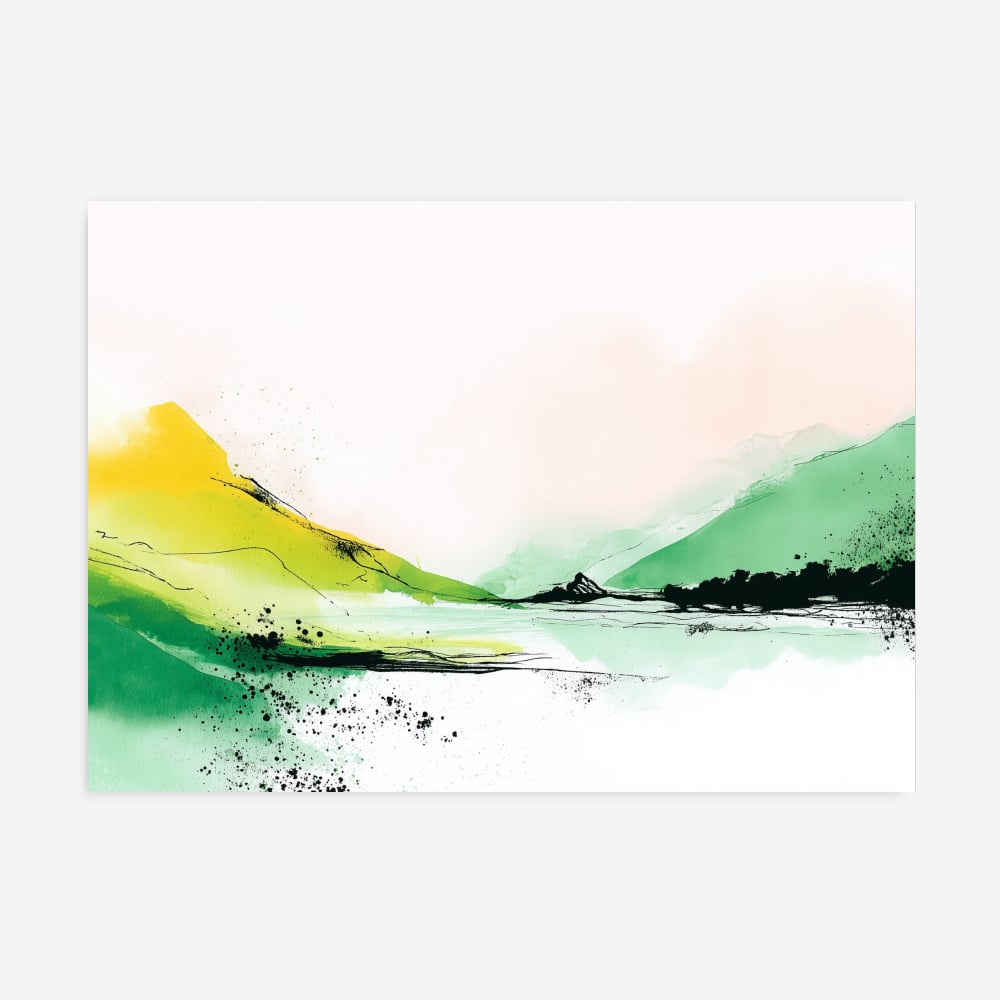
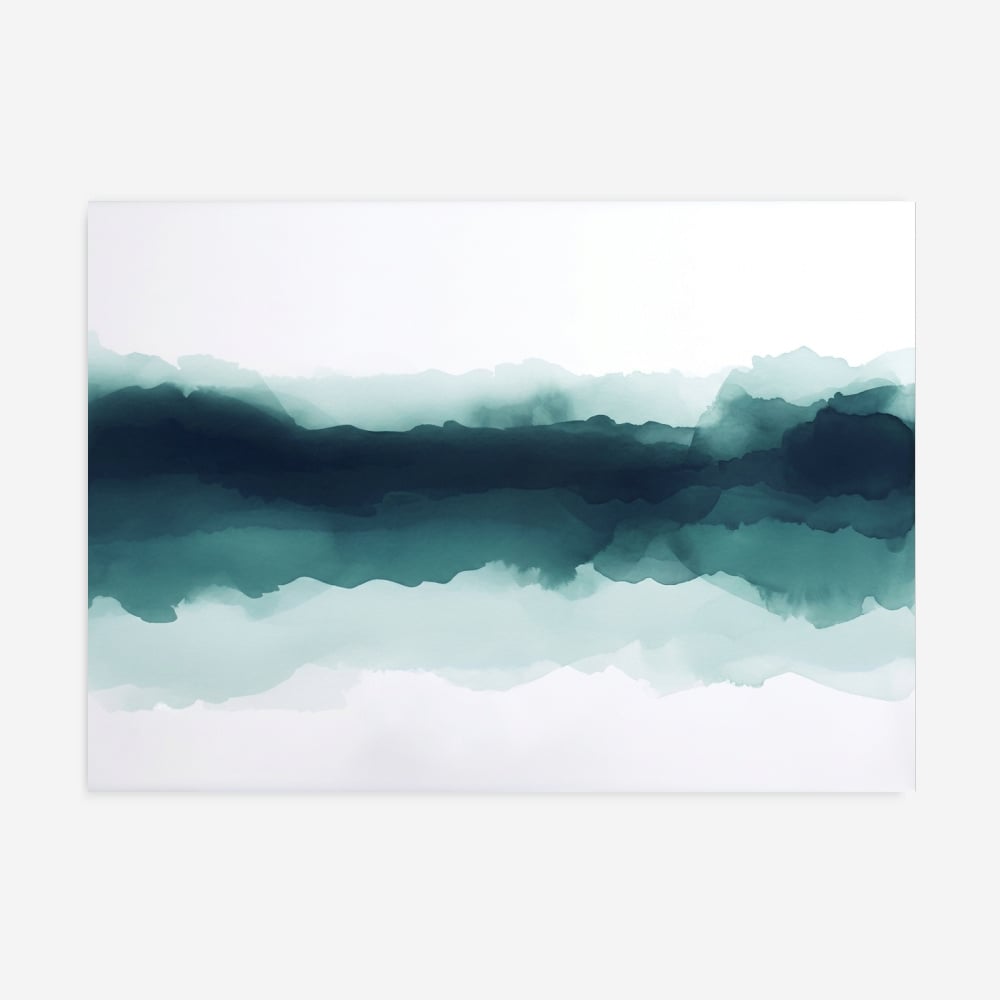
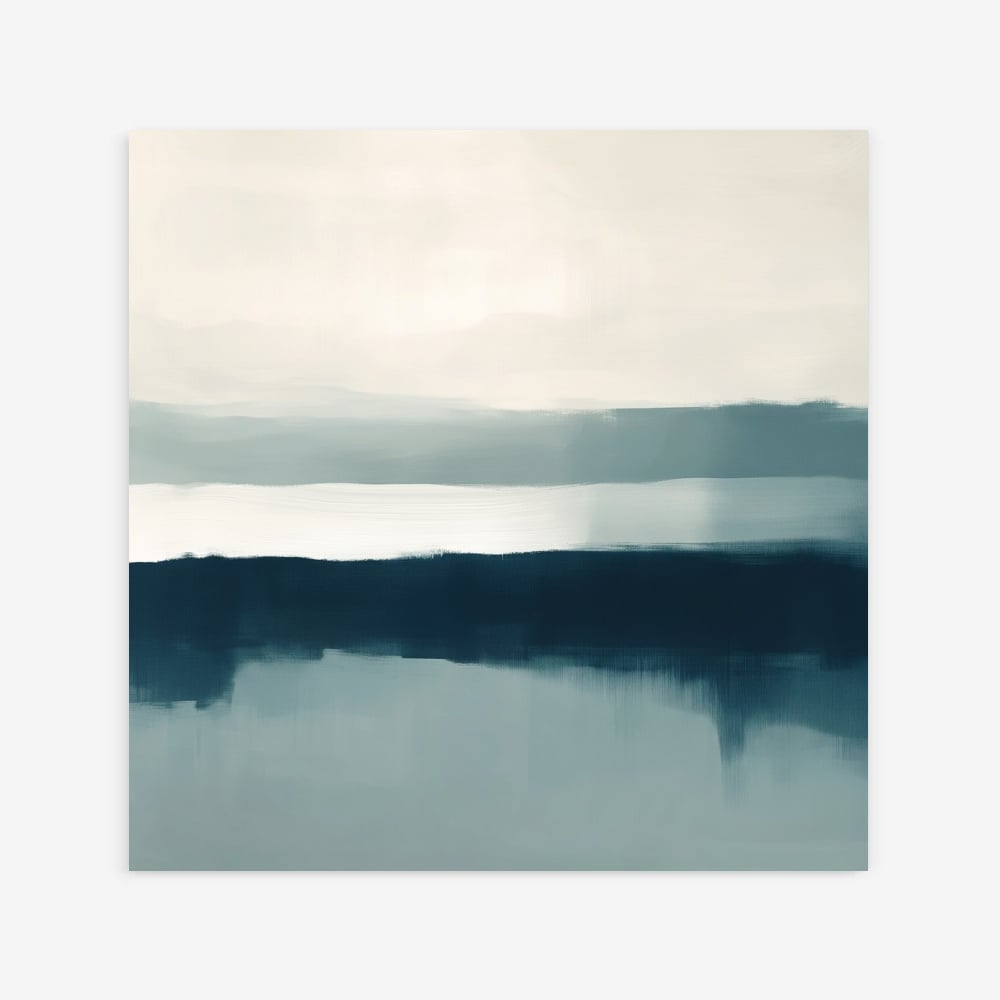
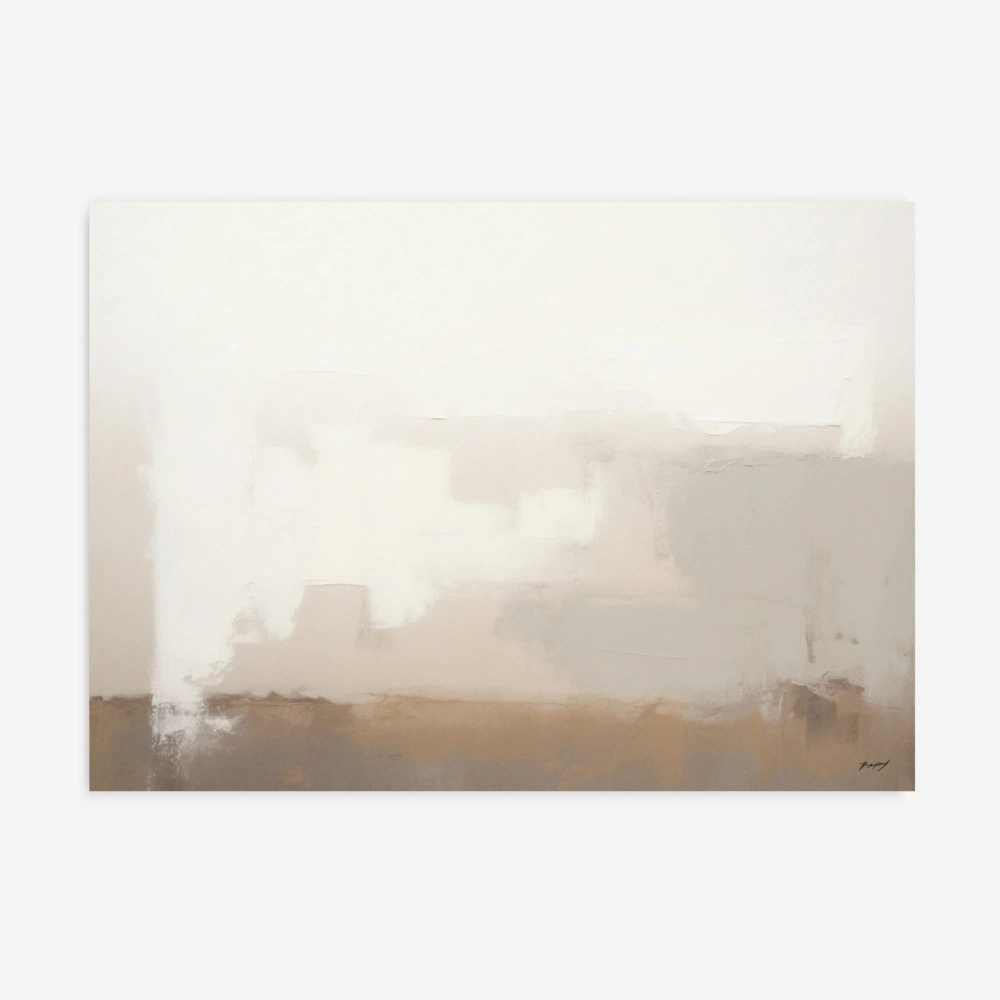
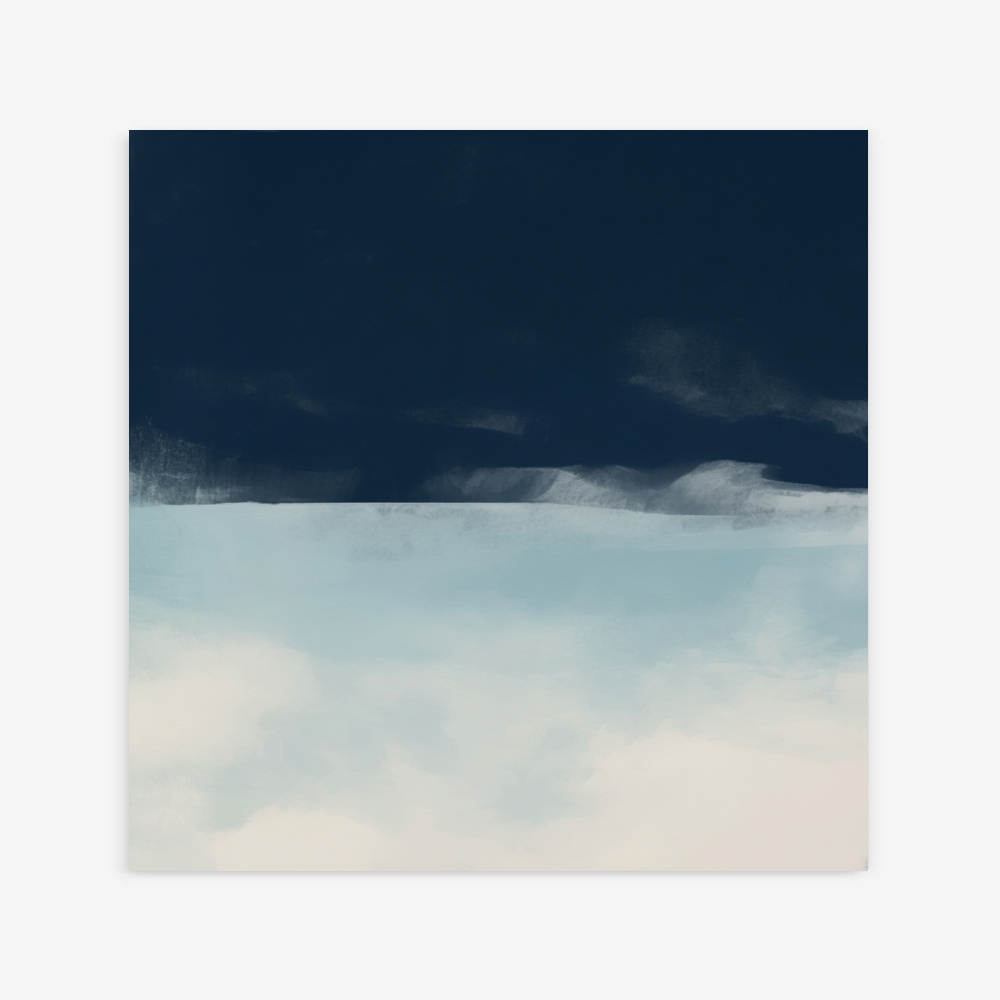
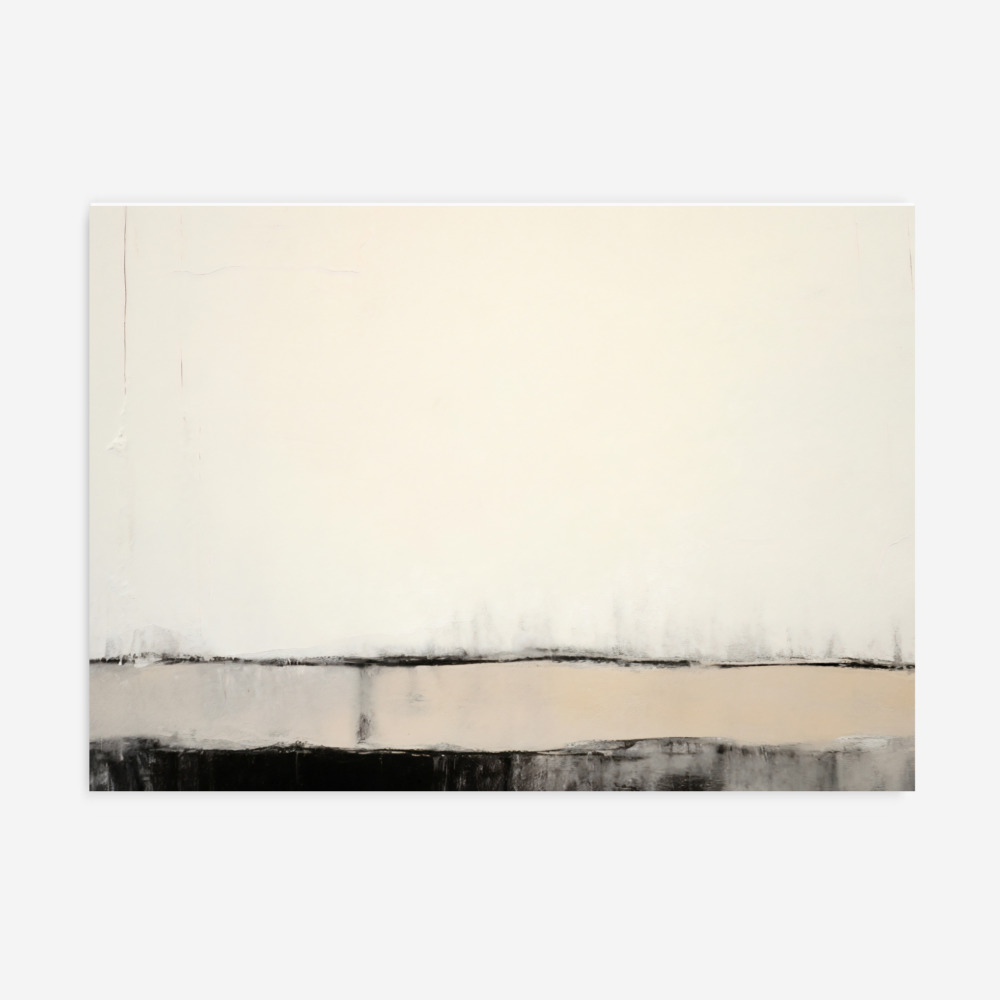
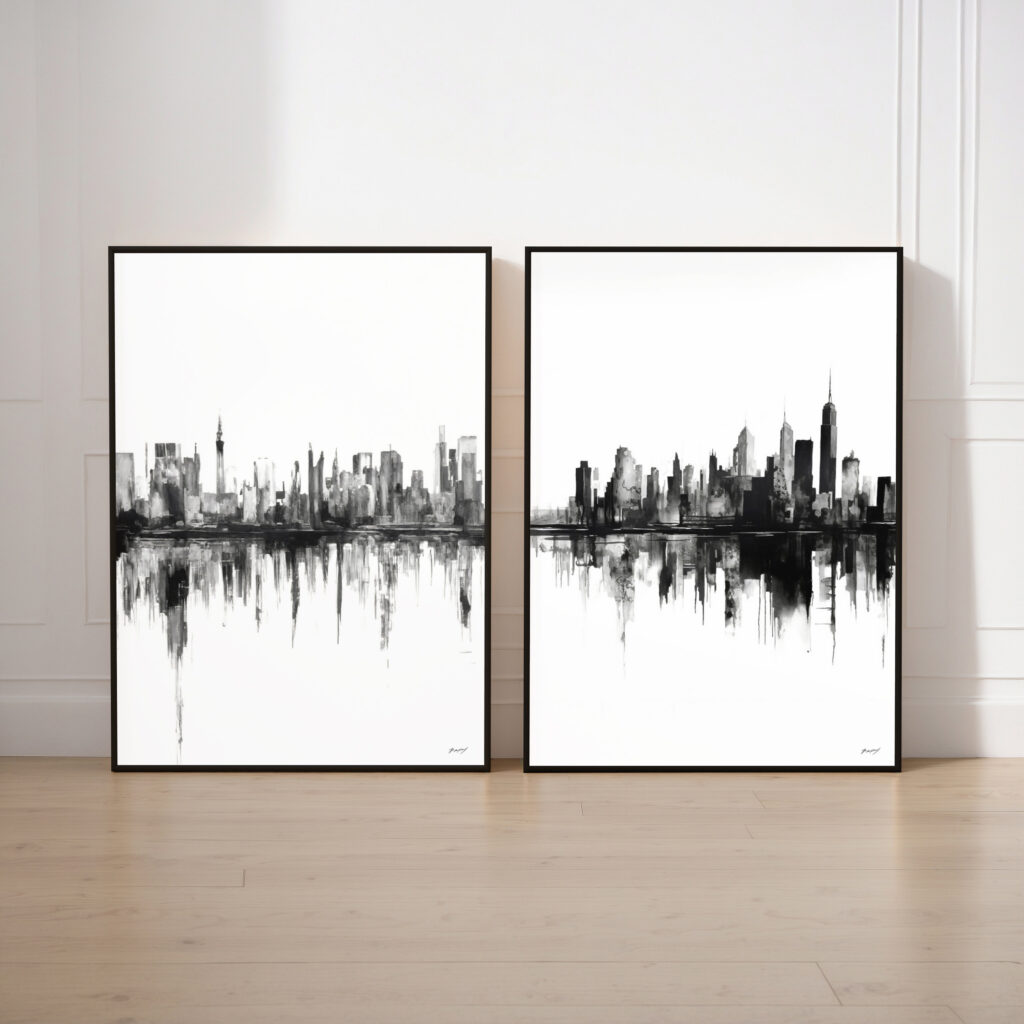
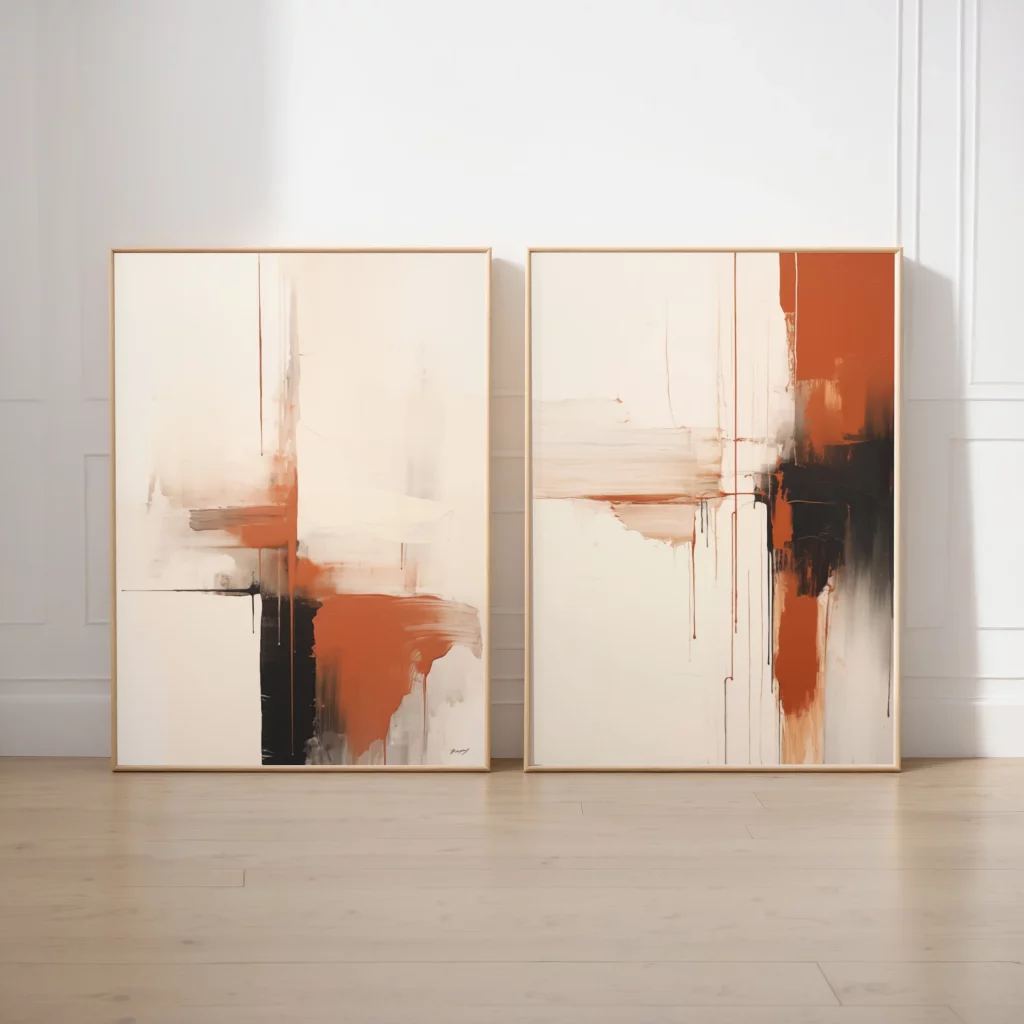
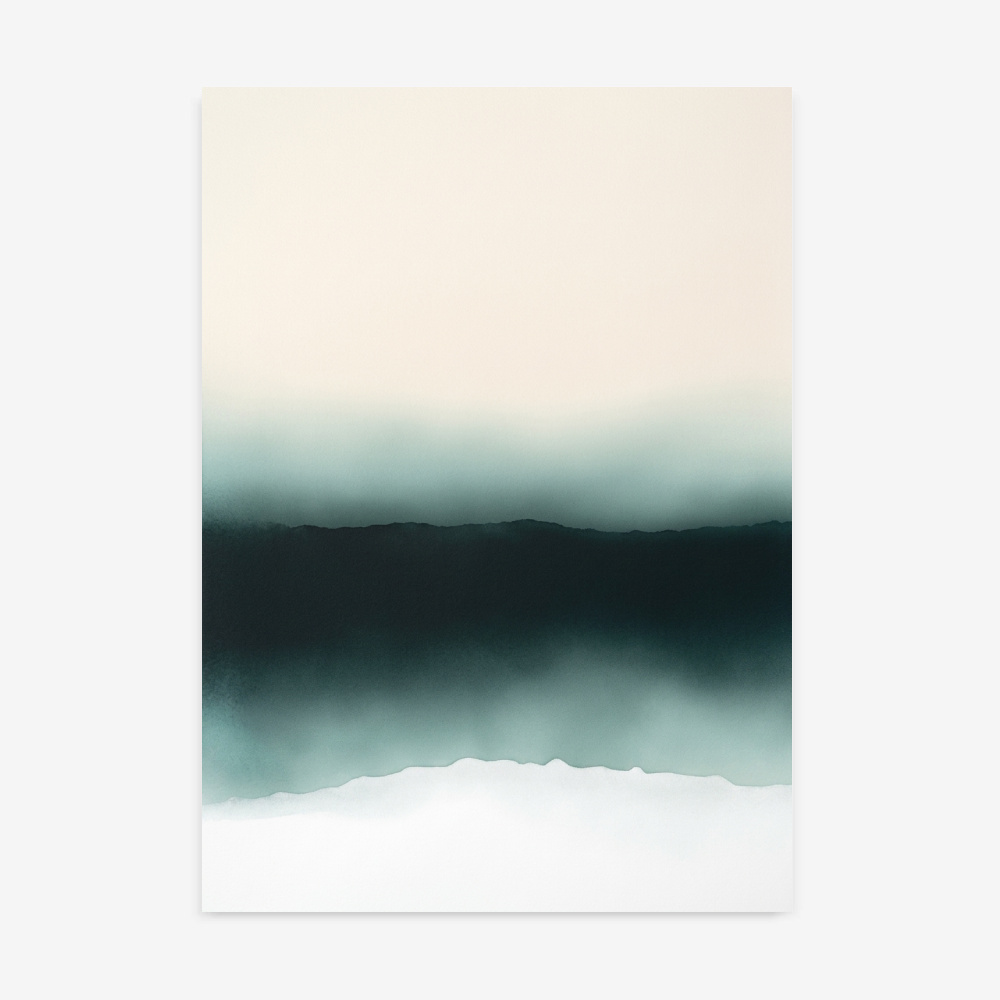
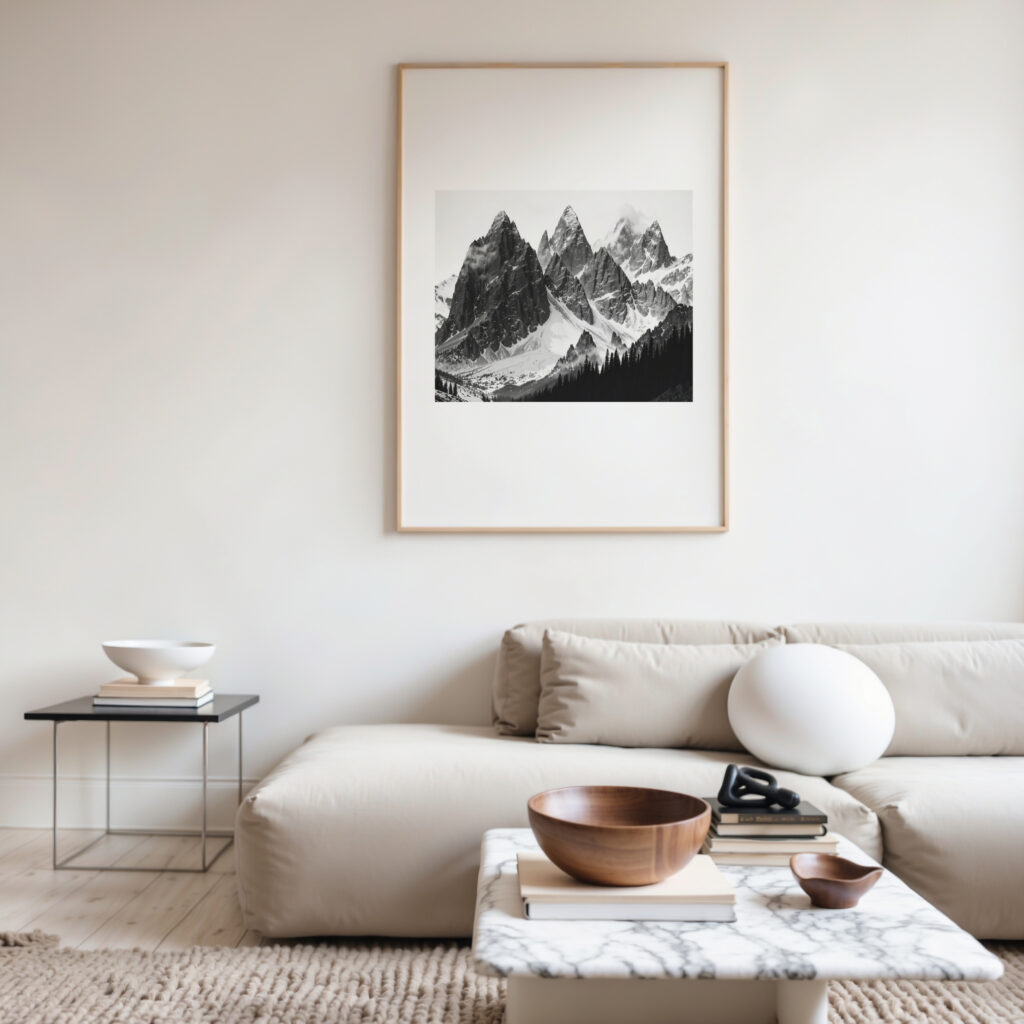
Calm wall art has one job: to lower a room’s visual temperature. Soft palettes, unhurried compositions, generous negative space, the visual equivalent of a long exhale. This collection gathers our most serene work, from zen-inspired ink studies to misty tonal abstracts and Japandi wall art, chosen for walls in bedrooms, reading corners, yoga spaces and any room where the day should end rather than accelerate.
Every piece is an original artist design, printed to order on archival 230gsm paper or canvas, with free shipping over $69. For a deeper walkthrough, our guide 7 Ways to Create a Calm Japandi-Inspired Bedroom covers it step by step.
Find your piece
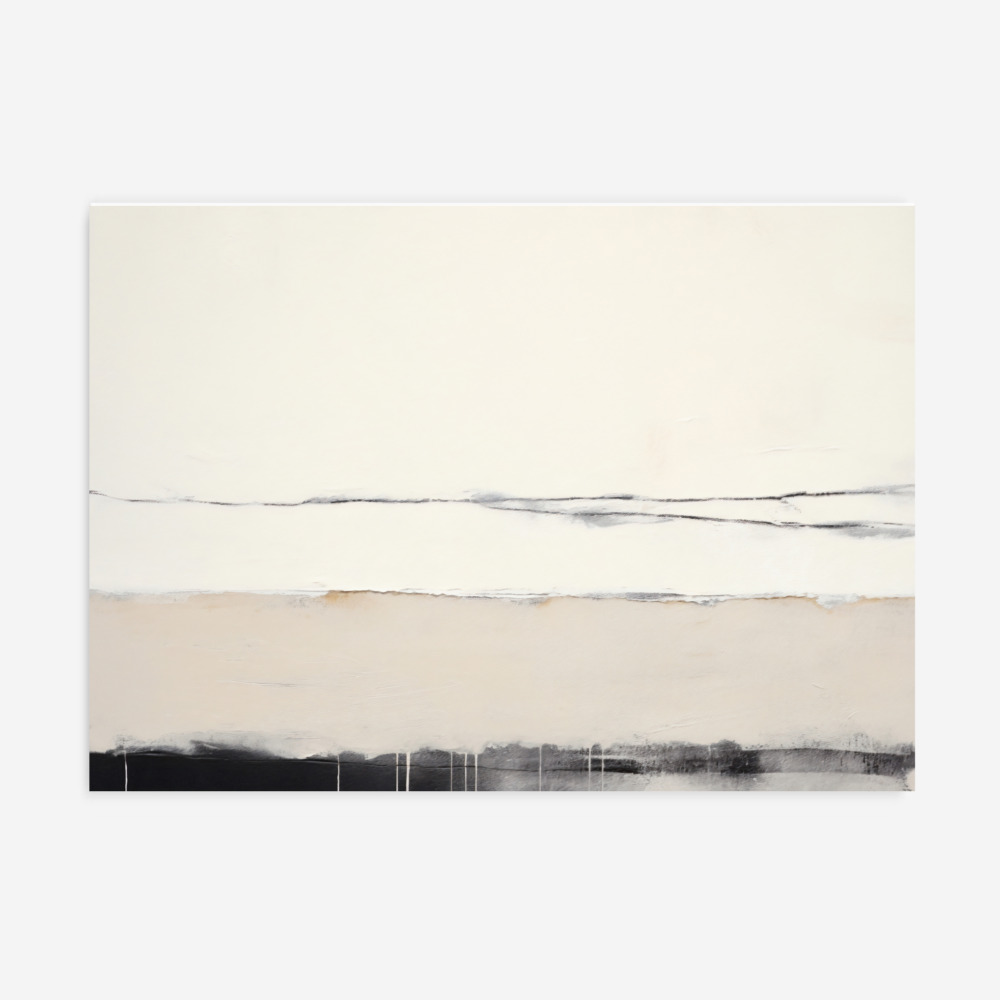
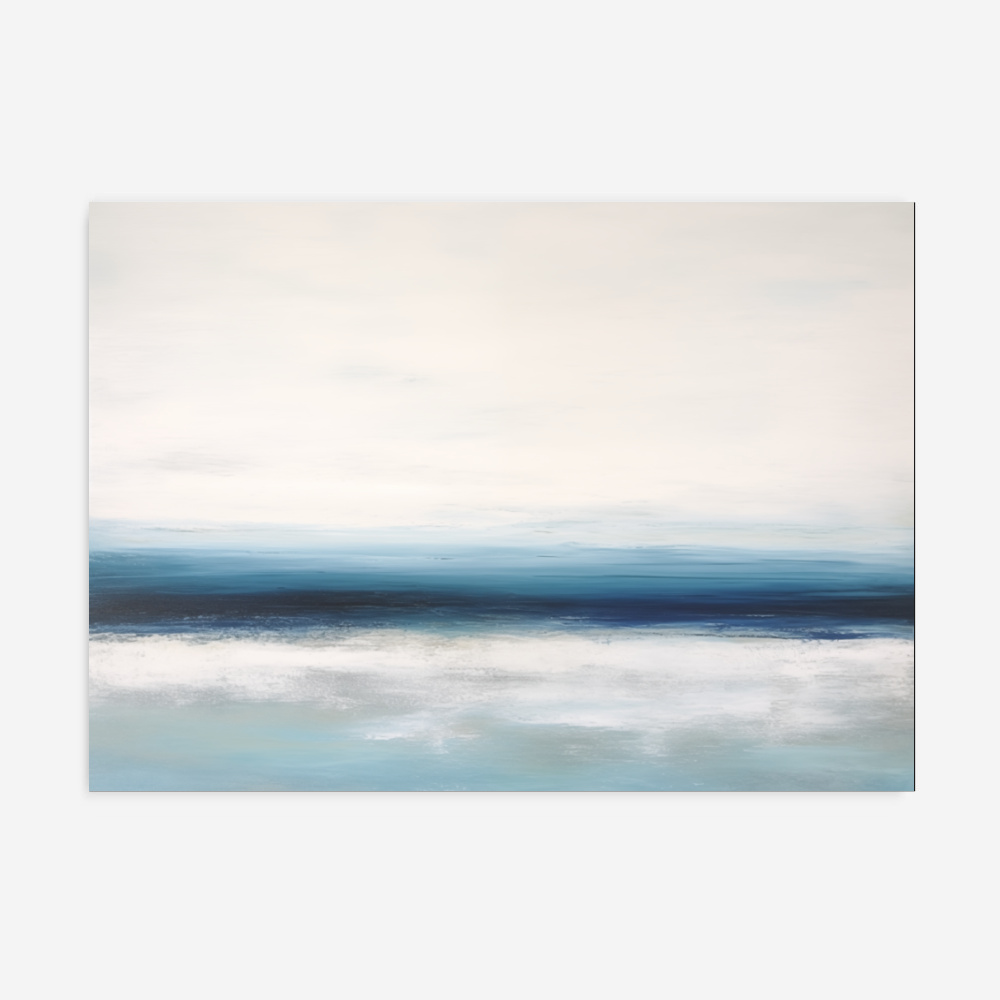
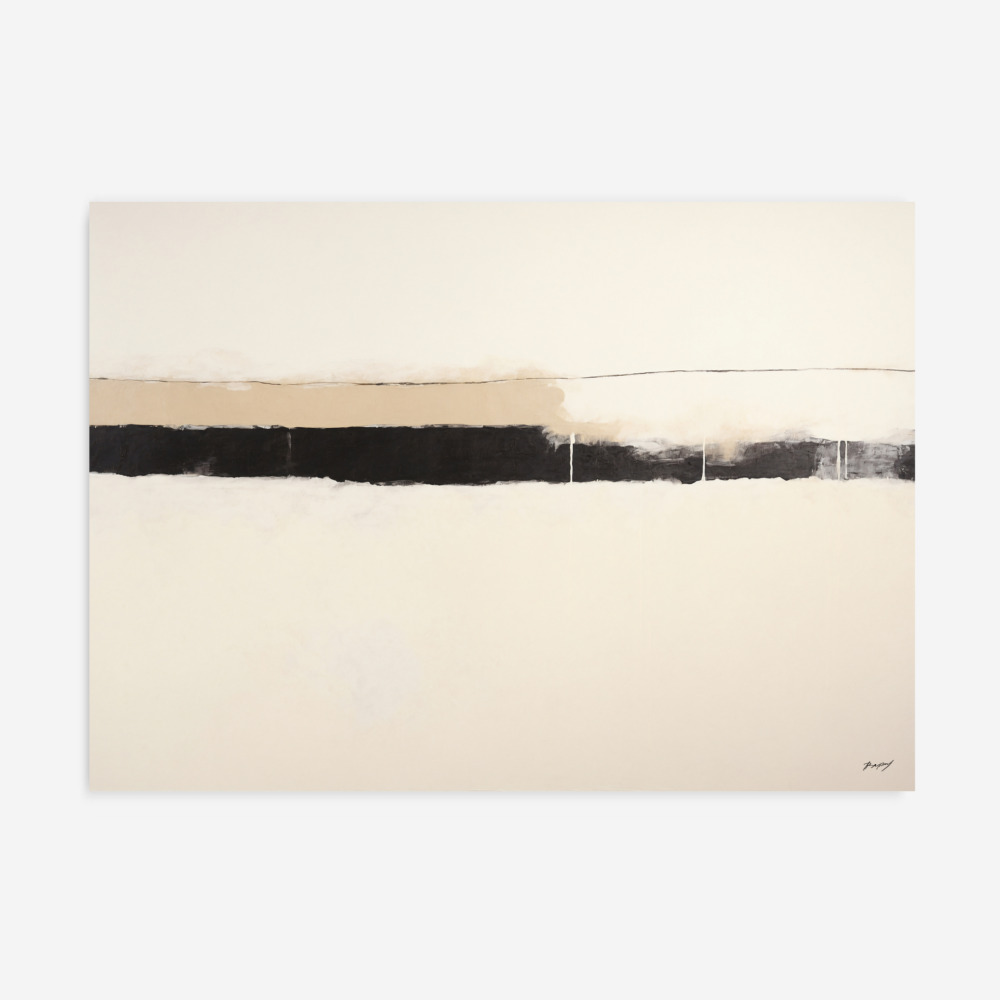
What Makes Calm Wall Art Feel Calm
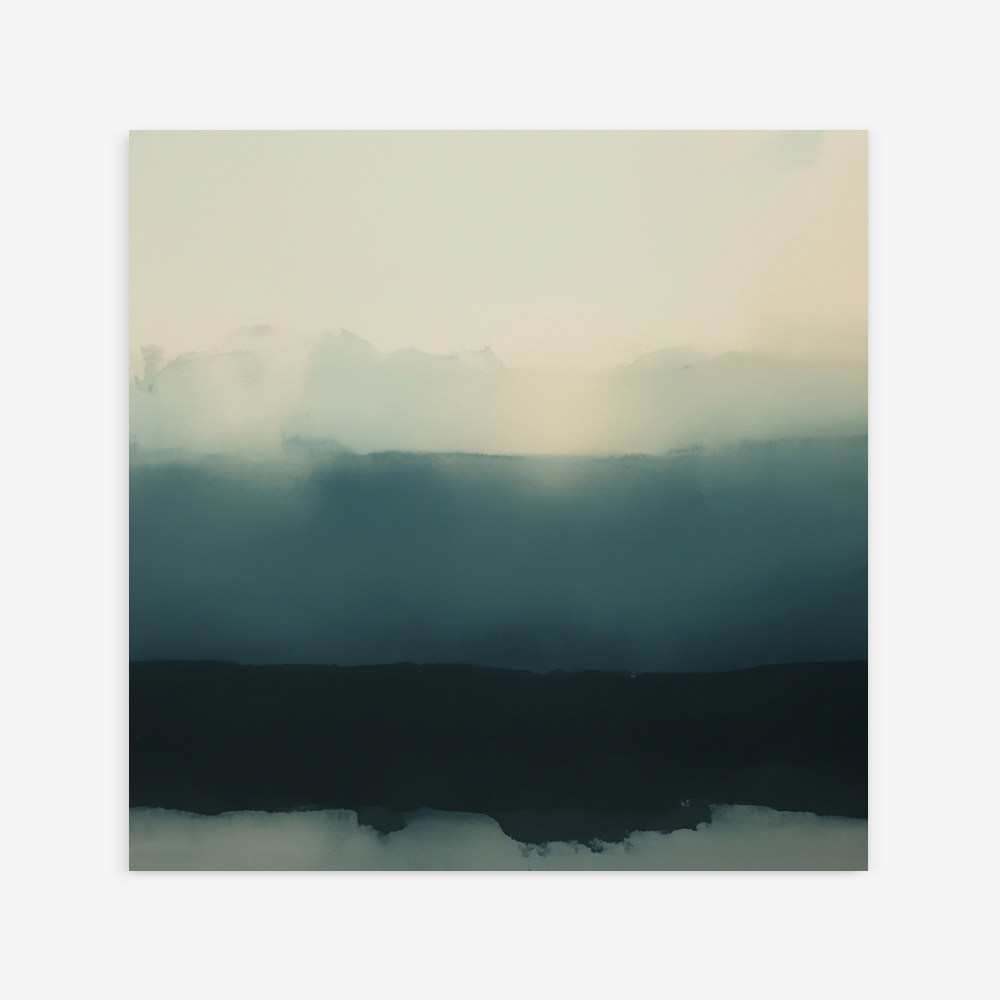
Serenity in art is measurable: low contrast, a narrow palette, horizontal lines over diagonals, and room for the eye to rest. Calm wall art borrows from meditation itself, repetition, breath-like rhythm, emptiness treated as content. That is why a single enso circle or a pale horizon can quiet a wall that a busier piece would agitate.
The Zen End of the Spectrum
Zen wall art draws on ink-wash tradition and Japanese restraint: brush circles, stone arrangements, bamboo shadows, compositions where what is left out matters as much as what remains. These pieces pair naturally with the japandi collection, the Japanese-Scandinavian hybrid that built entire interiors from this sensibility, with the muted, hushed palettes of calm Nordic-inspired wall art, and with the imperfect, weathered surfaces of wabi-sabi wall art.
Where Calm Art Works Hardest
The bedroom is the obvious home, relaxing art above a headboard sets the room’s entire agenda, and the bedroom collection overlaps heavily with this one. But peaceful wall art earns its keep anywhere decompression happens: reading corners, bathrooms styled as retreats, home yoga and meditation spaces, and the office wall you look at between calls.
Palettes and Pairing
Calm lives in the muted register: warm whites, stone, sage, water blues, ink greys, the same restrained hues found in our grey toned art prints. Match the art’s undertone to the room’s,warm with warm, cool with cool, and resist the urge to fill: one serene piece with air around it out-calms a gallery wall every time. Materials complete the effect, 230gsm matte paper kills glare, and archival pigment inks keep the quiet colours true for roughly 75 years. The calmest palette of all gets a dedicated collection at green wall art — the indoor exhale. Calm’s natural habitat is the smallest room: our bathroom wall art edit picks the pieces that turn tile into spa.
Frequently Asked Questions
What is calm wall art?
Art composed to lower a room’s visual temperature: soft palettes, low contrast, unhurried compositions and generous negative space, from zen ink studies to pale tonal abstracts.
What is zen wall art?
Work drawing on Japanese ink-wash restraint: enso circles, stone and bamboo motifs, and compositions where emptiness is part of the design. A subset of this collection, ideal for meditation spaces.
Which colors are most relaxing on a wall?
Muted, low-contrast palettes: warm whites, stone, sage green, soft blues and ink greys. It is less about one colour and more about narrow range and gentle transitions.
Where should I hang peaceful wall art?
Bedrooms first, above the headboard sets the room’s tone, then reading corners, bathrooms, yoga and meditation spaces, and workspaces that need a visual exhale between tasks.
One piece or several for a calm room?
One, usually. A single serene piece with breathing room out-calms a cluster; if you want more, keep a pair in the same palette with wide, even spacing.
Does calm art suit japandi and wabi-sabi interiors?
They are family: japandi and wabi-sabi build whole interiors from the same restraint this collection distils. The linked collections overlap and pair naturally.
What materials are these printed on?
230gsm matte fine art paper or cotton canvas supplied rolled, printed to order with archival Giclée pigment inks rated for roughly 75 years. The matte surface swallows glare, which matters in restful rooms.
What kind of art is calming?
Soft-contrast, slow-rhythm work: muted abstract washes, hazy horizons, botanical line drawings, gentle neutrals and blues. Research on visual stress agrees with intuition here — fewer hard edges and quieter palettes lower the room’s pulse.
How do I choose calming art for my home?
Choose by feeling, not theme: stand back and notice whether the piece slows you down. Muted palettes, soft gradients and generous negative space are the reliable markers; keep frames quiet and give the piece breathing room on the wall.
Calming art vs abstract art — what is the difference?
They overlap but aren’t the same: abstract describes what the art shows (no literal subject), calming describes what it does. A red gestural abstract is abstract but not calming; a hazy horizon photograph is calming but not abstract. This collection sits in the overlap.
Can wall art make a room feel calmer?
Yes — measurably. Visual environment shapes mood, and one large soft-palette piece paired with cleared wall space around it reduces the visual noise a room generates. It is the cheapest renovation calm money buys.
What art is best for relaxation?
Nature-adjacent and slow art: misty landscapes, water horizons, botanical line work, muted abstract washes. Hang it where you unwind — bedroom, reading corner, bath — at eye level from where you actually sit or lie.