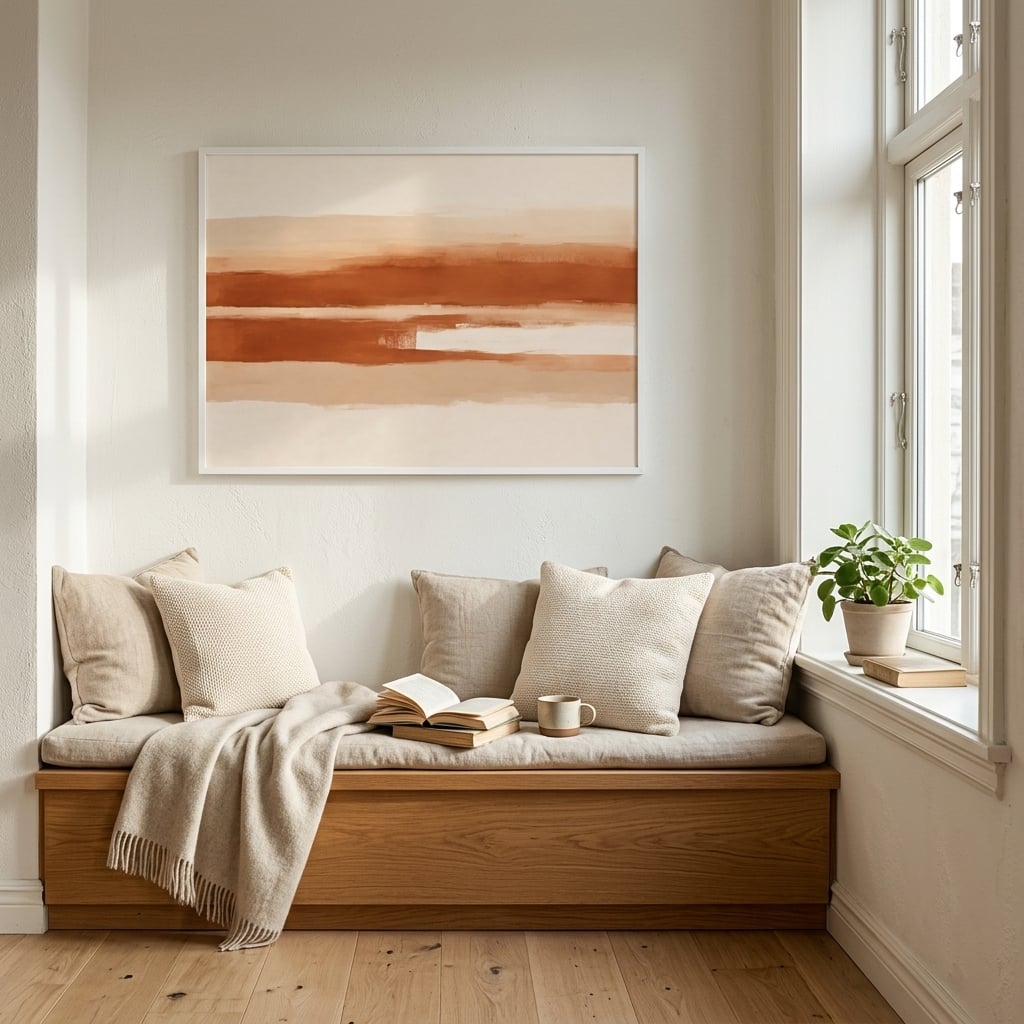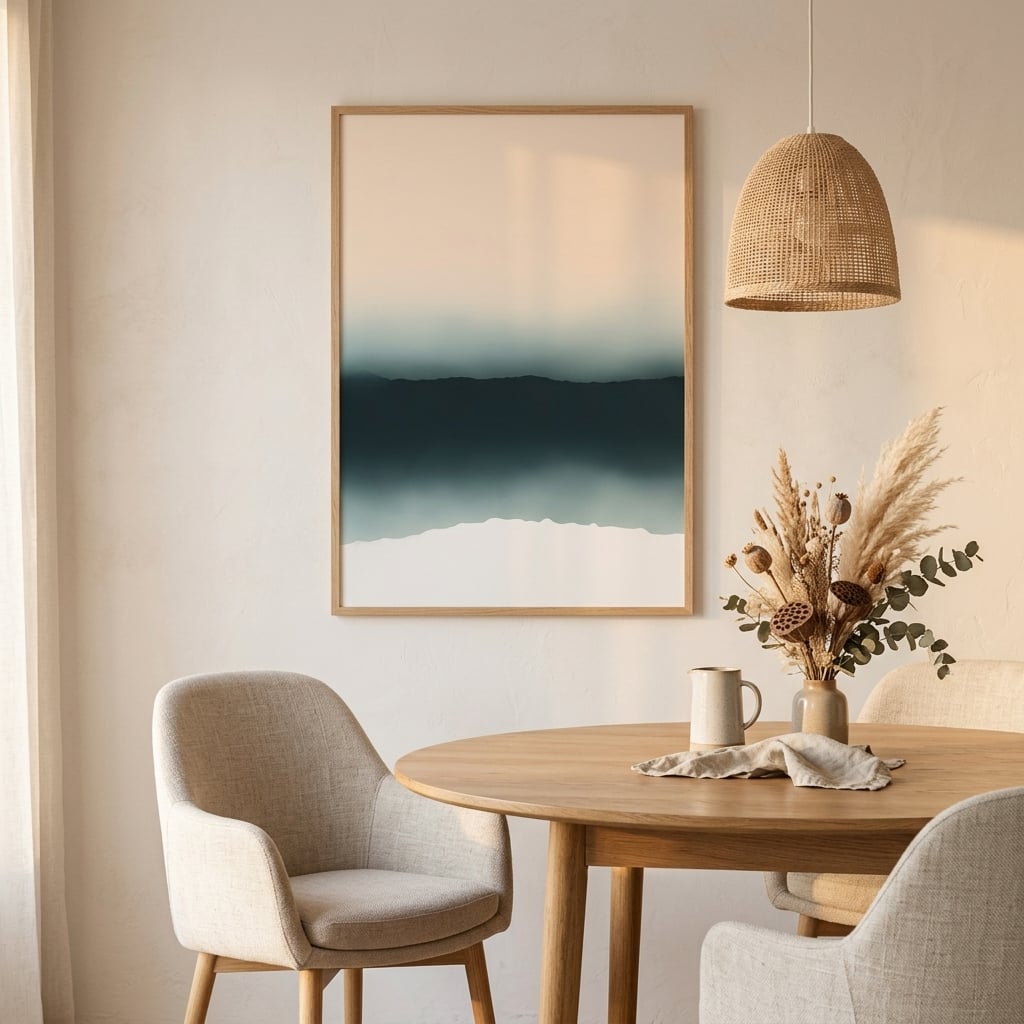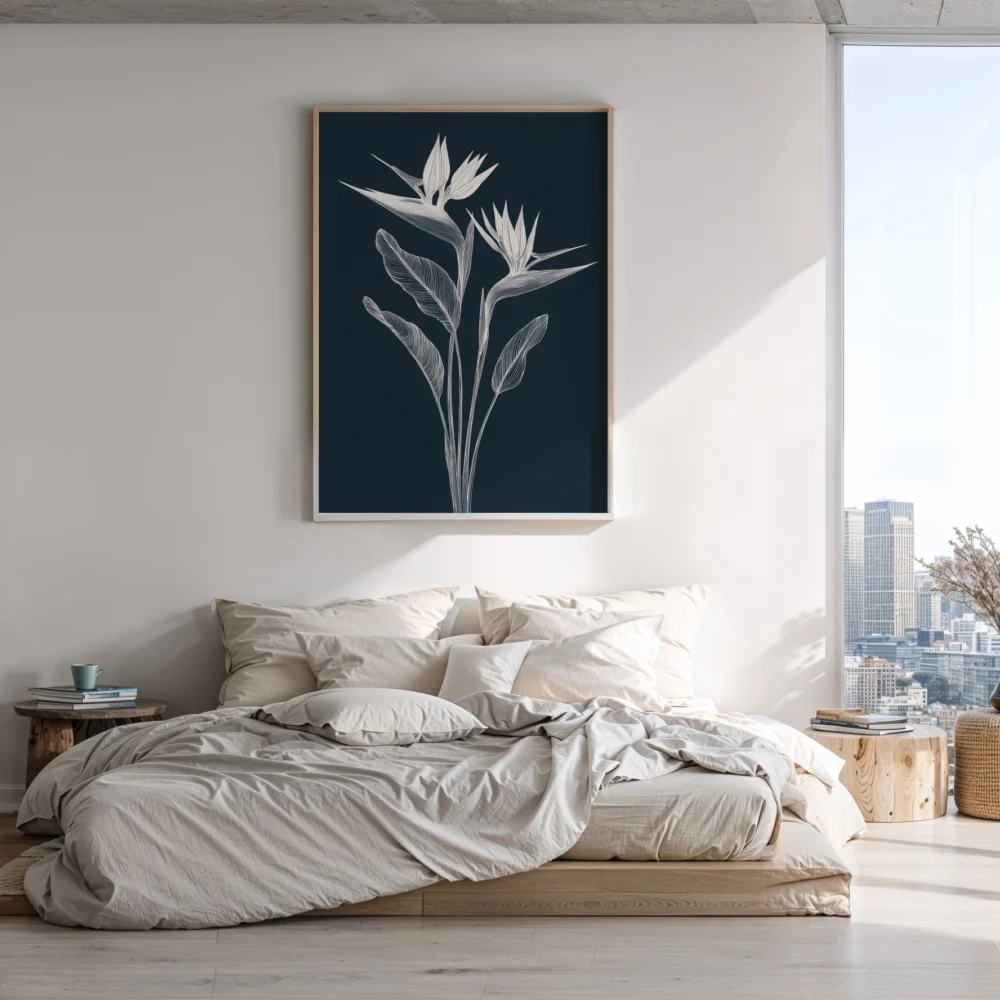
Choosing wall art for your home shouldn’t feel like solving a puzzle, yet many homeowners find themselves staring at blank walls, paralyzed by indecision. The right artwork can transform a room from forgettable to unforgettable, but picking art prints that truly elevate your space requires more than just selecting pretty pictures. Whether you’re furnishing your first apartment or refreshing a longtime residence, understanding the fundamentals of choosing wall art will help you create interiors that reflect your personality while maintaining visual harmony. Before you make any purchases, consider proper sizing guidelines to ensure your selections have maximum impact.
The wall art buying guide landscape has evolved dramatically. Gone are the days when art selection meant visiting expensive galleries or settling for mass-produced posters. Today’s art for interiors market offers unprecedented variety, from museum-quality reproductions to contemporary digital art, making it both easier and more overwhelming to find pieces that speak to you. This comprehensive approach to picking art prints will demystify the process and empower you to make confident decisions that you’ll love for years to come.
Start With Your Room’s Purpose and Mood
Every room in your home serves a different function and evokes distinct emotions. Your bedroom art should promote tranquility and rest, while your home office might benefit from energizing or inspiring pieces. Living rooms often accommodate a broader range of artistic styles since they serve multiple purposes, from entertaining guests to family relaxation time. Consider what activities happen in each space and how you want people to feel when they enter.
The emotional impact of artwork cannot be overstated. Abstract pieces with soft curves and muted tones create calming environments, perfect for bedrooms and reading nooks. Bold, colorful compositions inject energy into kitchens and creative spaces. Black and white photography brings sophistication to dining areas, while nature-inspired art connects indoor spaces with the outdoors. When choosing wall art, ask yourself: Does this piece support or contradict the room’s intended atmosphere?
Think beyond aesthetics to practical considerations. High-traffic areas like hallways can handle bolder, more conversation-starting pieces since people pass through quickly. Spaces where you spend extended periods benefit from artwork that reveals new details over time rather than overwhelming at first glance. Your art selections should enhance daily life, not compete with it.
Master the Relationship Between Art and Color Schemes
Color coordination remains one of the most crucial yet misunderstood aspects of choosing wall art. Many people mistakenly believe artwork must match their decor perfectly, leading to safe but uninspired choices. Instead, think about how colors interact and complement each other. Your art can pull accent colors from textiles, introduce new hues to refresh a tired palette, or create contrast that makes both the artwork and your furnishings pop.
The 60-30-10 rule from interior design applies beautifully to art selection. Your dominant room color should appear in roughly 60% of the space, secondary colors in 30%, and accent colors in 10%. Wall art provides an excellent opportunity to incorporate that crucial 10% of accent color, creating visual interest without overwhelming the space. A predominantly neutral room comes alive with a vibrant art piece, while colorful rooms benefit from artwork that echoes existing tones while adding depth.
When selecting print materials, consider how different mediums affect color presentation. Canvas prints often appear warmer and more textured, while paper prints deliver sharper, more vibrant colors. The frame and matting choices further influence how colors interact with your room. White or light-colored mats create breathing room around bold artwork, while darker frames ground pieces and create cohesion in eclectic spaces.
Don’t fear monochromatic or neutral artwork in colorful spaces, or vice versa. Black and white photography brings sophistication to vibrant rooms, providing visual rest areas. Conversely, a single colorful piece becomes a stunning focal point in minimalist spaces. The key lies in intentionality rather than matching everything perfectly.
Scale and Proportion: Getting the Size Right
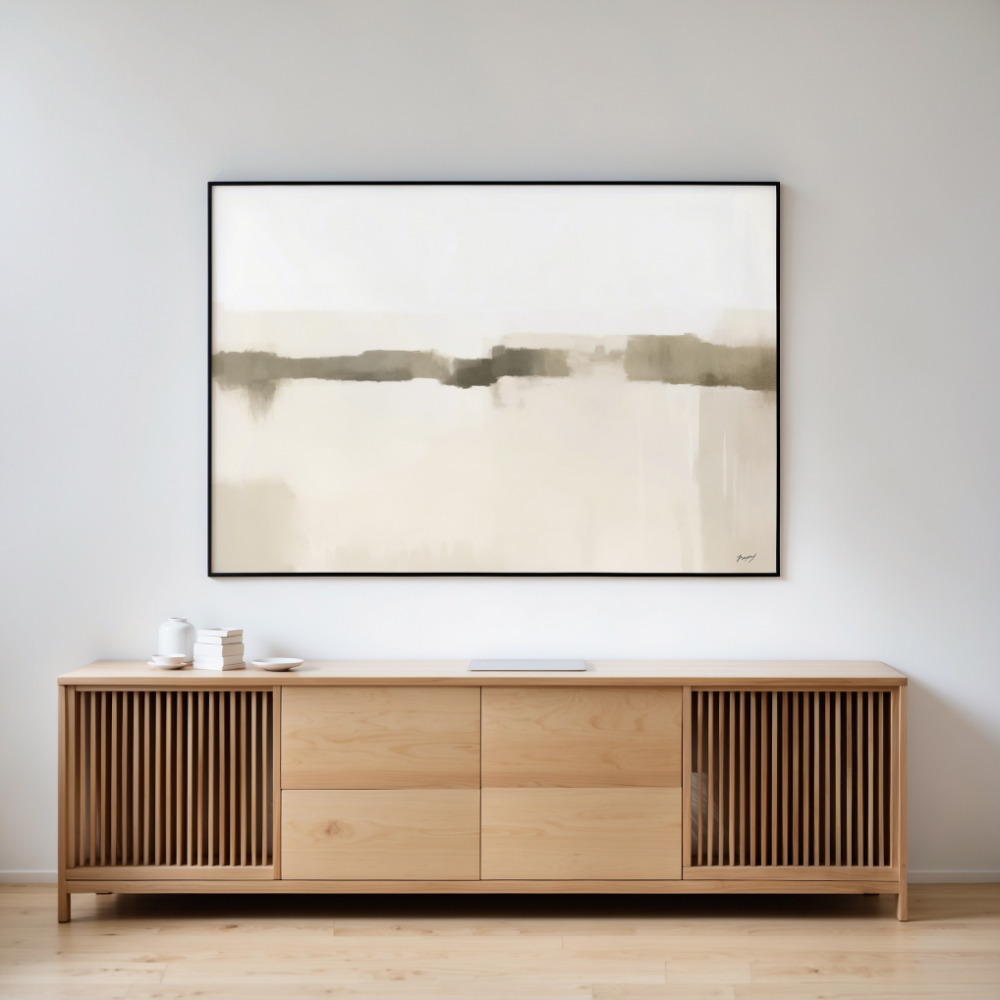
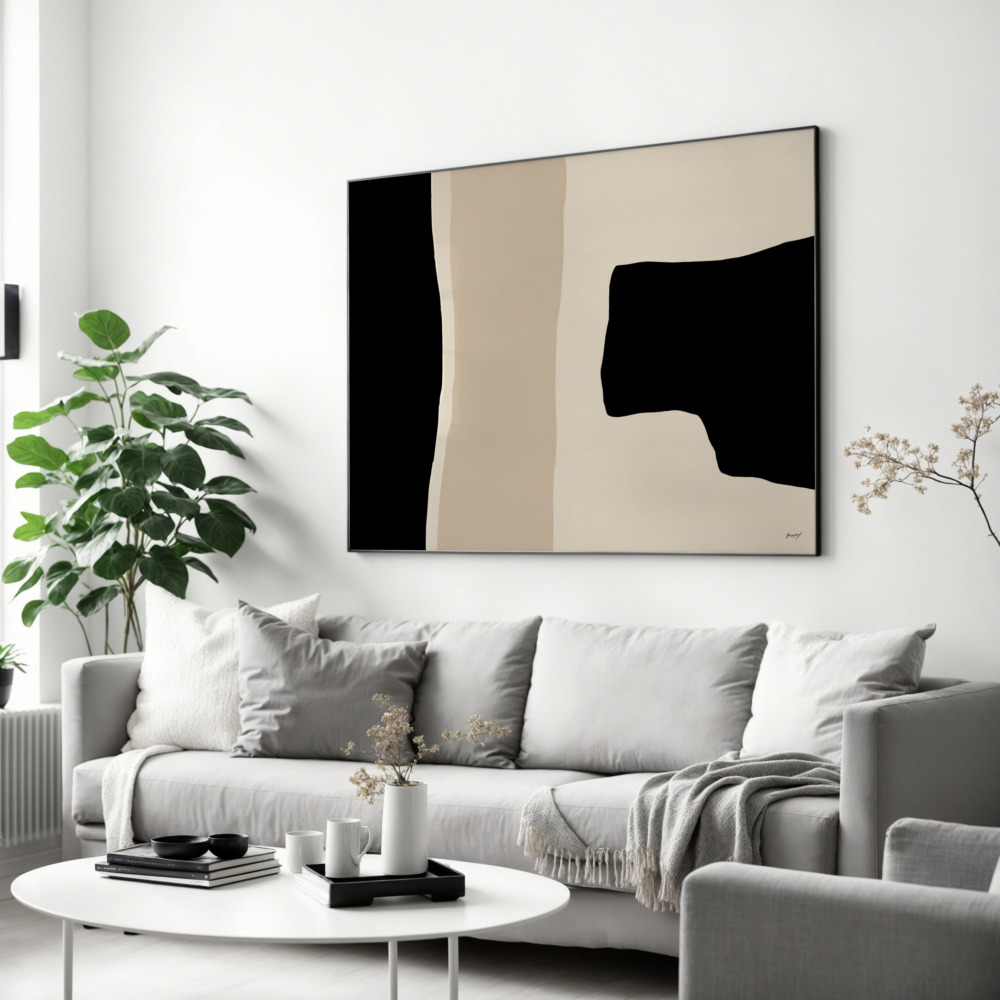
Nothing undermines beautiful artwork faster than improper sizing. A tiny print on an expansive wall appears lost and insignificant, while oversized pieces in small rooms feel oppressive. The general rule suggests artwork should occupy roughly two-thirds to three-quarters of the available wall space for optimal impact. For pieces hung above furniture, aim for artwork that spans 50-75% of the furniture width.
Consider the viewing distance when selecting art sizes. Large-scale pieces work wonderfully in open-concept spaces or rooms where you’ll view them from across the area. Smaller, more detailed works suit intimate spaces where viewers can appreciate intricate elements up close. Hallways and narrow spaces benefit from vertical pieces that draw the eye upward, creating the illusion of height, while horizontal artwork complements low-slung furniture and widens perceived space.
Gallery walls offer flexibility for those hesitant about commitment or working with challenging spaces. These curated collections of multiple pieces create impact through collective presence rather than individual size. When planning gallery walls, lay out your arrangement on the floor first, maintaining 2-3 inches between frames for cohesion without crowding. Mix sizes and orientations while keeping one element consistent—frame style, mat color, or subject matter—to unify the collection.
Ceiling height dramatically affects optimal art placement and size. In standard 8-foot ceiling rooms, center artwork at eye level, approximately 57-60 inches from the floor to the piece’s center. Higher ceilings accommodate larger pieces or stacked arrangements that draw the eye upward. Vaulted or dramatically high ceilings might require larger-scale pieces or vertical arrangements to maintain proportion with architectural elements.
Define Your Personal Style Without Compromise
Picking art prints becomes infinitely easier when you’ve identified your aesthetic preferences. Spend time exploring different art styles, from contemporary abstracts to classical reproductions, photographic art to illustrative works. Create a digital mood board or save images that resonate with you, then analyze what they share. Do you gravitate toward specific colors, subjects, or compositional styles? Understanding these patterns clarifies your artistic identity.
Beware the trap of decorating solely for resale value or others’ approval. Your home should reflect your personality, not showroom standards or fleeting trends. If you love vintage travel posters, bold street art, or quirky illustrations, embrace these preferences. Authentic personal style creates more engaging, memorable spaces than carefully curated blandness. That said, balance personal taste with timelessness by choosing quality pieces in styles you’ve loved consistently rather than impulse purchases based on momentary trends.
Browse curated art collections to discover new artists and styles while refining your preferences. Pay attention to what you return to repeatedly—these pieces warrant serious consideration. Don’t rush the selection process; living with blank walls temporarily beats living with art you don’t love permanently. Many people discover their style evolves, so starting with fewer, higher-quality pieces you’re certain about allows flexibility for growth.
Consider creating thematic connections throughout your home without being too literal. Perhaps you favor nature-inspired art but express it differently in each room—abstract botanicals in the bedroom, landscape photography in the living room, and botanical illustrations in the kitchen. This approach creates flow and cohesion while preventing monotony.
Balance Budget With Quality and Longevity
Art for interiors spans every price point imaginable, from affordable prints to investment pieces. Establishing a realistic budget prevents both overspending and choosing inferior pieces you’ll quickly tire of. High-quality prints on archival paper or canvas, properly framed with UV-protective glass, cost more initially but maintain appearance and value over time. Conversely, cheap prints on substandard materials fade, curl, or discolor quickly, requiring replacement and ultimately costing more.
Consider the cost-per-year approach rather than fixating on upfront prices. A $200 quality print you love for 20 years costs $10 annually. A $30 discount store piece you replace after two years costs $15 annually, delivers less satisfaction, and creates waste. Investing in fewer, higher-quality pieces you genuinely love proves more economical and emotionally rewarding than filling walls with mediocre placeholders.
Framing significantly impacts overall cost and artwork presentation. Professional custom framing can exceed the print price, especially for larger pieces. Ready-made frames offer budget-friendly alternatives but require artwork sized to standard dimensions. Some retailers offer pre-framed prints balancing quality and affordability, eliminating the framing decision entirely. Factor framing costs into your budget from the start to avoid sticker shock.
Watch for opportunities to invest in original art or limited edition prints from emerging artists. These pieces often cost less than you’d expect while supporting creators directly and potentially appreciating in value. Local art fairs, student shows, and online platforms connecting artists with buyers offer accessible entry points to original art collecting. Even modest budgets can accommodate occasional original pieces mixed with quality reproductions.
Think Long-Term: Versatility and Timelessness
Unless you plan to redecorate frequently, choosing wall art with longevity in mind prevents expensive replacements. Extremely trendy pieces that feel fresh today may appear dated quickly. This doesn’t mean avoiding contemporary styles—it means selecting pieces with enduring appeal rather than those capitalizing on fleeting trends. Classic subjects interpreted through modern aesthetics often achieve this balance beautifully.
Neutral-toned artwork offers maximum versatility, adapting as your decor evolves without requiring replacement. This doesn’t mandate boring choices—black and white photography, sepia-toned prints, or monochromatic abstracts provide visual interest while complementing various color schemes. These pieces anchor your collection while colorful accessories and textiles inject personality you can change affordably.
Consider your lifestyle trajectory when selecting art. Young professionals might choose pieces that transition from apartment to house, modern to traditional settings. Growing families need durable, non-precious pieces in kid-accessible areas while investing in finer art for adult spaces. Those approaching retirement might finally indulge in dream pieces they’ve coveted for years. Your current life stage influences both practical considerations and emotional connections with artwork.
Test compatibility before committing to permanent installation. Many retailers offer generous return policies; use them to view pieces in your actual space under your lighting conditions before final decisions. Colors appear different under various light sources, and scale seems different on walls than in stores or online. Living with pieces for a few days reveals whether initial attraction deepens or fades.
Bring Your Vision to Life
Choosing wall art for your home combines practical considerations with emotional connections, budget awareness with quality consciousness, and personal style with timeless appeal. The process becomes enjoyable rather than overwhelming when you understand these fundamental principles and trust your instincts. Remember that your walls tell your story—make sure they’re saying something worth hearing.
Start with one room or even one statement piece rather than trying to complete your entire home simultaneously. As you gain confidence in your selections and see how art transforms your spaces, subsequent choices become easier and more intuitive. The most successful interiors evolve over time, with each addition building on previous choices while maintaining cohesion.
Ready to transform your walls with artwork that truly speaks to you? Explore our extensive selection of high-quality art prints designed to suit every style, space, and budget. Your perfect piece awaits, ready to turn those blank walls into personal galleries that inspire and delight daily.