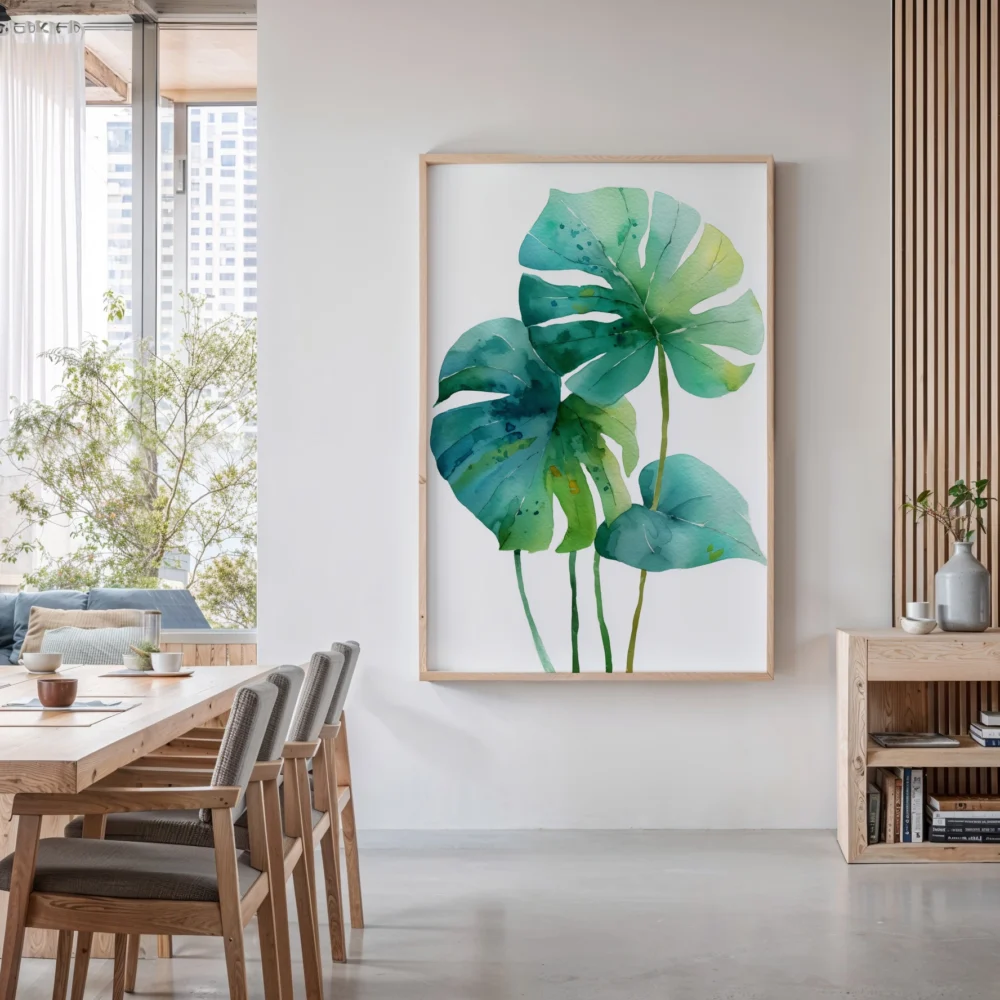
Choosing between canvas prints and framed prints is one of the most common dilemmas when decorating your space. Both options offer distinct advantages, but understanding the differences between canvas or framed art can help you make the right decision for your home, office, or gallery wall. Whether you’re drawn to the modern, frameless look of stretched canvas or the classic elegance of a framed print, this guide will walk you through everything you need to know.
The debate between stretched canvas vs frame isn’t just about aesthetics. It involves considerations like durability, cost, installation ease, and how each format complements different interior design styles. By the end of this article, you’ll have a clear understanding of which wall art format works best for your specific needs and preferences. If you are weighing the two formats, our canvas vs paper guide breaks down the practical differences.
What Are Canvas Prints?
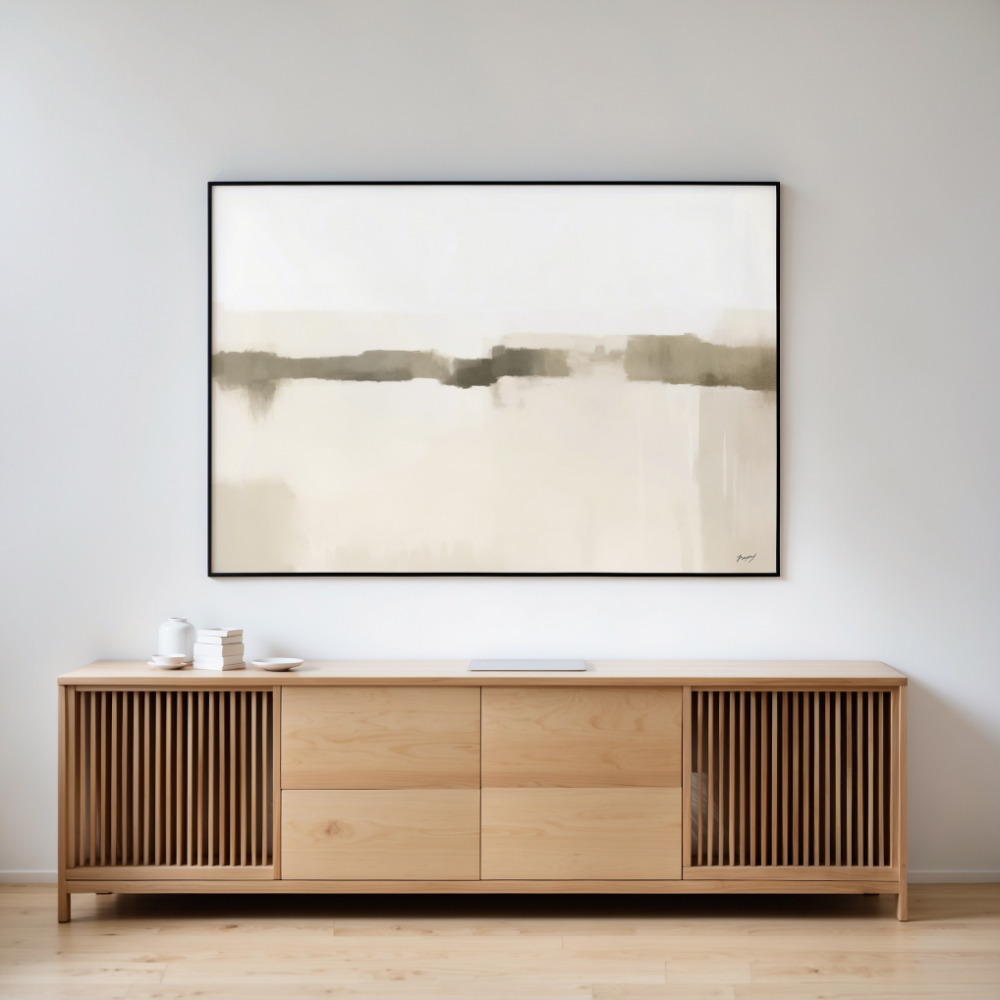
Canvas prints are images printed directly onto canvas material, typically cotton or polyester blend, which is then stretched over a wooden frame (called stretcher bars). The result is a frameless, gallery-wrapped presentation where the image continues around the sides of the canvas, creating a three-dimensional art piece that can hang directly on your wall without additional framing.
The canvas printing process uses specialized inkjet printers with archival-quality inks that penetrate the canvas fibers, creating vibrant, long-lasting images. Most canvas prints are finished with a protective coating that guards against UV damage, moisture, and dust. This coating can be matte or glossy, depending on your preference and the image style.
Canvas prints have surged in popularity over the past two decades, particularly for reproducing photographs, digital art, and contemporary paintings. They offer a modern, sleek appearance that works exceptionally well in minimalist and contemporary interiors. The texture of the canvas adds depth and dimension to images, creating an almost painterly quality that paper prints simply cannot replicate.
One significant advantage of canvas prints is their ready-to-hang convenience. Since they come pre-stretched on wooden frames with hanging hardware already attached, you can mount them on your wall within minutes of unboxing. This makes them particularly appealing for those who want an instant art solution without the hassle of frame shopping or professional framing services.
Understanding Framed Prints
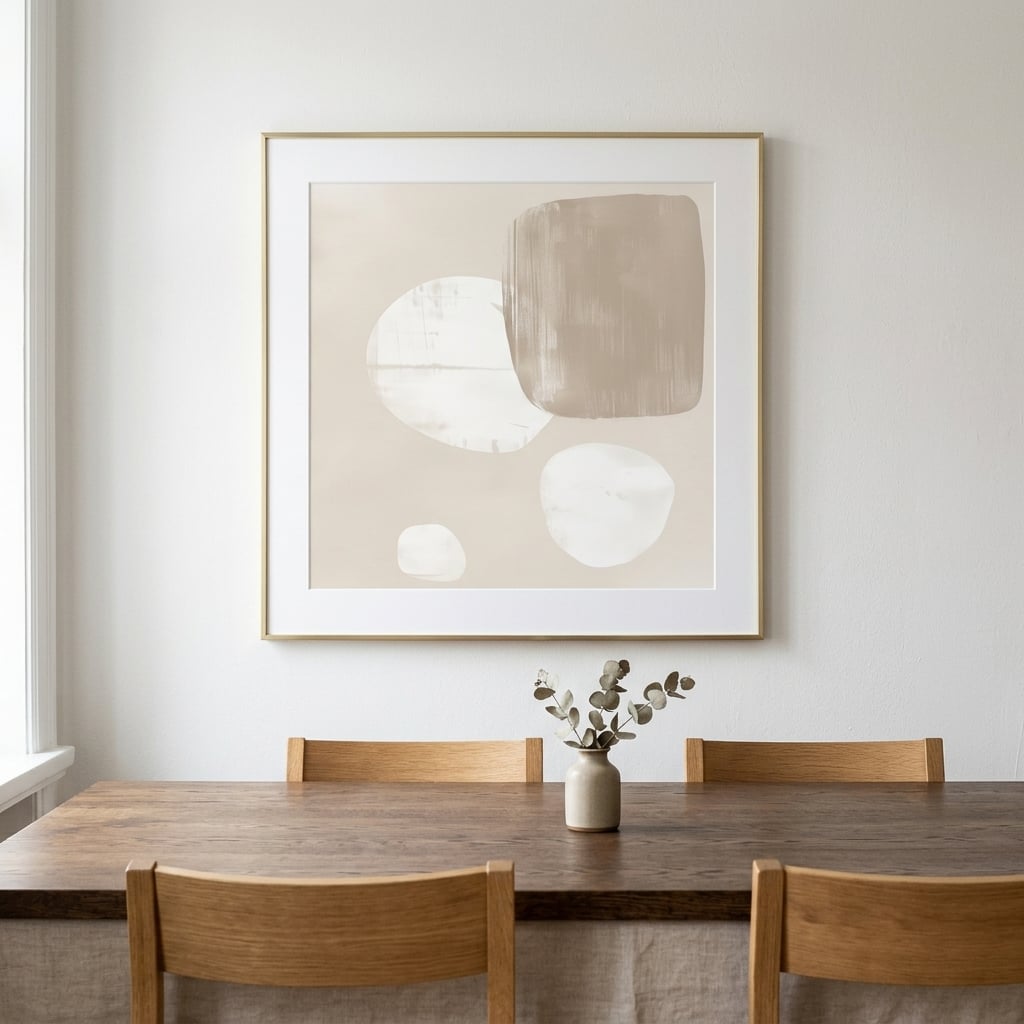
Framed prints consist of images printed on paper or other flat substrates that are then mounted within a protective frame, typically behind glass or acrylic. This traditional presentation method has been the standard for artwork for centuries and remains extremely popular for good reason. The frame serves both protective and aesthetic functions, safeguarding the print while enhancing its visual appeal.
The variety of framing options is virtually limitless. You can choose from countless frame styles, materials (wood, metal, plastic), colors, and finishes to perfectly match your décor and personal taste. Additionally, matting options allow you to create visual breathing room around the artwork, adding an extra layer of sophistication and drawing the eye toward the central image.
Framed prints work exceptionally well for fine art reproductions, photography, watercolors, and any artwork where preserving the original paper quality and detail is paramount. The glass or acrylic glazing provides superior protection against environmental factors like dust, moisture, fingerprints, and UV light, making framed prints ideal for high-value or sentimental pieces you want to preserve for generations.
The formal presentation of framed prints makes them particularly suitable for traditional, transitional, and sophisticated interior design styles. They convey a sense of refinement and permanence that canvas prints sometimes lack. Gallery walls featuring multiple framed prints create a curated, collected-over-time aesthetic that many designers and homeowners prefer.
Comparing Visual Impact and Aesthetics
When it comes to visual impact, canvas prints deliver a bold, contemporary statement. The frameless presentation creates a floating effect on your wall, allowing the image to command attention without the visual boundary of a frame. This works particularly well for modern abstract art, vibrant photographs, and graphic designs where you want the colors and composition to take center stage.
The texture of canvas adds a tactile dimension that enhances certain types of imagery. Brushstroke-style art, impressionist reproductions, and photographs with an artistic treatment all benefit from the canvas weave, which adds authenticity and depth. The wrapped edges create a finished look from all angles, making canvas prints suitable for viewing from multiple sides, such as on room dividers or peninsular walls.
Framed prints, conversely, offer a polished, refined appearance that works across virtually all design styles. The frame creates a deliberate boundary that focuses attention on the artwork while the mat (if used) provides visual breathing room. This presentation format is versatile enough to work in a minimalist loft or a traditional Victorian home, depending on the frame style you select.
The glass or acrylic glazing on framed prints provides unmatched clarity and color accuracy. High-quality prints maintain their crisp details and subtle tonal variations behind protective glazing, making framed prints the preferred choice for photographic work and fine art reproductions where precision matters.
Durability and Longevity Considerations
Canvas prints are remarkably durable when properly cared for. The stretched canvas material is flexible and resistant to minor impacts that might crack glass in a framed print. This makes canvas ideal for high-traffic areas, homes with children or pets, and spaces where accidental bumps are likely. The protective coating applied to quality canvas prints guards against fading, moisture damage, and everyday wear.
However, canvas prints are more vulnerable to certain environmental factors. They can accumulate dust in the canvas texture, though this is easily addressed with gentle dusting. Without the protective barrier of glass, canvas prints are also more susceptible to direct touching, which can leave fingerprints or oils on the surface. In very humid environments, canvas can potentially warp or loosen on its stretcher bars, though this is rare with quality construction.
Framed prints benefit from the superior protection offered by glass or acrylic glazing. This barrier shields the artwork from dust, moisture, insects, and physical contact, significantly extending its lifespan. Museum-quality framing with UV-protective glass can preserve prints in pristine condition for decades or even centuries, making this format essential for valuable or irreplaceable artwork.
The trade-off is fragility. Glass can break if dropped or impacted, posing both safety concerns and replacement costs. Acrylic glazing offers a lighter, shatter-resistant alternative but can scratch more easily than glass. Framed prints also require more careful handling during moves or rearrangements due to their weight and the risk of glass damage.
Cost Comparison and Value
Canvas prints generally offer better value for larger wall art formats. Since they don’t require framing, glazing, or matting, you’re essentially getting a ready-to-hang product at a lower total cost than a comparably sized framed print would require. The price of canvas prints scales more gradually with size increases, making them an economical choice for statement pieces or gallery wall arrangements.
For smaller prints, framed options can be quite affordable, especially when using standard frame sizes that benefit from mass production. However, as print sizes increase, custom framing costs rise dramatically. Professional framing for a large print with quality materials and conservation-grade glass can easily exceed the cost of the print itself, sometimes substantially.
When evaluating long-term value, consider your intentions for the artwork. Canvas prints work beautifully for contemporary decor and trend-driven spaces where you might refresh your wall art every few years. Their lower cost makes updating your look more financially feasible. Framed prints represent a more significant investment but offer timeless appeal and better protection, making them worthwhile for pieces you intend to keep indefinitely.
Installation costs and effort should also factor into your decision. Canvas prints require only a simple nail or picture hook, often taking just minutes to hang. Framed prints, especially larger ones, may require multiple hanging points, wall anchors, or even professional installation to ensure they’re secure and level.
Maintenance and Care Requirements
Maintaining canvas prints is straightforward but requires some attention. Regular light dusting with a soft, dry cloth keeps them looking fresh. For deeper cleaning, a slightly damp cloth can be used on the protective coating, but avoid excessive moisture. Keep canvas prints away from direct sunlight to prevent fading, though quality UV-protective coatings significantly slow this process. Avoid hanging canvas in bathrooms or other high-humidity areas where moisture might affect the canvas or stretcher bars.
Framed prints require minimal maintenance beyond occasional glass cleaning. Standard glass cleaner and a lint-free cloth keep the glazing crystal clear. The sealed environment created by proper framing means the print itself remains protected and requires no direct maintenance. However, periodically check for moisture buildup inside the frame, particularly in humid climates, as this can promote mold growth. At statement scale, large canvas wall art is the format that carries a wall alone.
Both formats benefit from careful placement. Avoid hanging artwork directly above heat sources, in areas with dramatic temperature fluctuations, or where they’ll receive extended direct sunlight. These environmental factors can damage both canvas and framed prints over time, though framed prints with UV-protective glazing have a significant advantage in bright rooms.
Making Your Decision: Canvas or Framed Art?
Choose canvas prints when you want a modern, casual aesthetic that’s ready to hang immediately. They excel in contemporary spaces, rental properties where you might move frequently, casual areas like bedrooms and family rooms, and situations where budget is a primary concern. Canvas works beautifully for photographic art with bold colors, abstract designs, and reproductions of painted artworks where texture adds authenticity.
Select framed prints when you desire a traditional or formal presentation, need maximum protection for valuable artwork, want the flexibility to change frames to match evolving décor, or are decorating formal spaces like dining rooms, offices, or entryways. Framed prints are ideal for fine art reproductions, black and white photography, detailed illustrations, and any artwork where preserving every subtle detail matters. Explore more in our black and white wall art collection.
Consider mixing both formats throughout your home. Canvas prints might work perfectly in your modern living room, while framed photographs create a sophisticated gallery wall in your hallway. This varied approach adds visual interest and demonstrates design sophistication by choosing the right wall art format for each space’s specific character and function.
Your personal attachment to the artwork should also influence your decision. Sentimental family photographs, original artworks, or limited-edition prints deserve the museum-quality protection that proper framing provides. Trendy designs or decorative pieces you might refresh in a few years are perfectly suited to the convenience and affordability of canvas prints.
Where to Find Quality Canvas and Framed Prints
Whether you choose canvas or framed art for your space, selecting a reputable source ensures you receive high-quality prints that will look beautiful and last for years. Look for providers who use archival-quality materials, professional printing techniques, and offer detailed information about their production processes.
Quality matters significantly in both formats. Cheap canvas prints may use thin, loosely woven material that allows the stretcher bars to show through, while low-quality frames may warp or discolor over time. Invest in prints from companies that stand behind their products with quality guarantees and responsive customer service.
When browsing options, pay attention to print resolution, color accuracy guarantees, material specifications, and customer reviews that specifically mention quality and longevity. Many providers offer sample prints or have physical locations where you can see and feel the products before committing to larger pieces.
Ready to transform your walls with the perfect wall art format? Explore the extensive collection of canvas and framed prints available and find the ideal pieces that match your style, space, and budget. Whether you choose the contemporary appeal of stretched canvas or the timeless elegance of framed art, the right choice is the one that makes your space feel like home.